
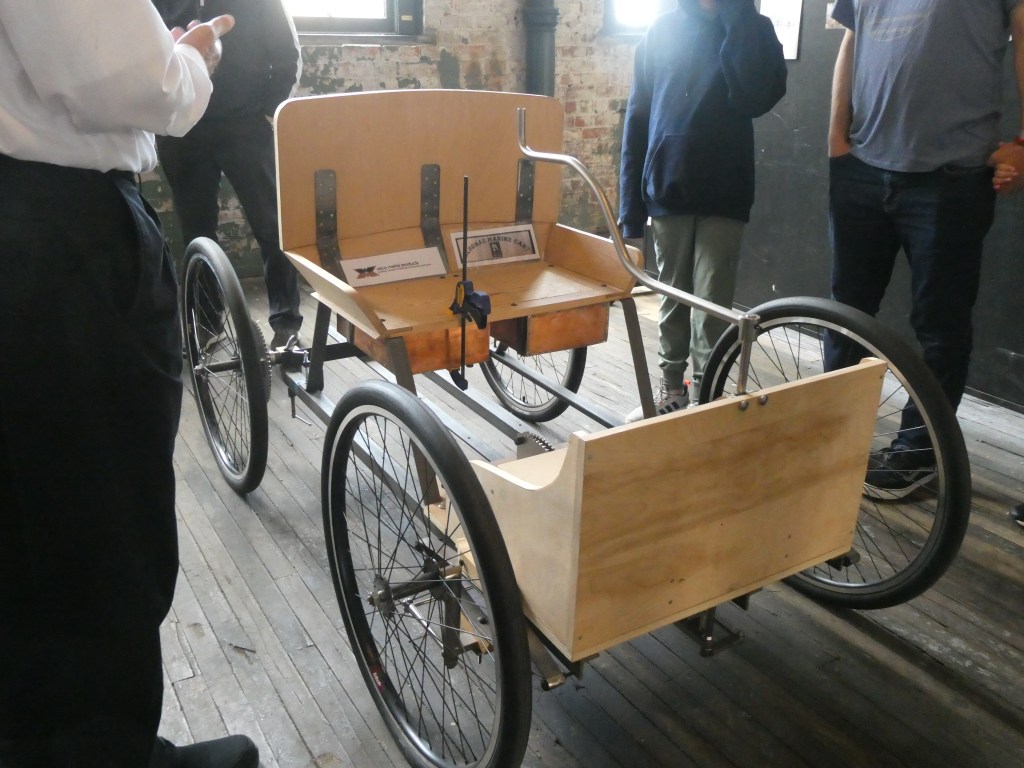
An early rendition of the automobile was the quadracycle. A driver put his foot on the tire to stop. Since there was also no reverse, the driver had to stop and turn it around. It was a start!
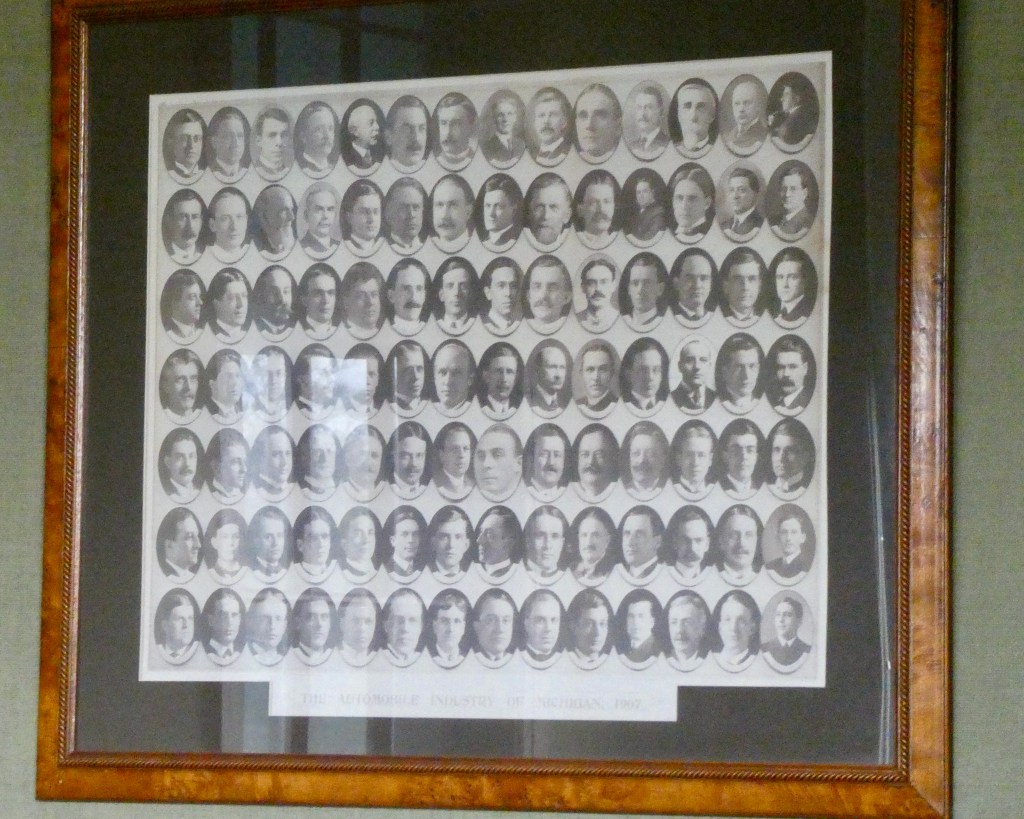
At the beginning of the 20th century Michigan had 100 car companies. Twenty were based in Detroit.
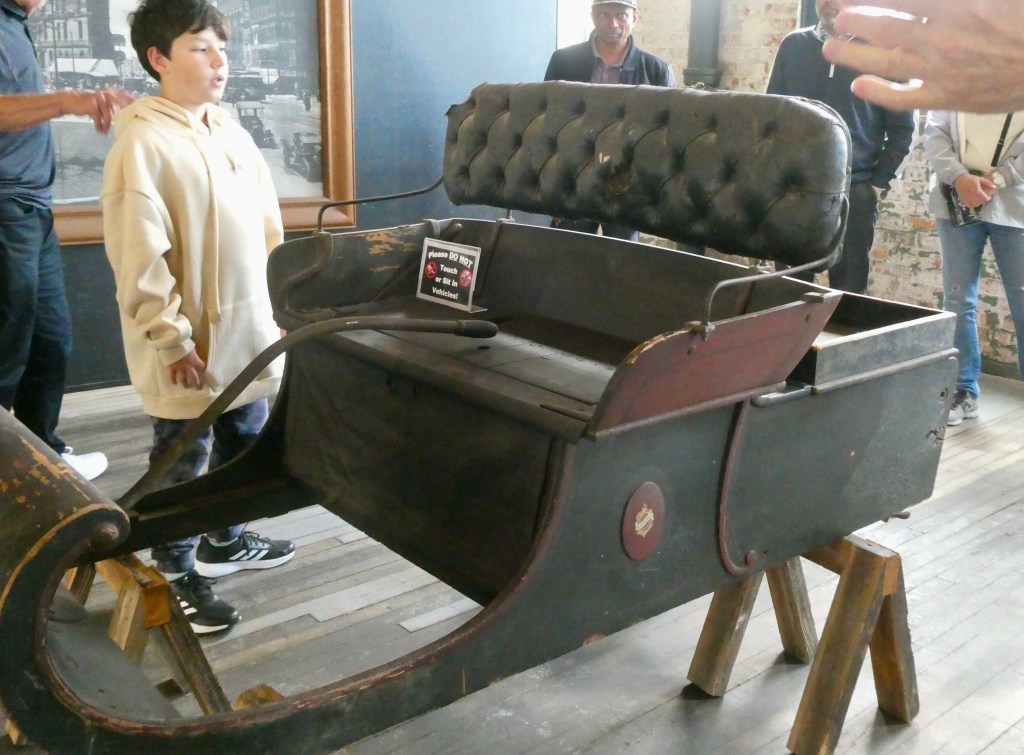
Olds was the first automobile manufacturer and, in 1904, introduced the Curved Dash. It was the first mass produced automobile. It was billed as cheaper and more reliable than a horse.
That same year, 41 year old Henry Ford moved the new Ford Motor Company to Piquette Avenue. Despite having two earlier corporate failures, he was a confident self-taught engineer and risk-taker.
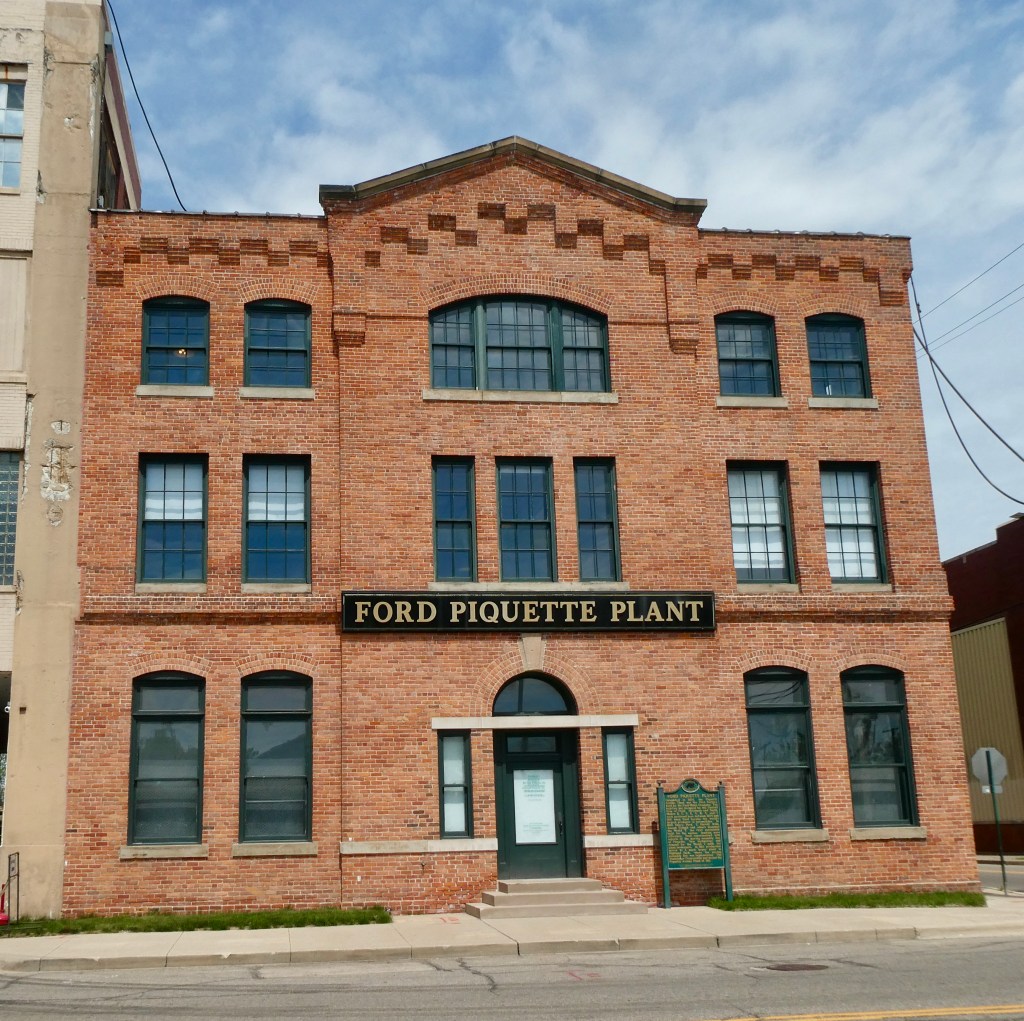
Completed in 1904 at a cost of $68,000, the Piquett Plant was the first factory built by the Ford Motor Company. The initial workforce was 30 men most of whom made $1 per 10 hour day.
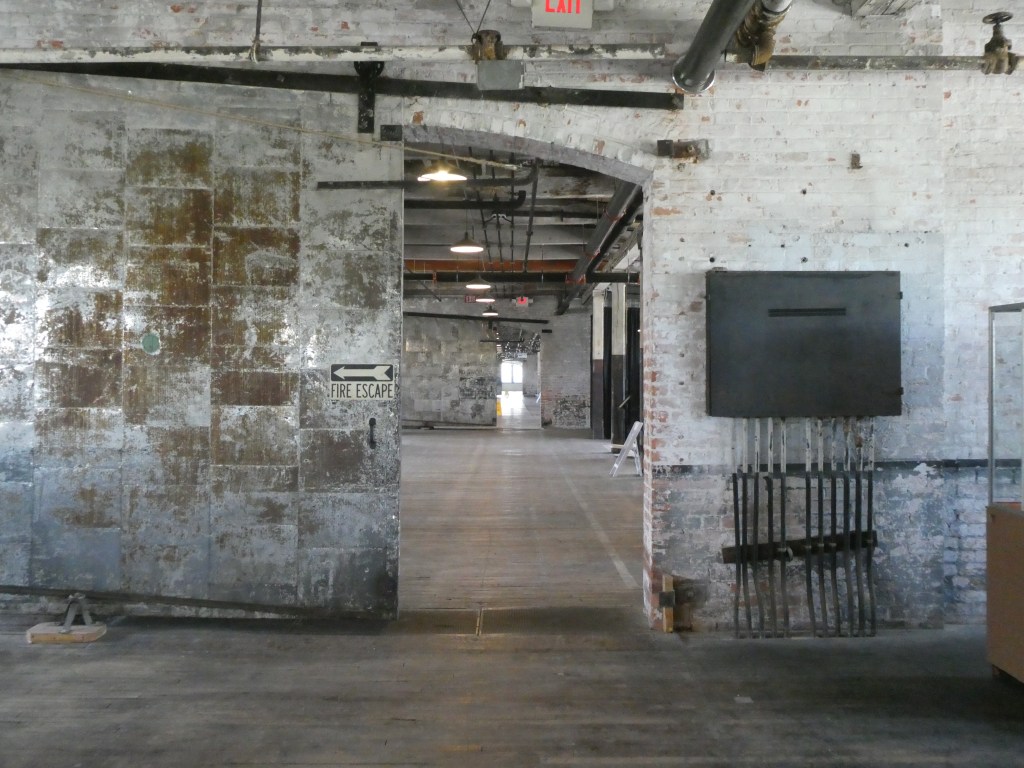
The building was separated with three sets of fire walls and doors.

There was a temperature sensitive link of metal that would close the fire doors if needed.
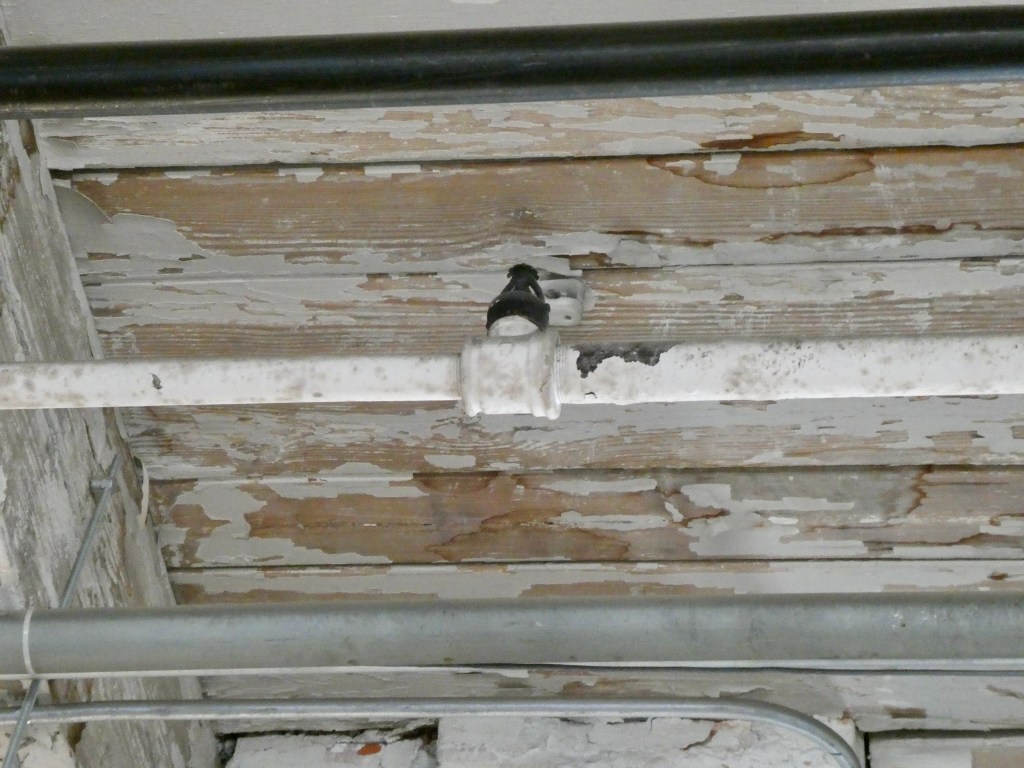
The building had a sprinkler system but never had a fire to make use of it.
Ford was #1 by 1906. At the same time, Henry Ford was a charter member of the Wayne County Road Commission creating the world’s first modern highway.

During the years the Piquette plant was in operation (1904-1910), Henry Ford produced Models B, C, K, N, R, S and T. (More to come on the alphabet of automobiles in the next post.)

1908 Henry Ford, and others designed the Model T, the first automobile built for the masses. Seeking more efficiency, Ford experimented with aspects of the an assembly line at Piquette.
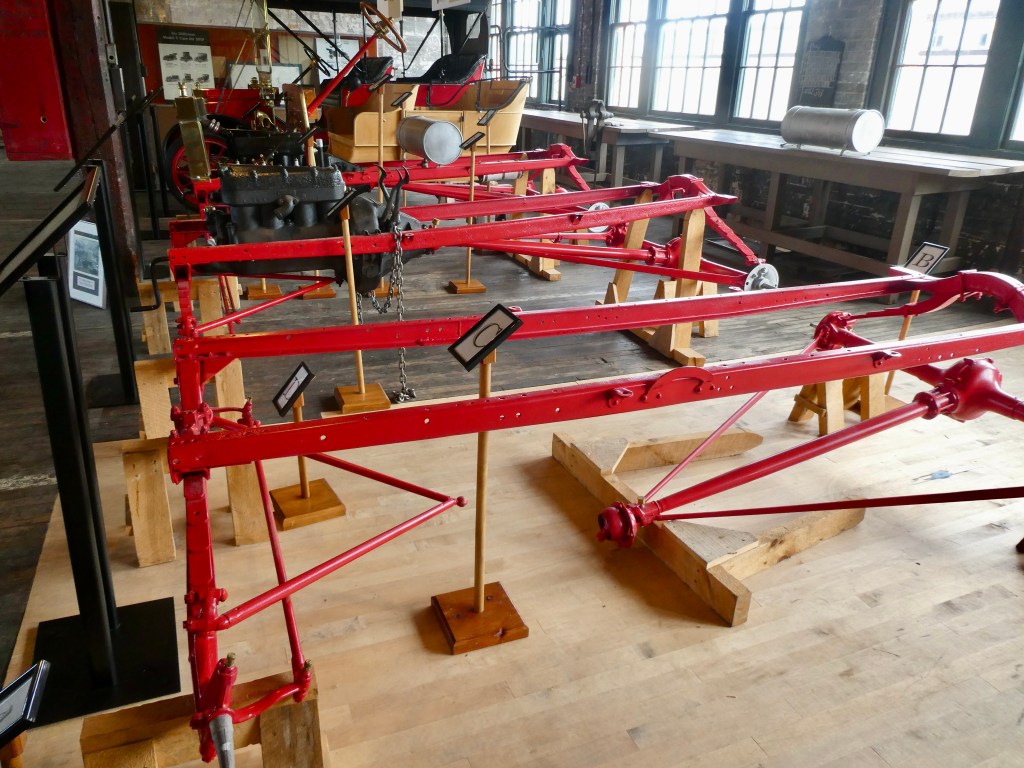
At first, the automobiles were put in stations with the workers moving from one to the next.
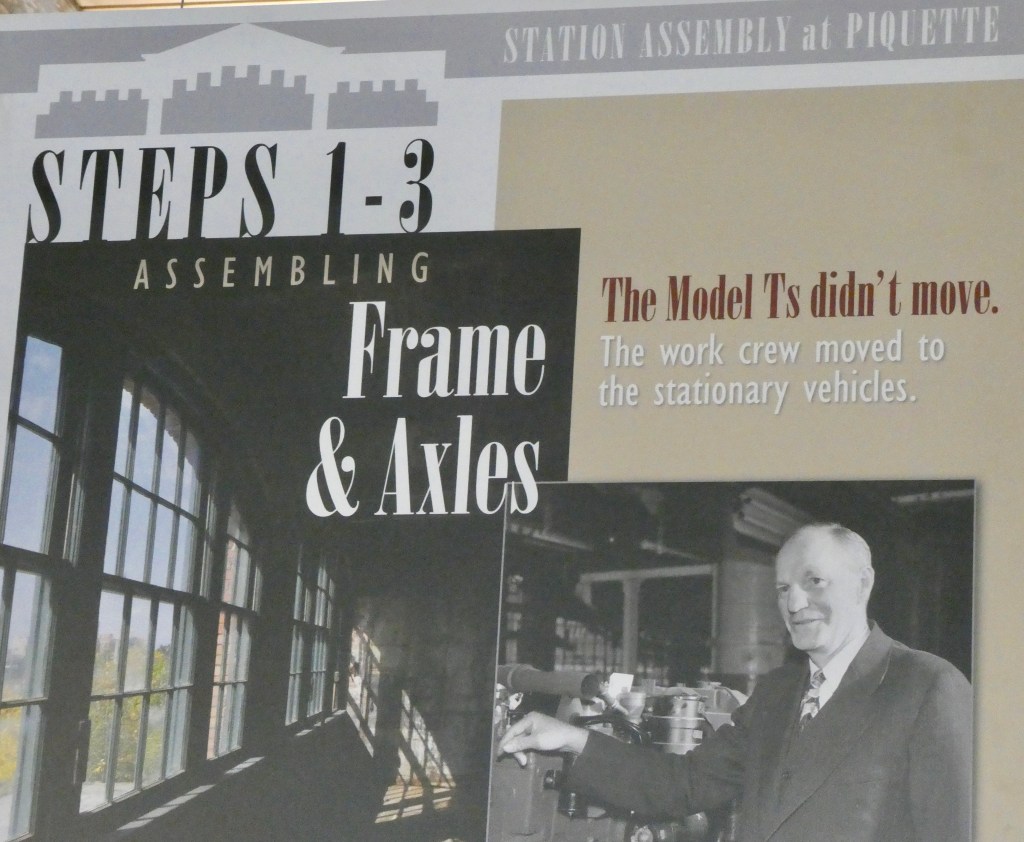
Ford raised worker pay to $5 per day to increase retention and loyalty. He was the first to pay you to eat, giving a paid 15 minute break during your day. In doing so Ford created a middle class that could buy his cars. Engineers were paid $25 per day. (Ford paid his employees in cash – a practice that continued until 1949.)

Even so, Ford felt there were secrets leaving the building as workers came and went. They created a secure room on the third floor used exclusively for design.
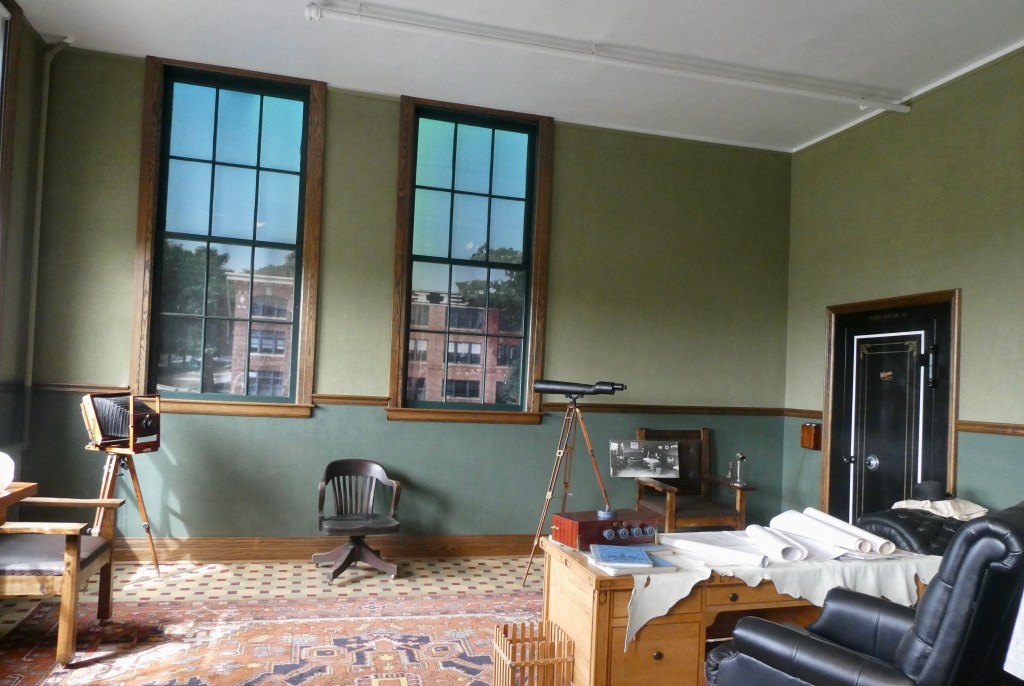
Henry Ford’s office was also on the third floor.
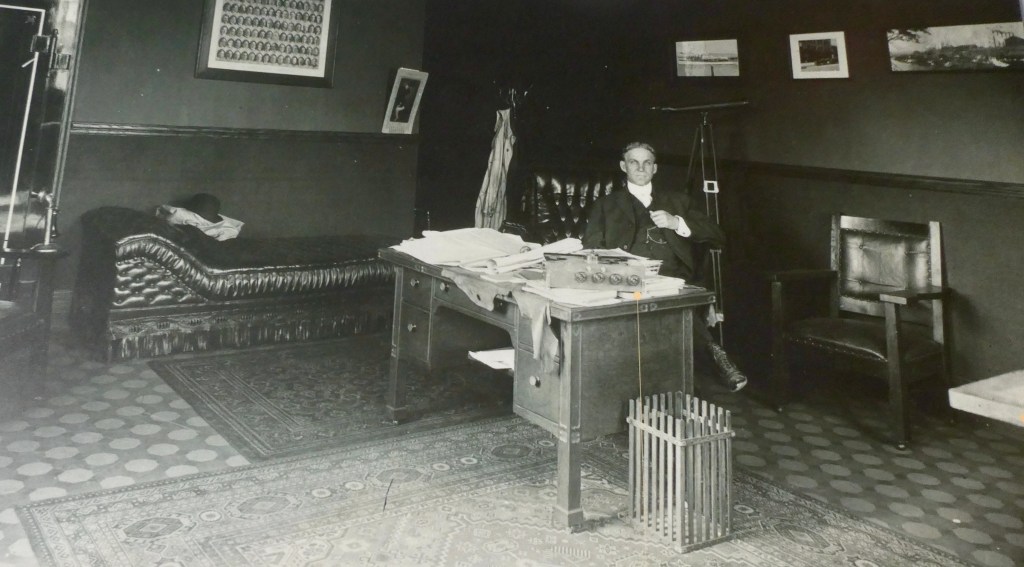
This is the only picture of Ford in this office. Notice the lounge in the back. He would sometimes sleep there.
In 1910, Ford became the world’s largest producer of automobiles. New technology and demand for the Model T made the Piquette Avenue Plant inadequate. Production and 1000 employees moved to a much larger plant four miles away where the moving assembly line was implemented.
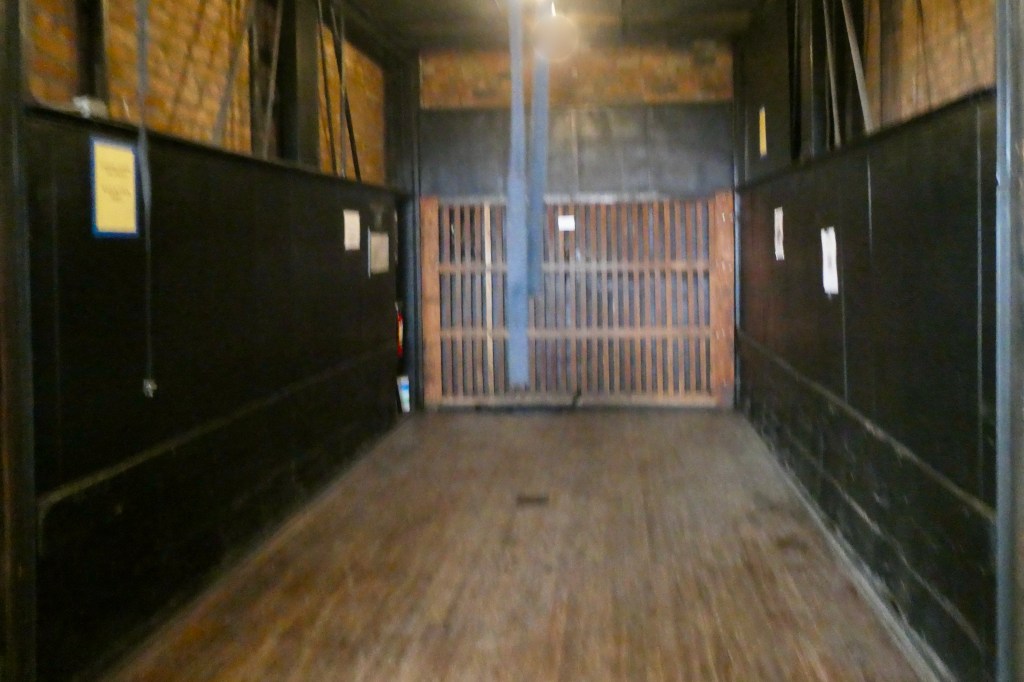
When Ford Motor Company left, the Studebaker Corporation purchased the Piquette Avenue Plant in 1911. The elevator was made larger to move the larger Studebaker cars up and down and in and out. They used the plant until the depression era when they consolidated back to South Bend, Indiana.
The building was then sold to 3M Corporation which owned it until 1975. Various owners used the building for storage in the following years..
In 1988 the former plant was purchased by Charles Wickens of London, England. With the building in a dilapidated state, and facing demolition, Wickens was a benevolent seller. He worked with a Detroit historic society when they wanted to buy and refurbish the building for history’s sake.
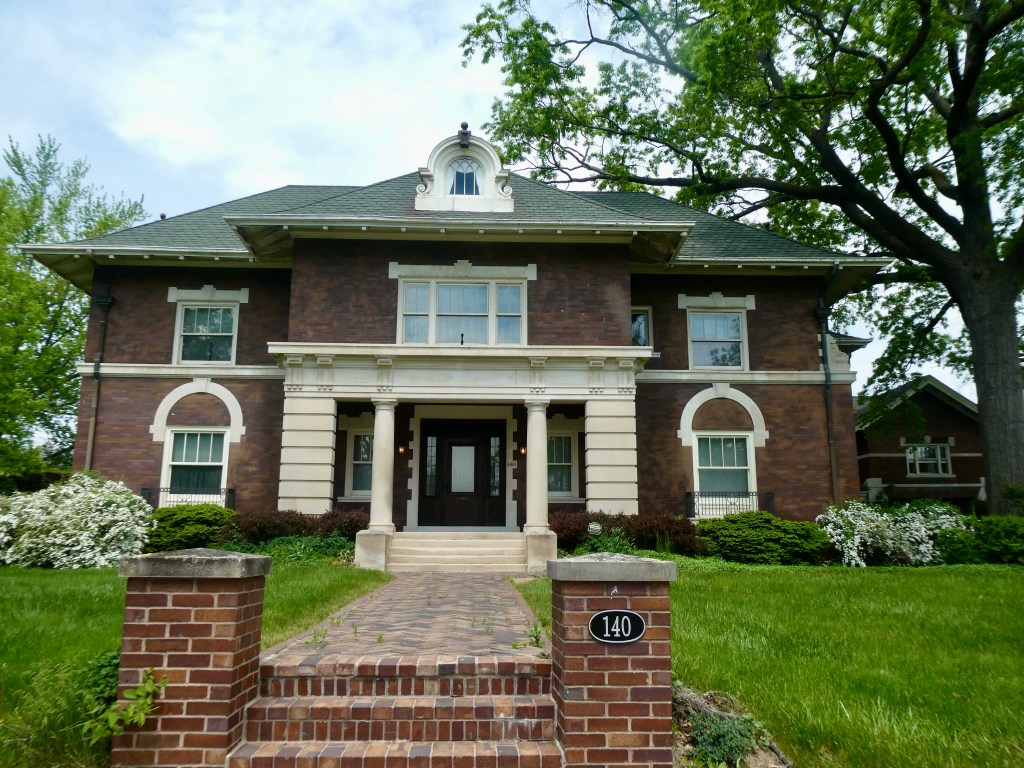
One of the primary contributors to that effort lives at 140 Edison in Detroit. The house is a National Historic Landmark because Henry Ford and his wife lived there during the beginning of their successful years in Detroit.
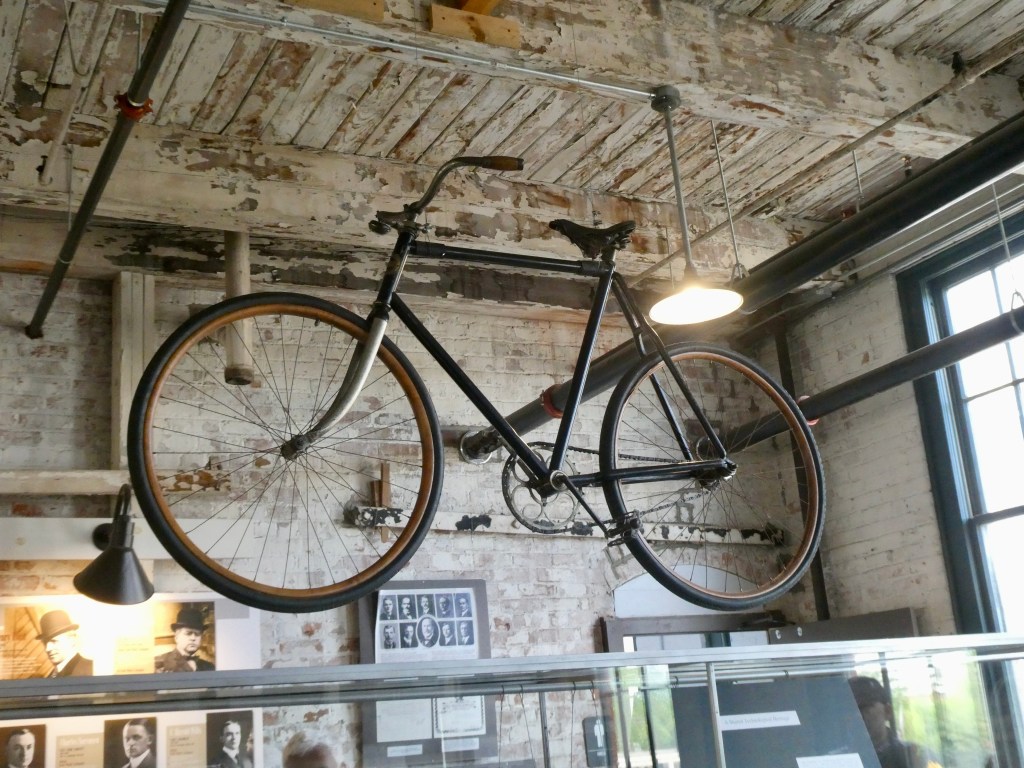
Henry Ford often road his bike to work! There seems to be some irony there!
Beginning in 2000, volunteer groups from car clubs and the Ford Motor Company began the long and arduous job of cleaning out and refurbishing the building into what it is now, a museum with an extensive car collection. The Ford Piquette Avenue Plant is also available for event rental.

In 2002 the Ford Piquette Avenue Plant was placed on the National Register of Historic Places – quite an achievement for a building that almost didn’t survive.

This carmine red Model T is front and center when you enter the building. This automobile, with serial number 220, was manufactured in December 1908 at the Ford Piquette Avenue Plant.
Though manufacturing of the new model began in October, 1908, the first Model T’s were designated as 1909 models. Costing $850, the Model T had a 4 cylinder 20 HP engine and a top speed of 35 mph.
The automobiles were available in a variety of colors but the roof, windshield, headlights, and speedometer were all optional adding $100 or more to the total cost.
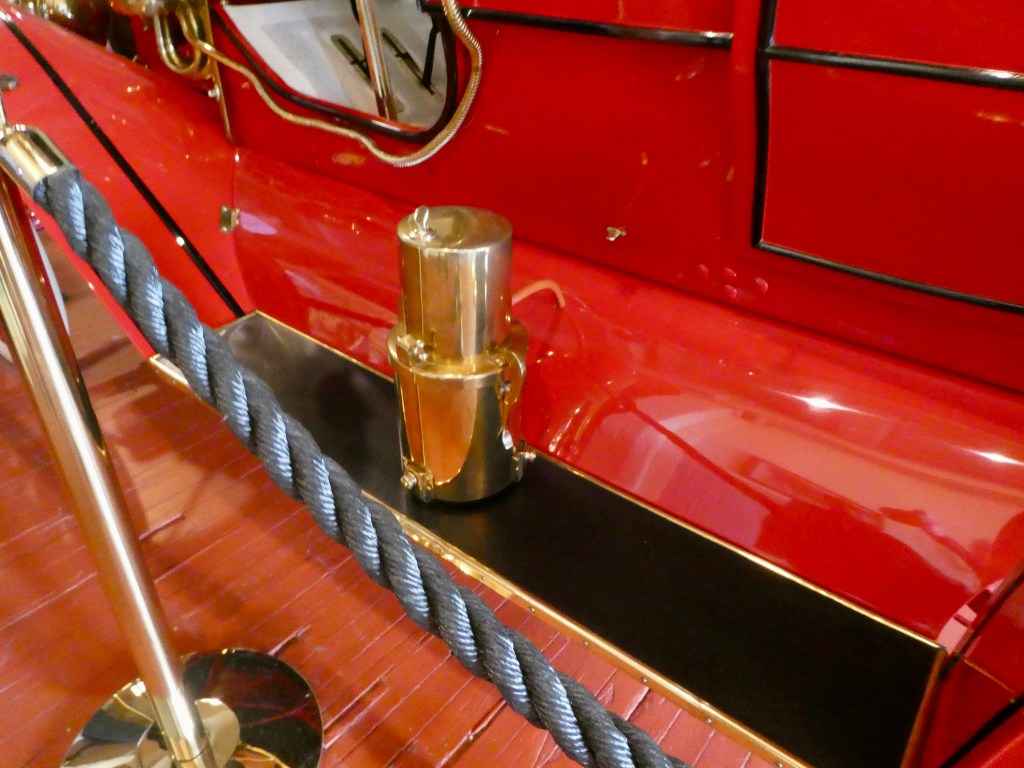
This side fuel canister is for the gas headlights.
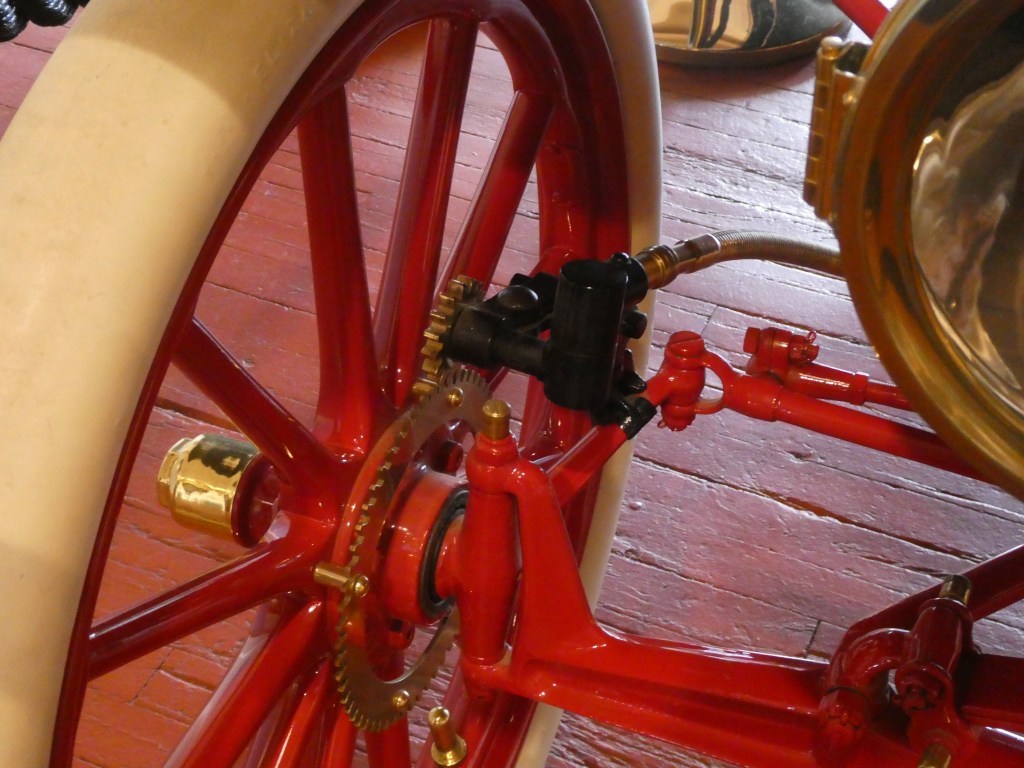
The tires were upgraded bicycle tires. A. pump was sold with the car. The black device is the speedometer cable.
The first 2,500 Model T automobiles underwent constant engineering changes to address issues of reliability. The design improvements led to such successful sales numbers that 12,000 Model T vehicles emerged from Piquette, a rate of about 100 per day.
The cost was reduced to $260 per vehicle after it was mass produced. The first car to be universally affordable, there were 15 million sold. The Model T held the record of most sold for many, many years. The Volkswagen Beatle eventually sold more than the Model T, and then the Toyota Camry eclipsed it.
The Model T, initially produced at a rate of one every 12 hours at the Piquette Avenue Plant, took only 12 minutes at the Highland Park plant. The model T was deemed obsolete after 15 million cars and 19 years. Collectors still own 250,000 Ford Model T automobiles. The oldest known remaining Model T is Number 2. It recently sold for a quarter million dollars.

With all their success, Clara and Henry left their home at 140 Edison in 1915 and moved to an estate they called Fair Lane situated along the banks of the Rogue River.

The name Fair Lane was from the road on which Henry’s father, William Ford, was born in County Cork, Ireland.
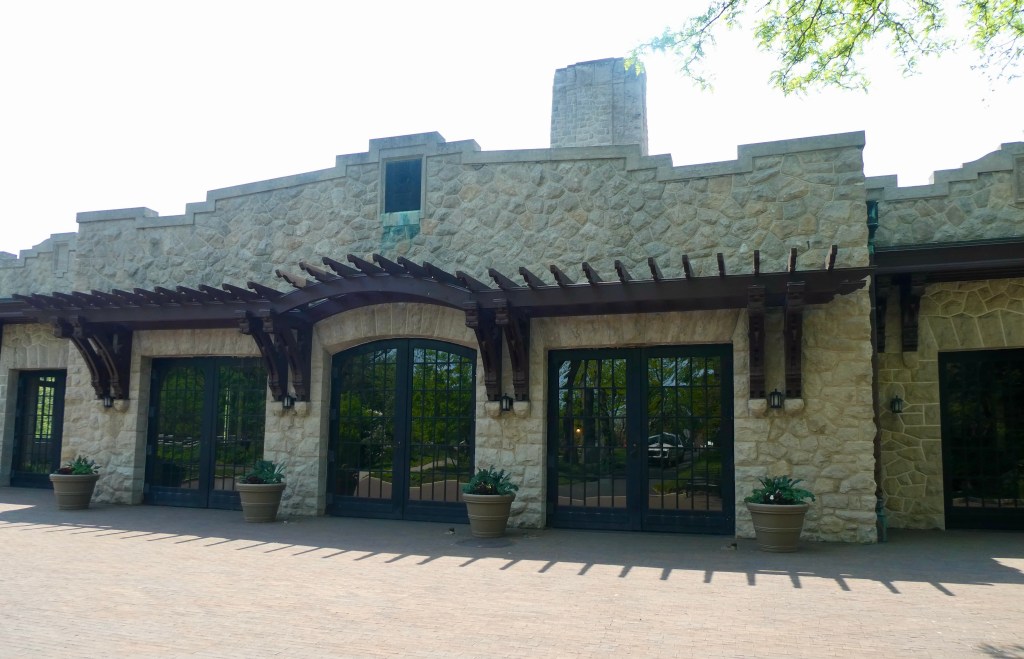
The Powerhouse/Garage was constructed in 1914 after frequent guest and inventor, Thomas A. Edison, laid the cornerstone. The powerhouse supplied power for the entire estate using a hydroelectric system. The estate had some rare engineering designs including water filtration and boiler systems.
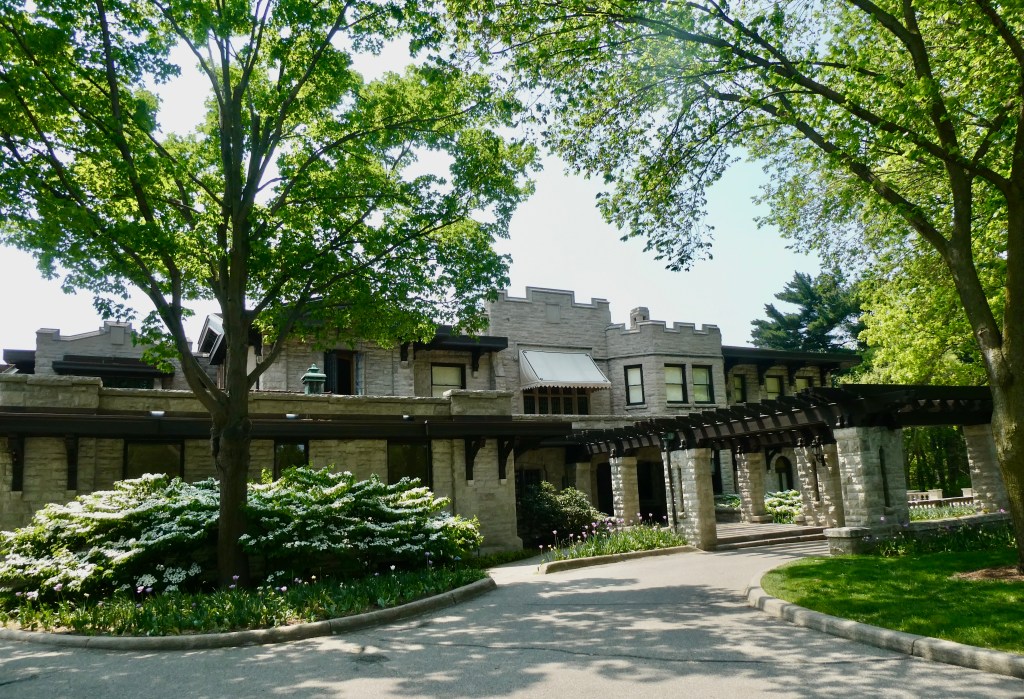
By the late 1920’s, the 56 room mansion, and estate totaled 1,300 acres including orchards, agricultural fields, gardens, greenhouses, servant cottages, a boathouse, a skating house, a maple sugar shack, and a pony barn.
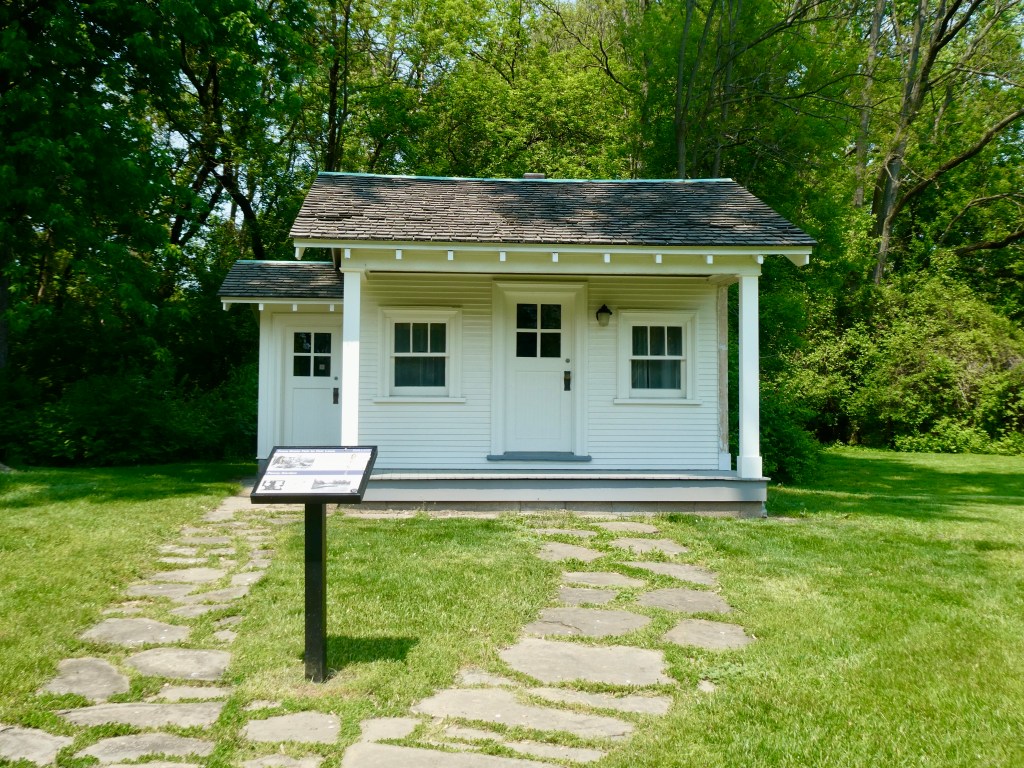
Henry Ford had a miniature farmhouse, and other farm buildings and machinery constructed for the 1924 Michigan State Fairs to educate urban children about life on a farm. After the fair, the buildings were brought to the estate for the enjoyment of the Ford grandchildren.
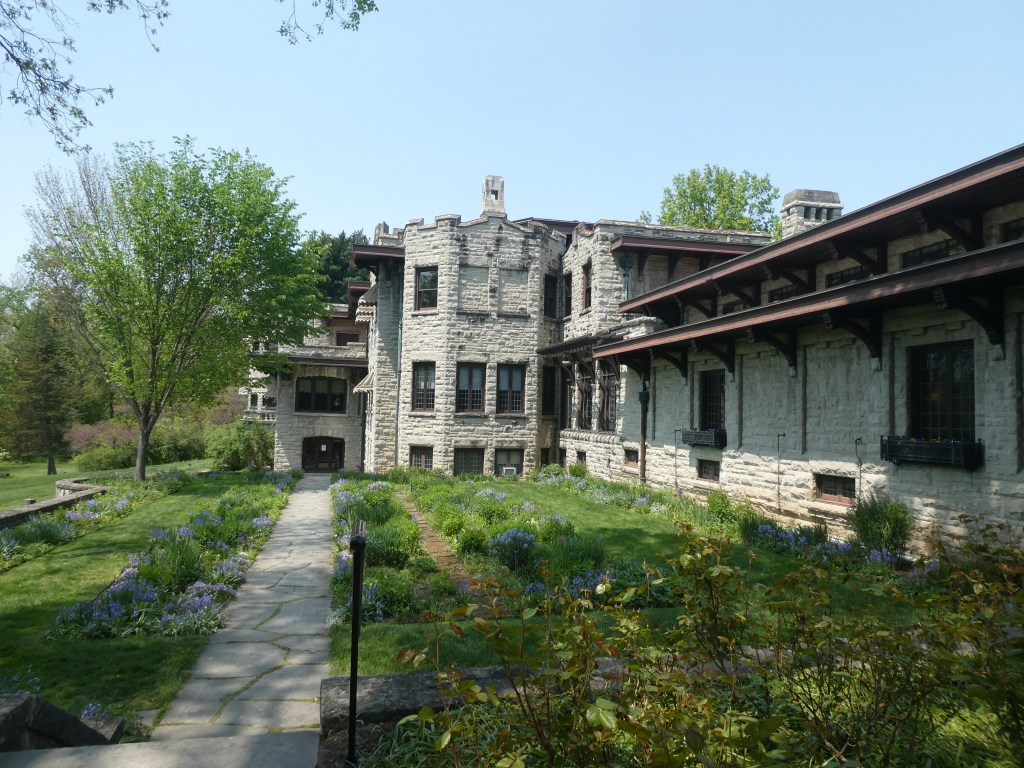
Fair Lane was named a National Historic Landmark in 1935.
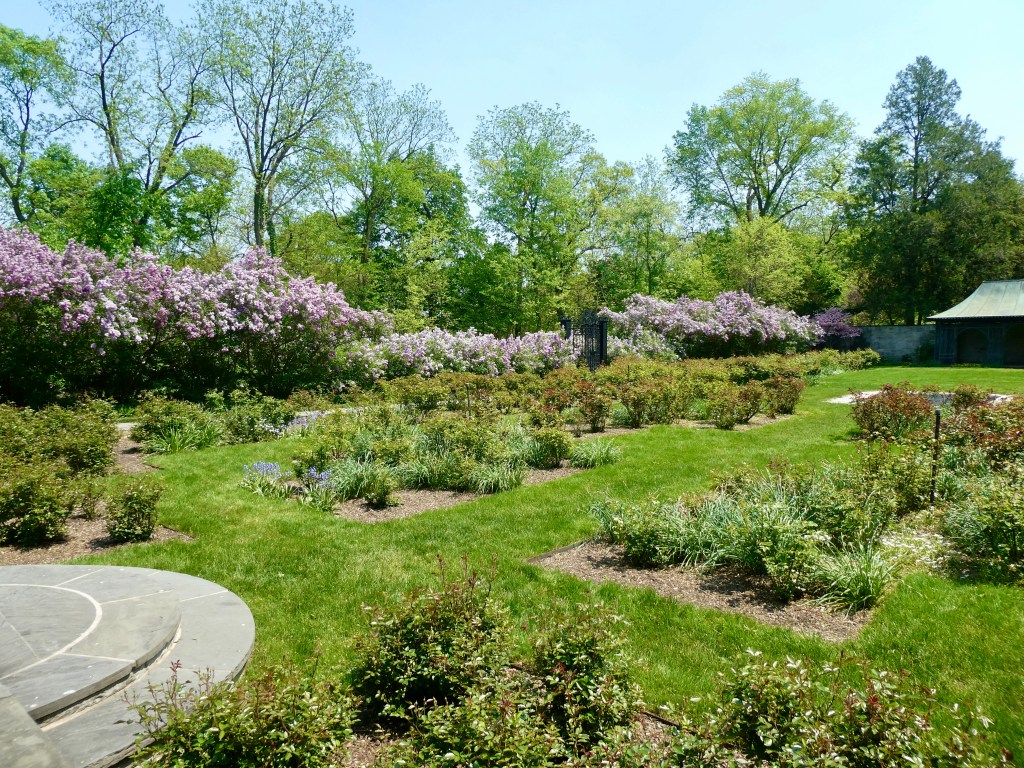
Clara Ford had extensive gardens, dominated by her favorite roses. When we were there the lilacs were in full and fragrant bloom.
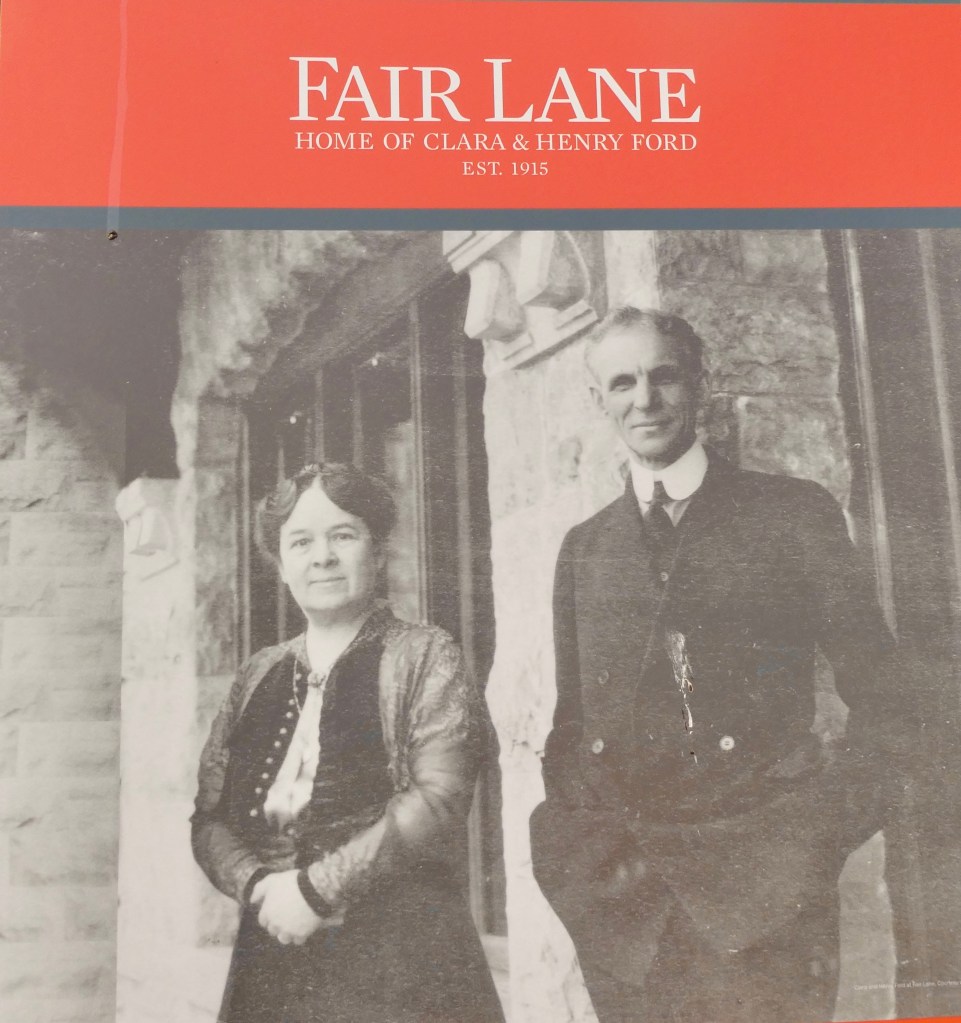
Henry and Clara Bryant Ford lived at Fair Lane from 1915 until their deaths in 1947 and 1950 respectively.

In 1956, the estate was donated by Ford Motor Company to The University of Michigan for a Dearborn campus.
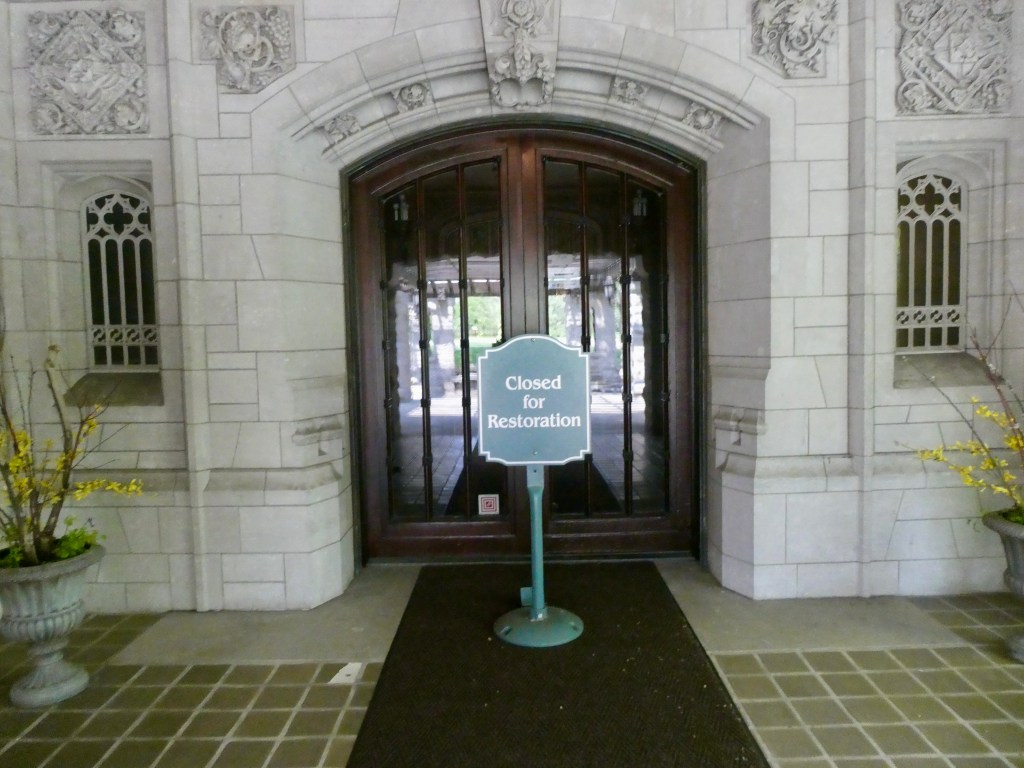
The house was undergoing renovation when we were there so we were unable to go inside. Tours are usually available.

We enjoyed our walk around the grounds…and these baby raccoons. We wondered where mama was!
Next time…Henry Ford’s alphabet of automobiles!


 Serene Wandering
The Ford history is pretty fascinating.
It’s incredible that there are still some of the first cars around.
Hope you made it to the factory tour – it is awesome!
That red Model T is gorgeous! It must have been either before or after the “You can have any color you want, as long as it’s black” period. We were down the road at the Rouge Complex last year and enjoyed the tour there. Ford was quite the innovator. Thanks for the tour.