Randy was not feeling well so he stayed at the hotel while Connie, Warren and I went on a small group tour to Normandy. Warren’s father had served in Europe during World War II so it was very important to him to go. We were pleased to go as well.

As we were driving through Paris early that morning we had a nice view of the Arch of Triumph. Napoleon had this monument made to commemorate his soldiers one year after a significant victory.
We were on a full day trip, three and a half hours north of Paris, to another place commemorating more soldiers after battle and victory – The Battle of Normandy, D-Day.
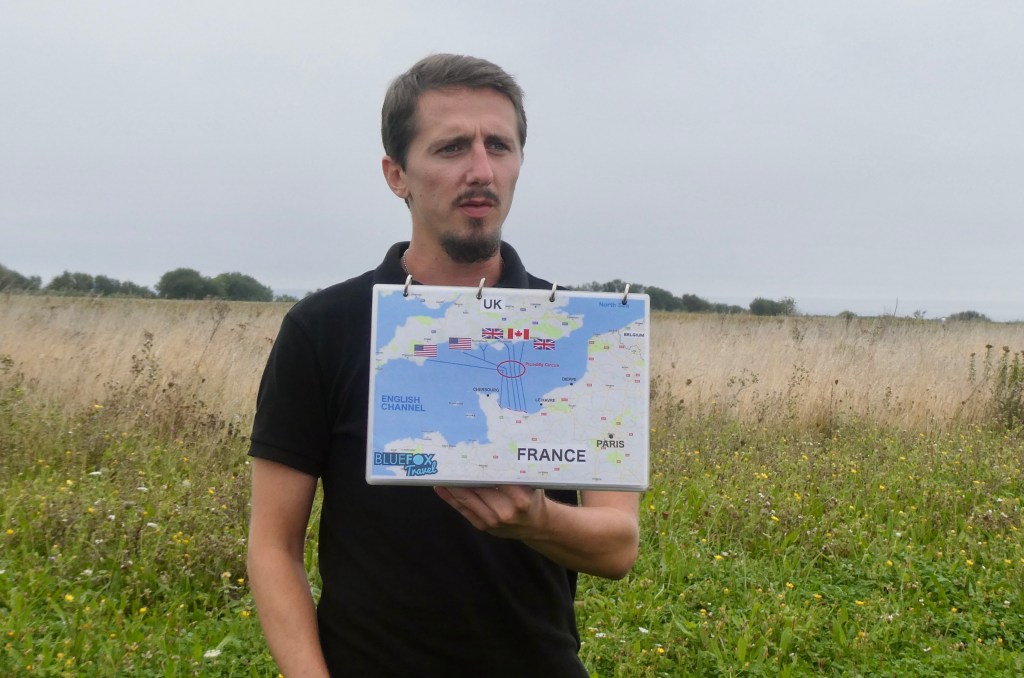
Although we were given a thorough summary on the preparations, strategies and battles, I am not going to attempt to be thorough. Instead you will read about details that captured my attention.

These were just two of the many German bunkers along the shore.

About 20 soldiers would have been assigned to a bunker this size.
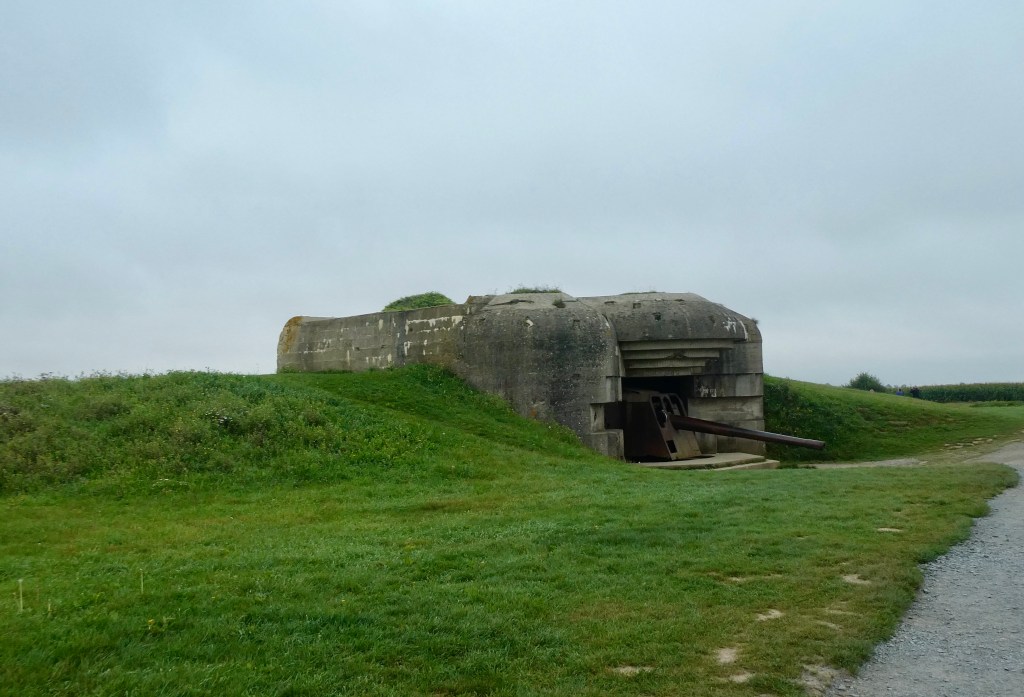
German guns could fire only 13 miles out while the Allies had a longer incoming range. German soldiers in France were using reconditioned French guns from World War I.

We went on Omaha Beach.
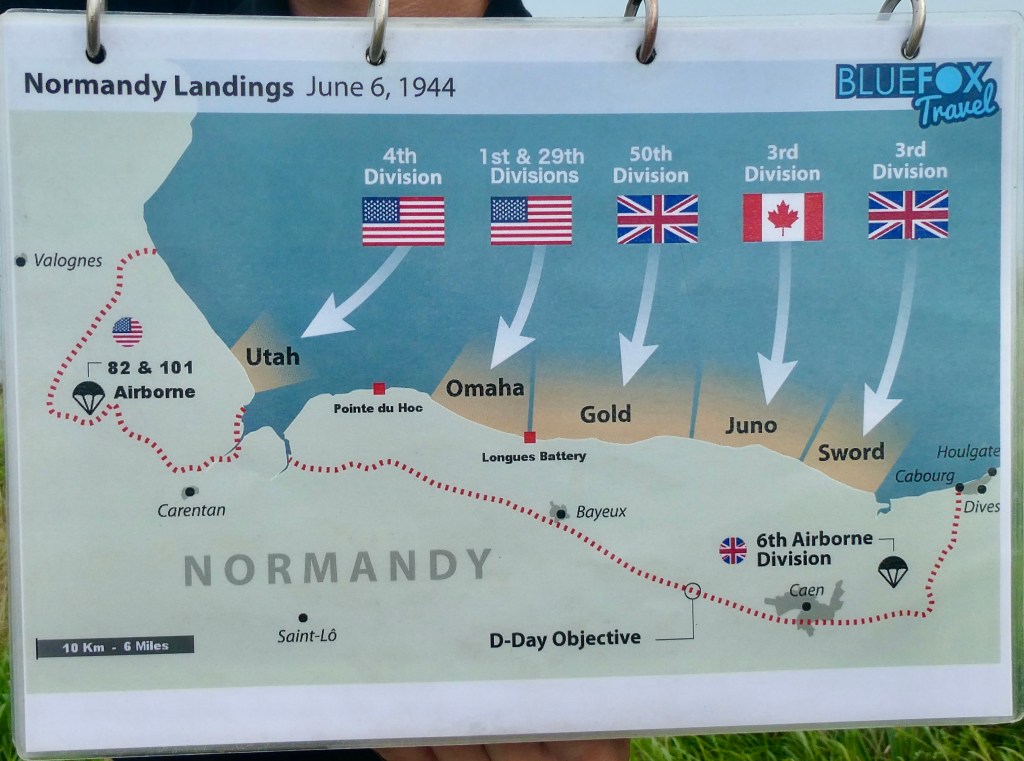
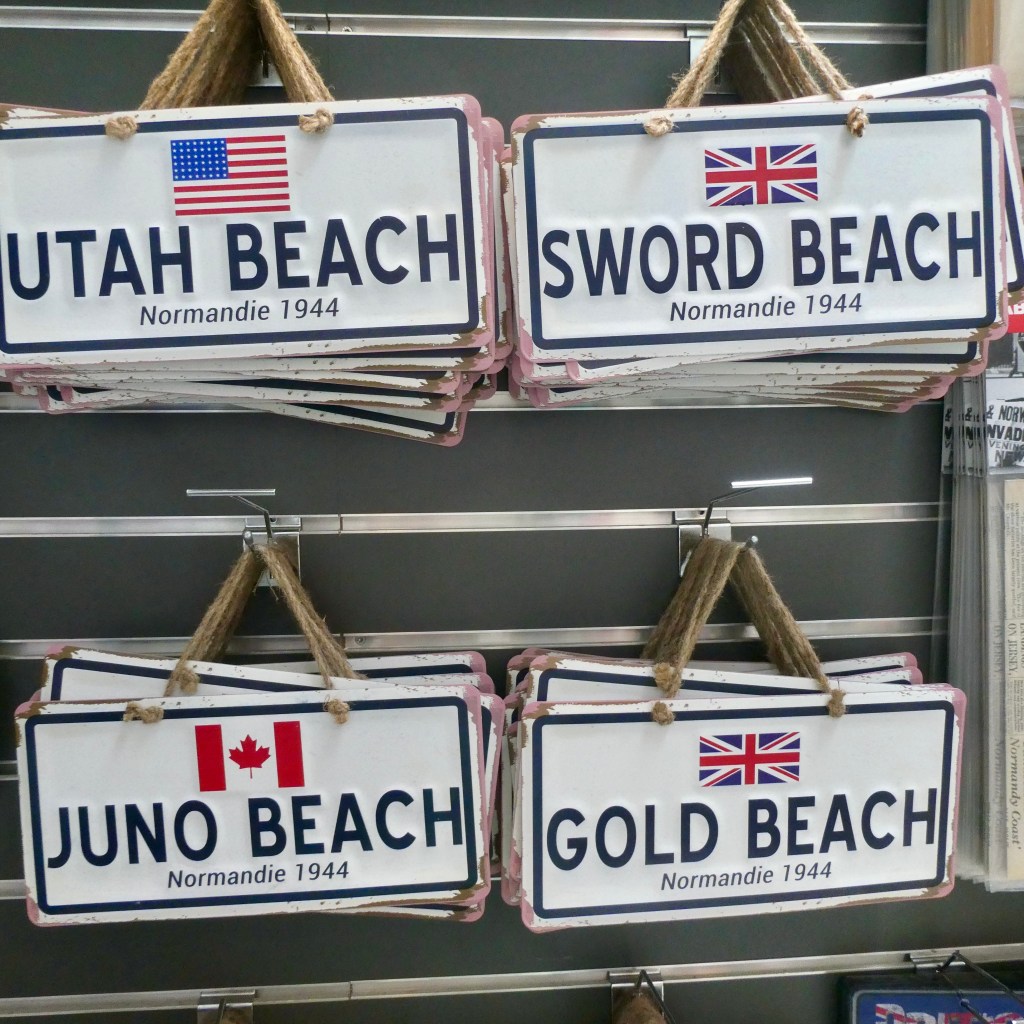
There were five landing sites for the Americans, British and Canadians that day. Each country “named” the beach they were designated to attack. Eisenhower asked two construction workers where they were from and they replied Omaha and Utah. The Canadians and British decided to name their beaches after fish: Gold, Sword, and Jelly. Someone determined Jelly was not acceptable and it was changed to Juno.
There were three important things the Allies needed for an assault to have a good chance of success. They needed reasonable weather, a mid tide rising and a moon that was full only at the beginning of the night.
Poor weather caused a one day delay. If they had not been able to launch when they did, they would have had to wait another month for all three conditions to align again.
A good coincidence for the Allies was that the German area commander was in Berlin.

Omaha Beach is six miles long. Twenty five hundred Americans died there on D-Day.
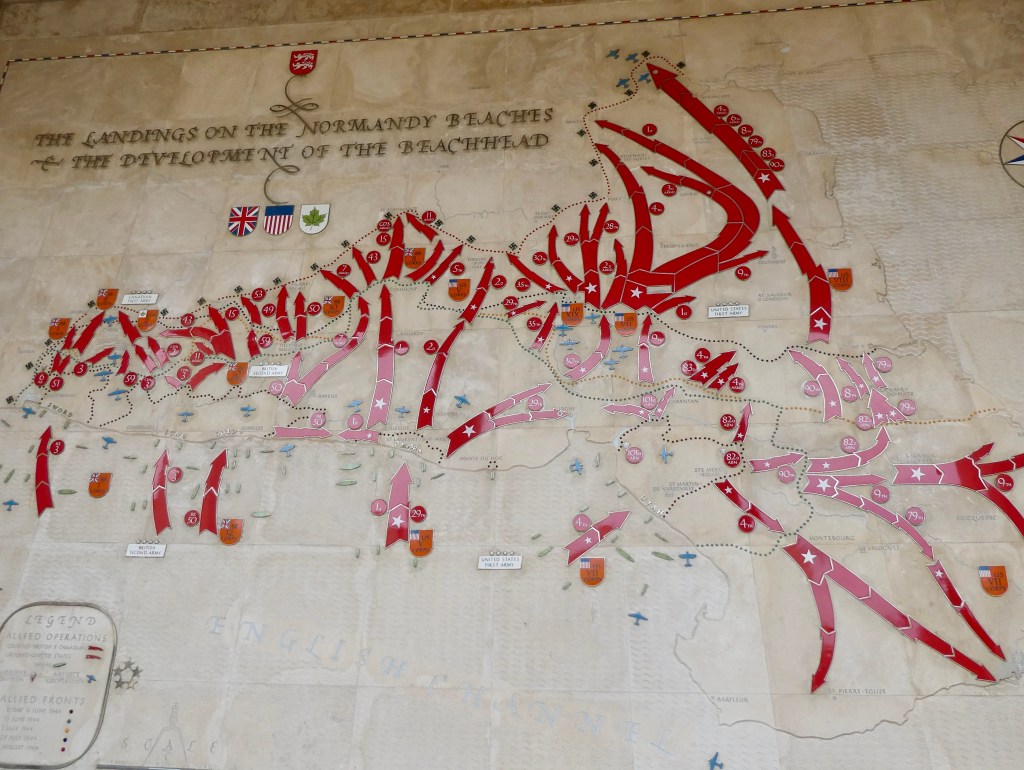
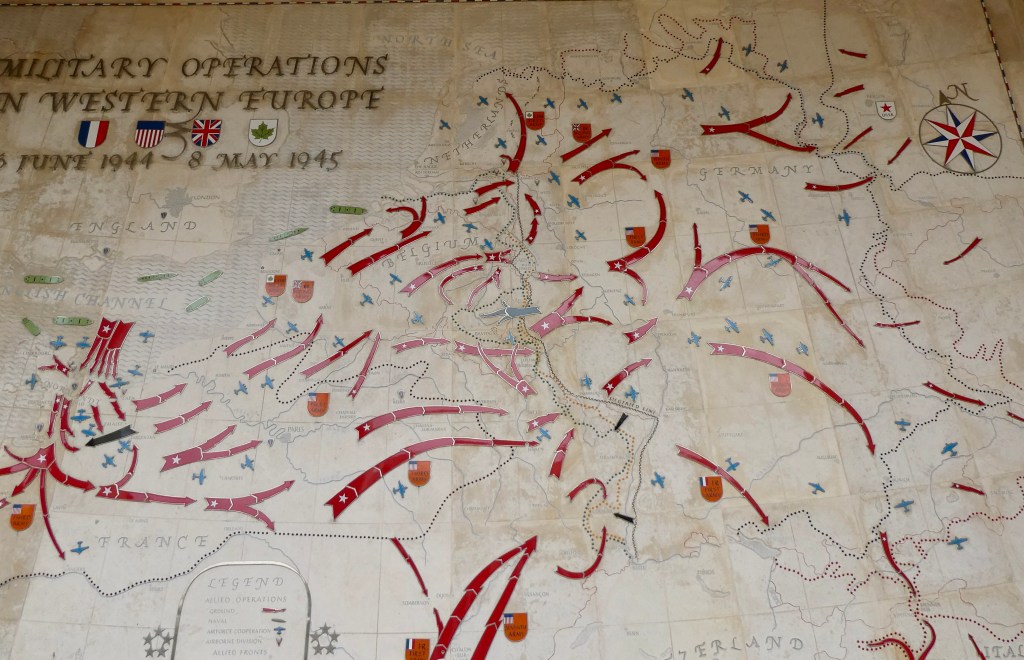
The overall assault site was 50 miles long. There were 156,000 Allied troops attacking Normandy beaches that day. (After D-Day an additional 2.5 million allied soldiers landed here to fight for France.)

We were told only 10 percent of these floating tanks made it ashore.

This is a memorial to Combat Medics placed at the first casualty collection point.

There were 225 Rangers assigned to try and take this point of land between Utah Beach and Omaha beach called Pointe du Hoc.

They landed at the wrong cliff so were presumed dead by the commanders and their reinforcements were sent elsewhere.
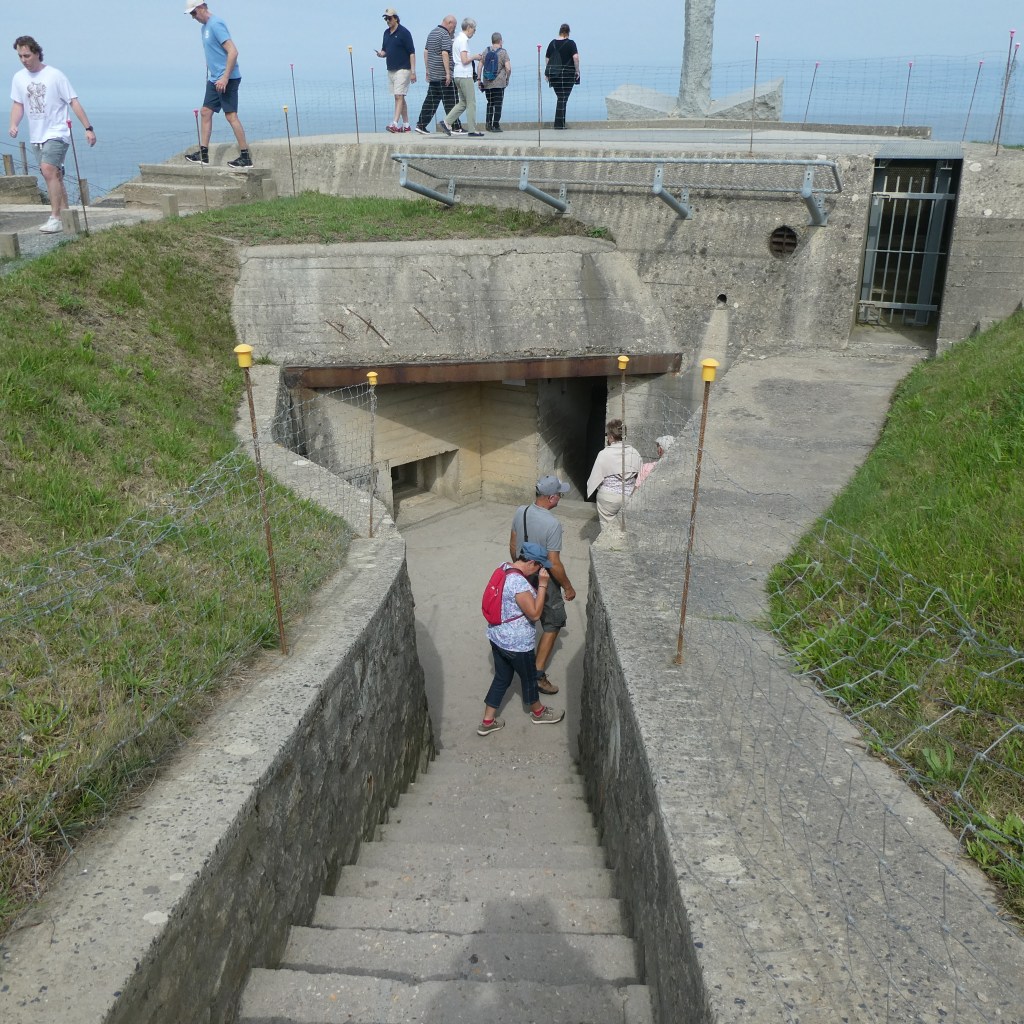
There were about 40 German soldiers per bunker and roughly 200 soldiers in the area.

The Germans got reinforcements more quickly so only 90 Rangers were still able to bear arms when American reinforcements made it to them 48 hours later.

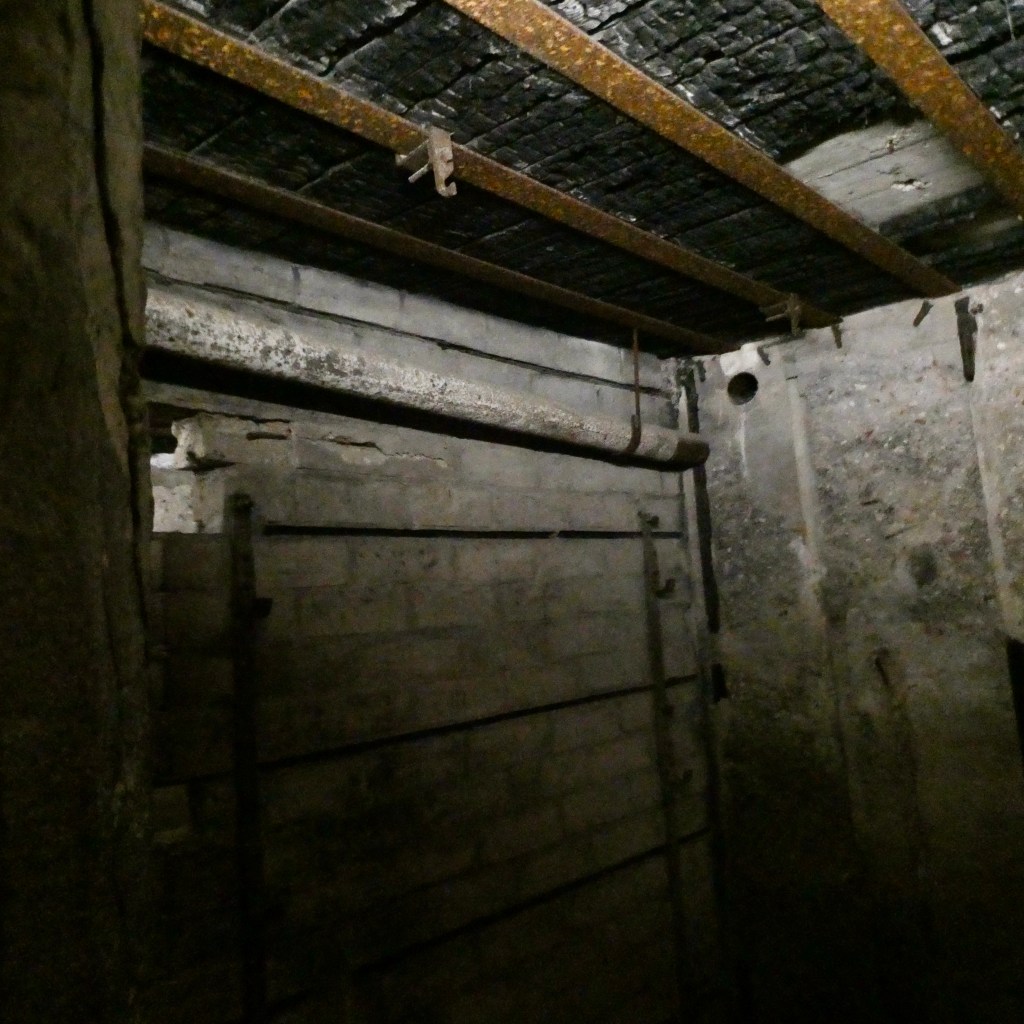
We were able to walk in and around this bunker that was mostly intact.

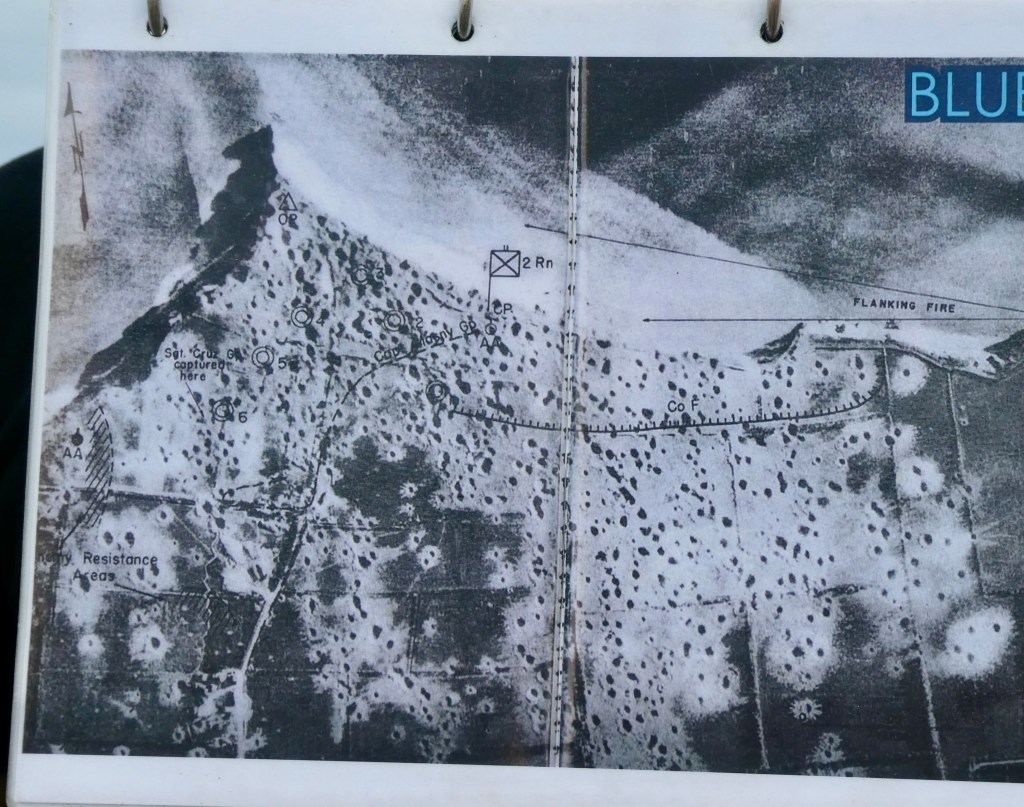
This picture shows the results of bombings on the land.

These massive concrete slabs used to be part of a bunker before they were blown up and scattered.
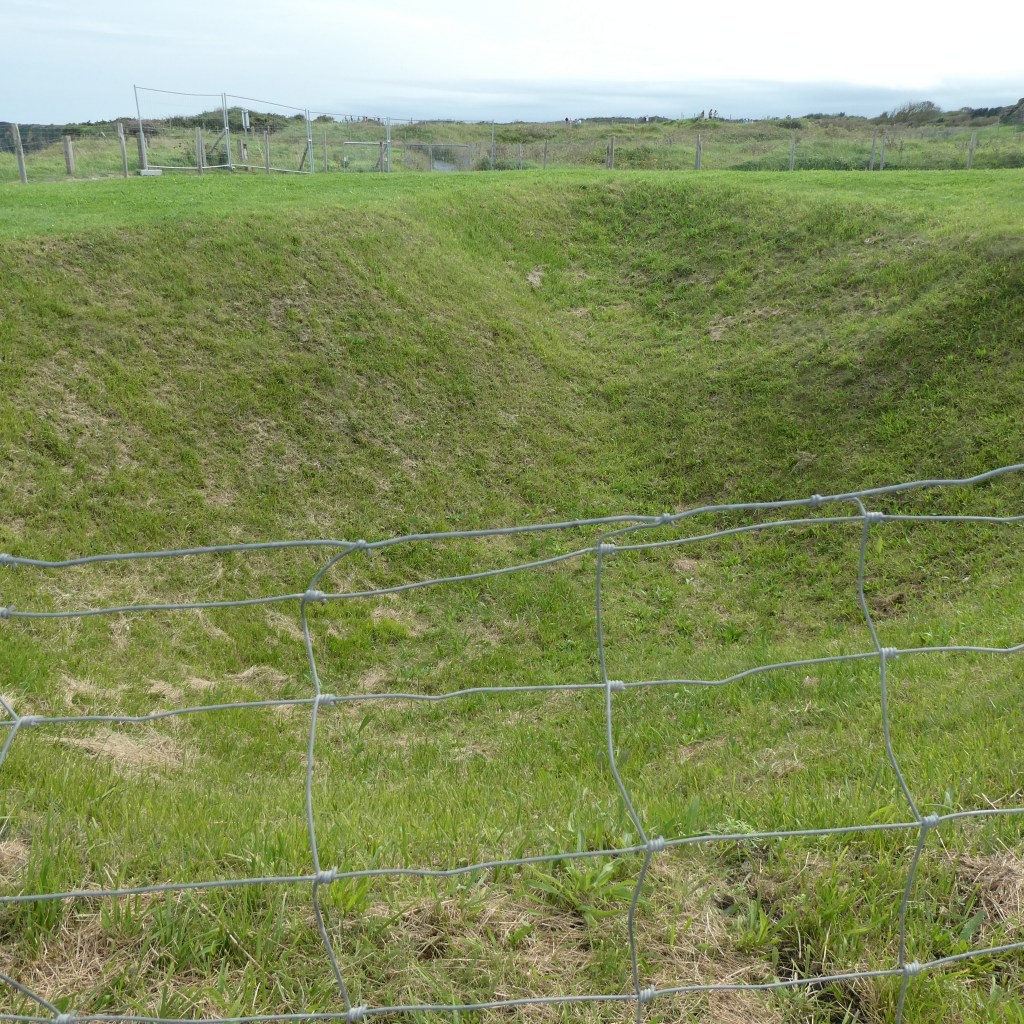
Some of these lands belong to the government and the history has been preserved. Other lands were flattened over time so they could be used for farming.
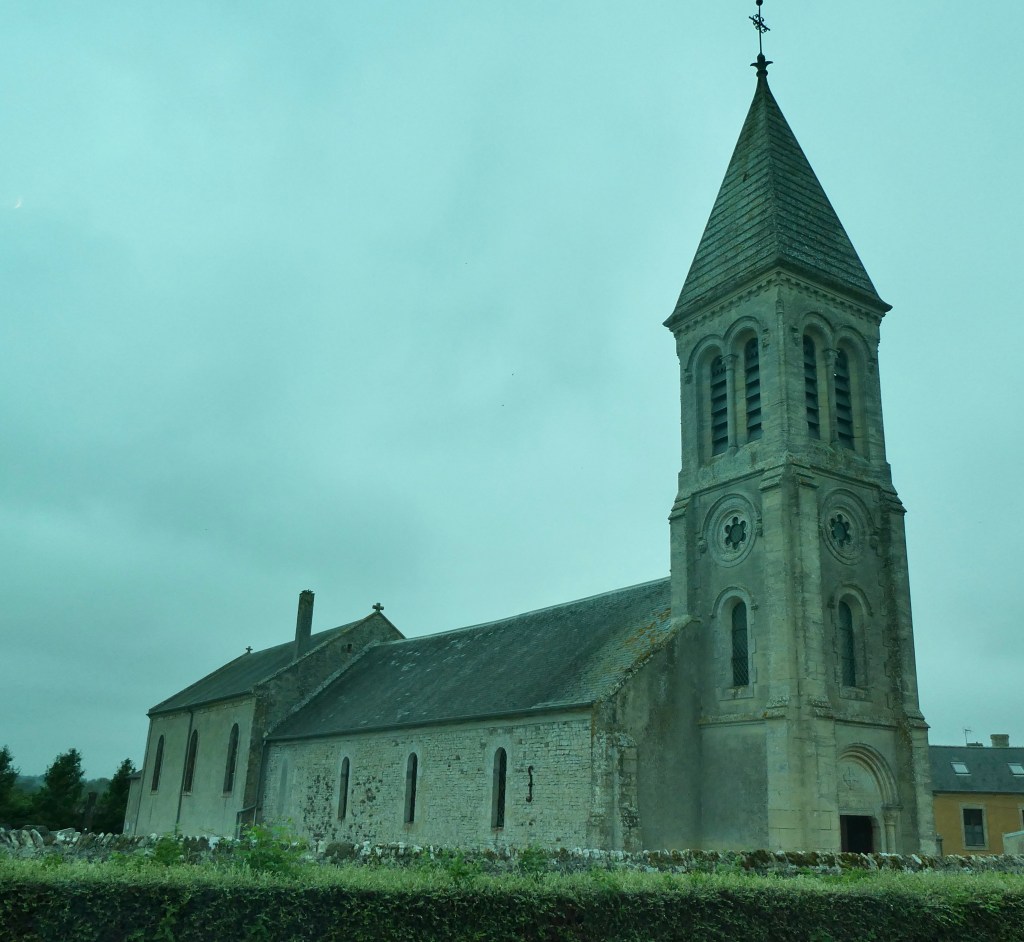
In the immediate days after D-Day, German snipers hid in church towers and steeples. The allies shot down the towers so as not to deal with the snipers. They were later rebuilt. There are areas of the church that have different stone. Rebuilding sites like these were done quickly in the 1950s and 60s.
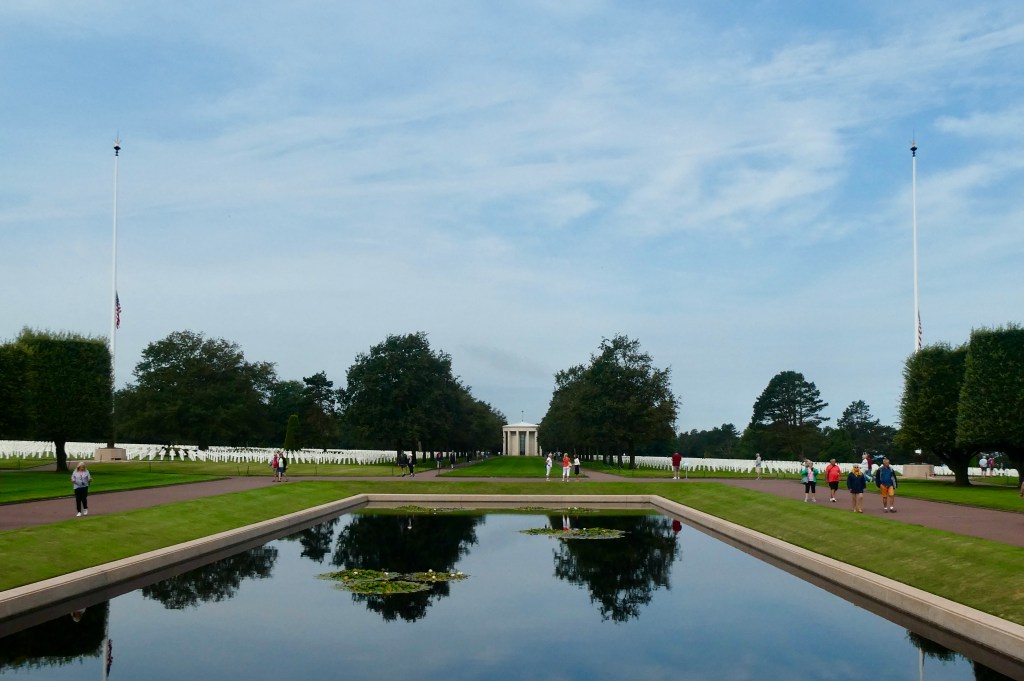
Our next stop was the American Normandy Cemetery and Memorial.
The cemetery is on French land but is American managed.
You can only be buried here if you were involved in the Battle of Normandy.
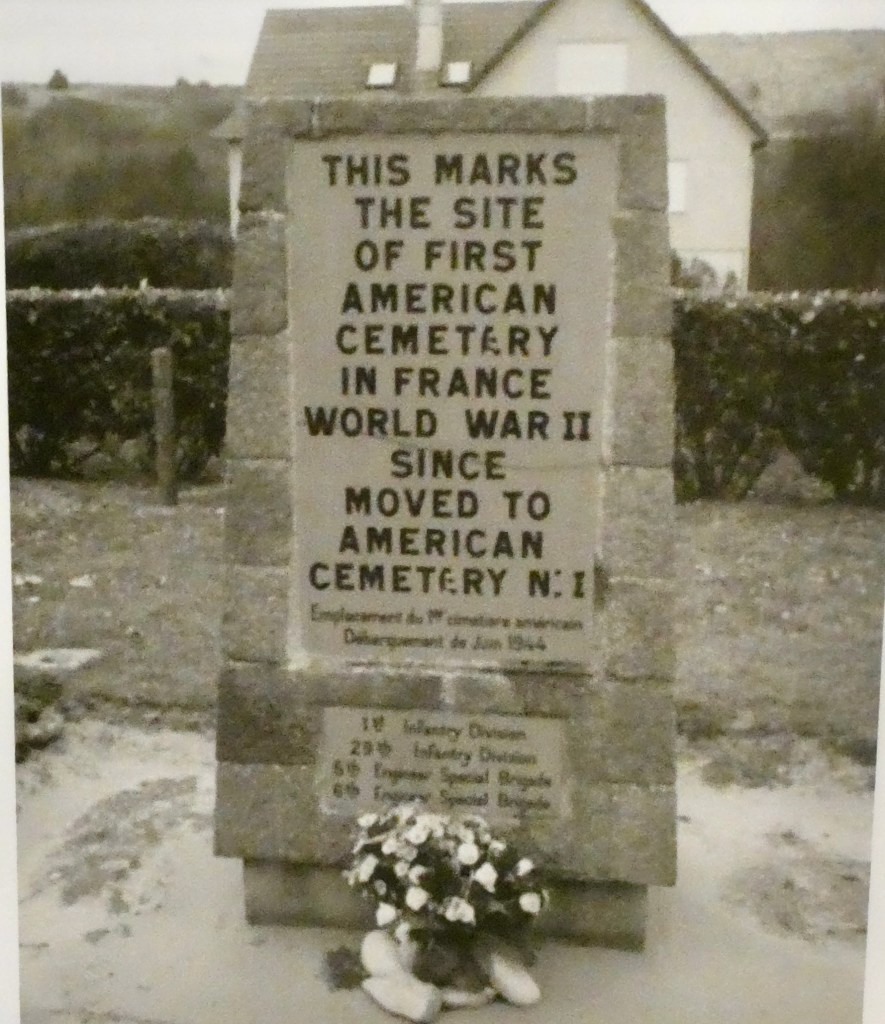
There were once ten separate American cemeteries but they were consolidated into one during the years 1947-56.
There were more than 29,000 Americans who died in the Battle for Normandy, including those on D-Day and the months after.
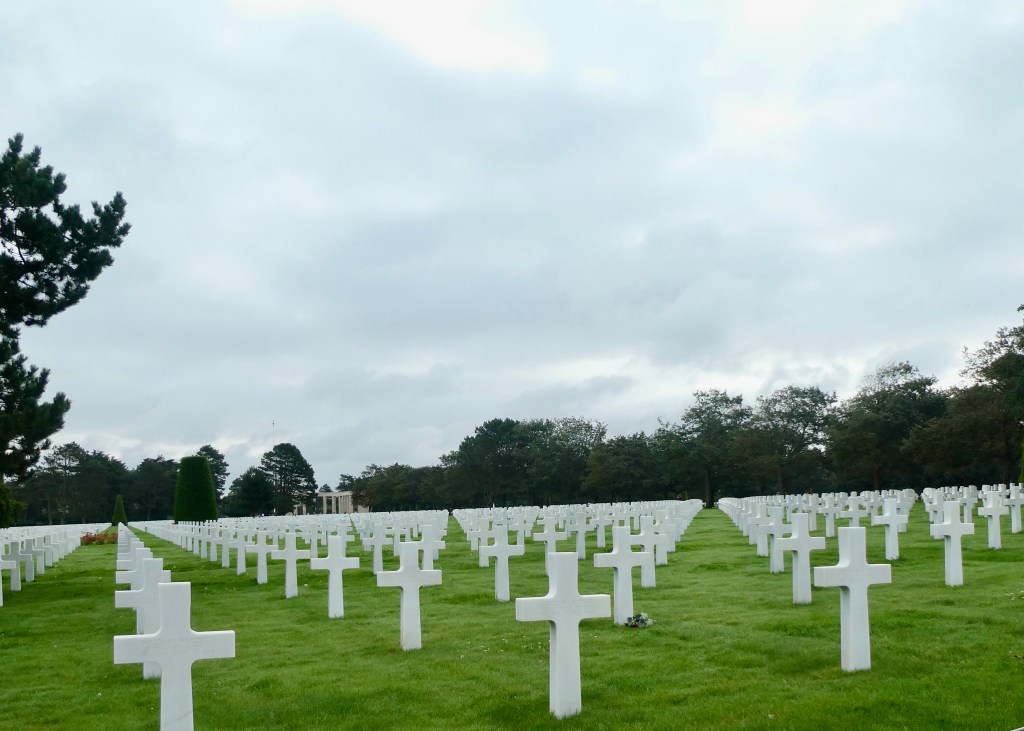
Two thirds of those went home at their family’s request. The other third are here, 9388 American soldiers. The tour guide told us that one soldier was identified by DNA just last year but I was unable to find his name.

The names on the crosses face in the direction of the USA. At this point in the war, soldiers knew about Jewish internment camps so those joining who were Jewish sometimes said they were Christian. When families of the dead were contacted, sometimes they said “he was really Jewish” and then got Star of David markers.

Our final stop of the day was The Overlord Museum, named after the code name for the Allied battle for Normandy, Operation Overlord.

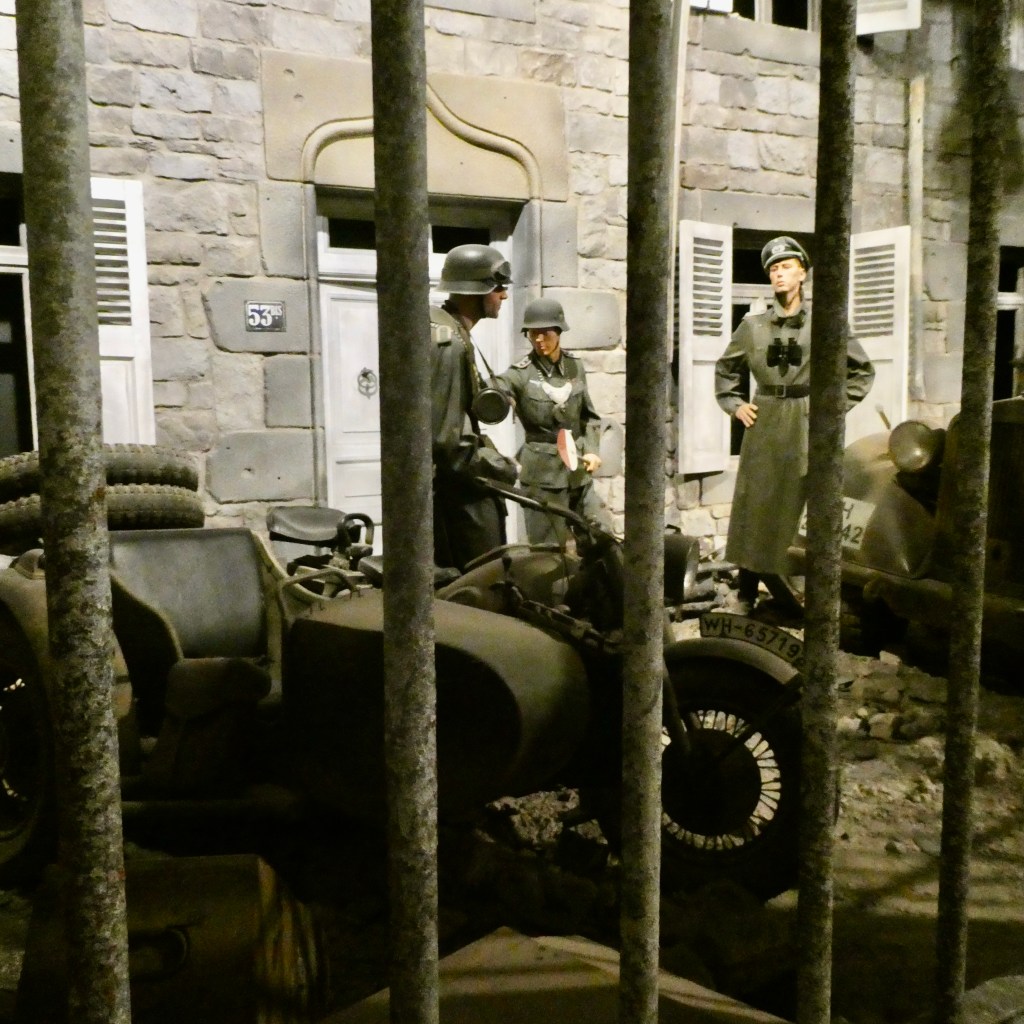
The life sized displays were numerous and very impressive.
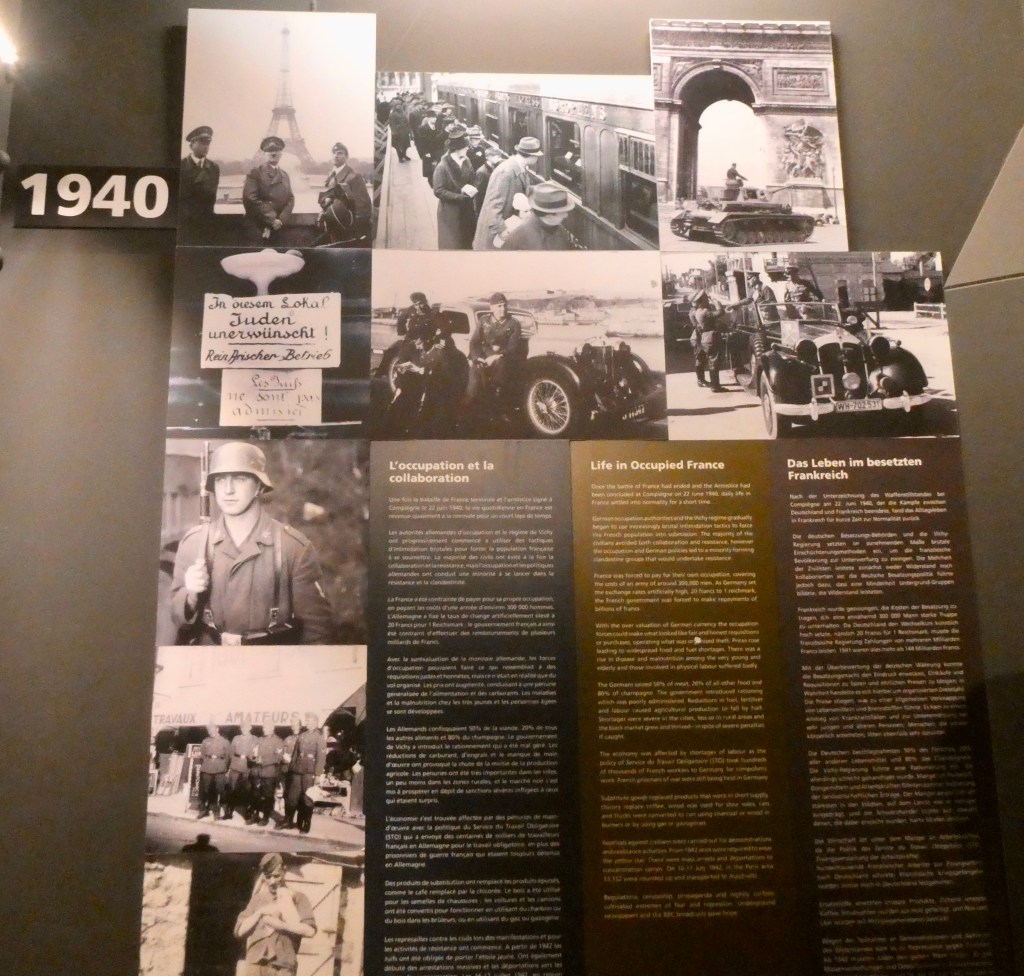
The information on placards and videos seemed so thorough. If studying World War II, and specifically D-Day and the Battle for Normandy, is your passion, you could be here for days.

Connie and Warren and I made our way back to Paris and the four of us gathered with our wine glasses from Bernkastle and had the remaining cherry cordial from Prague and peach liqueur from Cochem. We celebrated a successful trip and our last night in Paris together. They would head home to Arizona the next day while Randy and I went on to Zurich.
Did I tell you (a few times) that it was hot in Paris? Zurich and the Swiss Alps sounded like a perfect reprieve!
We went to Normandy on September 11, 2023.
Next: Zurich really is fabulous!


 Serene Wandering
Fascinating!!
Sent from my iPhone
<
div dir=”ltr”>
<
blockquote type=”cite”>