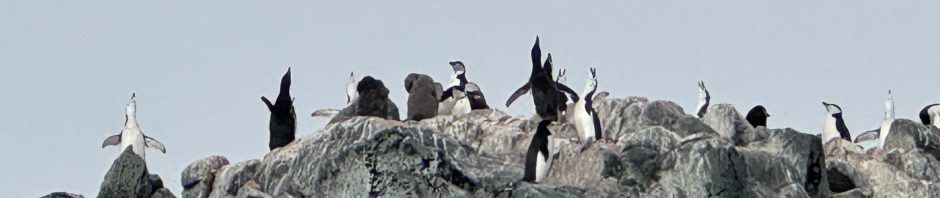
Our last day in Sydney, February 9, 2025, was spent in the Blue Mountains, ninety minutes outside the city. We met for our tour at 6:55 a.m. and our guide introduced herself as “Rin, It rhymes with gin, and Rin likes gin.” She was like that all day long – all 9 hours of it!
She drove us through the CBD which doesn’t mean what it does in the US. In Australia, CBD means Central Business District. Sydney is one of the most diverse cities in the world with 43 percent of residents coming from overseas.

We went through one of many tunnels in Sydney. This one was six miles long and allows for much more efficient traffic flow than on street level. There was dynamic pricing for the toll, as many in Sydney are.

We headed to the UNESCO listed Blue Mountains. These mountains contained the colonizing Brits to the Sydney area after they arrived in 1788. It took them 25 years to figure out a way around, over, or through the mountains to explore more of Australia.
Our first destination was Scenic World, described by Rin as “an amusement park for nature lovers.”

Scenic World includes several dramatic rides. She told us that the equipment was made by the Swiss, so is very reliable and safe for mountains.
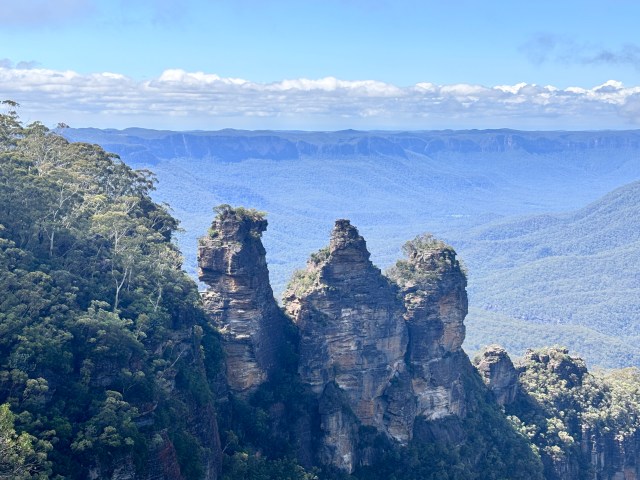
The Three Sisters are the most famous rock formations in the Blue Mountains. A solid sandstone ridge 14,000,000 years ago, they are now three separate formations.

We rode the Skyway across the Jamison Valley and back. The Skyway opened in 1958 as Australia’s first cable car. It rides 270 meters above ground.

We saw this waterfall from above.

These trees are a type of eucalyptus.
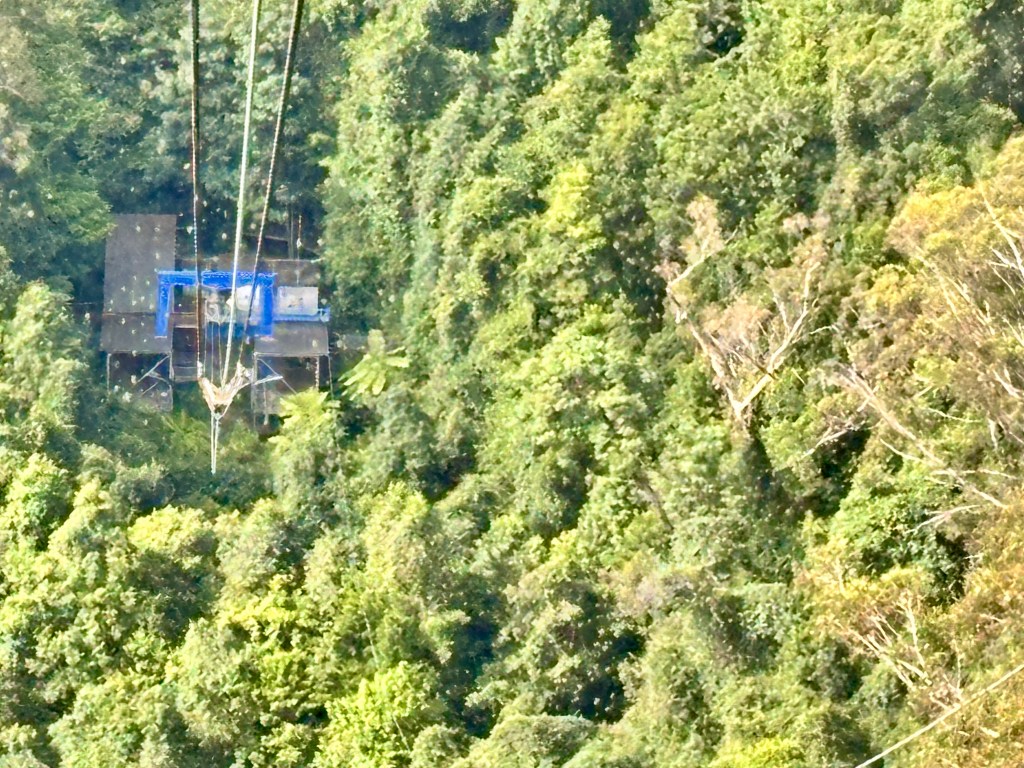


Our next ride was the Scenic Cableway. It is the steepest aerial cable car in the southern hemisphere with a 36 degree incline. It travels five meters per second.

We dropped into a subtropical rainforest that was claimed to be 90,000,000 years old.
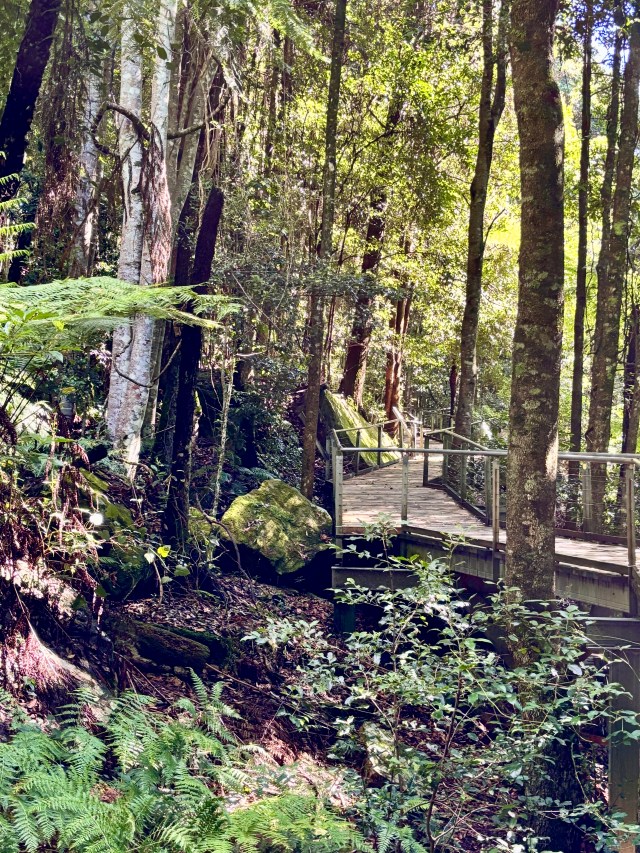
We traversed one of Australia’s longest (1.5 miles) elevated rainforest boardwalks. It was built with zero ecological impact.
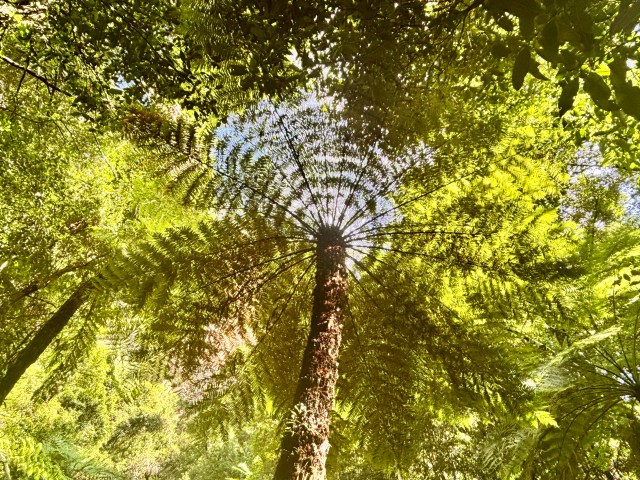
We learned about plants and animals unique to this rainforest.
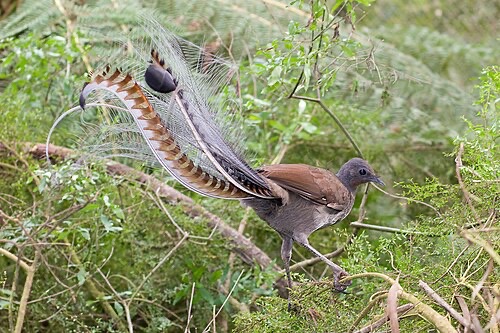
Lyre birds inhabit the area and look like a brown chicken size peacock. We didn’t see any but I found this picture on the internet. Lyre are able to mimic other birds, environmental sounds and human speech.
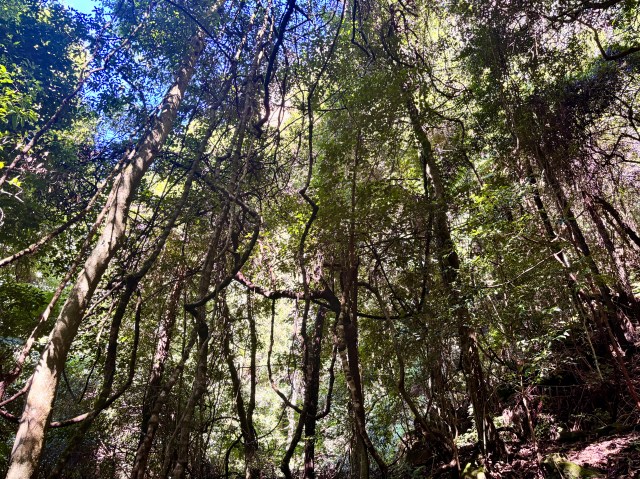
The vines keep the canopy thick, the trees in place and the temperatures low. A fire would be devastating here.

A coal mine opened in the rainforest in 1878, eventually involving 65 miles of tunnels.
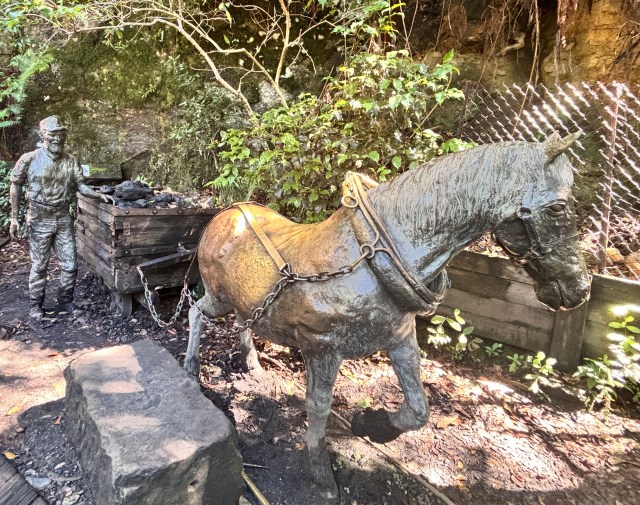
The mine closed in the 1930s and they let the pit ponies go free into the wild.

The miners started taking tourists into the mines on the train in 1928. This car was used in the 1960s and is now available for photo opportunities. (We aren’t there.)


The Scenic Railway is in the Guiness Book of World Records for the steepest passenger railway in the world! Still the record holder, it has a 52 degree incline and covers 4 meters per second.

As we were going back up the mountain, we were looking out and down while we went up and back.

The Blue Mountains were actually formed by erosion happening in the valleys and not an uplift of tectonic plates. The sunlight passing through dispersed eucalyptus oil, causes a blue haze, thus the name.
Ninety percent of the trees are a variety of eucalyptus. There are 934 different species of eucalyptus in Australia. About 70 percent of the varieties need fire for germination.
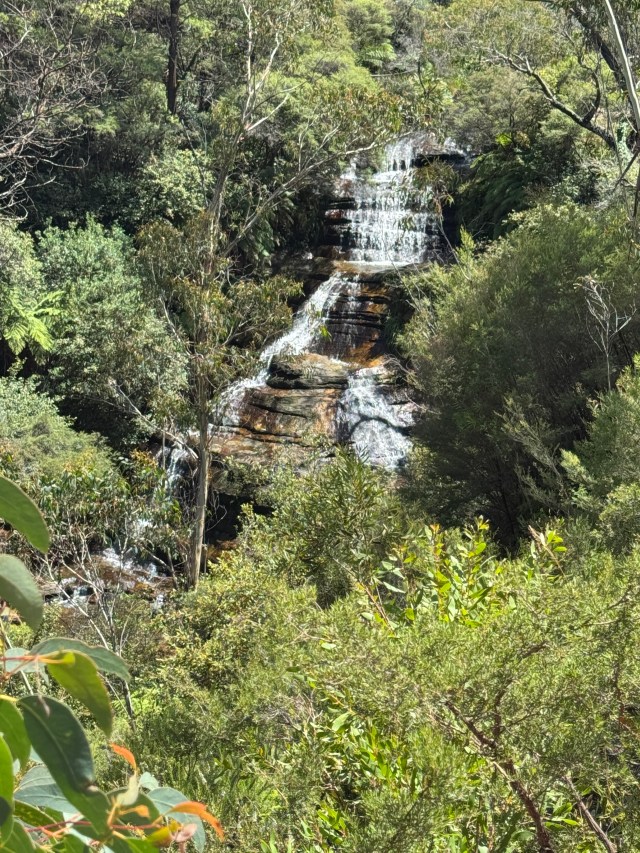
This waterfall has never gone dry in recorded history, including a couple thousand years of aboriginal history.
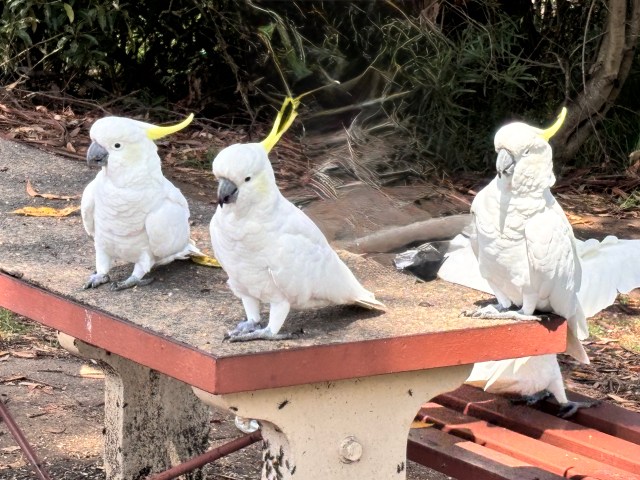
Another tour guide was feeding the cockatoos to the angst of our own. He justified it by saying what he is feeding them won’t hurt them. Rin’s point is that they become accustomed to being fed and someone will feed them something that will hurt them.

We stopped for lunch and had Chicken Parm, a very popular meal in Australia. Notice the french fries underneath instead of pasta.

Our next stop was Featherdale Animal Sanctuary – our last chance to see some of the Australian specialties. Our guide told us that everything in Australia is trying to kill you, including most of the world’s poisonous snakes. Snakes actually kill very few people in Australia because of anti-venom.
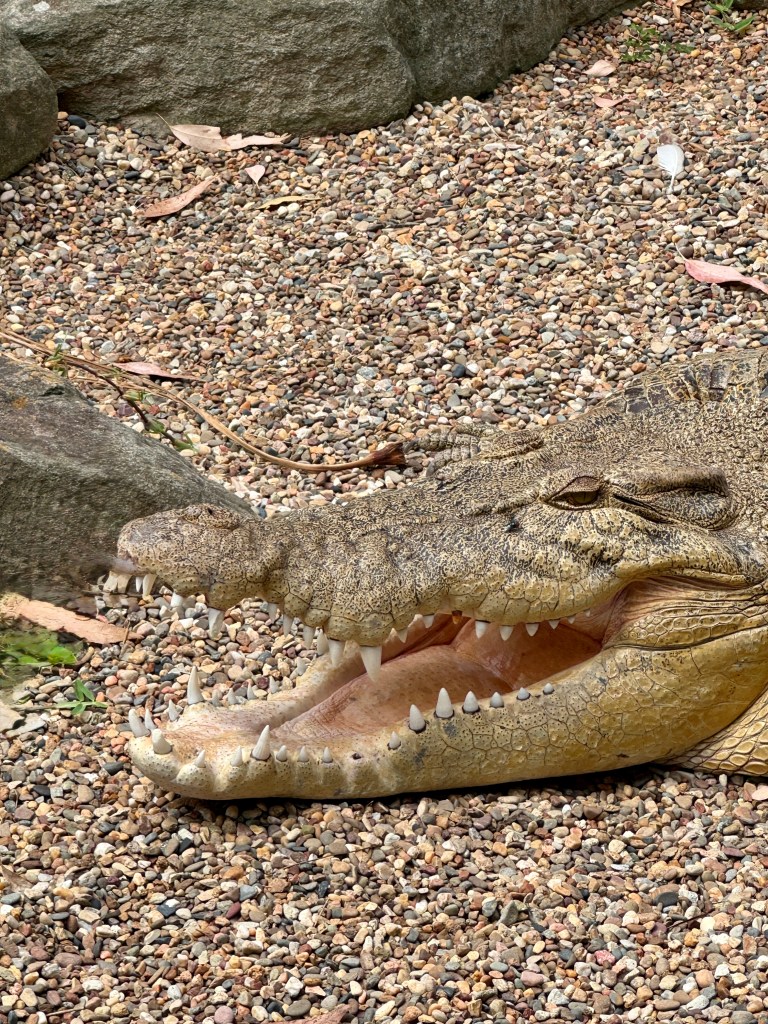
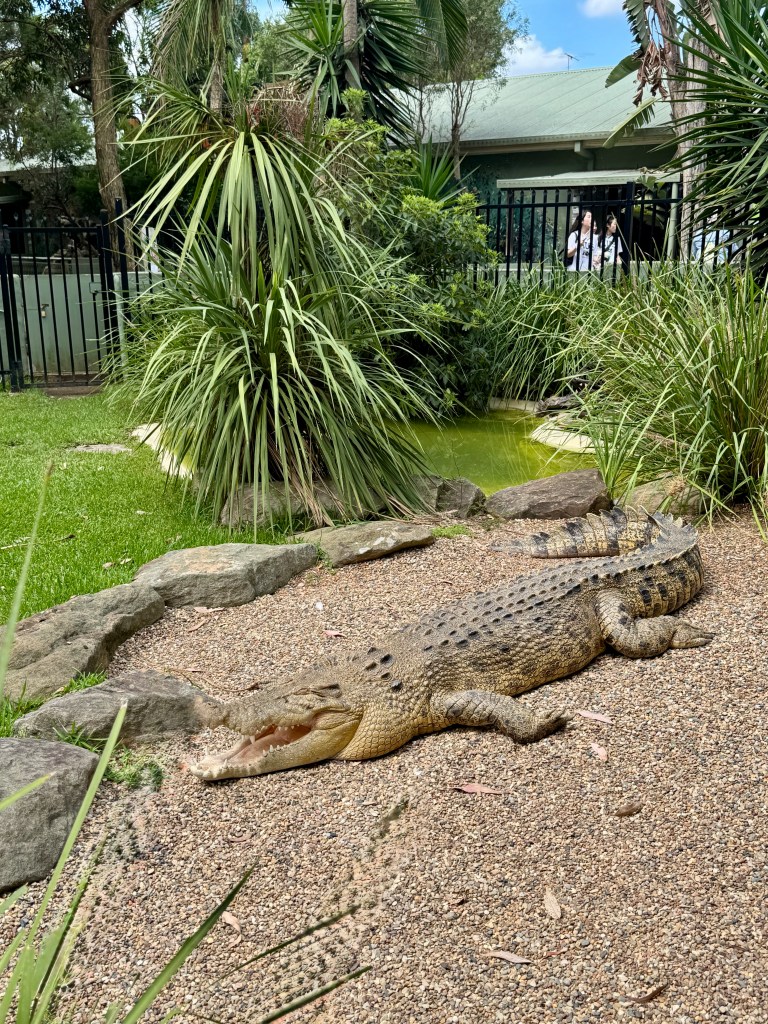
Crocodiles on the other hand are given “credit” for a number of human disappearances every year.
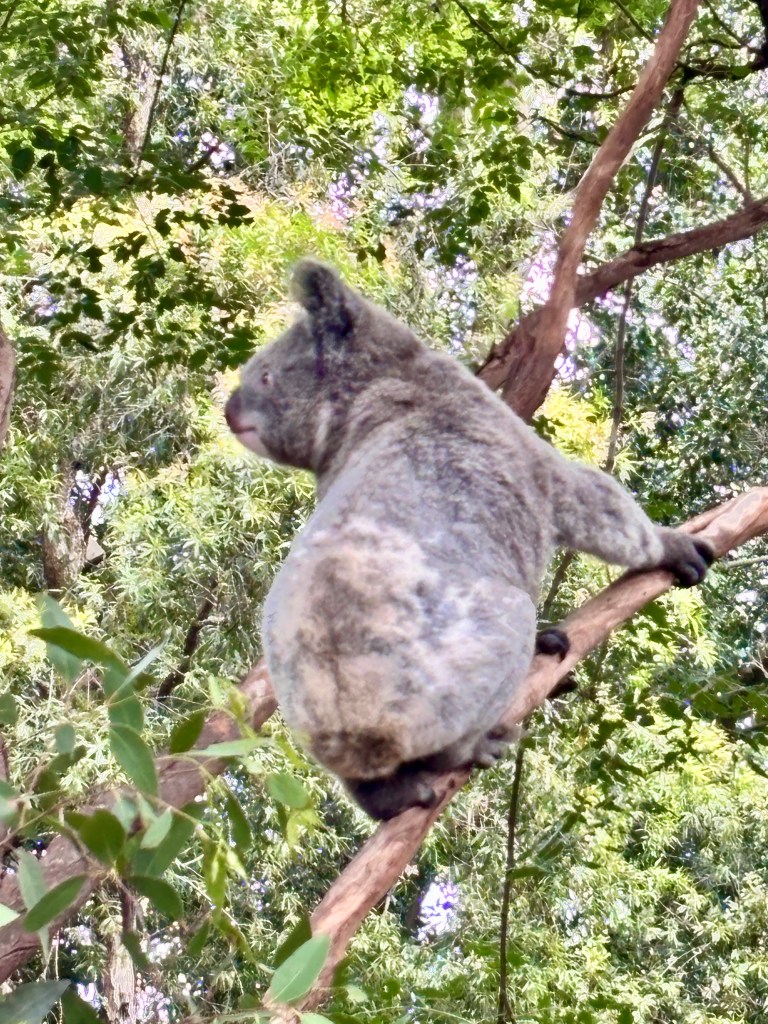

We did see a few more koala but didn’t understand why some of them were in a natural setting and most were in small enclosures.
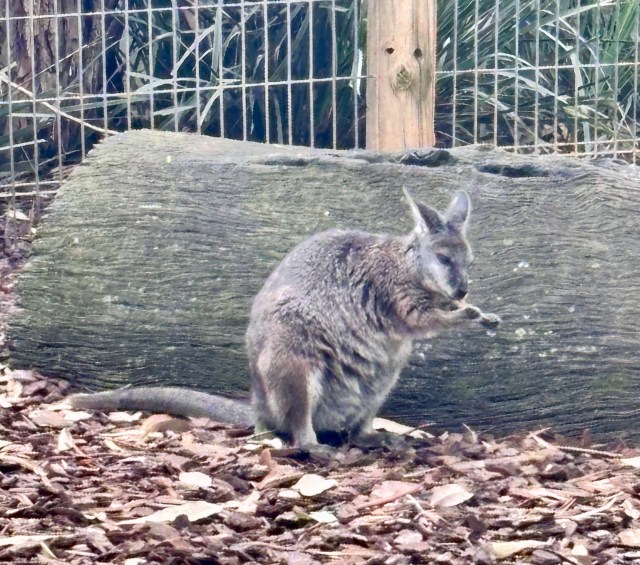
We saw a Tammer Wallaby, the smallest wallaby species.

We saw blue penguins in captivity, having seen some in the wild in New Zealand.
We were intrigued by this cassowary. We were told they were dinosaur birds. Research says they are genetically similar to the emu.

They are flightless and live in areas of New Guinea and northern Australia. They are the third largest bird, behind the ostrich and emu.

It is sometimes considered the world’s most dangerous bird because it can inflict serious injury and death if provoked. The middle “toes” are weapons.
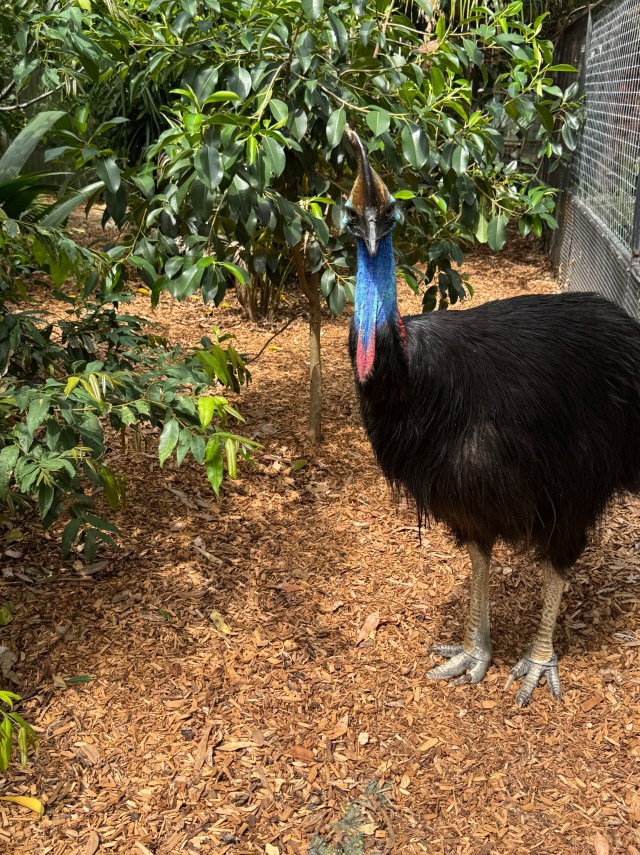
Cassowary can run 30 mph, jump and swim. They are solitary birds, not tolerating others of the same sex in their territory.
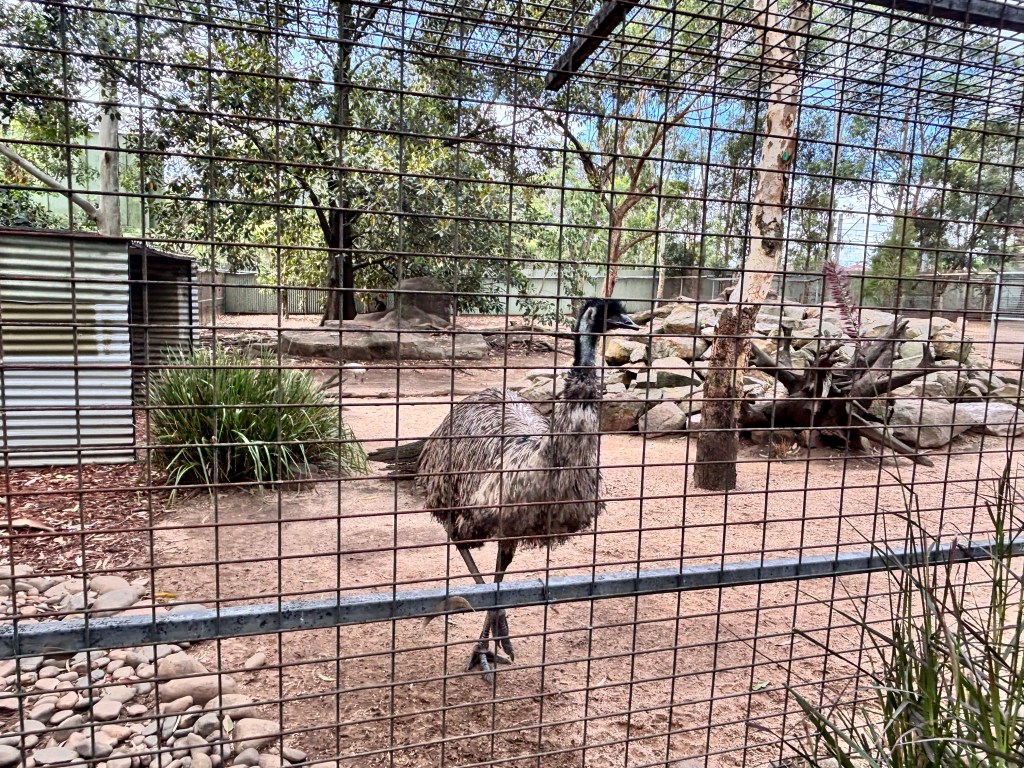
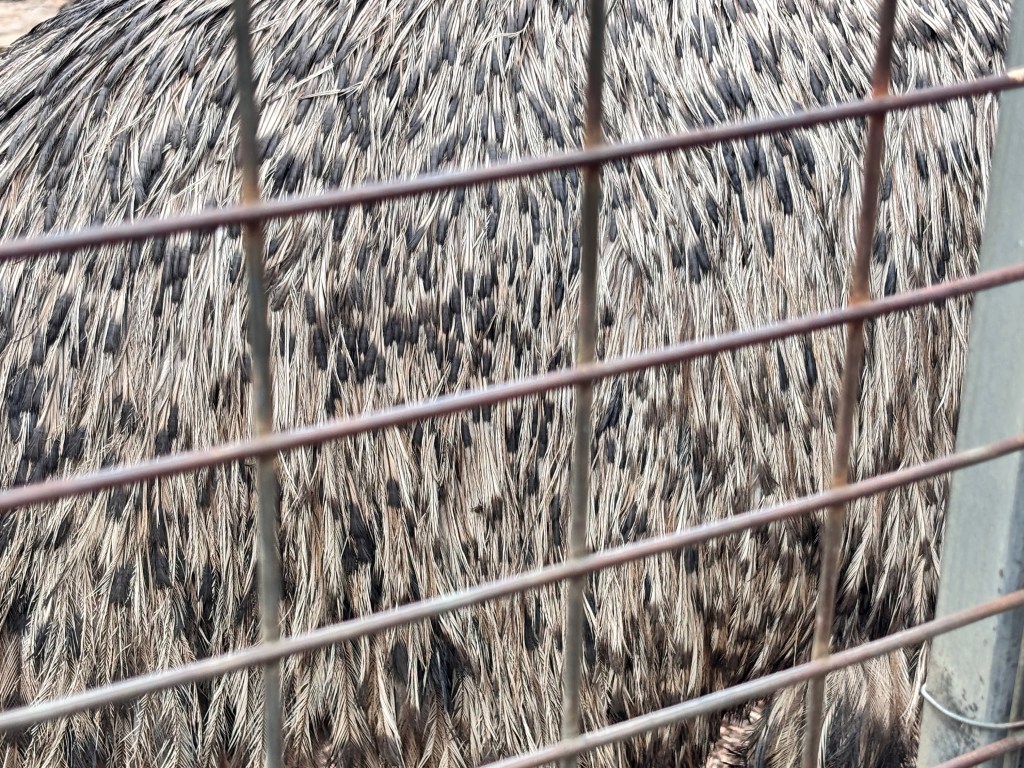
A little further down the path was an emu. Emu feathers are softer and more flexible than most other birds. They have two feathers coming from the same shaft, a primary and secondary.
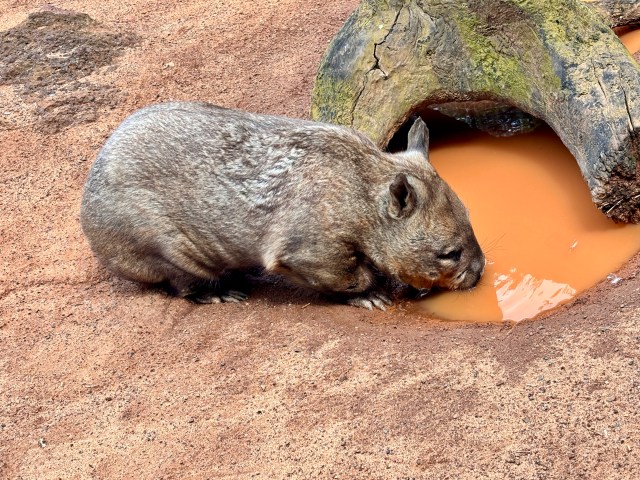
Wombats are very cute little guys. Their poo is square!
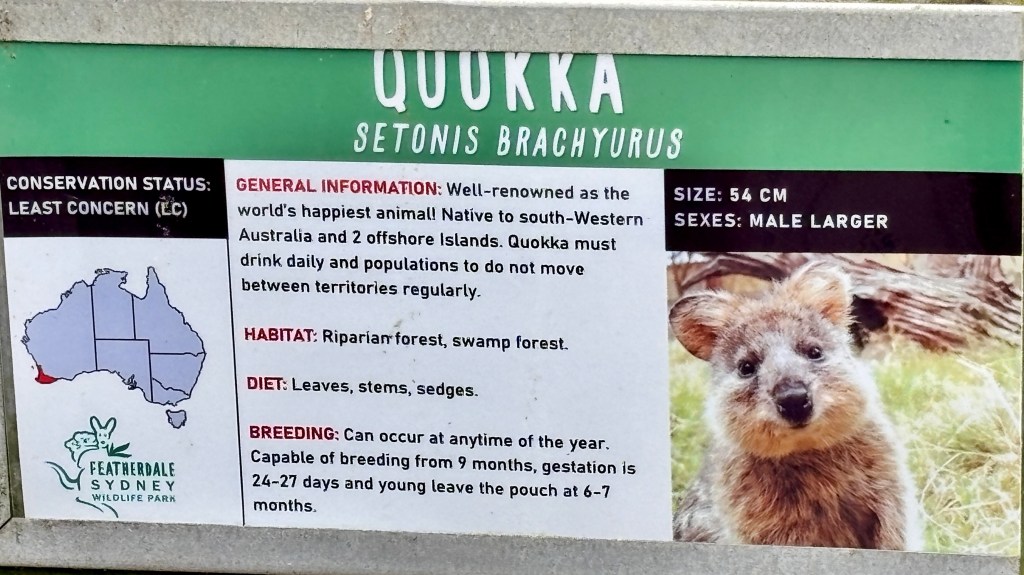

This is a quokka – definitely a new animal to us!

We finished with a couple dingo. The oldest fossilized remains of dingo are believed to be 3250 years old.
We were leaving Australia feeling like we saw almost all of the animals we’d hoped to. We’d not seen kangaroos in the wild or a platypus anywhere, but overall we were pleased.
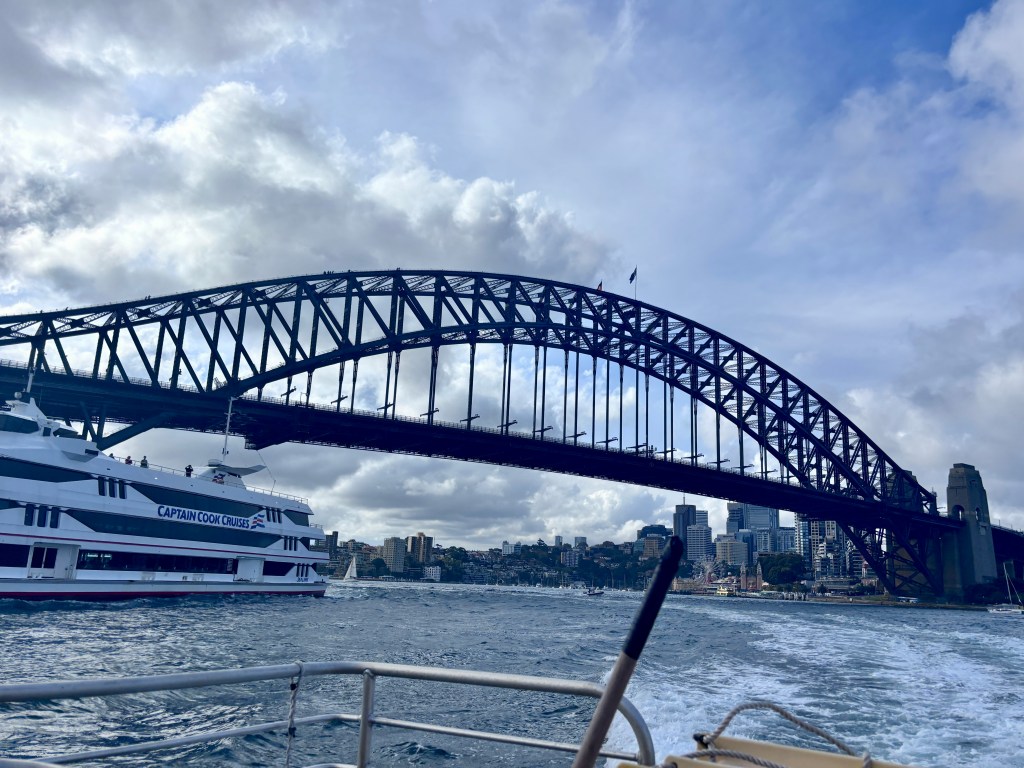

As we rode a bus and then a ferry back into Circular Quay in Sydney. There was another new cruise ship in port. We knew the locals wouldn’t be pleased to have such a large ship! Ovation of the Seas sails with 4900 passengers. We aren’t interested in a ship that big, but lots of people enjoy all the family friendly amenities.
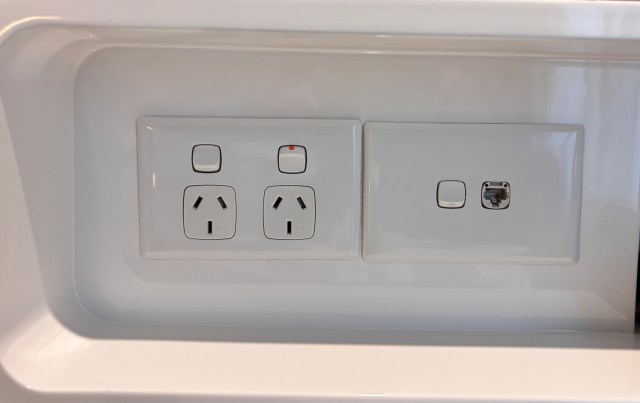
A couple random thoughts before we leave Australia: Electric outlets have switches to turn them on. The emergency phone sequence in Australia is 000 instead of our 911.

As we prepared to leave, we found it highly amusing that we would leave Sydney at 11:05 am on a Monday morning. We would arrive in Phoenix at 10:35 am on that same Monday morning! It was like getting home before we left…NOT! We lost a day going and gained a day coming home.


We flew home in Premium Economy on Delta and found it very adequate. Our long leg was 14.5 hours. We waited 30 minutes on the tarmac in Los Angeles waiting for customs to open. The flight to Phoenix was uneventful.
We had a great month exploring Tahiti, New Zealand and Australia! Thanks for coming along. Stay tuned this summer when we take off again!


 Serene Wandering