
July 30 was the first visit of Nieuw Statendam to Kellybegs, Ireland. Our ship was one of 24 ships that has, or will, arrive this season.
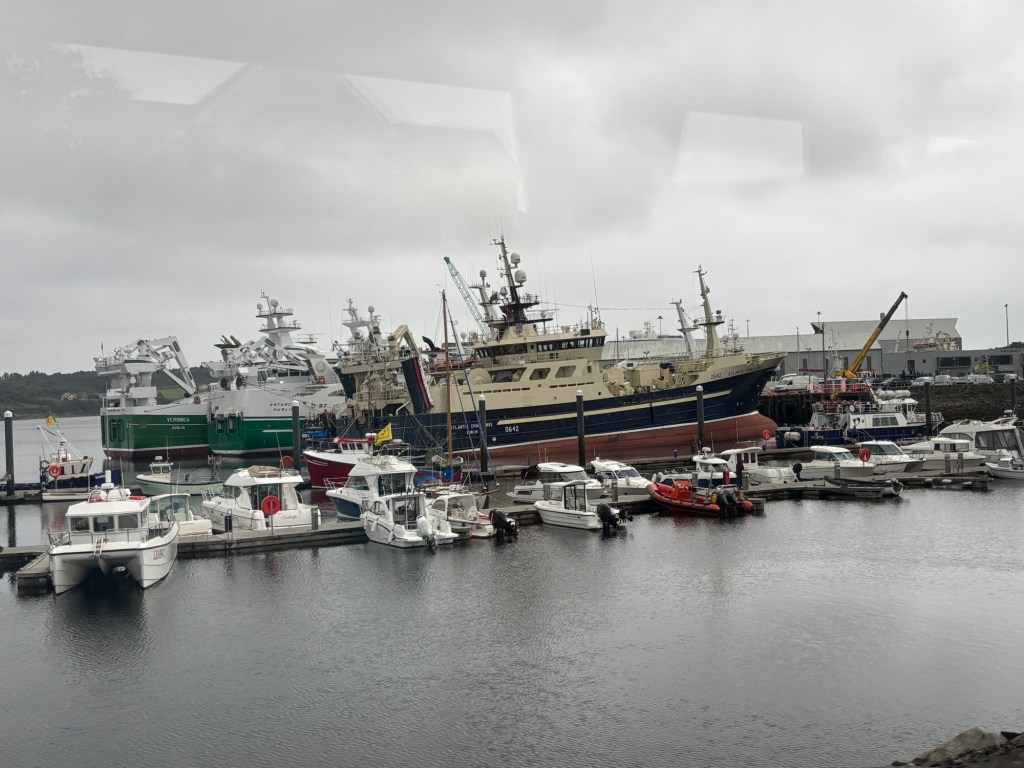
Killybegs has a deepwater harbor that opens into Donegal Bay. It boasts Ireland’s largest fishing fleet. The fleet are allowed specific seasons to get their quota per species. Herring has not been fished for more than 20 years as the government tries to rebuild the population. Our guide mentioned two fish species that they fish to export but wouldn’t eat locally.

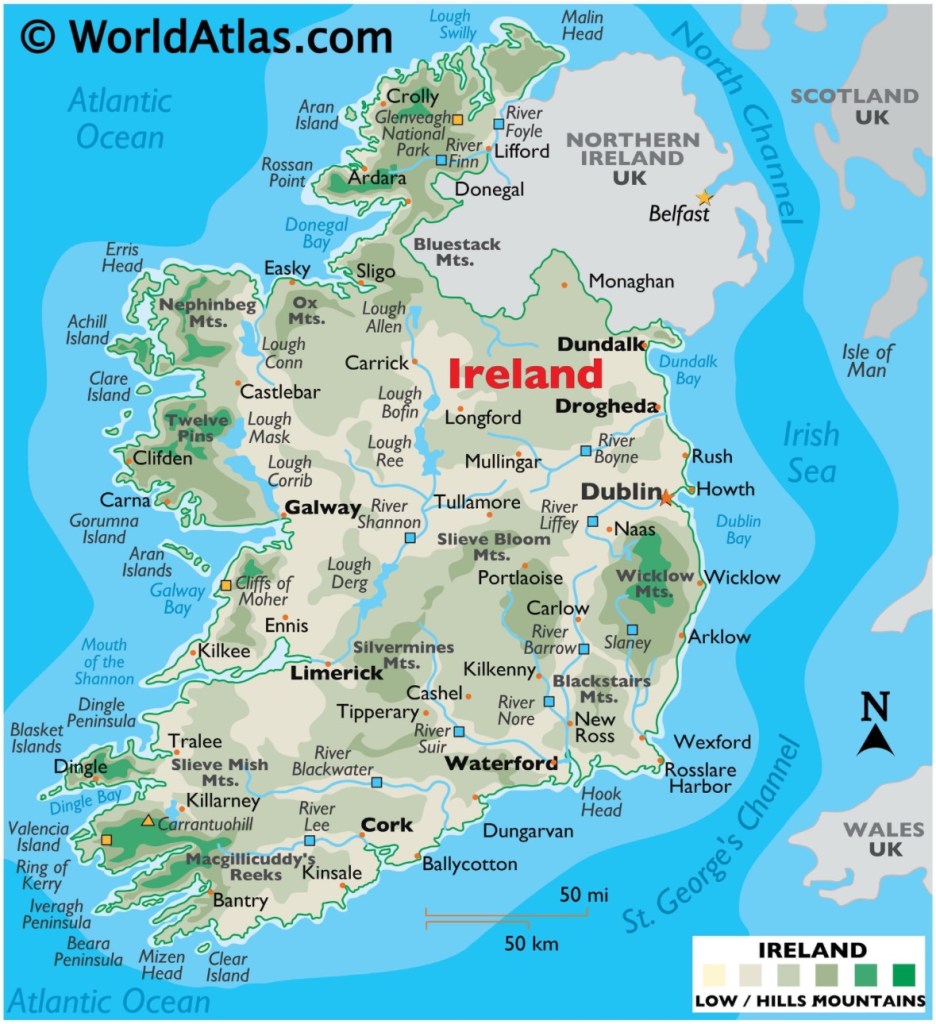
Donegal is in the Republic of Ireland, but is also in the historic region of Ulster. Ulster was divided in the decision for independence, generally along religious lines. Three of the nine counties voted to join the Republic of Ireland while the remaining six chose to form Northern Ireland, part of the United Kingdom. Since 1998’s Good Friday agreement there is peace after centuries of warfare.
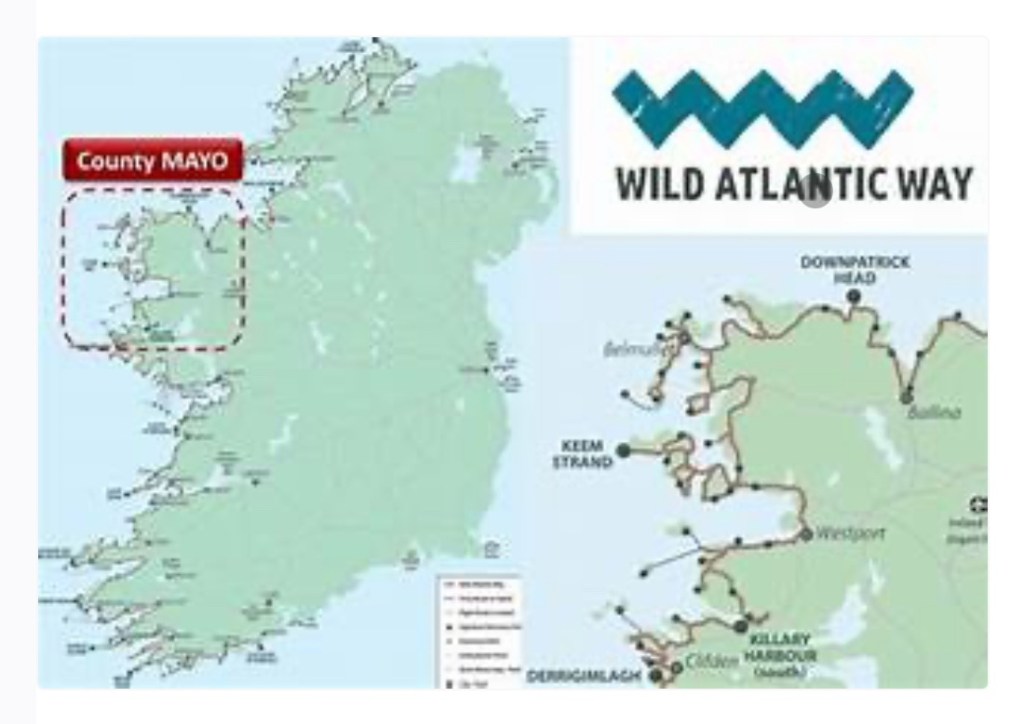
Our drive to Donegal took us along part of the 2,500-kilometer-long coastal route known as the Wild Atlantic Way. It was developed as a “Route 66” type tourism enhancement and has been very successful. Due to the problems in Northern Ireland, many tourists had been reluctant to venture this far north.
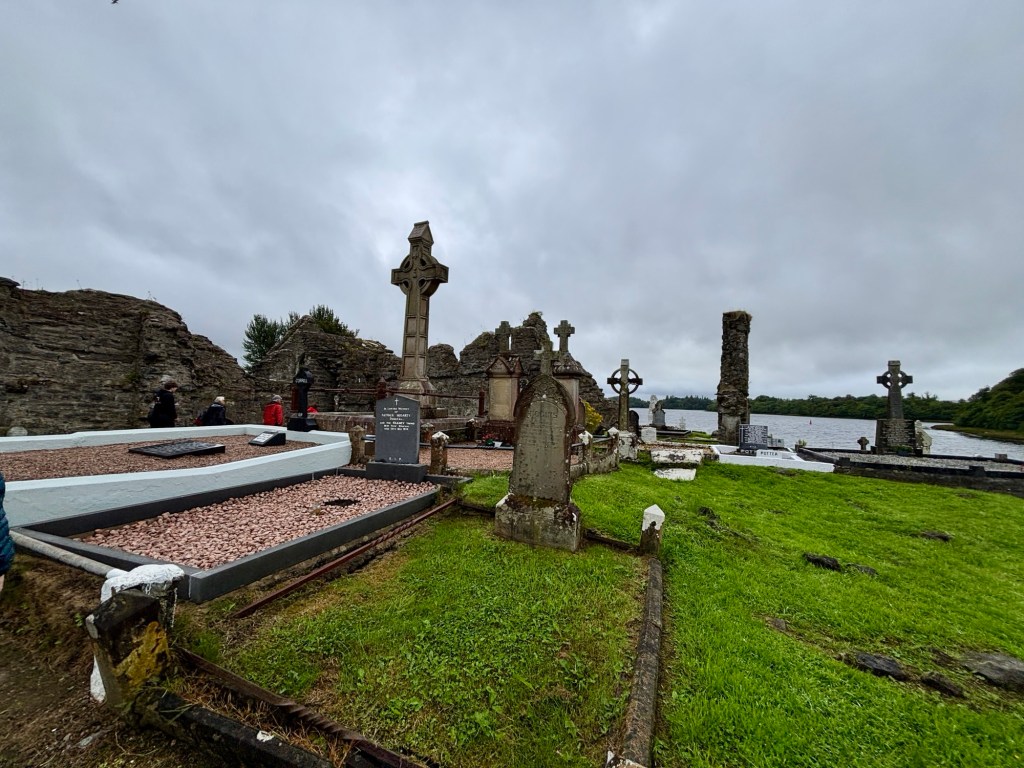
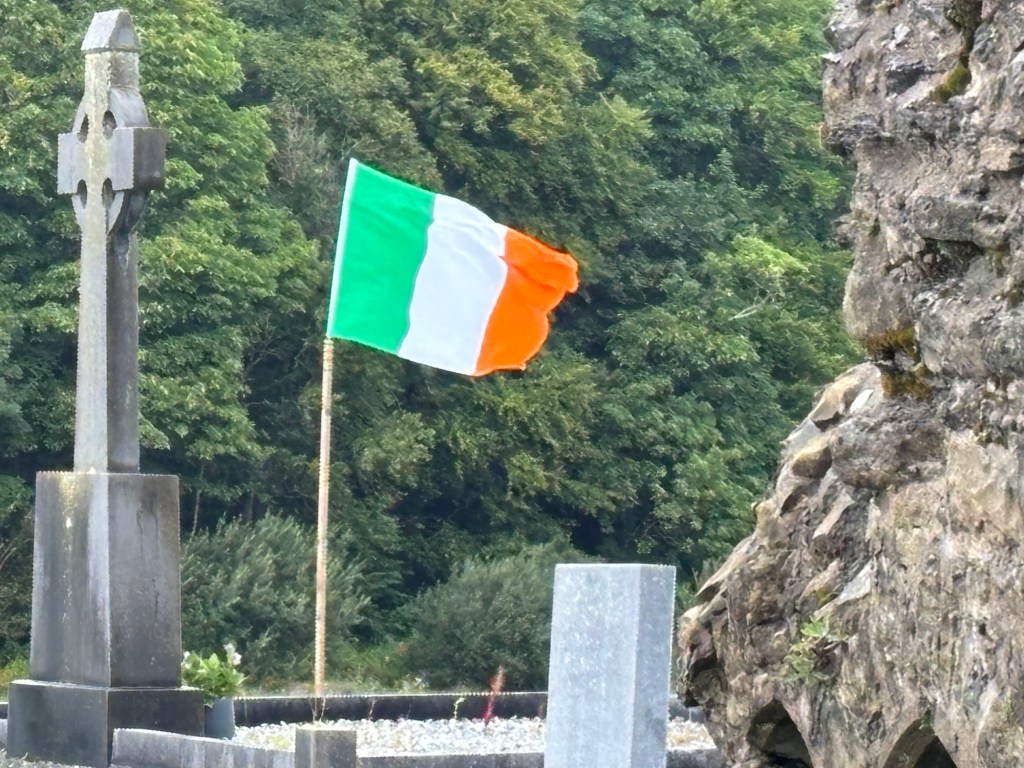
We arrived in Donegal and walked to the ruins of an ancient Abby. The Abby was built in 1474 through the efforts of the powerful O’Donnell family who led this area for centuries. Overtime, both Catholics and Protestants were buried there.
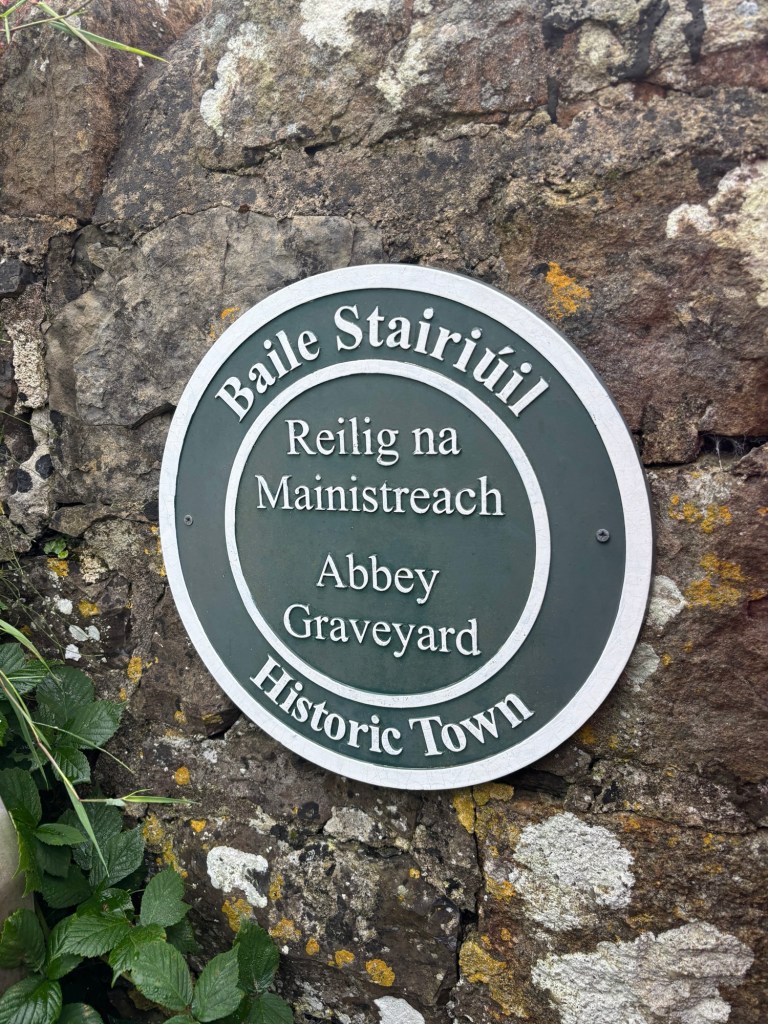

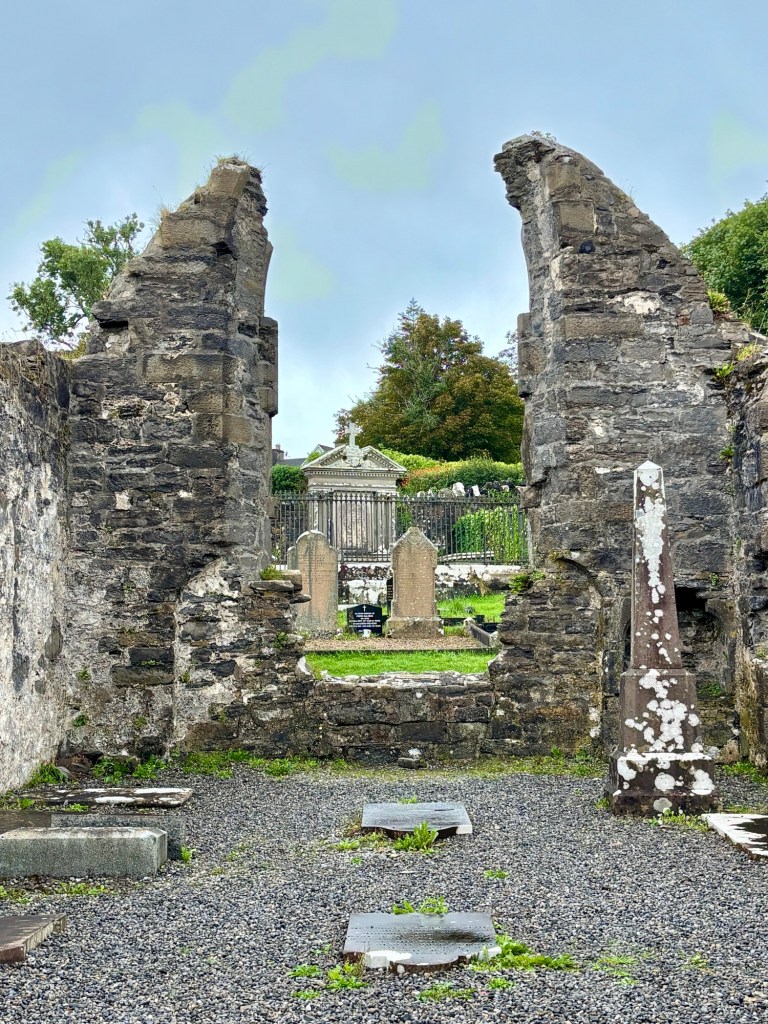
One of the significant historical events of the Abby was that Annals of the Four Masters was written here. Four friars wrote one of the earliest texts of the history of Ireland.
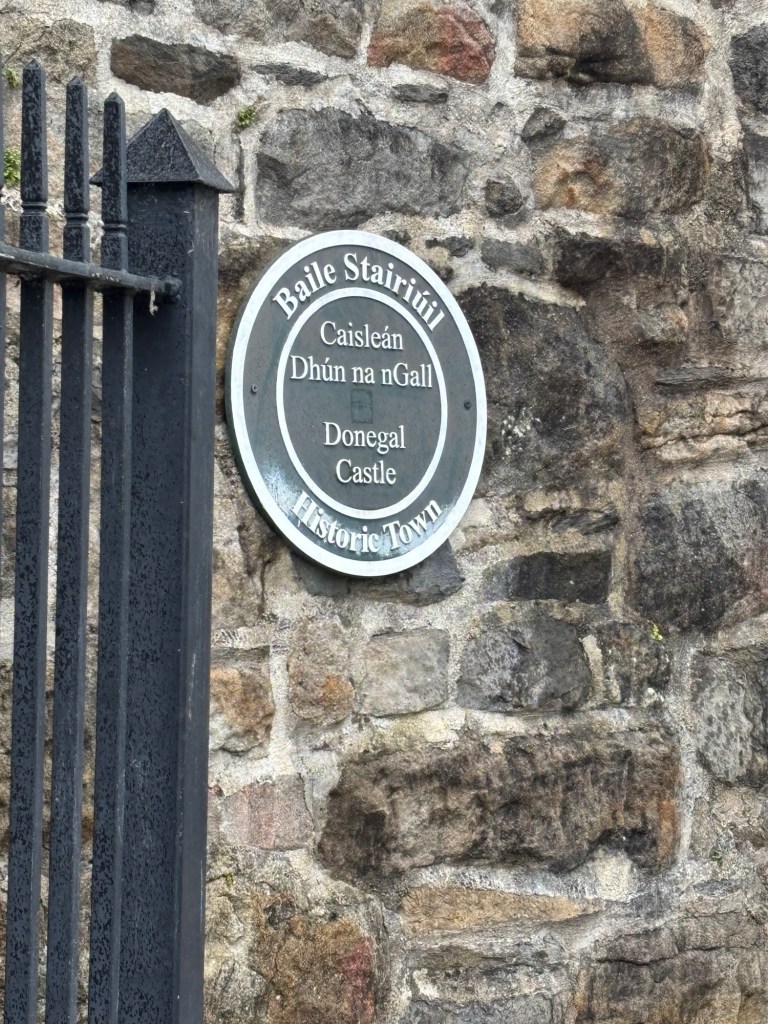
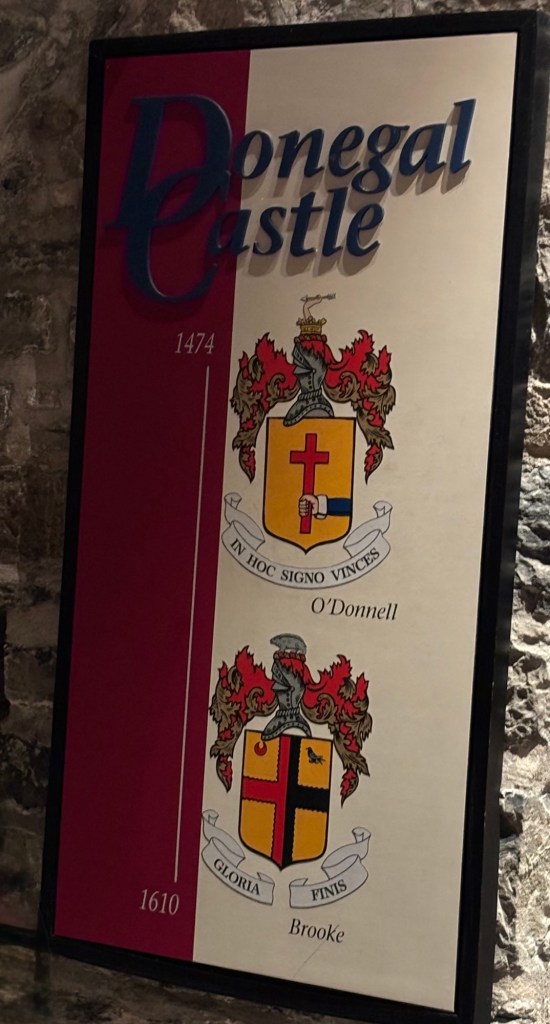
From there we moved to Donegal Castle, also built by a 15th century O’Donnell chieftain. The O’Donnell clan ruled the area from the 12th to 17th centuries. Early inhabitants of the area had been tribal, flighting each other.
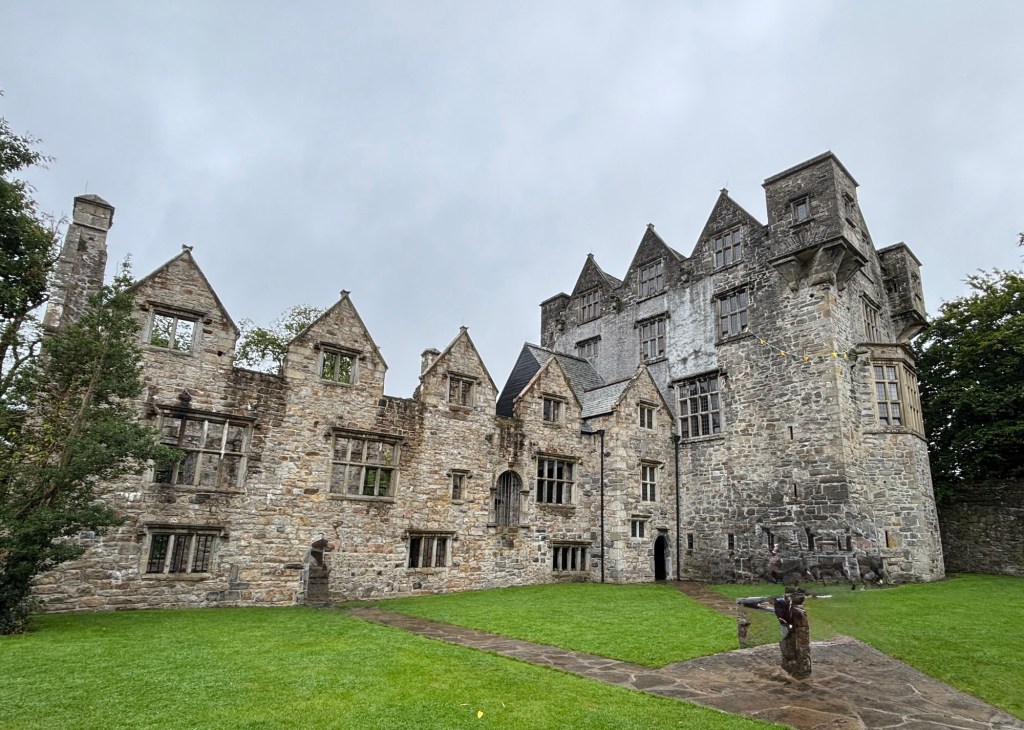
The tallest part if the castle is over 550 years old. It was originally built as a fortress for the O’Donnell clan.
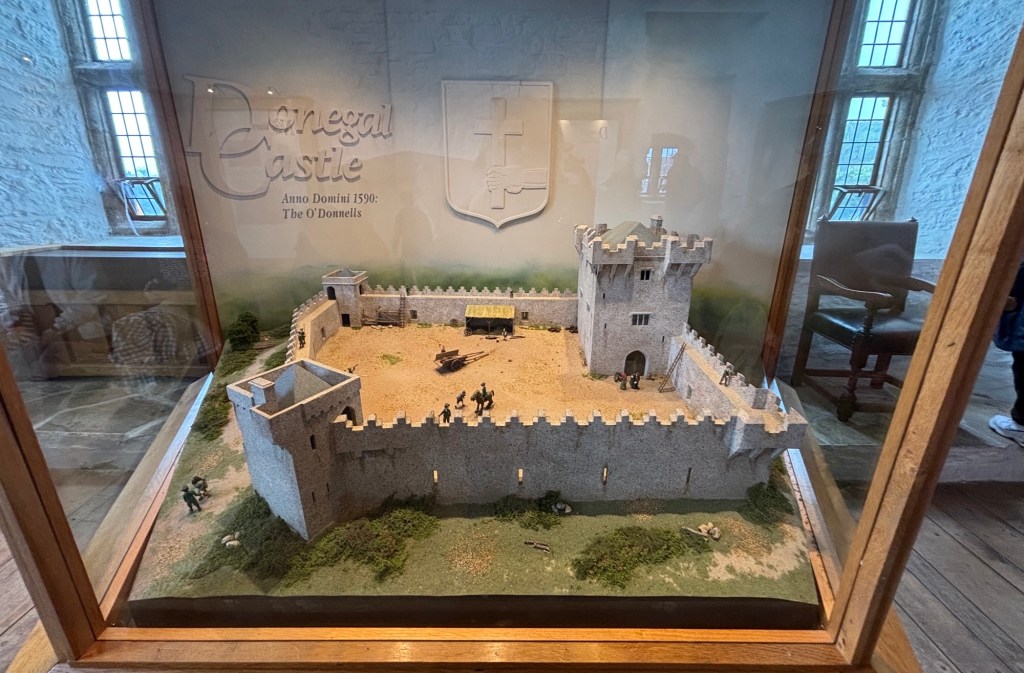
This depiction shows how the castle looked at that time. The reality of living in a castle in that era was that it was cold and dark. The defensive features were walls made of 10 feet of solid stone and small windows presenting a wide range to shoot out, but little opportunity to shoot in.
Another defensive feature was the trip stairs. The steps aren’t even to trip the advancing enemy. They also go in a clockwise manner given that most of the population is right handed. It means a right hand of swordsman coming down the stairs as the advantage of the full swing of their sword. There is only one castle in all of Ireland, in which the staircase goes counterclockwise, Park Castle in County Lerum, likely built by a clan of predominate left handers.
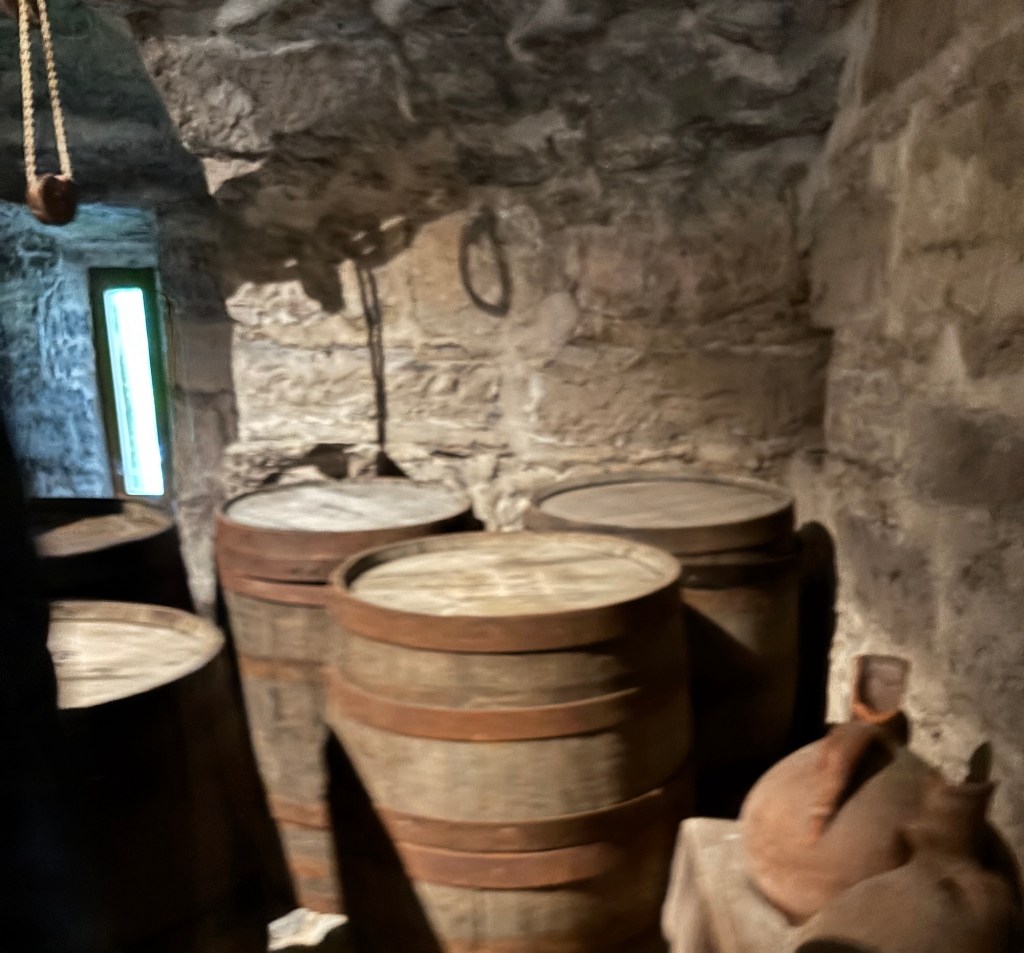
The O’Donnells capitalized on the fishing industry that existed even then. The fish was salted and sent to France and Spain. They brought back 100 tons of wine per year – likely in those same barrels.
In England, Henry VIII gave way to Elizabeth I (although it wasn’t quite that simple) and she pressed British rule on Ireland. In time the chieftains were run out and the O’Donnels destroyed Donegal castle so the British couldn’t use it.
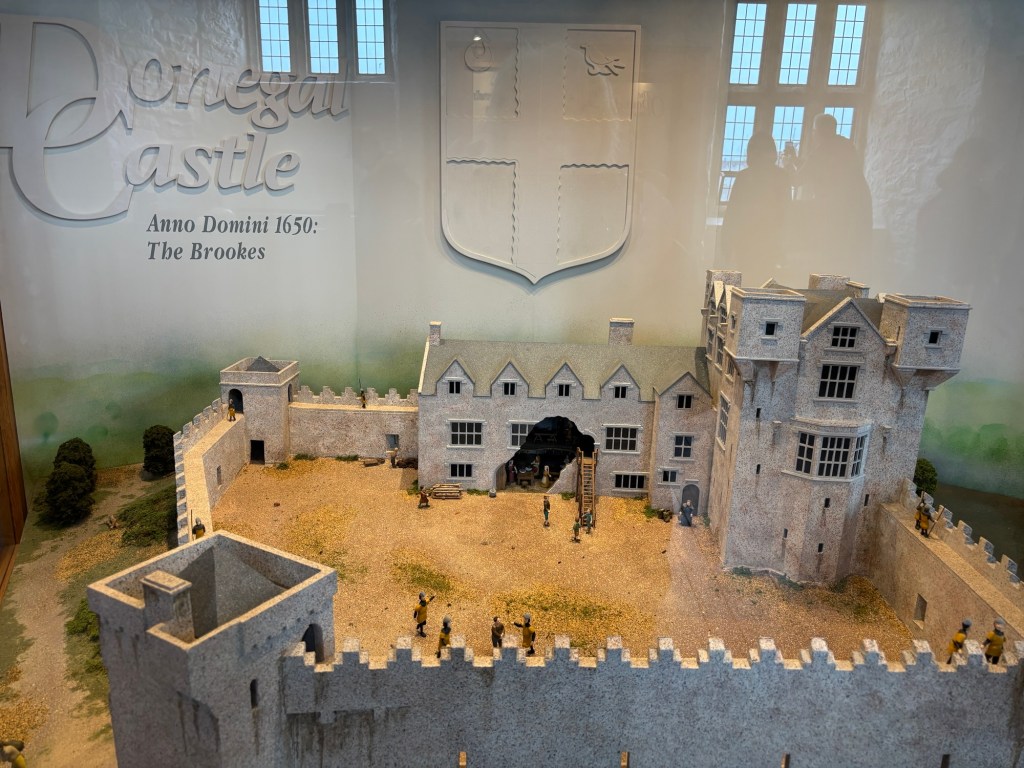
In 1611, the castle and its lands were granted to an English captain, Basil Brooke. His family re-built and refined the tower house and added a new wing.

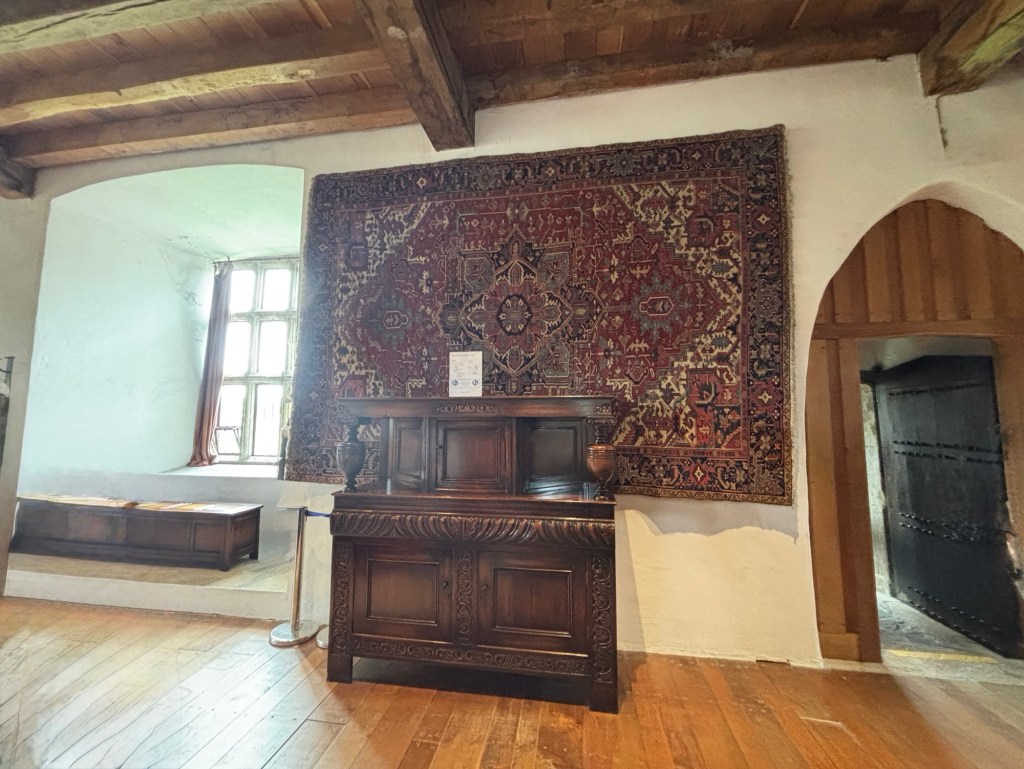
The dining room has many windows for natural light under the Brookes. Only wealthy families could afford them.
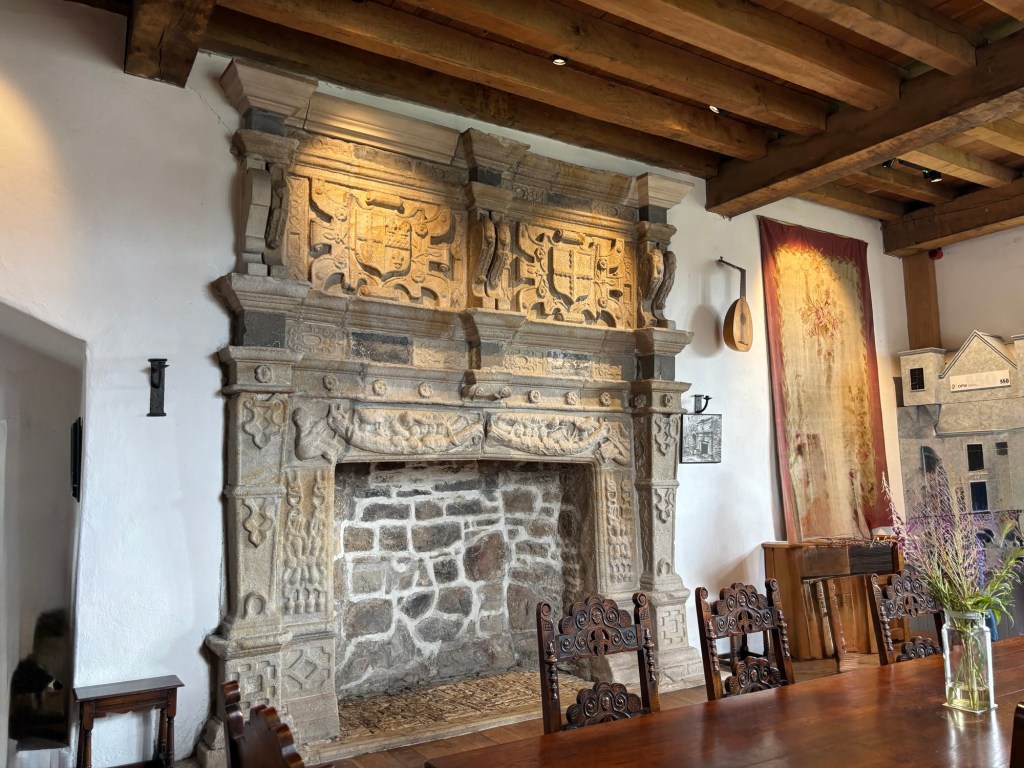
The two engravings of Coat of Arms represent the Brookes family and that of his wife, the Leyster family.
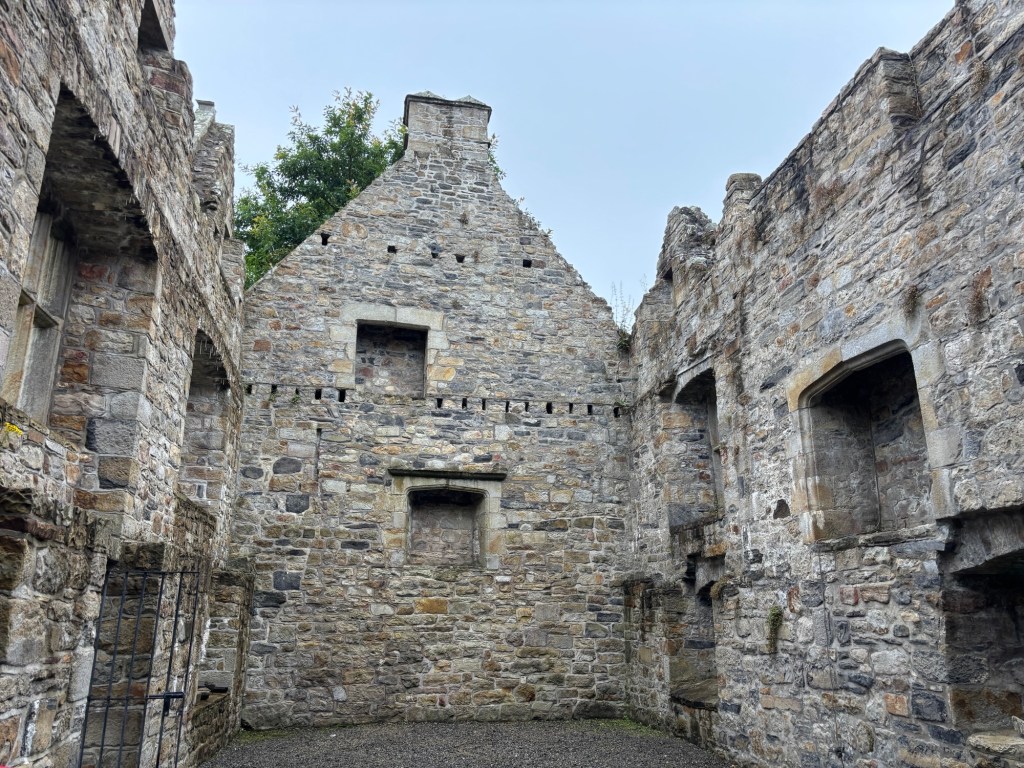
Over centuries the castle belonged to others and was abandoned. It has undergone periods of restoration since 1990 by governmental agencies.
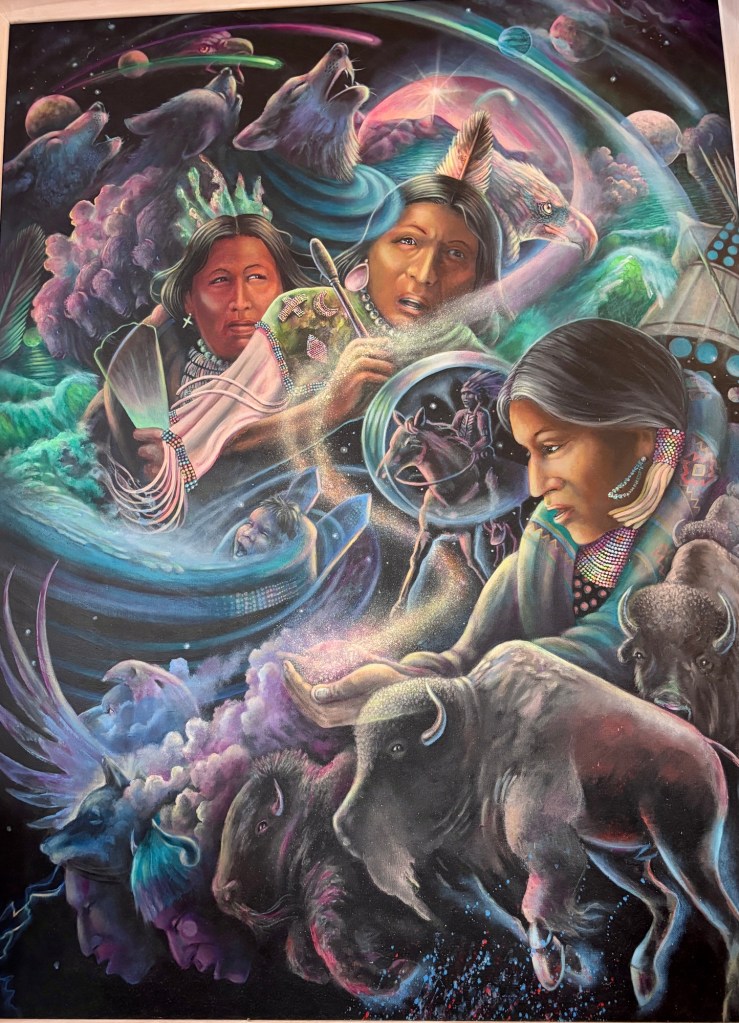
Inside the castle we saw a painting done to commemorate the Choctaw Nation of Oklahoma. In 1847, the Choctaw donated $170 to help the Irish poor during the potato famine. That was only 14 years after the tribe was marched along the Trail of Tears. The gift created a lasting friendship between the two nations.
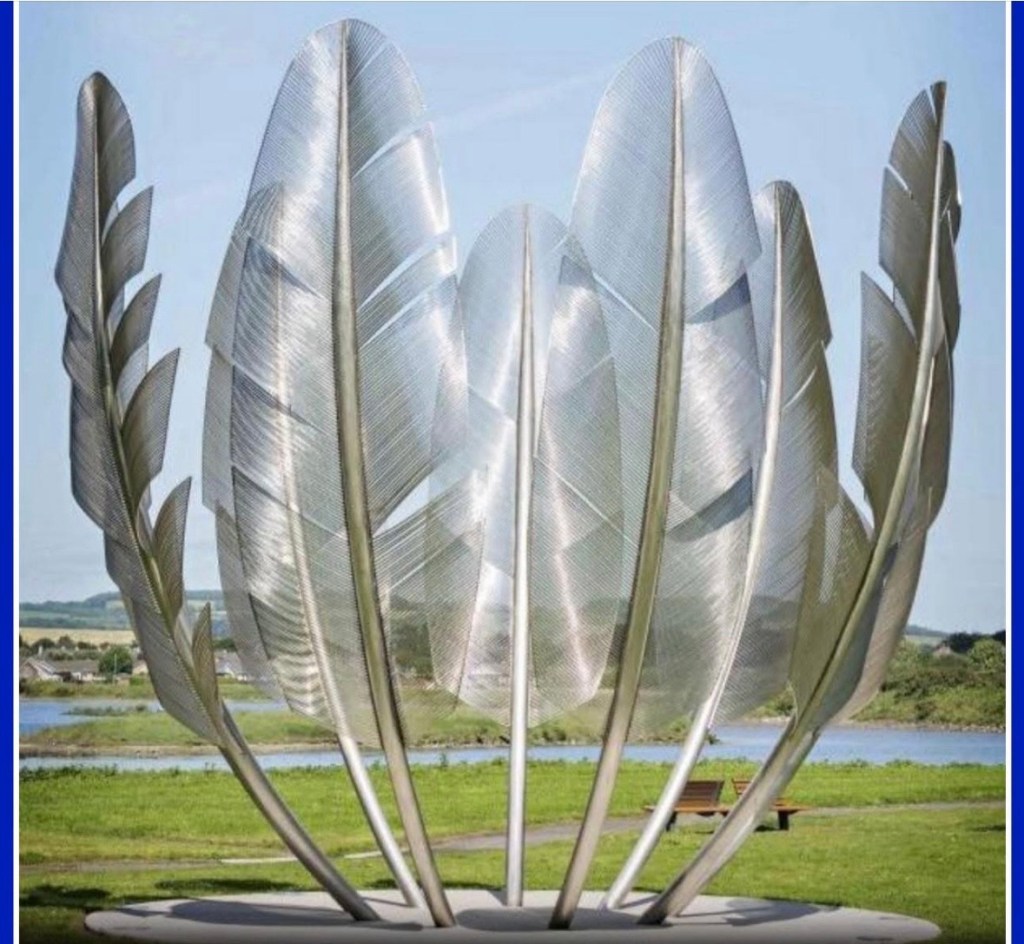

There is a second commemoration to the Choctaw in Cork County, Ireland.

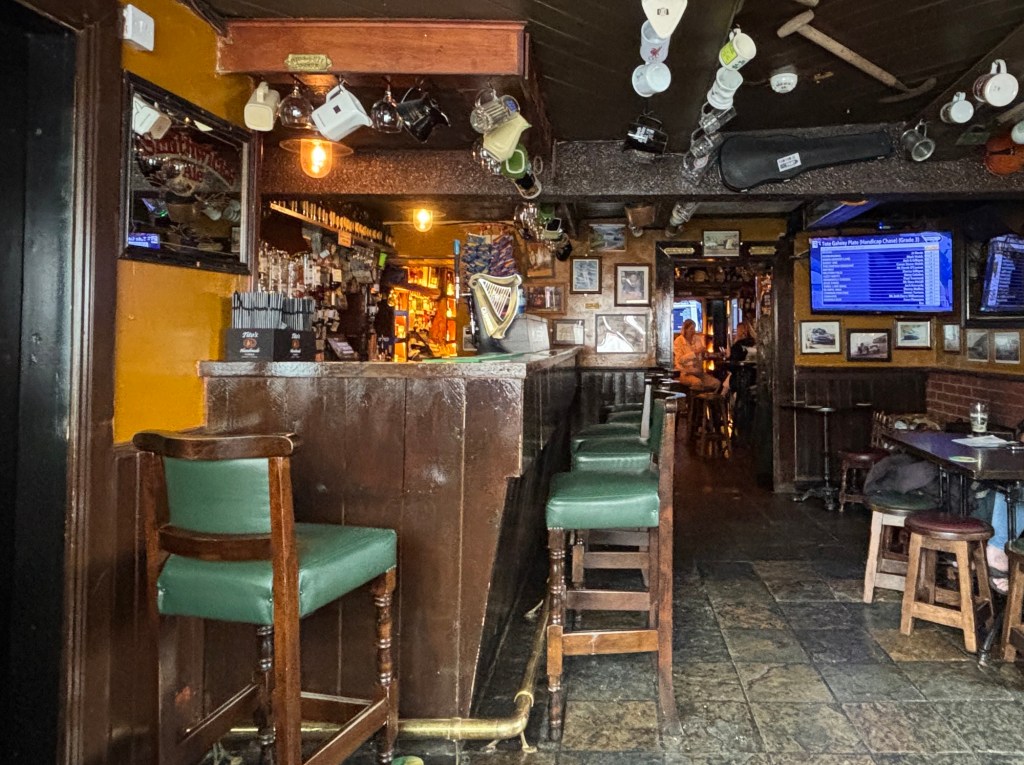
With an hour to ourselves, Randy and I stopped at McCafferty’s Bar for a Guinness. Our tour guide said true Irish don’t drink Guinness – but we are tourists!
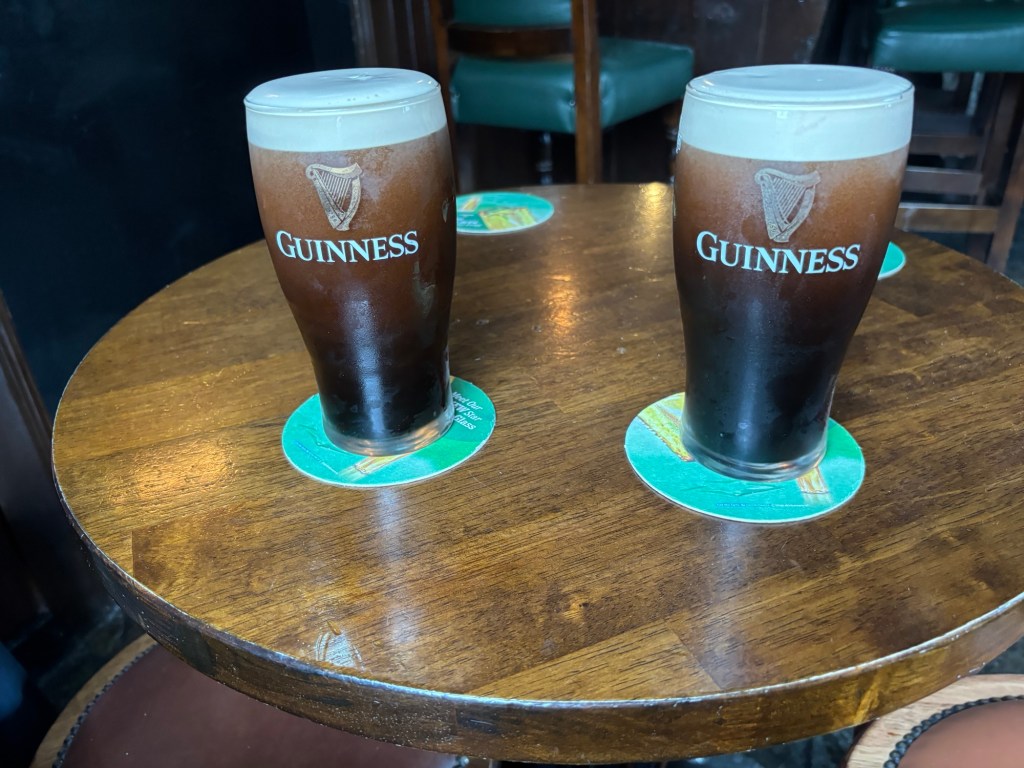
The Irish bartender, in the Irish bar, was not aware that true Irish don’t drink Guinness. He says he serves a lot of it.
As we drove back our guide told us more information – although at this point all of it may be suspect! Guides are memorable for many reasons.
He said people build their houses along the roads in Ireland because they are likely built on family lands. The highest home ownership in the world is in Ireland. That standing is at risk since the price surge post covid.
Since 1922, the police, or garda, in Donegal have not carried weapons. The crime rate in this part of Ireland is very low .
Our guide also said that 5000-6000 Americans emigrate to Ireland each year. The number of research requests increased after November 2024.
The guide said leprechauns are an American invention and no Irish say “Top of the morning.” Someone we met later wouldn’t comment on the leprechauns but did agree no one says “Top of the morning.”
Ireland was a new country for us and we had an interesting first day.
Next up: Galway with Cindy and Darrell


 Serene Wandering