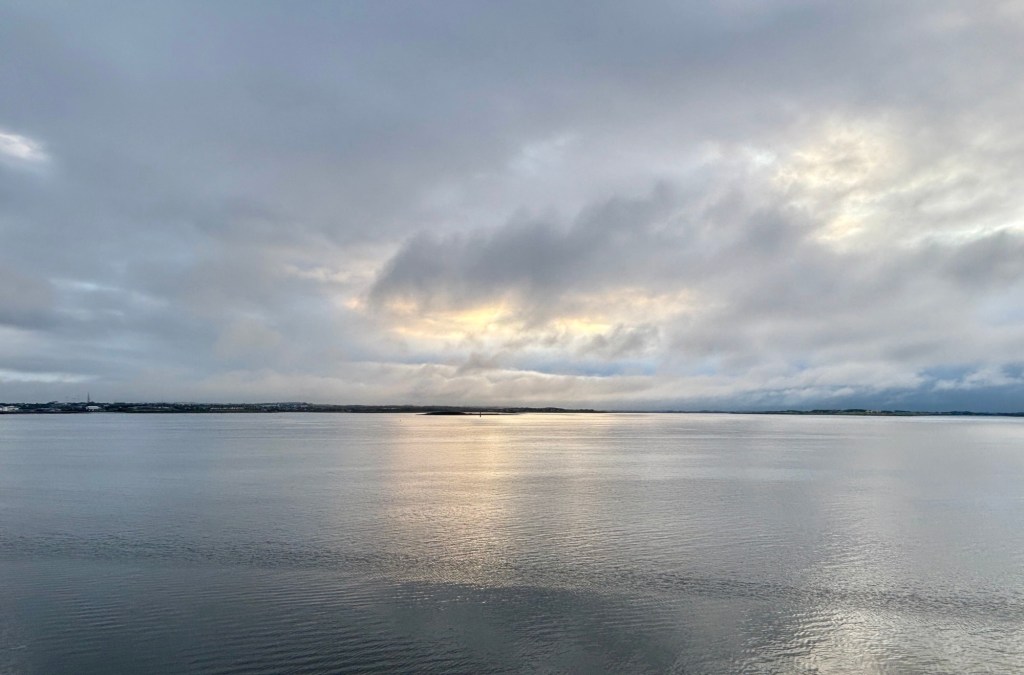
This was our first view coming into Galway, Ireland on the morning of July 31st. It was early because we had a 7:00 am meet-up due to the need to tender into the port.
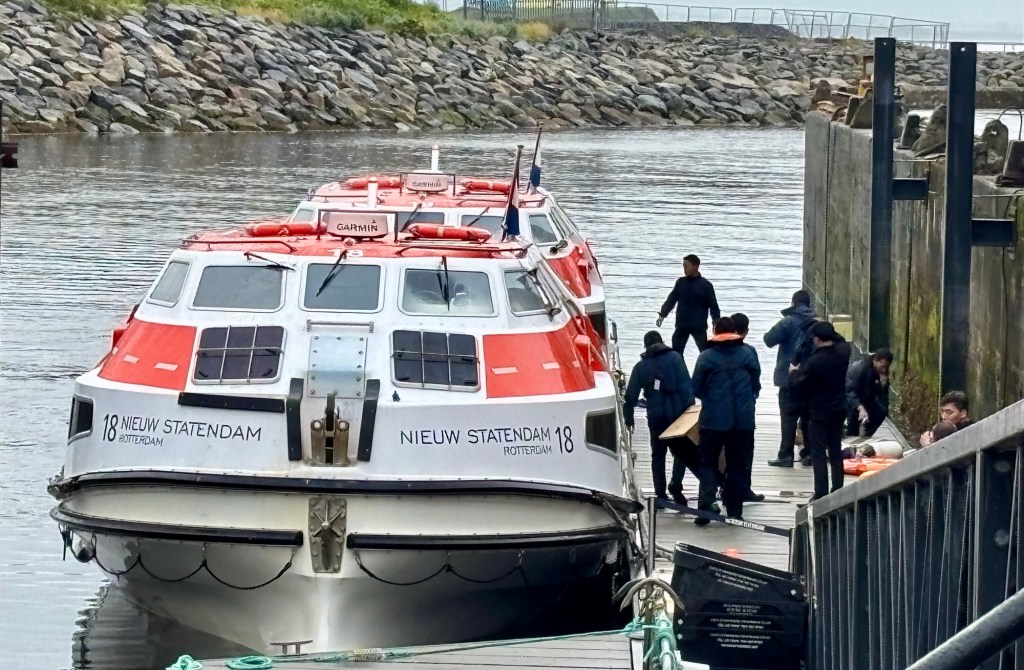
If tendering is required it means the ship can’t dock at the pier, perhaps the port doesn’t have a pier, or the dock is too full or the ship is too big. We will have four tender ports on this cruise and Galway is the first.
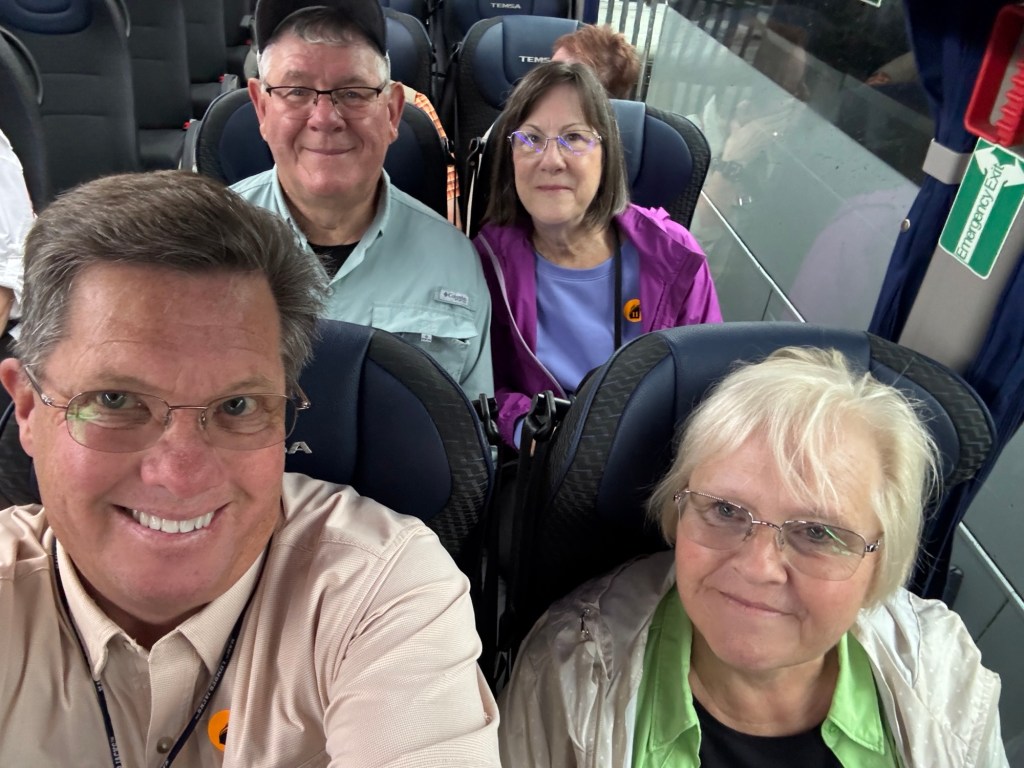
We are on the same tour with Cindy and Darrell!
There are 265 days of rain on the west of Ireland vs 165 on the east. This was our first rainy day.
Galway has been on maps since the mid 1400s likely because of its inclusion on shipping routes.
Fourteen families ran Galway quite well from medieval to modern times. Thus, the city is called The City of Tribes.
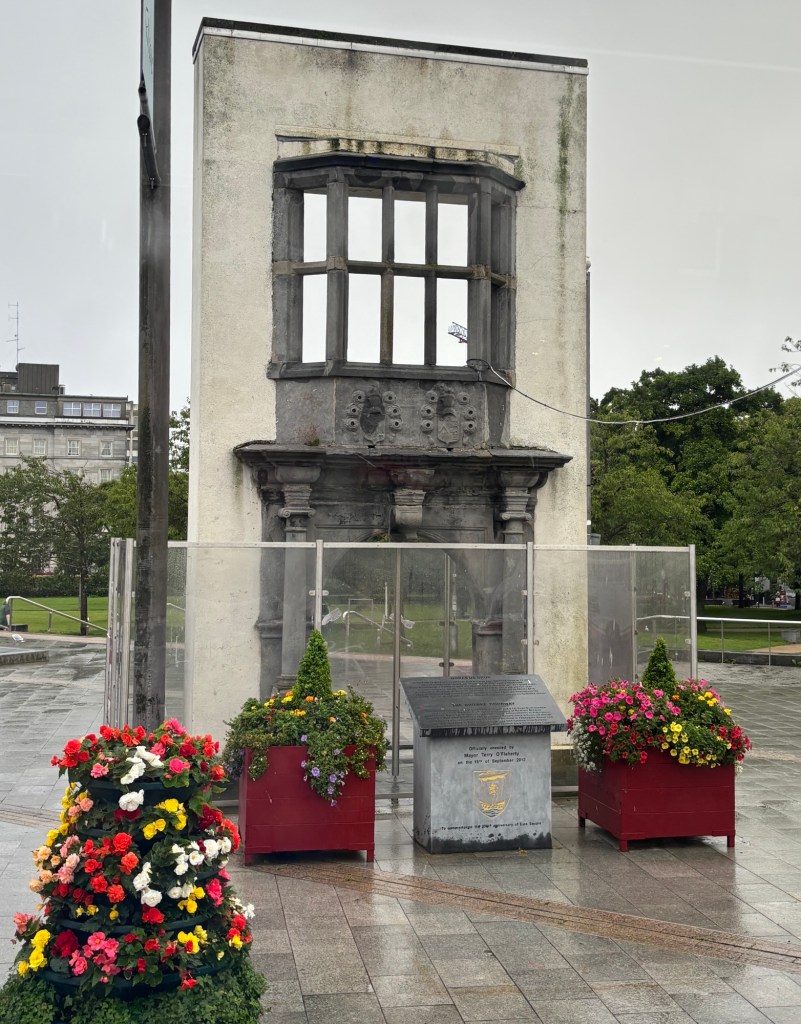
The Browne family was one of those family tribes. The Browne Doorway was part of the family townhouse, built in the early 17th century. The ornate decoration represent two families united in marriage.
The Doorway is in John F Kennedy park. President Kennedy came to Ireland and gave a speech in Galway asking “Who has a family member who has emigrated to America?” Of course, there were many given the potato blight famine in Ireland.
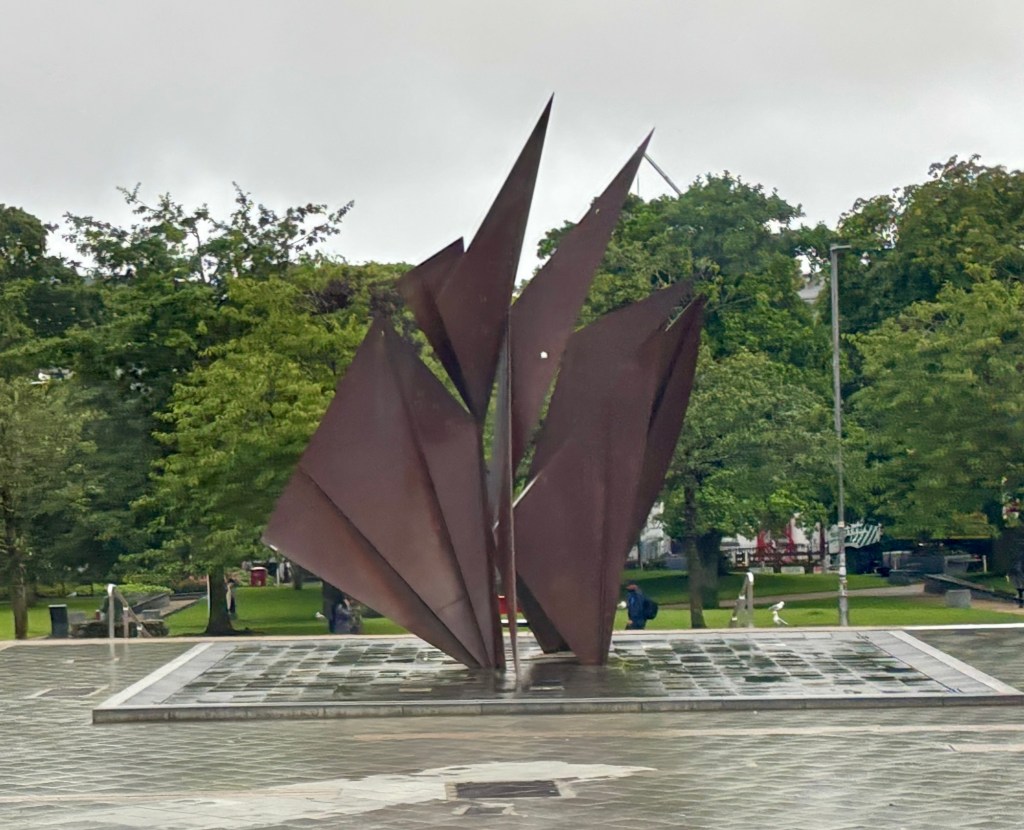
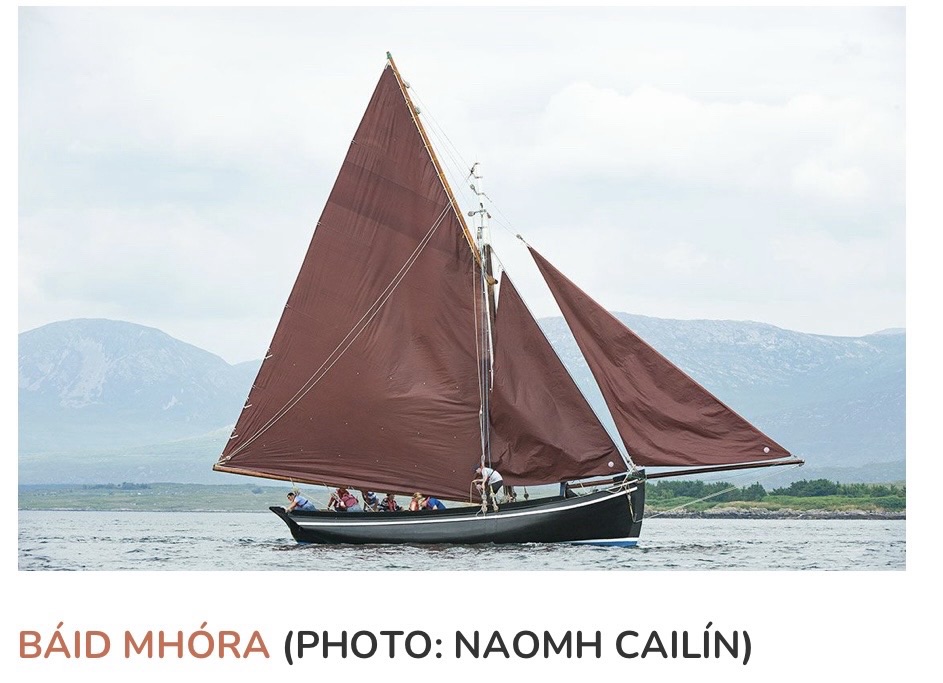
This sculpture commemorates the Galway Hooker, also called Red Sails of Galway. This sturdy boat is characterized by a black-colored hull (originally a tar coating) and rust-red sails.
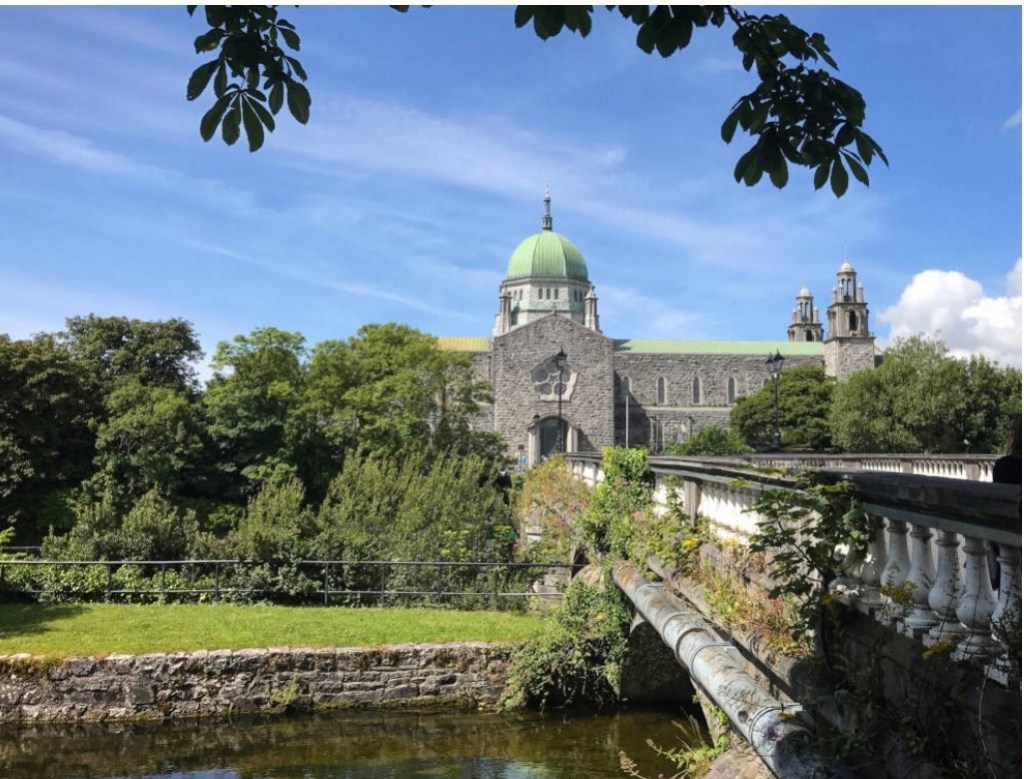
This is Galway Cathedral built between 1958 and 1965. It was the last Cathedral built in Europe in the old style. A lot of money from Boston helped finance the cathedral.
Galway has strong pharmaceutical, education and tech device industries. The economy is typically strong and has been recession proof.
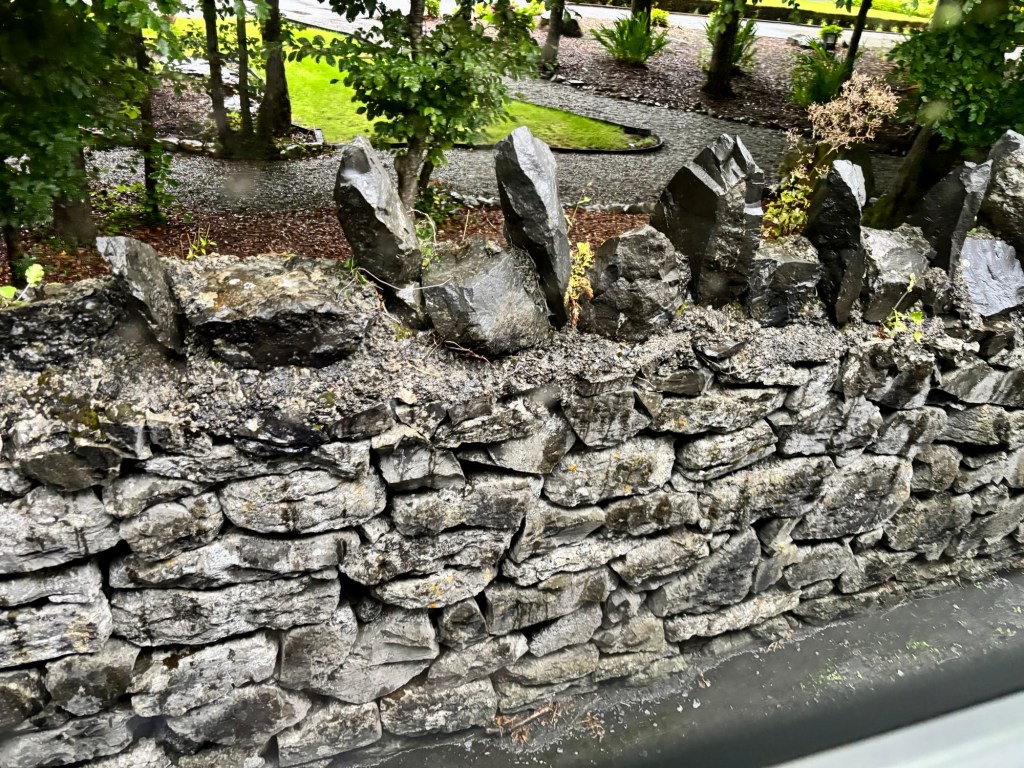
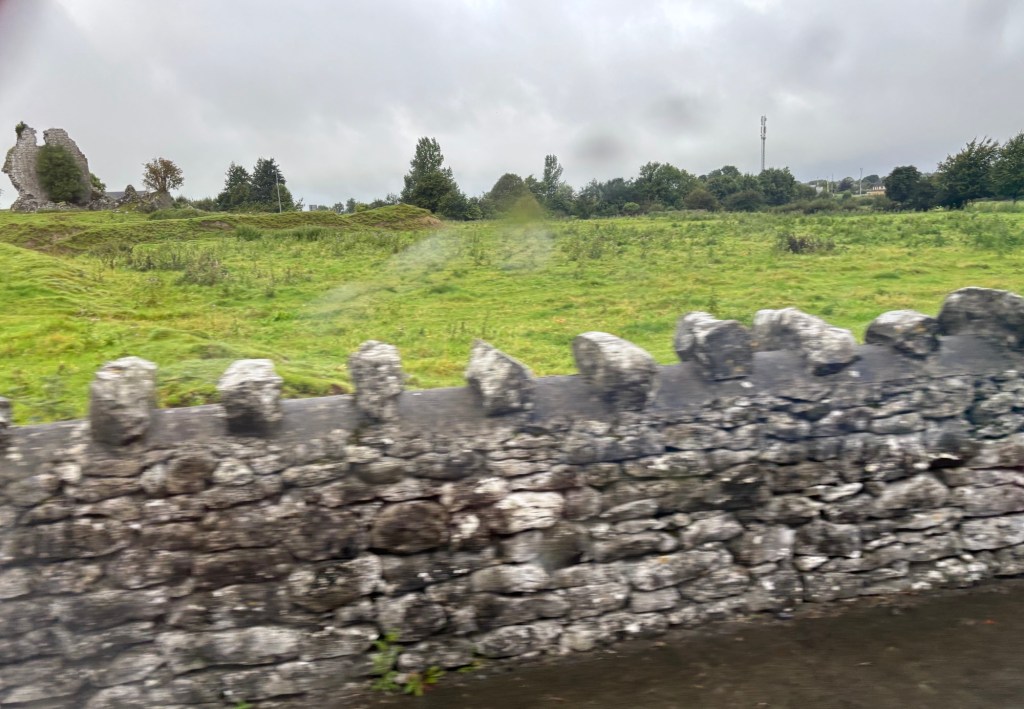
As we left Galway and went through nearby villages, we saw unique walls. In the past, families designed and built walls in their own style.
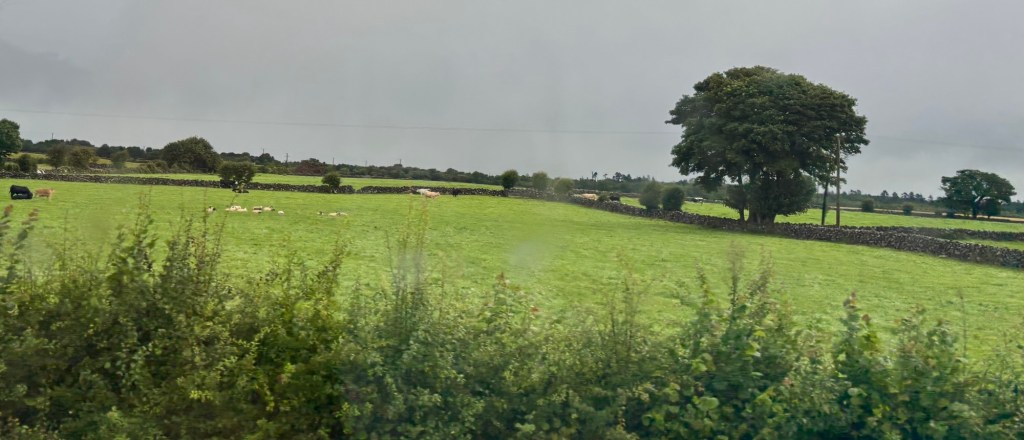
We saw how these walls separated the farms.
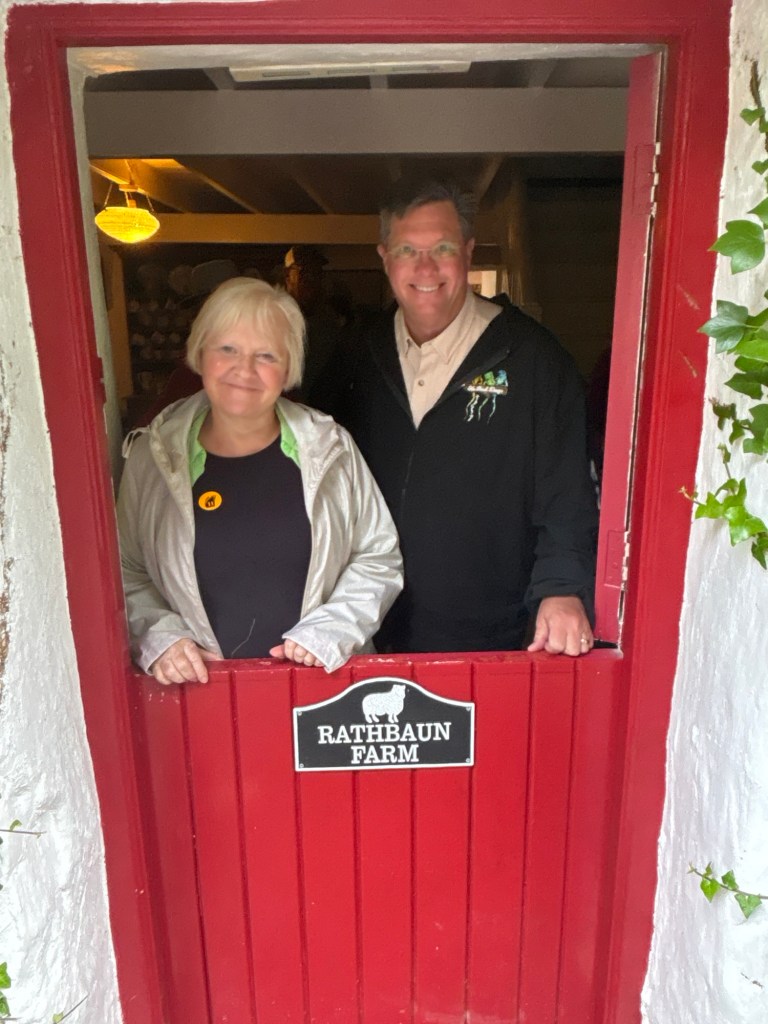
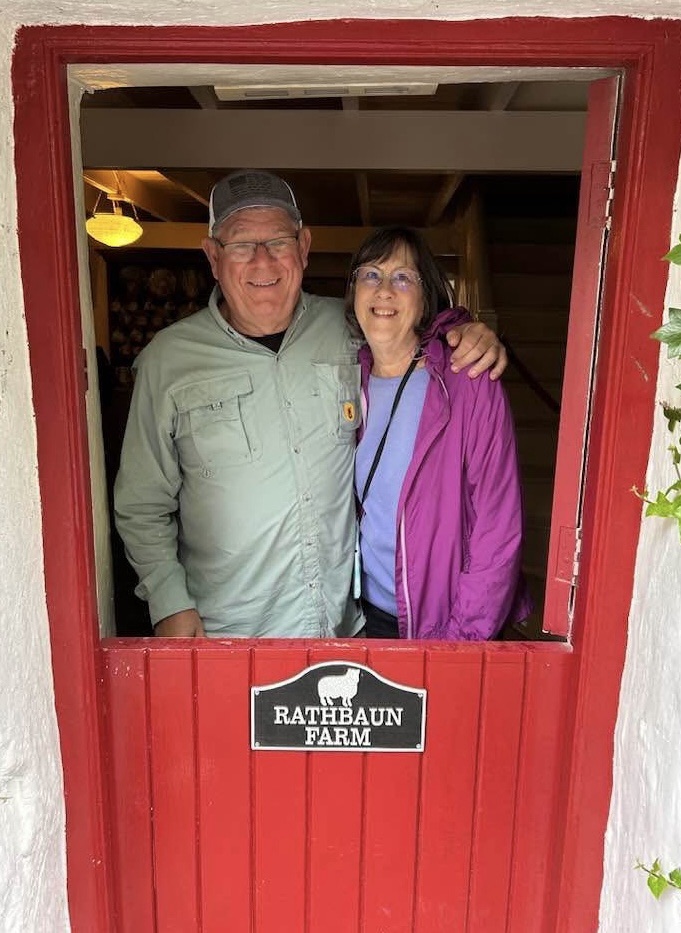
Our destination was Rathbaun Farm.
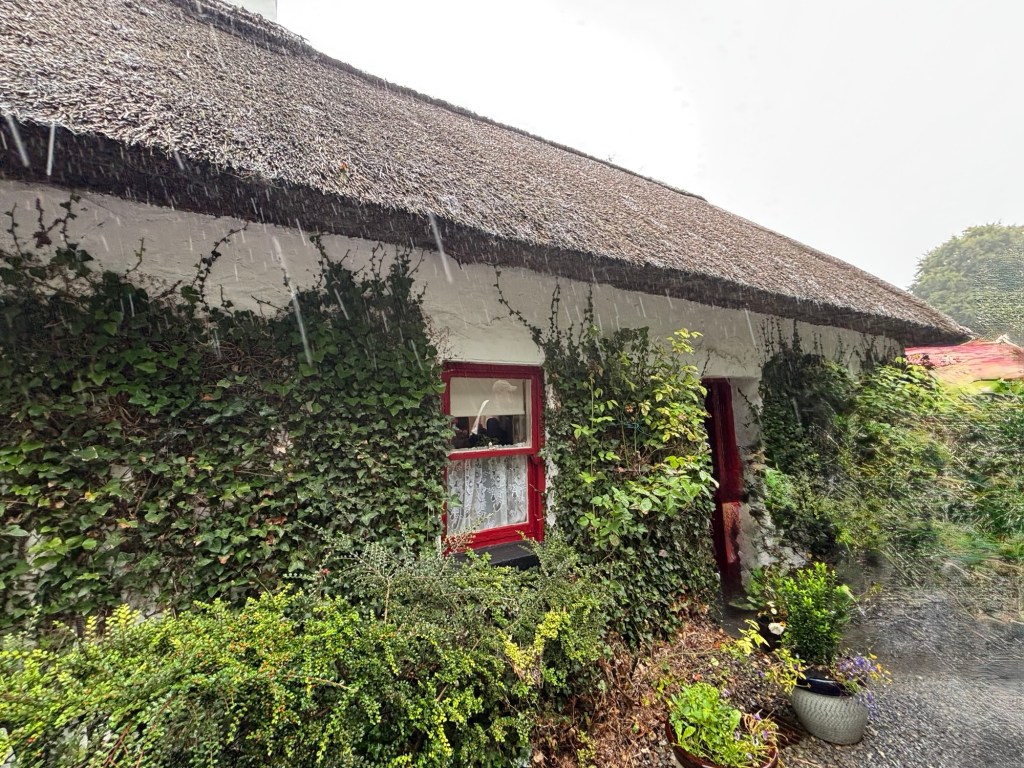

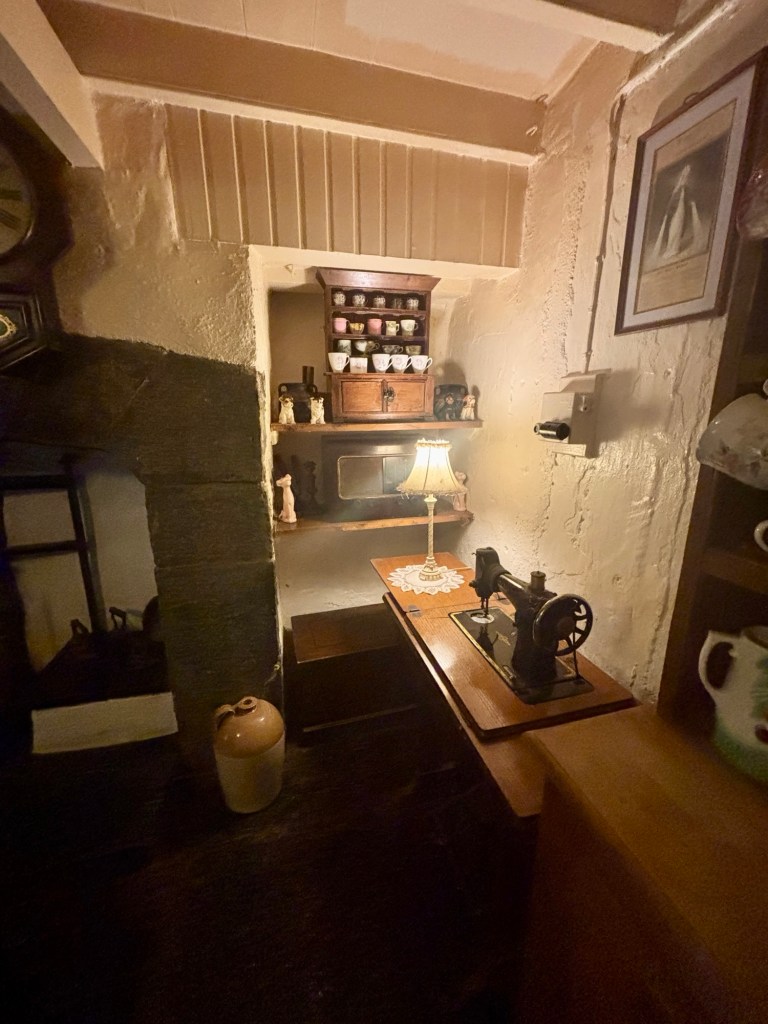
We enjoyed exploring the 250-year-old farmhouse.
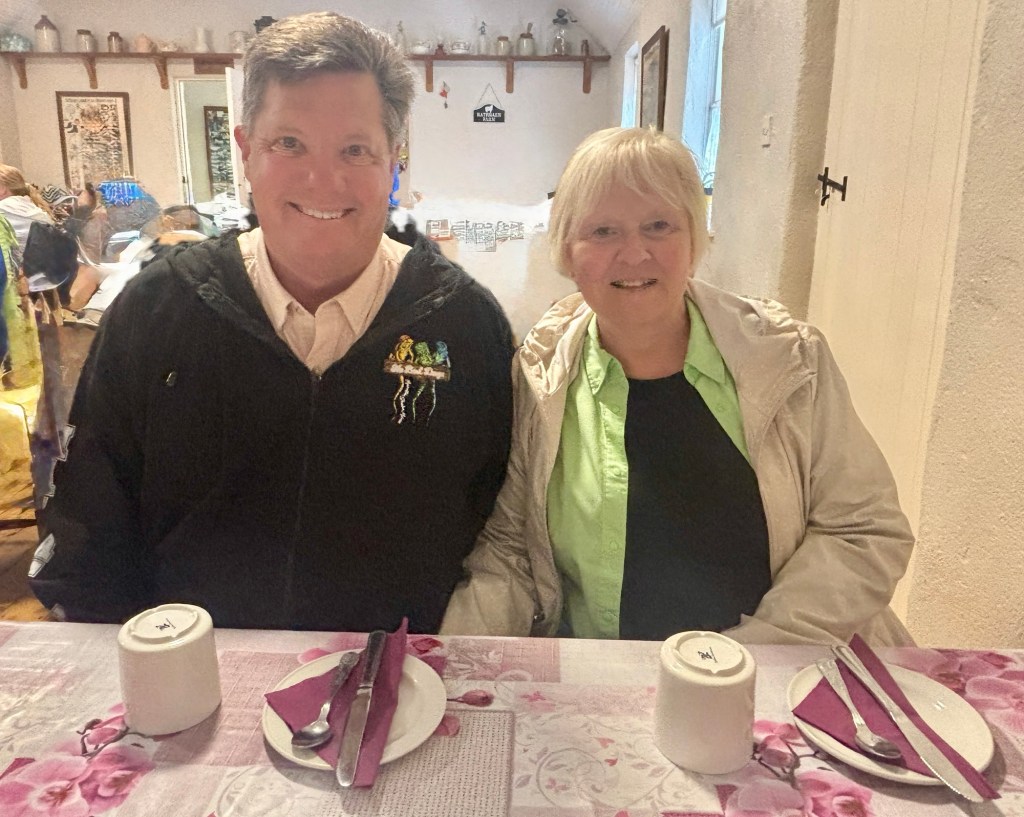
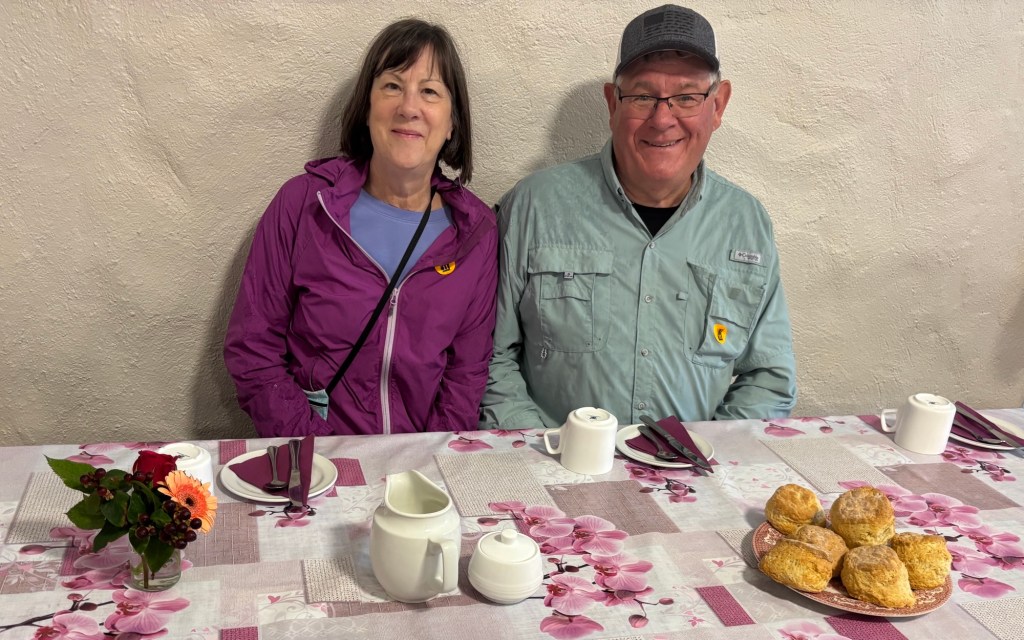
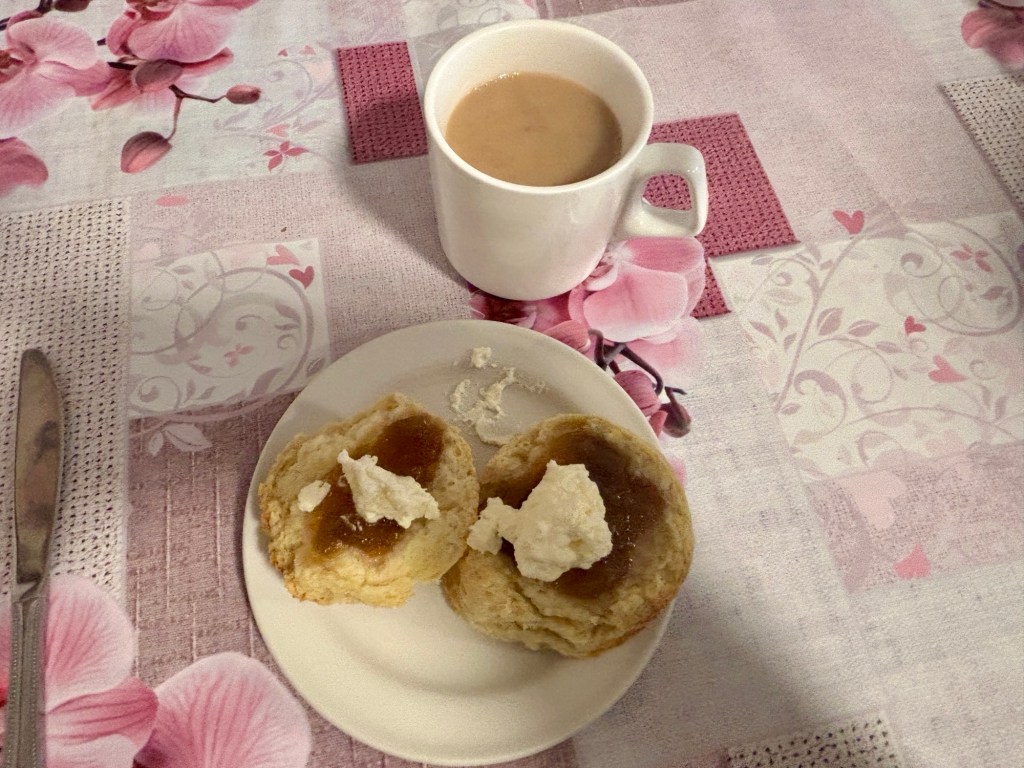
We had tea and scones.
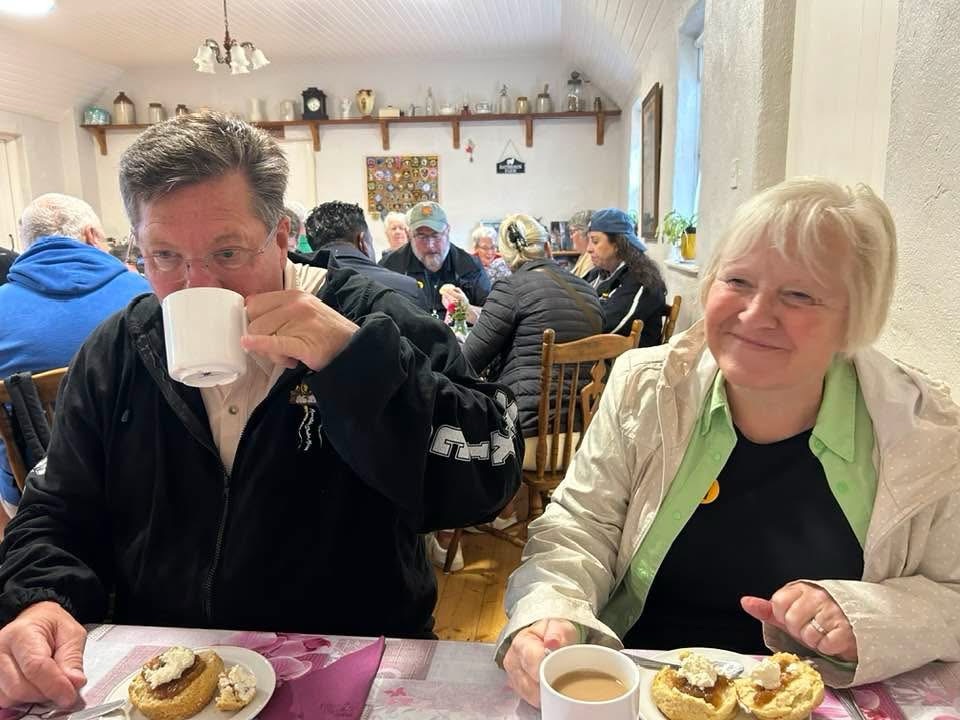
Randy was teaching us little finger positioning while drinking tea.

We had a few minutes more to explore the grounds. This thatching was interesting.
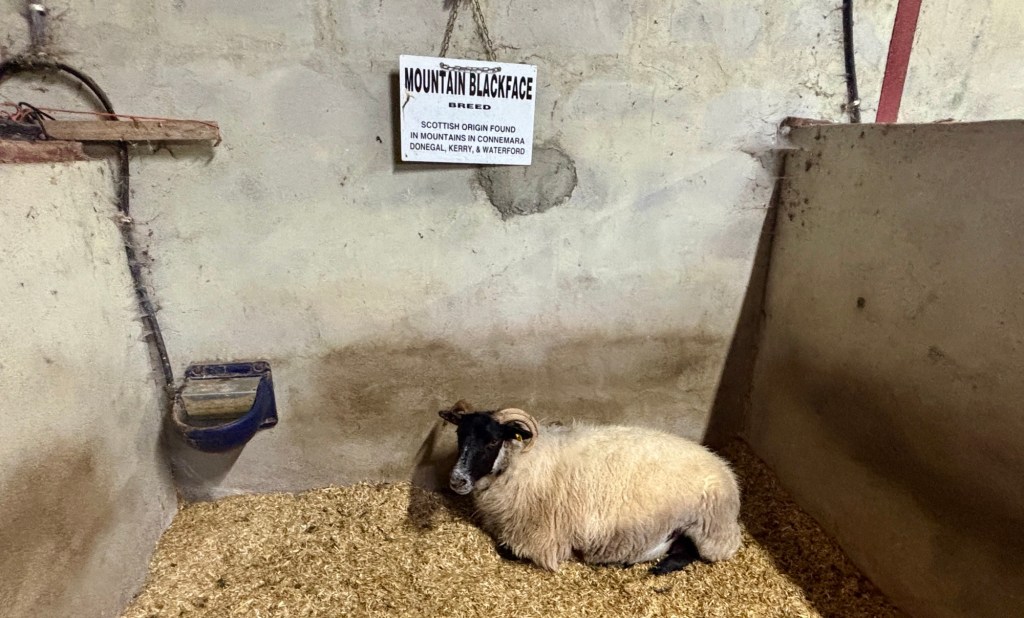
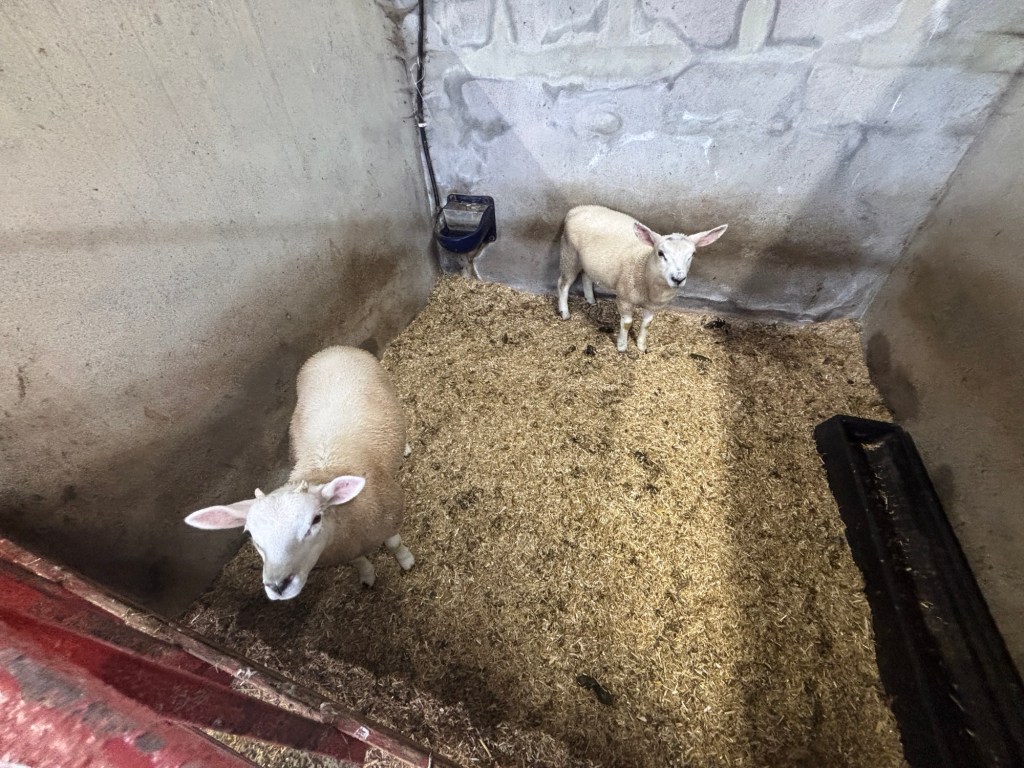
The Connolly family, still actively farming, allowed us to view their various sheep types. They had about eight different varieties penned so we could see the differences.
One ewe had triplets, but she only had two teats. Having two lambs is the norm. After a couple weeks, the largest will be taken away and bottle fed because she will no longer be able to provide for all three.
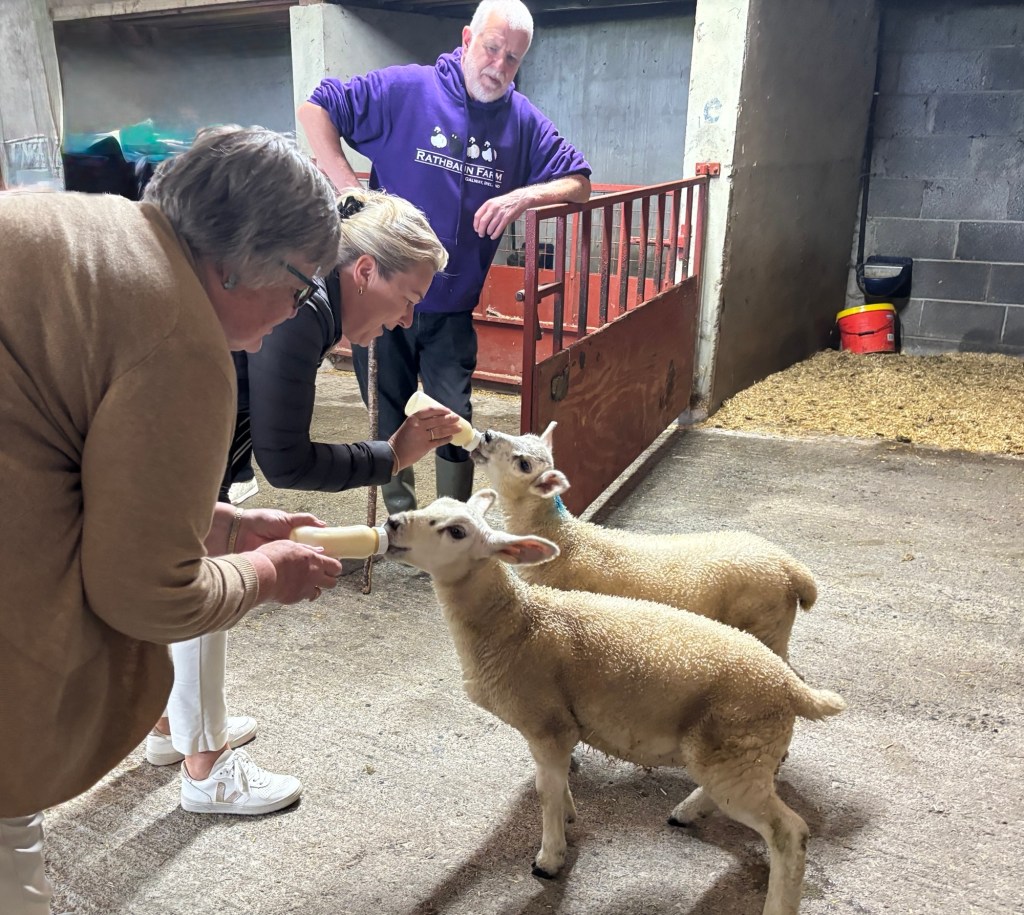
Two women on our tour bottle-fed two lambs.
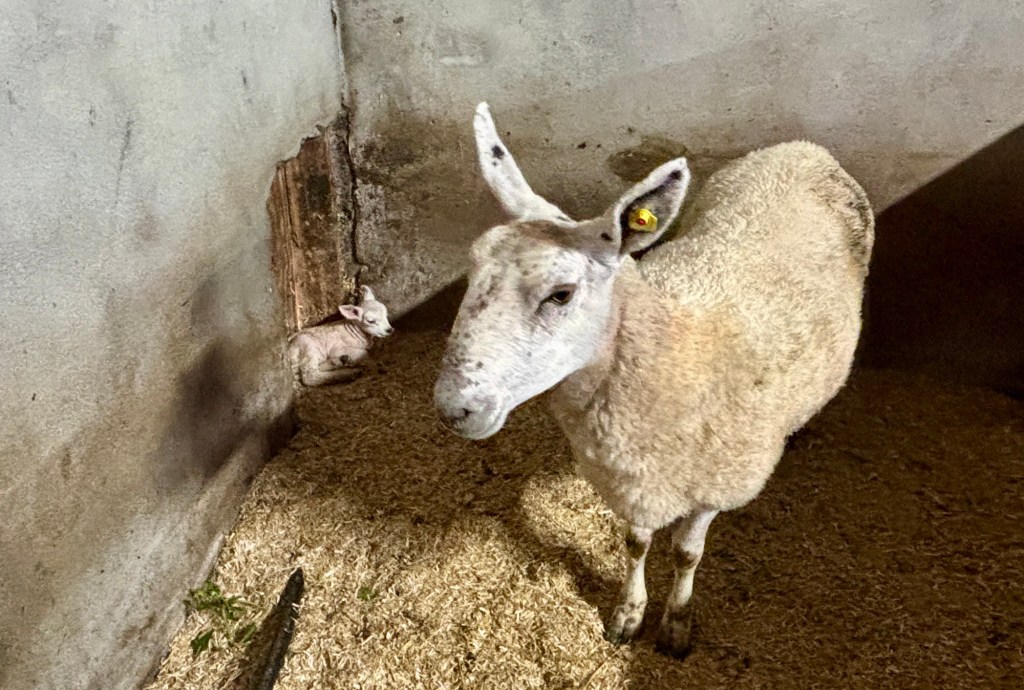
This ewe had a premie, only a couple days old. In this picture she seems to be protecting her baby from too much attention.
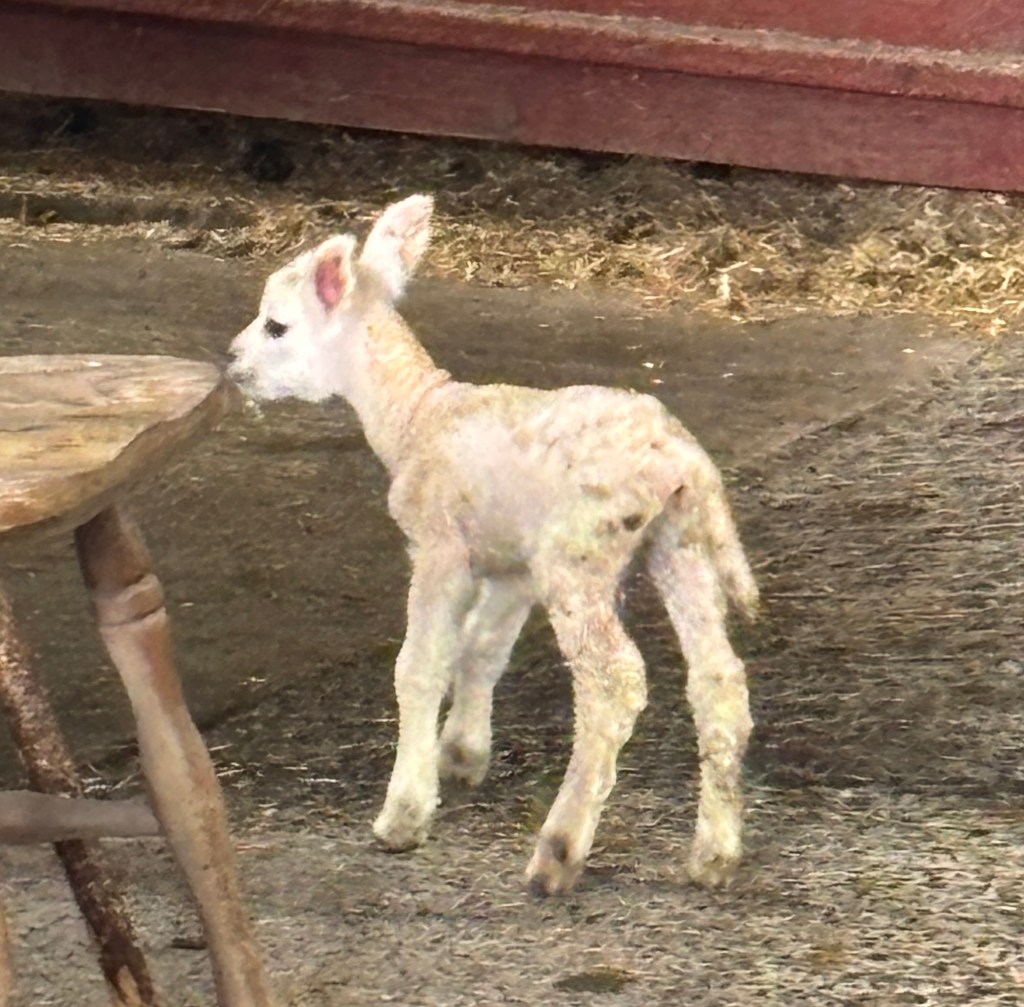
Then the farmer went in and took it away from her so we could see it close up for a few minutes. I didn’t much like that he did that. Cindy got a good picture of the little baby.

We watched the farmer maneuver his flock.
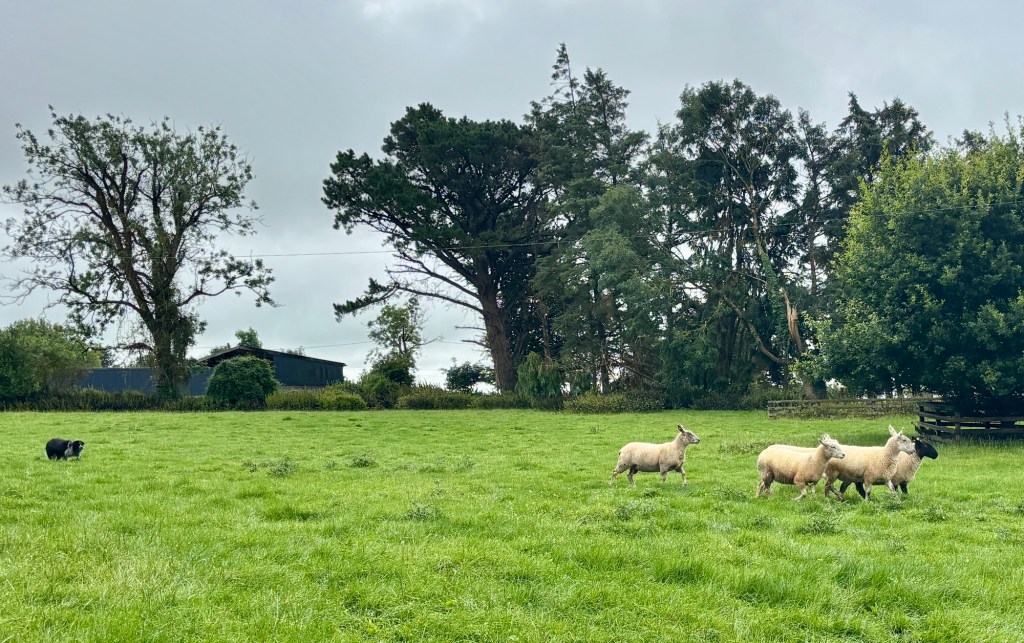
Then he showed us how his dog moves the sheep. I asked if the sheep were afraid of the dog, and the farmer acted as though it was a dumb question. He said of course, because dogs kill sheep. They have a problem with roaming pets occasionally killing sheep.
When we have seen sheep and dogs in other places around the world, Randy and I have never had any sense that the dogs were any more than protectors and gatherers. Maybe it is a Scotland thing or maybe Randy and I just never ever thought about dogs being aggressive.

On another tour in Scotland a few weeks later, we saw this sign.
The wool shearing costs more than the wool is worth. That is pretty common except for Merino wool from sheep in the southern hemisphere. The wool from here goes to China, India or Eastern Europe and will be mixed with other fibers in products.
There are breeding modification attempts being made to develop sheep that don’t grow as much wool so wouldn’t need to be sheared.
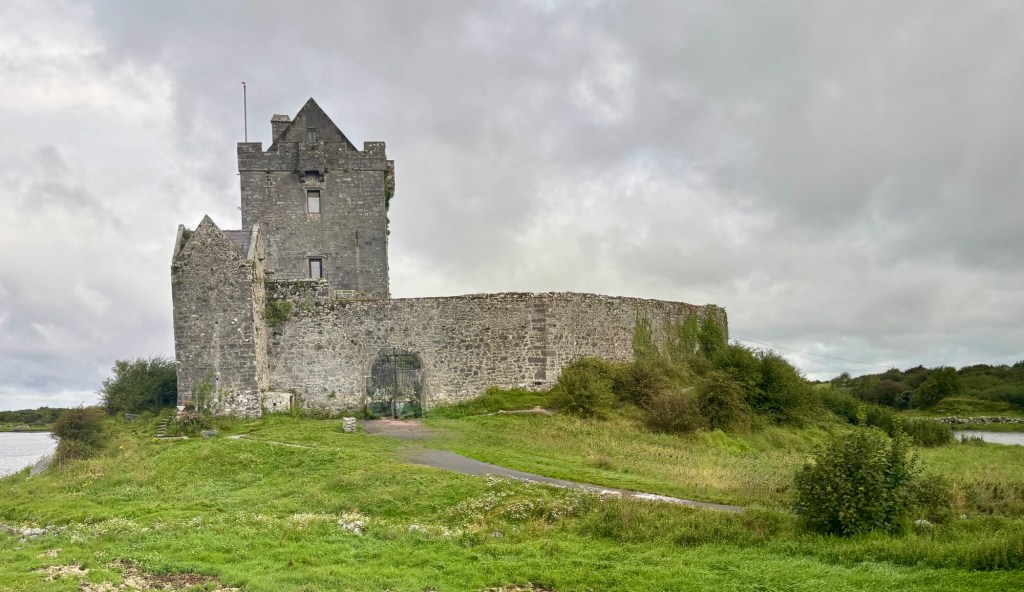
We drove by Dunguaire Castle — a small 16th-century castle built by the Hynes clan. Defensively, there is water on three sides.
It is one of the most photographed castles in the west of Ireland and was used in the movies Guns in the Heather (1969) and North Sea Hijak (1979).
A group of writers, including WB Yates, bought the castle and had writers’ meetings and workshops. Then there was a period of disuse until it was renovated and opened for tours and period dinners activities.
The castle was closed for renovation at the time of our drive by “visit.”
More castles remain in western Ireland than other places in the country because development was slower so they weren’t taken down.
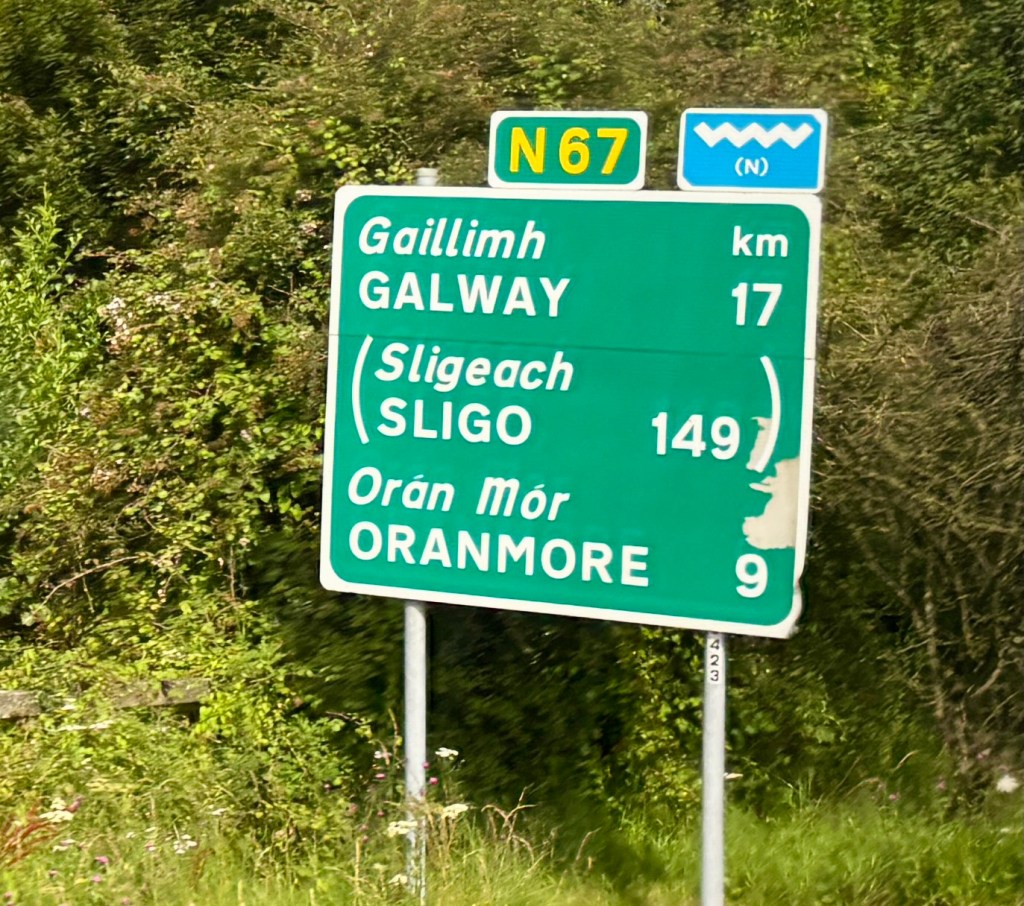
We were still following the Atlantic Coast Way that I wrote about in Donegal. It is Ireland’s Route 66 for tourism.
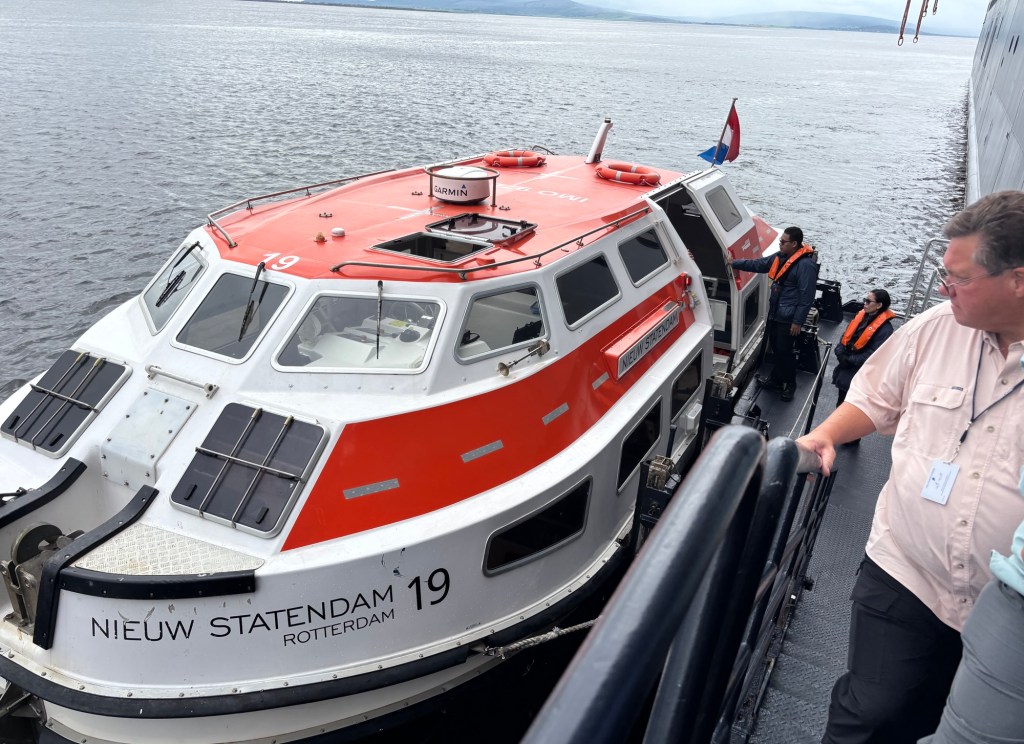
One more tender right back to the ship.
Next Up: Cobh, County Cork, Ireland


 Serene Wandering