In preparing for the port of Reykjavik on August 17, I had hoped to book tours to the Blue Lagoon and the Golden Circle. Those are two very popular attractions out of Reykjavík. The ship offered both tours but not in a way that I could do both given the times offered. To see both, I would have to book one through the ship and get a private tour for the other. However, if the ship was late docking in the morning, we’d miss our private tour or if the private tour was late at the end of the day, we might miss our ship. I really wanted both to be ship excursions to eliminate concern, but that didn’t exist.
After a significant amount of research, angst, and conversations with people who had been to the Sky Lagoon, I decided to book the Sky Lagoon and Golden Circle both from the ship. People said we wouldn’t even miss the Blue Lagoon. They were right!
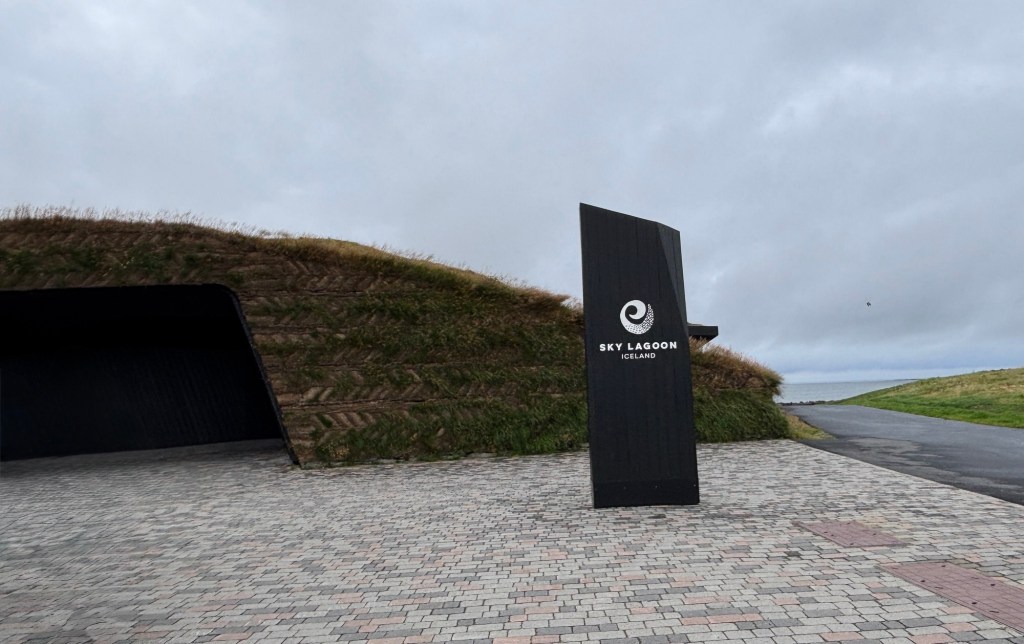
In a word: PERFECT! The Sky Lagoon may have been the single best excursion we had on the trip. When people ask my favorite place from our two cruises, Sky Lagoon often pops into my head.

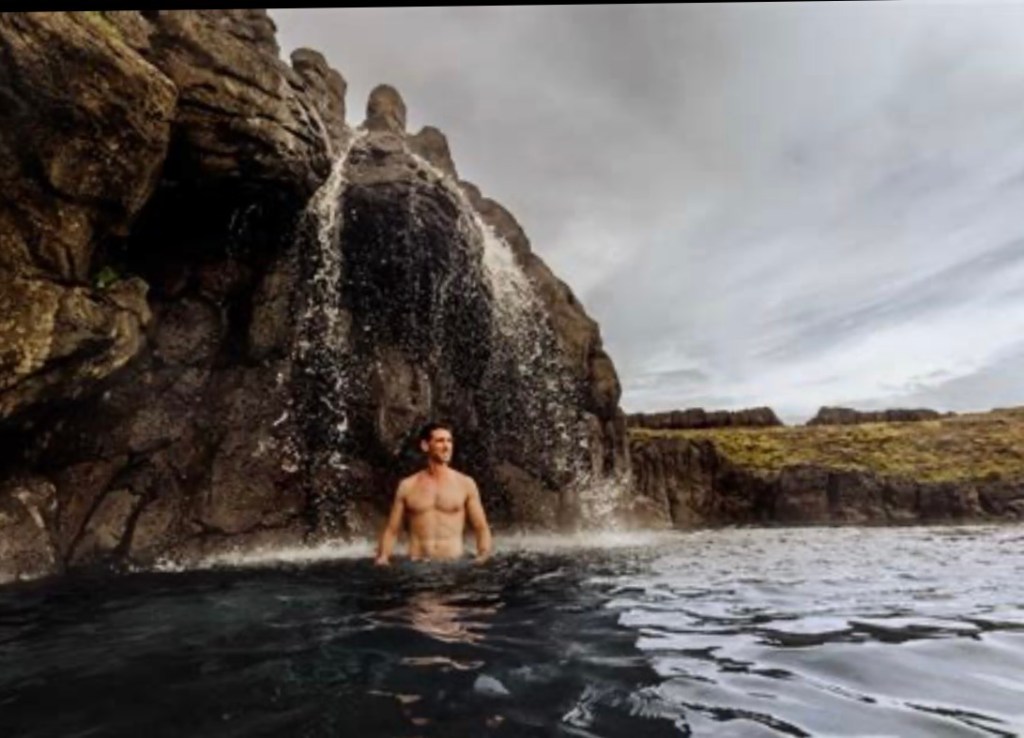
We decided to just enjoy the experience and not worry about phones and pictures. The pictures here are from their website.
We had learned that swimming and soaking in geothermal pools is very Icelandic. Our excursion allowed for soaking in the lagoon and participating in the Skjól ritual. The ritual sequences heat, cold, warmth, drizzle, softness, steam and hydration.
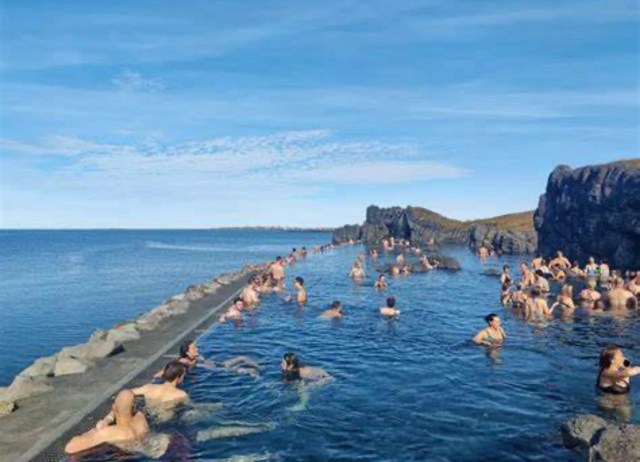
It began with a soak in the warm geothermal waters with views of the North Atlantic Ocean.
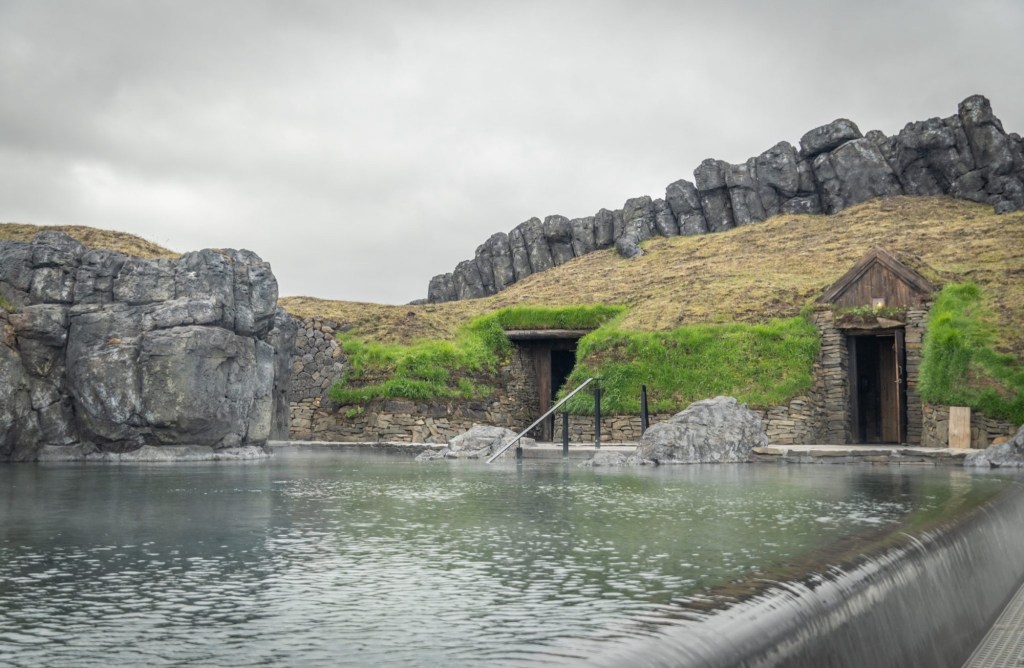

We watched others do the second step in the ritual – a cold plunge but skipped it ourselves – no regrets!
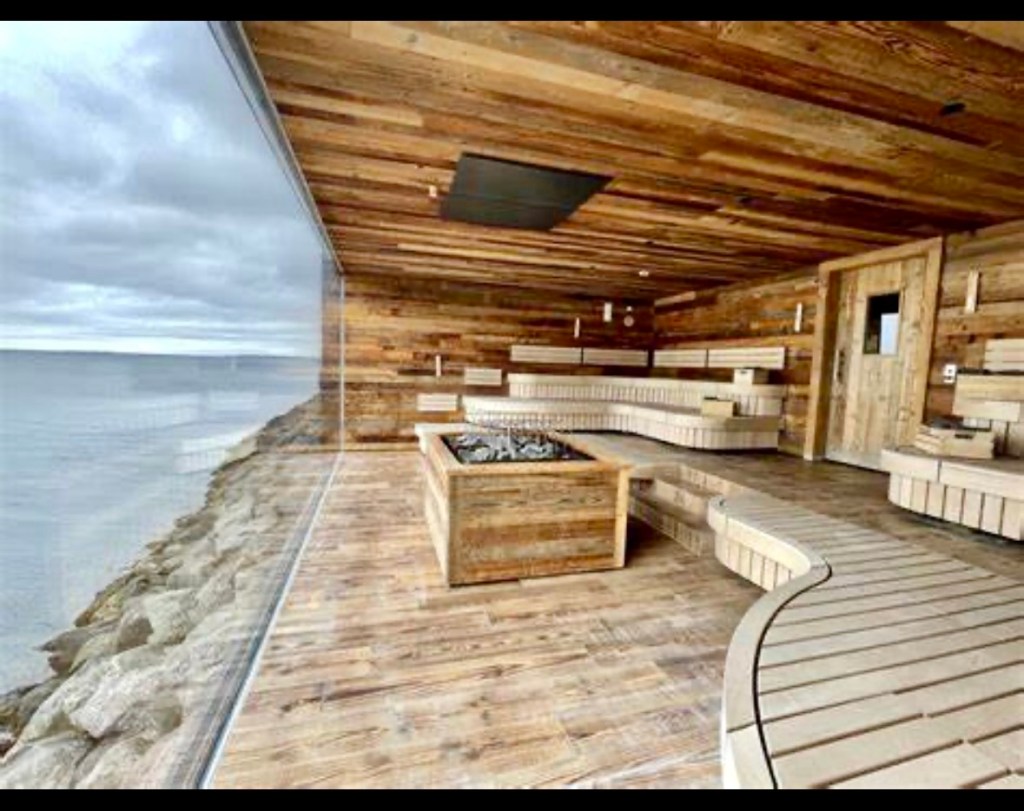
A beautiful sauna was next with Iceland’s largest single-pane window. It gave the impression of being outside.
The next steps had us walk through a cold fog mist, complete a body scrub, and then go into a steam room. The final step in the ritual, was a small Krækiber juice made from Icelandic wild berries. One of the berries was the variety we picked and ate on the mountain on our first trek in Iceland.

We went back out into the main pool to enjoy the warmth and the views.
We enjoyed crown berry martinis from the swim up bar, because why would we not!
Our time in the Sky Lagoon was over and we dressed and checked out. We had been fitted with a wristband which was how we charged our drinks, souvenir, and even a can of Arizona Iced Tea. Before departing, our charges were downloaded from the wristband onto a display and payment was completed.

Recently, Randy and I were watching TV and a commercial came on the screen. We recognized that the commercial had been filmed at the Sky Lagoon during winter. It would be great to experience the lagoon in winter! We’d still skip the cold plunge!
We went back to the ship feeling very content, ate lunch, and then met for our second excursion: the afternoon/evening Golden Circle tour.
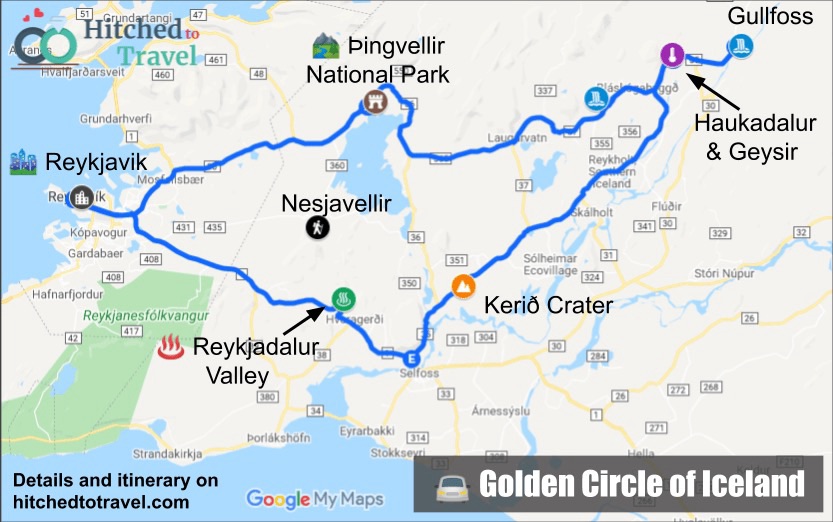
The map shows some of the places we would visit, leaving from Reykjavik, where two thirds of Iceland’s population resides.
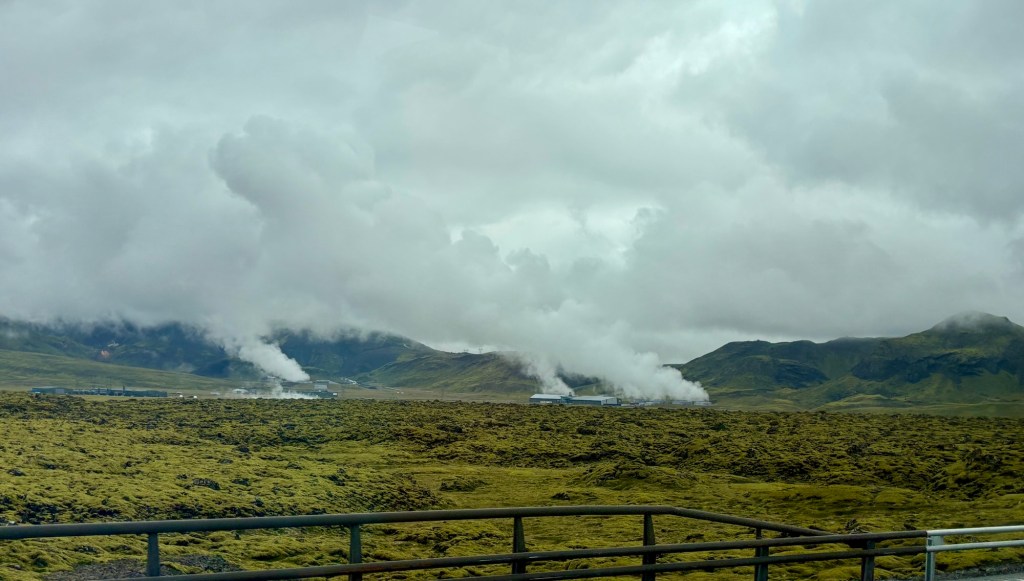
We headed southeast to the Reykjadalur Valley. On our drive, plumes of steam escaped from the geothermic liquid under the surface.

The Hellisheidi Power Plant sits in the high temperature field and uses that geothermic activity to produce electricity and hot water to heat homes in the Reykjavik area. It is all renewable. No fossil fuels are used for heating and electricity.
We were told the Hellisheidi Power Plant is the 4th largest producer of power in the world.

Their processes leave very small amounts of carbon dioxide and sulfur. They have developed a process to solidify the gasses and inject them back into the basalt that makes up 95 percent of Iceland.

The surrounding basalt lava fields are covered in a green moss.
Iceland produces more electricity per capita than any other country in the world. They excel in hydroelectric and geothermal systems and advise others around the world.
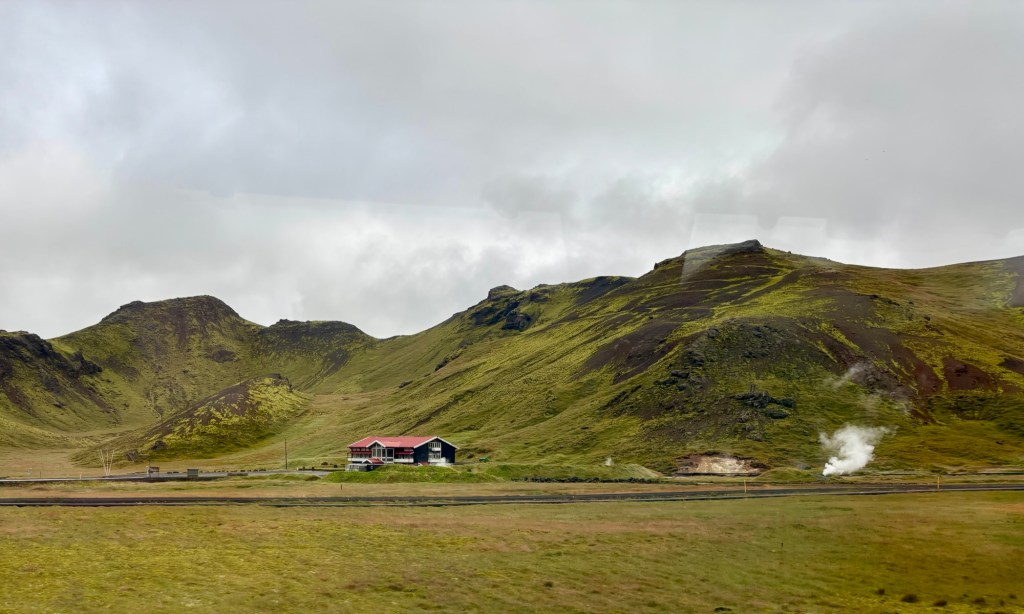
This used to be a ski lodge. There is no longer enough snow because of climate change.
We continued to the furthest point in the circle, to Gullfoss waterfall..

Gullfoss is thought to be Iceland’s most beautiful waterfall. Spoiler alert: They are all beautiful!
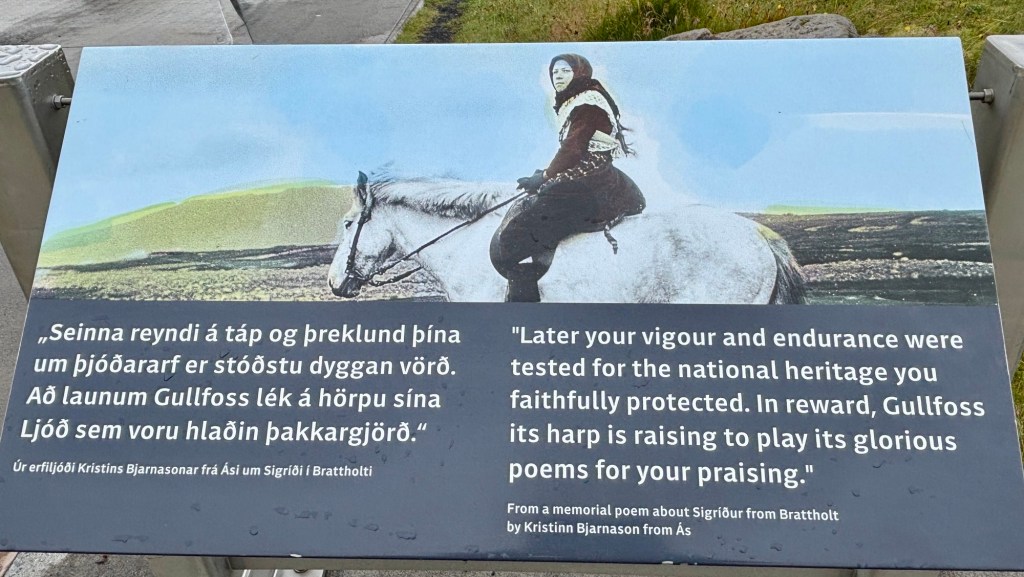
This woman, Sigridur Tómasdóttir, is credited with saving Gullfoss.
She was one of 13 children born to a farmer whose land included Gullfoss. Around 1900, foreigners began buying waterfalls and building hydroelectric plants. At first, her father declined offers for Gullfoss but eventually agreed to a rental agreement on the falls.
Then in her mid-thirties, Tómasdóttir began working to invalidate the rental agreement. Her father would not help her, but she did get support from a government official. Although she ultimately lost her case in the courts, the delays caused the foreign investors to lose interest.

We all still have Gulfoss to enjoy because of her efforts. The falls and the surrounding lands are now protected.
We traveled a short distance to Geysir geothermal area. The English word for geyser is spelled GEYSER but it is derived from the geyser in southern Iceland spelled GEYSIR. Geysir was a specific site where the name evolved to be any geyser.

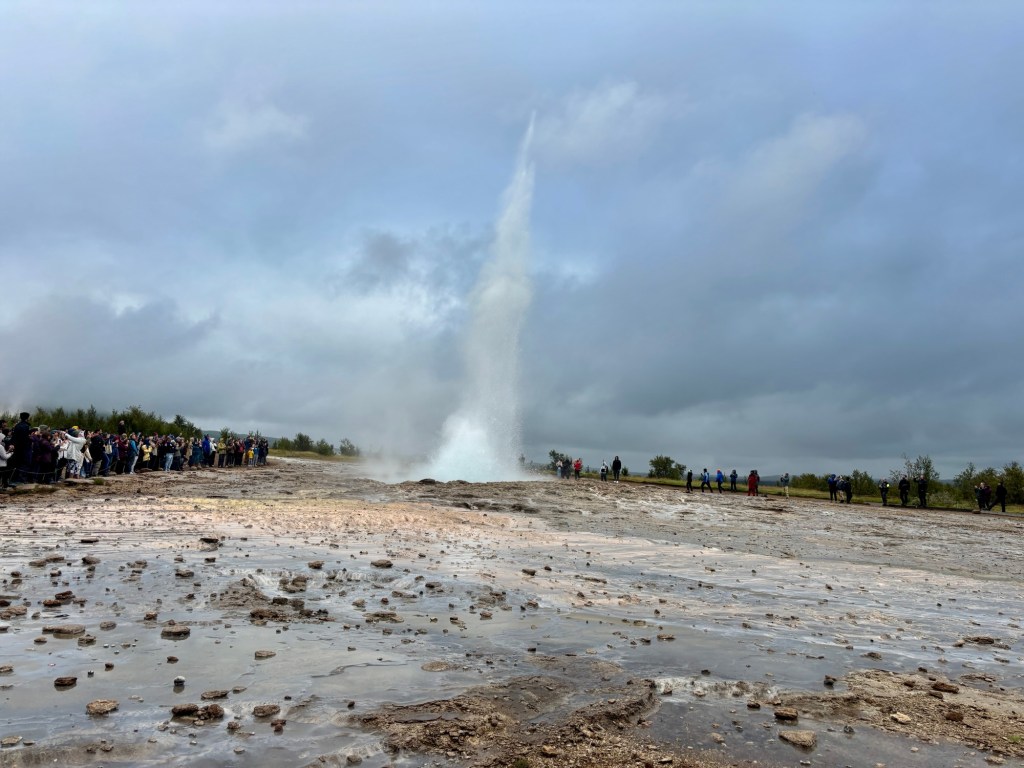
Geysir has been dormant since 1915. We visited the smaller geyser nearby called Strokkur. It still erupts about every seven minutes.

This chart shows the eruption heights of Geysir, Old Faithful in the US, Stokkur, and Pohutu in New Zealand.
Our final destination was Thingvellir National Park – a UNESCO World Heritage Site.
Thingvellir is a primary site in Iceland’s geological and historical heritage. First, the geologic factors.
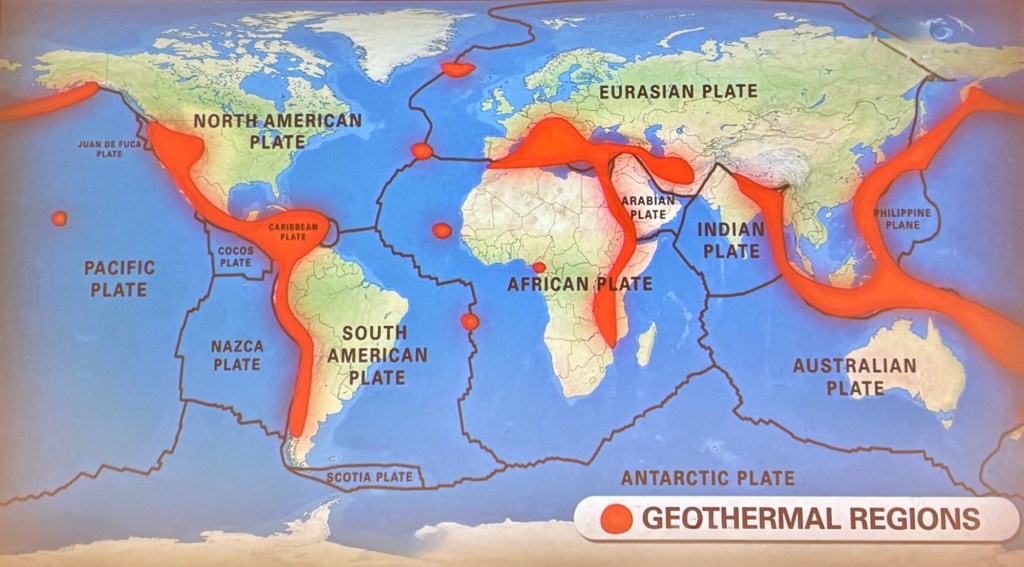
There are a number of tectonic plates throughout the world.

Two of them bisect Iceland, the North American plate and the Eurasian plate. Iceland is being built every day by volcanic activity between the two tectonic plates
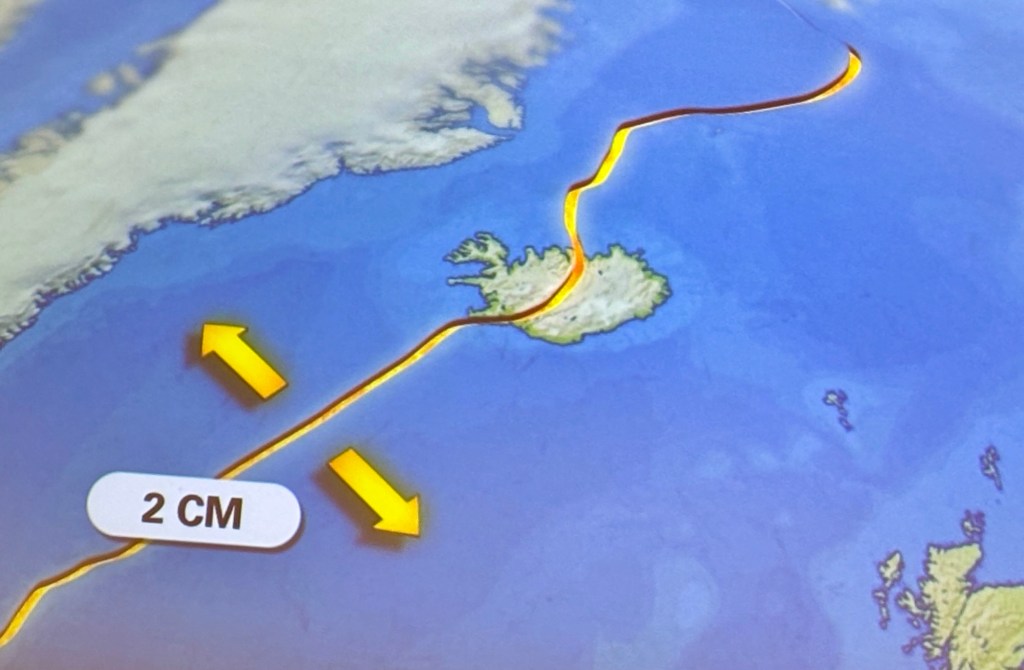
The plates are moving away from each other at a rate of 2 centimeters a year. The left side of the country is older and no longer has active volcanoes. The right side has lots of geothermal and volcanic action.

We walked along and through the geological fault next to the North American plate. There is intermediate land between the two plates that has developed over time.
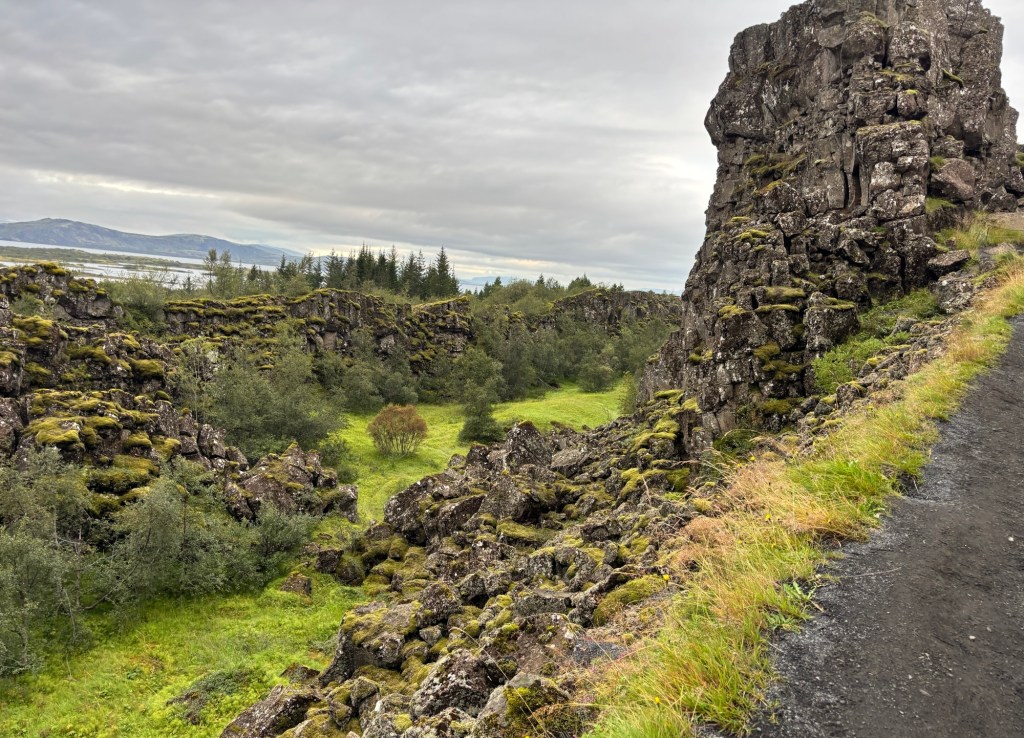
The North American and Eurasian plates are very close to each other just 40 kilometers from where we were.

After seeing this picture in a briefing on the ship, I was disappointed that we didn’t get to see and walk this place. where the plates were so near.
Where we were, however, didn’t just have geological significance, it had historical significance as well.
Before the year 900, most of the people in Iceland were from Norway, with some from the British isles. That created some strife, so residents decided that there needed to be laws for all of Iceland.
Two brothers, Ingólfur Arnarson and Hjörleifur Hróðmarsson, settled in Iceland around 874 AD. When the decision was made to create laws, one brother went to Scandinavia to study laws and the other brother selected a site for the future parliament.
That parliament, the Icelandic Althing, is considered to be Europe’s oldest national legislative assembly. It was established in AD 930.
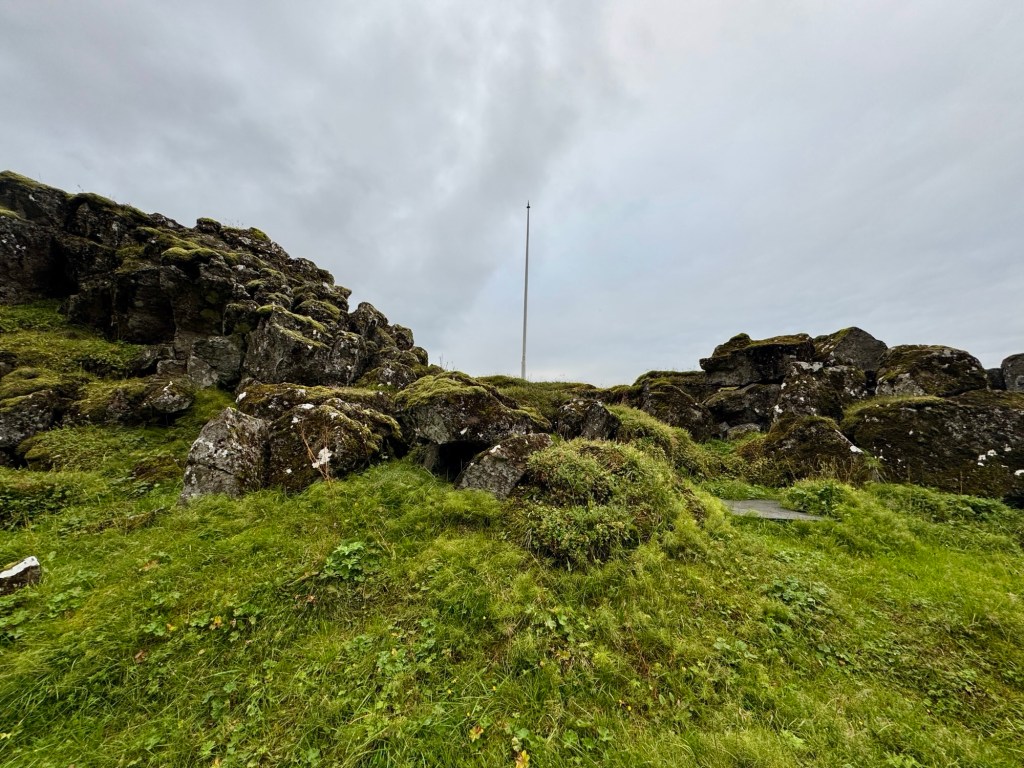
This flagpole is where the first parliament met and where the “law reader” informed the people of proposed, or agreed upon laws.

It is thought that the natural rock wall opposite from the speaker position, helped to provide acoustic assistance to allow the Icelanders to hear.
The assembly continued to convene here every summer until 1800. Periodically, and on special occasions, they still do.
Beginning in the 13th century, Iceland was under either Norway or Denmark. In the 16th century a Danish king declared that couples in Iceland could not marry unless they could demonstrate resources to support a family.
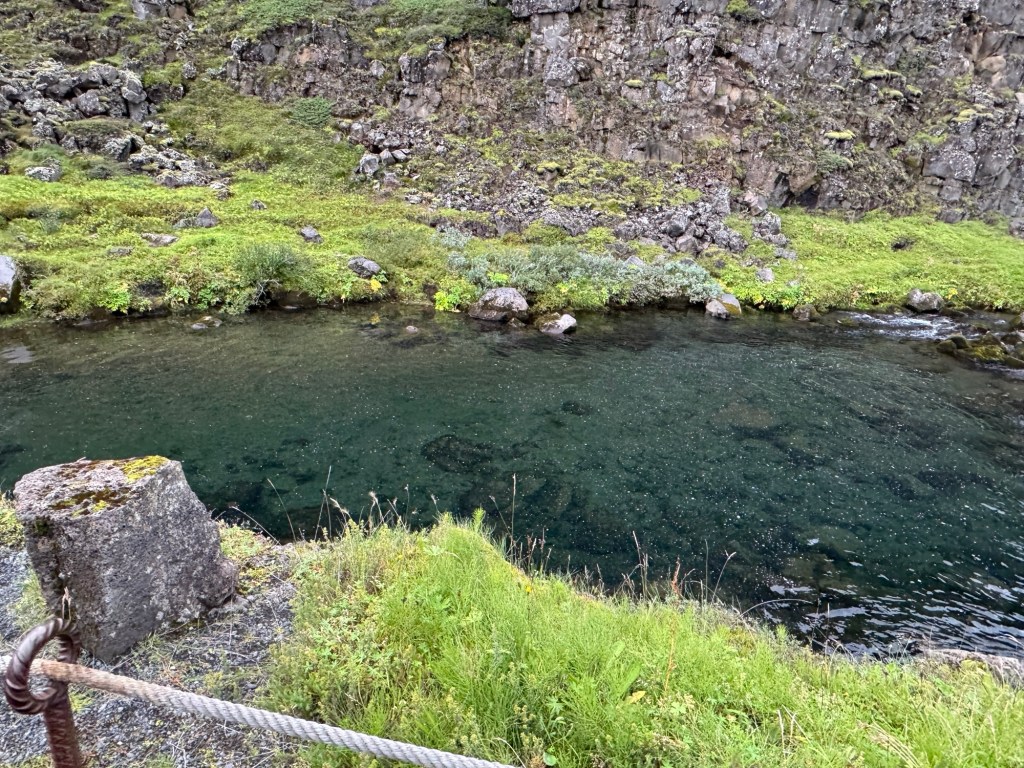
When children were born out of wedlock, the father was beheaded and the mother was drowned in this pool. The child was auctioned off.

It isn’t a pretty story but our most elegant guide said it was important to remember even the bad in your history.
In 1874, Icelanders got their own constitution but were still under the Danish monarchy.
During WWII, Britain occupied Iceland to prevent Germany from taking it due to its strategic position. The United States took over that occupation in 1941, allowing Britain to reassign their soldiers. In June 1944, Iceland declared independence from Denmark, with support from the United States.
Our day in and out of Reykjavik was fabulous!!
Next Up: Heimaey, an Island off the coast of Iceland


 Serene Wandering