The first time we visited Stornaway, Scotland, Cindy and Darrell were with us. As we met in the evening for dinner that evening, they were quite excited about their interesting tour of Historic Lewis. We decided we would try their excursion on our second time through on August 20.
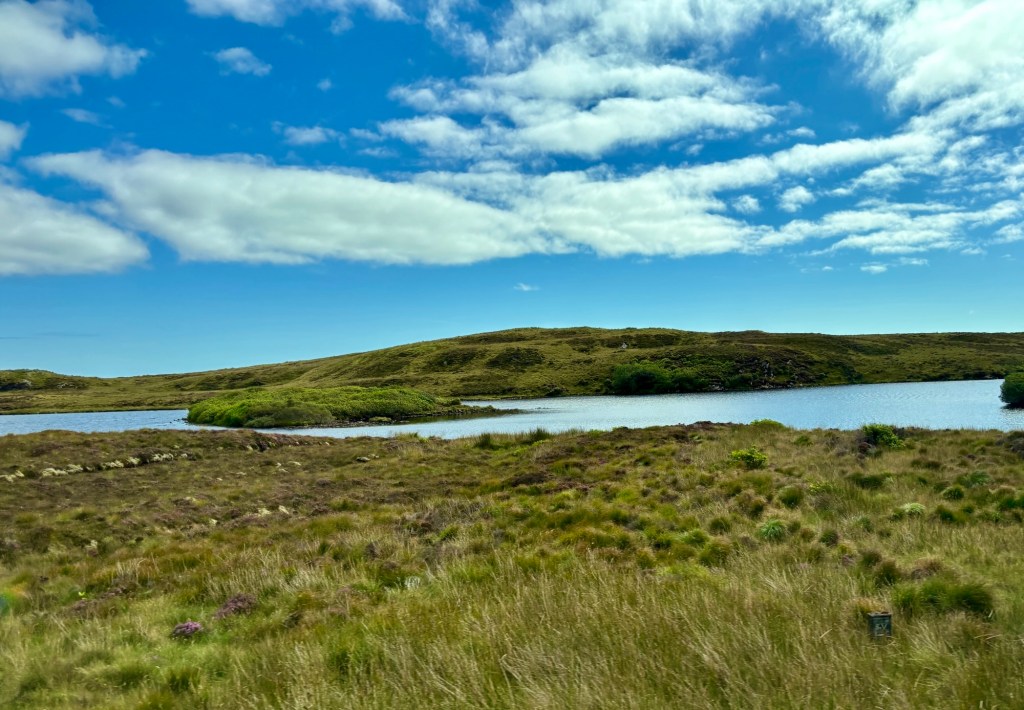
The tour began with a drive through the sphagnum moss moors of central Lewis.
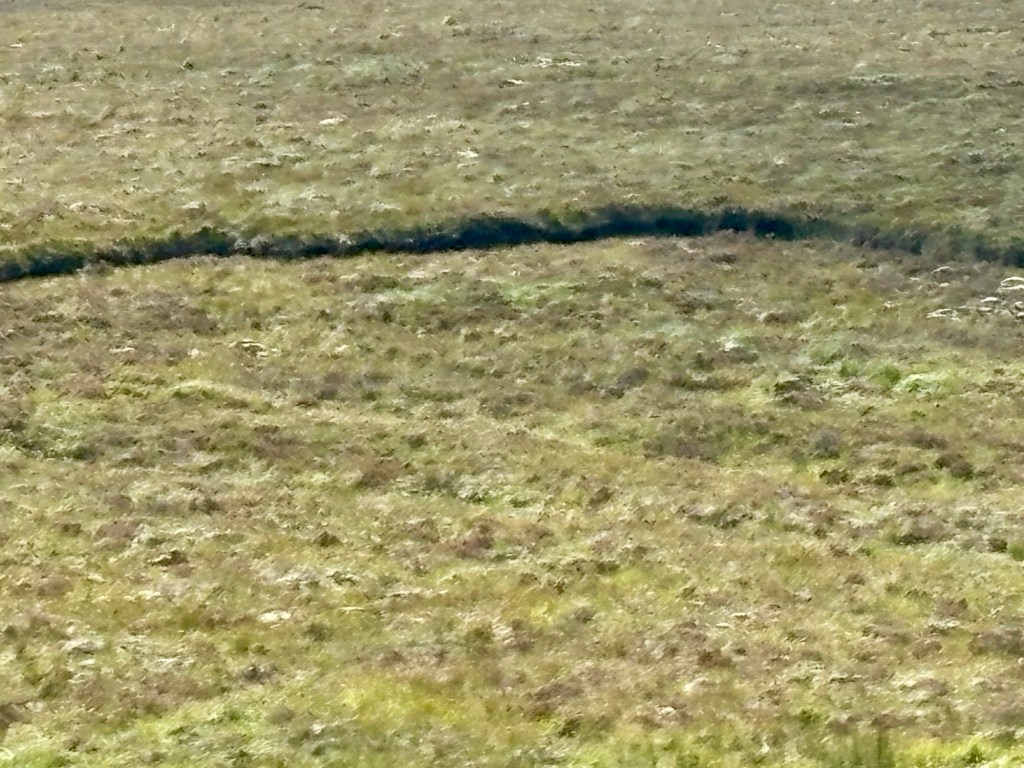
This photo shows where some moss has been cut. At one time 75 percent of the residents used moss for heating their homes. Now only 5-10 percent do so. A cubic feet of moss weighs 59 pounds. When dry, it weighs 17 lbs.

This tour typically included the Callanish Standing Stones but access is limited at this time due to renovation of the surrounding area.

I did get a picture of the Callanish stones from the bus.

The stones are set in the shape of a Celtic cross and are the island’s most dramatic prehistoric ruin. They date from 3500 BC, before Stonehenge.


Ruins are a common sight driving through Scotland.
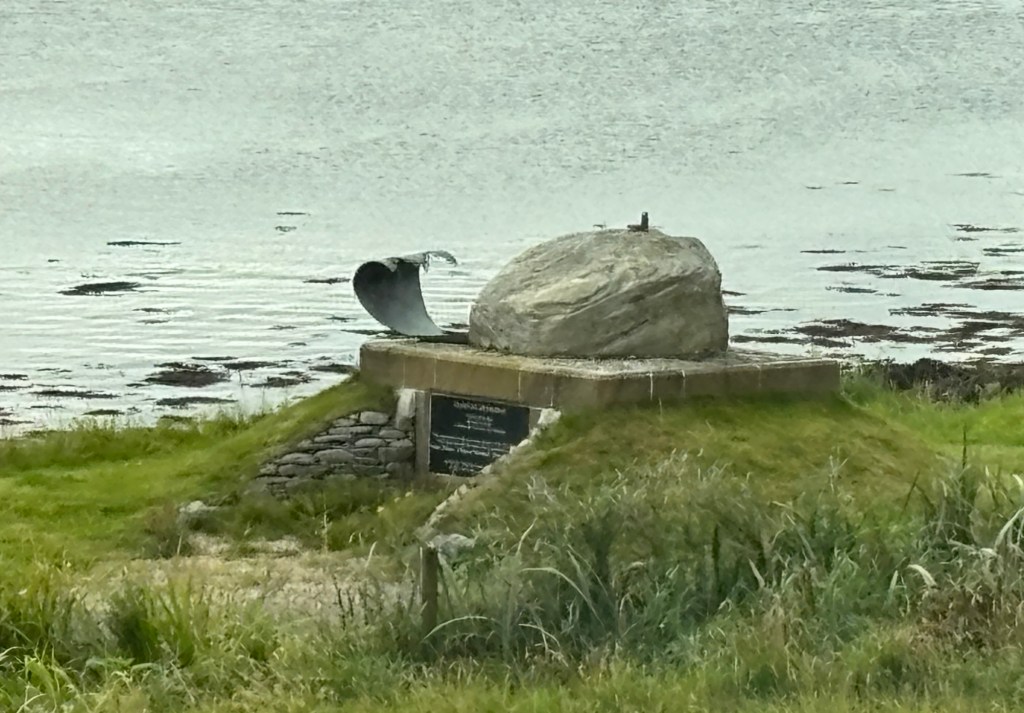
This is a monument of a huge wave coming over Flannan Island on Dec 14, 1900. Three lighthouse keepers disappeared from the island under mysterious circumstances.
Likely, three light housekeepers were washed into the sea. A British movie about the event, The Vanishing, (alternatively titled Keepers), was made in 2018. Songs, operas, books, video games and TV programs have also featured the disappearances.

The middle island is where the lighthouse and mystery took place.
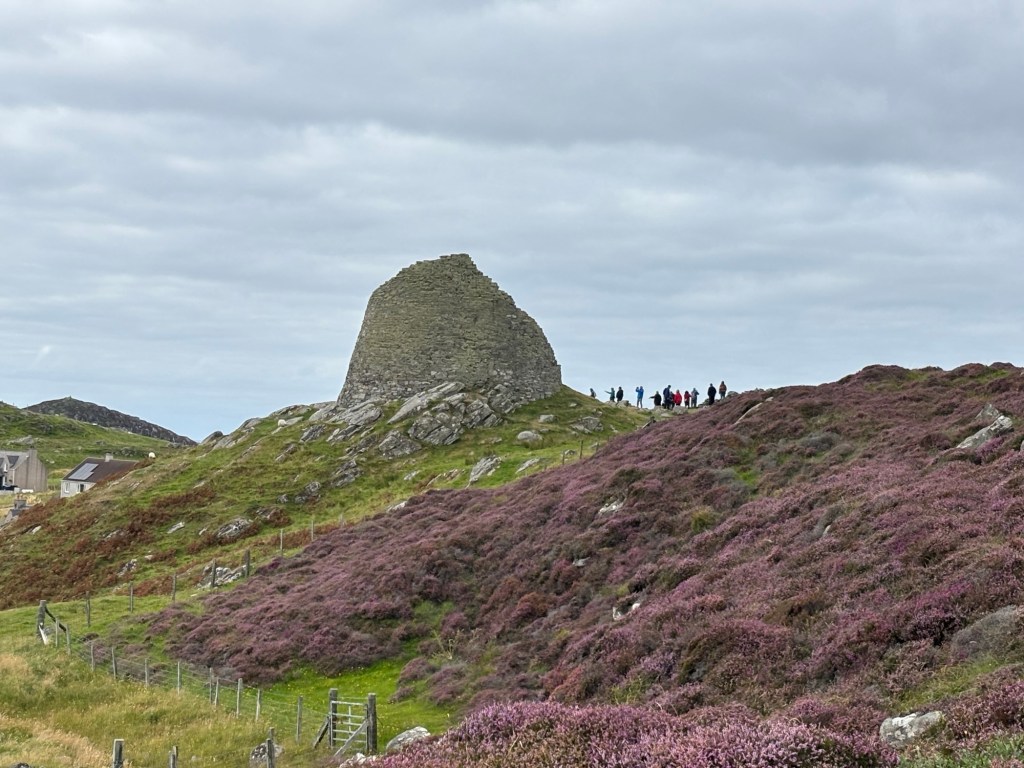
Our destination was Carloway Broch — a stone tower built around 100 BC.
Broch is Norse for “fort” but our guide believe this would have been a community meeting house and not for defensive purposes.

Its construction and design was not strong enough for defensive purposes.
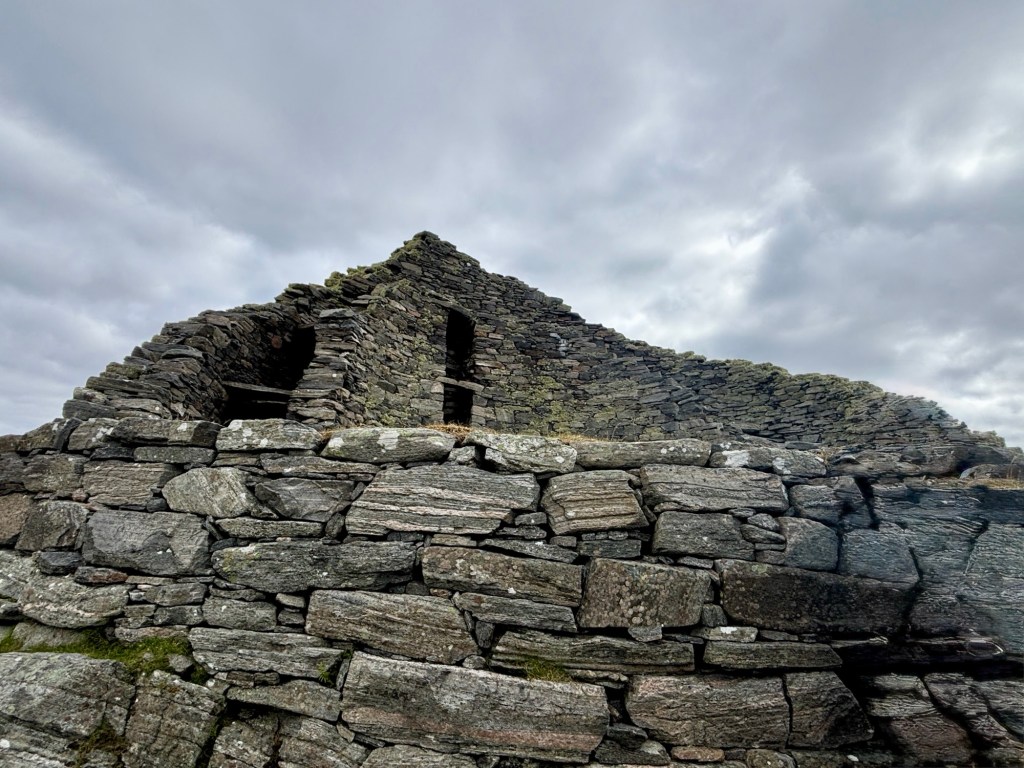
It is built in two walls – the outer is convex and the interior is vertical.
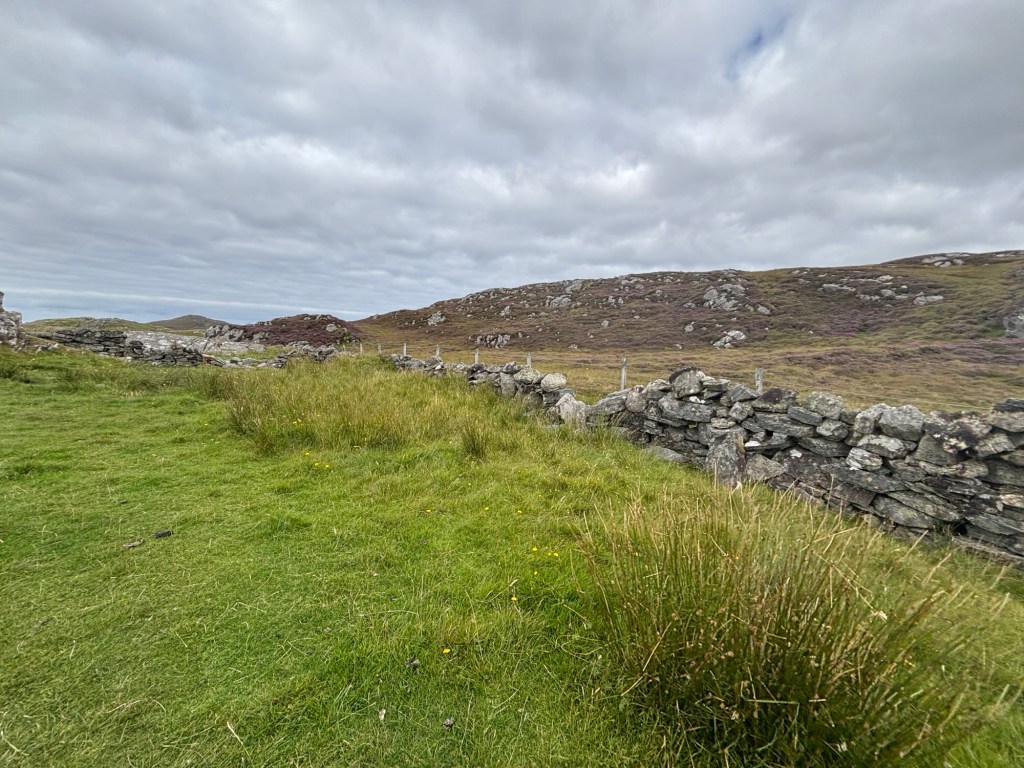
Over time, the broch was abandoned and stones were removed to build other houses and fencing.
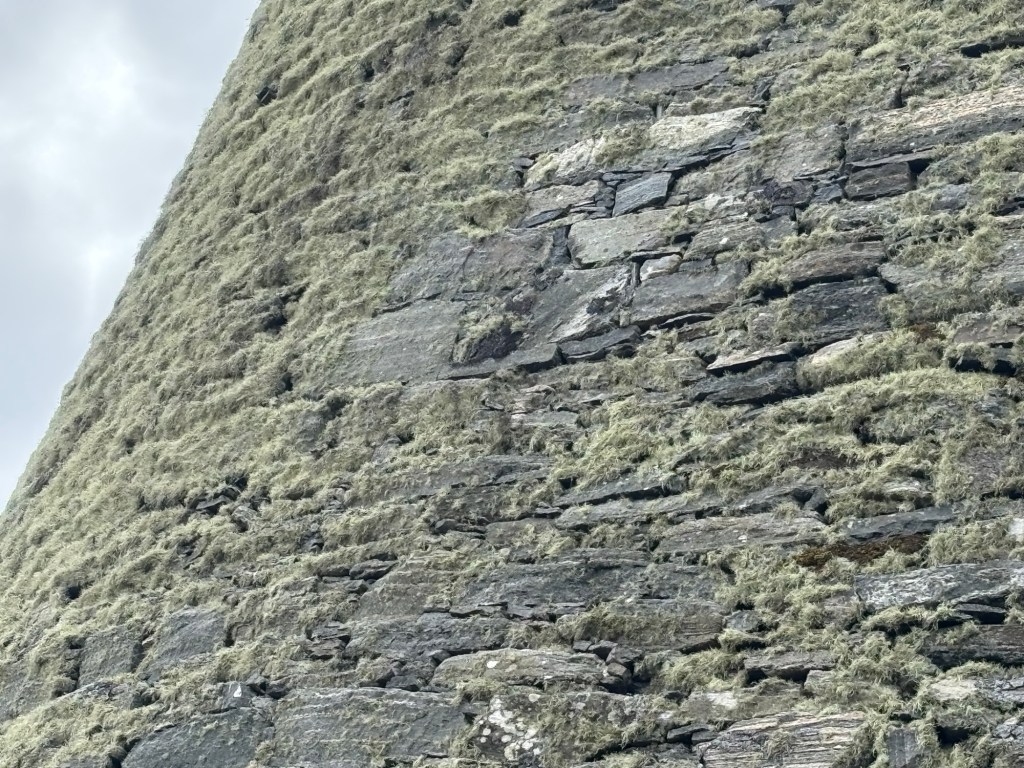
Restoration started and much of the work was done by two sisters. They did what they could with what they knew and put in a tremendous amount of work.
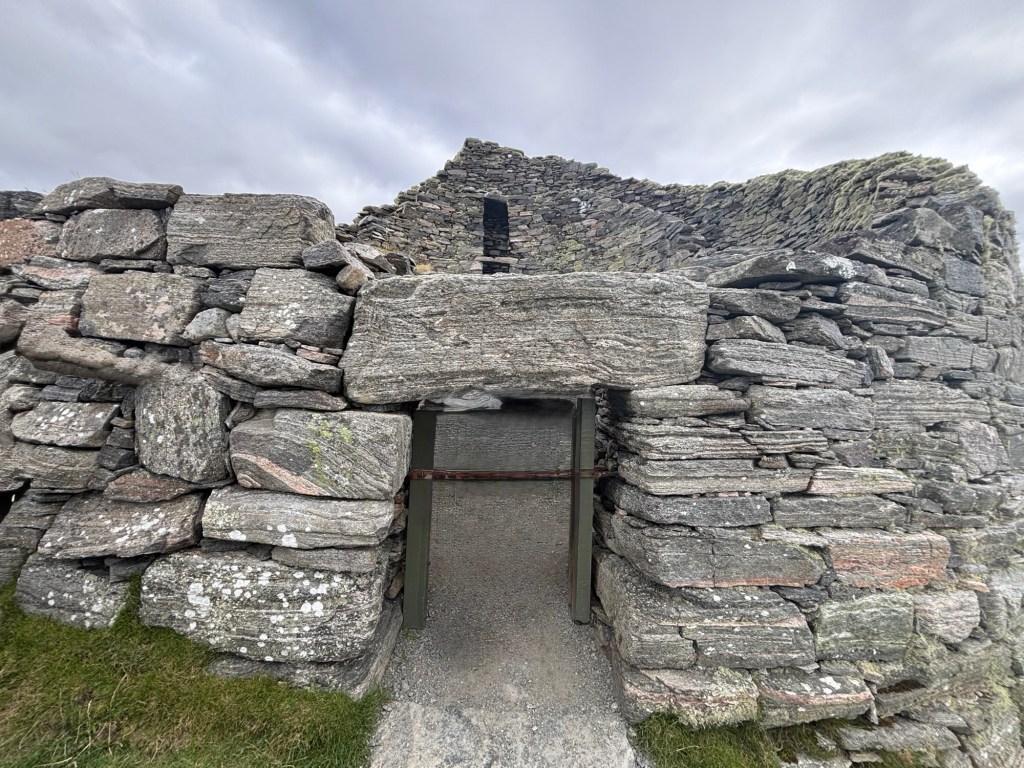
Their work has been refined to make the broch safer to visit, although our guide thought it precarious.
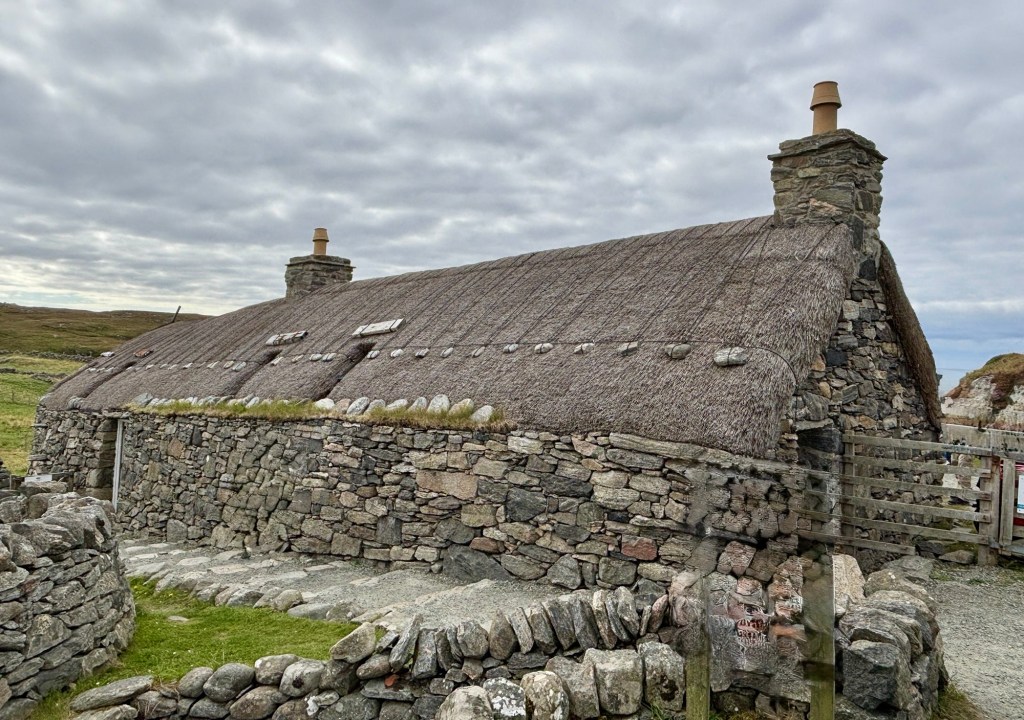
Our next stop was the settlement of Gearrannan, the traditional village of ‘black houses’ at the edge of the ocean.
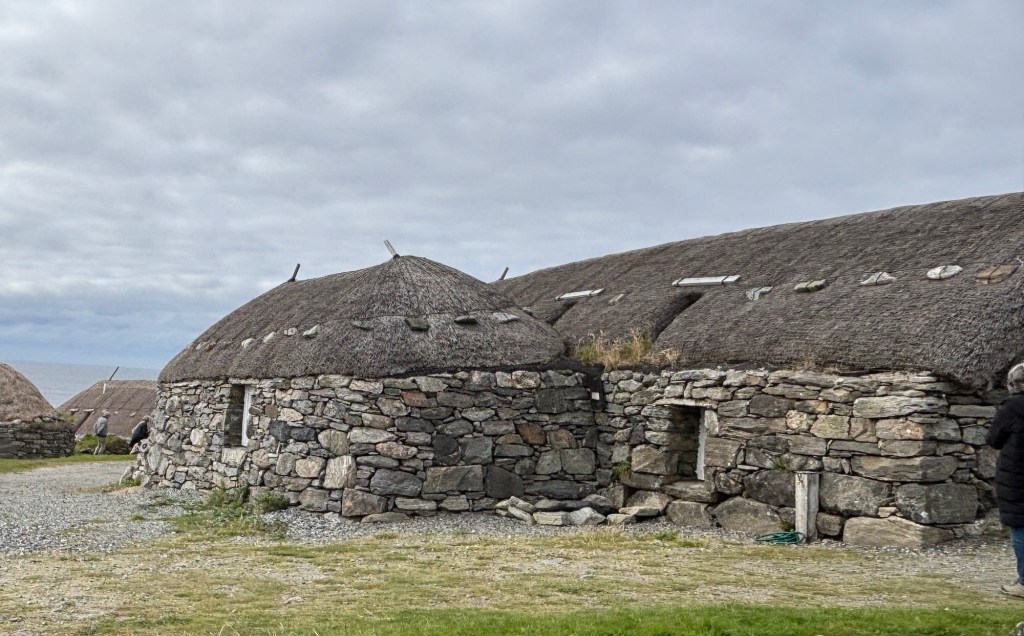
These houses were built in the late 1800s. They were once the traditional style houses along the Hebridean coast.
The houses feature packed earth floors, stone walls, and thatched roofs.
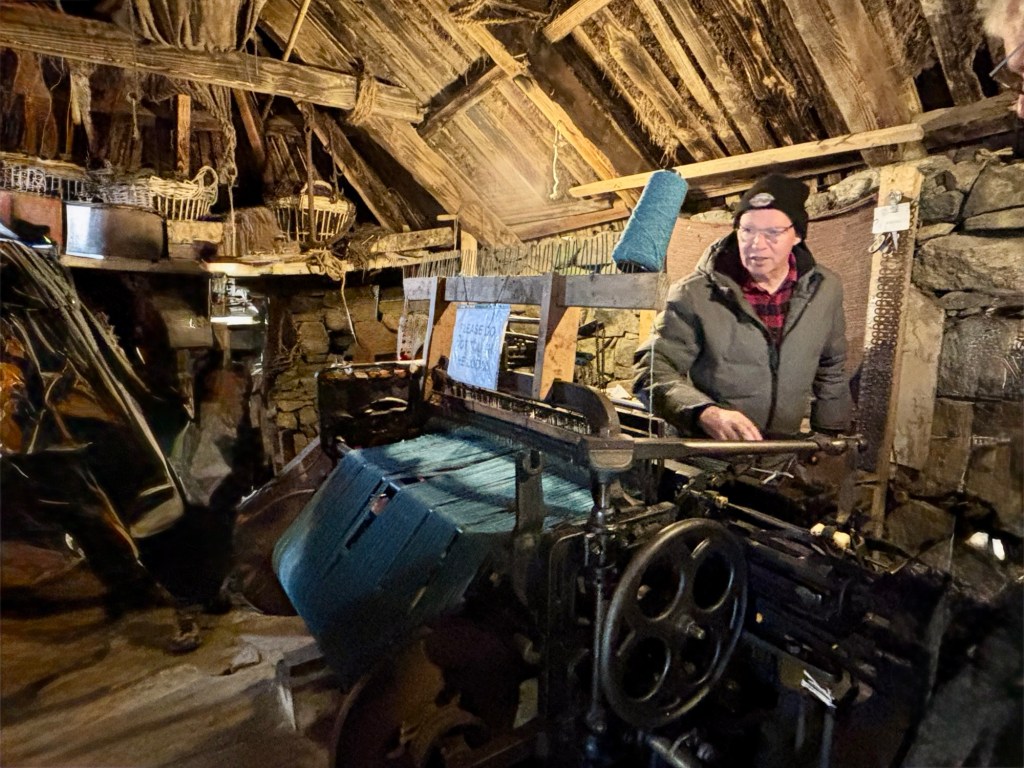
Black houses were built originally as a combined barn and home where people lived together with their animals. Both rooms slope to the middle for liquid disposal.
An open peat fire usually dominated the main room, marking the walls with soot and leading to the ‘black houses’ name.


This example was furnished as it was in the 1950s.
A fire kept the space warm, and a divider separated the human inhabitants from their farm animals.
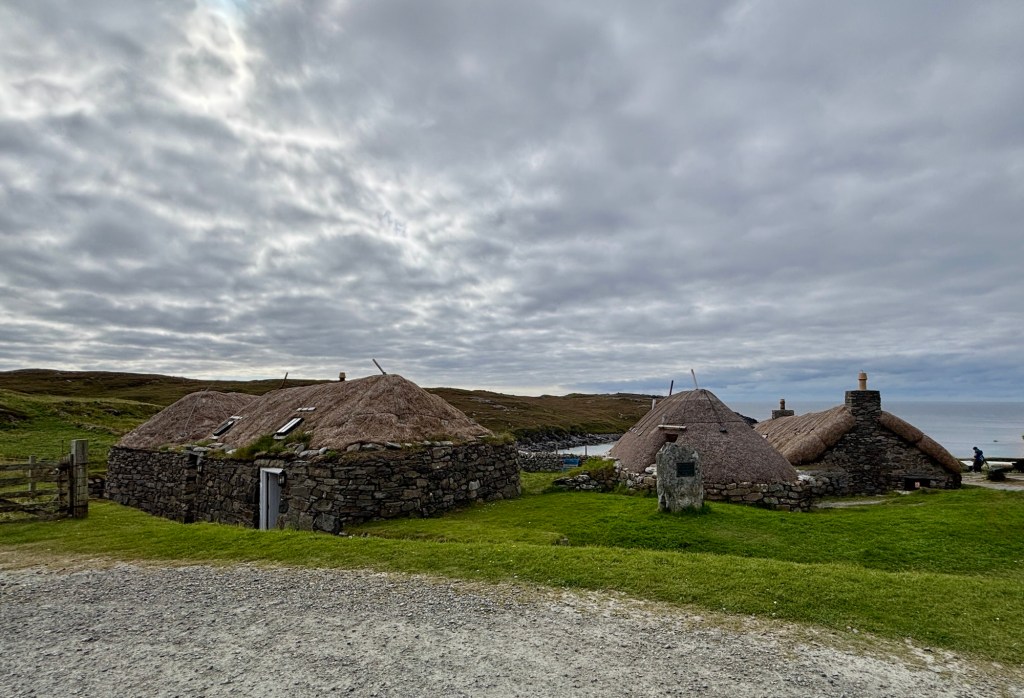
Between 1945 and 1965, the other black houses on the Isle of Lewis received running water and electricity.

People lived in these houses until the 1970s, when the village’s remaining elderly moved on.
Decay into ruin seemed inevitable but in 1989, a local trust began work restoring and preserving these black houses.
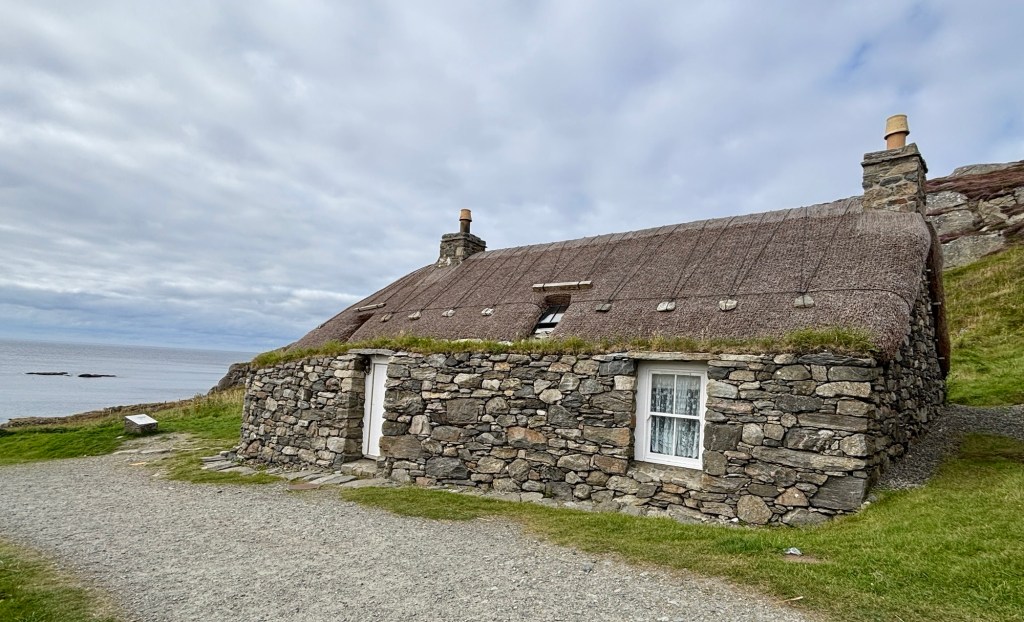
Not only does the black house village have living museum space and activities but there are also overnight facilities for rent.
We looked In the gift shop at the local products for sale. While there, I started reading a display and discovered it expressed local angst against Donald Trump.

His mother was born in a black house a short distance away. She eventually moved away and married Fred Trump. In 2008, Donald Trump visited this area and efforts were made by locals to introduce him to the life his mother would have lived in a black house. Trump spent less than a minute in his mother’s childhood home. He was perceived as being uninterested in learning about the local history and what her life might have been like. The Scottish people protested Trump’s presence in Scotland several times while we were on this trip but we did not know their dislike for him went back so far.

This arch was made by the two lower jaw bones from a beached blue whale in 1920. The harpoon was in the whale but the head had not exploded. (I hadn’t know they ever exploded!)
Fortunately the man dealing with the whale and harpoon was not in the shed when it finally did explode so he was not injured.
We enjoyed our Historic Lewis excursion, just as Cindy and Darrell had.
Next Up: The Isle of Skye, the port we missed because of weather on our first cruise.


 Serene Wandering