We typically go on a baseball trip each year to watch the Mariners or the Diamondbacks play in a location we want to explore. This year our baseball trip was a little different with the choice of Cooperstown and the Baseball Hall of Fame.

The Hall of Fame was developed in Cooperstown because, in 1908, a commission determined that Abner Doubleday had developed the game of baseball in Cooperstown, New York in 1839. Cooperstown resident, Stephen C. Clark, decided, in 1935, that he would capitalize on the findings with a baseball museum.
The finding that Doubleday was responsible for baseball’s origins has been debunked by historians. However, the Cooperstown Hall of Fame remains.
In 1936, the Baseball Writers’ Association of America elected the first class of baseball legends to the newly formed Baseball Hall of Fame: Ty Cobb, Walter Johnson, Christy Mathewson, Babe Ruth, and Honus Wagner.
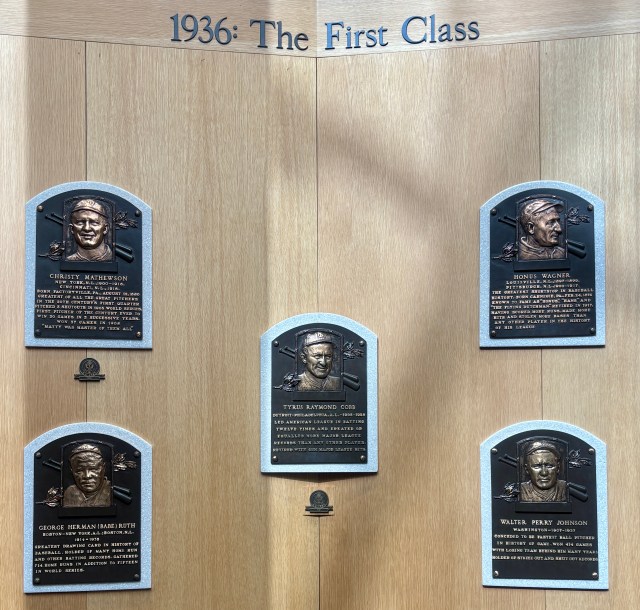
These are the five bronze plaques representing that first class.
Hall of Famers have been selected in two ways. Players who played at least 10 major league seasons, and have been retired for at least five years, are eligible to be considered by the Baseball Writers’ Association. If a player receives seventy-five percent of votes, he is elected to the Hall of Fame. A player may be on the ballot for ten years as long as he receives votes from at least five percent of the writers. There are alternate ways for the selection of Negro League players, MLB managers, umpires, and executives.

When we entered the Hall, we were given a check list showing items to look for if one had a favorite team.

There was a suggested order in which to explore the museum and we began in a large room dedicated to the 2025 Hall of Fame inductees: Dick Allen, CC Sabathia, Ichiro Suzuki, Billy Wagner and Dave Parker.

Of most interest to us was Mariner legend Ichiro Suzuki.

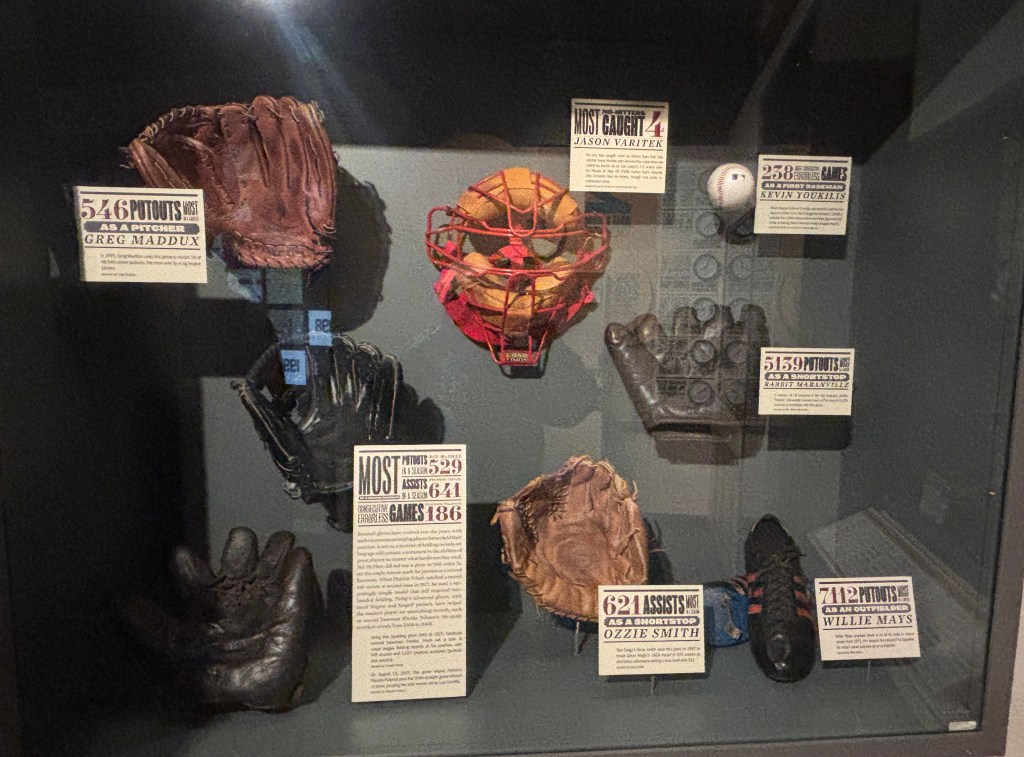
The Hall of Fame does not purchase artifacts, but relies on the generosity of players, teams and fans.


A League of Their Own is among our favorite movies so the exhibit of women in baseball was interesting.


These were two of the Mariner items to watch for – a jersey worn by Edgar Martinez in his last game and a bat he used in 2000. He became a full time Designated Hitter in 1995 and baseball’s annual DH award is named after him.

The Seattle Pilots cap was from 1969, the only year the team existed, The team moved to Milwaukee, becoming the Brewers the following year.

The San Diego Chicken was the first furry mascot, debuting in 1974.


There was a display about work stoppages in major league baseball and whether it was a strike event by the players or a lockout by the owners.

We enjoyed watching some of the best baseball replays of all time on a huge screen. The one above happened in an Atlanta Braves game and we remember seeing it live when we watched all the Braves games on cable. Those were pre Mariner and pre Diamondback days in our lives. We used to do baseball trips to watch the Braves play in the 1990s.

There was a display about the steroid era including references to Canseco, Sosa and McGwire. There was another about Pete Rose and betting that resulted in his suspension. I found it interesting that these two things were addressed but Houston’s 2017-18 cheating scandal was not.
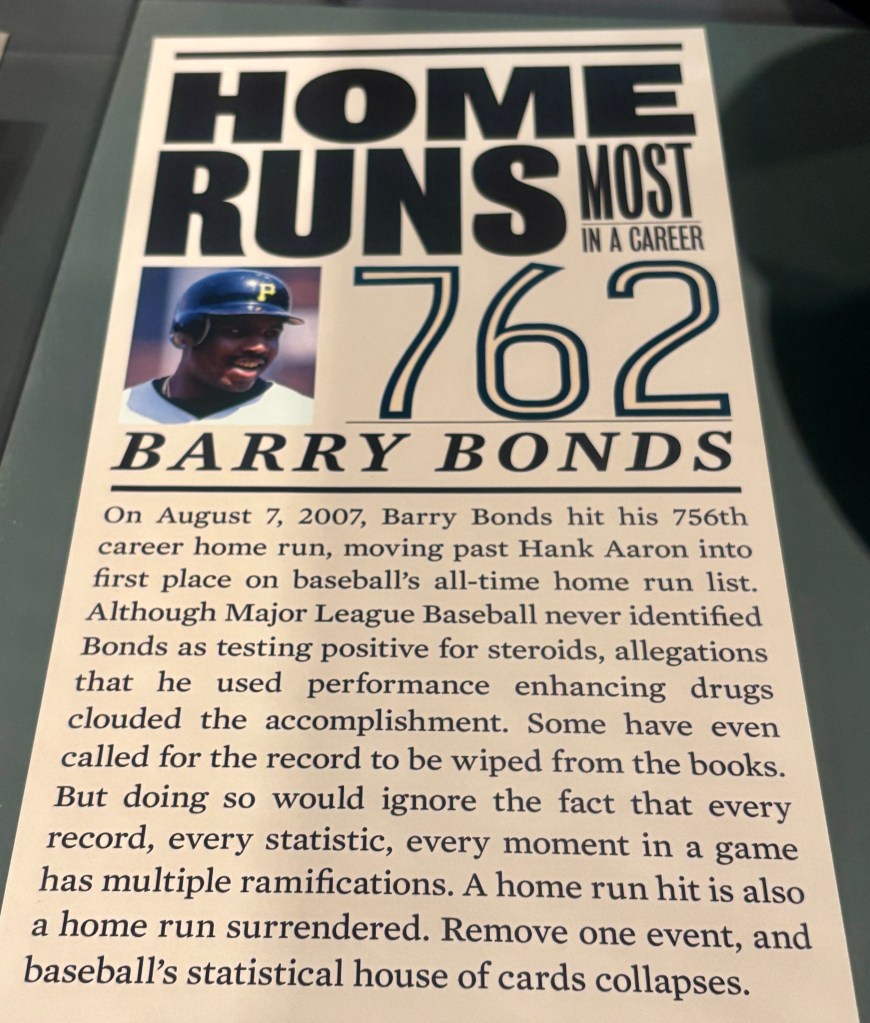

A display about Barry Bonds explained that he was suspected of steroid use, but it was never proven. His record breaking 756th home run (ultimately 762) is considered tarnished by some. However, scrubbing the achievement would create havoc with all kinds of statistics!

We really enjoyed this display that allowed you to learn about rule changes in baseball in a fun way.
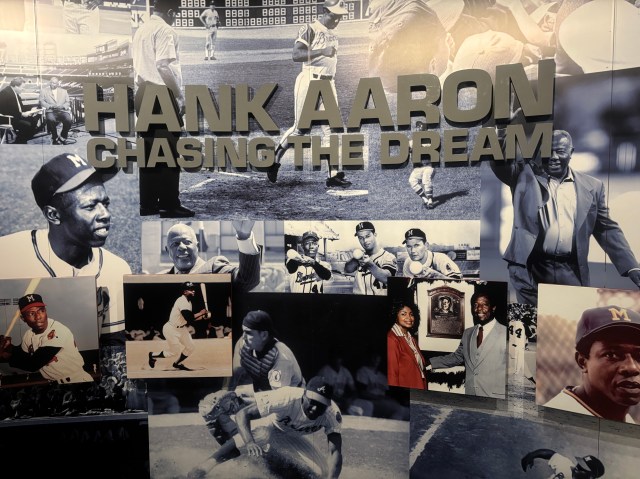
There was a wonderful display about Hank Aaron.
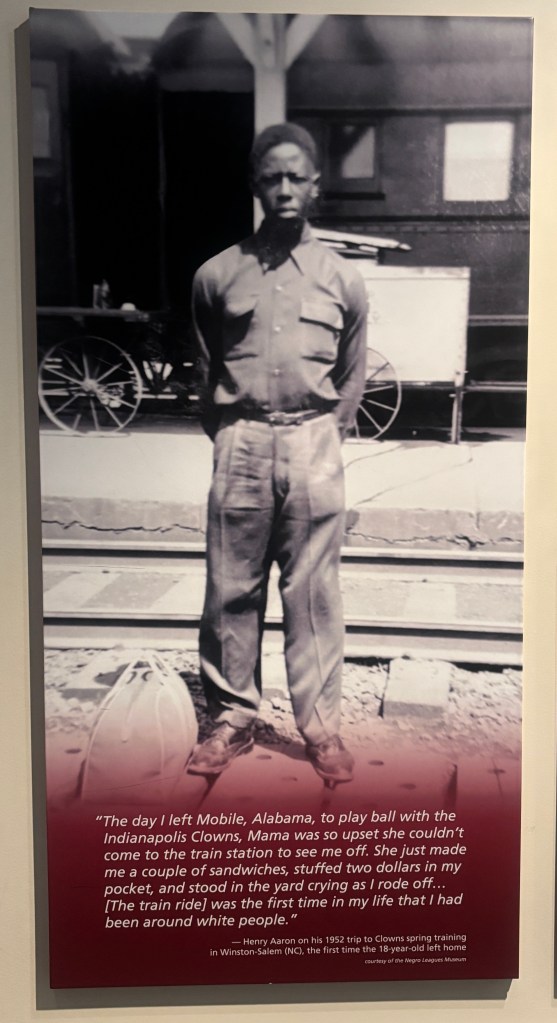


It traces his origins as a teen in Alabama to being considered one of the greatest baseball players of all time with 3,771 hits and 755 home runs.

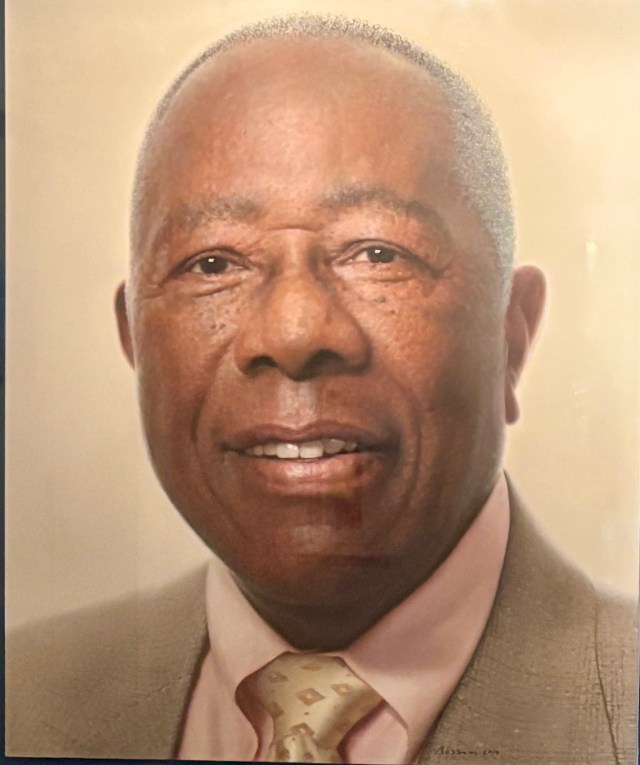
This portrait of Hank Aaron was painted in 2014 by Ross Rossin. It is an oil on canvas and was so perfect (also really large) that we thought it was a photograph.
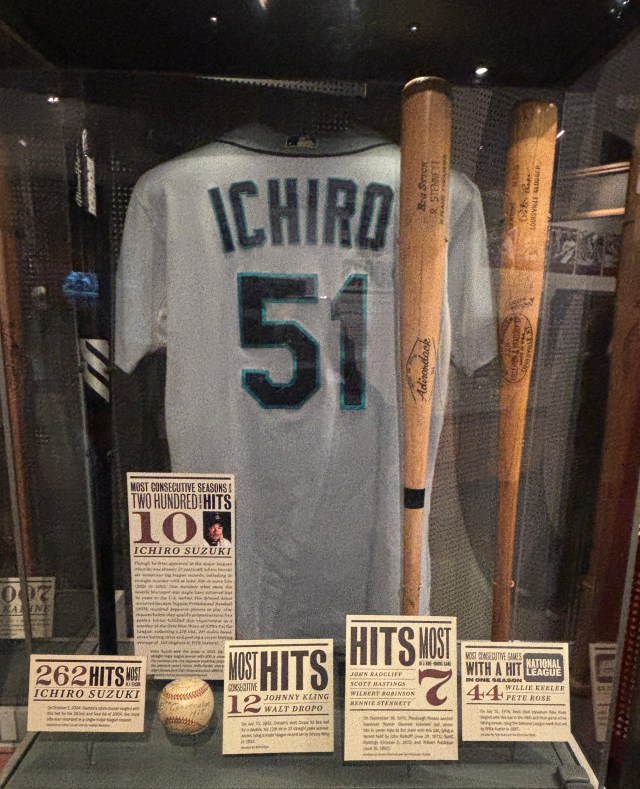
There was more Ichiro gear and records. He was a major star in Japan before becoming a major star in the US for major league baseball.

We were impressed with displays that were staying up to date with current baseball happenings. Mariners catcher Cal Raleigh went on a record setting home run tear during the 2025 season. He should have been the American League MVP and I will die on that hill.
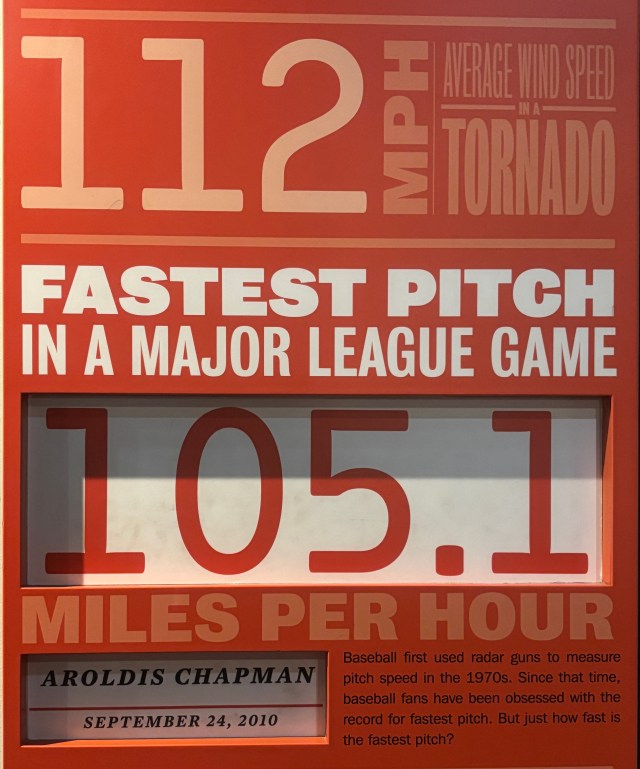
That is some pretty fast pitching!
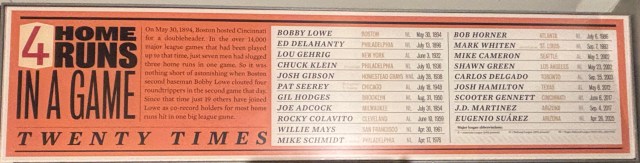
The thing we loved about this display is the reference to Eugenio Suarez being only the 20th player ever to hit four home runs in a game. We were at that game in Phoenix on April 26, 2025!! Did I mention he was my favorite player? Former Mariner, then Diamondback, and then Mariner again.


There was a room dedicated to the World Series. The case with the rings was interesting but a good picture was impossible with the lights and glare. This is only one part of the case. The rings just keep getting bigger and gaudier.


The locker room was great with more donations from each team.

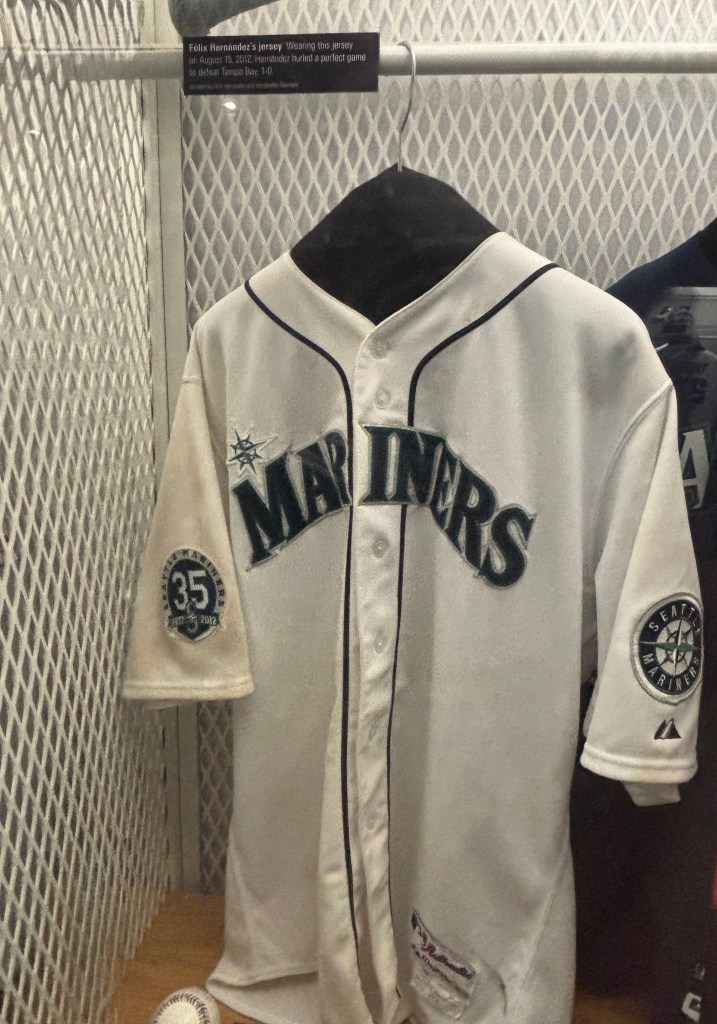
Two more Mariner items show Cal Raleigh’s record breaking homer bat and a Felix Hernandez jersey worn when he pitched a perfect game.

There was also a Pride Ball sewn with rainbow colored string initiated by the Mariners.

Nearby was an exhibit of baseball bobbleheads!

There was movement as part of the display so they were all bobbing!

We entered the Plaque Gallery.
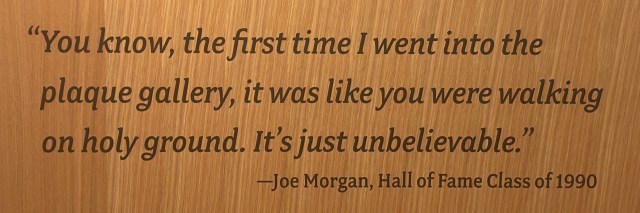

Plaques are placed by time grouping.

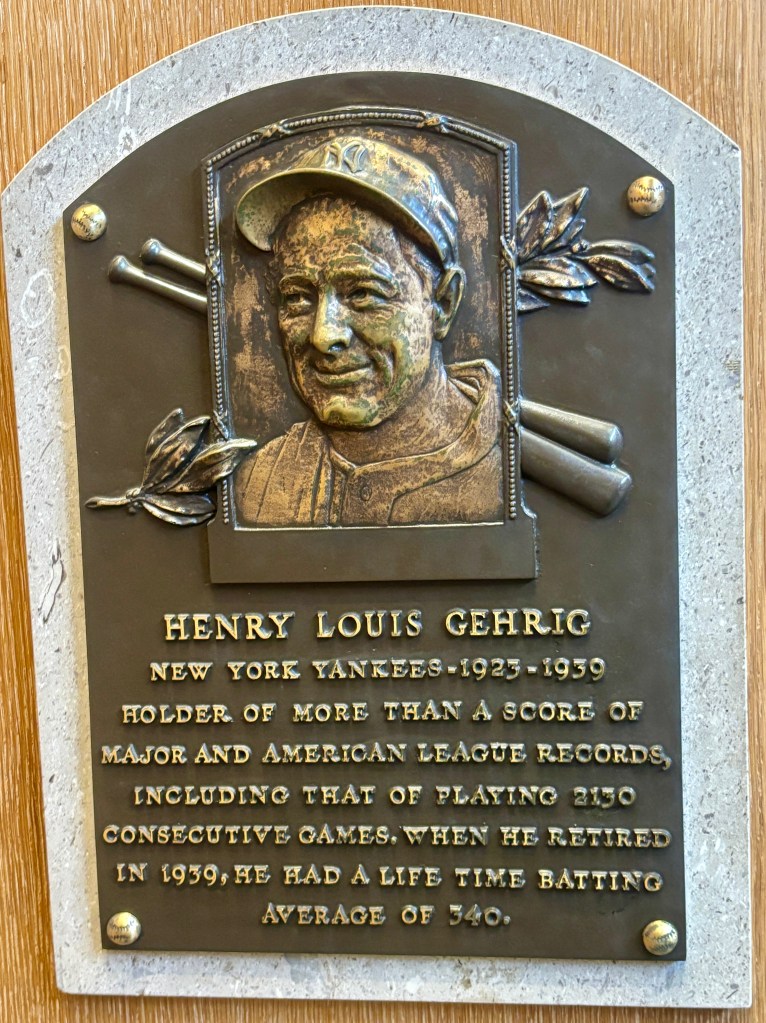

There were a lot of names that were recognizable from before and while we have been baseball fans.

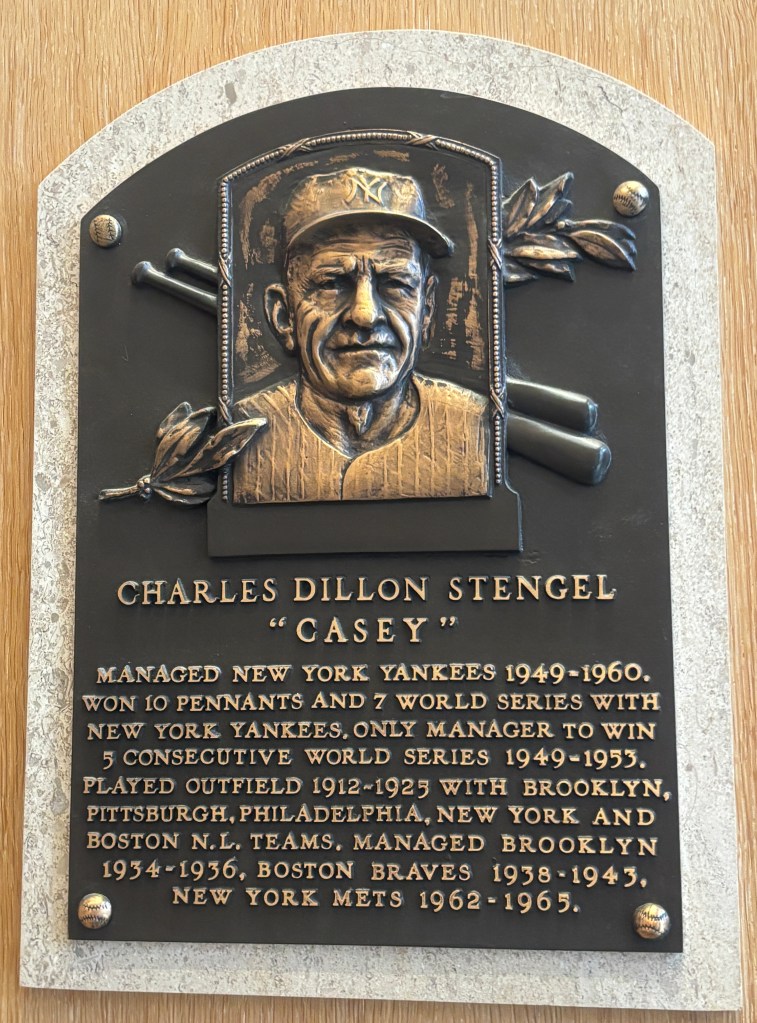


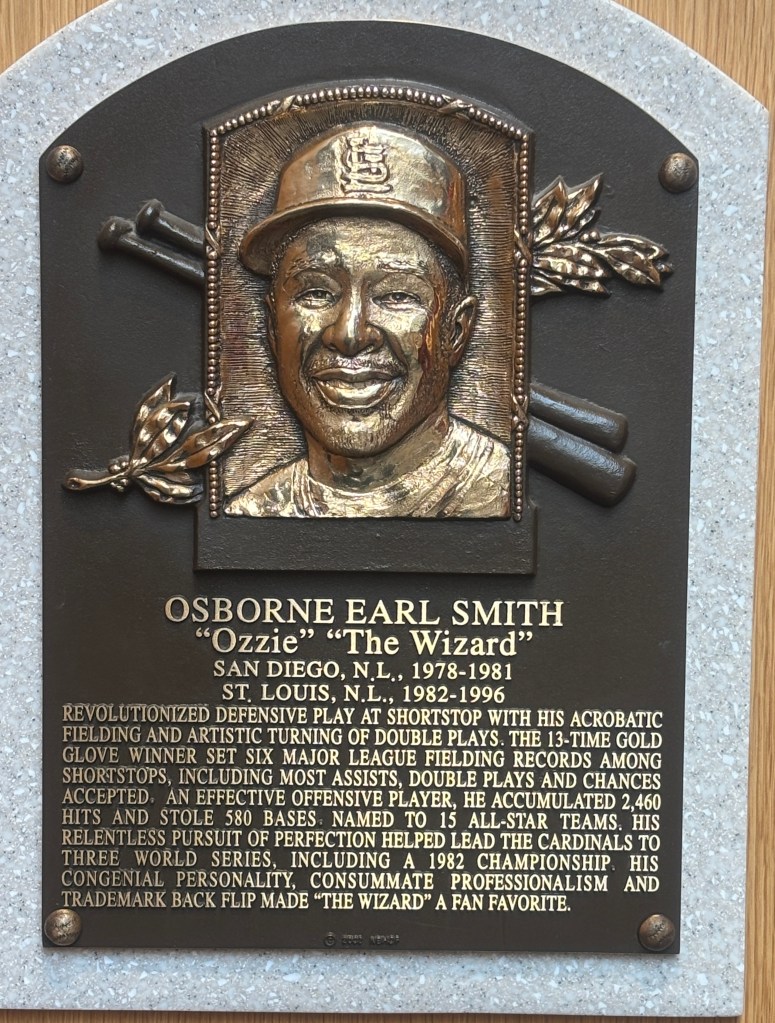
There are some that we valued from our Atlanta Braves days.

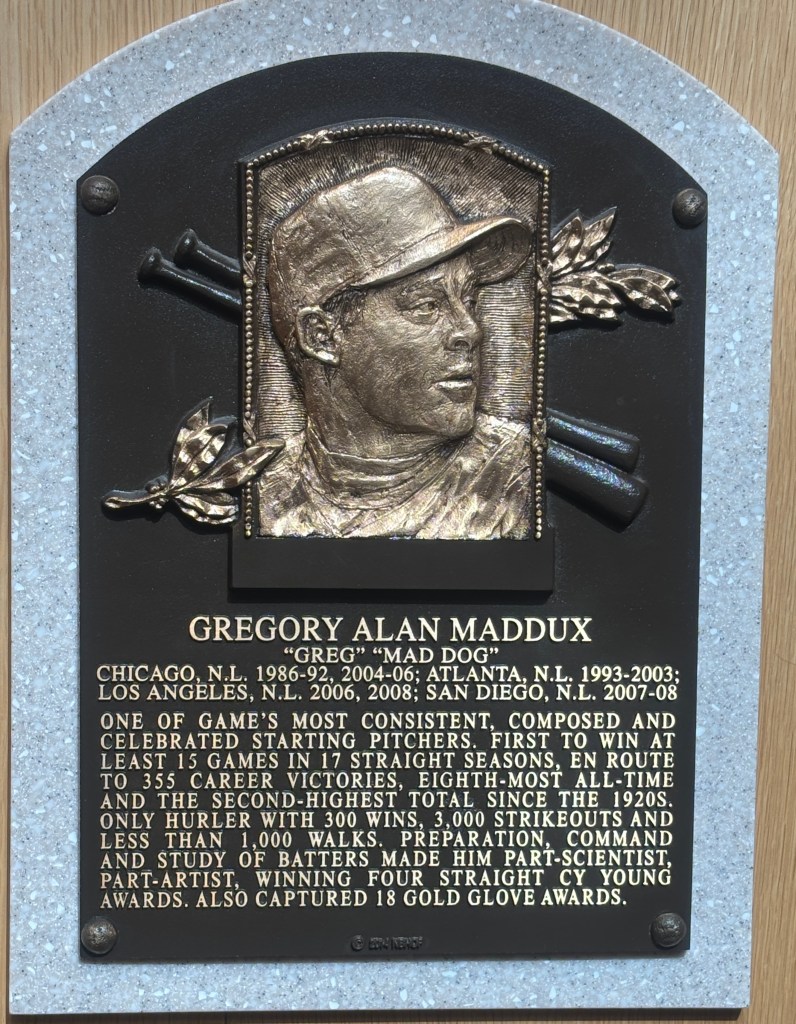
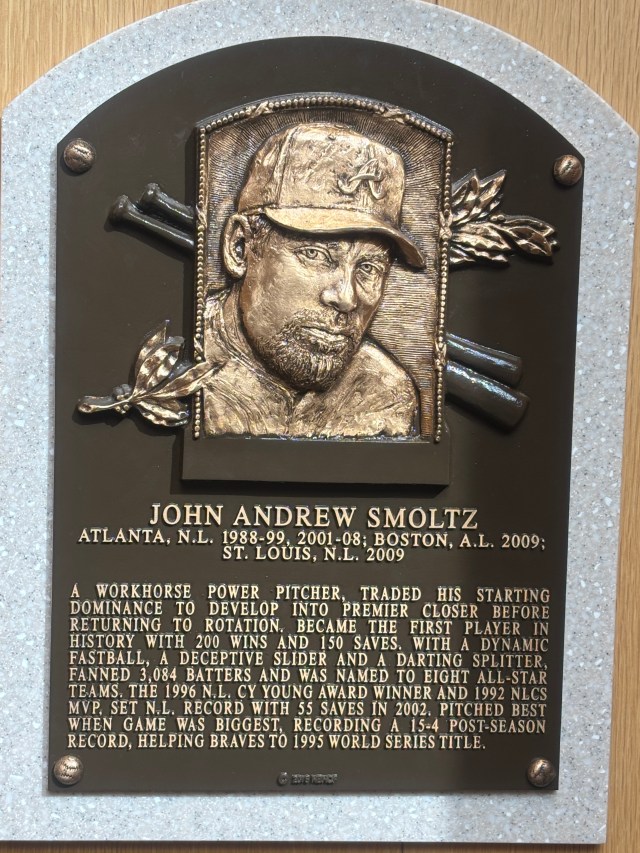
Tom Glavine was once my favorite player.
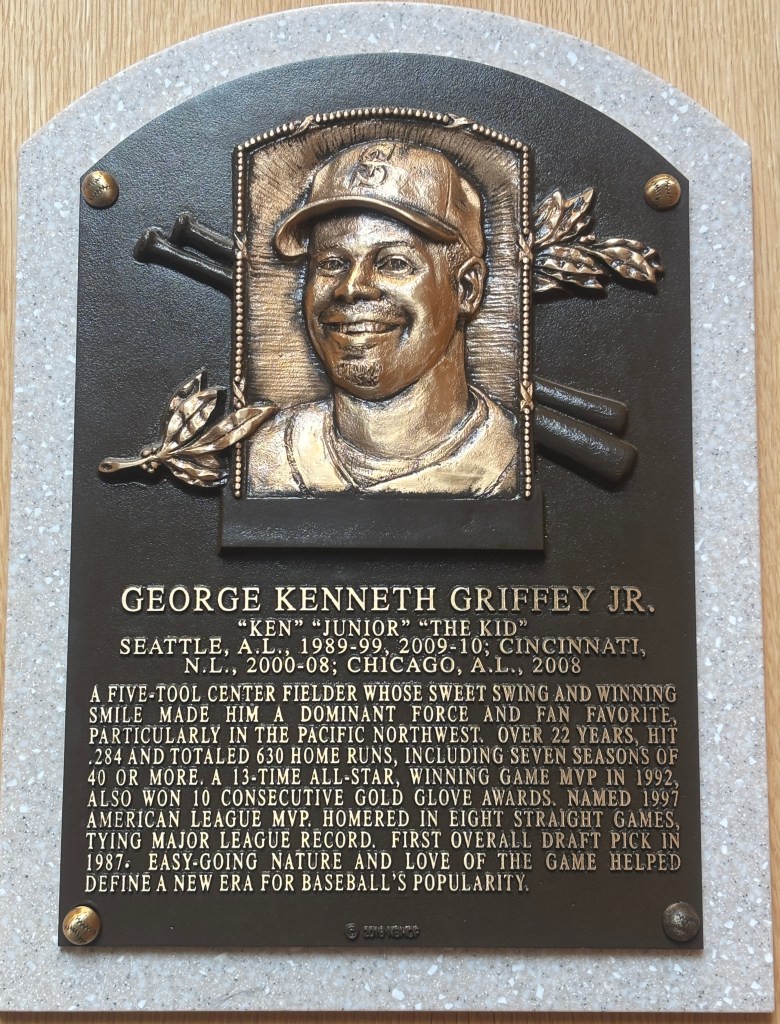

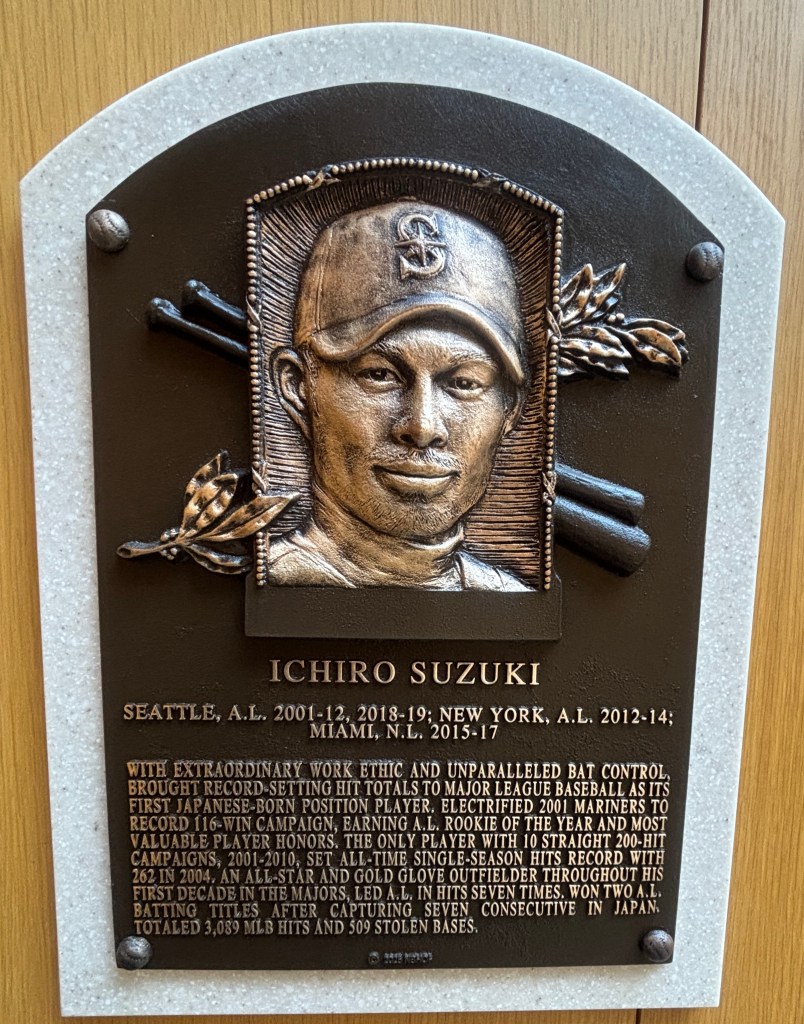
Of course, there are players from the Mariners!
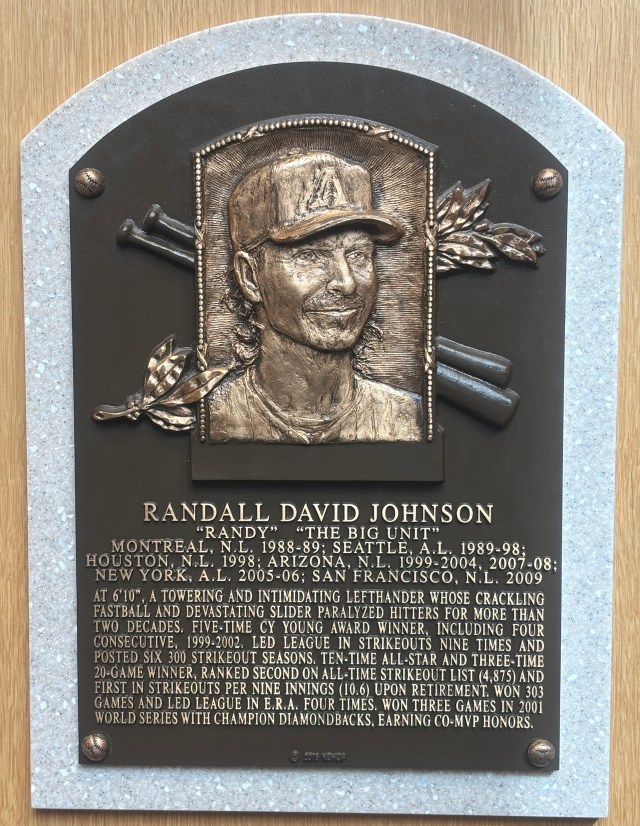
Randy Johnson was a player for the Mariners and others before playing as a Diamondback. He “went in” as a Diamondback. Players with multi-team histories, choose the team they want to be identified with.
The “On the Air” display was interesting !

When radio coverage started, owners objected, thinking descriptive plays of the game would reduce ticket sales. Radio commentary was banned in New York in the 1920s. Other teams did not allow broadcasts of their home games. Radio won out with every major league team having radio play by play for their games.
I had originally allowed two days on our itinerary for the Baseball Hall of Fame but we found that three hours was enough. We could have spent far more time looking carefully at every exhibit and display, or looked for every tidbit from our Braves and Diamondback fandom, but we were satisfied.
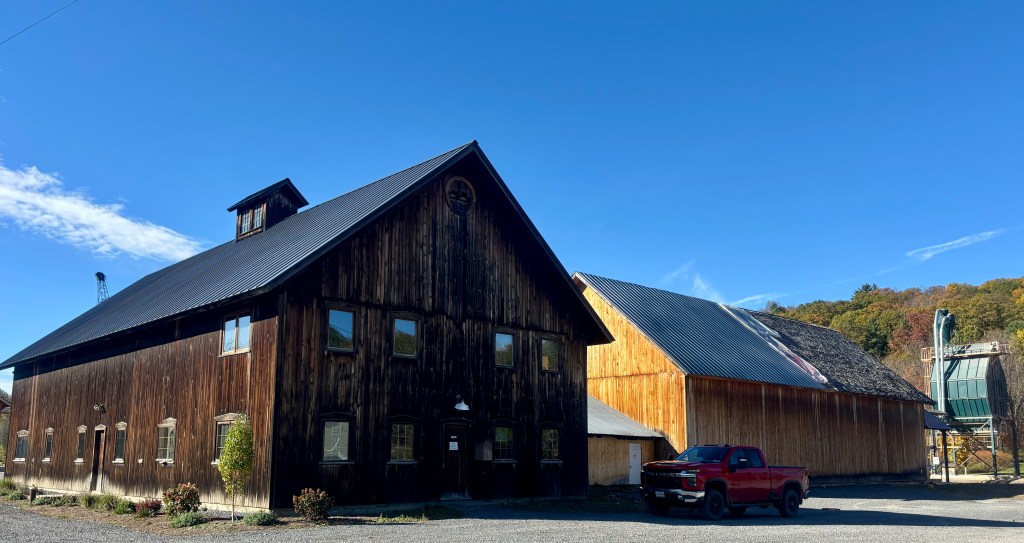

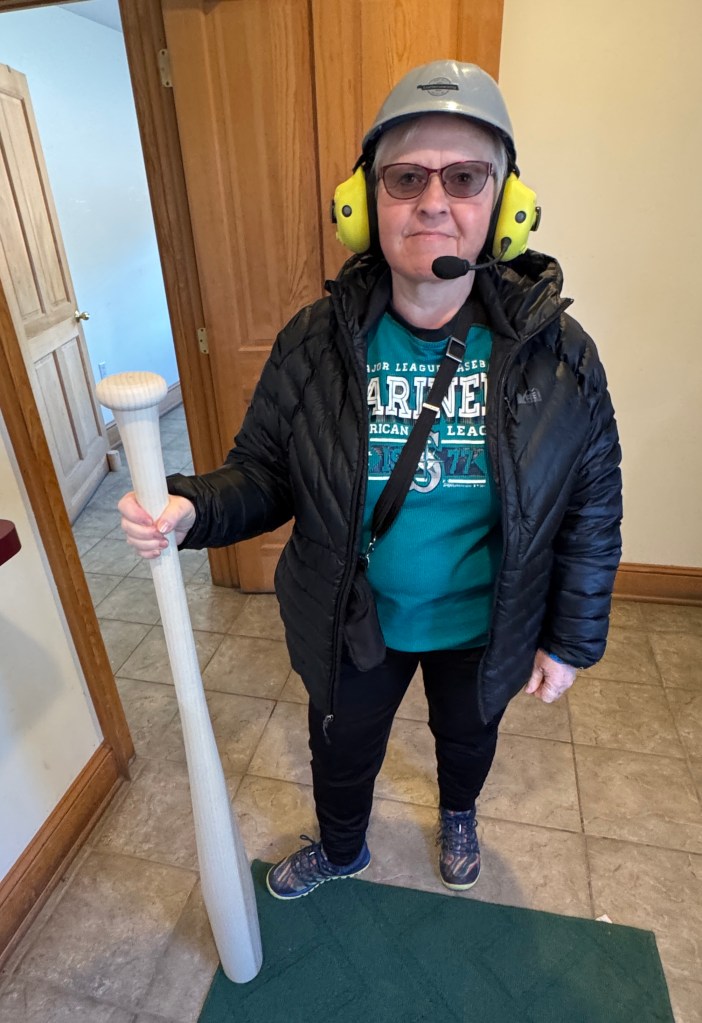
So, that left us an afternoon to find something else to do. We stayed with the baseball theme going to a “bat factory” about a half hour from Cooperstown.

This company sources trees within a 250 mile radius to make their bat “blanks” – mostly hard maple with some birch.
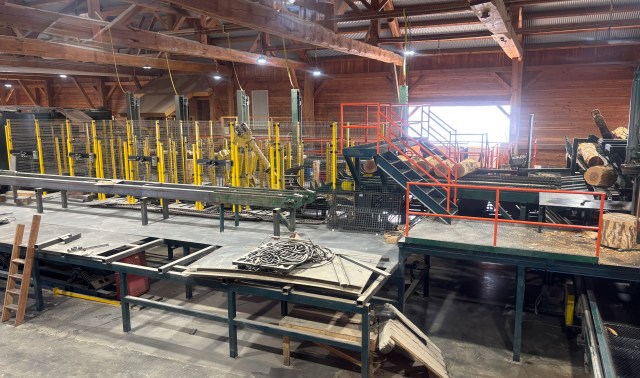
Logs are debarked and pass through a metal detector.

Next the logs are hand split. They consider hand- splitting to be the most critical step in the entire process. By splitting the wood, they follow the tree’s natural grain, resulting in the straightest grain and strongest bats.
In 2008, MLB recorded 2,232 broken bats in just three months with 1,476 being shattered into multiple pieces. Considered a safety risk to players and fans, MLB found that poor grain alignment from billets that were sawn instead of hand split was a factor. They are trying to make the best bats, not the most bats per log.
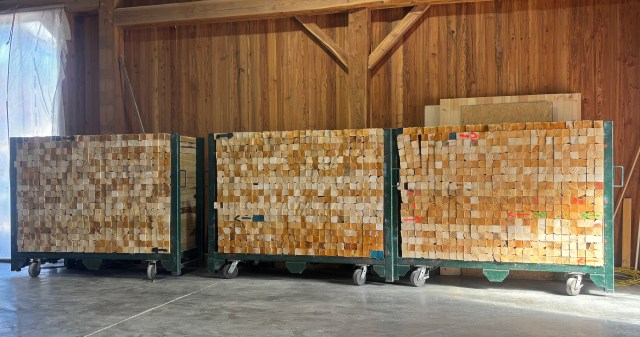

The next step is vacuum kiln drying which allows them to extract moisture quickly – getting to about 8 percent in less than a week.
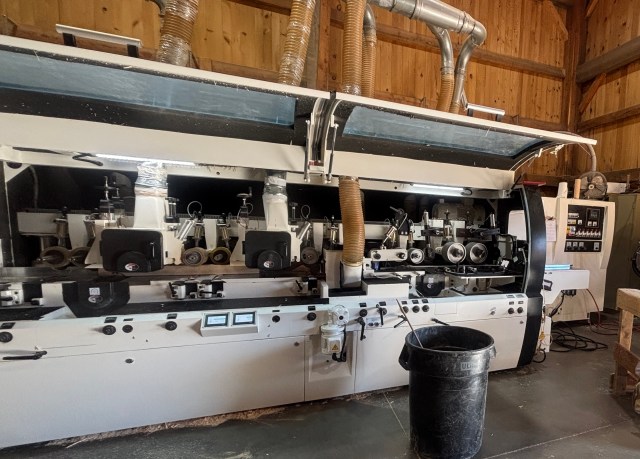
The billets are made into dowels. Each one passes through a molder that has 6 cutting heads.


Each billet is inspected individually and graded.

Bats are turned on state-of-the-art lathes.
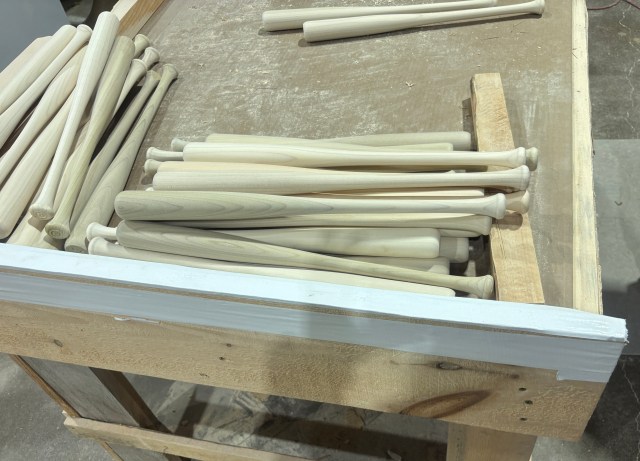
The factory also produces axe handles and other products such as miniature bats.

They even make small hickory dowels for drumsticks and golf shafts. The tour was fascinating and a nice completion to our baseball day.
Next Up: We have to change up our plans again because of closed national parks – but end up very happy with our change!


 Serene Wandering
Love following your land tour! I’ll have to put Cooperstown on my list. If you are ever in Kansas City, the Negro Leagues Baseball Museum is worth a visit!
I only have a week left in my epic cruise. Northern Europe and the Tattoo seem so far away.
Thanks Jo. We went to KC on a baseball trip probably 10 years ago. We had a great time but didn’t know of the Negro Leagues Museum – a failure on my part for sure. Hope to make it back sometime and that will be a priority!
I have wondered how you have liked being on NS for such a long time with repeated ports, menus and entertainment. I’m interested in your next plans that will hopefully intersect with ours once again.