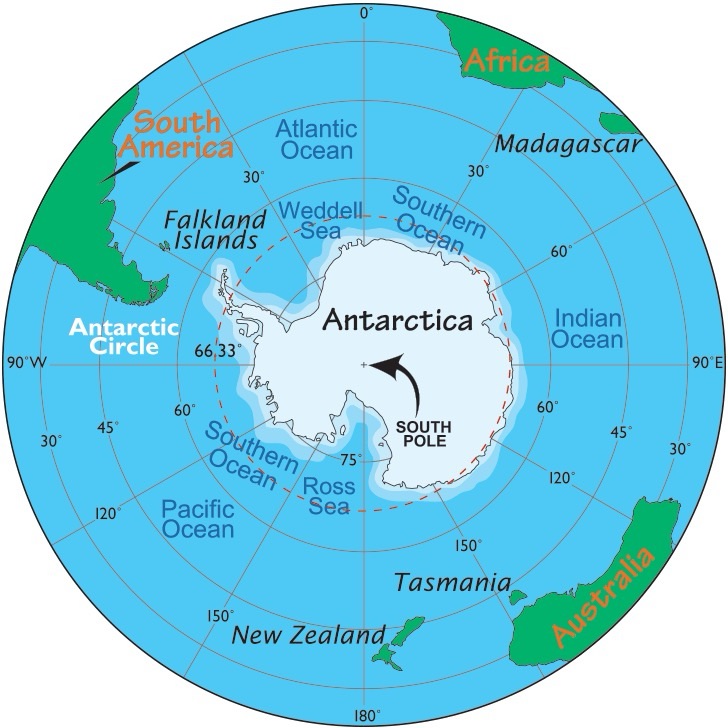
We had two days of sailing through the Drake Passage from the tip of South America to the outer islands of Antarctica. Conditions weren’t bad on the first day, but restless enough that Randy took some Dramamine. Fortunately, we were both able to go about our day. That meant opportunities to learn about what we would see and do on this sailing.
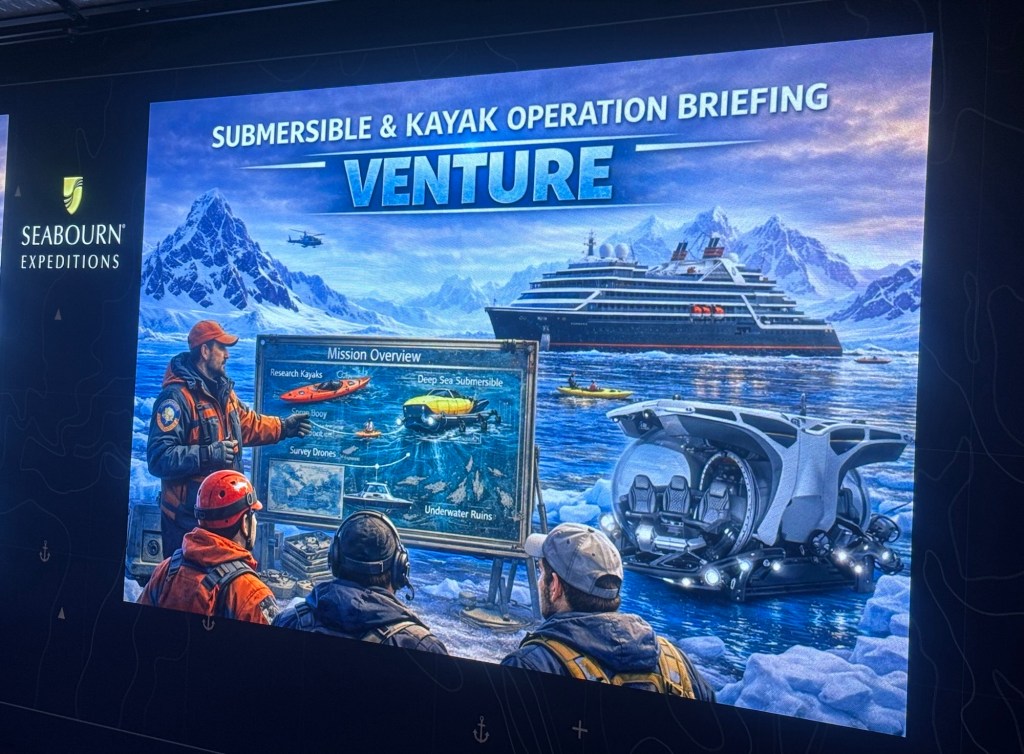
We started with a required briefing on the submersible and kayak operations. It was required because we were both signed up for kayaking and Randy was signed up for the submersible.
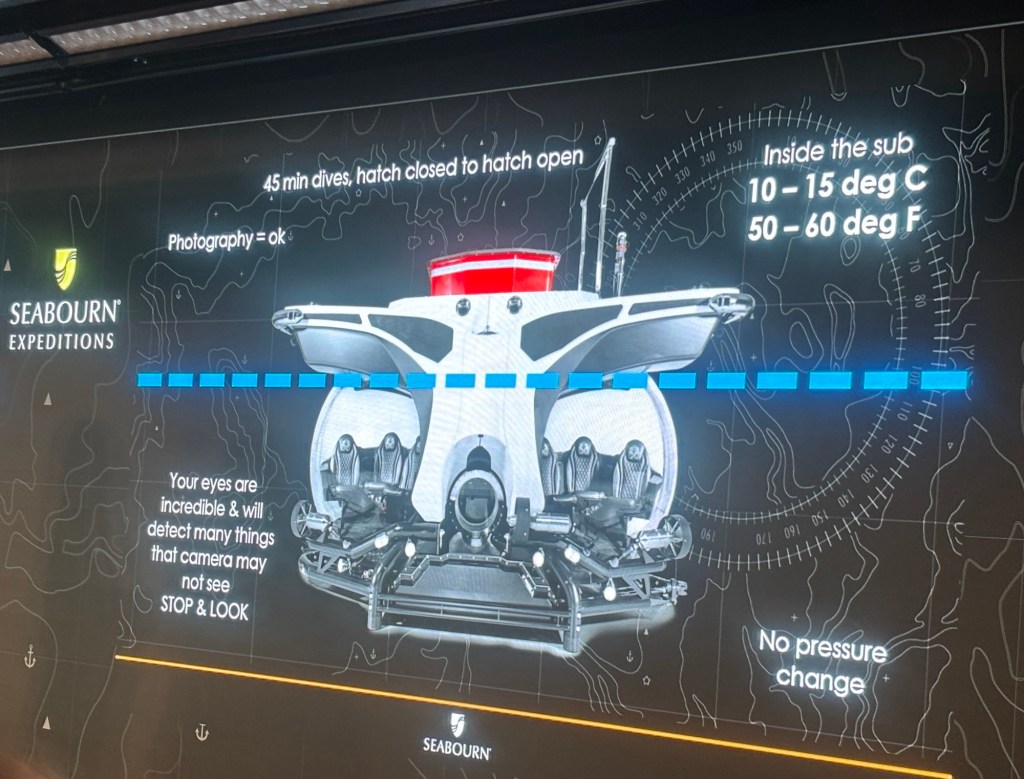
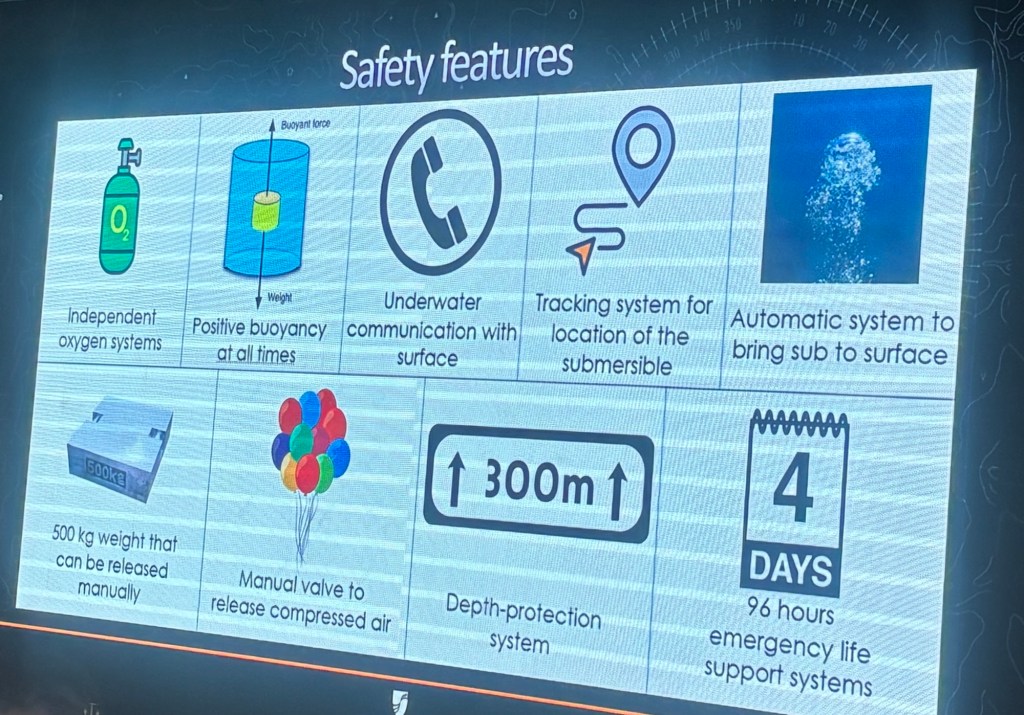
After the briefing, we were invited down to the submarine garage to see the vessels.
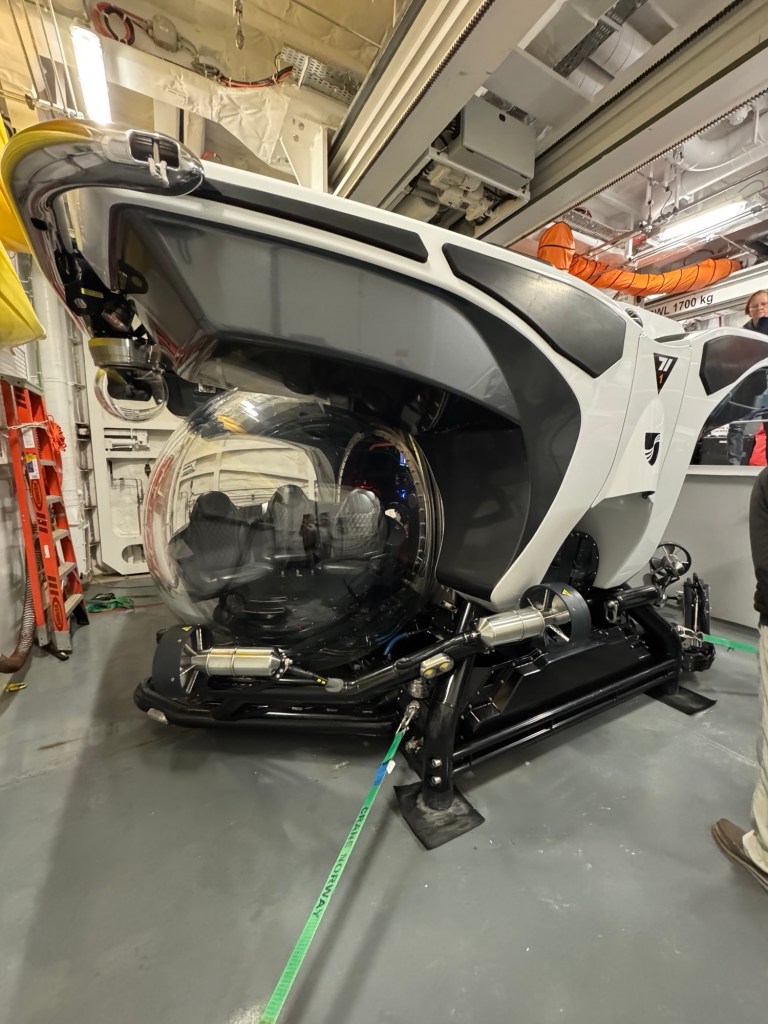
Once we saw them, I decided I wanted to go too.
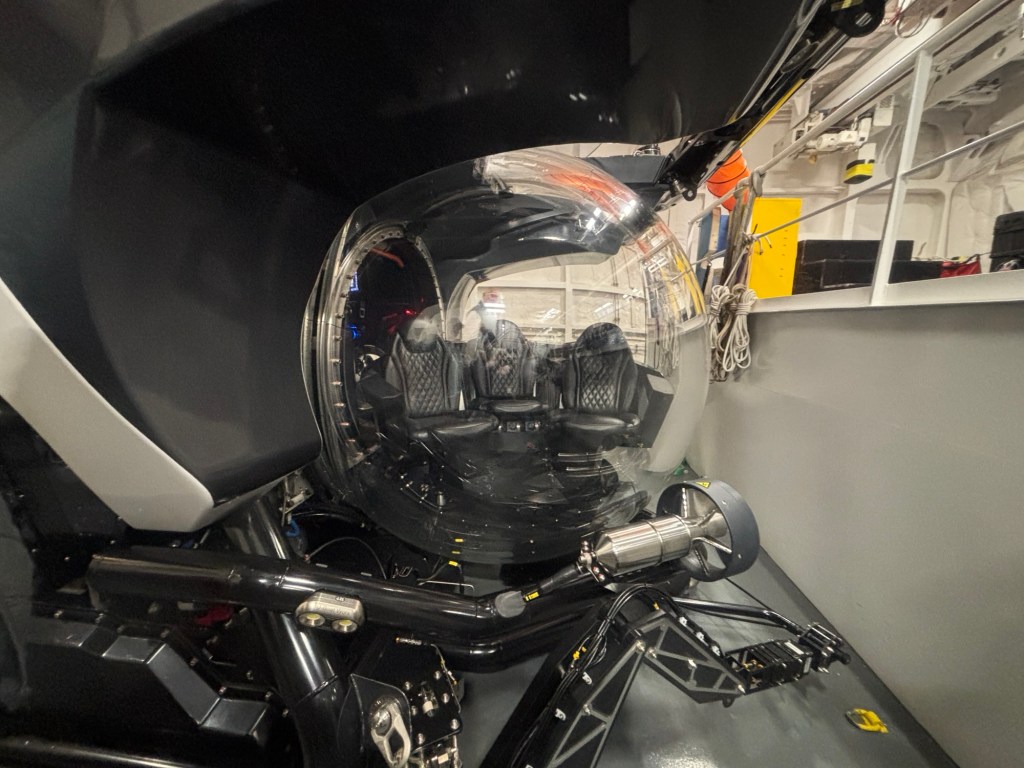
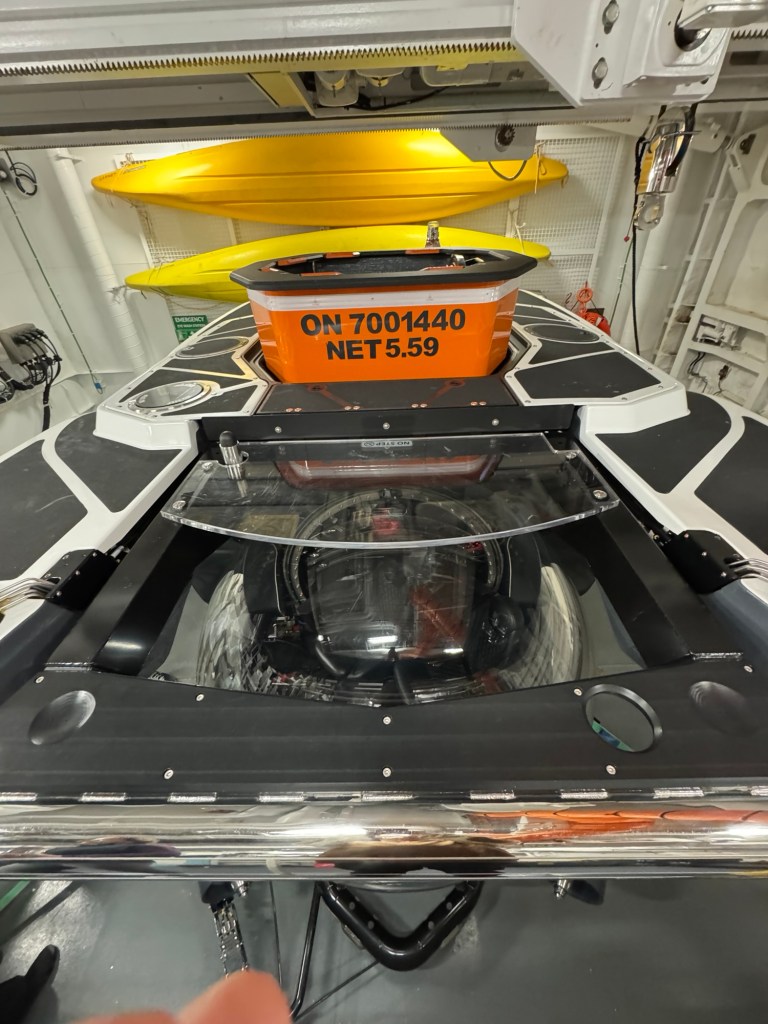
Seabourn has two submarines, each costing $5 million. They operate with electric motors.
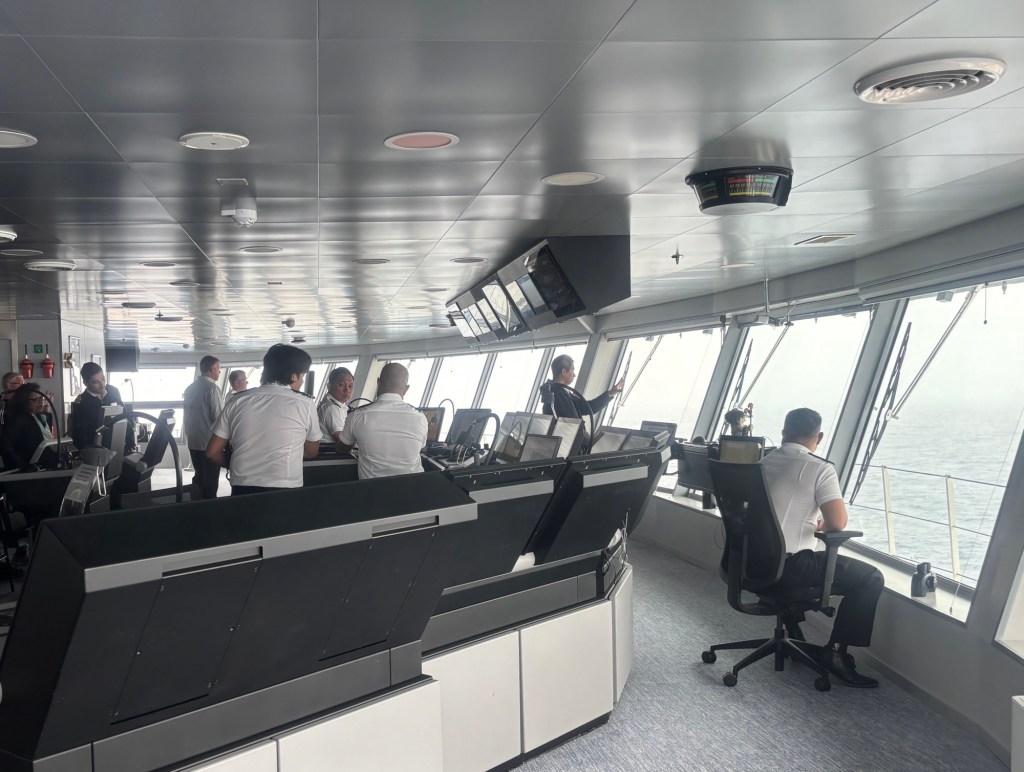
We were also invited to view the bridge area. When it was our turn, all of the officers who were able to talk to passengers were already engaged.
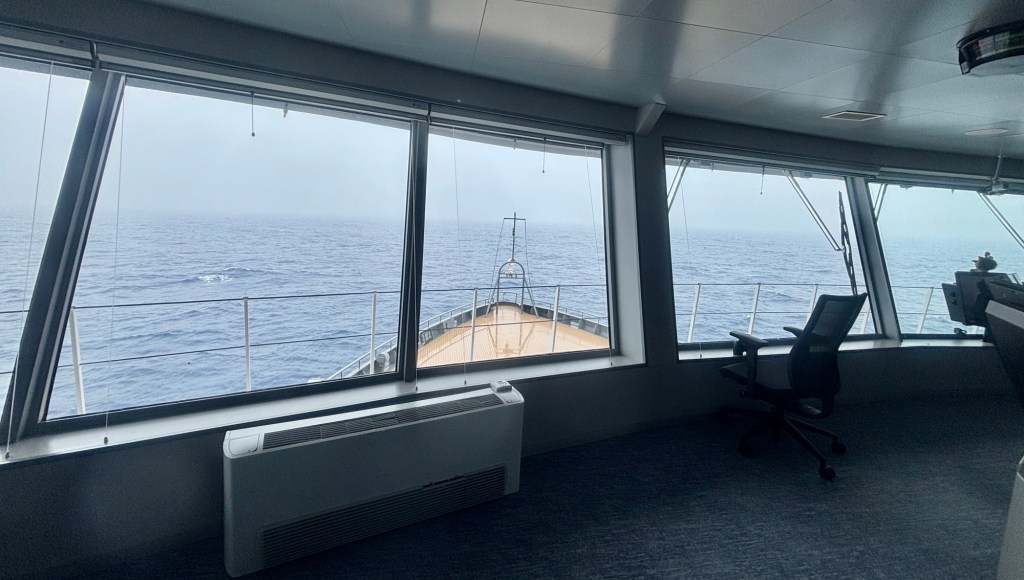
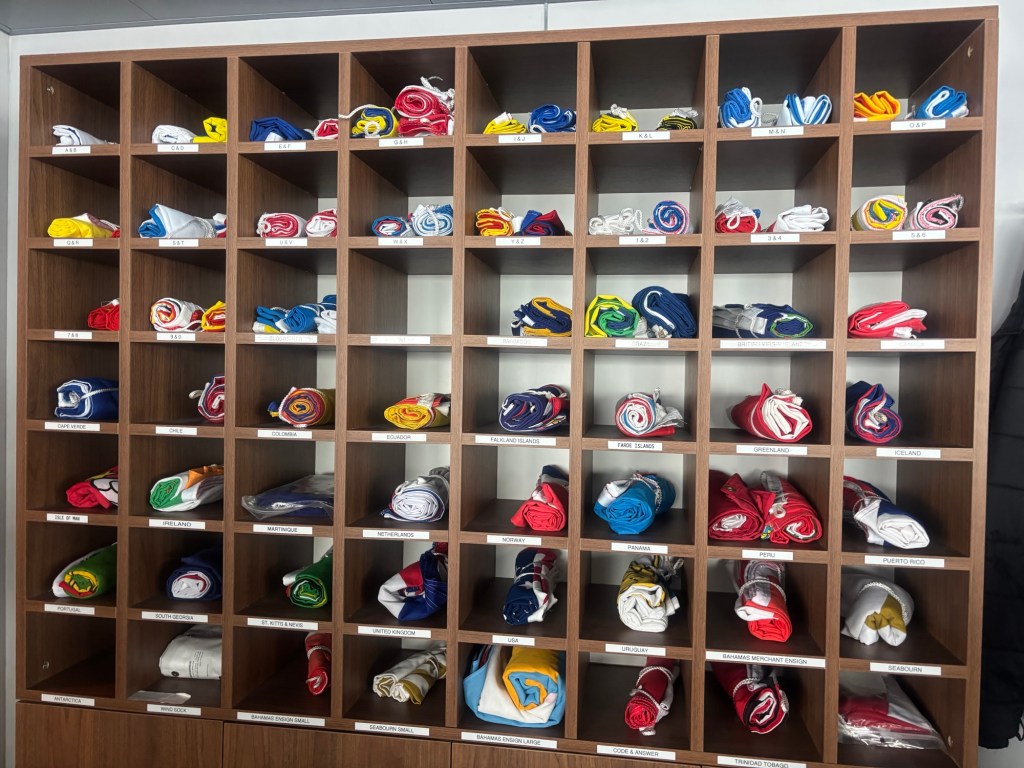
It was basically just a walk through – but that was still interesting.
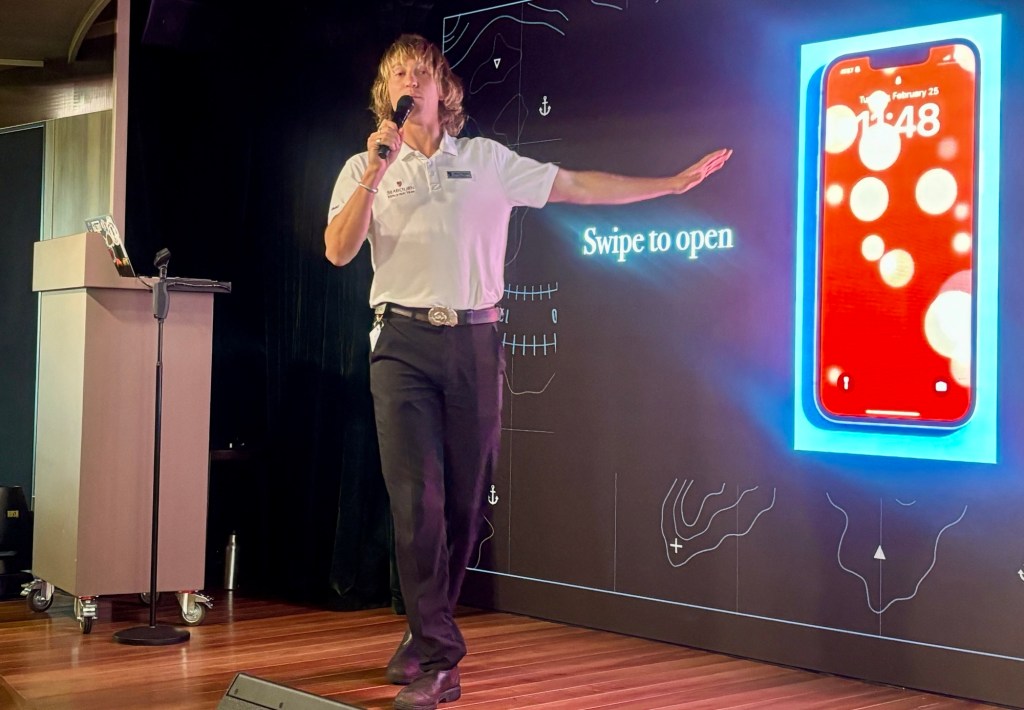
Then it was back to the Discovery Center (theater) for phone photography training. Harry, the ship photographer, gave us so many tips that I ended up watching the lecture again and again on our stateroom TV.
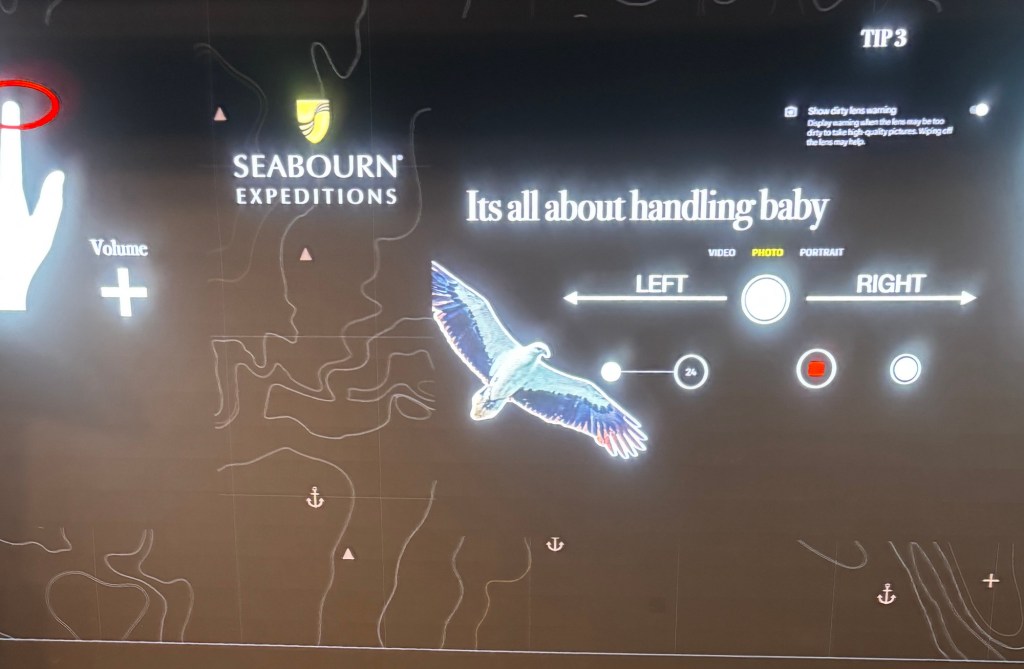
The absolute best tip he gave us was just to enjoy our time. We should only worry about taking the “people” shots because he would be out there taking all the scenery and animals. His pictures would be our pictures. We didn’t have to buy them. They were part of our cruise and we could use the photographs as though we had taken them.
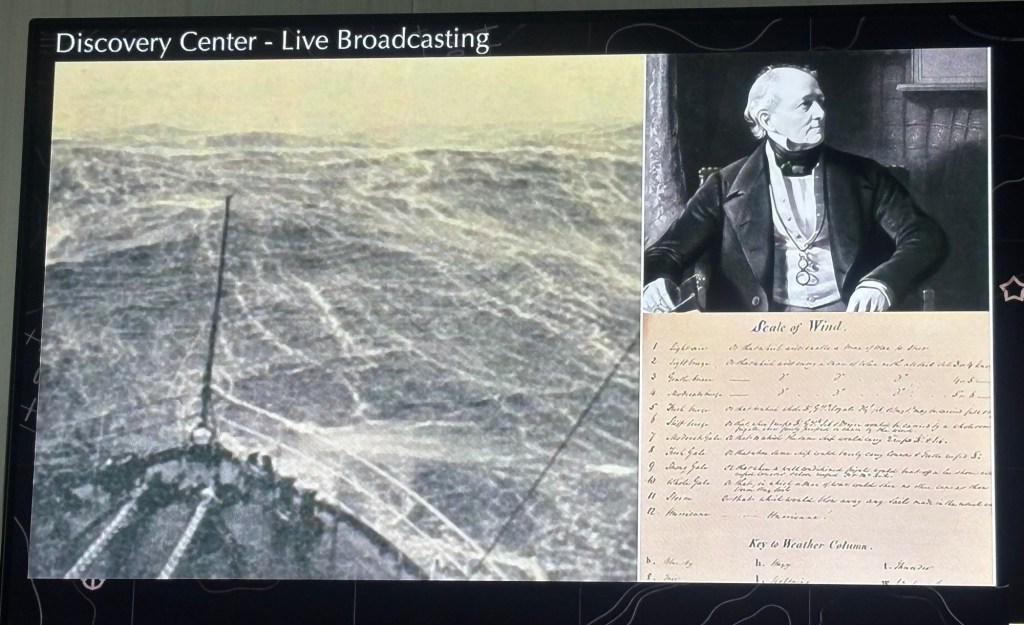
We had a lecture about Sir Francis Beaufort, 1774-1857. We learned lots of interesting things about the man but the most relevant part was that he developed a scale to measure winds and waves at sea. The wind scale ranges from 0 to 12, but intense storms can go beyond 12. The Drake passage was generally a 7-8 in their earlier crossings. In honor of the man, there is also Beaufort Sea north of Alaska, and Beaufort Island in Antarctica.
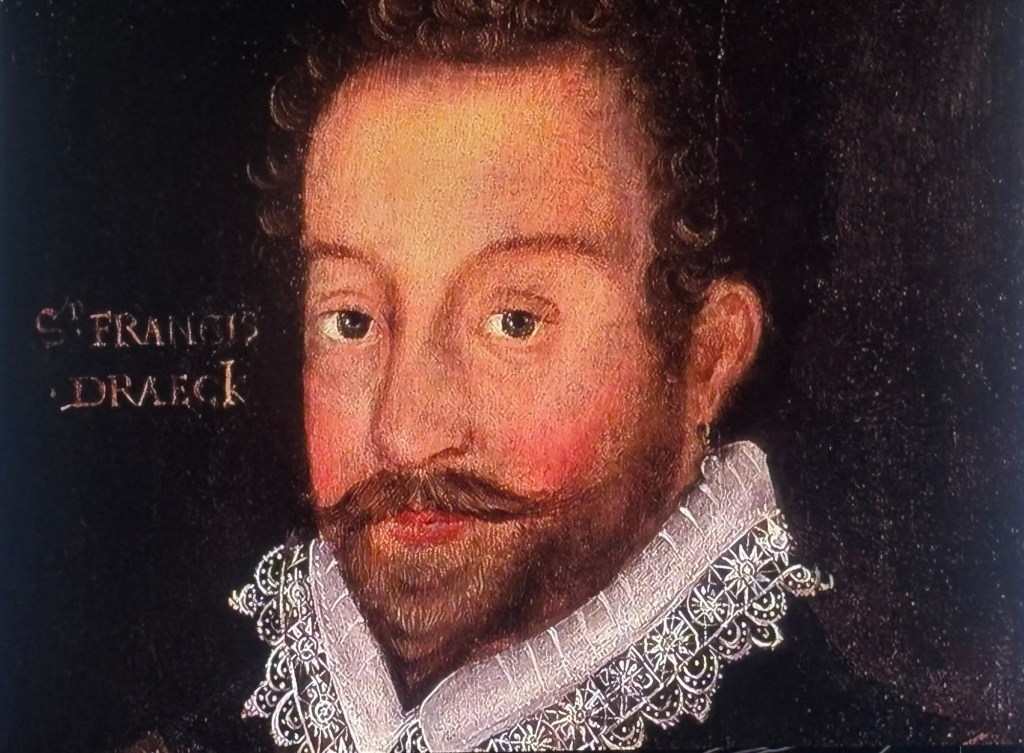
Next we learned about Sir Francis Drake, for whom the Drake Passage is named.
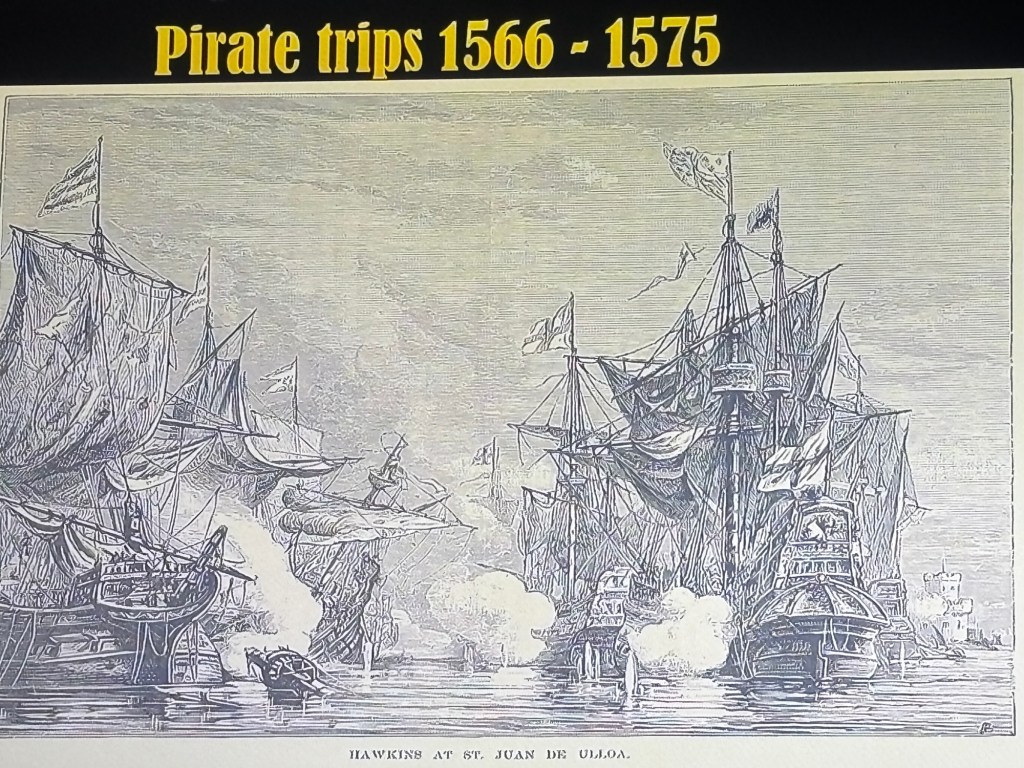
Francis Drake was Pirate of the Queen, that being Elizabeth of England. He had a license to be a privateer.
He, and his English armada, went on a grand voyage financed by the queen. After a severe storm, only his ship was left.
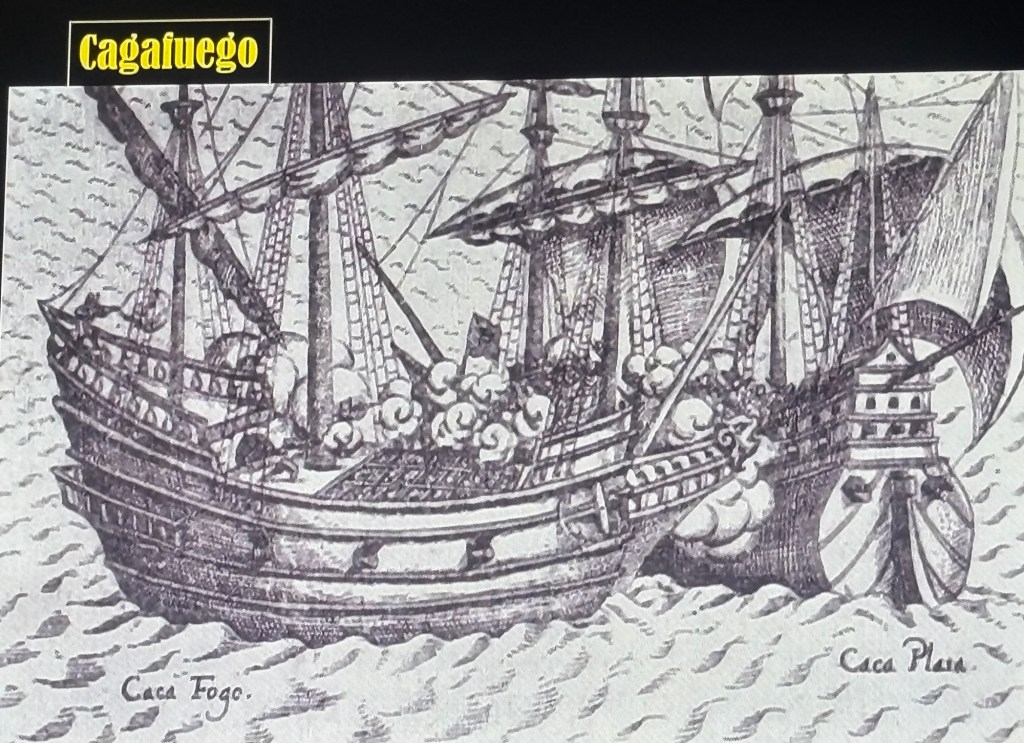
He looked for the Spanish ship, Cagafuego, because of the riches it carried. When he found it, they won a short battle and took the riches.
It took him 10,000 miles and three years to bring the riches back to Queen Elizabeth. Her investment in his venture brought a 40 fold yield and funded the beginnings of what became the British Empire.
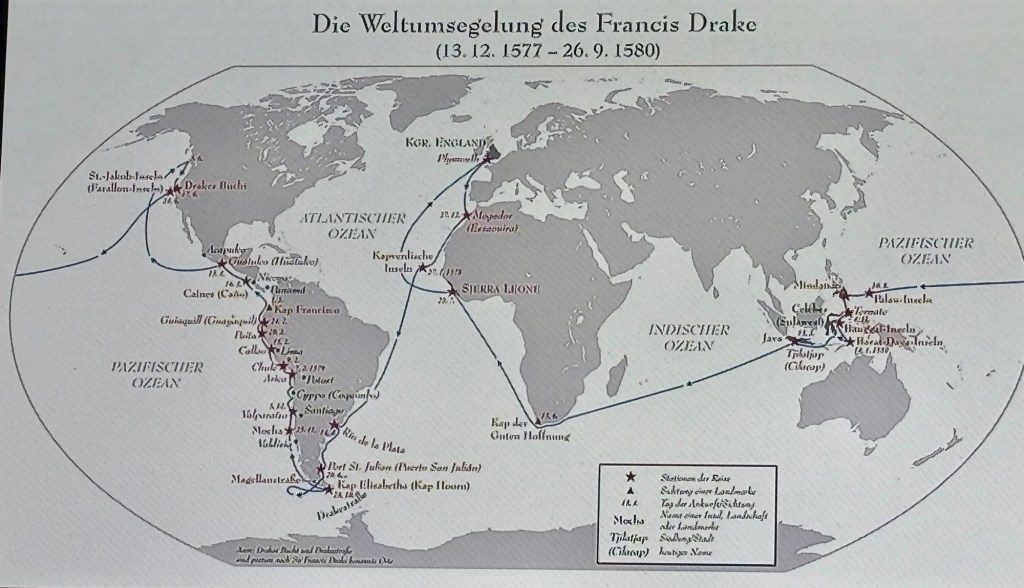
Sir Francis Drake never sailed the passage that bears his name.
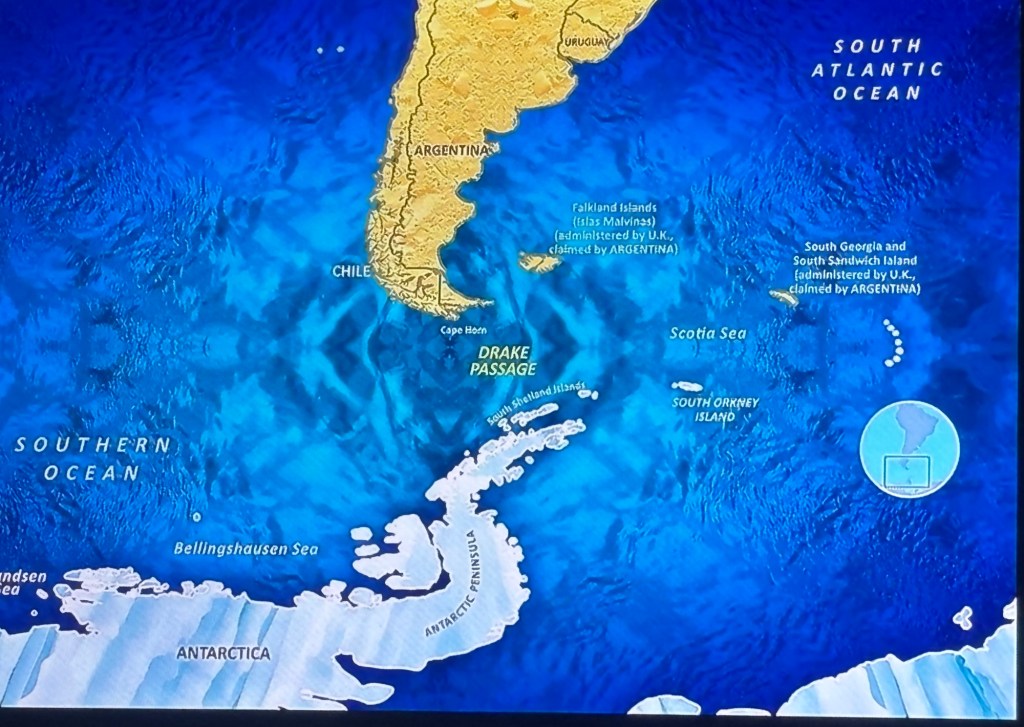
Again, the Drake passage is 600 miles wide and can be the roughest seas in the world because of unstopped winds.
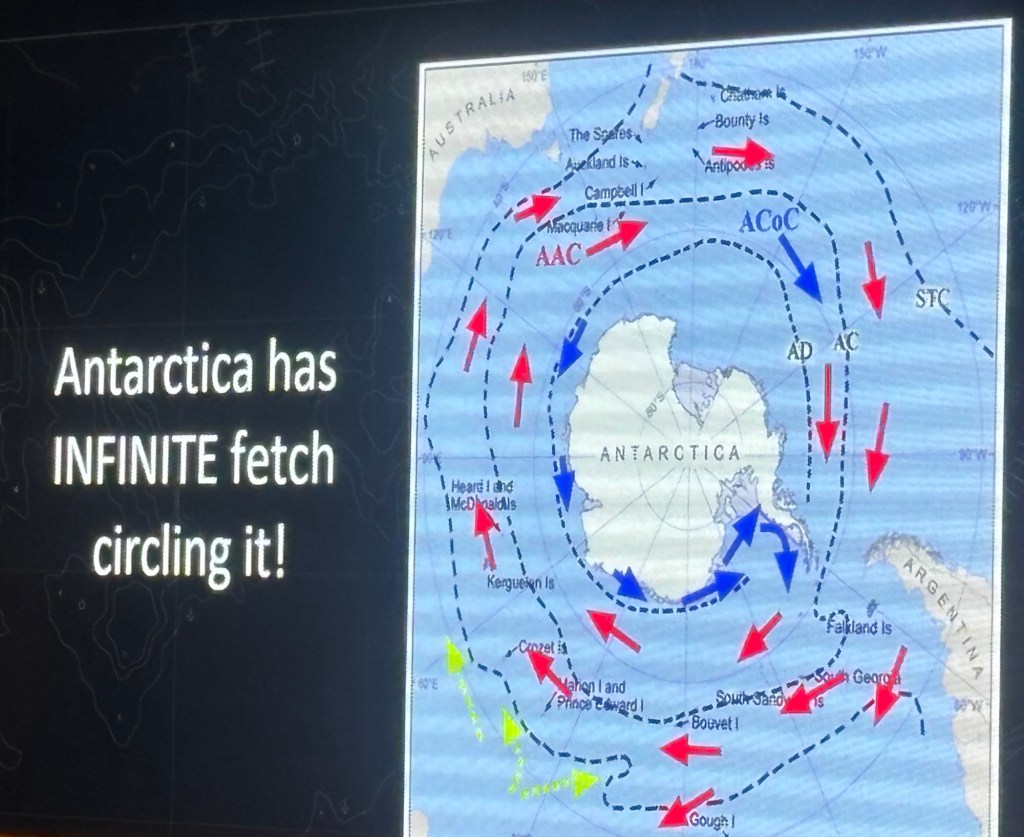
Antarctic fetch is the distance wind blows without interruption over water in the Antarctic region.
Although, the first day wasn’t bad, our second day on the Drake was even calmer. Drake Lake for us – at least in this direction. We’d go back through again at the end of our trip.
Our first activity on the second day was to take any clothes we brought with us that might possibly touch the ice to the expedition crew for inspection. They looked very closely at any Velcro closures and picked out any remaining particles with tweezers to avoid any contamination of the Antarctic ecosystem.
We finally explored the rest of the ship, and then went to a lecture on the penguins of Antarctica.
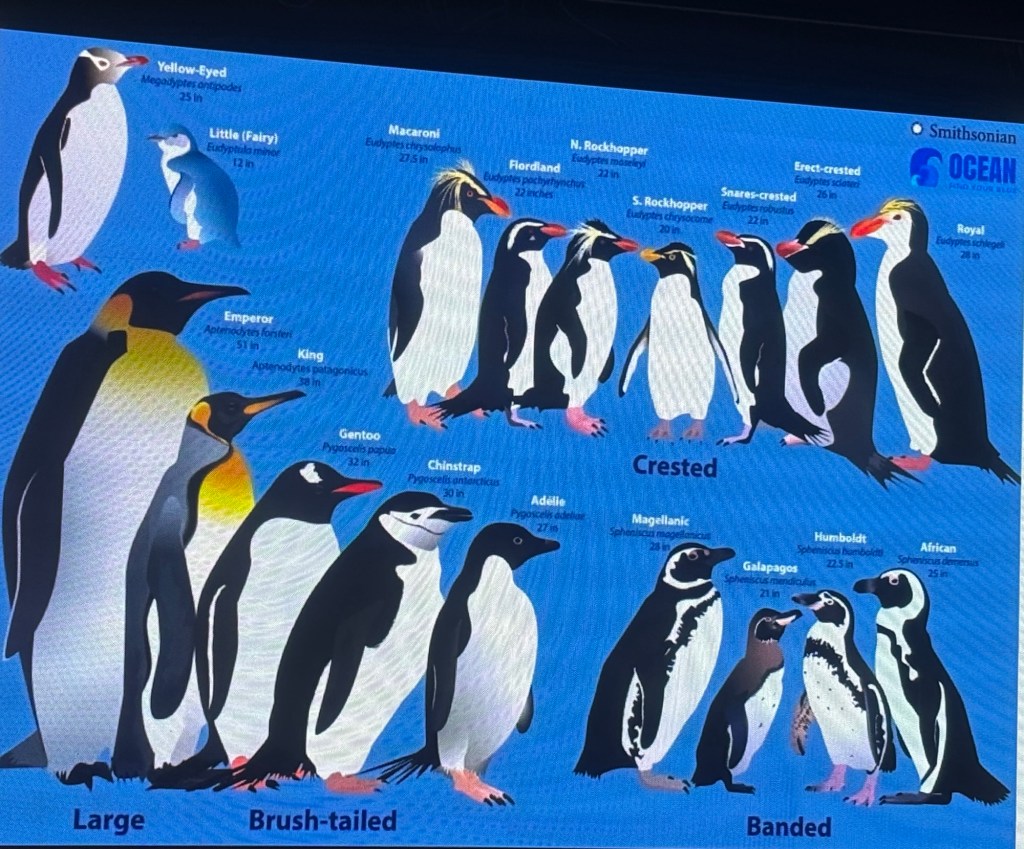
There are 16 varieties of penguins in the world.
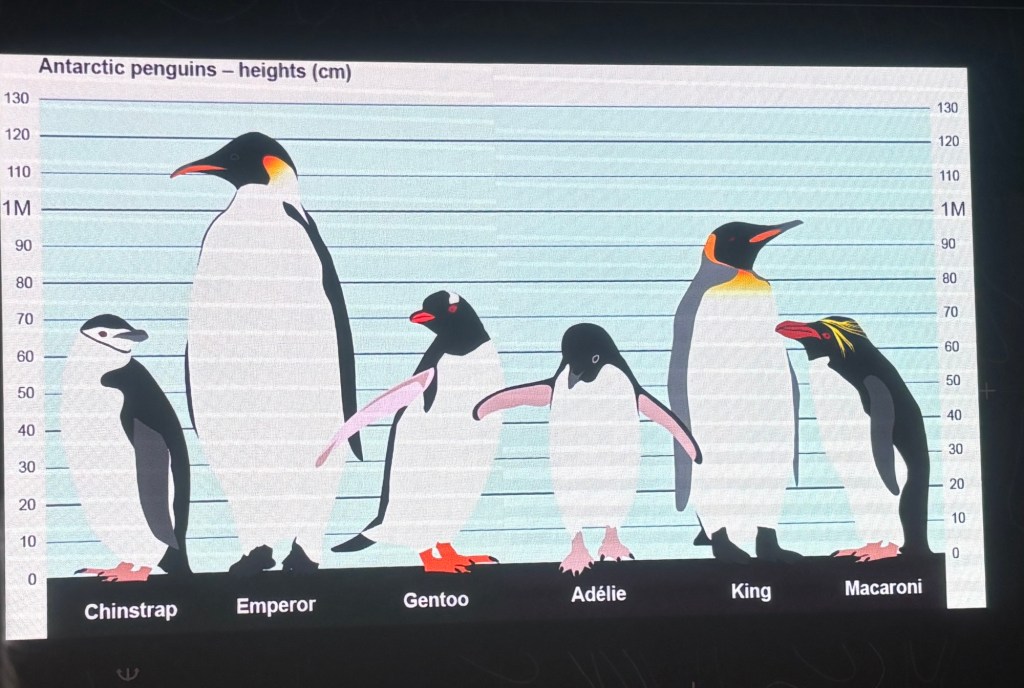
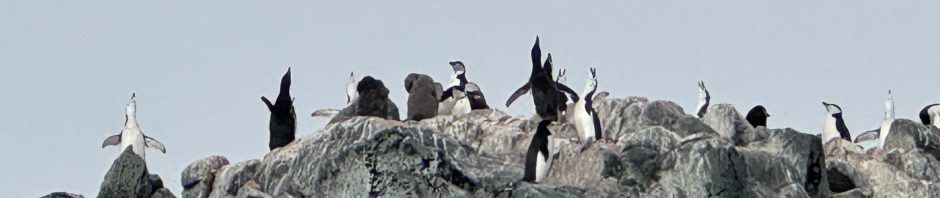
Six varieties can be seen in Antarctica, although they were only sure we would see Chinstrap, Gentoo and Adélie.
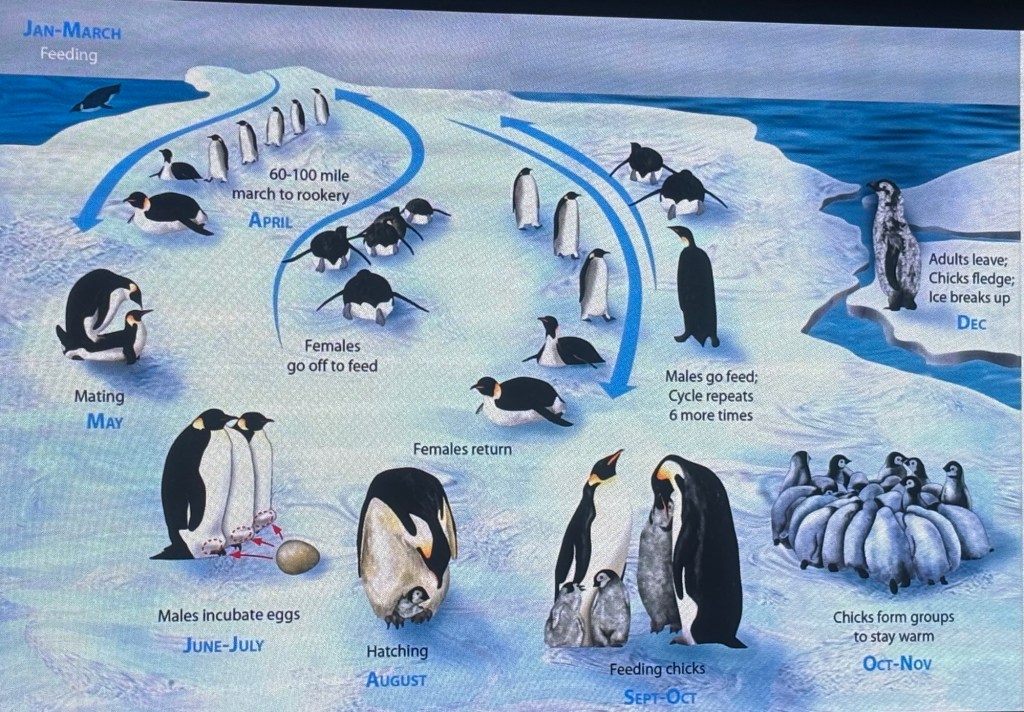
This generally shows the penguin life cycle but climate change is altering timing and impacting the survival of the chicks. The Gentoo species is highly adaptable and is taking advantage of climate change circumstances but it is to the detriment of the Adélie and Chinstrap.
Penguins take 3-5 years to reach sexual maturity, and live 15-20 years. Leapord seals and a type of orca are their predators.
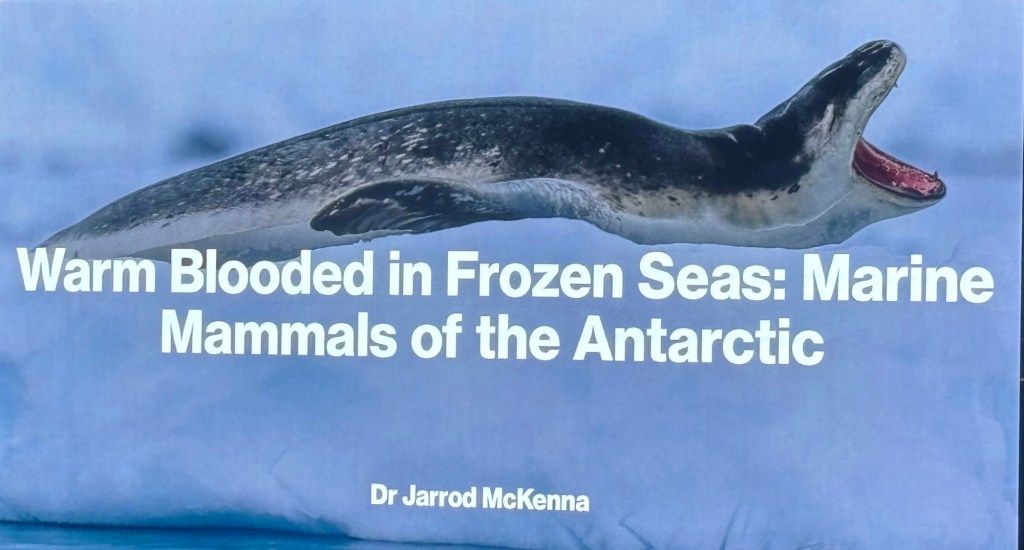
The second round of expedition lecturing was by a scientist with a PHD in Reproductive Biology. We learned about Marine Mammals in Antarctica.
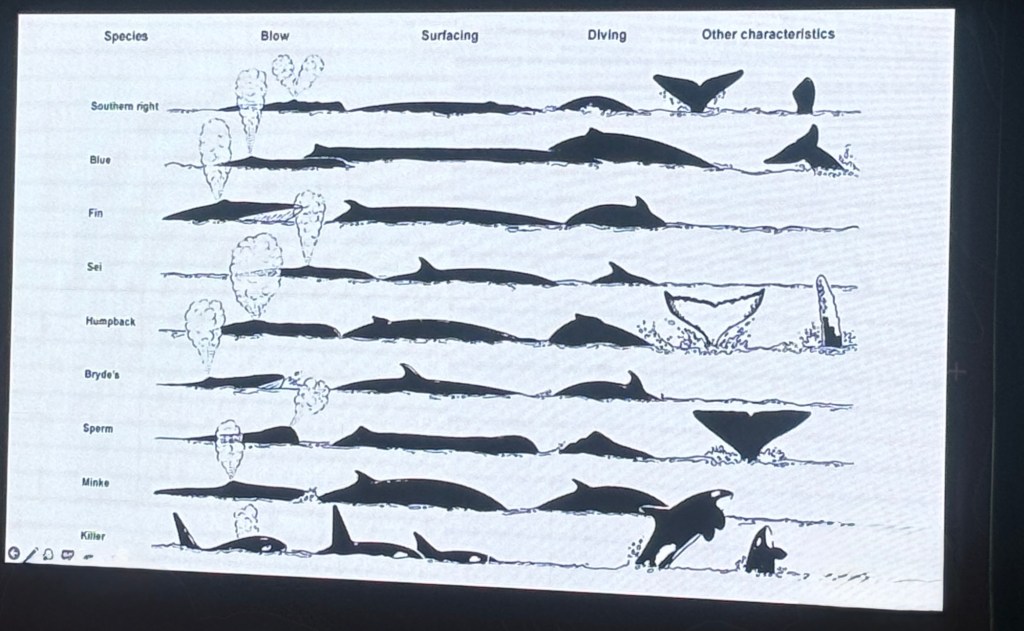
He said we will likely see humpback and Minke whales. There are four types of Orca in the southern hemisphere.
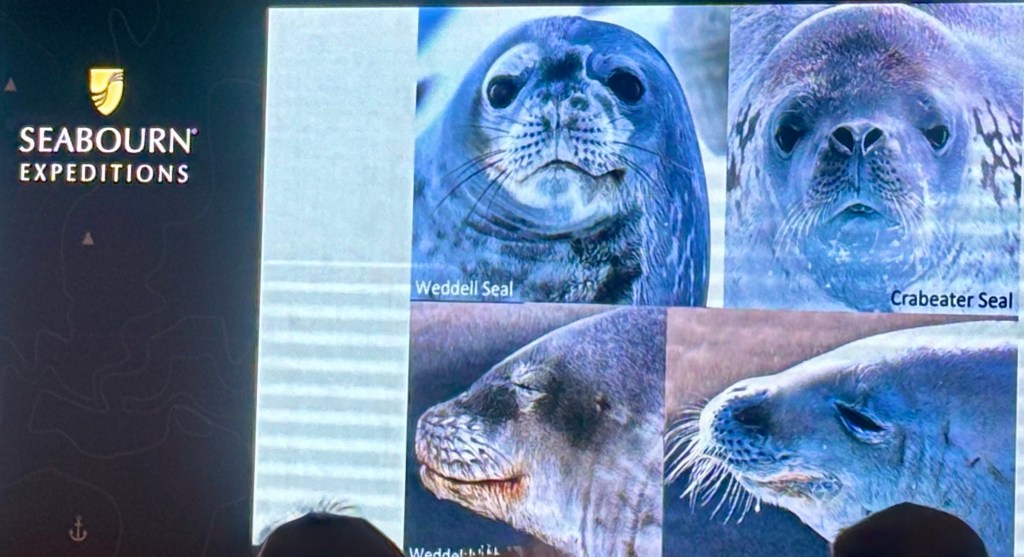
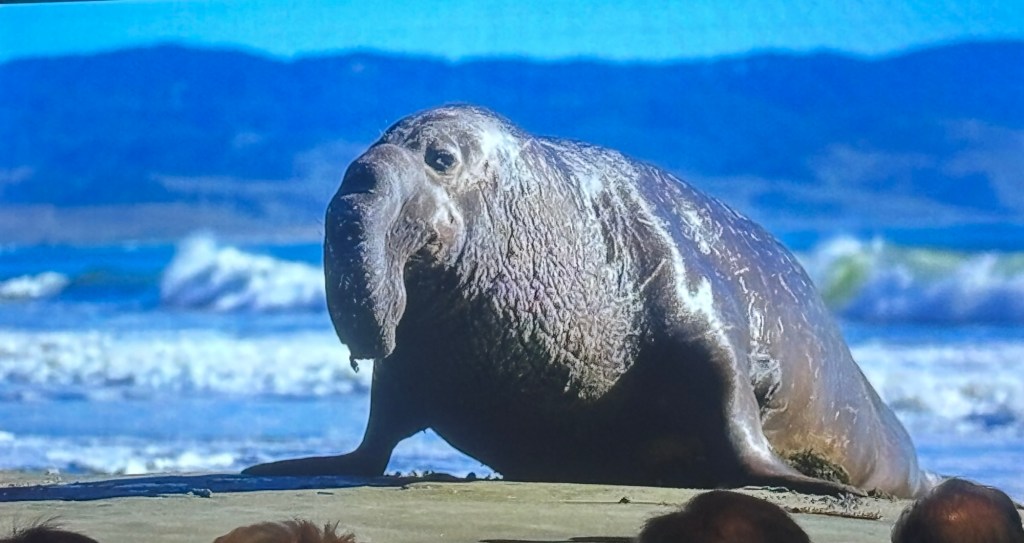
He talked a bit about the seals we would see, but many of the adults were already gone for the season.
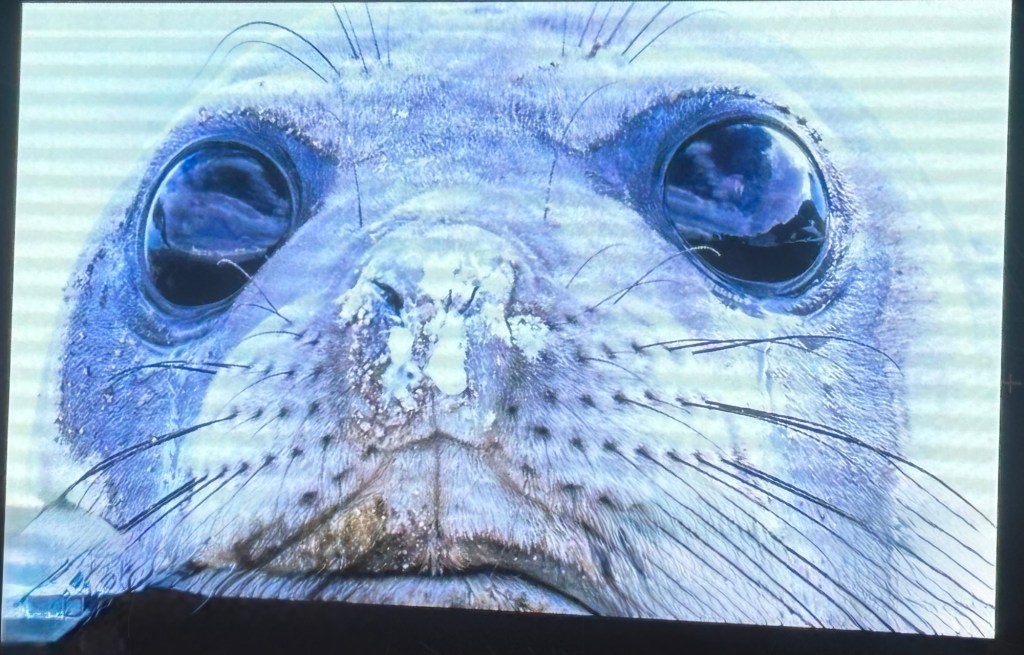
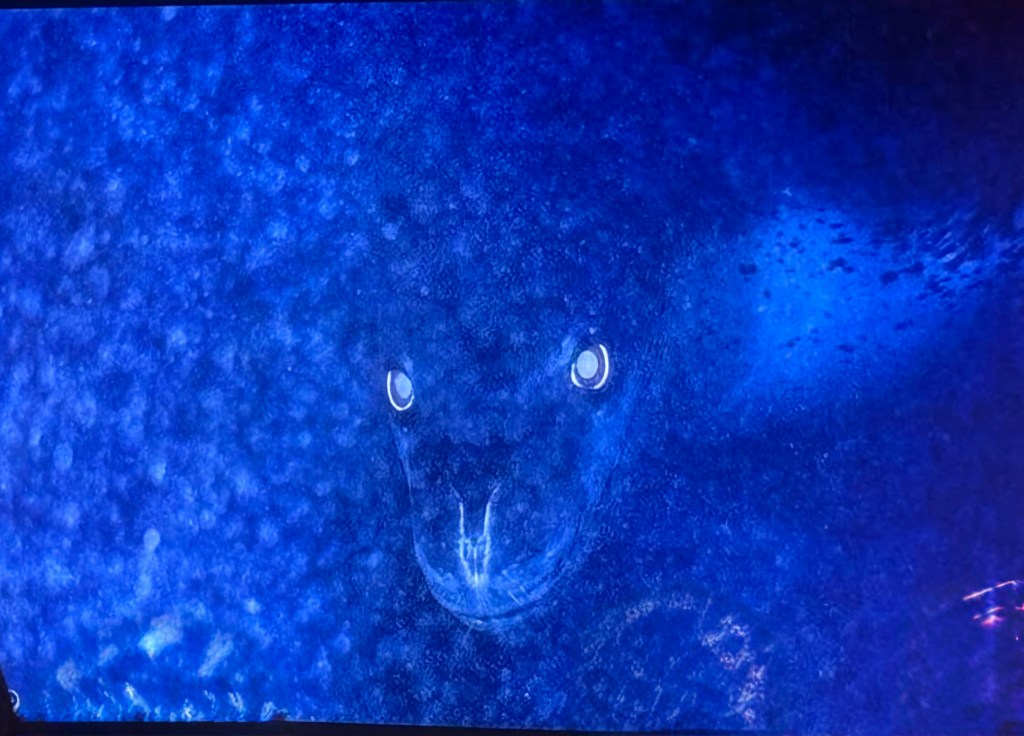
Deep diving seals have oxygen rich blood and very large eyes that are adapted to take advantage of the most minute levels of light.
A fascinating portion of his lecture was about embryonic diapause – when some species can actually pause a pregnancy until their situation improves for better viability. That is crazy!
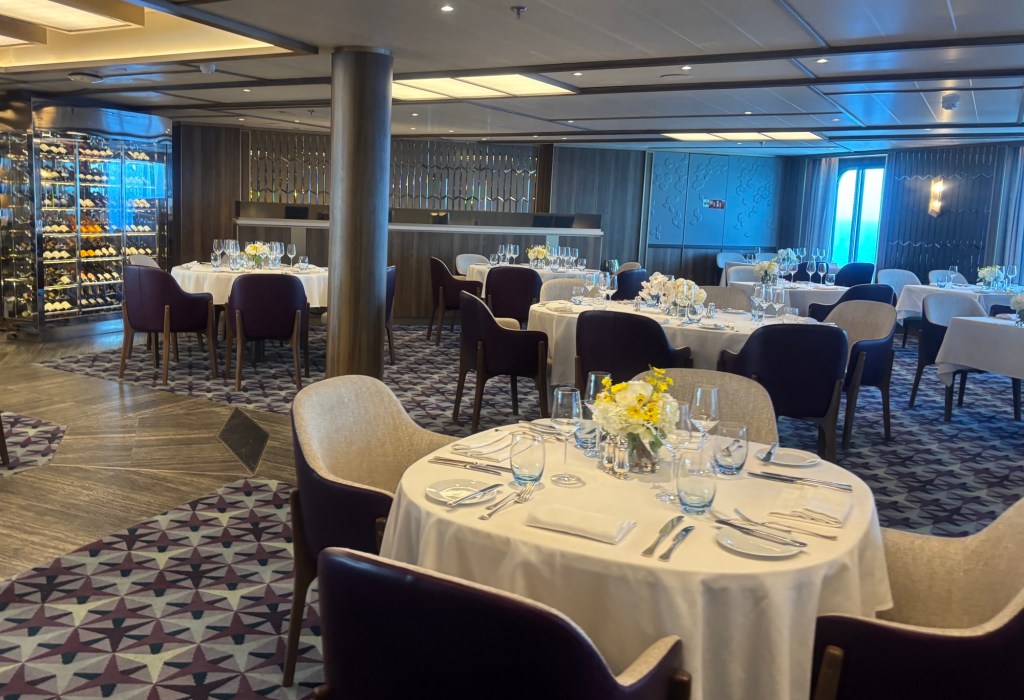
We continued our learning when we went on a Galley Tour. We walked through The Restaurant.
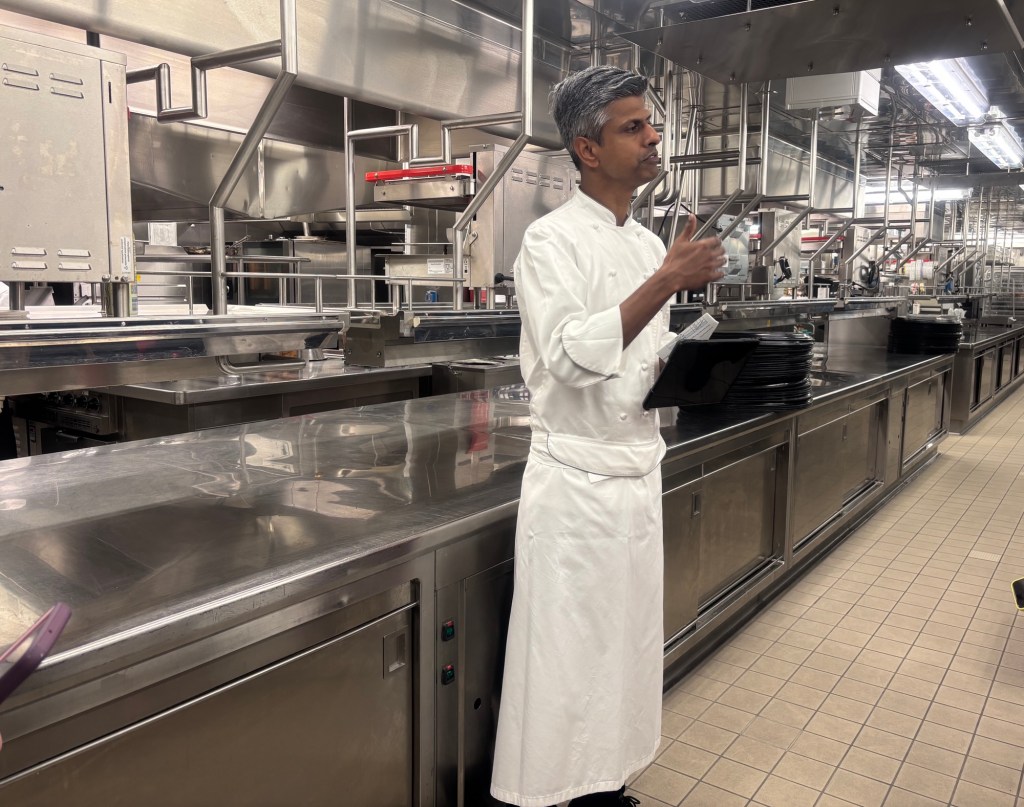
This is the head chef. He has 26 chefs that work with him and are responsible for various tasks.
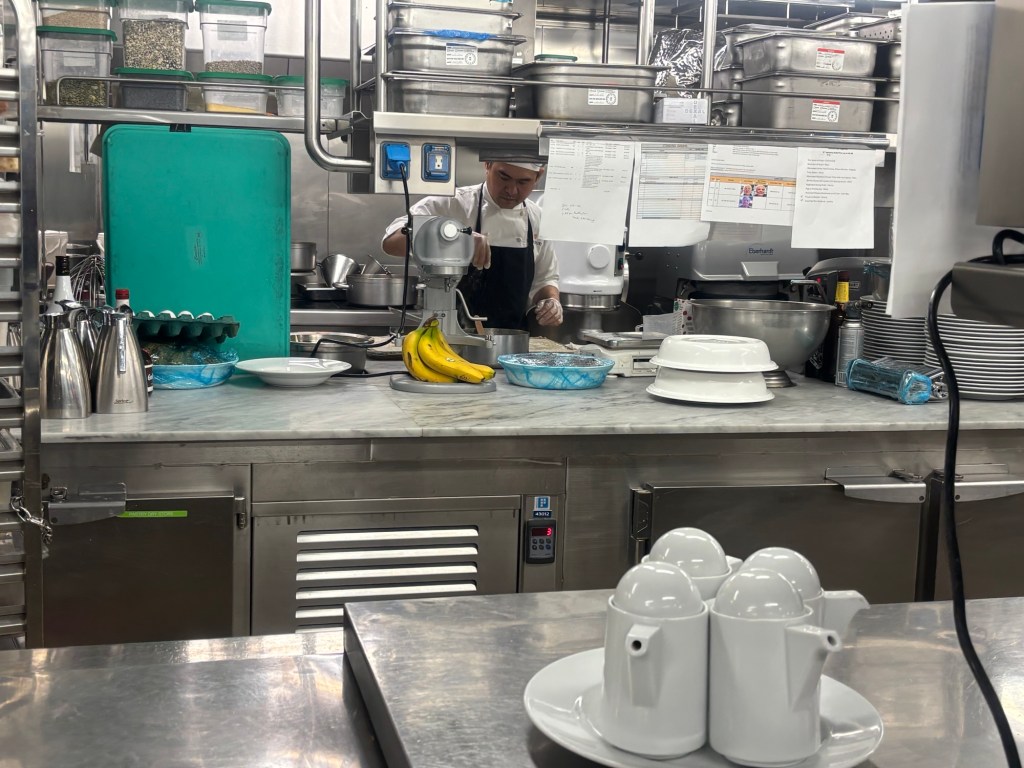
Meals are plated by one chef, typically the one cooking the protein. That is done on all Seabourn ships because each have fewer than 600 passengers. He said that across all restaurant systems, if there are more than 600, plating is done by conveyor with each chef or assistant adding specific items to the plate.
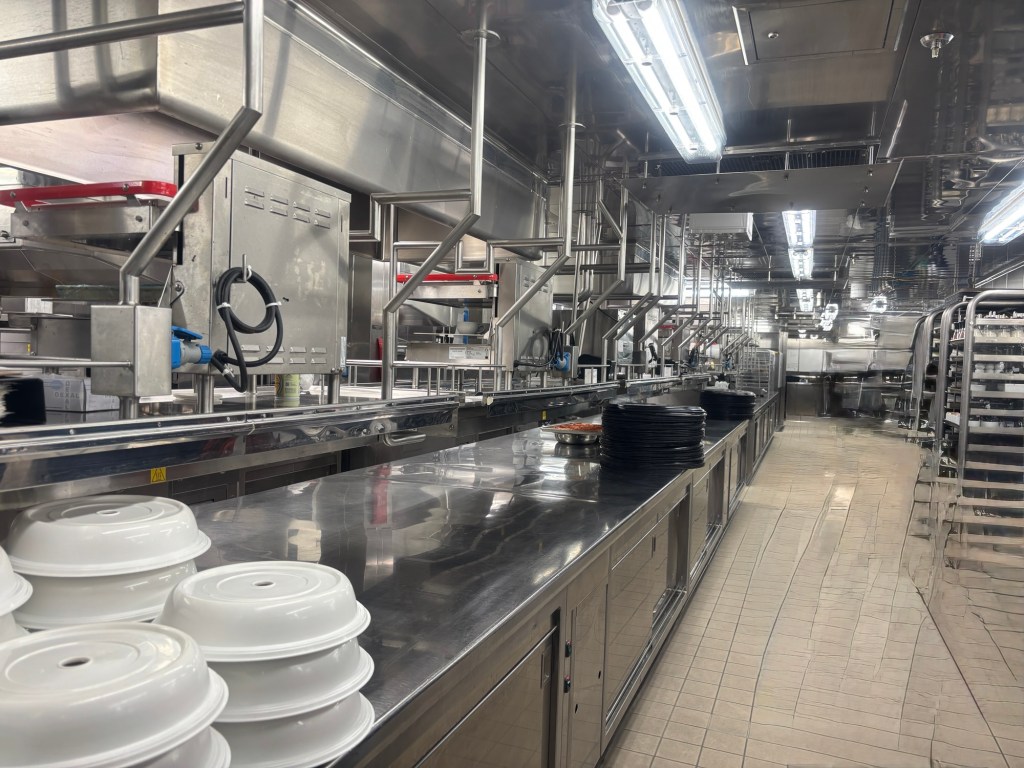
The most fascinating thing we learned was that the ship does not have enough plates, bowls and cutlery to serve all of the passengers. They have much, much fewer than that. But, they have a 90 second dishwasher which means they are constantly reintroducing items that were just used.
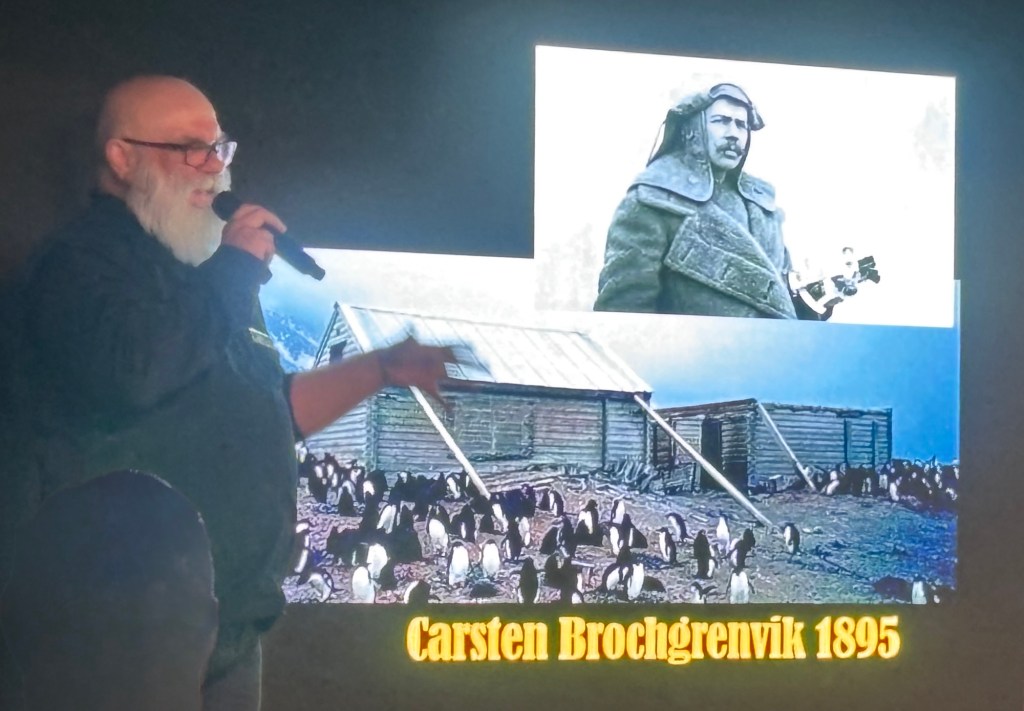
Our next lecture was from the historian, Udo. He told us about a variety of expeditions in the early years of Antarctic explorations.
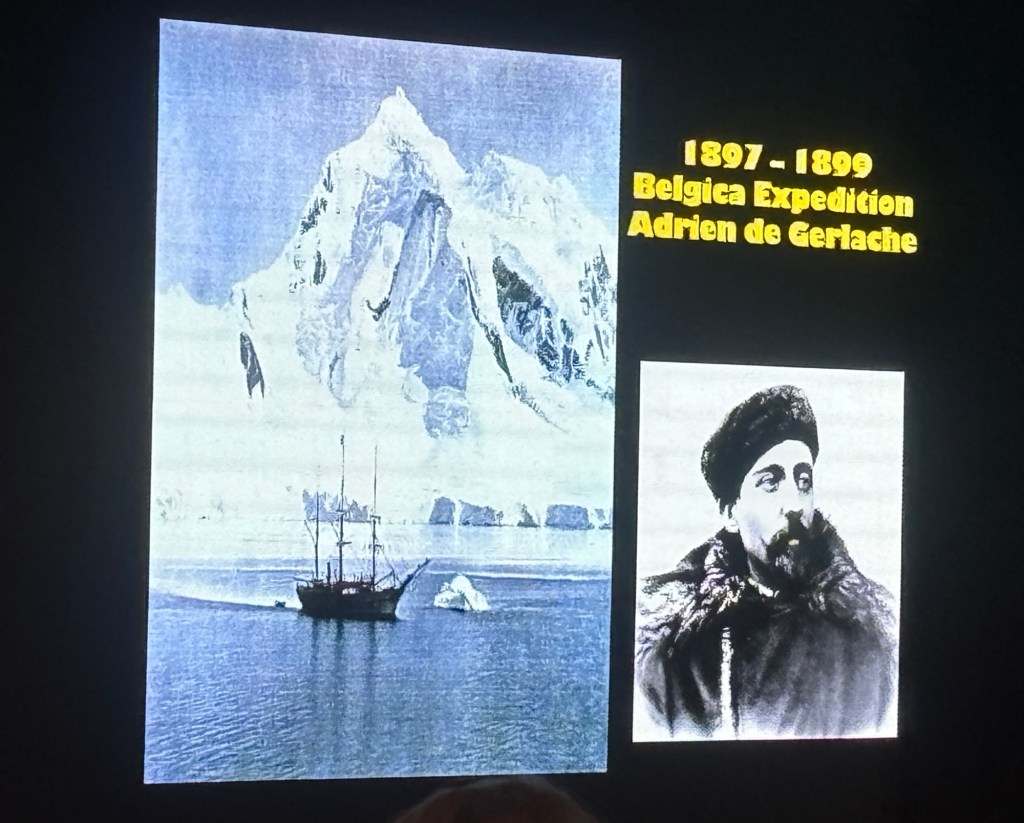
We were happy to hear him talk about the Belgica Expedition as we knew something about this one.
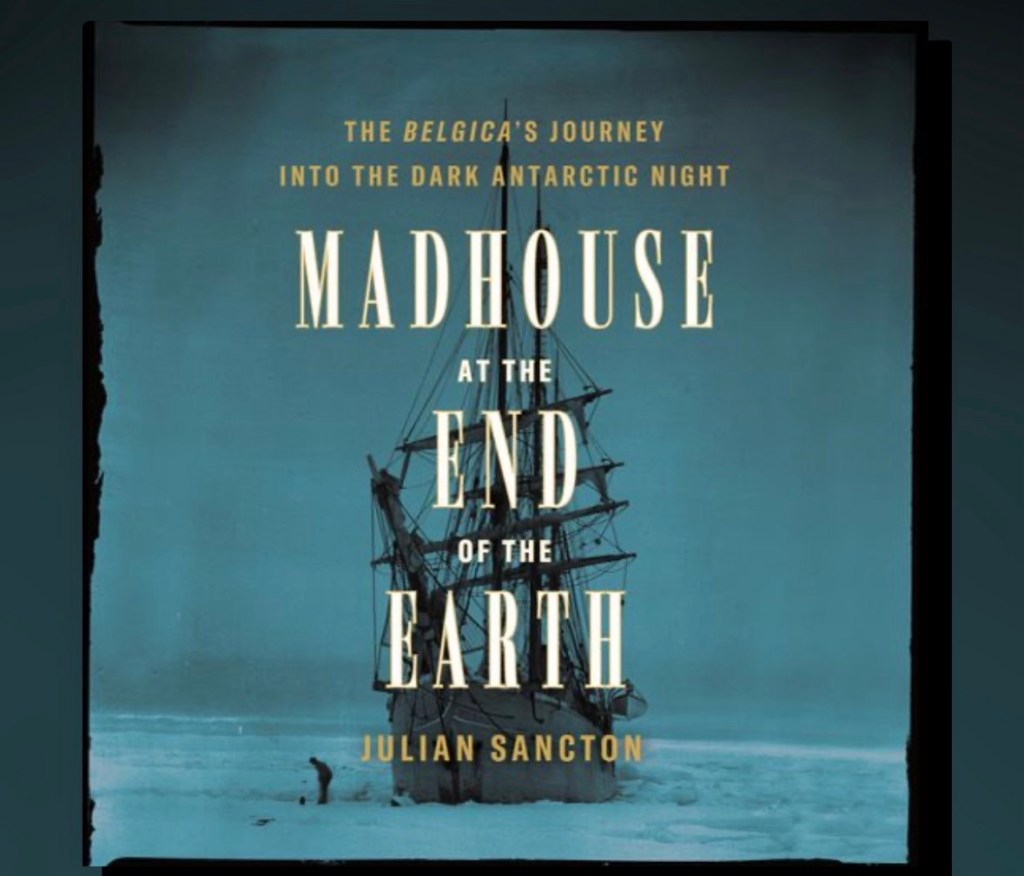
Randy and I both read Madhouse at the End of the Earth: The Belgica’s Journey Into the Dark Antarctic Night by Julian Sancton as trip preparation.
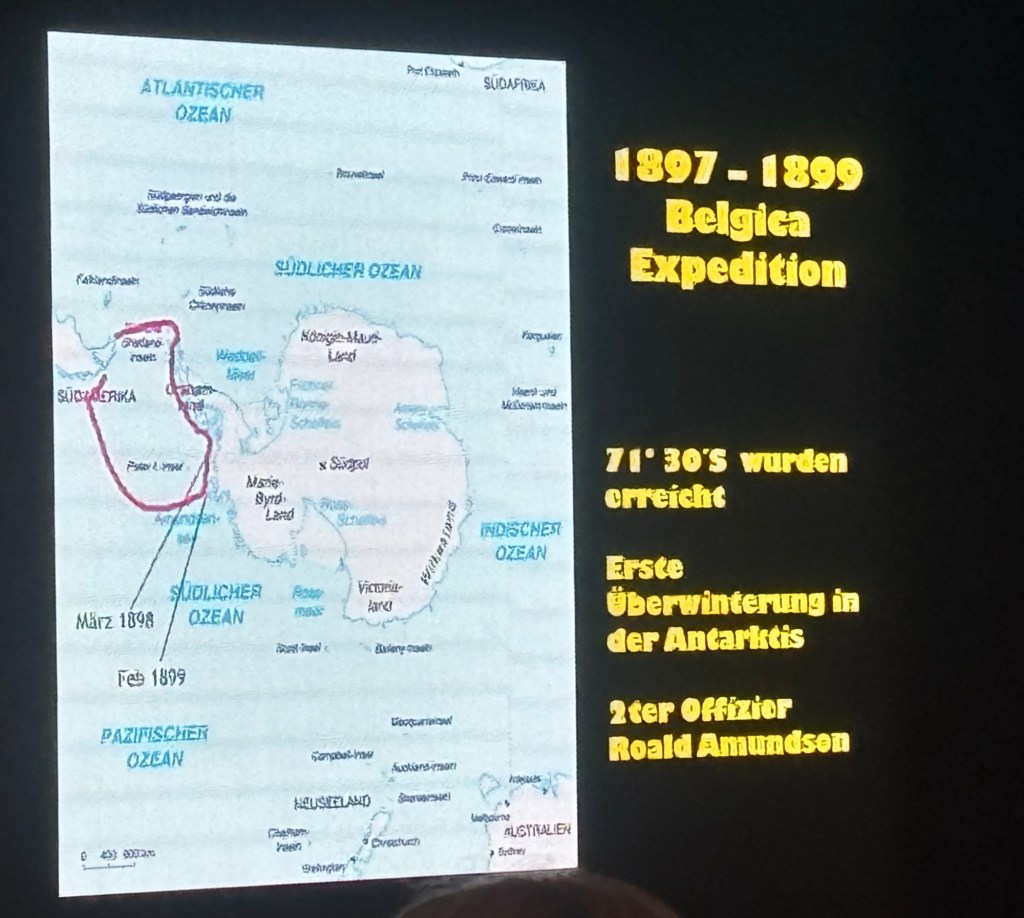
They were the first group who ever overwintered on Antarctica, and though most survived, it wasn’t without trauma. However, things learned by the ship’s doctor have impacted treatments for over a century as well as providing insight for NASA.
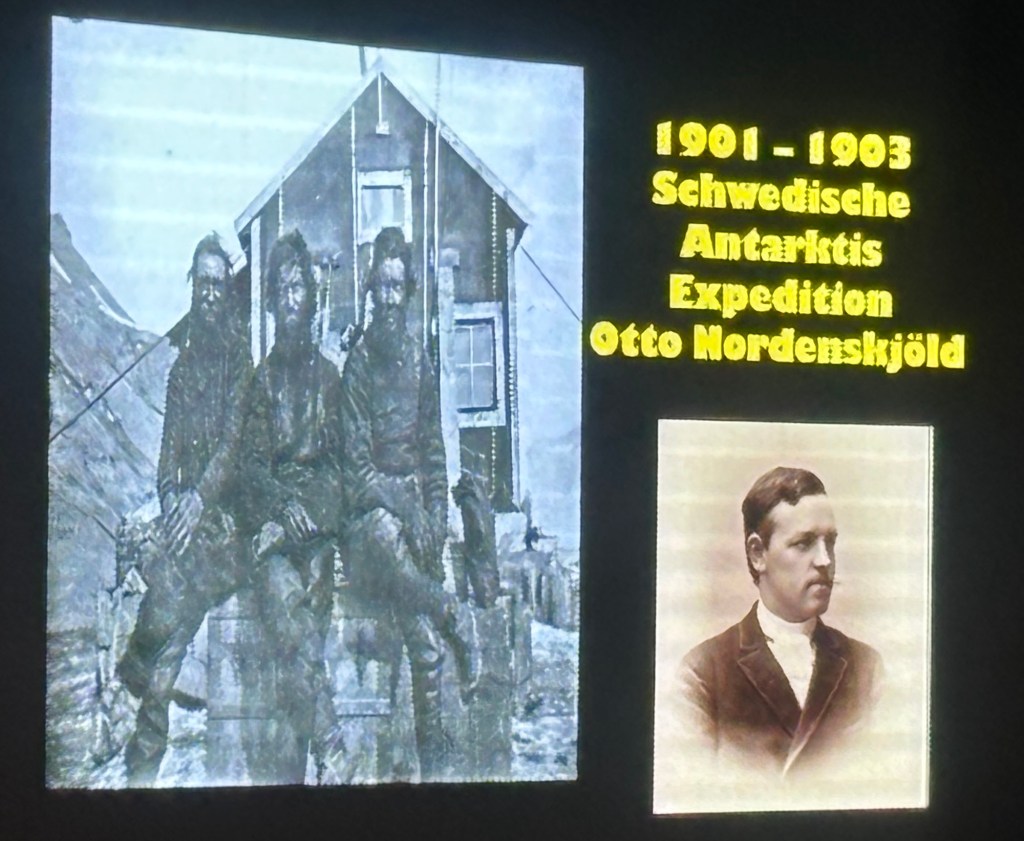
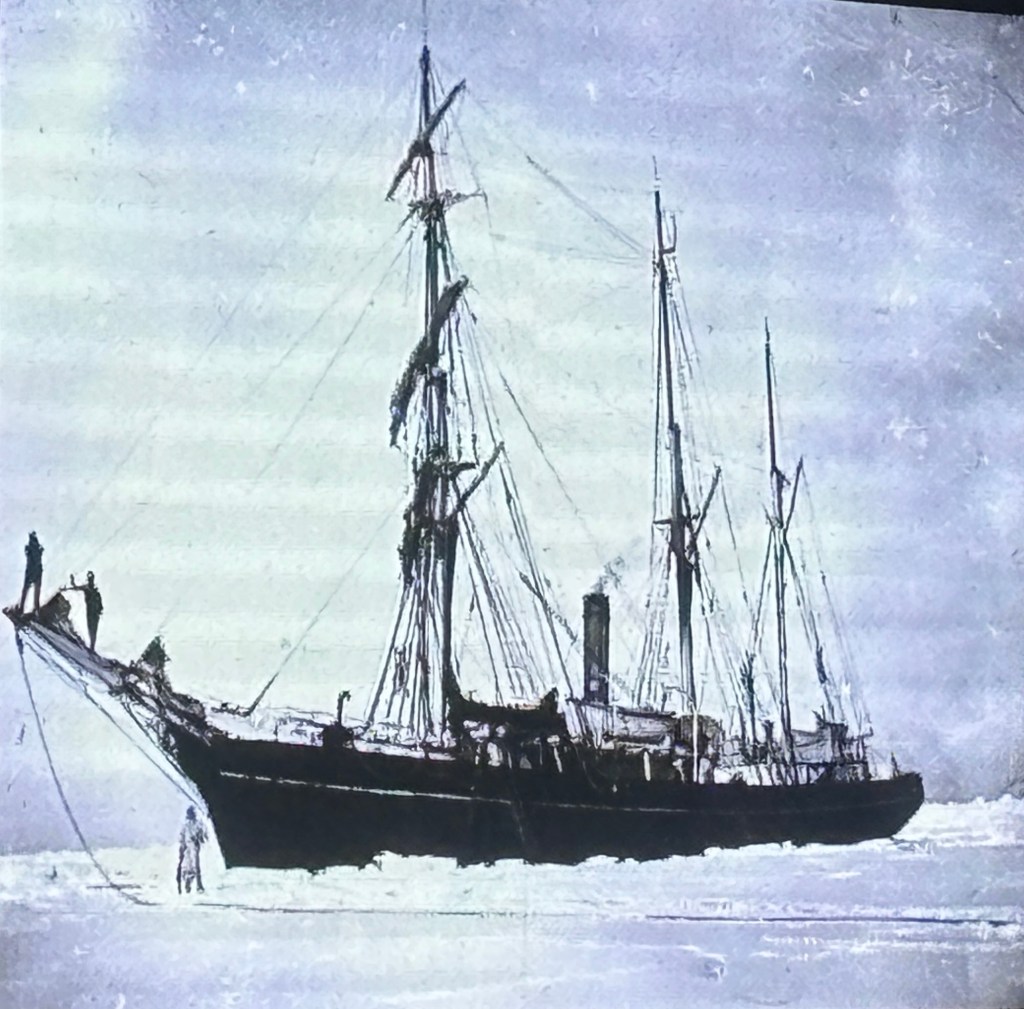
Udo discussed several other expeditions.
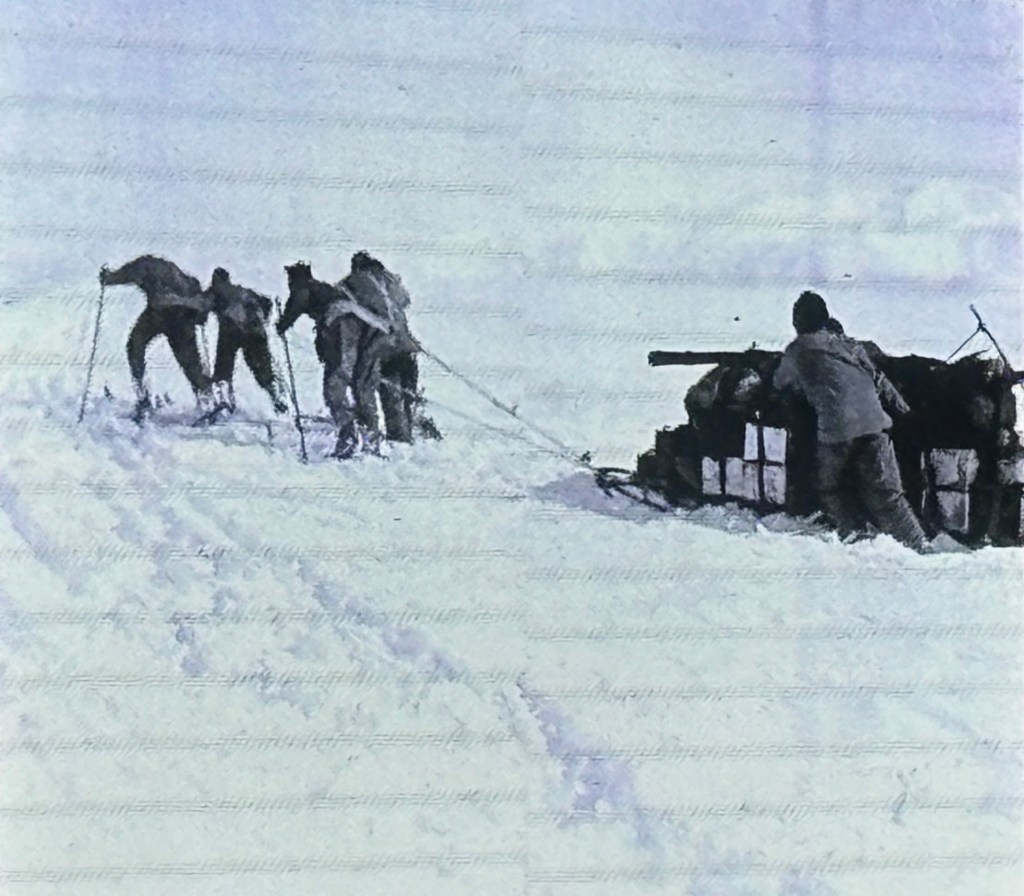
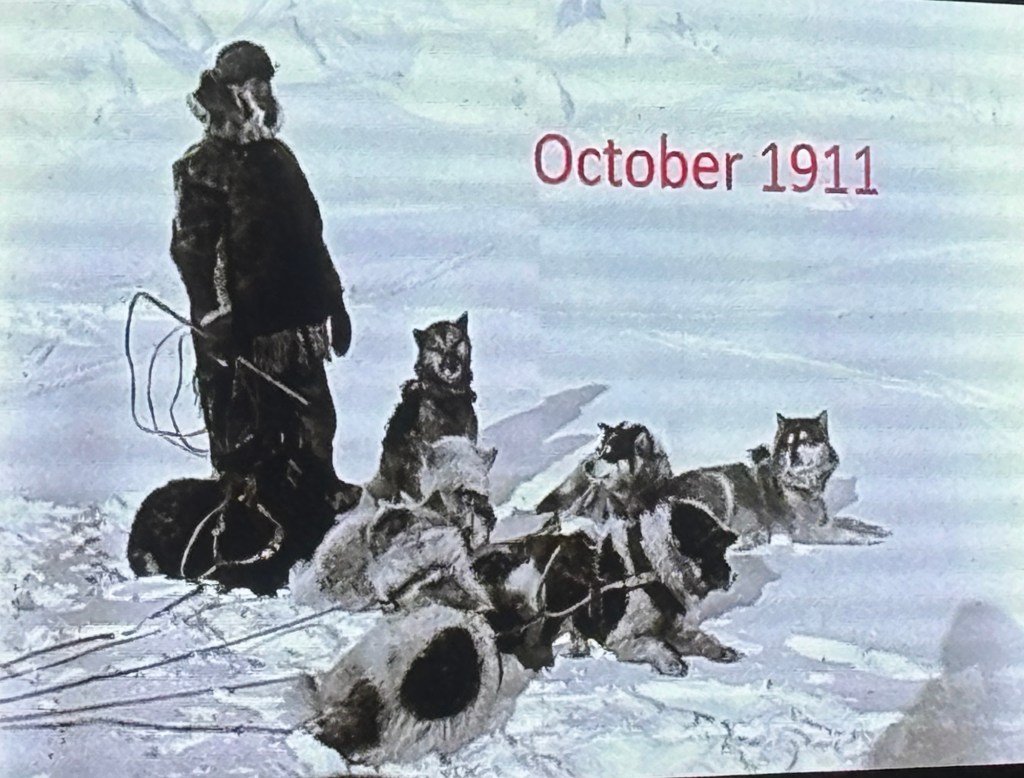
It was amazing that so many wanted to go to Antarctica and what they accomplished with limited resources.
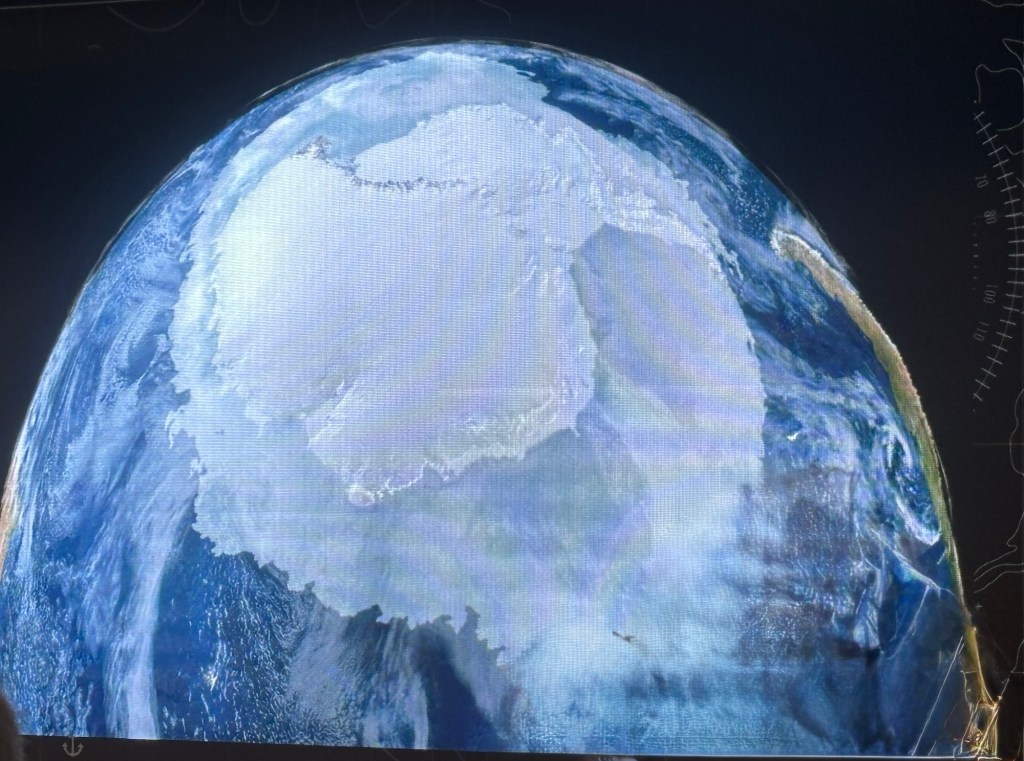
Another presenter told us about the Ice Sheet. The continent of Antarctica doubles seasonally with the freezing of sea ice. Because we were sailing later in the season, we will likely go further south and be able to see some sea ice.
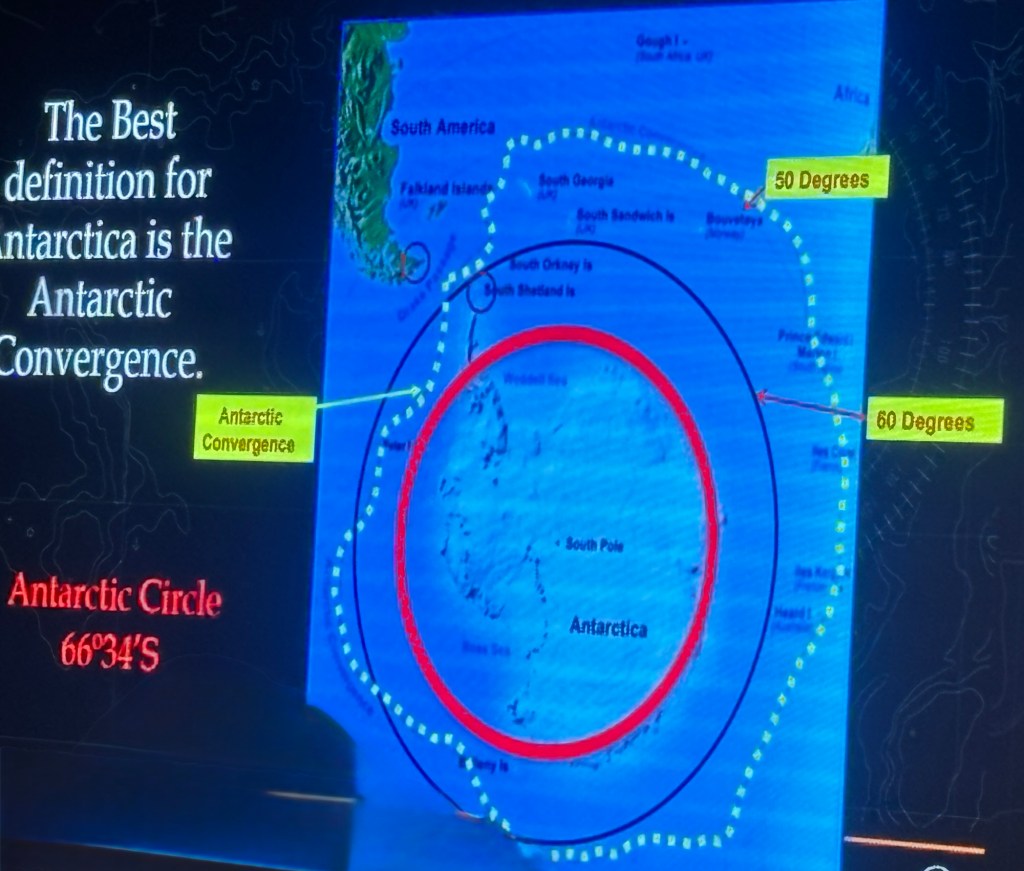
Although I didn’t really understand it because my brain was full, we were told about the Antarctic Convergence.
I did understand, however, that we would be crossing over the Antarctic circle about 9:45 pm. It would be the first time this season that the Seabourn Venture has crossed it.
Next up: Antarctica!


 Serene Wandering
Wow! Wh
Sounds like such an exciting trip you’re on. Looking forward to reading the updates!