
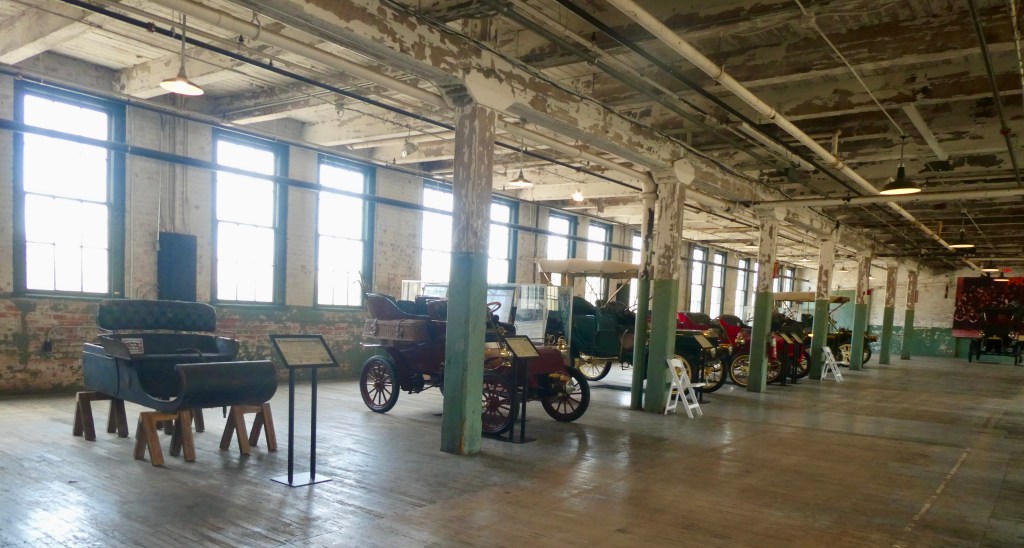
In the “Letter Cars” collection of the Ford Piquette Avenue Plant, they have the first Olds and then Ford Models A to F displayed sequentially on one side.
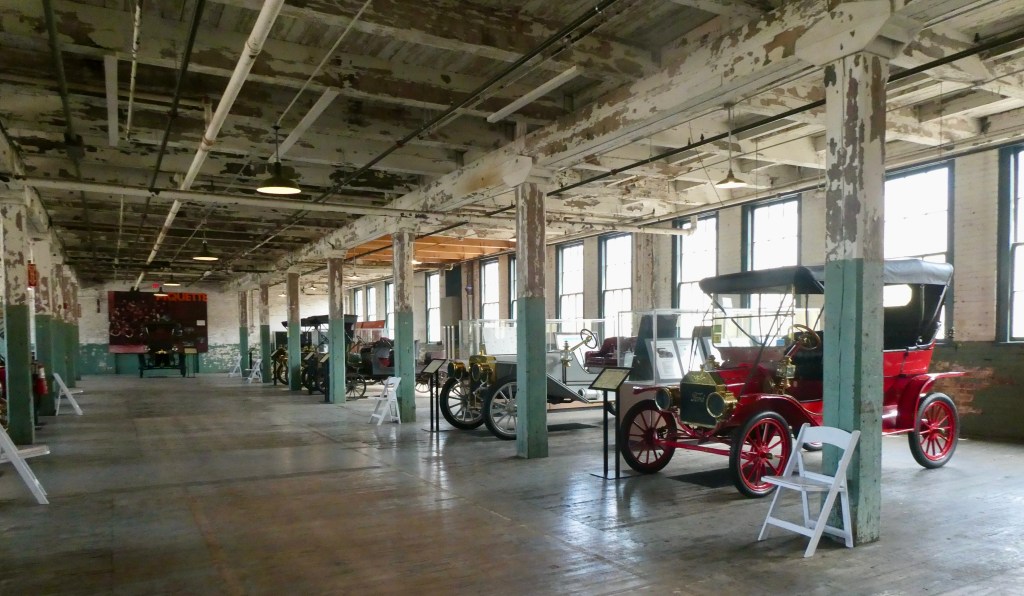
Model N is at the far end and then Models R through T are on the opposite side.
Many of “Letter Cars” have been loaned to the Piquette Plant by the Larry D. Porter Artifacts Trust. Their collection includes one of every car that Ford Motor Company built at both the Mack Avenue (1903) and Ford Piquette Avenue (1904-1910) assembly plants. Mr Porter paid for 17 years of storage for his collection while waiting to be able to display them in the Piquette Museum. Other collectors have loaned their automobiles for display as well.
There is a smaller, but similar, display of letter cars at The Henry Ford Museum of Innovation. I have used information and pictures from both museums in this post.
Ford started with A but skipped some letters. He chose to use A, B, C, F, K, N, R, S and T.
Models D and E were trucks and the projects were abandoned. That is interesting because a truck, the F-150, has now been Ford’s top seller for many years. Our next post will be about our visit to the Rouge Plant where the F-150 is made.
Model A
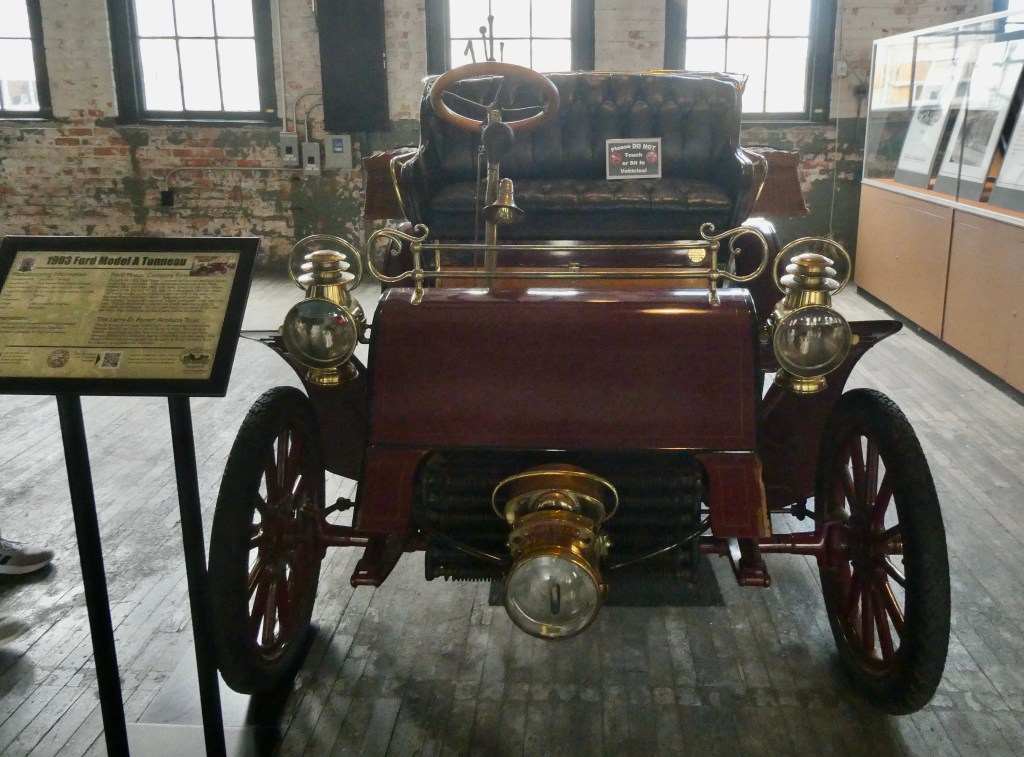
Ford’s first automobile, in 1903, was the Model A. It was developed in a rented building that burned down.
The driver had to pull the seat out to put gasoline in the vehicle. At that time gasoline was sold as a cleaning agent in hardware stores. Gasoline was a by-product after oil was discovered in the US in 1859.
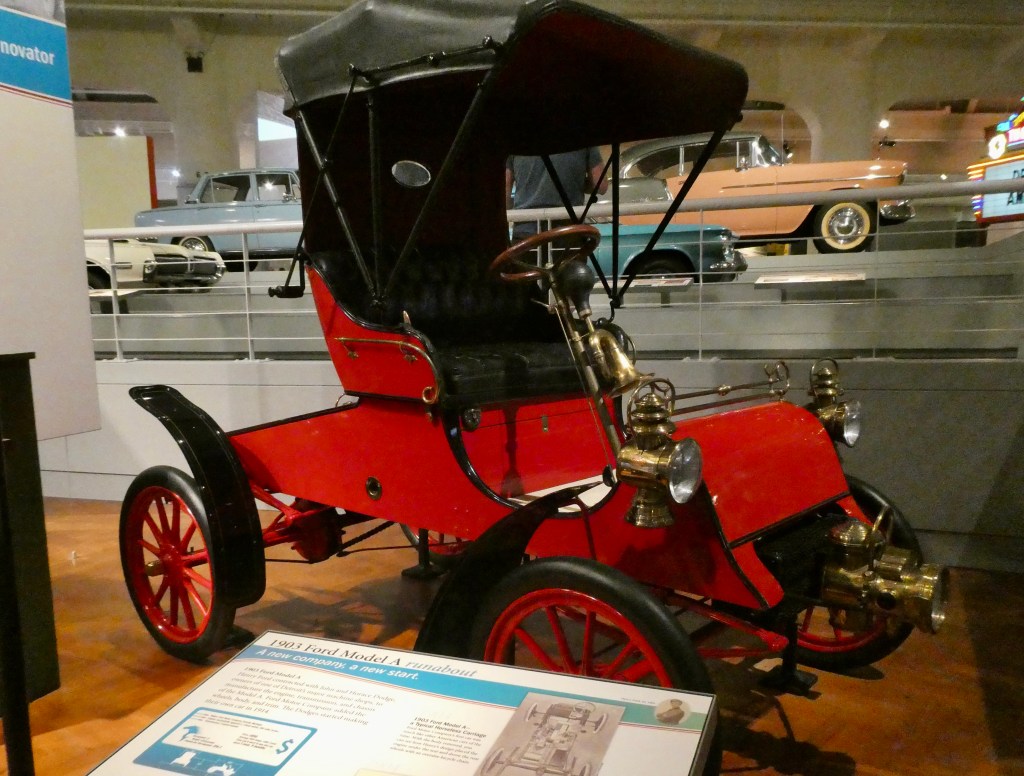
In a Model A the back seat was optional. The original tires were white.
Model B
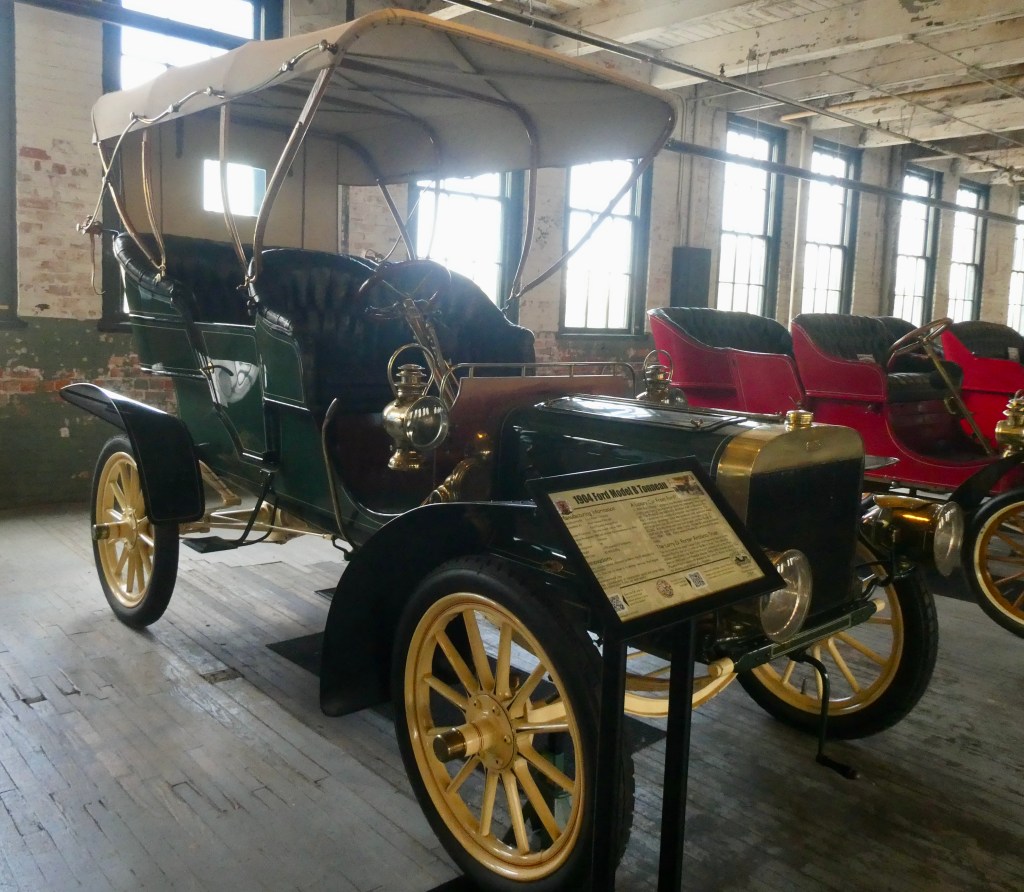
This 1904 Model B, built in the Mack Street Factory, is the most valuable automobile in the Piquette Plant museum. It was the very first Model B built and is one of only seven remaining in the world. This valuable automobile was in pieces in boxes in a garage in Missouri. It was purchased for $750!
In 1904, the profit motivated Ford Motor Company shareholders coerced Henry into building the company’s first luxury car. This was not the vision Ford wanted for his company. The vehicle’s four-passenger body was accented with polished wood and brass trim and had a price tag of $2,000.
The Model B had the first four cylinder engine. The rear-axel and drive shaft developed for the Model B is the same design that was used until 1948. Those features and rear hub brakes set the Model B mechanically apart from other Fords.
Model Bs were produced from 1904 – 1906 but didn’t sell well. Only 500 were sold in 20 months.
Models A and B were produced before the opening of the Piquette Avenue Plant. Models C, F, K, N, R, S and T were produced at Piquette.
Model C
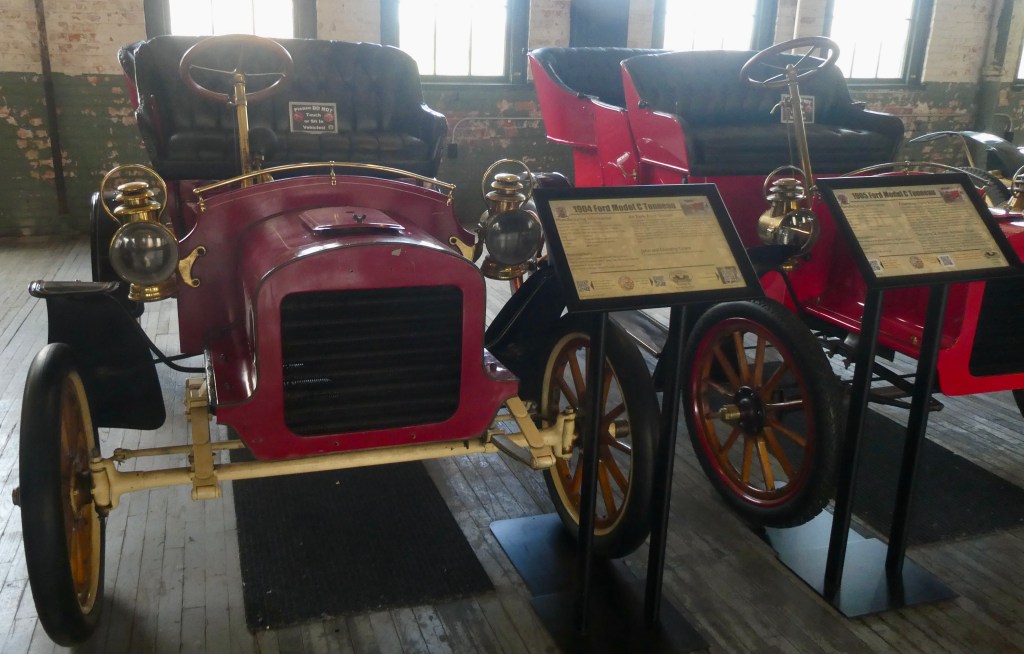
The Piquette Plant Museum has two of the 75 remaining Model C automobiles.
The Model C was more to Henry Ford’s liking, It was a quick update of the Model A going back to the two cylinder engine with a slightly longer wheelbase. A french hood was added in the front, however, the engine remained under the seat. The hood covered the water tank. The fuel tank was moved to the front.
Model F

In 1905, the company started production on the Model F with a wheelbase of 84″ and a larger 2-cylinder 12 HP engine. Other improvements included dual rear brakes, 30″ × 3½” wheels, and running boards for easier access. They also replaced the front bench seat with two single seats. Rear seating was optional. This model resolved many earlier car issues. Innovations included mounted oil lamps and a column-mounted horn. It was also possible to add side panels for a truck-like vehicle.
It was the last model with the flat 2 cylinder engine still mounted under the front seat and the last to use bicycle chains in their mechanisms. The gas tank was under the hood.
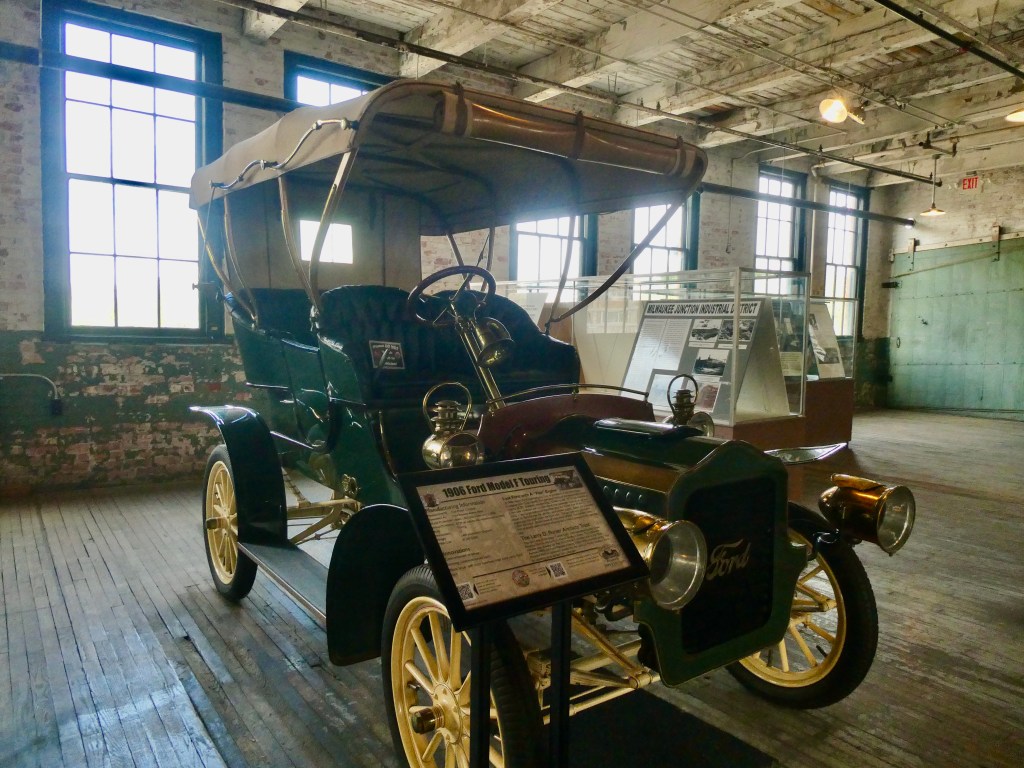
The Model F was available as a two seat runabout and a larger, more luxurious five passenger touring car. This large touring model was found in a barn with wasp nests inside!
These are two of the 40 known remaining Model F automobiles.
In 1906, Henry Ford became the president of The Ford Motor Company. Business was booming – reaching a 26.3 percent market share.
Model N

In 1906 the Ford Motor Company released the Model N and topped the sales charts. Production was the first to employ some level of assembly production at Piquette. At Piquette, Ford workers were able to build 100 per day and a total of 7000. The original cost was $500 but when Ford realized it cost them $490 to build each one, they changed the price to $600.
The Model N fulfilled Henry Ford’s vision of a very reliable, low cost automobile for the masses. It featured a front mount 4 cylinder engine that could go 40 mph.
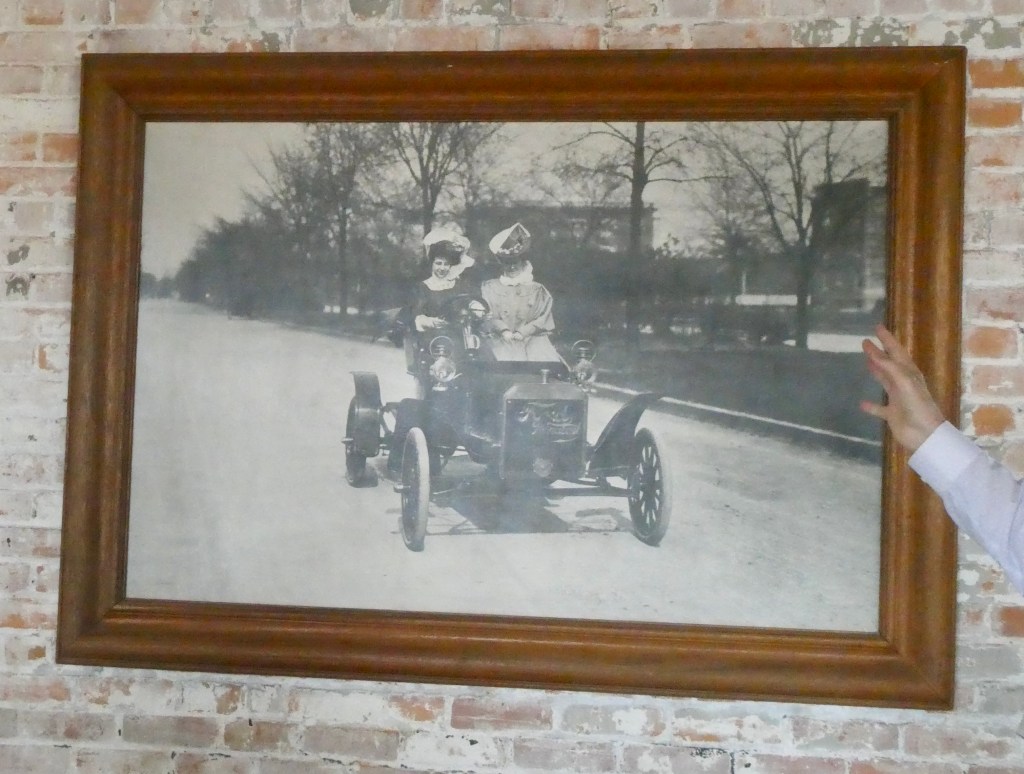
This 1906 photo shows a Ford secretary driving Mrs. Ford in a Model N.

The Model N was the first automobile to use the flying Ford logo. The flying wings were used on 12,000 cars between 1906 and 1910, 99.9 percent were made in the Piquette plant. When Ford changed suppliers for the part, the wings got dropped and it wasn’t corrected.
By 1907 the Ford Motor Company had 37% market share.
Model R
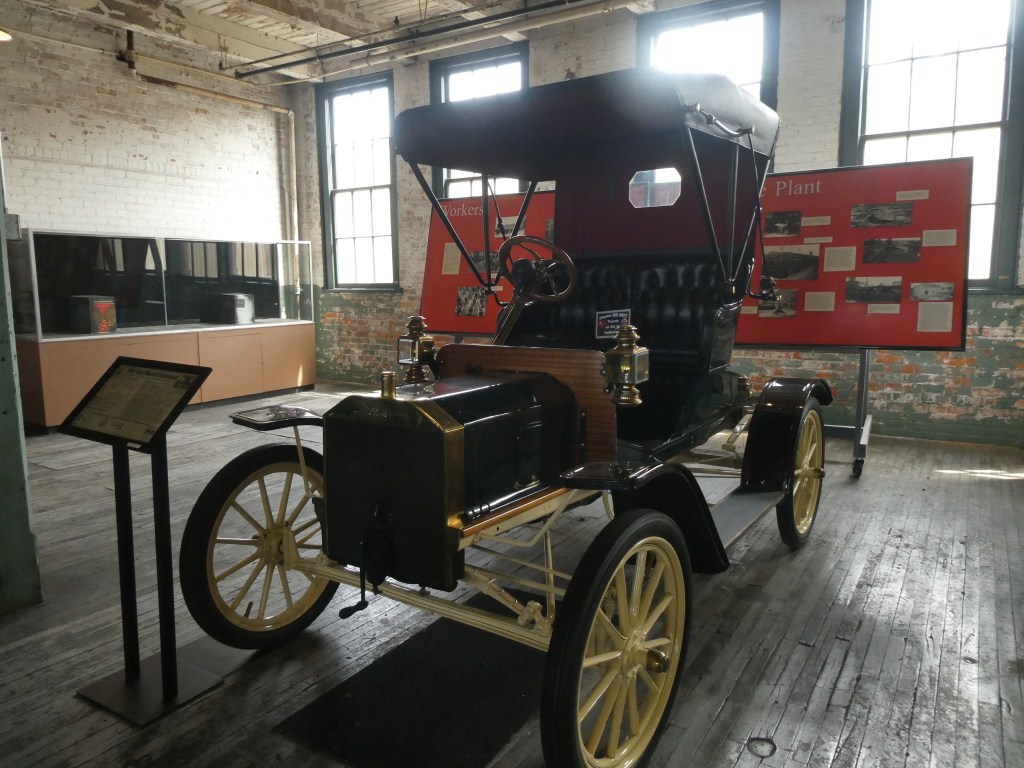
The 1907 Model R was a refined version of the Model N with full front fenders and attached running boards. It featured a two speed transmission and had the first spare wheel under the rear for on-the-road tire changes.
At $750, the Model R sold so well that part suppliers had difficulty keeping up.
It was available in two colors – Brewster Green and Carmine Red -and was considered the first car for women.
Model S
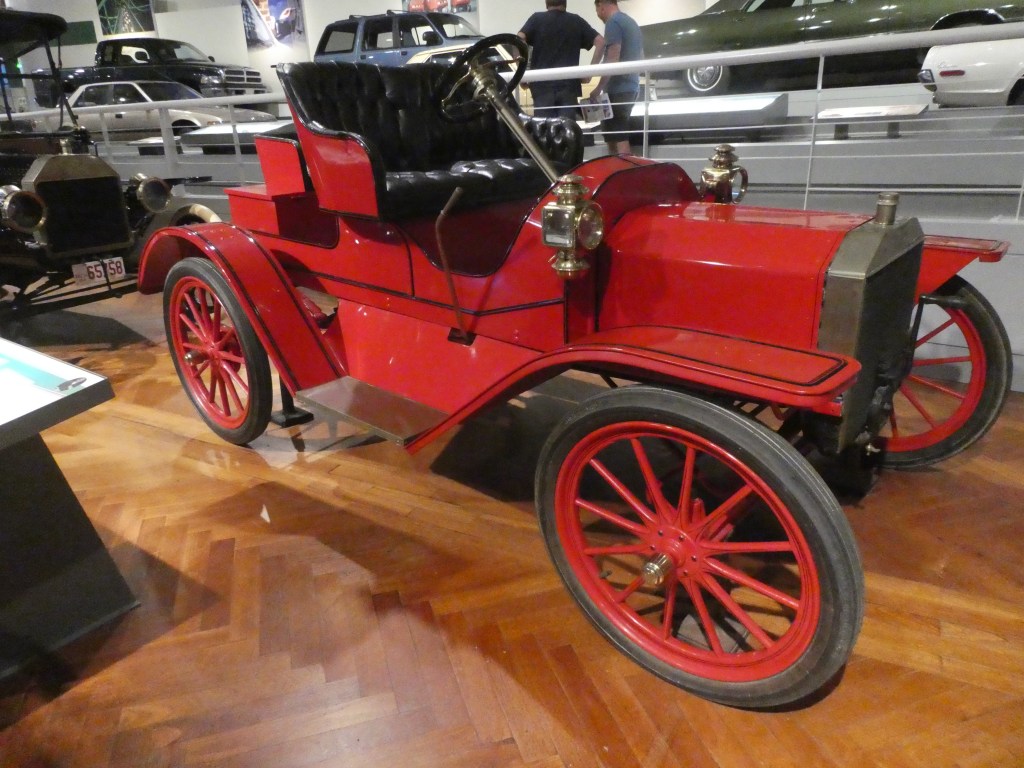
The 1907 Model S was an accident. The Model R was made on the Model N base. When they ran out of R bodies and wheels, they put R running boards on an N and called it Model S. The result was a down sized vehicle and reduced price. They sold a lot of Model S automobiles!
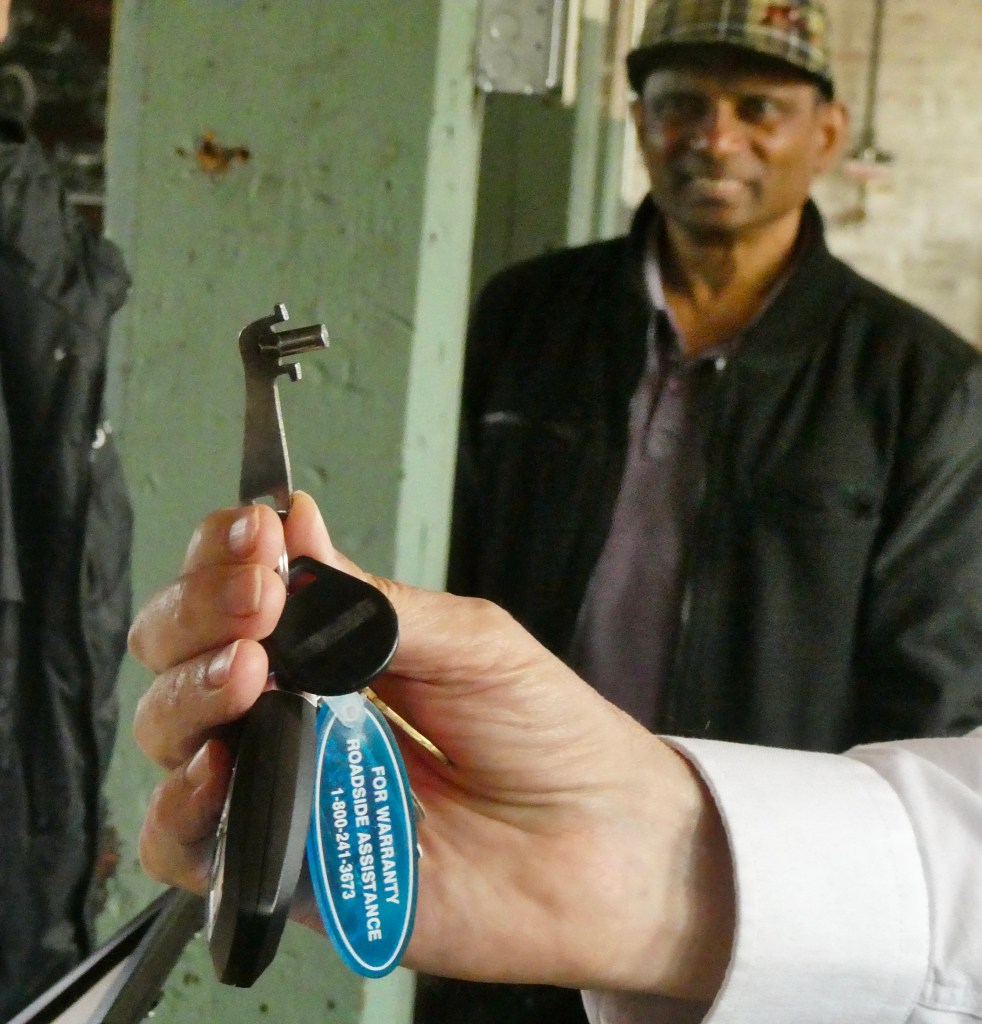
Owners of a Model S had the first car keys!
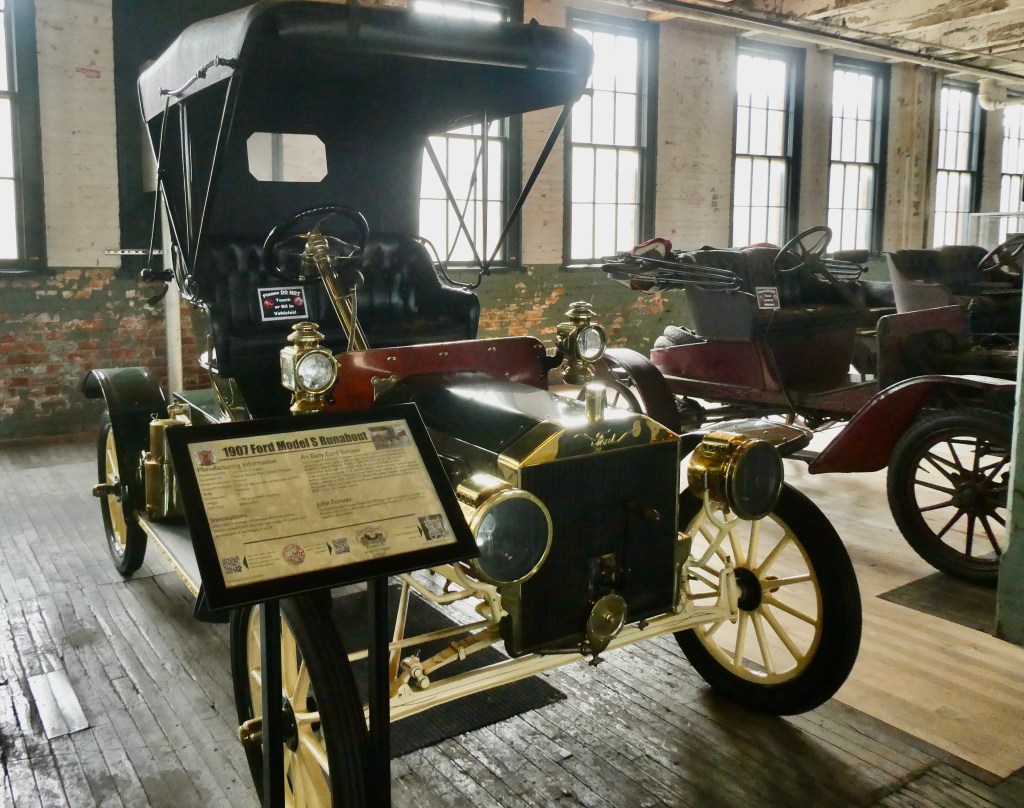
This picture shows two Model S automobiles. The one on the left is restored and certainly valuable. However, the one on the right, unrestored, is worth more. (That makes no sense to me!)

Do you remember the Model B Luxury version that Henry Ford didn’t care for? Even when your name is on the company, shareholders can insist on another Ford luxury model. That was the 1908 Model K. It could be ordered in a standard touring or in the roadster version pictured above. Of 900 hundred produced, only 28 remain with this being one of only 10 roadsters known to remain.
The Model K had a six-cylinder engine and 40 horsepower. It was the last Ford automobile to feature the six cylinder engine until 1941.
The cost of the Model K was between $2500 and $3000 and was considered the Ford Motor Company’s first failure. Alexander Malcomson, one of Ford Motor Company’s founding partners and promotor of the luxury line, left the company over the Model K. With his departure Henry Ford became the majority shareholder.
The Model K had veered away once again from Henry Ford’s goal to provide affordable and dependable vehicles. He was able to return the focus of the company back to mass-produced, affordable vehicles.
Did you notice that this Model K was a right side drive? There had been ten years of disagreement over which side the driver should sit. With development of the Model T, the decision was made for the left..
Model T – The Car that Changed the World

The Model T was Ford’s only offering in 1909. It was introduced in October of 1908. Collectively Models N, R, and S models led Ford to the Model T – but it was a totally new automobile.
The Model T had body parts made of wood, steel and aluminum. It was well-suited for badly rutted roads and rough terrain with a three point suspension. It was available in five styles: touring, runabout, coupe, town car and a landaulet. (A landaulet is a style where the rear passengers are covered by a top and the driver is separated from the rear passengers by a division as in a limousine.)
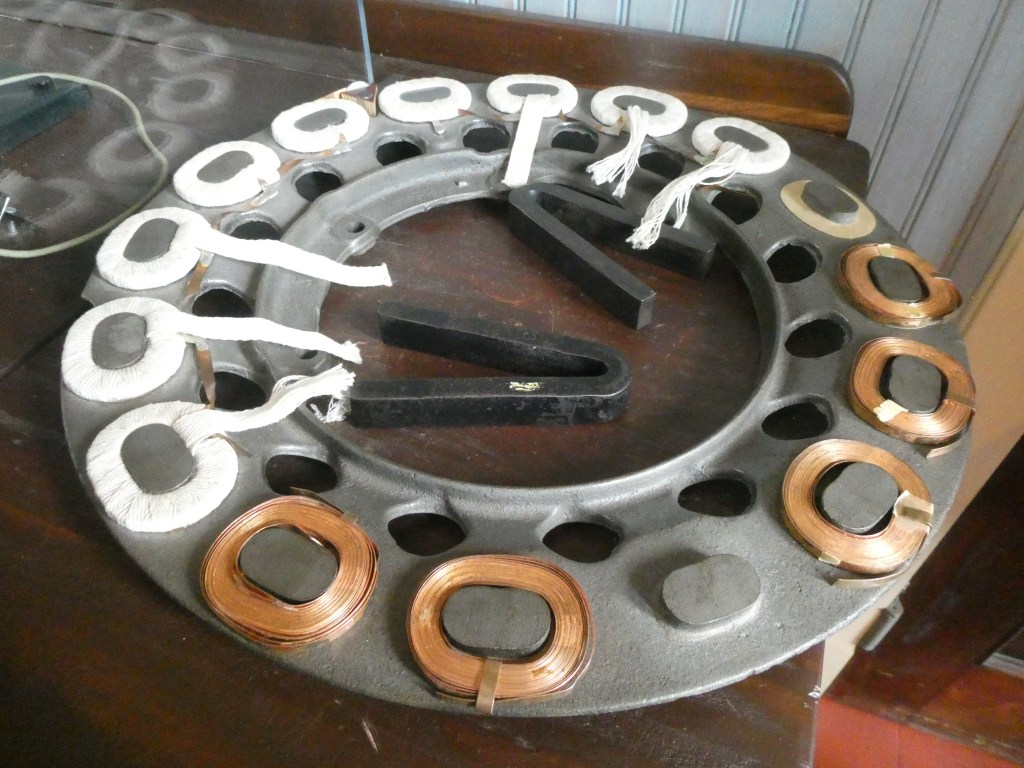
The Model T was the first to use a flywheel magneto ignition system developed by Henry Ford’s friend Edward “Spyder” Huff. It was considered a major advantage.
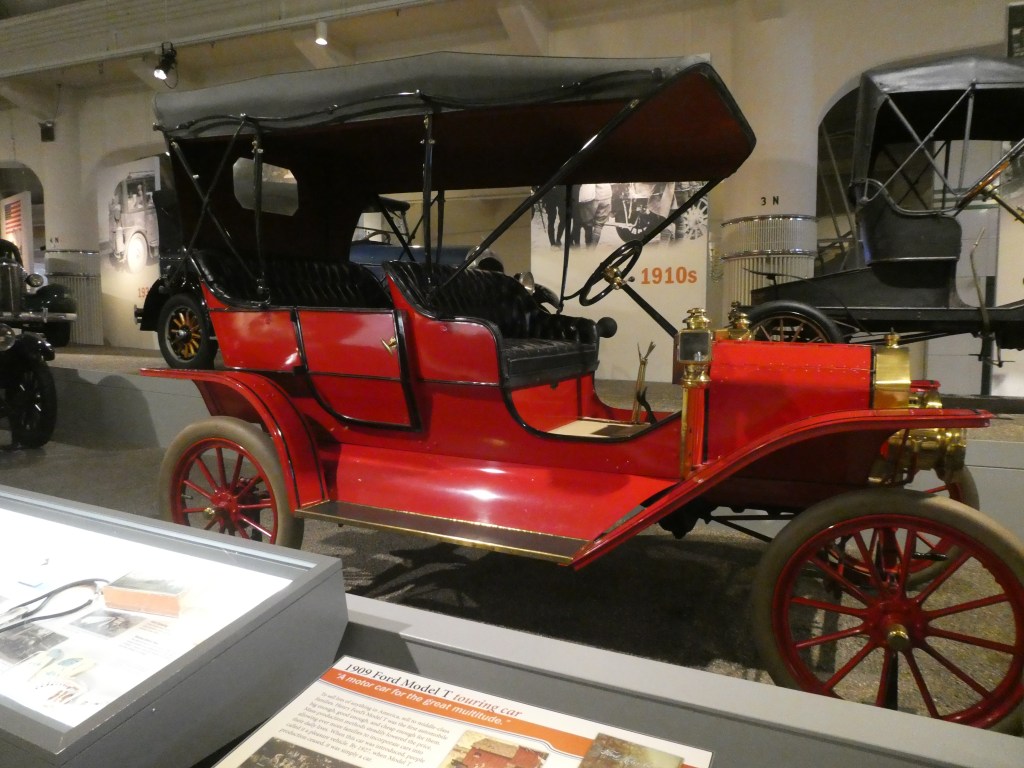
A 1909 Ford Model T Touring automobile.
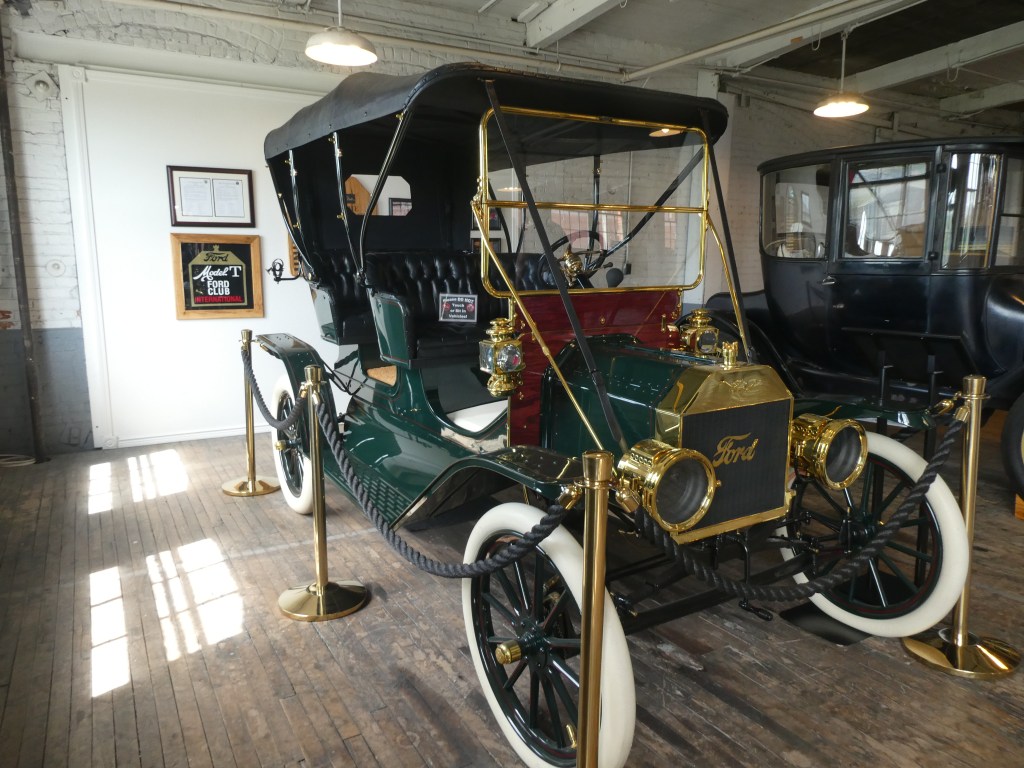
This 1910 Ford Model T won the 1922 Stynoski Award for the best restoration of the year.
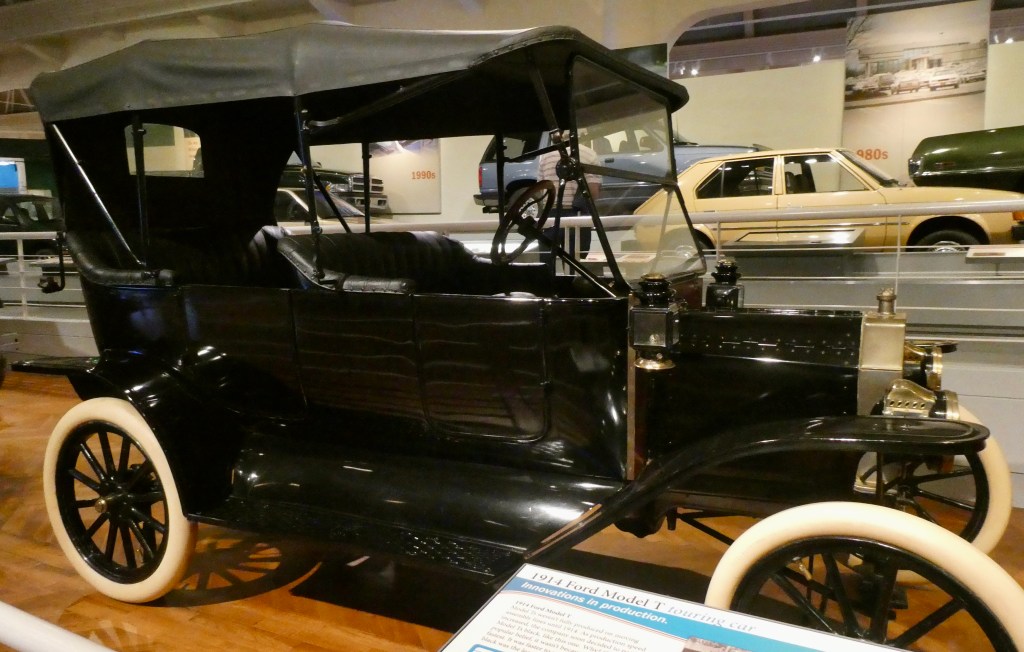
During mass production of the Model T, Ford decided to paint them all black because it was faster to use just one color. Black was the least expensive color and the most durable.
The assembly line had other consequences as well. The work was boring and Ford had lots of employee turnover. He doubled wages from $2.34 per day to $5 and then more workers stayed.
By 1914, the first year of the moving assembly line, the price the Model T reduced to $550.
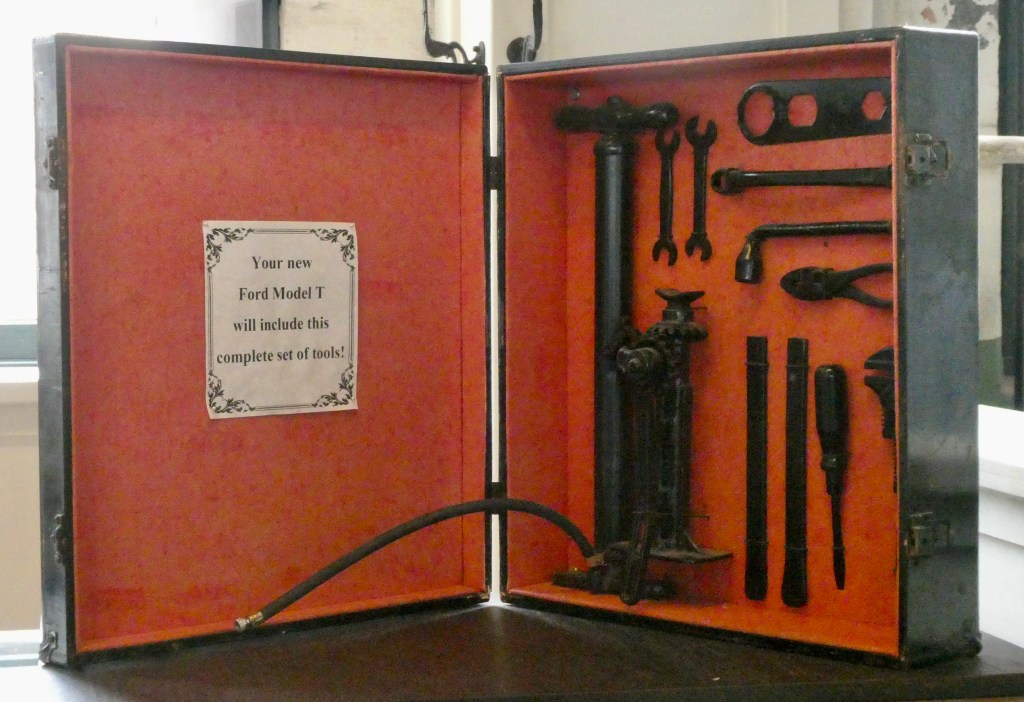
A tool set came with the automobile.
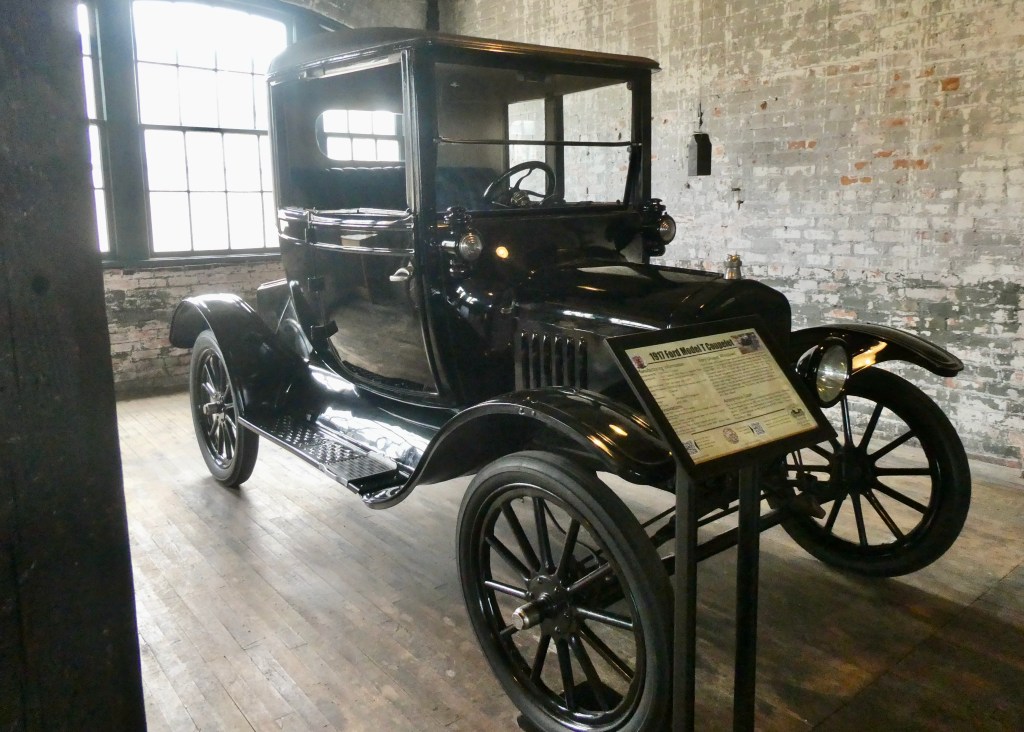
A 1917 Ford Model T Couplet.
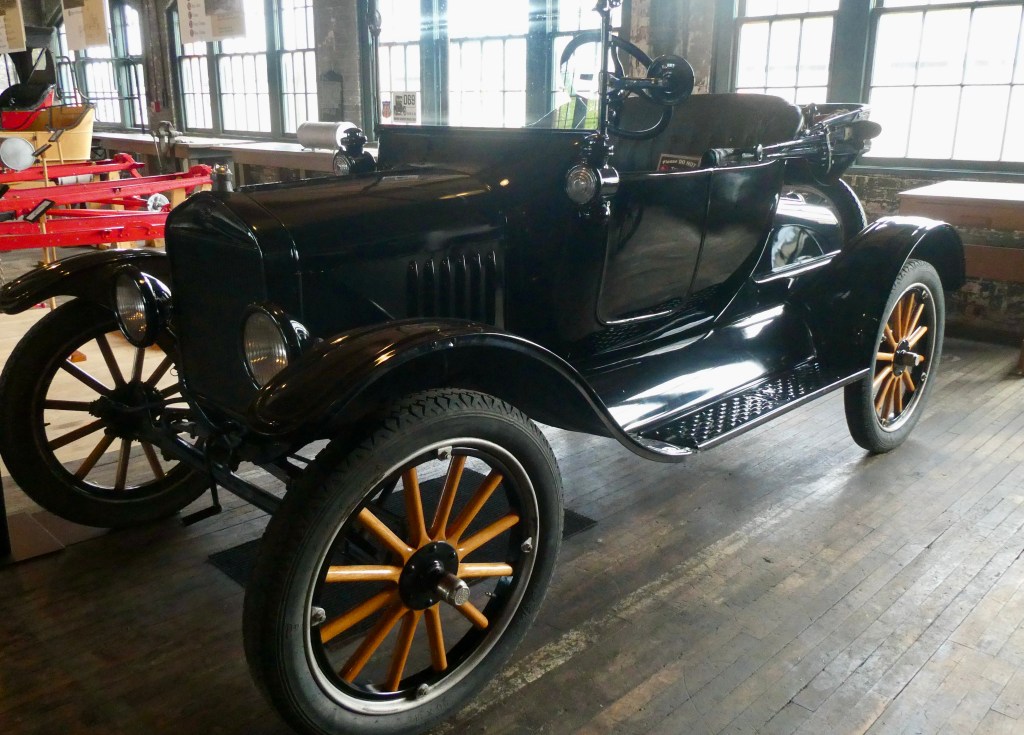
By 1921 the Model T is outdated but sales continue due to the $370 price tag. One and a half million units were sold as compared to the technically superior Buick. The current Buick model sold 83,000 vehicles at a base price of $1795.
In the 1920s Chevrolet innovated more than Ford and the Model Ts time was coming to a close.
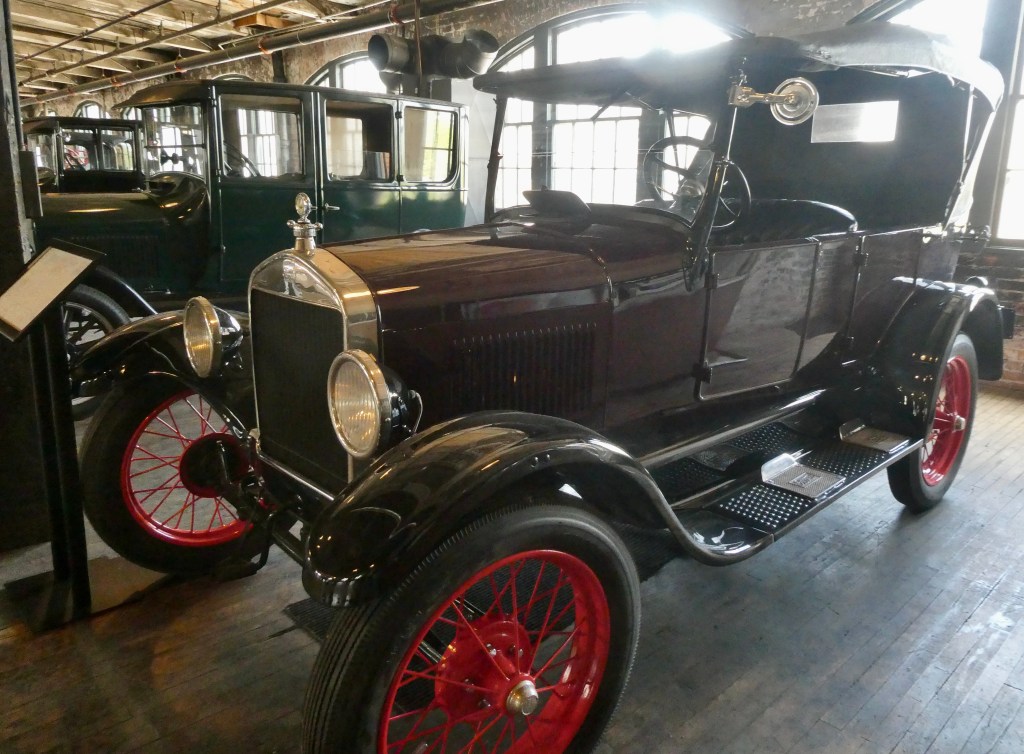
In 1926 Ford made some renovations to the Model T, including offering a variety of colors again, but market share continued to slip.
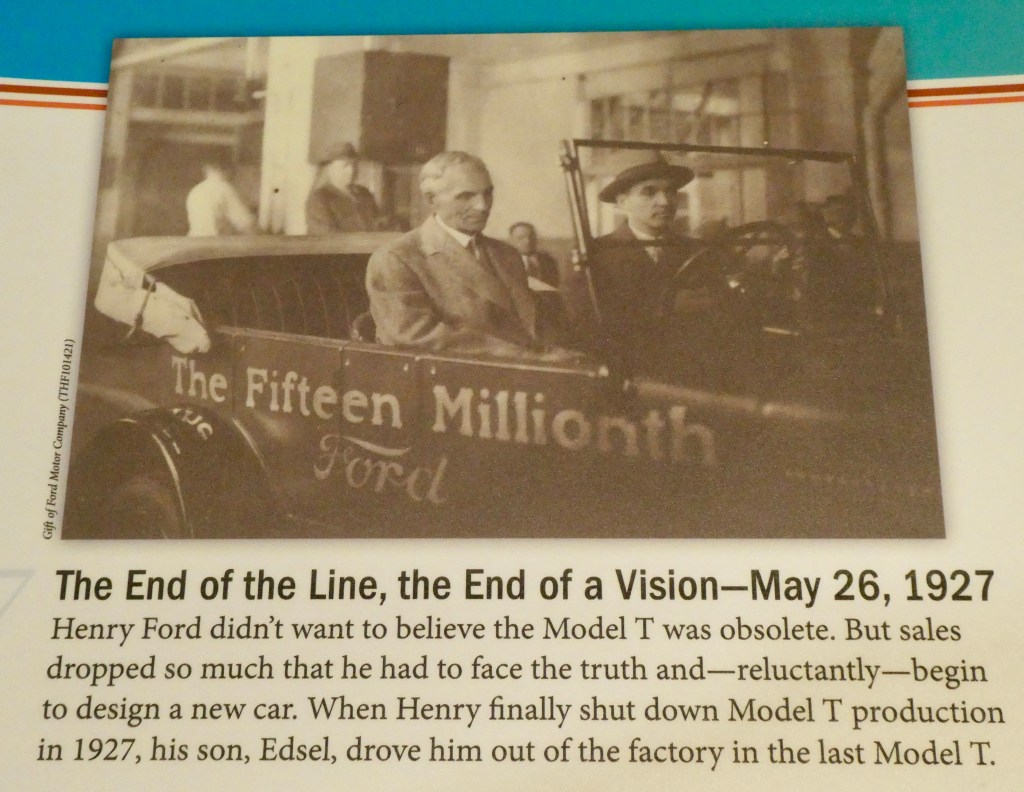
On May 26, 1927 son Edsel Ford drove Henry Ford out of the factory in the last model T made.
The Ford Motor Company sold 15 million Model T automobiles over 19 years. Shipments were made to every continent except Antarctica.
New Model A
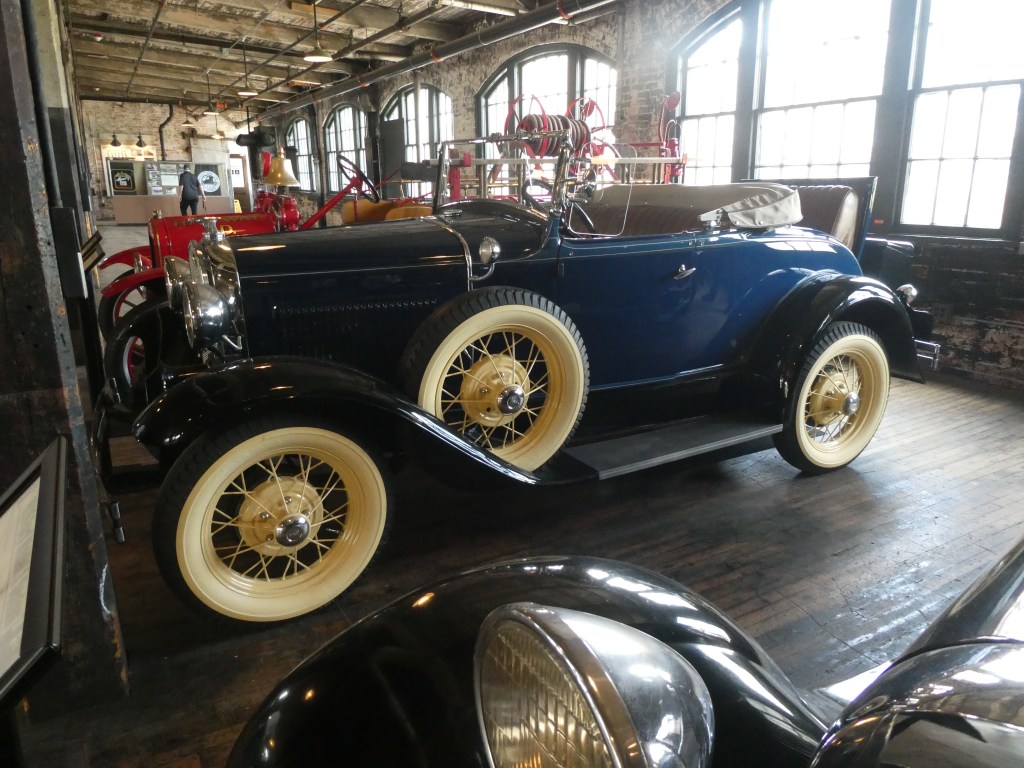
The Model T’s replacement, the all-new Model A, appeared in October 1927.It was assembled at the new Ford River Rouge Plant in nearby Dearborn, Michigan.
Edsel Ford added styling in the Model A to save the company. It sold 4.5 million from 1927-31 and cost $475 during the depression.
Ford outsold Chevy in 1929 and 1930.
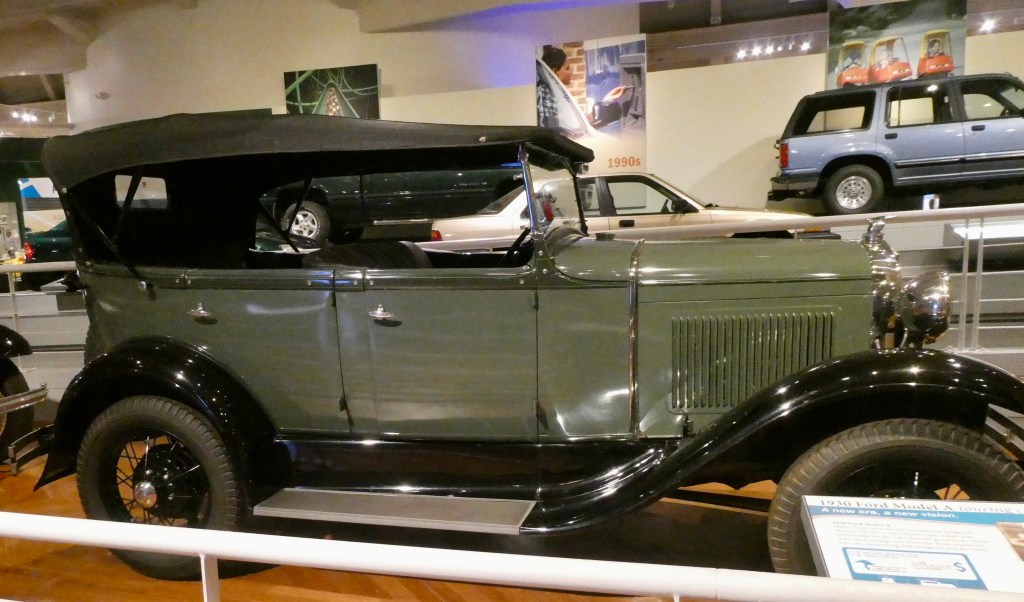
1931 Ford Model A Deluxe Roadster – Styling At Its Best! Competition was fierce, so Edsel Ford helped to develop an all-new, restyled Model A for 1930- 31. It was lower and more streamlined and was an instant success.
Chevy topped sales again in 1931 with a 6 cylinder engine.
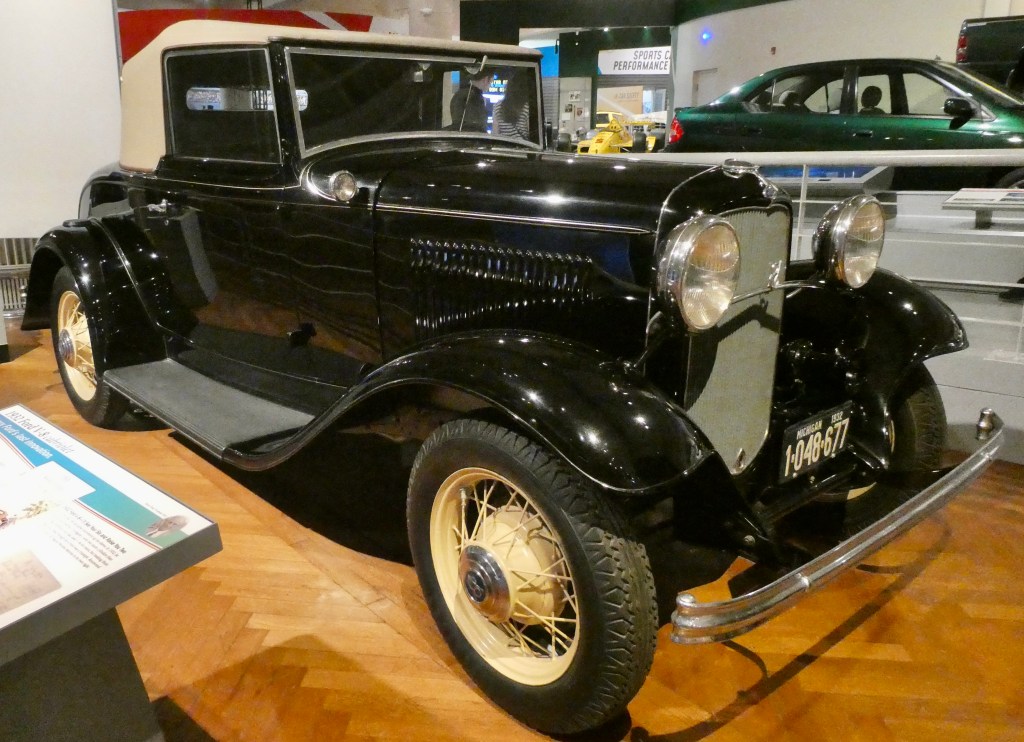
In 1932 Henry Ford’s last innovation was to make the V8 engine light enough and inexpensive enough to mass produce. However, only 254,000 sold because of the great depression.
And the beat went on between Ford, Chevy and other manufacturers for decades.
The third floor of the Piquette Avenue Plant Museum has a whole array of Ford hacks and a variety of automobiles of note from other manufacturers.
Two of special interest to me follow:

This is a 1914 Regal Model T. Because Ford did not trademark “Model T,” he couldn’t stop other companies from using the same model name.
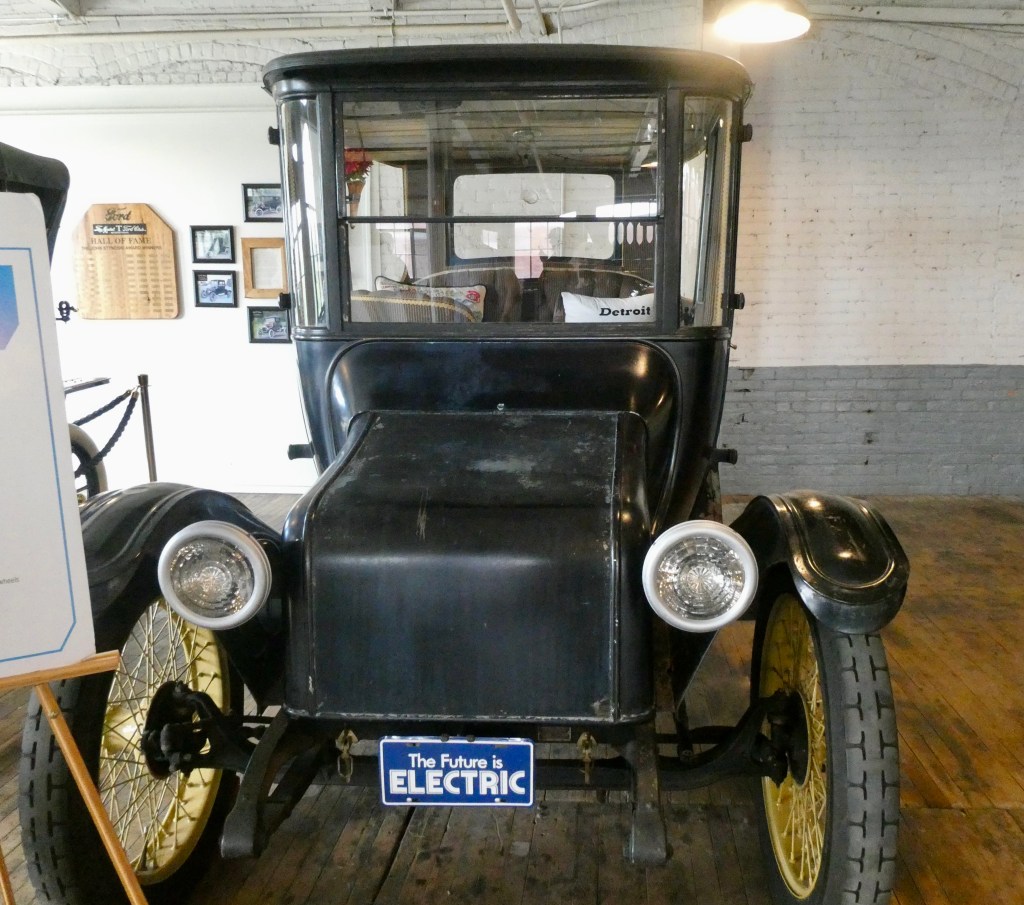
The second is a 1918 Detroit Electric Brougham. It was urban mobility for the rich selling for $2940. Its power was 84 volts sourced from 14 batteries .
The vehicle featured curved glass and a high roof. The seats were regular household furniture .
The Brougham’s top speed was only 20 mph which negatively impacted sales. There were only 13,000 sold between 1907 and 1939. One of those 13,000 electric vehicles was sold to Clara Ford, Henry’s wife.
Next up: The Ford Rouge Plant and the F-150.


 Serene Wandering
These cars are beautiful. They do not look very comfortable but I guess it’s better than a horse!
I still enjoy all your musings. Thanks for taking us along
In the 90s my Grandfather restored a Model T and a Model A the seats in the T where hard and it bounced around a bit on the road. But, the model A had nice thick comfy leather seats. My Grandmother made a nice cover out of Rabbit and fox fur. We hunted and we used as much as we could of the animals as way of honoring the life that we took. They where beatiful originals. i don’t know what he spent in terms of $ during the projects but he really enjoyed hunting for every little piece he needed.
That sounds like such an interesting project. And to do a Model T and a Model A – wow! Where did they find them?