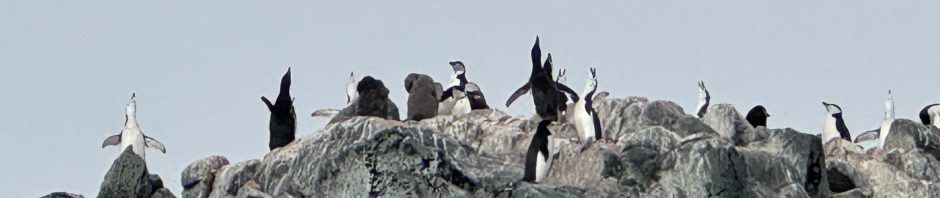
We woke to our first full day in Auckland with my Apple Watch bouncing back-and-forth between Thursday, January 16 and Friday, January 17. I left it to sort itself out and it eventually did.
One of the things that always makes us laugh as we travel internationally is the trouble we have figuring out new to us shower fixtures. This was my time to be stumped and Randy’s to figure it out.
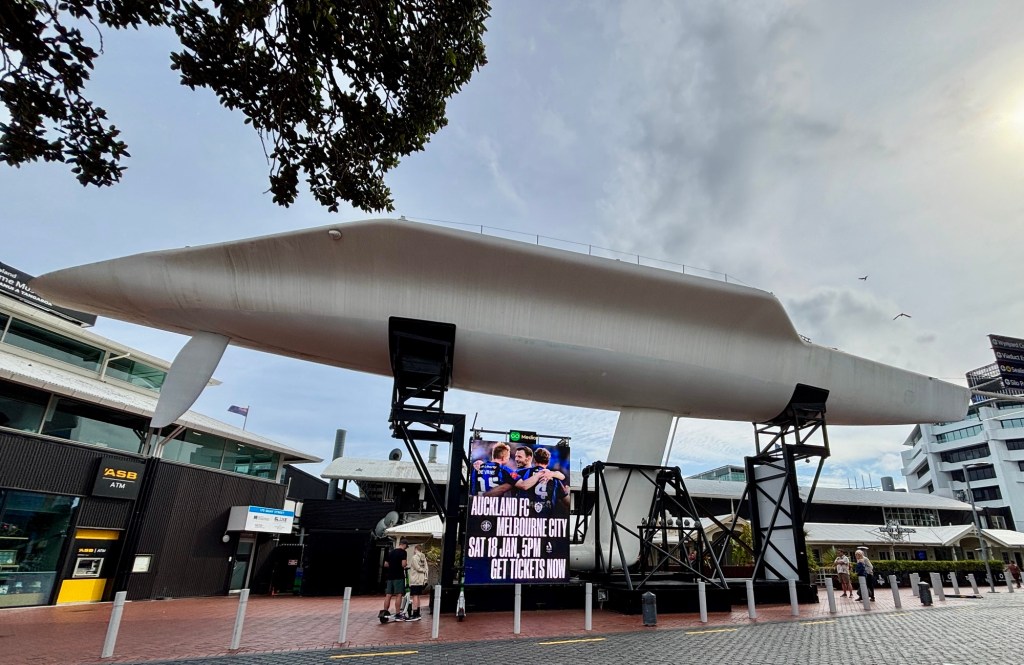
While walking to our Aukland City Tour meeting point, we passed the hull for KZ1. It sailed against America 1 in the America’s Cup race in 1988. Unfortunately, that America’s Cup competition ended with court battles and hard feelings.
Our guide told us that the Māori arrived about 1350. There were only plants, insects and birds. Many of the birds were flightless.
The Māori were a structured, warrior based people, adept at defending their lands. In 1642 a Dutch explorer, Able Tasmin, was the first European to find the islands. He named it New Zealand. The Māori ran the Dutch off.
In 1779, Captain James Cook came to New Zealand. The Māori greeted his expedition. He claimed the area for the British Empire.
There was beneficial trade for a time but the Māori had no concept of land ownership so there was eventual conflict.
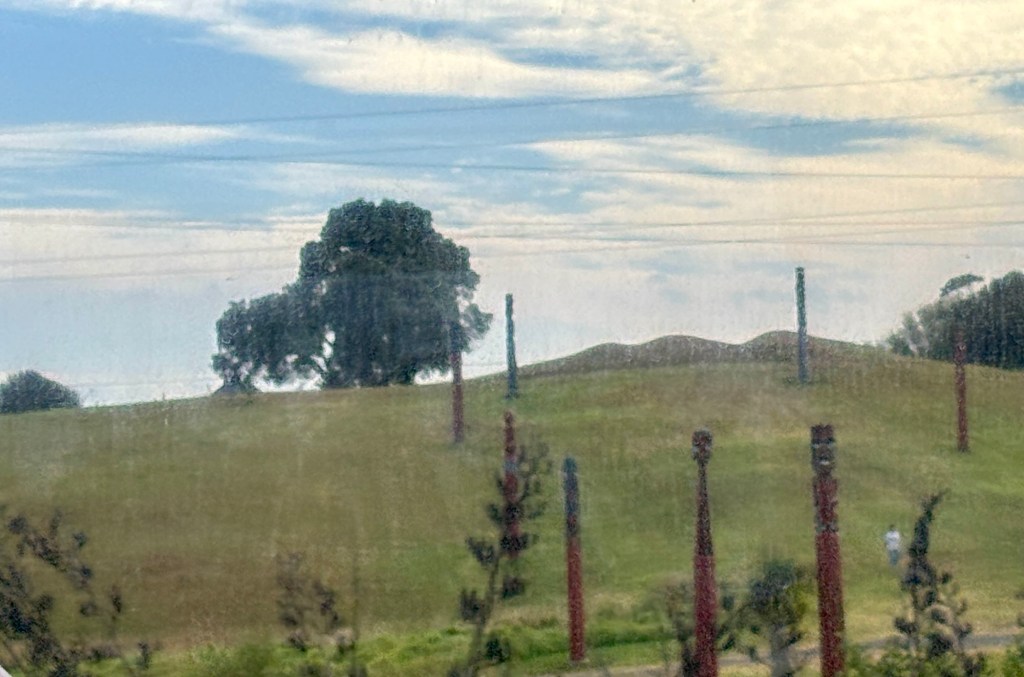
A lot of the fighting occurred in a region south of Aukland. These Māori totems sit on some of those lands.
A treaty was signed and is still controversial today as the Māori control less than one percent of the lands they once fully occupied.
The colonization of New Zealand was seen as a bit of a bait and switch. If the colonists survived a three and a half month journey, they found mostly dense forests. The “English” cows and sheep did poorly on the native grasslands in New Zealand.
The English introduced possums, from Australia, to develop a fur trade. There are now 90 million possums in New Zealand and they are considered pests. Merino wool is a mix of possum fur and wool.
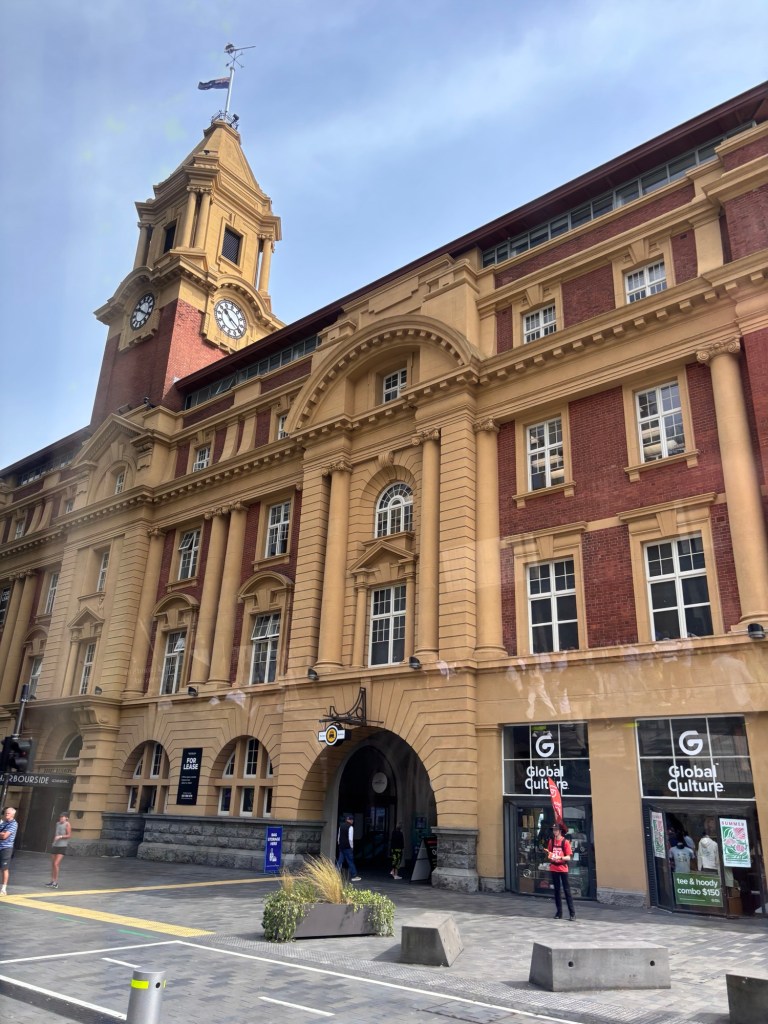
Aukland’s Ferry Building was built to service the Royal British Navy.
Much of the early architecture in Aukland is Victorian. Eighty percent of houses are made of wood, primarily using the native Kauri trees. (The Kauri tree is the second slowest growing tree in the world after California redwood.)
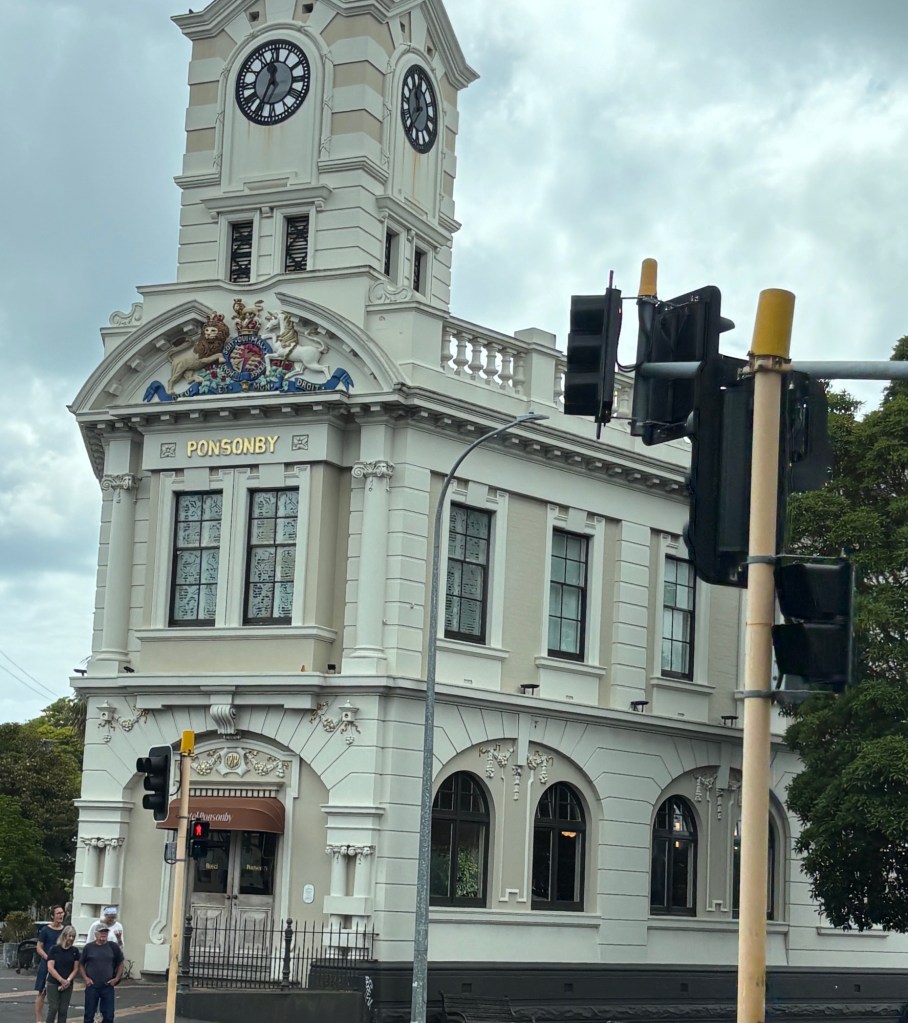
The Poncenby post office came into service just after the turn of the 20th century. We were told that the building was involved in the first conviction using fingerprint technology in the British Empire, if not the world. When I looked for details, I couldn’t find any so that may or may not be factual.
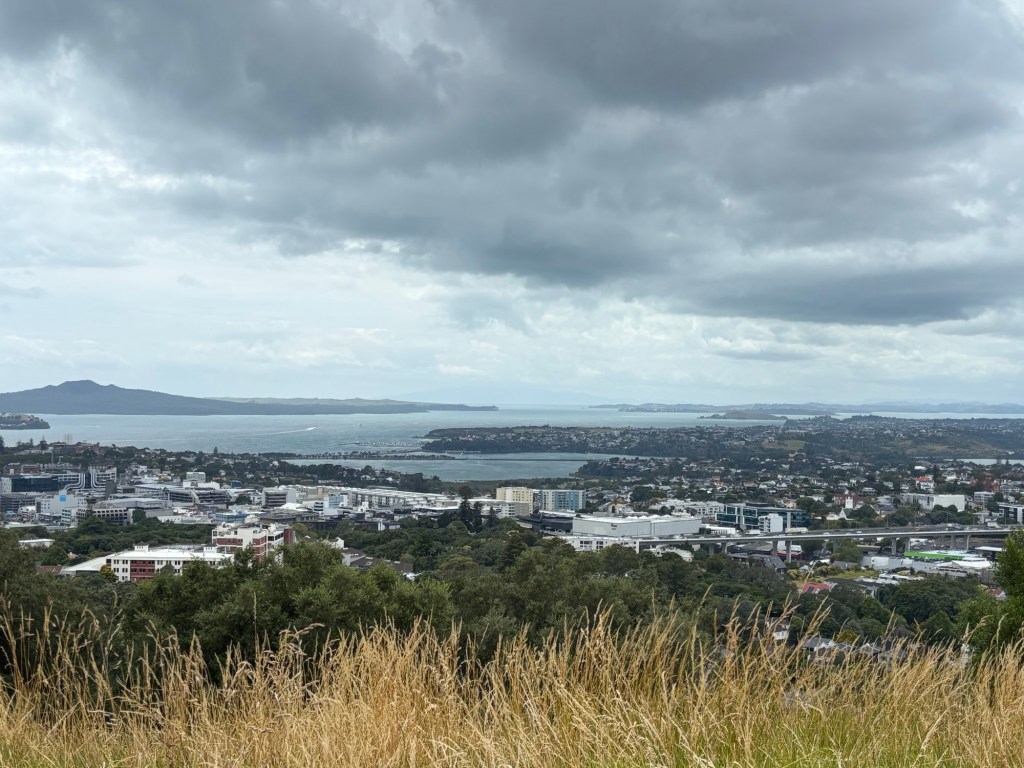
We walked up Mount Eden to see views of the city from the top of one of 53 former volcanic sites around Aukland.
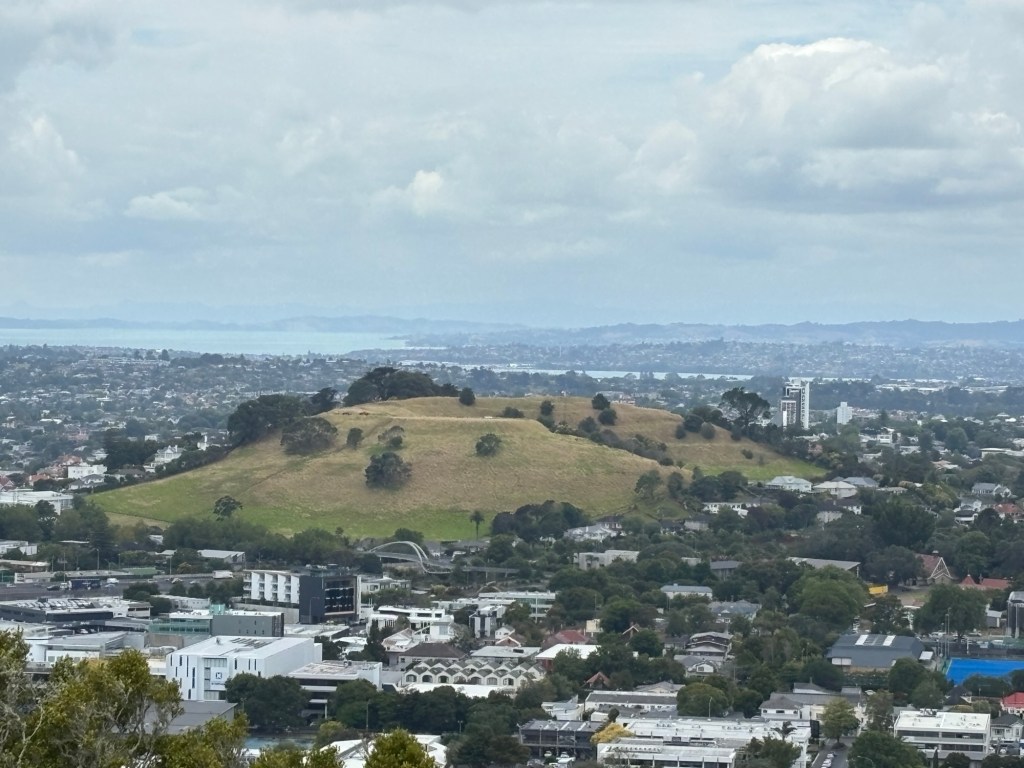
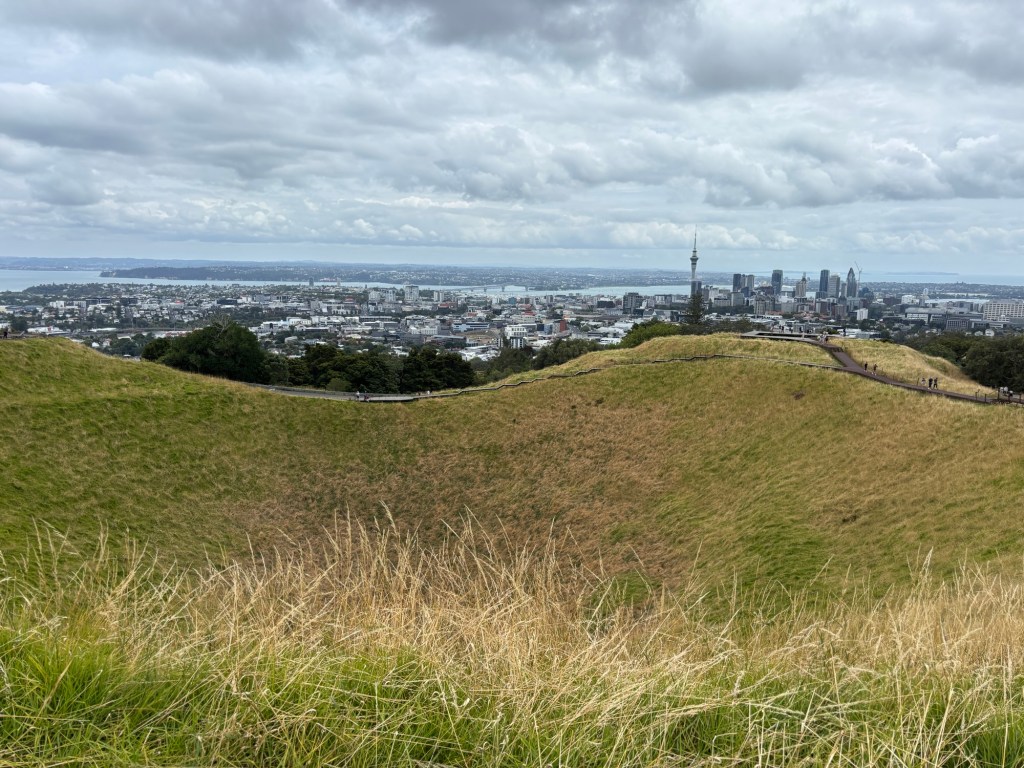
This crater was formed 28,000 years ago.
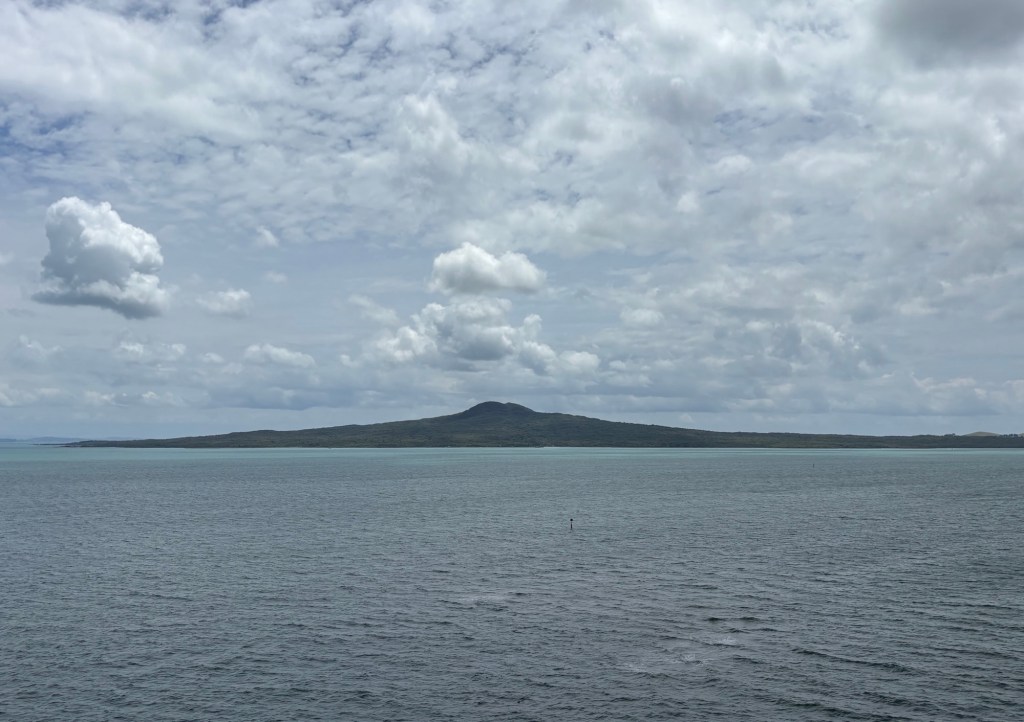
As we walked on the board walk, people walking the opposite way would graciously cross over. It finally occurred to us that we should be walking on the left side, matching the way traffic operates.
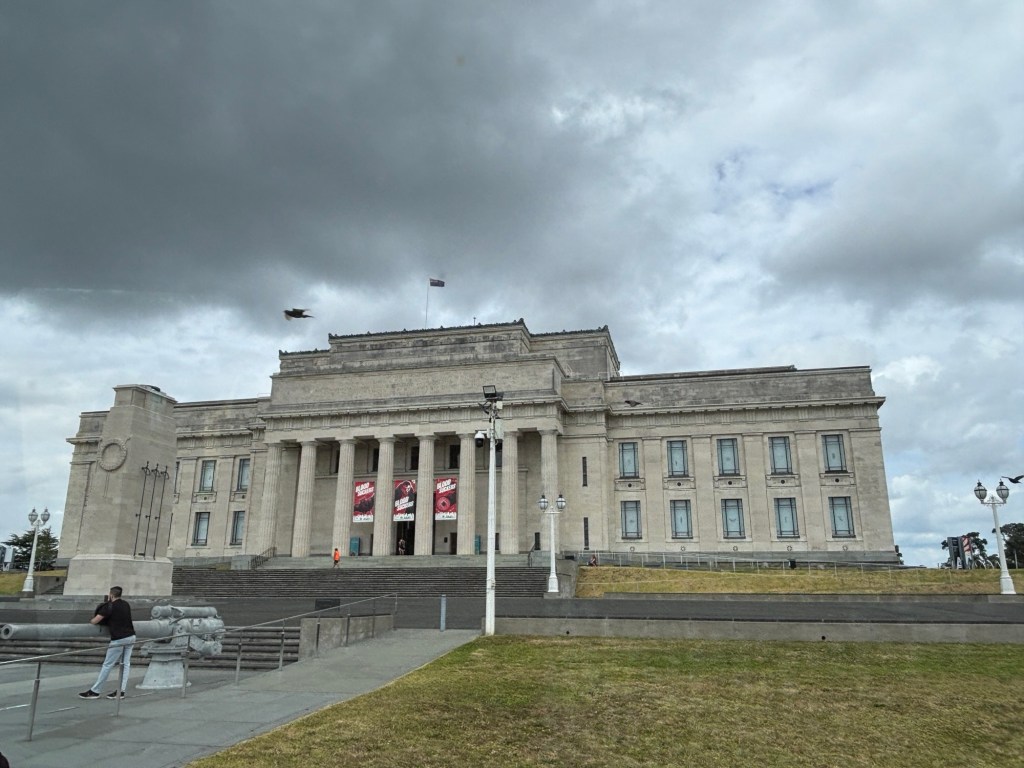
We drove by the Aukland War Museum. The various alcoves were dedicated to war campaigns.

Our guide said Gallipoli was the most significant. It was a ten month campaign during 1915-16 in the Middle East campaign of World War I.

We went to Achilles Point and saw a memorial there. It is named after the HMNZS Achilles which defeated a German battleship in the South Pacific in 1939.
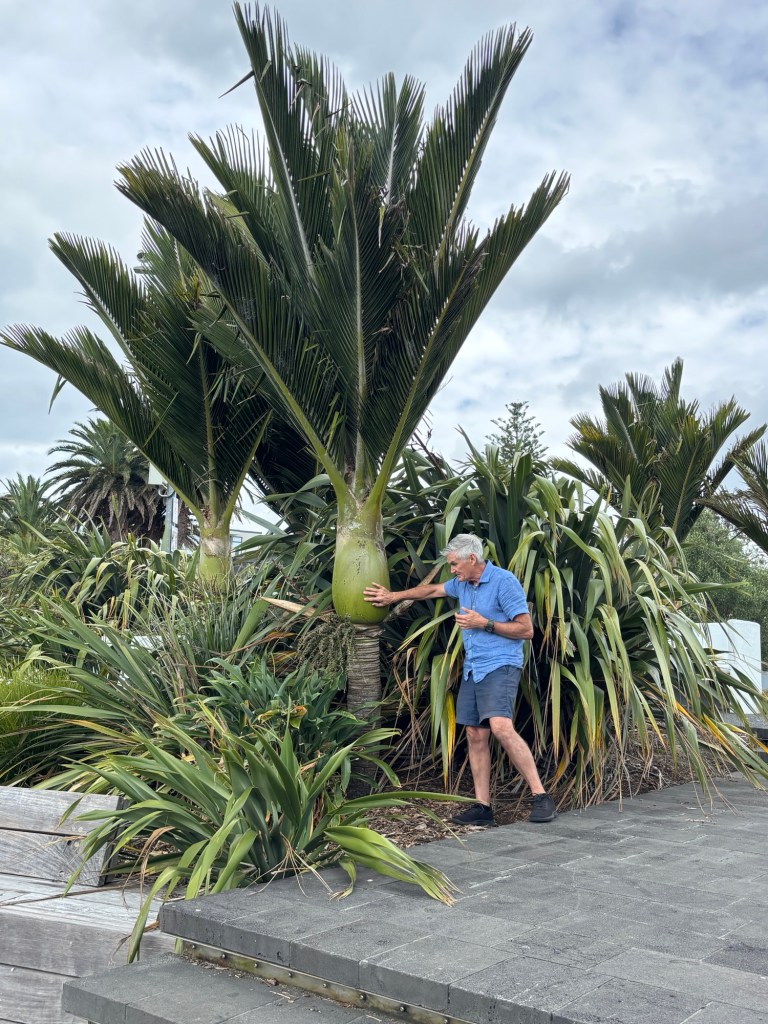
Our guide is standing by a Nikau Palm. It is one of the smallest palm trees and the only one endemic to New Zealand.
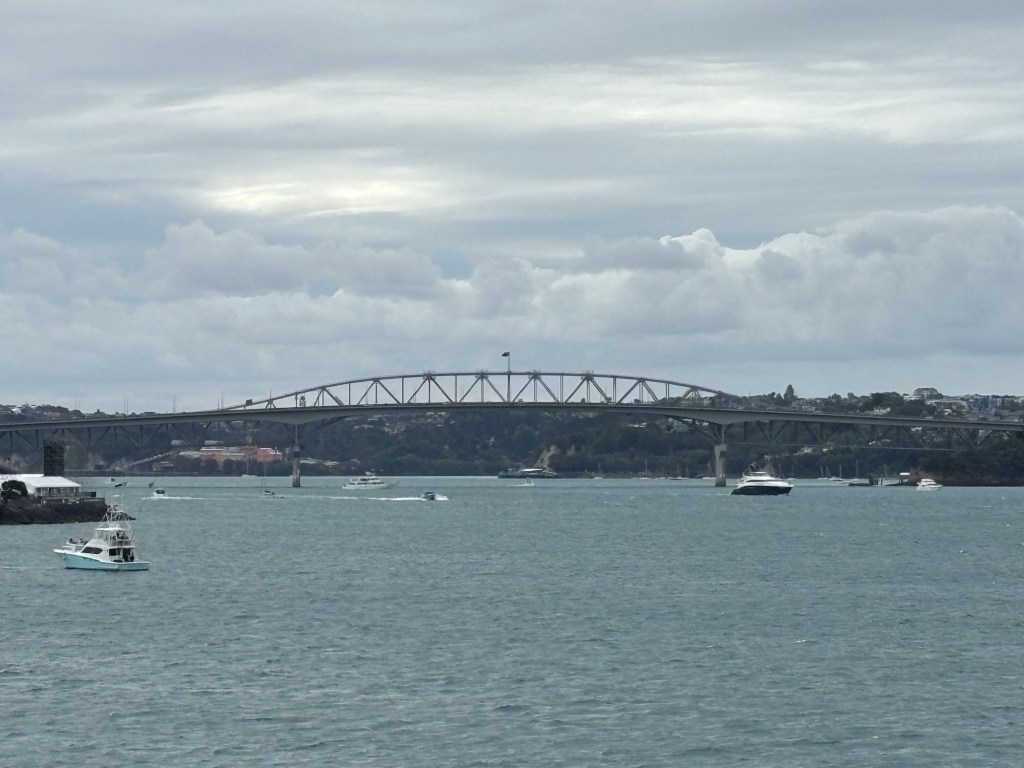
The Harbor Bridge was originally built in 1959 but was soon deemed not large enough to meet the needs of Aukland.

Ten years later a Japanese company figured out how to weld and clip extra lanes onto each side.
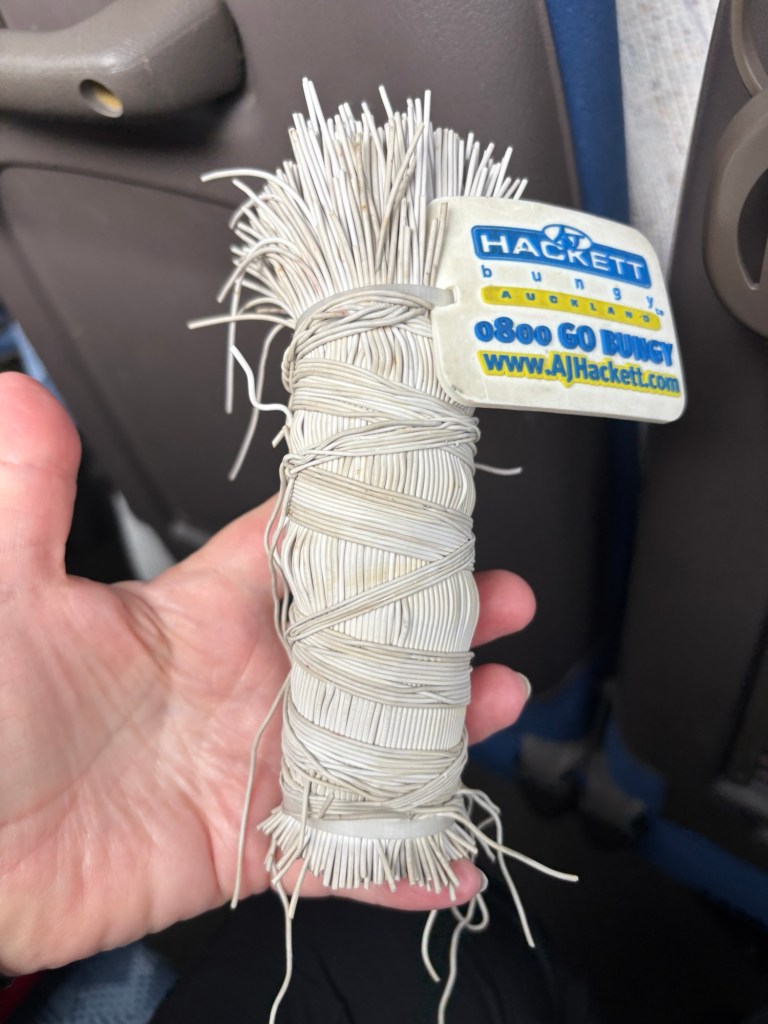
We saw bungee jumpers in action under the open arch on the left side. After jumping they are hauled back up to the bridge.
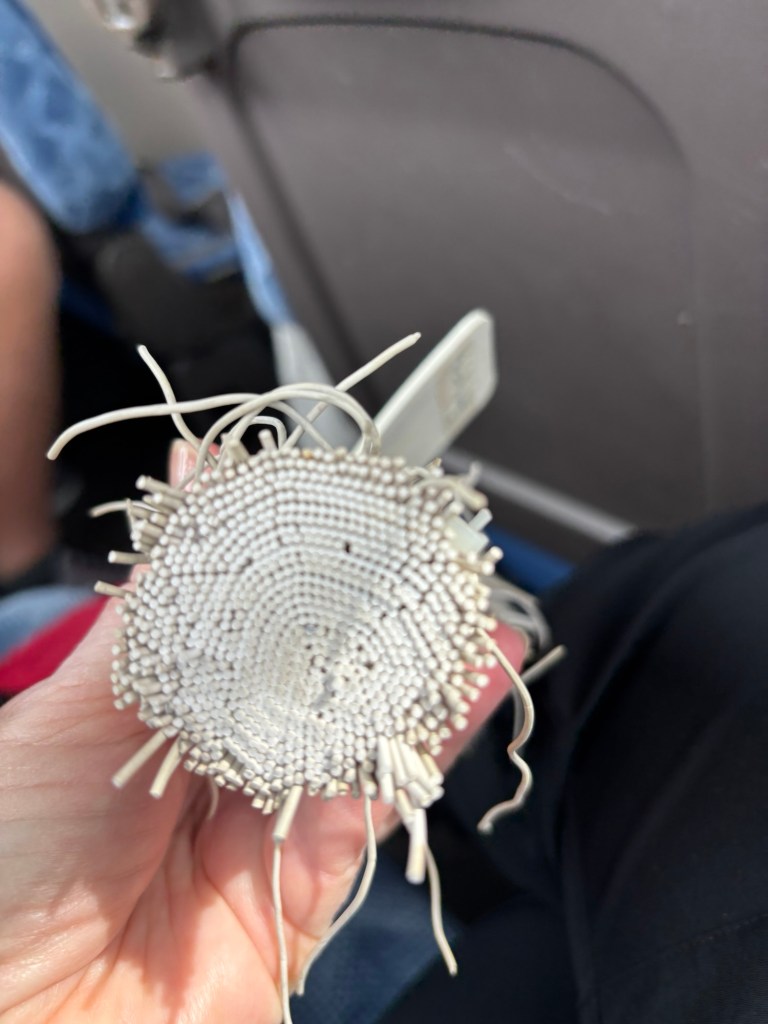
After 400 jumps the bungee line is replaced.
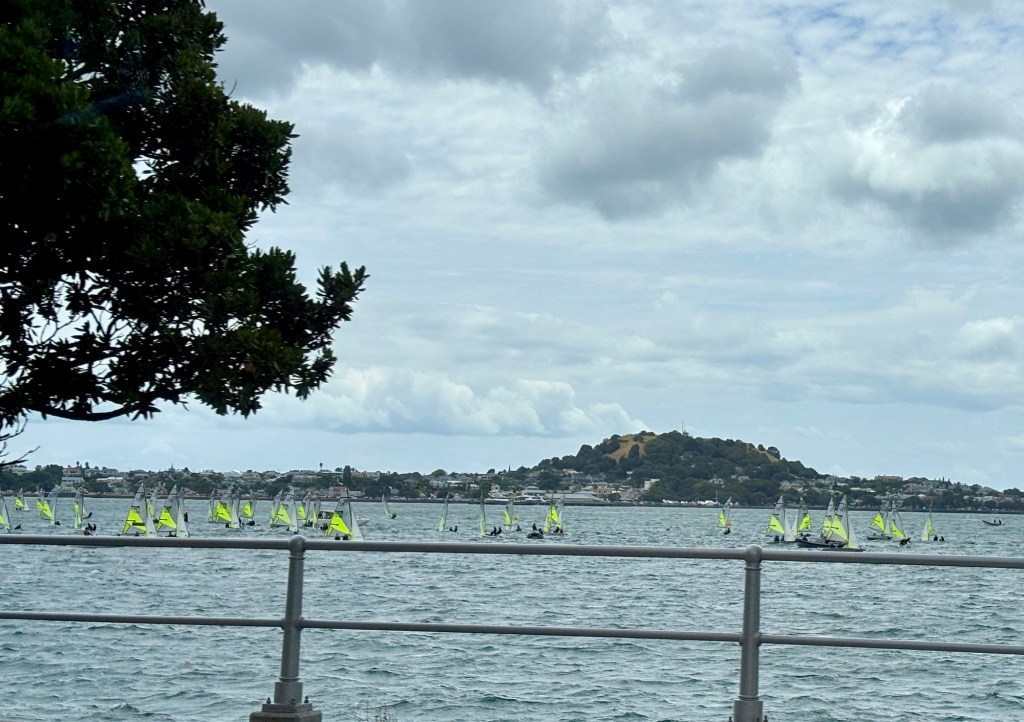
This is physical education for high school students in Aukland. It is a very water based society where nearly everyone owns a boat.
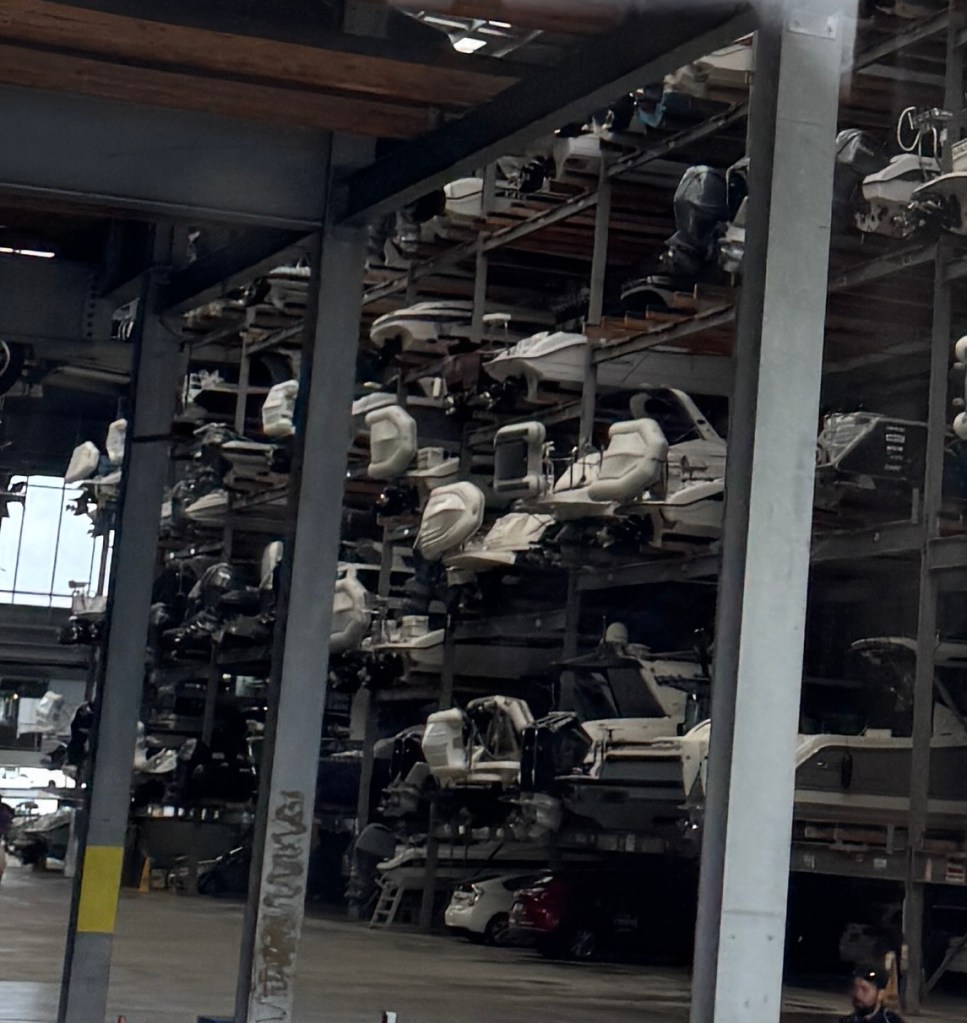
This is boat storage!
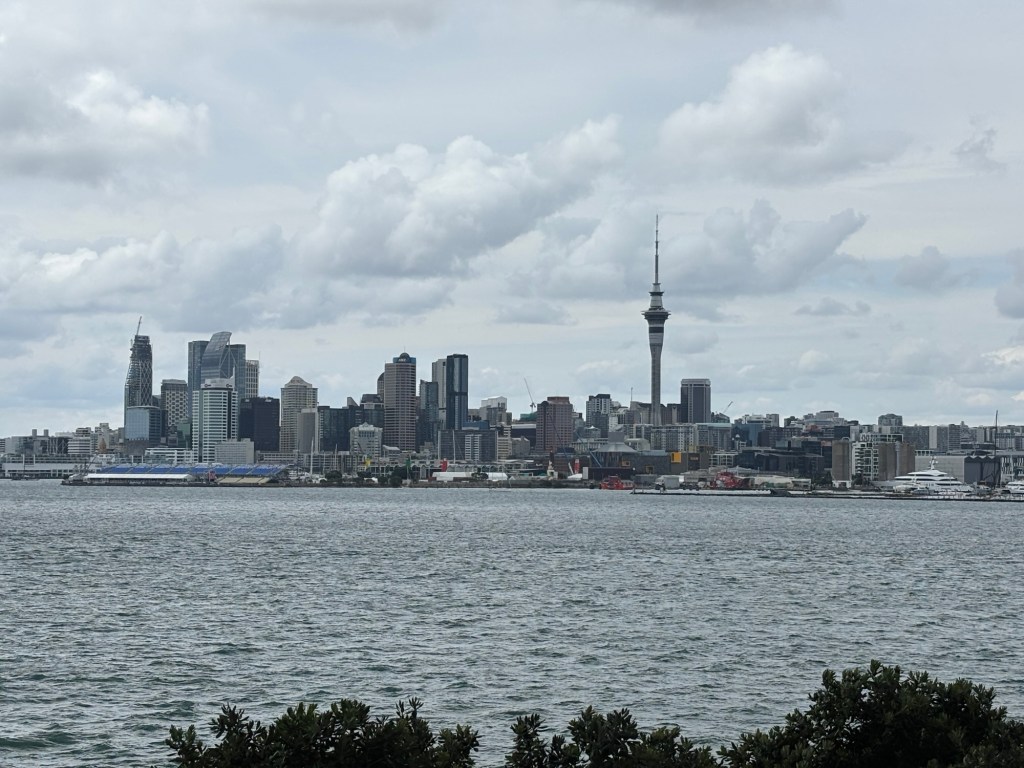
The Aukland Sky Tower became a point of reference for us as our hotel was nearby. Although going to the top for viewing or dinner is a local attraction, we didn’t get to it before leaving Aukland. It is the second tallest structure in the southern hemisphere behind a tower in Jakarta, Indonesia.

Australia is New Zealand’s nearest neighbor but it still over 1300 miles away. Sometimes, New Zealand is called “The Lonely Place” because of isolation.


 Serene Wandering
Happy you enjoyed Aukland!Sent from my iPhone