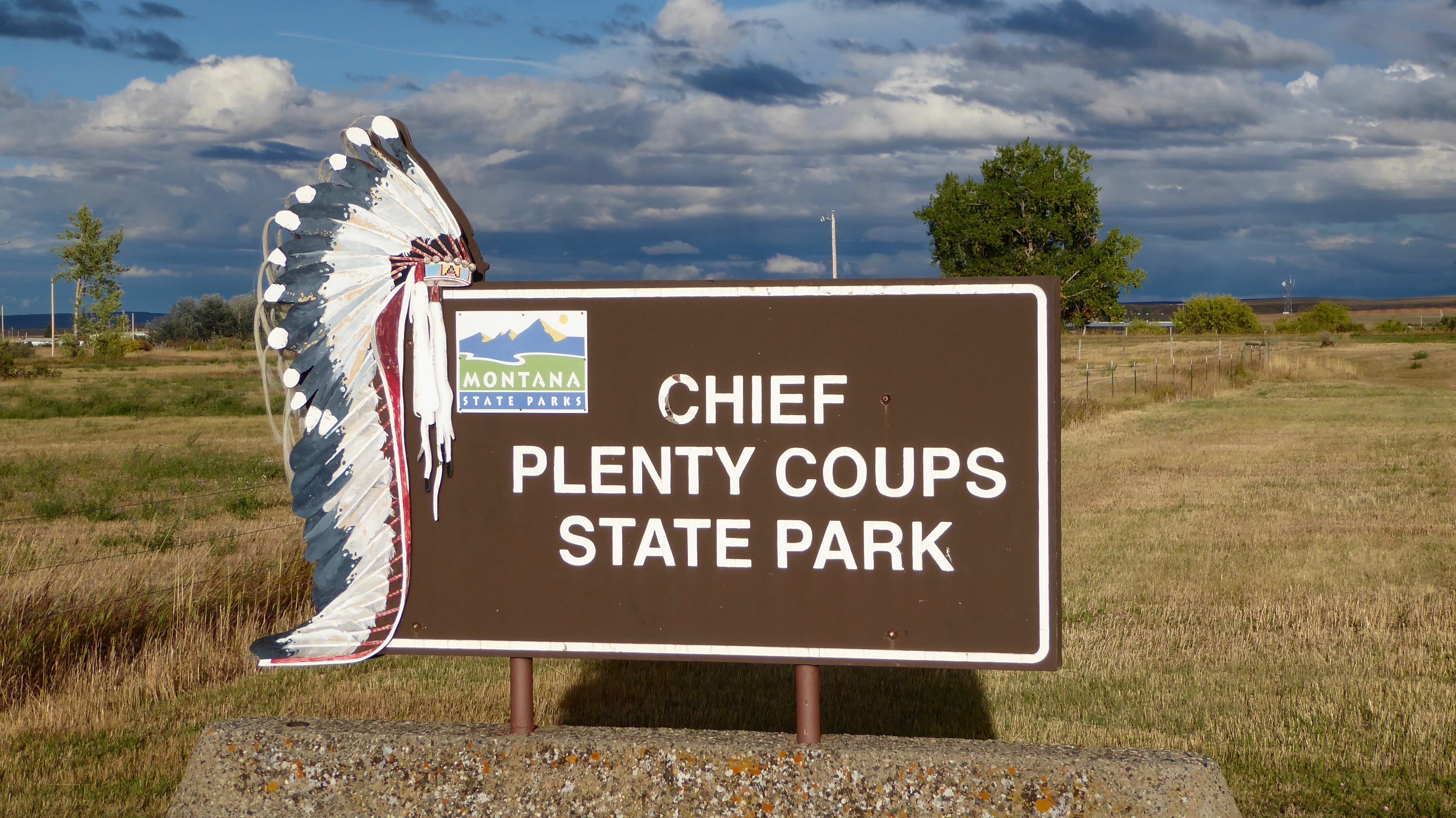
The Chief Behind the Park

P1020392

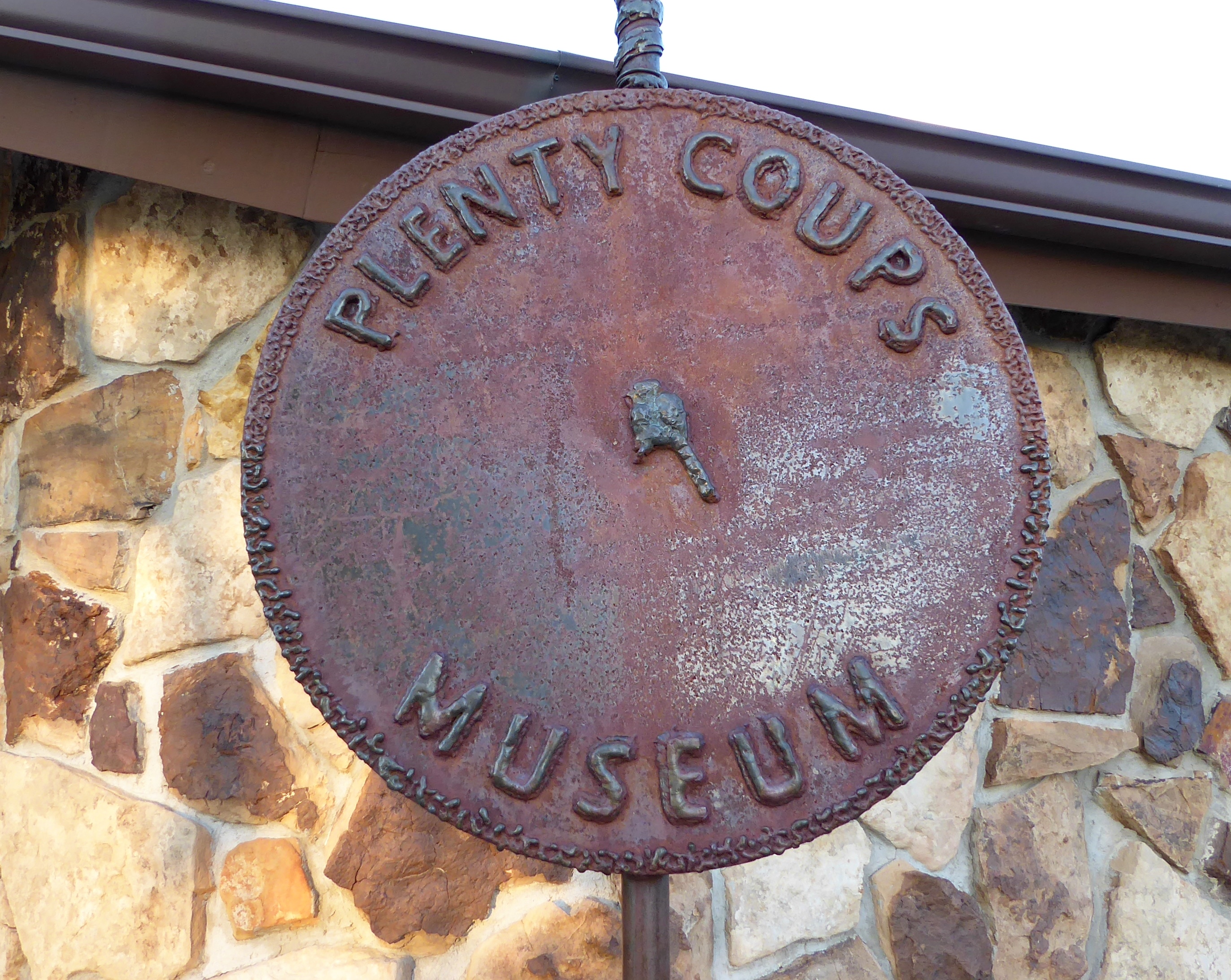
We have spent the last month in a park that was the homesite of Chief Plenty Coups, the last principal chief of the Apsaalooke or Crow Tribe. The opportunity to learn about Chief Plenty Coups was a large part of why we were interested in volunteering at this remote Montana park on the Crow Reservation.
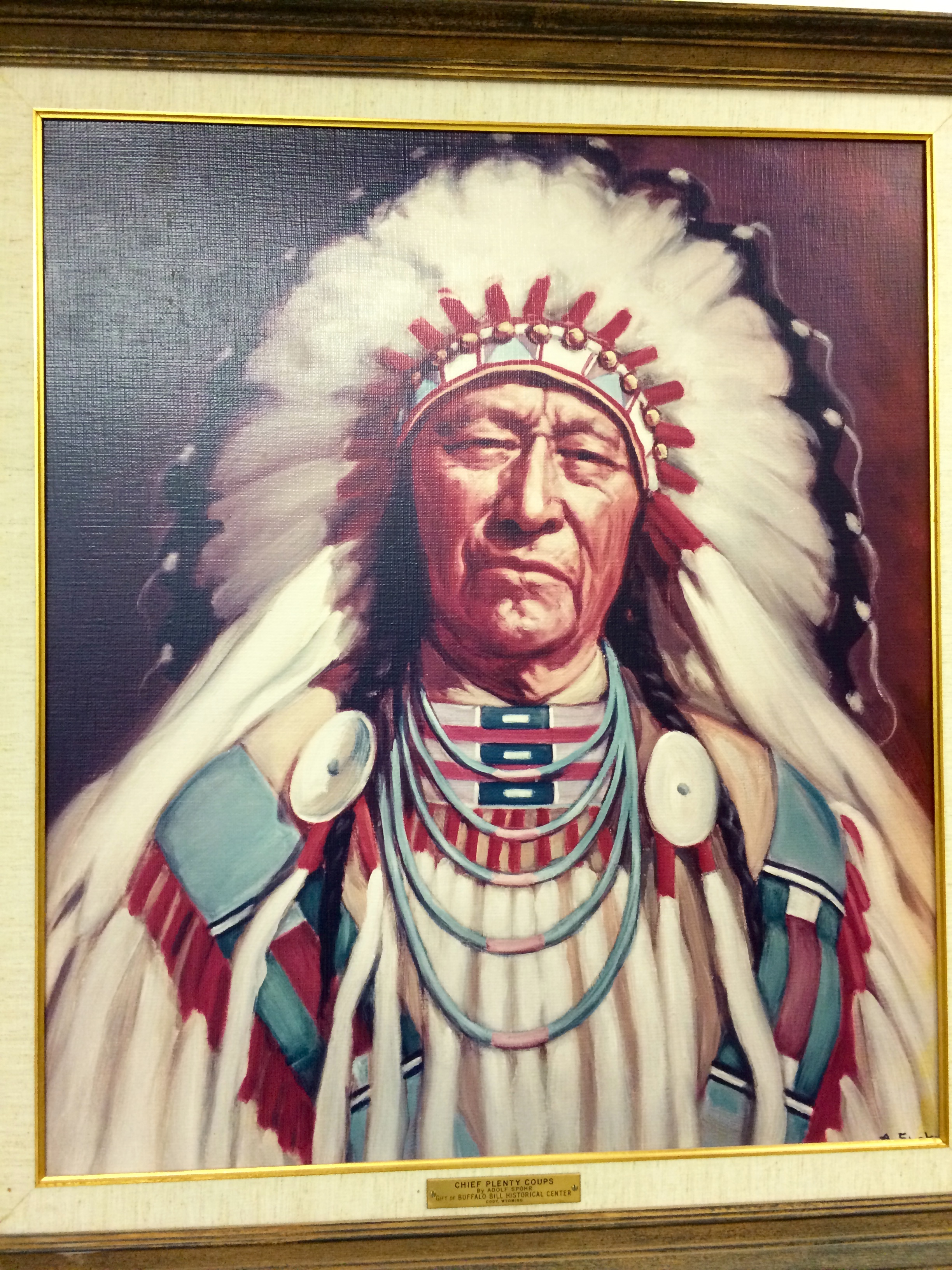
IMG_1088

Given how loved and revered Chief Plenty Coups was and is to the Crow people, I feel inadequate to condense his life into a brief story, but with humility, I will try.
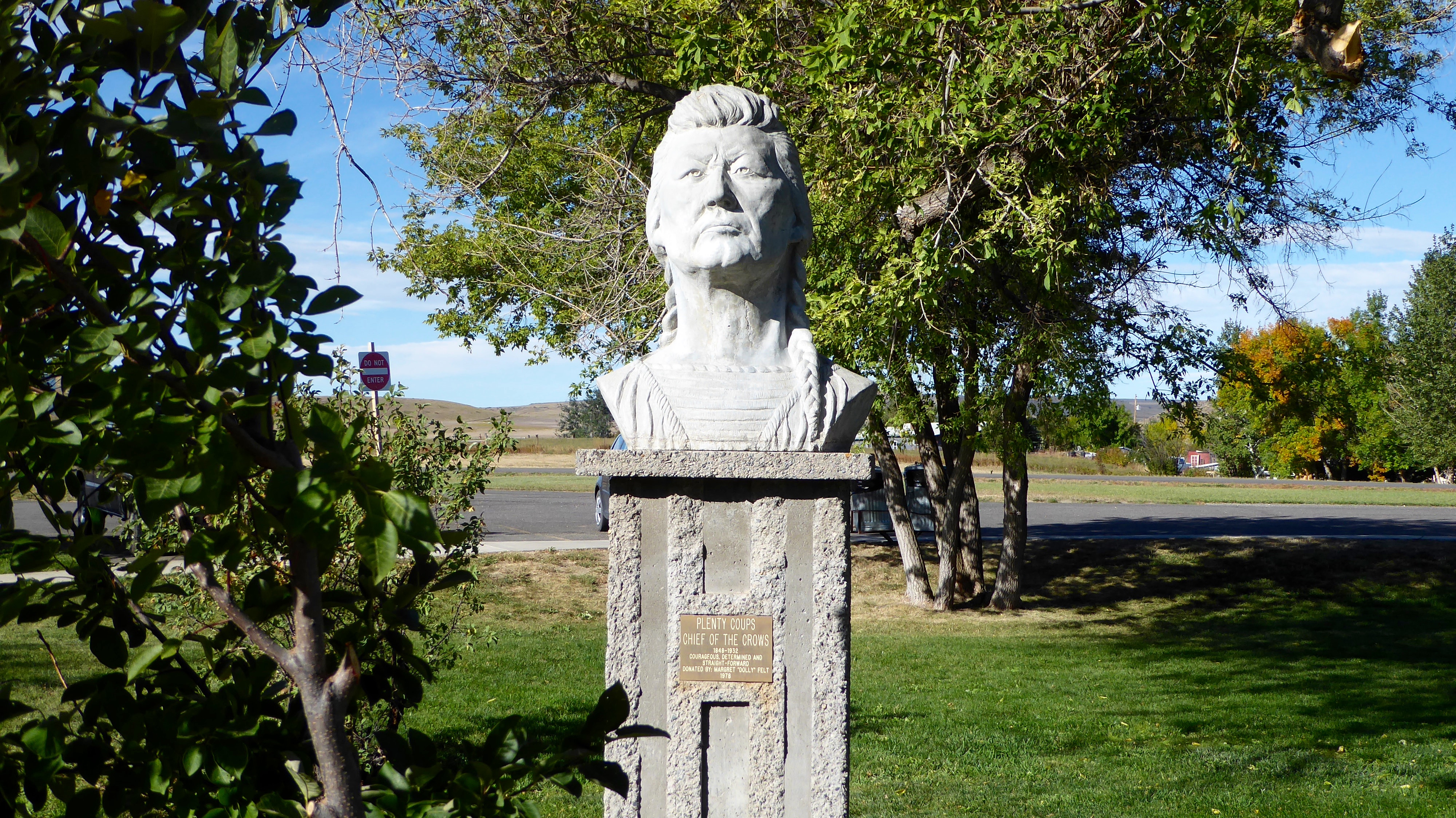
P1020405

Alaxchiiaahush, later named Plenty Coups, was believed to have been born in 1848. As a young boy he went on a vision quest into the sacred mountains, going for days without food, water, clothing or shelter. Although not all boys receive a vision on their quest, he did.

Plenty Coups saw a forest of trees destroyed by a fierce storm. A lone tree left standing was the lodge of the chickadee. Although small and insignificant, the chickadee learned from the mistakes of others. In his vision he also saw that all buffalo were gone from the plains and were replaced by other animals, some spotted, resting in small bands, and which bellowed differently from buffalo.  He also saw a lodge of babies but was told not to go inside. His vision also showed him an old and feeble man sitting alone by a house.

Upon returning to camp, the wise men of the tribe interpreted his vision. The dream was a warning. It meant that white men would take over the country and the tribes who fought the white man would be beaten. By listening and learning, as the Chickadee does, the Crow would be as the one lodge remaining, pitched in safety and cooperation with the white man. In this way they would keep their country. The buffalo would be gone and the white man’s spotted-buffalo would cover the plains.   Plenty Coups would live to be old and be known for his deeds. He would learn to live in a different way and would be chief, yet he would have no children.

Did his vision come to pass?

As a young man, Plenty Coups enjoyed the nomadic life of the tribe, hunting and learning to be a warrior. Their lands encompassed plains, high mountains, and rivers great and small. It provided a wealth of food including their primary sustenance for many needs, the buffalo. Their lands often needed defending against surrounding tribes, principally the Sioux, Cheyenne and Arapahoes.

Important in tribal life was being brave and strong and proving oneself. To be able to marry (before age 25) one must “count coup.” There were four major coups, or war honors to be achieved: 1) Be the first to touch or strike the enemy. 2) Take a weapon away from the enemy. 3) Take a horse, or horses from an enemy camp. 4) Lead a successful war party.

To be considered as a potential chief, one must be able to count all four coups. Chief Plenty Coups became a chief when he was near 25 years old and continued to count coup many times over for years. Thus, his name – Plenty Coups.

The Crow never fought against the white man, instead choosing to fight with him against their traditional enemies. Plenty Coup and other Crow scouts and warriors fought with General Crooke at Rosebud Battlefield and still others with General Custer at Little Big Horn. Despite these specific losses by the white man’s army, the vision of defeat of the Indians across the plains was coming to pass.

The plains buffalo herd, estimated to be 30-60 million strong, once had taken men days to ride from one end to the other. It was thought to be 20 miles in width and 60 miles in length.  With western expansion, the buffalo herd was diminished and the plains Indians struggled to maintain their way of life. Recognizing the importance of the buffalo, General William Tecumseh Sherman and others, approved the slaughter of buffalo as a way of conquering the tribes.

By the mid 1880s, and after near extinction, it was through the work of just a few, notably MaryAnn and Charles Goodnight and former hunter Buffalo Jones, that remnant herds remained.

The vision of the disappearance of the buffalo and the appearance of white men’s cows also come to pass.
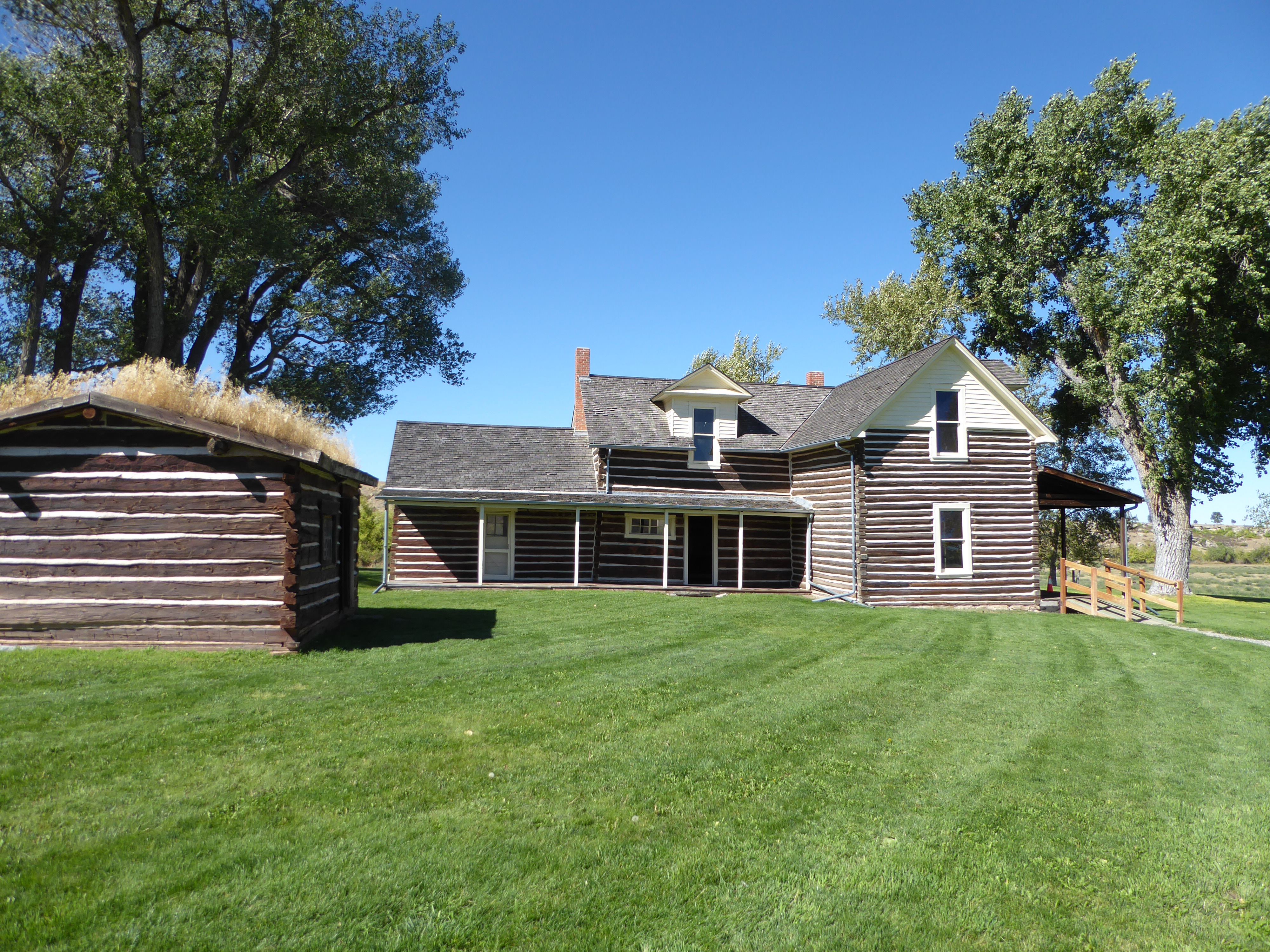
P1020418

The US government’s policy toward Indian peoples was to isolate them on reservations and force them to adopt white ways. Specifically, children were often required to attend white-run schools and adults were forced to adopt an agricultural sedentary lifestyle. To that end, in 1885 the government built a house for Chief Plenty Coups. If the chief was seen to occupy a Euro-American house, it was thought that others on the reservation would be more likely to adopt this way of life.
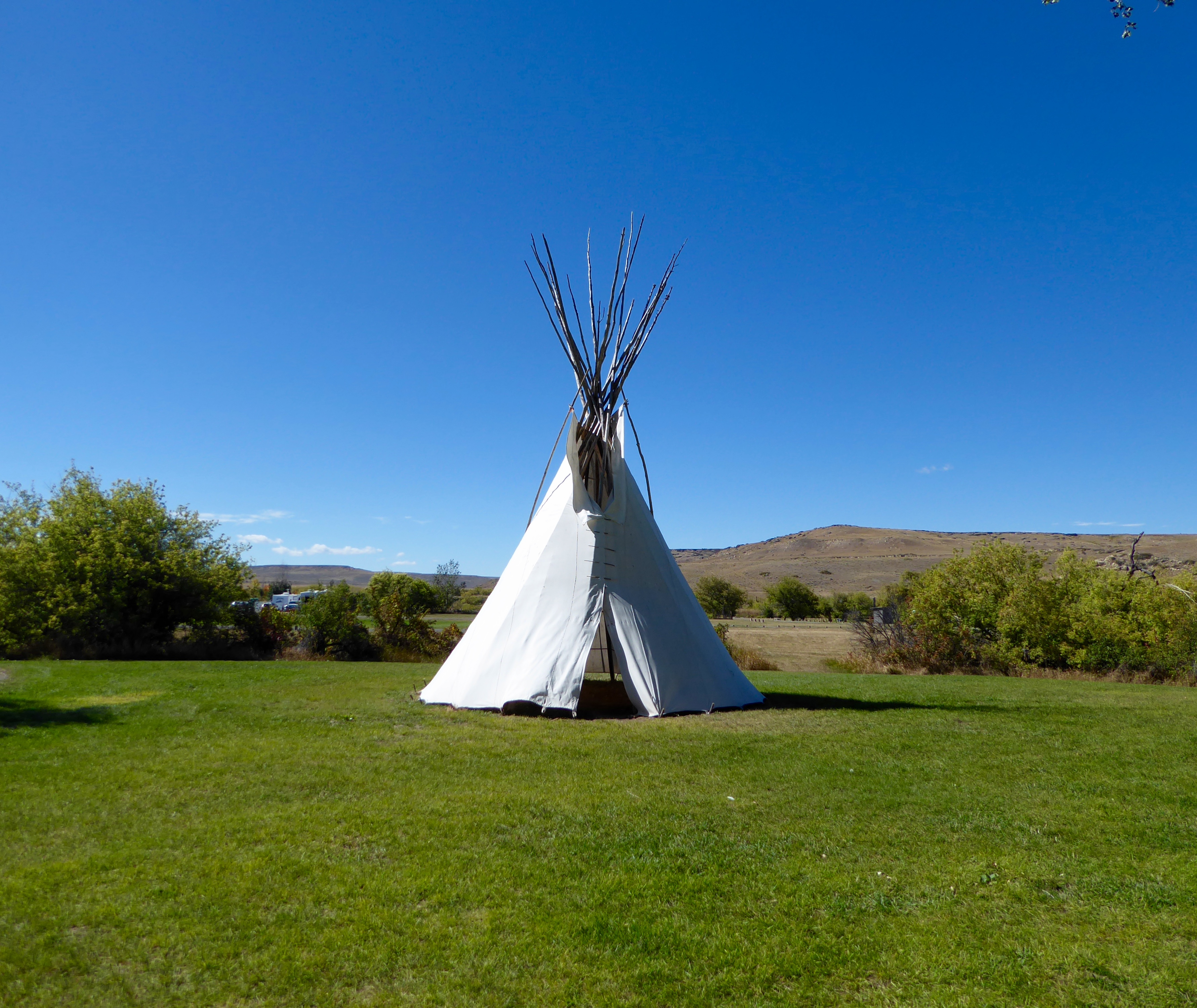
The Chief still chose to live in a traditional lodge, next to his house, in the summer months.

The Chief still chose to live in a traditional lodge, next to his house, in the summer months.

With Chief Plenty Coups guidance, the Crow were able to negotiate the white man’s world with some success. Instead of being totally displaced, their initial reservation (33 million acres, reduced to just over 4 million acres in 1851) remained at the heart of their previous nomadic lands.
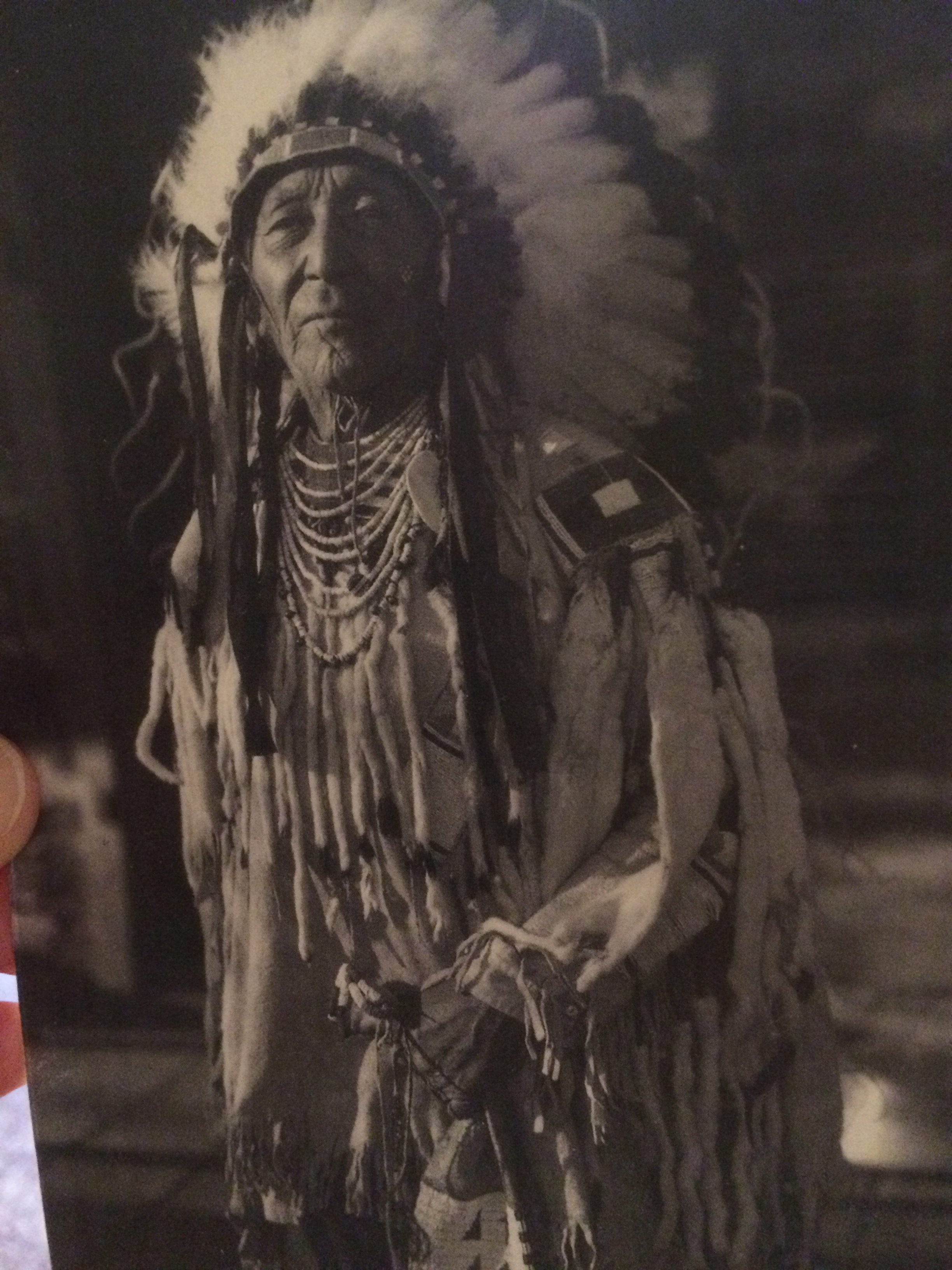
IMG_1078

Chief Plenty Coups, and other tribal elders, made several trips to Washington DC from 1880 – 1921 to negotiate the reduction in reservation size (down to 3 million ares in 1891) and to resist the intent to open it to non-Indian settlers.

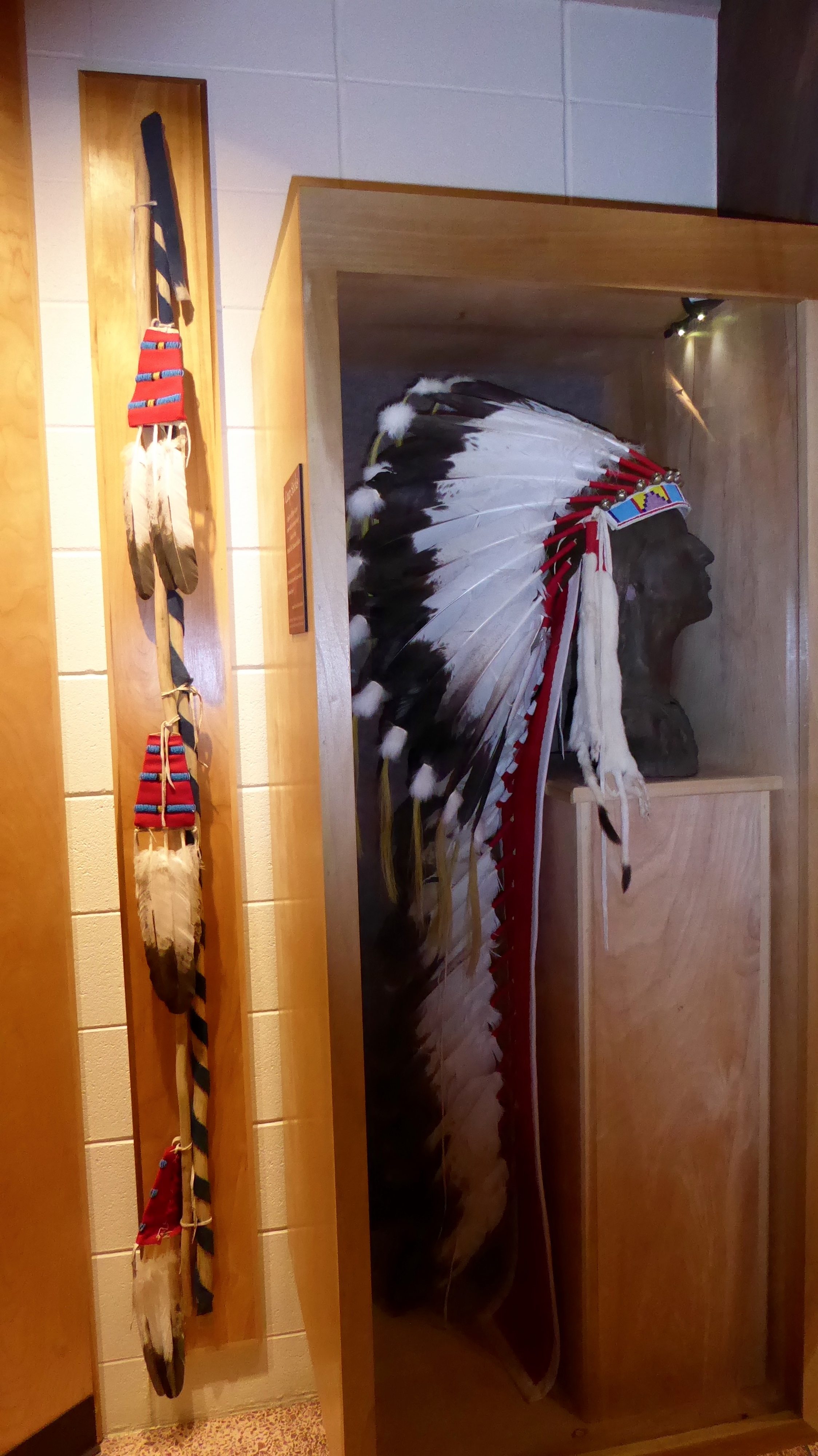
In 1921, Chief Plenty Coups, widely known for promoting goodwill between Indians and whites, represented all Indian Nations at the burial of the Unknown Soldier. He placed his headdress and two coups sticks to honor the fallen warrior. These are still on display at Arlington National Cemetery.
P1020406

Replicas on display here at the museum.

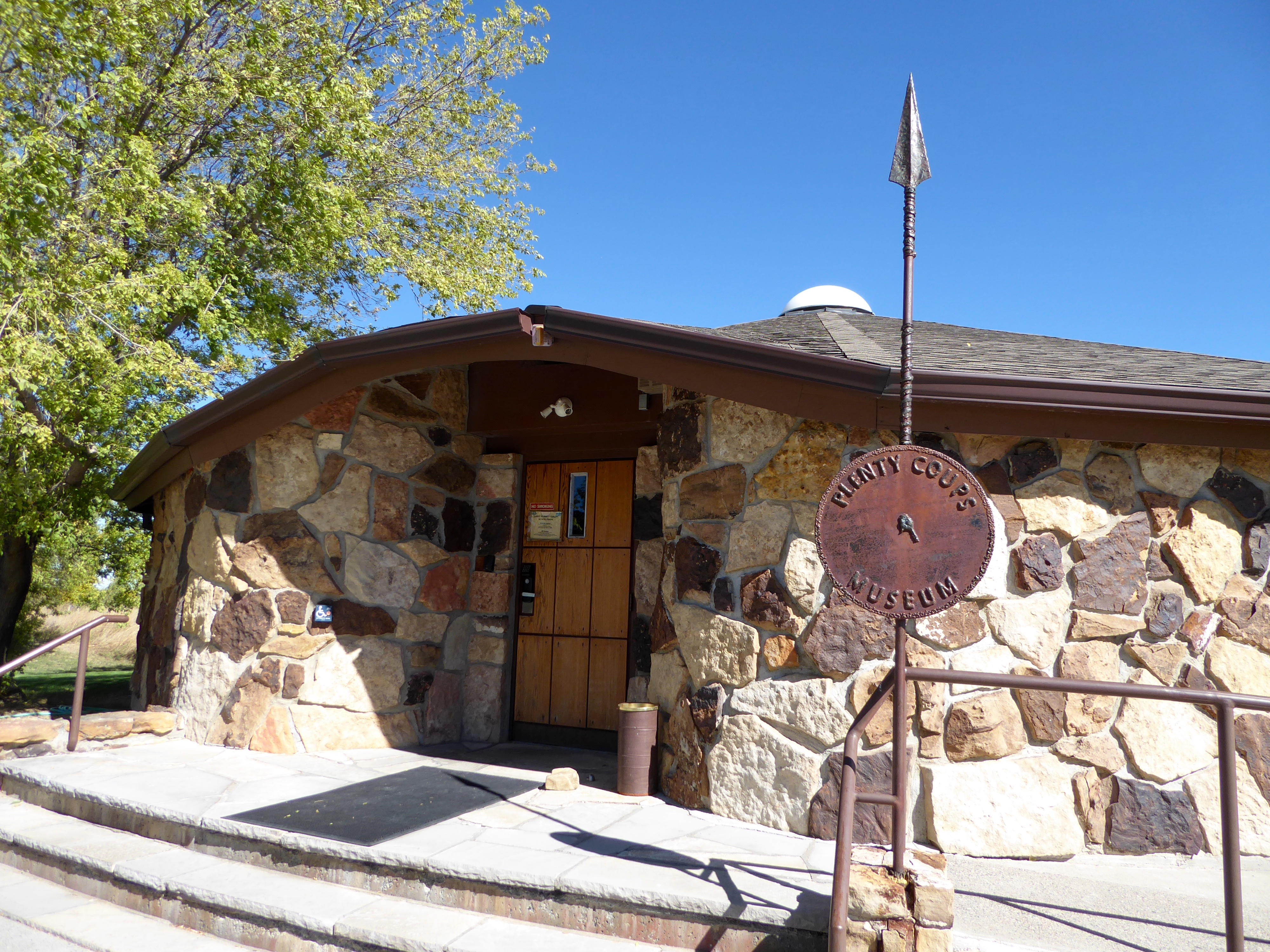
On one of his many trips east , Chief Plenty Coups visited Mount Vernon, the home of the First White Chief, George Washington, and noticed that “no man spoke harshly of his life or deeds.” Plenty Coups determined to dedicate his own version of Mount Vernon in Montana which would be a monument to the Crow People and to its cooperative use by Indians and white men. He and his wife bequeathed their home and lands in 1928. His vision is realized in Chief Plenty Coups State Park.
P1020420

In the park there is a Visitor center and museum, a Lifeway walk, a sacred spring and Chief Plenty Coups house. He lived in the house until he died in 1932 at age 84. When his wife Kills Together died, he followed custom and married her sister, Strikes the Iron. As in his vision, he was the  old and feeble man at the house.
P1020409
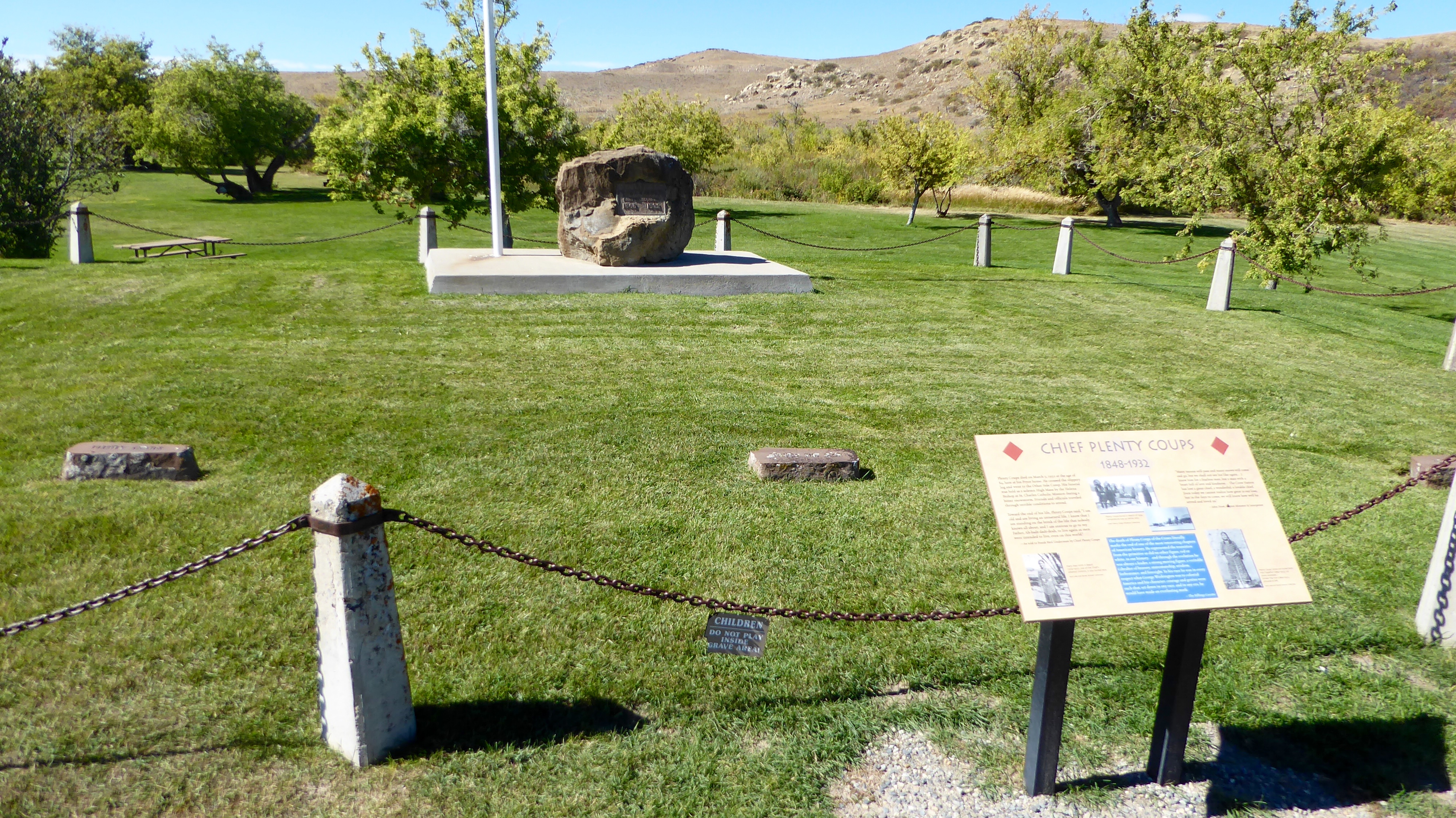
He is buried on the grounds with his two wives and one adopted daughter. As in his vision, Chief Plenty Coups had no natural children. The Crow people were his children.

P1020415

Posted in Uncategorized | 2 Comments

Montana Days Off – Week 3


Day #1

We had been told by local people  that the Beartooth Pass All American Road may close for the winter at any time so that was our destination for our first day off in Week 3.   At the beginning of our journey we drove the 15 mile gravel road (that we avoided last week) and found it was tolerable. The reservation half was rough but the Montana section was fine.

We went south towards Red Lodge, Montana.  Red Lodge is a tourist town that had been recommended numerous times and was on our route to Beartooth Byway.  Once we got there we decided to keep going as the weather was turning questionable.

P1020241

Along the way we came to the Smith Mine Disaster site, listed in the National Register of Historic Places. Seventy four miners died at the Smith Coal Mine due to an explosion and methane gas poisoning in 1943. The exact cause is unknown but back then miners were allowed to smoke in the mine. Just thinking….. Only 3 people survived in what remains Montana’s worst mining disaster.

P1020236

P1020244

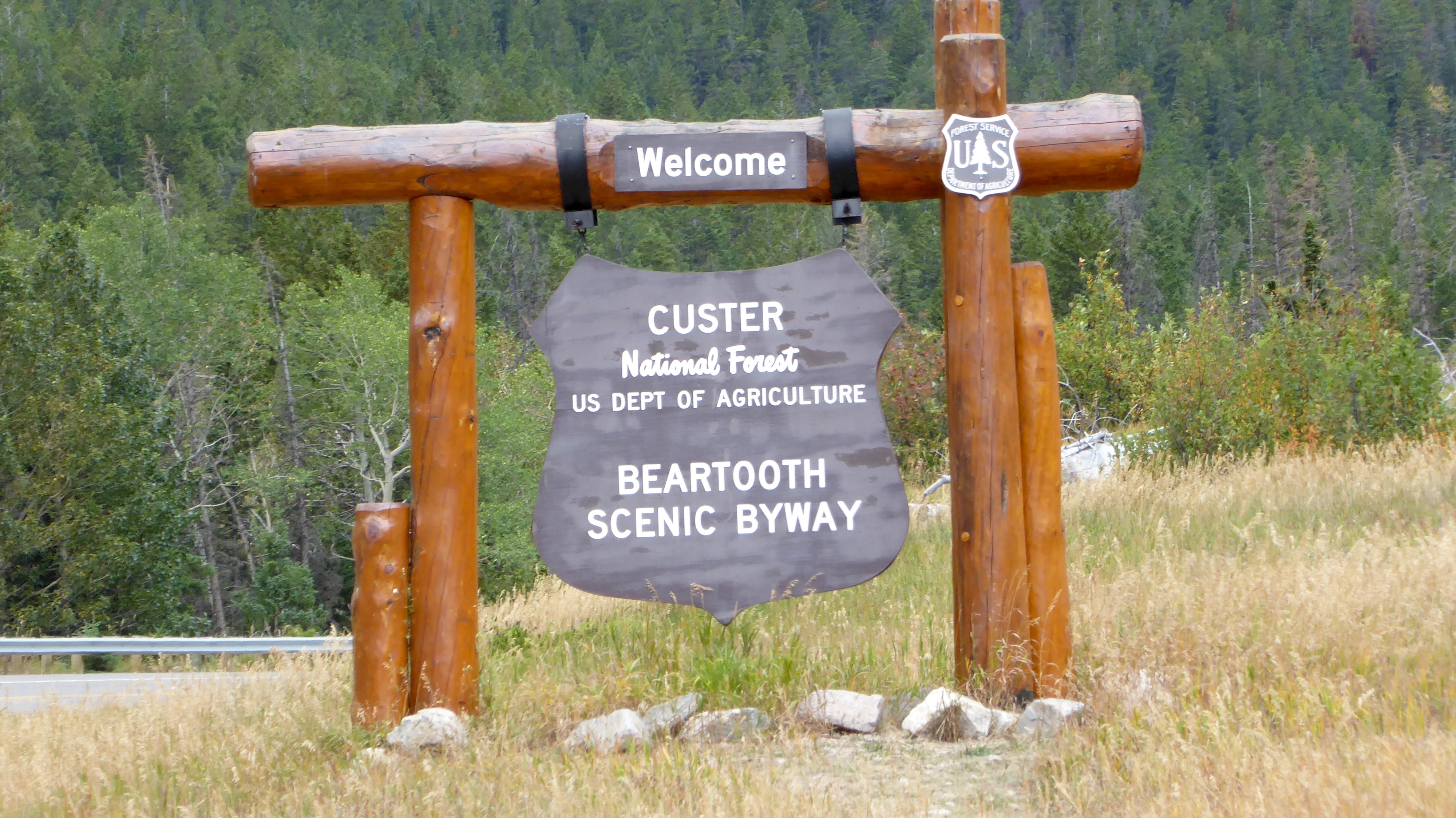
The Beartooth Scenic Byway extends 55 miles from Red Lodge, Montana over Beartooth Pass, into Wyoming and back into Montana at Cooke City near the north east entrance of Yellowstone National Park. Charles Kuralt once called it the most beautiful highway in America.

P1020253

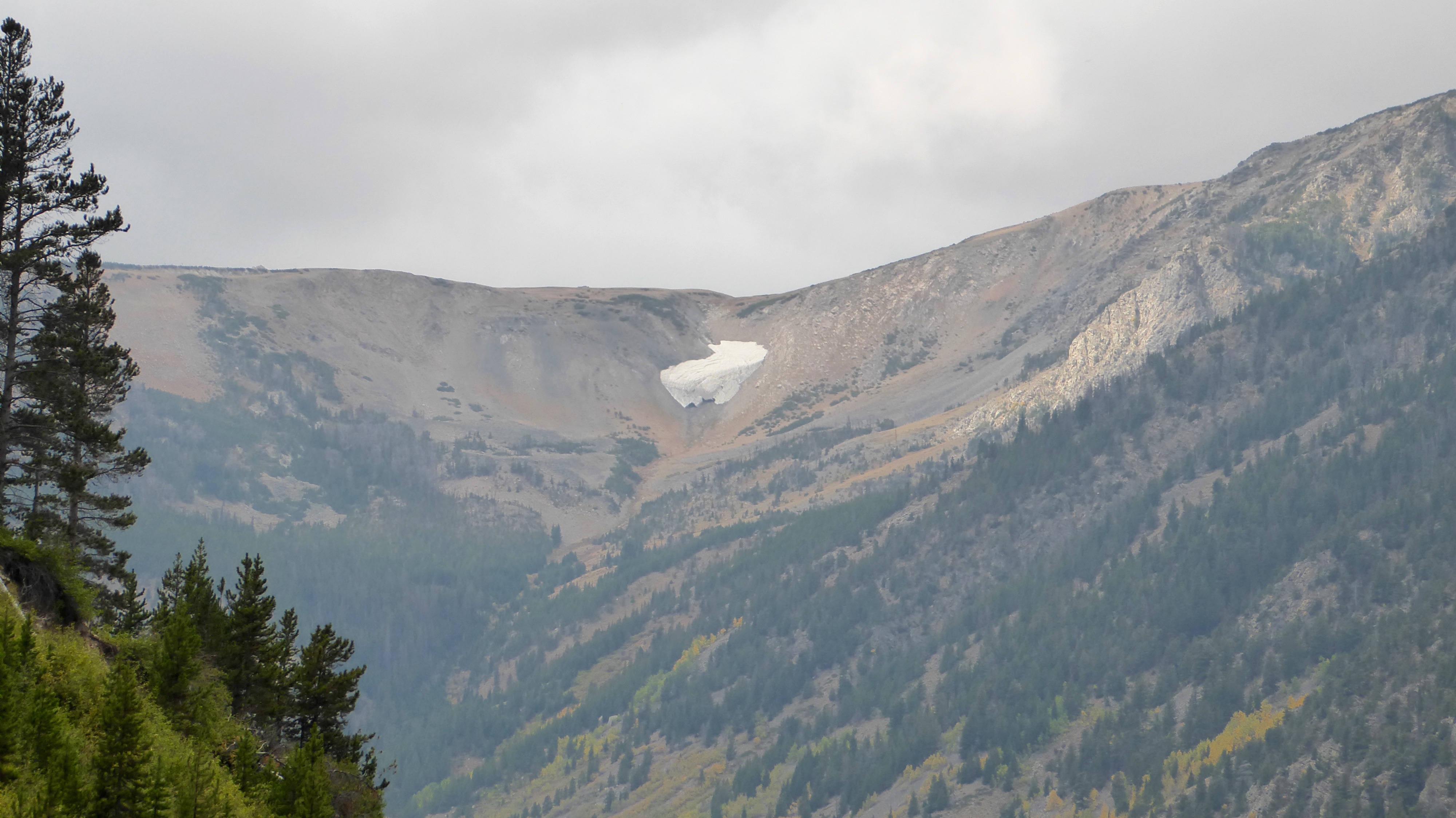
We did not see it at its best as it was overcast and rainy, but it was still impressive!

P1020263
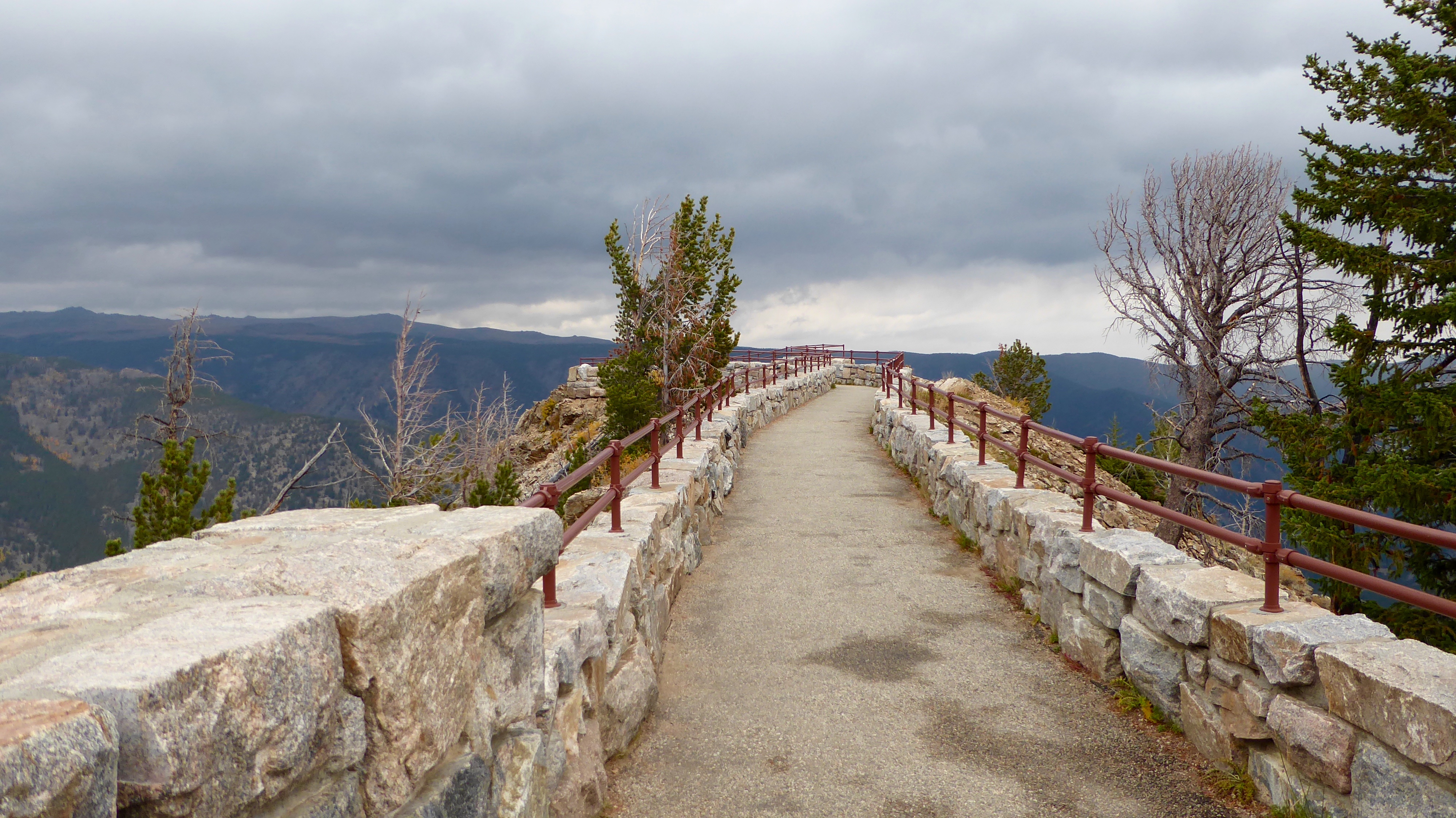
There were some nice scenic viewpoint stops along the way.

P1020245

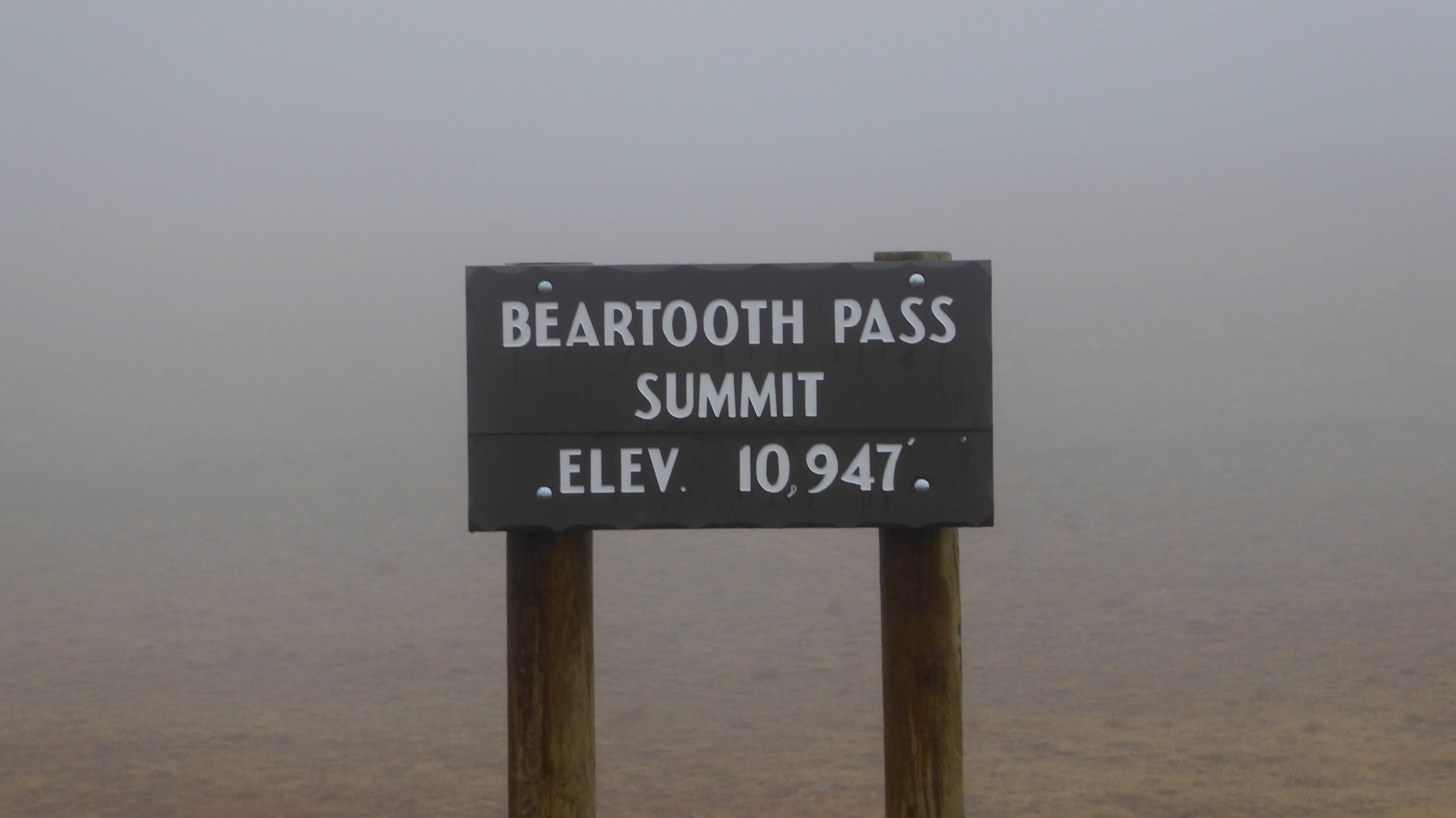
The route across the Beartooth mountains was first accomplished by white men in 1881 by Civil War General Philip Sheridan and 124 men returning from Yellowstone. The road still utilizes much of that original route. It is an exciting series of switchbacks that climb to an elevation of 10,947 feet.

P1020274

When we got to the top we couldn’t see anything! We were in the clouds.

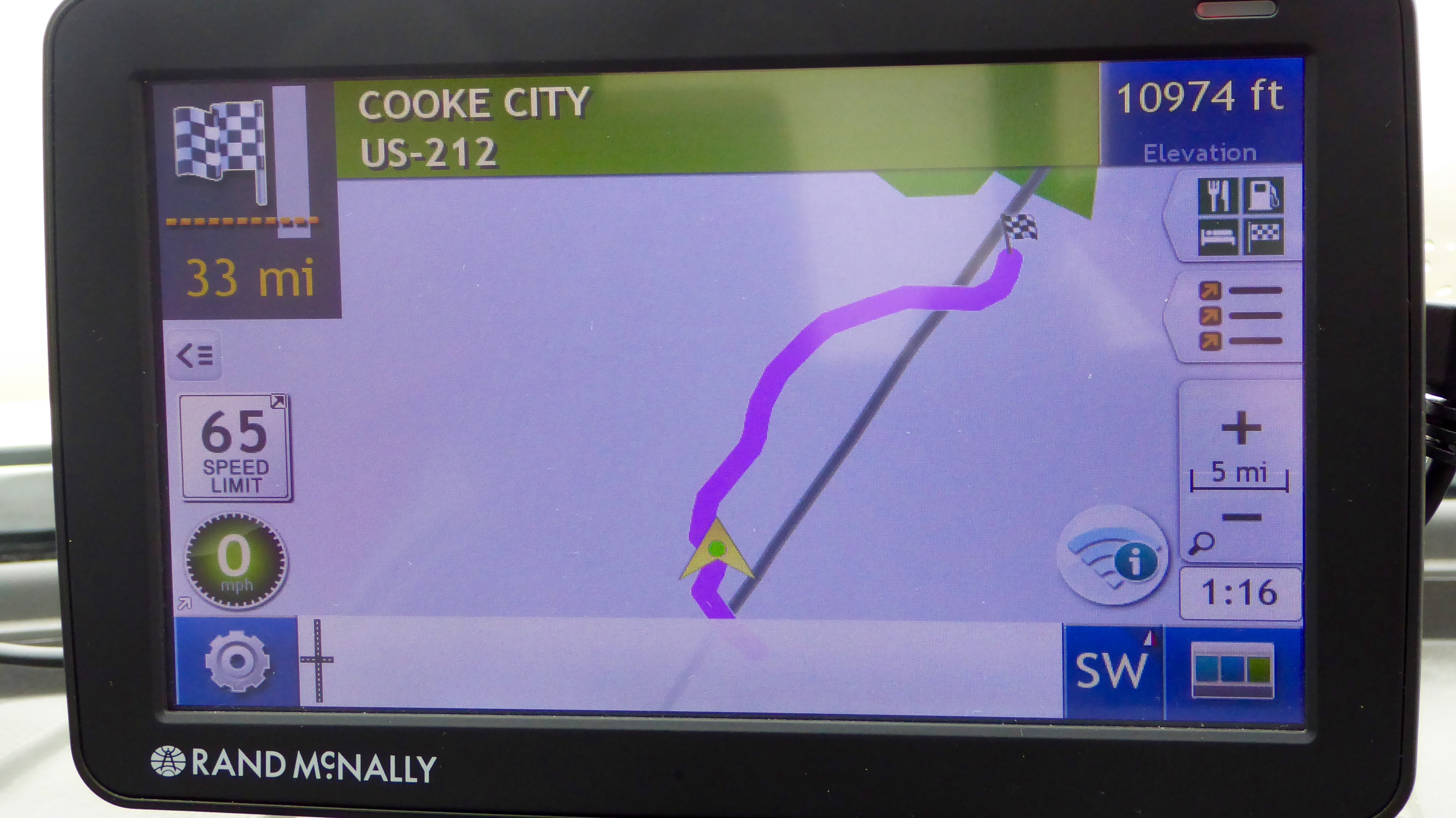
Our GPS had a slightly different elevation.

Our GPS had a slightly different elevation – 10,974.

P1020277

As we came down the other side we could see again and journeyed on to Cooke City, Montana for lunch. Cooke City claims status as the “Coolest Small Town in America.”

P1020282

We decided to take a different route on our return  so no Red Lodge visit on this trip. The Chief Joseph Scenic Byway goes back into Wyoming towards Cody.

P1020284

This area has many historic stops referencing Chief Joseph and the Nez Perce’ attempts to escape the revitalized Seventh Calvary in 1877.

P1020321

“As a band of the Nez Perce had outfought and outmaneuvered the US Calvary in the fall of 1877, the newspapers picked up the drama…..The majority of public sentiment was blatantly against the army in this David and Goliath war…… The Seventh Calvary was all but wiped out a year earlier at the Battle of Little Bighorn and was anxious for redemption…..The campaign became a personal crusade for the military officers.”   Quotes are from roadside placards.

P1020295

P1020301

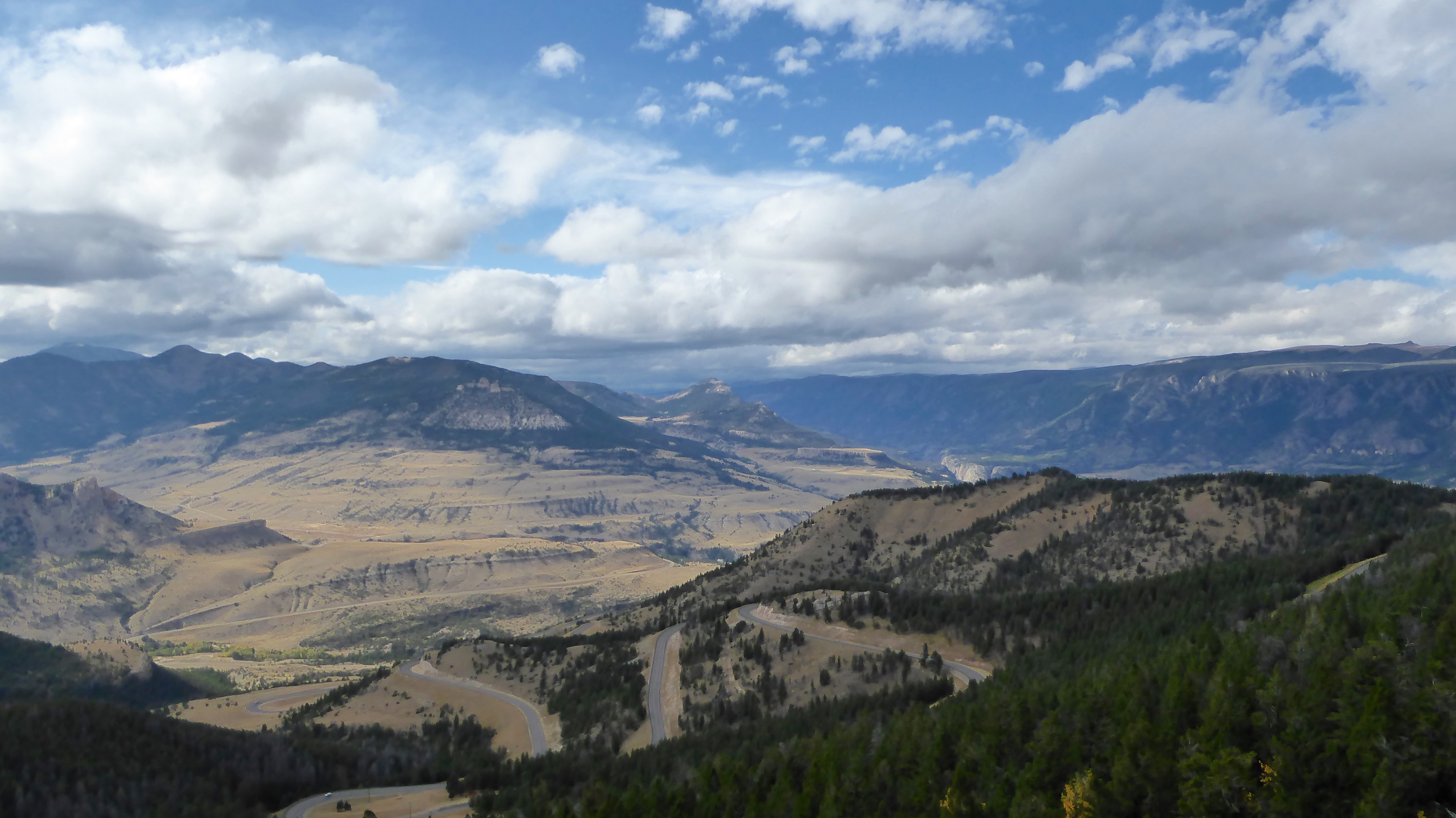
The views were spectacular along the Chief Joseph Scenic Byway!

P1020316

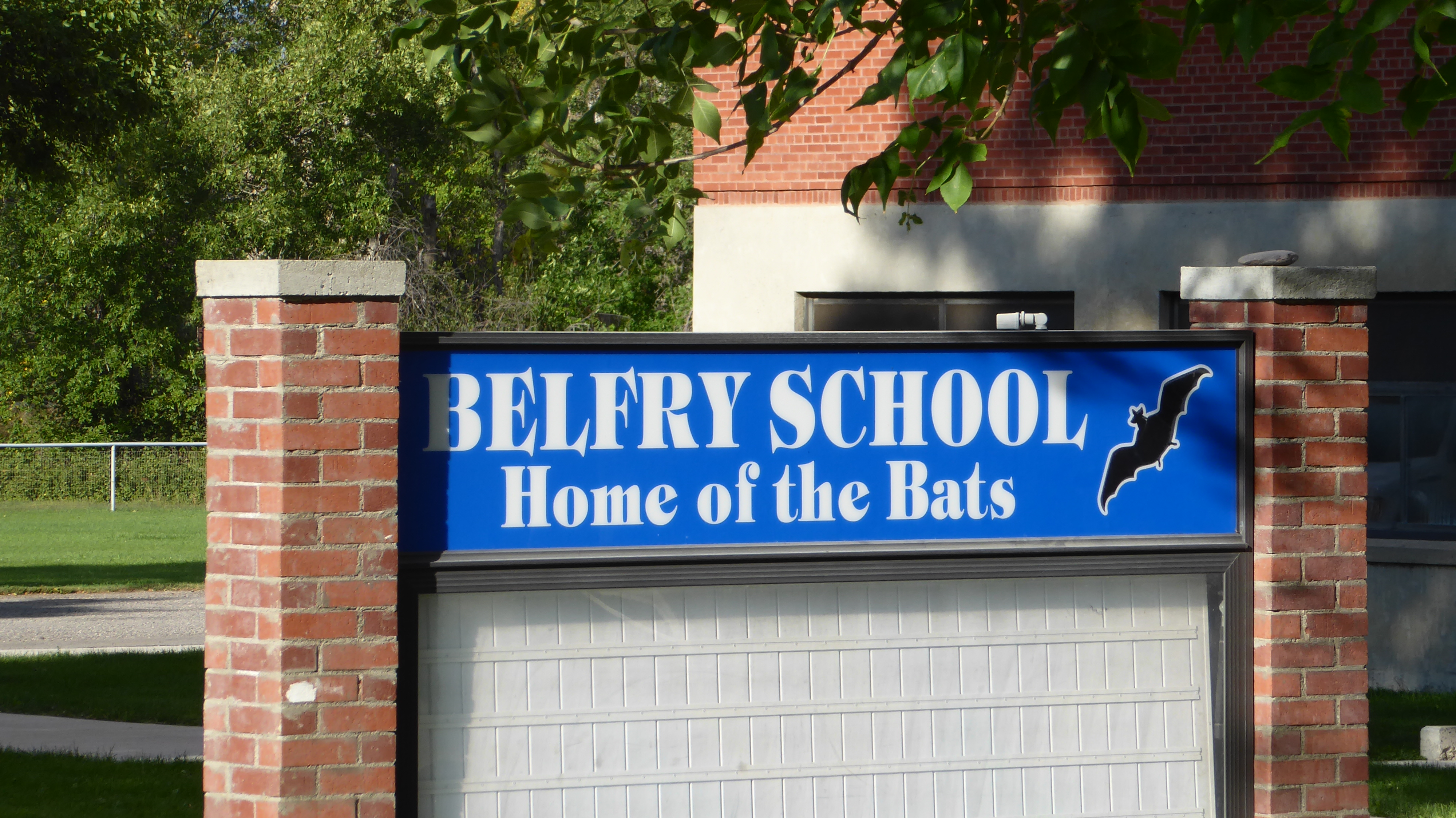
We have had issues with our GPS several times here in the wilds of Montana and the return trip back to the park was no exception. We were directed into the little town of Belfry and instructed to go 11 miles down a road that was clearly marked “dead end.”  We decided not to follow that direction and as we were turning around and rolling our eyes (again), we noticed the sign for the Belfry Elementary School – Home of the Bats! Thank you for the chuckle GPS.

P1020327

Day #2

P1020387

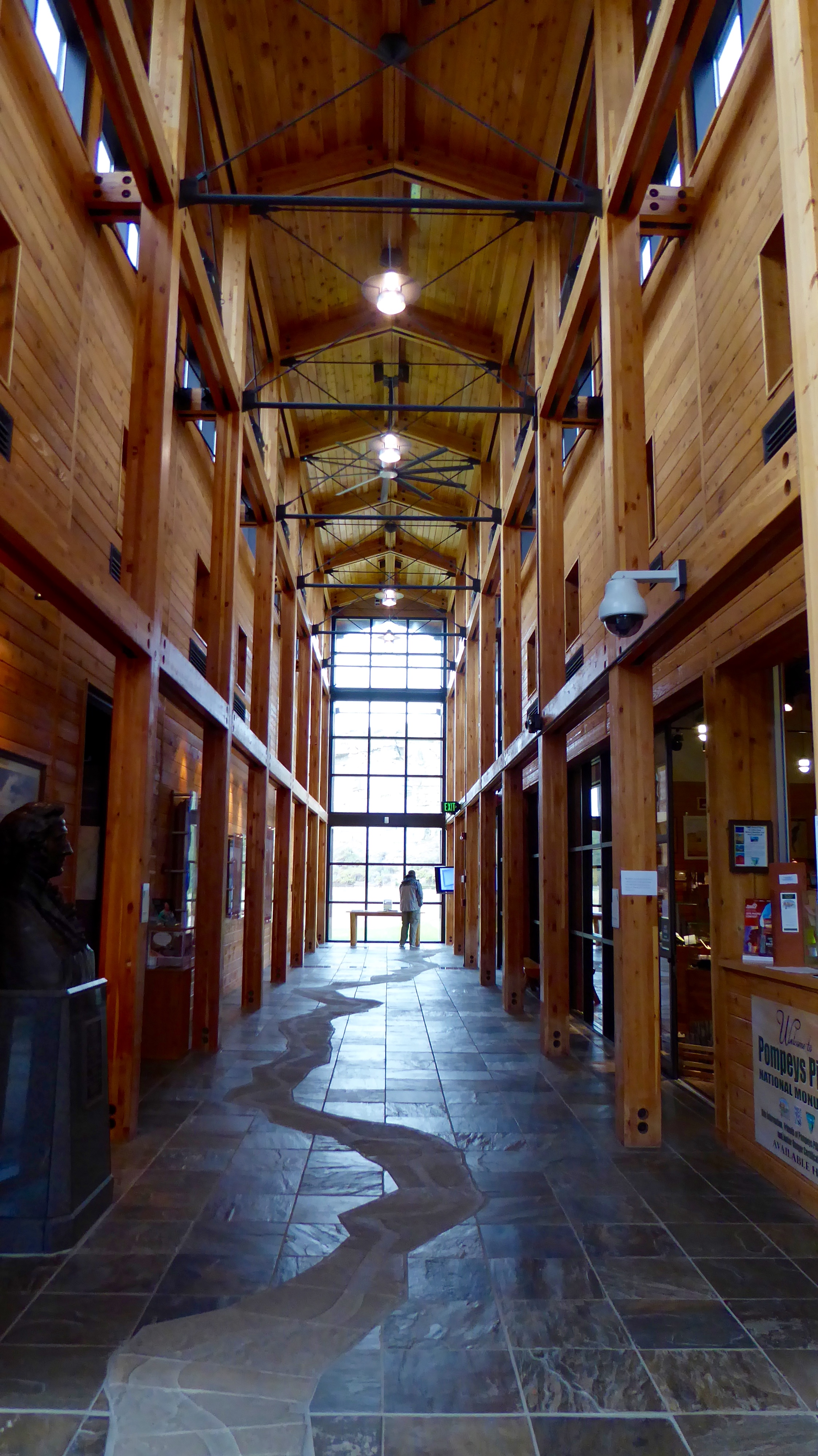
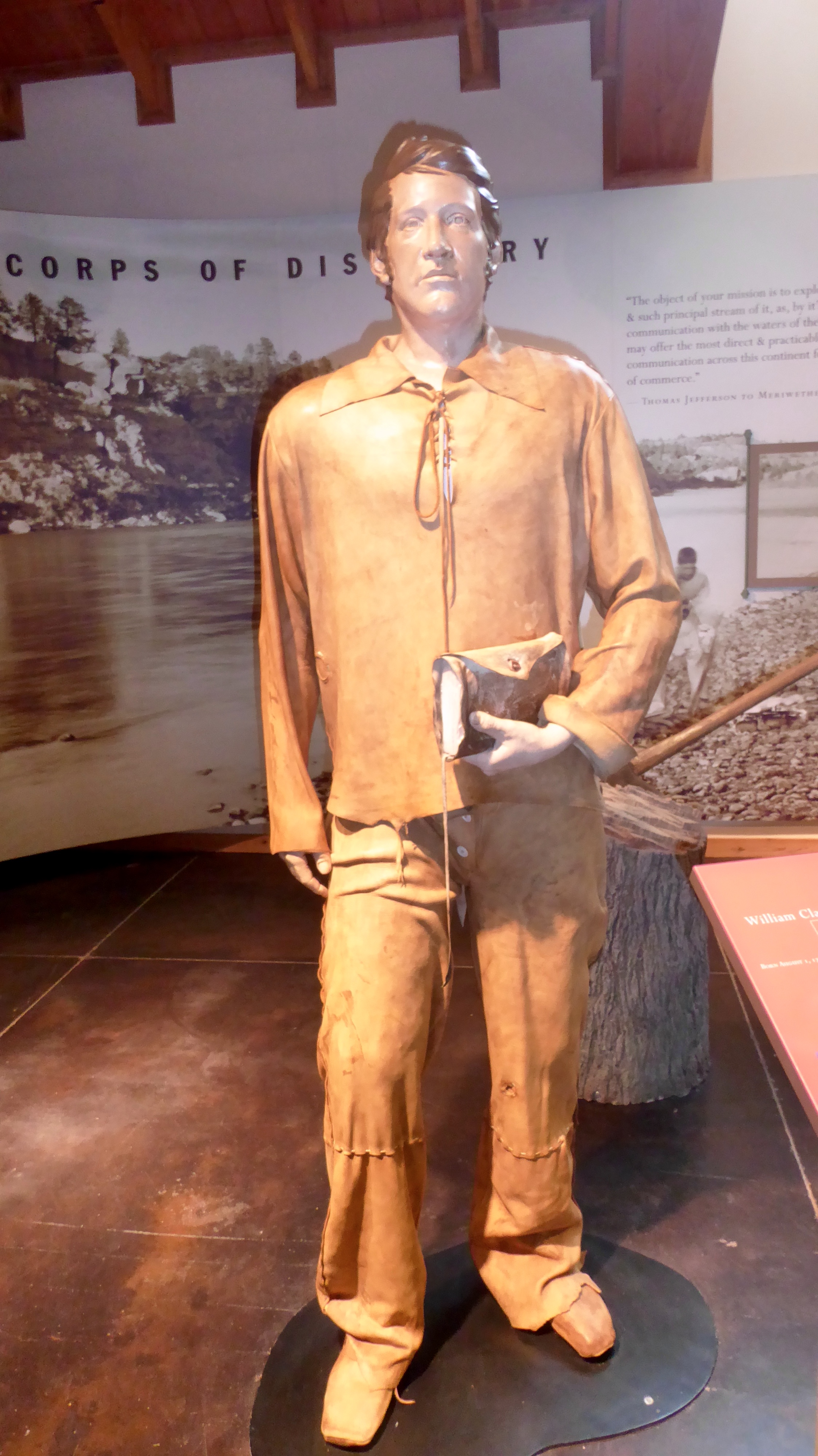
Changing directions, we traveled north-east to Pompey’s Pillar, a National Historic Monument 25 miles east of Billings. We found one of the best visitor centers we have ever been to and we were even allowed to let Elko walk on the grounds!

P1020361

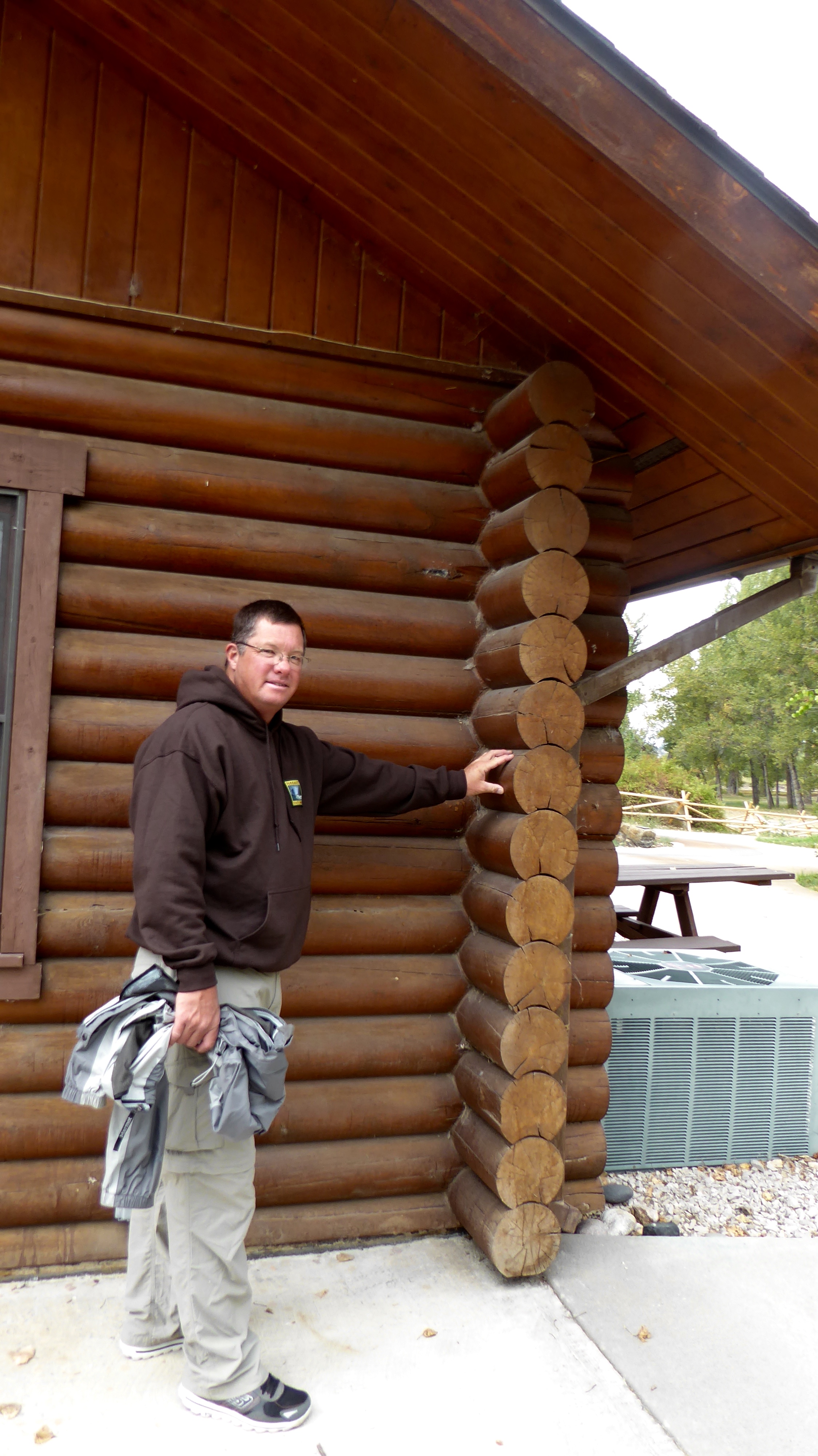
Randy, the engineer, trying to figure out how corners of log cabins are put together.

Randy, the engineer, trying to figure out how corners of log cabins are put together.

In 1801, most Americans lived within 50 miles of the east coast. Two years later the Louisiana Purchase doubled our country’s lands and Thomas Jefferson was interested in exploring west. He sent Lewis and Clark and the Corps of Discovery out in 1804.

The Corps of Discovery was on the homeward side of their two year journey when  Lewis and Clark  split up in early July 1806 near present day Missoula. They were to explore different regions and join again near present day Williston, North Dakota.

P1020349

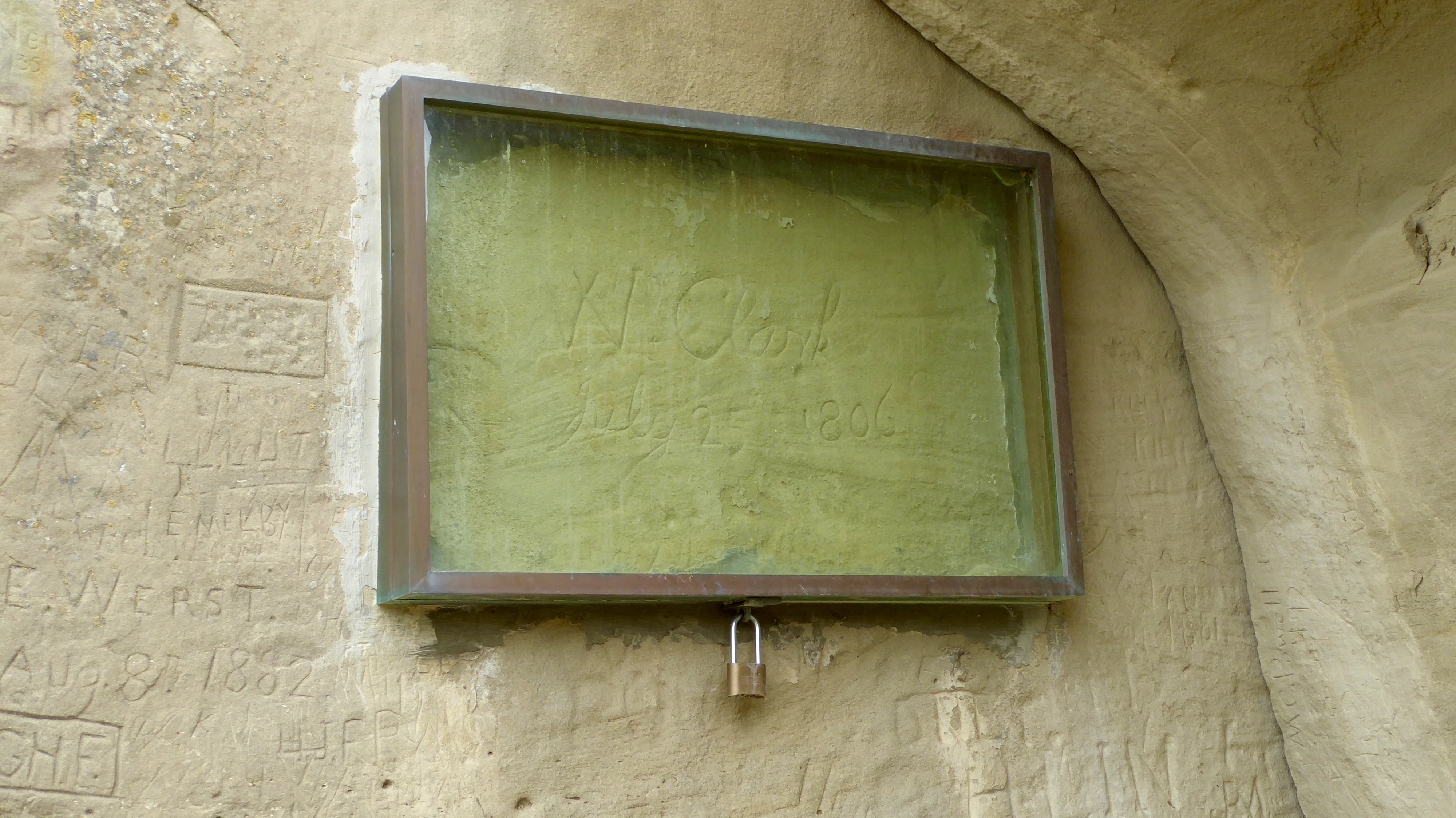
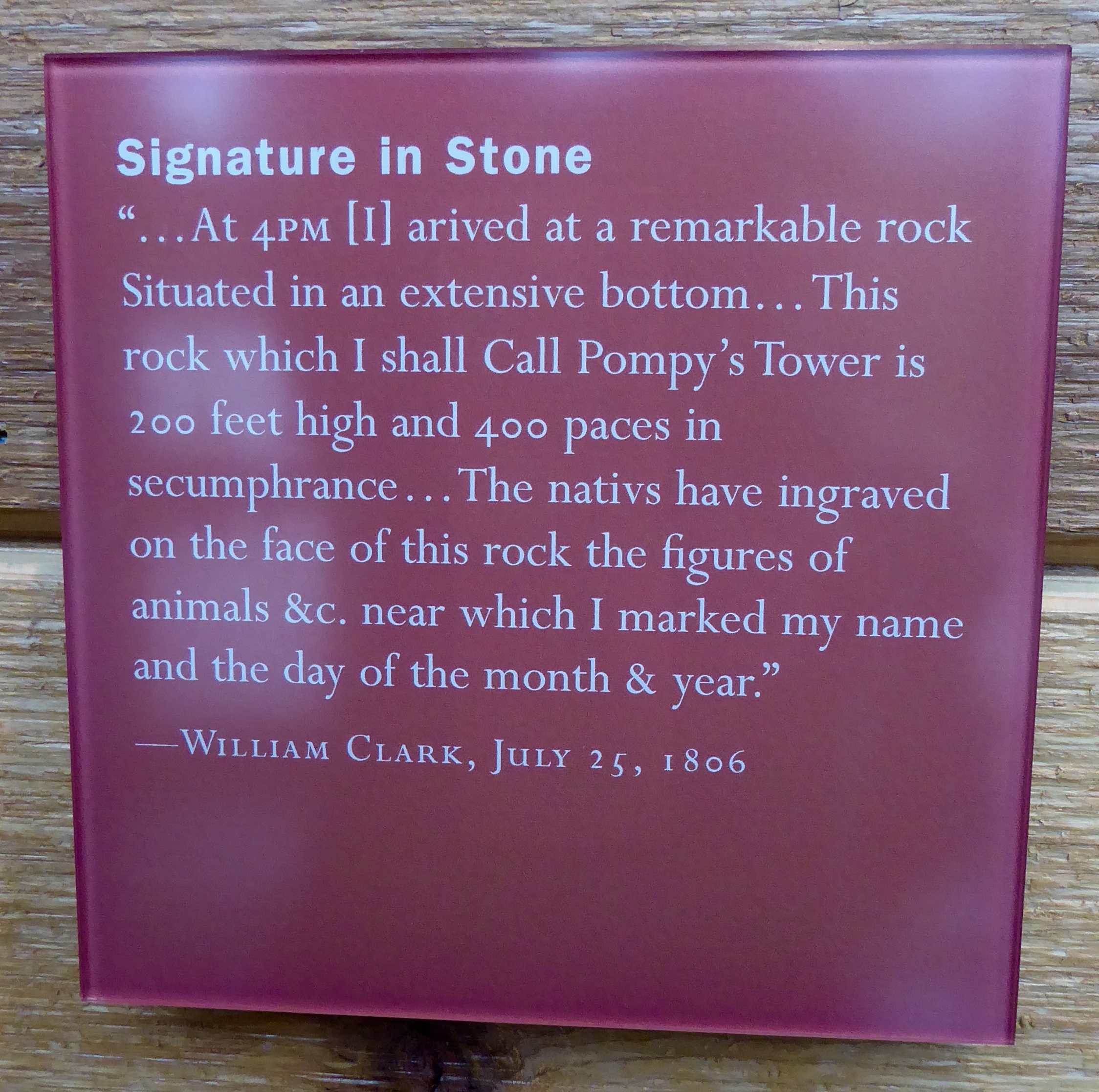
William Clark and his group stopped at this location on July 25, 1806.

P1020364
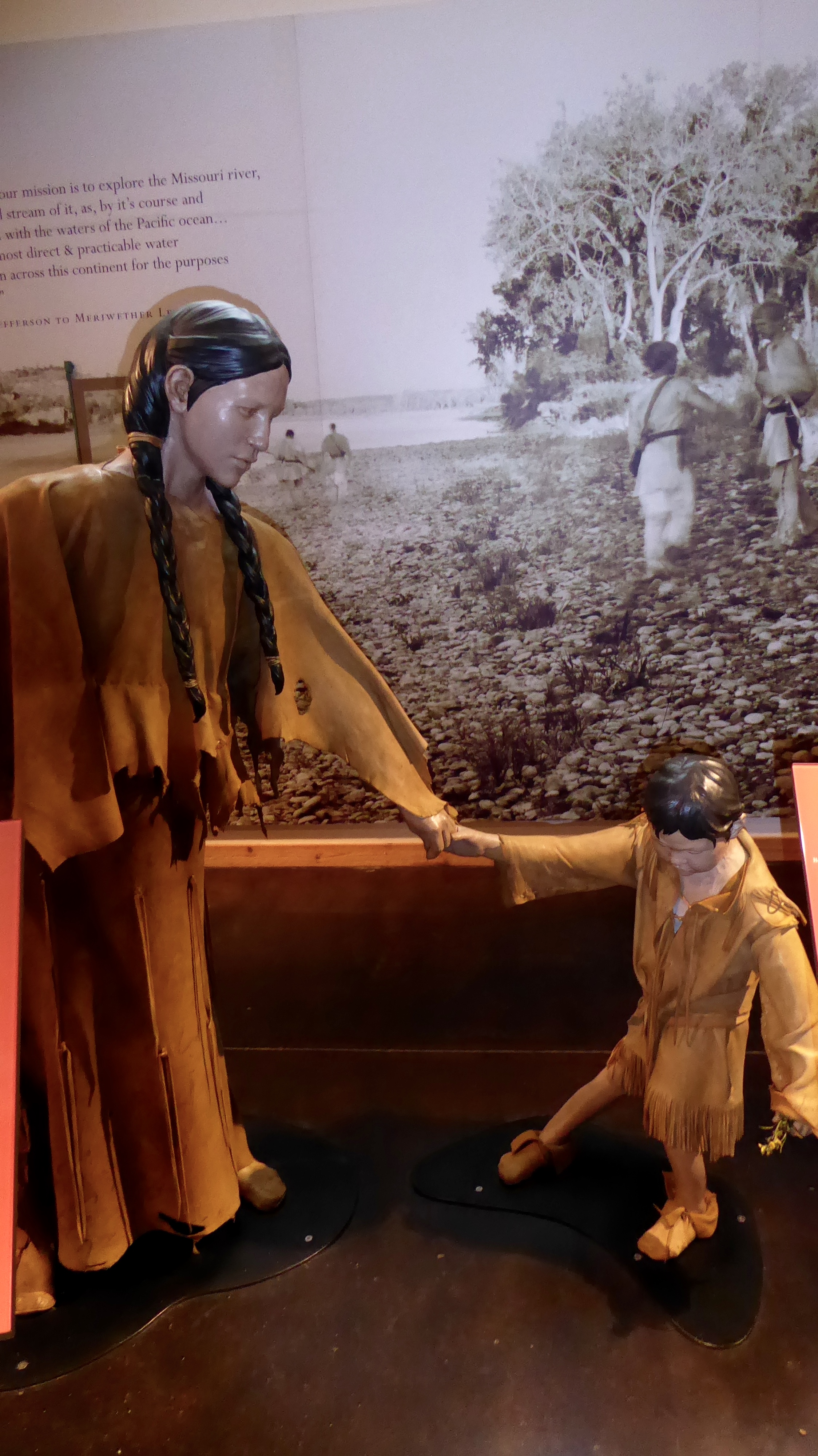
Seeing this sandstone rock, Clark named it “Pompy’s Tower” after Sacagawea’s son Jean Baptiste. Clark had given the boy the nickname “Pomp” meaning Little Chief in Shoshoni. It was later renamed Pompey’s Pillar.

P1020350

Sacagawea and “Pomp”

Noting Indian petroglyphs in the rock, William Clark wrote his name and date in the rock. It is the ONLY physical evidence of their journey along the entire route of the Lewis and Clark Expedition.

P1020373

P1020358

Of course there is much evidence of their journey in journals, oral histories, and maps. Additionally,  Lewis and Clark sent 178 plant samples and 122 animal specimens back to Thomas Jefferson.   It was interesting to learn that there were only two species that survived the journey back east – the magpie and prairie dog!  Why is that not a surprise?

William Clark and his group journeyed along the “Rochejhone” River in dug out canoes lashed together.

P1020362

P1020384

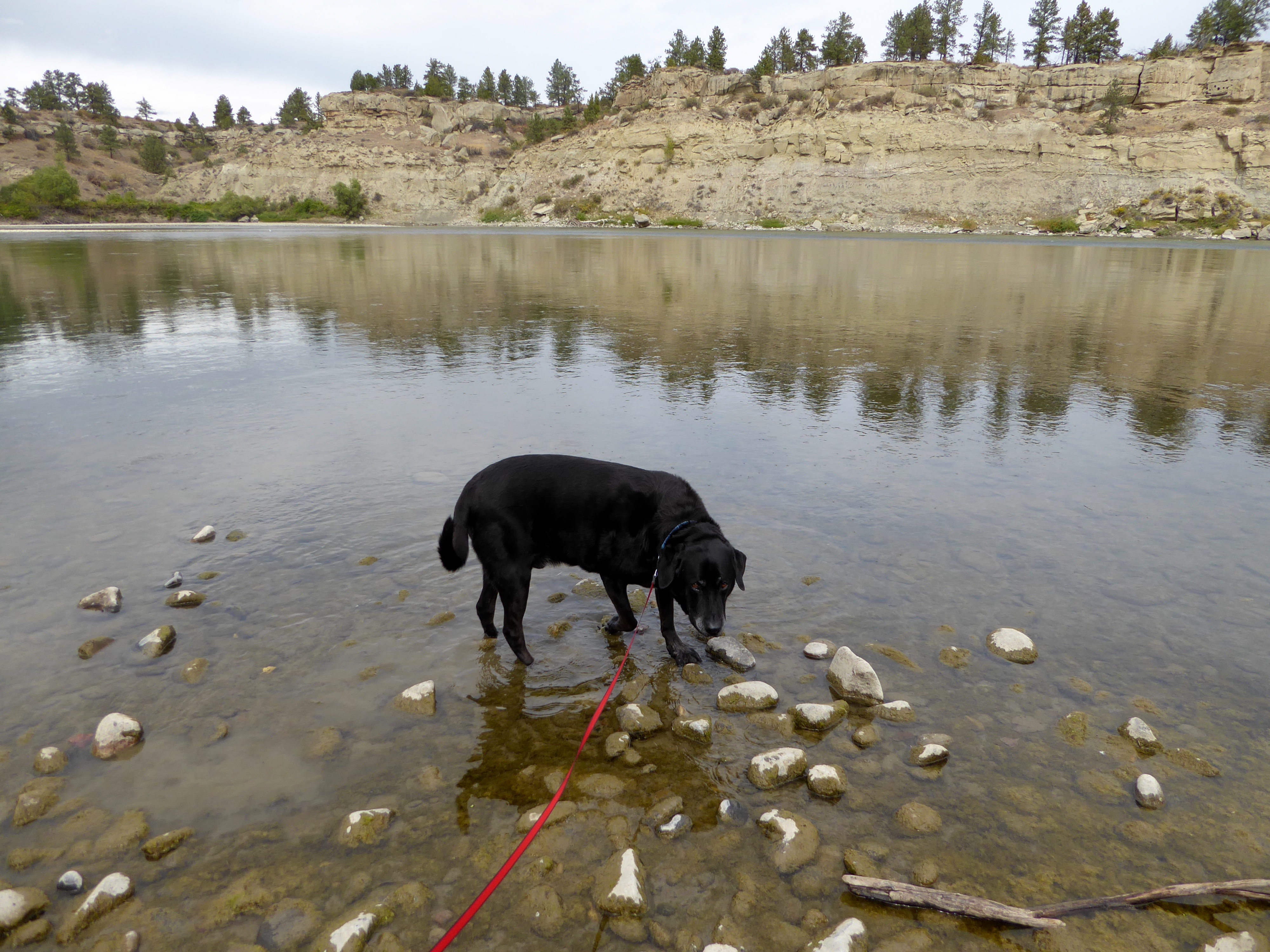
“Roche jaune” literally translates from French as “rock yellow”  or Yellowstone.  Elko didn’t swim (our lab doesn’t swim) in the Yellowstone River but he did get a drink.

P1020383

Montana Days off – Week Four – Friends are coming!

Posted in Uncategorized | 2 Comments

Montana Days Off – Week 2

You didn’t miss the blog post “Montana Days Off – Week 1” – It didn’t exist!  We worked our last 5 days at Farragut, had two long driving days to get here and then worked the first 6 days here. Whew! We thought we were retired….. It was really nice to have some days off!

P1020154

Day Off #1 –
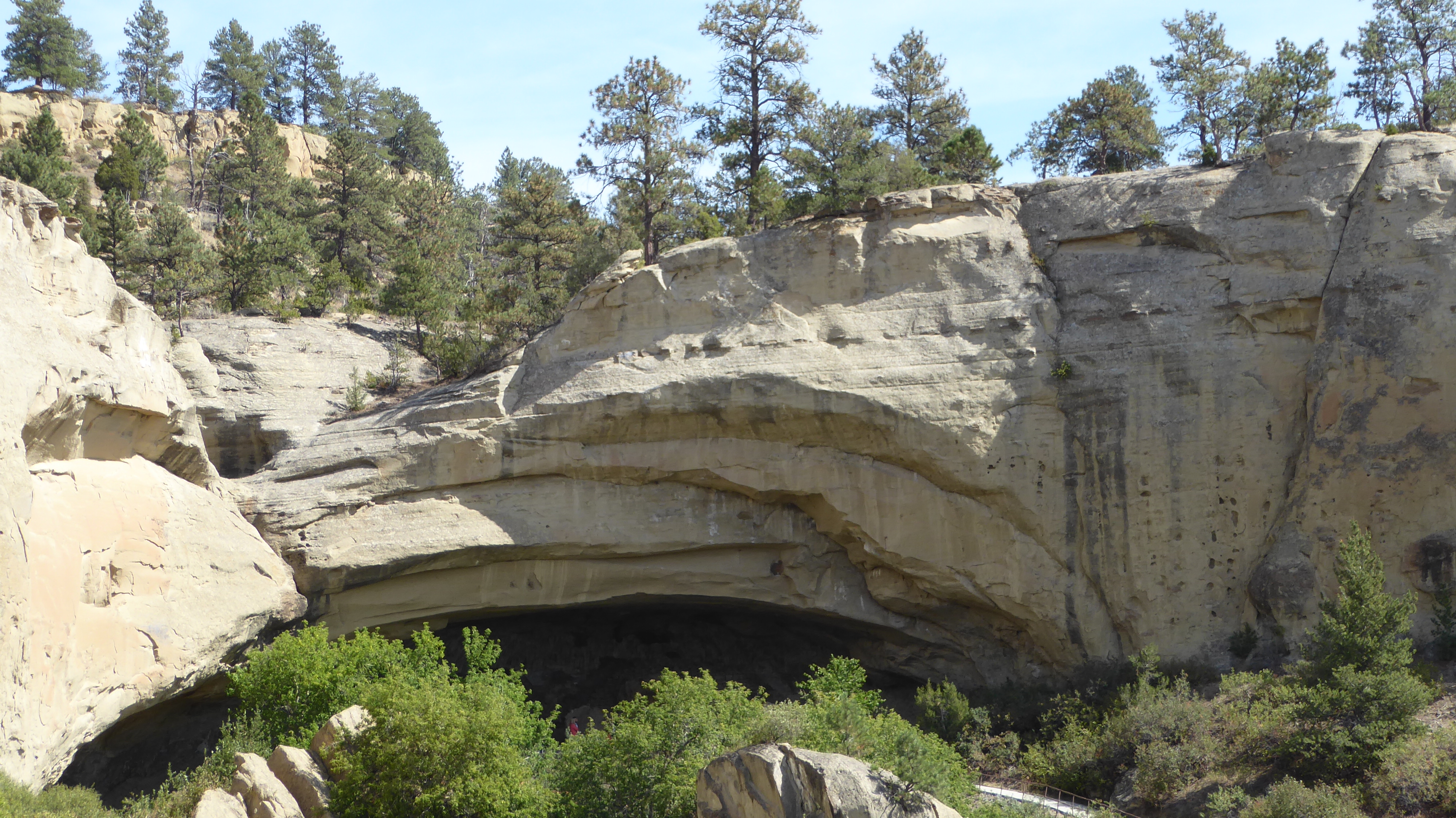
First stop – Pictograph Cave State Park. The cave is in an area along the Yellowstone River where many peoples have traveled over time.

P1020160

The cave was excavated in 1937 and over 30,000 artifacts were found, some over 9000 years old.

P1020156

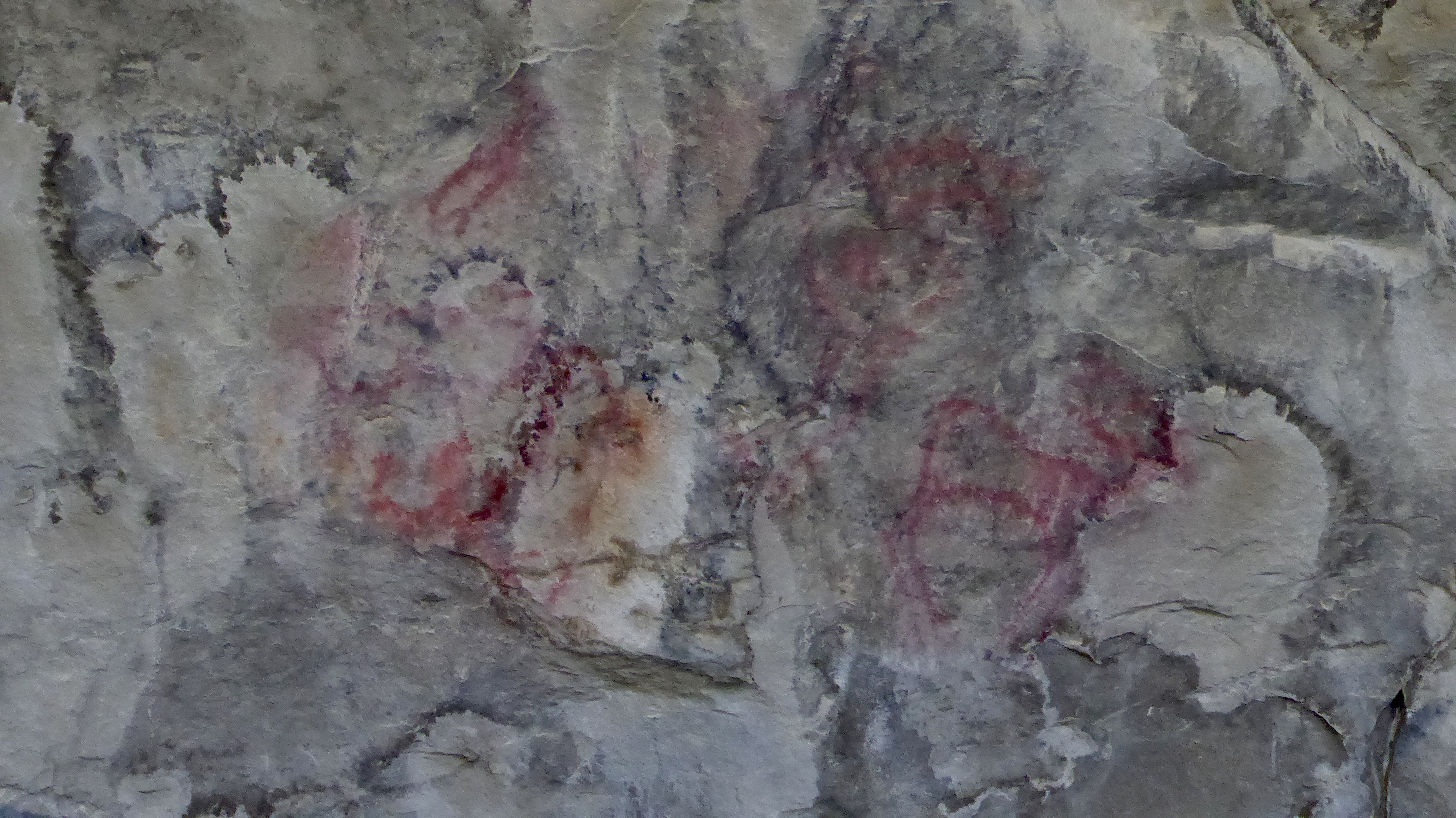
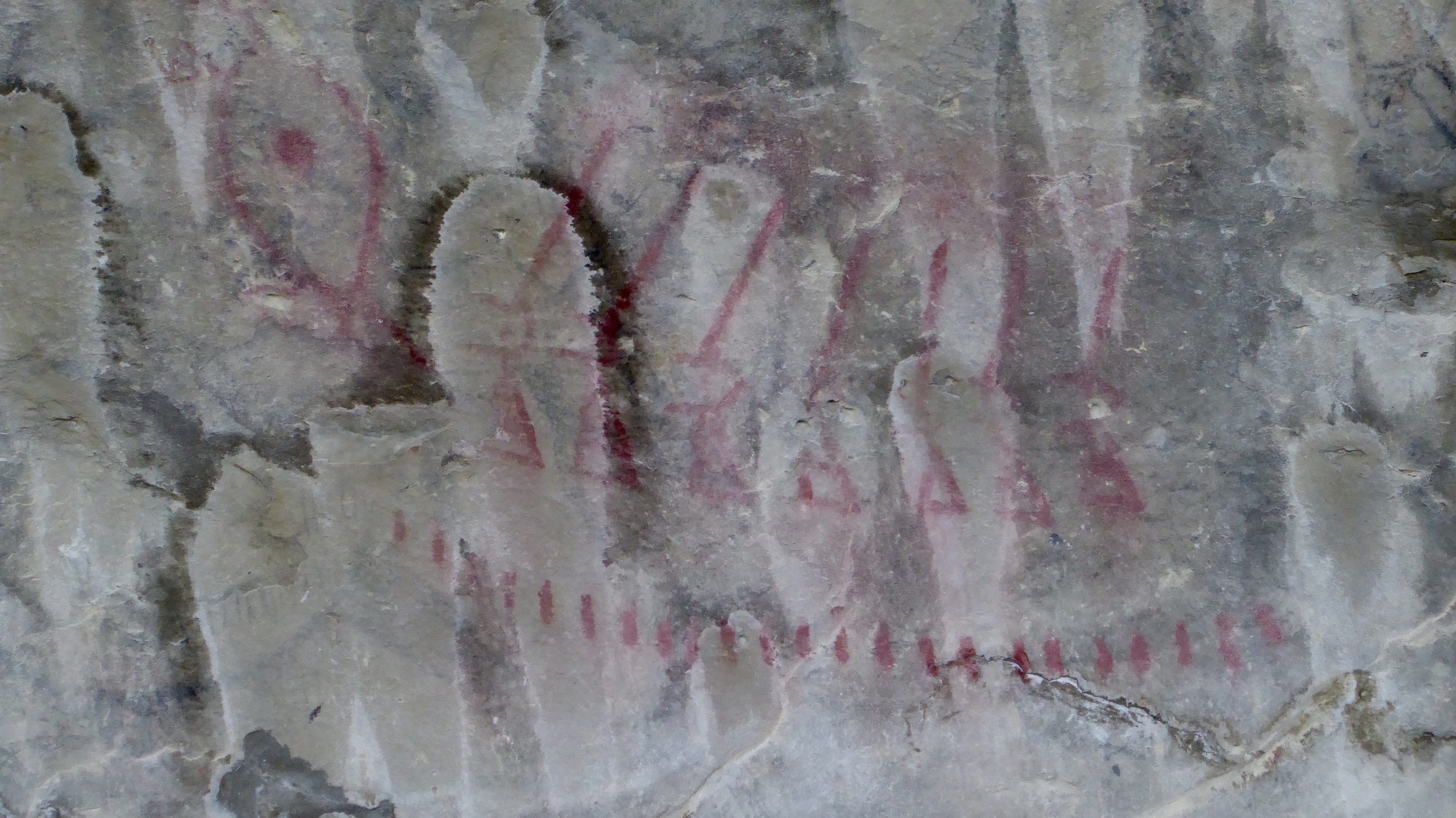
Pictographs are visible within the cave. (Pictographs are painted on stone surfaces as opposed to petroglyphs which are carved.) A unique feature of this cave is that the number of pictographs visible vary based on the moisture in the cave. The pictographs visible on the day we were there were red – painted with the mineral hematite – either with a finger or a stick. A paint applicator found at the site radio carbon dated back to 1480 – 1650.

P1020157

This rifles pictograph was done within the last two hundred years and is just a few feet away from some done 1000 years before..

Black, charcoal pictographs, which were not visible, date back to approximately 250 BC. Many of the pictographs have been lost over time to environmental issues and shifting/cracking of the cave walls. Better get here quick if you want to see them!

P1020182

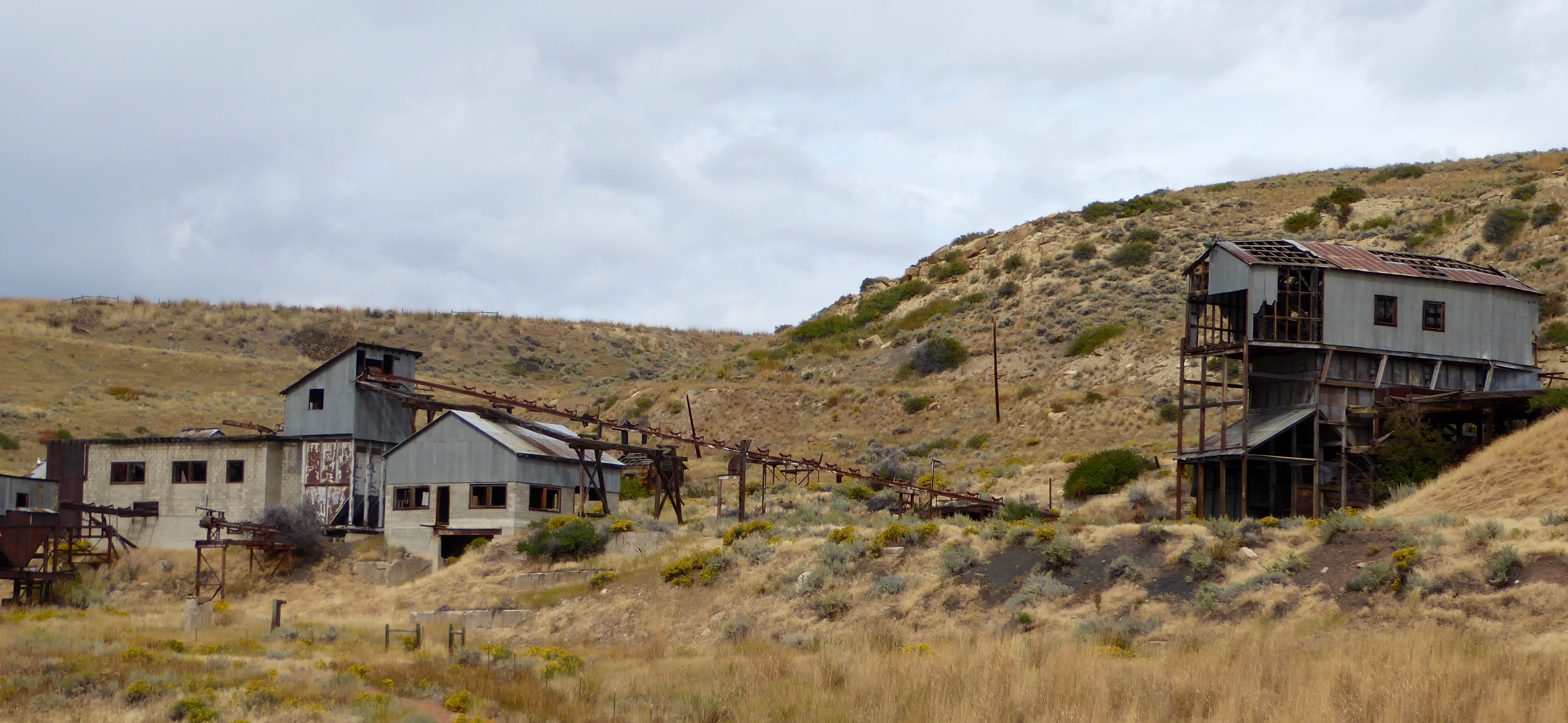
We stopped so Randy could play a quick 9 holes on a city park disc golf course. Elko and I stayed in the truck since the signs said dogs were not allowed. Then I watched person after person walk their dogs on the course in the park. When a policeman came by, I asked about it. He said if the dogs are leashed and not causing problems, they don’t enforce it. Interesting….

A stop at Albertsons and Costco was necessary to restock our food supply! After that we headed the 35 miles (50 minutes) back to Chief Plenty Coups State Park.

P1020190

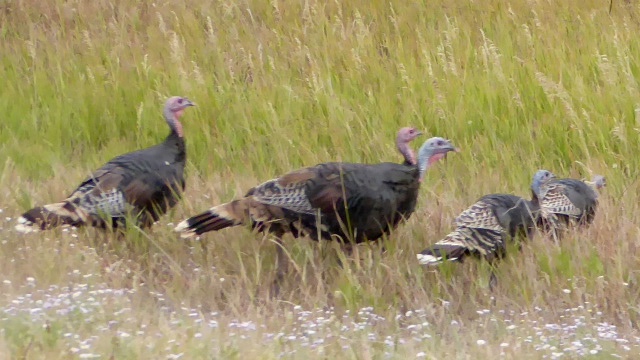
First we saw wild turkeys!

P1020172

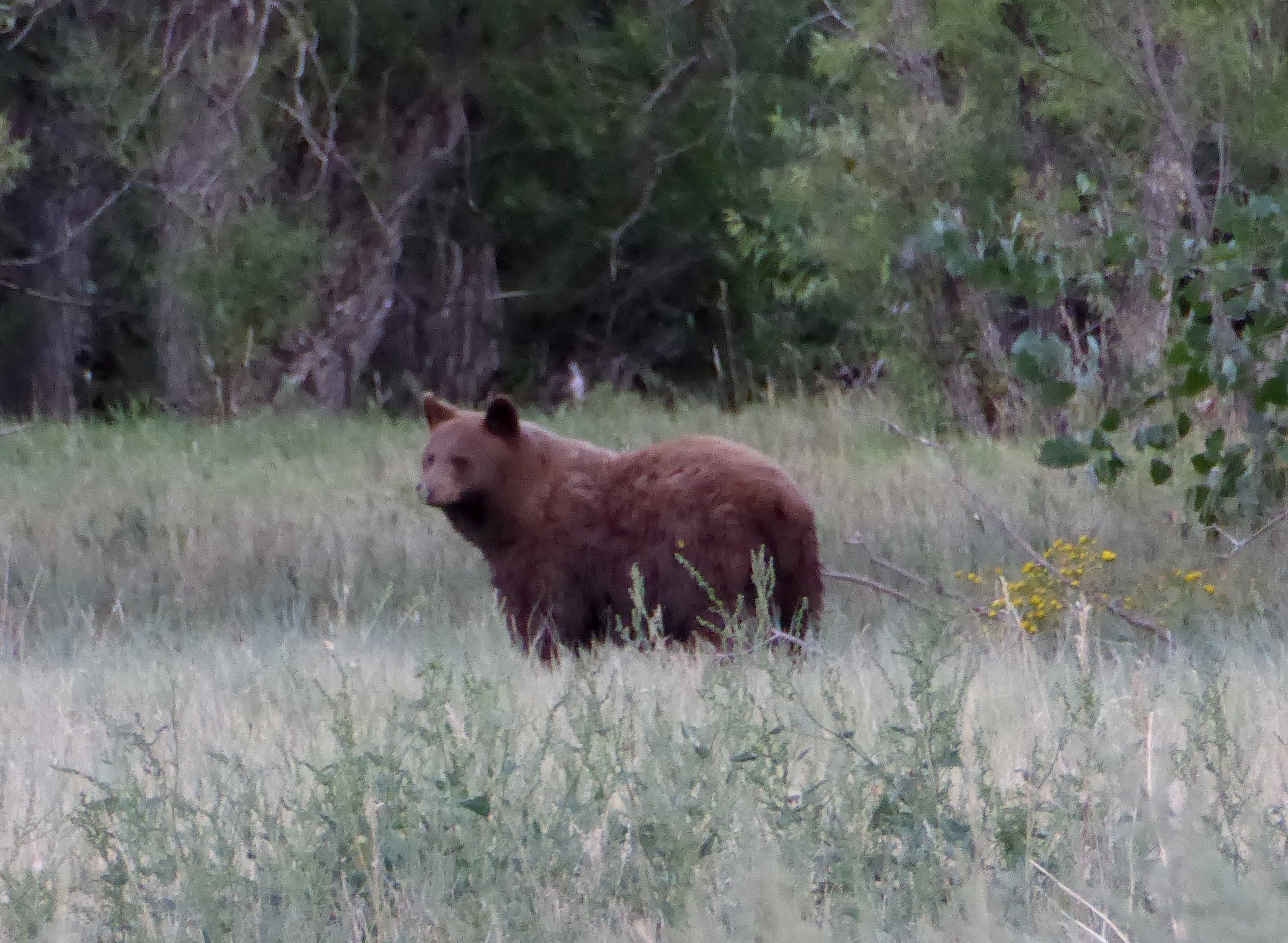
Then we say a mama bear and cub. We wondered at first if these were grizzly because of their coloring but comparing humps and other things, we believe they were (brown) black bears. We don’t see bears in the wild very often so we were very pleased! We watched them for about 5 -10 minutes.

P1020177

Day Off #2 –
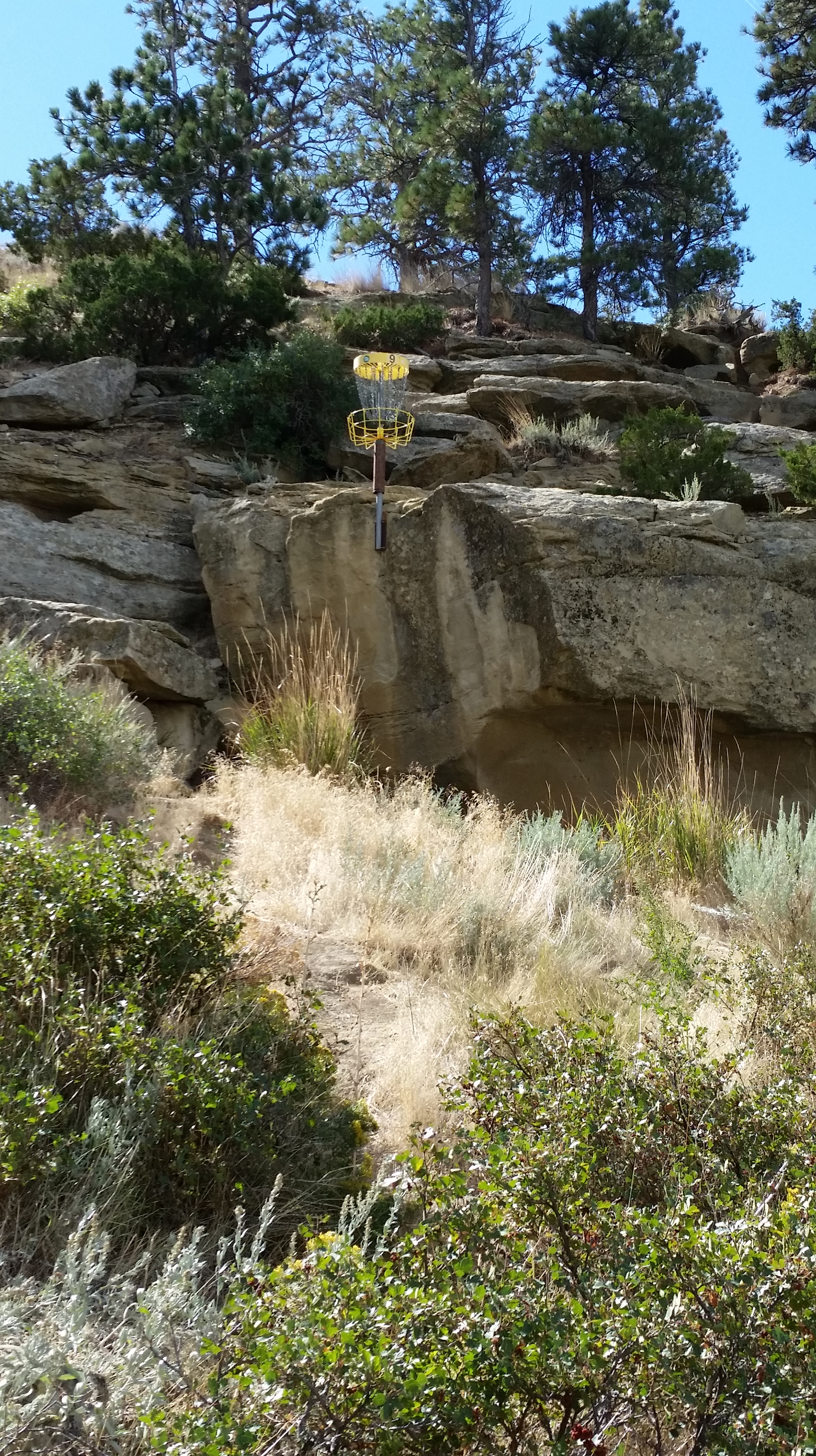
Randy set off to play the Diamond X Disc Golf Course at Phipps Park in Billings – Everything is back in Billings :).

20150909_095022

According to his disc golf buddy, Mark, this is a destination course and people come from all over the country to play. Described as 1/3 climbing, 1/3 hiking and 1/3 disc golf, it sounded intimidating, but a “must do” if you are in the neighborhood.

20150909_111304

Elko and I opted to stay home and clean the trailer which needed it after 13 straight days of working. Once we saw his pictures, I knew that had been a good choice.

20150909_122656

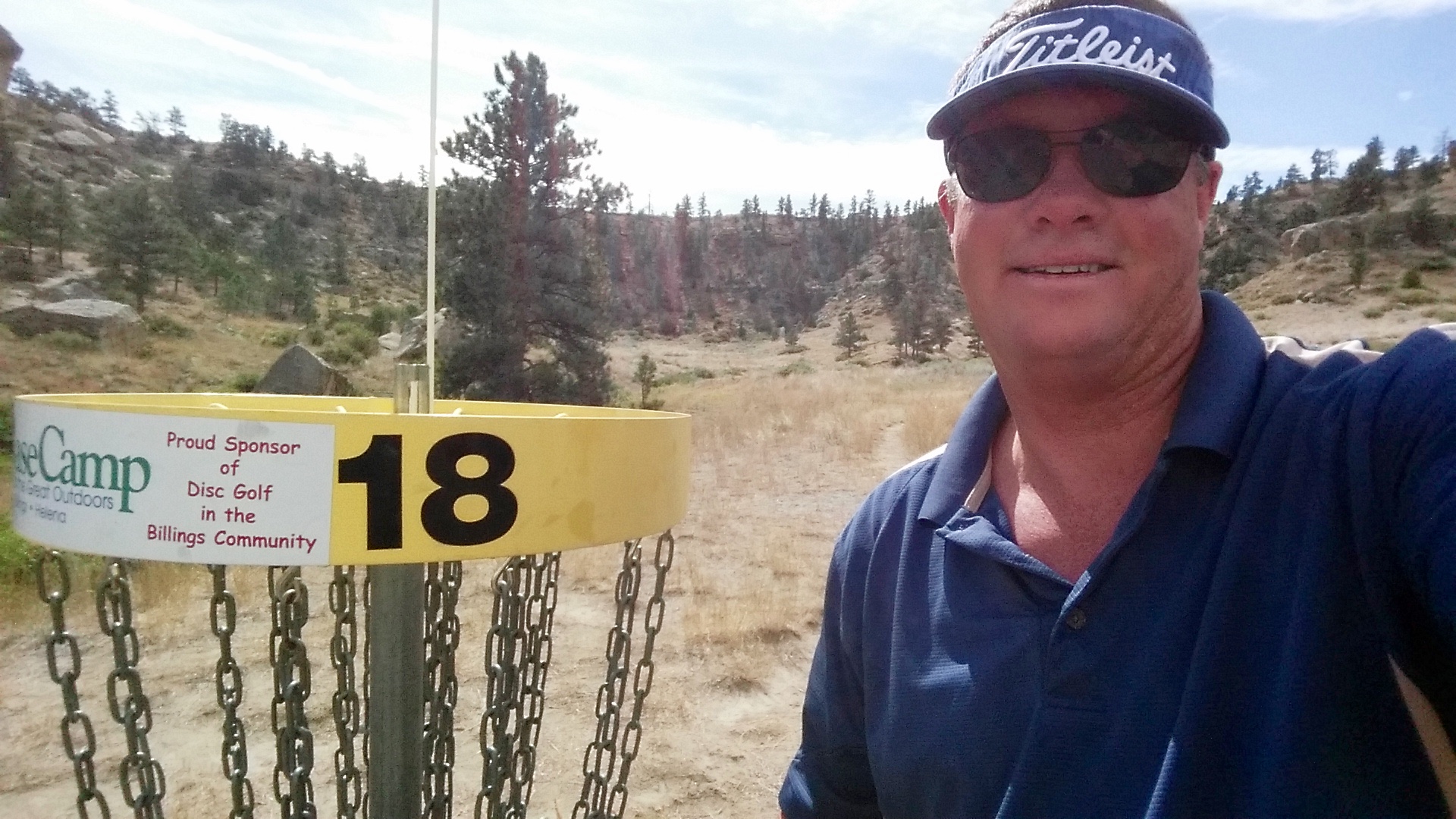
As a beginner on a very difficult course, Randy was satisfied with his round. He found two discs and didn’t lose any of his so he was +24 in shots and +2 in discs.

P1020193

Once Randy got home, he had to put his handyman hat on. Our toilet pedal had broken a few days earlier and he had bungy-corded it together. Thanks to Amazon Prime, we had a new toilet within a few days.   It did take one more trip into Billings to get an adaptor part.

Day Off #3-
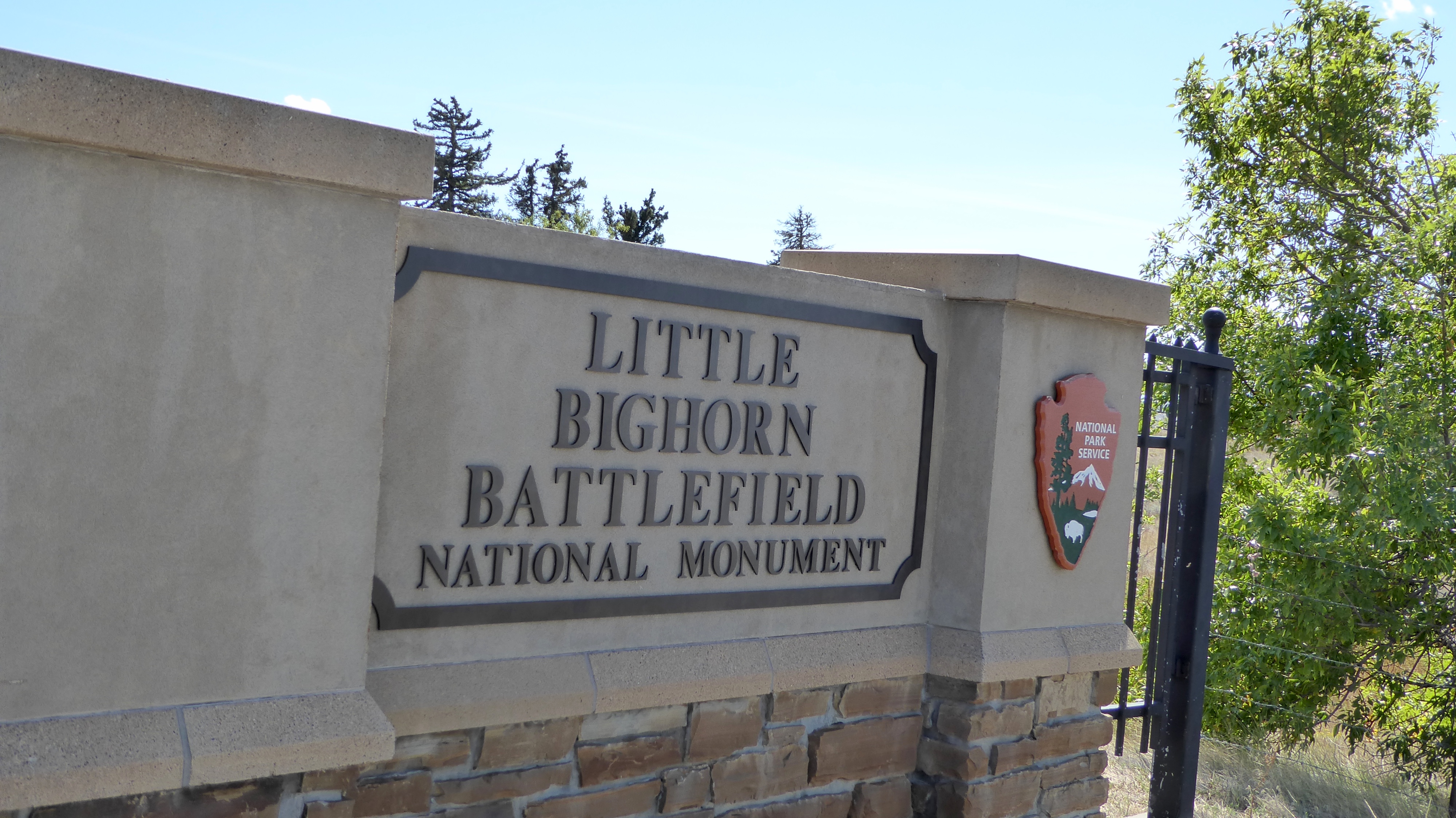
We headed out one direction and found 17 miles of dirt/gravel road ahead of us so turned around and drove west to east through the Crow Indian Reservation to Little Bighorn Battlefield National Monument.

P1020202

National Parks and National Monuments are not “paw” friendly at all and if we had planned to go there when we left home, we might have left Elko behind. As it turned out, our visit was interesting but incomplete. (Elko is worth it!) It will stay on our to-do list for a more extensive visit at another time.

P1020227

The Battle of Little Bighorn took place on June 25, 1876. The battlefield was on the Crow Indian Reservation (about 200 fought with Custer) but the 7th Calvary’s battle was against vastly greater numbers of Lakota and Cheyenne warriors. The 7th Calvary lost 210 men. There were some civilian casualties as well.

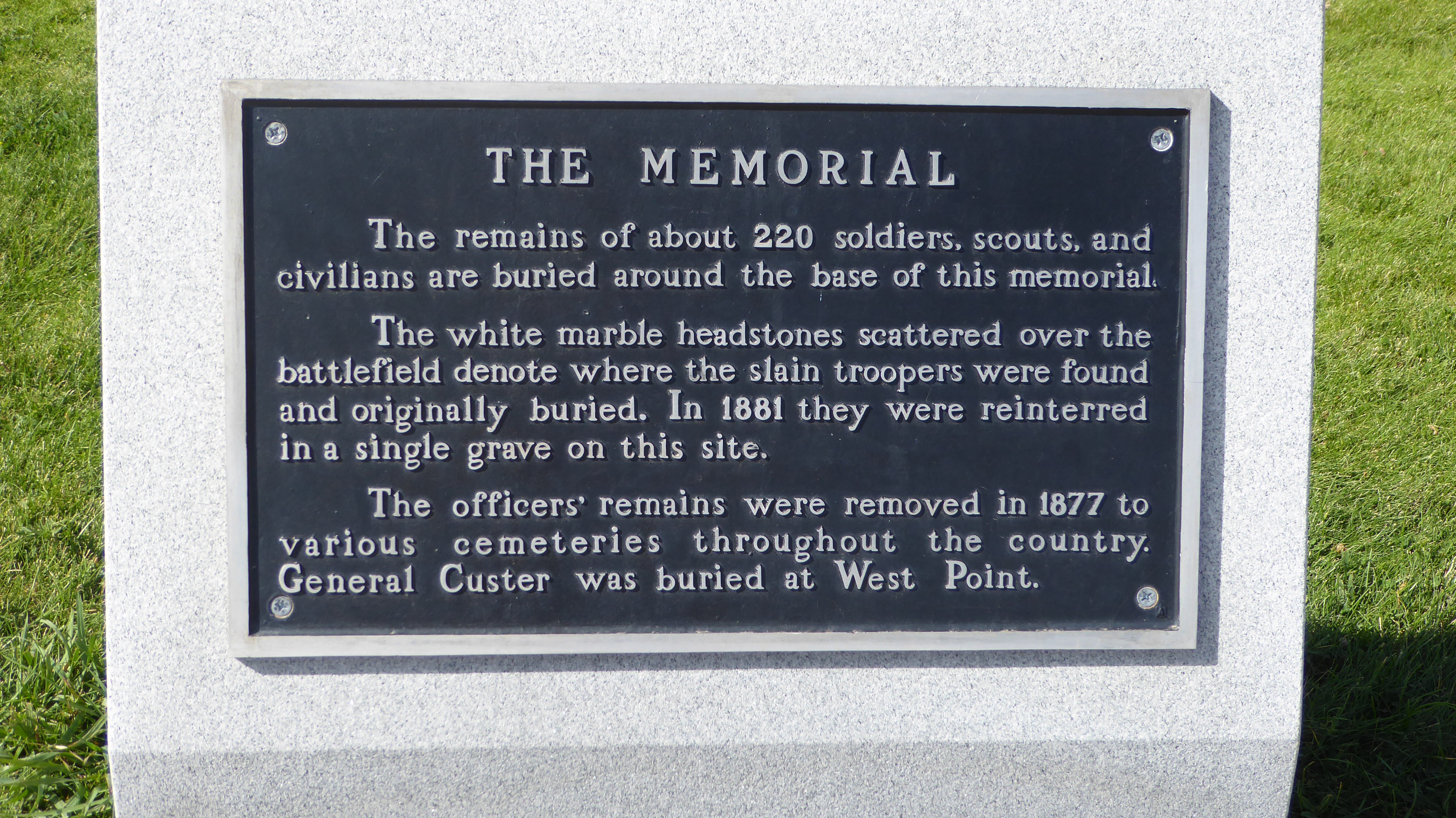
Soldiers who fell were buried in shallow graves on June 28, 1876 and marked with white crosses. In 1877 officer remains and those of two civilians were transferred to eastern cemeteries. Custer’s remains were reinterred at West Point.
In 1881, remains of soldiers were collected and placed in a mass grave at Last Stand Hill around the base of the Memorial shaft bearing the names of soldiers, scouts and civilians.

P1020215P1020217

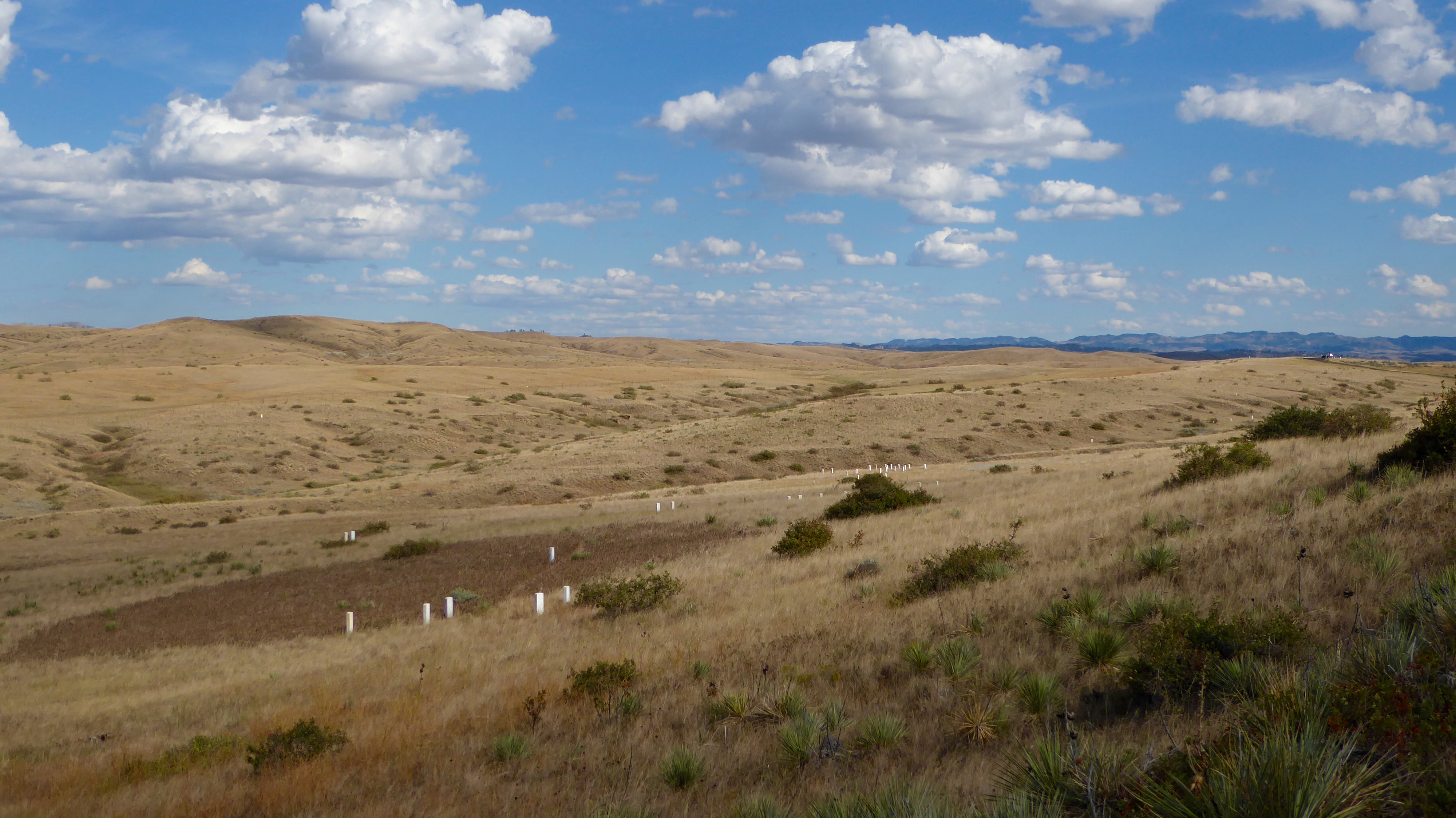
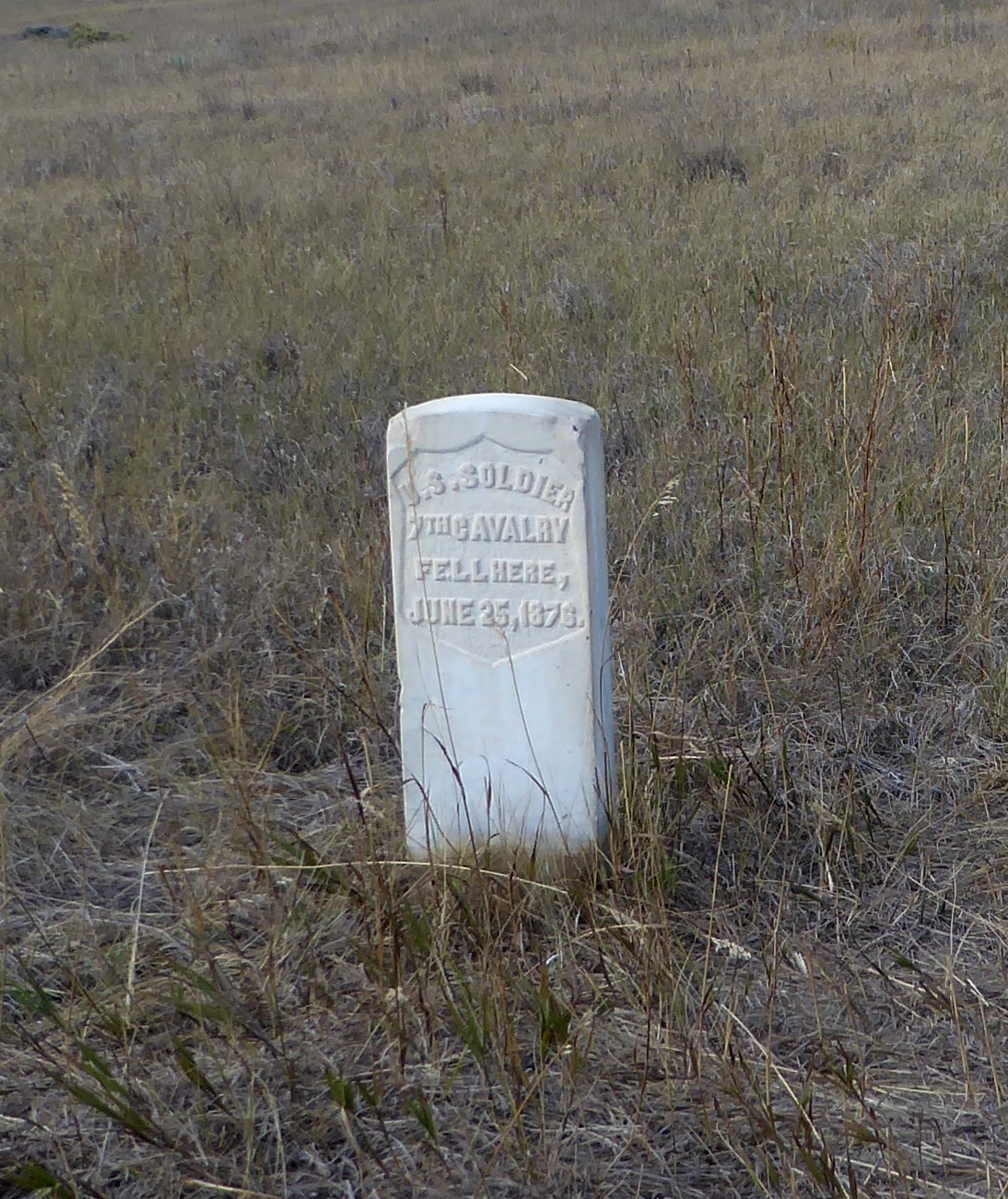
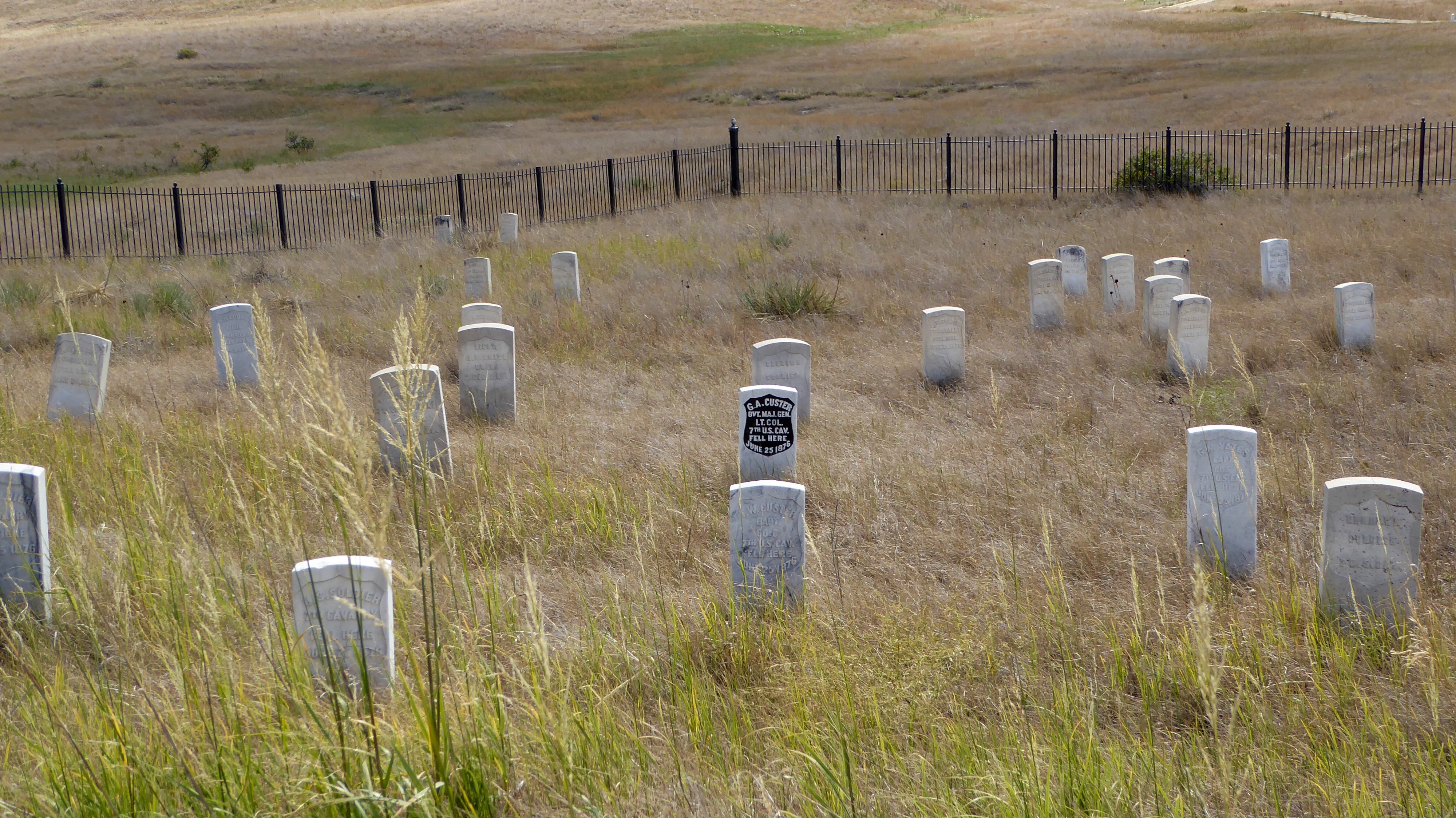
In 1890, 249 white gravestone markers were placed all around the extensive battlefield to show where the 7th calvary soldiers fell.

P1020210

There are about 45 on Last Stand Hill. George Armstrong Custer’s marker is the dark one.

P1020221
Indian casualties were removed from the battle field by their tribes so it is is unknown exactly how many died. Estimates are 60 – 100.

P1020211

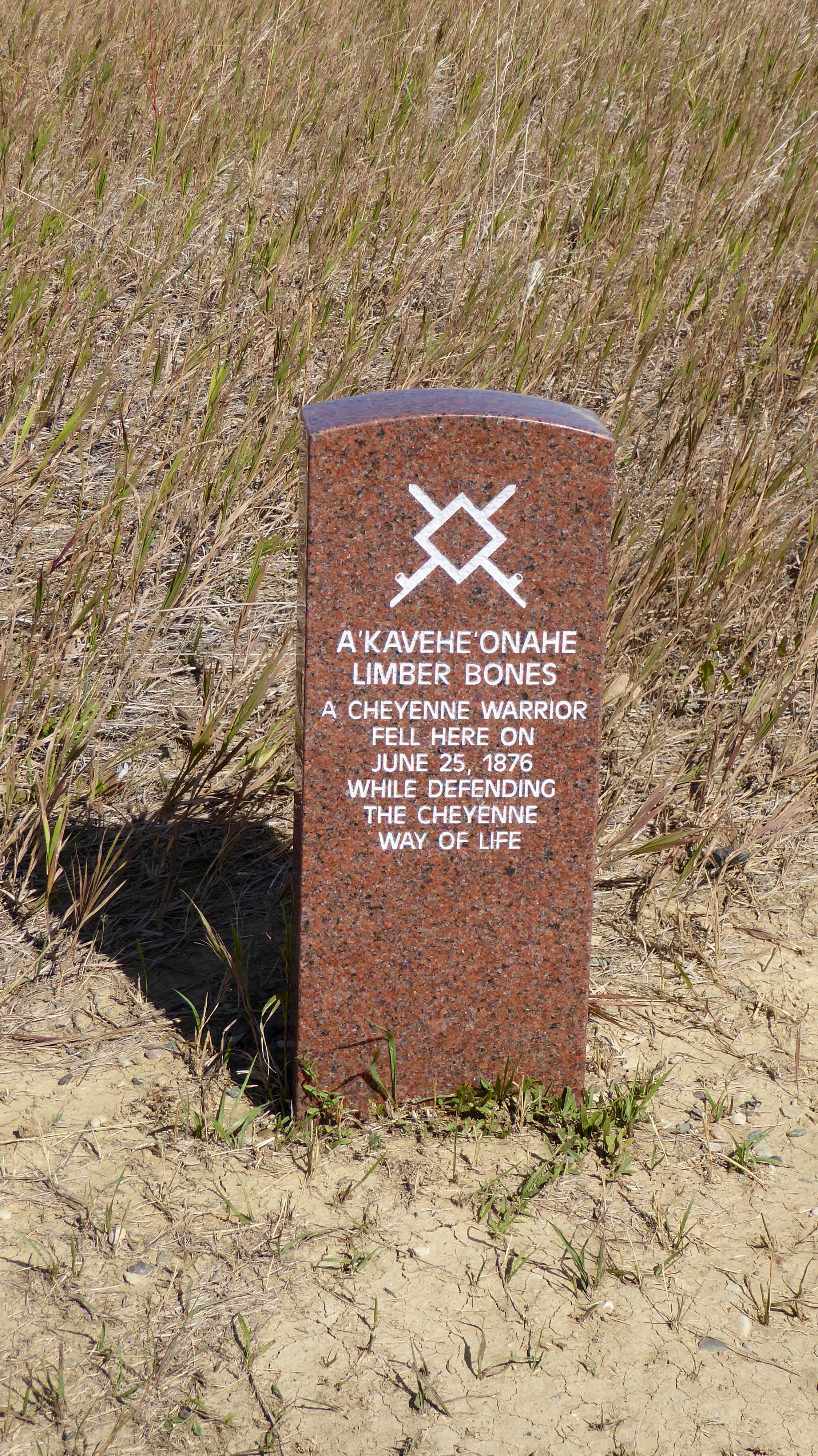
In 1999 the Park Service began placing red granite markers at known Cheyenne and Lakota warrior casualty sites.

P1020214
There is even a memorial to the many horses that died in the Battle of Little Bighorn.
P1020203

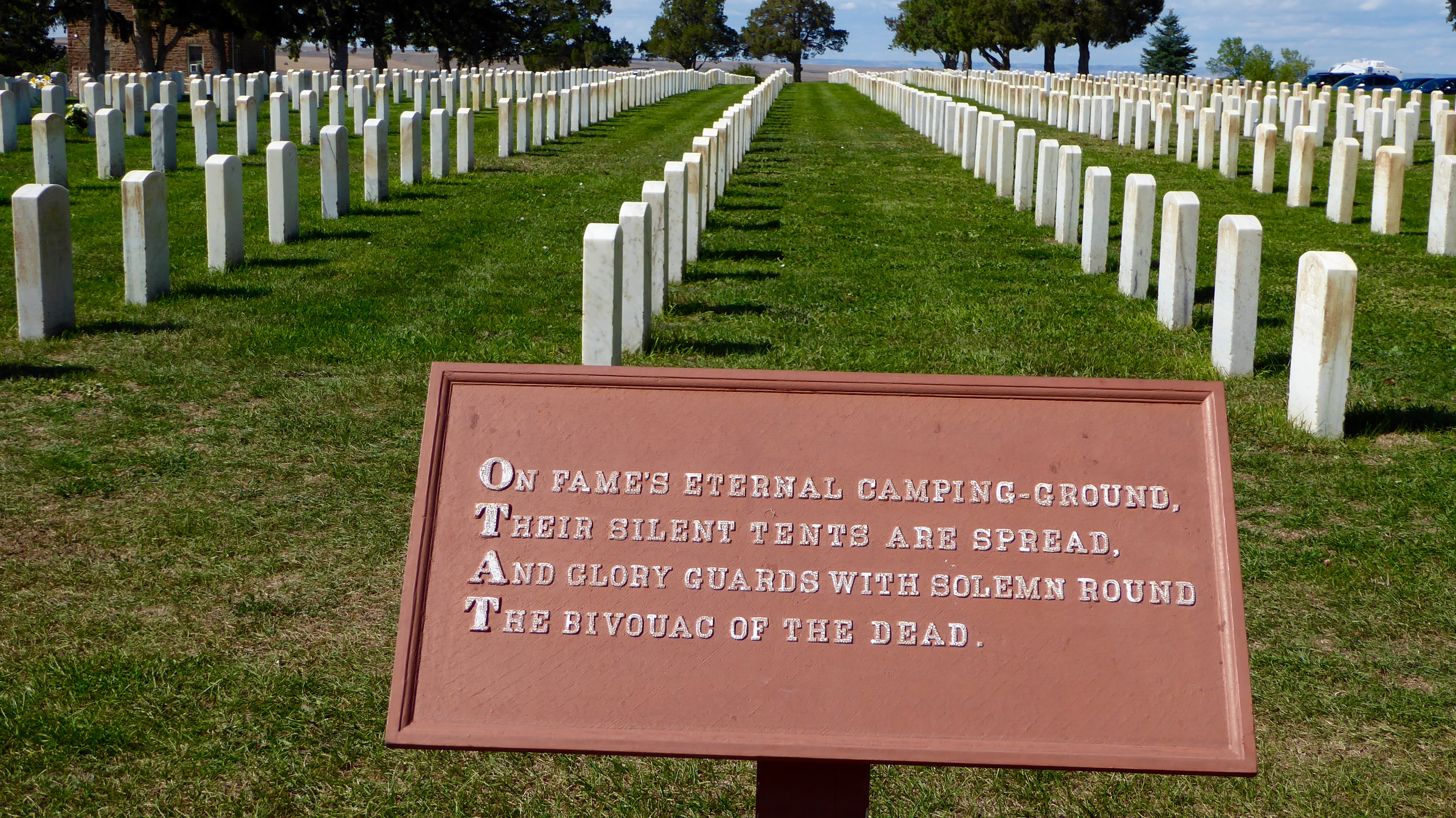
Also on the grounds is the Custer National Cemetery. The original cemetery was for those who had been buried at  western outposts, since abandoned. The dead were moved to this site. Over time veterans and spouses from World Wars I and II, Korea and Vietnam were buried at this National Cemetery. There are 5000 sites, only about 50 (which are reserved) are left to be occupied.
Tomorrow it is back to work beginning with a 9:00 a.m. staff meeting…. Volunteering has taken an interesting turn…

Posted in Uncategorized | 5 Comments

“Small Old White Man”

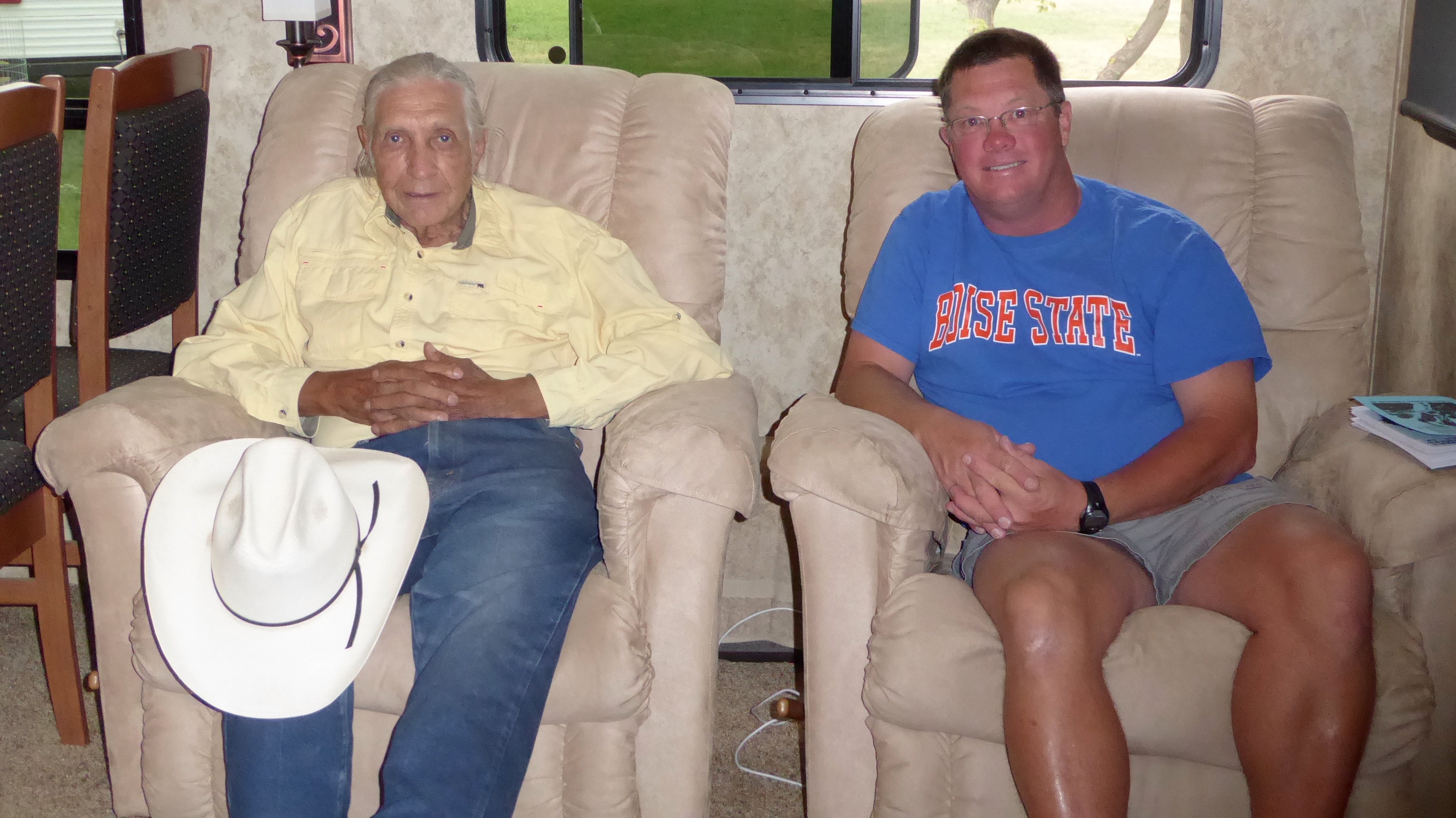
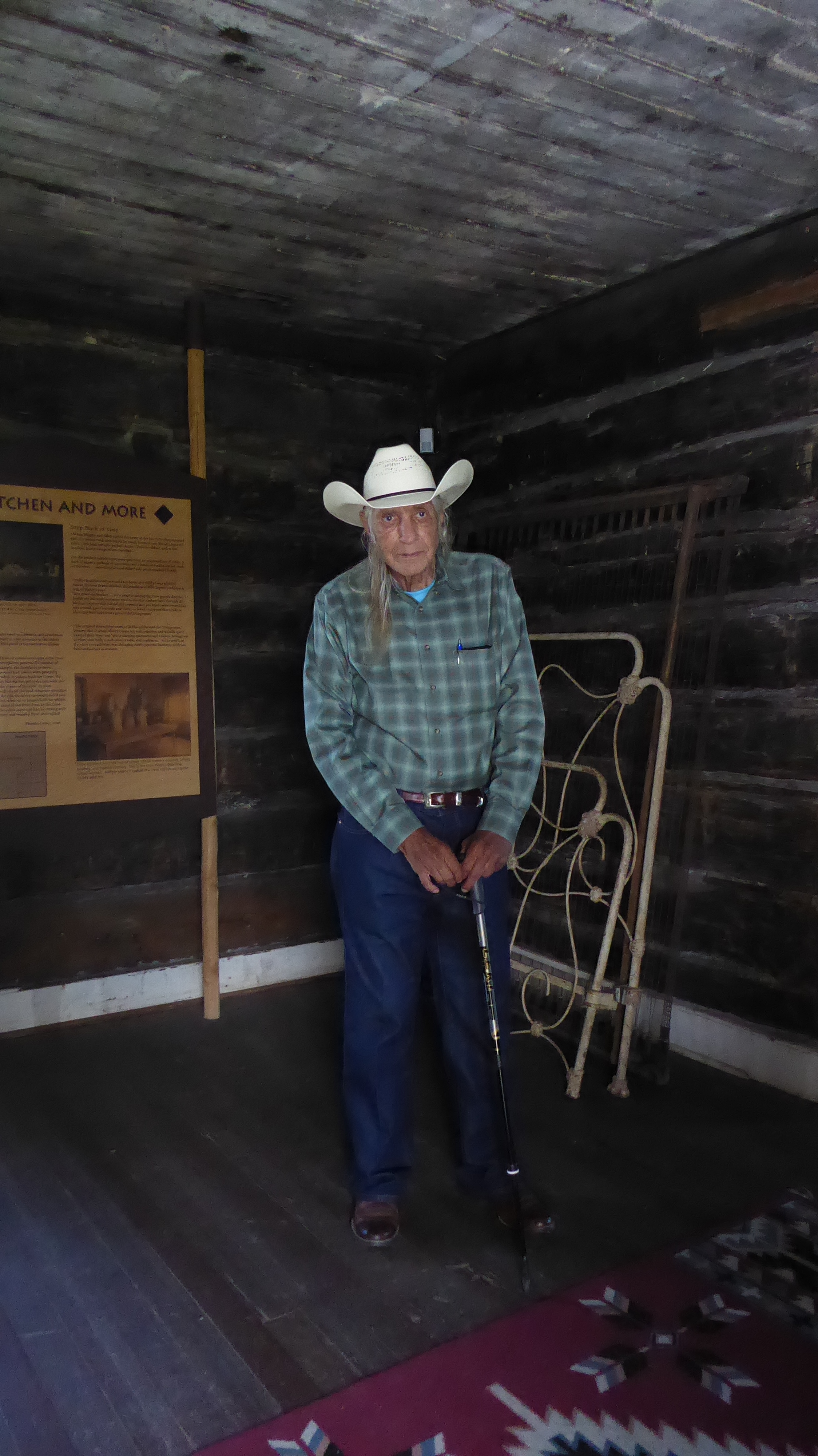
Small Old White Man is the Crow name for our new friend, Howard. We have had the good fortune to be parked next to him for most of the last week at our new “home”.

P1020147
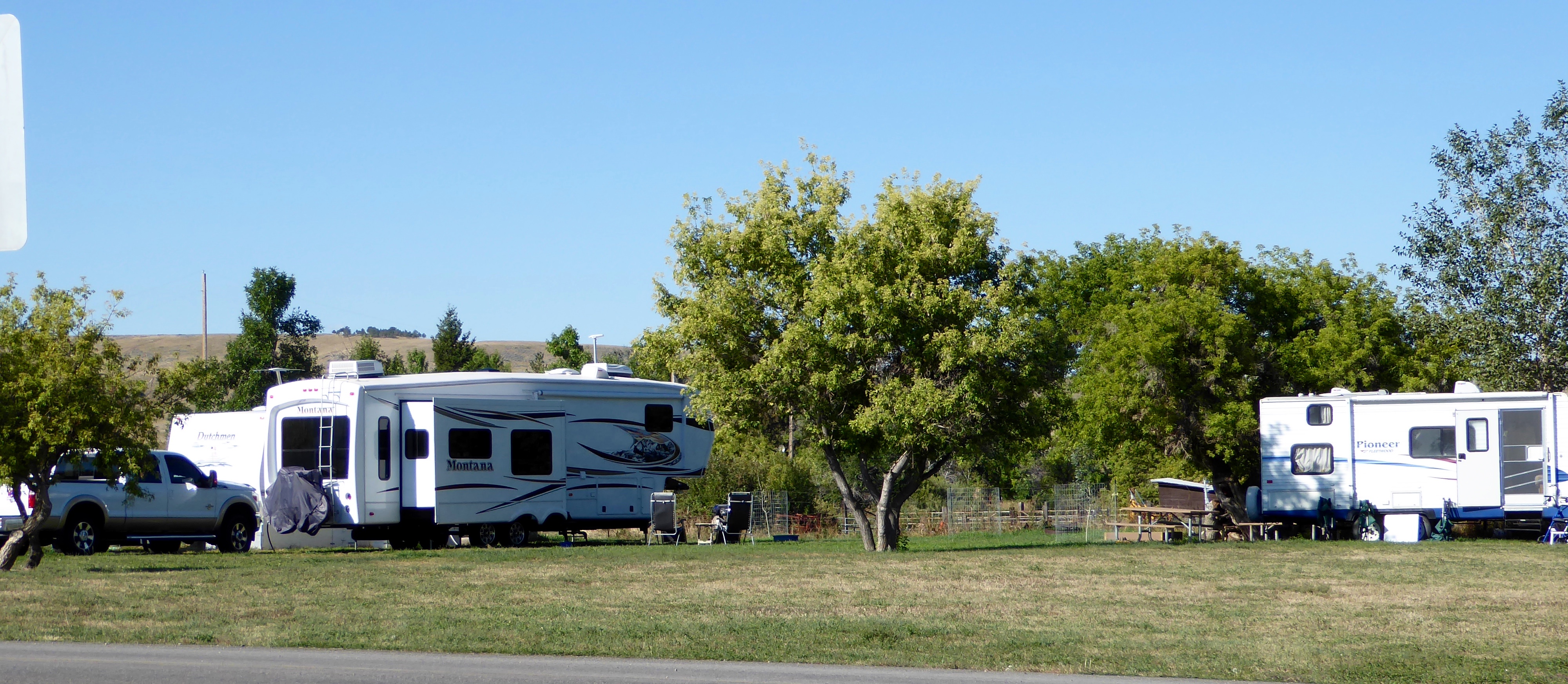
For the month of September, we are at Chief Plenty Coups State Park, on the Crow Indian Reservation, near Pryor, Montana.

P1020082

Howard is an Elder and Historian for the Crow Tribe.  He has written 4 books and testified before Congress many times.   With the help of Ted Kennedy, he once got legislation approved despite protests of the Montana senator.  He told us some very interesting stories!

Howard was very kind to spend time with us, teach us about Crow culture and answer our many questions. Here is a sampling of some of the many things we learned.

Howard has been adopted several times in his life. Adoption in this culture does not remove one from their natural family, but is a way to strengthen ties between families or individuals.

Howard’s  father was a white man and his mother was Crow. A person’s ethnicity/tribe/clan is determined by the mother’s bloodline. Howard was given the name “Small Old White Man” by one of his adoptive fathers at the age of five or six.

We asked Howard how he would describe his ethnicity. His first choice was “Crow.”  In the broader sense, he prefers the term “American Indian.” When asked if he thought younger generations would also prefer American Indian over Native American, he said he thought they would.  So much for our attempts to be politically sensitive!

Oral histories and story telling are very important in the Crow culture. I asked Howard about exaggeration in re-telling which would seem to be a problem if a culture is trying to maintain accurate oral histories. He said that it is very important that stories and histories are told accurately and exaggeration and change are not allowed.   Those that do so are spoken to and reprimanded.

We also noticed very young (10-11 years old) children driving! Howard told us that driver’s licenses are not required on the reservation and, of course, these young drivers don’t have insurance. The term “uninsured and under-insured motorists” will be in the back of our minds during our travels on the Crow reservation.

And why are we, and Howard, parked at Chief Plenty Coups State Park? On Saturday the park hosted the annual Day of Honor celebrating Chief Plenty Coups and the history of the Crow People. I will tell you more about Chief Plenty Coups in a later post but here are some pictures from the celebration.

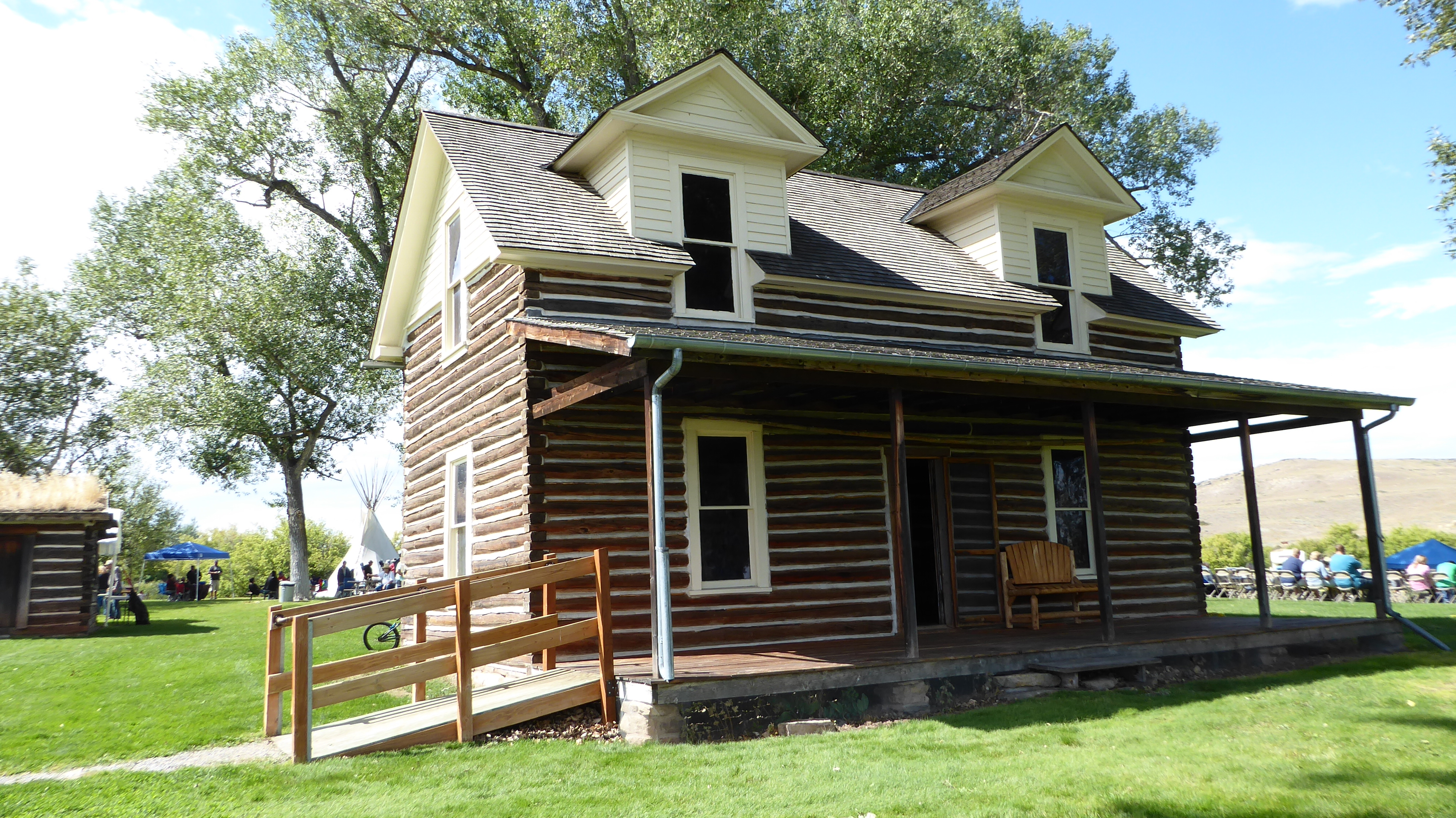
Chief Plenty Coups house - a National Historic Site

Chief Plenty Coups’ house – a National Historic Site

Howard, Crow elder and Historian, telling visitors about Chief Plenty Coups

Howard, Crow elder and Historian, telling visitors about Chief Plenty Coups

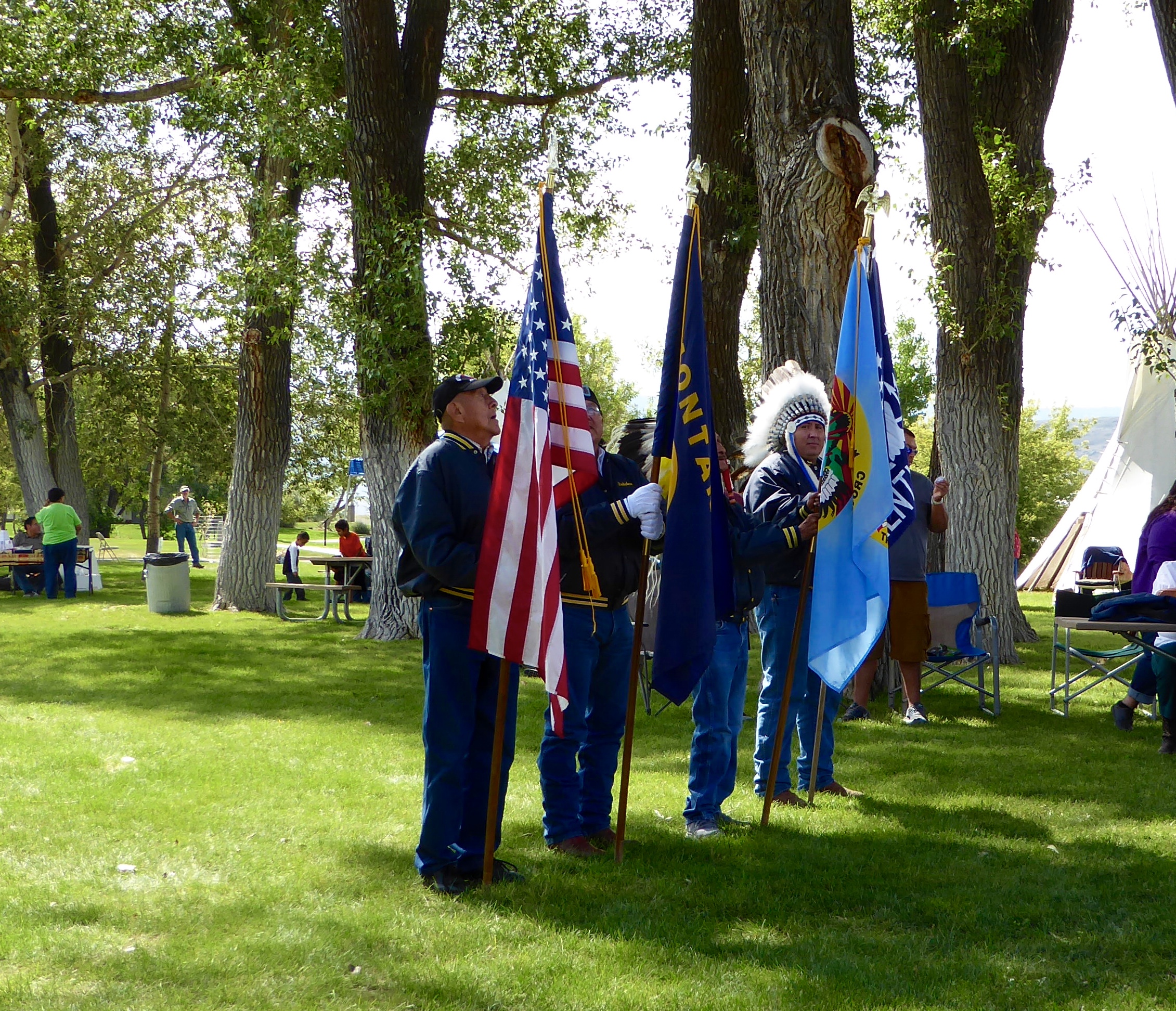
Color guard featuring the US Flag, Montana Flag, Crow Tribal Flag and Chief Plenty Coups Flag, authorized by the US.

Color guard featuring the US Flag, Montana Flag, Crow Tribal Flag and Chief Plenty Coups Flag (authorized by the US government)

P1020134

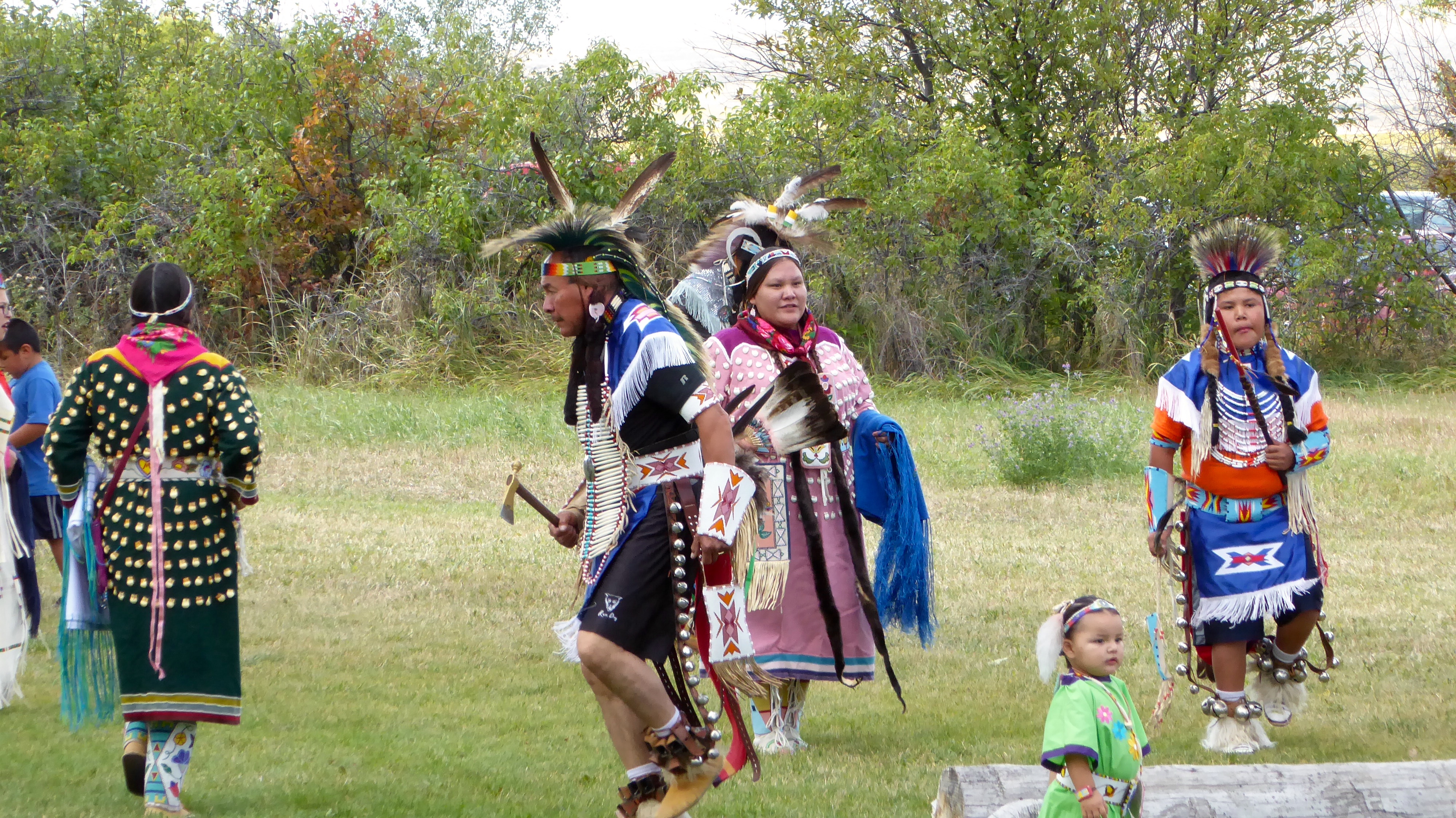
Crow dancers!

When I complimented Howard on his necklace, he insisted I wear it for the celebration.

When I complimented Howard on his necklace, he insisted I wear it for the celebration.

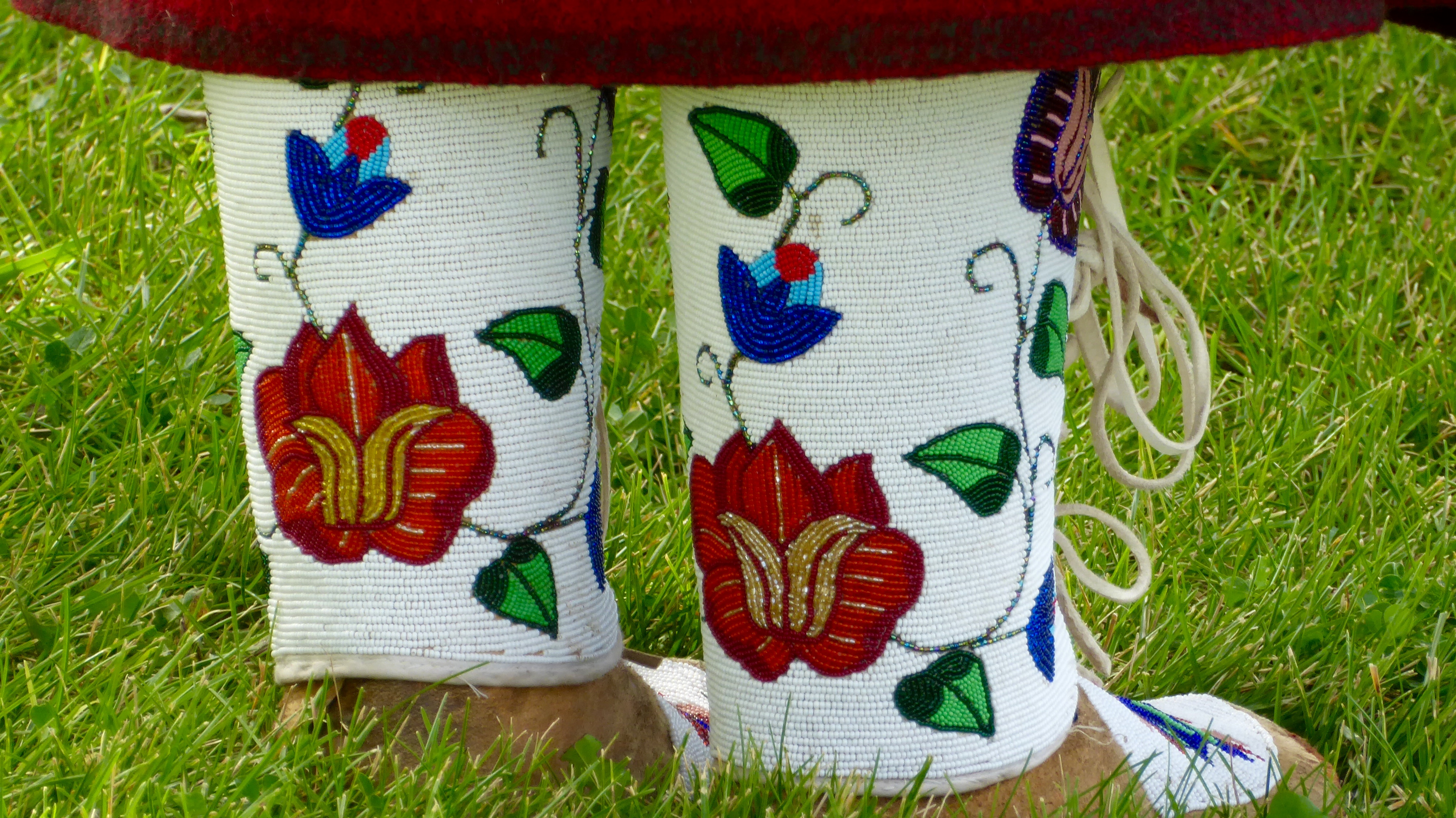
Are these great moccasins, or what? I've always loved shoes!

Are these great moccasins, or what?  They  must have millions of beads!   I’ve always loved shoes!

The culminating event of the Day of Honor was the buffalo feast.  (Crow use the word buffalo – not bison.)  Park personnel and Crow representatives  killed two of the tribe’s buffalo the week before the event. We had imagined a buffalo roasting on a spit but it was not to be.

In the two previous years they had prepared way too much food so this year they cut back.  They slow cooked 21 buffalo roasts (80 lbs.) in the pit overnight and also had baked beans, corn, watermelon, fry bread and berry pudding.   It looked yummy!   For those of us who were serving, we watched the last of the food go by before we had a chance to eat.  Unfortunately, no buffalo feast for us…..

But, we continue to be blessed by being able to learn about people and places that would otherwise remain foreign to us.  Howard, the Crow, and Chief Plenty Coups are just the latest examples.

P1020083

Our responsibilities for the day were complete in time to watch Boise State play (and win!) against the University of Washington and former coach, Chris Petersen.  Go Broncos!
Posted in Uncategorized | 2 Comments

Movin’ On Down the Highway

We really enjoyed our last few days in Farragut. We spent time with new friends, Mark and Teri, the interpretive hosts at the park. They had been there all along but we didn’t really connect until the last 10 days.

P1020004
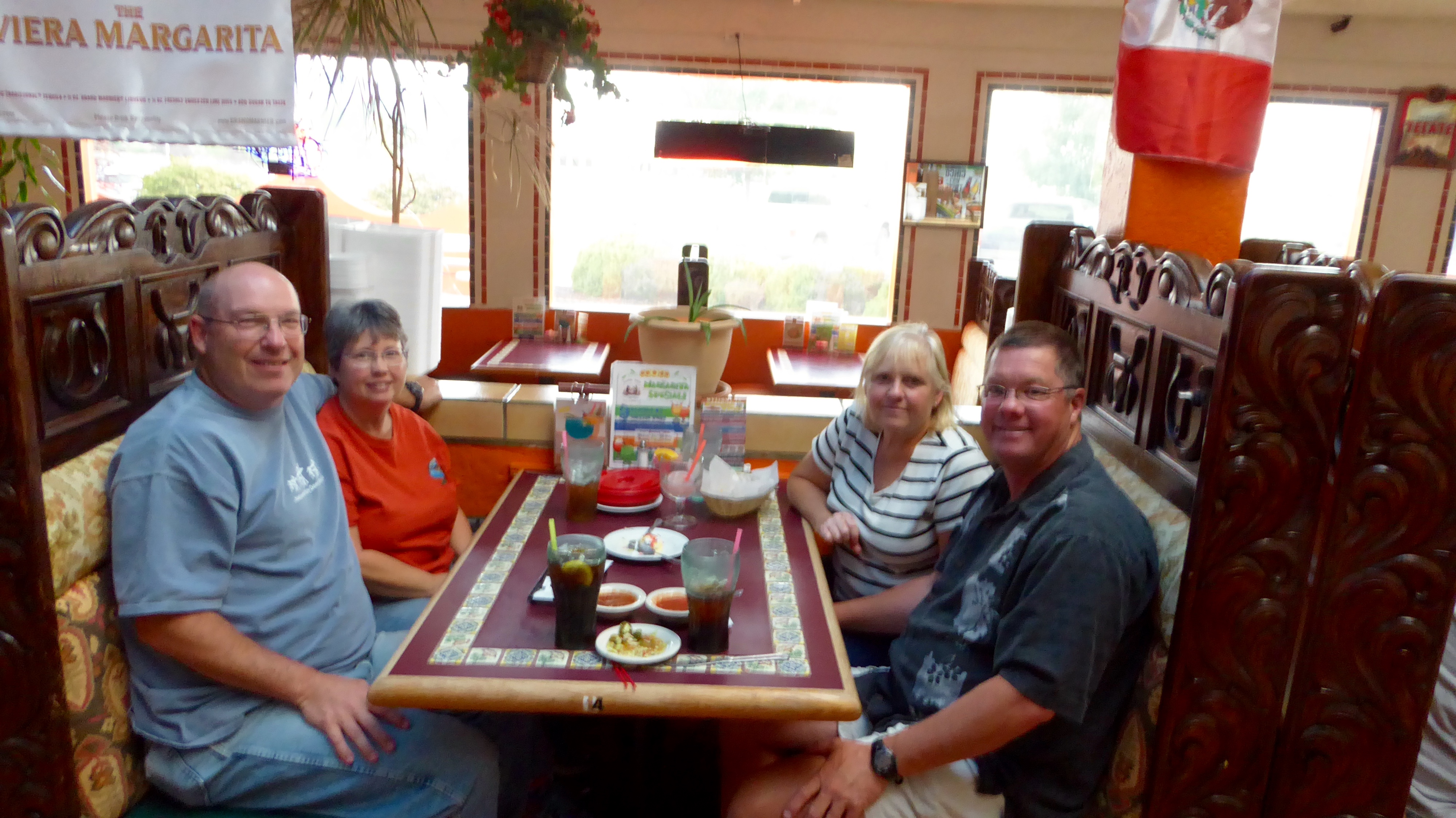
So….we had lots of getting to know each other to do in a brief period. We ate out a couple times and visited. Randy and Mark played several rounds of disc golf with Randy learning lots from the more experienced Mark. They also flew RC airplanes one day. We left with good intentions to keep in touch and meet up again.
P1020011

We also had an end of the season potluck. It was fun to have a chance to say goodbye to the friends we’d made in the park. The sense of “community” we had been missing as we traveled was found at Farragut.   I was kind of sad to leave – but most everyone else was leaving shortly as well. I can understand why people come back year after year.

But as August was over, and the new host couple came in for our campground, it was time to move on down the highway.

The first stop was at the Les Schwab Tire Center in Hayden. While airing up our tires, Randy found a leak in one valve stem and he had to put on the spare trailer tire to go into town.  We were in and out in 20 minutes, valve stem replaced, spare put away, all at no charge. Thank you Les Schwab.

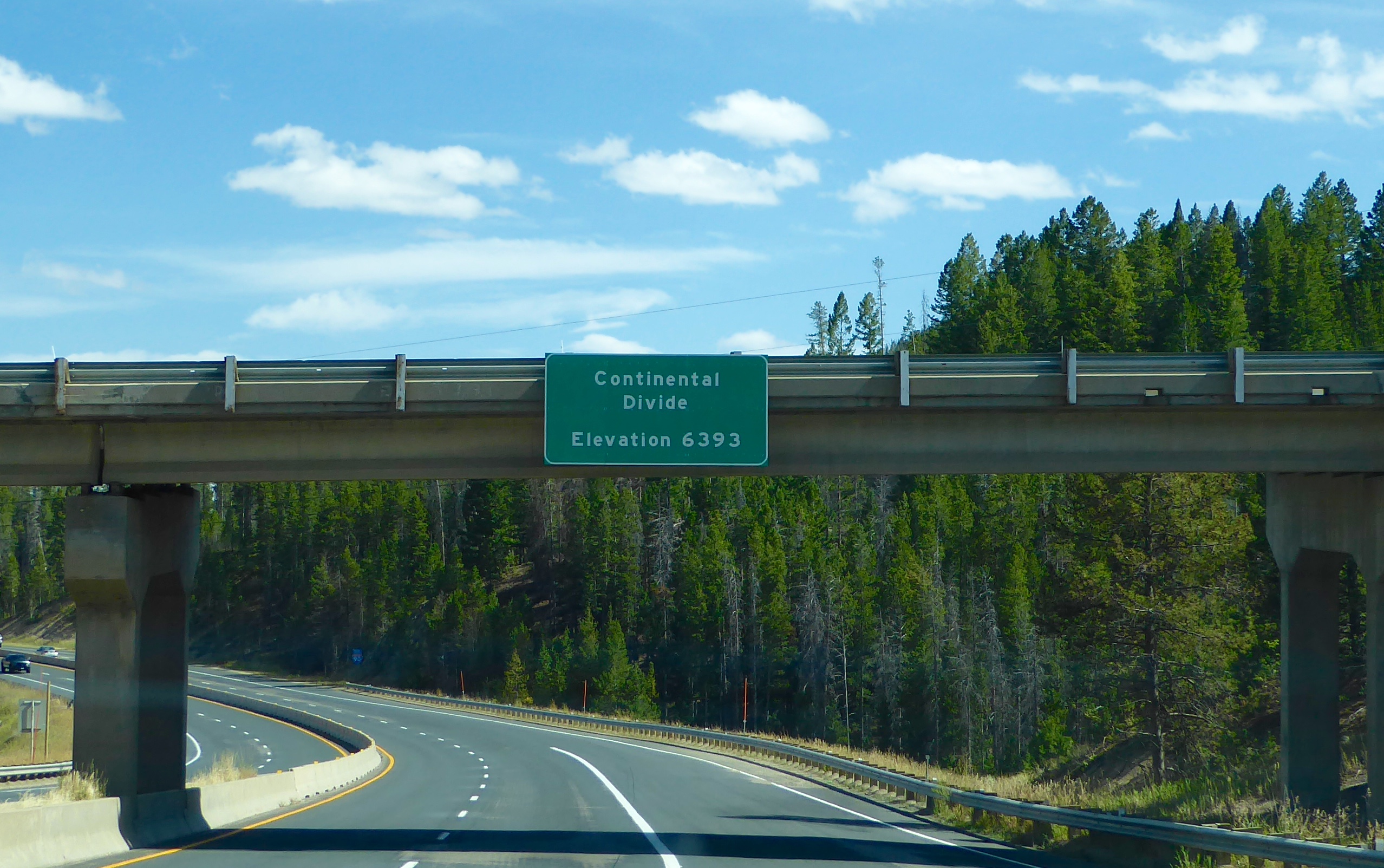
We traveled across the Idaho panhandle, into Montana and crossed the Continental Divide.

P1020017

We passed a myriad of places where we would have liked to stop and explore but we had a long way to go – 347 miles to be exact. I think that was the most we have gone in one day since we began this adventure.

P1020066

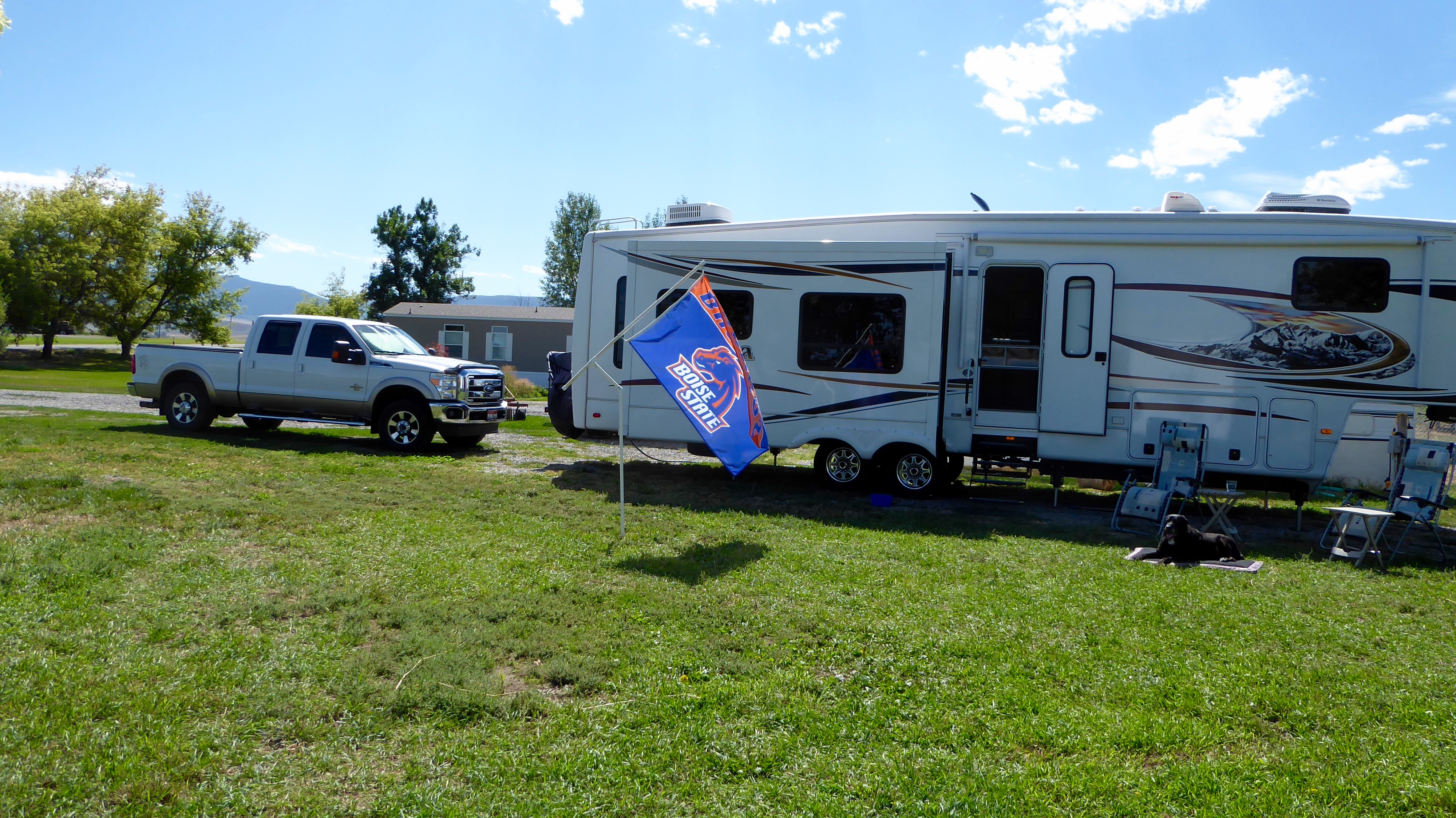
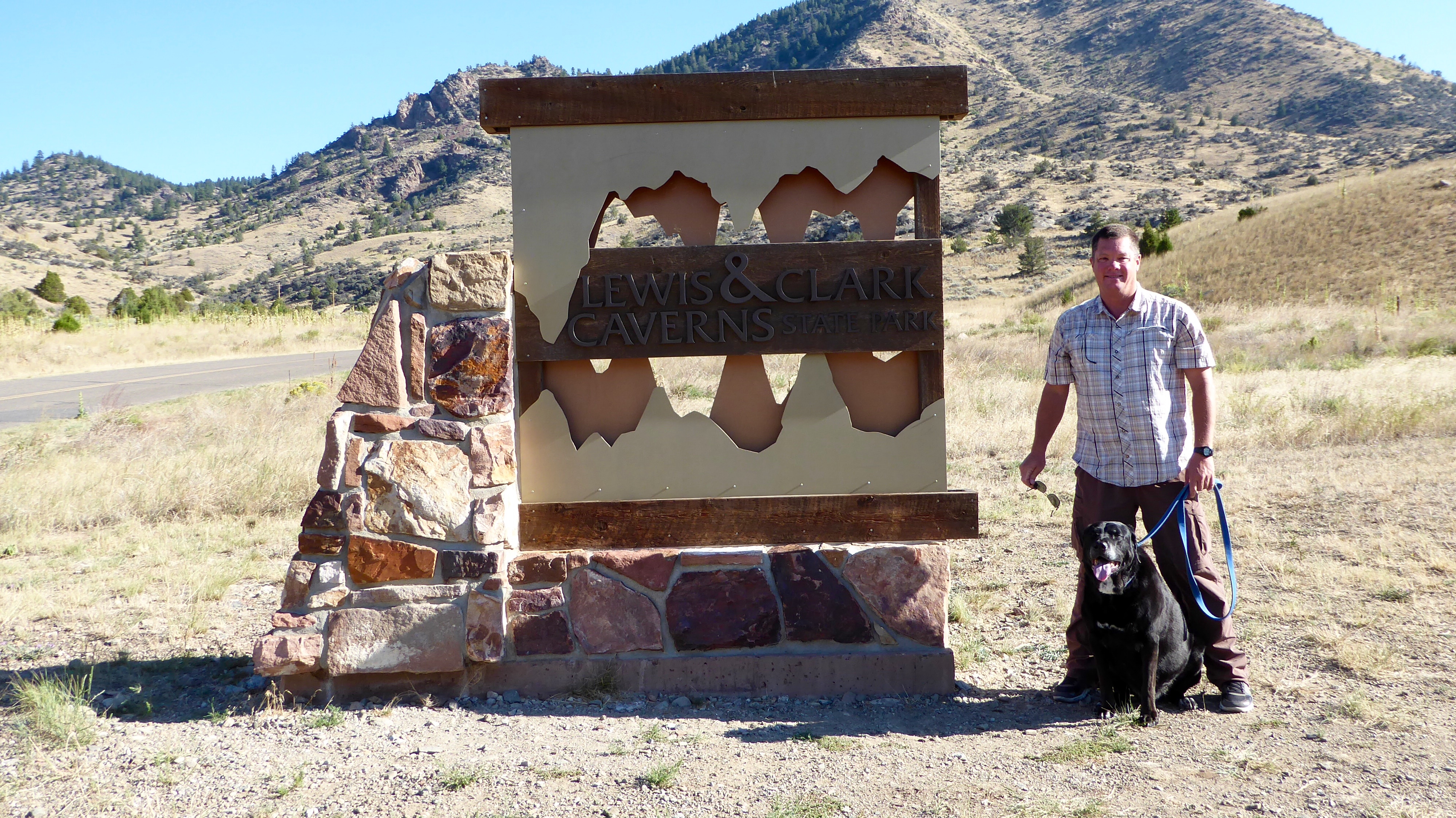
Our overnight stay was to be at Lewis and Clark Caverns State Park in Montana. The campsite was complimentary from the state of Montana (since we were en-route to volunteer at a Montana park) so we couldn’t complain when we drove in and discovered we had no hook-ups.   One night of “dry camping” was perfectly fine and we enjoyed the wide open spaces of Big Sky country.  Our Montana is in Montana!

P1020067

We got set up just in time to make it to the last tour of the caverns at 4:30. Only when we got there, we discovered they had left at 4:15 so we, and 4 others, had to hustle up hill for 3/4 of a mile. I was really wondering if it was going to be worth it.

P1020038

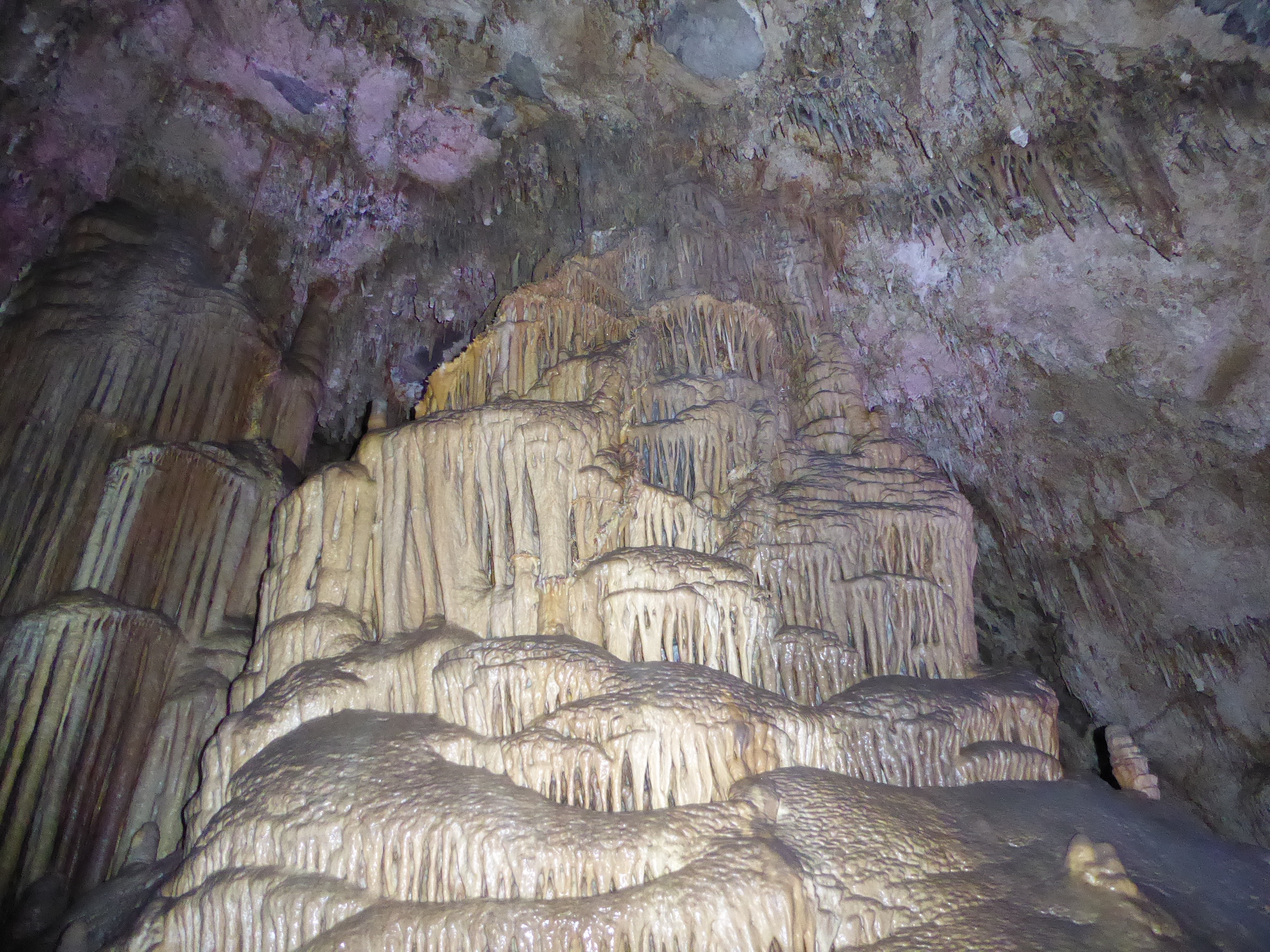
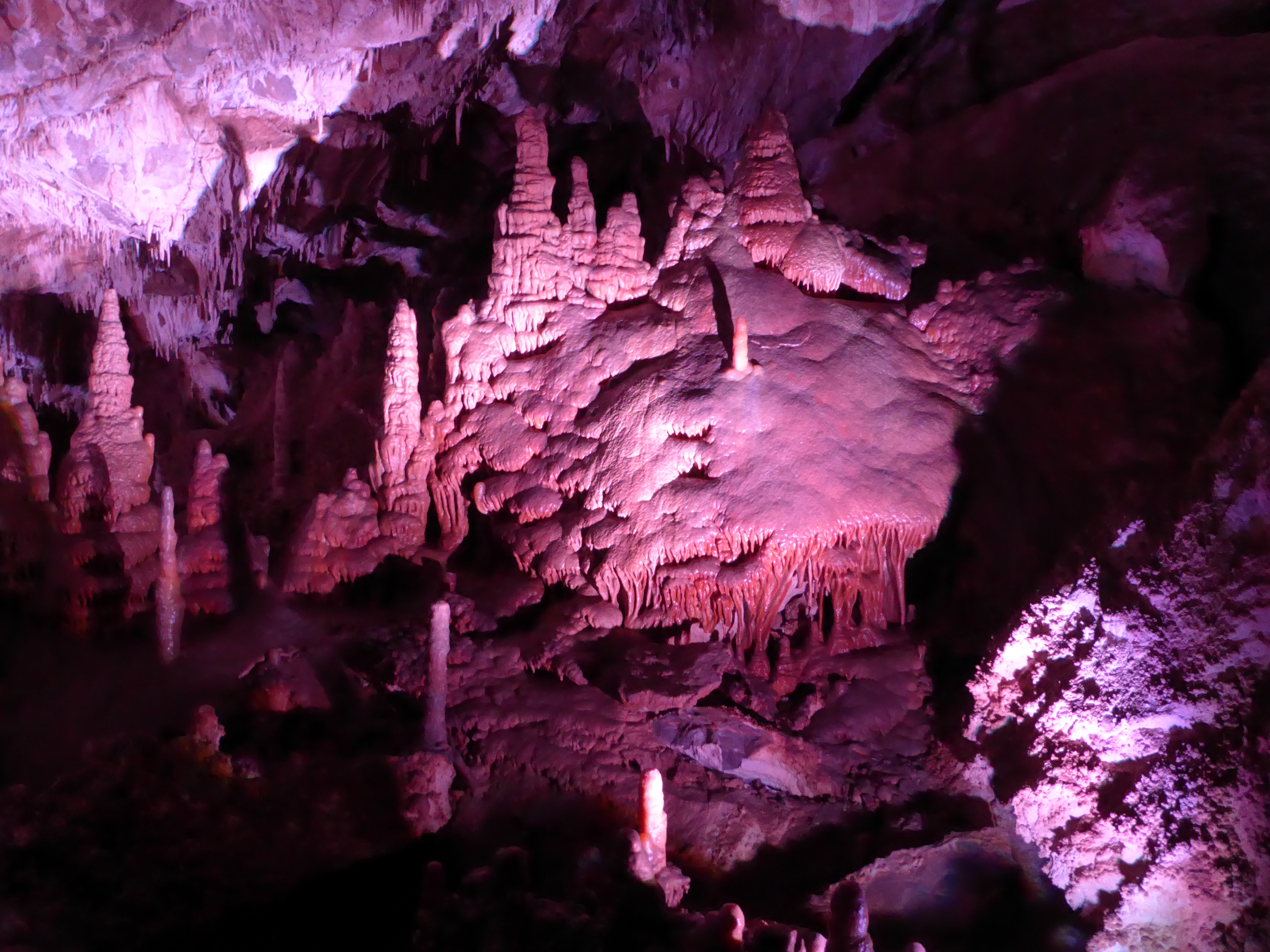
I am glad to say that it was! We have seen quite a few caves and caverns over the years and this one had many of the same beautiful cave formations ( stalactites, stalagmites, columns and helicites) we have seen before.

P1020053
What made this cave unique was the interesting route through the caverns. We crunched and stooped many times and even had to sit down and slide from one room to another. There was also a travertine step.

P1020035

The caverns were named for Lewis and Clark who traveled along the nearby Jefferson River in 1805. The cavern was discovered in 1892 by two ranchers. The caverns became federal property in 1908, the fifteenth National Monument. The lands were given to the state of Montana in 1935 and became Montana’s First State Park. The CCC and the state improved the trail and blasted tunnels to join caverns.  Lewis and Clark Caverns is the highest revenue producing park in the system, helping to subsidize other parks in Montana.

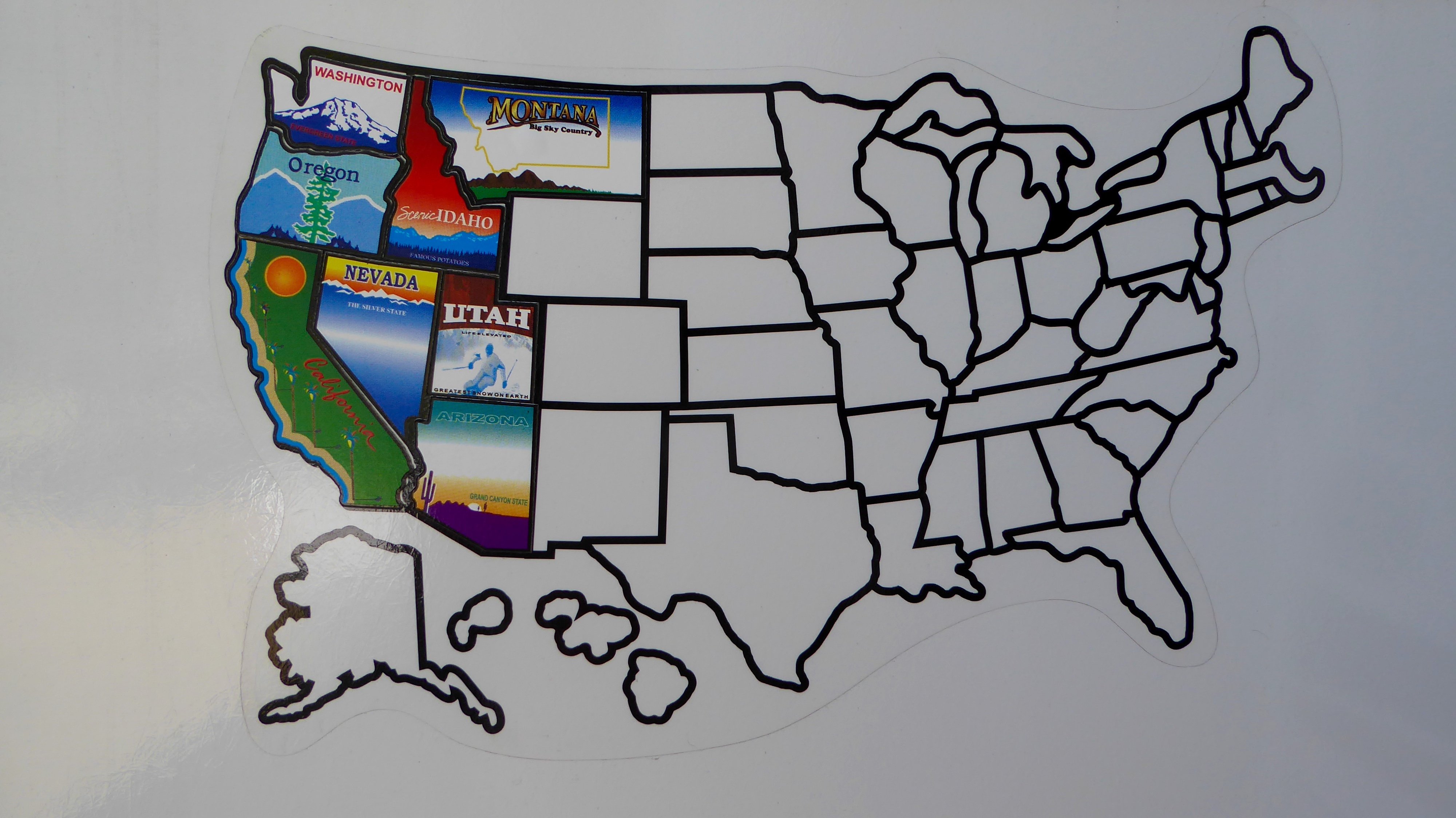
When we woke up the next morning, we were able to put the Montana sticker on our map!  Our criteria is spending the night in a state.

P1020062

Another day movin’ on down the highway followed, going another 220 miles to our destination, Chief Plenty Coups State Park.

P1020070
We have a nice campsite and lots of peace and quiet! This is a historical day use park so we will have lots of solitude in the evenings.

P1020074

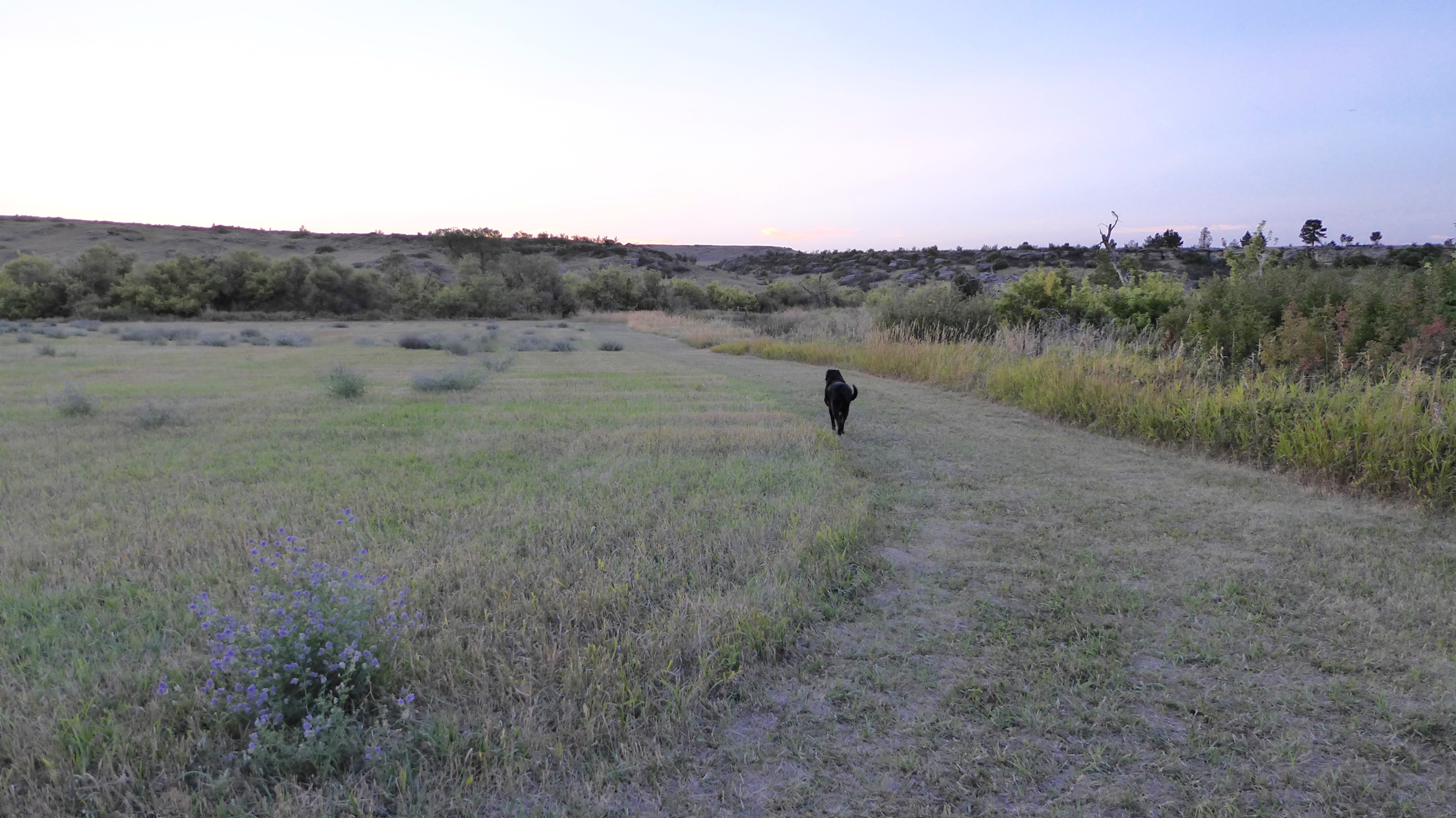
Elko enjoyed our walk around the park this evening. Tomorrow we meet with the park manager for orientation and find out about our volunteer jobs for the next month.

Posted in Uncategorized | 4 Comments

Hitch Itch

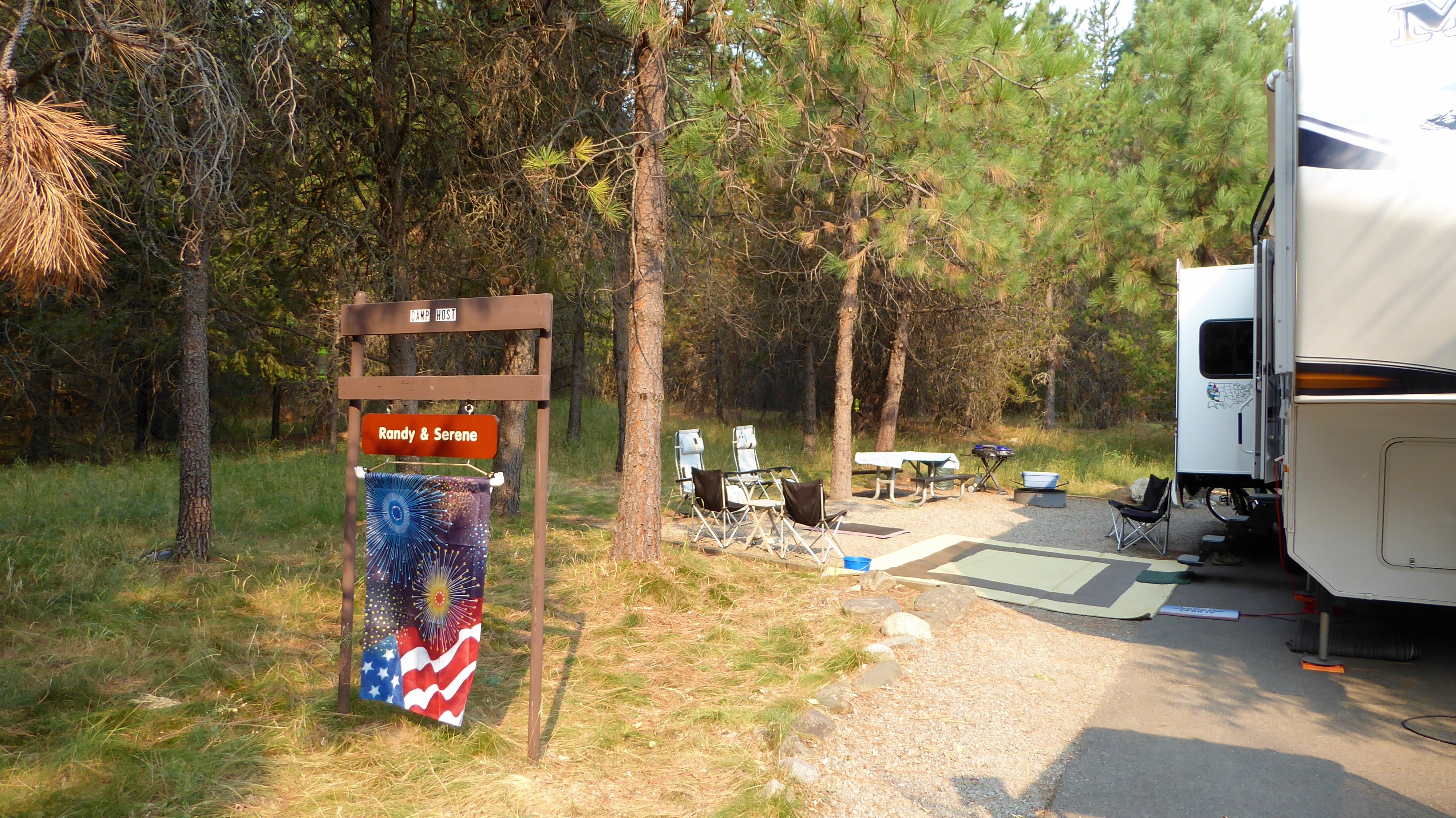
Randy has hitch itch. He is itchin’ to hitch up and get moving again! We haven’t stayed two consecutive months anywhere (since we left Boise over a year ago) before doing so at Farragut State Park.  We arrived on July 1st and have just a few days left before moving to Montana on August 31st.

P1010764

We really like Farragut State Park and hope to come back and volunteer again someday. There are so many walking/biking trails to wander and we enjoy the naval history aspect.  We’ve had plenty of excitement with family and friends visiting, two fires, and most recently a broken water main which took out our restroom and shower complex for a few days.

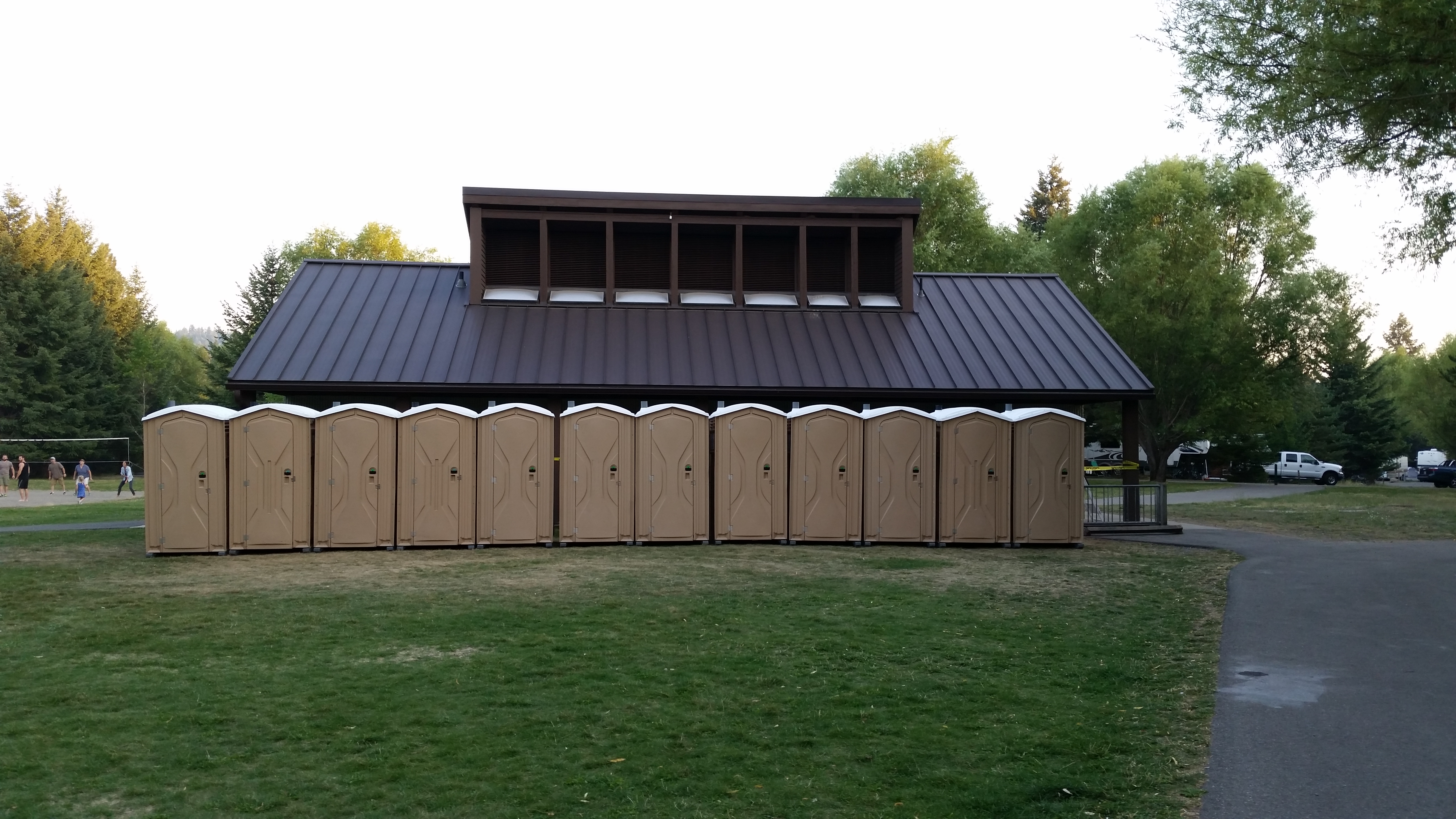
Twelve porta-potties for our guests.

Twelve porta-potties for our guests.

We’ve had a great campsite that was private enough that Elko was rarely on his chain, something he appreciated greatly!

P1010999

And we’ve had wonderful partners!

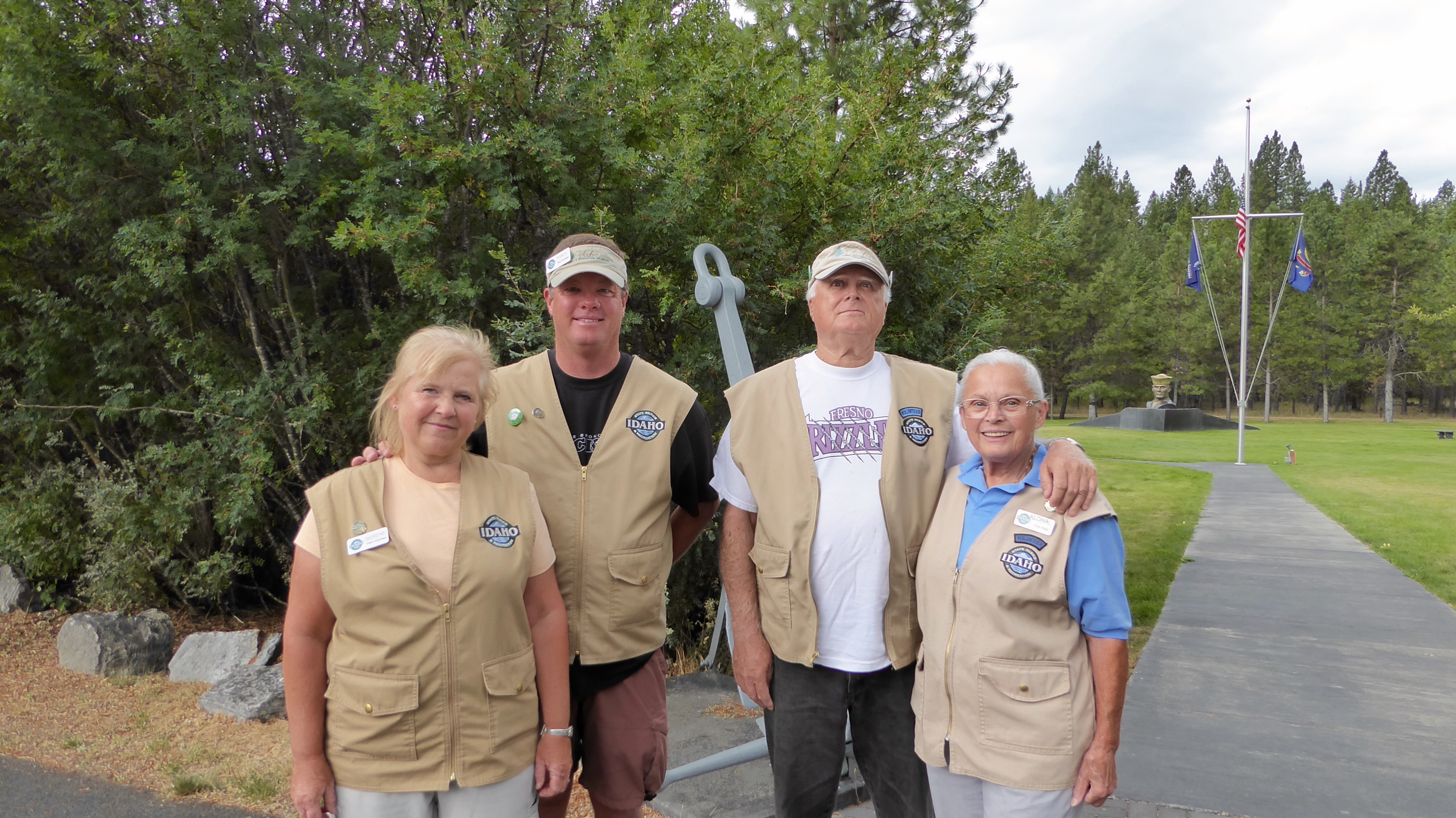
P1010790

Bob and Aloha are from Fresno and have been camp hosts here for five years. Many afternoons and evenings have been spent chatting at their site or ours. Someday when Boise State plays Fresno State, we are going to end up on Bob and Aloha’s doorstep!

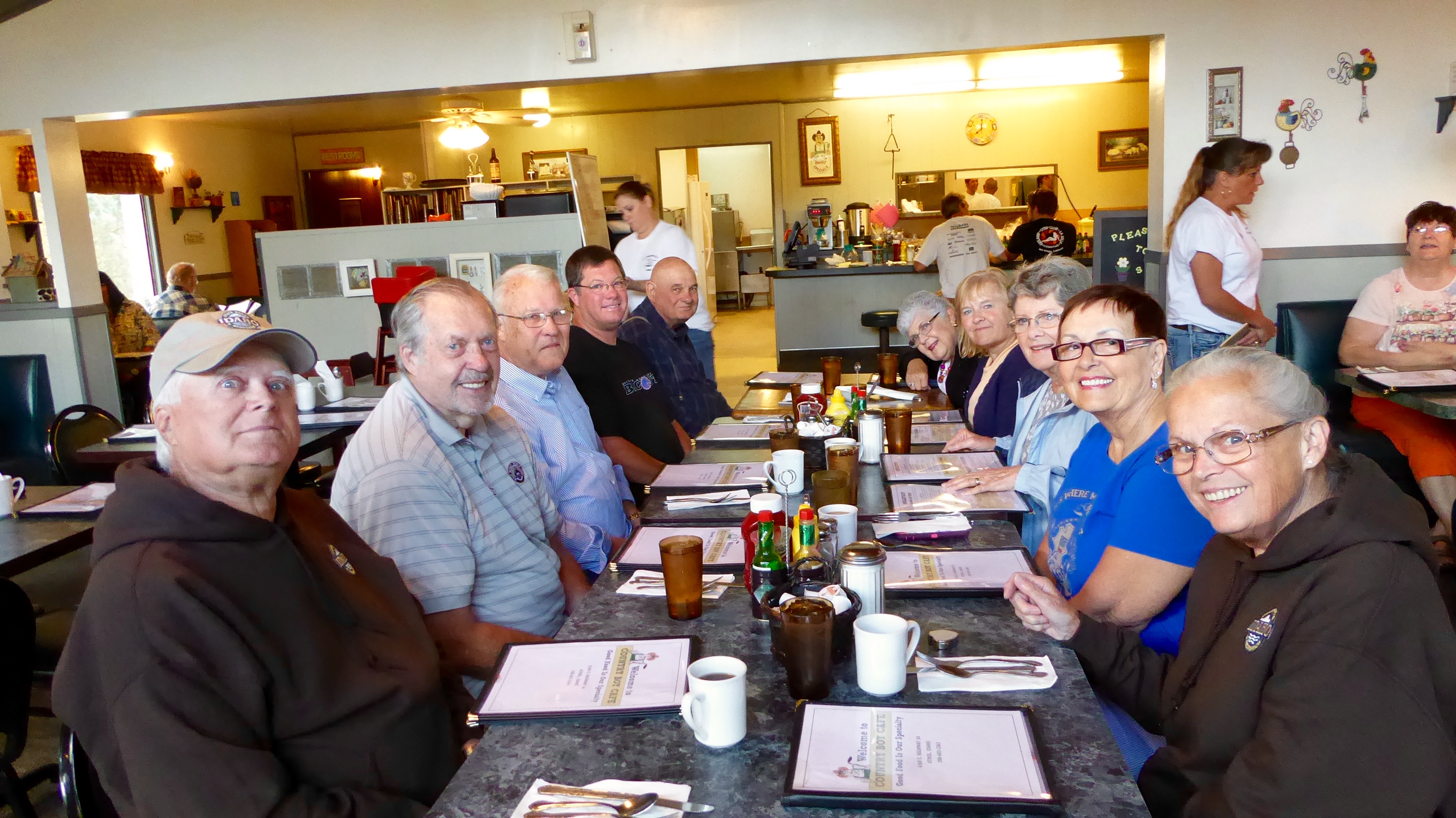
P1010843
We’ve enjoyed Sunday morning breakfasts at a local cafe before coming back to clean sites. Sundays are typically the largest turnover day. This past Sunday we cleaned 50 of the 68 sites! It doesn’t really seem like that much work when you do it with good friends.

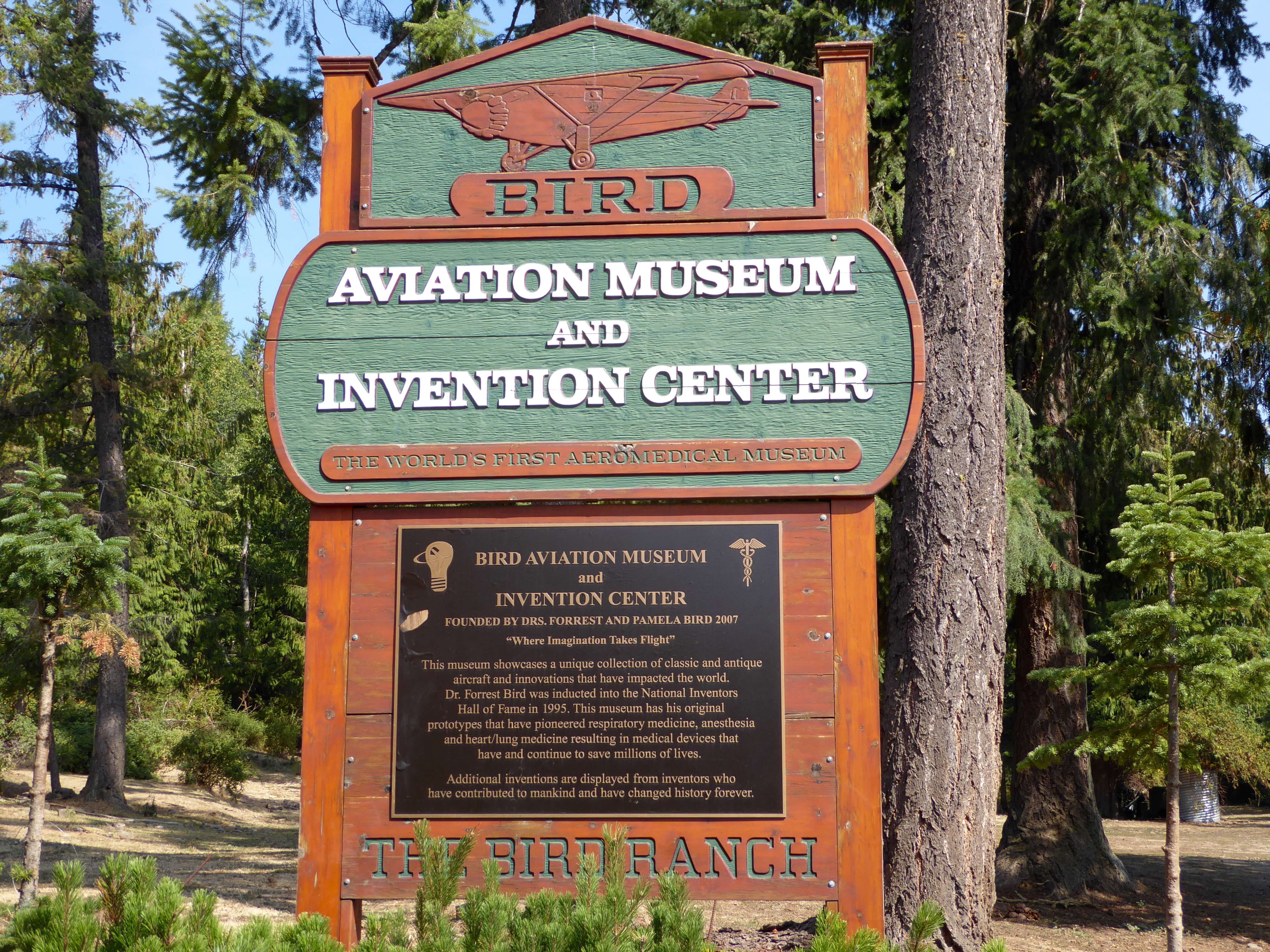
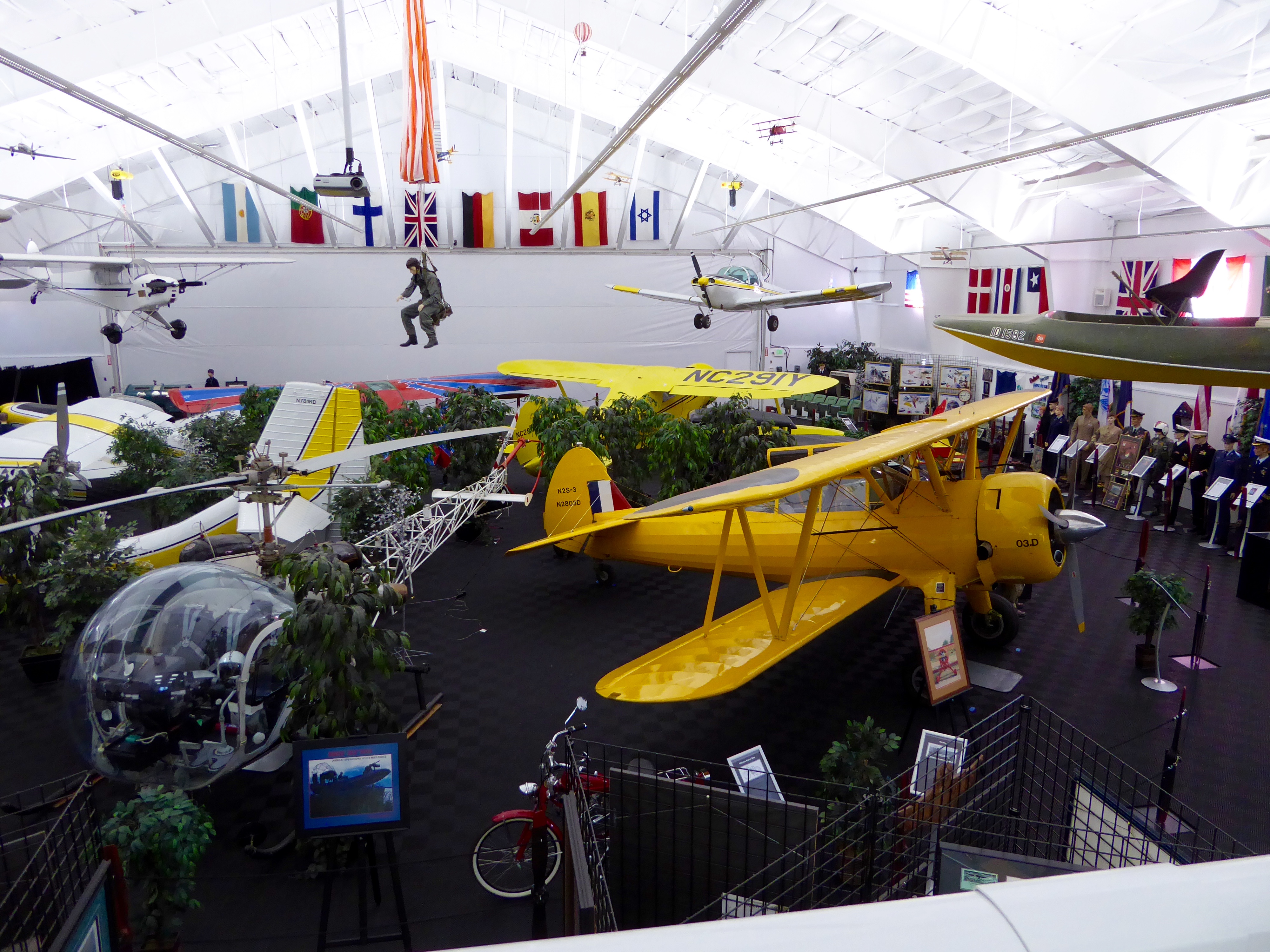
Recently, on our days off, we have explored a couple local museums. Near Sagle, Idaho, actually out in the middle of nowhere, we visited the highly recommended Bird Aviation Museum and Invention Center.   It was well worth the hour drive.

P1010960

The Museum has information and exhibits about aviation, war, inventors and inventions.

P1010944

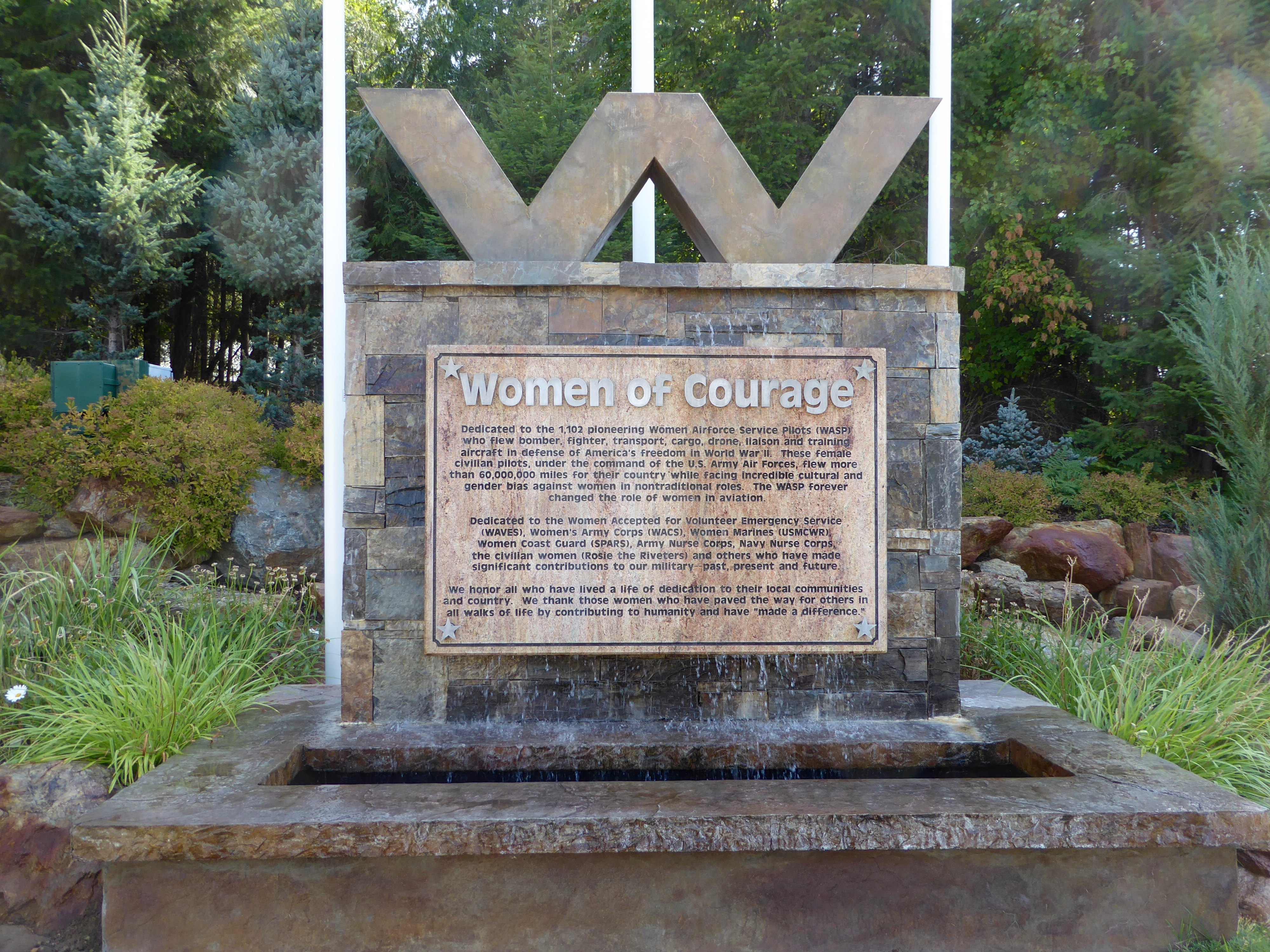
We learned about the WASPS,  the Women Airforce Service Pilots, consisting of 1102 female civilian pilots who flew missions (bomber, cargo, drone, training and transport) of over 60,000,000 miles during World War II under the command of the US Air Force.  Did you know?  We didn’t!

P1010963

Forrest Bird was the son of a World War I fighter pilot whose contemporaries were the Wright Brothers and Amelia Earhart. He grew up in that world and began flying at age 14.   Forrest Bird was a pilot during World War II.  The allies knew that German pilots could fly at higher altitudes so had to have a type of respirator system. We were told that he examined a downed German plane to learn about their respirators.

A family friend and Forrest Bird’s first wife both suffered from emphysema and he  developed a rudimentary respirator which helped each of them. Respirator development continued and became his life’s work.

P1010956

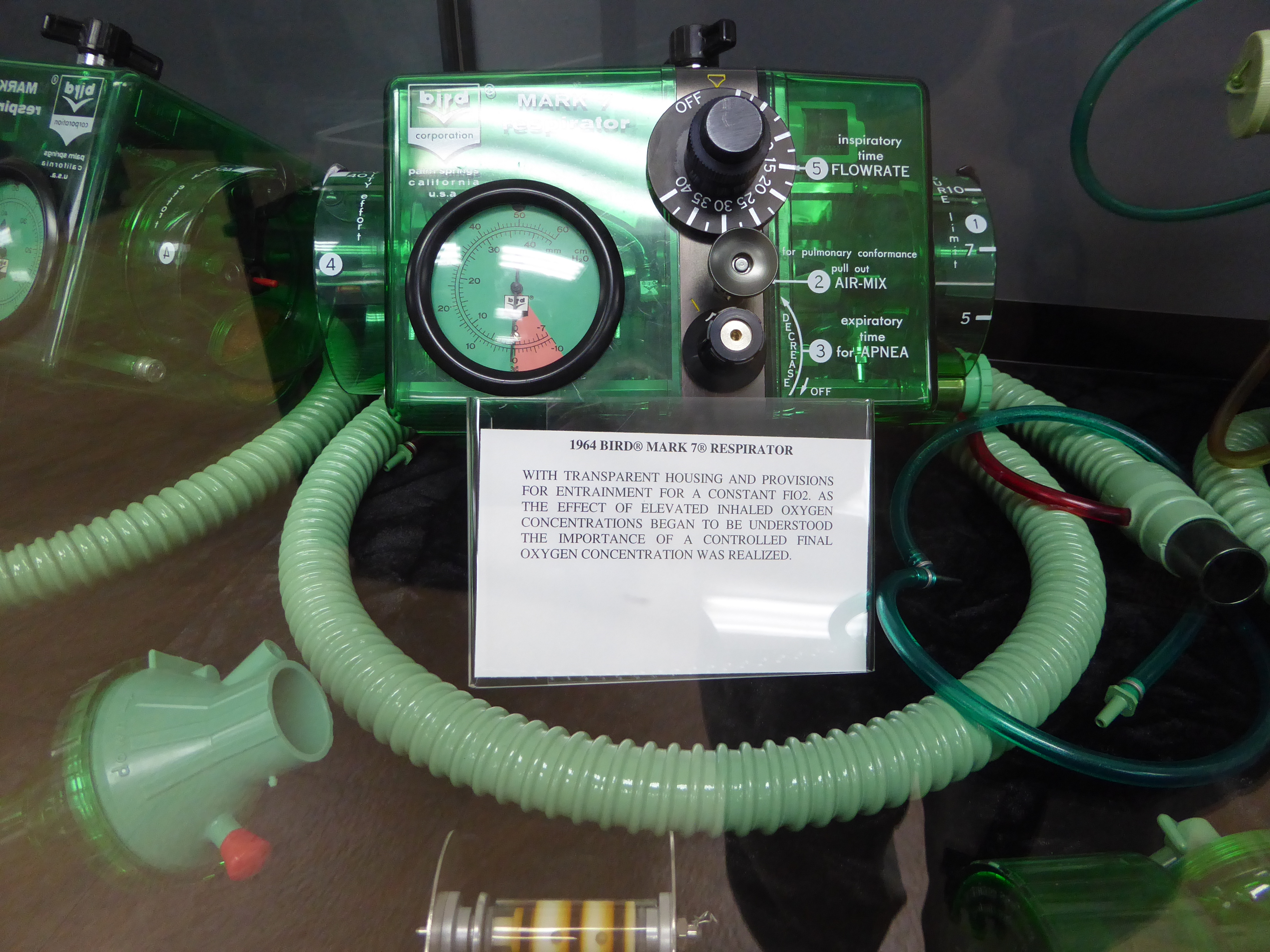
The Bird Mark 7 (the 7th prototype) became the first mass produced respirator in the world, is commonplace in hospitals, and is still in production (with improvements) over 50 years later.

P1010943

Developed in 1969, the Baby Bird respirator decreased the death rate in premature infants with respiratory distress from 70% to less than 10% within two years.  It also eliminated blindness as a result of too much oxygen.

Further development of respirator systems and aircraft modifications allowed for the birth of Intensive Air Transport beginning in the VietNam era. Forrest Bird is credited with saving countless lives through his varied respirators and medical transport work.

P1010953

We also visited the Museum of North Idaho and enjoyed a Living History Walk with Robert Singletary representing General William Carlin, Commander of Fort Sherman.

P1010990

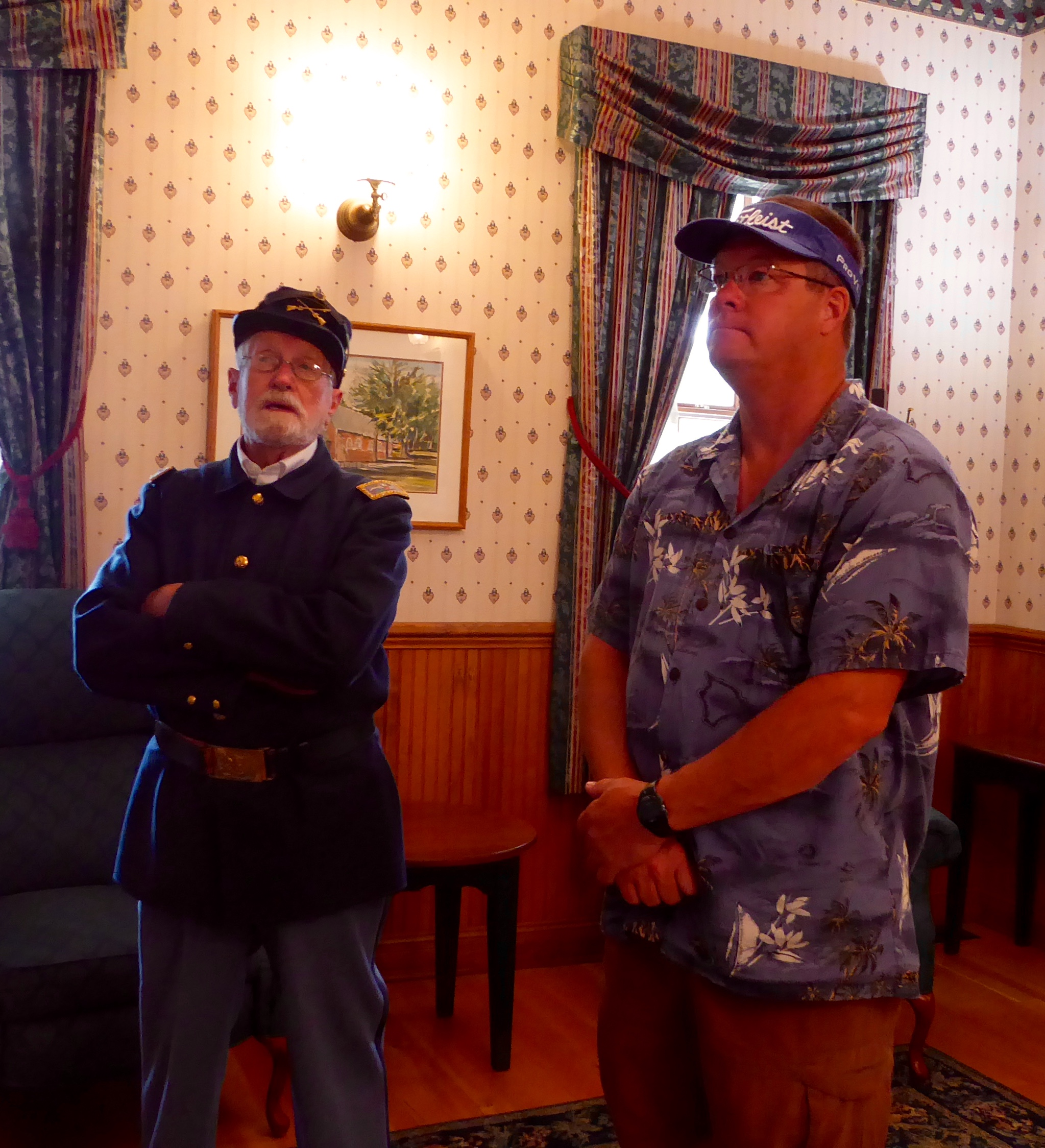
As Randy and I were the only ones on the walk that morning, our one hour tour became a two hour walk and conversation which we enjoyed very much. Mr. Singletary has taught at various universities and been chairman of the museum board.

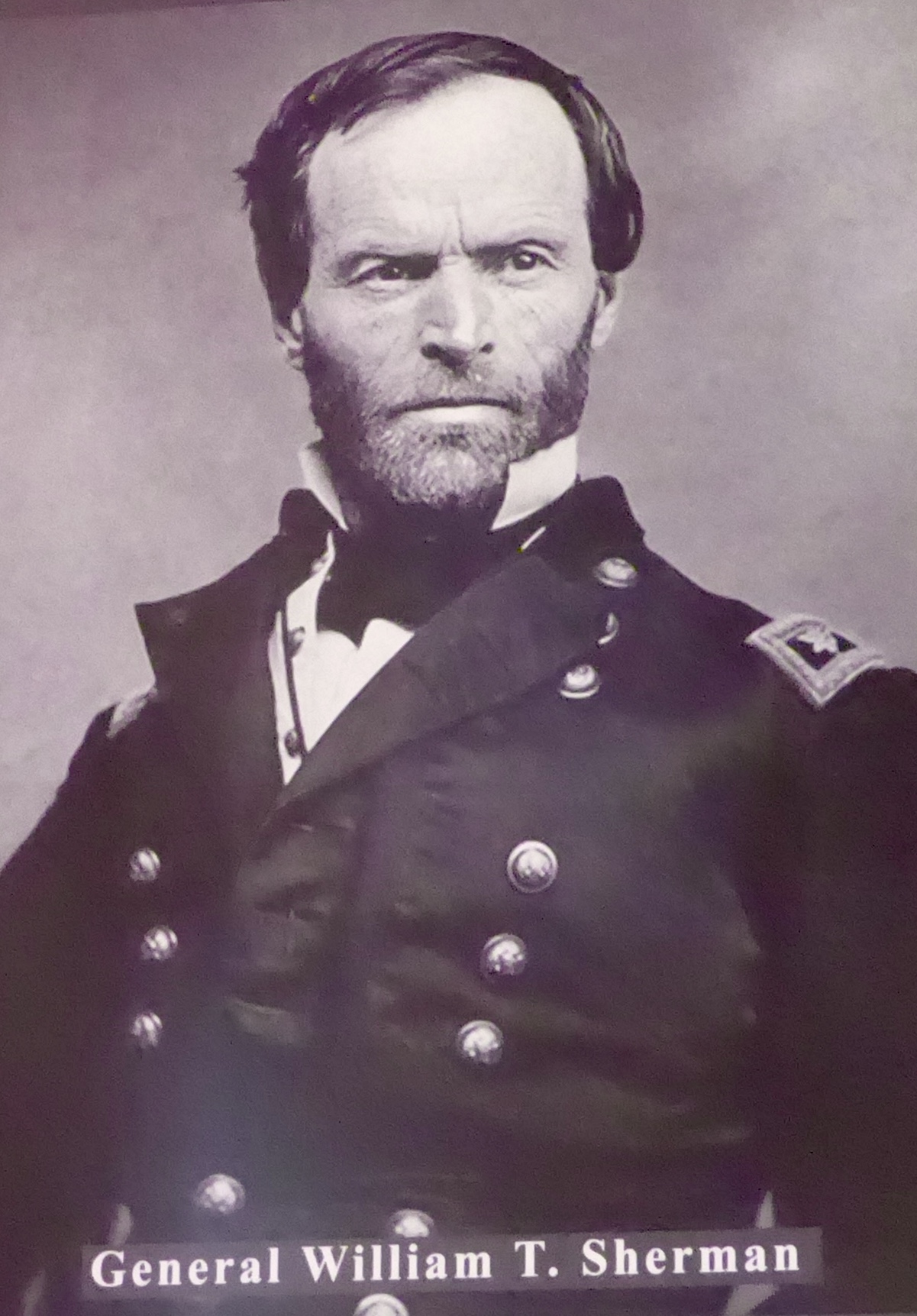
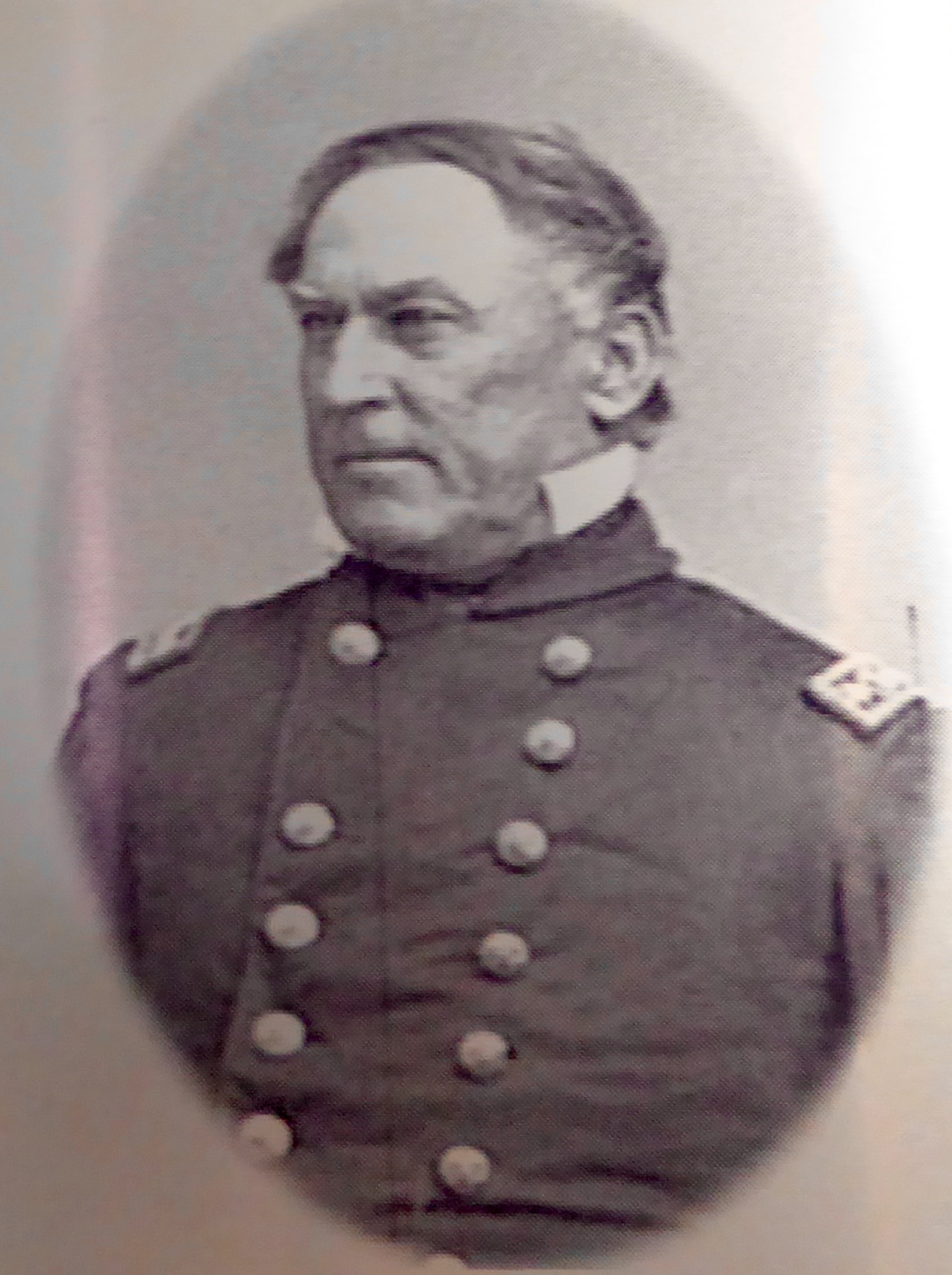
After all I've heard about General Sherman, I was surprised he was such a nice looking man!

After all I’ve heard about General Sherman, I was surprised he was such a nice looking man!

General William Tecumseh Sherman conducted an inspection of military needs in the west in 1877. He selected a site on the lake for a fort which would provide a military presence given the Indian Wars.  The fort, built a year later was  named Camp Coeur d’Alene. General Sherman returned to inspect the fort in 1883. When he retired,  the camp was renamed Fort Sherman. The adjoining community then adopted the name of Coeur d’Alene.

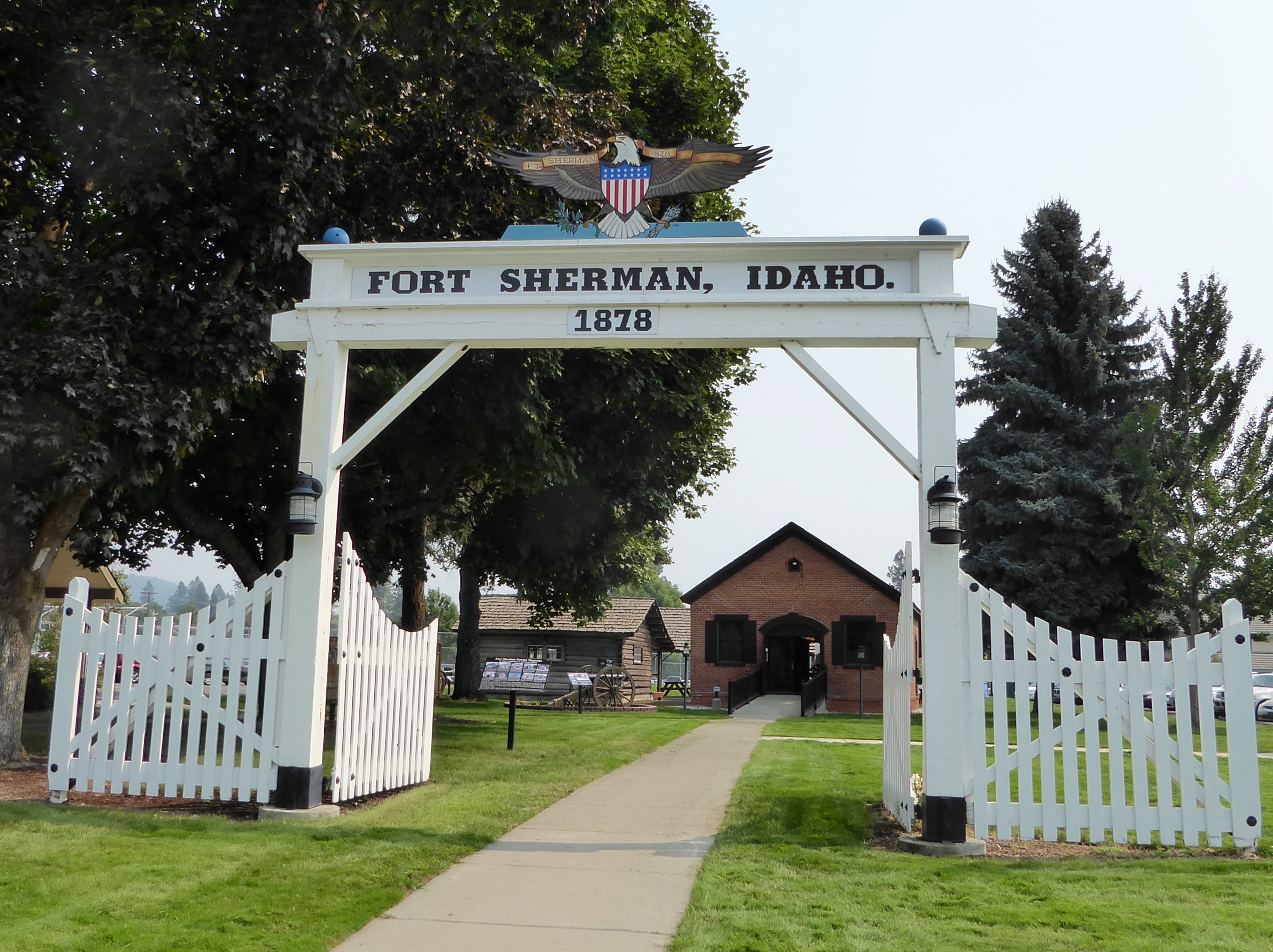
A 3/4 replica of the Fort Sherman entrance with the Powder House behind.

A 3/4 replica of the Fort Sherman entrance with the Powder House behind.

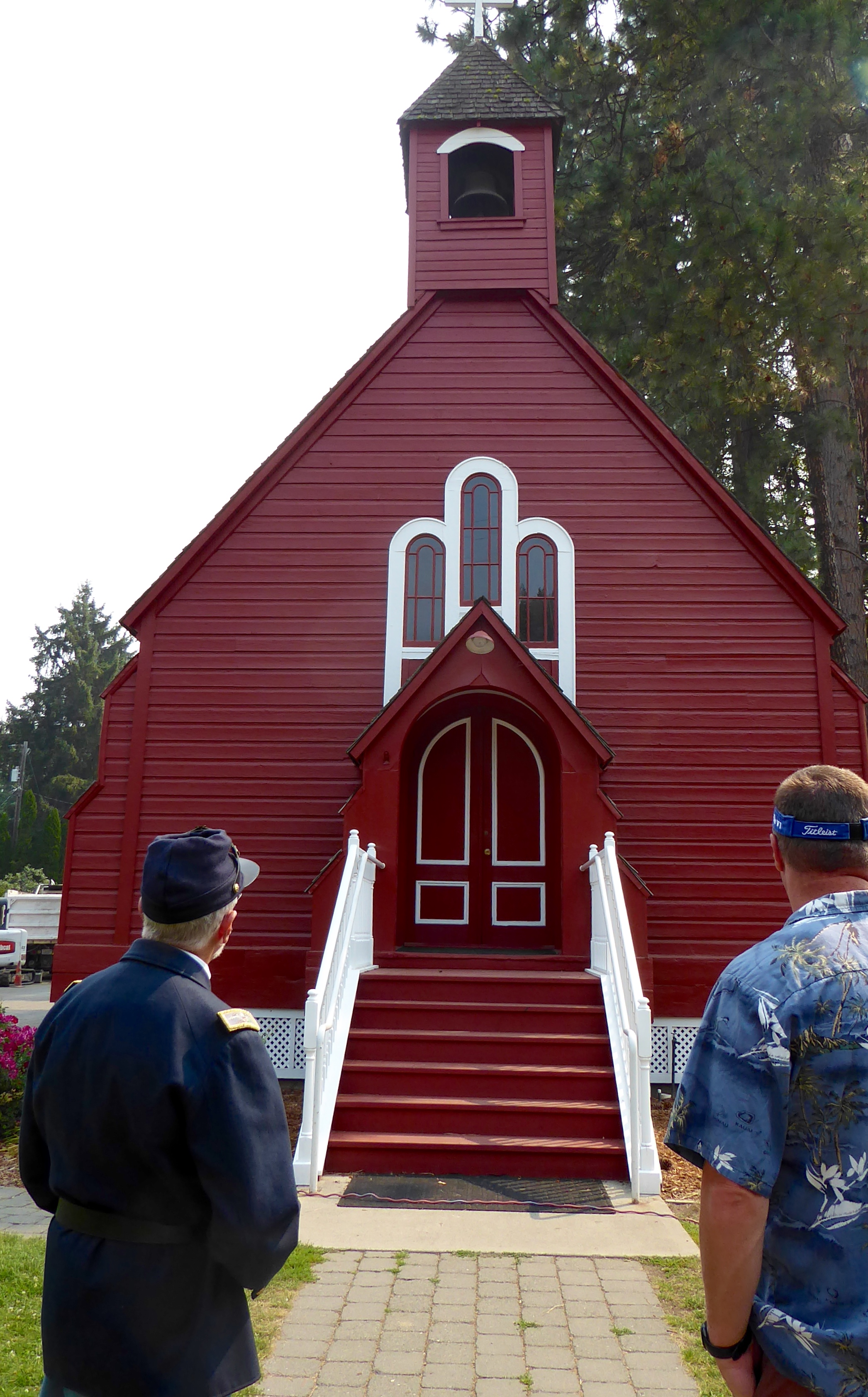
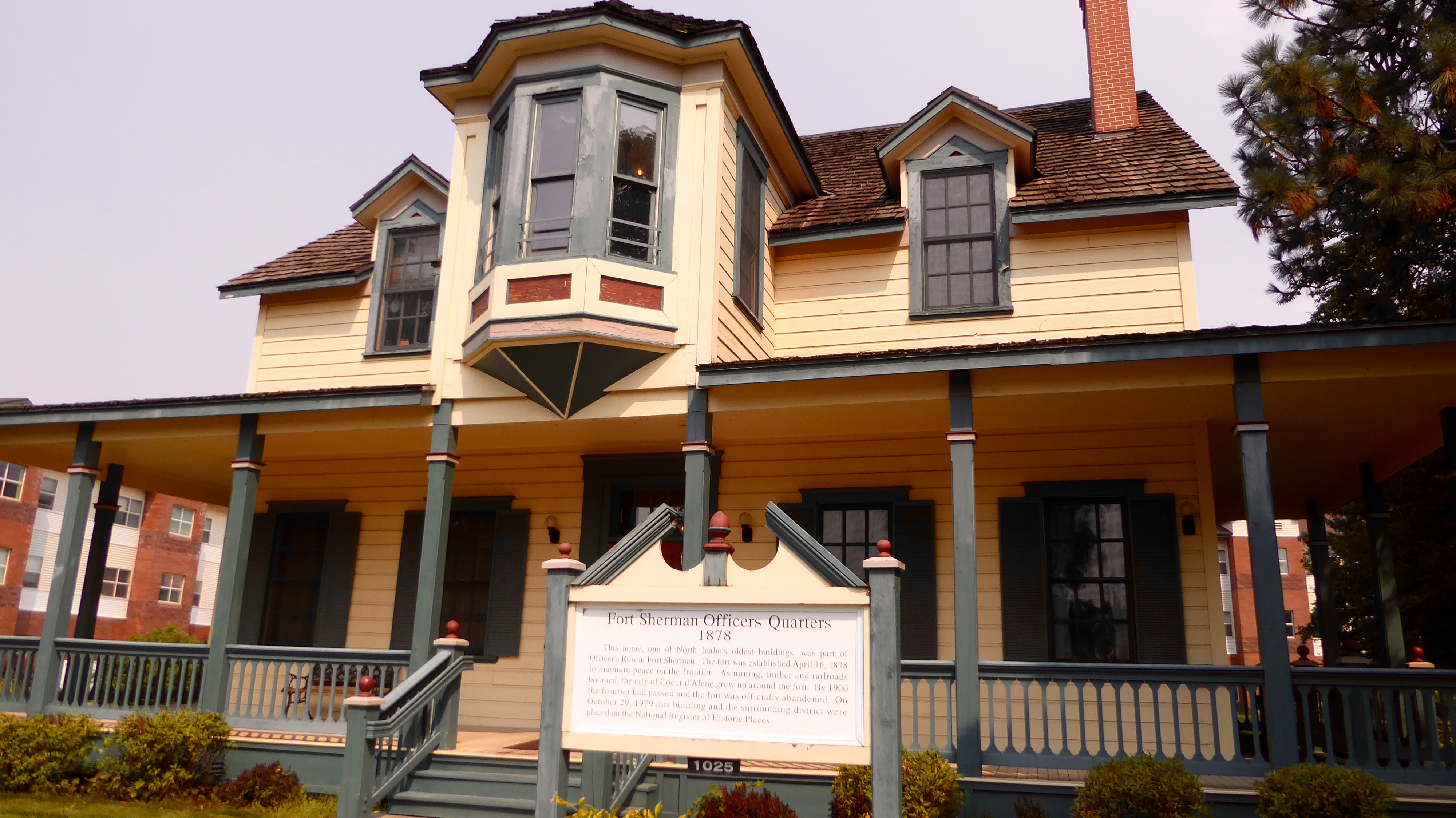
Three buildings remain from the original fort and sit within the North Idaho College grounds.  The Powder House has been remodeled into a small museum.

P1010984
The chapel is available for events and meetings and the Officer’s Quarters have been remodeled into faculty offices.

P1010987

The native peoples in the area, the Coeur d’Alene tribe, called themselves  the Schitsu’umsh, meaning “Those who were found here”. Like many native peoples, they originally roamed a large land encompassing 5 million acres. Unlike many native peoples, their reservation lands are within their original lands.

At some point, the federal government decided that each adult should receive a deed to 160 acres. When lands were distributed by deed, the remaining parcels within the reservation were sold to others and the reservation lands were reduced as a result.

Currently, with proceeds from their casino, the Coeur d’Alene tribe is buying back those parcels within their original reservation as they become available.

We will learn more about native peoples, The Crow, at our next volunteer gig in Montana. We will be helping at Chief Plenty Coups State Park (south of Billings) for the month of September. Randy will be helping with maintenance and I will be working in the visitor center. The adventure continues!

Posted in Uncategorized | 2 Comments

Something Old, Something New

We have been blessed the past two weeks with visiting friends, some “old” and some “new”. Thank you Darrell, Cindy and Beth for including us in your travels.

“Old” friends from Boise (duration- not age!), Darrell and Cindy, made reservations right away when they heard we were going to host at Farragut. (That gave us 9 months to look forward to it!) As long time RVing partners, we spent a week in Farragut 9 years ago and had a great time. This time they stayed for almost two weeks, their longest vacation ever.  It is so comfortable to hang with friends who know you to your core.

P1010866

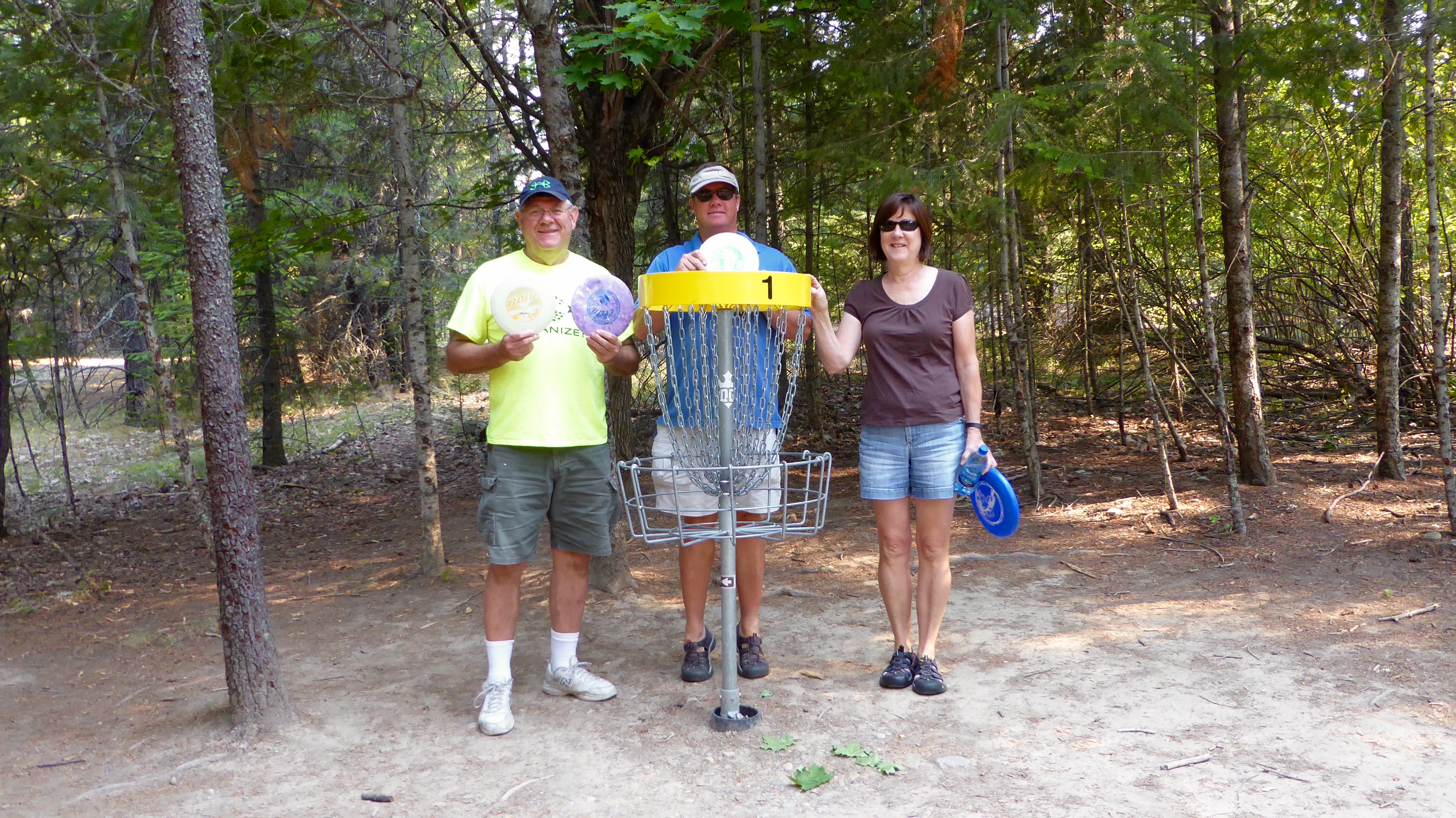
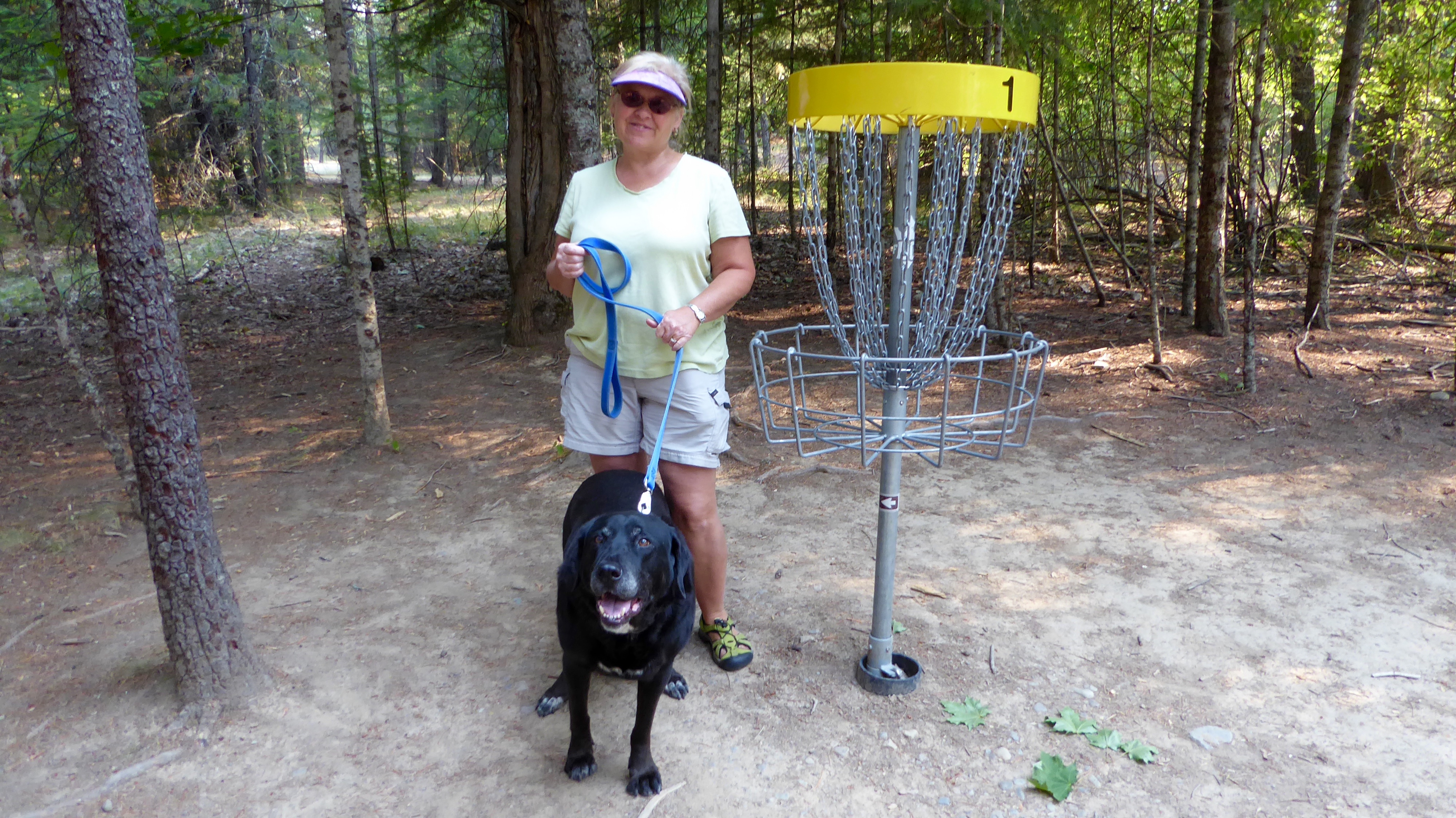
We revisited some places and things we had done before – like playing disc golf.  Darrell and Randy took turns playing my purple disc as I walked with Elko,  and  I have never played so well!

P1010868

Part way through, they decided to play it as a golf “scramble” meaning everyone throws and the group picks the best shot, then everyone throws from there and on and on.  (I don’t know why that format is called a scramble and not best ball.) That was such a fun way to play that a couple days later we went back and played one of the harder courses.

P1010875

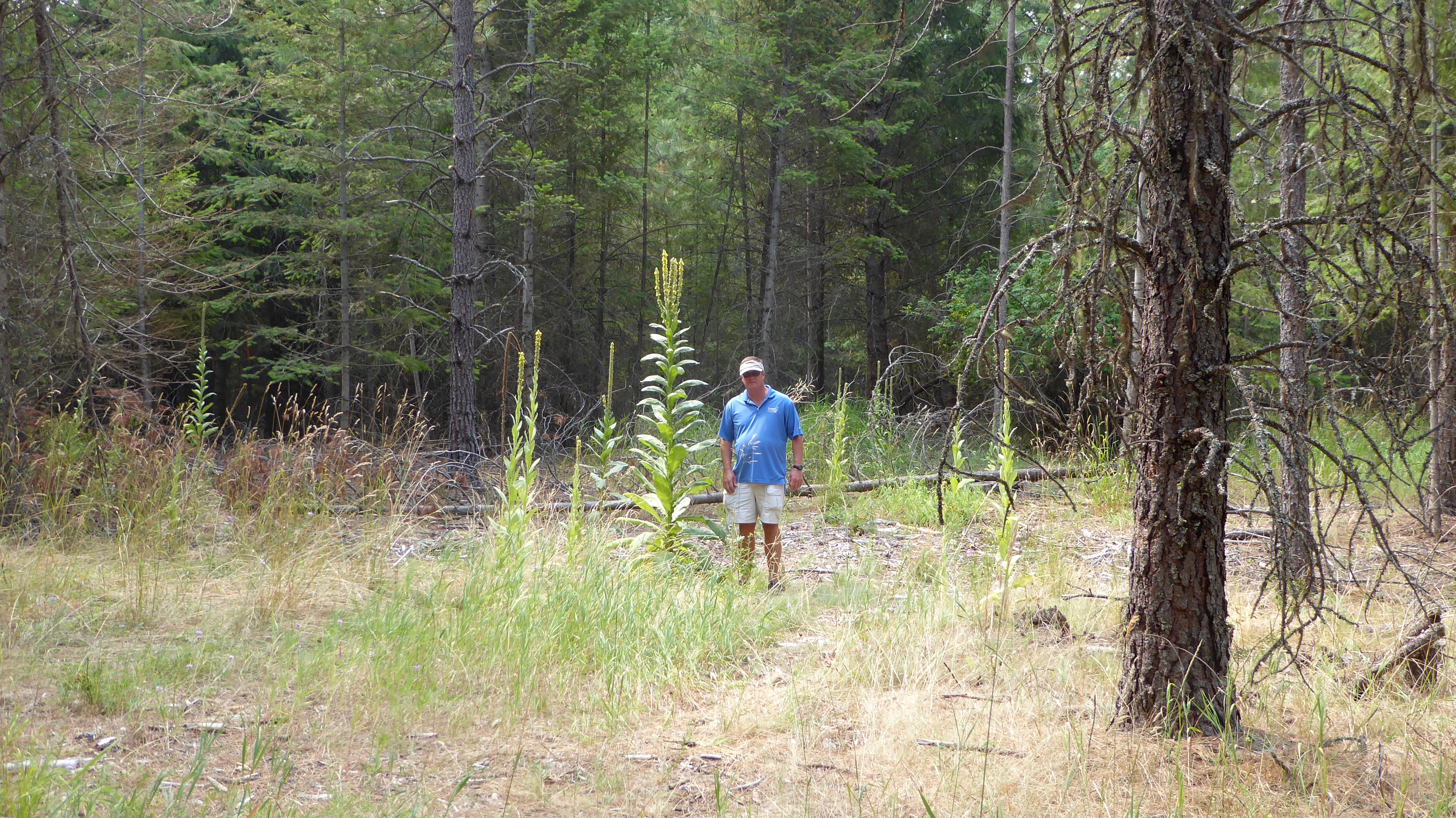
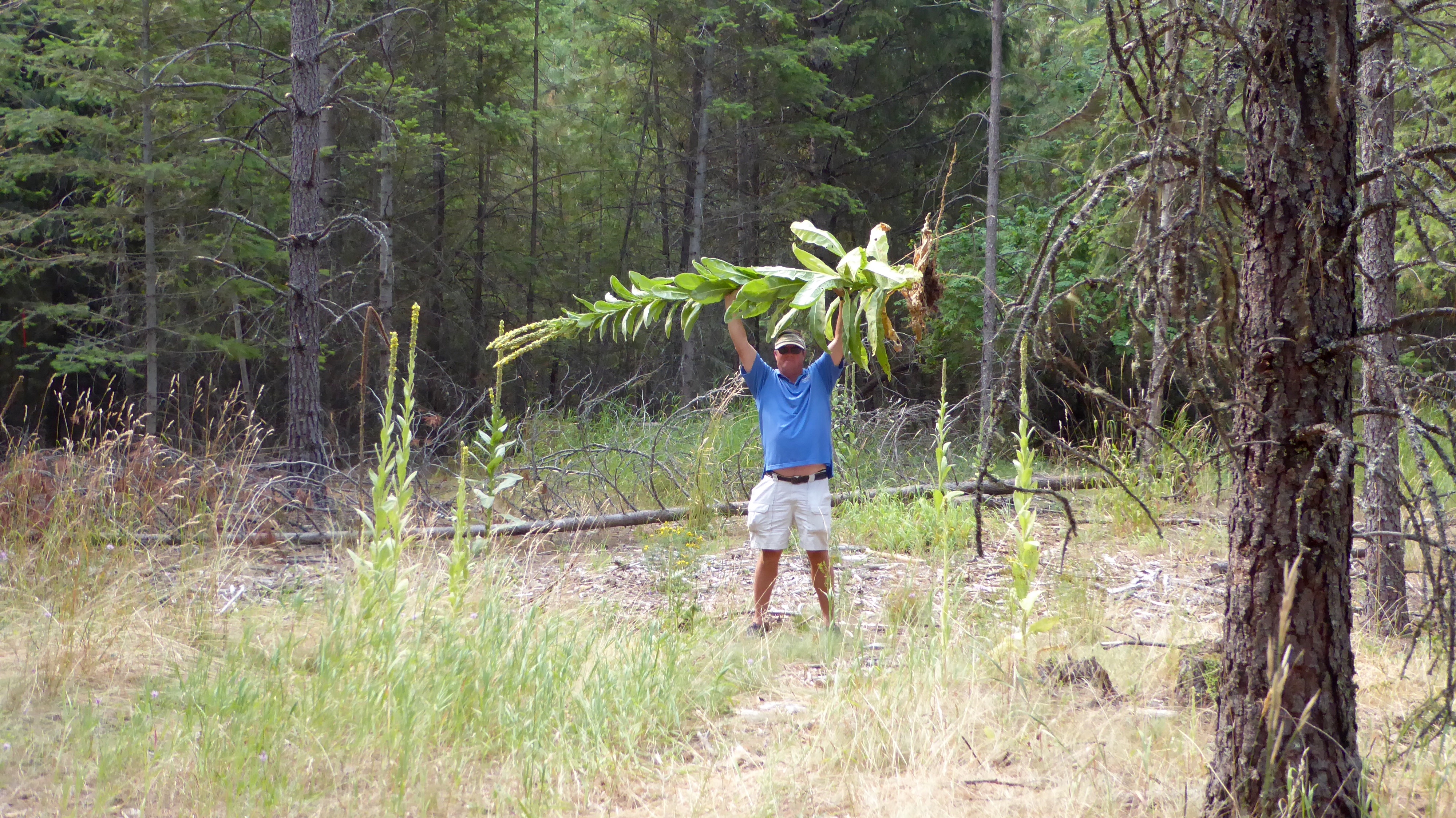
When we volunteered in Oregon, we were asked to uproot these noxious weeds, so we continue to do so here around the park.  The disc golf course had some doozies!

Randy won this battle!

Randy won this battle!

This belongs here, doesn't it?

This belongs here, doesn’t it?

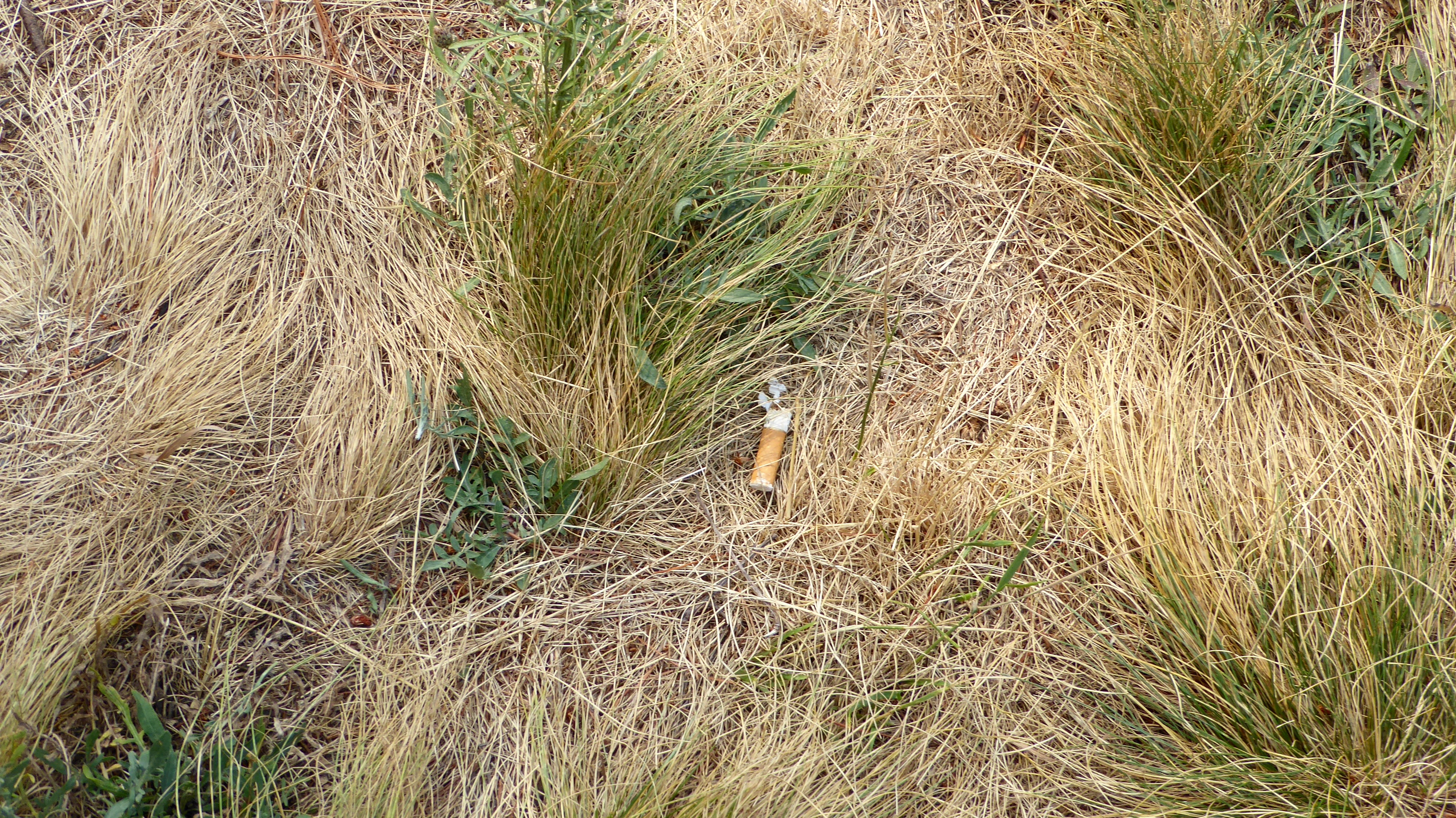
We also saw a lot of cigarette butts on the disc golf course, in the grass, in the drought, in the Stage II Fire Alert.  It drove us crazy so we went back through the course on a trash run the next day.

P1010864

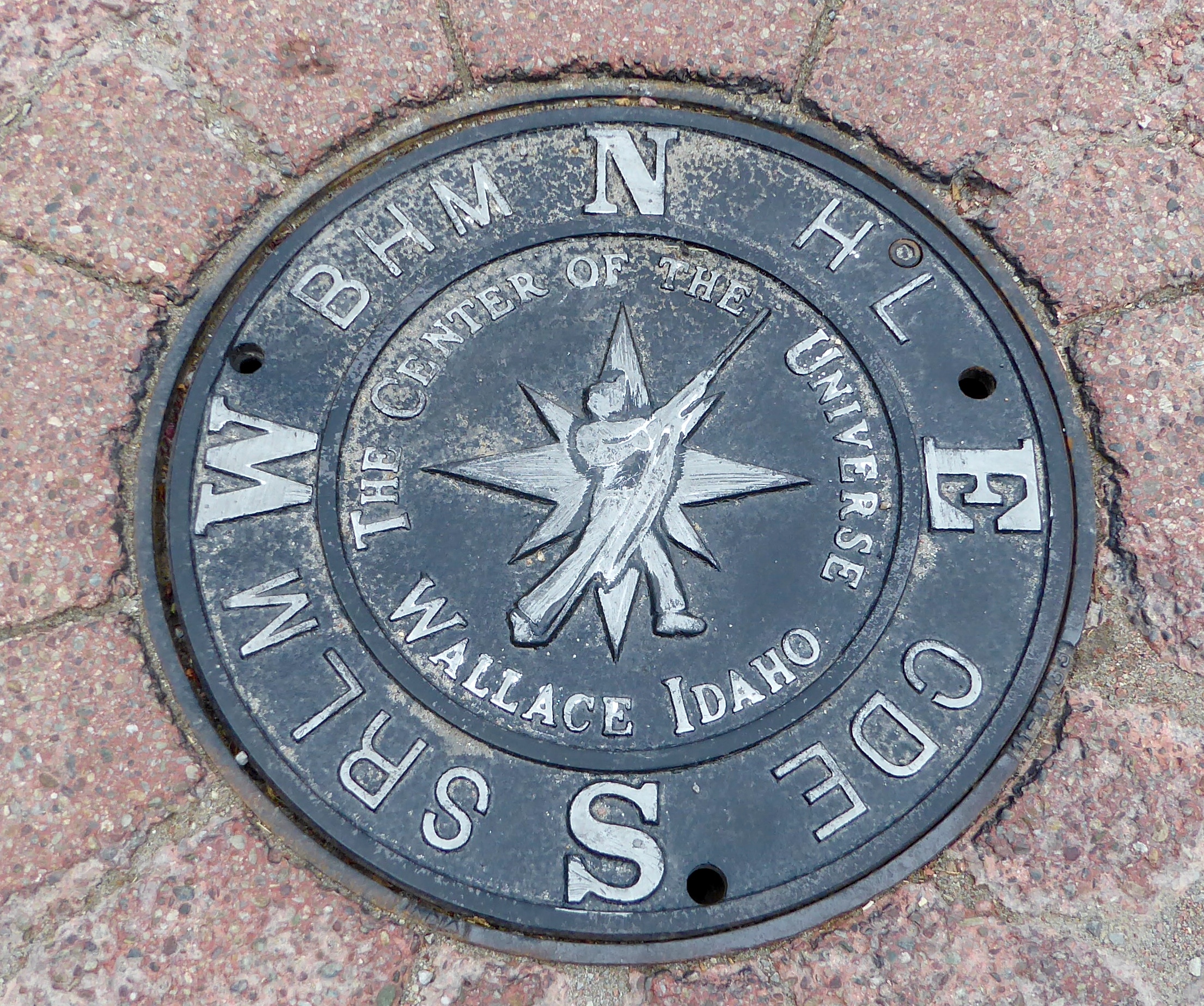
Another day we drove into Wallace, Idaho – the mayor proclaimed “Center of the Universe.”    Supposedly no one has bothered to dispute his claim.

P1010850

We enjoyed the Sierra Silver Mine Tour which begins with a trolley ride and brief history of Wallace.  Wallace was very nearly destroyed in the Big Burn of 1910 and some miners survived the devastation only because they stayed within a mine. Also, due to the mining operations, there were more millionaires in Wallace, Idaho in the 1920s than anywhere else in our country.

P1010846

Twenty percent of the world’s silver was mined from the Silver Valley in Northern Idaho yet the Sierra Silver Mine was never profitable. It was too shallow for the silver vein and other groups “under-mined” it – mine tour humor. While silver mining throughout the region remained profitable, the local high school utilized the Sierra Mine for an elective class to help train future miners.   When silver mining became less profitable, the town of Wallace supported the idea of using the same Sierra Mine as a tour location.

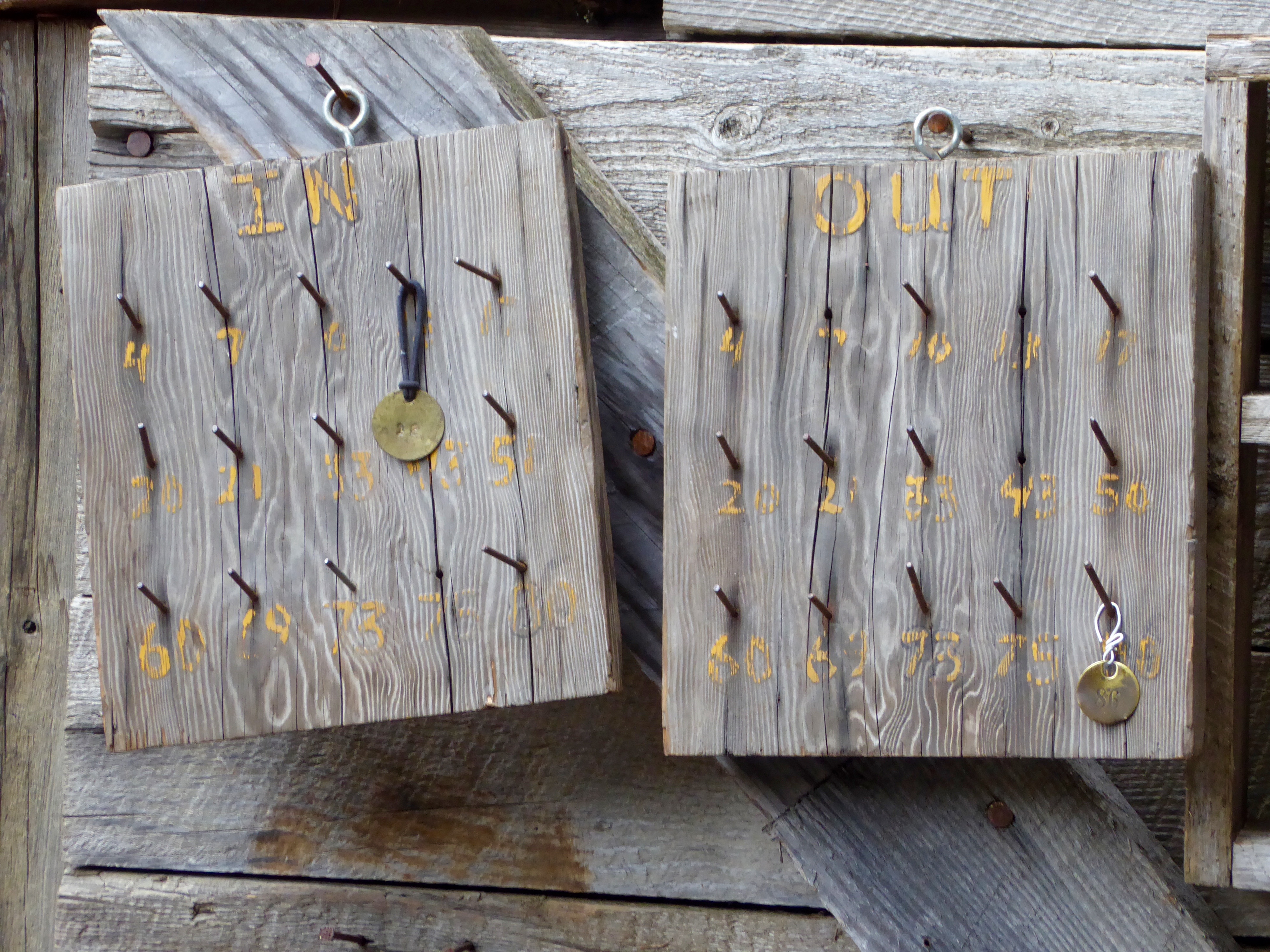
One of the worst mining disasters in the US occurred at the Sunshine Mine between Wallace and Kellogg, Idaho.  In 1972, 91 miners were killed when a fire broke out within the mine.  The tour guide told us about changes in equipment and procedures in mining as a result of that tragedy, including this simple “in and out” board so people know who is within – something that was problematic during the Sunshine Mine rescue efforts.

Who is in the mine?

Who is in the mine?

In the middle of enjoying our “old” friends from Boise, our “new” friend, Beth, came to visit for a couple days on her drive towards Michigan.  We met her in Tucson in February and connected again on the Oregon Coast in June.  It was so nice to see her once more.

P1010896

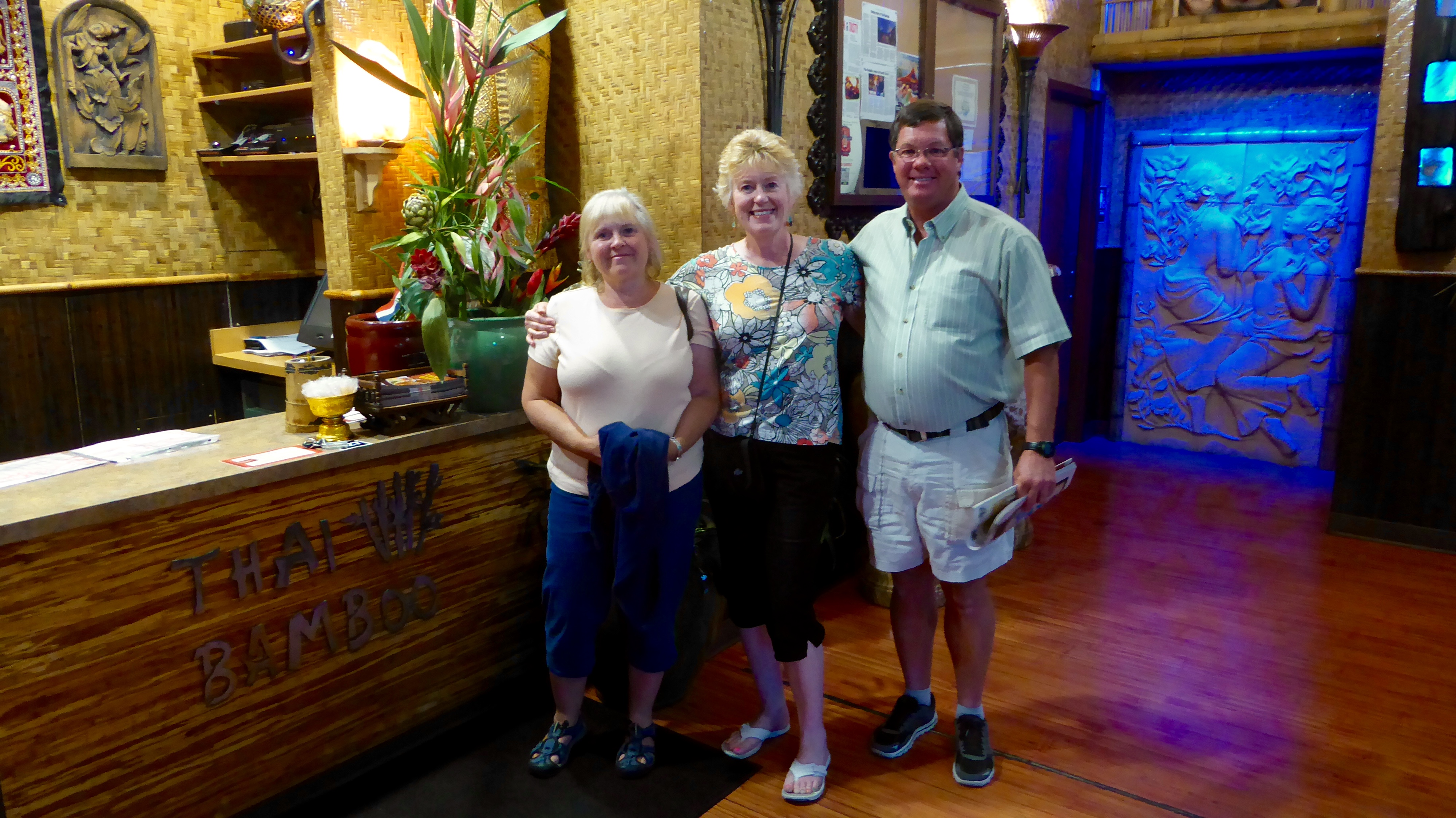
Friendships need to be very intentional on the road and we appreciate that she came through this way. The three of us enjoyed catching up and eating dinner at a local Thai Restaurant.

IMG_1021

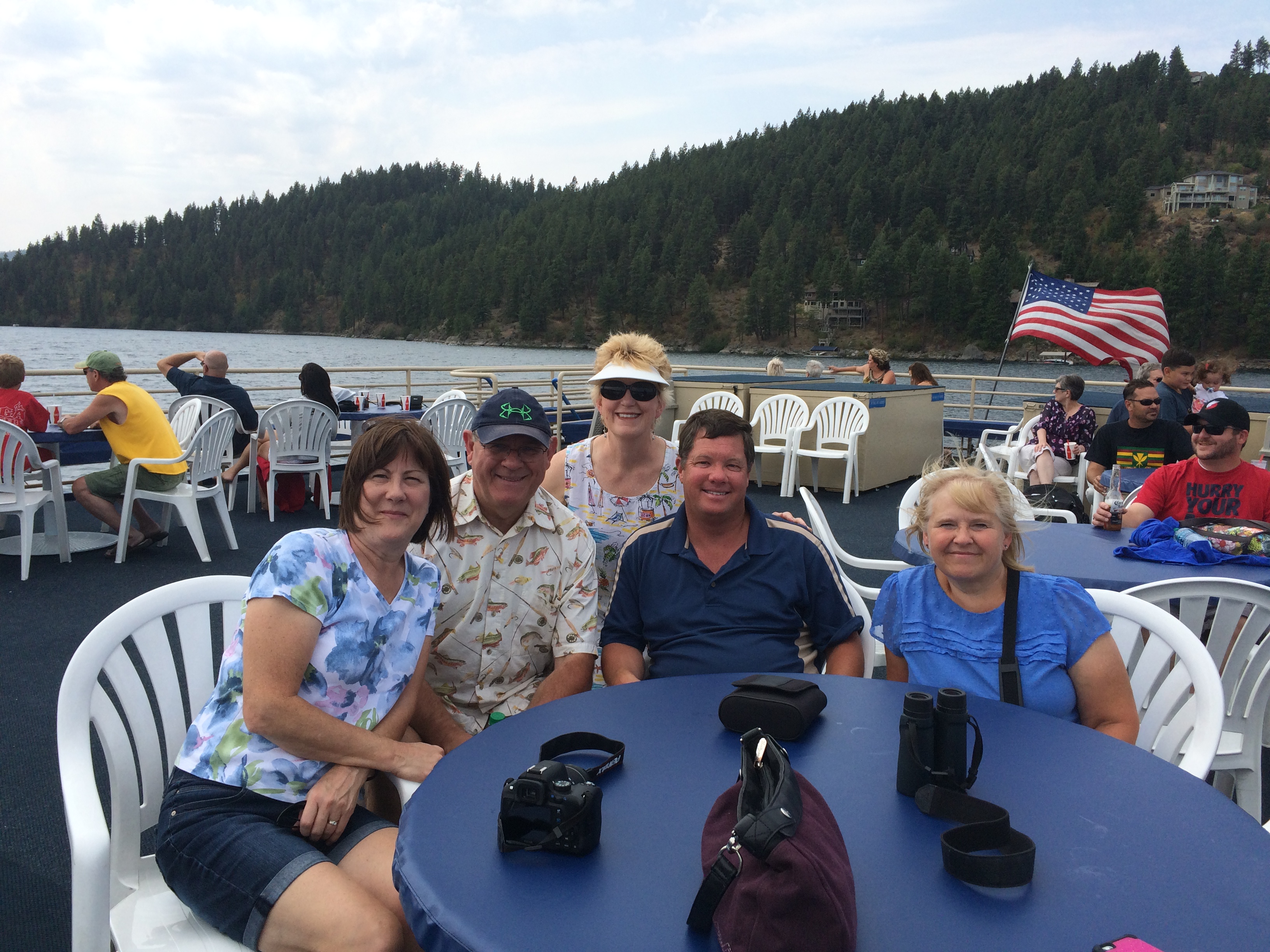
The five of us enjoyed a cruise on Lake Coeur d’Alene, Idaho’s second largest lake. This activity marked a first for Randy and me – the first time we have ever been able to take advantage of a senior discount.  We are not sure that is a good thing!

IMG_1024

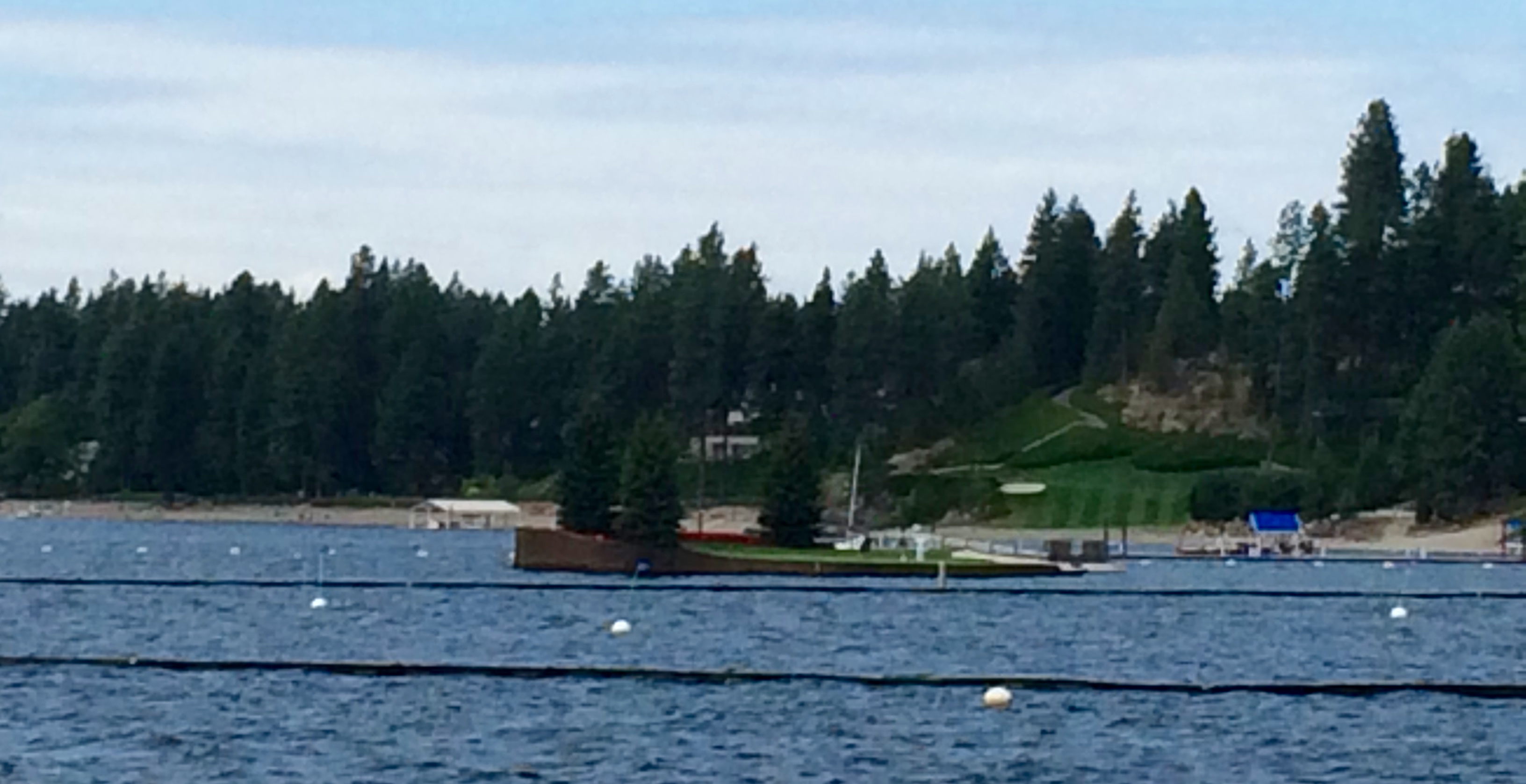
We saw BIG houses and the famous Floating Green at the Coeur d’Alene Resort. The length of the 14th hole changes from 75 – 175 yards depending on where the green is located. A golfer gets two tries and then travels to the green on a boat called The Putter.

P1010917

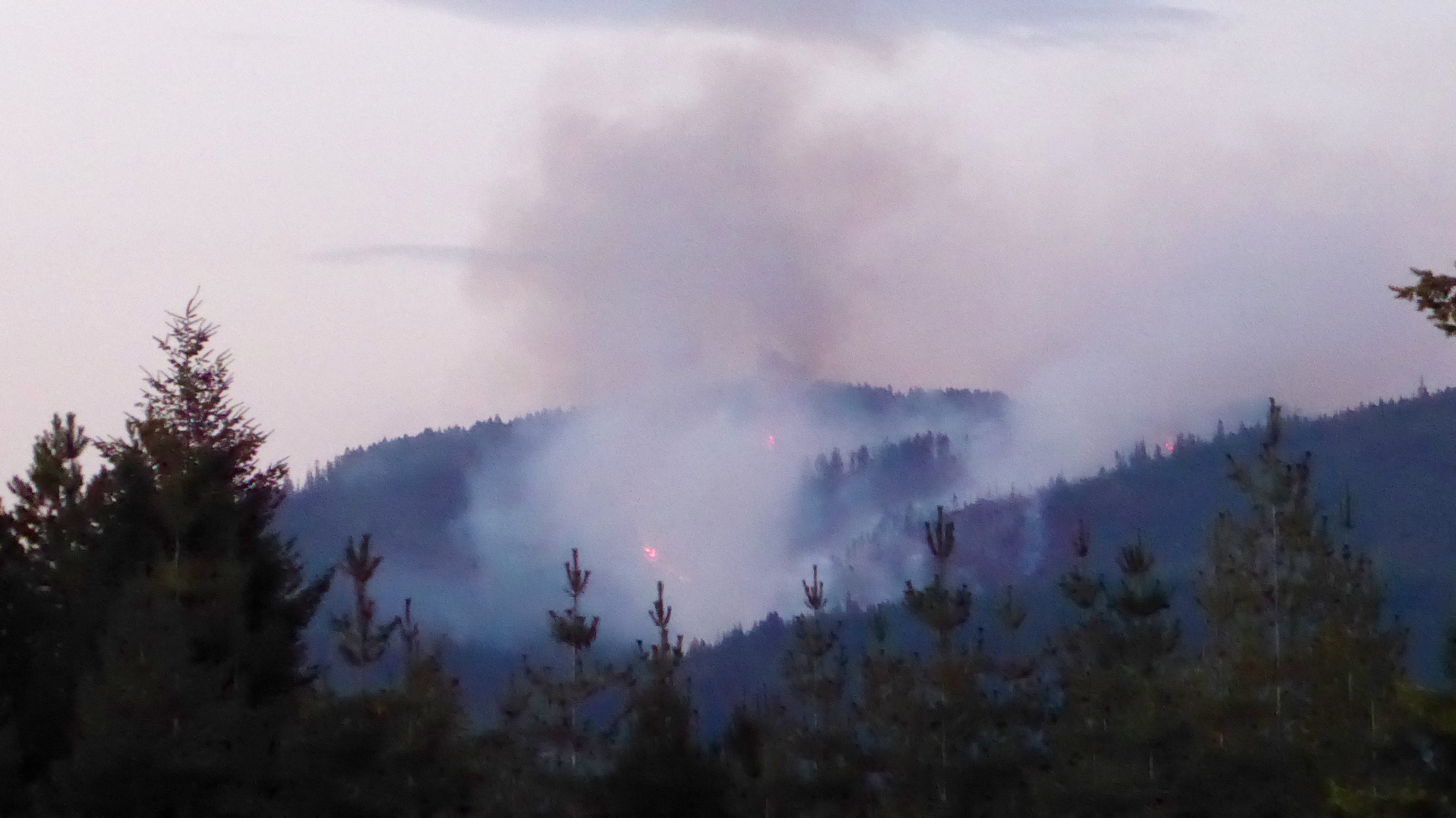
In keeping with the “Something Old, Something New” theme….we still have our old fire, and, unfortunately, we now have a new one. The Cape Horn fire, burning since July 5th is considered “contained” but will likely smolder and burn until the snows come. Our new fire, The Three Sister’s Fire, began August 4th and burned about 300 acres but is now diminishing.   Utilizing about 300 fire fighters, it is considered 60 percent contained.

P1010922

Darrell, Cindy, Randy, Elko and I took nightly walks to places where we could observe the smoke and flames. Unlike the old fire, the new one has not threatened the park. Except for the fire restrictions, fire camp and heli-base, life here at Farragut goes on as normal.  All is well.

Posted in Uncategorized | Leave a comment

Farragut Turns Fifty!

P1010814

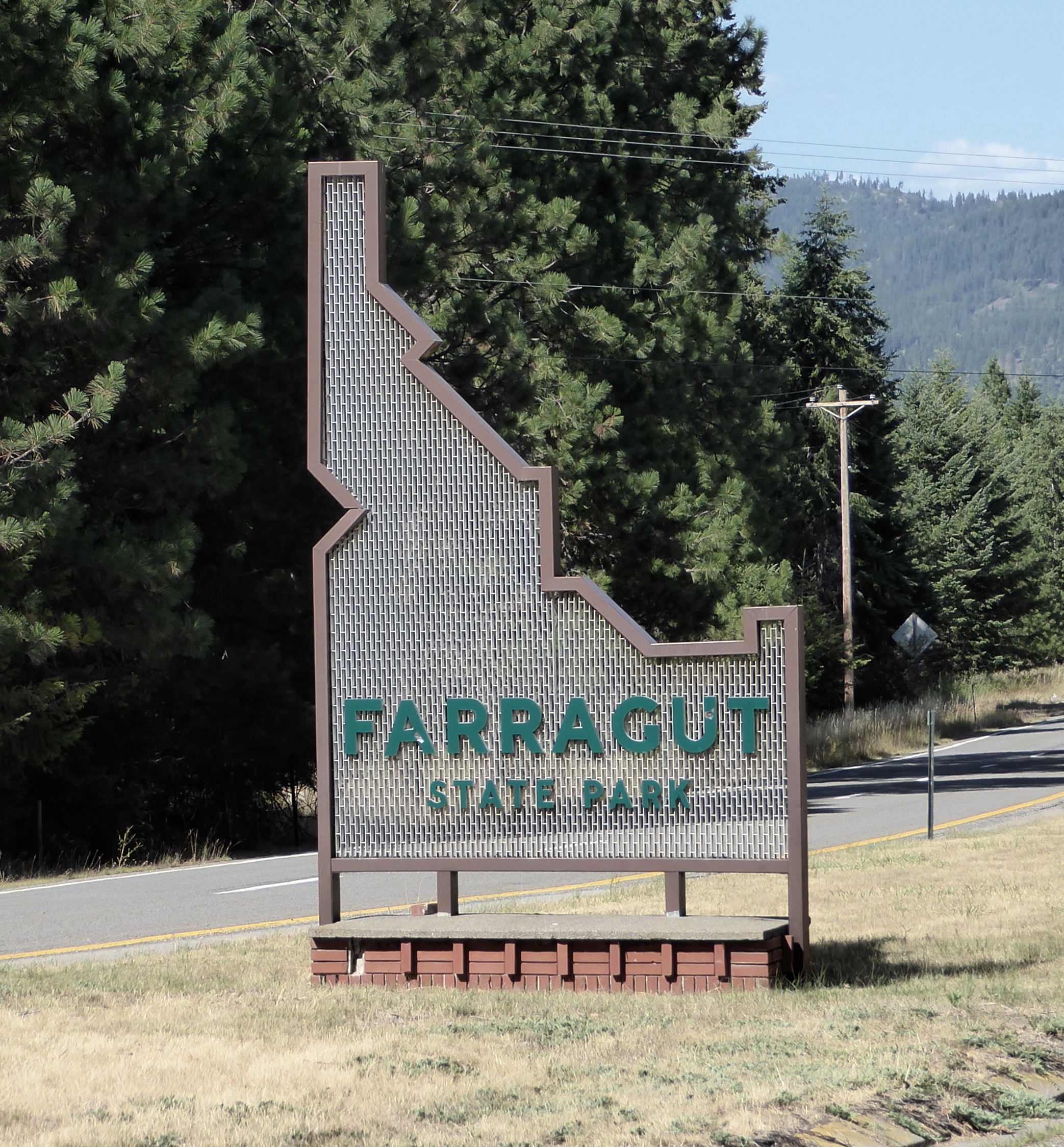
This summer we are celebrating Farragut State Park’s 50th anniversary. Farragut is a beautiful park in the Idaho panhandle near the southern end of Lake Pend Orielle. The lake is 43 miles long and the fifth deepest in the country.

CIMG0834

Farragut has four campground areas with varying levels of service, several group campgrounds and day use areas. It has hiking/biking trails, a flier’s field, an equestrian area, a swim beach, a boat launch and disc golf course.

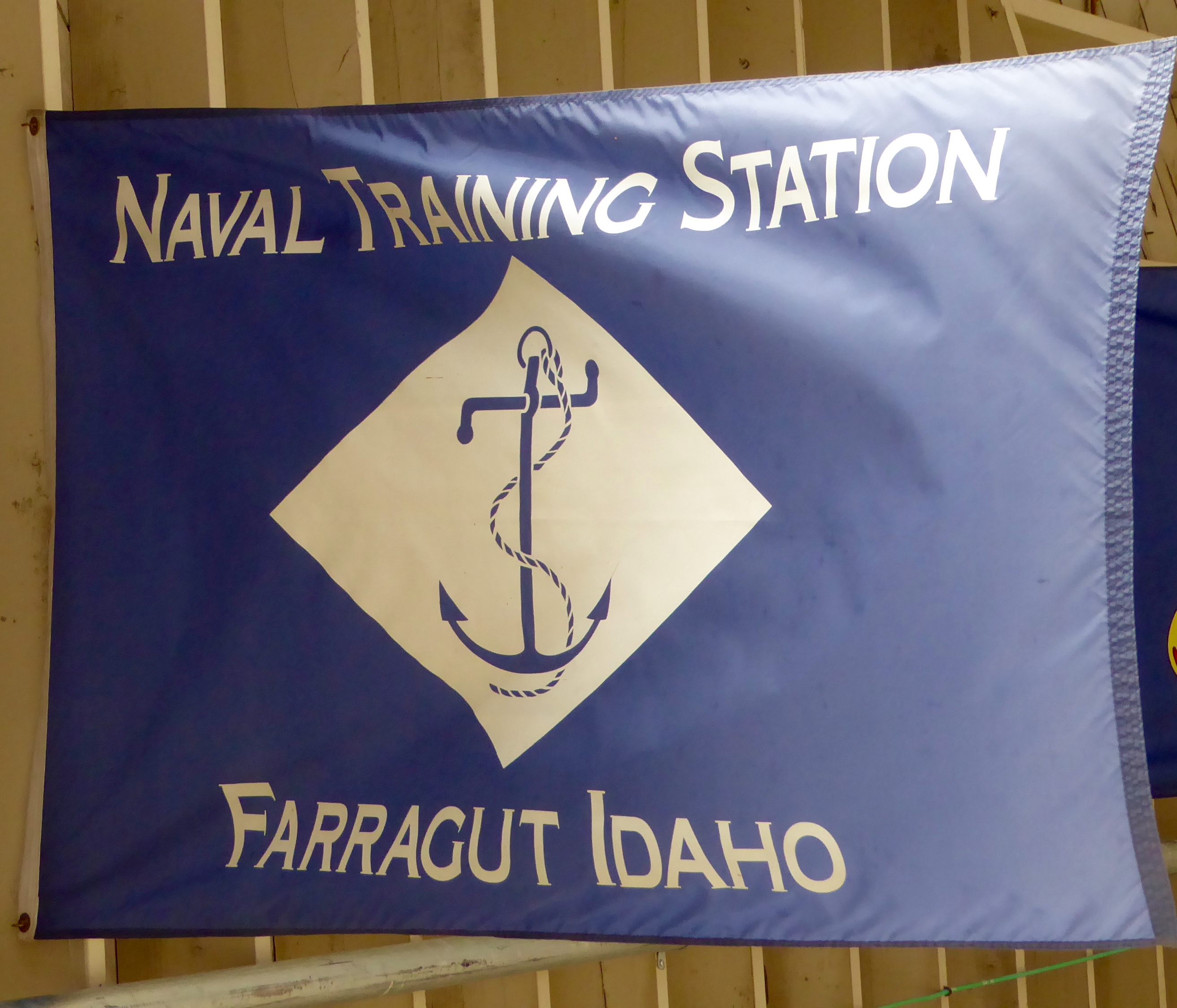
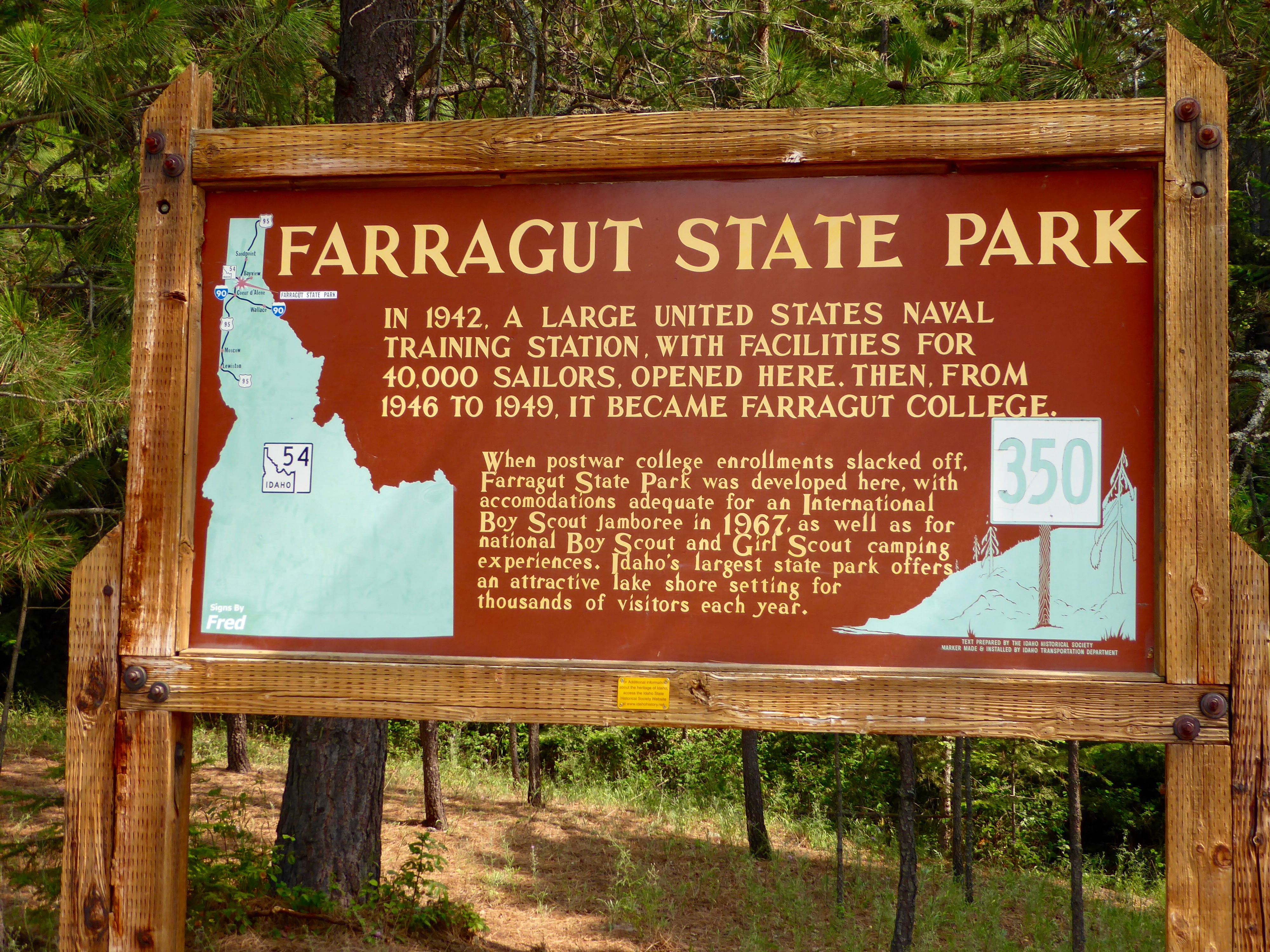
Throughout the park there are remnants of its past as a Naval Training Station.  After the attack on Pearl Harbor, and feeling like the San Diego site might be vulnerable, the Navy Commanders felt they needed a temporary inland training facility.   They chose this site on Lake Pend Orielle over a site on Lake Tahoe.

P1010798

The Station was named after the First Admiral of the United States Navy,  David Farragut.  He is famous for the phrase “Damn the Torpedoes, Full Speed Ahead” when battling the Confederacy at Mobile Bay.  


P1010795

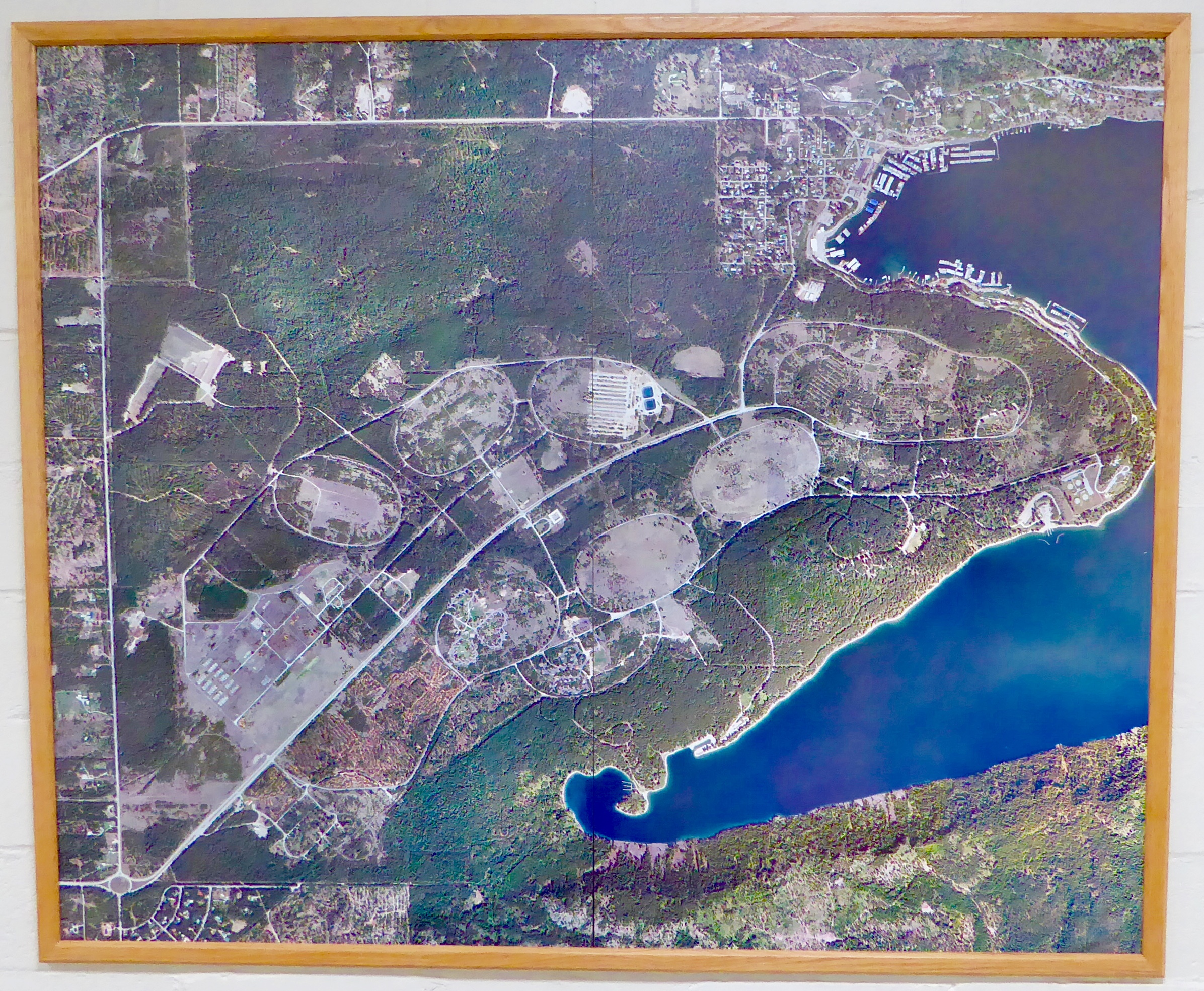
Built in just over six months,  six camps (oval areas on the map above) of 5000 “boots” and support areas were maintained at the station.  Named for deceased navy heroes, five were for officers and one for a seaman who perished while saving his shipmates.   Almost 300,000 recruits came through Farragut for 5-13 weeks of basic training from 1942 to 1946.

P1010784

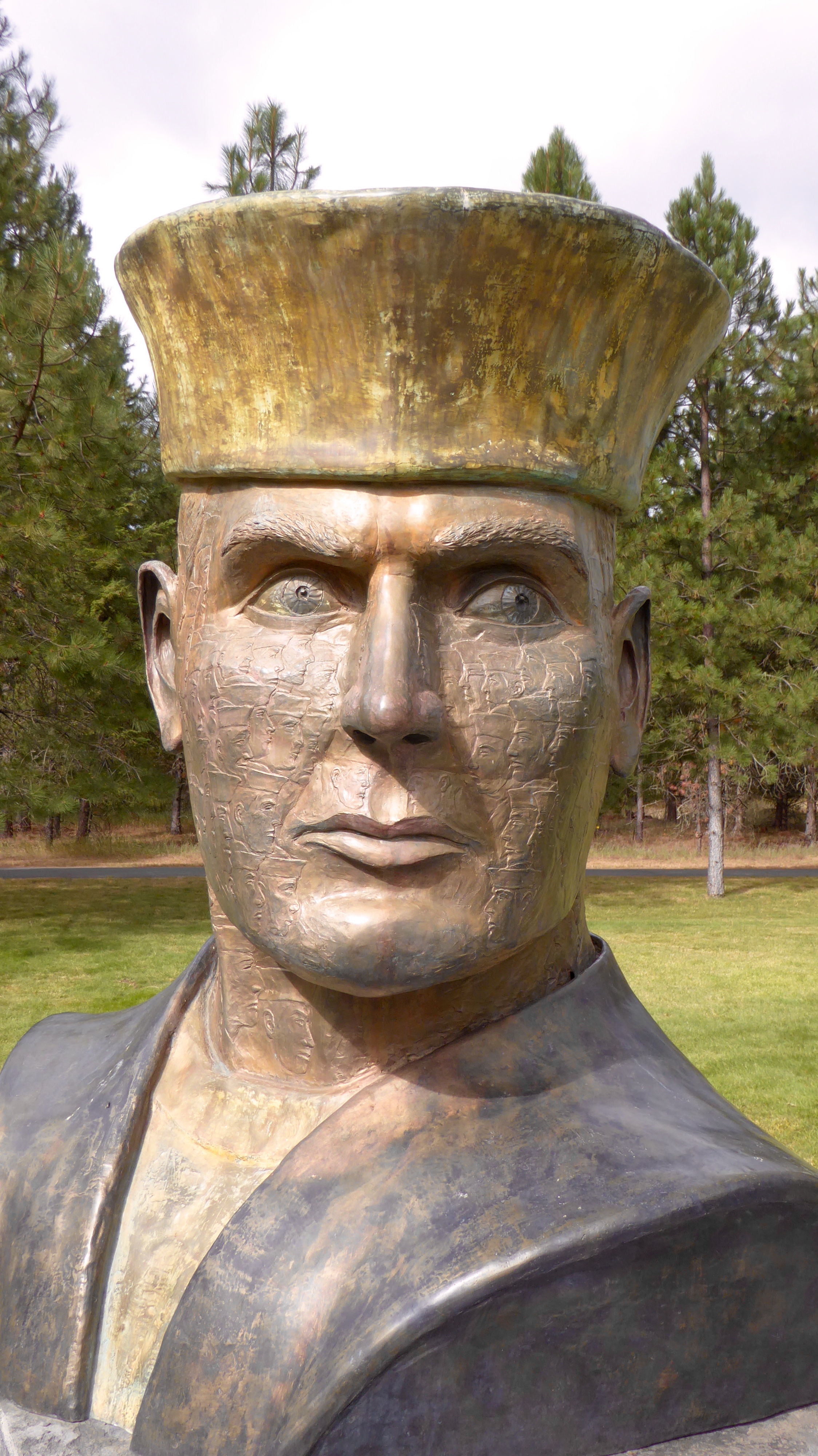
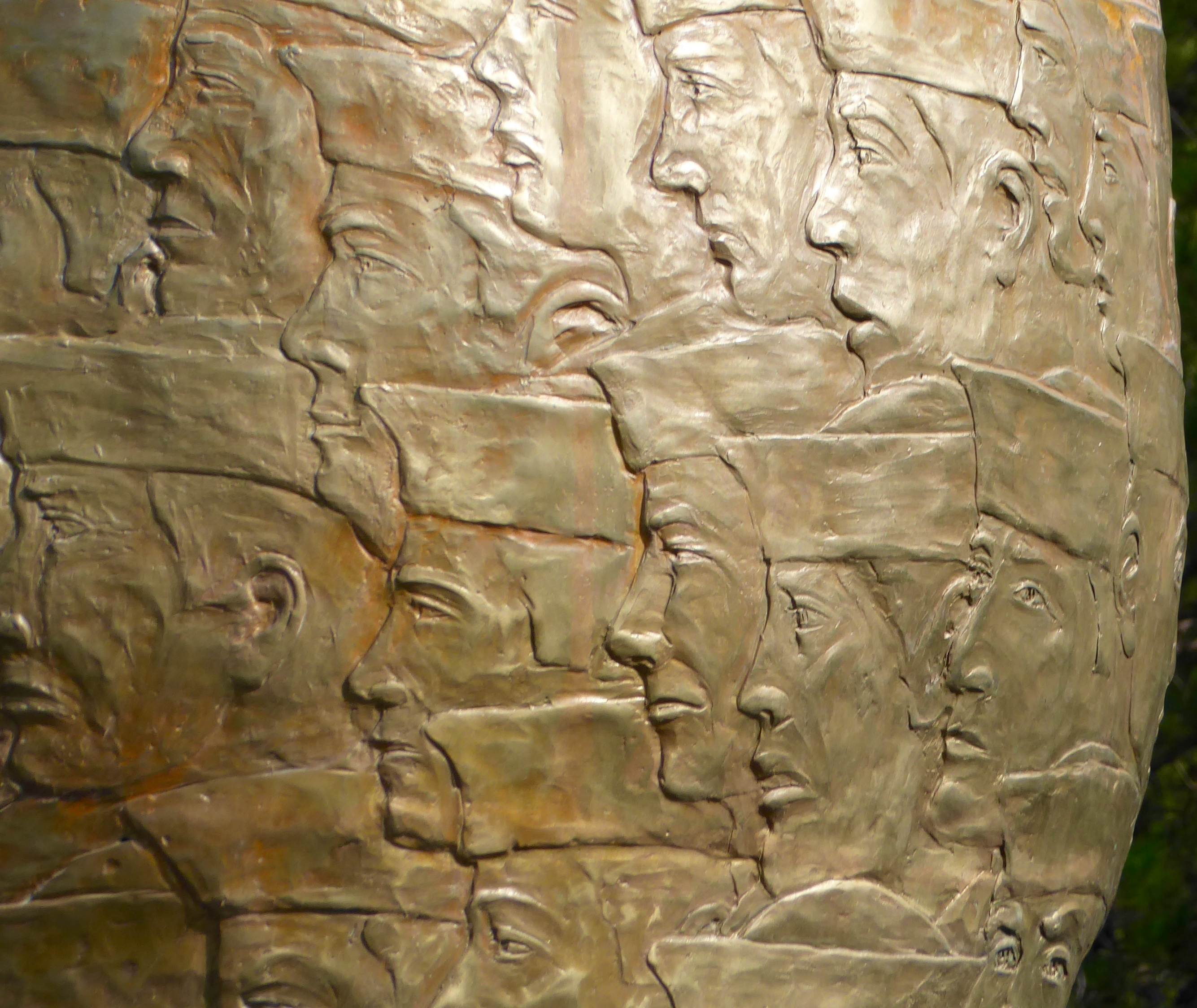
Profiles of some of the men are engraved within the sculpting of this large statue near the Brig.

P1010898


The Brig, the largest of just a few remaining buildings from the Naval Station, is a National Historic Site and houses the Museum at the Brig.  The museum has a variety of exhibits about the naval training station and the men and women (WAVES) who served here.

P1010787

It also has an exhibit about the German prison camp just outside the station.   By report, the Germans felt they were treated very well here – perhaps better than the “boots” themselves.  In return, the navy personnel appreciated the improved food options when the German prisoners began serving as cooks.

Towards the end of the World War II, the need for new recruits was diminished. At that time the station’s hospital was expanded and became the largest and best equipped hospital in the northwest serving those with war injuries.

P1010837

The Farragut Naval Station was decommissioned in 1946.  Reunions for those who came through Farragut for service training have been held,  most recently  in 2008.   At the museum, there is a place for those navy personnel  to sign in on their camps rolls.  A quick look at the rolls today revealed that each camp has had a past serviceman sign in during July, 2015.

The facility was utilized by the Farragut College and Technical Institute from 1946 – 1948.

Taken over by the state of Idaho, it then became the Farragut Wildlife Management  Area.   The Idaho Department of Parks came into being in 1965 and the area became Farragut State Park.

P1010824

The footprint of the Naval Station is still visible in aerial shots of Farragut State Park.  Several areas, and two of the campgrounds, Gilmore and Waldron, maintain the names of men honored in the original navy station.

Being hosts at the Waldron campground, we were interested in Lieutenant Commander John Charles Waldron.   Despite their grim prospects, Commander Waldron led his 15 plane squadron into the Battle of Midway.  All 15 were shot down and only one flier survived.  He remained loyal to Commander Waldron and his leadership.

P1010828

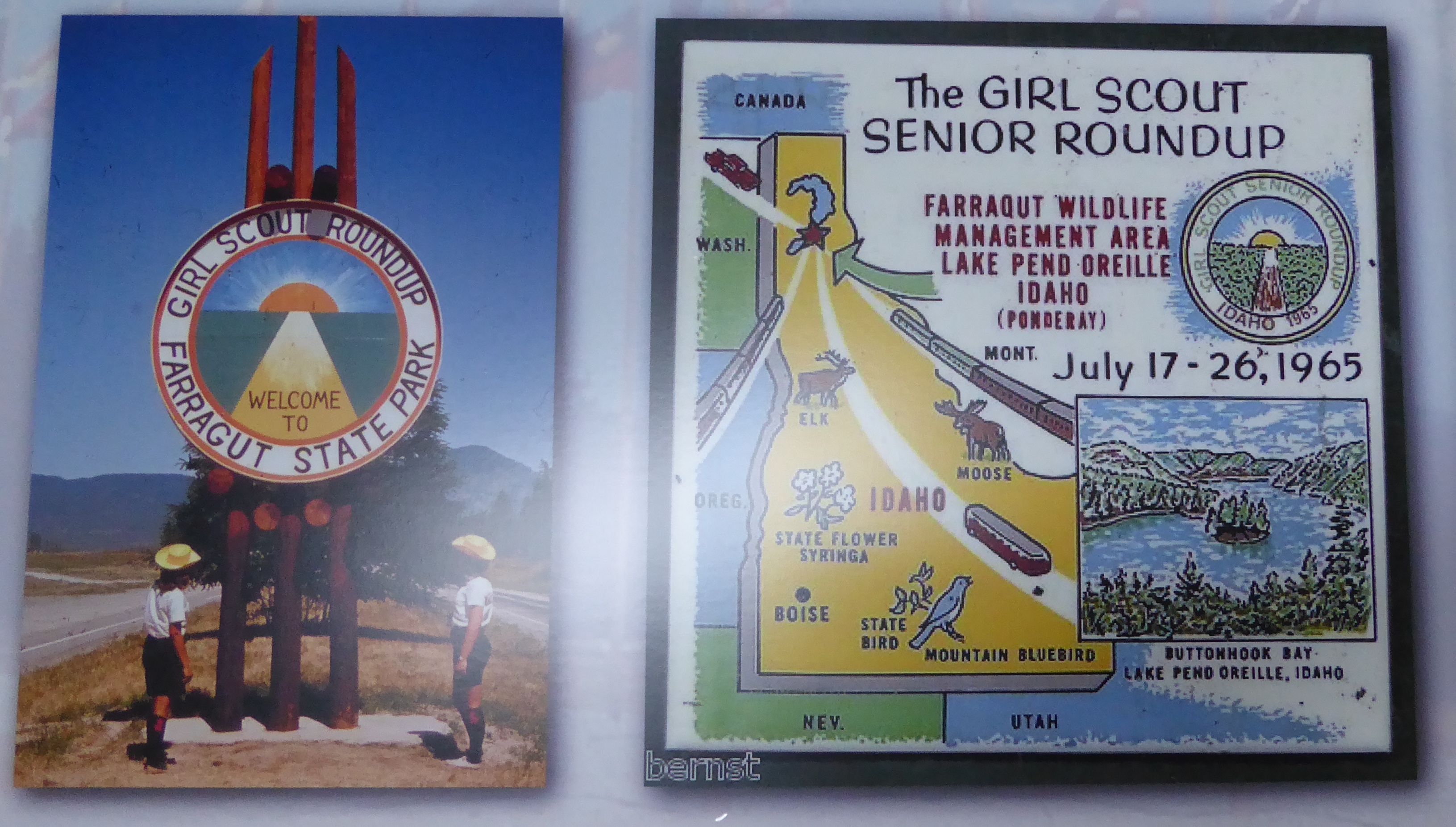
As the park was designated in 1965,  The Girl Scouts held a Jamboree and tens of thousands of girls attended. They are planning a 50th anniversary jamboree this fall.

P1010830

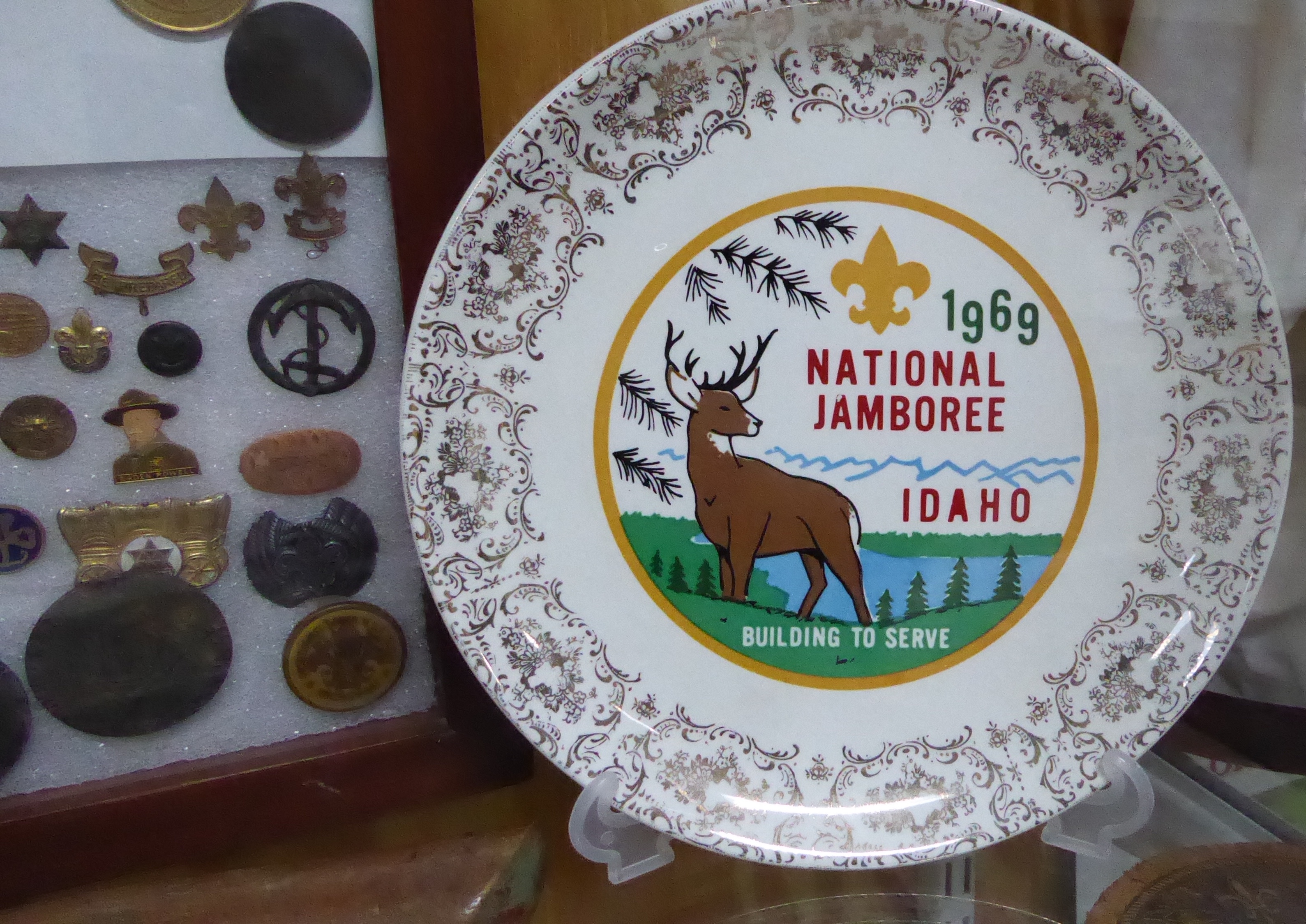
Several Boy Scout Jamboree’s have been held here as well, again involving tens of thousands of scouts.   The Scouting connection continues.

P1010764

Due to the budget cuts of the 2008 recession, Idaho State Parks were required to become self supporting. Farragut State Park is the top revenue producing park in the state and sends almost half of its income to support other parks. The recent fire will, unfortunately, put a dent in the monies raised.

The fire is still burning but is considered 100% contained. It will likely smolder until the snow comes. The helicopters and the fire camp are gone and the campers are adjusted to the fire ban.   Things are going well now.

P6080009

Our dog Toby enjoying Farragut in 2005

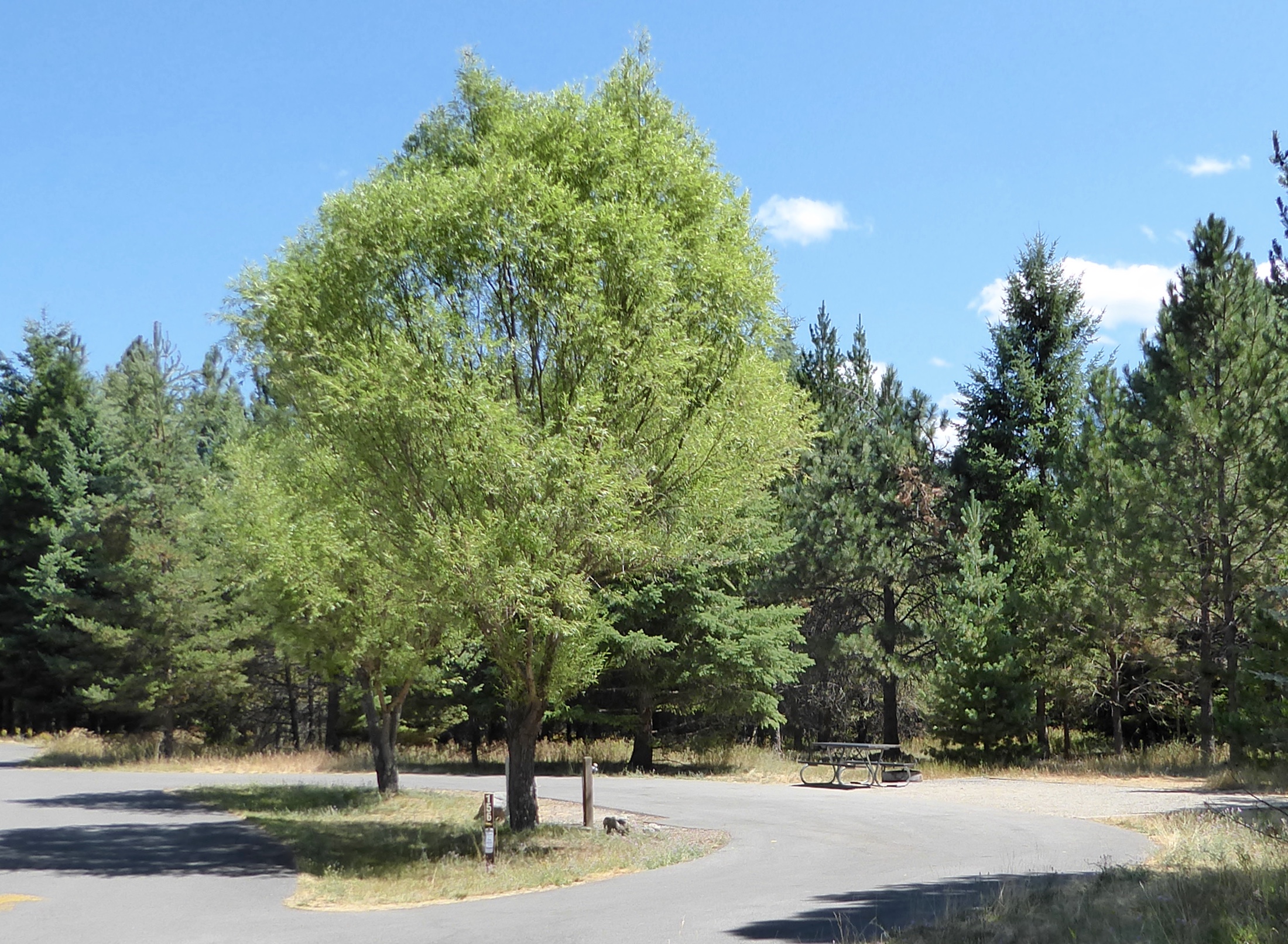
We have camped at Farragut a few times over the years and in June 2005, we stayed in site 156.

P1010765

Today we cleaned that same site, 156. The trees are larger and the landscape is more natural. The ranger position responsible for the grounds was cut in the lean budget years and has never been restored.

We remember the stay here well because our dog, Toby, was so enamored with the chipmunks, squirrels and whistle pigs that he didn’t want to leave. Toby has left us, but the rodents are still around!  As will we be until the end of August.

P1010773

Posted in Uncategorized | Leave a comment

Family Visit and People Behaving Badly

We have had a busy week around Farragut State Park.   The best part was our family being here and the worst of it was having people (not our family) behaving badly in our campground.

My parents came from Vancouver and Seth, Natasha and Archer flew up from Boise and we enjoyed most of a week together. We even had a surprise visit from cousins Venita from Spokane and Guerin from Ashland.

P1010684

On Sunday, Aunt Bonnie and cousins Kylee and Ashley came from the Tri-Cities. We spent Monday at Silverwood Theme Park north of Coeur d’Alene.

P1010690
Archer was too short to be able to ride many rides. He only tolerated riding the yellow elephant and the carousel but seemed to enjoy the train and hanging out with grandpa (who doesn’t ride rides).

P1010717

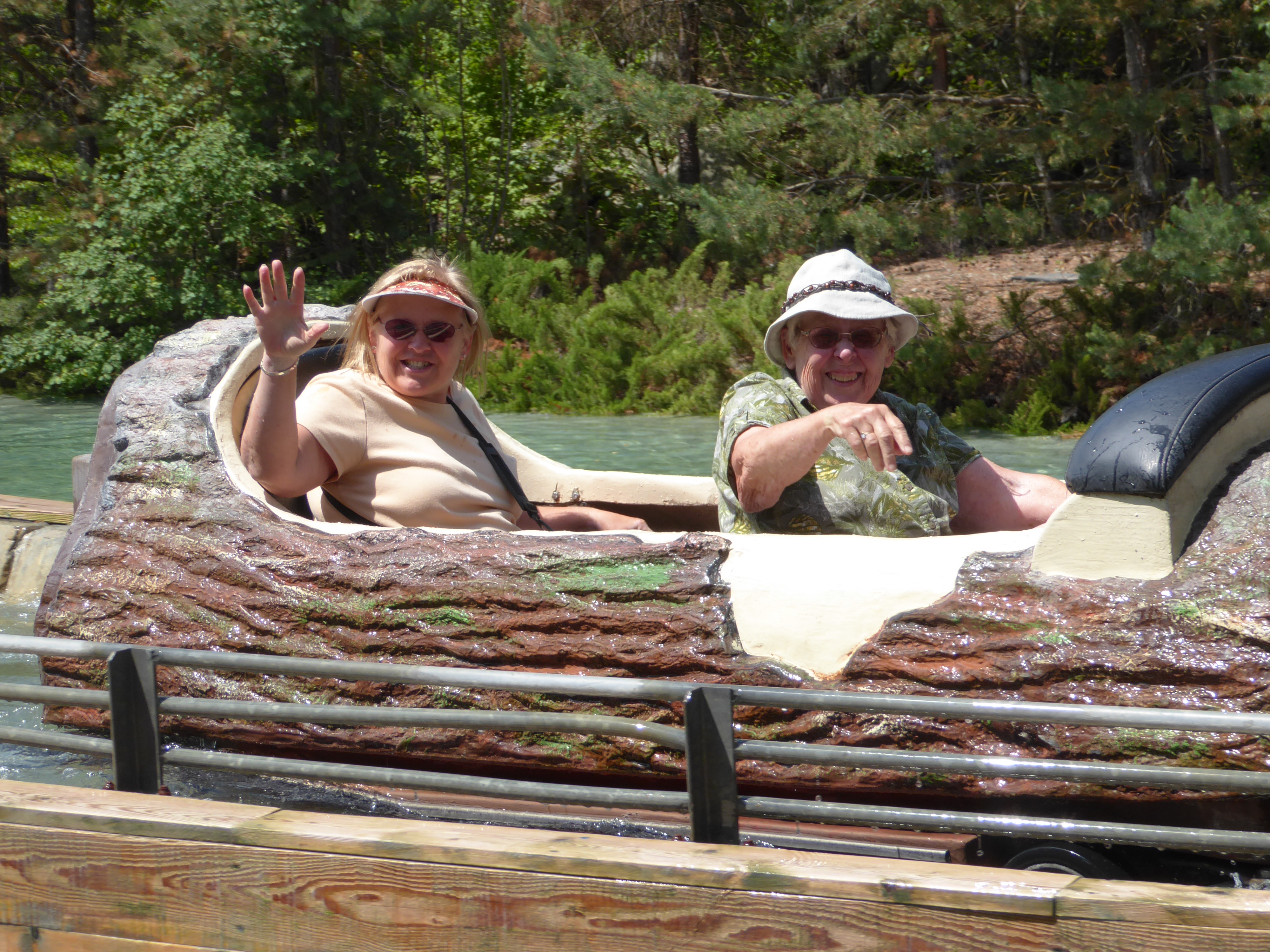
The rest of us enjoyed rides in the amusement and water parks.

P1010704

P1010734

We also spent an afternoon on a Lake Pend Oreille cruise on the Shawnodese.

P1010754

We were able to spend lots of time visiting and playing with Archer. That was so fun for us!

While we were enjoying our visitors, Randy and I were also doing our camp hosting thing. I can’t even remember how many times this week we have commented on people behaving badly.

We finally got the fire ban on July 12 so that has made the fire issue more black and white. Camp fires are not allowed. Charcoal briquettes are not allowed. Propane campfires are not allowed. Of course, there are still a few who think the ban doesn’t apply to them.  Sometimes they are “caught” and sometimes we don’t know they’ve been burning until they are gone and we clean the fire pit.

On separate occasions this week Randy and I have each cleaned a restroom. Cleaning restrooms is not part of our volunteer assignment, but when people behave badly (and in Randy’s case – VERY badly) it is hard to just leave them for other campers to work around until the next day’s cleaning.

Last night we witnessed our first camper eviction. The campers ignored the rules that allow only two tents and that they must be placed on campsite pads. They had three tents on the grass and were flippant with our partner host when he informed them of the rule. When they chose to leave the tents on the grass, a day ranger issued a citation. When they got mouthy with the night ranger, he evicted them. People behaving badly….

Even today I spoke with some young teens who were behaving badly in the showers. I told the boys they were lucky that I was the one speaking with them because there were other campers who were none too happy with them. At least they were apologetic.

We have tried to figure why there are more people behaving badly here than at our previous volunteer gig at Cove Palisades. Is it Idaho clientele versus Oregon clientele? Is it July versus May? Is it family trips versus mostly couples? Is it the fire restrictions versus fires allowed? Is it something else?

We have identified one factor that we are sure impacts the situation. The ability of Idaho rangers to patrol and be a presence in the campgrounds (presumably impacted by funding) is much less than in Oregon State Parks.

Whatever the reason, or combination of reasons, we see a difference. We are curious about how we will feel about camp hosting by the end of August.  Will we move on to museum, lighthouse or visitor center volunteer gigs?

On the bright side, most of the campers at the park are fine and are appreciative of our efforts to make their campsites and campground nice. Our fellow hosts are great to work with and we have a terrific campsite to park in. And, we are in a location where family and friends can visit. Even as we look back on our week with our family, we look forward to next week when we will host friends Darrell, Cindy and Beth!

Posted in Uncategorized | Leave a comment

Evacuation Alert!

We have had an eventful first week as camp hosts in Farragut State Park!

P1010677

We arrived a week ago today and found another trailer in our host camp site at Waldron campground. The people who went with the trailer were suppose to be incoming hosts at another campground in the park but felt their trailer wouldn’t fit into that host site. A ranger compounded the problem by giving them our spot and hoping we would fit into theirs. After a night in a regular campsite, we were eventually able to move into our site and get set up. (There is a whole melodrama with the other people but we have been able to stay out of it and do our planned assignment.)

P1010671
In preparation for the packed Fourth of July Weekend we helped to make sure all sites were ready and were instructed about the Stage 1 Fire Alert – meaning no fireworks, only low profile campfires in provided fire circles and smoking only on established campsite pads.

P1010668

We also received water pumper training in case we needed to put out a small grass fire, or an overblown campfire. (Little did we know that about 30 hours later Randy and the two other camp host husbands in our loop would be guarding the park with the water pumper.)

The Fourth of July was actually fairly uneventful – just a few people who thought they were special enough that the fire alert didn’t apply to them. In the evening many campers went the three miles to the nearby town of Bayview to view fireworks over Lake Pend Oreille. Many used their boats to get a good view and when the fireworks were over, some people decided to beach their boats or tie them up to retrieve them the next day.

Overnight the wind really picked up and some boats were swamped, sunk or broke away and ended up in places around the lake. While we were cleaning sites the next morning we started to hear on the park radios about people trapped around the lake and the dicey retrieval and recovery.

Then we heard the first mention of smoke. Over the next hour the smoke turned into a full fledged fire, later named the Cape Horn Fire. The town of Bayview was threatened and people were asked to evacuate. That is when Randy and the two other guys took the pumper truck out and stayed for most of the day into evening.

20150705_151455

Just the beginning….

Due to falling ash, our park manager called for the evacuation of two of the four campgrounds in the park and closed day use areas. When I came back to the trailer, I prepared as much as possible for potential evacuation. I had a few bags of things to take if we had to leave in a hurry and then prepped the trailer for a less hasty retreat if needed. Those things stayed packed and the trailer remained in readiness for several days.

P1010679

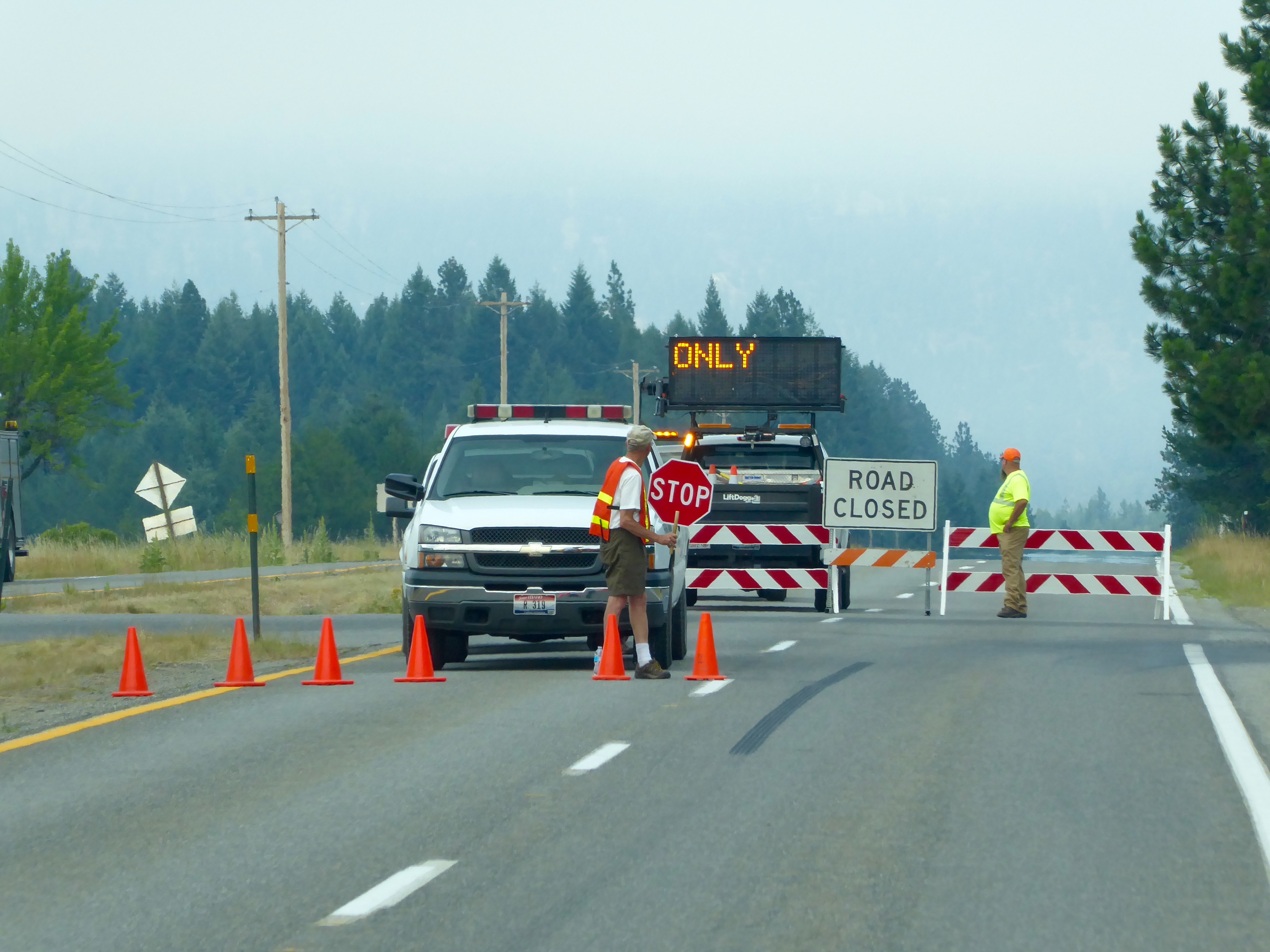
This park is bisected by a state highway and there are several access points into the park. Over night the highway was closed to all but emergency personnel and we were asked to help man “round the clock” road blocks so that only those with confirmed reservations into the two remaining campgrounds could enter. I shared the 10 PM – 1:00 AM duty with one of our partner wives and Randy pulled the 1:00 -4:00 AM shift. It was an interesting, and very sad assignment to see the many area fire trucks and support vehicles coming through the park towards Bayview and the fire. It was stunning to see the Cape Horn mountain on fire at night, beautiful and very sad – especially since this was a man made fire, details to be determined.

For those of you with feminine pride, Farragut’s only female full time ranger, Errin, was the ranger on duty when the fire started and remained the park incident commander for the first two days. We are so glad that Idaho Parks allow us to have radios so that we had an idea of what was going on. We could hear she was doing a great job dealing with a million things at once.

P1010672

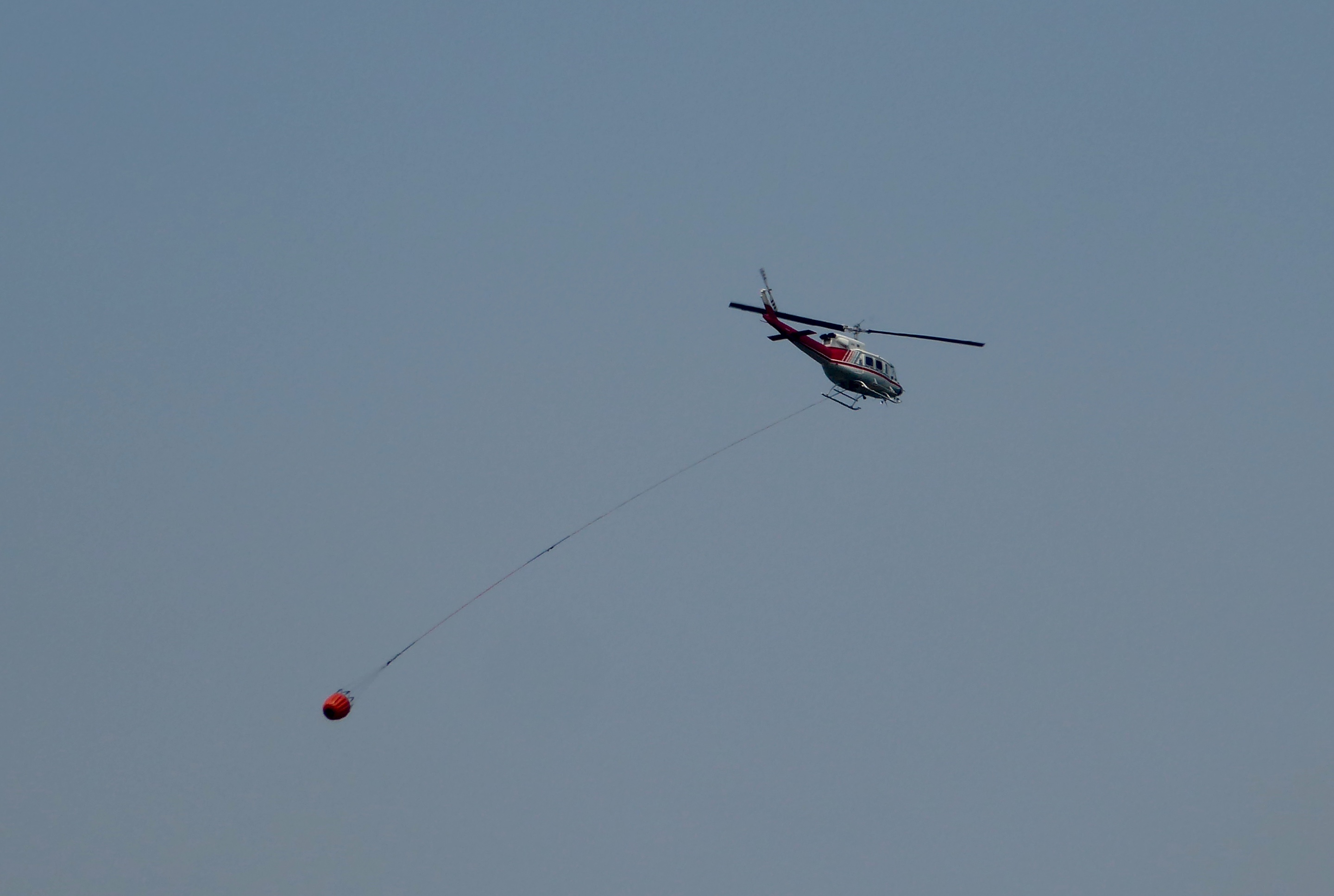
For the next three days we had many people opt to leave the campground and just a few people came in. All day use areas of the park were closed to keep visitors to a minimum in case we too were evacuated. There were crews in helicopters, planes, boats and on the ground fighting the fire and we were always glad to hear and see them. One of the evacuated campgrounds was home to firefighters for a few nights and some operations continue to be based in the park.

As of about 48 hours ago, the federal agencies took responsibility for the fire. We have US Forest Service, National Interagency Fire Center, and FEMA folks and probably others. There are Air Force and Navy facilities on the lake so surely they are involved. We heard this morning that the fire has turned away from Bayview and the park and is 35% contained with most of that containment being along the lake.

The park manager is unable to ban campfires in the park altogether. There are campers who are dumbstruck at those who still want to have campfires, given the situation, and others who are verbally abusive when we suggest they not have a campfire. Currently the camp hosts in the two open campgrounds are banding together and refusing to sell firewood. We can’t stop those who bring in their own wood from burning, but we aren’t going to sell them more.

Our little corner of the world is slowly returning to normal. We still have pending road block duty tonight and tomorrow but the park is scheduled to return to normal operations on Friday. I unpacked our emergency bags and set the trailer into living mode again. I’m not sure we are officially off evacuation alert, but it feels like it.

Keep those campfires low, folks. All the best from Waldron Campground at Farragut State Park.

Posted in Uncategorized | Leave a comment