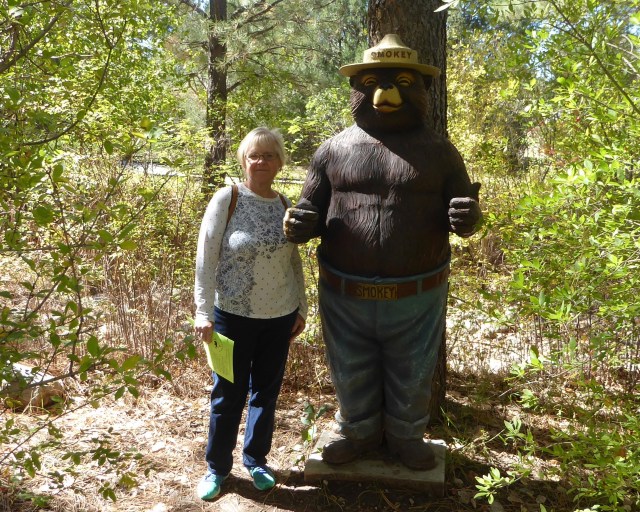
 I grew up with the story of Smokey Bear. I even taught Smokey’s story as a kindergarten teacher. A bear cub was rescued during a forest fire and nursed back to health. He was named Smokey and became a messenger for the prevention of forest fires. Those basics are still there, but there is much more.
Smokey’s story actually begins in World War II. Forest resources were critical to the war effort and there was great concern about enemy attacks. After a Japanese submarine landed shells near Los Padres National Forest in southern California, the forest service created the Cooperative Fire Prevention Program.
The Wartime Advertising Council looked for an animal to lead the fire prevention message and used Walt Disney’s Bambi for one year. In 1944, after considering a squirrel, they decided to use a bear and named him Smokey.
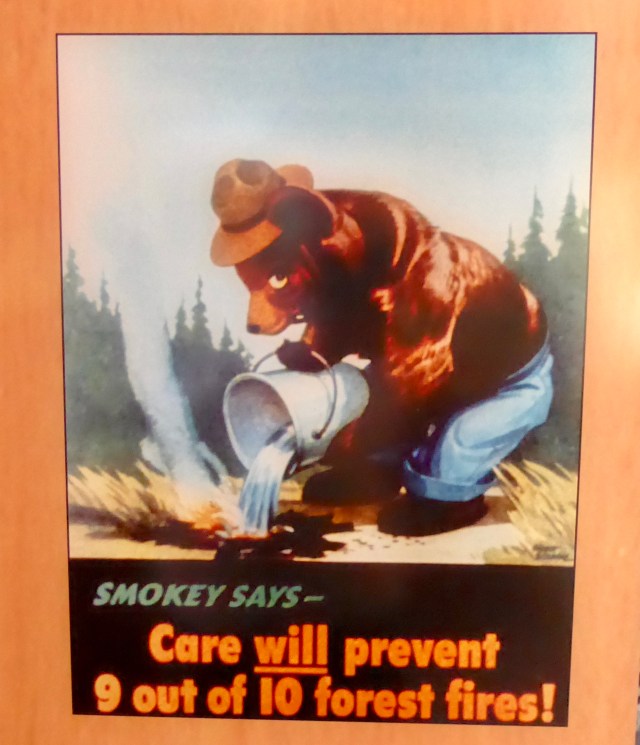
This was Smokey’s first slogan.
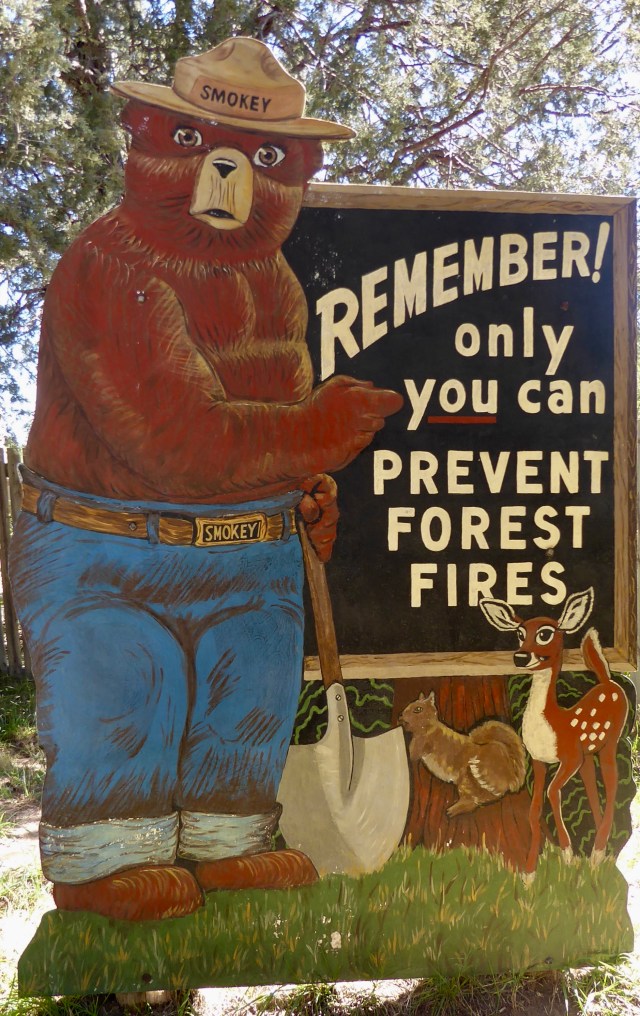
This message began in 1947.
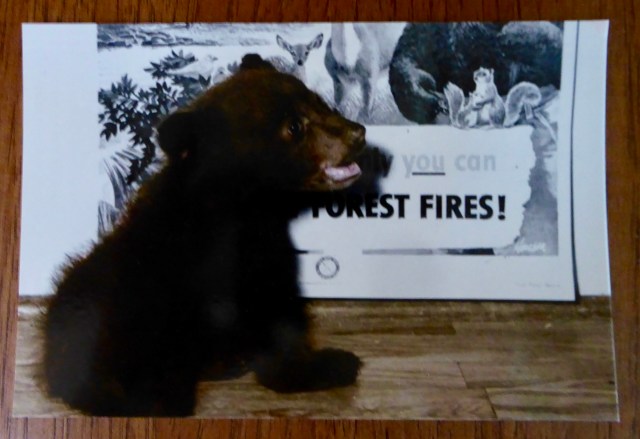 So what about the little bear cub in the fire we all know about? It wasn’t until 1950 that he was rescued near Capitan, New Mexico. He was badly burned on his paws and buttocks and he weighed five pounds.
The cub was taken to a veterinarian in Santa Fe by Ray Bell, a pilot with New Mexico Fish and Game. A local newspaperman nicknamed the little bear Hot Foot Teddy. The veterinarian was able to treat the burns but the little bear wasn’t eating. Ray Bell took the bear home where his wife and daughter nursed the bear every two hours and restored him to health.
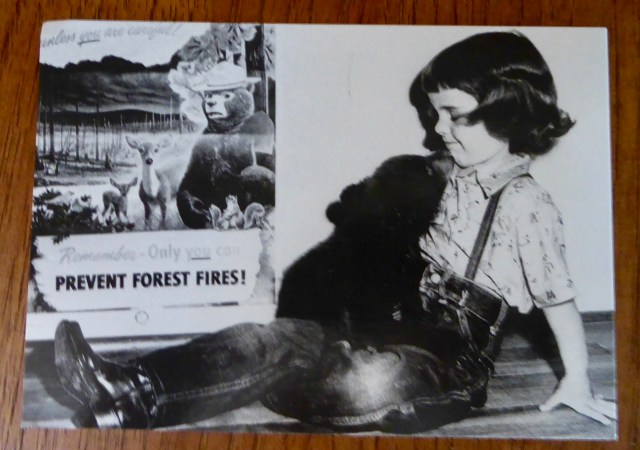
The photographer used the honey on the chin trick for this photo.
When word of the cub spread, California wanted him as a living symbol of their flag. The United States Forest Service wanted him as a living representative of their campaign bear, Smokey. The New Mexico game warden made the decision to send the cub to Washington DC.
With no budget to transport the little cub, Trans World Airlines (TWA) was approached and they agreed to take little Smokey to Washington as freight but would not fly an attendant. Bill Piper of Piper Aircraft Co. came to the rescue sending a brand new plane to fly Smokey and his human tender to the National Zoo in Washington, D.C.
Smokey began his work for the Forest Service and children came to know him and his message.
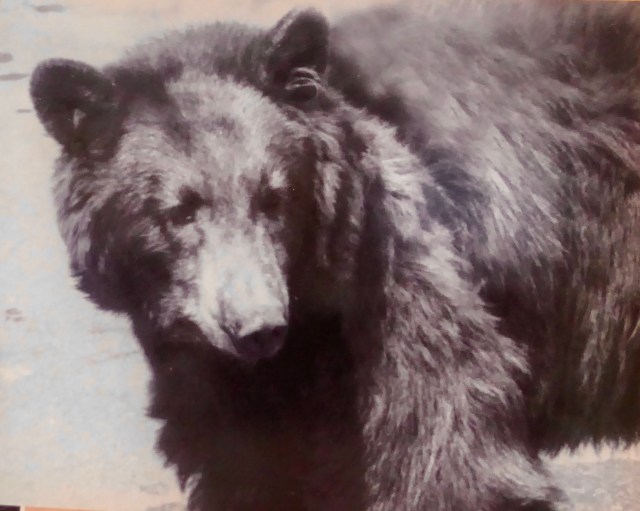 Another New Mexico orphaned black bear, Goldie, was brought to the zoo to be Smokey’s mate in 1961. She was also known as Mrs. Smokey. They never had cubs.
Smokey lived and worked at the National Zoo as a Federal employee of the Forest Service. He retired in 1975 at age 25, the bear age equivalent of 70 in human years, the mandatory retirement age for federal employees. He was officially a member of the National Association of Retired Federal Employees.
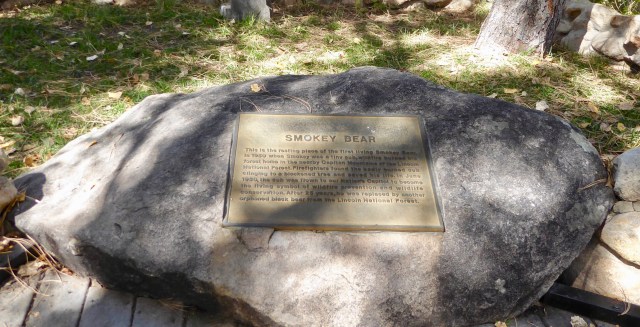 Smokey died a year later and his remains were returned to Capitan, New Mexico and buried at the Smokey Bear Historical Park.
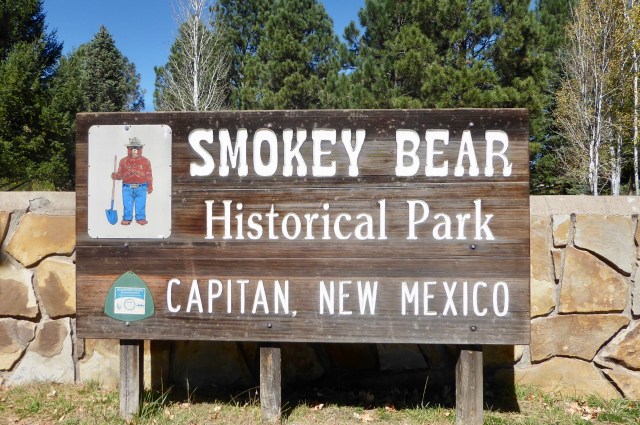 When Smokey retired another New Mexico orphan cub went to the National Zoo. The new Little Smokey embodied the message until his death in 1990 when live bear representation was discontinued.
From 1950 forward, millions of children in the United States and around the world grew up with Smokey’s fire prevention message. In 1992, a Forest Service review considered the prevention message to have been very successful as human wildfires were reduced by half even though use of public lands increased tenfold. In fact, the message was so successfully received that the public had difficulty understanding that natural and prescribed fires were beneficial.
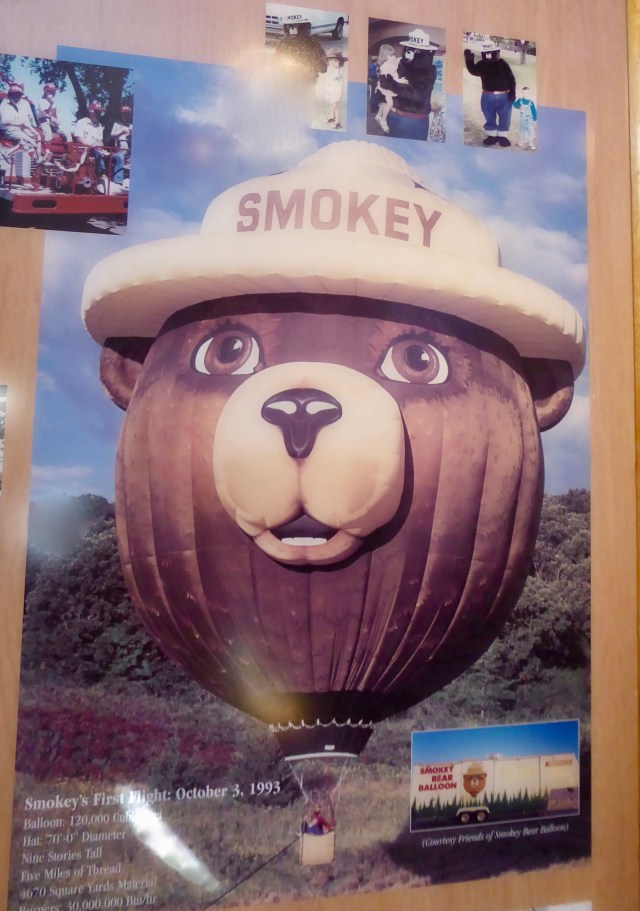 At the Albuquerque Balloon Fiesta we talked extensively with the current coordinator of the Friends of Smokey Bear Balloon. He told us how the original thought of a Smokey balloon slowly gained momentum and was eventually approved by the US Forest Service. A public and government partnership funded the original Smokey balloon which took flight over the Albuquerque Balloon Fiesta in1993.
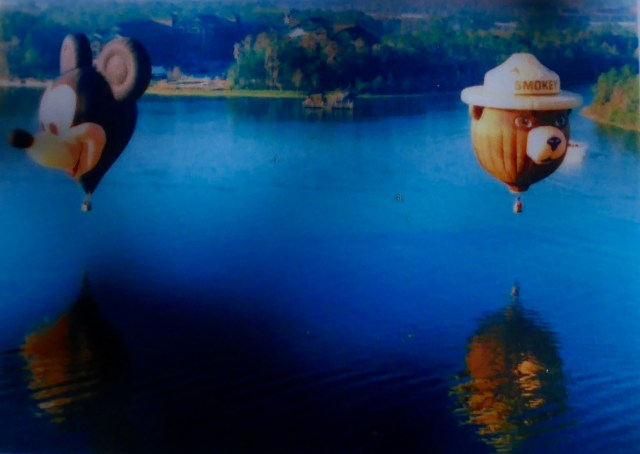 In addition to hundreds of appearances around the country, the Smokey Bear Balloon was the first non-Disney balloon invited to fly over Walt Disney World.
The original Smokey balloon snagged a radio tower at the 2005 Albuquerque Balloon Fiesta and was destroyed.

The first Smokey Bear Balloon is also buried at the Smokey Bear Historical Park.
 With public support, funds were raised for a second Smokey Bear Balloon. It continues to make dozens of appearances each year. That balloon is aging and the future is uncertain. The Friends of Smokey Bear Balloon organization have the “rights” to the image but funding a new balloon and continuing operations going forward look challenging.
We are hoping for a future that includes Smokey Bear for our grandson and yours!
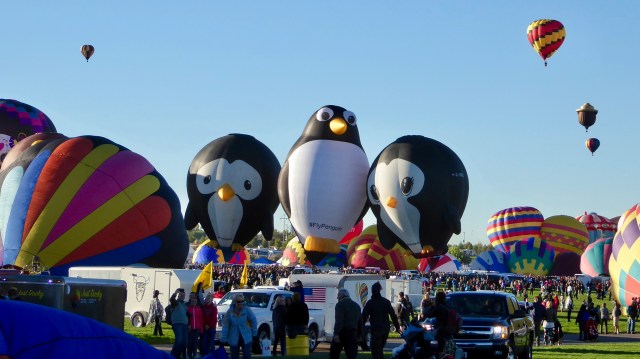 It’s Amazing! That is what we said over and over again at the Albuquerque Balloon Fiesta.
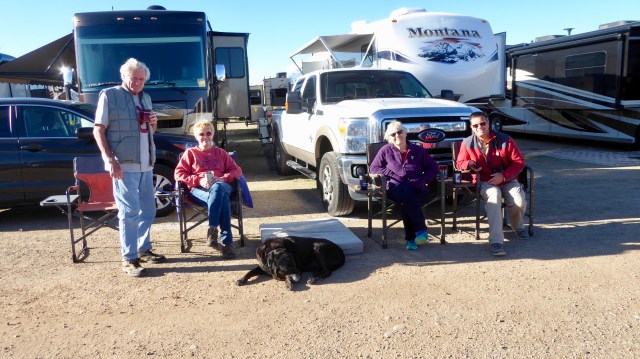 We decided a year ago to meet Art and Beth at the Fiesta and coordinated arrival so we were parked side by side. Beth arranged a balloon flight and had a great time. We paid big bucks to fly over Lake Tahoe previously so didn’t plan to do so again.
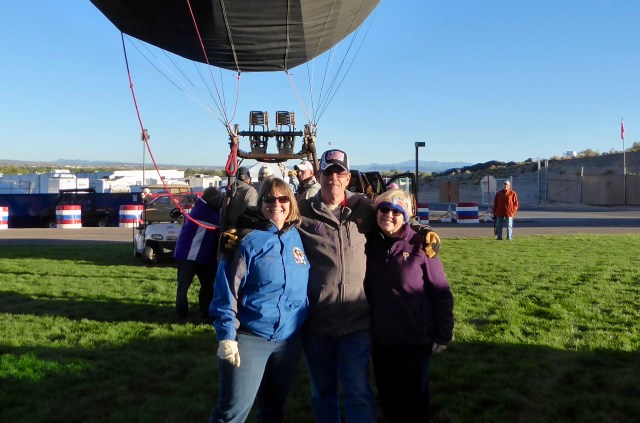 Friends Gerry and Kathy are balloon crew and Fiesta veterans. They advised, encouraged and provided opportunities and experiences that we never expected. Kathy was a fount of information about individual balloons and Gerry knew everything about the science of it all. They helped make the Fiesta an amazing experience
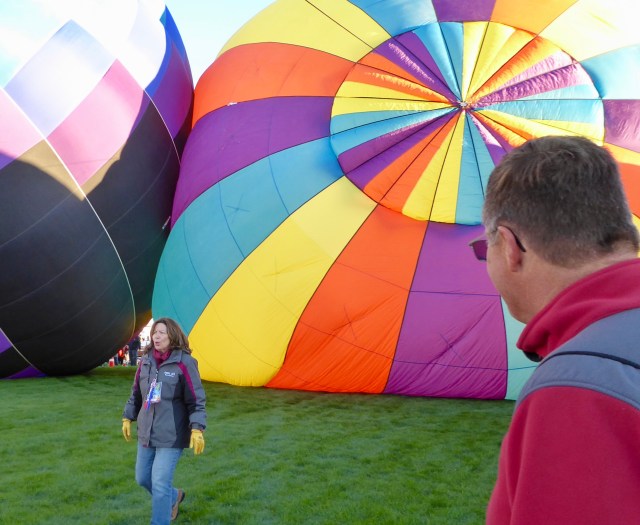 Through them we met Cheryl, a balloon pilot and instructor. She is also a member of the Fiesta Board of Directors. In addition to providing entry passes, Cheryl told us stories about security, sponsorship, statistics, volunteering and the design process for their balloon Twisted.
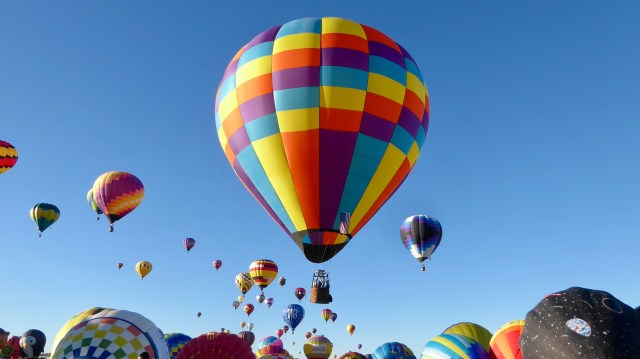 Her husband, Fred, is the pilot for Twisted, the balloon Gerry and Kathy crew for. We were invited to come out and crew.
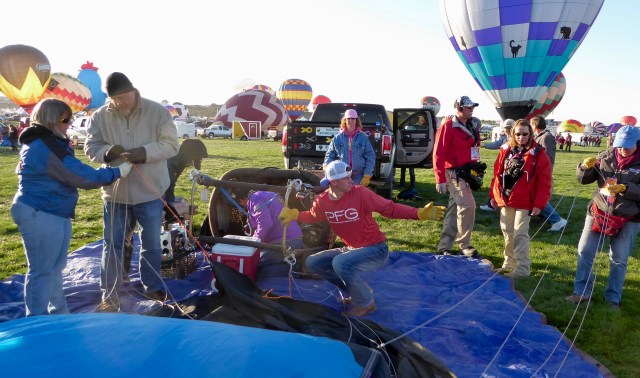 The process looks complicated to a novice. A dozen people were preparing Twisted for flight.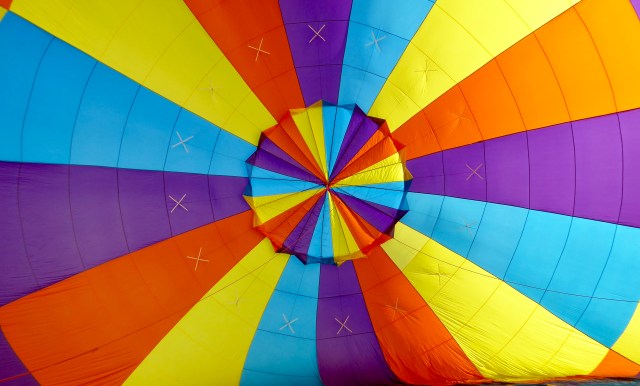
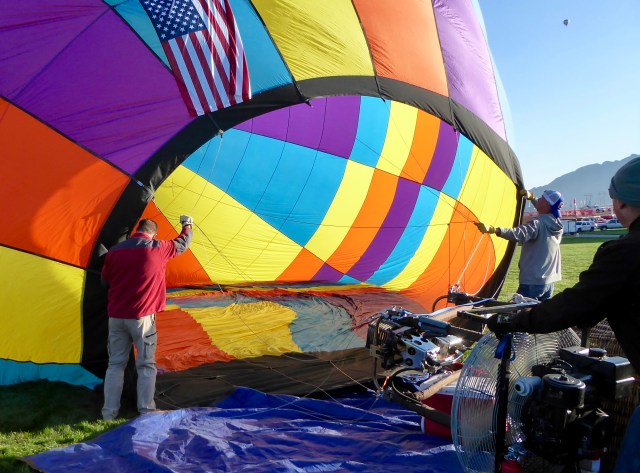 Randy had the job others didn’t want when it’s cold outside – standing in front of the fans for the initial inflation process!

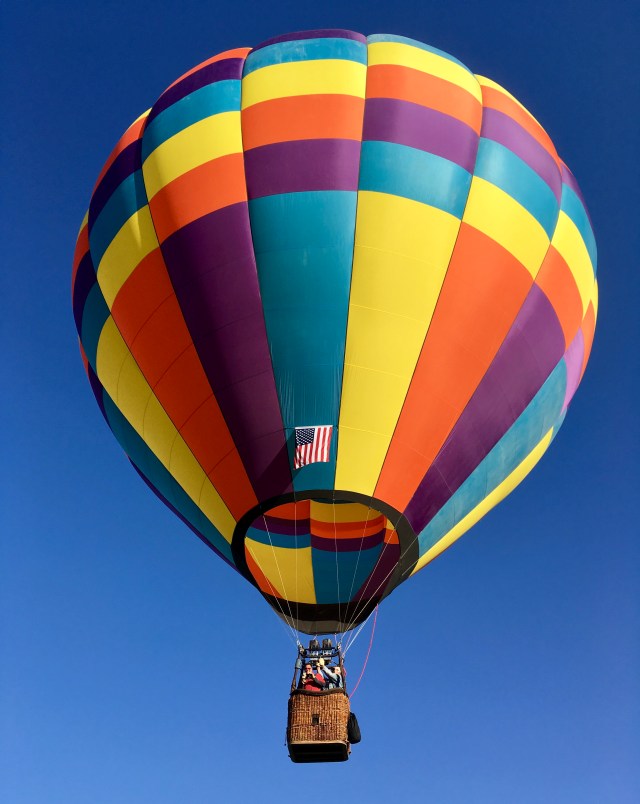


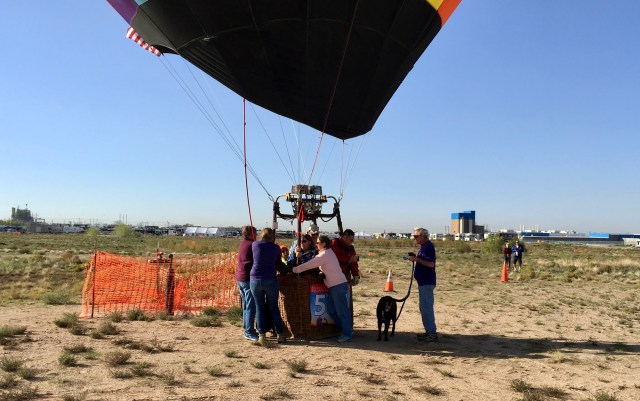 Art, happily babysitting Elko while Randy and I crewed, noticed Twisted heading toward a nearby field and walked over. Elko found his dad in the balloon!
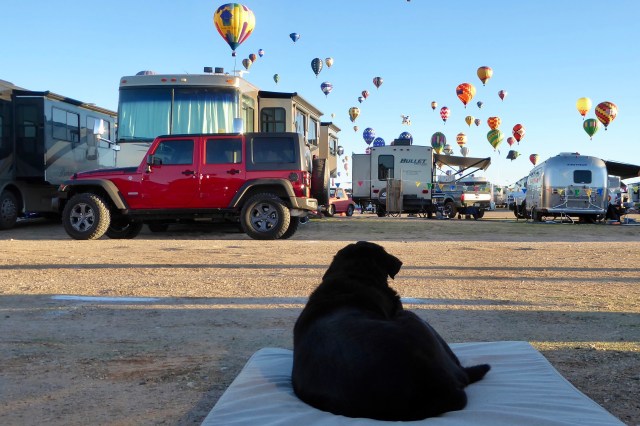
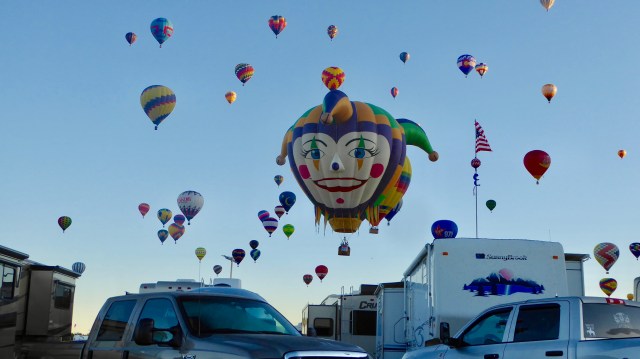 We spent two amazing mornings sitting at our campsite watching waves of balloons come over us. With 550+ balloons at the Fiesta, we were always noticing one we hadn’t seen before!
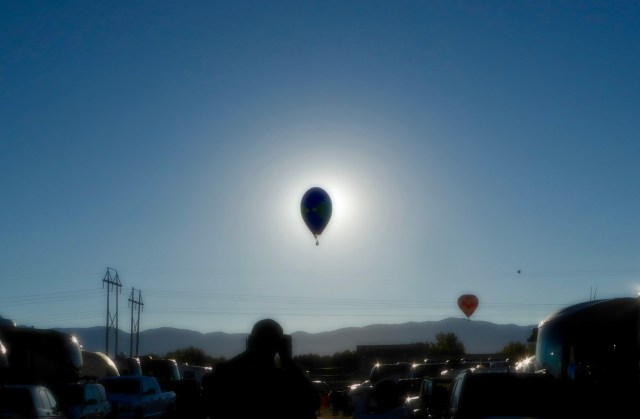


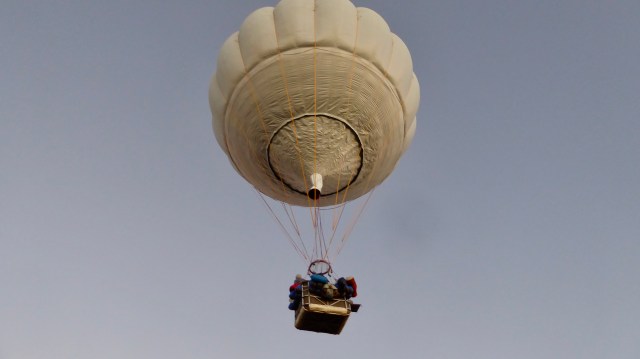
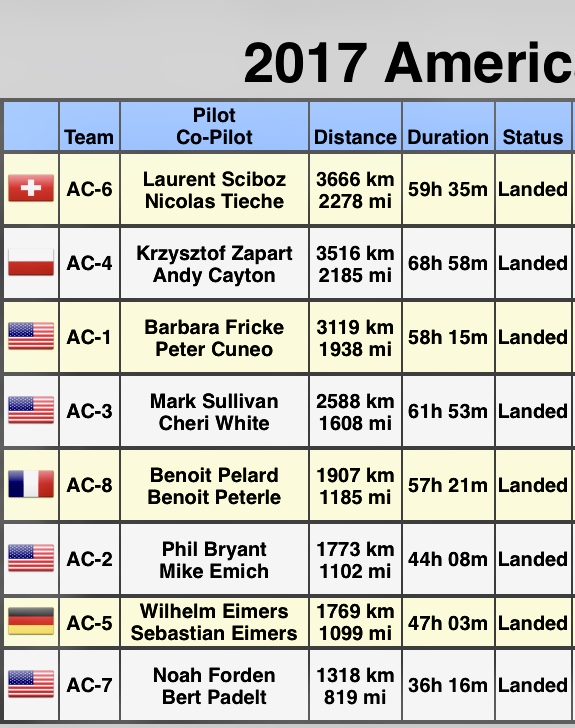
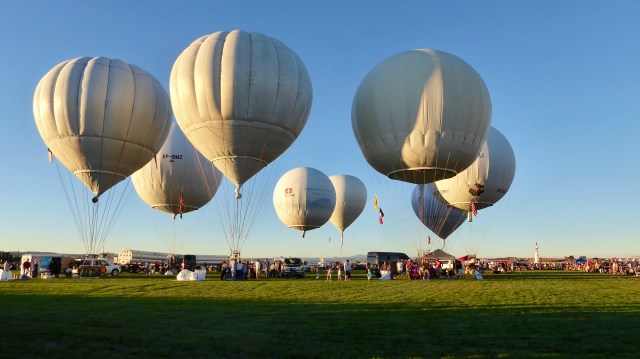 We enjoyed learning about the America’s Challenge Gas Balloon Race, one of only two distance races for gas balloons in the world. The America’s Challenge was founded in Albuquerque in 1995. The balloons are white to lessen the impact of heating and cooling and filled with hydrogen, the lightest of gases.
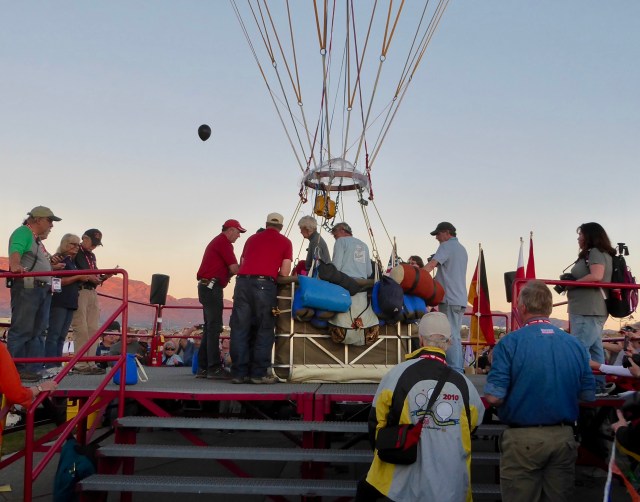 Balloons launch consecutively from the same stage holding two pilots, oxygen, and all the gear needed for a 3-4 day flight. They have sand and water ballast.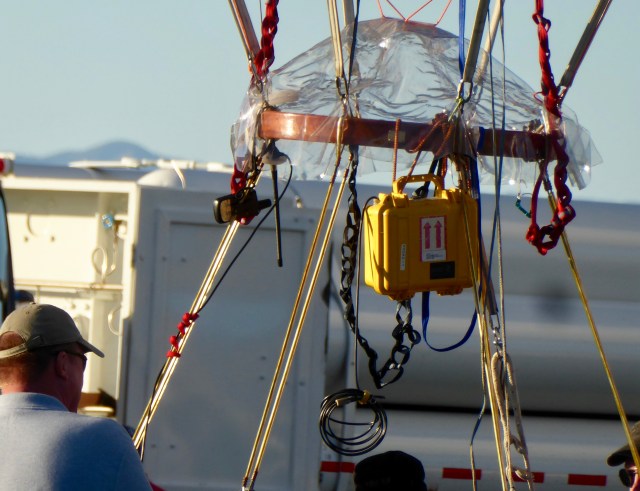

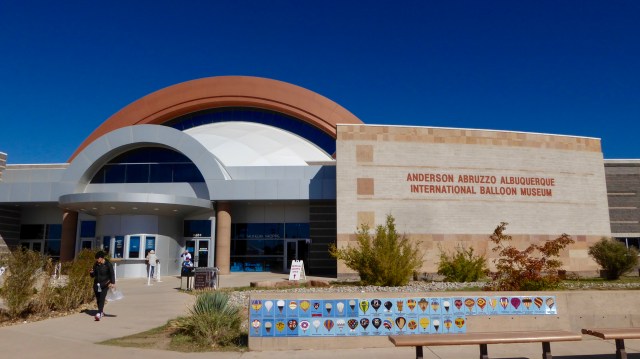 At the Balloon Museum we learned about the first balloon flight in France with a crew of a duck, sheep and rooster. We learned about a failed attempt to land in the arctic and the beginnings of the Albuquerque Fiesta. We learned about milestone flights across the country, across the Pacific, across the Atlantic and around the world. We learned about balloons used in warfare.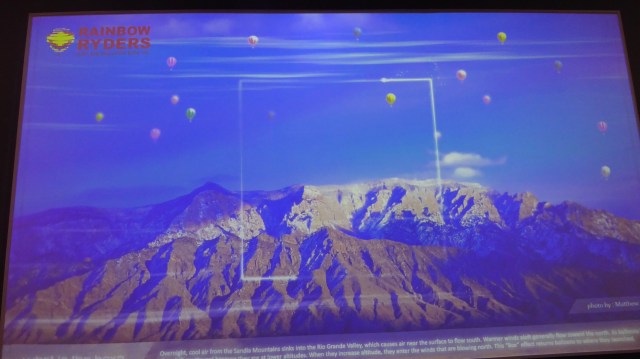
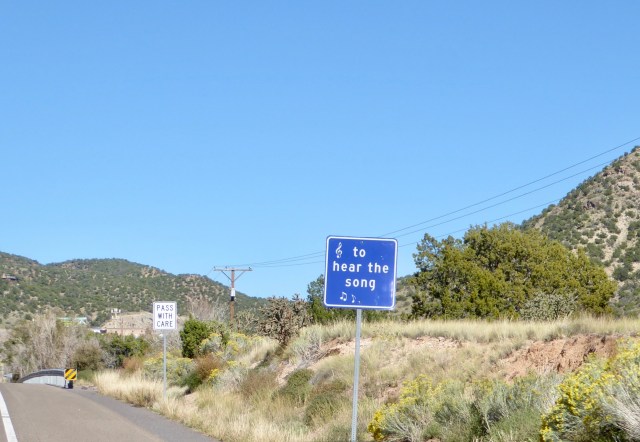 We experienced another amazing thing away from the Fiesta grounds – a Musical Highway. We traveled east of Albuquerque on Route 66. Once there, Randy drove on the rumble strip at exactly 45 miles per hour and we heard America the Beautiful.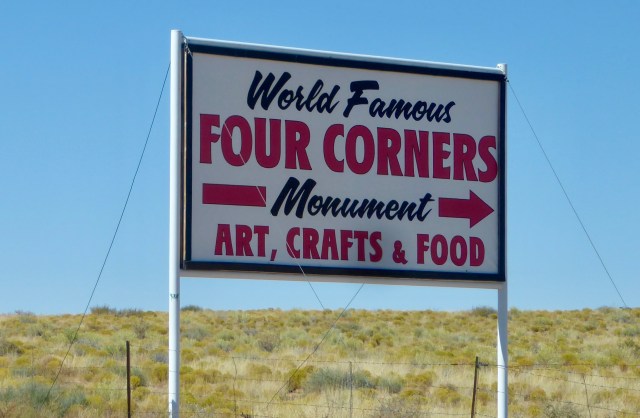
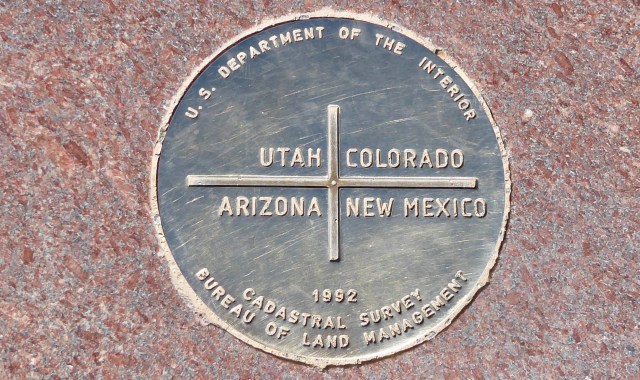 We had both been to Four Corners before, the only place in the US where four states meet. We remembered a parking lot with a medallion and were ambivalent about going again. But when the sign says you are only five miles away – why not?
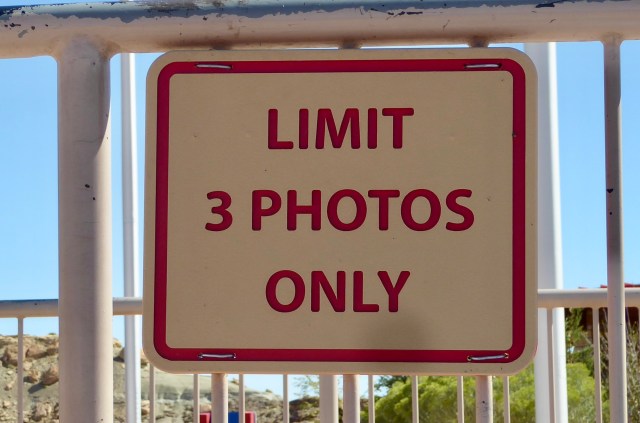
 A lot has changed in 40 years. It is now marketed, requires $5 per person admission, and has a full complex with booths. It is actually quite nice.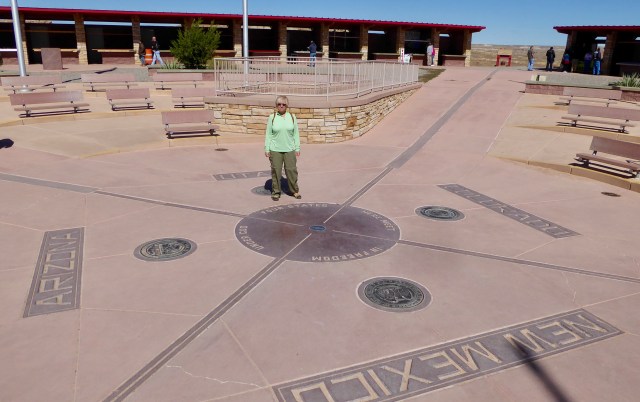

 Randy saw this tarantula crossing the road so we turned around and took pictures! It was about 3 inches wide and five inches long.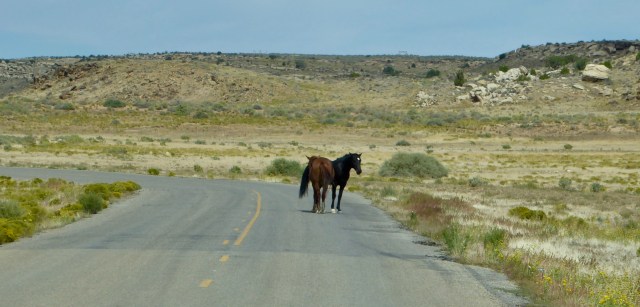

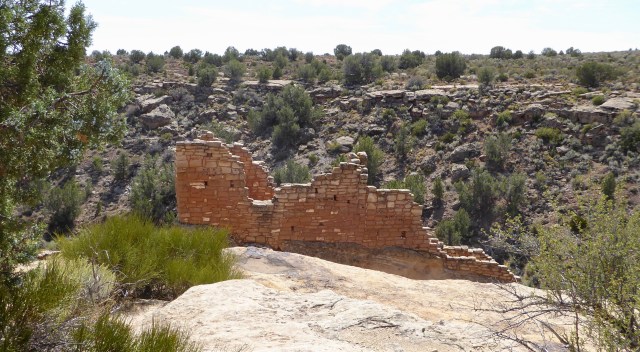 At Hovenweep we saw remnants of Ancestral Puebloan culture in the form of round and square towers.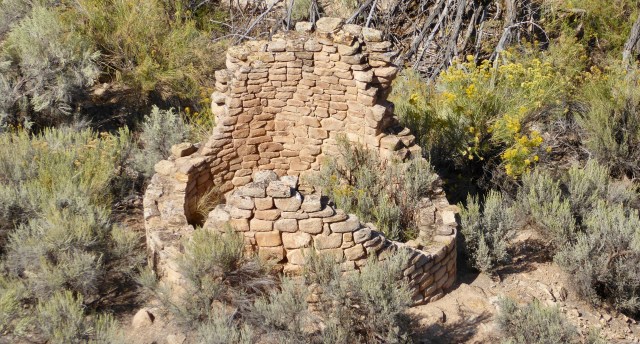
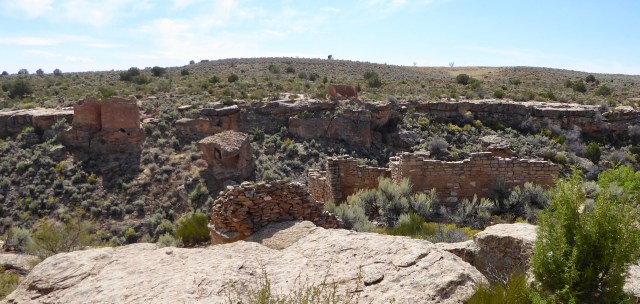
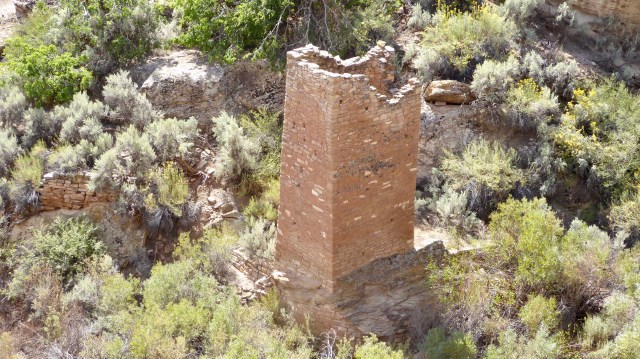
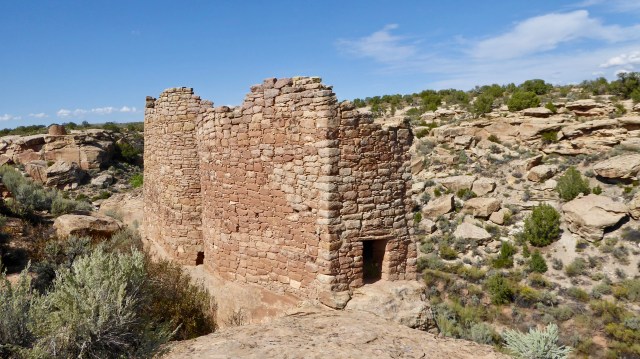 The ruins were discovered in 1854 by a Mormon expedition and later named Hovenweep for the Piute/Ute word for “deserted valley.” The ruins were surveyed by Smithsonian Institution representatives in 1917-18 and designated a national monument in 1923.
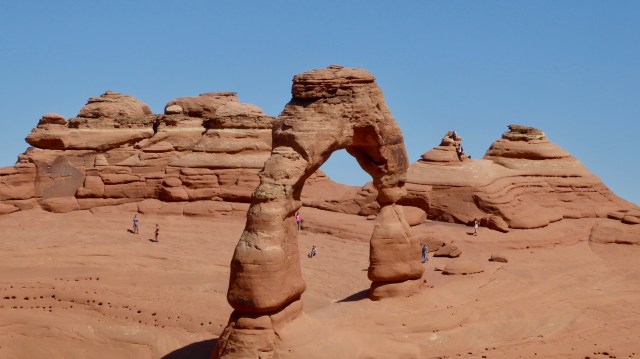 We have visited Moab several times and have wandered Arches and Canyonlands National Parks quite extensively. Randy went into Arches one afternoon and hiked to Delicate Arch but we also did some new things!
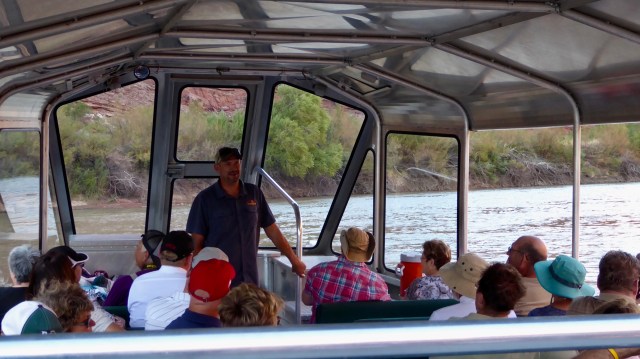 We enjoyed a Canyonlands Sunset Cruise with Rory – one of the most engaging tour guide boat captains we have ever experienced.
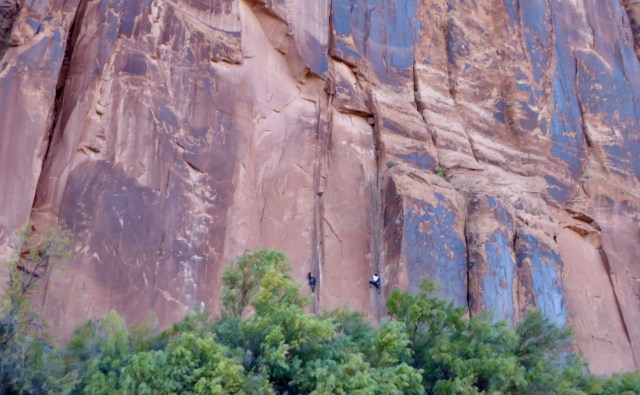 We saw people brave enough to climb these steep cliffs – 65% of climbers are female!
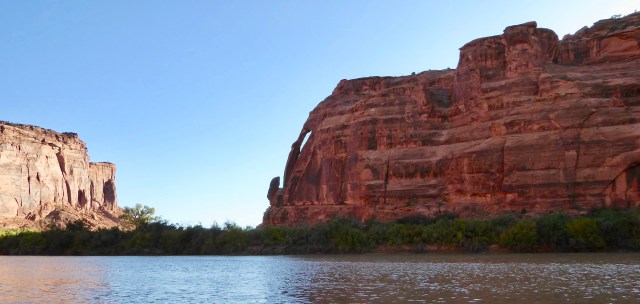 We saw jug arch, petroglyphs and amazing scenery. Dinner was pretty good too.
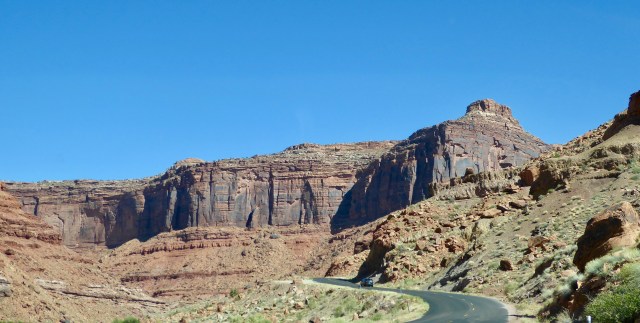 By truck, we traveled the Upper Colorado River Scenic Byway out of Moab through more marvelous scenery. The first few miles out of Moab have an adjacent bike trail.
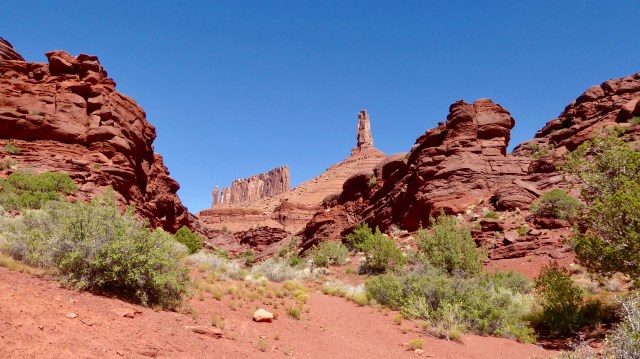 We hiked a bit and saw some climbers way up on this rock!
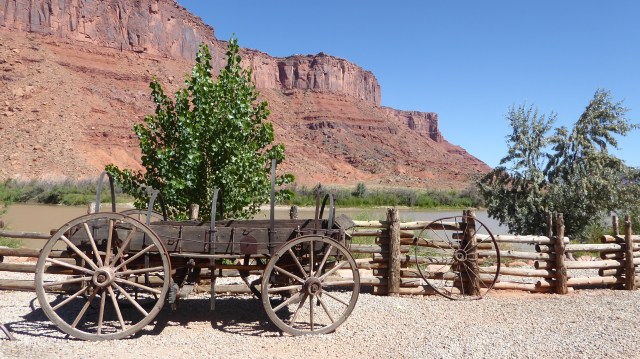 We traveled to Red Cliffs Ranch Lodge and the Moab Museum of Film and Western Heritage. We learned more than 120 movies were filmed in this area. Former owner of the site, George White, was instrumental in bringing the first movie, Wagonmaster, to the area in 1949.
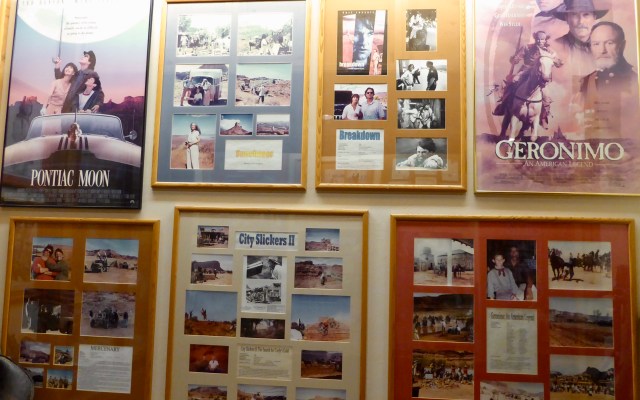 The film industry has been a source of income in the Moab area for many years as locals are hired as actors, extras and professional crew. Animals and trainers are also employed. An auto tour allows you to find specific locations for movies and shows.
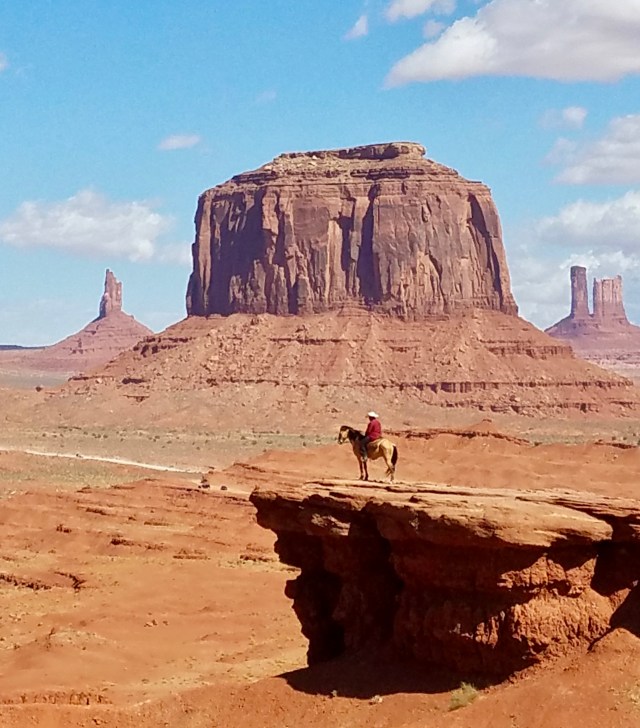
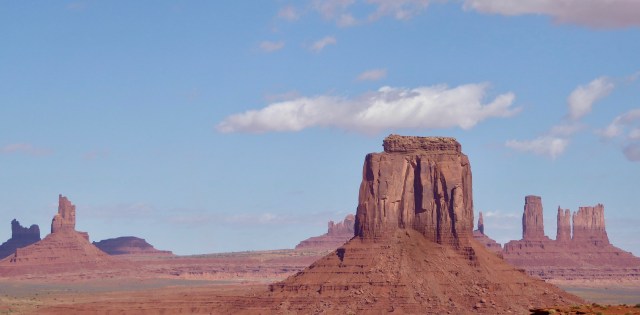 Movies, TV shows and commercials continue to be a lucrative industry for both Moab and Monument Valley. The movie industry came to Monument Valley during the great depression. Harry Goulding, owner of the local trading post, sought additional industry for himself and the Navajo people and spent his last $60 to take landscape pictures to John Ford in Hollywood. The rest is history.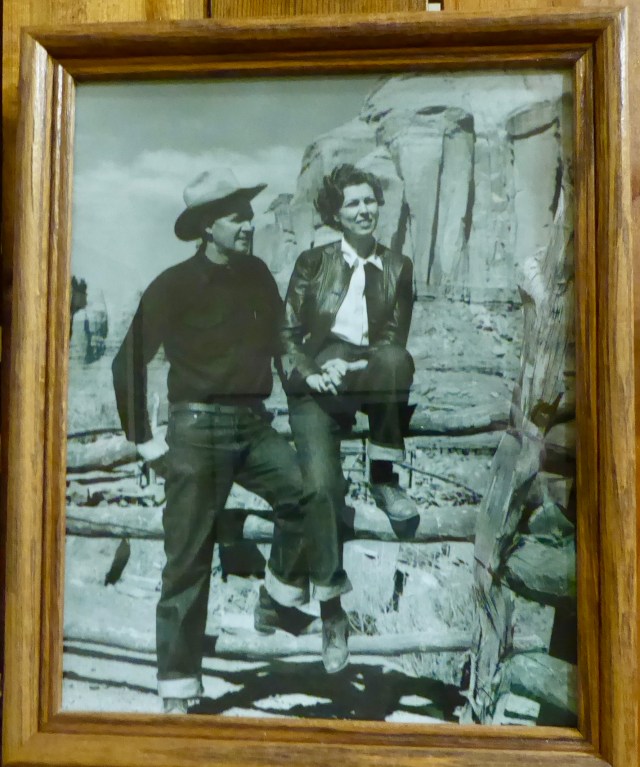
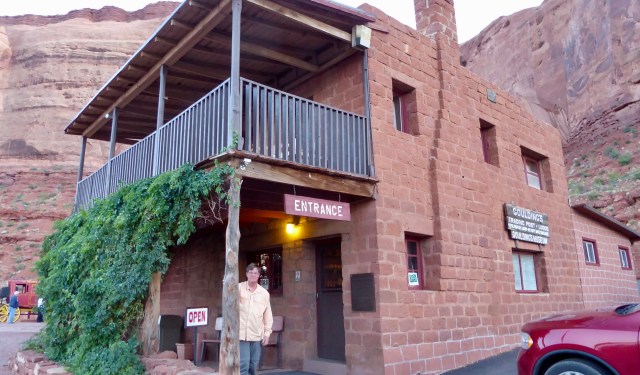
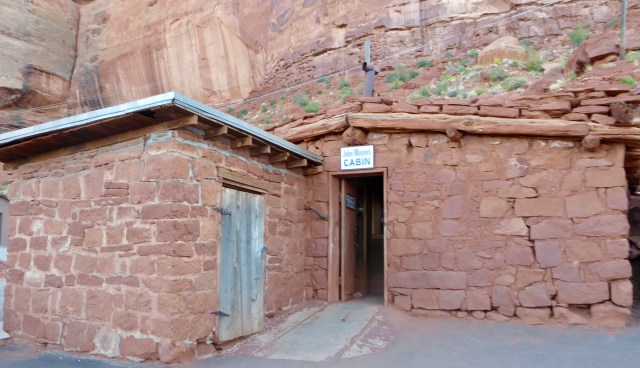
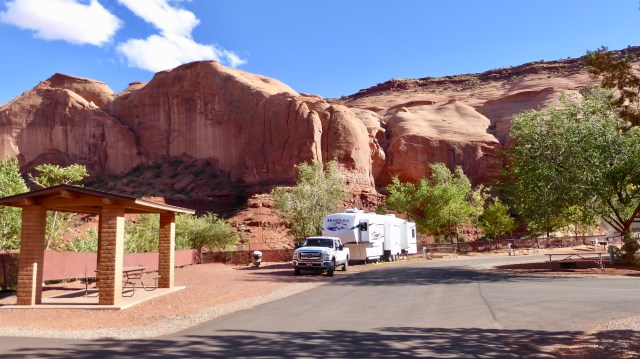 We had one of the nicest sites in this campground and enjoyed some easy and accessible hiking within walking distance.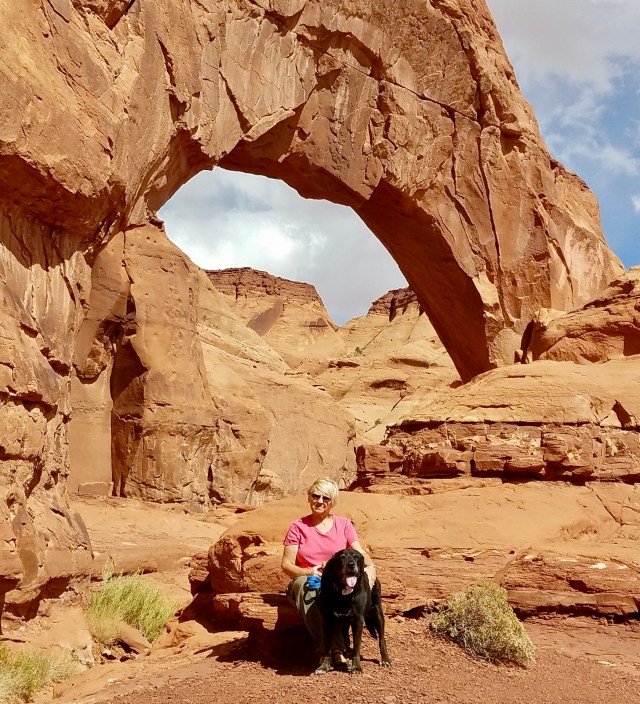
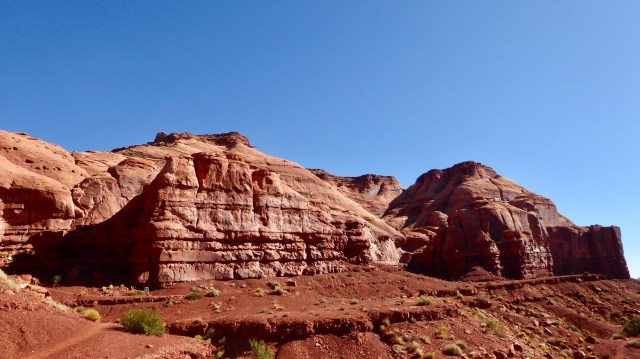
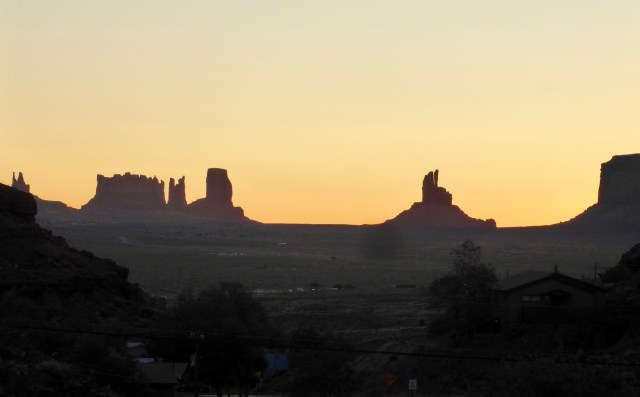
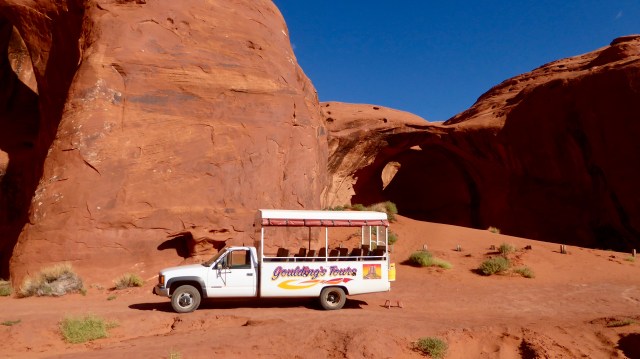


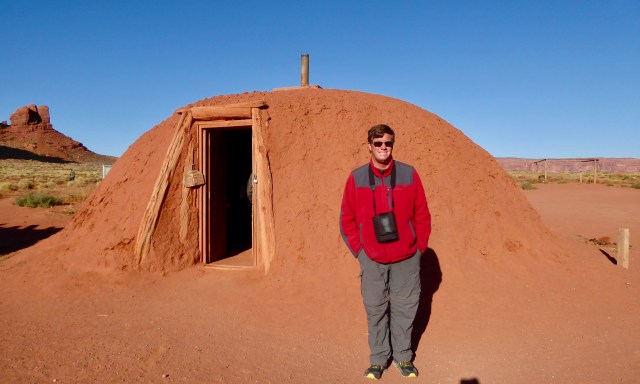

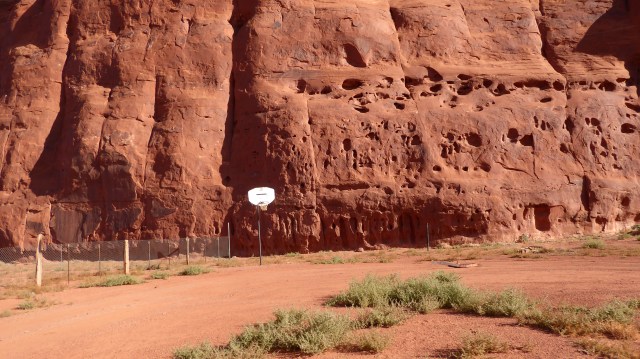
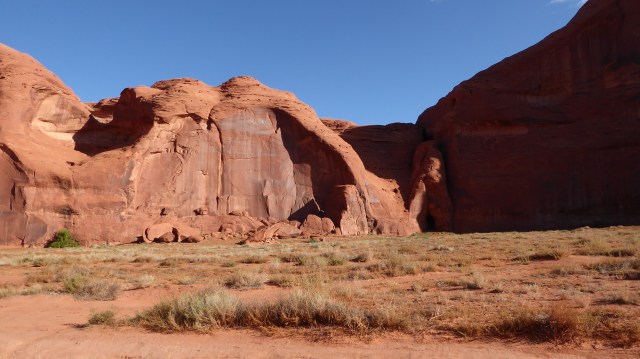
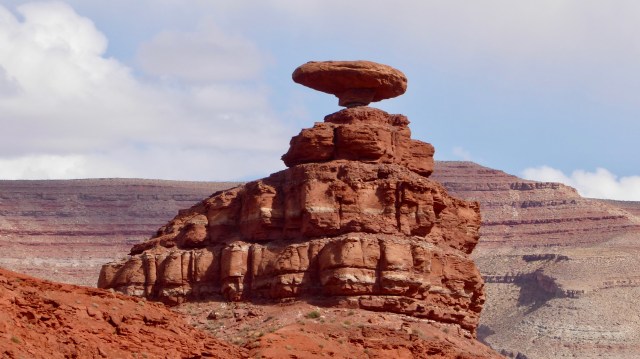
 Goosenecks State Park has dry camping right on the bluff overlooking the river. Some sites are worth not having hook-ups for. Maybe next time!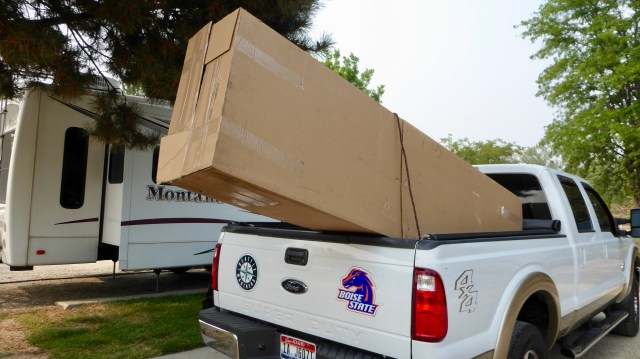
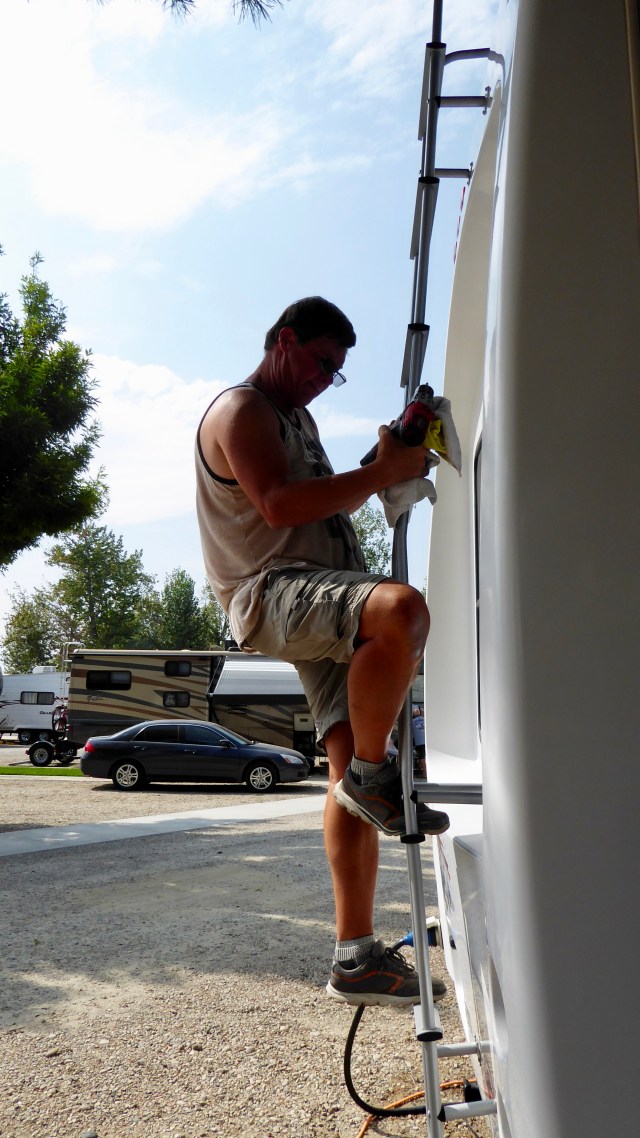
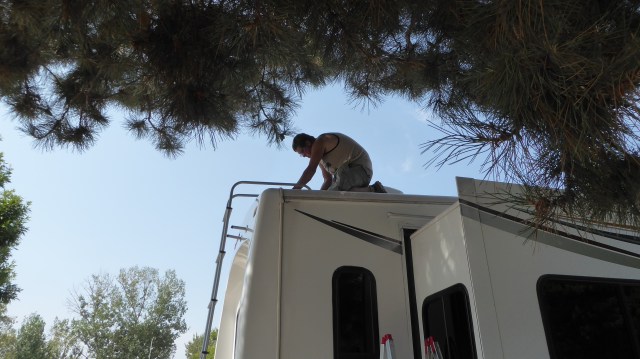 When he was on top he noticed a damaged vent cover and screws that needed to be counter-sunk and covered. And then he fixed the water heater and on and on. It seemed the repair jobs would never end!
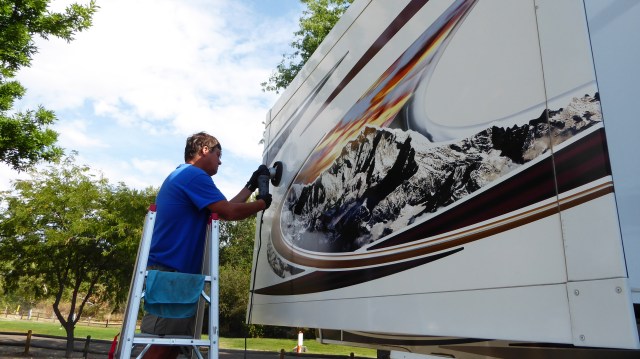 Randy also buffed out oxidation and waxed our entire fifth wheel. It was a HUGE job but looks so much better!
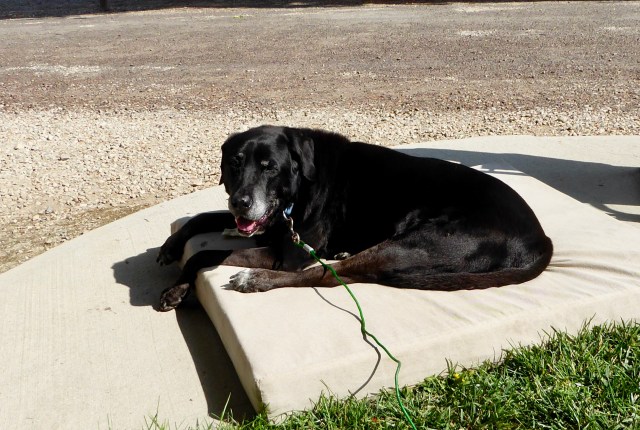 Elko frequently supervised Randy’s work but one day decided to walk to the river on his own and go swimming. Elko has never done anything like that before and the adventure was an unwelcome surprise to his people. Randy found him pretty quickly but after that Elko had to be attached to our trailer. Elko thinks the penalty is far greater than his transgression.

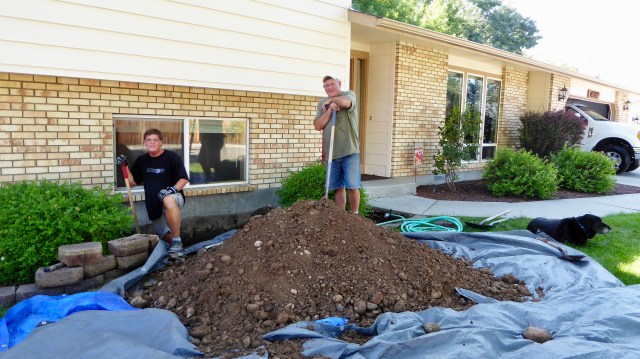
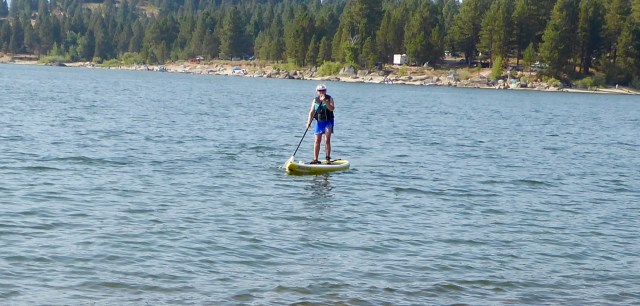 We broke out the inflatable paddle board!
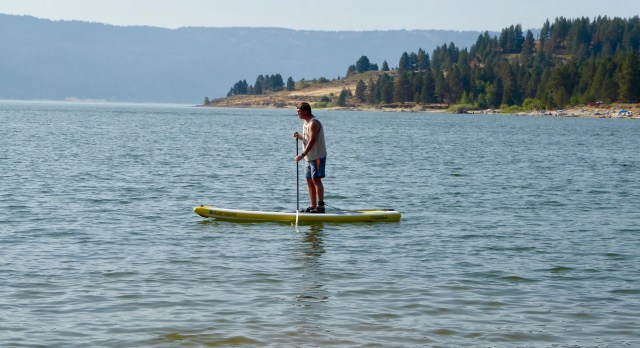 We had started thinking about Lake Cascade as a place to volunteer next summer and made contact with the park manager. We used to wonder why anyone would volunteer so close to home and now we have applied to do that very thing! The park has a variety of campgrounds and is just a couple hours from Boise. The location would be convenient for day trips to Boise and Randy’s medical follow-up which continues into next summer.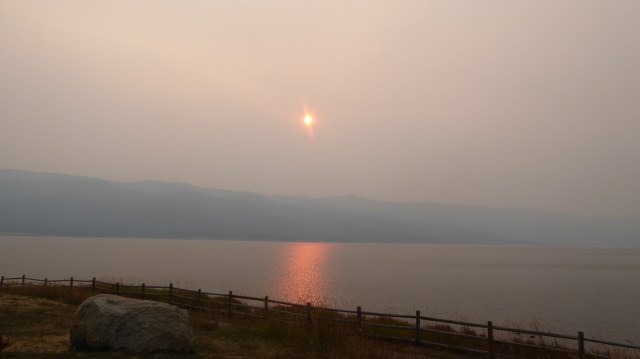


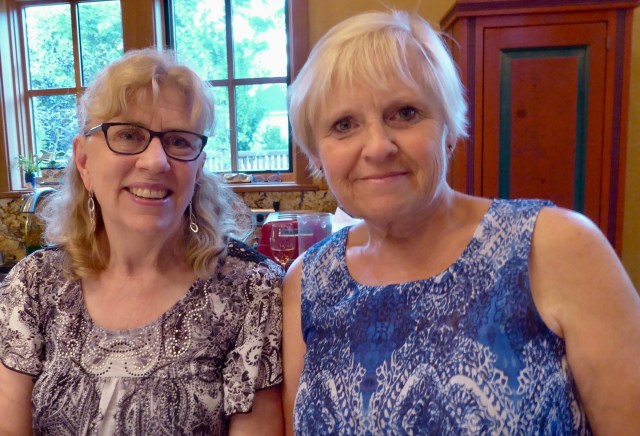 Our friend Karen treated me to something new! We had a wonderful evening at Fuel for the Soul! It is part cooking class, part delicious dinner and part great conversation.

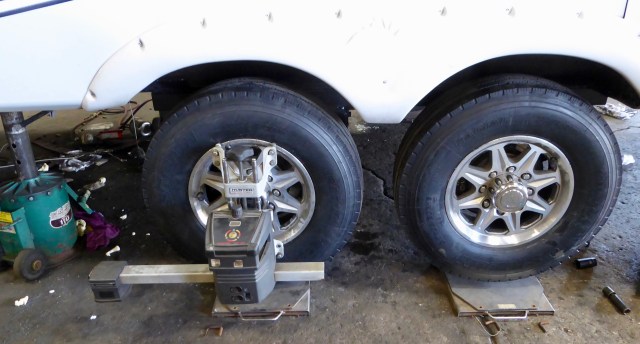

 One self-inflicted – unplanned repair in process – our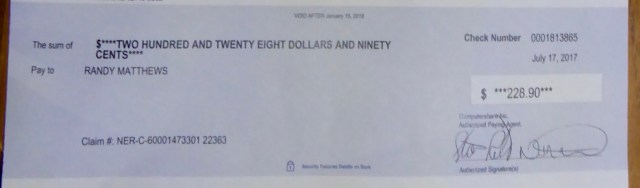
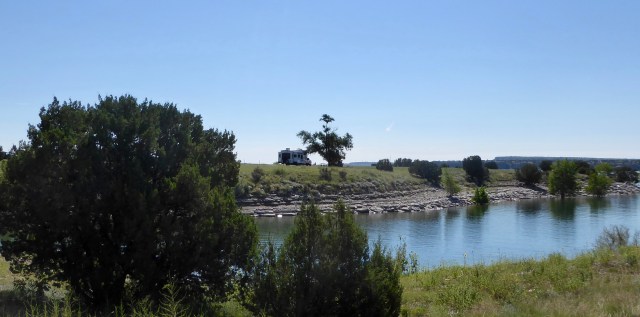
 It helped that our first park, Lake Pueblo State Park, was terrific! The sites were huge and the views were expansive.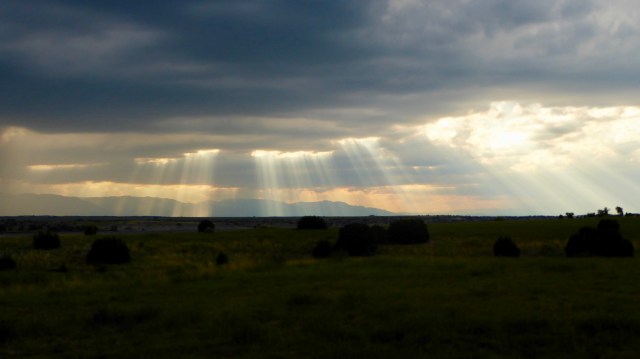
 I found a very nice Safeway! It was the nicest grocery store I’ve been to on the whole trip. I confess to being a grocery store snob. I like new, clean, well-stocked stores that have a Starbucks. Although not every Safeway is this nice, I always look for them.
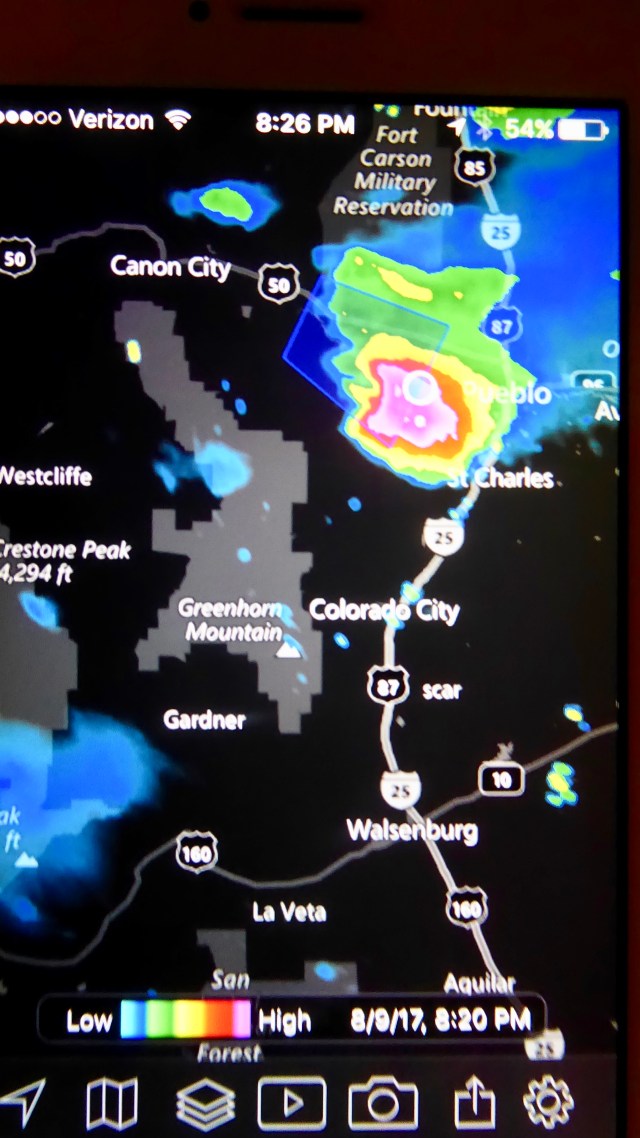
 One evening we watched a storm roll in. We watched for too long because the next thing we knew we were getting wet through our ceiling vent. It closes automatically when it detects rain but the wind was blowing so hard that it couldn’t.

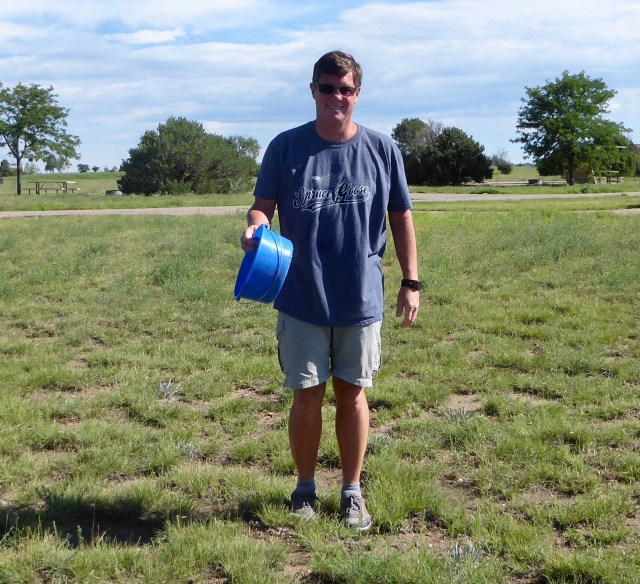 The next morning we had to go searching for Elko’s water bucket and were surprised to find it!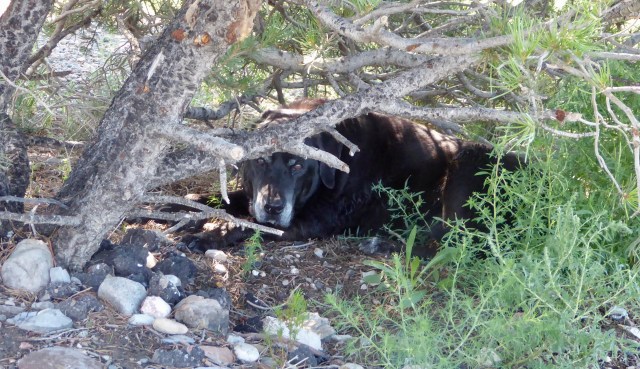
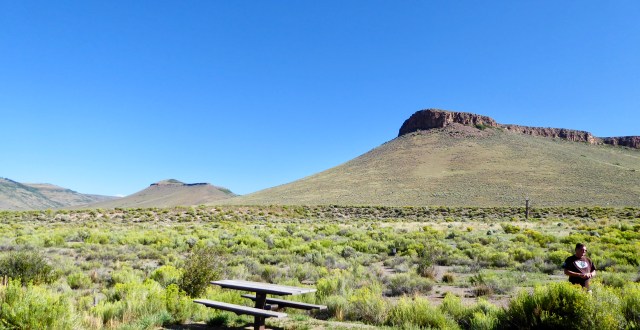 Next we traveled to Curecanti National Recreation Area near Gunnison. We had a nice site there too. Our big event was the National Park Service Morrow Point Boat Tour. Once you get to the parking lot you go down 232 steps to water level.

 Then you walk a mile along the old railroad grade until you find the boat.
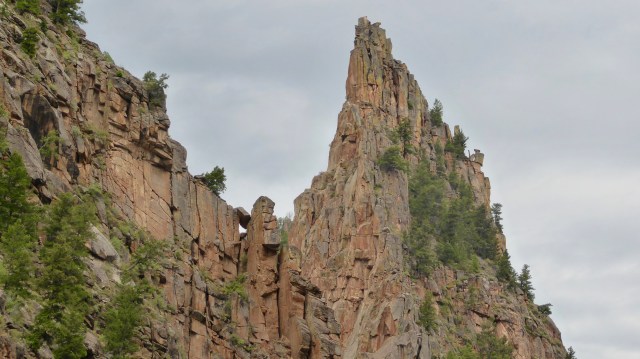
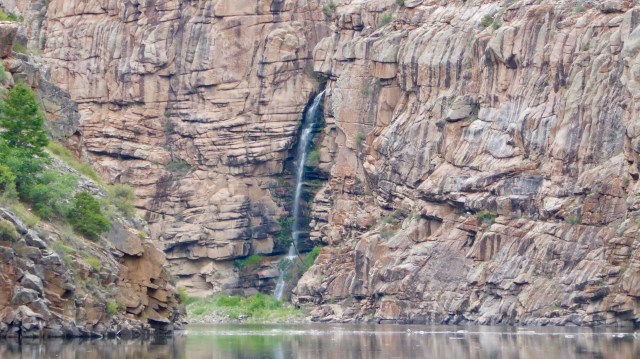
 We had a delightful tour learning about the geology and history of the area. We learned about the quest to build the narrow gauge Denver- Rio Grande Railroad through the Black Canyon Gorge. It was so difficult that a number of men died and eventually they had to bring in foreign labor. Beginning in 1882, the railroad hauled ore, coal, livestock and passengers for 67 years.



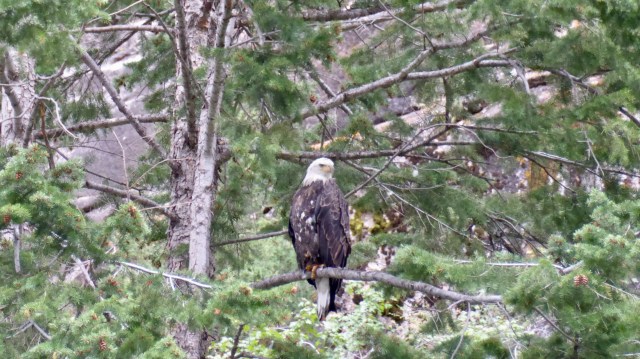


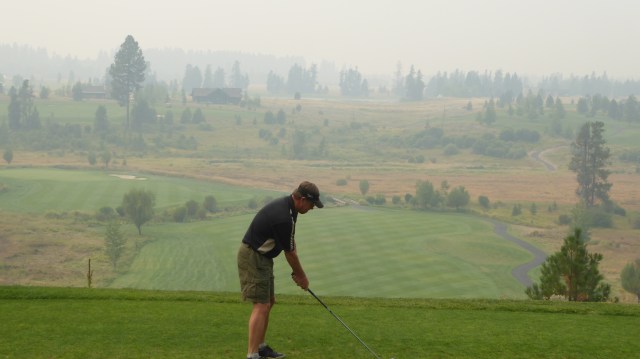
 We arrived at Green River State Park in Utah which has a golf course on site. Randy doesn’t golf often but this was so convenient! He came by mid-round for a Guinness.
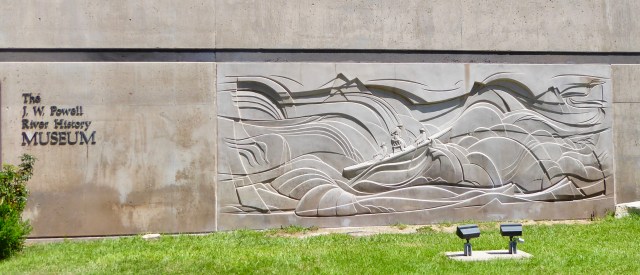


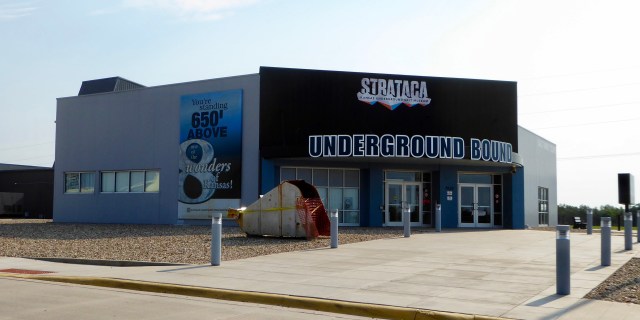 Formed when the Permian Sea evaporated 275 million years ago, a massive salt layer spreads across 27,000 square miles of central Kansas. While looking for oil, a developer found salt. Mining began in 1923 and continues to this day. The active and previously mined sections cover 1000 acres and include 160 miles of tunnels.

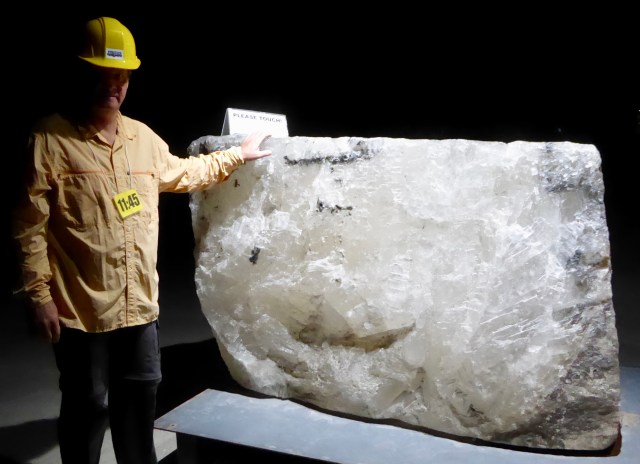
 Much of the salt in Strataca has brown and red veins – good for roads but not for tables.
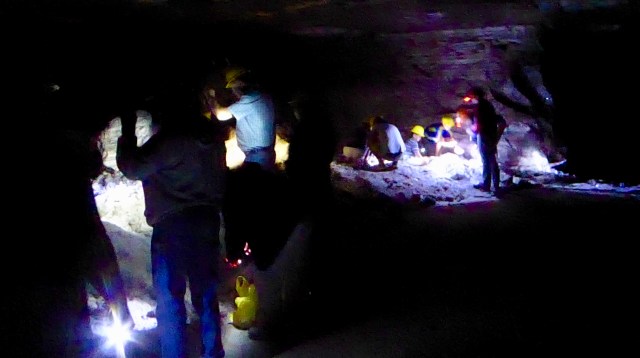 We were able to choose salt pieces to take home – or in our case, to our grandson.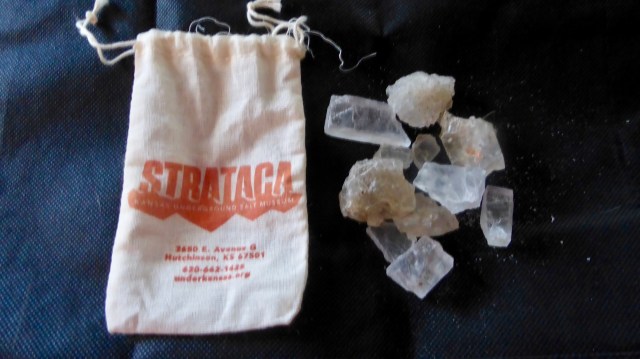
 We saw interesting artifacts including gloves from the 1940s with double thumbs. To accommodate war time shortages, gloves were made to be used one way and, when the palm was worn, reversed to use the back side. Miner gear, boxes and garbage are museum artifacts and not disturbed.
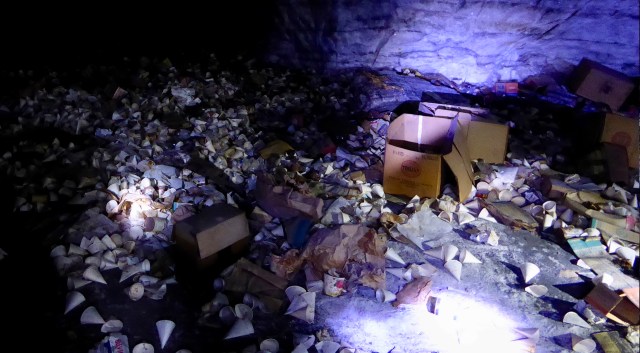 Because it was costly and time consuming to remove, and there was plenty of room, miners left garbage piles. These give additional perspective on mine history. The pile above had a partially eaten sandwich from the 1950s.
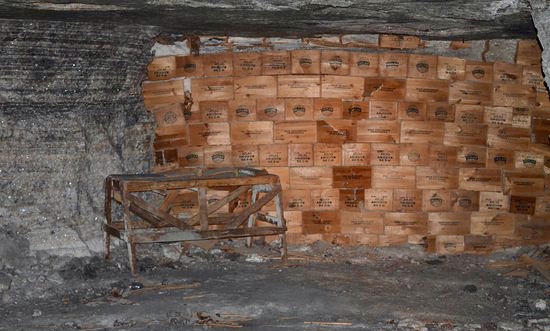
 After the Monuments Men recovered art the Nazis had hidden in European salt mines, a new business was incorporated here in 1959. Underground Vaults and Storage holds original Hollywood films (including The Wizard of Oz), costumes and props. They also store medical, financial and insurance records from around the country. State governments’ and other nations governments’ records are stored here. It is big business with 65 employees, 2 shifts and nearly 1.7 million square feet of storage – with lots of room to grow!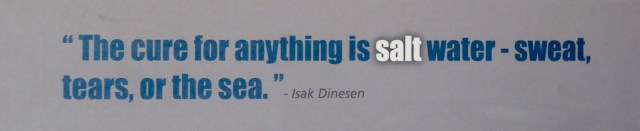
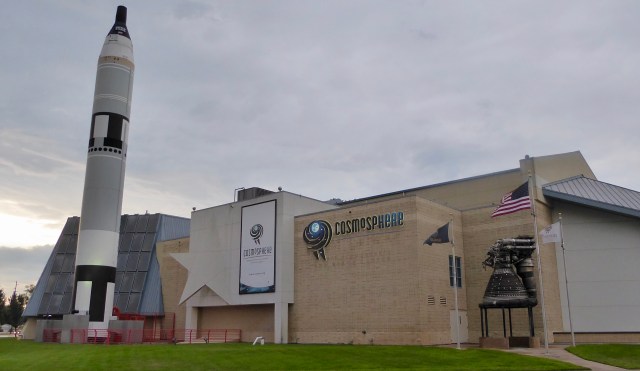 Randy visited Cosmosphere, the second Wonder of Kansas in Hutchinson. It is an affiliate of the Smithsonian National Air & Space Museum. He spent four hours at Cosmosphere and said he barely scratched the surface.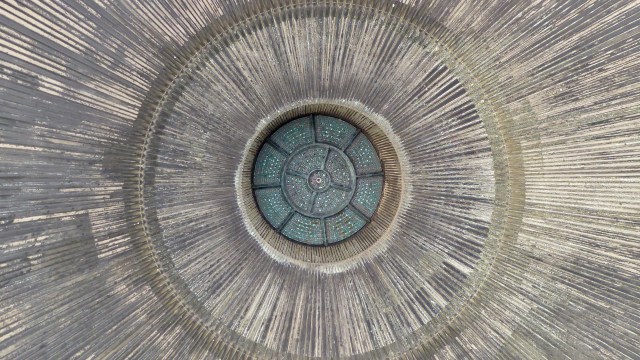

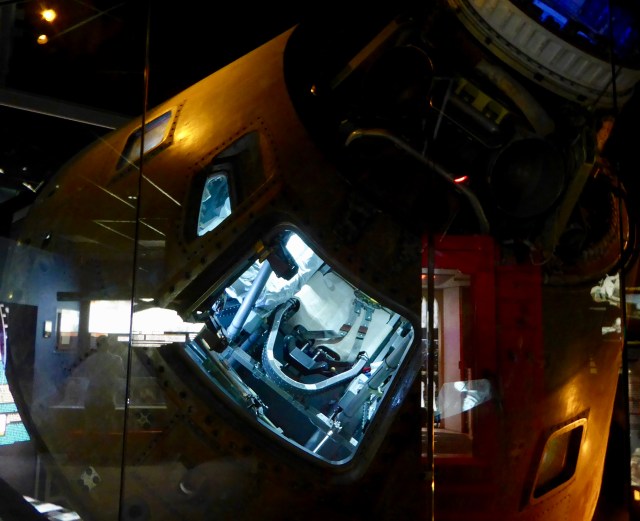 The Apollo 13 Command Module is at Cosmosphere! “Houston, we have a problem.”
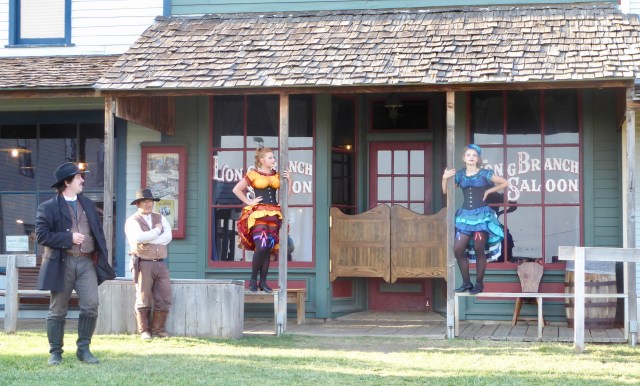


 The museum recreated Front Street including the shops and saloons present in 1870.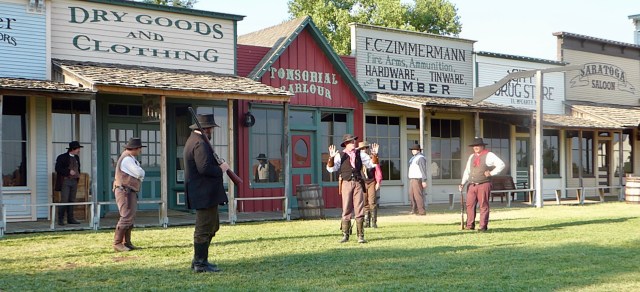
 Neither was Matt Dillon. There are pictures and artifacts of Gunsmoke but the museum focuses on the real history of Dodge City, not the TV version.
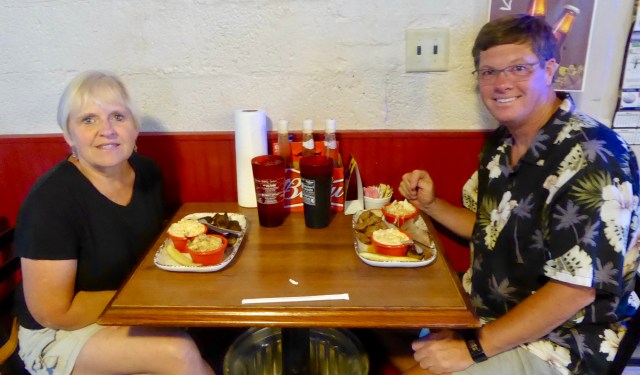 We were hesitant to go to the Truman Library and Home since we had been so impressed with the Lincoln versions in Springfield. How could Truman even begin to compare? Despite the lure of Kansas City attractions, we decided to focus our activities in Independence. And we are glad. Truman held his own!

 Harry grew up in the area and worked in the Clinton Soda Shop as a youth earning $3 a week. (We had lunch and ice-cream there!) He tried a variety of jobs over the years with little success until he became Jackson County Judge – what we’d consider a county commissioner.

 When Franklin D. Roosevelt was running for his fourth term, Democratic powers questioned whether he would survive the term. They handpicked Harry Truman as his new vice presidential candidate. Truman served 82 days as Vice President and met with Roosevelt just twice.
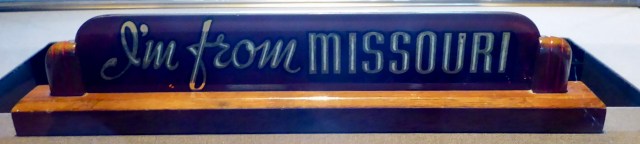
 He felt his most difficult decision was to enter the Korean conflict and his greatest regret was the inability to implement a national compulsory health insurance program.
 The White House was found to be structurally unsound during Truman’s term. The interior was gutted and rebuilt in a three year project.


 The library displays many of the 1300 letters he wrote to Bess over their years together.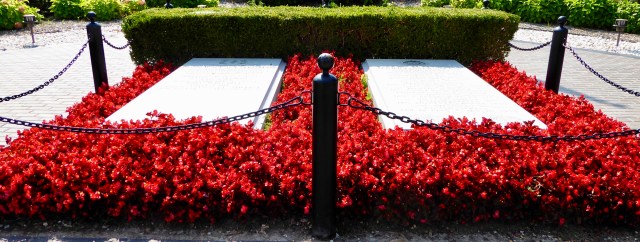
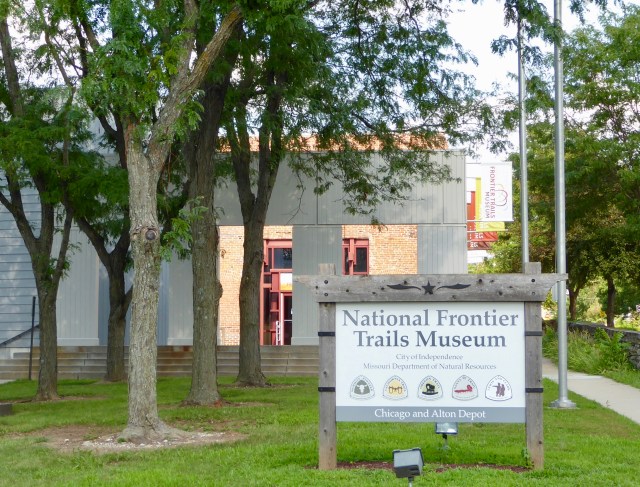 Continuing with Independence history, we visited the National Frontier Trails Museum. Most western migration left from Independence in the early and mid 1800s. This included travelers on the Santa Fe, California and the Oregon Trails. We have a good working knowledge of the California and Oregon trails but were glad to learn about the Santa Fe.
 The most surprising place we visited in Independence was The Community of Christ Temple. It has a very tall spire visible from all over town.


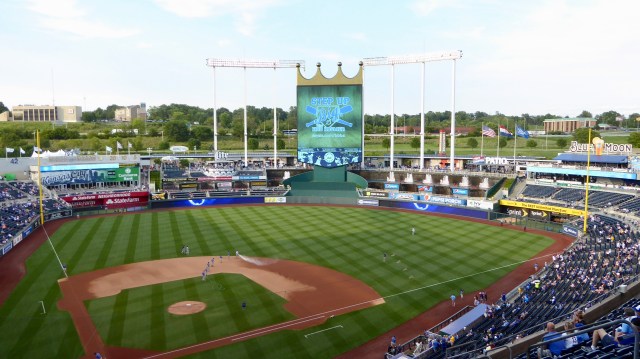 On our last evening in Independence, we went to the baseball game that brought us here. Kauffman Field is beautiful but the Mariners came up short.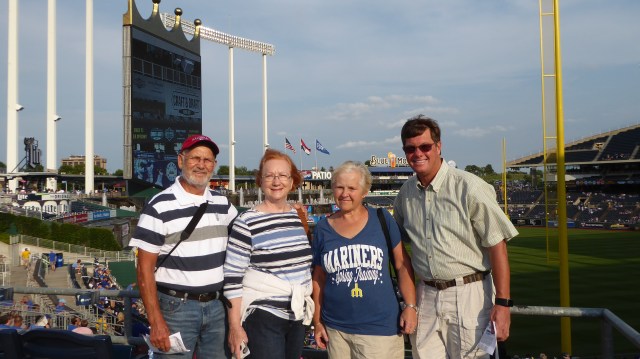


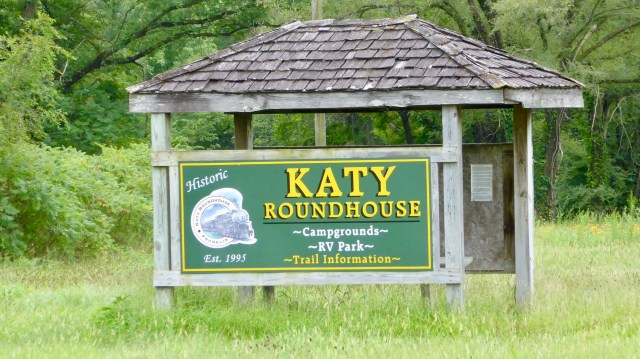 In spite of a GPS error, we made it to our campground and parked. The ground was soft so Randy wanted to move the trailer slightly to position it better onto the gravel. That is when we had the Oops! He backed into a tree. I was standing right there but didn’t expect him to go back that far so I share the blame. Oops!
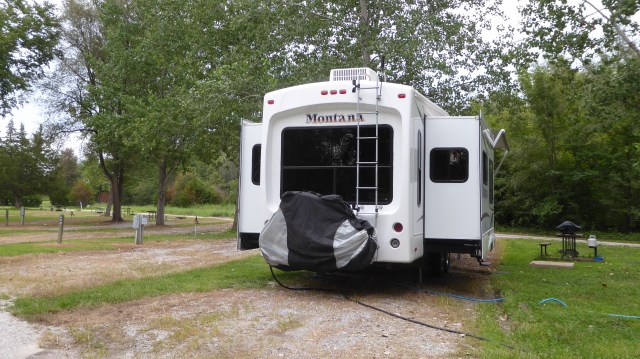 My fear, as I ran back to see the damage, was the condition of the big window but it and our trailer structure were fine.
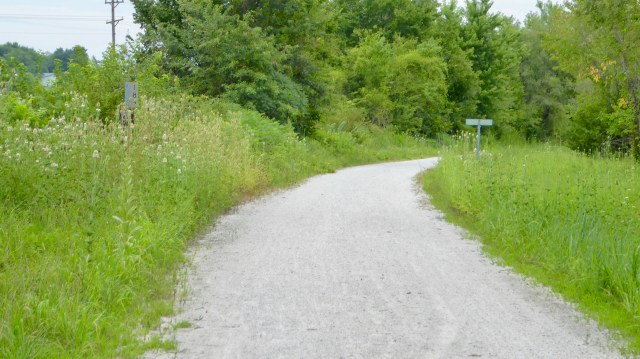 However, the damage to our bikes meant we couldn’t ride the Katy Trail, the longest Rails to Trails route in the country at 225 miles in length. The trail uses the Missouri-Kansas-Texas (Katy) railroad corridor developed in 1872.
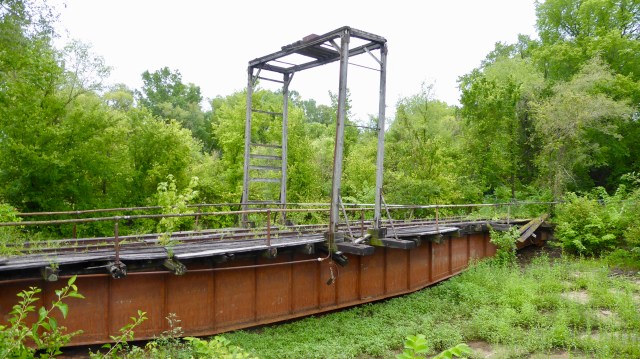 Franklin Junction served as a prominent railroad site from 1893 until World War II. The line had diminished use mid-century and was discontinued in the 1980s. The railroad grade became a Rails to Trails route in the 1990s. Our campground is on the old junction site.
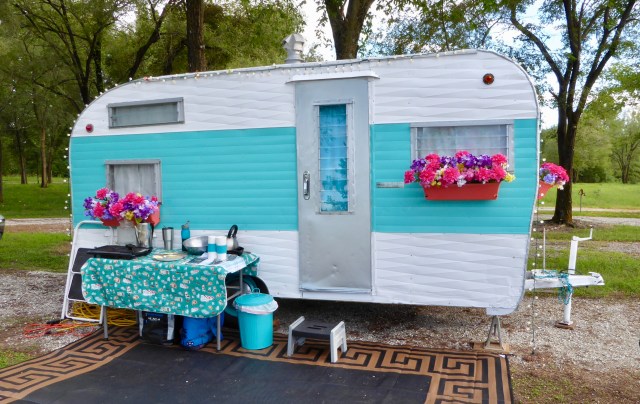 Janet wanted a project so she bought a very rough 1964 PlayMor Trailer for $50. She spent $3800 refurbishing it and did a great job! It was Janet’s project but her husband Joe helped a bit. Another vintage trailer refurbishment is in the works!
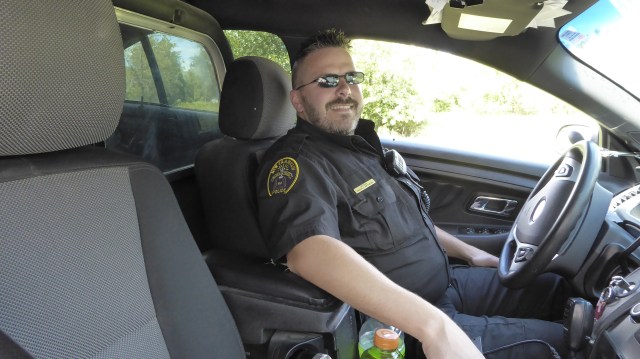 We met this guy patrolling the campground – Randall Mathews of the New Franklin Police Department. He and my Randy Matthews chatted and compared notes. He told us the definitive answer on whether to say Missour-EE or Missour-UH. North of I-70 the state is called Missour-EE and south of I-70 it is Missour-UH.
 There are five Budweiser Clydesdale ranches but all breeding is done here in Boonville, Missouri.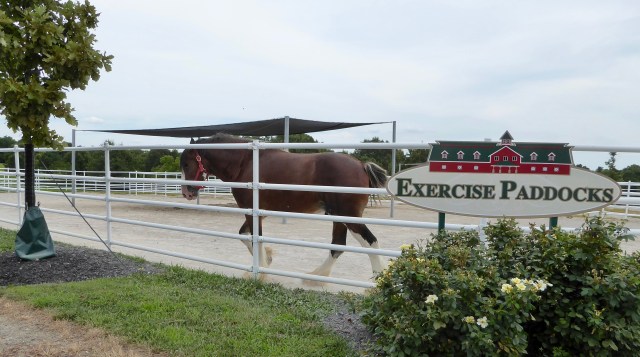
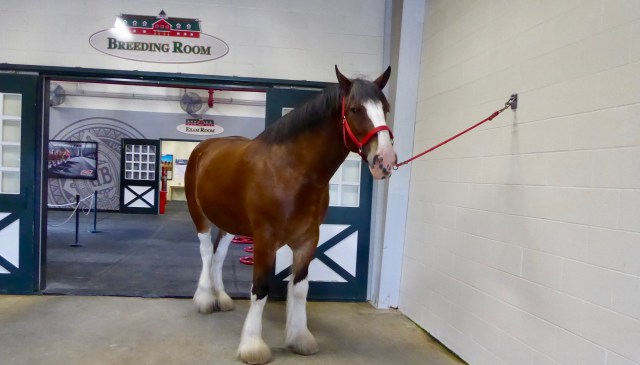 This is Stan (named for St. Louis Cardinals’ Stan Musial), born and raised on the ranch. When full grown he will be about 18 hands and weigh 2000 pounds. He has the desired Budweiser Clydsdale look – bay color, black mane and tail, white blaze on the forehead and white socks.
 This is Otto. He was born June 7 weighing 125 pounds and standing 3 1/2 feet tall. Otto was walking around when our tour went through the barn but when we went back 5 minutes later he was napping! Otto will feed on his mama for six months and then be weaned to depend less on milk and more on hay and grains. (All Budweiser Clydesdales eat Timothy Hay from Eden, Idaho. It is shipped throughout the year to each of the ranches and to all performance locations.)
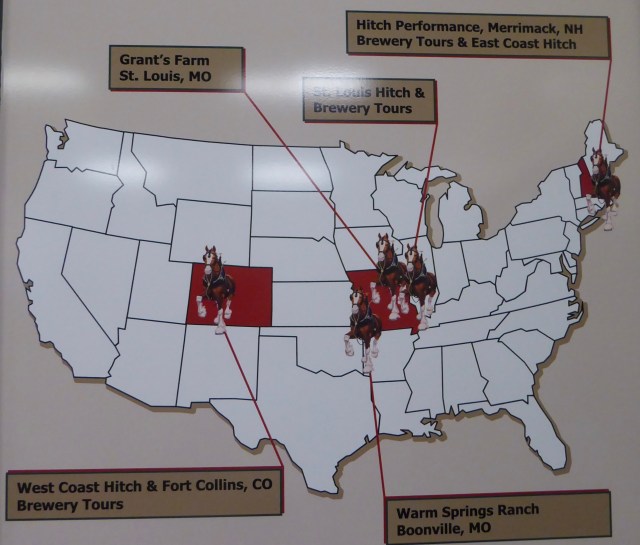 Hitch trained Clydesdales get assignments to one of three regional ranches: – Fort Collins Colorado, St. Louis, Missouri and Merrimack, New Hampshire.
 From their home ranch, teams of 10 horses (8 pullers and 2 alternates) travel across the region for hundreds of performances. Budweiser has strict guidelines for travel (breaks after 2 hours and no more than 500 miles per day) and stabling. They have their own portable stable if there aren’t local stables meeting their specifications.
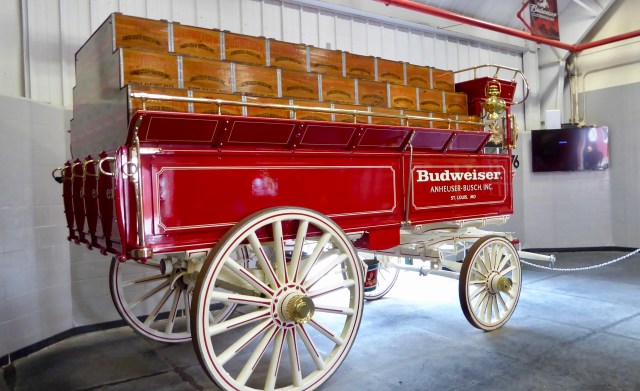 We came away very impressed with the whole operation and especially the “cradle to grave” care for the horses. After a work life of 8-12 years, horses retire on one of the company ranches or at a handler’s ranch. Either way, it seems good to be a Budweiser Clydesdale!


 Serene Wandering