Prague 2023: Sedlec Ossuary – The “Bone Church”

We did make it to Prague!

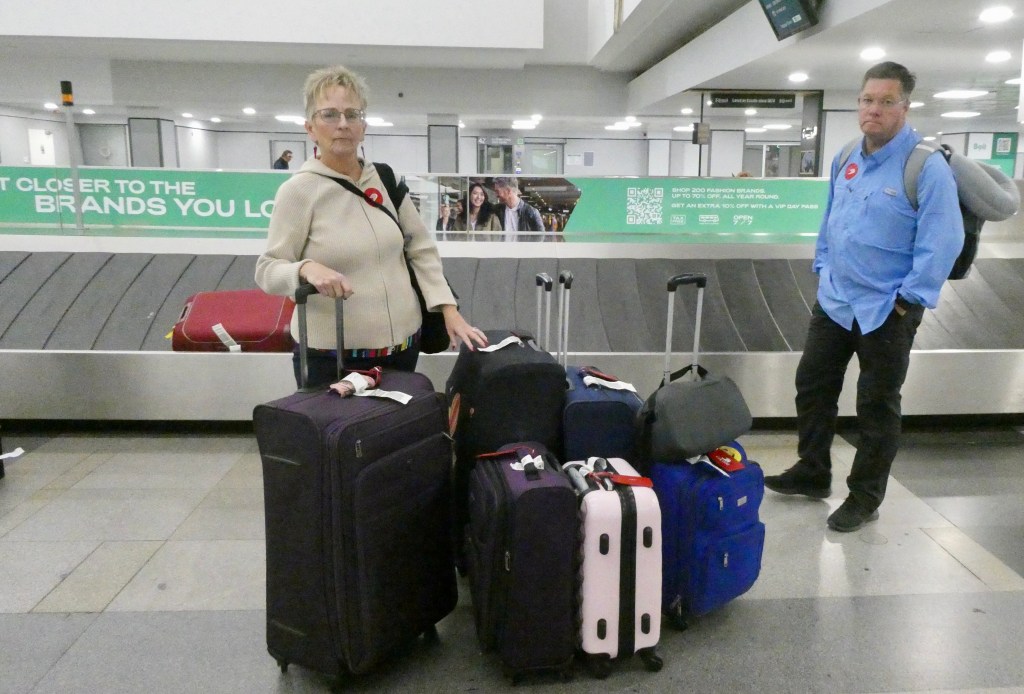
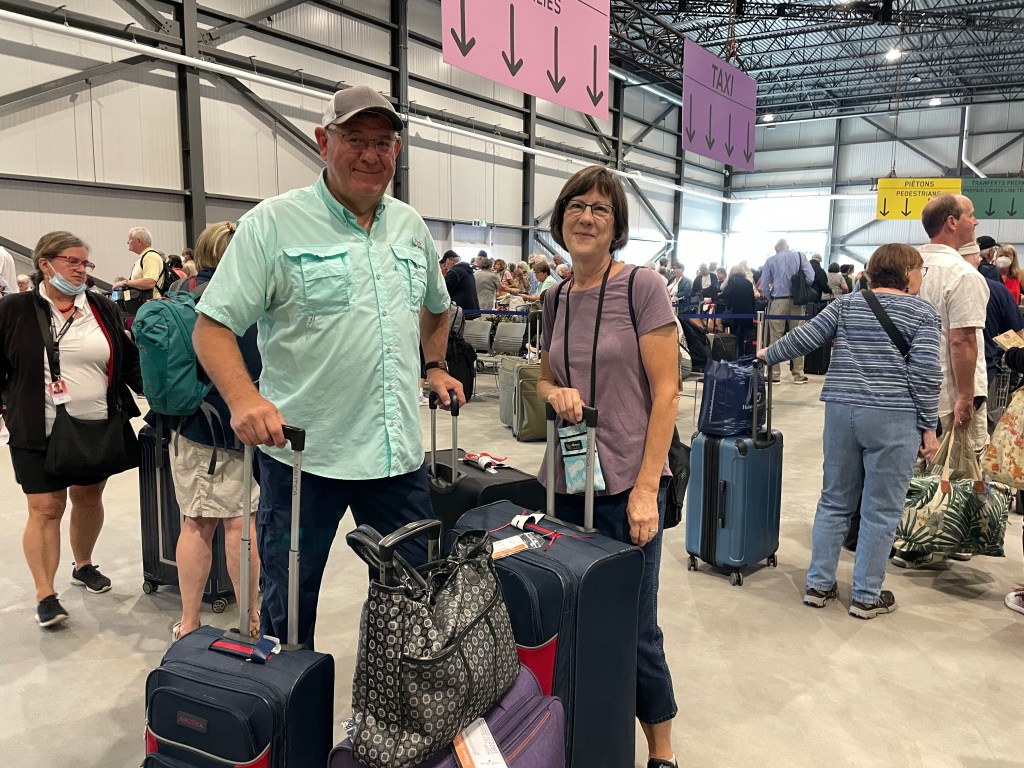
All of the luggage made it with us!  We were collected by a driver and taken to our hotel.  

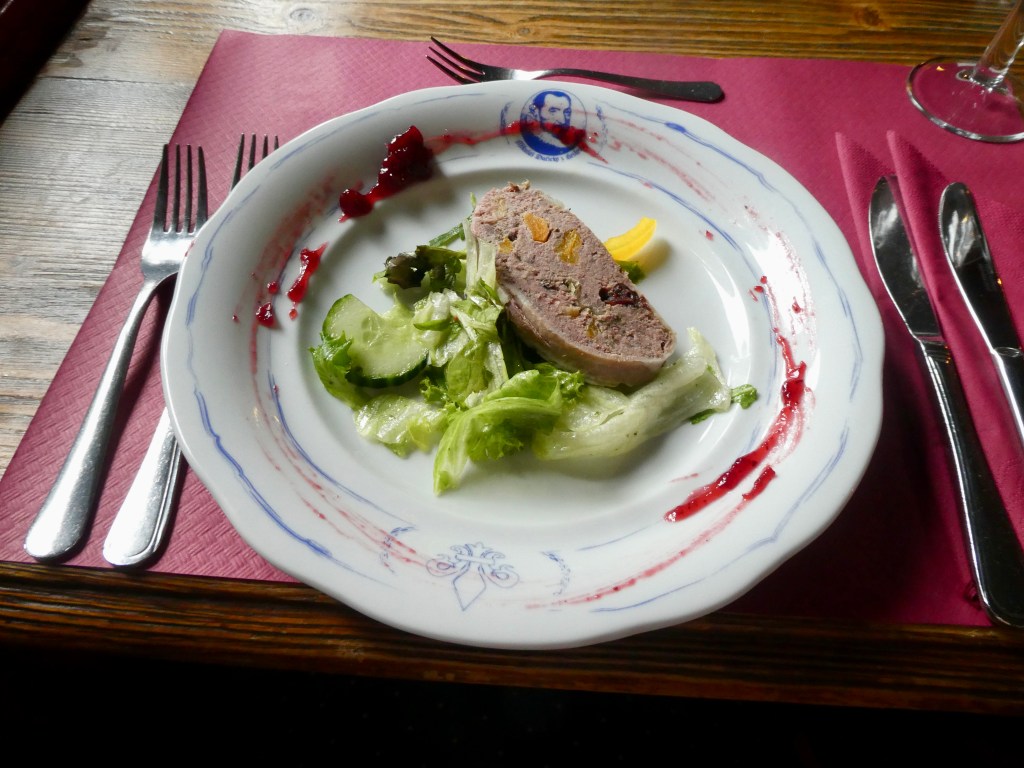
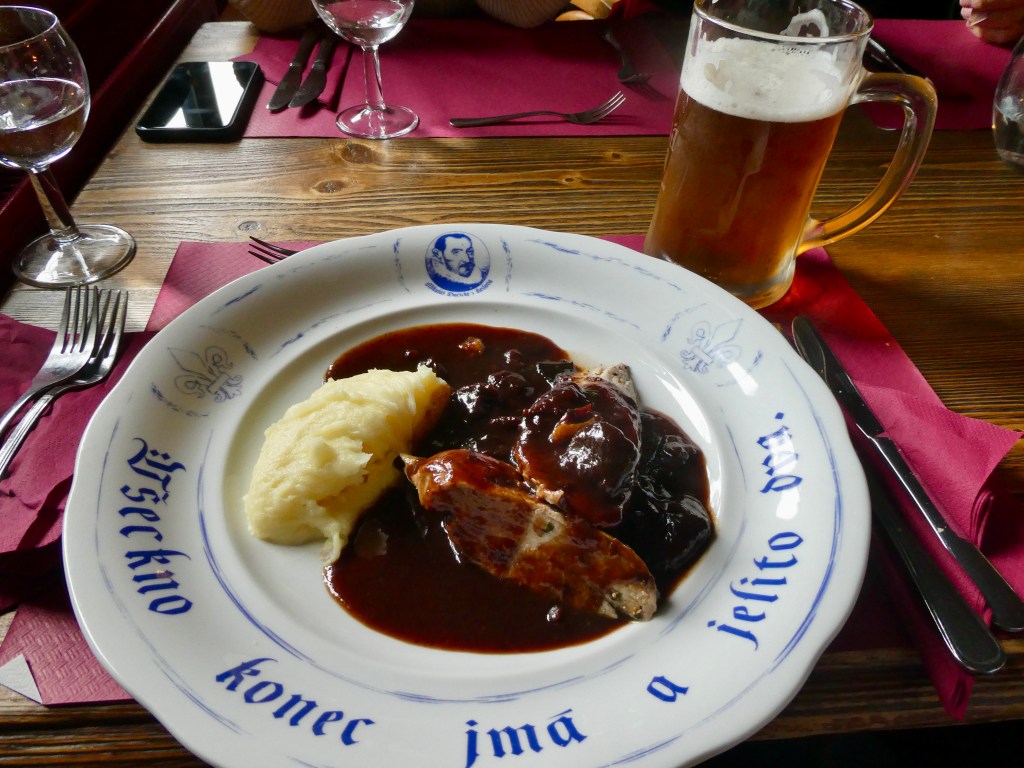
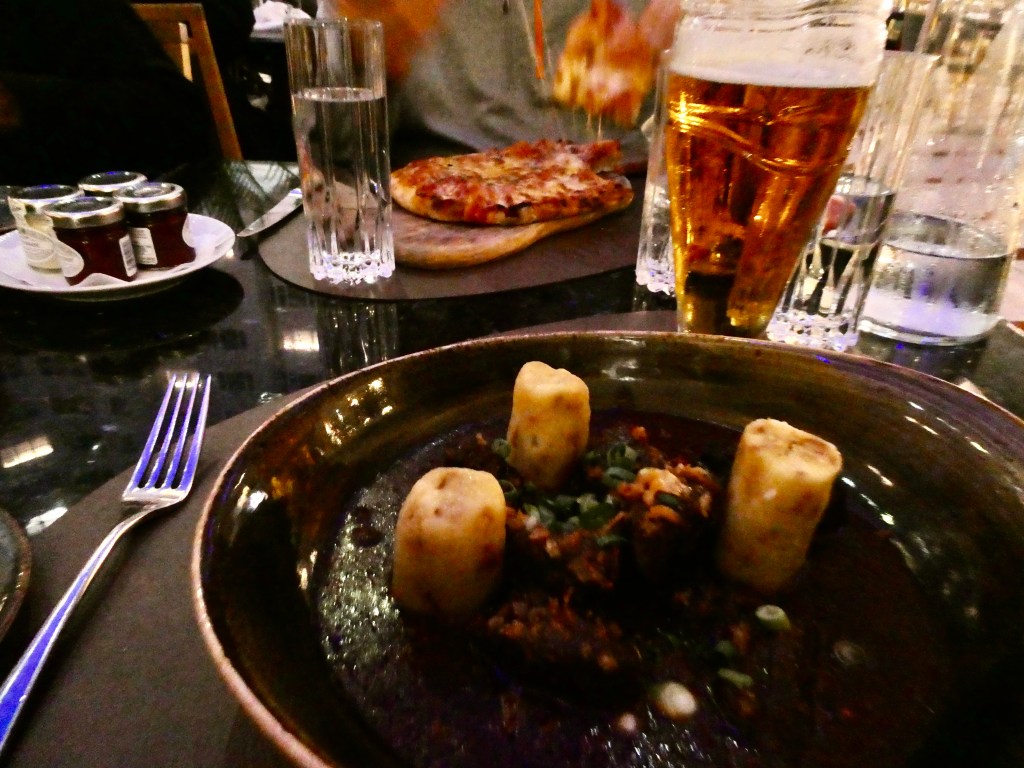
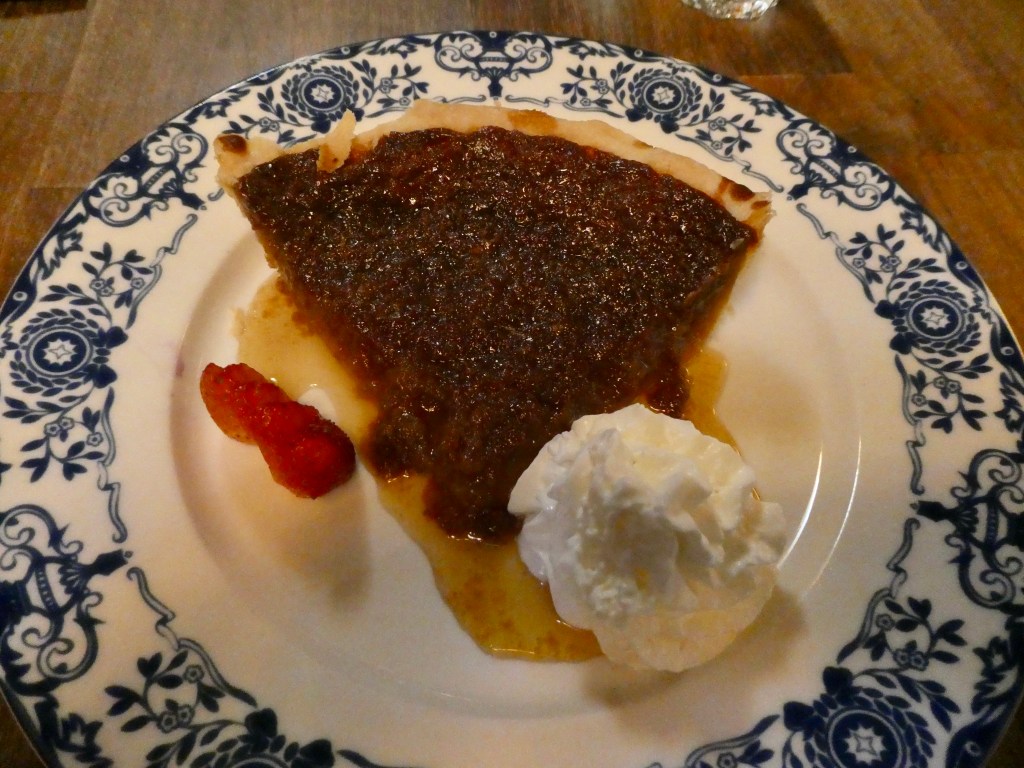
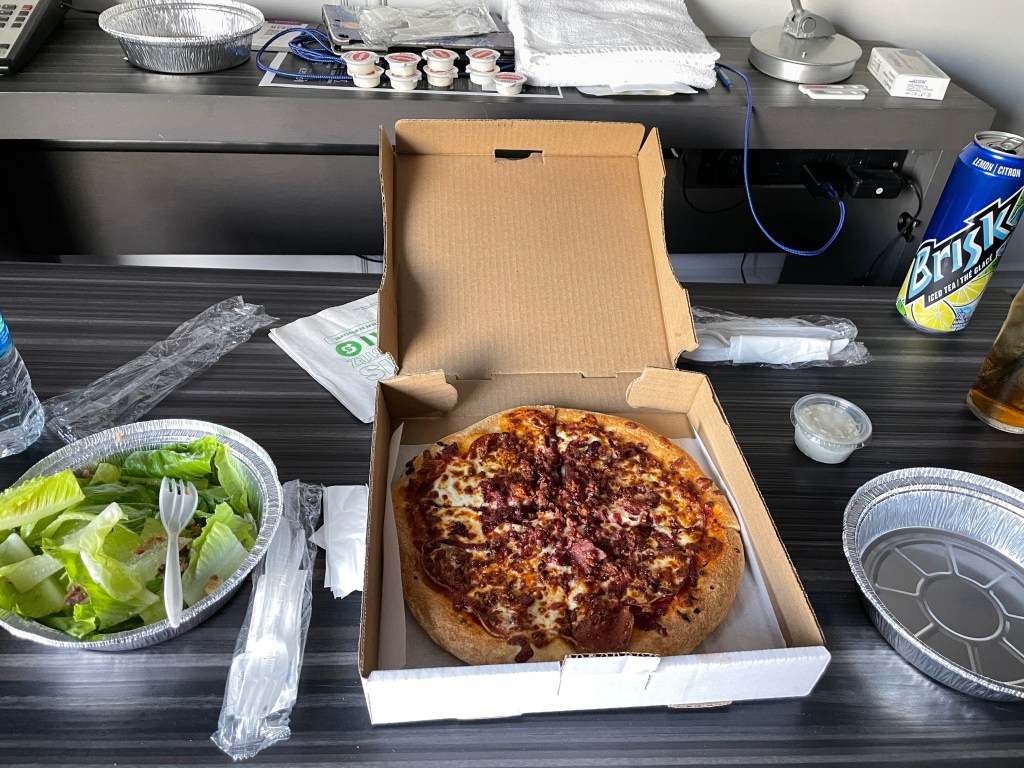
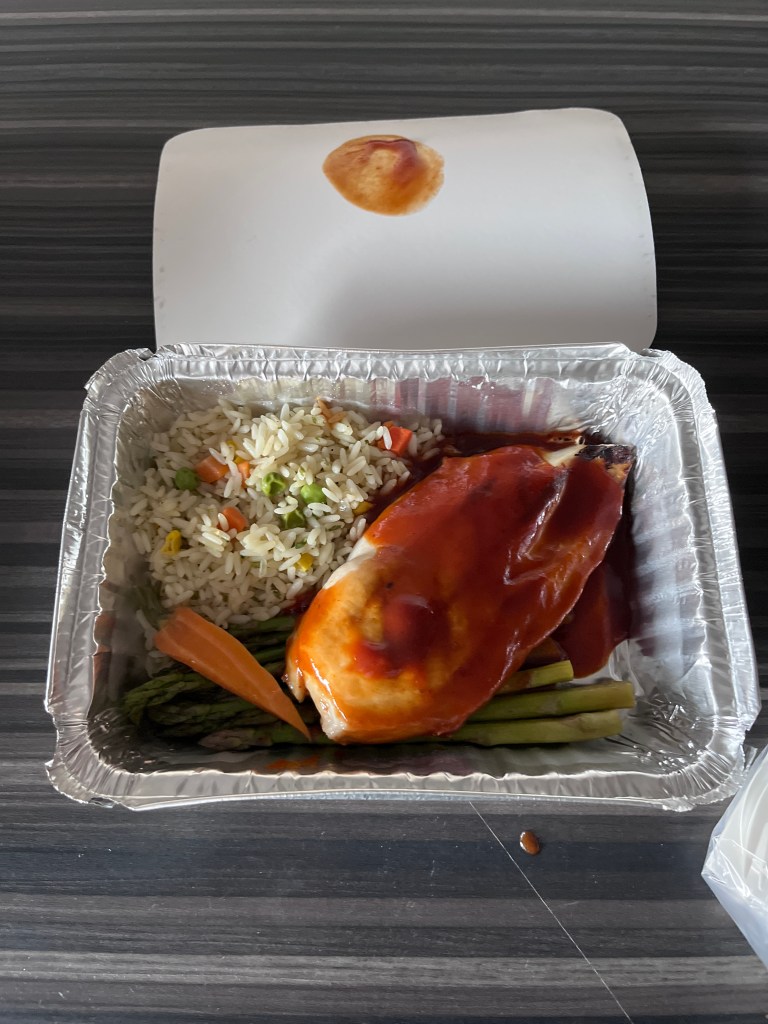
We were tired after our day of travel so we ate at the hotel restaurant.  The meal in the picture was mine.  It was the first of many meat and dumpling meals we had while in this part of Europe. This one was delicious! Of course we had to try Prague beer! Randy was revisiting pizza in Europe, but it wasn’t quite Italy.

Because our flight came in late in the day  we missed both of our scheduled excursions.  We were able to rebook one but totally lost an excursion about Czech Resistance in World War II.  

My general knowledge about the history of the Czech Republic was very poor, knowing little more than it used to be called Czechoslovakia.   A novel I read during trip preparation, Prague Spring, was set during a brief period of expanded freedoms in 1968. The Soviet Union objected and stopped the new found freedoms with a harsh invasion.  

Good for you if you knew more than I did, but if you don’t…here is a very brief (and inadequate) summary.

The area now known as the Czech Republic was called Bohemia when it was populated by the Celts in the 4th century BC.

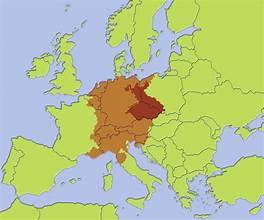
The Roman Catholic Church expanded in 950 AD and Bohemia became part of the Holy Roman Empire.

Charles IV ruled in the 14th century and his rule is considered the golden age of Bohemia. He was elected Holy Roman Emperor in 1355. 

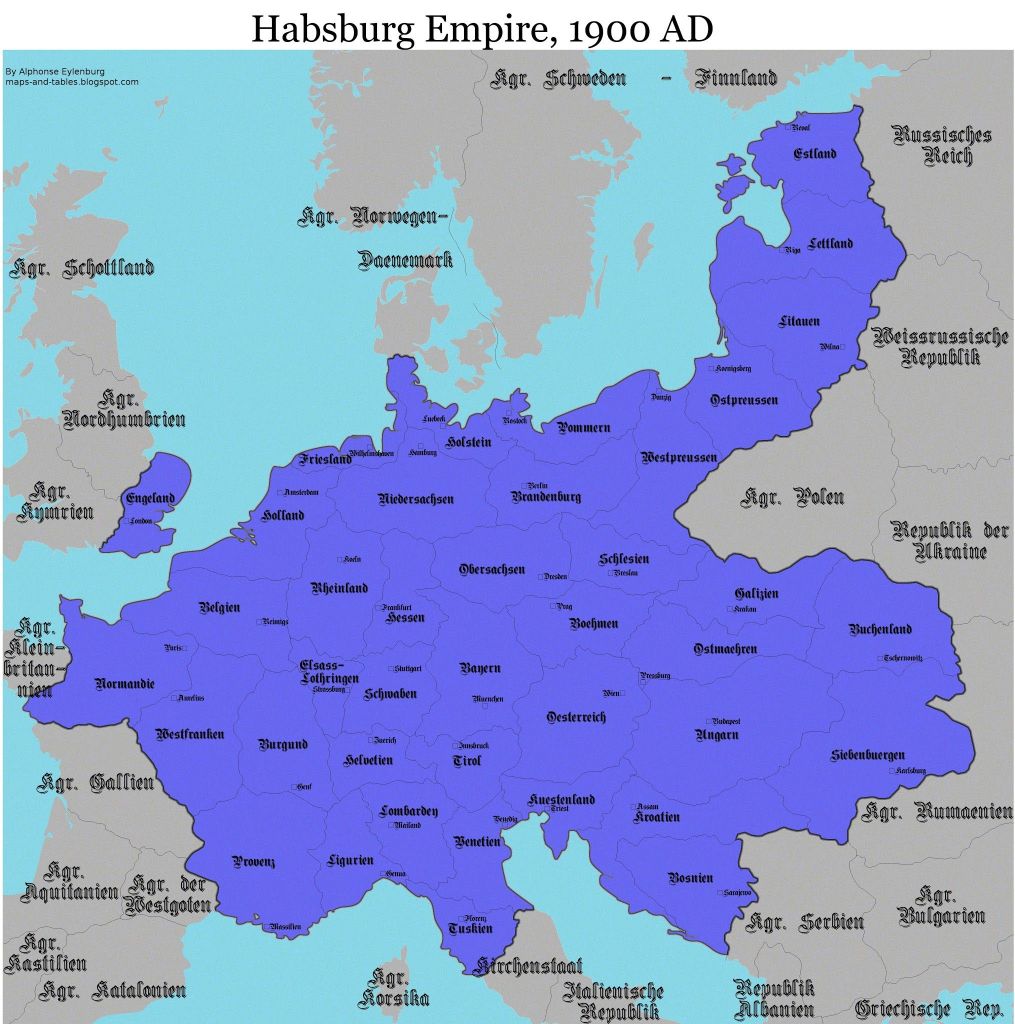
In the 1800s, the Austrians and the Habsburg Empire took control of Bohemia.  Their defeat in World War I allowed for the creation of independent Czechoslovakia in 1918.  

Great Britain, France and Italy agreed to sacrifice Czechoslovakia to Adolf Hitler at The Munich Conference in 1939.  As there were no representatives of Czechoslovakia present, this is considered The Great Betrayal.  (This is just stunning to me!)

After World War II, the restored Czechoslovakia came under Soviet influence. The Communist Party of Czechoslovakia ruled until 1989.

The Prague Spring was a period of political liberalization in Czechoslovakia during the spring of 1968. Some reforms were allowed including a loosening of restrictions on the media, speech and travel. Not approving of the reforms, the Soviet Union invaded in August 1968.

In 1989 the Communist regime collapsed due to the Velvet Revolution – massive non-violent demonstrations led by students and dissidents  resulting in the end of one-party rule in Czechoslovakia.  

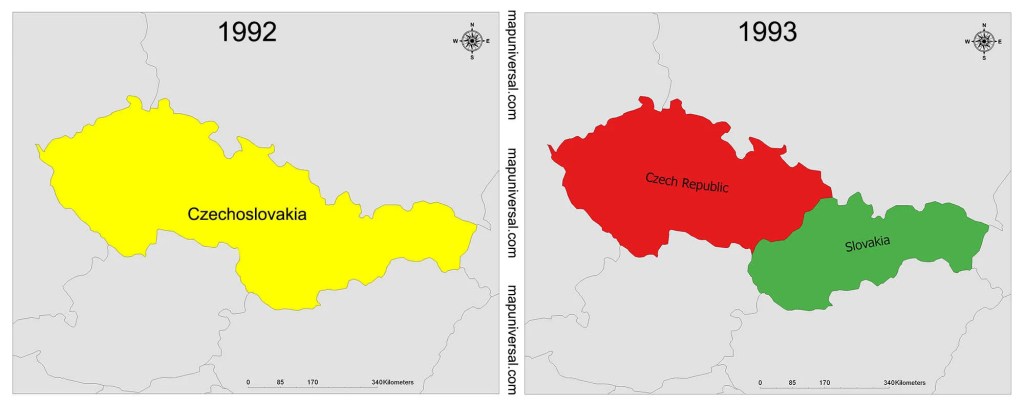
On January 1, 1993, Czechoslovakia was peacefully divided into Czech and Slovak Republics, both independent countries.

The Czech Republic joined  NATO in 1999 and the EU in 2004.

My brief history lesson is complete. The next day we were up and ready to start exploring!  Our first destination was the Sedlec Ossuary or “Bone Church.”

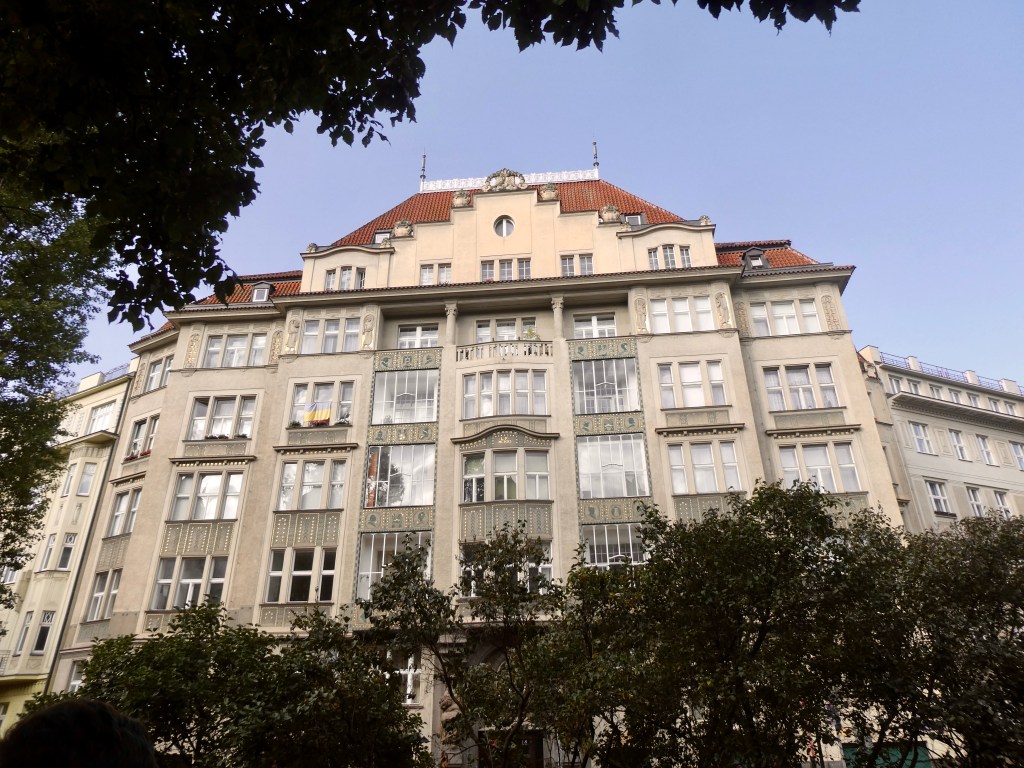
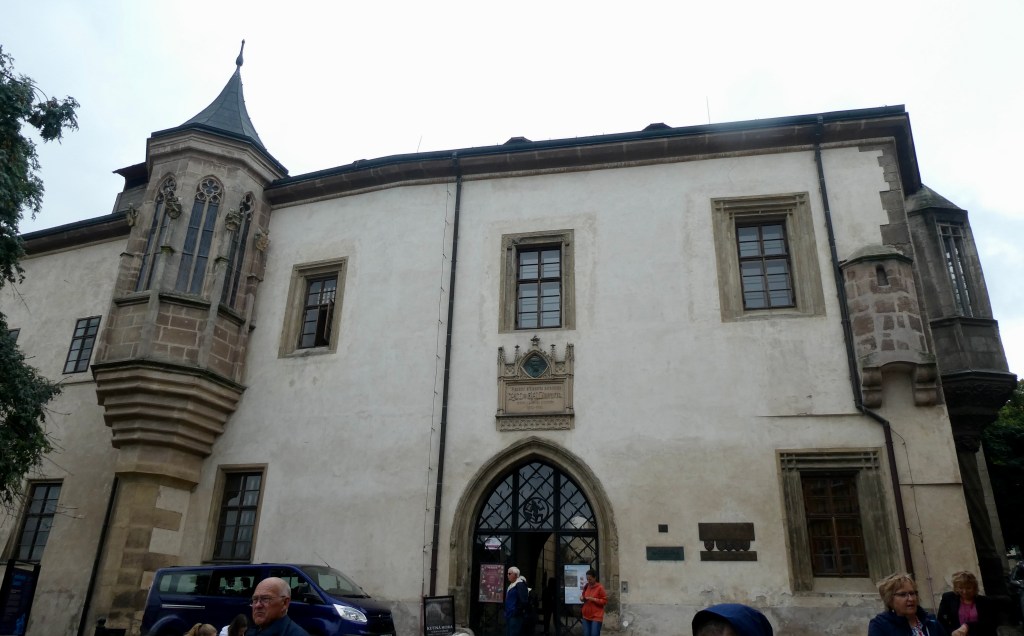
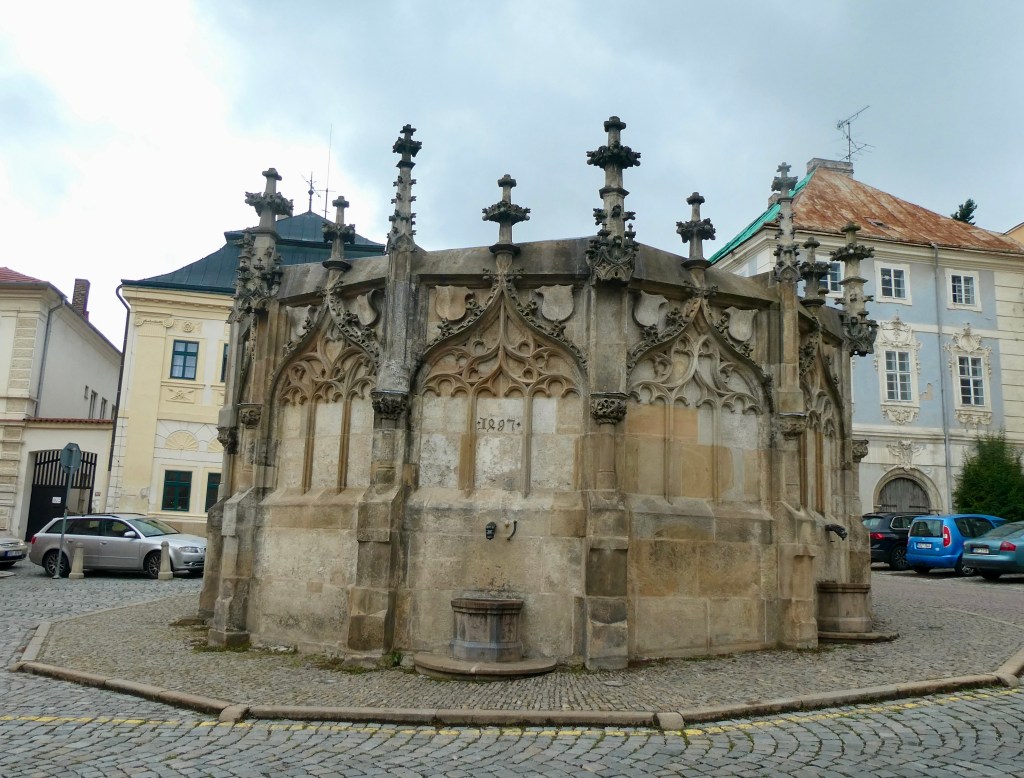
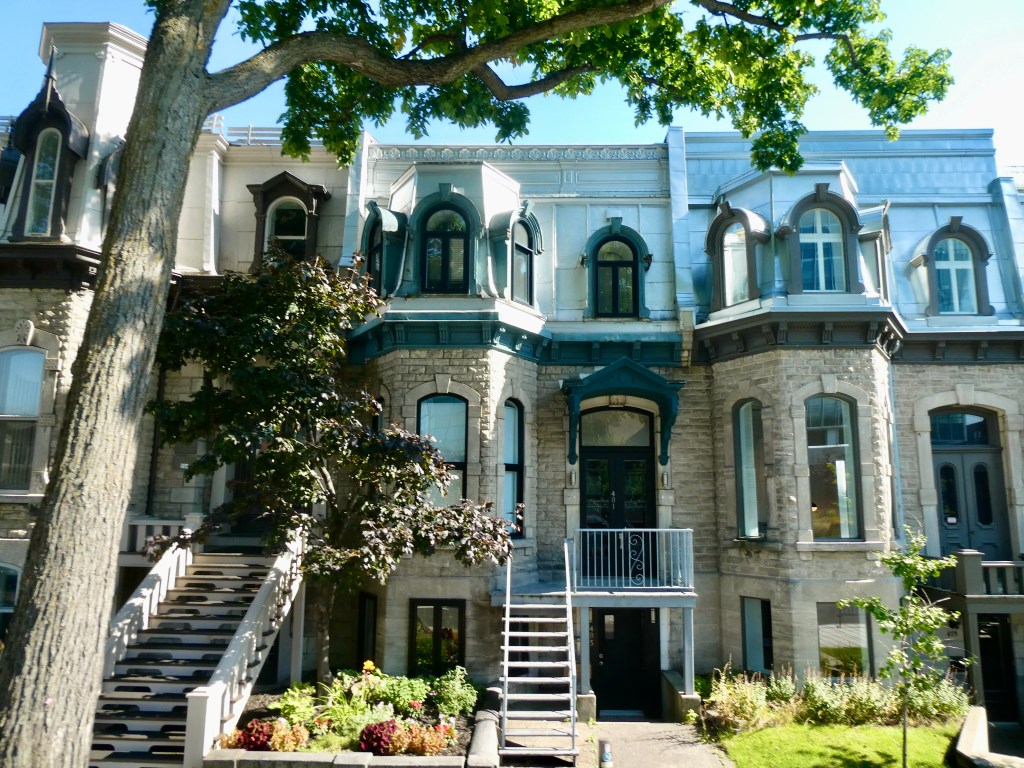
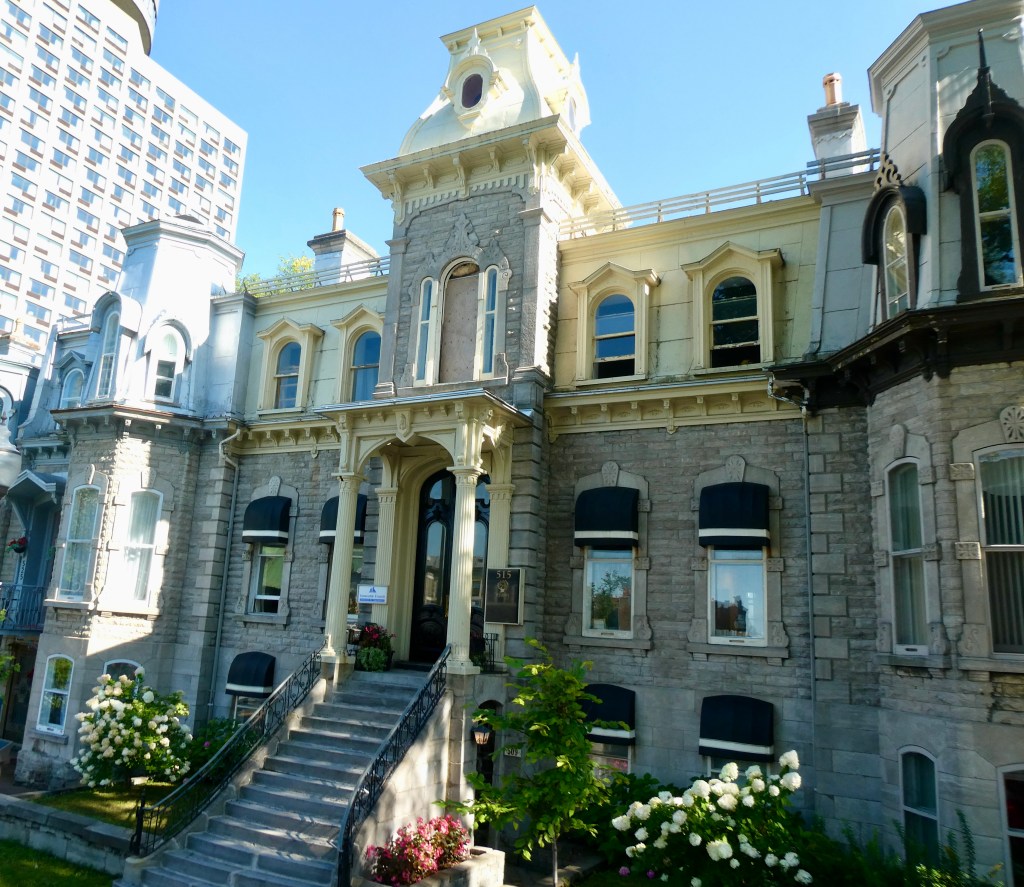
We saw some interesting buildings on the way!

During the Russian occupation all small private farms were acquired and made into large farms.  After the Velvet Revolution, people got their land and businesses back because of well kept records in the archives. 

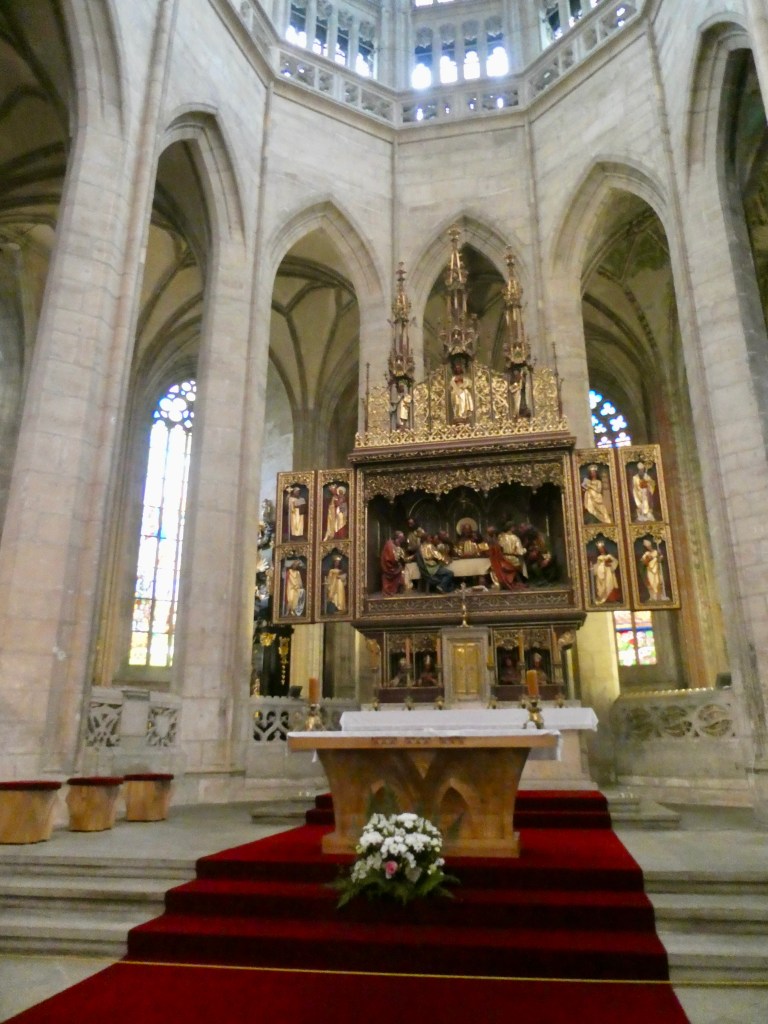
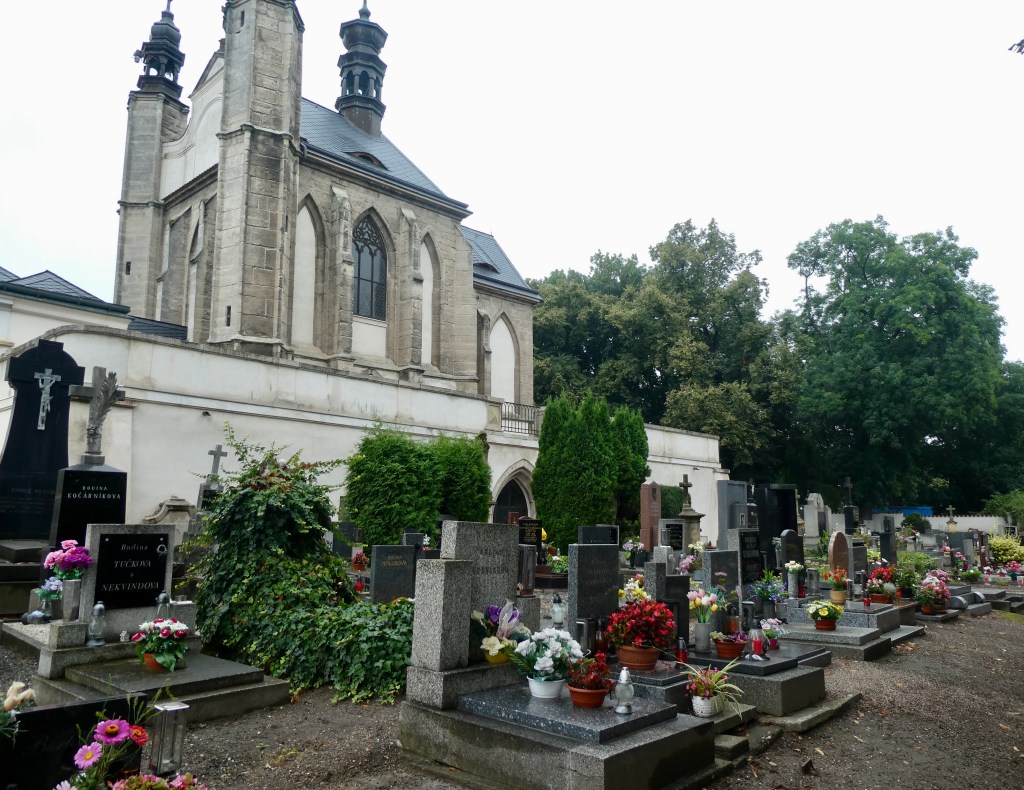
We made it to the Cemetery at the Church of All Saints. On the grounds is the Roman Catholic Sedlec Ossuary or “Bone Church.”   It is a UNESCO World Heritage Site. 

The story began when a monk went to the Holy Land and got soil from Golgotha in Jerusalem.  He spread the soil in the cemetery to make it holy and people from all over the area wanted to be buried there.  Over many years, wars, and plague epidemics, the number of burials in this cemetery was huge!.

In the 14 century, the monks wanted to build a chapel in the middle of the cemetery and came upon the mass graves of 40,000 to 70,000 people.  

A century later, a half blind monk exhumed and cleaned the bones. 

Ossuaries were common during the 14th to 16th cemeteries.  Using and storing bones in this way was not thought to be disrespectful. 

At the Sedlec Ossuary there were five massive piles of bones with many used for decoration and furnishings.

There are 30-40,000 human bones in artistic arrangements in the chapel but pictures were not allowed. I bought postcards and took pictures of the postcards.

The Sedlec Ossuary is among the most visited sites in the Czech Republic.

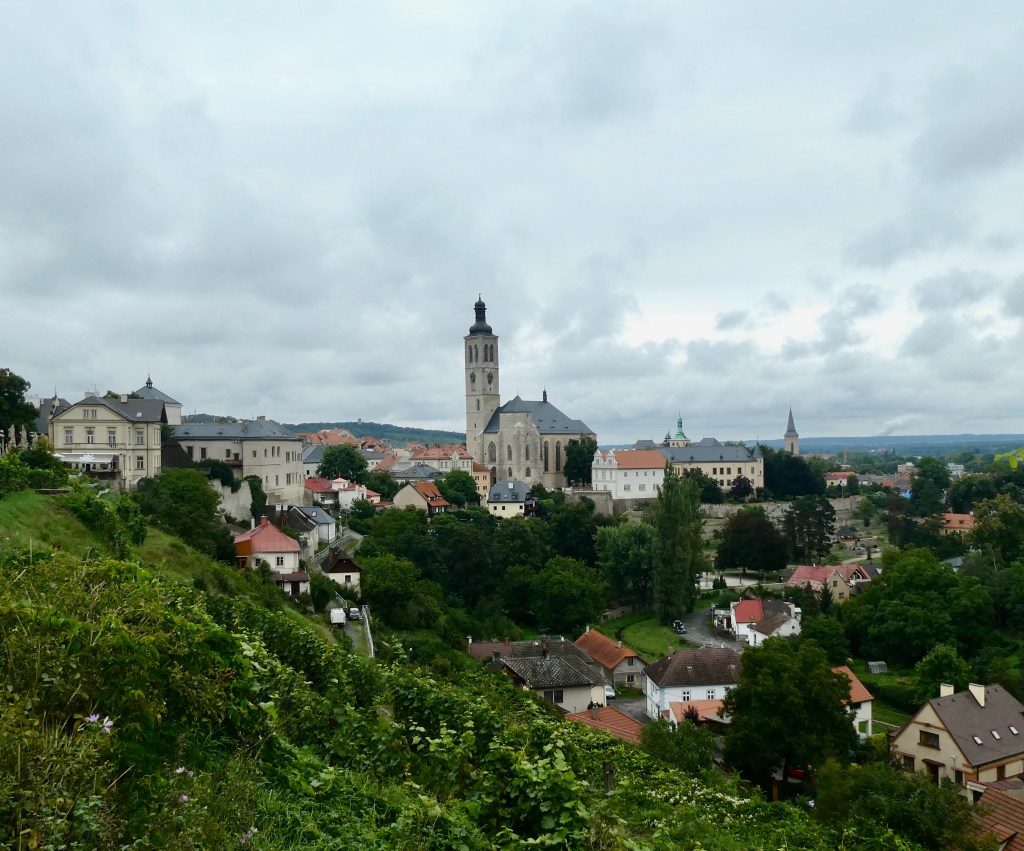
Next up: The Unesco World Heritage Site of Kutna Hora.

Posted in Uncategorized | Leave a comment

London – Again!

Our latest trip to Europe took place from late August to early October 2023.  It encompassed two cruises and some varied land stays before, in-between and after.  The adventure began in London, even though it wasn’t supposed to.  London got us -again!

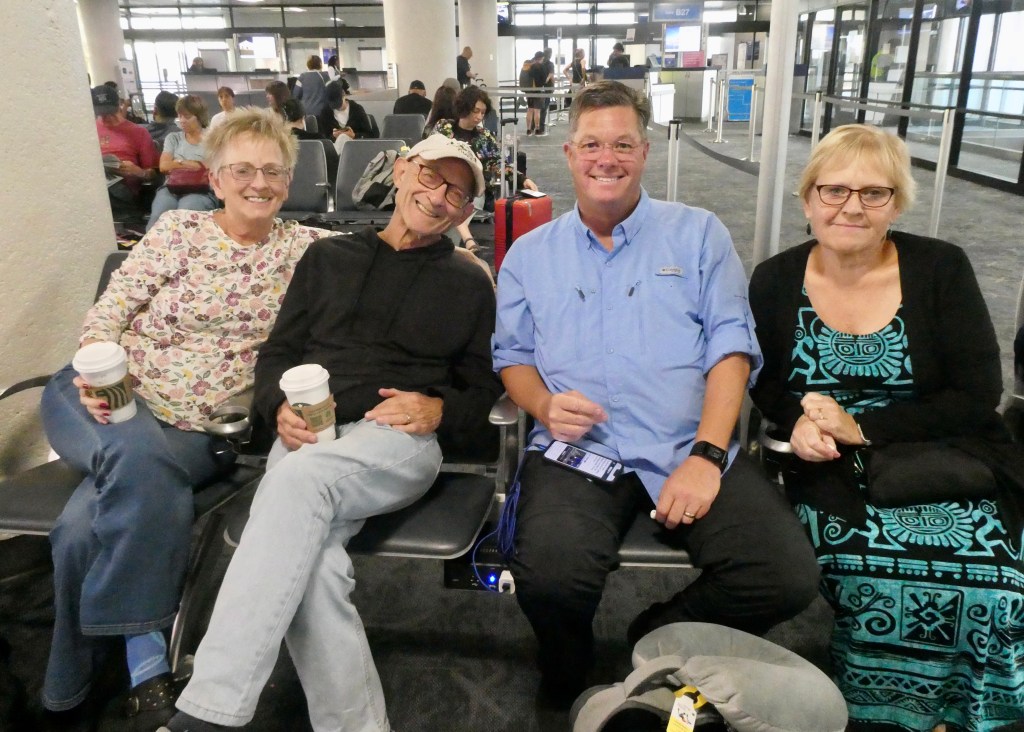
Leaving Phoenix started well.  Our traveling friends, Connie and Warren, arrived at our house the day before and we enjoyed an evening at Arizona Broadway Theater.

The next afternoon we went to Phoenix Sky Harbor Airport.   We had drinks and a light meal before boarding our flight for London at 7:30 pm.  We had a connection in London the next morning and then into Prague mid day.

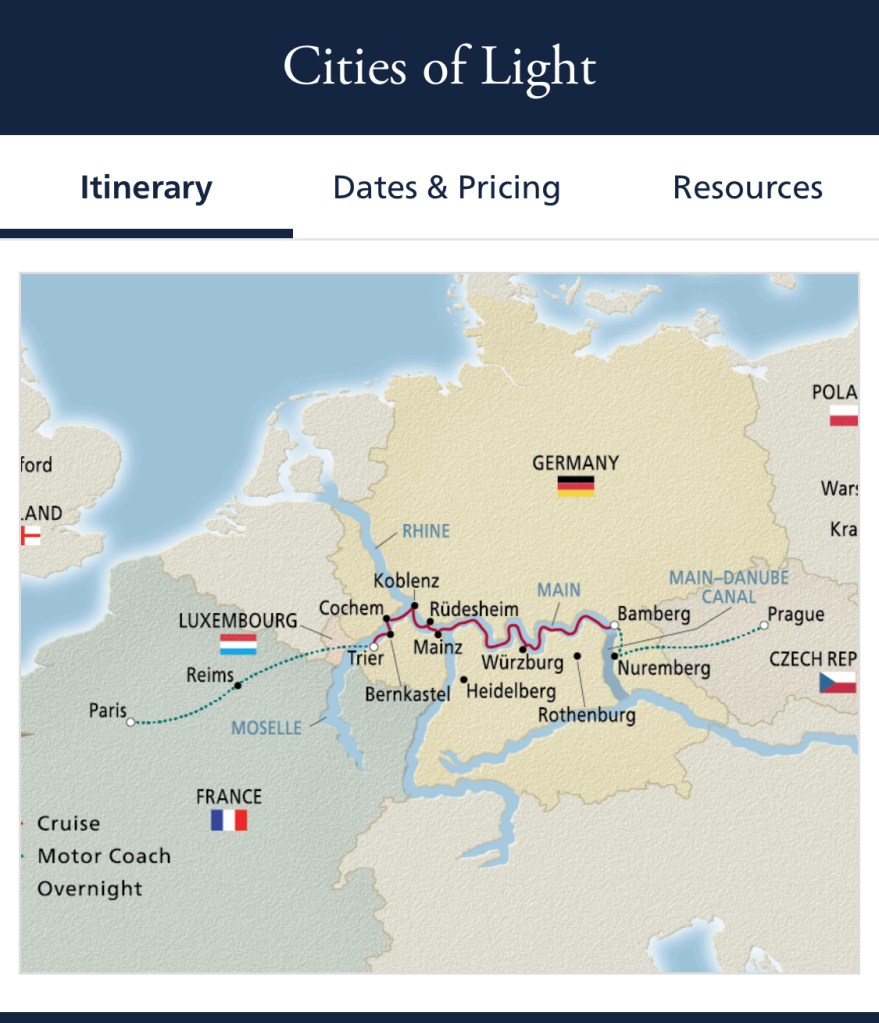
Our planned trip with Connie and Warren was a Viking River Cruise called the Cities of Light – beginning in Prague, cruising through Germany, and ending in Paris.

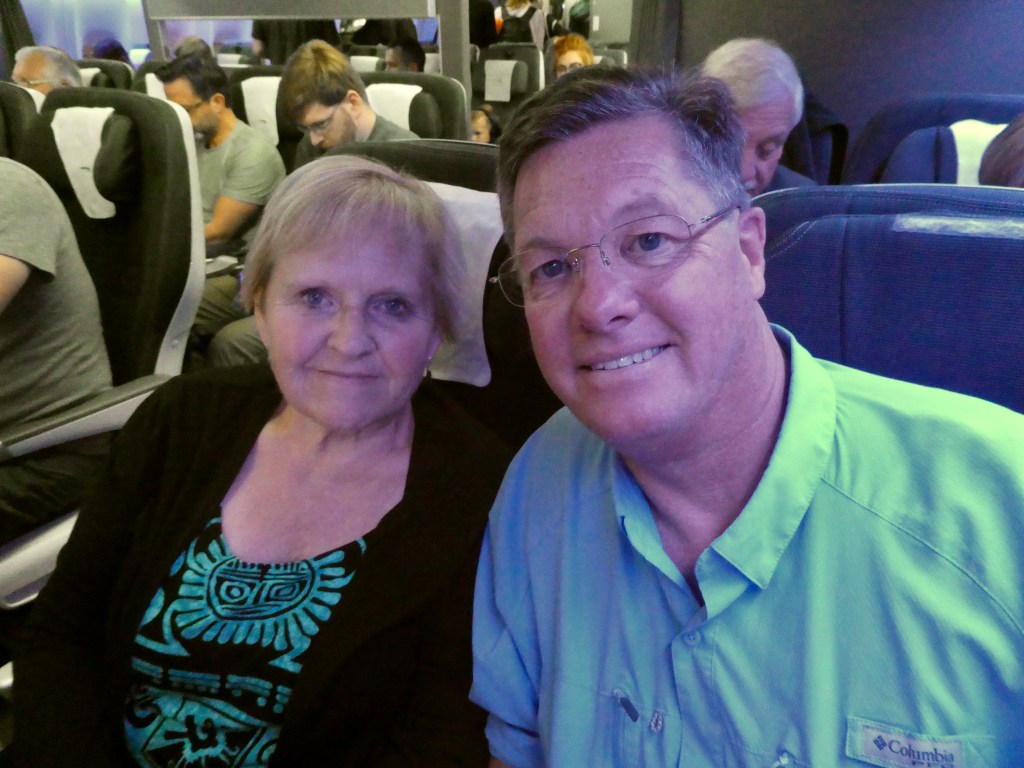
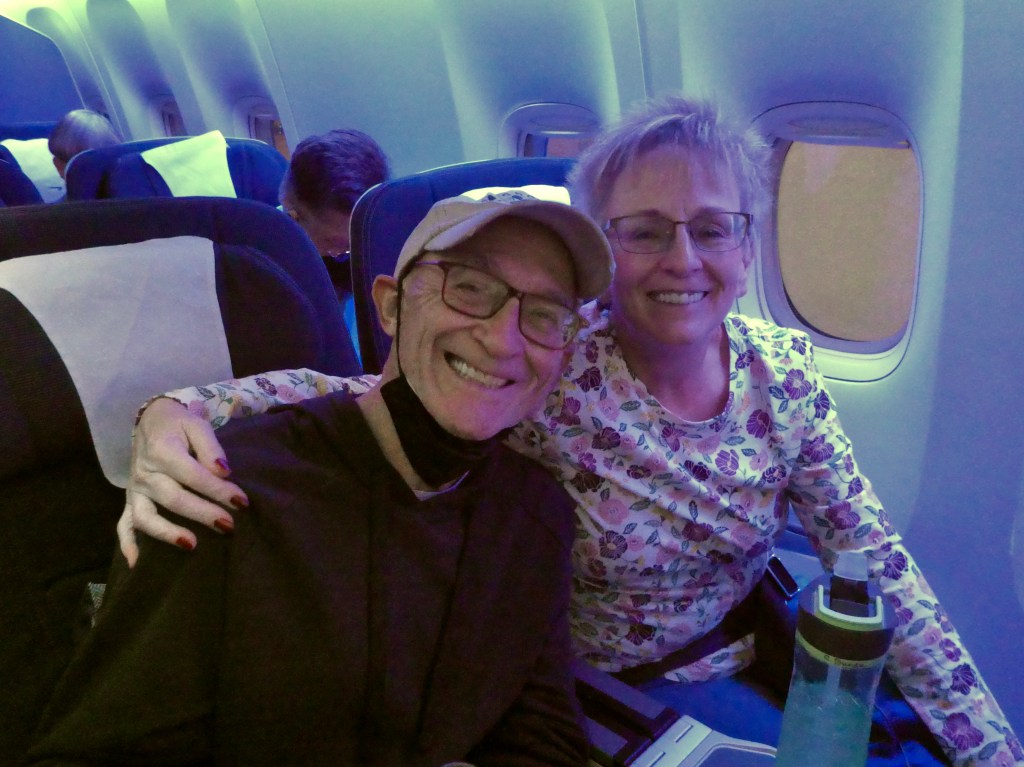
We had an uneventful flight in premium economy on British Airways. 

All was well – until we arrived at Heathrow in London.  We spent 45 minutes on the tarmac because “a computer system used by ground control was down” – or so we were told.  Planes currently at the stands (gates) could not leave, and those waiting for stands (gates) could not enter.

When we were eventually able to go inside the terminal we discovered that the computer outage was a much bigger deal than we understood on the plane.  The problem was with air traffic control across the UK, not just ground control.  Many flights out of Heathrow were already canceled but ours was just showing as delayed.   

We made our way from Terminal 5 to Terminal 3 for our next flight not knowing if we were going or staying.  We received mixed messages about whether our flight was canceled or really was just delayed.

The emergency travel contact at Viking couldn’t rebook us on a flight for the next day because our current flight had not been canceled officially.

I texted our travel agent in Phoenix and she got right on it contacting and working with Viking until they had us booked out the next afternoon.  We had four of the eight available seats on the afternoon flight to Prague the next day. 

Then our travel agent went to work trying to find us hotel rooms for the night. Options kept slipping away as everyone who was stranded also needed accommodations. Many thousands of people were involved.

After about 90 minutes, we had new airline tickets and hotel reservations for the night.  While I was working on tickets and hotel with our travel agent, Randy and Connie spent all that time trying to locate our bags. The airline knew they had been loaded onto our connecting flight but didn’t know exactly what has happened to them when the flight was canceled.

Almost all baggage from the canceled flights was going to be brought to two baggage claim carousels in Terminal 3 where we were. Several hours later our luggage still hadn’t come out. 

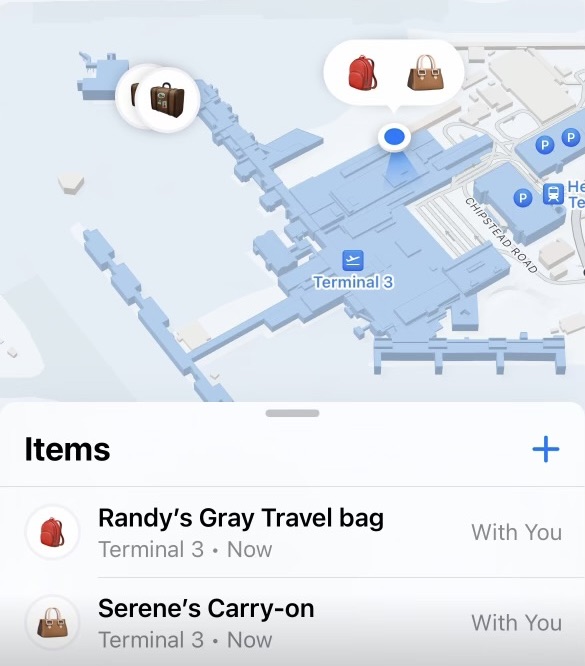
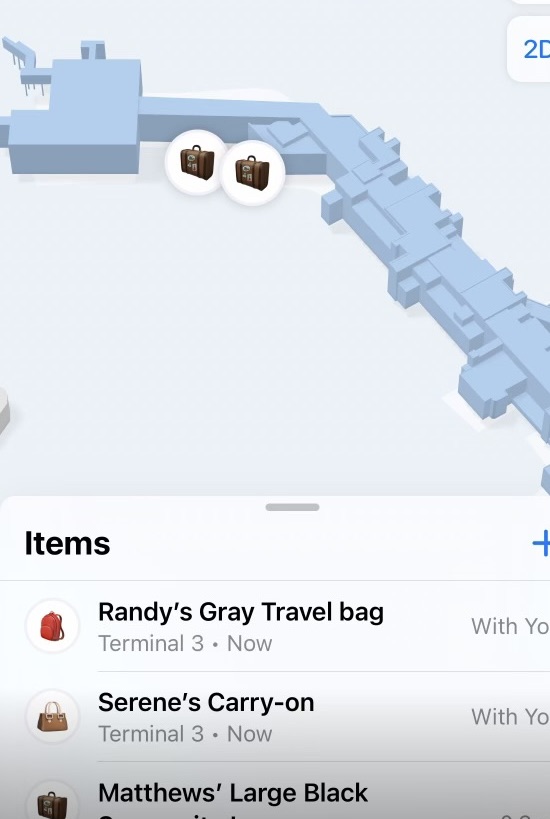
We had purchased four Apple Air Tags (gps trackers) for this trip so he knew our two suitcases had made it to the vicinity of Terminal 3 – where our next flight was supposed to have left from and where we now were.  

Two Air Tags were in our suitcases with the other two in my general bag and Randy’s backpack.  He could “see” our checked luggage near us.  Randy spoke to several baggage people but they were not able, or willing, to go get them, even though they were “right there.” So close – and yet so far.

Eventually British Airways baggage personnel suggested we go upstairs to departures because we were within the check in window for our flight the next day.  Checking in, and assigning our bags to our new flight, should keep them in the vicinity and not let them wander away somewhere.  

We would have felt better actually having our luggage with us but we had no option other than to leave without them and hope.

Connie and Warren had a carry-on luggage bag each so had a change of clothes and necessities.  I had a change of clothing in my general bag.  Randy had a toothbrush in his backpack.

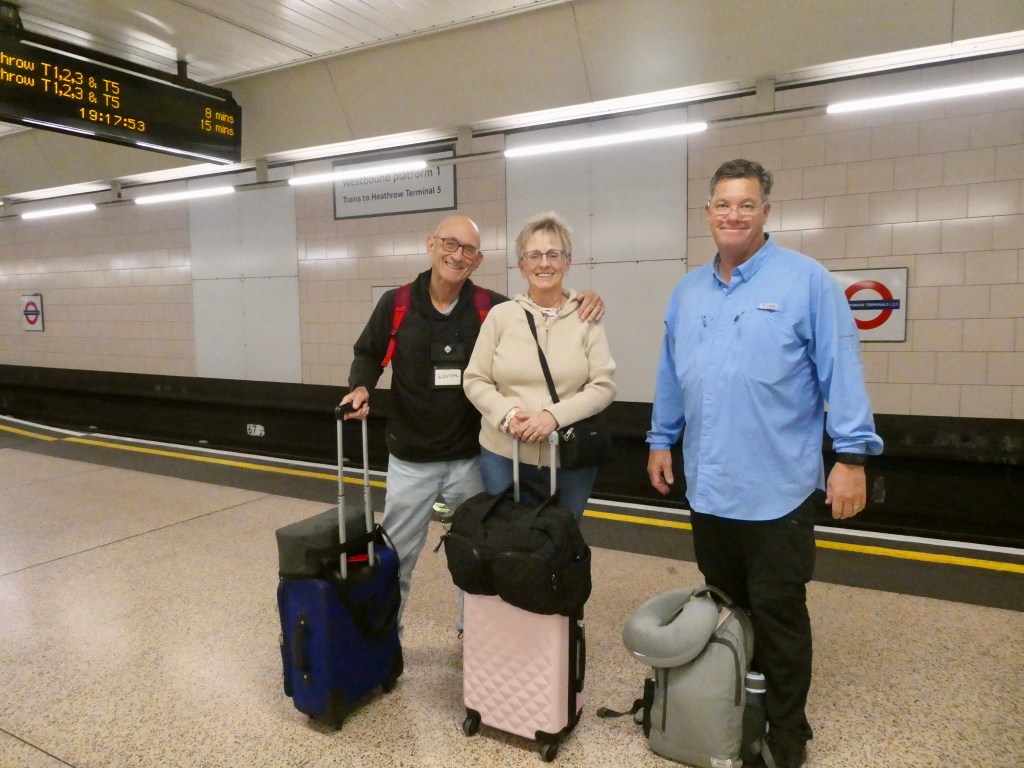
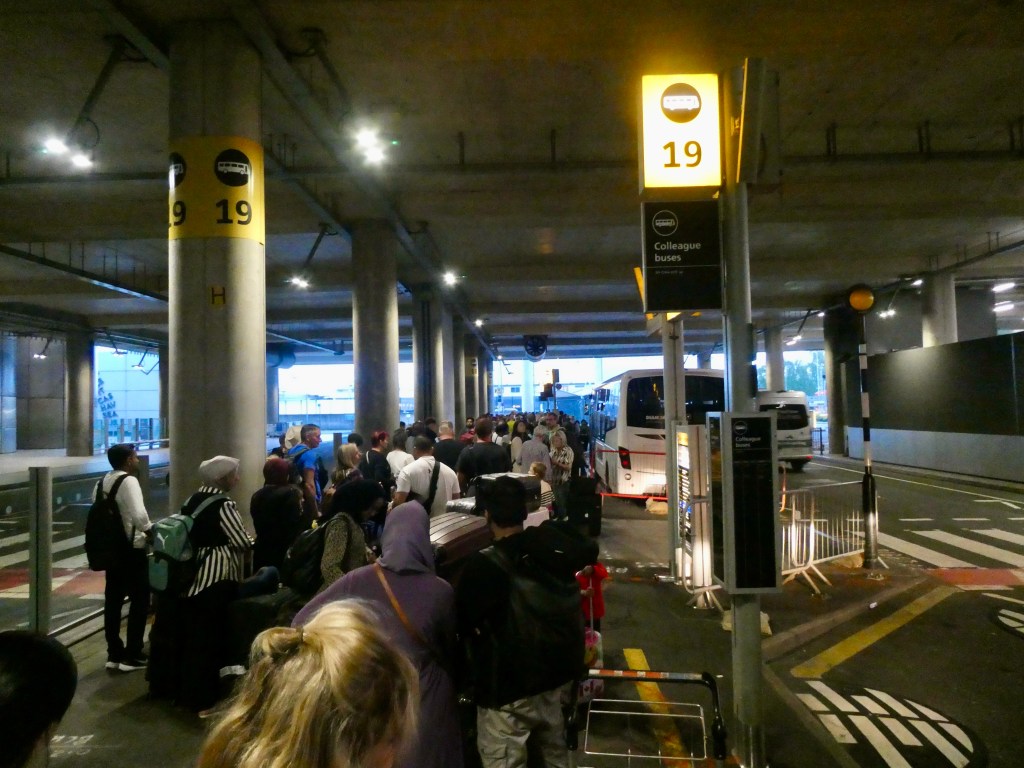
We took an Uber to the hotel as there was a very long line for the hotel loop bus. 

We had a late dinner.  Randy ordered fish and chips because he had been disappointed that he hadn’t had fish and chips the last time we were stranded in London. Unfortunately he was a bit disappointed in his meal and isn’t a fan of mashed peas!

We collapsed when we got to our room after not having gotten a lot of sleep on the plane the night before. I did wake up in the night, checked my phone, and saw the Mariners were winning.  Priorities people!

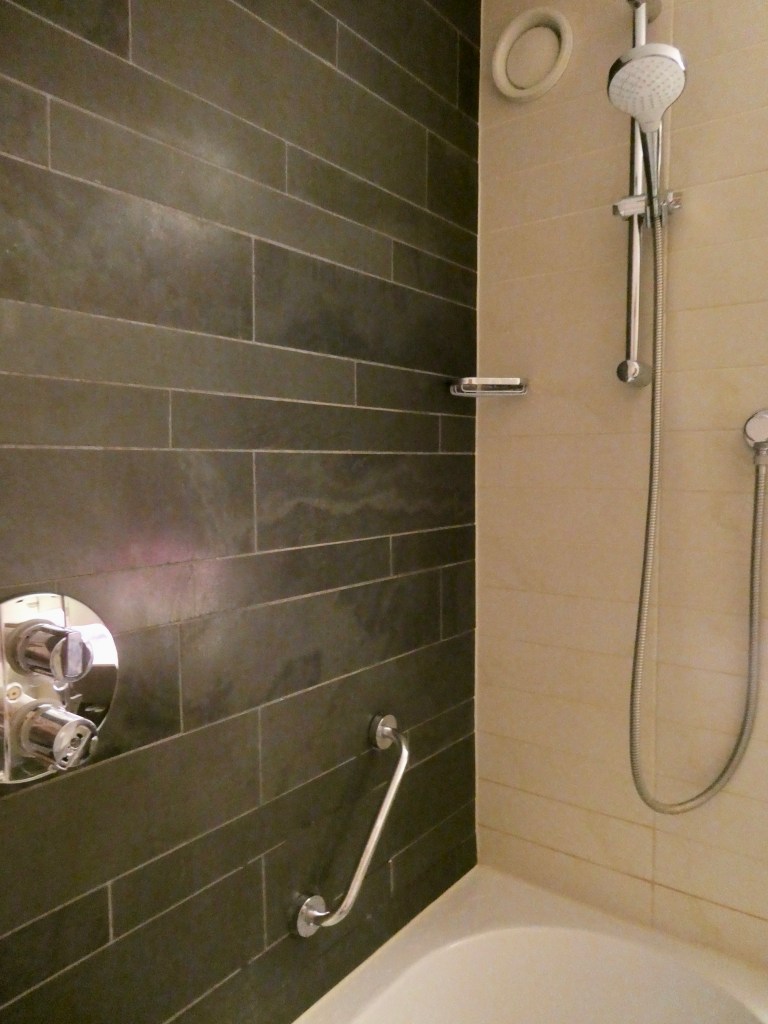
The next morning I laughed while trying to figure out the shower fixtures.  Welcome back to Europe!  We experienced fixture confusion repeatedly on our trip to Italy last year!

It took me awhile to figure out there was no hot water and it wasn’t just that I didn’t know how to get it. The lack of hot water got us complimentary breakfast.  I almost got decaf coffee until I remembered I was in London and had tea with milk.

We took an Uber to the airport and found that our 1:45 flight was delayed to 2:41.   We already knew we had lost one of our planned excursions in Prague, but this extra delay made the evening excursion undoable too.

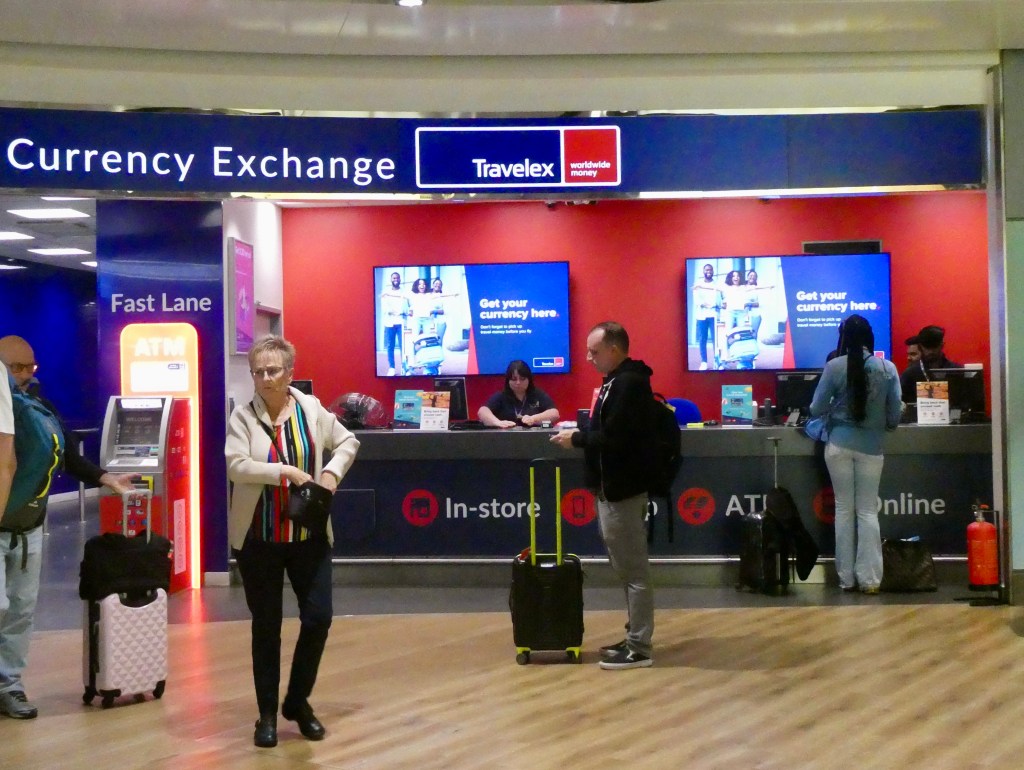
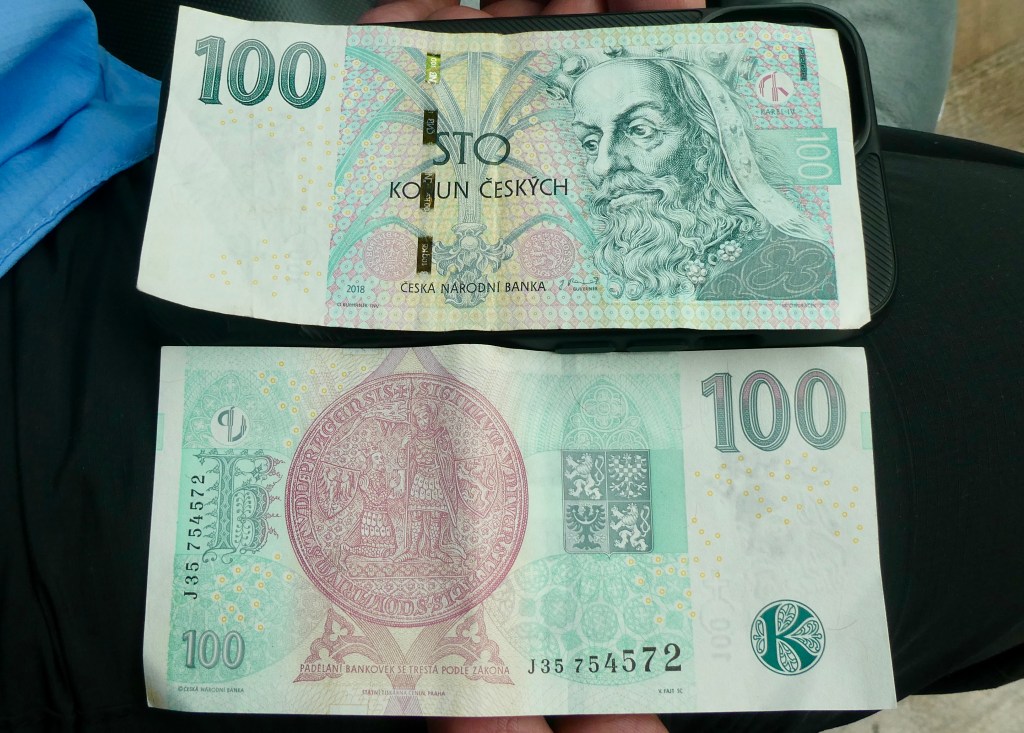
We went to a currency exchange booth at the airport because we wanted to have some Czech Republic Crowns and we had time to do it.  The agent  explained we would be going from USD to Pounds to Crowns.   We knew they would take a share but the share they took was very large!  For $42 USD we got 500 Crowns. The fair exchange would have been 940 Crowns. Oh well.  At least we weren’t concerned about getting a lot!

When we were on the plane, finally ready to go to Prague, I thought we were lucky that we were just one day late instead of later.  Many thousands of people were involved in this mess and the ripples likely took days to totally sort out.

Because of the AirTags we had some confidence that our bags would arrive with us in Prague, but we could only hope that Connie and Warren’s luggage was with us too.

The reason I titled this “London – Again” was because we were in this same place and time a little over a year ago when we were flying from Rome to Phoenix through London.  We were late out of Rome so missed our connecting flight at Heathrow and had to stay the night at a hotel (when Randy didn’t get fish and chips).  That was courtesy of British Air.

We were flying British Air this time too but the problem wasn’t theirs.  We’ll be making a claim through our travel insurance for our trip interruption.

I’m glad to say our return flight at the end of this trip was scheduled on Swiss Air through Zurich, avoiding Heathrow and London.

We have plans to be in London, on purpose, in 2024.  Hopefully our planned visit to London will be better than the unplanned ones.

Next up:  We do get to Prague!

Posted in Uncategorized | 3 Comments

Leaving Quebec (and Quarantine) Early 2022

On the morning we should have all left Quebec City, Cindy and Darrell did. I was moving to a hotel near Randy but couldn’t check in until the afternoon. That gave me one last morning to explore more of Historic Quebec City.

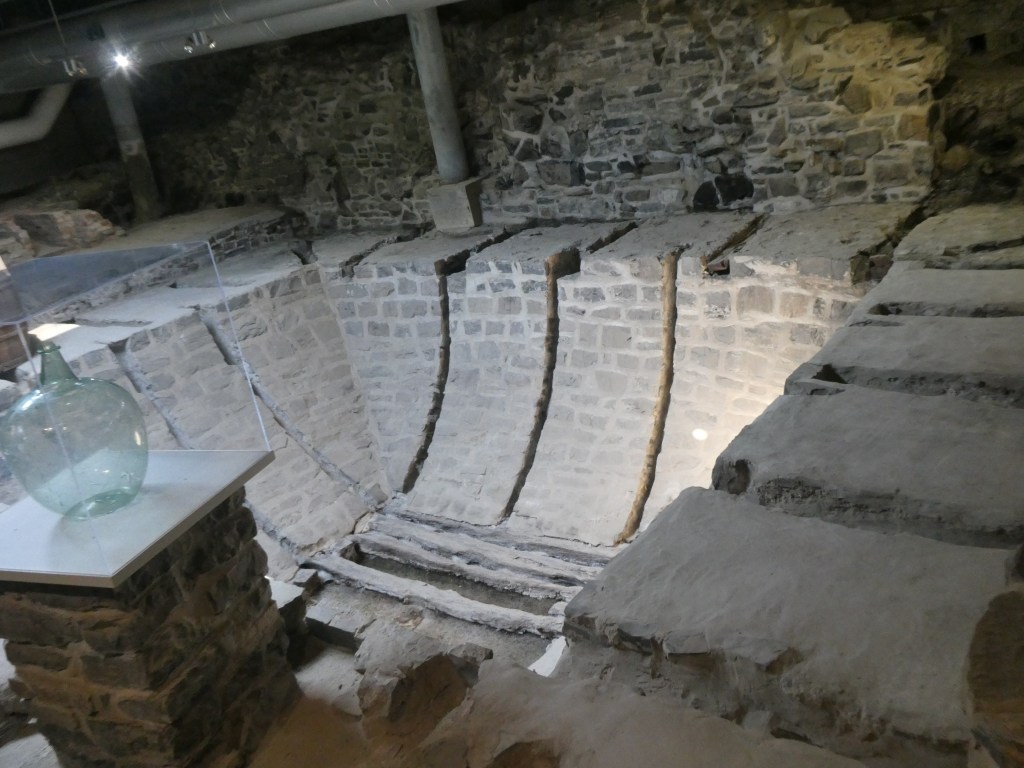
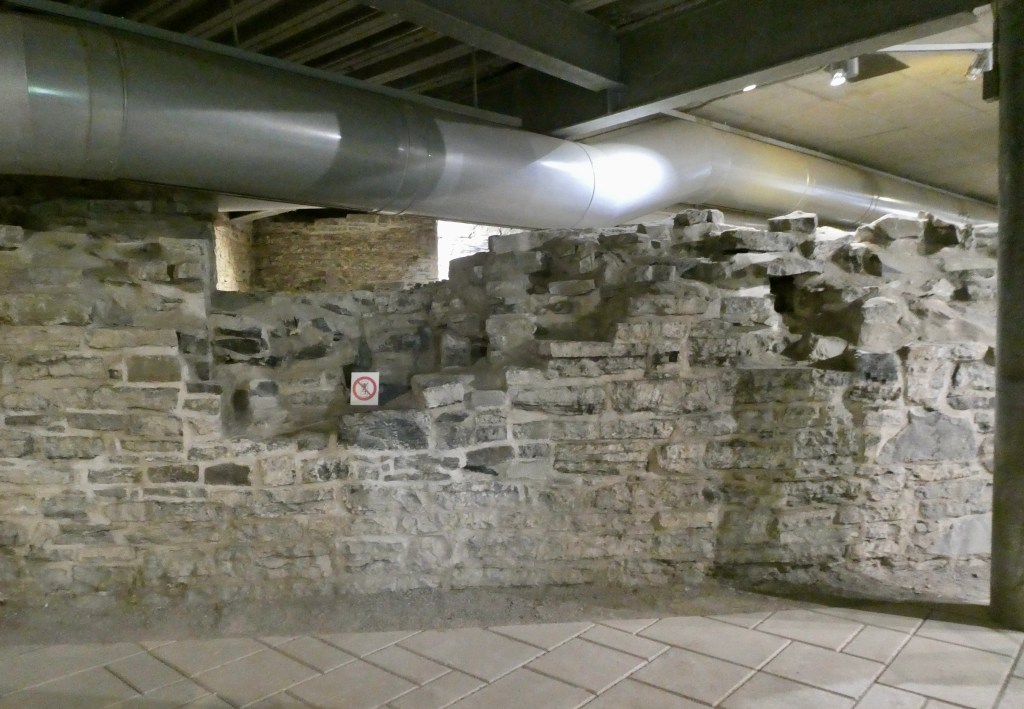
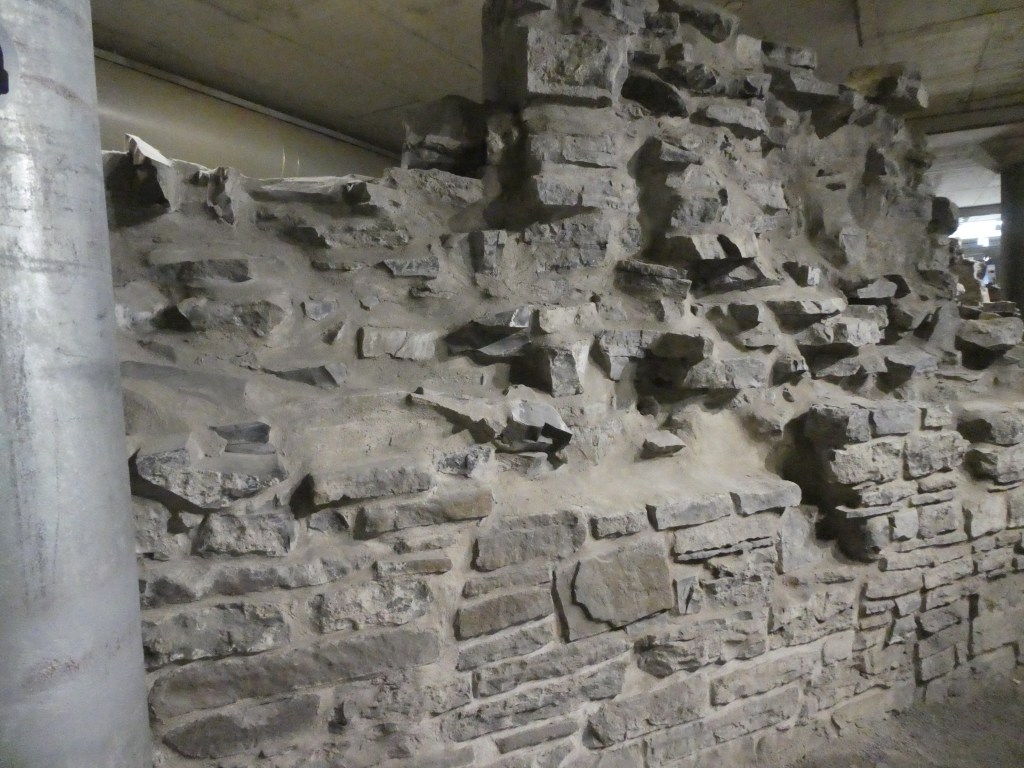
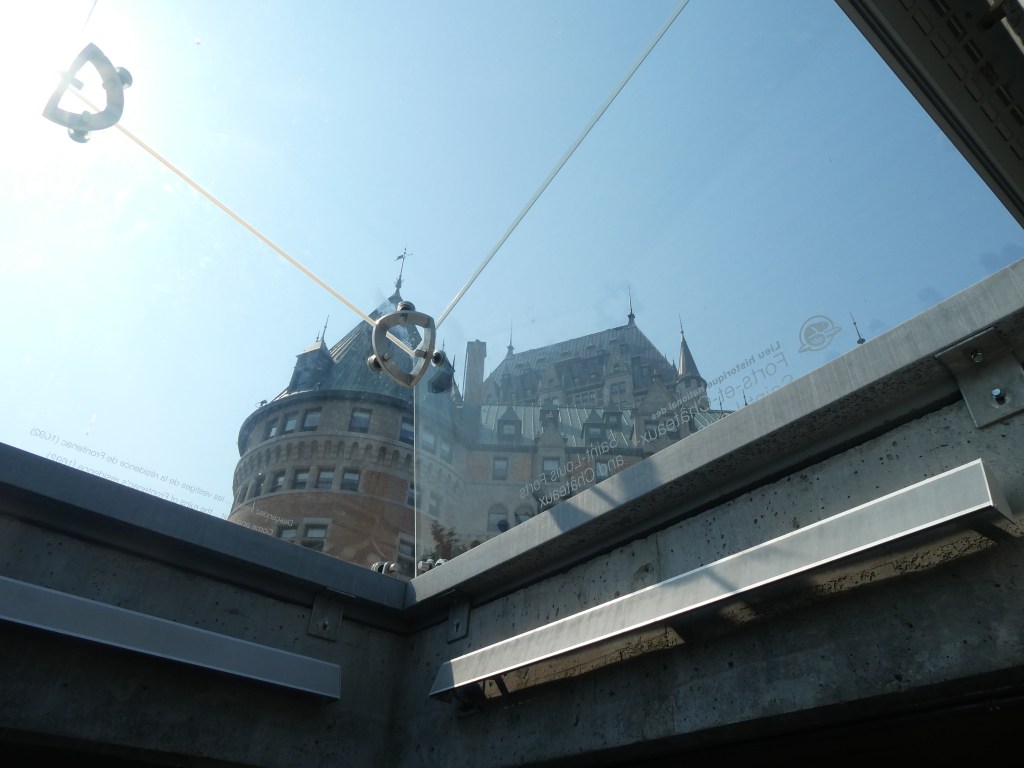
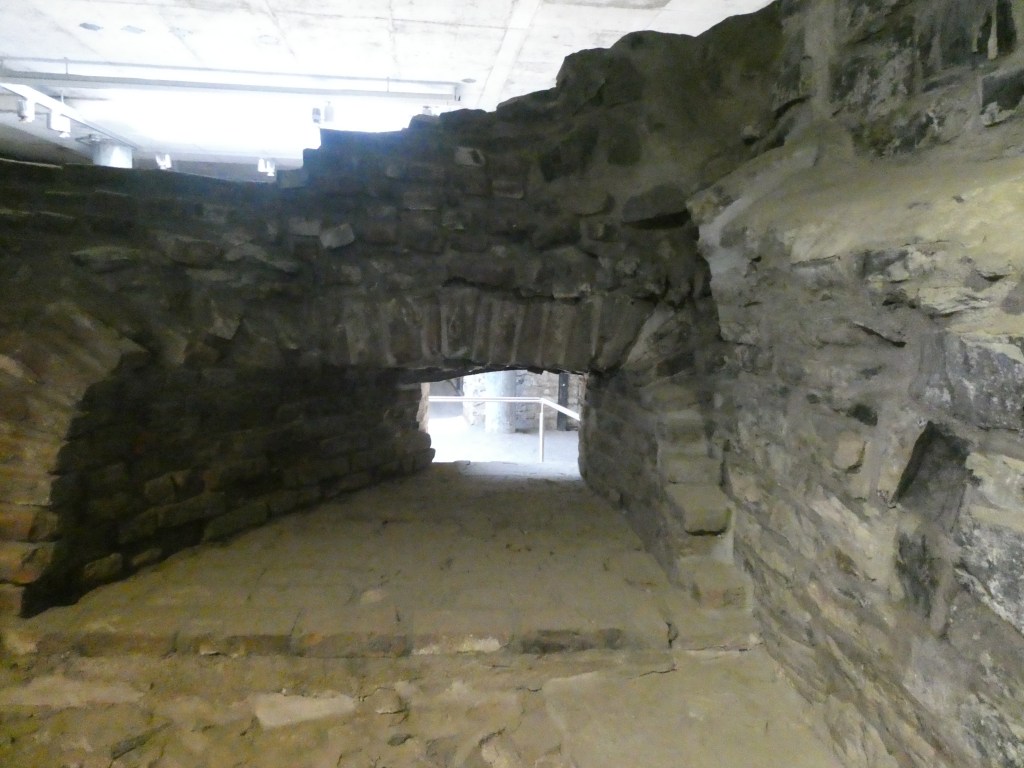
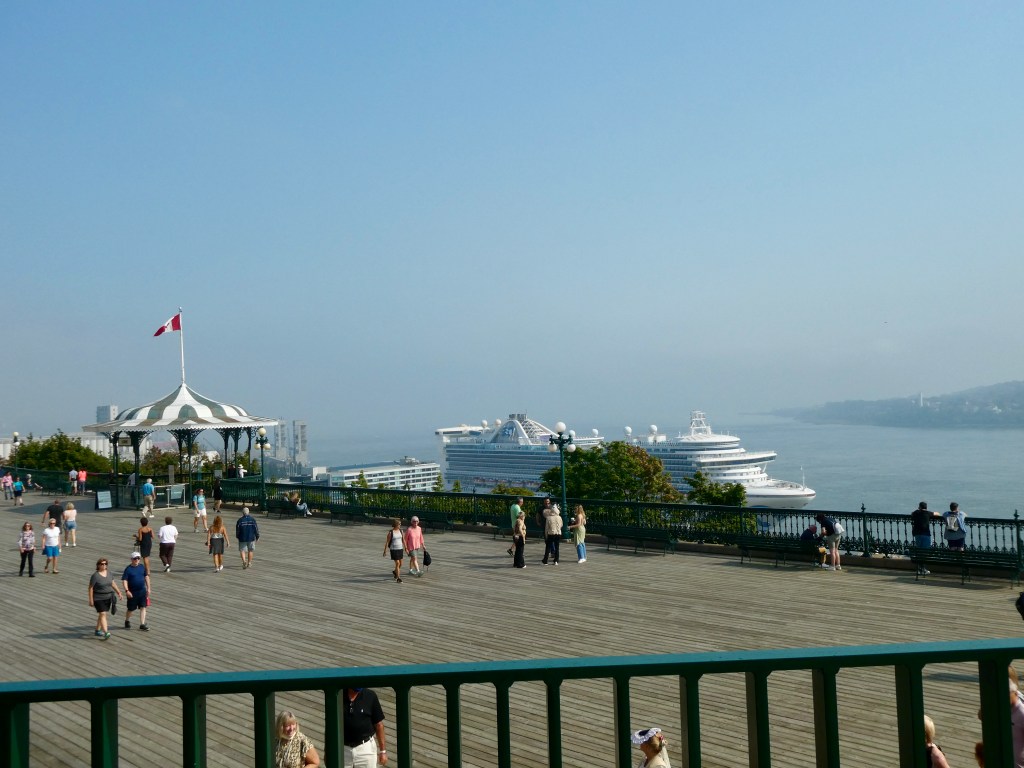
I had noticed something happening under the boardwalk earlier and went to see if that could be interesting. It was! I was able to tour the remains of the Castle of St. Louis, a National Historic site.
During their first winter in Quebec in the early 1600s, 21 of 28 Frenchmen died. They then made alliances with First Nation peoples because the Frenchmen didn’t know how to hunt or survive in these lands. 

The French wanted to get into the fur trade and they established the first trading post in Lower Town.

Quebec City was chosen for strategic reasons. There was the narrowing of the river and it was a  known gathering spot for First Peoples

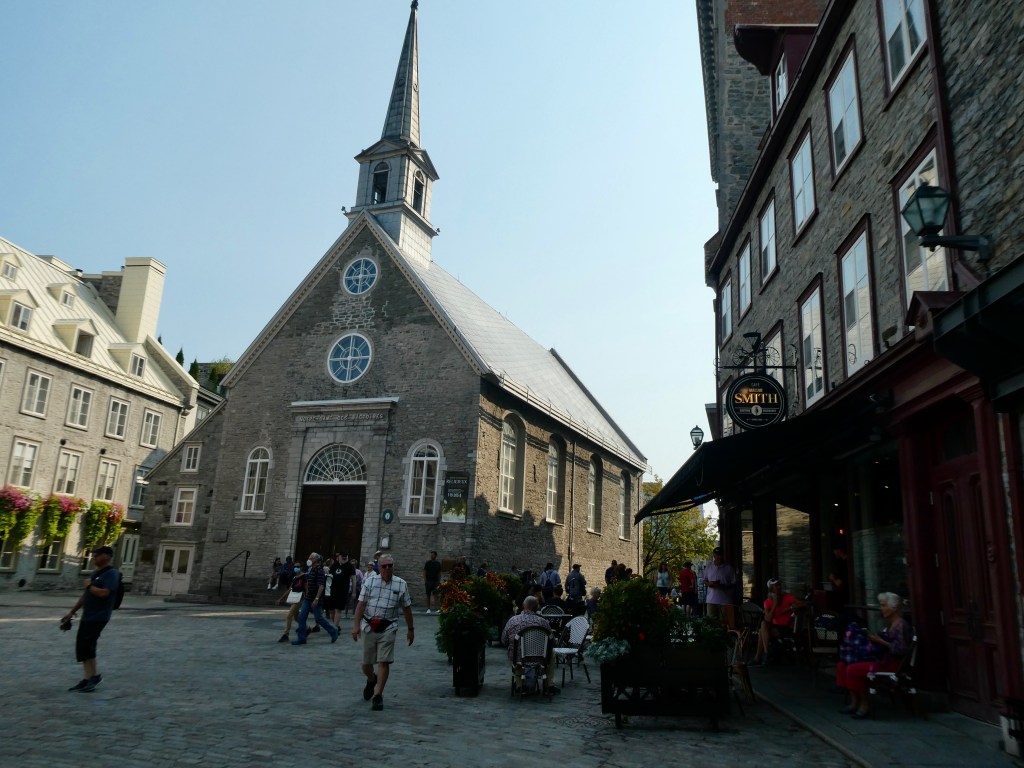
French explorer Samuel de Champlain built his first habitat in Lower Town including the Notre Dame Church. 

In 1620, the French built a fort for 40 people. Their cannons could reach the river.

In 1628 the English got interested in Quebec. The Kirk brothers came to attack Quebec but did not have enough manpower to win. In 1629, the Kirk brothers came back and laid siege to the city and it became British. It took three years of negotiations between France and Britain, but control of Quebec returned to France.  However, the Kirk brothers burned much on their way out.

In 1635 the founder of Quebec city, Samuel de Champlain, died. 

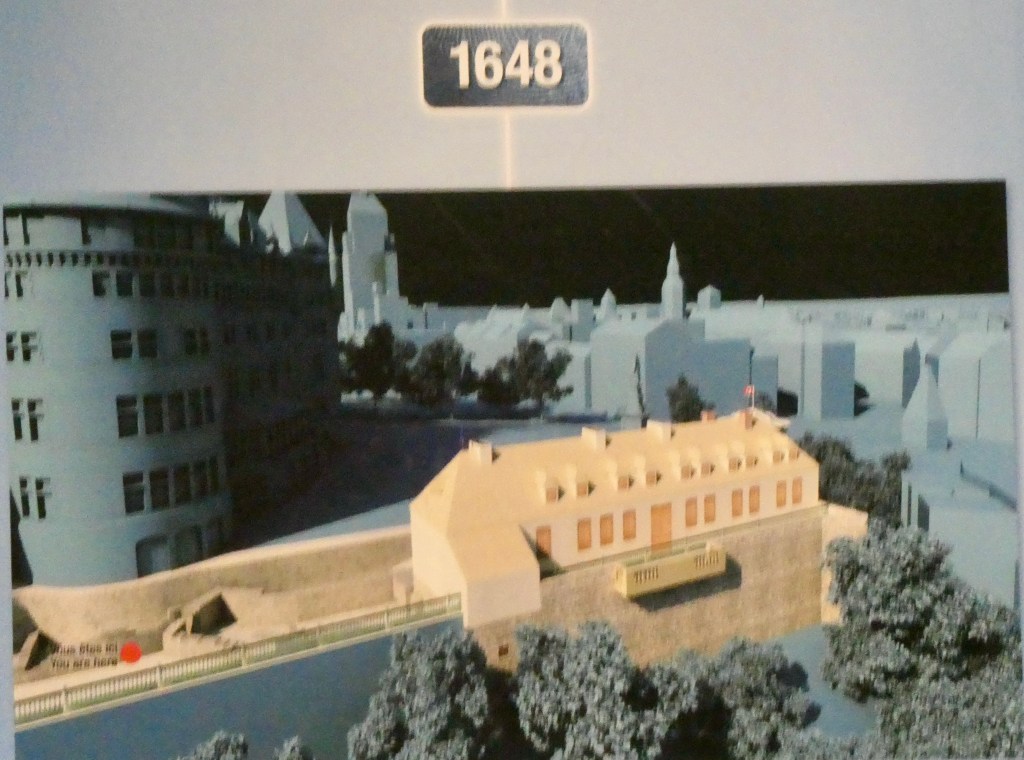
He was replaced in 1636 by Governor Charles Hualut de Montmagny who built the first St Louis Castle in 1648. 
In 1648 the French held territory from Quebec all the way down to the Gulf of Mexico. They ruled those vast lands from from the Castle of St. Louis. Recognizing they could not militarily control so great an area, they controlled it by diplomacy.
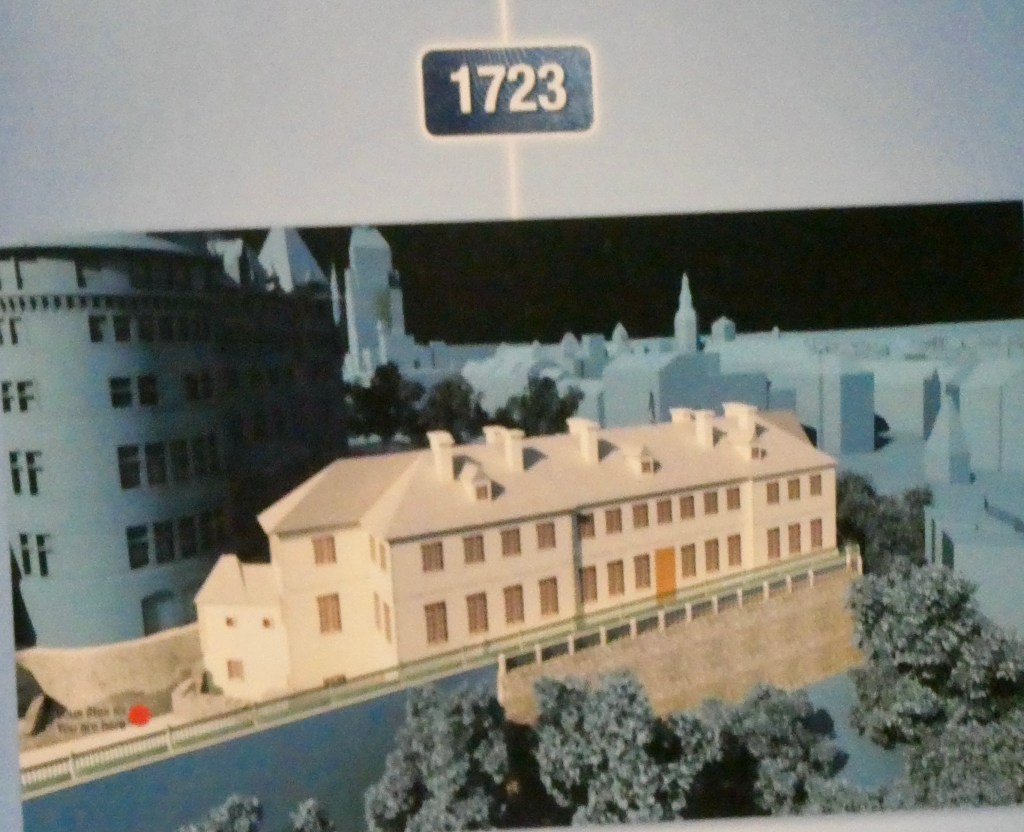
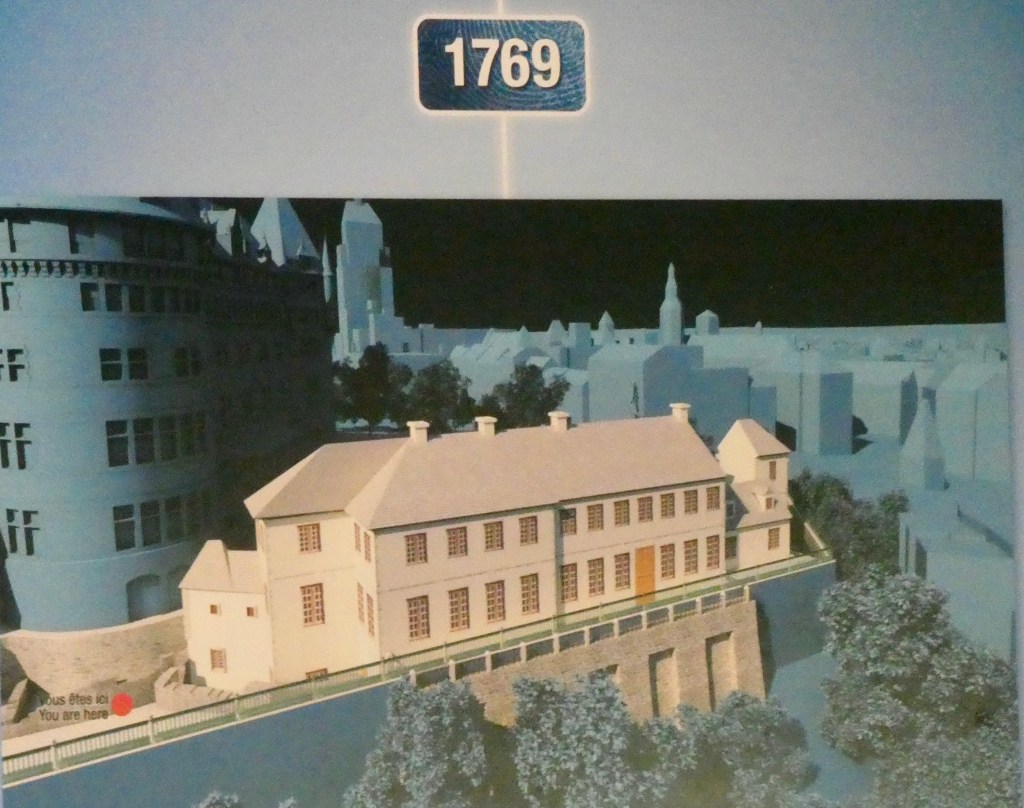
Over the years different governors added on to or rebuilt sections of the castle.

Britain started a strategy of picking off important outposts in New France. In 1760, the French won all the battles, but in 1761 they went back to the English.  There was a treaty in 1763.

Britain built a new castle where the current hotel is but didn’t like that the view was blocked by the old Castle of St. Louis, so they added on to the old castle instead.
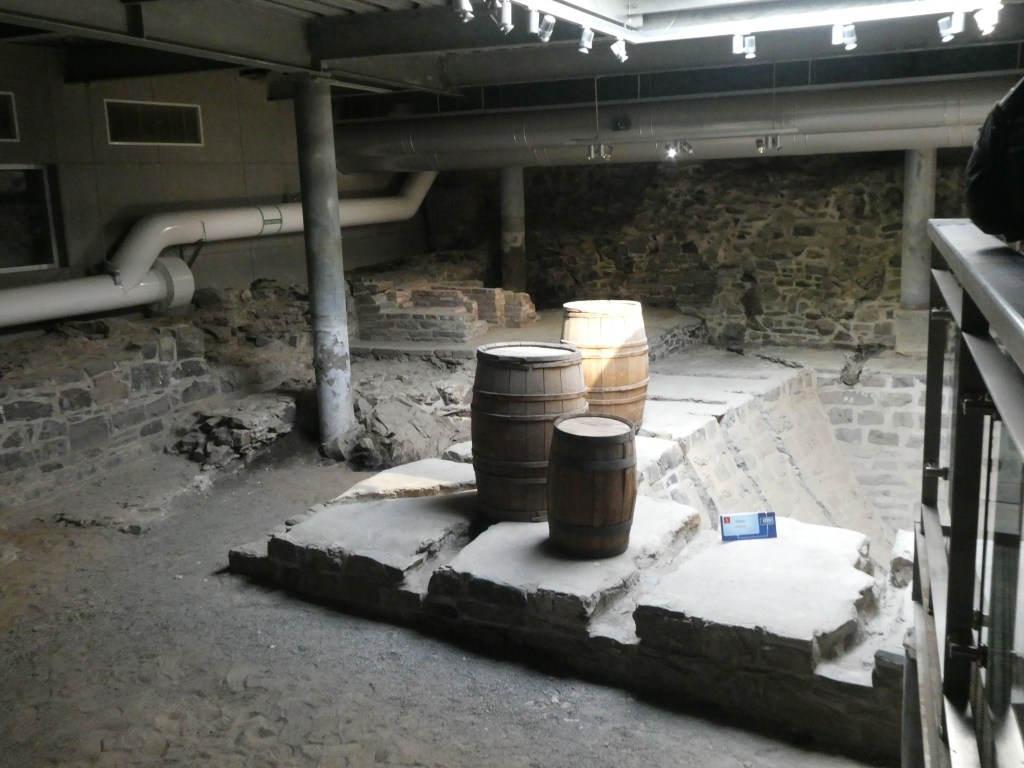
The area under the terrace was the former street level. 

The first room we saw was an ice house in 1771 used by the British. It was dug up in 1980s

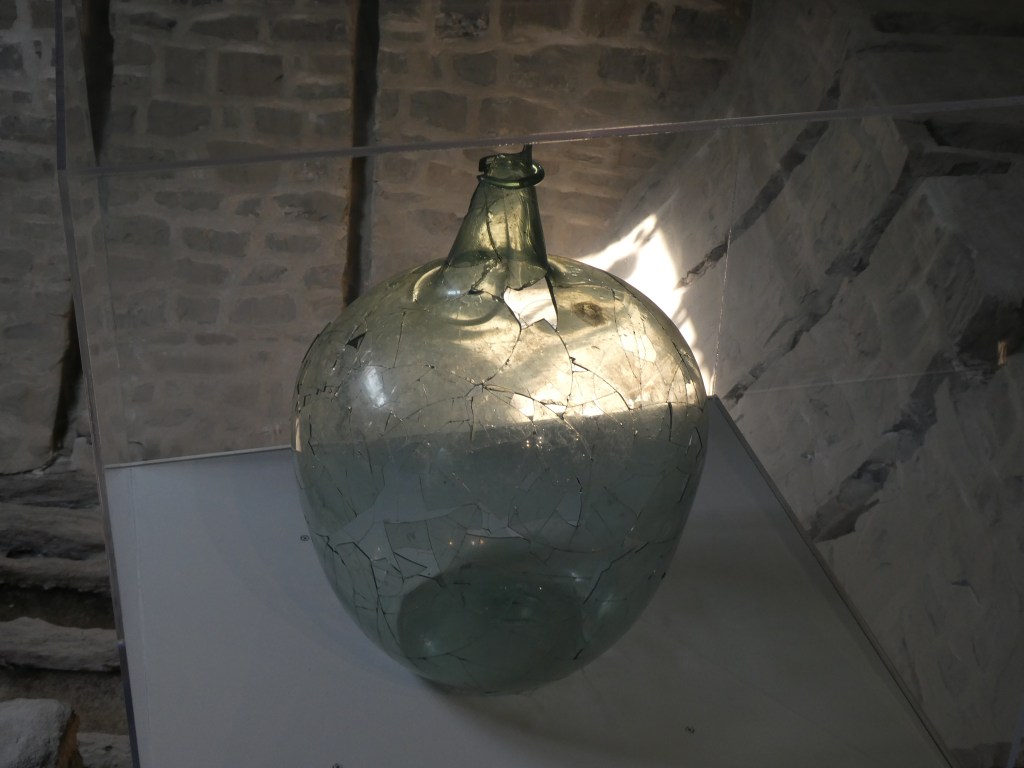
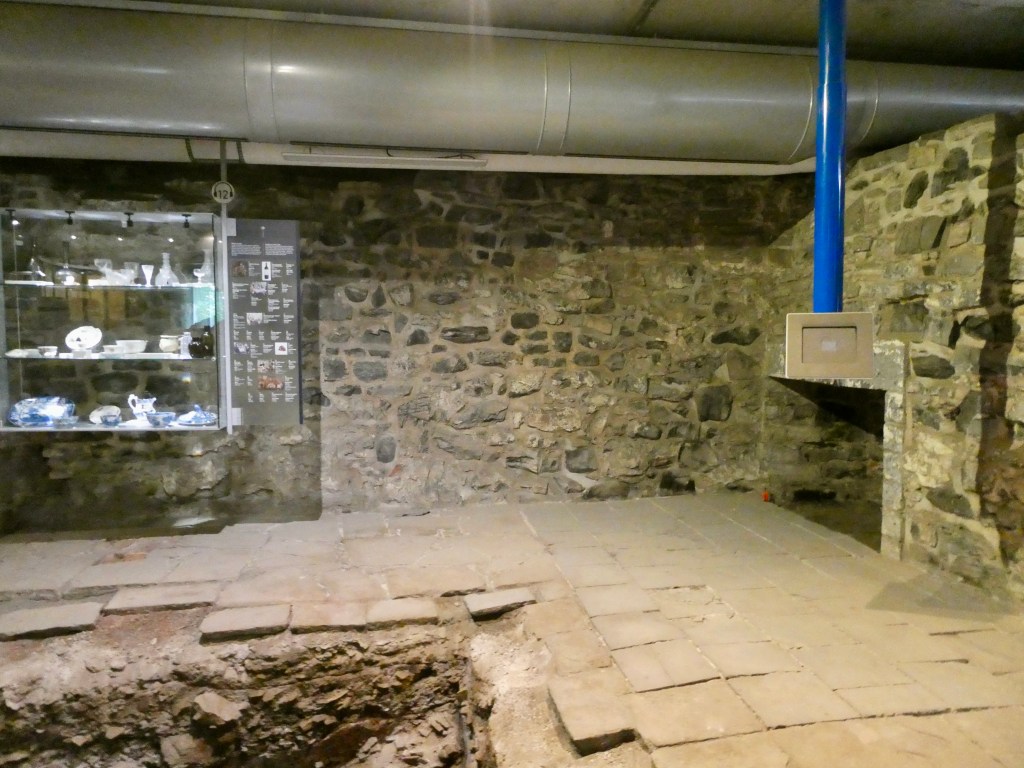
This glass jar was in 404 pieces and would have held oils. It took 12 years to rebuild.

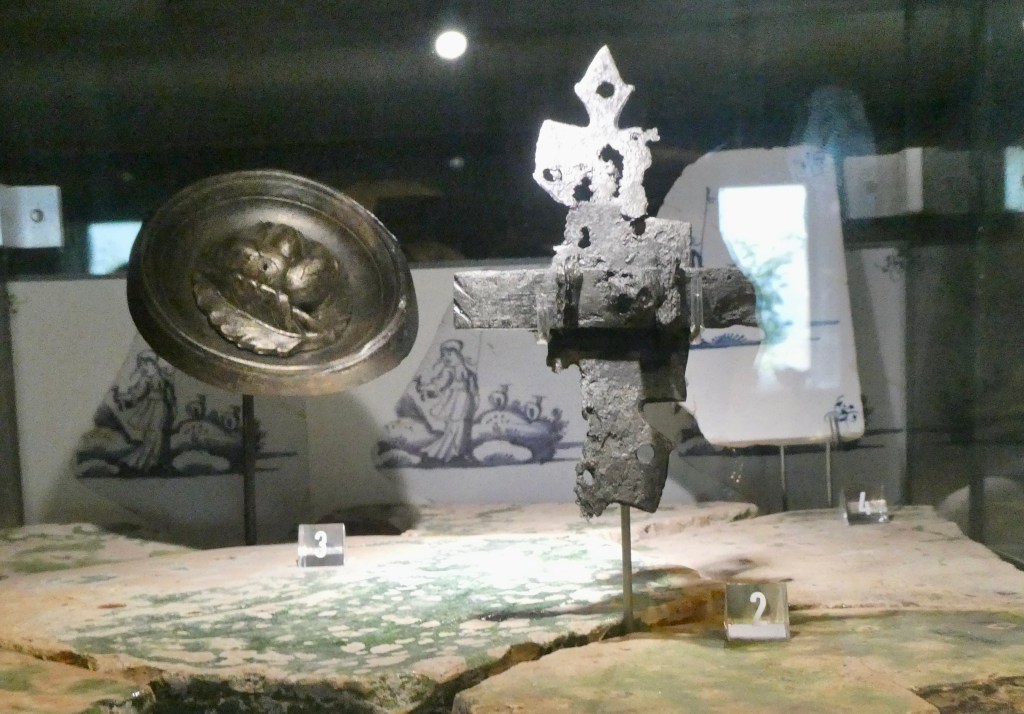
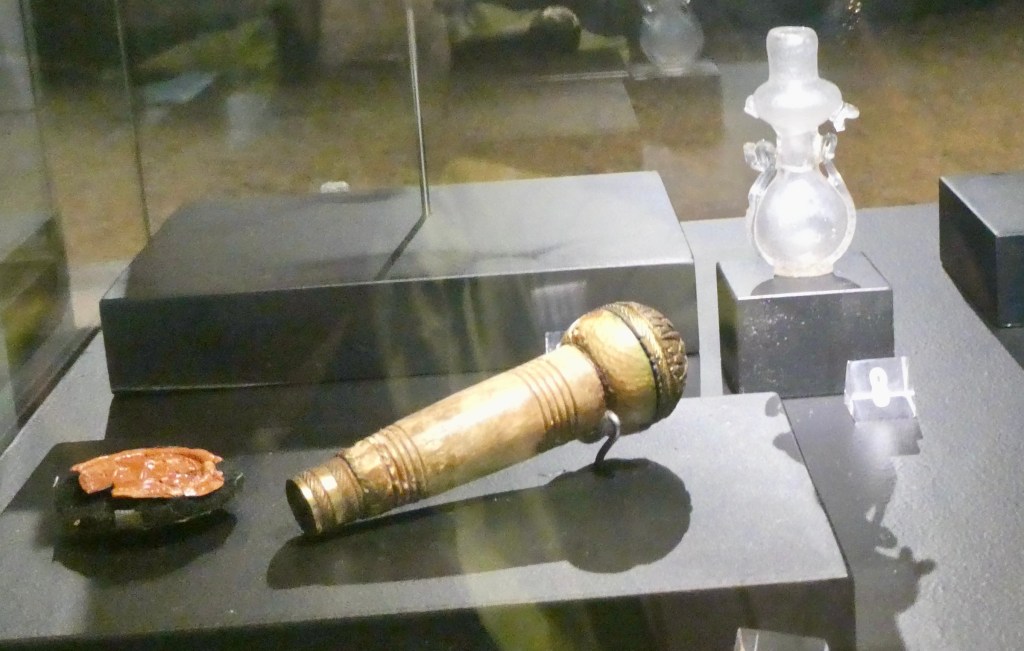
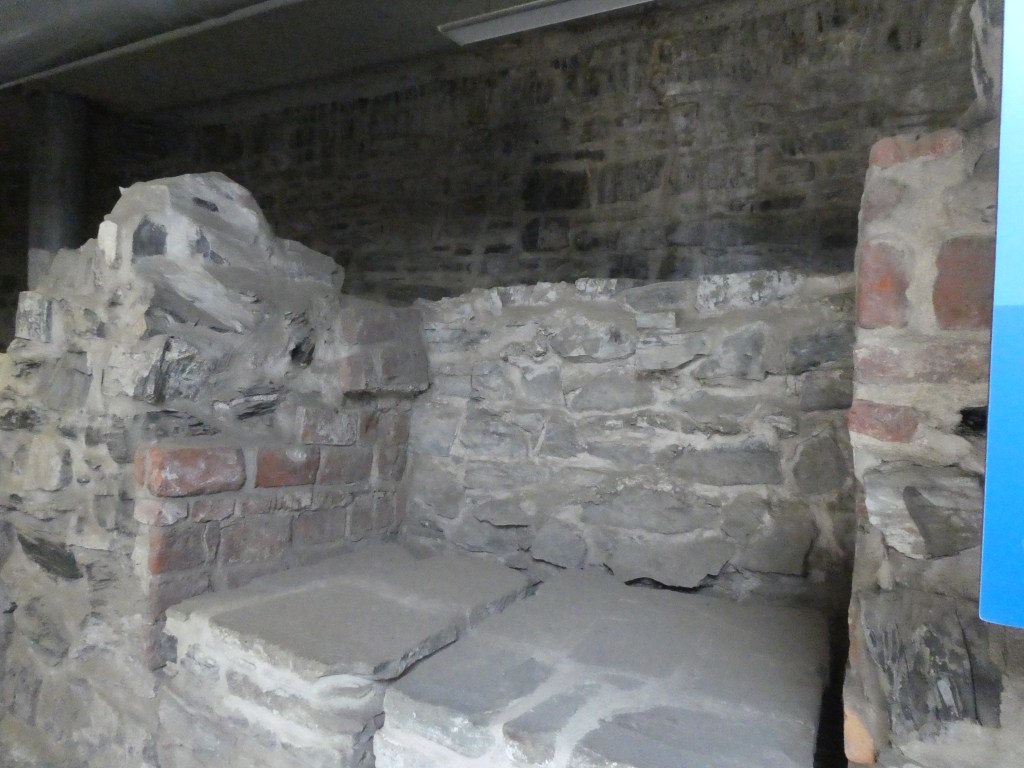
Some small items were found in the latrine as it was also used for garbage. Every five years someone was charged with cleaning the latrines and could keep anything they found.

There were lots of artifacts found because French governors didn’t want to use their predecessors articles and brought in totally new households. Researches have also found British items. British rulers who did well in Quebec might be appointed to India next.

Castle entrance.
Scullery area

Kitchen

They have receipts for these gray stones that came from across the Atlantic.
The British and French differed on how many prongs were on forks so archeologists know which era an artifact comes from.

Some parts of the castle remains were destroyed while building the funicular in 1879.
The second (British) castle was destroyed while building the hotel.
Archeological excavation of the old castle was done from 2005-2008. It opened to the public in 2012.
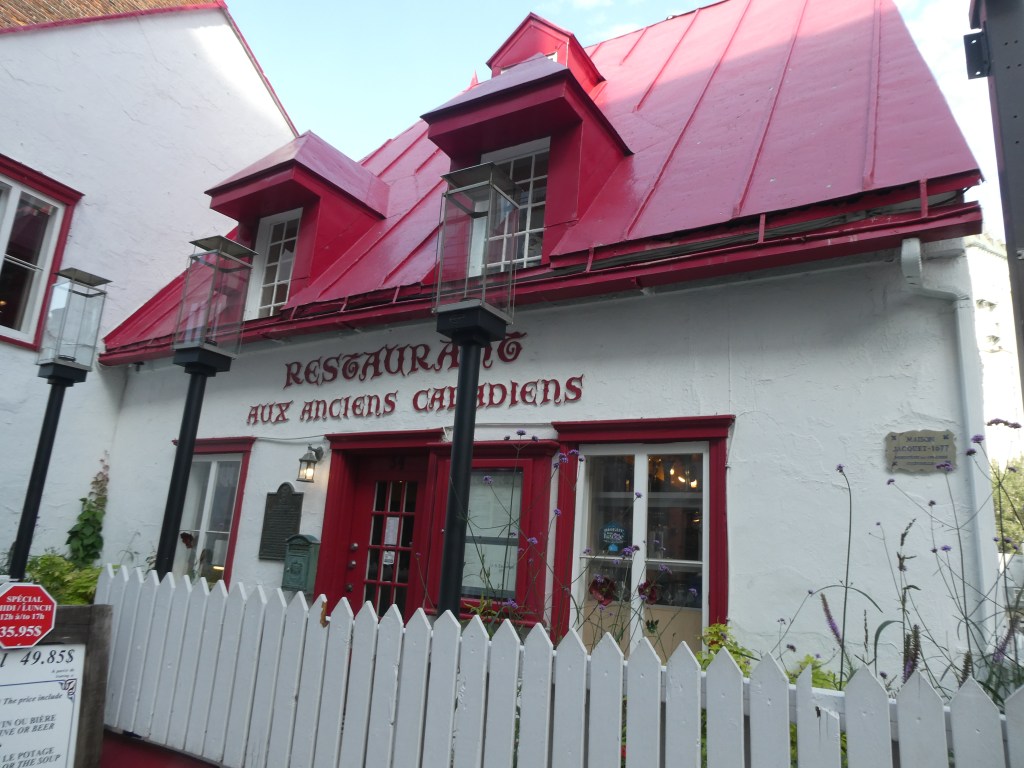
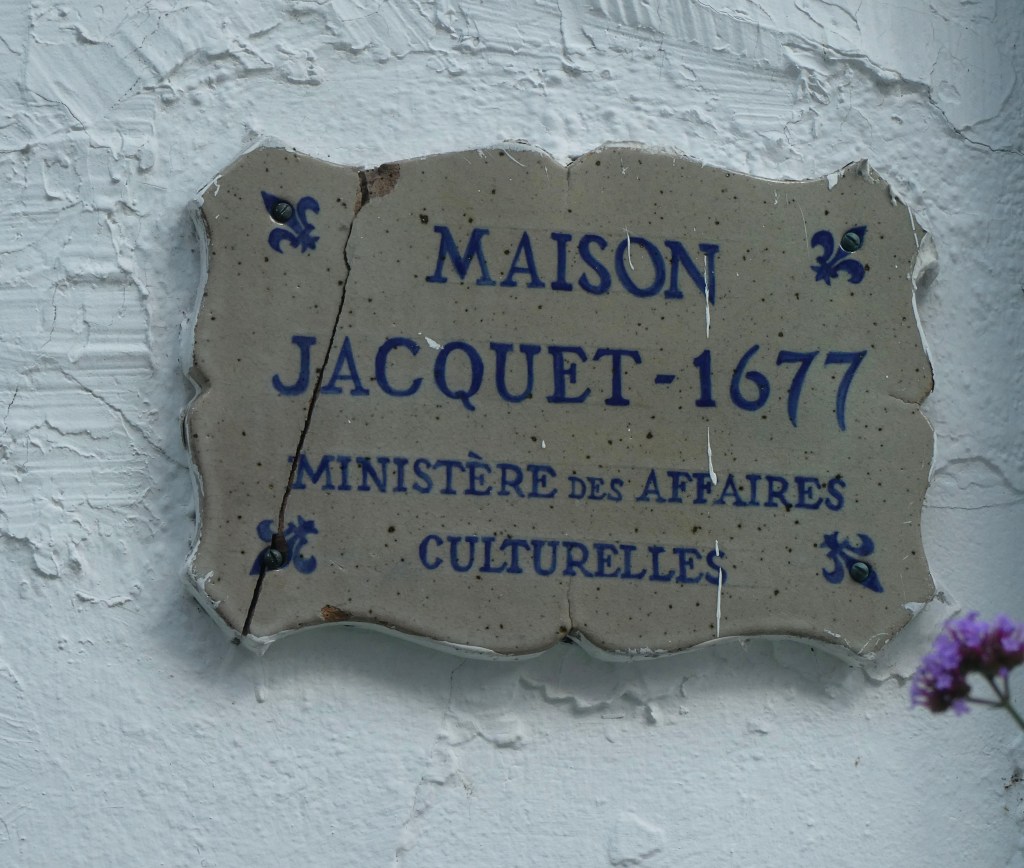
At the conclusion of my tour, I walked to the Maison Jacquet, one of the oldest houses in Quebec built in 1677. 

Several prominent figures in Quebec history have resided in Maison Jacquet, including the author of the novel Les Anciens Canadiens, Philippe-Aubert de Gaspé, who lived here from 1815 to 1824.

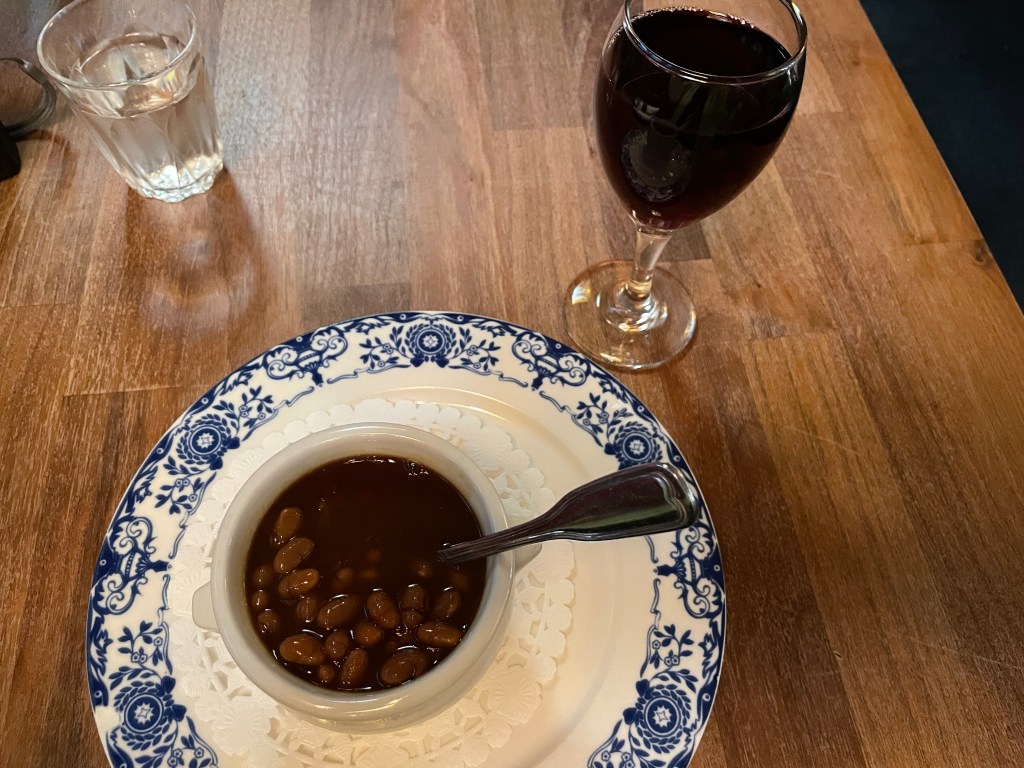
And if that house is now a restaurant, and you have the chance to go in, why would you not!

My meal started with the most DELICIOUS beans and a glass of wine.

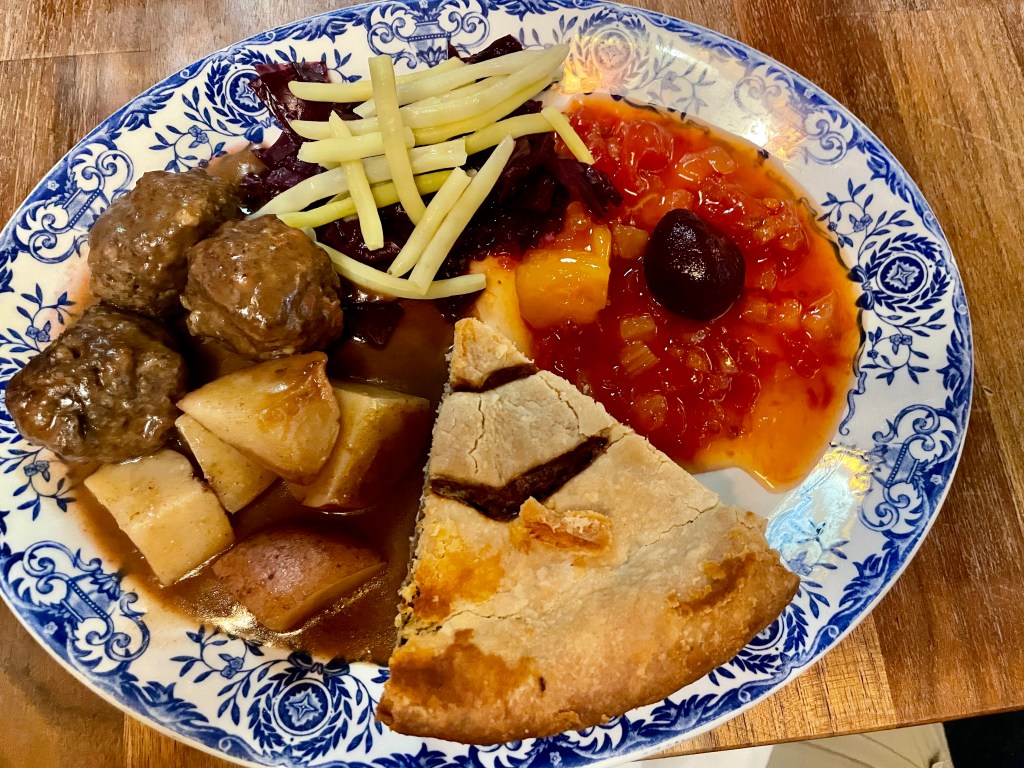
I was able to pick from a variety of regional foods for my next courses.  
I’m sure they were good but I have no particular memory of any of it a year later except for the beans!
I gathered my belongings and took an Uber to the part of town where Randy’s hotel was.  I checked in at the hotel next door because there was no room at the inn where he was.

We’ll go with Randy’s notes now:

Lots of people speak two languages (at least).

I’ve been watching French TV without English subtitles and watching sewer lines be installed out my window.

I figured out the room airflow so my underwear that I washed in the shower would dry quicker. It worked well.

On Saturday (around 11) I took the last Covid rapid test I had. It is important for these tests to only confirm your reading after the 15 minute time. Take a photo of the reading for your records. It showed I was now negative. However, I looked at it later and there was a very slight reading of positive, but that was after 45 minutes. I ignored that reading.

Darrell and Cindy left Saturday and Serene moved to a hotel next door.  She came over and stayed a while and we both wore masks. She brought over two rapid tests from Cindy.

On Sunday I discovered the couch was actually a Murphy bed. Who knew.

1st negative Covid test on 9-10-22

2nd negative Covid test on 9-11-22

For a couple days, I became the food delivery person and joined Randy in his room for a few hours. 

I went to my hotel in the evenings just in case the medical inspector came.

Randy got emails from the Canadian medical authorities periodically and one finally included a phone number.  He called and talked with a woman who spoke English.  He explained that he had tested negative twice and she said he could leave Canada!

Randy called me immediately and wanted to leave NOW!

Our reservations to fly out on American (that I had rebooked when he got COVID) were not scheduled for two more days.

I tried to convince him to go with me to Old Quebec and we could stay at the Chateau Frontenac for a couple days because this was an unexpected opportunity. He was not interested and just wanted to go home.

I could not change our American reservations on my phone because it was an international flight.  I also could not get anyone from American Airlines on the phone.

United had flights going to Phoenix but we needed to leave for the airport very soon if we were going to get on that flight.  So I booked the flight on my phone and we left.  We checked out of our respective hotels not knowing if would be charged (or reimbursed) for our unused nights.  We were a bit concerned that we would be “caught” leaving Quebec before his official quarantine end date but went ahead.

Fortunately, we were able to board and eventually landed in Phoenix late that evening.   We stopped by the American counter to cancel our flight to leave Quebec two days later.

Imagine our surprise the next day when we got notification it was time to check in for our flight from Quebec to Phoenix when we were already home! 

Many hours on the phone later, we were told that we would get flight credit on American Airlines but we had to book new flights within two weeks and fly before the end of 2022. It was something, better than nothing.

Those credits were used on our great trip to Nashville in December 2022.

The struggle with travel insurance lasted into December as well. Holland would pay anything that the travel insurance didn’t pay but I had to get final resolution there first. 

I claimed Randy’s hotel charges and Uber Eats costs. I claimed (but didn’t really expect to receive) my hotel charges when I moved to be near him.  That process became months of submitting and re-submitting receipts for my claims and eventually submitting receipts for things they requested that I wasn’t even claiming. I submitted the United ticket receipts because they wanted to know how we got home. My thoughts were that they were just trying to wear me down with constant and repeated requests.  

One day I was completely frustrated and told our travel agent to NEVER use that travel insurance for any trip we were on EVER again.  She took over and escalated our claims up the chain of command.  We received two deposits within two days – the first for everything I originally claimed and another for all the extra stuff they had asked about.  

On the checks were statements about possibly having to repay any amount they might have overpaid in error. Ha!  That wasn’t happening even if they asked- which they never did.  After all their grief, I earned every last cent.

Last notes:

On Sept 26, 2022 Holland America announced Canada had modified its testing and vaccination procedures without specifically addressing quarantine requirements. Our trip was a month too early to not be tangled up with COVID quarantine in Canada.

Most people in Quebec were not wearing masks by the time we were there. Workers that Randy interacted with in the hotel, and with Uber Eats, were surprised at their government’s quarantine requirements for visitors when COVID amongst the general population was mostly being ignored. However, we felt as visitors in Canada, it was our obligation to follow their rules.

We were in Canada during an election cycle. These campaign posters were the norm. There was nothing we saw that was hostile, or demeaning. or in your face with more and bigger is better. If only we could act that way here.

A year later, I have chuckled many times about Randy’s “feet on vacation” picture.  He seemed to have a bit of a sense of humor about the situation early in his quarantine.

As I am writing these last words, I am glad I decided to go ahead and document this trip but It was also a good thing that circumstances caused me to delay. I asked Randy if he could laugh about it a year later and he said no, but he did smile once, and doesn’t mind that I wrote about it.

Remember when Holland America said they’d pay anything that wasn’t reimbursed?  I didn’t pursue anything from them after the travel insurance eventually paid well. Holland America did issue a cruise credit for Randy for about $900 for the parts of the cruise he missed while in quarantine.

The use of that cruise credit is part of our next big adventure! 

Posted in Uncategorized | 1 Comment

Disembarking in Quebec City 2022

From his quarantine cabin, Randy had this view as we came into Quebec City.

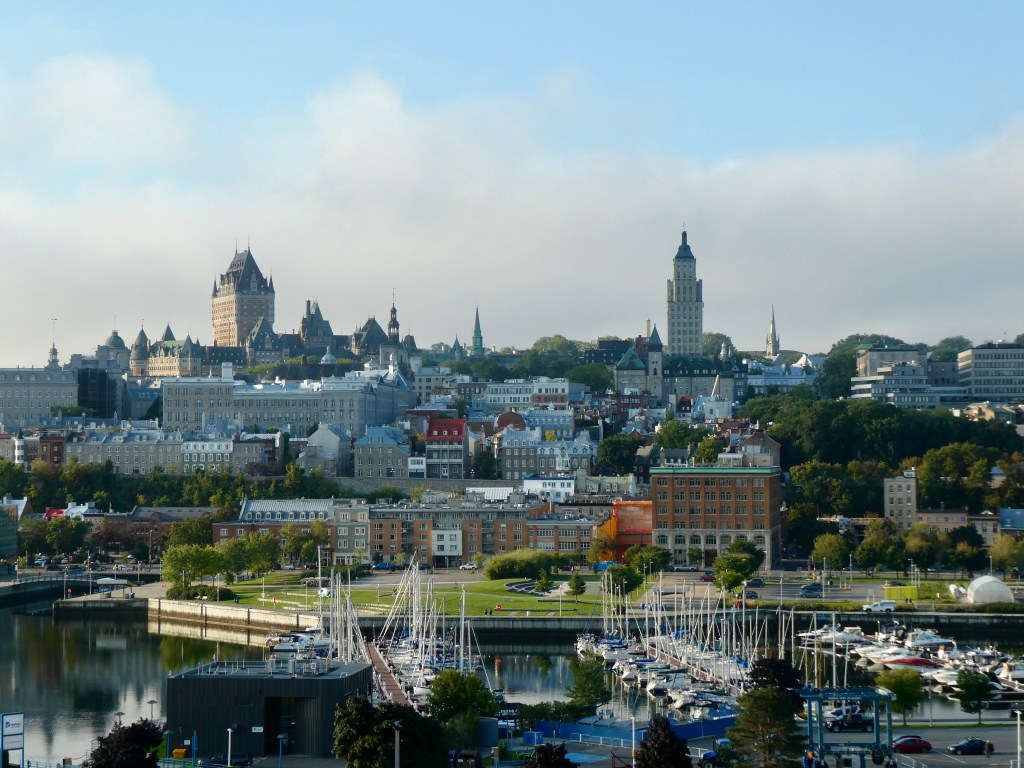
We had this view.  The rental that Cindy, Darrell and I were sharing for three nights was way up near the fancy hotel Fairmont La Chateau Frontenac at the top left.   Of course, the original plan was that the four of us would stay together for three days to explore the historic area of Quebec City.

Instead Randy was headed into quarantine for an additional six days at a hotel of Canada’s choosing.  I could not get reservations at the same hotel but had plans to move to the one next to him when the Airbnb reservation was over.  I had changed our plane reservations to correspond with Randy getting out of quarantine.

Cindy, Darrell and I gathered our bags and walked off the ship.  We started the hike up the hill pulling our bags behind us.

These are Randy’s notes:  

Cruise ended on 9-7. I was told to wait until an escort was sent to get me. They took us one at a time off the boat. They handed us a packet near the gangway and pointed at the buses, and said good luck. I used my cruise card to scan off the boat and was now Canada’s problem. The doctor did provide a letter indicating when my quarantine was over based on Canadian rules.

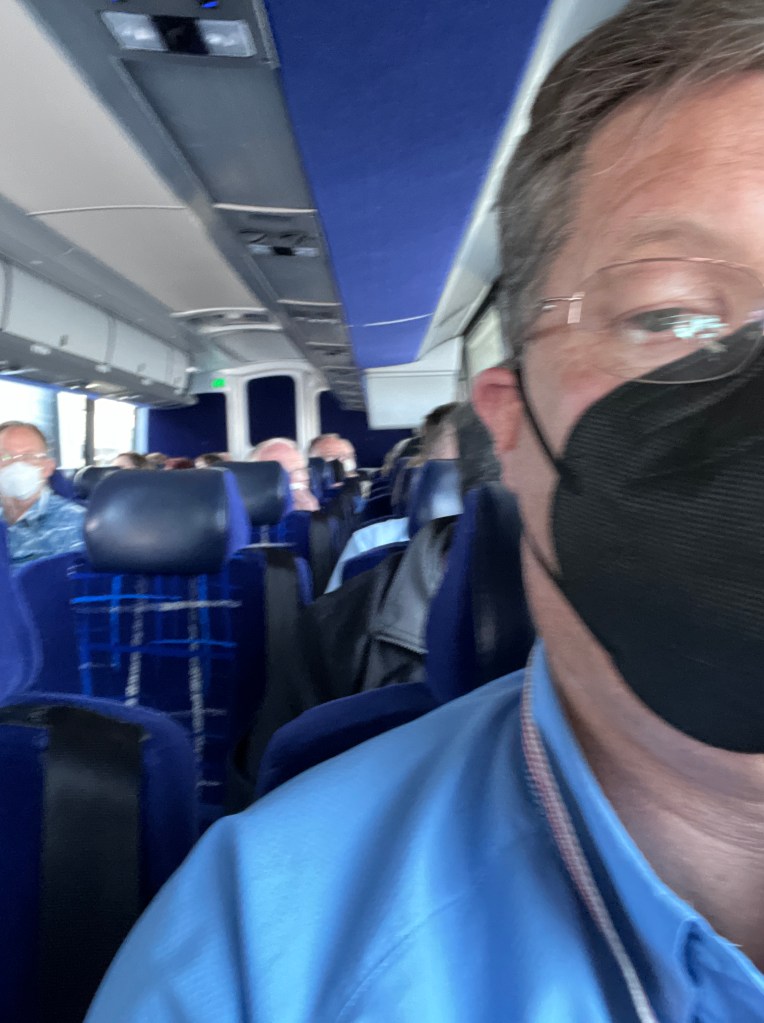
There were two buses and about 70 people split between two hotels. No security, we were to quarantine on the honor system.

What came apparent to Randy was that there were many couples going into quarantine.  Some had both tested positive, and others had one person choosing to go into quarantine with their partner.  We were never given that option but probably wouldn’t have done so anyway.

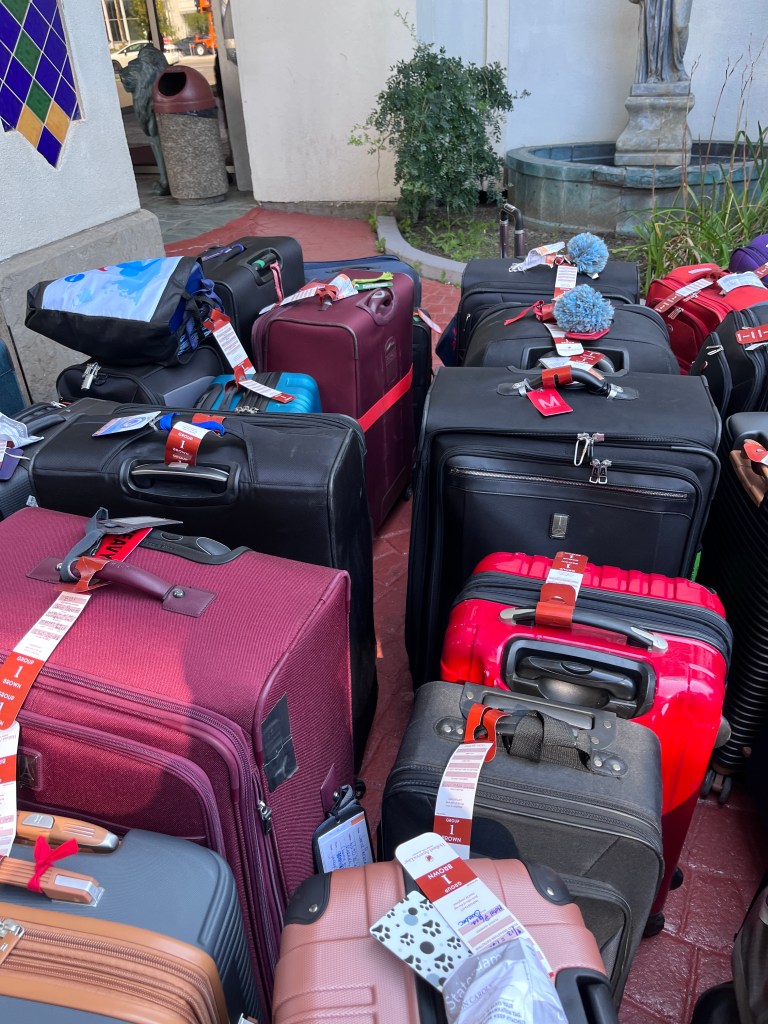
So many bags (and people) going into quarantine.

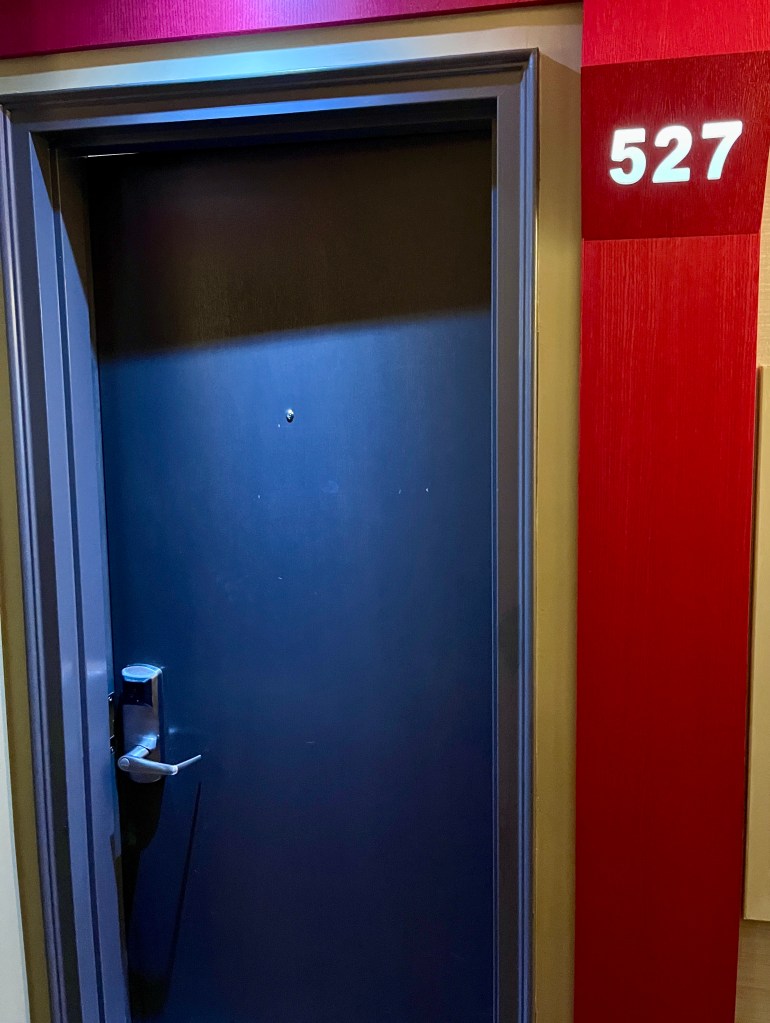
Randy’s room was number 527.

The room was fine but did not have a microwave – that would be problematic. Even getting things like plastic silverware and napkins was problematic.

Randy was supposed to be served meals from the hotel restaurant.  It became clear very quickly that they did not have the staff to provide meals for their COVID guests. The hotel was still trying to operate as a regular hotel and restaurant at the same time they had COVID floors.

COVID guests were given a short list menu, sometimes it did not have any hot options.  Sometimes he would get something he didn’t order – like two steak dinners.  Sometimes he would not get what he did order.

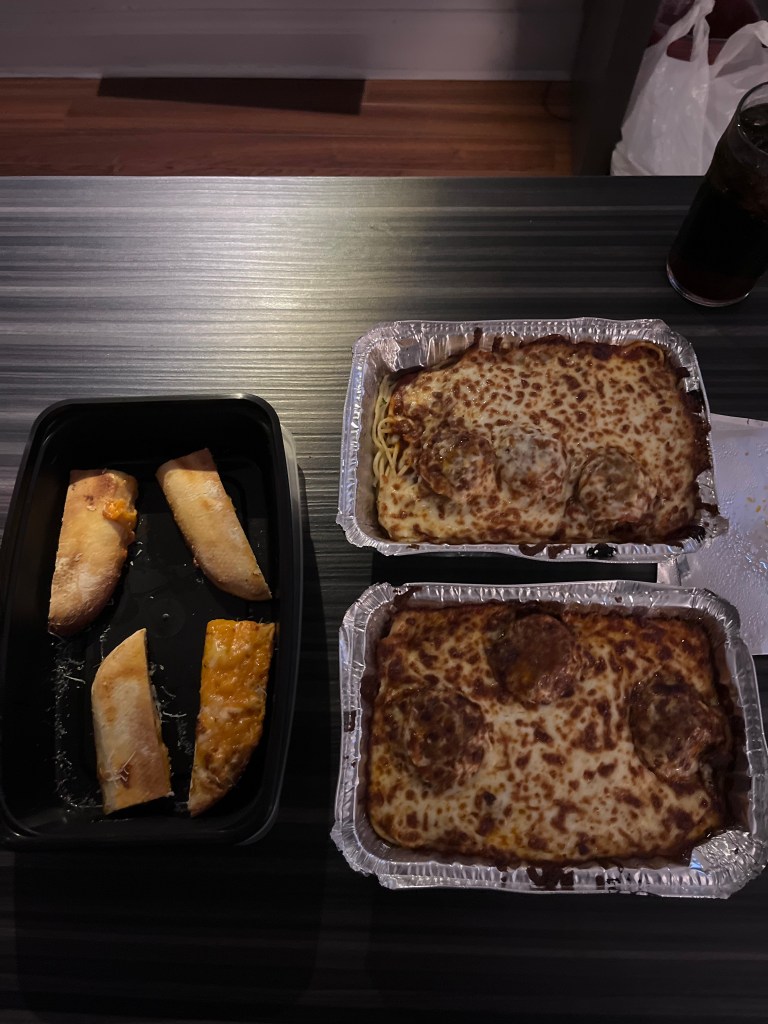
The hotel staff eventually suggested he use Uber Eats if he could.  The hotel provided a list of area restaurants where he could order, pay and then a driver would knock on his door and deliver his meal.  Mostly that worked except the  first meal he ordered was spaghetti with and breadsticks. 

He got two complete meals.  He didn’t have a microwave to be able to save it and warm it up another day.

(The rest of us were in a completely different part of Quebec City so couldn’t help.)

The hotel staff also couldn’t provide any staff to deliver ice so Randy would sneak out periodically to go down the hall to get ice.  He was aware that the woman next door snuck out to go for a walk each day. They were told that someone from the health department may be by at anytime to be sure they were there – but it never happened.   

One other couple just left quarantine and went to the airport.  In his limited conversations with the medical hierarchy in Canada, he was also told that if quarantined people are “caught” at the airport trying to leave then they will be required to start their quarantine all over again and there would be a $500 fine.

Given all that, except for his trips down the hall to the ice machine, Randy followed the rules.

And Cindy, Darrell and I went on with the plan…

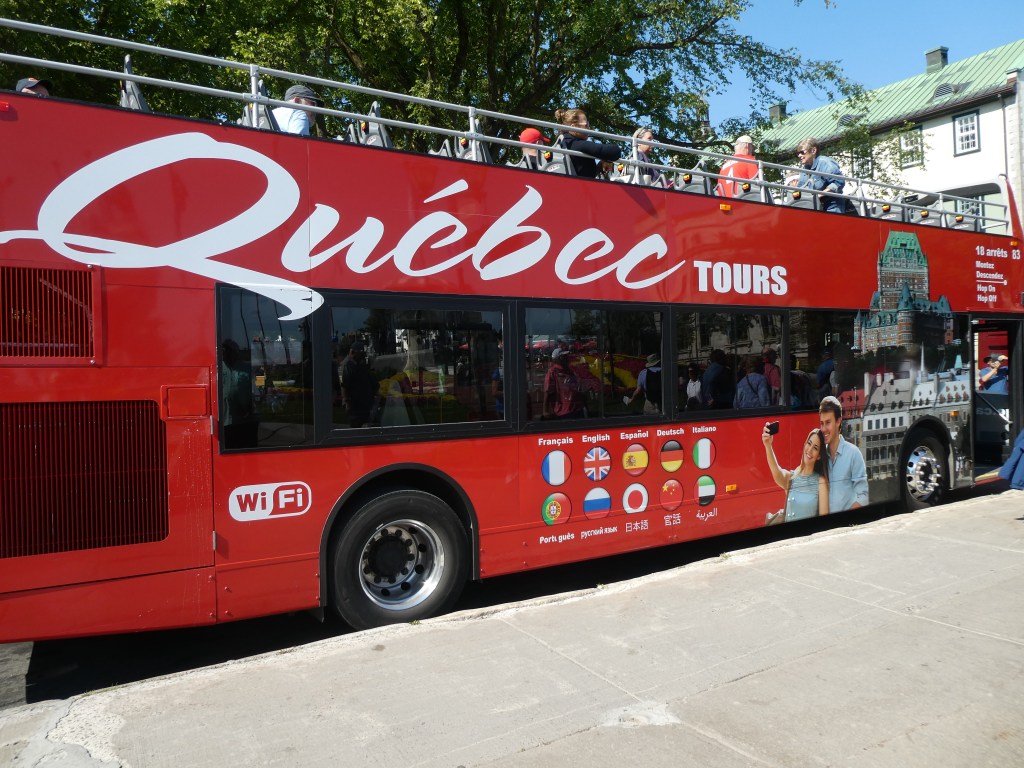
When we made it to the top of the hill, our Airbnb wasn’t available yet so we got on a bus tour to orient us to the historic district.

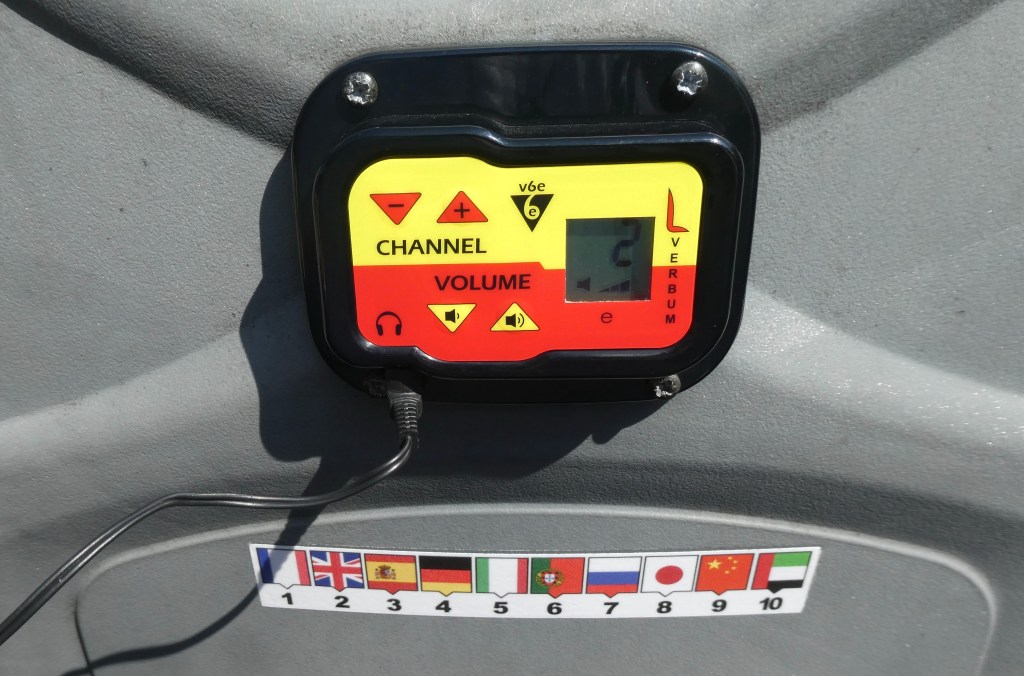
You could pick your language!

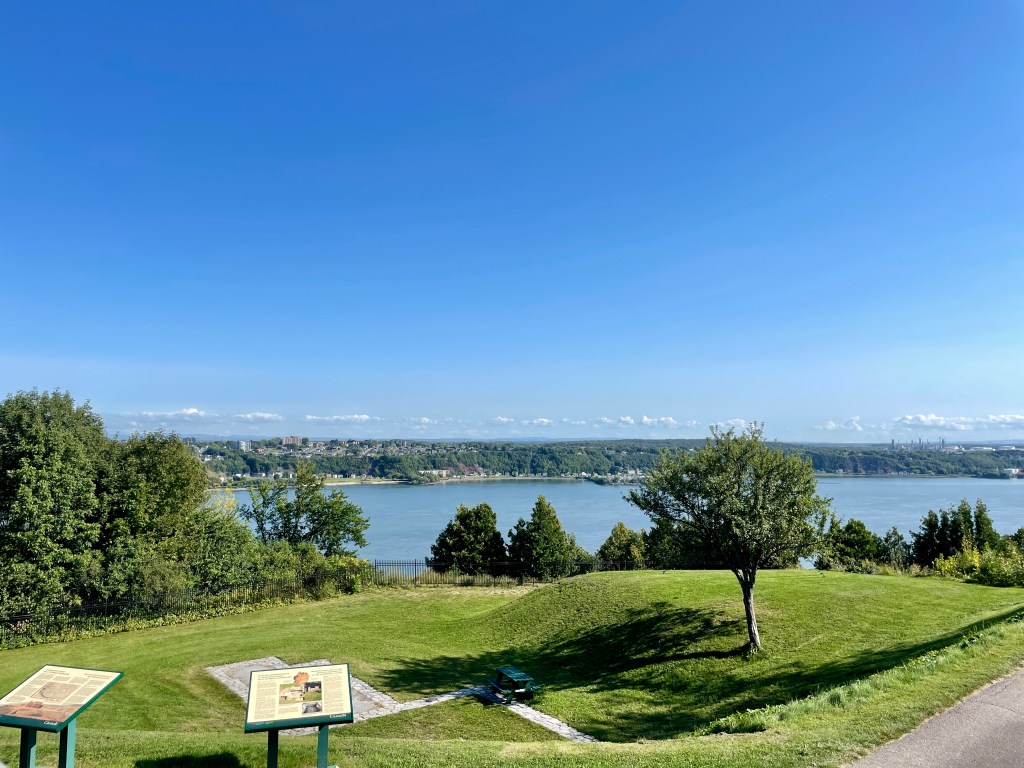
Quebec means “where the river becomes narrow.” It is an Algonquin word, not French. The Algonquin were the First Peoples of the area.

French explorer, Samuel D. Champlain came to survey the area in 1608 and set the course for French colonization.

The French built buildings like there were in France and England.

There remains a combination of English and French architecture.

The copper roofs were shiny when first installed. They turned brown after a few years, then green after a few decades.

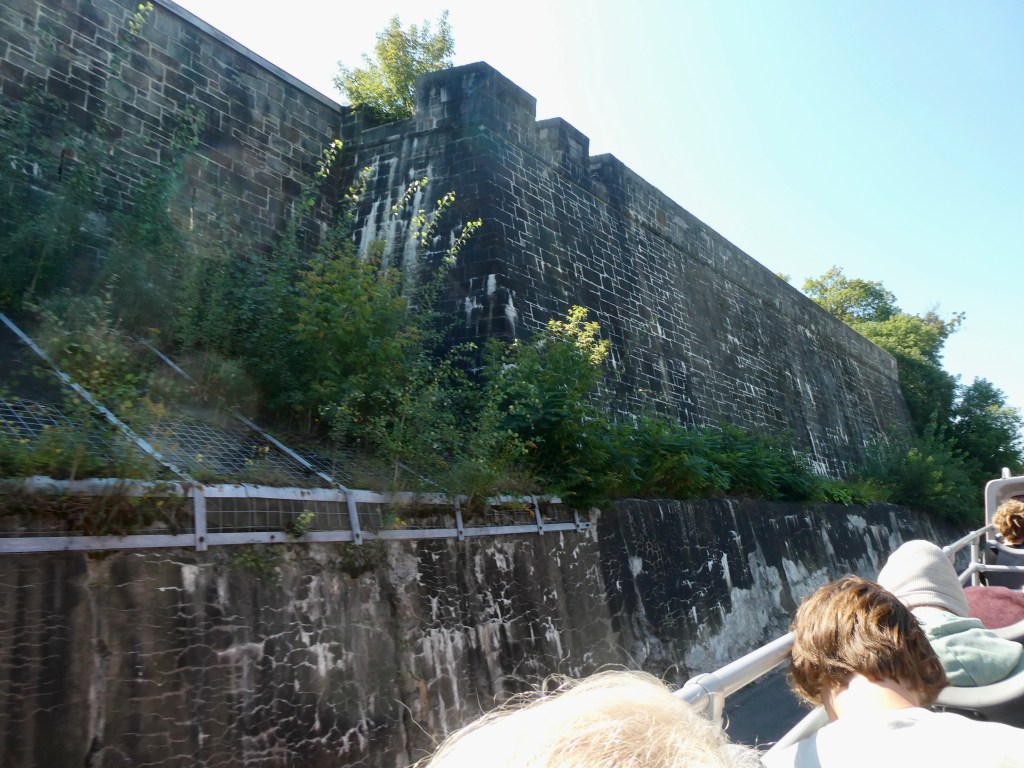
Quebec City is the only city in North America, north of Mexico, to be surrounded by fortification.  The Historic District of Old Quebec, where Cindy, Darrell and I were staying, was named a UNESCO world site in 1985.

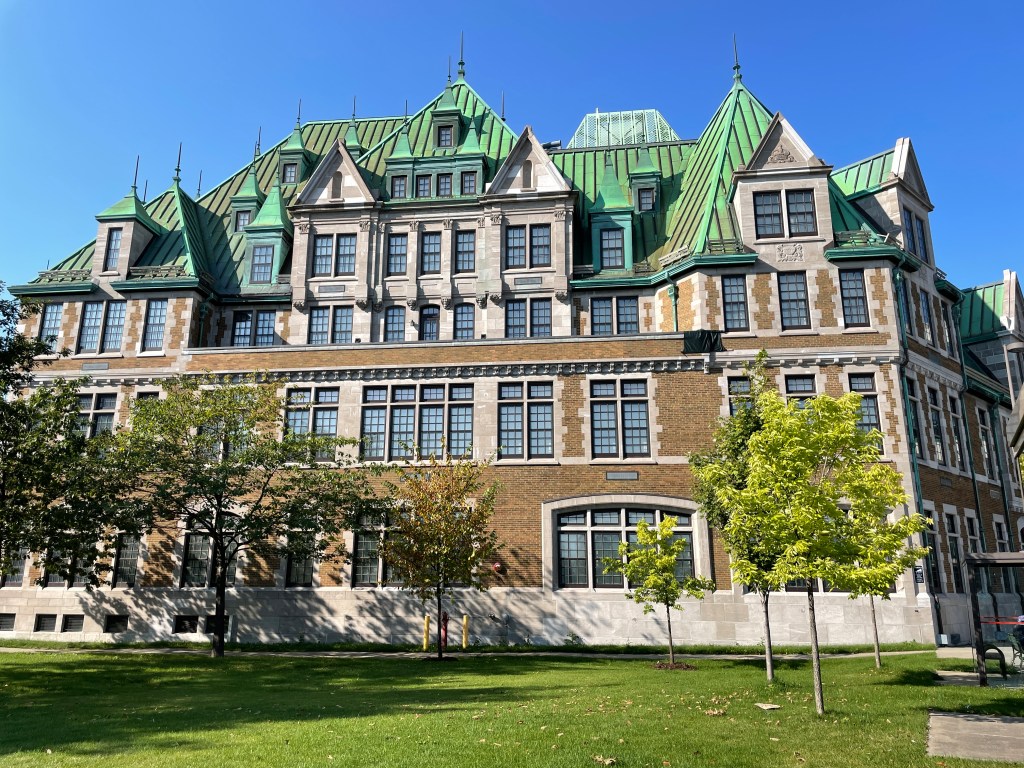
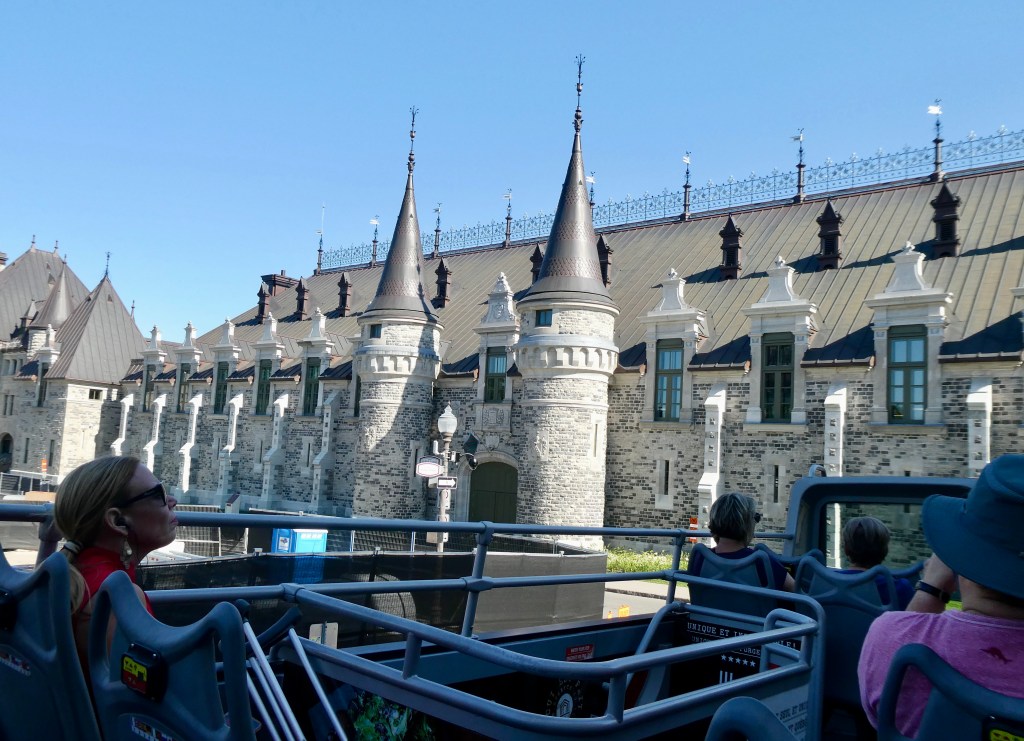
The Quebec Armory has a medieval castle look.  The original was burned and then replaced. 

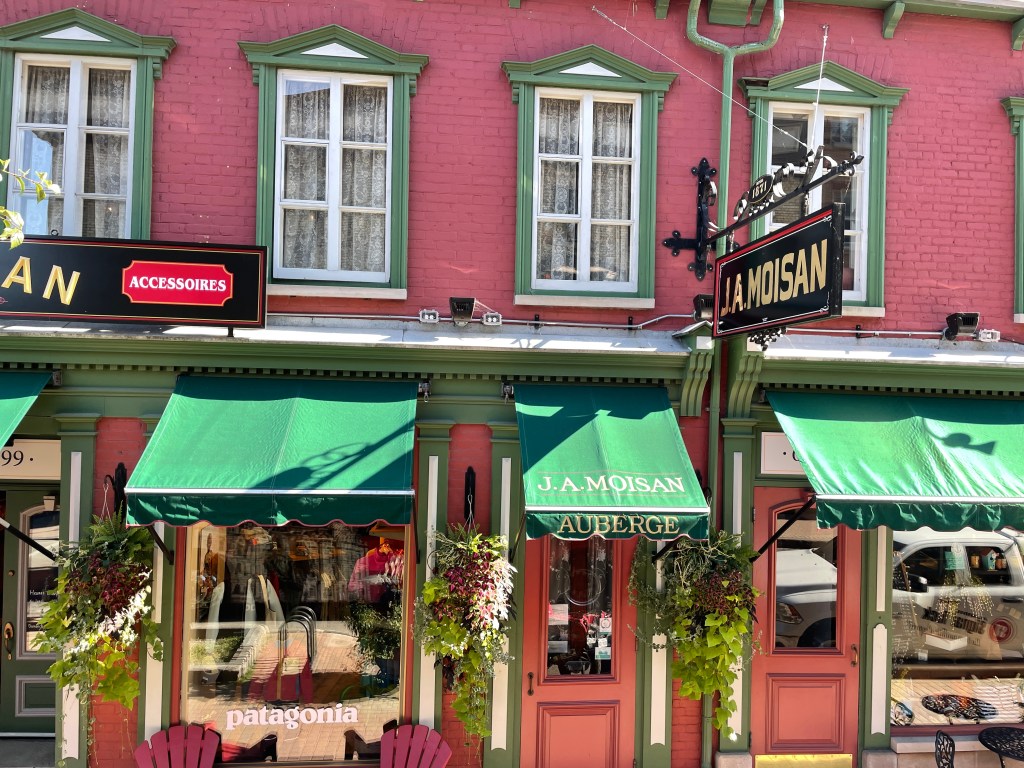
We drove by the oldest grocery store in Quebec City originating in 1871.

In 1863 Canada’s independence guaranteed linguistic rights of French speakers in Quebec. There are 800,000 people in Quebec City, and one million in the province. 

Next up: Cindy, Darrell and I explore Quebec City while Randy languishes in quarantine. We felt bad for him too!


Posted in Uncategorized | Leave a comment

Cruising In the Province of Quebec 2022

While Randy was trying to get comfortable in quarantine on the ship the rest of us went on with our excursions.  There really wasn’t anything we could do for him.  

Randy is watching what’s missing on the ship cams. The crew delivered his meals and surprised him with afternoon tea each day.

We entered the province of Quebec and the rest of us left for our excursion into Baie-Comeau.

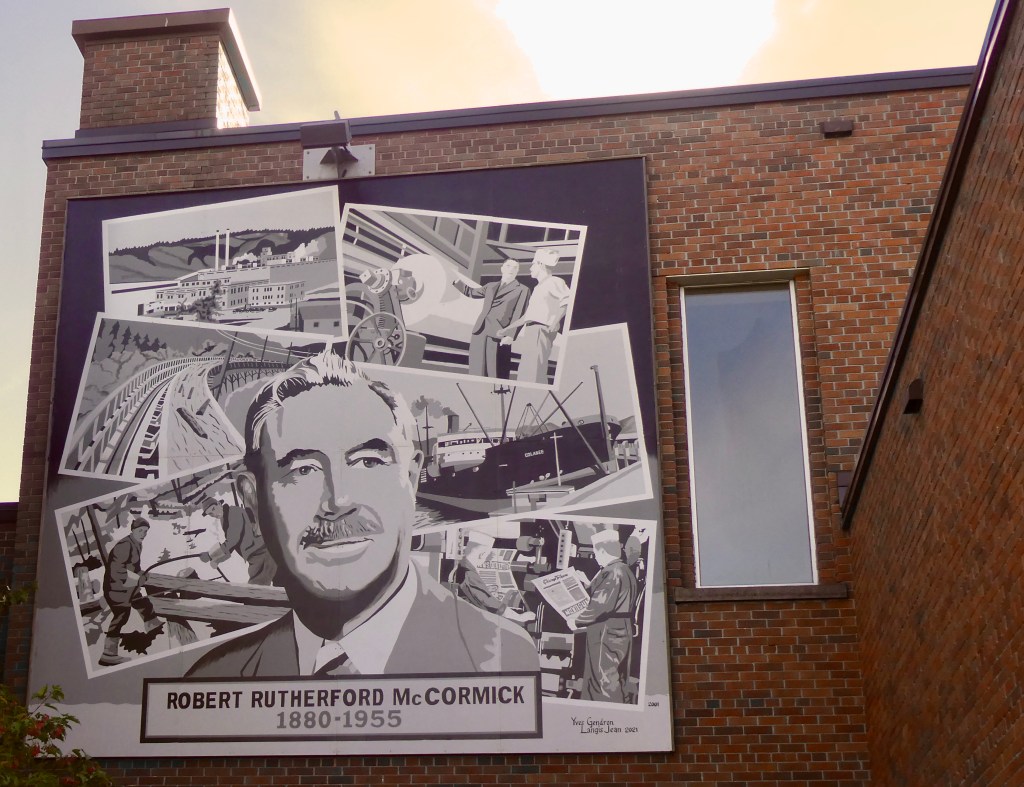
Baie-Comeau was established in 1936 by American Robert McCormick.  

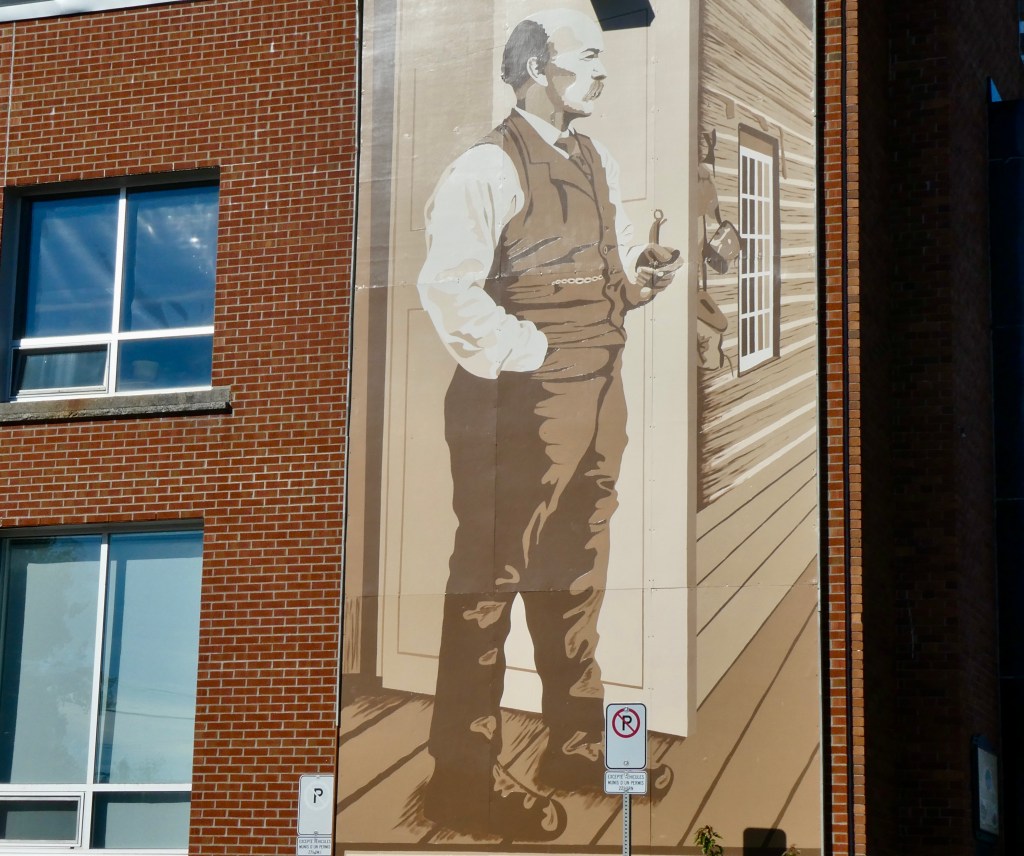
He  named the town in honor of Napoleon-Alexandre Comeau, a Quebec Naturalist. Both men are remembered with murals on town buildings.

McCormick’s intent was to acquire black spruce for his newspaper, The Chicago Tribune.   The deep port near Baie-Comeau never freezes so he also constructed a paper mill, a hydroelectric power plant and the McCormick Dam to generate electricity.

In most reports McCormick took care of his workers with homes, churches and bilingual schools.  The town infrastructure was built to modern standards with electricity, indoor plumbing and telephones.He promoted work life balance and sponsored fun activities for the community.

Former Canada Prime Minister Brian Mulroney was born in Baie-Comeau.

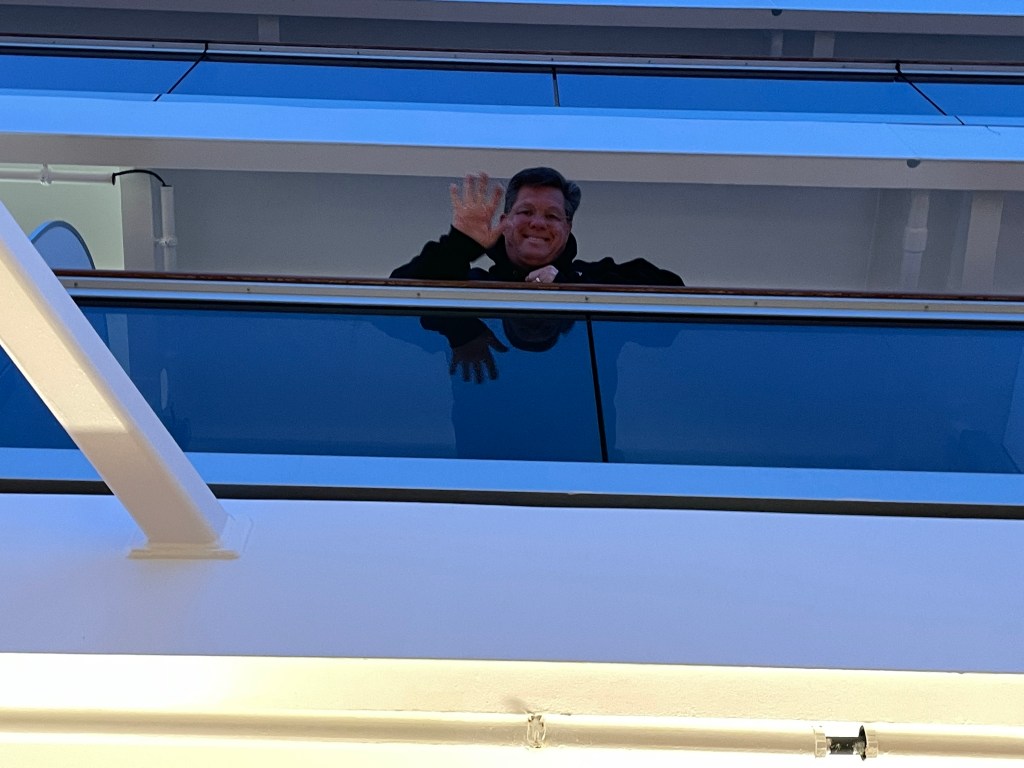
After a day of touring, Cindy, Darrel and I went to visit Randy.  He could come out on his balcony and we could talk from the deck below.

The next morning Darrel and Cindy and I went on an excursion into the town and region of Saguenay, also in Quebec.   

We were told the area once belonged to ALCOA but they got into trouble due to price fixing.  They were required to dispose of some assets including the area of Saguenay.  

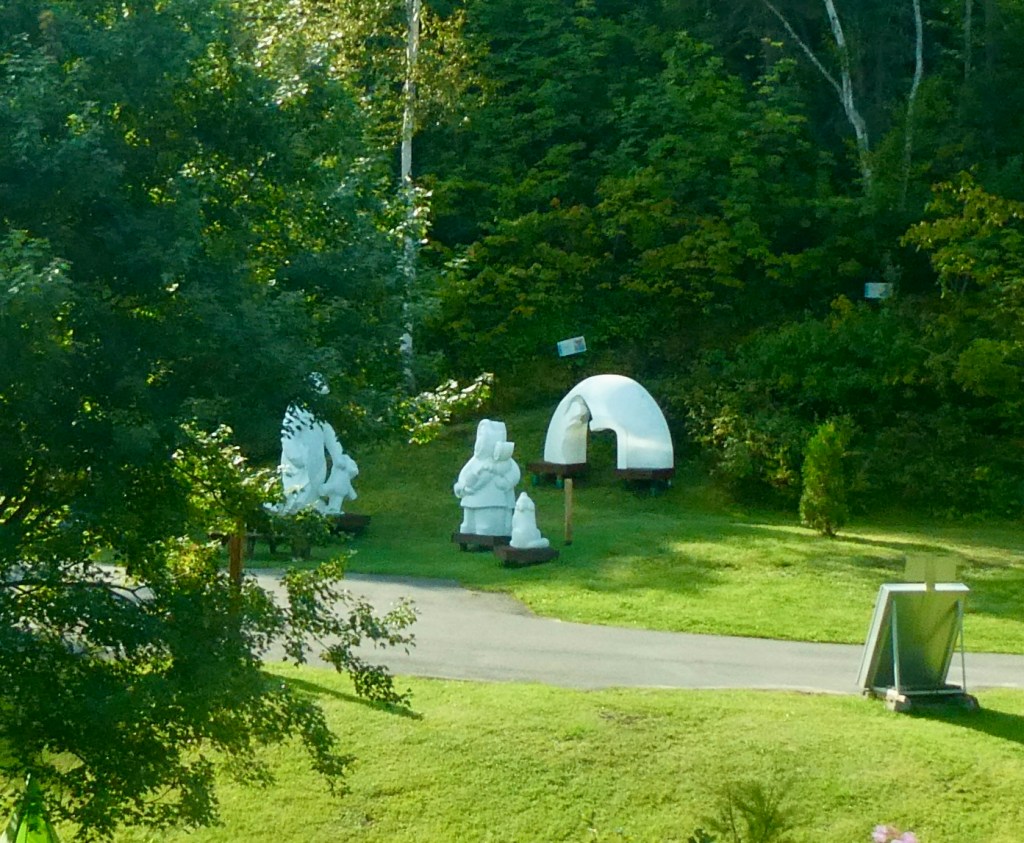
Nativity scenes from all around the world are on display as a tourist attraction.  This one is from the Inuit.

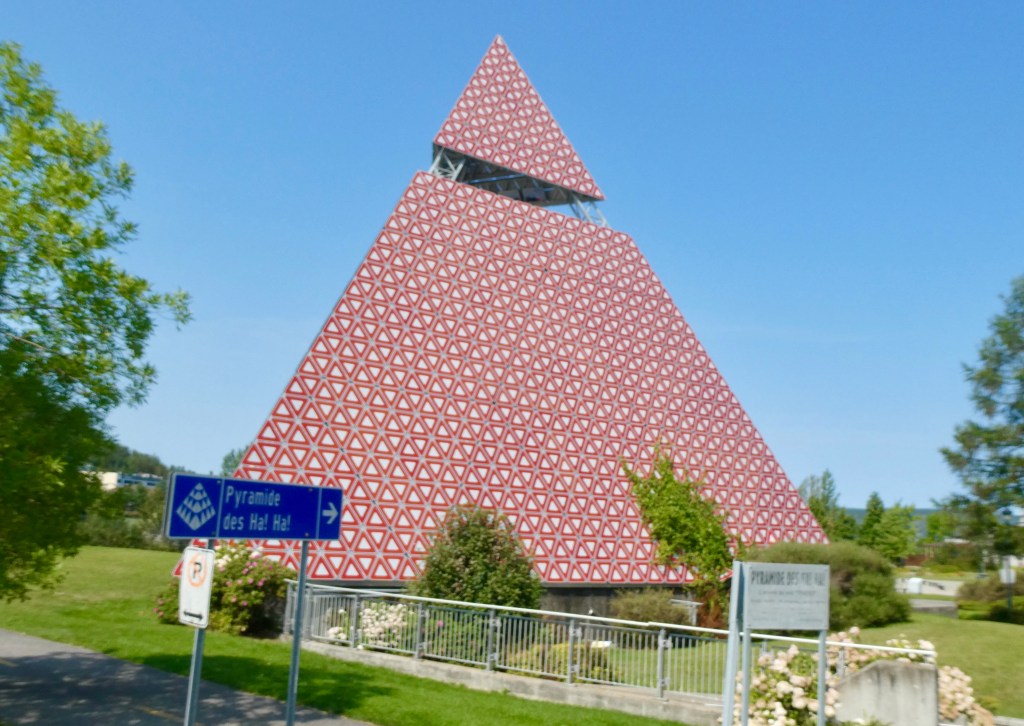
The Ha! Ha! Pyramid was built as a monument to commemorate the Saguenay flood in 1996. The pyramid,  named after the nearby river, originated as a form of therapy to help residents recover.  It is made of 3,000 yield signs because the French word to yield is very similar to the word to help each other.  

Nearly 95 percent of those who live in the Saguenay region speak only French.  There are lots of small remote villages in a land of 16, 000 lakes.

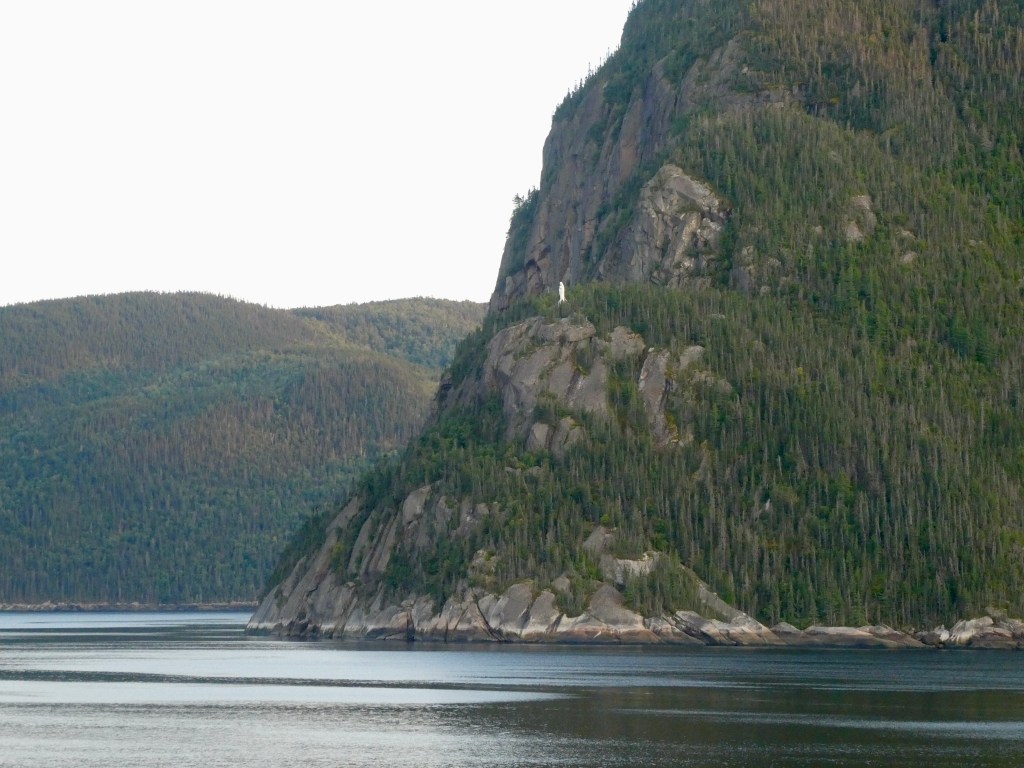
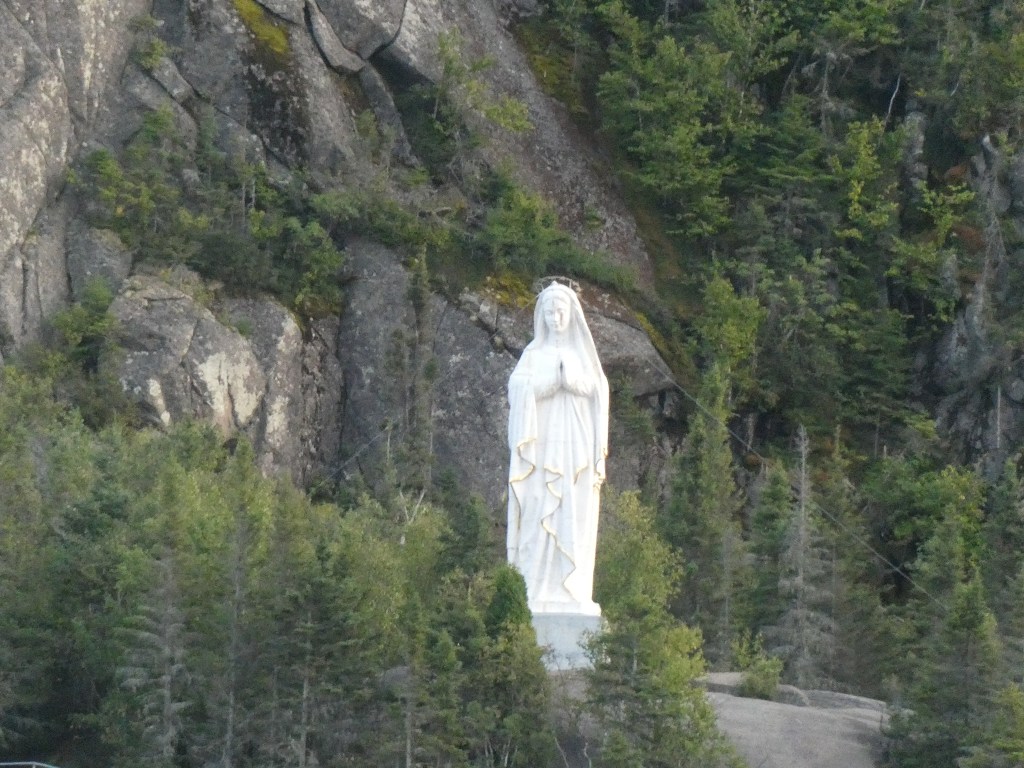
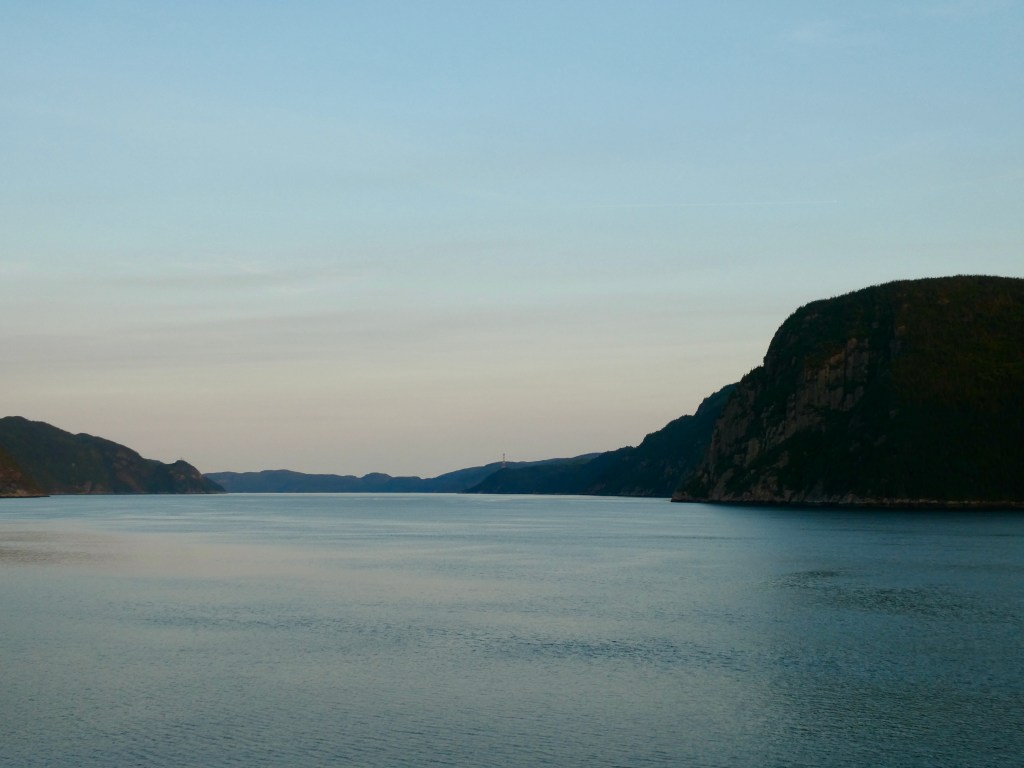
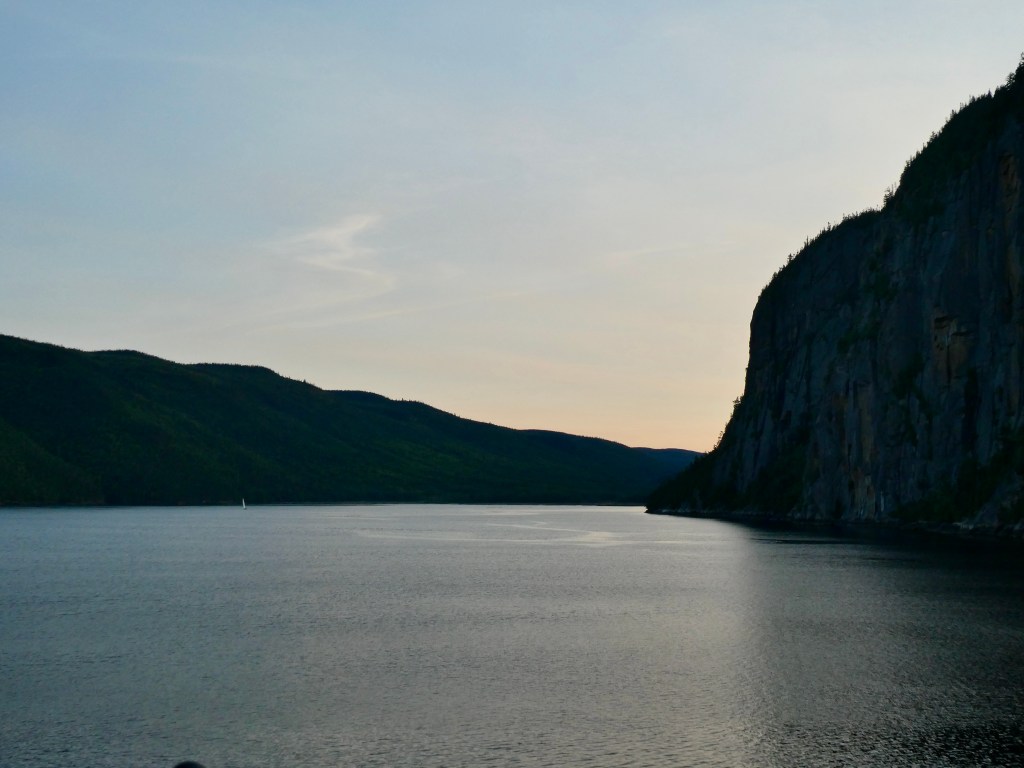
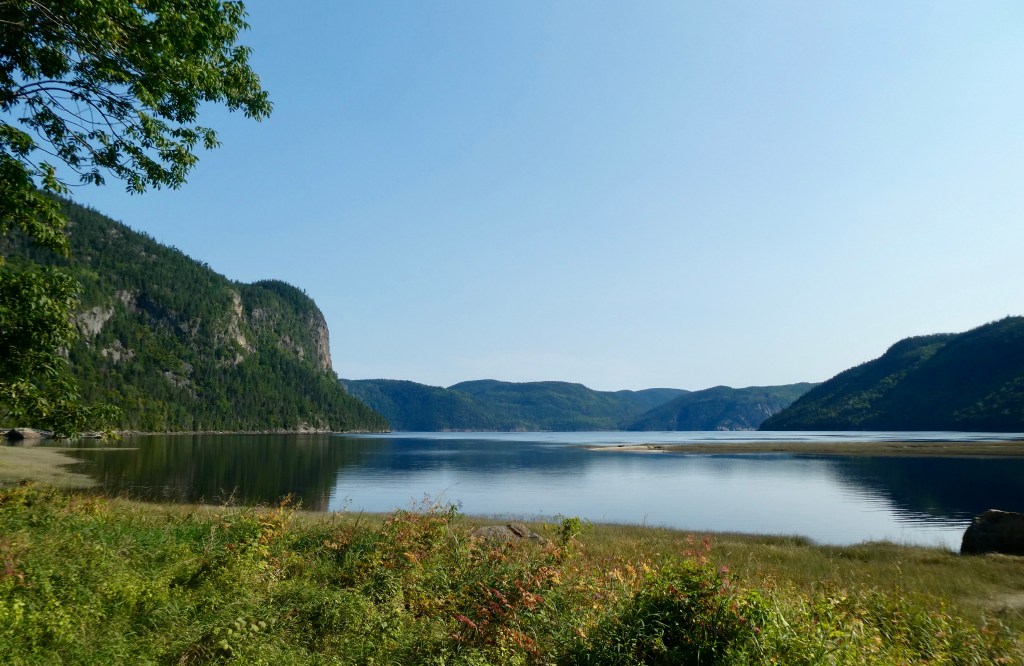
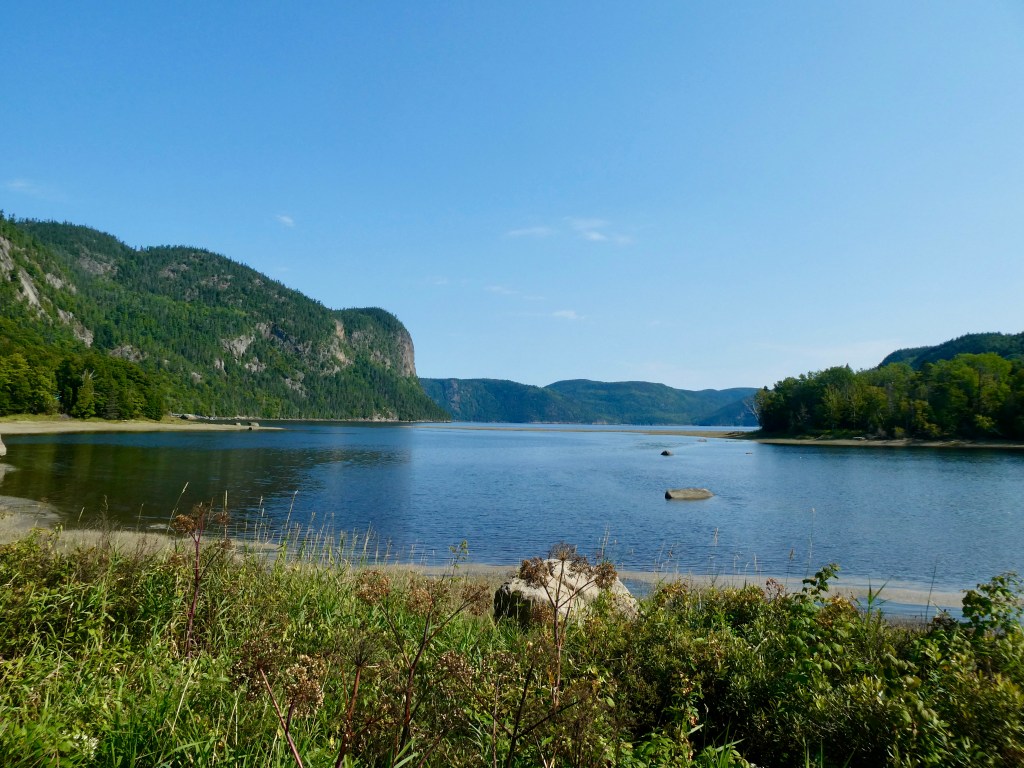
The area has 900 feet deep fjords and 900 feet high cliffs.  The southernmost fjord in the northern hemisphere is in Saguenay.

The US ski team trains here in the spring when the snow is gone in Vermont. 

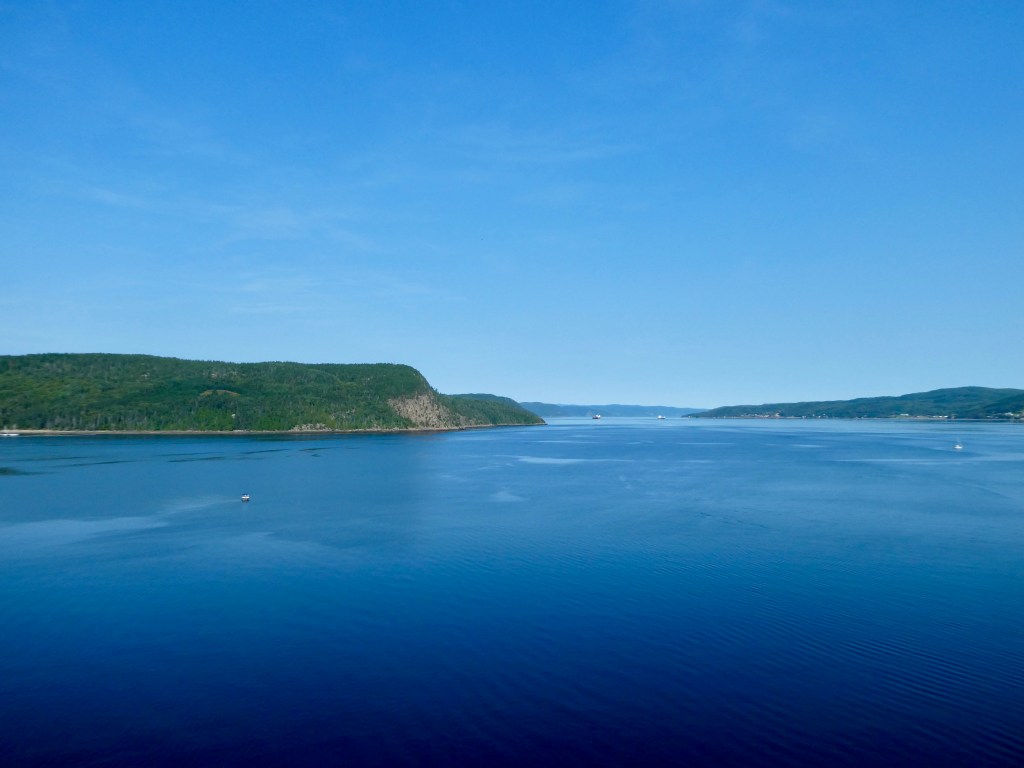
The Saguenay river goes for 100 miles before depositing into the St. Lawrence River.  The first 40 miles are fresh water and then it shifts to salt water due to tides. As a result, there are both fresh and salt water species living in the Saguenay River. 

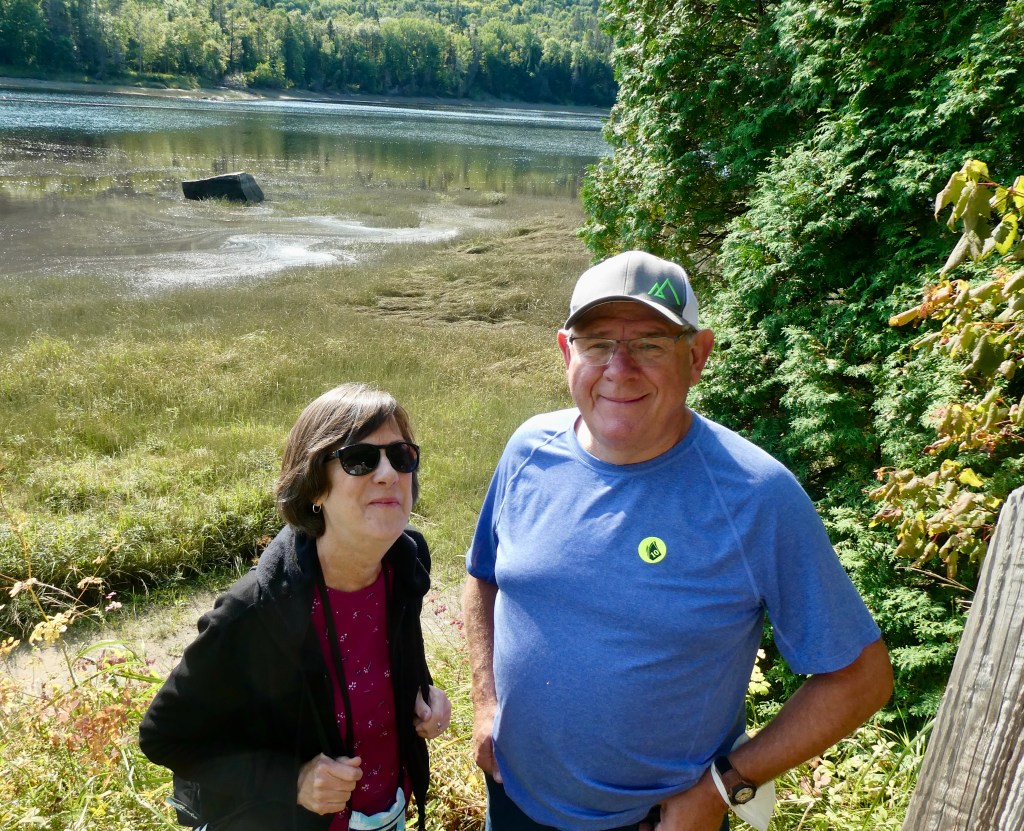
It was nice to get out and walk in nature! Poor Randy is left on-board.

There are lots of whales in St Lawrence river.   Some beluga whales move into the Saguenay River during the summer. To keep them safe, there are speed limits and a limit on motors on the waterways.  Some areas are considered a beluga nursery.

We passed another evening on board and visited Randy again from the deck below.

The last day was spent cruising the St. Lawrence River towards Quebec City.

The St. Lawrence River’s headwaters flow from Lake Ontario.  The river connects the Great Lakes to the Atlantic Ocean and forms part of the international boundary between Canada and the United States.

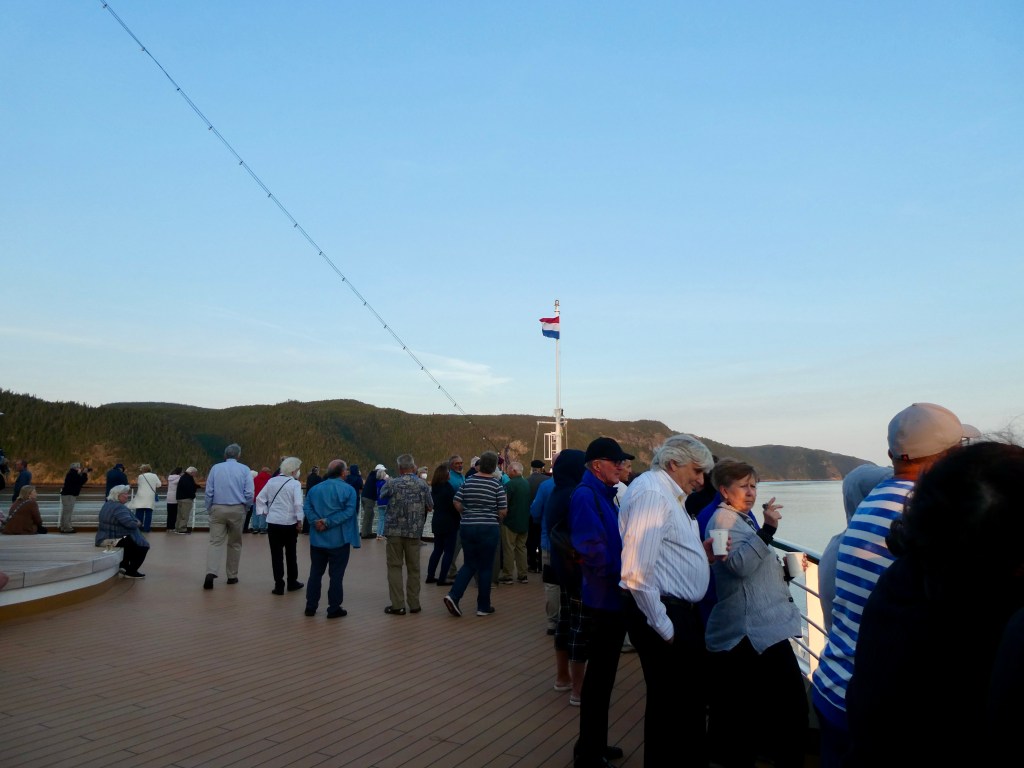
While we were able to watch and get narration on deck.

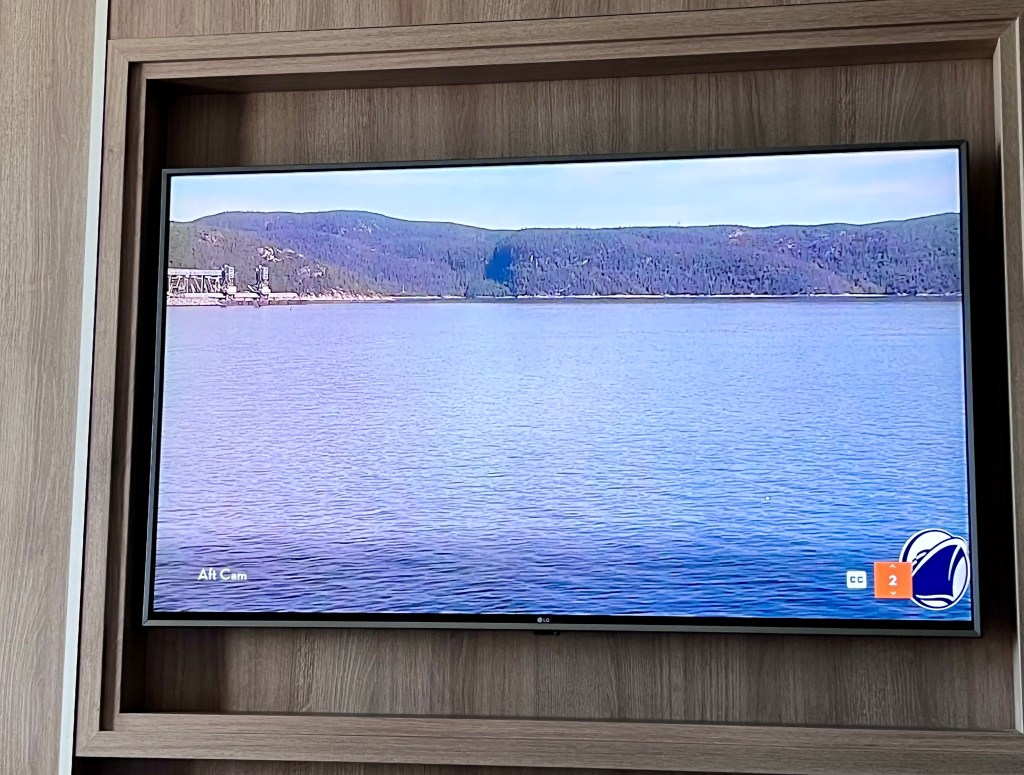
Randy watched from his TV with the aft cam.

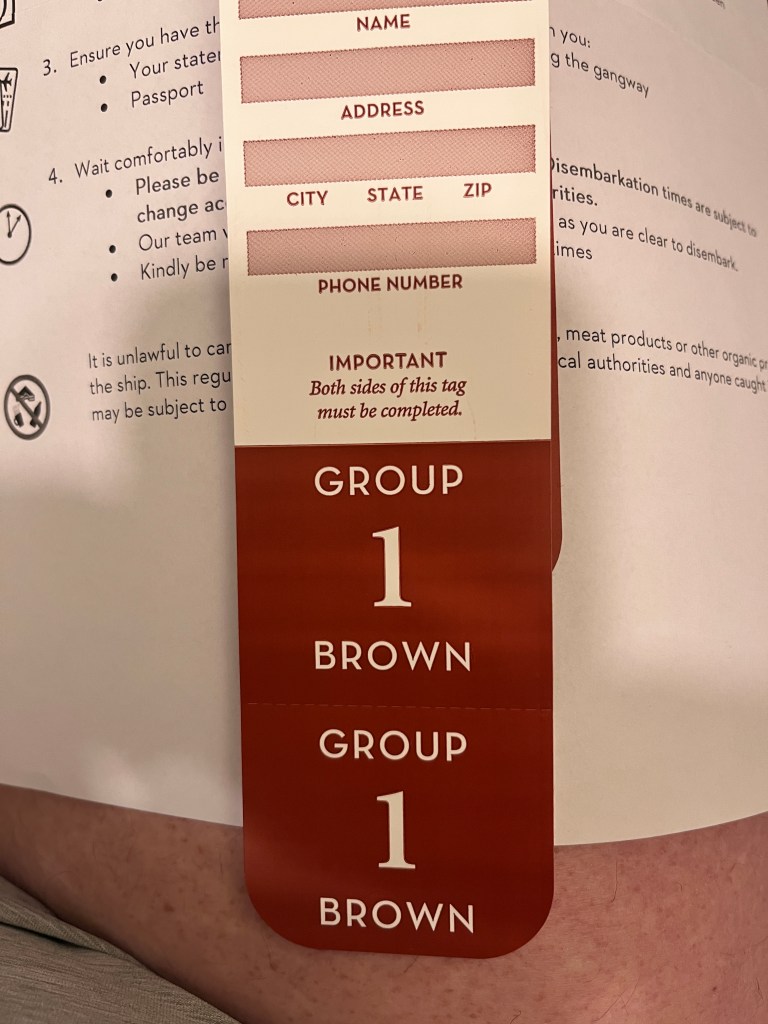
He got some preliminary information about disembarking and going into quarantine in Canada.

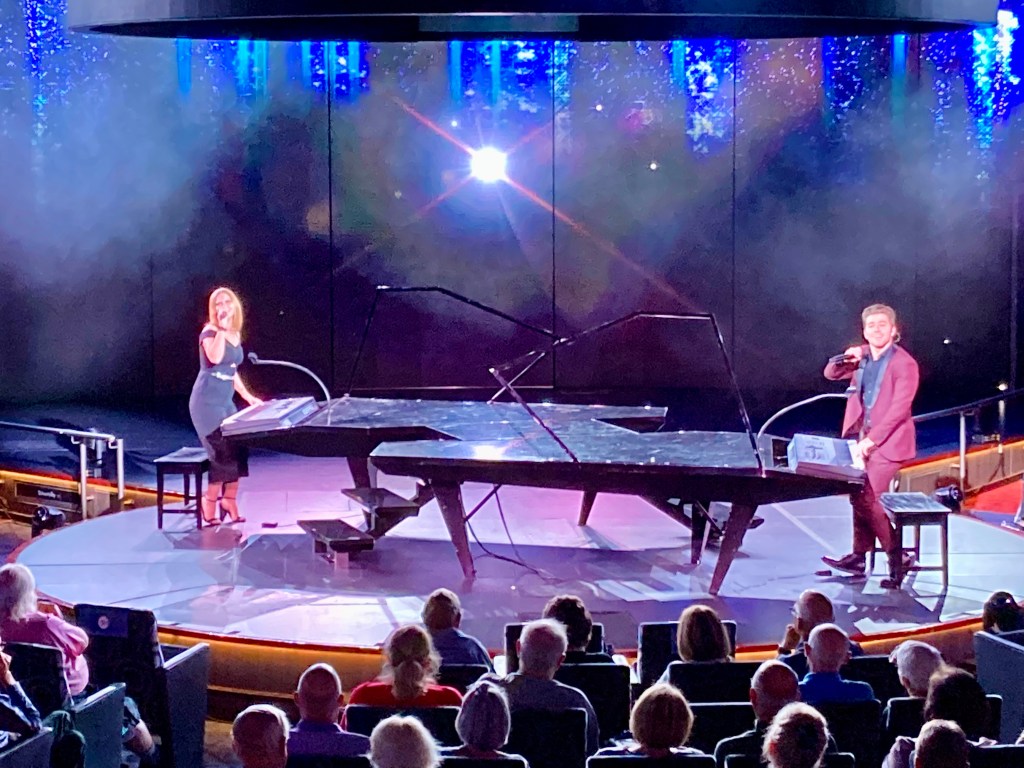
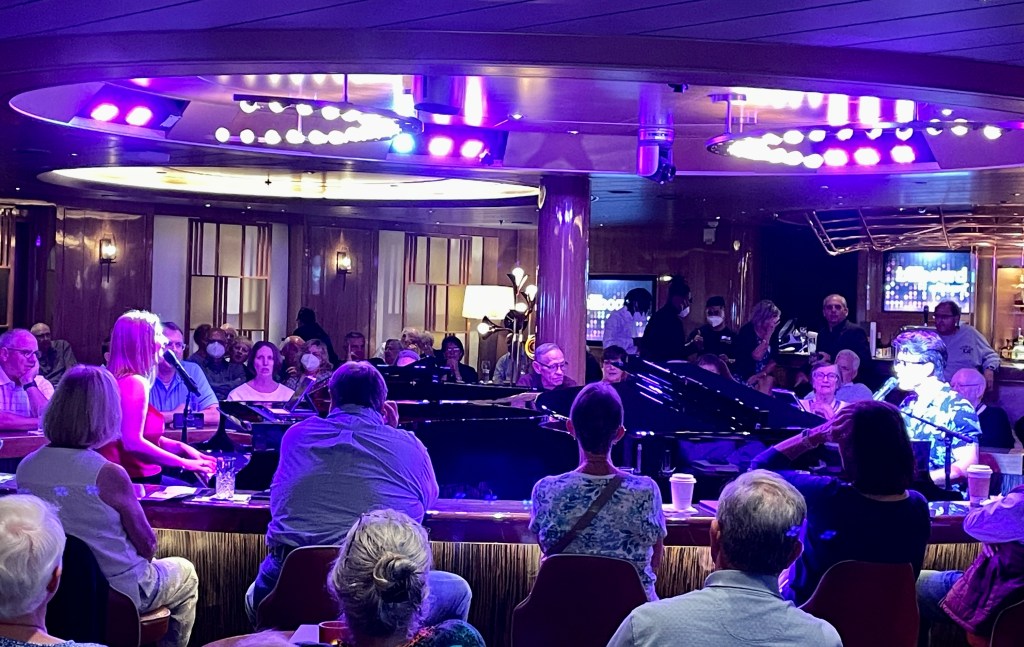
The rest of us enjoyed the dueling pianos one more time, this time on the big stage..

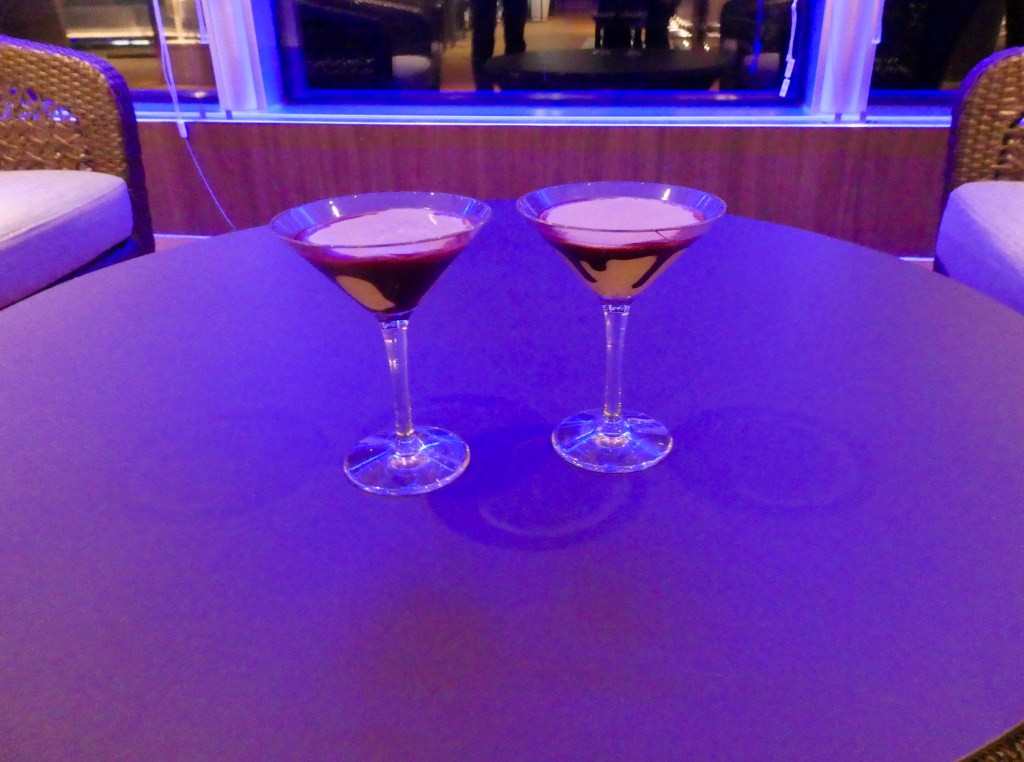
Cindy and I enjoyed our last chocolate martinis of the cruise.

Up next:  We all disembark in Quebec City.  Randy’s journey was very different from ours.

Posted in Uncategorized | Leave a comment

Charlottetown, Prince Edward Island and Quarantine 2022

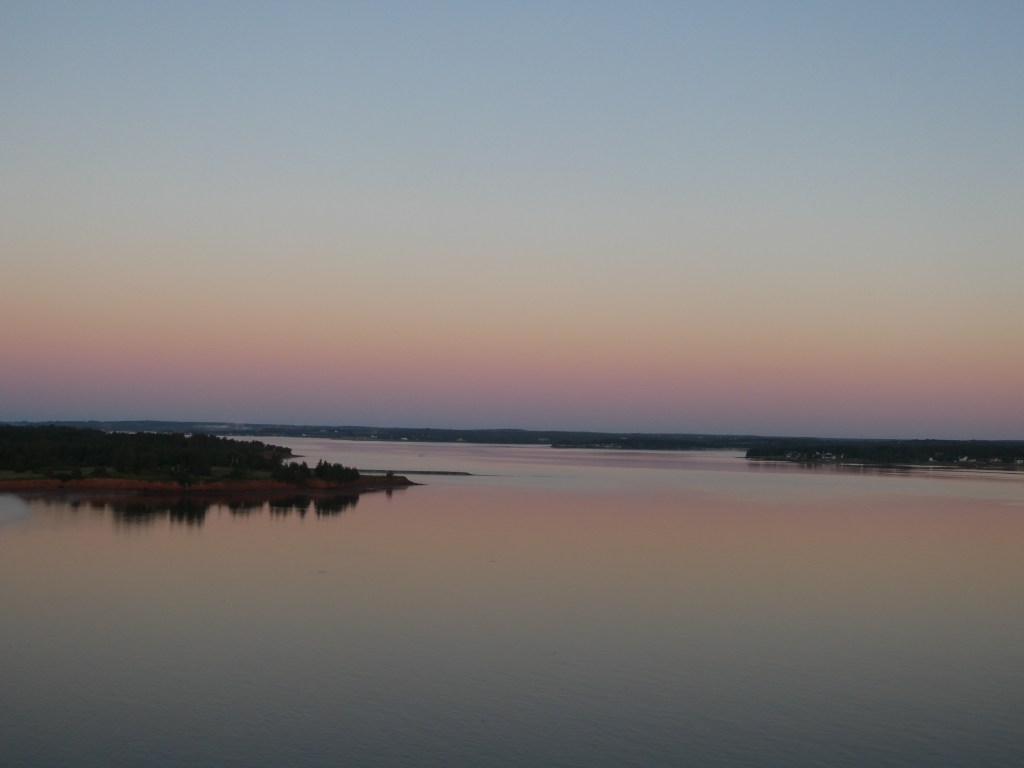
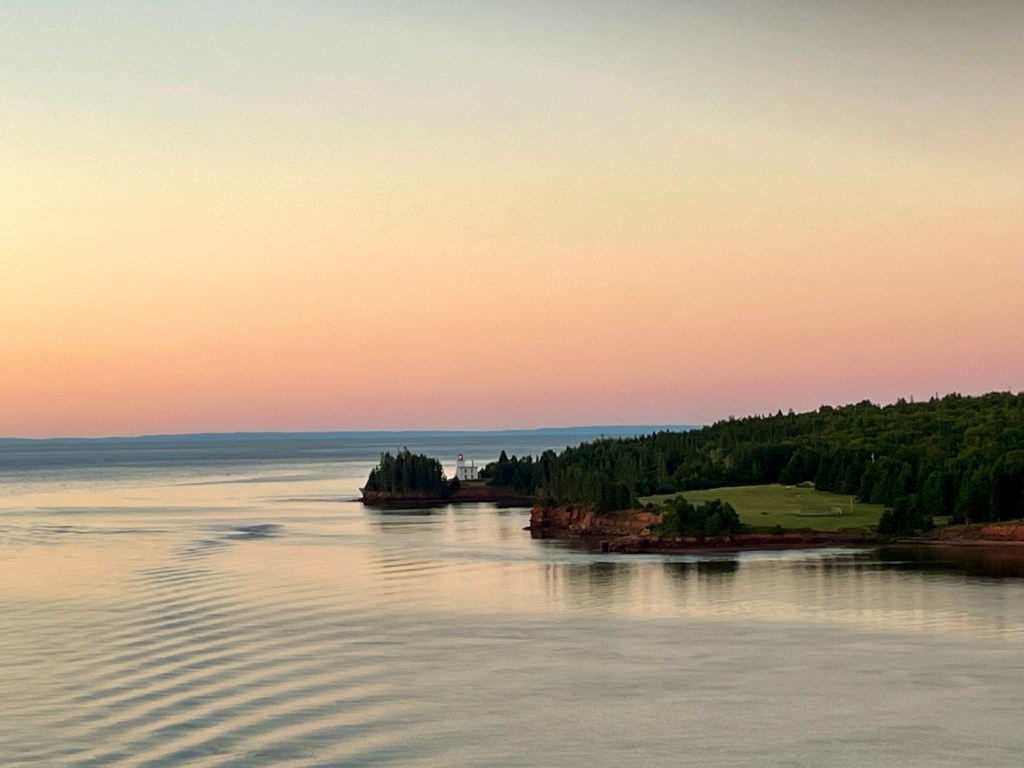
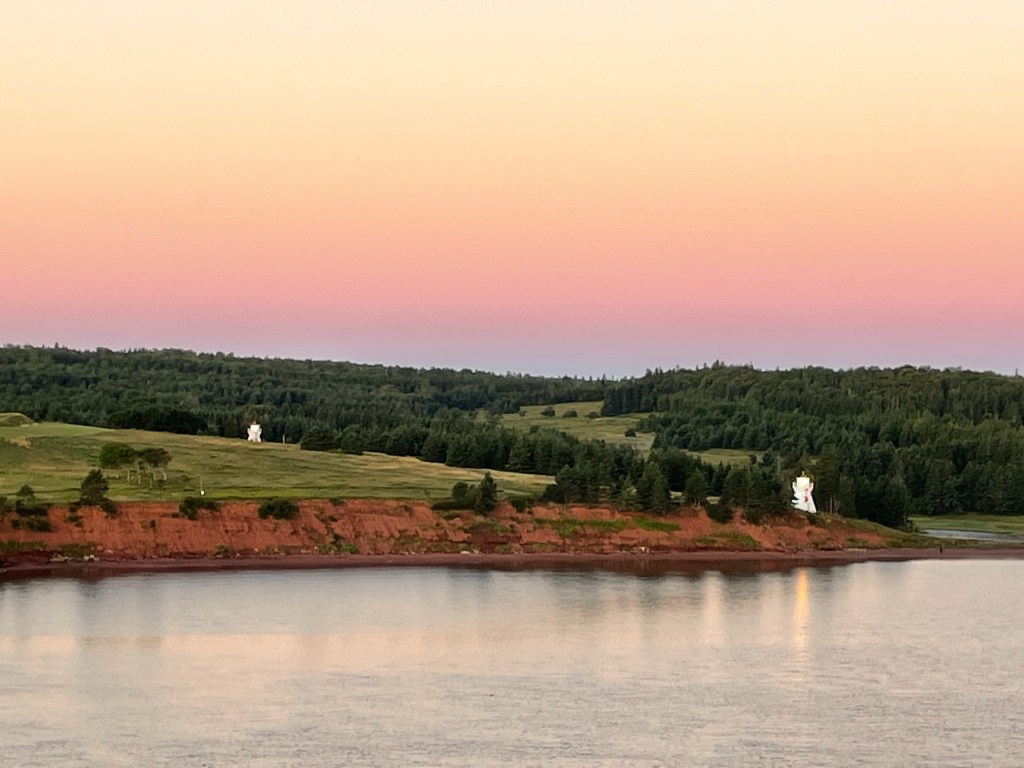
We had heard the Maritime provinces were beautiful but this was the first place that the natural beauty really made an impression.

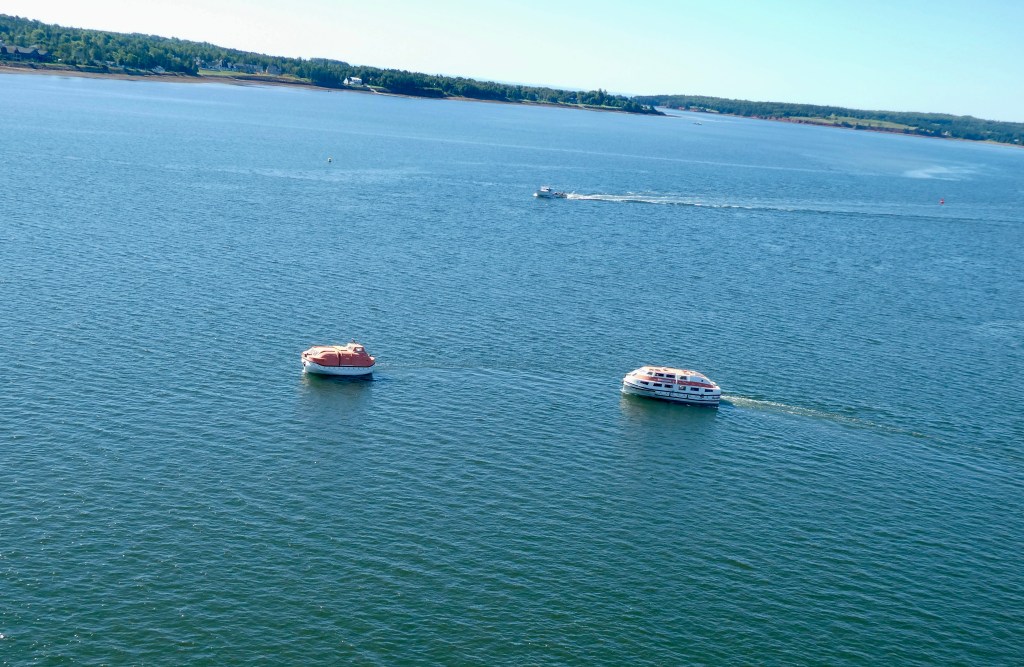
Our tour didn’t start until noon and the ship’s crew were doing emergency drills so we were able to watch the process.  There were announcements for fire emergency, medical emergency, evacuation, and calls to abandon ship!  It was quite interesting and we are glad to know that they do such things.  

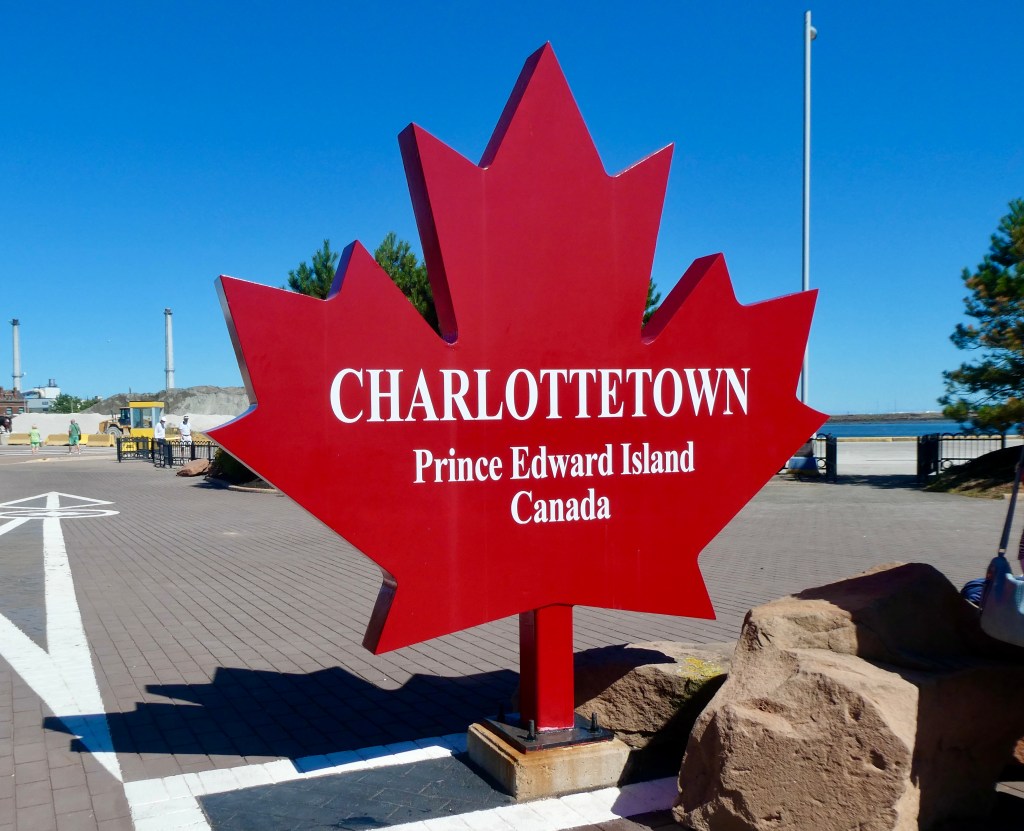
Colonized by the French in 1604, the island came under British control at the end of the French and Indian war in 1763. It became part of Nova Scotia.  In 1769 the island became its own British colony named after Prince Edward, fourth son of King George III.  In 1873 Prince Edward Island became Canada’s seventh province. 

Our guide told us that Prince Edward Island is Canada’s smallest province.  It is twice the size of Rhode Island and has a population of 150,000.  

In the 1960s the school system transitioned from one room schools to a coordinated system. There are two colleges on the island.

On PEI they don’t want to build higher than the basilica. Everything on the island needs to be planned ahead because their port freezes in winter, usually from December to April.

Although singer Anne Murray was raised in  Nova Scotia,  our tour guide told us her singing career was given a big boost in a local establishment called the Prince Edward Room. 

We, like many people, knew of Prince Edward Island because of Lucy Maud Montgomery’s 1908 book Anne of Green Gables.  We fondly remember watching the entire PBS series with our own red haired girl, our daughter Natasha.

PEI has many pilgrimage sites for Anne of Green Gables fans.

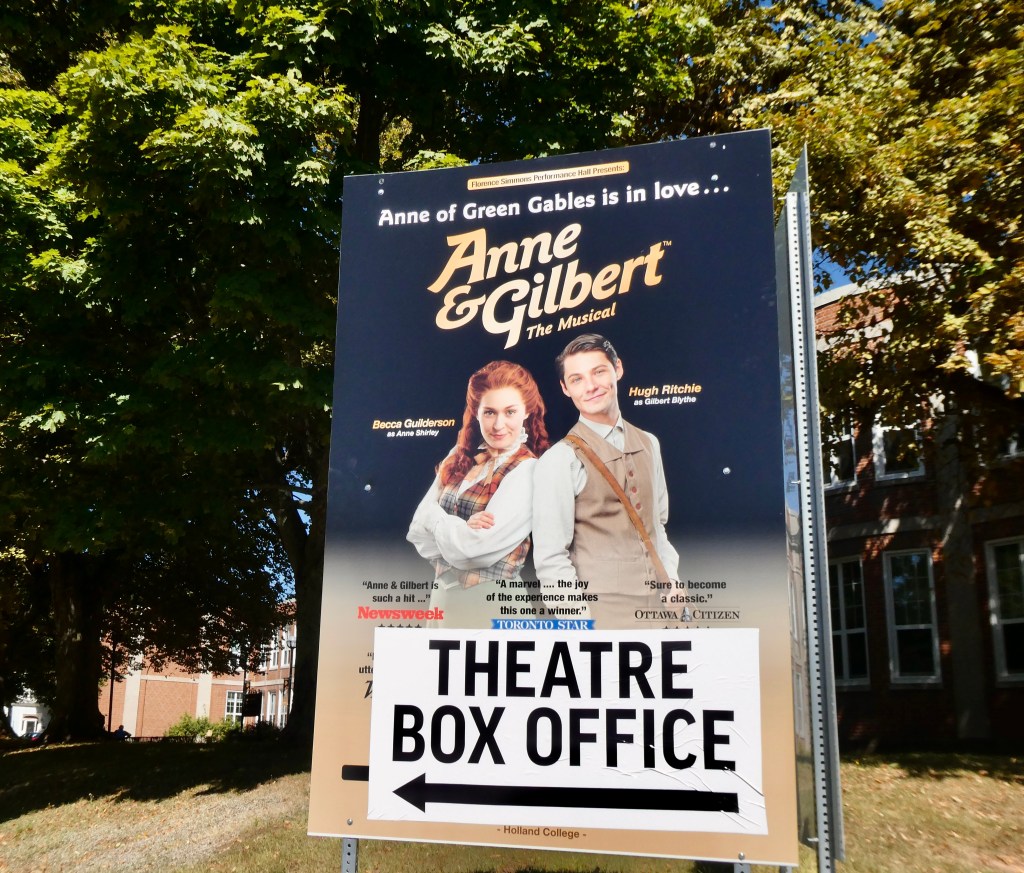
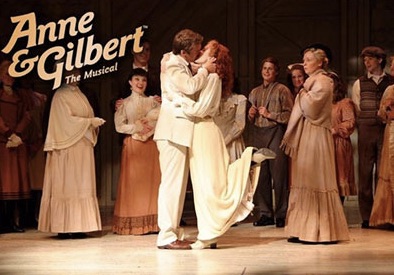
They also offer the musical theater production of Anne & Gilbert.

Unfortunately, there wasn’t enough port time to do both.  We chose the musical and it was delightful.  It was my favorite excursion on the entire trip.

The play is based on Montgomery’s second and third Anne books,  Anne of Avonlea (1909) and Anne of the Island (1915).

They did not allow photographs of the production but I took this one from their website.

And then the next morning….

It was another sea day but Randy wasn’t feeling well. He took a Covid test that we brought from home.

Results were positive so he did the right thing and contacted the medical center. A medical technician came in a hazmat suit to test us both.

We were told that our home tests might have been damaged by putting them in checked luggage on the airplane.  Our fingers were crossed.

Alas, when we got our results  Randy’s was still positive.  I was negative. He was given a short time to pack and taken away.  He was COVID patient number 13 on the ship.

Randy went into quarantine on deck four and I remained on deck ten. My cabin (formerly our cabin) was sanitized by the room steward in full protective garb.

Randy’s cabin also had a balcony but with an obstructed view.  He was told he could order anything he wanted, any time he wanted, but was expected to stay in his cabin.

He felt gradually worse throughout the day.  The medical office called and checked on him, as did I and Darrell and Cindy.

I had a quick dinner on my own and went back to my cabin. I didn’t want to be out and about as I might still test positive.  (I never did.)  Randy and I were able to talk several times over the ship phones.

We were told that Holland America would cover all costs related to Randy’s quarantine. He wasn’t just going to be in quarantine on the ship but would also be staying in Canada to finish his quarantine at the end of the cruise.

Next up:  Randy stays in quarantine while the rest of us go on with cruise activities.

Posted in Uncategorized | Leave a comment

Corner Brook, Newfoundland 2022

Over years of cruising, we have learned to really enjoy sea days.  With no port to visit, the ship’s crew usually has extra activities, entertainment and lectures available.  During the lecture on this sea day we were told about the Canadian Maple Syrup Heist. 

Over several months in 2011 and 2012, the contents of 9571 barrels of maple syrup ,nearly 3,000 tons, was stolen from a storage facility in Quebec.  It was valued at $18.7 million Canadian (about $14 million US), the most valuable heist in Canadian history.  

The storage facility was operated by the Federation of Quebec Maple Syrup Producers which represent 77 percent of the global supply of maple syrup.  They maintain a strategic reserve of maple syrup across multiple warehouses in Quebec.   At the annual inspection in July 2012,  it was discovered that barrels had been either drained and refilled with water, or just drained.  The stolen syrup was trucked to Vermont and New Brunswick where it was sold in small batches to reduce suspicion. Most was sold to legitimate syrup distributors unaware of the theft. Seventeen men were arrested in December 2012.

Netflix featured the heist in their documentary Dirty Money (season 1, episode 5) and Amazon is developing a comedy series called The Sticky, based on the heist.

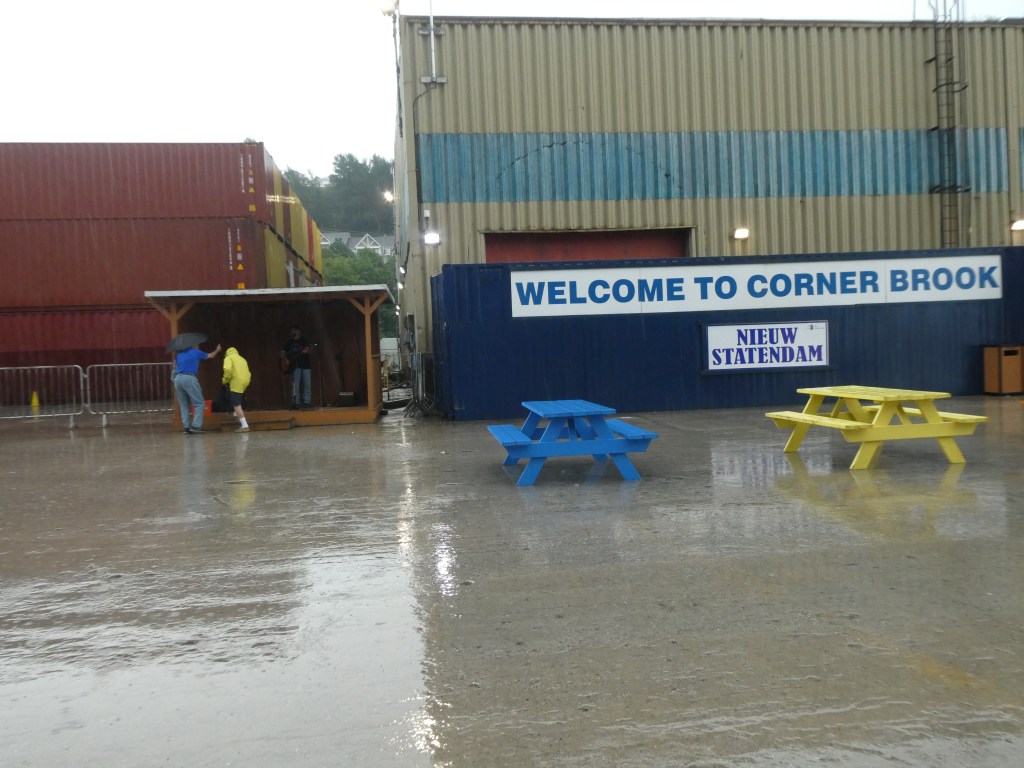
When we arrived  in Corner Brook the next morning, we had lost our sunshine!

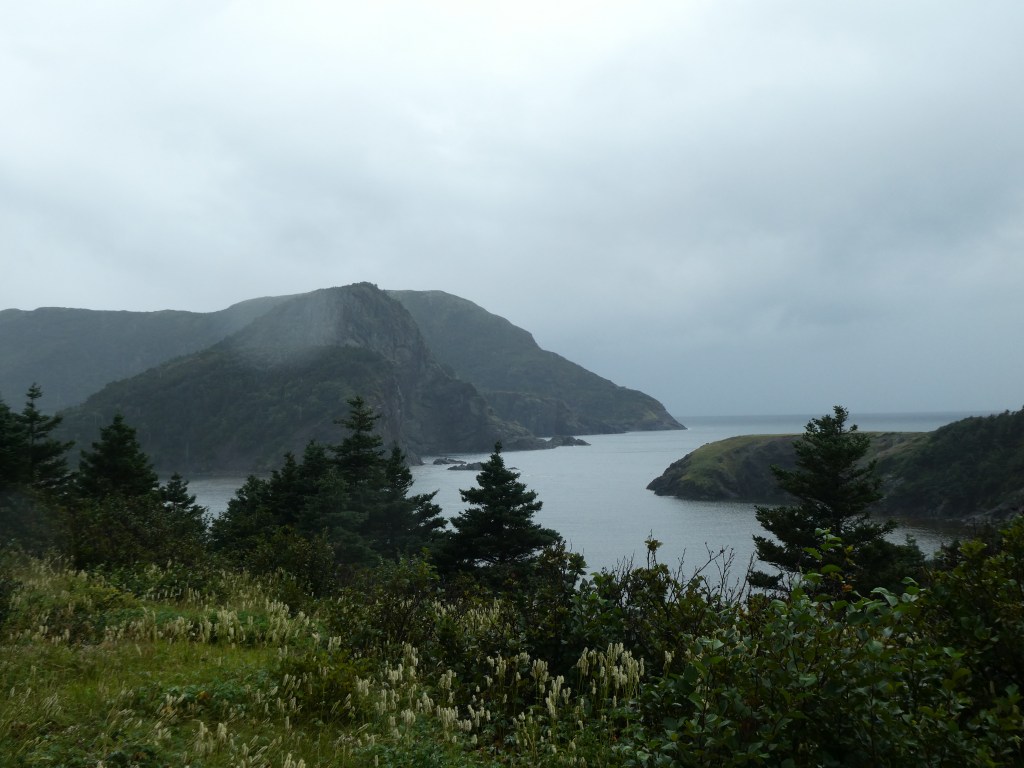
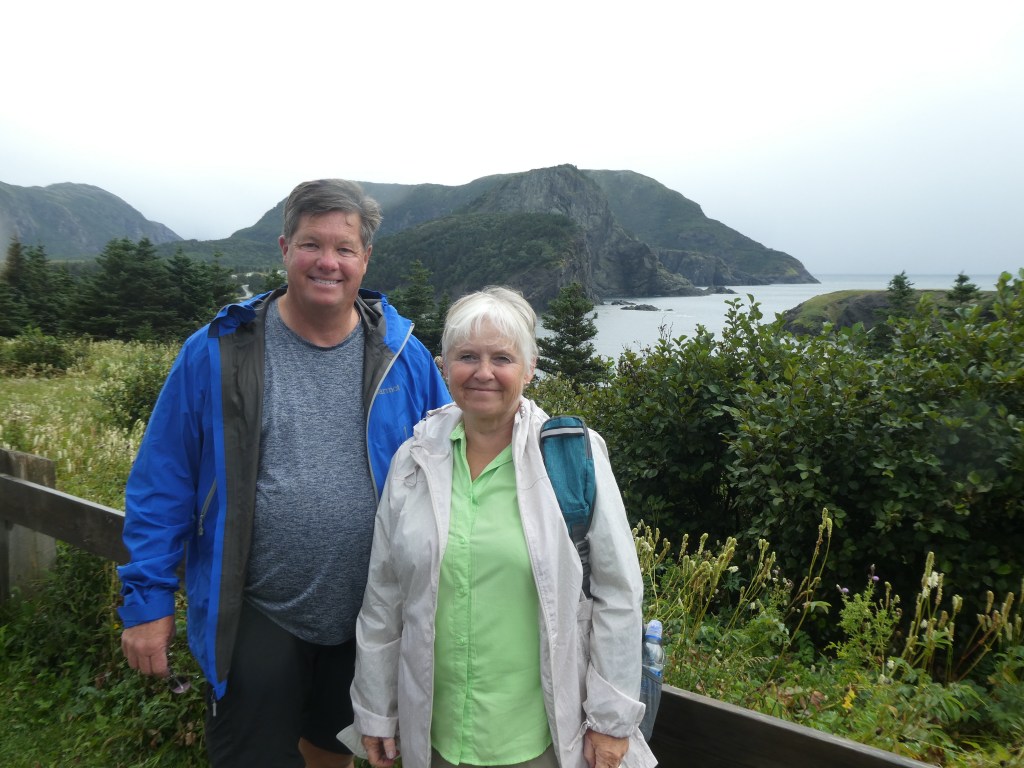
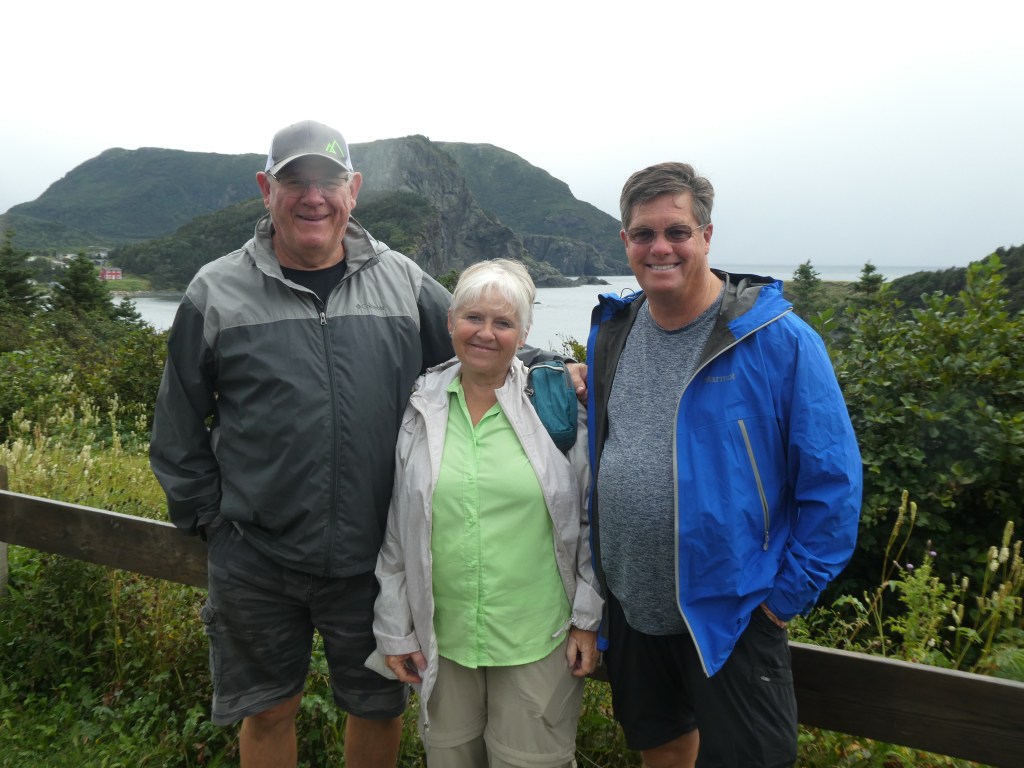
We had a very rainy tour called In the Footsteps of Captain Cook. 

Our guide told us some interesting things about Labrador and Newfoundland but very little about Captain Cook.  

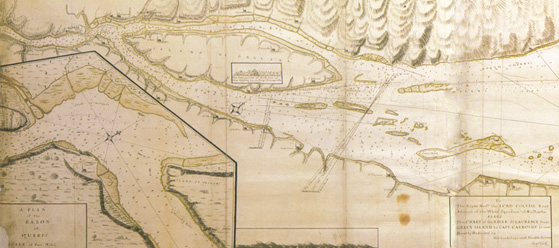
As it pertains to this region, Cook was given command to survey Labrador and Newfoundland from 1763 – 1767.   

He also mapped the eastern seaboard and the Saint Lawrence River.

The province of Newfoundland is pronounced Newfin-land.  They have their own time zone that is 90 minutes ahead of US Eastern standard time.    Newfoundland is the island and Labrador is part of the mainland.

At the tip of the northern peninsula of the island of Newfoundland are remains of a Viking Village, now a Unesco World Heritage Site.  This is the first indication of Europeans in North America, likely Leif Erikson in the 11th century.

Italian explorer John Cabot landed in Newfoundland in 1497 sailing under the commission of Henry VII, King of England.  They found the natives covered in red oker, likely as a pest deterrent.  The term Red Indian was not originally derogatory. 

Newfoundland had periods of British leading and independence. Following a government bankruptcy in 1934, Newfoundland became a British protectorate. 

In 1948 there were referendums to decide the political future of Newfoundland. The choices were join Canada, remain under British rule or go independent.  The eventual result, by a small margin, was for Newfoundland and Labrador to become the tenth province of Canada.  (Our tour guide told us the options were be part of Canada, remain under British rule, or American statehood. I didn’t find validation in my research that statehood was really an option.)

Because Newfoundland is so isolated, there is an attitude of cooperation for everyone’s survival.   

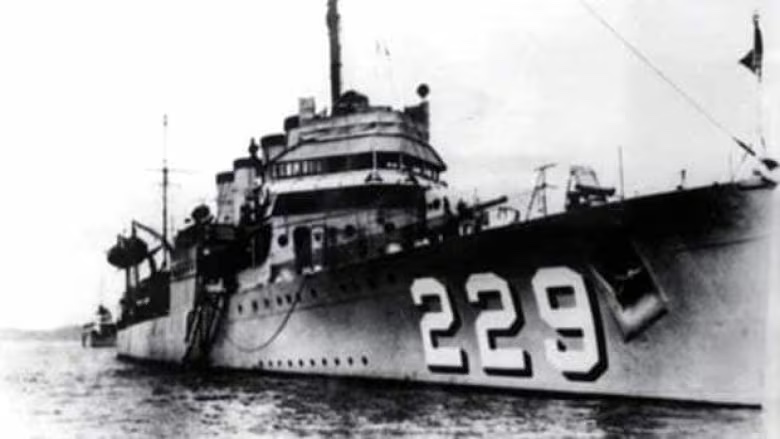
The history of helping with survival was apparent in 1942 when two US warships, the USS Truxtun and USS Pollux were destroyed by running aground in a violent storm.  Unfortunately,  203 people died. However, 186 were saved through the valiant efforts of Newfoundland men.

There are five international airports in Newfoundland, some built by the Americans during WWII.

The helping nature returned again when, on Sept 11, 2001,  US airspace was shut down due to terrorist attacks. There were 4546 aircraft flying over the US. Four hundred international flights were enroute to the US, mostly from Europe.  Two hundred and fifty aircraft carrying 43,895 people were diverted to land across Canada.  Thirty-eight planes landed in Gander, Newfoundland with 6595 people arriving in a town of 10,000 residents.   

The care the town of Gander gave to those stranded passengers was remarkable. If that sounds familiar, I wrote about it when we went to see the play Come From Away this past winter.  We learned about Come From Away while in Newfoundland.

There are very large caribou herds on both Newfoundland and Labrador.  Newfoundland has polar bear as they travel on the ice flow.  Labrador is famous for Northern Lights, puffins, whales and ice bergs.

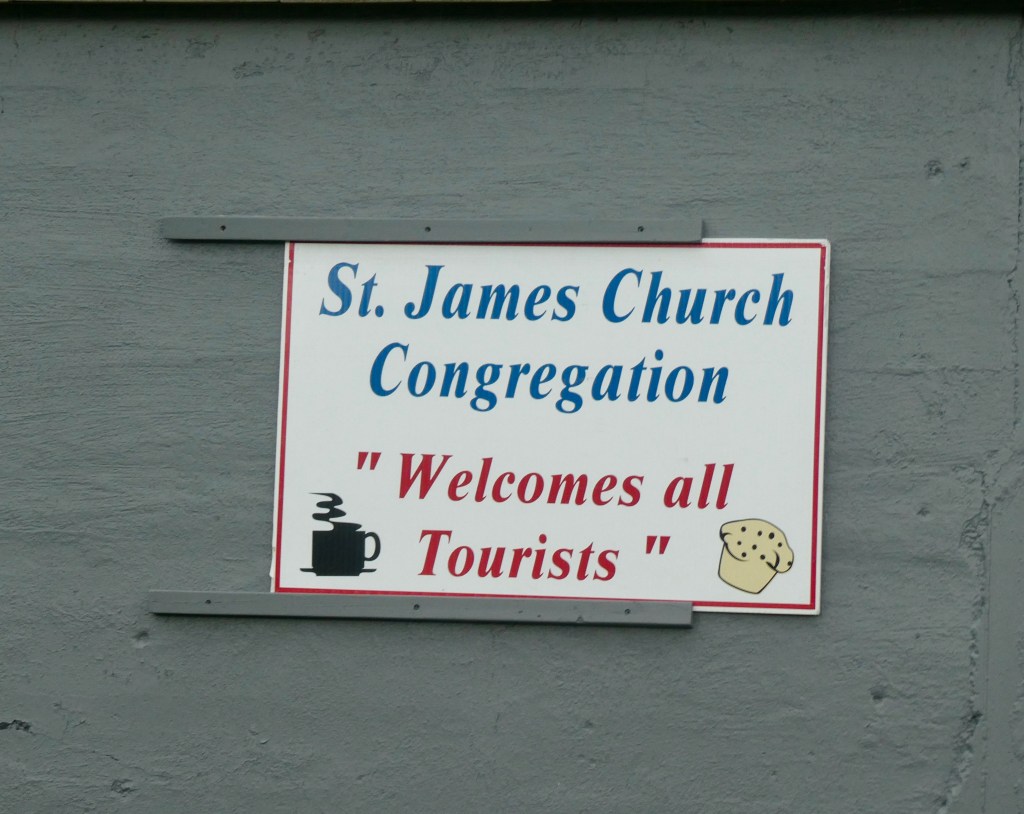
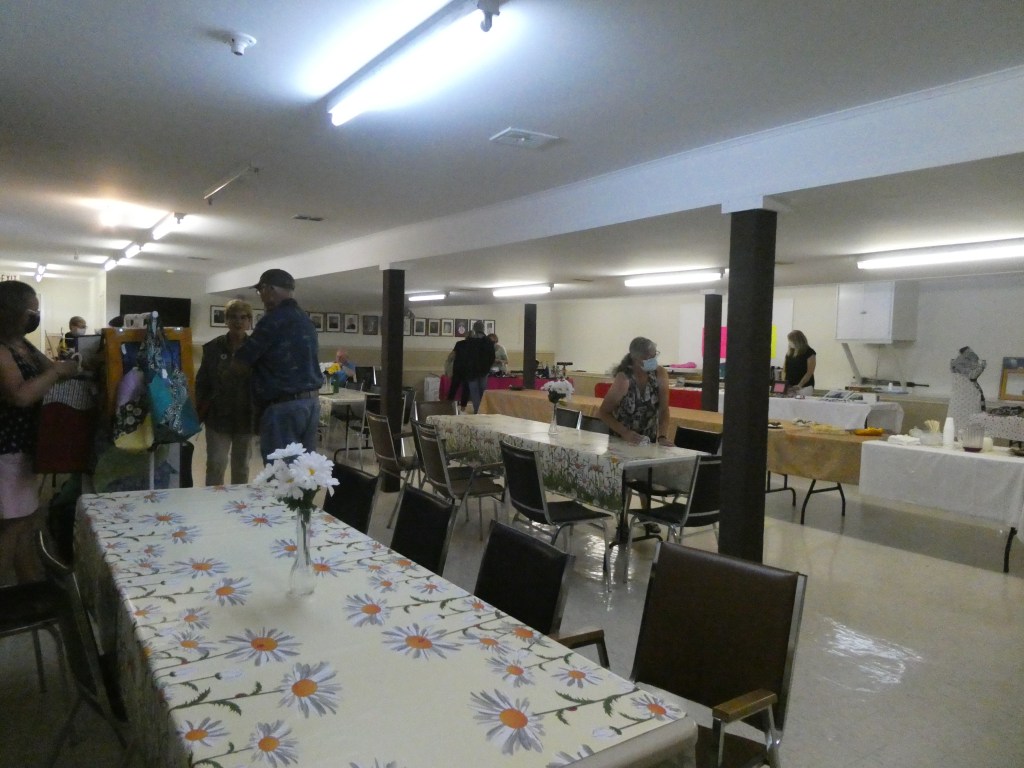
As part of our tour we were welcomed for lunch at St. James Church.

It appeared to be a fund raising activity for the church which was fine. The food was good, the company was warm and the space was dry. There were a few crafts for sale.

After a soggy day in port we were glad to get back to the ship.

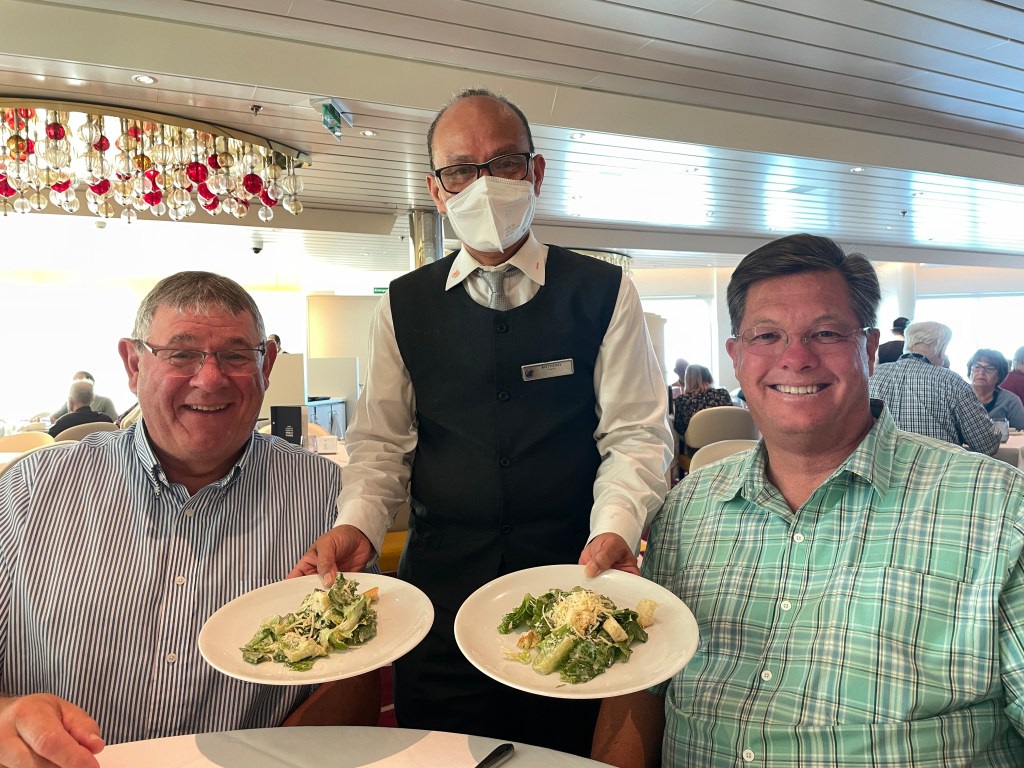
We enjoyed dinner in the main dining room.  We met our waiter, Anthony, on our earlier voyage on Nieuw Statendam and knew to look for him again. He was just as enjoyable on this cruise.

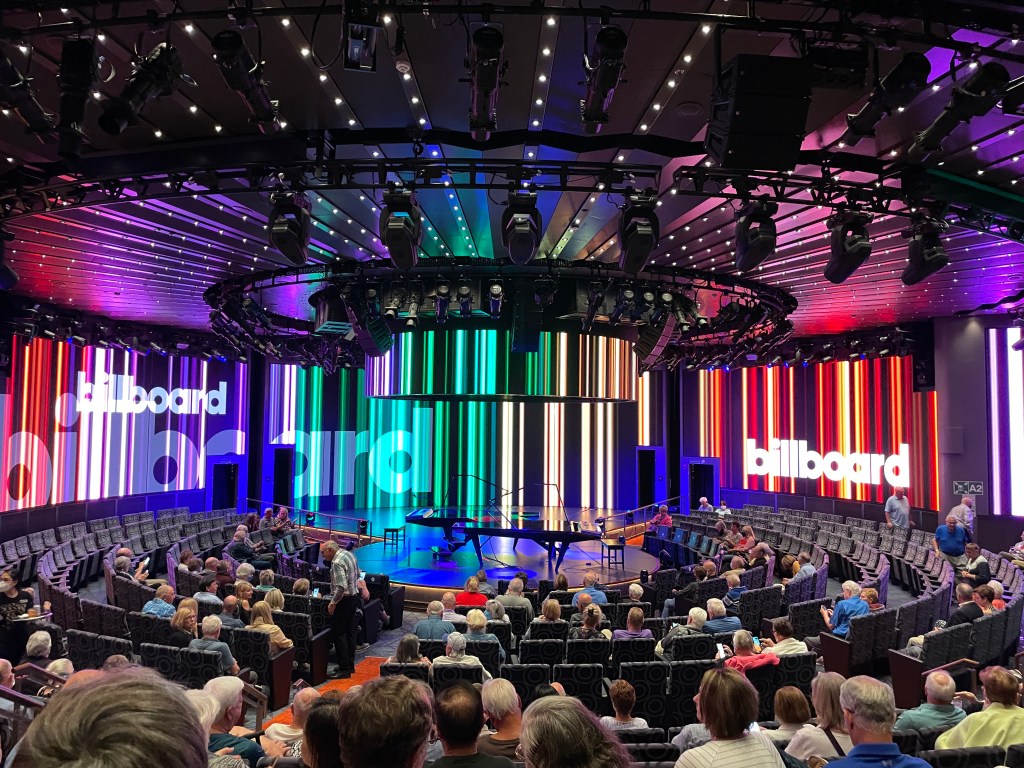
One of our favorite entertainment acts on this cruise was the dueling pianos in Billboard Onboard.  They played most evenings and we were almost always there.

Next up:  Randy’s last day with us.

Posted in Uncategorized | 4 Comments

Halifax, Nova Scotia 2022

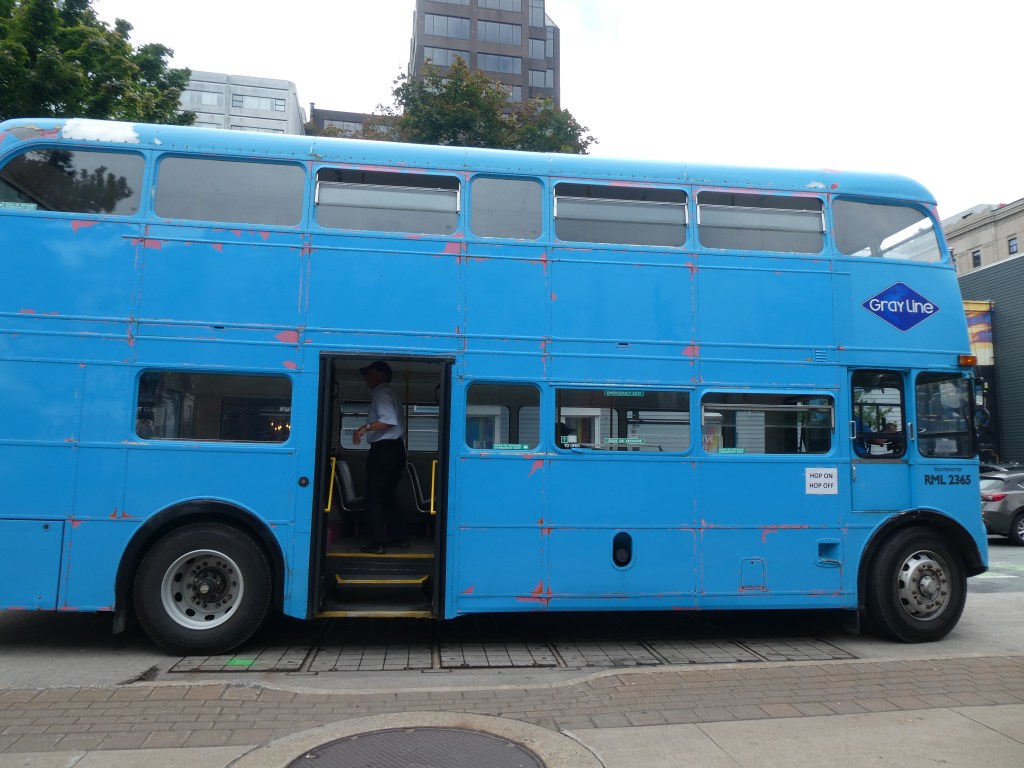
For our Halifax excursion, we opted for the Hop-On Hop-Off Bus.  

Our ride had narration along the way and we learned that Halifax is the fastest growing city in Canada.  It was developed along the second largest ice free harbor in the world, second only to Sydney Harbor in Australia.

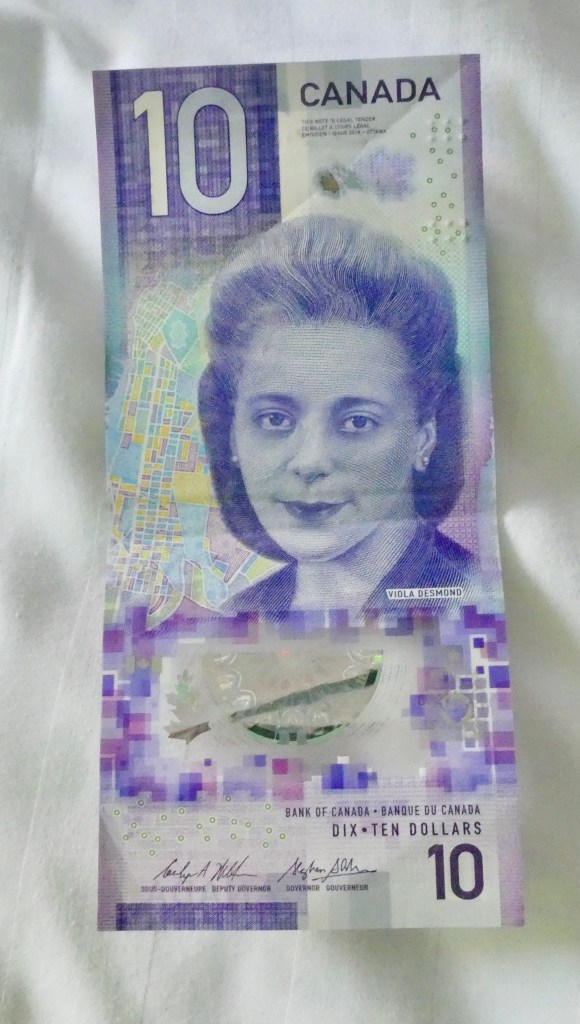
We were asked to take out and look at a $10 bill. This bill is the first Canadian bill positioned vertically.  The woman is the Viola Desmond.  She played an important role in Canada’s civil rights movement.   On Nov. 8, 1946, she went to see a movie in New Glasgow, Nova Scotia. Desmond, 32, was dragged out of the theatre by police and jailed for sitting in the “whites only” section of the theater.   Although often compared to Rosa Parks, Desmond did her act of disobedience years earlier.  Viola Desmond is buried in Halifax.

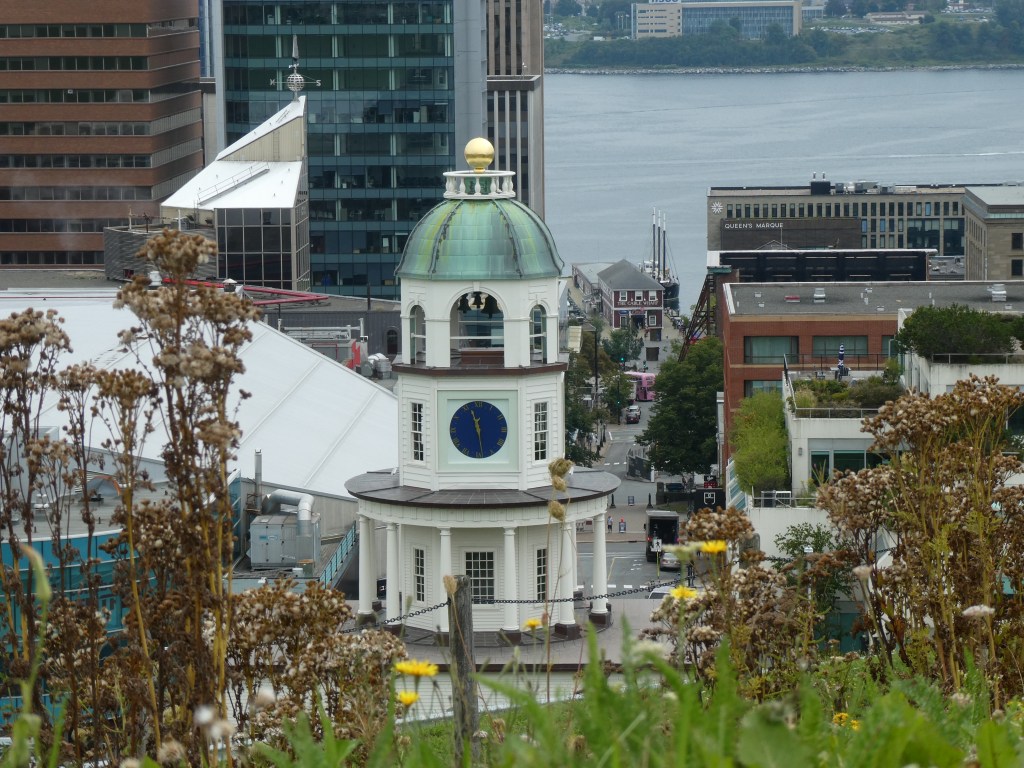
We passed by the Old Town Clock.  It was a gift of Prince Edward, father of Queen Victoria. He sent the clock to the people of Halifax to remind them about the importance of punctuality.

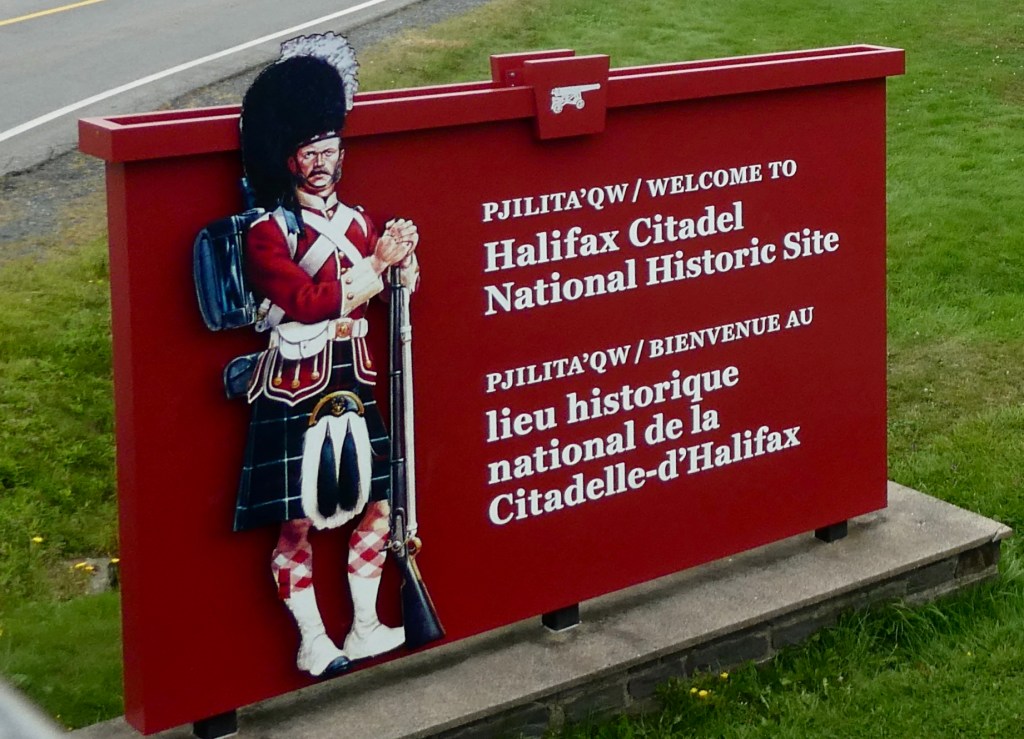
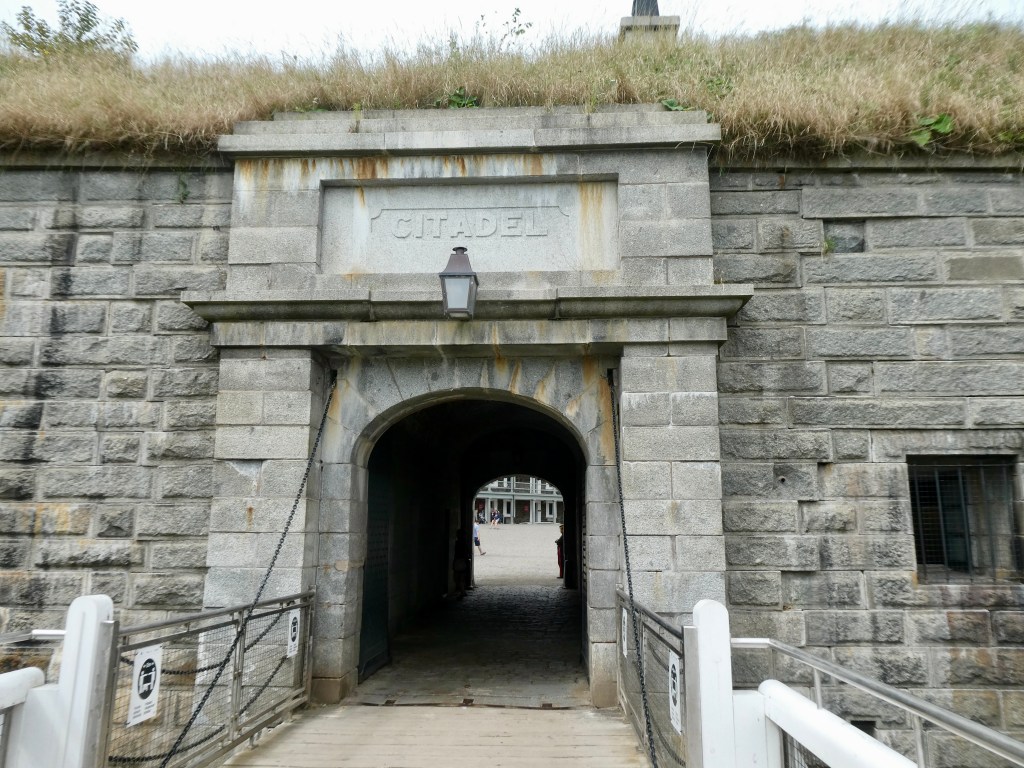
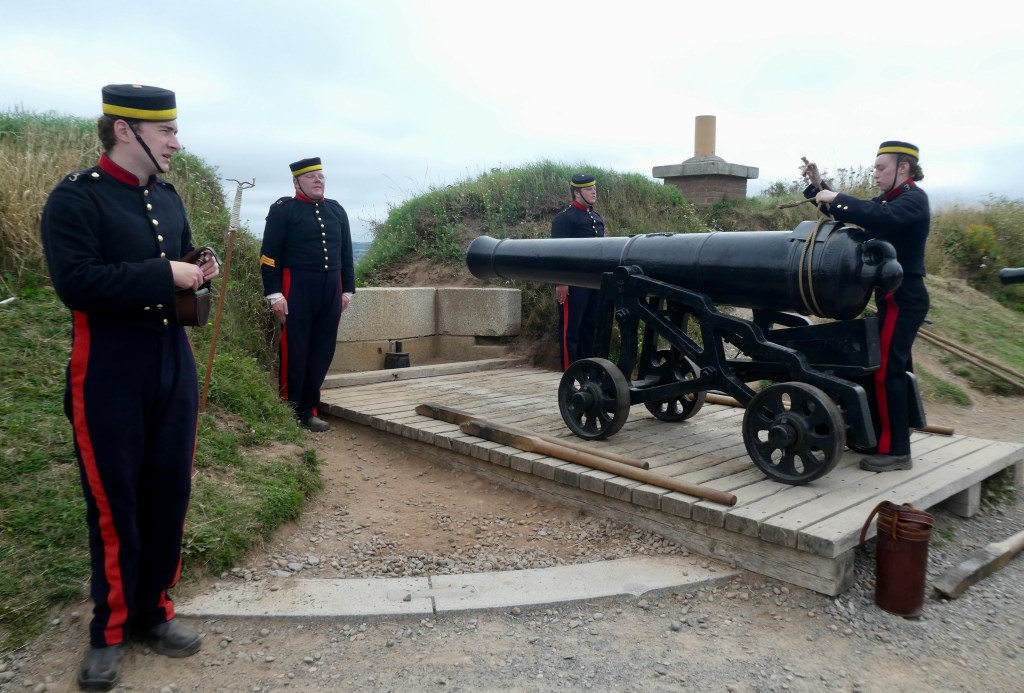
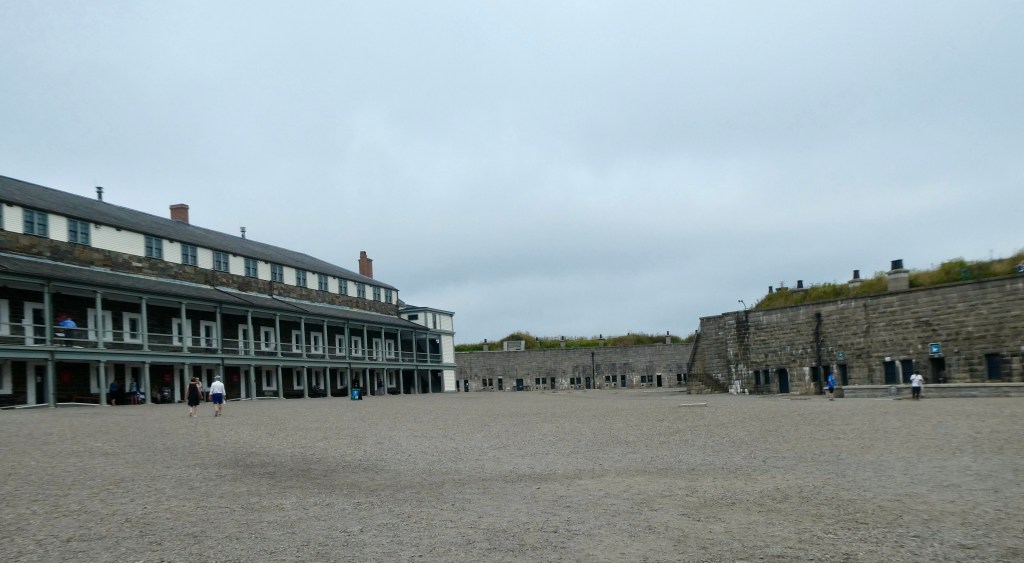
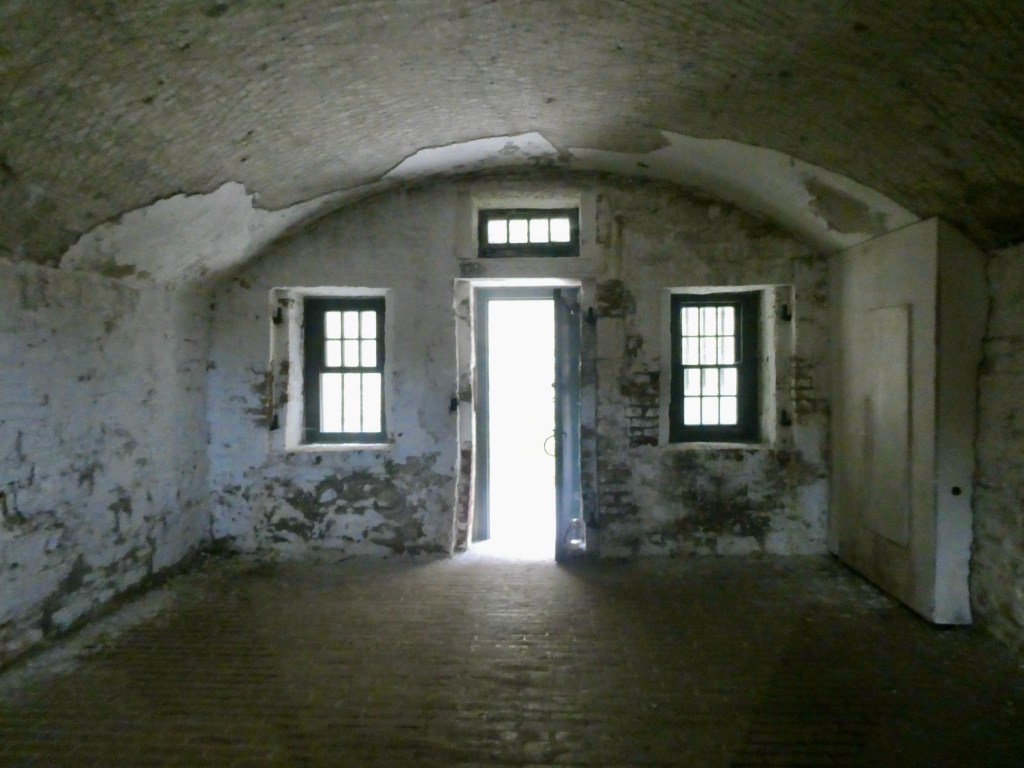
We didn’t have time for all of the stops on the Hop-On Hop-Off bus. We had identified a few we wanted to see. One of those was the Halifax Citadel, a National Historic site.  Halifax  was established in 1749, and although close to sites of war, no battles were ever fought there.  

The Citadel was never fired on in anger – not even by those pesky Americans!.

On Citadel Hill we watched preparation for the Noon Gun.

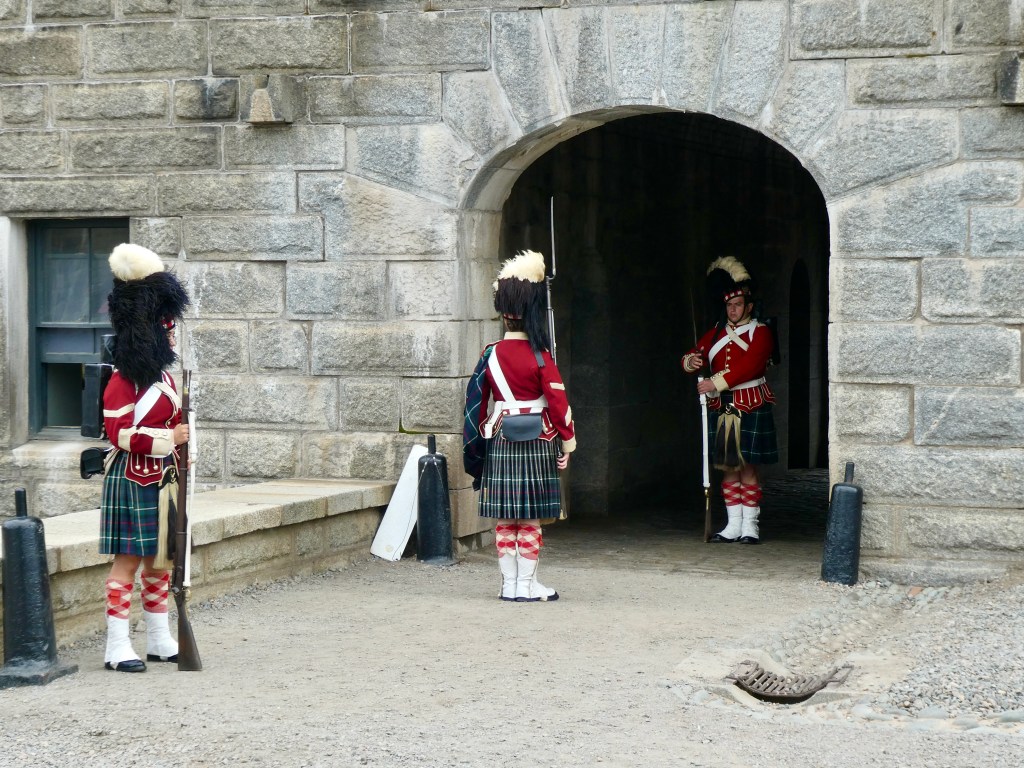
We saw the the hourly changing of the guard.

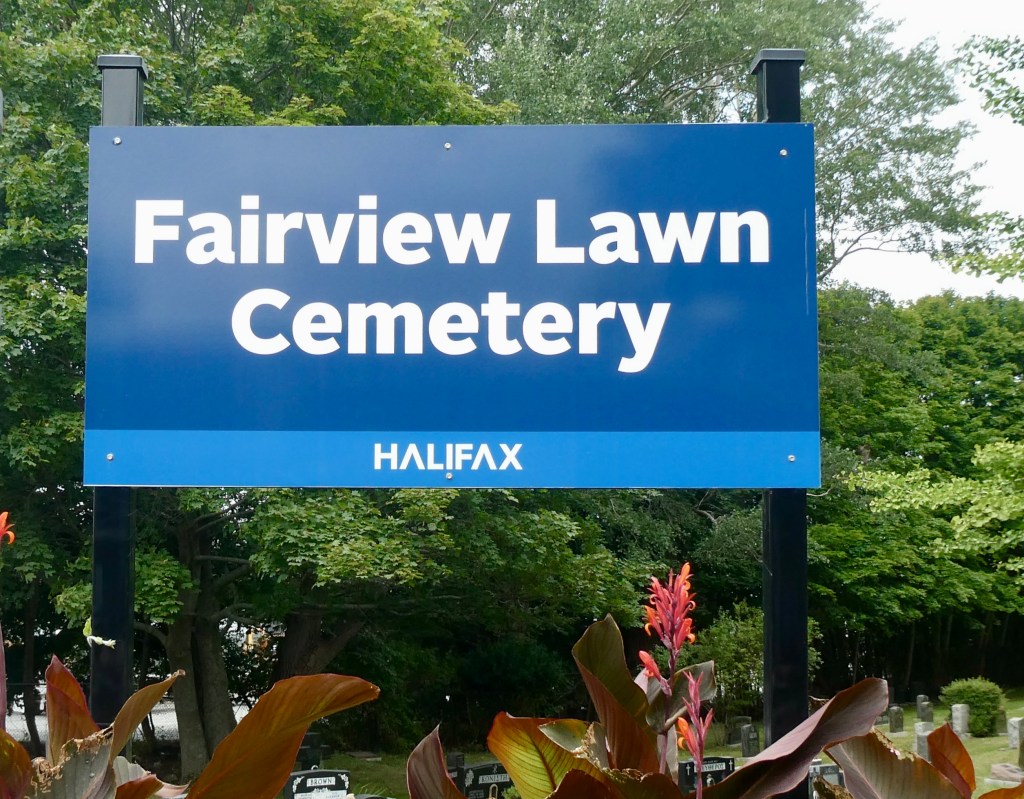
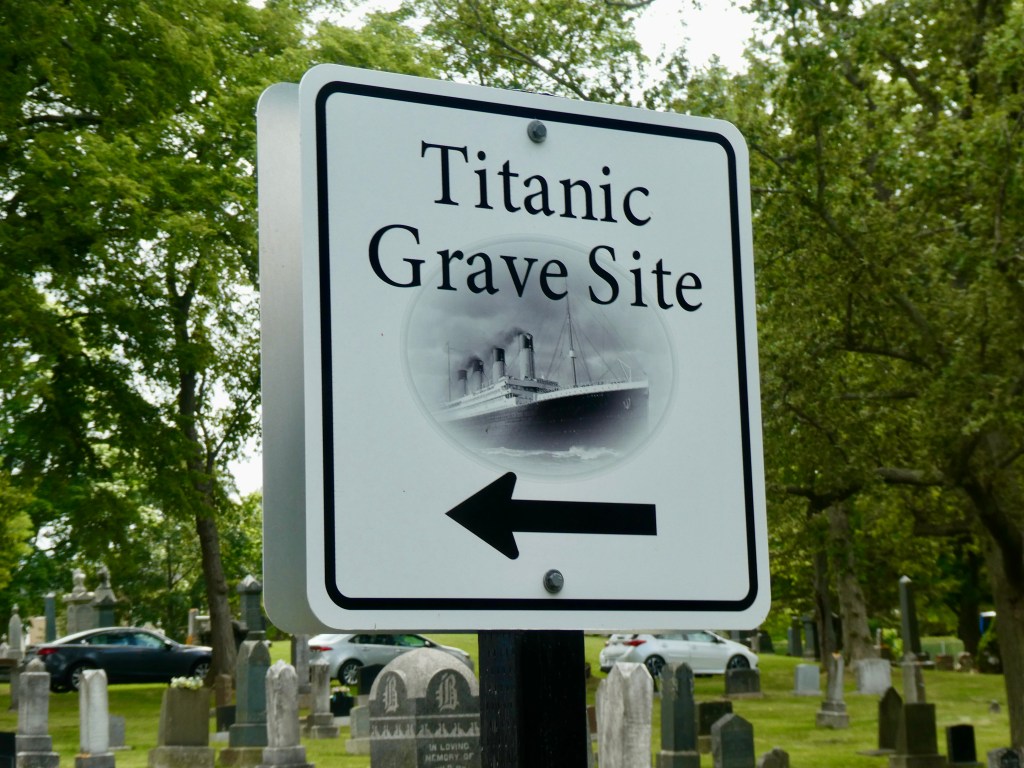
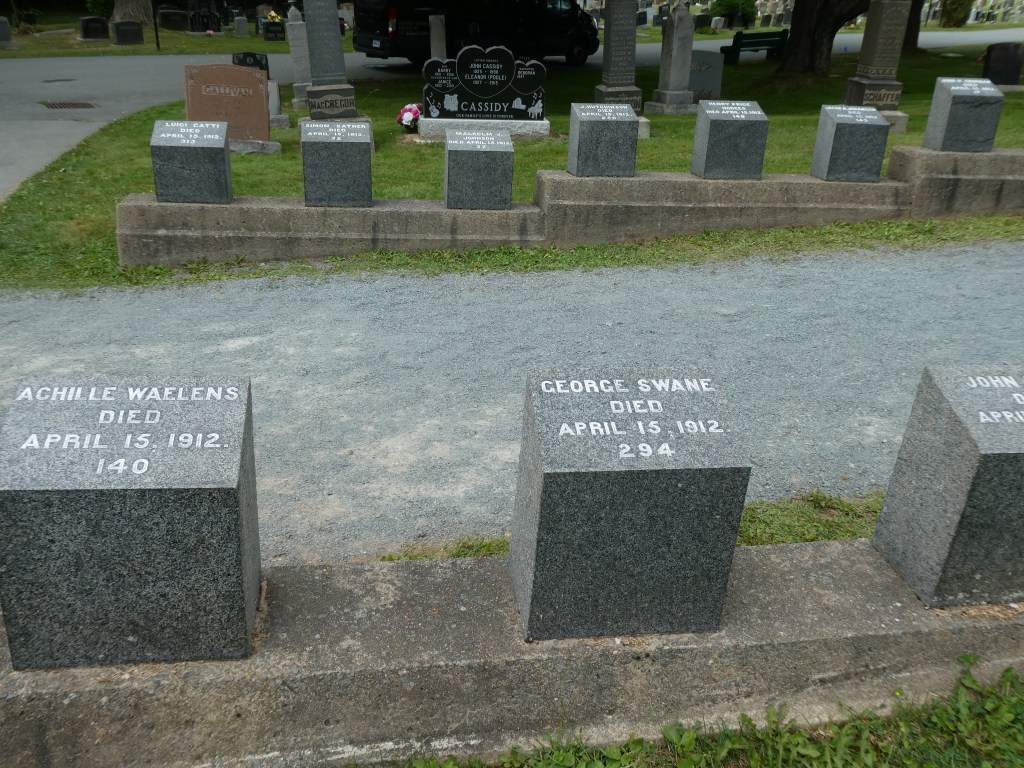
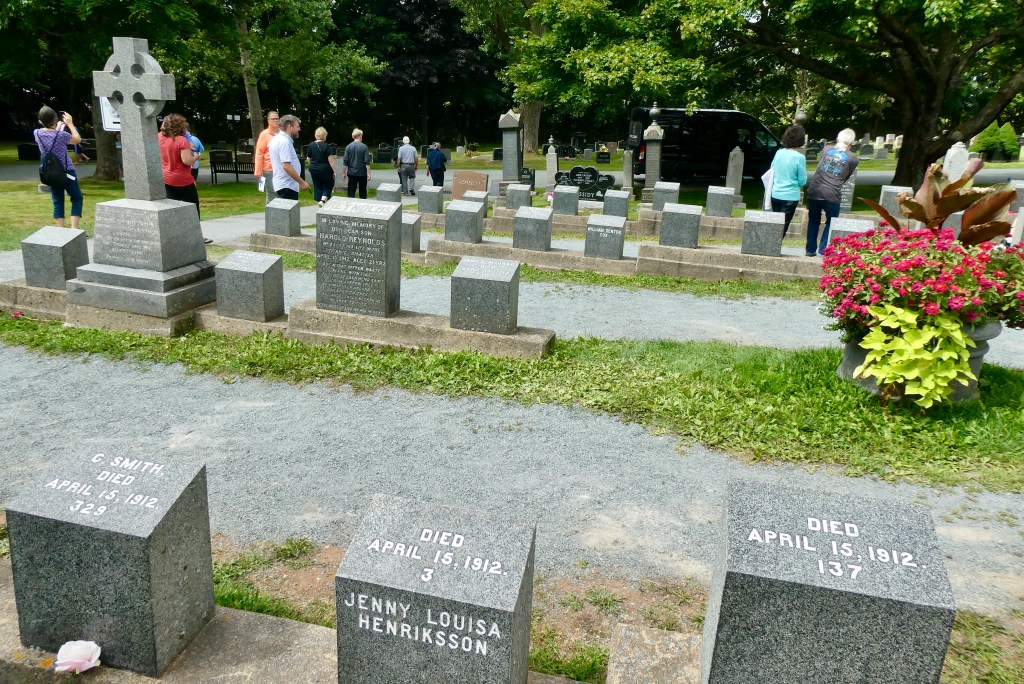
Our next stop was the Fairview Lawn Cemetery.  

When the Titanic sank on the night of April 14-15, 1912, Halifax was the closest major port.  The Titanic response operations centered in Halifax.  The decision was made that Carpathia would take the survivors to New York City.  The dead would go to Halifax. Reportedly, the White Star Line didn’t want Americans to see the bodies.  

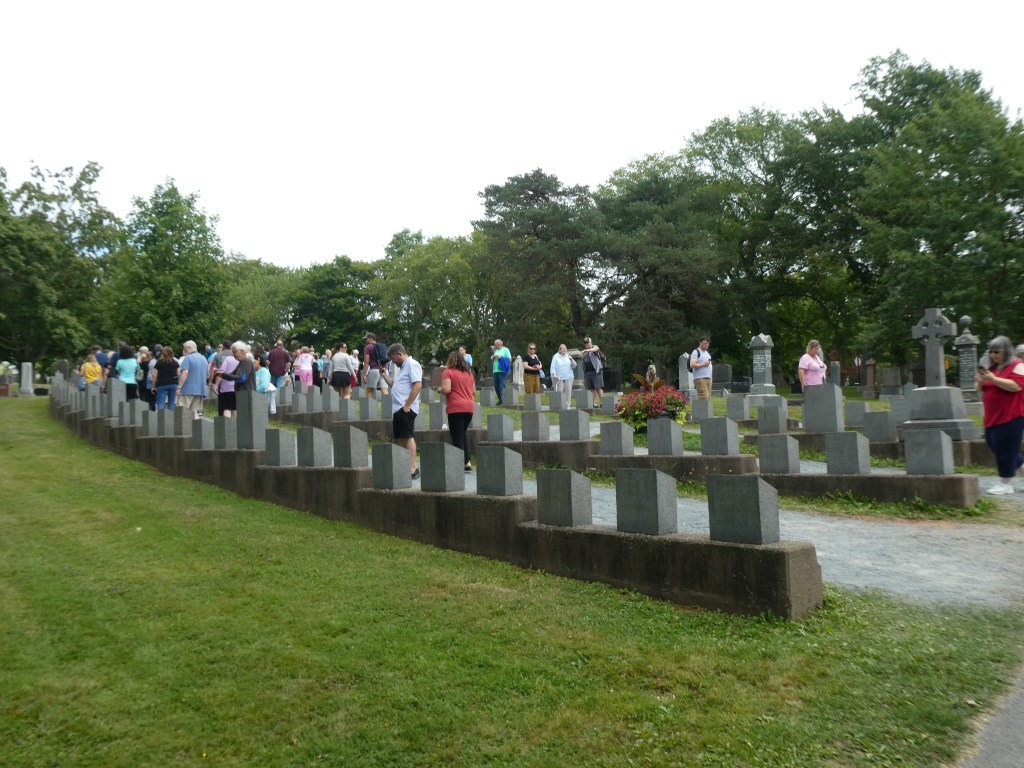
There were originally 209 bodies from Titanic buried in Halifax.  Fifty nine were claimed by families or communities and taken away.  The remaining  150 stayed in Halifax, most at Fairview but some also at the Jewish and Catholic cemeteries.

There are four rows of graves placed in the shape of ship’s keel.  

The White Star line paid for simple headstones. Each includes a number representing the order in which the bodies were recovered.

Families were able to pay extra for larger or more elaborate headstones. All show a death date of April 15 because there was no way to know if the death was very late April 14 or early on the 15th.

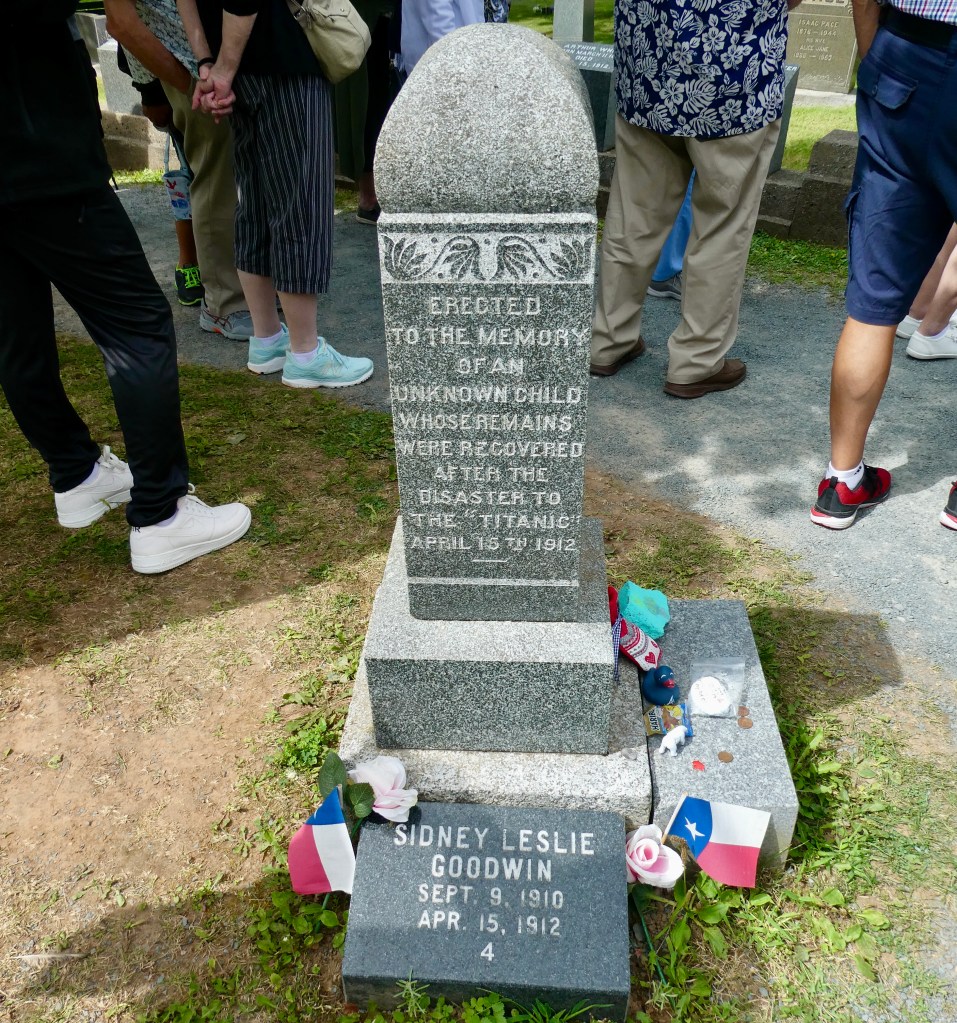
Although families and authorities tried to identify victims, there are still fifty that remain unnamed.  Three were identified later by DNA research.

This child’s stone was more elaborate because the Mackay-Bennett rescue boat crew paid for it to be so.  The small child was the fourth victim recovered.

In 2007 the child was identified by DNA as third class toddler Sidney Leslie Goodwin. He was the only member of his large family to be identified.

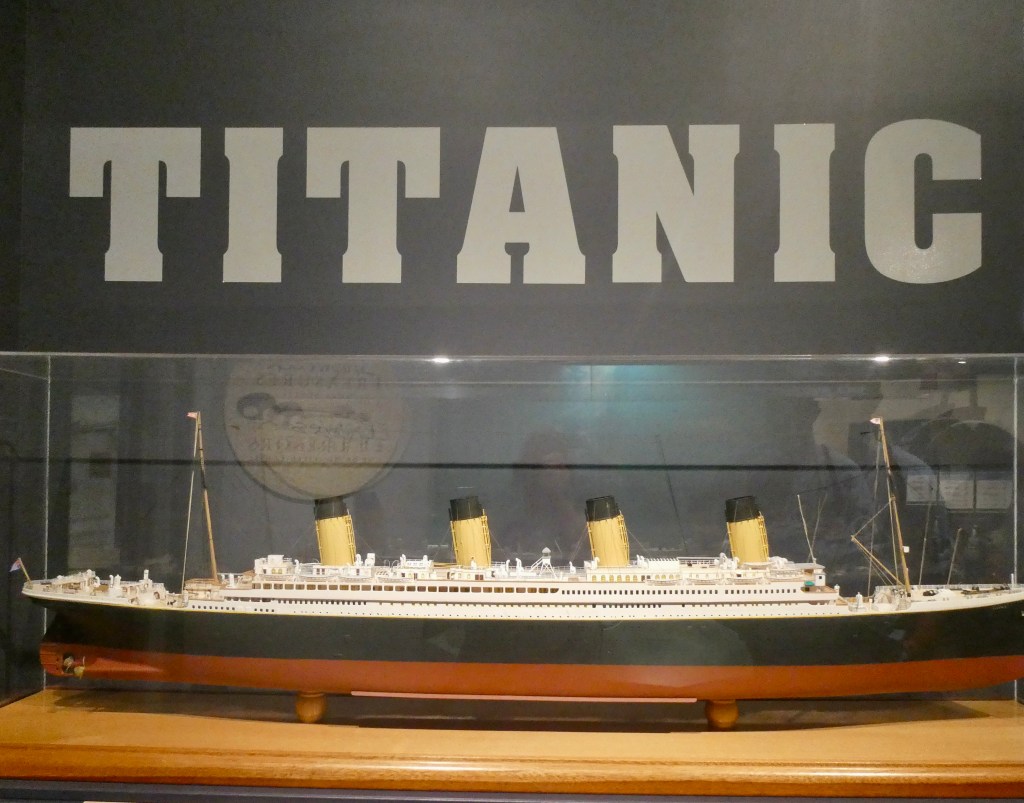
At the Maritime Museum of the Atlantic we saw more exhibits about Titanic.

Halifax crews picked up bodies for weeks after the sinking.  It was hard, grim work.  Crews received double pay and extra rum rations. 

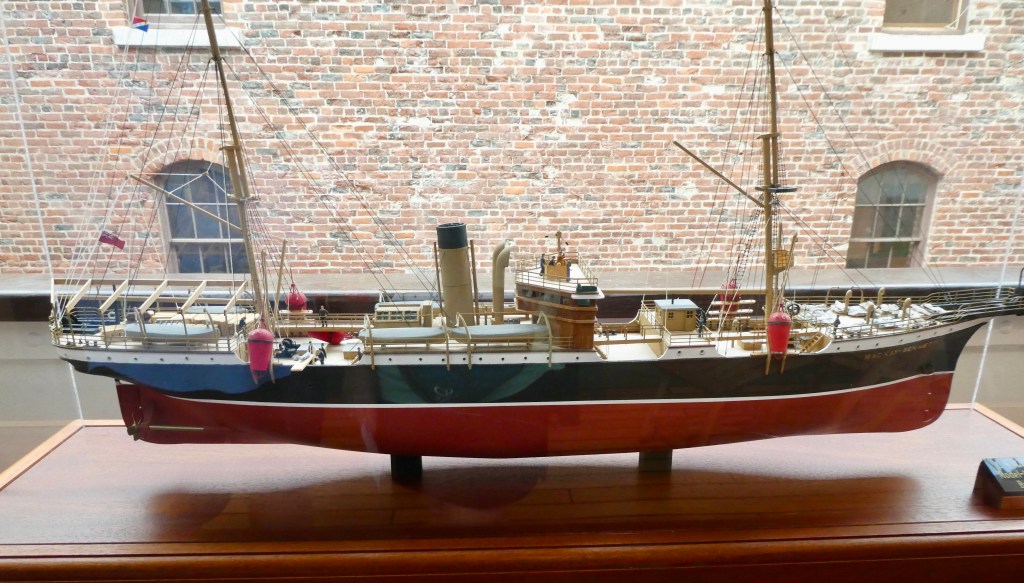
This  crew of the Mackay-Bennett. found so many bodies in the first few days that they ran low on embalming supplies. Health laws required preservation to return a body to port. The captain made the decision to begin preserving only the bodies of first class passengers reasoning that identifying wealthy men might be important in resolving estates.  Other bodies were buried at sea after being documented.

When additional supplies reached the Mackay-Bennett all bodies were once again preserved.  On April 30, the Mackay-Bennett was the first ship to return to Halifax and had coffins stacked on deck  This crew had found 306 bodies during their time at sea, including child number four.

Two other Halifax ships and crews spent time in the area after the Mackay-Bennett left..  Weeks after the sinking, the crew of the Minia found 17 bodies and the crew of the Montmagny followed with four more.

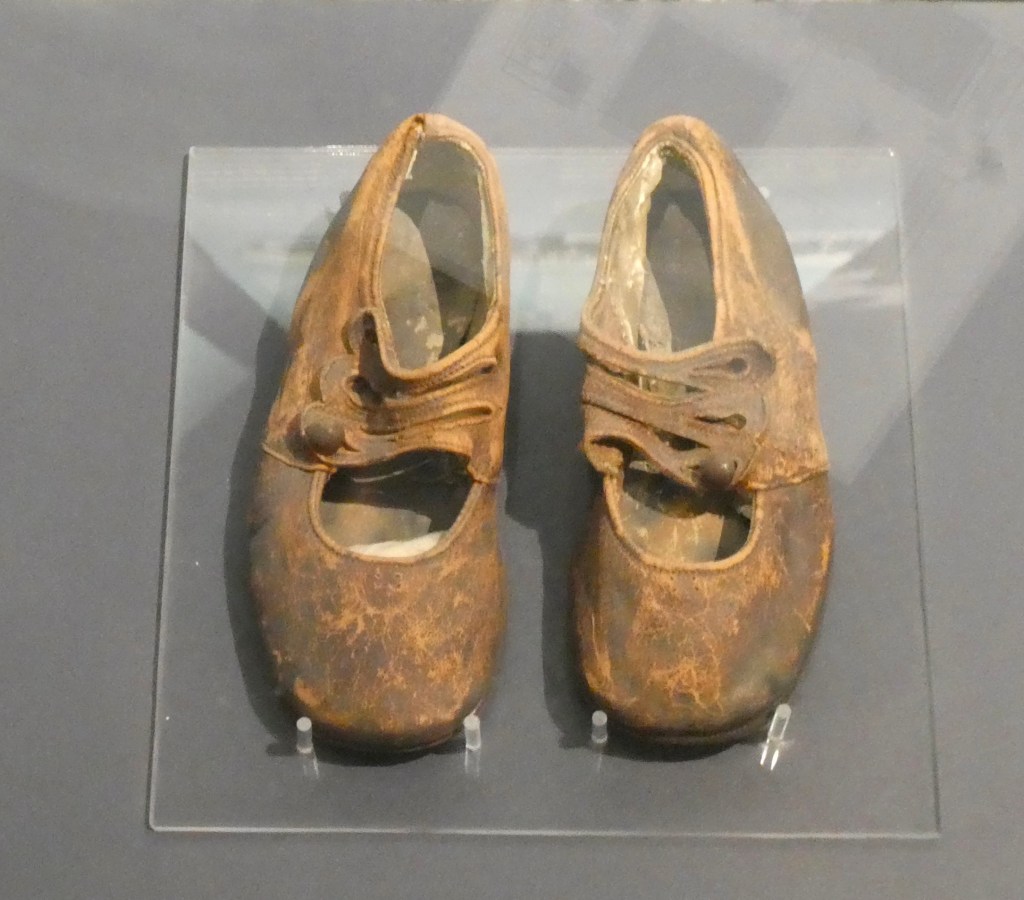
These shoes are believed to be from child #4, The shoes, like the other victims’ clothing, should have been burned.  An official just couldn’t burn these. He took the shoes home and privately kept them for decades.  Years later, the shoes were  returned to Halifax and are on display at the museum.

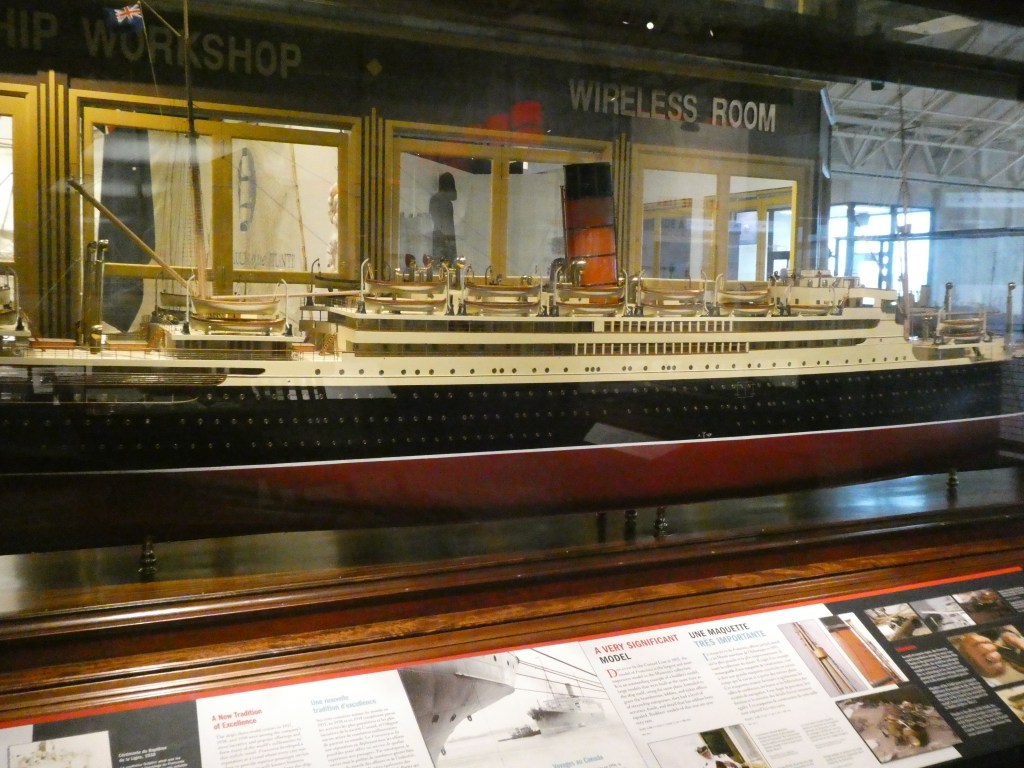
There were also displays about the Cunard ships Lusitania, Mauritania and Franconia.  Samual  Cunard was raised in Halifax.  He began the Cunard line and was in competition with the White Star Line.

On the bus we heard about the Halifax Explosion but the museum filled in far more detail.

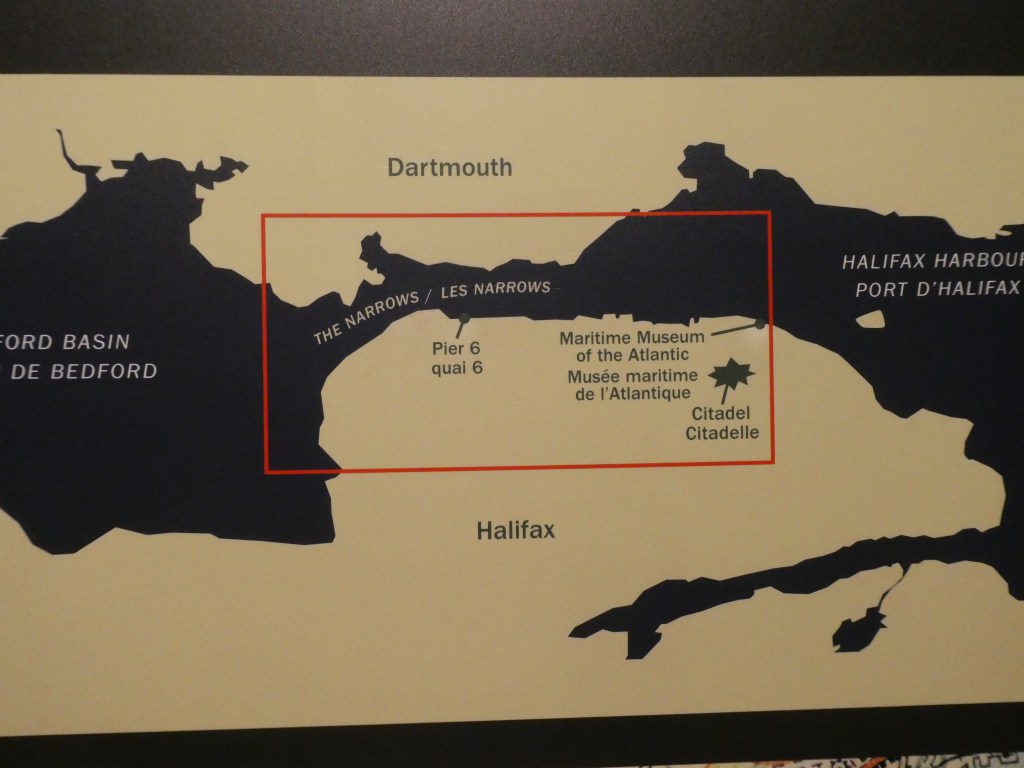
The Halifax Harbor has a section called the Narrows and that was the site of the largest man-made explosion ever known, the Halifax Explosion. 

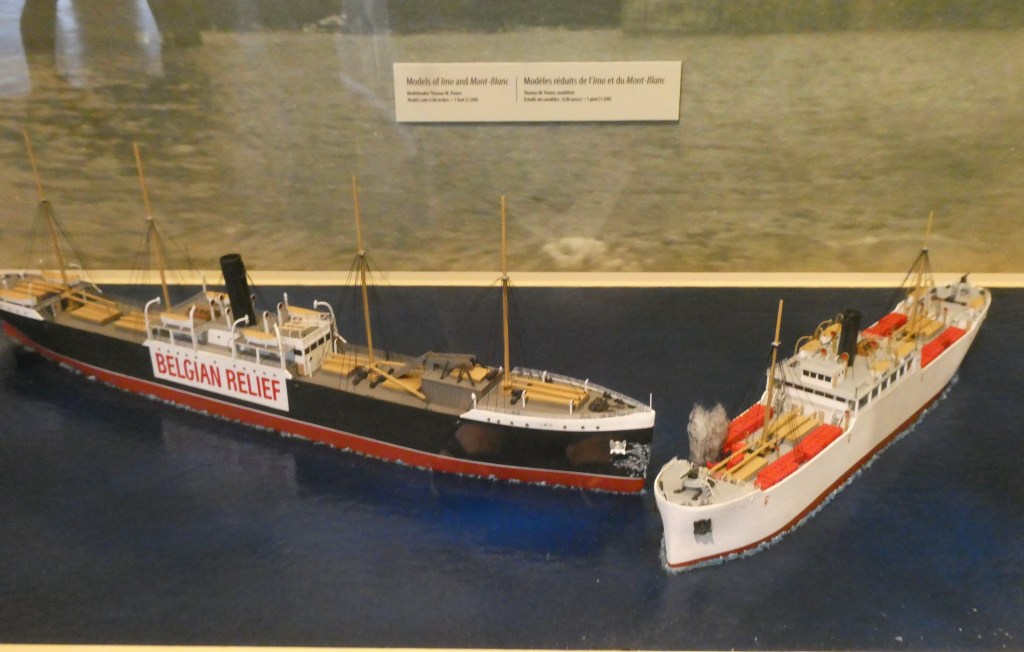
The explosion happened on December 6, 1917 when the  Norwegian vessel IMO, with a relief mission to Belgium, collided with the French munitions ship SS Mont-Blanc.  

 The Mont-Blanc exploded and an area one mile square was totally destroyed. Serious damage extended much farther. Nearly two thousand people died immediately and 9000 were injured.  

There were 1639 buildings destroyed and 12000 buildings damaged.  Windows shattered 62 miles away.  A deck gun landed 3.5 miles away and part of the Mont Blanc anchor was found two miles away.  

That level of blast was not felt again until the atomic bombs were dropped in Japan.

People all over the world responded with assistance.  Boston helped  and Halifax still sends a tree each Christmas to display in Boston Common.

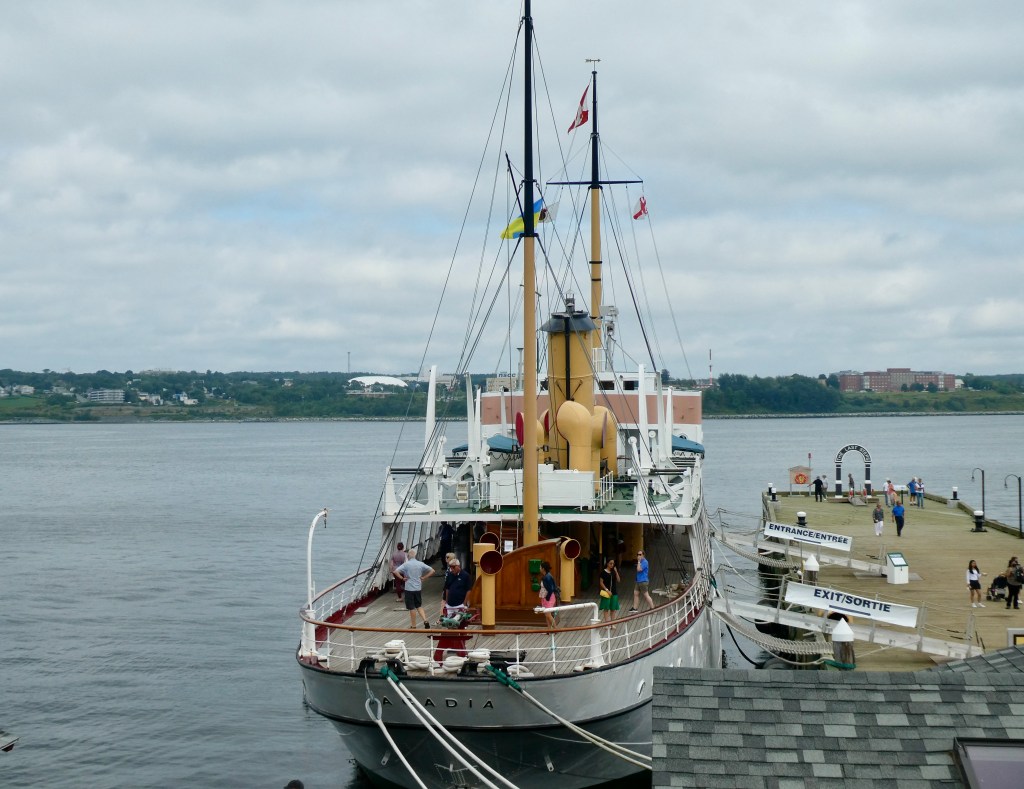
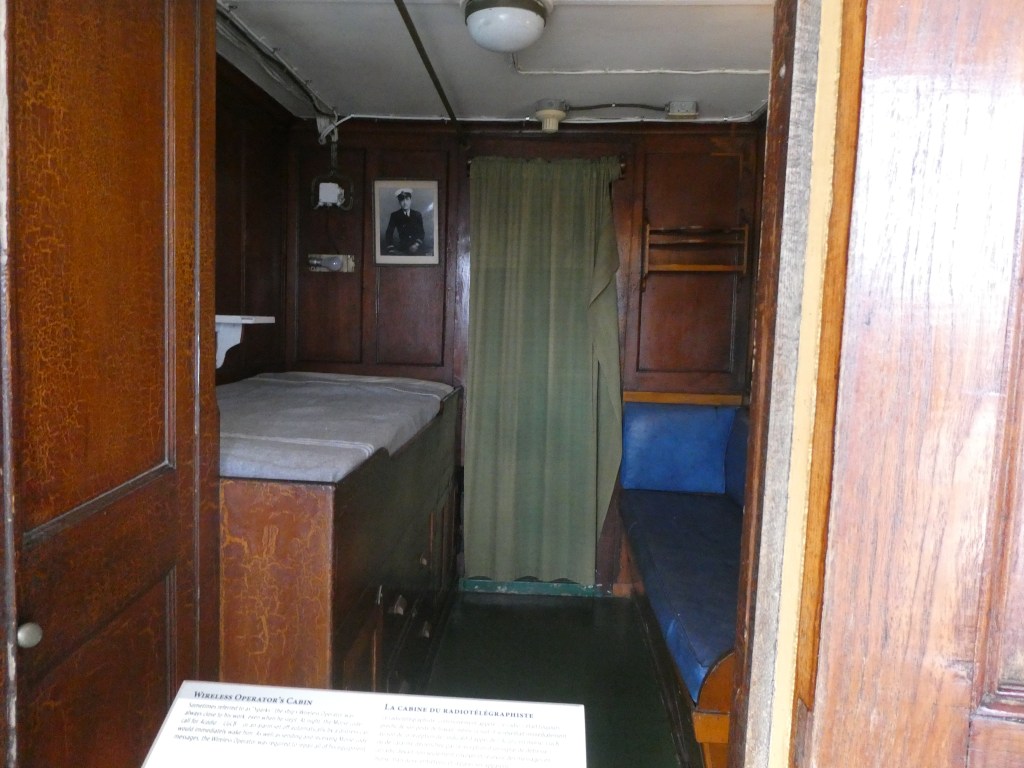
The CSS Acadia, a riveted steel hulled vessel, was available for touring outside the museum.  It is the only vessel still remaining that survived the Dec 6,1917 explosion. 

She was a research vessel in the Arctic but was assigned to the Royal Canadian Navy during both world wars. 

CSS Acadia was decommissioned in 1969 and designated a National Historic Site. 

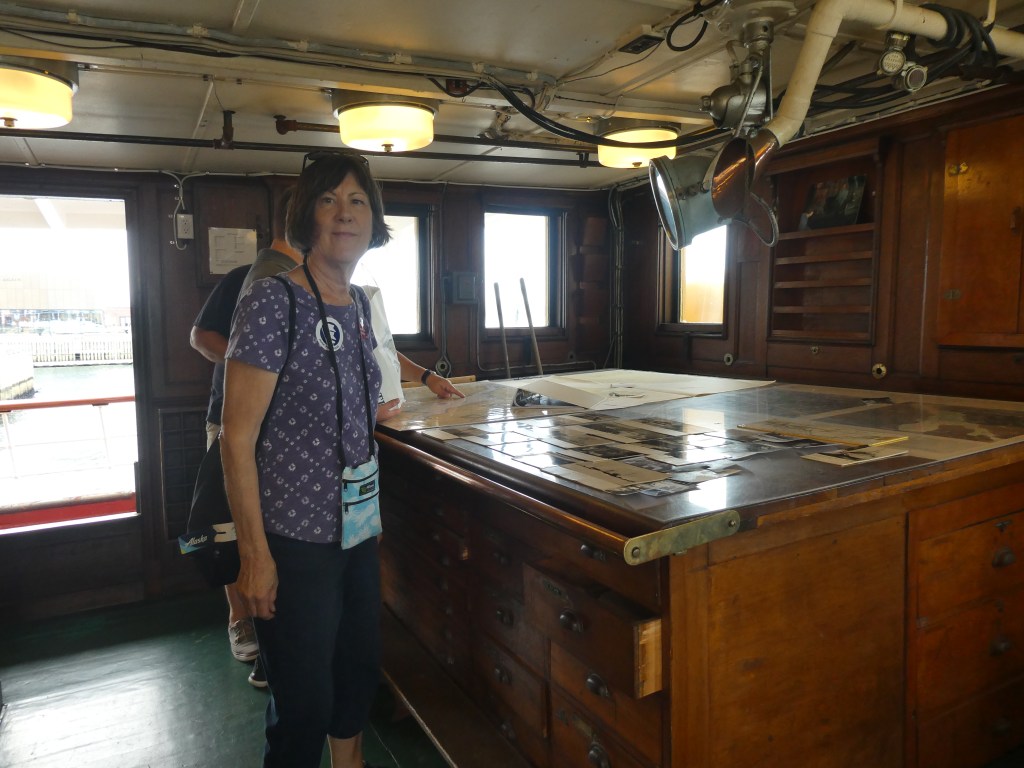
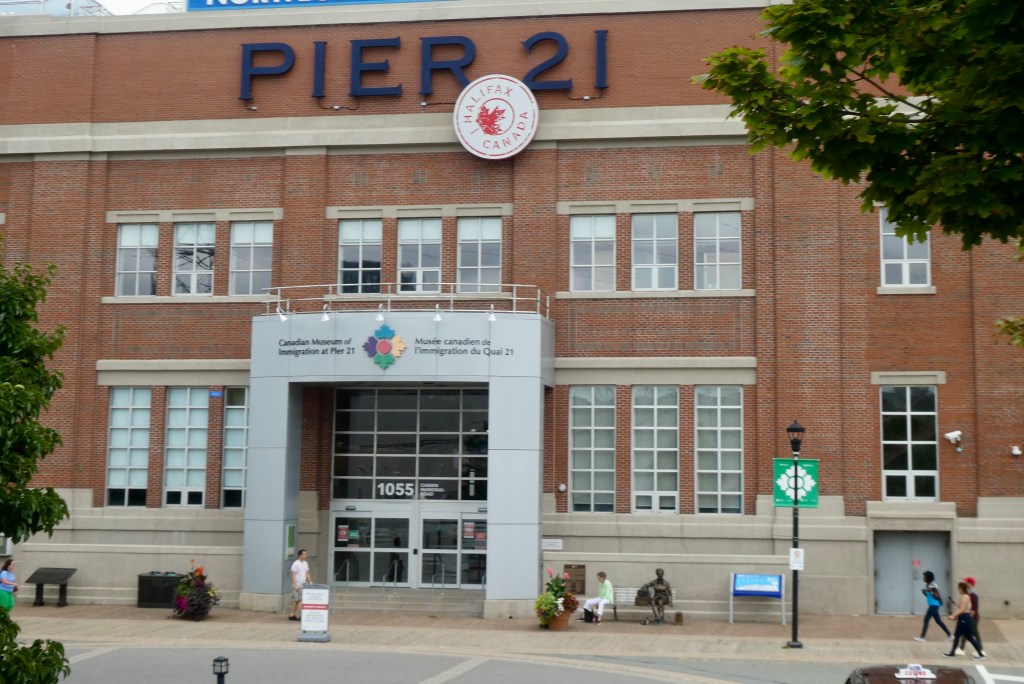
While on the tour bus, we passed Pier 21, Halifax’ version of Ellis Island.  Many people from Scotland came through Pier 21. Nova Scotia means New Scotland.

Next up:  A Sea Day and Corner Brook, Newfoundland

Posted in Uncategorized | 2 Comments

Saint John, New Brunswick 2022

The lands that are now New Brunswick went back and forth between French and English rule.  During the time of American independence, these lands belonged to England.

Saint John, New Brunswick is Canada’s oldest incorporated city.  The city began in 1783 as loyalists moved north following the US Revolution.  

Benedict Arnold, infamous American traitor, went to England after escaping capture and joined His Majesty’s Service. In time, he and his wife came to Saint John, New Brunswick and he became a merchant. They lived in Saint John for six years but were not well revered.

Martello Tower was built during the War of 1812.  It had a low entrance and irregular stair measurements as a protective measure. The tower was attacked by the United States because it was a place nearby where the Americans could attack England. (The section on top was added during World War II.)

(Editorial comment – It was so very strange throughout this trip to hear about incidences where the US and Canada were attacking each other.  I know it was a long time ago and Canada was British Canada at the time, but the whole idea just doesn’t compute!)

Saint John population increased between 1840-50s  as many people came from Ireland during the potato famine.  

In the mid 1800s, Saint John became the third largest ship building town in Canada.  

We were told that the owners of this 1910-11 house had been on a trip abroad buying furniture.  The furniture sank on the Titanic. I don’t know what happened to the people.

Rockwood Park was designed by Calvert Vaux, one of the designers of New York City’s Central Park. 

The park was formed around Libby Lake where local man Charles Gorman set a world speed skating record.  He competed for Canada in the 1924 and 1928 Olympics.

New Brunswick is the only official bilingual province.  Quebec’s official language is French while the rest are official English language provinces.

The McDonald’s in this part of Canada used to have McLobster!

This area is known as the Reversing Falls Rapids.  It is where the mouth of the Saint John river connects with the Bay of Fundy.  

 Most tides throughout the world adjust about three feet.  The highest tides in the world are here. 

The Saint John River usually goes towards the ocean except at high tide. The tidal change can be 28 feet in the river and 40 feet in the Bay of Fundy.  The result is that the river actually falls fifteen feet backwards.  Levels of brackishness can be found 70 miles upriver.

Power production turbines were installed and then destroyed by the tidal action. Work continues on a new design that can handle the extreme tides.

A 100 year old pulp mill is across the river.

It was very difficult to build bridges across the gorge.  Three attempts failed either during construction or after the fact.  The bridge in the picture was built in the early 1900s.

We were not there during the tidal change.  It would have been interesting to see!

We boarded the Nieuw Statendam once more and set sail to our next port – Halifax, Nova Scotia

Posted in Uncategorized | 1 Comment

Portland, Maine 2022

We arrived in Boston, turned in our rental car, and took a shuttle to the hotel. We had the fun and unexpected experience of running into Sharon, a friend from Boise,  on the shuttle.  She was also in town for a cruise, but not the same one as we were.

In the morning we connected with our planned Boise friends Darrell and Cindy.   We headed to the pier and processed to  board our Holland America ship.  The lines were long as everyone went through COVID boarding protocols.

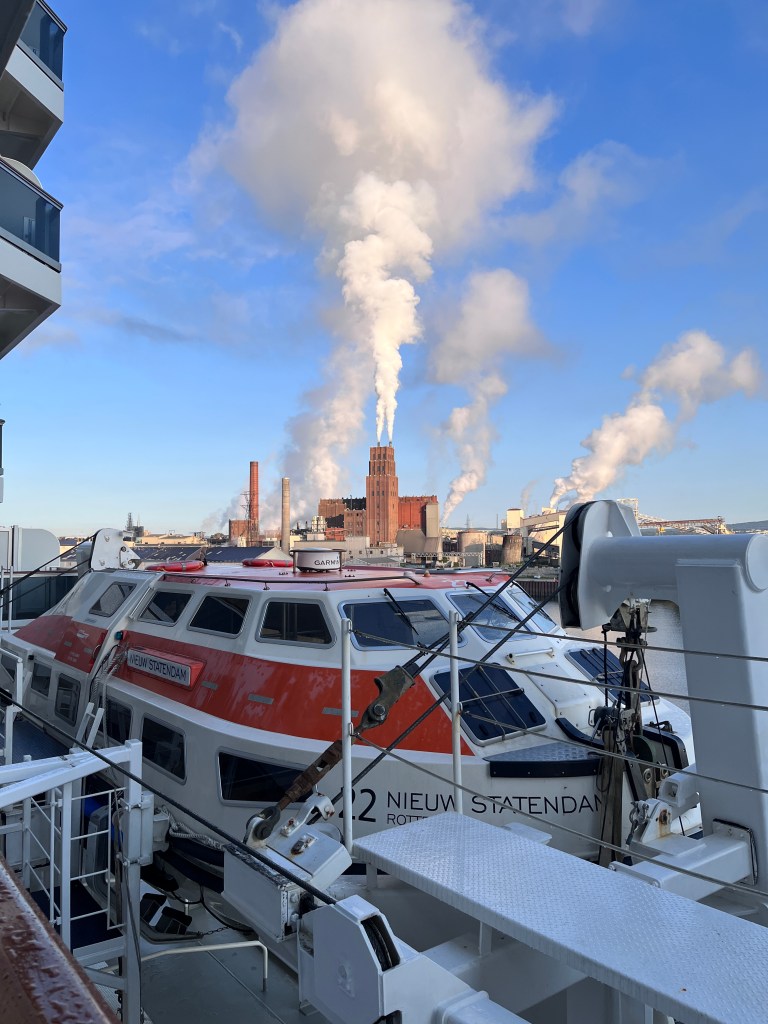
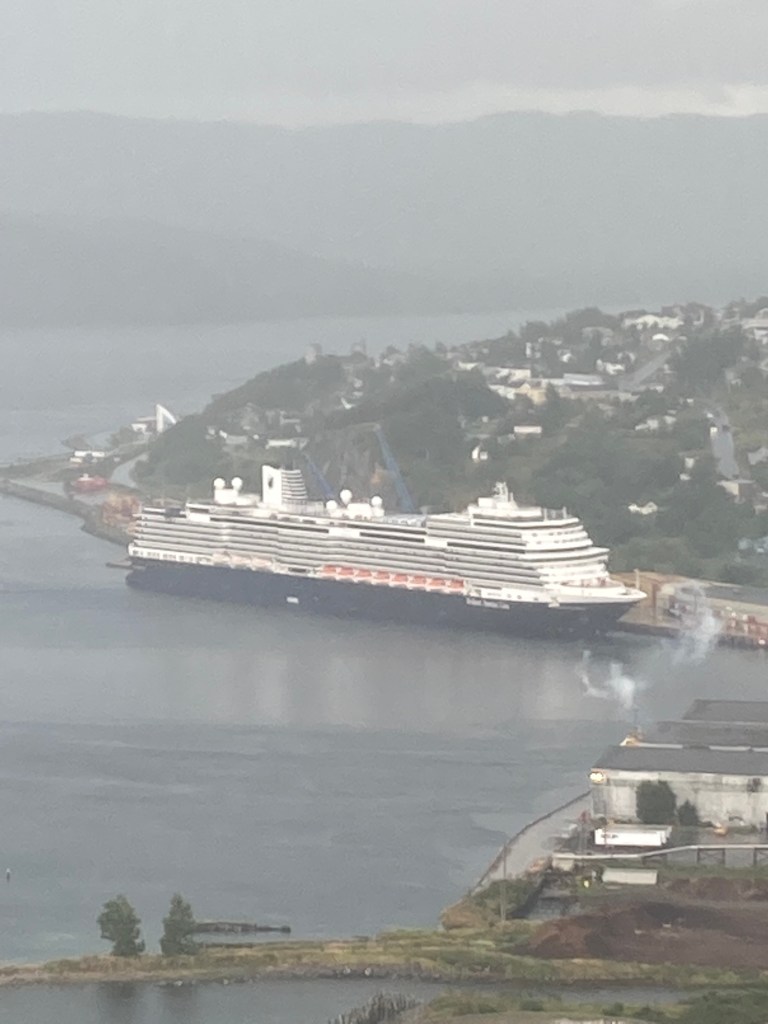
This is the Nieuw Statendam, the same ship we sailed on for 21 days from Fort Lauderdale to Rome earlier in the year.  We had mixed feelings.  We had enjoyed the ship previously, and knew our way around, but it would have been nice to experience a different ship as well.

We did get a complimentary upgrade in cabin.  It was still a verandah cabin but was the “spa version” with minor upgrades in the bathroom.  It was located near the spa on Deck 10 – an upgrade if price and location are considered.  What we lost in the upgrade was the extended balcony we had booked on Deck 4.  

Our itinerary was to go from Boston to Quebec City with stops in Maine, New Brunswick, Nova Scotia, New Foundland, Prince Edward Island and Quebec.  

We left Boston in the evening. 

Early morning progress shown on the TV in our cabin..

Sailing into Portland, Maine.

Our first shore excursion was aboard the 91 year old schooner Timberwind. 

She served as a pilot boat in the harbor until 1969 under the name Portland Pilot. Built in 1931, she also served in Rockport, Maine and Belfast. She returned to her home waters in 2018 to be part of the Portland Schooner Company.  

Timberwind is 70 feet long with a beam of 14 feet. She has an oak frame, and is sheathed in yellow pine.  The deck planking is also yellow pine. Timberlwind was listed on the National Register of Historic Places in 1992.

On the day of our sail, the predominantly female crew asked for volunteers to help with the rigging and sails.

 Darrel and Randy volunteered.

We enjoyed our view back on the city and the commentary around the harbor.

It was a nice day to sail around the harbor with Cindy and Darrell!

Fort Gorges was planned as one of three forts in the Portland Harbor.  It was constructed entirely with local granite, and had 56 gun emplacements.  By the time it was completed in 1864, it was already considered obsolete. Fort Gorges had a live-in caretaker after the Civil War, and it was a storage facility in both World War I and World War II.  Fort Gorges was given to the city of Portland in 1960 and is community space,

Fort Scammel was built on an island in the harbor in 1808 as part of the national system of fortifications. Although it was armed over several wars and conflicts, only one shot was ever fired – that during the War of 1812.

A bastion on the opposite side was built to protect access through the main channel.  A third bastion was never completed.

The Portland Harbor was the closest, deepest naval port to Europe and there was lots happening during World War II.  It was the last fuel stop enroute to Europe. The harbor was guarded by submarine nets and patrolled by the same Portland Pilot for the US Coast Guard.  

Ten percent of all boats in the war were built in Portland area shipyards including 30 ocean cargo ships for the British government and 236 Liberty cargo ships for the United States government.  The shipyards employed 30,000 workers between 1941 and 1945. 

We had a view of the Portland Lighthouse from the water.  It is the oldest working lighthouse in United States, built by the Second Continental Congress.

We saw our ship as we headed back in to port.

We traveled to the lighthouse in more traditional transportation- a bus. The Portland Lighthouse is the most photographed lighthouses in the world. 

This church is the tallest structure in Maine. 

This church is from the 1700s and has damage from two cannonballs.

This building was the original library in Portland.   

And in some Maine trivia…

LL Bean is the largest private employer in Maine.  If you call them, someone in Maine answers. The company started with Mr. Bean marketing his waterproof boots to hunters after obtaining a list of those with licenses.    Ninety-eight of the first 110 pairs came back to the company.  Things improved with time!

We learned that Maine was once was part of Massachusetts so, in that way, was part of the original 13 colonies.  Mainers had campaigned for statehood following the American Revolution and the Massachusetts legislature agreed to let the territory go in 1819.  On March 15, 1820, Maine gained statehood. The quest became entangled in the slavery issue. Most people in Maine supported abolition, so their admission was linked to the admission of Missouri as a slave state.  The controversial “Missouri Compromise” preserved the balance between pro and anti slavery members in the US Congress for decades.  

We made our way back to the ship and had an enjoyable evening on board. Our next port was Saint John, New Brunswick, Canada.

Posted in Uncategorized | Leave a comment