Indiana – The Amish and the RVs

As I write this, we are at the beginning of another thunderstorm.  The thunder is bellowing and the rain is pounding and I just saw the first of the lightning. This time we are in a campground with large trees. I’m not sure it is safer, but it feels safer than being totally exposed like we were in Wisconsin.

For this storm, we are in Indiana. We are near the communities of Shipshewana, Goshen and Elkhart. The Amish and the RV industry are prominent here.  We experienced aspects of both.

It is very common to see Amish horse drawn carriages along the county roads. The Amish believe the use of automobiles cause people to be away from home and family too often.  Automobiles speed up life and cause people to forget what is really important. Buggies keep people close to nature and to their communities.

We learned about that and much more at the Menno-Hof Museum. The main structures of the museum buildings were built in six days in a “barn raising” style by peoples of faith from all over the region. It took a year and a half to complete the inside.

P1060132

The museum has several multi media presentations about the anabaptist movement as part of the Reformation in the 1500s.  The anabaptists opposed the Roman Catholic  practice of infant baptism. Anabaptists believed baptism should be delayed until adulthood as a voluntary confession of faith.  That was just one of seven differences they cited between their tenants of faith and the Roman Catholic Church.

For two centuries the anabaptists were persecution by governments and the Catholic and Protestant churches. The believers spread throughout Europe hoping to find a place to practice their faith in peace. One group split off, became the Hutterites, and practiced communal ownership and communal living. Another group believed the anabaptist Mennonites were not strict enough in their practice and broke away to become the Amish.

Quaker William Penn invited peoples of persecuted faiths to settle and worship on his lands in the new world.  This area was known as Penn Sylvania, meaning “Penn’s woods.” From there the Mennonites, Amish and Hutterites expanded into this country.  Russian Mennonites brought a hardy winter wheat which established the American and Canadian wheat belts.

P1060174

We learned that all three groups of anabaptists still live out their faith in this area and around the country.  Hutterites still live communally and number 30,000.  The Mennonites are the largest group and, although they look and live similarly to other Christians, they still worship with the same anabaptist beliefs.   The Amish “live within firm boundaries they set for their lives.”  Almost all new Amish are born into the faith.  It was one of the finest museums we’ve been to and two hours went by quickly.

P1060074

On the RV side, we went to a few of the many RV surplus stores in the area. We were looking for a new loveseat but didn’t find one we liked. Too bad we weren’t looking for one of the millions of parts that were available!

P1060195
We saw how thousands of those parts are put together at our Montana Factory Tour, where our 2012 Montana was born. Randy has been frustrated at times with how our trailer was built so we were not expecting to be impressed.

P1060182

The frames are custom made for Montana fifth wheels.


P1060185

It was interesting to see the order that various components went into the trailers.

P1060186

Of course, many pieces are pre-made prior to assembly.

P1060188

We were able to walk into of some of the trailers in various stages of construction. The crew was gone because it was a hot day and the facility is not air conditioned.  They had worked from 4:00 am to noon.

The last few trailers on the line had red ribbon pieces on them.  Because women seem to have the better eye for this task, they compose the team that finds the defects and blemishes to be fixed before a trailer is considered complete.   Most times we could not see the defect the ribbon was identifying.

Eighteen Montana Fifth Wheels, of various floor plans, are completed at this site each day.  Each trailer takes a day and a half to assemble.

P1060194

Our tour guide told us about one of their upcoming “improvements.”  These stairs fold up as one piece and latch in the doorway.  I was able to raise and lower the stairs but see them as an accident waiting to happen.  Randy and another engineer pretty much picked apart the idea and our guide seemed deflated.   It will be interesting to see if the stairs are really used and how long they last.

P1060193

We felt better about our own Montana walking out of the tour than when we walked in!

P1060077

We went to the RV/MH Hall of Fame and Museum.  The motorhome on the left is vintage 1970s with original decor including bright orange shag carpet.  It is the ugliest trailer or motor home we’ve ever seen!  Surely, it was beautiful it its day.

P1060085
Inside they have  many old trailers and motor homes.  The first dates from 1913 and was pulled by a Model T.  Unfortunately there was no good angle for a picture of that one.

P1060113

The 1929 Covered Wagon was the first production trailer in the US but went out of business during World War II.

P1060103

This 1939 trailer belonged to Charles Lindberg.


Mae West’s House Car wasn’t for camping.   It was a chauffeur driven lounge.

Although this looks like an old trailer, it is really a new “old” trailer. Very cute!!

P1060119

We saw this motorhome as we were leaving the RV Museum. It looks like the dogs are ready to get moving!

We’re moving too – this time into Ohio – but Elko isn’t driving.


Posted in Uncategorized | Leave a comment

En-route: Small Town Finds

After our excitement in Wisconsin we were ready for a couple of easy state stickers for our map! We rolled into Belvidere, Illinois with no expectations beyond that. This was an en-route stop on our journey, not a specific destination. Belvidere showed us that we should always have expectations!

Belvidere, a small town west of Chicago, considers itself the “City of Murals” with 15 murals in its downtown area. We saw these four murals when we had lunch.

P1050998

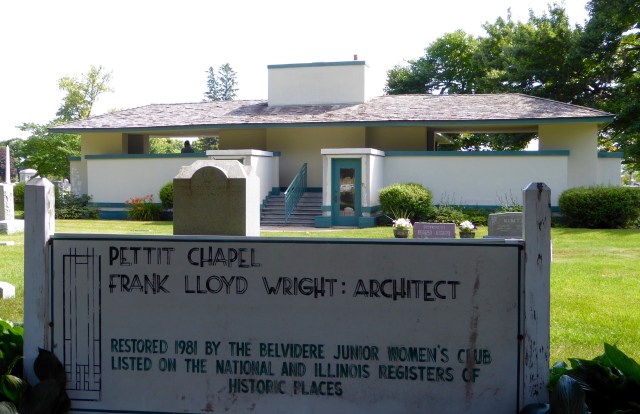
We also found the Pettit Chapel in the Belvidere Cemetery, one of only two chapels ever designed by Frank Lloyd Wright. After reading the book, Loving Frank, I’m not a fan of the man,  but I can appreciate the history and beauty of his designs.

Emma Pettit commissioned the Pettit Chapel as a memorial to her deceased husband, Dr. William H. Pettit, beloved physician and humanitarian. Built in 1907, the chapel is on the National Registry of Historic Places.

P1060016

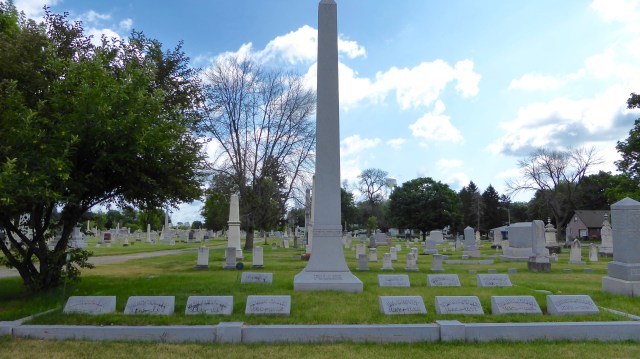
The cemetery has a historic walking tour with 36 grave markers identified for people who contributed to “historic progress of the community, state and the nation.” Here are a few:

P1060004

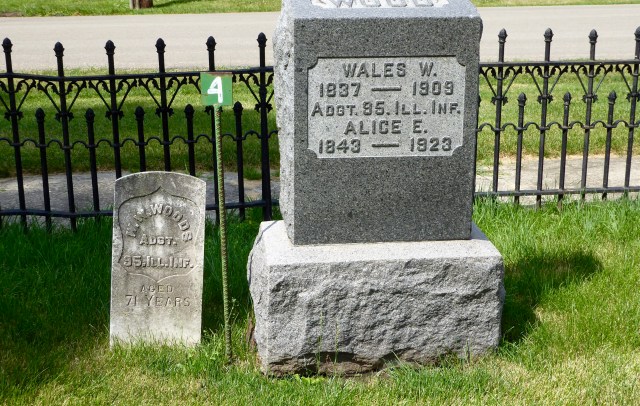
Wales Woods was a lawyer in New York before coming to Belvidere. During the Civil War he was appointed Adjutant to the 95th Regiment of the Illinois Volunteer Infantry. In addition to his service, he wrote a detailed history of the 95th, a regiment that was decimated at the Battle of Guntown, Mississippi. An interesting side note about the 95th regiment involved one of its former privates.  In 1913 civil war veteran Albert Cashiere was hit by a car and found to be a woman, Jenny Hodges.

P1060027

Also from the Civil War era, Adjutant General Allen C. Fuller was buried in this family plot. As a memorial for his daughter Ida, who died at age 24, he commissioned Belividere’s free public library in 1883.

Gravestones for other war veterans are found throughout the cemetery, even from the Revolutionary War.

P1060030

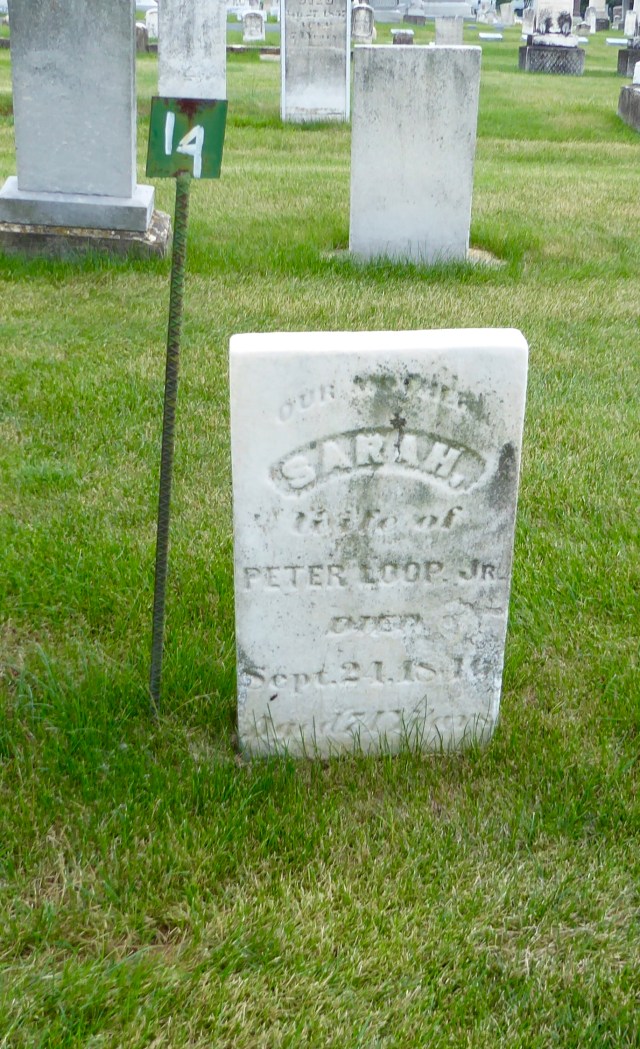
Sarah Loop was the first white woman in Boone County, Illinois.

P1060031

There were two sets of intertwined tree headstones, this one for Cephas and Pamelia Gardner.

P1060040
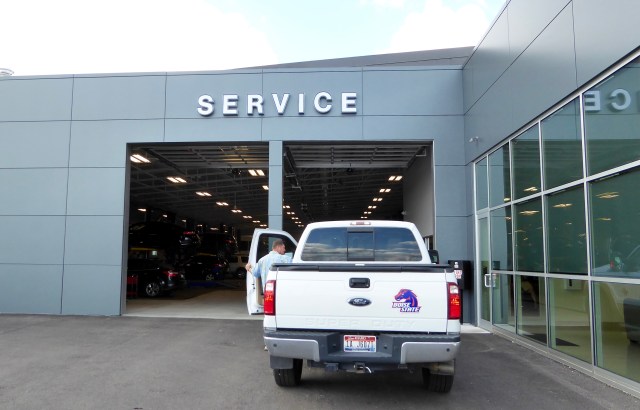
Our truck was telling us it needed fresh oil so the next stop was Manley Ford. The first thing I noticed walking in the door was script on the wall saying “World’s Second Oldest Ford Dealer.” Does that not beg the question where is the world’s oldest ford dealer?  I asked the first employee I saw who responded that he had no idea. Surely I’m not the first person to ask.  It seems if you put that statement on the wall, employees ought to know the answer to the obvious question. As I had time and my phone I did the search…..

Oldest Ford Dealers in the World
Tenvoorde Ford, St. Cloud MN
Manley Ford, Belvidere, IL
Diehl Ford, Bellingham, WA
Fairmont Ford, Fairmont, MN
Swanson Ford, Ceresco, NE
Tiffany Ford, Hollister, CA

Manley Ford also says it is the 3rd oldest car dealer in the world, not exclusive to Ford. There was a list of all the various types of cars they had sold, beginning in 1883, most of which I had never heard of. But by then my interest had waned….

There were a variety of Henry Ford quotes on the walls, including this:    Anyone who stops learning is old, whether at 20 or 80. Anyone who keeps learning stays young.   Randy and I should stay forever young if we keep learning things along the way.

The next day we learned about toll roads on the somewhat harrowing trek from Illinois, through the northwest corner of Indiana to the southwest corner of Michigan. We tried to route around most of Chicago but it is too big to escape completely.


We encountered our first, second, third, and maybe even fourth toll roads! Thanks to Gerry and Kathy, friends we met in Arizona last winter, we were prepared with our Illinois I-Pass giving us half price tolls in Illinois.  The pass also works with other states’ toll systems throughout the midwest and northeast. Our toll expenditures for the day –  $19. We were glad to be able to drive by or through all of those toll collection stations instead of getting in lines and worrying about having the right cash.

P1060055

Michigan’s theme seems poignantly sad given the Flint water situation.

We arrived for our overnight near Buchanan, Michigan. We have been told many times that we should go to Michigan’s upper peninsula and someday, when we forget about the bugs and humidity of this region, we’ll come back.  This quick stop was all about getting that Michigan sticker on our map!

P1060072

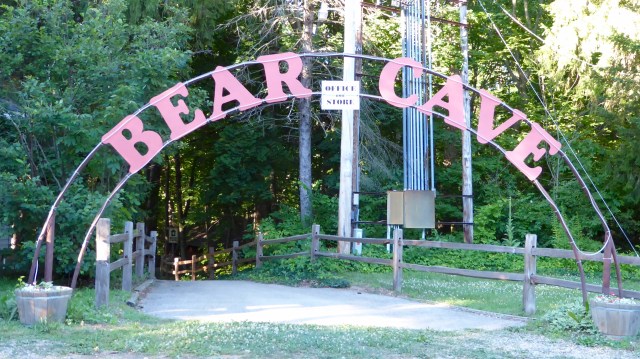
Yet, even here in Buchanan, Michigan we found something of interest. Our campground is called Bear Cave Resort and even though the “resort” label is stretching it, there really is a Bear Cave.

P1060057

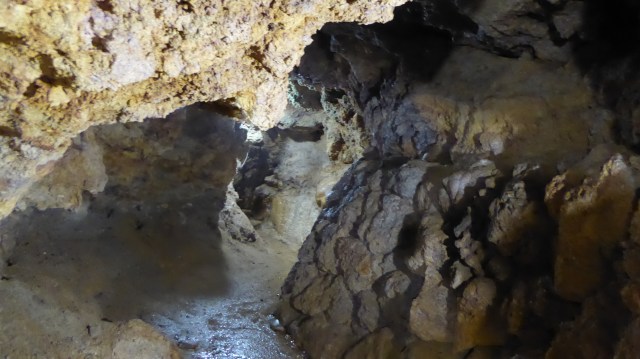
Caves are rare in this part of the country and this one was formed by glacial drift 25,000 years ago. The cave is about 150 feet long, 10 feet high and 4-6 feet wide. It opened for visitors in 1940.

P1060067

The interesting thing about this cave is that it was used as part of the underground railroad during the civil war. Fleeing slaves were brought up the St. Joe River, hidden in the cave until nightfall, and then sent to the next station enroute to Canada.

In addition, the 1903 silent movie classic “The Great Train Robbery” was filmed at Bear Cave. The movie was based on a real Ohio bank robbery and the bandits used Bear Cave as a hideout before escaping the country.

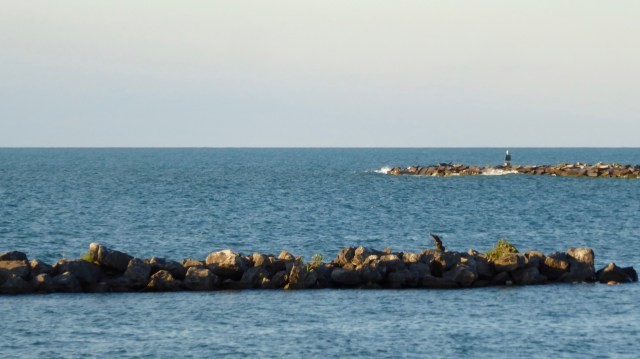
We tried to take a trek to Lake Michigan, just to see it, and let Elko wade in a great lake. Unfortunately, public access to the lake in this corner of Michigan is almost non-existant. Two towns had some access but did not allow pets so we went on by. Coming from a western perspective where scenic over-looks and public access are the norm, we were disappointed.

We did see lightning bugs on the drive back to the campground though! Randy is re-living his Oklahoma childhood seeing the lightning bugs! Guess there are good bugs to go with the bad!

Moving today – back into Indiana!

Posted in Uncategorized | Leave a comment

Wisconsin: We Earned Our Map Sticker!

We were glad to arrive in Wisconsin, a state that neither of us had been to before. We were excited to reconnect with friends Peggy and Myron, our neighbors for the month of January in Yuma.   It was an easy decision to come through Mondovi, Wisconsin and see them.

P1050965

All was well as we arrived and got settled in on their daughter and son-in-law’s farm. Peggy and Myron live full time in their toy hauler trailer and have this area as their home base for the months they are in Mondovi.

We visited very comfortably and were glad we had come. They showed us around the area and we went to dinner. We knew thunderstorms were expected so we went back and settled into our respective trailers anticipating some lightning, thunder, rain and wind – regular thunderstorm stuff. We like storms, no problem…..

P1050946.jpg

Problem!!!

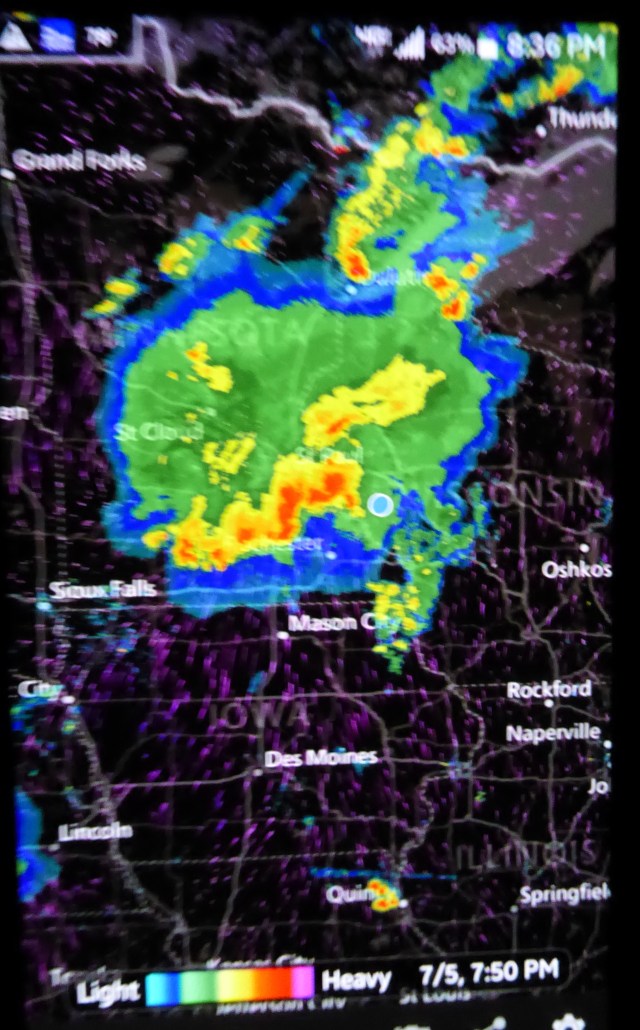
Before long we had a Severe Thunderstorm Warning. That’s our location in the light blue circle getting ready for yellow, orange, red and brown-red level thunderstorm activity. It started with lightning – everywhere. There were cloud flashes and ground flashes, some quite close. We heard thunder almost continuously.

Our phones alerted us to a tornado sighting 21 miles away with Mondovi included in its projected path. We could hear the sirens from Mondovi and called Peggy and Myron in their trailer about 30 yards away. They said Mondovi sounds the warning sirens for severe thunderstorms and tornados so it didn’t necessarily mean that a tornado had been sighted near us. That made us feel a little better…

We talked about getting in the truck and going in the opposite direction but we had waited too long as were already in the middle of it. By our inaction we had “decided” to stay and ride it out.

Severe thunderstorm warnings advise you to go to a basement or interior room without windows. We were sitting in our trailer in a very open field feeling quite exposed and vulnerable. Our window shades have two layers and I pulled down the light diffusing shade on each window to provide some small bit of protection in case a window was broken.  Yet,  we wanted to see what we were facing.

The wind and rain came in torrents. Water started coming in through the window’s weeping holes where the worst of the storm pounded against our trailer. Although the winds seemed to be coming from everywhere, we were glad the worst of it was hitting us on an end instead of broadside.

We stared at our phones watching our position within the radar display. The tornado’s path was adjusted slightly to the south so we were no longer in the projected path. That was good but then the alert showed a mesocyclone at our location. In the middle of this massive thunderstorm, with the trailer rocking and rolling in the wind, I googled mesocyclone not at all sure I really wanted to know what it was. In very simple terms a mesocyclone is when the atmosphere rolls horizontally. If one end starts to tip up vertically, it can be the genesis of a tornado.

Have I mentioned that Randy and I both like storms a lot? But we weren’t liking this one at all. I prayed continuously while scanning the skies for a tornado. I attached Elko’s leash in case we had to make a run for it. But run to where? Peggy and Myron’s trailer is tucked in under trees but was that a good thing or a bad thing?

As the storm finally moved past we could see a little river moving down our friends’ driveway and under our trailer. Did we survive the storm just to get knocked around in a water flow?

Well, obviously my prayers were answered and we survived. It was about 90 minutes from the beginning of the storm to the end.  For 45 minutes it was the scariest storm I’ve ever been in given our circumstances. I called my parents to tell them we were okay because I assumed, correctly, that they were aware of where we were and the storms around us.

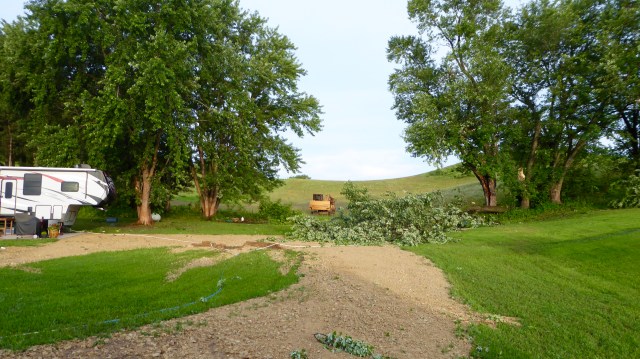
The next morning, we surveyed the damage. We saw that this huge tree trunk had split and fallen. Thankfully, it didn’t hit Peggy and Myron’s trailer! Much of their driveway rock had washed away under our trailer and down into the field.

P1050956.jpg

We were all surprised that we hadn’t heard this large tree come apart and fall.


P1050953

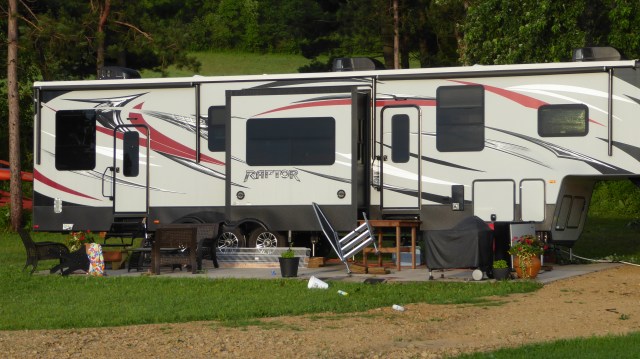
Peggy and Myron had some things blown and tipped at their trailer about but nothing significant – except for that big tree about 20 yards away!

Peggy heard that the Thunderstorm had been a Category 3. That means Significant Danger and winds between 55 and 75 mph.  She measured over three inches of rain with the storm. An RV dealer in the nearby town of Durand had trailers blown over on their sides.

P1050986

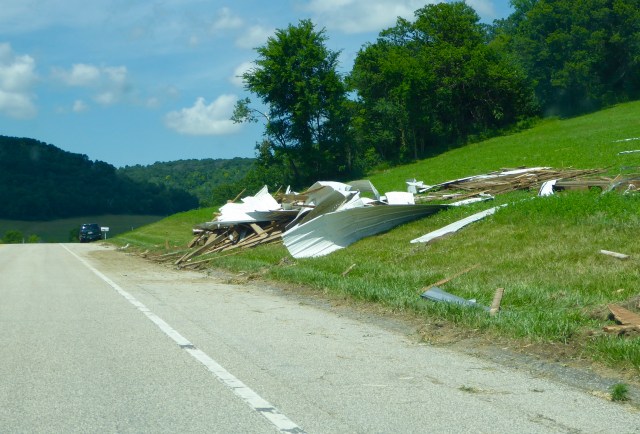
This was part of a farm outbuilding. We saw people cleaning up everywhere.

All around the area we saw trees down or twisted or split. But we also saw beautiful Wisconsin fields and farms.

P1050994

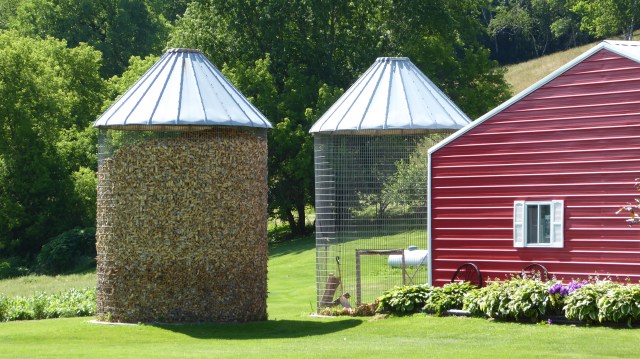
We enjoyed seeing these corn cribs on this neat and tidy Wisconsin farm.


P1050974
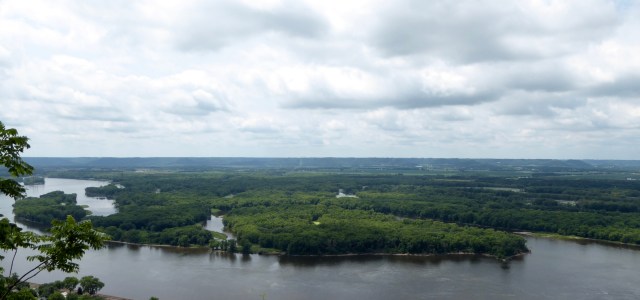
We went to a park overlooking the Mississippi River.

P1050979

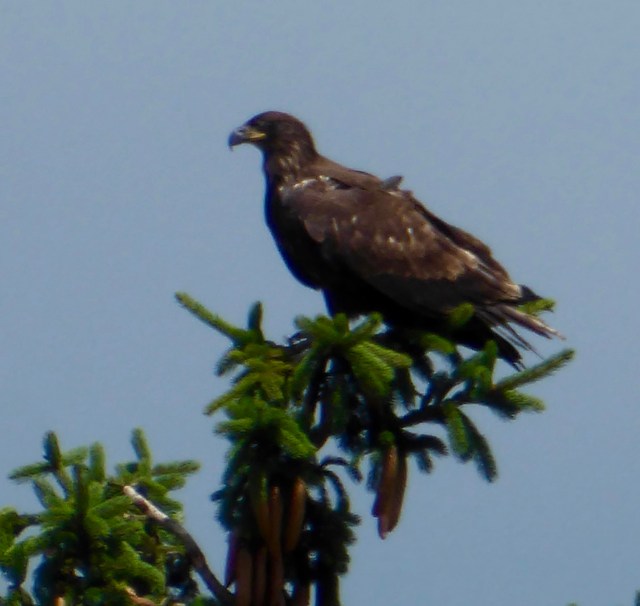
We enjoyed a glass of wine at a local winery and watched this juvenile eagle.

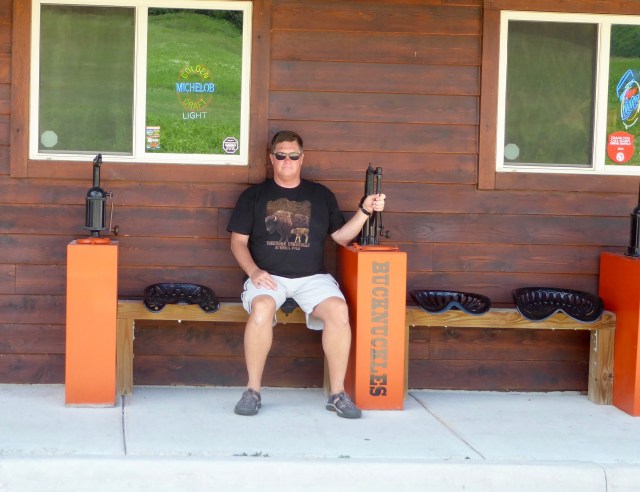
We went for our meal at Bucknuckles, a local favorite with a very eclectic decor.

P1050988

The benches have tractor seats! The inside has them too, but on the ceiling.

P1050973

We had a great visit with Peggy and Myron and a very memorable time in Wisconsin!

P1050964

Adding Wisconsin in a memorable way!

This was our most memorable map sticker ever! We hope we never have another state rival it in drama!

Posted in Uncategorized | 7 Comments

More Minnesota!

P1050871

We continued our meanderings through Minnesota at Bear Head Lake State Park. We  couldn’t get into our reserved site due to trees blocking our needed angle of access.  With ranger assistance, and trial and error,  we found a site we were able to fit into for our two night stay. Whew!

That stress event was followed by another when Elko injured his leg getting off the bed – something he’s done hundreds of times before. We couldn’t determine if the injury involved his foot, leg or hip but he was a hurting three legged dog for the rest of the day. (We were anticipating taking him to an emergency vet in Minneapolis over the Fourth of July Weekend but he was better the next day.)

P1050814

While Elko was resting, we went to Soudan Mine State Park. We got hard hats and prepared to descend a half mile into the earth.

P1050815

Hard hats, sturdy shoes and jackets – 51 degrees down there!

The ride down takes two and a half minutes and goes 10 mph at an angle of 78 degrees. We descended  2341 feet underground to Level 27, the last and lowest level mined.

These double cage lifts transported 18 miners in each cage.  There were 11-12 of us in a cage each time we rode and it was snug. The thought of eighteen men together was uncomfortable.

P1050846

The pulley system running the alternating sets of cages is impressive!

Once down, we rode in cars on the rails once used to transport ore. We went 3/4 of a mile further into the mine to learn about the work that was done here.

The Soudan Mine opened in 1882 and was Minnesota’s first iron ore mine. It initially operated as an open pit mine but went underground in 1892 for safety reasons.
P1050825

The iron ore mined here was exceptional because of its high oxygen content.  That allowed for a higher quality of steel.

P1050826

From hammers and chisels to pneumatic drills

In the early years the miners, who came from all over Europe, worked in teams of three  and often spoke three different languages. Foremen used this strategy to make it more difficult for miners to unionize.
Eventually, the workers did unionize and together with management created the “Cadillac of Mines.” The Soudan Mine was safer than most due to good air quality and the hard rock holding the ore. Even so, 140 miners lost their lives at Soudan during its 80 years of operation.

Operations shut down in 1962 as the industry shifted to lower quality ore. There is still high quality iron ore in the Soudan Mine, but no market for it.

P1050859

Later in the day we rode the cage back down to tour the High Energy Physics Lab. Utilizinging aspects of the old mine, the lab was built underground to shield sensitive experiments from cosmic rays. Physicists from around the world conduct experiments looking for dark matter and neutrinos.

P1050861

I don’t even begin to understand dark matter knowing only that it is presumed to exist due to consequential evidence.

The Soudan lab is recording the number of neutrinos collected at this site from the trillions of neutrinos released from Fermilab near Chicago, Illinois. The neutrinos travel 457 miles underground in 2.5 milliseconds, nearly at the speed of light. A single neutrino is detected in the Soudan collector every few hours. It would have traveled through the empty space in matter from Chicago to northeastern Minnesota. Mind boggling, huh?

After our minds were boggled, we headed home and saw wildlife along the way!

P1050870

This fox was very content to watch us watch him.


P1050848

Then we saw a black bear on the road!

P1050850
Then we saw one cub and then another!  Later we learned there were actually three cubs and they are frequently sighted along the road.  We’ve seen more bears this week in Minnesota than collectively ever before.

We traveled south and arrived at an Anoka County Park  15 miles north of Minneapolis. It is one of the best – a great park with lakes, beaches, and trails. The 50 amp grass sites are large and private with a picnic table on a pad. We have a fire pit and a barbecue grill – and a resident rabbit!

We’ve stayed in great county parks in Oregon, Arizona and Minnesota.   Our theory is that when tax money stays close to home, sometimes people are willing to pay for nice parks.

In Minneapolis we went to the Mill City Museum which was built within the ruins of the  Washburn Mill.

P1050888

The first Washburn mill was built in 1874 and destroyed by a flour dust explosion in 1878. The explosion killed 18 workers and destroyed much of Minneapolis’ mill district. When an improved version was built on the same site in 1880, it was the largest flour mill in the world producing two million pounds each day.

P1050900

The Gold Medal Flour sign was erected in 1910 and the Washburn Mill became General Mills in 1928. Minneapolis was the flour mill capital of the world from 1880 – 1930. This mill closed in 1965 and burned in 1991. The Mill City Museum, built within the ruins, opened in 2003.

P1050898

Across the river, the Pillsbury Mill was the largest in the world for 40 years.  It closed in 2003. Currently the world’s largest flour mill is in Jakarta, Indonesia producing 23,000,000 pounds of flour daily.

P1050915

The Mill City Museum has exhibits about grain, the Mississippi River, General Mills, Pillsbury and Minneapolis.

P1050903

Competing slogans!


P1050909

Flour sacks as reusable assets.

The Flour Tower Experience describes the historical workings of the mill and ends on an observation deck.  The deck offers great views of the Stone Arch Bridge and the St. Anthony Falls and Dam on the Mississippi River.

P1050899

The upper St. Anthony Locks were closed in June 2015 by an act of Congress rendering the Mississippi River unnavigable through Minneapolis. The locks were closed to prevent the migration of Asian Carp further north.

FullSizeRender

Our best Minneapolis activity was meeting our friend Eric at a Minnesota Twins game. We so enjoy being able to reconnect with people!

P1050926

There were nice Independence Day themed pregame events. The company, the weather and the game results were all terrific. Twins win! Twins win!

P1050872

Grocery shopping is not usually a reported on activity but these two items caught my eye. I haven’t seen potato chips sold in a box since I was a child and  I’ve never seen lefse sold in a store.  Both are here in Minnesota!


Posted in Uncategorized | 2 Comments

Meandering through Minnesota

In our dash across country, we have four stops in Minnesota.  Two stays in, we’re having a great time visiting and exploring.

P1050730

Adding another state along the way – Minnesota!

Our first stop was in Detroit Lakes with intent to spend a day with my dad’s cousin Eenie and her husband Dale.   They live in Park Rapids.

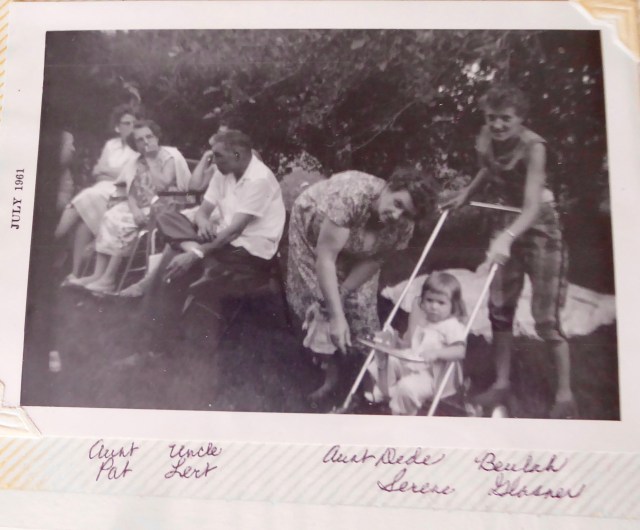
Eenie’s recollection of me goes way back to 1961 when my grandparents took me along on a family vacation in North Dakota.

P1050727

Like my grandmother was, Eenie is a keeper of family lore. We enjoyed hearing her stories.

P1050684

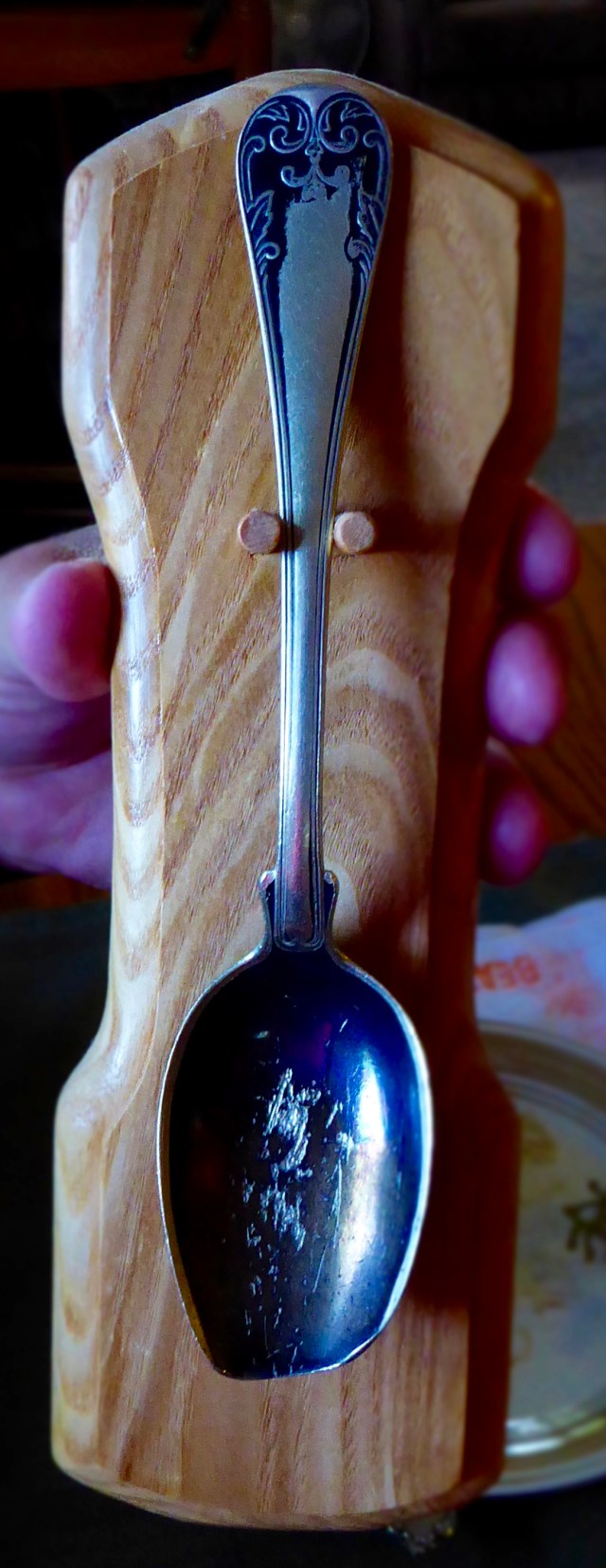
Eenie showed us an engraved spoon believed to have been an engagement gift for my paternal great-grandparents, John and Brita Olson. They married in Sweden in 1899 and brought their family to the United States several years later. Eenie confirmed a story I’d heard over the years that one of their children, an infant boy, died aboard ship but was kept with them to bury in North Dakota. My grandfather and Eenie’s mother were two of several more children born to them in the United States.

P1050719

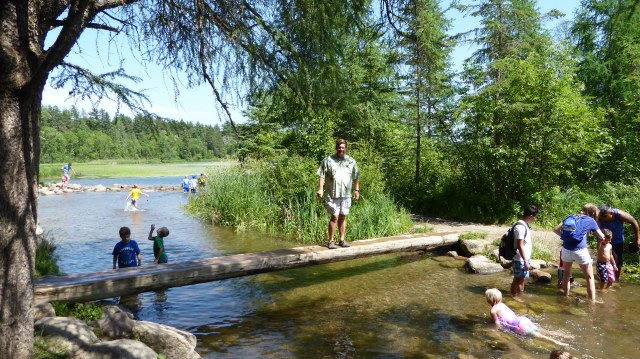
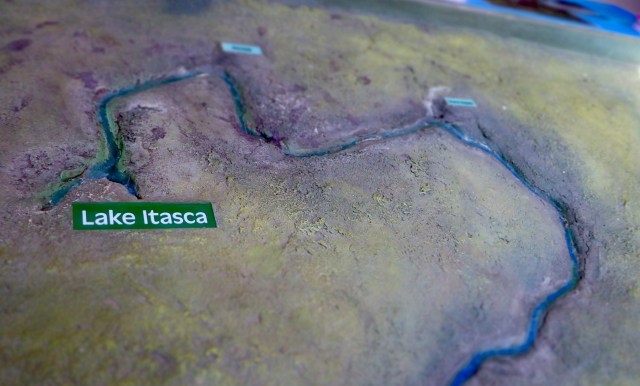
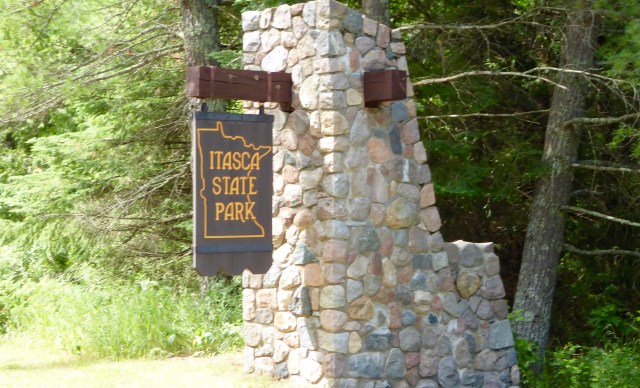
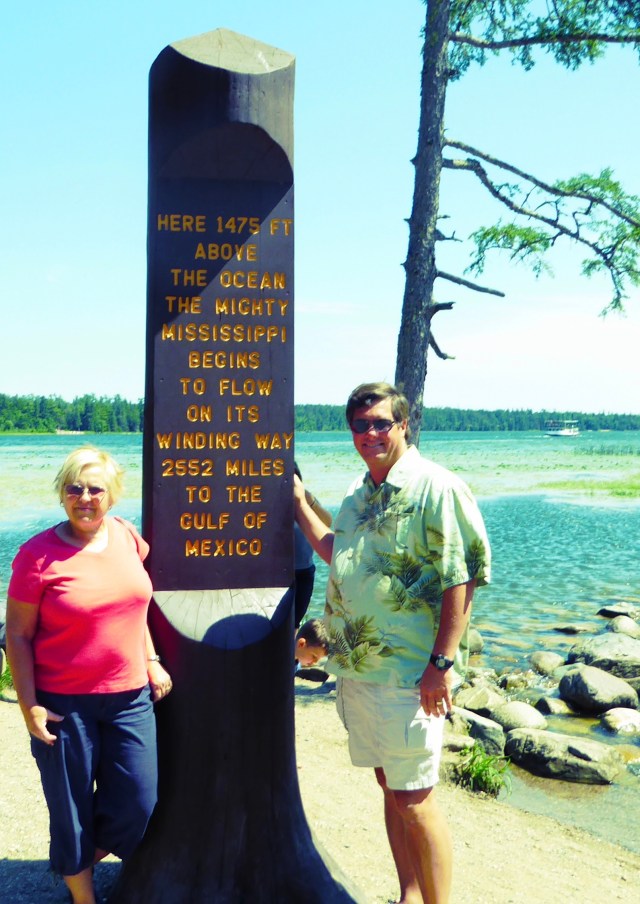
Eenie and Dale took us to Itasca State Park where the mighty Mississippi River has its headwaters. The Mississippi is the fourth longest river in the world at 2318 miles. It also ranks fourth in the world in watershed area which includes 31 states and 2 Canadian Provinces.

P1050703

Historically, the Mississippi was measured at 2552 miles, now believed to be 2318.

While on an expedition to sign treaties in 1832, Henry Schoolcroft sought the source of the Mississippi River. The Ojibwa showed him a lake which Schoolcroft renamed Itasca, from the Latin veritas caput, which he believed meant “true head.”

P1050706

Randy walking across the headwaters of the Mississippi River.

P1050695

Like us, the Mississippi River meanders through Minnesota.

Although the Mississippi river flows south, it begins by flowing 63 miles north and then meandering through Minnesota.  In fact, 30 percent of the river’s total length is in Minnesota.

P1050705

Thank you Eenie and Dale for a truly terrific day!!!


P1050756

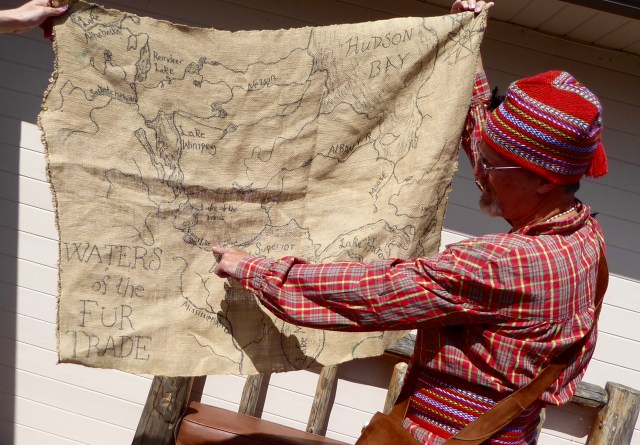
We moved to a campground on Lake Kabetogama, adjacent to Voyageur National Park. This park commemorates several generations of voyageurs, who were critical links in one of North America’s biggest industries, the fur trade. When the industry moved inland in the 1700s the Ojibwa supplied furs from vast areas north and west of the Great Lakes.

Voyageurs, many who had intermarried with the Ojibwa, traded goods for furs. They rowed and portaged through 3000 miles of lakes, rapids and crossings to get to a rendezvous point near the area that is now Voyageur State Park.

P1050765

P1050766

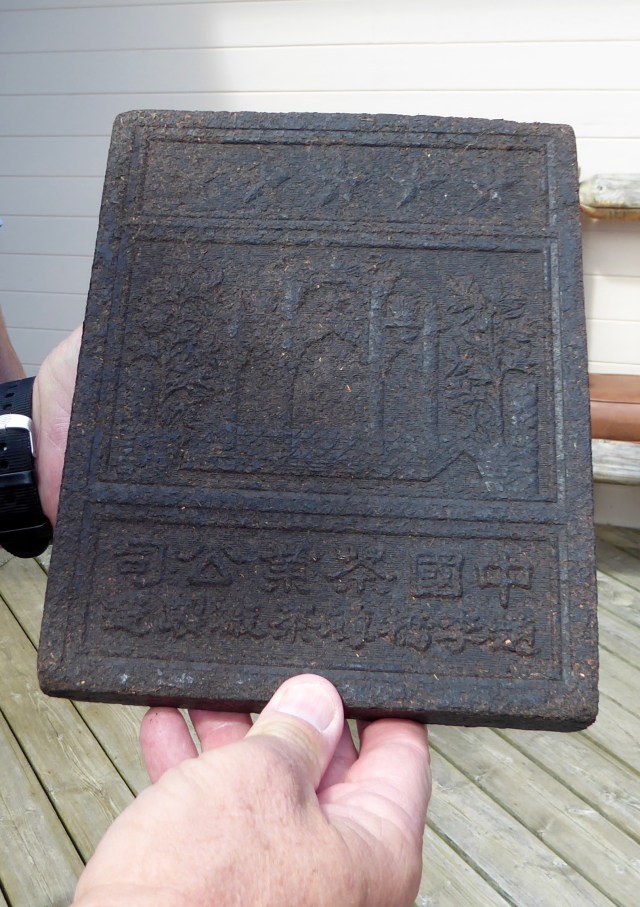
Compressed tea from China was one of the goods traded to the Ojibwa.

Other voyageurs from Montreal rowed through the Great Lakes to the rendezvous site with goods to trade.  They then returned to Montreal with the furs. This cycle continued until fashions changed in Europe and beaver hats gave way to silk.

We enjoyed a guided canoe ride and learned more about the life of voyageurs.

P1050770

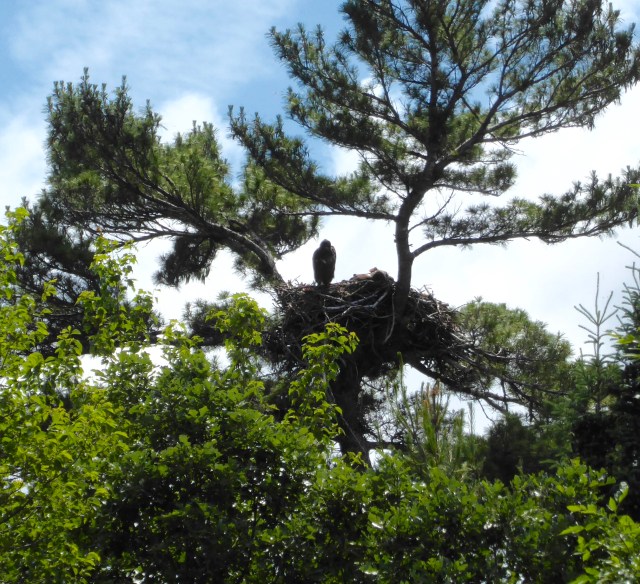
We saw two eagles during our canoe trip on Lake Kabetogama. Throughout the United States, only Alaska has more eagles than Minnesota. We were surprised to learn that Florida was third.

P1050731

America’s Ice Box! If you live here – embrace it!

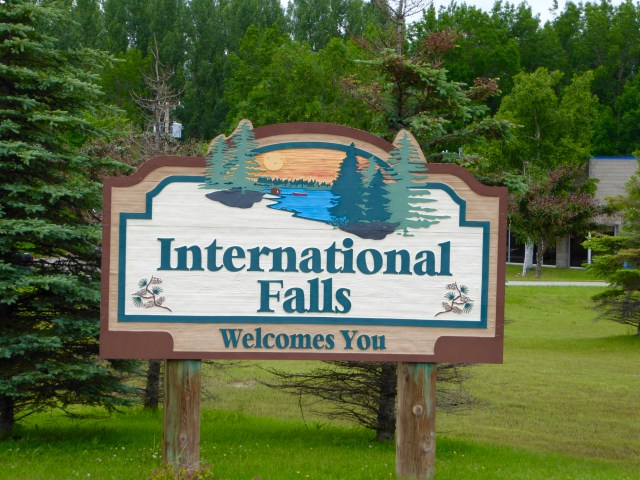
We took a day trip to International Falls, Minnesota, often the coldest place in the US.

P1050752

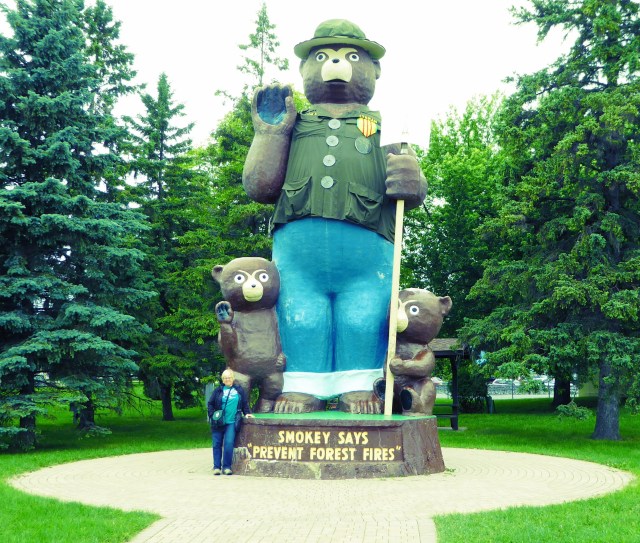
We went to Smokey Bear Park which has the country’s largest Smokey at 26 feet.

P1050754

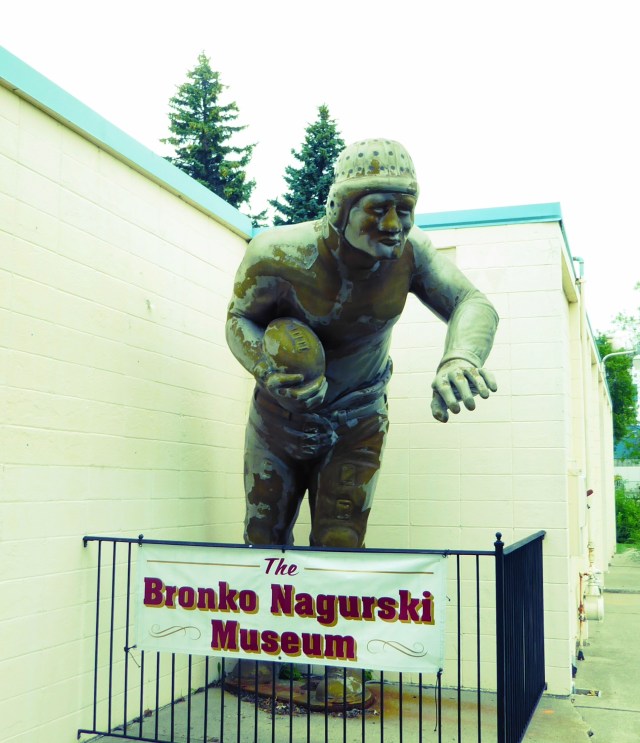
We also went to a museum celebrating native son, Bronco Nagurski, touted as one of the best football players of all time. Nagurski played both offense and defense on teams in high school, the University of Minnesota and the Chicago Bears. He was one of the highest paid players in the NFL in 1930, making $5000 for the season. He is in the Minnesota and NFL Halls of Fame. He had a second career as a professional wrestler but always returned to International Falls, his family and his farm. Even though neither of us knew about Bronco Nagurski going in, the local boy made good angle was still heartwarming.

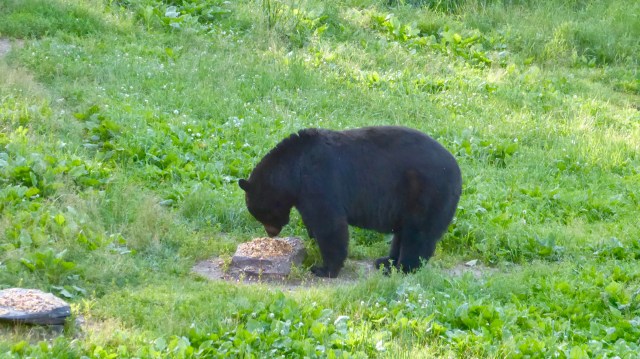
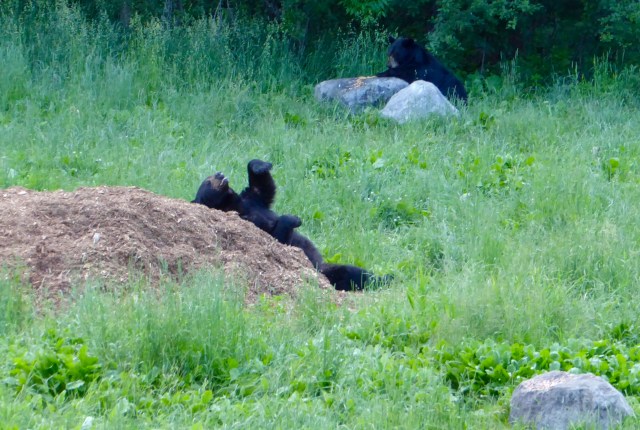
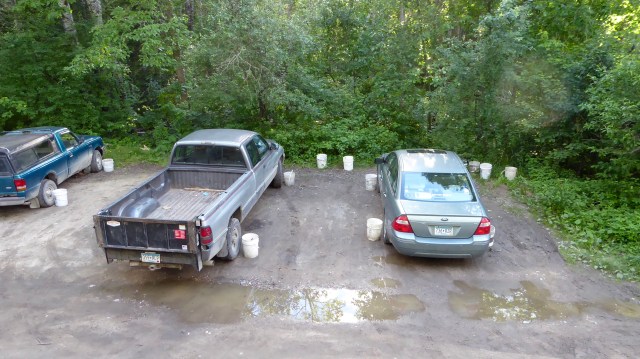
Heading south from our campground we went to the Vince Shute Wildlife Sanctuary and saw more than a dozen American Black Bears. Vince Shute began feeding the bears many decades ago as a “compromise” to keep them from breaking into his cabin to eat. Generations of bears were fed and habituated to people. With Shute’s death, and his concern about what would happen to the bears, a wildlife sanctuary was established to manage this situation. Acknowledging that the feeding should never have begun, the wildlife sanctuary continues it for now to avoid larger problems. It isn’t clear what the end game will be but currently there are educational opportunities and pleasure in viewing the bears from a secure, elevated walkway.

P1050807

P1050802

Although only two in this shot, we could sometimes get three or four bears in a single picture.

P1050808

Buckets of bear scat, collected daily, serve as a repellant to keep the bears away from the tires they desire.

P1050778

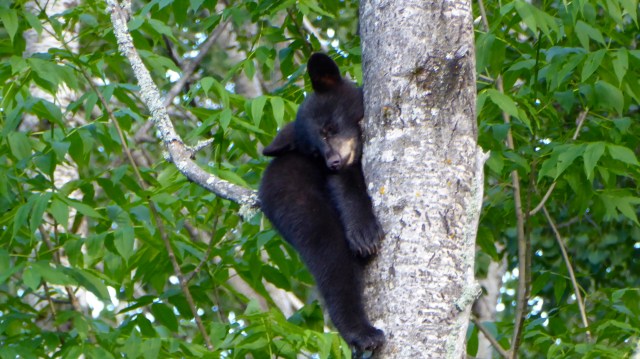
We’ll end with this bear cub who was WAY up the tree napping while mama was eating.

Posted in Uncategorized | 6 Comments

North Dakota – Who Knew?

Over the years we have noticed that when an RVer’s state map is almost full, North Dakota is likely among the missing. Is it a hard state to get to? Or is it a hard state to get motivated to get to?  North Dakota is between Washington and Vermont so we were committed!

P1050599

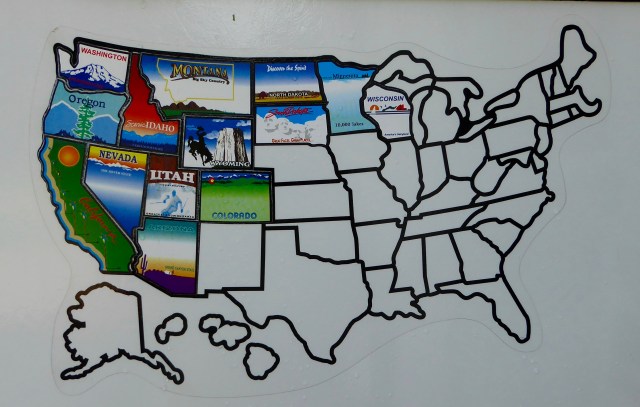
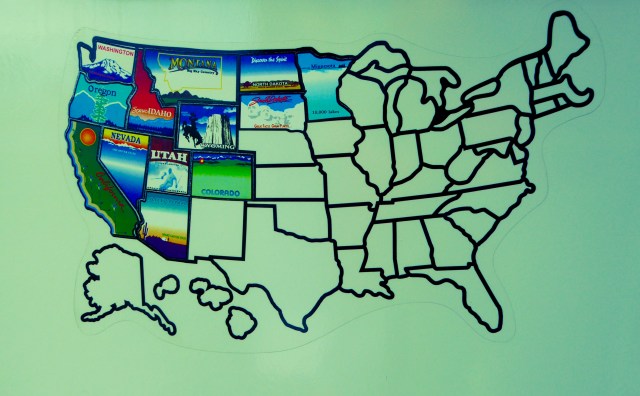
After we spent out first night in Medora, we added North Dakota to our map, the first state we’ve added in nearly a year. We decided to add South Dakota as well since we spent a wonderful 2006 week in the Black Hills in our old trailer  – one of our best vacations ever. When we discussed whether we would start our map again if we got a new RV and decided we would not, it made sense to us to include that past trailer trip.

Medora is North Dakota’s tourist capital and rightly so! It was delightful for a variety of reasons.

P1050428

Sunday morning we went to a Gospel Brunch!

P1050452

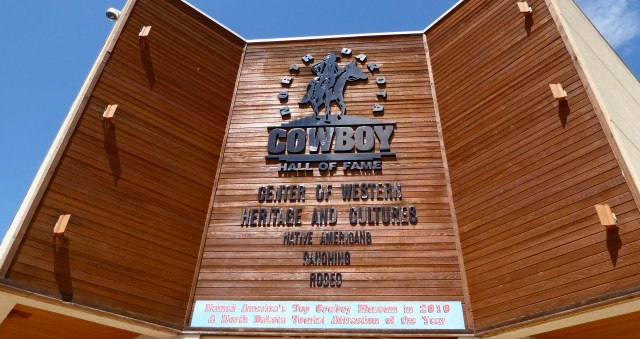
We went to the North Dakota Cowboy Hall of Fame.

P1050368

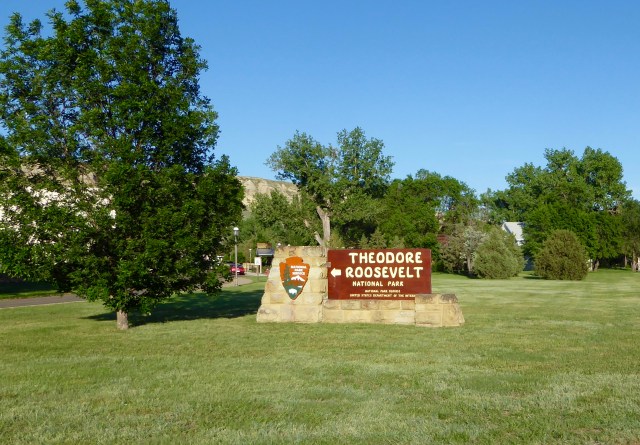
Theodore Roosevelt National Park is accessed in Medora.


P1050404

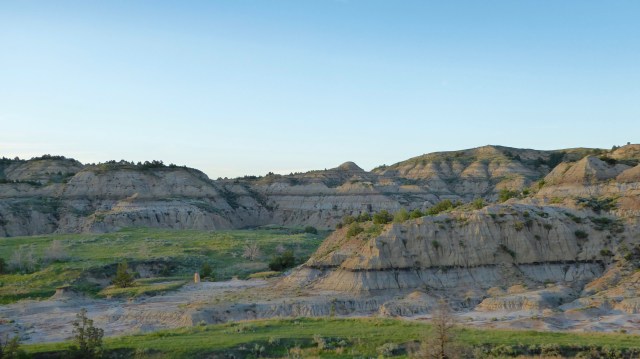
We enjoyed a scenic drive in the park’s southern unit and saw the Badlands and expected critters.

P1050374

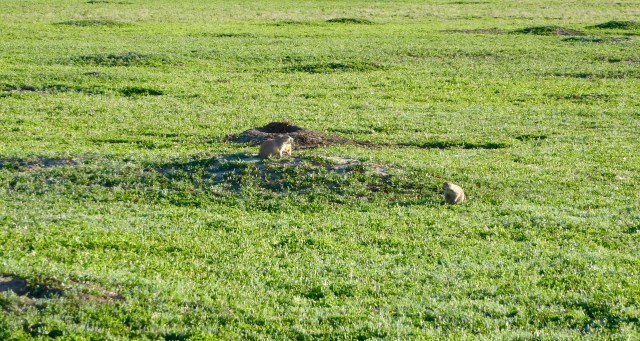
We saw a coyote looking for dinner in prairie dog town.

P1050419

We saw a few bison near the road and two small herds from a distance.

We saw wild horses several times. They are decedents of Indian ponies and escaped ranch stock and roam freely in the park.

Theodore Roosevelt came to North Dakota to shoot bison in 1883, loved the Badlands, and bought into the Maltese Cross cattle ranch. He lived in this cabin which has since been relocated to the visitor center grounds.

Back in New York, Roosevelt was devastated by the death of his wife and mother in the same house, on the same day (February 14, 1884), from childbirth and typhoid respectively. Leaving his infant daughter, he returned to North Dakota to grieve and find peace.
Roosevelt said he would have never been president had he not spent time in North Dakota. His energy, passion and lessons learned in North Dakota made him “The Conservation President.” Theodore Roosevelt set aside more lands as national forests, parks, monuments and wildlife refuges than any other president in US history.

P1050575

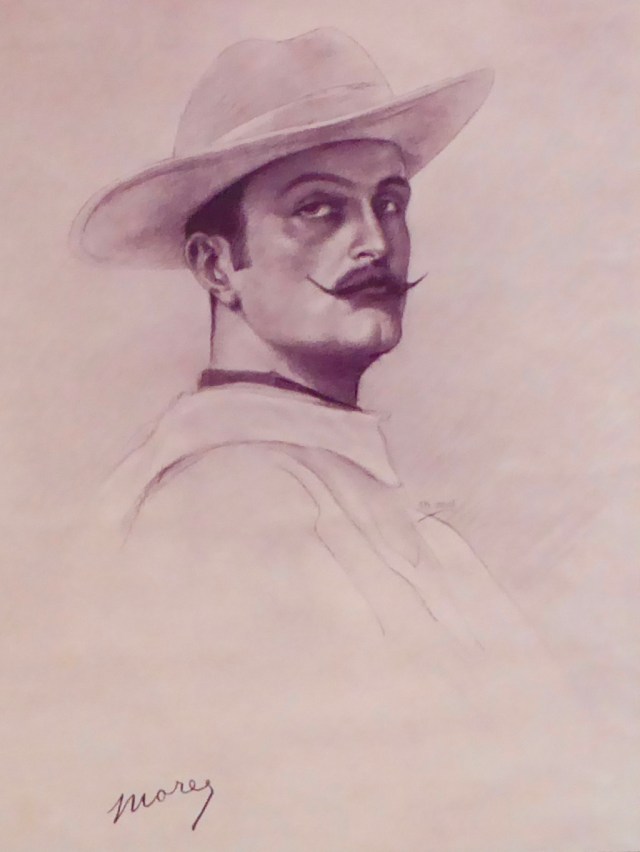
A Medora contemporary of Theodore Roosevelt was Frenchmen Marquis de Mores. He and his wife Medora (for whom the town was named) loved hunting and built a 25 room “hunting cabin.” Dignitaries from the east and around the world came to visit and hunt.

P1050592


P1050590

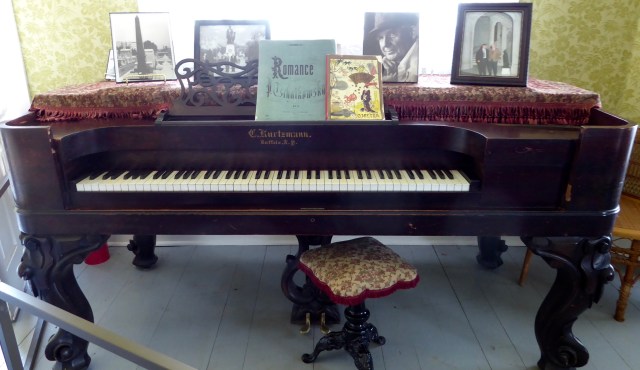
A piano such as this was transported to Minnesota for the winters and back to North Dakota for the summers.

P1050584

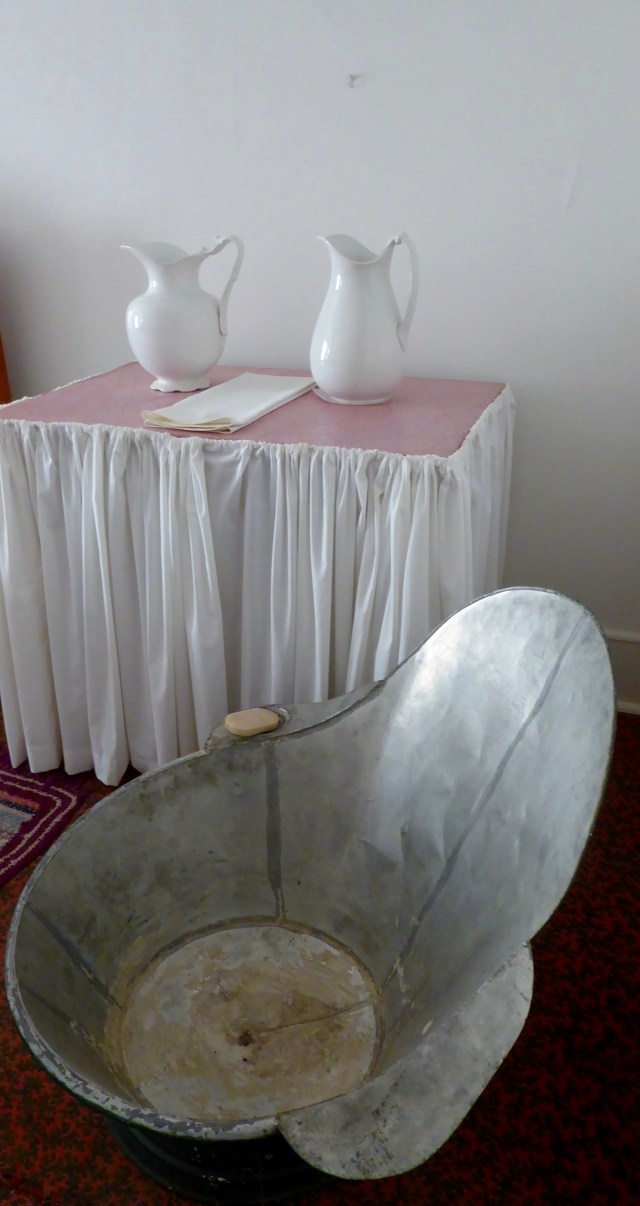
Somedays I miss having a bathtub – maybe one of these could work!

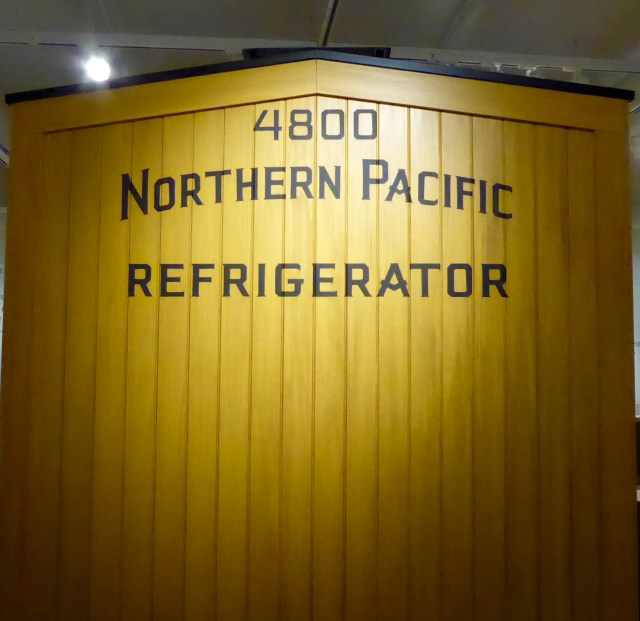
Marquis de Mores was determined to expand his wealth by changing the way beef was supplied to eastern cities. The norm was to ship cows live and suffer loss of profit due to weight loss and injury. He built a slaughterhouse in Medora and shipped the meat by refrigerator car.

P1050577

The business model was valid but overgrazing and the winter of 1886 – 1887 drastically reduced the number of available cattle. The venture failed.  The de Mores family returned to New York but retained ownership of the cabin, called the chateau by townspeople. Their son deeded the chateau to the state historical society in 1936.

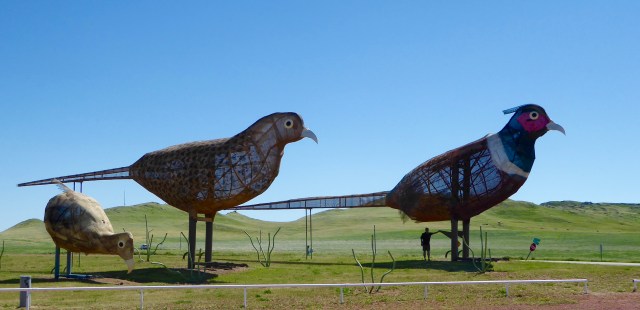
East of Medora, we traveled the 30 mile Enchanted Highway where the largest metal sculptures in the world are spaced along the route.  Here are a few of them.


P1050483

See Randy in this picture for scale.


P1050487

We enjoyed the beautiful and tidy North Dakota farms along the Enchanted Highway.

As much as we enjoyed seeing all these places, we were just as pleased and surprised to be able to see Boise friends, Dennis and Jan. Facebook showed us they were in North Dakota and we were able to work out an impromptu visit!

P1050519

We had a planned visit with Boise friends, Darrell and Cindy, who were in North Dakota visiting family. We enjoyed two of Medora’s premiere events with them.

P1050525

We went to the Pitchfork Fondue Dinner where steaks are skewered onto pitchforks and cooked in hot oil.  Dinner was delicious.

Then we went to the Medora Musical which has run continuously during the summer months for 51 years. It was delightful!

P1050553

The featured entertainer was America’s Got Talent contender Todd Oliver and Irving.

If we come to Medora again, we’d do both the dinner and musical again.

P1050595

The next day we traveled to Abraham Lincoln State Park near Bismarck.

We found a beautiful park with the most convoluted power and water hookups we’ve ever seen, obviously not designed by anyone who uses them!

P1050600

Bad weather in North and South Dakota!

We also had the most severe thunderstorm we’ve ever experienced while in an RV. The ranger came by to make sure we were aware of the Severe Thunderstorm Warning and invited us to take refuge in the restrooms if we felt the need. We stayed in the trailer but had thunder that shook the trailer, lighting that lit up the sky and rain that cleaned this part of North Dakota!

Fort Abraham Lincoln was the home of the Seventh Calvary and General Custer before the Battle of Little Bighorn. The fort began as Fort McKeen in 1872, expanded and renamed Fort Abraham Lincoln the following year, and was abandoned in 1891. Locals dismantled and utilized fort property for their own purposes. The land was given to the state of North Dakota during Theodore Roosevelt’s tenure.

P1050610

In the 1930s the Civilian Conservation Corps built the visitor center museum,  marked fort foundations and built other structures. The young men of the CCC earned one dollar per day and kept $5 per month. Twenty five dollars per month were sent home to families.


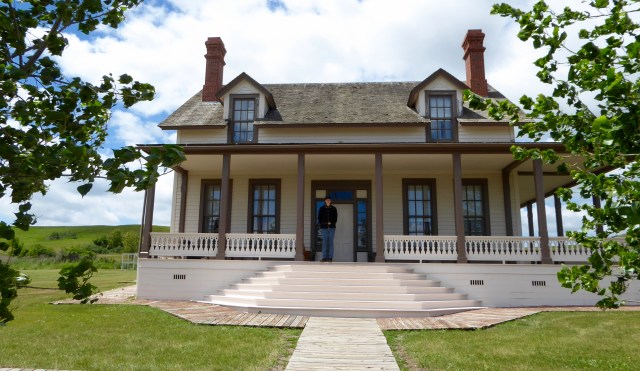
In the 1980s the state of North Dakota built replicas of the local Mandan village and fort facilities. These include the commissary, stables, barracks and George Custer’s house.  Rangers lead tours in the Mandan lodge and Custer’s home.  Others are self guided.

P1050654

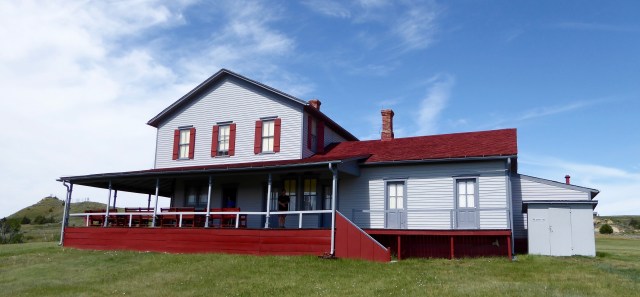
Custer’s previous Commander’s house burned down. He added his own funds to the Army’s $3000 replacement allotment to make his new home more pleasing.  The wrap around porch was one of the upgrades he funded.

We had such a good time in North Dakota!  When I told Darrell, a North Dakota native, that we might have to consider ourselves Dakotans after loving time spent in both states, he suggested we come back in January before we decide.

Today?  Onward to Minnesota!

Posted in Uncategorized | Leave a comment

Headed East through Montana

On the road again! We had a 6 hour drive, longer than we usually go in one day, from Tri-Cities, Washington to Missoula, Montana. There were things to do in Missoula on our “to do document” but it rained a lot and we didn’t do any exploring. Costco and Albertson’s were all we saw of Missoula – except for the campground.
P1050330

Jim and Mary’s RV Park was very nice with generous grassy sites and LOTS of flowers.  Elaborate and simple flower beds were maintained throughout the park. There were three green houses and hundreds of flower pots and baskets.  Jim and Mary have a passion for flowers!

P1050329

We were surprised to find Boise local channels in Missoula on Dish! Interesting spot-beam since Spokane is so much closer. We lost Boise locals 200 miles further east.

After two nights in Missoula, we traveled to Conestoga Campground in White Sulphur Springs, Montana – another nice “mom and pop” campground. It doesn’t have as many flowers but does have dozens of western scene silhouettes. The owner enjoys making them during the cold winter months when temperatures get to 30 below zero.

He also shows his sense of humor with signs around the campground!


P1050334

At the campground sponsored Ice Cream Social we learned about White Sulphur Springs and the area. The actual springs are part of a local hotel but remain open to the public. The town of White Sulphur Springs has a mining and stock history.  We went to see its landmark site,  The Castle Museum.

P1050344

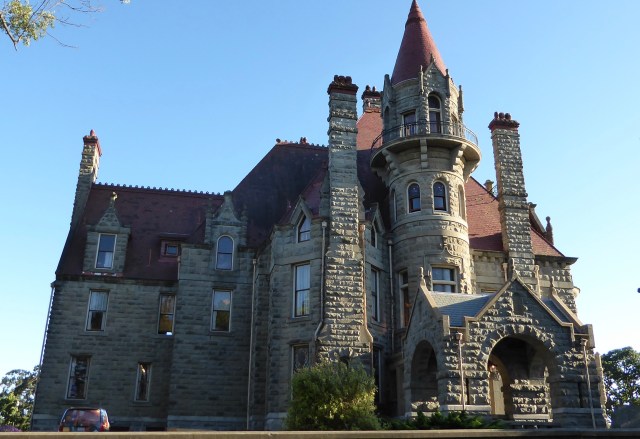
The Castle was built in 1892 by B. R. Sherman at a cost of $35,000 – roughly  $1,000,000 today. Byron Sherman’s extended family included Roger Sherman, signer of the Declaration of Independence, and General William Tecumseh Sherman, Union Army General.

The Castle was built with Sherman’s proceeds from supplying area miners.   (An earlier  direct mining investment had failed.)    The stone was quarried from nearby Castle Mountain and the interior wood was imported from the east. Some rooms had very large windows which allowed for great views of the vast landscape.   The glass was imported from the east without a single pane being damaged.

Sherman and his family lived in the Castle for about a decade.  He thought the quality of coal in Montana was poor so he heated his home with coal shipped from Pennsylvania.

A second family, the Donahoes, purchased the Castle as their “city home”  but spent most of the time at their ranch.  Eventually, they turned the Castle into a boarding house and  dormitory for children who came into town for the school year.  Then, abandoned for decades, the Castle was given to the county for a museum by Donohoe heirs.

Obtained in 1959, the county has restored much of the Castle but only a few original fixtures remain.  Families from around the county donated many, many antiques which fill rooms to brimming.  Unfortunately, no pictures were allowed.

We also learned about the Ringling family’s involvement with the area. John Ringling was the front man for the Ringling Brother’s Circus, became very involved with railroads, and acquired a lot of land in this area. He built a railroad spur between White Sulphur Springs and a town 20 miles south that was renamed Ringling.

John’s nephew, Richard Ringling, lived in White Sulphur Springs and owned the largest dairy barn west of the Mississippi River. The butter made at the dairy became a staple in railroad dining cars and all along the railroad route in the western United States.

P1050341

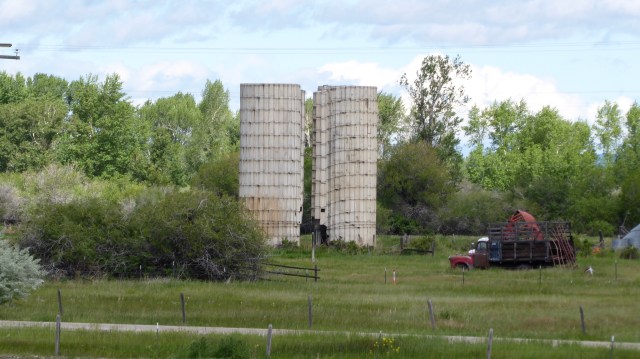
These silos remain from the Ringling Dairy.

We had another long travel day from White Sulphur Springs to Miles City,  driving mostly on Highway 12.  It was a beautiful journey through Big Sky country.

P1050359

Once in Miles City, we were so glad to see our friend Casey!  We worked with Casey at Chief Plenty Coups State Historical Park last September and appreciate that she drove two hours to see us!  Distances are vast in Montana!

We still have 90 miles of Montana to see before getting to North Dakota later today.

Posted in Uncategorized | 6 Comments

Anniversary Cruise

P1050214

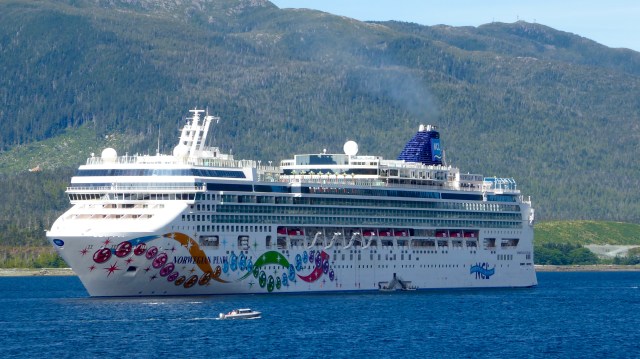
The captain of the Norwegian Pearl said we had the best weather of the season for our 7 day cruise to Alaska. The weather, the scenery and the company were all wonderful!

P1050193

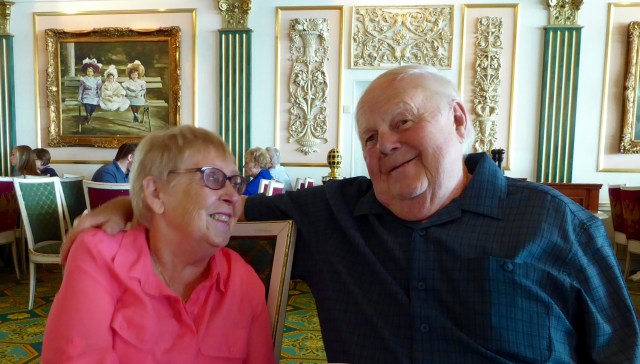
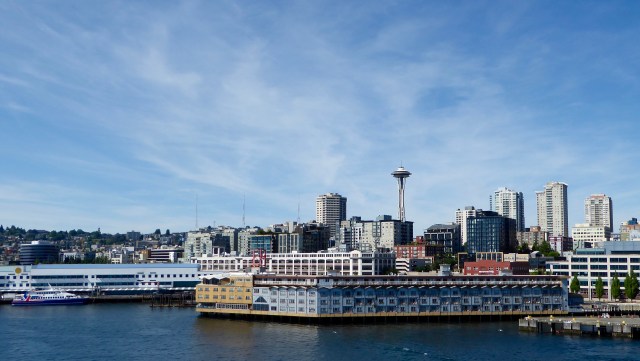
Family members gathered for my parents’ 60th Wedding Anniversary cruise! Seattle looked lovely as we sailed away.

P1040938

Our first “sea day” was cold and blustery but we had a ship to explore and visiting to do. Fortunately, that was the only bad weather we had the entire week.


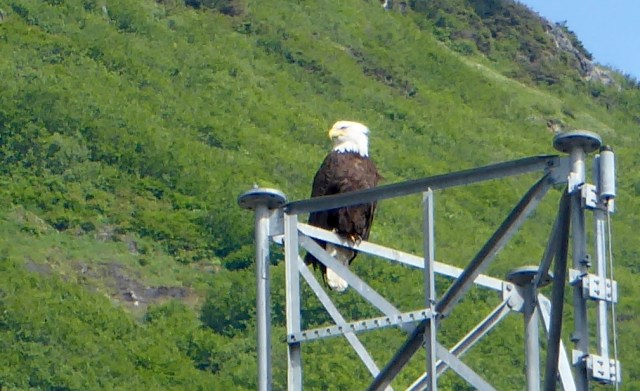
Our first stop was Juneau. We took the McRoberts Tram up the hill and enjoyed a short hike and the view.   We saw this Eagle on a tower – one of many we saw in Alaska!

P1040990

P1050022

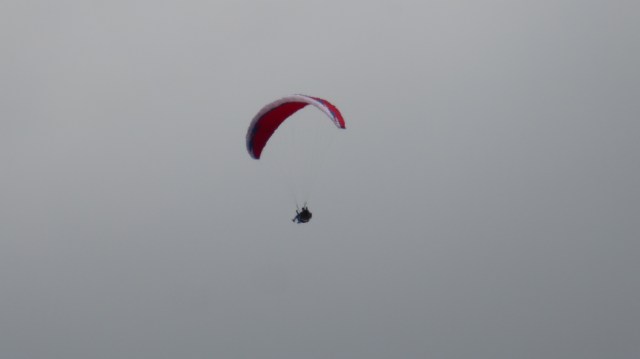
We rode up in the tram with this paraglider. After hiking up even further, he gets about one hour of flight time.

We also enjoyed a Salmon Bake excursion in Juneau as well as a nice sunset as we departed.

P1050055

P1050056

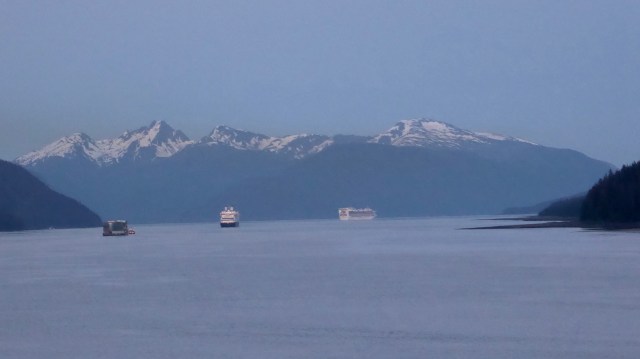
The Ruby Princess and Amsterdam sailed with us all week!


P1050082
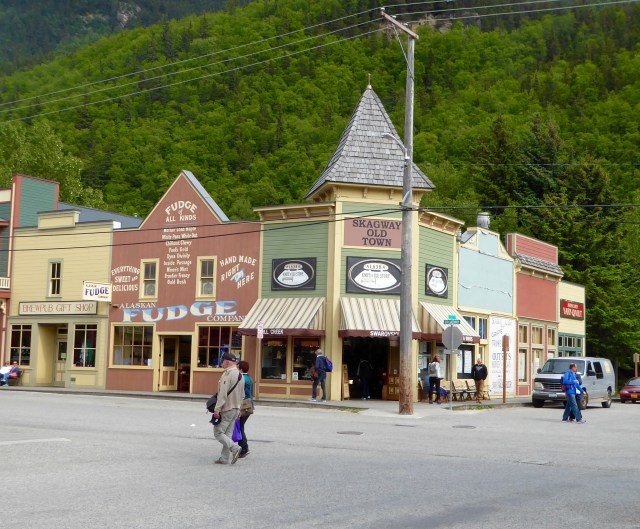
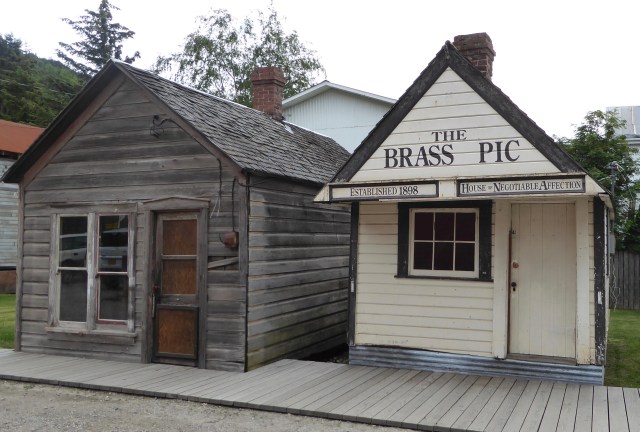
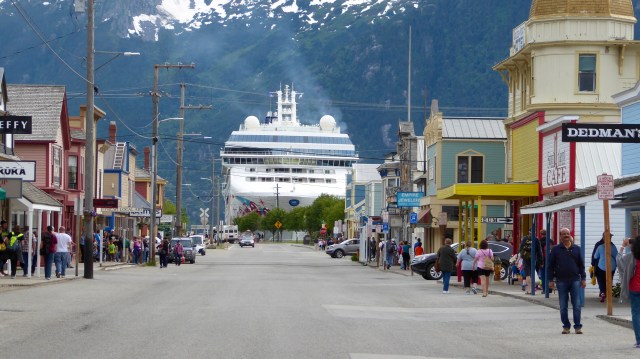
The next port was historical Skagway.   These small “cribs” remain from Skagway’s colorful history.  The one on the right advertises as a House of Negotiable Affection.   P1050086


P1050090
We’ve been to Skagway before and are always amused by the sight of our ship docked at the end of the street!


P1050162

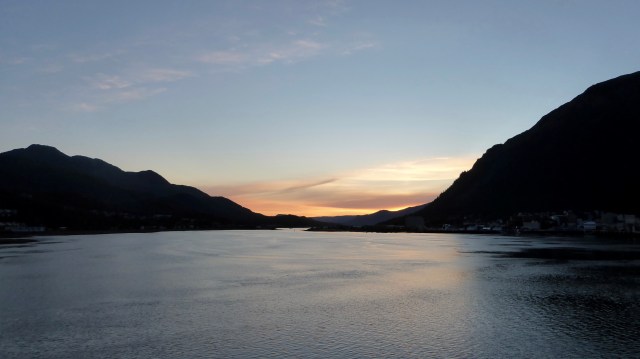
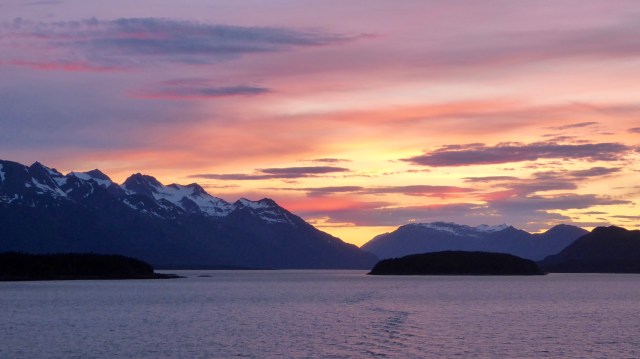
Leaving Skagway, we enjoyed the best sunset of the cruise. The entertainment on the ship was quite good, but that night Randy and I opted for natural entertainment – a sensational sunset viewed from our balcony!

P1050173

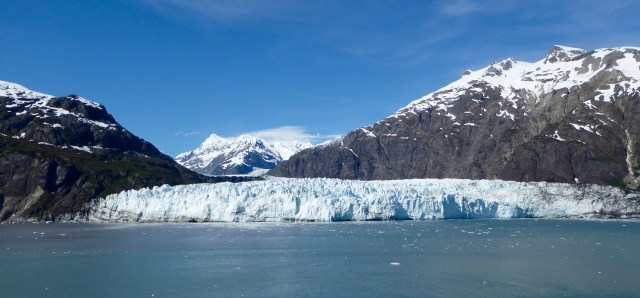
That was followed by another day at sea and a cruise through Glacier Bay. We saw several glaciers and a few whales. Good times!

P1050280

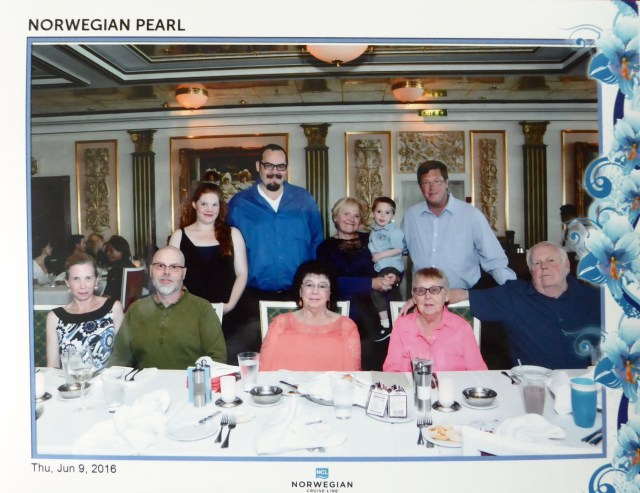
That evening we all celebrated my parents’ 60th Wedding Anniversary!

P1050209

Arriving in Ketchikan, we left the ship bright and early  because our ship was only able to be at the pier until 8:45 a.m. when it had to leave because another ship was scheduled to  dock. Last week the cruise ship, Celebrity Infinity, accidentally took out one of Ketchikan’s four piers  (video here).  That pier won’t be fixed until the conclusion of the summer season. Thus, one ship each day has to stay offshore and “tender” passengers back and forth. Our ship was able to drop off those that went ashore early, but those who left the ship later, and everyone returning, had to tender back.

The tenders were the ship’s lifeboats.


In between getting off our ship and getting back on we went on a Duck Boat Tour of Ketchikan, seeing sites by land and sea.

P1050246

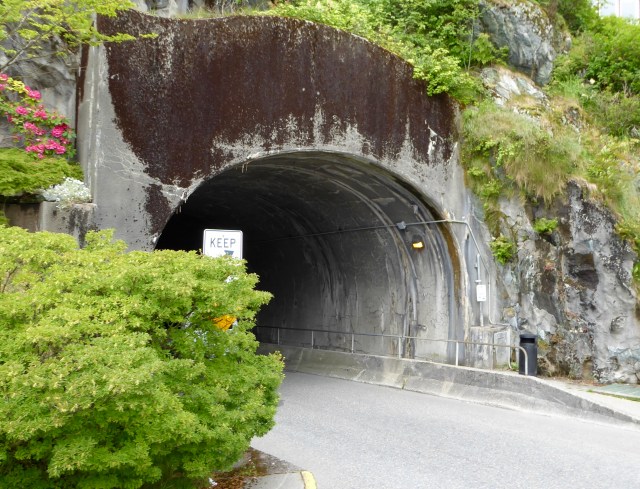
We went through this tunnel which is included in the Guinness Book of World Records. It is the only tunnel in the world where you can go through it, over it, around it and, if the tide is right, under it!


Ketchikan is surrounded by sea and the largest national forest in the United States, the Tongass National Forest totaling 17 million acres. We were told the Tongass National Forest Visitor Center cost more than all of Alaska – more than Seward’s $7.2 million purchase.

P1050221

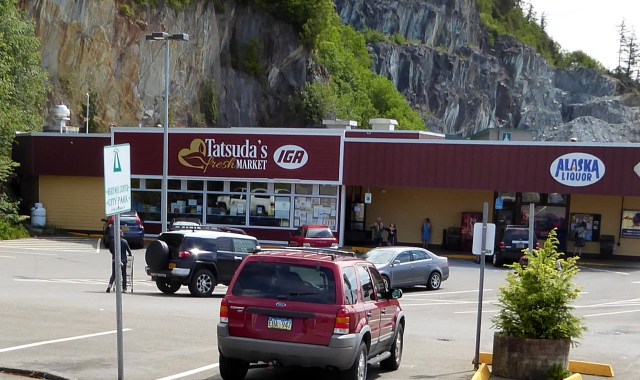
She also told us about the Tatsuda family who operated this grocery store before World War II. Being of Japanese decent, they were forced to relocate to an internment camp during the war. When the Tatsuda’s returned to Ketchikan, they found that the townspeople had continued to operate the store in their absence and presented them a check for their proceeds. Nice!

We enjoyed another sailing evening and day as we continued to head south. We were able to play several installments of the family rummy game and Randy and I were able to take our grandson to the “Guppies” play room for his activities.

P1040984

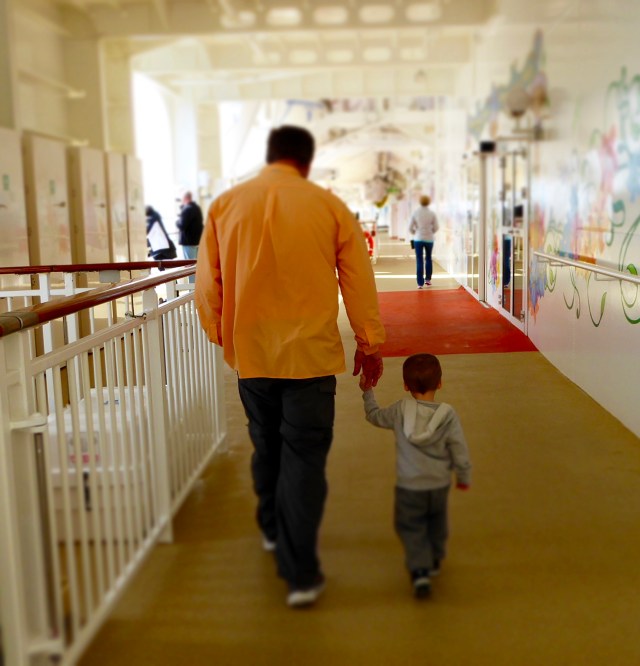
Beema-man loves hanging out with his little guy!

Our last evening of the cruise was in Victoria, British Columbia. If a cruise ship sails in international waters, it is required to make an international stop. Victoria,  Canada is the international stop between Alaska and Seattle.

P1050290

We took an excursion to Craigdarroch Castle,  completed in 1890.  Craigdarroch means “rocky oak place” in Gaelic.  The castle measures over 25,000 square feet with 17 fireplaces.   Craigdarroch had electric lighting a year before New York City.  It also has an interesting history.

Craigdarroch was built for the Dunsmuir family but unfortunately, Mr. Dunsmuir didn’t live to see its completion.    Mrs Dunsmuir, with three of the daughters and two grandchildren, were the only family members to live there. After 18 years as a family residence, Mrs. Dunsmuir passed away and none of the eight children  wanted this beautiful house.

All of the furnishings and sections of the property were sold. A lottery was held to see which of the new section owners would also receive the house. The winner chose not to live there and mortgaged the house which he eventually lost.

Craigdarroch was a Military Hospital during World War I and then Victoria College. It held offices for the Victoria School Board and then the Victoria Conservatory of Music. It has been a Historical House Museum since 1969.

Following another overnight aboard ship we arrived back in Seattle with the feelings of a great time well spent.   Thanks for the cruise mom and dad!!!!    We had a family breakfast and started going our separate ways.

P1050268

The “washy-washy” group sang and danced as they kept our hands sanitized and everyone healthy!

IMG_1678My parents, aunt, and we went to a Mariner’s Game. Unfortunately, the Mariner’s lost…
P1050312

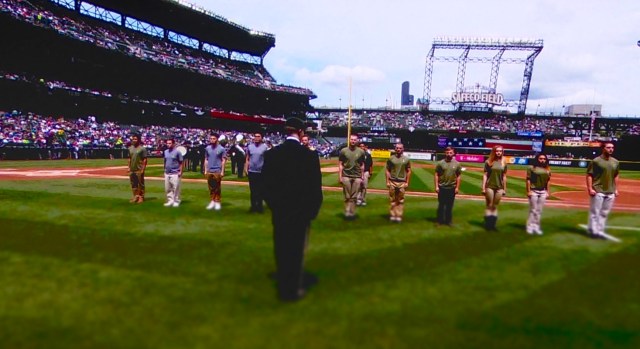
These Army recruits did their swearing in as part of the opening ceremonies.

P1050316

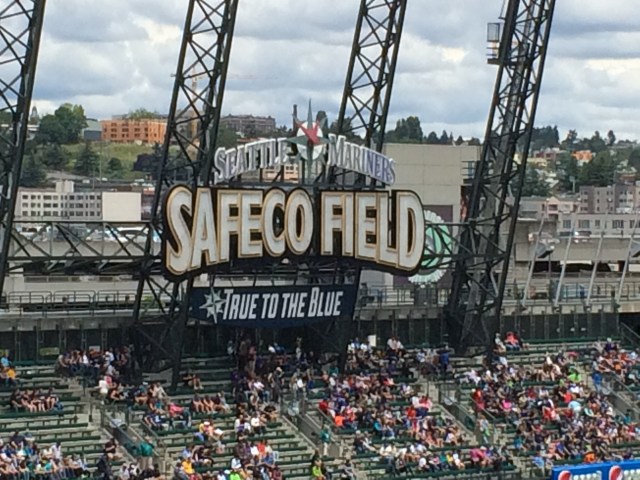
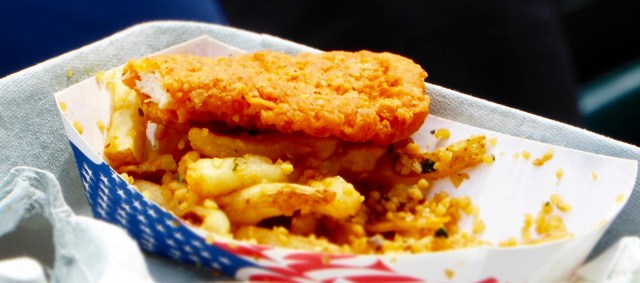
Fortunately, the nearest garlic fries were a row down and several seats away. In the past we actually changed seats  because of the very pungent garlic fries at Safeco Field!

After the game, my parents headed home to Vancouver and we headed to eastern Washington to take my aunt home, and reunite with our boy Elko, and the trailer.  (Thanks Lisa, Chris and Kylee for keeping our boy!)

This morning Randy is having two new tires put on the trailer (again) and the axles aligned (again) before we take off.  Today’s destination is Missoula, Montana as we begin a northern tier itinerary across the US.  We are scheduled to be in Vermont in about six weeks.  We are glad to have you along on our journey.

Posted in Uncategorized | 7 Comments

Familiar and Family Ground

P1040747

A very familiar place in McCall, Idaho.

We spent most of a week at Ponderosa State Park in McCall Idaho with friends Darrell and Cindy.  In addition to hanging out and disc golf, we had some rockin’ Racko and Yahtzee games!

P1040755

Darrell scored a 10 on his 2s and Randy got a 6 on Four of a Kind. They had a rough go of it!

McCall is a destination with great summer and winter activities. I love that these chairs that show just that!

P1040750

P1040751

Nestled in the trees is nice – but no satellite for a week!

We moved to my cousins’ yard in West Richland, part of the Tri-Cities area in south eastern Washington, a place my extended family has lived for many years. As I grew up I knew that both sets of grandparents moved to eastern Washington so my grandfathers could work at Hanford. They lived in company housing in Richland and my parents met as kids in the neighborhood.

Fast forward decades and we’ve all learned more about Hanford. Unfortunately there is a long history as a Superfund Clean-Up site and most believe, a legacy of cancer victims, including my grandfathers, uncle and cousin.  But it is also a success story of great magnitude.

P1040809

We were able to learn some Hanford’s history yesterday when we went on a tour. In 2008, Hanford was designated a Historic National Landmark – on par with the Alamo and USS Arizona. Last year, Hanford, in combination with sites in Los Alamos, New Mexico and Oak Ridge, Tennessee became national park #490, The Manhattan Project National Park.

Tours of the site, and an openness about the work done at Hanford, would be unbelievable to those that planned and worked at Hanford in the 1940s, 50s and 60s.

P1040854

Think back to when Germany was dominating Europe and Pearl Harbor had been attacked by the Japanese and the US was drawn in to WWII. Scientists who left Europe were aware that Germany was trying to create an atomic bomb and were encouraging the US government to do so as well. When Albert Einstein added his name to their effort things got rolling.

The Manhattan Project, named because the man in charge, General Leslie Groves, had an office in Manhattan, was urgent and top-secret. General Groves could co-opt anything he needed from any other agency in the war effort.

General Groves had identified Los Alamos as a test site and Oak Ridge as a site for uranium processing but needed a site to make plutonium. In December 1942, Colonel Franklin Matthias, began looking for a place that was remote, had a supply of fresh water, had low population for safety and security reasons and had raw materials for making concrete. Six hundred and seventy square miles of southeastern Washington was selected.

P1040921

The people currently living in the area, Indians and those in and around the small towns of Hanford and White Bluffs, were bought out and told to leave, one of the first times on record “eminent domain” was used. By report, the payout amount was generous enough but those effected had difficulty finding other lands that had irrigation water available.

DuPont Corporation was Grove’s choice to construct and run the site. Heavily involved with munitions during World War I, and having a reputation as a “corporation of death,” DuPont originally declined. However, General Groves was convinced they were the right company because of their high quality reputation and DuPont started construction in 1944.

P1040759

One hundred thousand workers, including my grandfathers, came from all over the country to work at the Hanford site. Half of them left because of the desolation and harsh climate. Strong winds were called “Termination Winds” because so many people lined up to quit after big dust storms.

The population settled in at about 45,000 workers making Hanford the 4th largest city in Washington and the largest voting precinct. It had the largest “general delivery” post office in the world. Forty thousand workers were housed in barracks while others lived in trailer parks on site. Administrators lived in the government village of Richland.

P1040884

My father’s  and my aunt’s families both lived in trailers on site, two of 10,000.

P1040901

This partial list of food needed in area mess-halls is interesting.

P1040823

Construction of Reactor B, the world’s first nuclear reactor, took 11 months and was operational in a total of 13 months. Theory to execution took less than two years.

P1040917

Hanford received heavily guarded shipments of uranium and produced very small amounts of plutonium. A ton of uranium yielded 1/2 pound of plutonium. Initial levels were 230 grams per day. The amount of plutonium needed for the first nuclear bomb test, completed in Los Alamos, was hand carried in a briefcase by train.

Many workers and area residents didn’t know exactly what was going on at Hanford until President Truman made it public in August, 1945.
P1040837

The second atomic bomb, developed to use uranium at Oak Ridge, Tennessee was dropped on Hiroshima.  The third bomb, built in Los Alamos, using plutonium from Hanford, was dropped on Nagasaki. Japan surrendered 6 days later.

After Russia detonated their own atomic bomb in 1949, Hanford continued to develop plutonium for cold war weapons for decades. Eventually there were nine reactors at Hanford. Modifications to the equipment and processes eventually yielded 1800 grams of plutonium per day.

The site was decommissioned as part of a arms reduction treaty in 1987. Russian inspectors come to this site each year to inspect, as ours do with their sites.

P1040911

These water cooling tubes better look the same as they did the last time the Russians came to check.

So, many years later, we can see the the “areas” and go into the B Reactor, the worlds first nuclear reactor. B Reactor was shut down in 1968.P1040807

P1040815

The front face of the B Reactor

During the tour, the process of irradiating the uranium and eventually getting small amounts of plutonium is explained in mostly understandable ways. What I really understood is that this was an impressive feat, made even more so because the engineers back then didn’t have computers to do all these calculations and designs.


The construction workers, plant operators and support workers believed in what they were doing and did it well. One process they developed took 55 degree water from the Columbia River and purified it through settling ponds and filters. When the water went through the reactor as a cooling agent it went from 60 to 190 degrees in one second.  The still pure water was cooled again and put back into the river. The basics of this process are still used today in water treatment plants around the world.

P1040821

75,000 of these graphite modulators were laid and were only off center by only 1/4 inch.

P1040870

Individual monitors for 2004 separate tubes loaded with fuel slugs.


P1040878

The Control Room

P1040856

Initially, those who worked here believed they were helping  end the war a day earlier for every day they worked. Later, they believed they were keeping our country safe. I am proud that these people included my grandfathers and uncle all of whom worked  at the B Reactor.

P1040912

My uncle changed the cylinder slugs on the front face of the B Reactor during his work at Hanford.

My grandmother taught in a Hanford camp school and my father and aunt attended elementary school on site. Both of my grandmothers and my mother worked clerical jobs at Hanford. My cousin worked maintenance as a pipe fitter on another of the reactors.  Currently, another cousin, Chris, works as a driver in the Super Fund clean-up operation.

My family’s history with Hanford is extensive and we were glad to be able to visit the site and take the B Reactor tour. The National Park offers two other tours, one about the history of the two small towns and people who were displaced, and the other about the clean-up still in progress. We plan to go on those tours on another trip to this familiar and family ground.

Posted in Uncategorized | 4 Comments

Walkin’ to Idaho

We spent a cool, soggy weekend near Sumpter, Oregon with Natasha, Seth and Archer, my parents, and my aunt and cousins. Fortunately my dad brought firewood!

P1040653

P1040658

During rainy times, we played cards in the “garage” of my cousins’ toy hauler trailer. With two trailers, fires and some breaks in the rain – we made out okay. But, we are planning our gathering for June next year!

By Sunday night, only we and my parents remained. They took us to dinner in Baker for our 36th anniversary and then headed back to Vancouver the next day.

P1040660

Monday morning the sun was shining so we decided to stay another day. We’re retired – we can do that!

P1040662

Union Campground, between Baker and Sumpter, is one of our favorite spots, so it was an easy decision to stay and enjoy the quiet and trails.

While we wandered around the park we saw this tree top nest and sitting osprey (?).

P1040703

A day late, we made our way to Copperfield Park in Oxbow, Oregon. This park is one of a series of campgrounds along the Snake River developed by Idaho Power. Every third vehicle in Oxbow is a white Idaho Power truck!  We also saw a deer wandering down the street.


When we arrived and did our regular set up, the bed frame in our bedroom slide settled askew. We have had trouble before but this was by far the most dramatic event. Handy Randy had to resurrect his engineering skills and took a full two hours to diagnose the problem and figure a solution.

P1040684

The original design had the bed frame attached to a wall with eight screws. Given the movement of the slide, those screws tore away from the wall with time and use. The fact that we have a heavier memory foam mattress, instead of the cheap RV mattress that came with the trailer, was surely a factor. However, the slide itself pivots up and down  about 4 inches as it makes its way in and out every time we move. Randy was very disappointed by this design because it was “guaranteed to self destruct and rip away from the wall.” It was no surprise that it eventually did just that.

Handy Randy eventually figured a solution that stabilized the frame and allowed for the needed slide movement without actually attaching the bed frame to the wall. He had to go 17 miles to the nearest hardware store in Halfway, Oregon, spend $27 and get 16 pounds of wood and screws (weight matters in a trailer).  Once again, Randy fixed the problem himself. If we had taken the trailer in for repair, they would have undoubtably just replaced the screws and we’d have had the same thing happen again down the road.

While he was spending all day on his project, I spent several hours repairing a quilt that my grandmother made for us as a wedding gift 36 years ago. My stitching is an insult to this beautiful quilt, but at least the loose pieces are secure.

It took all day but finally our separate bed projects were completed! Then it was time to enjoy the park and the area.

P1040693

Copperfield Park is meticulously maintained and has lots of green grass – something we thoroughly enjoy these days.

We had hummingbird visitors including  this beautiful orange guy!  Our birder friend, Mark, says an iridescent neck indicates a bird is a male – typical in the bird world!

P1040696

We were very close to the Snake River.  In fact, we walked to Idaho (across the bridge) a couple times each day!

IMG_1628

A view of Copperfield Park from the Idaho side.

P1040701

From the Idaho side we could see the Oxbow power plant, part of the Oxbow Dam complex.  It is interesting that this close to a power plant, we still only had 30 amp power.  Of course, this park was developed before there were so many “big rigs” wanting 50 amps.

Oxbow and Copperfield Park are just south of Hells Canyon Recreation Area.  We have been to the recreation area numerous times (not to say we’ve seen it all) so we decided to drive  along the Snake River and explore the other Idaho Power parks.

P1040714

P1040710

Elko got tired of the scenery and took a nap.

P1040717

Randy and Elko waiting while I took a picture or two or three.

This morning Elko’s stroll was walkin’ to Idaho again.  He alerted me to a deer but then lost interest.  The deer was way more interested in the big, black dog than me.


As I write, we are driving in Idaho.  We are on our way to familiar territory, Ponderosa State Park in McCall, Idaho. We are excited to spend most of a week camping with our friends, Darrell and Cindy. If any more of our Idaho friends happen to be in McCall – please let us know. We’d love to get together before we head to New England in mid-June.

Posted in Uncategorized | 6 Comments