Birthday Week in Vancouver


P1040067We have spent the last week in Vancouver celebrating my parents’ birthdays.  Dad turned 80 on Tuesday and mom was 78 on Wednesday. We were glad to share the time and celebrations with them.

On Saturday mom went to the Washington Democratic Caucus.  We were interested in the process and the results.  Her precinct had to move outside because there were so many people  but there was no drama in their large vote for Bernie Sanders.  Their precinct mirrored the state.

DSCF1003

This is what a Democratic Caucus looks like in Vancouver, Washington.

On Tuesday, we traveled along Historic Route 30, the beautiful route into the Columbia Gorge.  We stopped at Vista House, so named because of the beautiful vistas viewable from the site.

Traveling a little further along we saw this goat enjoying a rest on top of the cabin.  We aren’t sure how it got there but it didn’t look distressed.

P1040082

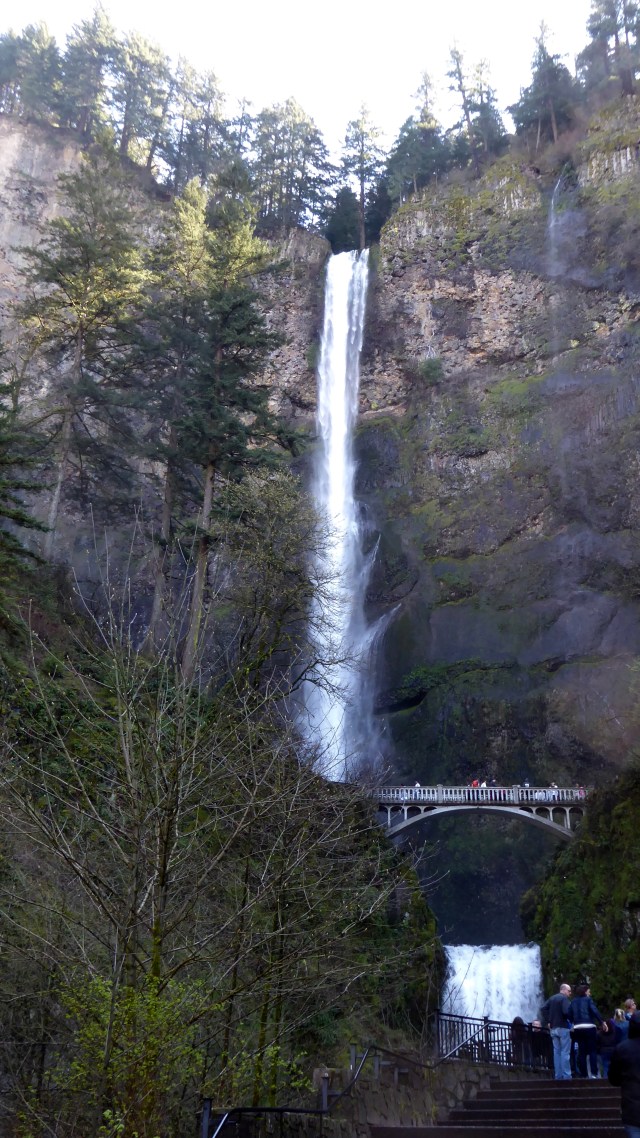
We continued on to our destination,  Multnomah Falls.  These are the second tallest, continuously running falls in the United States.
P1040089

We met and enjoyed lunch, the first birthday celebration, at the Multnomah Falls Restaurant with cousins Marilyn and Lynn from Rock Springs and aunt Rosalee who lives in Hood River. We hadn’t known Marillyn and Lynn were coming to the area this week so it was a nice surprise.

P1040084

On Wednesday, we went to the Rhinelander Restaurant in Portland and celebrated the birthdays with cousins Connie, Michael, and Charlie and his girlfriend, Lisa. Mom and dad have enjoyed the Rhinelander Restaurant since our family lived in Portland in the late 1960s. A good time and good German food, was had by all.  Good German beer was had by some.

P1040136

The beginning of the week was miserably wet and cold and  we had the misfortune of finding a substantial leak in our trailer. Actually, it is a good thing we found the leak but it took Randy most of one day to find it, temporarily fix it, and then get everything dried out with the blow dryer. Things happen when we live in so many different climates and go rocking and rolling down the road!

Its a good thing we have Handy Randy.

P1040094

Later in the week the weather was sunny and warm and mom and I enjoyed some top down time in her BMW Roadster. This car used to be Randy’s and we both enjoyed driving the car a bit.

P1040120

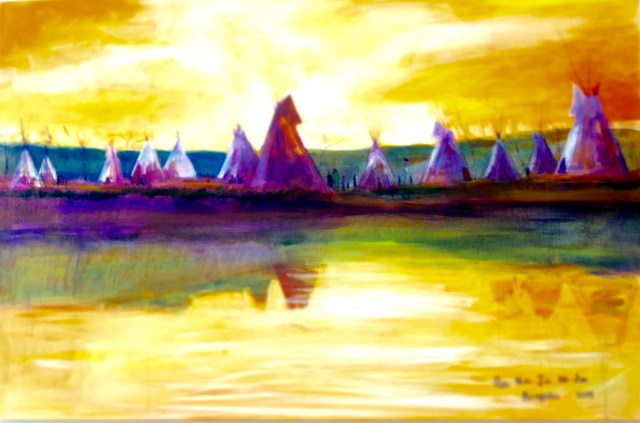
One day mom and I went to the Clark County Historical Museum and enjoyed seeing the exhibits about Native American beading and basket weaving. There was also a very moving art exhibit done by descendents of those who survived the Sand Creek Massacre  152 years ago in Colorado.
P1040108

A combined Cherokee and Arapahoe village was settled on the banks of Sand Creek, where they had been instructed to reside after treaty negotiations. Also as instructed, the village was flying both the United States flag and the white flag of surrender. The Colorado Territorial Militia, angered by rogue attacks by other Cherokee bands, took horrible vengeance on women, children and old men of the village while the younger men were away hunting buffalo.

P1040101 The soldiers mutilated the bodies and proudly displayed them as they were cheered through Denver.  Two officers refused to allow their men to participate in the raid and later testified against the commanding officer, Colonel Chivington. It is a sad tale.    Sand Creek National Historical Site is now in our plans when we are next in Colorado.

On a cheerier note, a food exhibit told us that Vancouver had once been the Prune Capital of the World and that Burgerville, a southern Washington and Oregon hamburger chain, began here in 1961. The privately held company has 40 restaurants and uses fresh, local and sustainable food sources.

P1040138

So the next day we went for lunch! Papa Murphy’s Pizza also has headquarters in Vancouver, but we’ve had their pizzas many times.


P1040139

We all went to the Pearson Air Museum on Fort Vancouver. We’ve seen a lot of airplanes in the last couple of months but we still learned a few new things!

As WWI began observation balloons and planes were used to see enemy encampments and movement. Originally, when opposing observation planes met in the air, they just waved to each other. As war progressed, they began to shoot at each other with hand guns. Eventually guns were mounted on the planes, and the age of fighter pilots began.

P1040149
This is a replica of a 1914 French Voisin, the first airplane ever built specifically to be a bomber.

When the United States entered WWI, German planes were dominant in the skies. The allies needed a steady supply of airplanes. The pacific northwest had large stands of aviation quality sitka spruce but the local loggers were on strike due to unsafe working conditions and long hours. The US Army Aviation Corps created and managed the Spruce Production Division. US Army soldiers worked beside loggers and saw mill operators. The mill produced enough wood to build 300 airplanes a day. Two thirds of the lumber was shipped to the allies for their planes. The Spruce Production Division supplied sitka spruce for the allies for 15 months and discontinued the day after the war ended.
Pearson Airfield was the unexpected ending point of the Russian long distance flight in 1937. Three Russian aviators flew 63 hours, 17 minutes from Moscow, over the pole, intending to land in San Francisco. Oil pressure problems necessitated them landing in Pearson Airfield. They were treated as heroes by those living in the vicinity including the Commanding Officer of Fort Vancouver, General George C. Marshall.

P1040167

Our last visit in the area was to Ridgefield National Wildlife Refuge. There is an audio tour that introduces you to the habitat and the inhabitants as you drive. We saw many, many birds in the wetlands.


We also saw many turtles and nutrias in the slough. Nutrias are water rodents that originated in South America. They were brought here as part of the fur trade and are now considered an invasive species. They were kind of cute in the water – until you see that rodent tail!  Yuck!

We are 90 minutes from Boise as I post this blog.  We are looking forward to spending most of a month at “home.”

Posted in Uncategorized | 3 Comments

Flying Boat and Flying Fortress

We left Ashland mid morning and followed recommendations from friends and parents to stop for lunch at the Seven Feathers Casino on I-5. The parking lot was big and the buffet more appealing than the truck stop or fast food we usually eat on travel days (whatever parking lot is bigger). We were too early for the buffet but, with free casino players cards, we could each get 3 tacos for $1.99 and $5 in free slot play.  The tacos were fine but we were totally befuddled trying to make the slot machines work!   We eventually learned you have to put in  $1  to get the free slots started!  After about 10 minutes Randy had $8.70 and I had  $0.20  to cash in.  It was a bargain lunch!

We  settled in for an easy trip north on I-5, crossing to Highway 99 into McMinnville. It seemed like an easy route and neither of us double checked the GPS until we ended up at a ferry crossing – at least there was a place to turn around!

P1030924
We had to backtrack east, go north, and then south.  We arrived an hour after we should have. We usually travel with a map in my lap –  the learning experience was that now we will ALWAYS travel with a map in my lap.

Why are we in McMinnville? The Spruce Goose is here – along with many other flying machines! We have driven by the Evergreen Aviation Museum a few times but felt this needed to be a dedicated stop. We have spent two days totally dedicated to the museum.

P1040062

Our independent RV park is connected by a walkway to the large museum campus. Being so close meant that each day, when I had had enough of flying machines, I walked home and Randy stayed until they closed.

P1040004

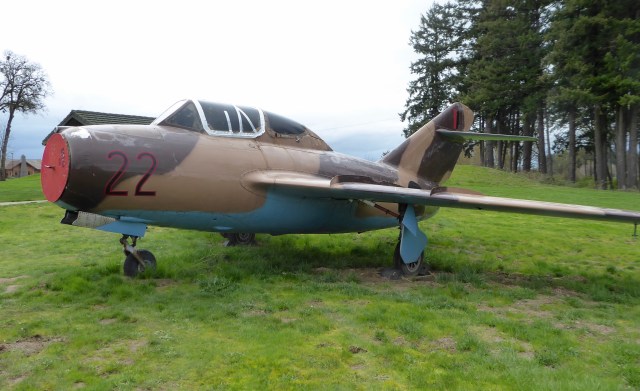
The dreaded Soviet MIG doesn’t seem quite so scary here.

There are a number of aircraft outdoors where we walked with Elko after hours.  This USA C-9 was in service from 1975 – 2011 to transport vice presidents and other high level personnel for presidential administrations from Ford to Obama.

P1040017

Of course, the celebrity flying machine is Howard Hughes’ Flying Boat – The Spruce Goose – too big to fit in one picture.

P1030928

P1030930

The picture below shows part of the cargo section.

P1030990

This, the largest flying machine ever made, was developed as a transport vessel for men and materials during WWII.  It was intended to fly over German submarine infested waters where they made shipping dangerous. Eighteen million federal dollars given to the project included a mandate that no rationed materials (metals) be used. Nor could personnel already being utilized in the war effort be involved with building the vessel. Hughes developed his own engineers and brought in furniture makers from North Carolina to work with the wood, his chosen building material.  Hughes put in $7,000,000 of his own money and managed every minute detail of construction.

The name the Spruce Goose was detested by Howard Hughes and isn’t even accurate.  His Flying Boat was made mostly of birch, layered together and glued. Seven tons of small nails were used during construction and then taken out when the glue had set. The glue seams are stronger than the wood.

P1030968

The Flying Boat was completed in 1947 and flew only one time, in a surprise demonstration with Howard Hughes as pilot. It flew a little over a mile at the height of 70 feet. After Hughes’ death, the Flying Boat had several owners (including Walt Disney), eventually coming to the Evergreen Aviation Museum in McMinnville. To get here the flying boat was taken apart and shipped by barge in still large, but manageable components. After arriving in McMinnville in 1993, it was reassembled and made available for viewing in 2001.


P1030989

The wingspan of the Flying Boat is longer than a football field and the tail is as tall as an eight story building. Hundreds of beach balls were used to fill empty spaces in the hull and floats to assist with buoyancy. Instead of wing walking on the wings, men could walk in the wings.

The hangar holding Hughes’ Flying Boat is massive and holds many other flying machines as well. Imagine our surprise when one of the first planes we looked at was donated to the museum by someone we know!

P1030936

This Quickie 2 was built, flown and donated by Greg Kelsay and Amos Garrison from Boise. We know Greg but didn’t know about this plane.

P1030966

We were able to go inside a B-17 ”Flying Fortress” and learn about the 10 men crews. The phrase “the full nine yards” harkens back to the 9 yard lengths of shells for gunners on B-17s.   Randy posed as a waist gunner.


Over the course of WWII, 33 percent of B-17s failed to return from their bombing runs. We learned about the crew of the Memphis Belle who beat the odds and returned from 25 bombing runs – and met the threshold for going home.  We watched the 1944 government documentary on the Memphis Belle one night, and the 1990 Hollywood version the next.

P1030960

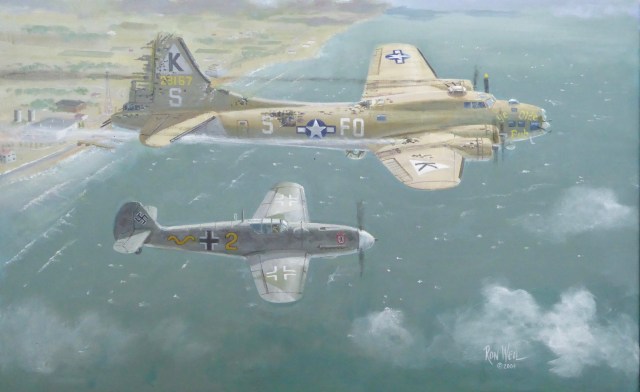
We also learned about Lt. Charlie Brown who piloted the severely  damaged Flying Fortress “Ye Olde Pub” as it limped back to base after a bombing run with an injured crew. The B-17 encountered a Messerschmidt bf-109 and miraculously, the German pilot did not finish them off, but only escorted them out of German airspace. The two pilots met 45 years later and became good friends. “A Higher Call” by Adam Makos is based on this event and I already have the audiobook ready for our next long travel day (Vancouver to Boise next Friday).

P1030941

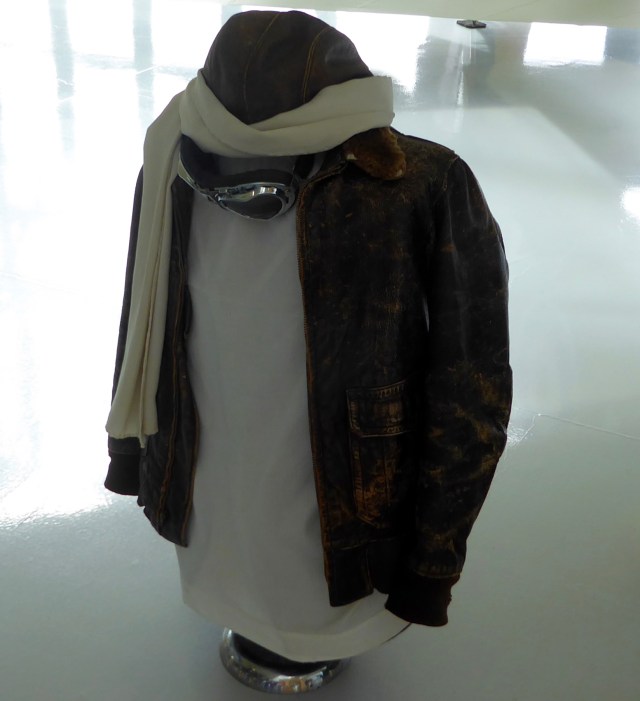
Did you think early pilots wore the goggles and white scarves just to look handsome to the ladies? Not so. Castor oil was the lubricant used in early airplanes and pilots needed to keep their eyes and nose clear of the spray. Infusing castor oil spray was bad news when you couldn’t get to a bathroom easily.

There are so many airplanes and so many stories and all this was just part of one of the buildings!  There is an IMAX theater showing three movies. (I saw two films and Randy saw all three.) There is an Air and Space Building which took a another whole day to explore!

This display shows Soviet Union and US space program timelines right across from each other.  You can see the successes, setbacks and competing goals which eventually merged into cooperation.

P1040025

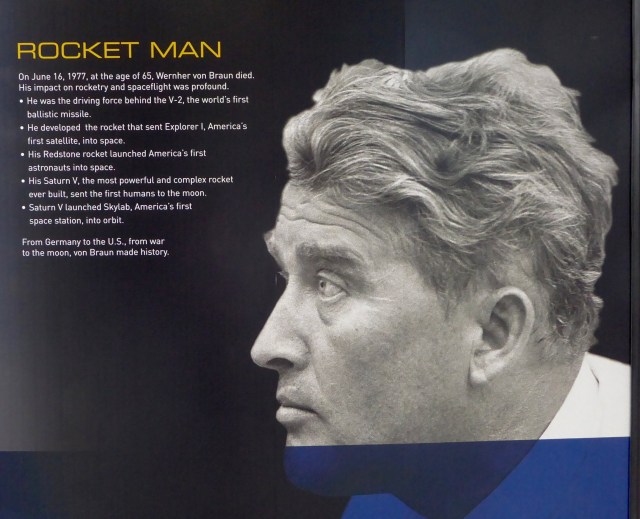
We learned about  Wernher von Braun, the Rocket Man. Interested in space as a young man, Von Braun’s V-2 Rocket technology was used in the first ballistic missiles for Nazi Germany.  At the end of the war he surrendered to US soldiers and eventually worked for the US Space Program. His Titan and Saturn rockets sent satellites, astronauts and Space Lab into space.

There are many other space exhibits including simulators that let you try to land the space shuttle Discovery and the Apollo Lunar Module!

One building we did not explore was Evergreen Wings and Waves – a water park where you get to slide right out of the plane!  Maybe next time…

P1040002

Posted in Uncategorized | 9 Comments

Rural Respite

After some enjoyable months of urban camping, we were ready for some open landscapes!  During the last week we have appreciated our rural respite through California into southern Oregon.

P1030846

We saw power production areas in southern California including mirror collection and wind turbines.

We were amazed at the amount of traffic in this desolate area between Las Vegas and Los Angeles!  We were even more amazed when it came to a crawl.   Fairly soon we saw a sign that indicated a California inspection station two miles ahead.  I had forgotten about the inspection station when I had stocked up on groceries the day before!   After creeping along for two miles, we came to the station and they were not stopping anyone.  The good news is we got to keep our produce!


We spent one night at Success Lake – a ways north of Bakersfield. It was so rural at the lake that there wasn’t cell or data service (tolerable for one night). We loved our view from our campsite the next morning.


The hills surrounding the lake were very green and I saw a number of these large white birds on the lake.  Our birder friend Mark says it is a white pelican.  Thanks Mark!

P1030875

The next day we traveled to a park between Fresno and Yosemite. Our primary reason for being here was to spend time with Aloha and Bob, our camp hosting partners from last summer at Farragut State Park. It was terrific to spend a couple days with them both at our place in the park and then at their home near Fresno.

IMG_1419Elko even got to spend time with his friend, Yukon!

P1030874

As a bonus, we really liked the RV park where we stayed! Park Sierra is a co-operative – built, occupied and maintained by Escapee (SKP) RV club members – a group we belong to. The park was beautifully designed to embrace the natural landscape and the friendly residents and cooperative spirit were very appealing. We aren’t looking for an RV home in central California, but if we were ready to consider such a thing – Park Sierra might be the place.

Our next stop was Minden Lake, north of Sacramento.

This campground was uninspired but the lake on one side and the agricultural fields on the other satisfied the current rural preference.

The last time we drove this route was in November of 2014.  We took pictures of the historically low water levels in Lake Shasta due to the extended California drought.

P1030746

Lake Shasta – November 2014

Although still considered to be in drought condition, the wet winter and spring have the lake and surrounding areas looking much better.

P1030889

Lake Shasta – March 2016      Whoo-hoo!


P1030897We also remember seeing these “State of Jefferson” signs and billboards from our last drive through the area. In fact, the original State of Jefferson efforts to carve out a new state from northern California and southern Oregon began in 1941!  Currently there are 21 counties in northern California that have submitted, to the California legislature, their intention to separate and form their own state – The State of Jefferson. If ignored or disallowed, they plan to sue California for lack of representation.

We crossed the border into Oregon and came to the familiar Emigrant Lake County Park in Ashland, Oregon.  While setting up, Randy realized he “knew” our neighbor.  Bill Gehr writes technical articles for Trailer Life magazine and Randy reads them every month. They talked shop for a while.

P1030904

We are in the same campsite as our last stay here in November 2014 and took these pictures from a similar vantage point. This lake is looking good too!

Our main reason for coming to Ashland was to see family. My parents came down from Vancouver to meet us and we planned to spend time with cousins Guerin and Donna. Unfortunately, illness kept Guerin and Donna from joining us but we had a good time with my parents.P1030910

We went to the Ashland Shakespeare Festival but alas, during this year that William Shakespeare would be 400 years old, at one of the oldest Shakespeare Festivals in the country, we did not see a Shakespeare production. Totally a factor of what was showing when we could be here, we saw Dickens’ Great Expectations at one of the indoor theaters. It was terrific!

P1030911
For you veterans of the Idaho Shakespeare Festival – familiar actress Sara Bruner is now here in Ashland. We didn’t see her in this play but the playbill indicated she is in two productions at the Ashland Festival this year.

P1030913
We also celebrated Elko’s birthday!  We adopted him six years ago and now consider him to be eleven years old.   He is such a sweet boy- and a very easy traveling companion in this lifestyle.  Elko’s favorite thing to do is go outside and hang with his dad!  Happy Birthday Elko!

Posted in Uncategorized | 6 Comments

Urban Camping – Las Vegas Style!

P1030806

For the past week we have stayed at Oasis Las Vegas RV Resort.  Checking in here is more like checking into a nice hotel!

The park is situated between Las Vegas Boulevard and I-15 and is within two miles of The Strip. Our trailer is a “short pitching wedge” from the noisy freeway – literally 30 yards. There is a barrier wall so we hear but do not see the cars.  The noise from the freeway helps drown out the noise from the airplanes overhead because the Las Vegas airport is also close by!

P1030804

See our Montana trailer on the right.

The spots are tight, but doable, and the really crazy part is this huge lighted billboard 25 feet from our door.

P1030800

It is really bright at night but we have blackout shades so it really hasn’t effected us. We see some light residue through the skylight in our shower but not enough to bother us.  So, why are we staying in this crazy park for a whole week?

P1030799

We are here in Las Vegas for the Mountain West Basketball Tournament and wanted somewhere close to the venue with good security for Elko and the trailer since we would be gone so much.

IMG_1390

At least there is a Dog Park for Elko to enjoy since he had to spend way too much time alone this week.

IMG_1387

We decided that we weren’t going to try to do anything except the tournament  because 20 games over 6 days is a lot of time away from Elko and the trailer. Actually we only went to 14 of the 20 games – exhaustion (and guilt) settles in, even as a spectator.

P1030832
The highlight of the week was when great friends Kent and Pam rolled through town for a couple of days on their way south! They joined us for four games on Thursday.

The low points were when both the mens’ and women’s Boise State teams, each seeded #3, LOST their first round games. We were not unique though – the same thing happened to Air Force, San Jose State and Wyoming, although their seedings weren’t as high.

P1030822

The teams didn’t play great – but the BSU pep band did!

The San Diego State fan base was here in force and so was their Aztec mascot.

P1030827

We remember seeing him a couple years ago, or a previous incarnation of him, at a December football game in Boise. He was dressed like this even though it was about 12 degrees that night. His fortitude, or foolishness, was impressive.

P1030813

We just had to shake our heads at the women coaches who wear these high, high heels while working the game. Usually the head coaches had more sense but we noticed the assistants wearing shoes such as these over several of the women’s games. Very strange – and probably not very good for the lovely hardwood floor.

Coming to the tournament was something I had wanted to do for a long time but couldn’t ever justify taking a week off work to do so. Now that we’ve done it, or will have “done it” after the Men’s Championship game this afternoon, we are glad we came but won’t likely come again.   Next time we’ll just stay in Arizona and take in a few more Spring Training games.

Tomorrow we leave here and head west into California. We will make a couple of great family stops in Oregon and Washington before heading back to Boise for April. We count our blessings every single day!

Posted in Uncategorized | 2 Comments

Quick Stop in Surprise, Arizona

P1030795.jpg

After staying a month at each of our last two stops, the four nights we spent at Sunflower Resort in Surprise, Arizona – northwest of Phoenix – went by in a flash. Sunflower Resort is a terrific park combining the things we loved about the Yuma park and the Tucson park –  lots of activities, music around the pool, very clean and tidy. If you like snowbird parks (and I guess we do) Sunflower is a good one.

Elko loved the dog park and wanted to go there every day – at least once! On the way to the dog park we noticed a Boise State banner so made a point of stopping to chat when we saw them out.

P1030790

They were Darlene and Don from Kuna, Idaho – and their daughter  had taught with our good friend and Kuna teacher, Cindy!   Always a small world out here!  Darlene and Don are the stage managers for this year’s Sunflower drama production.  The play this year is “Drinking Habits” and Don invited us to attend the dress rehearsal so the actors could see how things played off an audience. The play was delightful and we enjoyed our free afternoon show!

IMG_1381
We sat with Jean, age 93, who lives in the park full time and told an interesting story. She met her “husband to be” in November 1942, just two months before he was shipping out to the war in Europe. Although they wanted to marry , his father would not allow it. After a couple of years, he was injured in a tank explosion and spent time in a hospital in France. When he came back to the US in 1945, they were married. Jean’s husband passed away in 2001 after 55 years of marriage. We have met many interesting people at these snowbird parks!

IMG_1384

We met Gerry and Kathy at the park in Tucson and spent some time with them there.  We “snowbirds of a younger age” found we had quite a bit in common.  They too were coming to Surprise and we got together a couple more times. Hopefully we’ll see them again sometime down the road.

And the reason we came here ….spring training! We enjoyed two Mariner’s games – one win and one loss.  Both days the established players played a few innings and then gave way to those who are trying to make the team.

IMG_1370

Fun times! We are blessed!

Posted in Uncategorized | 2 Comments

Tucson: That’s a Wrap!

After a very pleasant month in Tucson, we leave here tomorrow. We are headed to the Phoenix area to see a couple Mariners’ spring training games and then on to Las Vegas for the Mountain West Basketball Tournament. But first, a look back on our stay in Tucson and things  we haven’t mentioned.

I once named a blog post “Our Own Private Idaho” because there were several Idaho folks on our campground loop in northern California. Well, I could have titled this one “Our Own Private Ada County.” (For non-Idahoans – Ada is the county encompassing Boise and surrounding communities.) We were very surprised to so see many Ada county license plates in a snowbird park in Tucson. We learned that the RV club,  Rolling Eagles, spend a few months here each winter.

P1030530

Fourteen rigs from the group were present this year including someone I knew – the former Meridian teacher Bobbi Brown, now Bobbi Rees. She, and her husband Bill, hosted breakfast for the Rolling Eagles and invited others, including us, to join the fun.

Of course where there are lots of Idahoans – there are lots of Boise State gear and banners – we fit right in!

P1030785

In many ways snowbird parks like these are playgrounds for the active retired – and we barely scratched the surface. There are sports, exercise, educational, wood-working, jewelry making, writing, singing and so many more activities. There are classes and seminars to attend including the weekly AppleMac class that was my very favorite activity in the park. There is even a very large model train course that enjoys daily use.

P1030422
Randy really, really enjoyed getting reacquainted with his old past time – golf. He went twice a week with the group here. He even parred the Tin Cup hole at the Tubac golf course – made famous in the Kevin Kostner movie, Tin Cup.

The most enjoyable aspect of this park, in our opinion, is the entertainment. There is a concert or performance every Thursday and Friday night – at least in the month of February that we were here. We went to all but one – not sure what happened there!

The highlight was international performing guitarist, Pavlo, who was amazing.  He calls his music Mediterranean due to his Greek roots but it sounded wonderfully Latin to me.  You may have seen him on one of his PBS specials.

P1030406

At the Pavlo concert, we sat next to this couple from Indiana who had a son named “Randy Joe” also born in 1958 – it was kind of strange!


We saw Las Vegas performer and impressionist Robbie Howard – who can sound like dozens of well known singers. We saw an Arizona country western group Mogollon, and a local high school’s exceptional Mariachi group.


We enjoyed comedian Dick Hardwick, honky tonk pianist Mario Carboni and the University of Arizona pep band- all right here in the park.

We saw the Arizona Pep Band once again, in action, at an Arizona Wildcats Game. Going to a basketball game, to see one of college basketball’s premier programs, was one of the things we wanted to do while we were in Tucson. When I set about getting tickets in early January, the only tickets left for any game in February were singles. To get two seats together, I had to go to a 3rd party vendor and pay more than twice the regular ticket price. – The only game that had even that availability was on Valentine’s Day evening – so that is what we did.

P1030507

It was quite impressive to watch a program with such an illustrious basketball pedigree. Prior to the game starting, the digital ribbon banners extolled their impressive history: 69 NBA draft picks, 28 All Americans, 28 Conference Championships, 18 NCAA Sweet 16 appearances, 11 Elite Eight, Four Final Four and One National Championship. Once the game begins, the crowd remains standing until the opposition scores. They repeat that at the beginning of the second half. A less than impressive feature was the crowd shouting “sucks” as each opponent was introduced. A little classless – for an otherwise class programP1030747

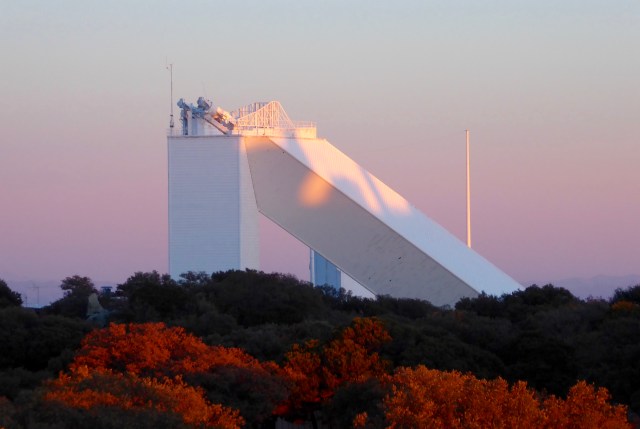
Our final excursion was a drive up to Kitt Peak National Observatory – our country’s only national observatory – established in 1958. There are 24 telescopes on the mountain, but only a few are government funded and operated including the 4 meter Mayall reflector and the world’s largest Solar Telescope. Most seem to involve a university consortium and some operate remotely.

P1030752

The World’s Largest Solar Telescope

We went to an evening event where we spent time at the visitor center and learned how to read the night sky.

Then we went out and observed the constellations with the naked eye and binoculars. The final hour was spent viewing various stars and nebulas through a telescope. The highlight was seeing Jupiter and four of its 67 moons!

Even after a month, there is much in the Tucson area we have not had time to do. Spending time here again in the near future is a distinct probability.

P1030768

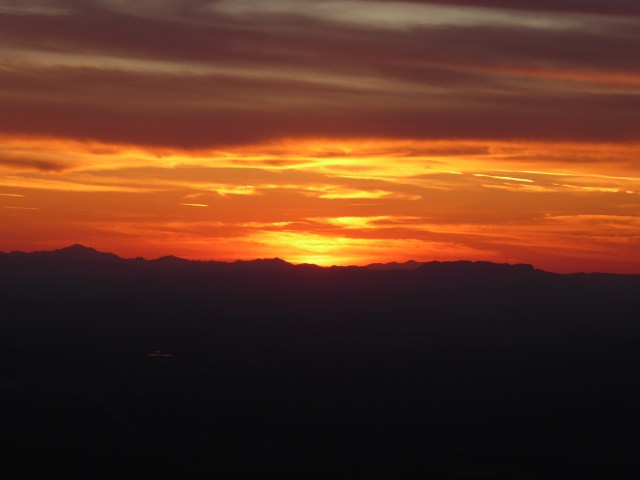
Sunset – as seen from Kit Peak.

Posted in Uncategorized | Leave a comment

The Mission, the Mine and the Wildlife Museum


P1030513
We visited Mission San Xavier del Bac, also called the White Dove of the Desert, and heard the story of  Jesuit priest, Father Kino.   He began the mission in 1692 and served for 33 years.   After the Jesuits had a  falling out with the government of Spain, Franciscan priests  arrived and oversaw the  mission.   It was they who began building the mission church  that still stands.   San Xavier mission faced neglect with Mexican independence but continued.    After the Gadsden Purchase brought the area into the United States, restorative efforts were made without any government involvement.

P1030251

A duplicate of this statue of Father Kino is one of two supplied by Arizona for Statuary Hall in the Capital Building in DC. The second is of Senator Barry Goldwater.

Father Eusebio Kino, Jesuit priest, was the man who started it all.  As a young man in Italy, the future Father Kino suffered a life threatening illness and vowed that, if he lived, he would become a priest. He did live and studied for years in preparation. He was deemed gifted in mathematics and cartography and dearly wanted to serve in China. However, he followed the wishes of the Jesuit priesthood and went to New Spain.

Arriving in 1671 he served the Pima Indians, teaching them a new faith and new farming techniques. He also advocated for them when they were abused as laborers in silver mines by the ruling Spanish.   Mission San Xavier del Bac  was one of 24 he established in the area.

Over the years, Father Kino explored and charted much of what is now northern Mexico and southern Arizona and southern California. He explored Baja California numerous times, determining that it was a peninsula – not an island.

The current mission building was begun in 1783 and has a varied history including earthquakes, lightning, and neglect. Some features, such as the right tower have never been completed. There were a number of restoration attempts over the years, including one that used concrete and was quite damaging as those repaired sections  retained water more than the natural material. The current effort involves artisans from around the world and proceeds when money is available.

The art and statues (56) inside, and the work done to restore them, are impressive. An interesting feature is that the priests incorporated European and native symbols and peoples to make the transition to Christianity easier for the natives.

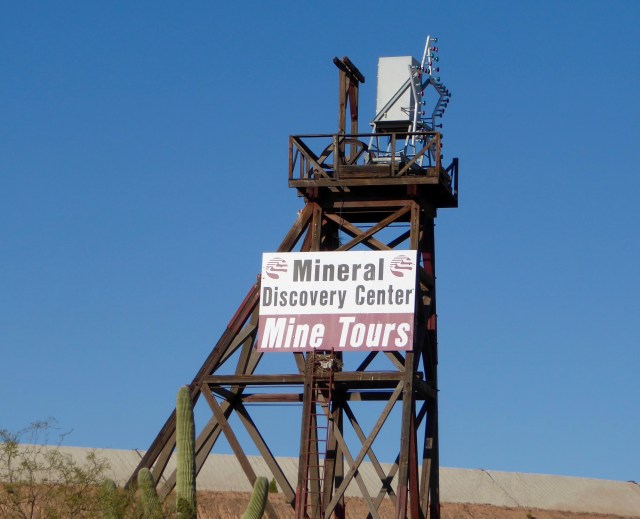
Currently, the Mission is on the National Historic Register and sits on the Tohono O’odham San Xavier Indian Reservation. There is an associated mission school and Mass is celebrated on a regular basis.P1030706We took a tour of the Asarco Mission Mining Site – so named because it is within 10-15 miles of the San Xavier Mission, but the mining emphasis has shifted from silver to copper.  It is a 2 mile by 2.5 mile open pit mine. Blasting is utilized to diminish solid mass into boulders or rocks of less than five feet in diameter.

P1030710

The very large trucks hold 320 tons of rock when carrying a full load to the mill.

P1030718

P1030709

Tires for these large vehicles cost $80,000 and last 4-5 months.

This truck with its 170 ton payload and bulldozer scoop were retired in the 1970’s. Today’s vehicles and tools are so much bigger and more powerful.

Due to an unknown gas leak, we did not get to visit the mill but learned that the rock is broken up and ground repeatedly until it is a copper powder. Somewhere in the process the powder is soaked with various chemicals in large vats . Eventually the process forms copper sheets that are 99.99 % pure. From boulder to sheet takes 28-30 days.

There are a few other by-products of the mining process that are acquired and sold, but copper is the main emphasis. Asarco estimates there are 15 years left of active copper mining in this pit.

The future? Our tour guide suggested three probabilities. First, there is a layer of granite under the copper that may entice another company to purchase the site. Second, it may become a very large sand and gravel pit. Or third, if the area is retired, it is required that the land be returned to its natural state. Asarco once operated five open pit mines in the area. Two that are on the Tohono O’odham Reservation have been successfully restored.

In the meantime there is a 225 acre (170 football fields) Solar Farm on mine land in the buffer zone between the pit and their neighbors. It is able to provide power for half of the homes in the neighboring town of Sahuarita, population just short of 27,000.

It was an interesting outing , if somewhat sad. The desert around Tucson is beautiful and it was stunning to see such a very large scar cut into the landscape. Yet, copper is used in so many things in our world and 640 people work 24/7, 365 (366) days a year in the mine…. I would just like to go back in 16 years and see that the restoration really is in process.

Another interesting, and somewhat sad, outing we took was to the International Wildlife Museum.

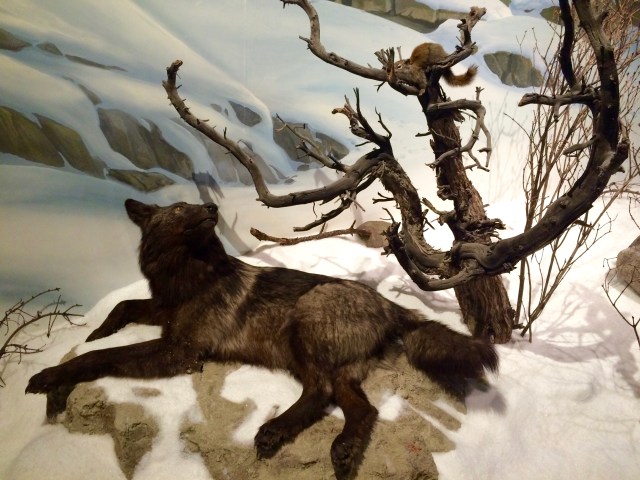
It is the educational outreach and the international headquarters for the Sierra Club. Four hundred insects, mammals and birds from around the world are displayed in dioramas and exhibits. Cousins Lynn and Marilyn – have you seen this place?

IMG_1325

Going in, I knew very little about taxidermy. In the museum exhibit, I learned that only the hide/fur/covering of an animal is used in its final presentation and that the inner structure is built and formed by the taxidermist. Randy said he already knew that but I had always thought the skeleton was preserved and used. Learning is growing!


The animals are beautiful and some are more than 100 years old. The museum states that no animals were killed specifically for the museum and were “donated by various government agencies, wildlife rehabilitation centers, captive breeding programs, zoos and individuals.”


As people who don’t hunt,  we had some mixed feelings about the museum. However, the animals were very beautiful and superbly displayed and maintained. We left impressed.

Posted in Uncategorized | 2 Comments

Airplane Stories


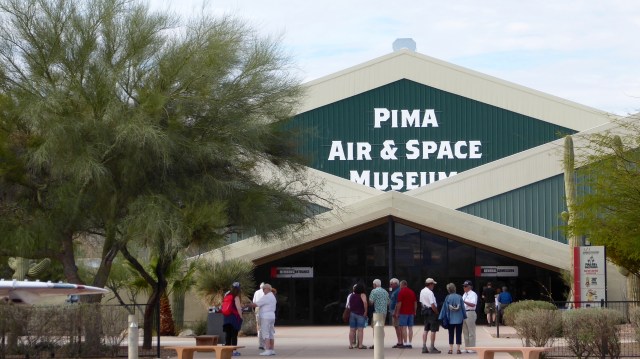
P1030547We spent most of a day at the Pima Air and Space Museum, another of Tucson’s must-dos. It is the third largest aircraft museum in the country (behind the Smithsonian and the Air Force Museum) with hundreds of aircraft displayed outside and in numerous large hangars.

The specifics of wing span, engine size and bomb payloads muddled in my mind very quickly and I quickly latched on to the airplane stories.   The museum often identifies when the aircraft was manufactured, where it was deployed, when and where it was salvaged, civilian use if any and how the Pima museum obtained it. I found myself very interested in those aspects of an aircraft’s history and some of them have very unique stories. I hope you enjoy them as well – and I’m saving my favorite story for last!

Grumman_(GM)_FM-2_Wildcat_MG_8810_a

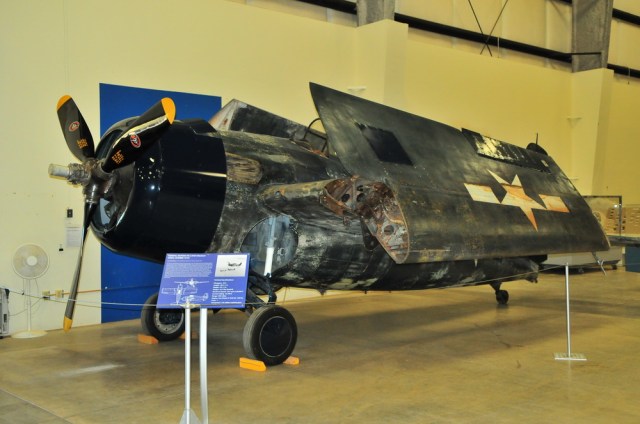
During WWII, new pilots needed to learn to  take off and land on aircraft carriers – only all the aircraft carriers were in use in the war zones. In the Great Lakes, barges were re-surfaced with an aircraft carrier top and training occurred there. The Wildcat airplane above slipped off the side of the practice carrier, undamaged, and was submerged in Lake Michigan. (The wings were folded in for storage purposes on the carrier.) It was retrieved 55 years later and obtained by the Pima Museum.

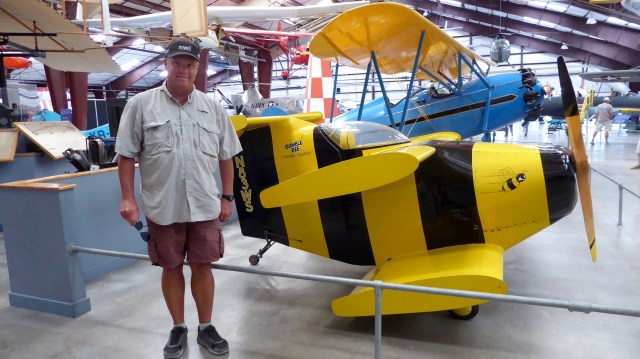
P1030552The Bumble Bee was built with the specific intention of getting a Guiness World Record for the smallest plane, which it received in 1984. The record held for eight months.

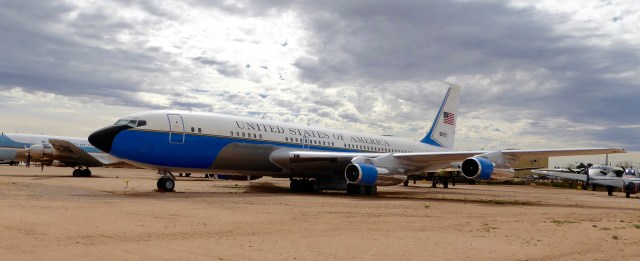
P1030578This plane brought the Iranian held US Embassy Hostages home on their Freedom Flight in 1981.

P1030585

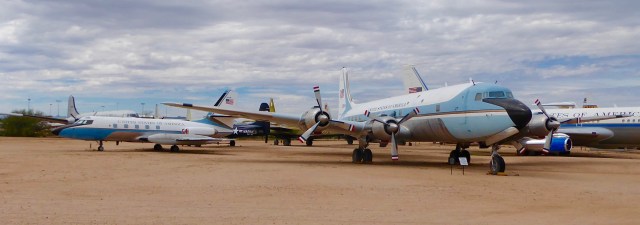
The plane on the right was Air Force One for Presidents Kennedy and Johnson. Randy remembers being able to go into this plane when he toured the museum years ago. The plane, still owned by the US Air Force, no longer allows that for liability reasons – what a shame.  The smaller plane on the left transported presidential family members was dubbed “Air Force Half” by President Johnson.

P1030593

One of the most versatile military aircraft ever, the C-47, evolved from the DC1 – originally built for TWA as a passenger plane. DC2 and DC3 versions (for civilian use) were stalled when all aircraft manufacturers built for the war effort during WWII. This particular C-47 was the second one ever built. The white lines near the tail were painted on all Allied planes during the Normandy Invasion to identify friends among the foes.

boeing_787-8_ana_boeing_n787ex_17_pima2015
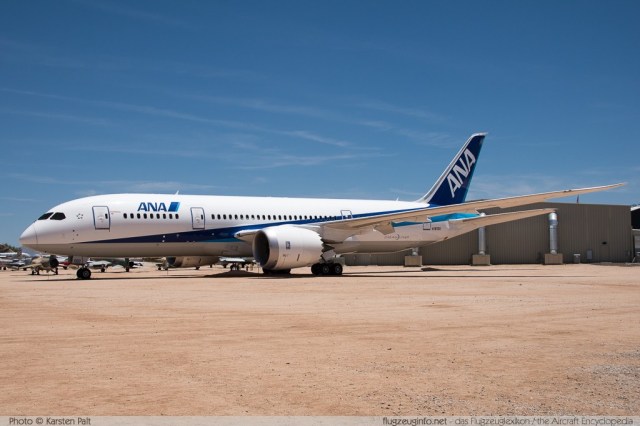
The Dreamliner ANA was one of six prototypes to test the Boeing 787 around the world. Fully instrument equipped, the test plane was never certified to fly passengers, and was given to the museum when testing was complete.

P1030588

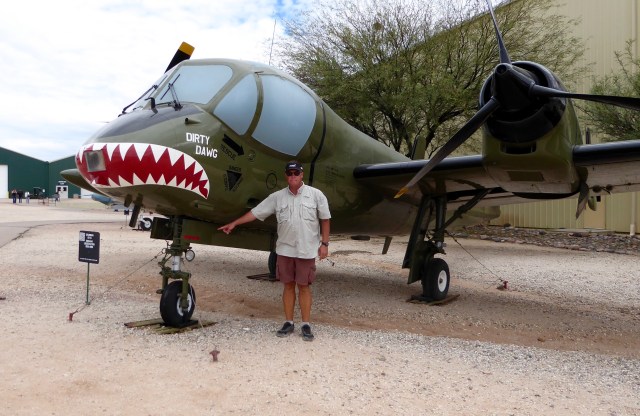
Many planes have nose art and symbols identifying various mission activities. Randy is pointing to four red hearts on the Dirty Dawg indicating this observation plane sustained four bullet holes.

Bad-Angel-01

The Bad Angel – My Favorite Story!

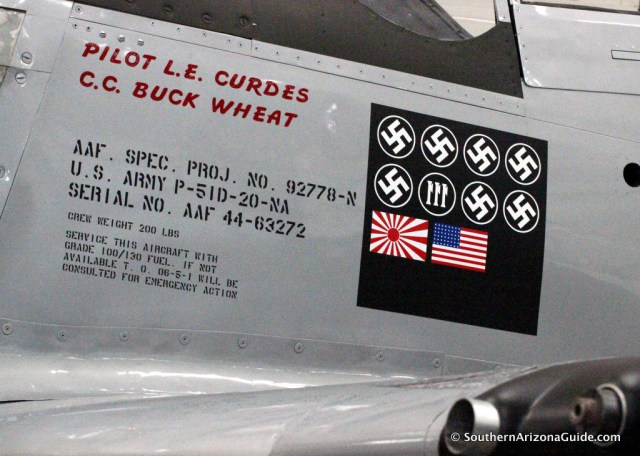
The P-51 Mustang, Bad Angel, was piloted by LE Curdes and has interesting symbols on its side representing its “kills” – seven Nazi, one Italian, one Japanese and one American….Hmmm.

Kill-Insignias-Close-01

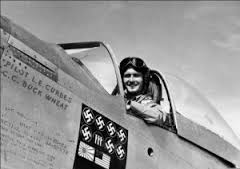
At age 22 Lt. Curdes went to the war zone and had shot down five German planes within his first two months in the Mediterranean. During the next three months, he shot down an Italian plane and two more German planes before he himself was shot down and captured by the Italians. Within days of his capture,  Italy surrendered and Curdes and a few other pilots escaped – before Germany took over the prison camp.

He was assigned to the Pacific theater and, when he downed a Japanese plane, he became one of only three pilots to have shot down planes  from Germany, Italy and Japan.

images

And the American flag? While patrolling overhead to protect a downed American pilot, prior to rescue, Curdes noticed an American C47 heading toward a Japanese held airstrip on Bataan. He tried several strategies to intervene in the plane’s path but was unable to deter its direction. To keep them from landing in enemy territory, he carefully shot out one of the plane’s engines and then the other. The plane ditched in the water and the American crew, including two female nurses, were rescued along with the original downed pilot.  Lt. Curdes was awarded the Distinguished Flying Cross for downing an unarmed American transport plane.    Pretty good story, huh?

P1030627

To assist the war effort, civilians were encouraged to be plane spotters. This display shows playing cards with different plane shapes to encourage that awareness and knowledge.

Posted in Uncategorized | 4 Comments

Sabino Canyon and a Scorpion Hunt


P1030659

This week we went on the best hike ever! We went to Sabino Canyon, northeast of Tucson, and had a delightful day. We rode a narrated tram 3.9 miles up into the canyon. Not only was the narration pleasant and informative, but did you catch that we rode  3.9 miles uphill!

At the end of the road, we walked up the switchbacks another mile or so and then walked six miles down the Phoneline trail.  Love a hike that is mostly downhill!

P1030666

The desert scenery was beautiful and this bird sang a lovely song.


At the end we saw a very unique cactus, called a cristate saguaro. A formation such as this is rare – about 1 in 30,000.

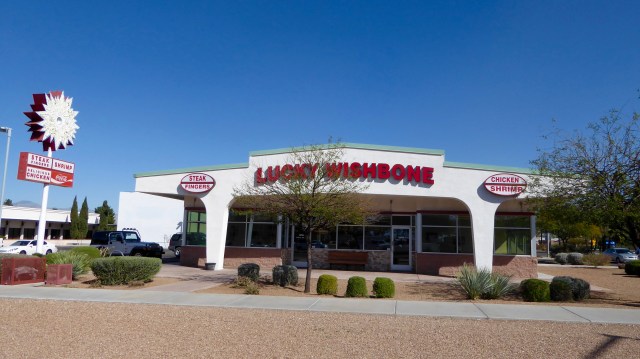
After our long morning of hiking DOWN we went to Lucky Wishbone – one of those local restaurants Randy use to go to when he lived in Tucson as a teenager. He said it tasted the same!

P1030700
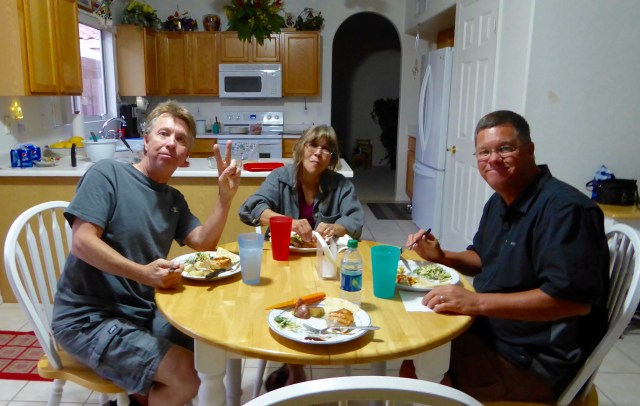
A very different nature experience happened when we went to Chandler (south of Phoenix) for a visit with Randy’s brother, Tim and his wife Yvette.

P1030639

Because the weather was warm and dry,  Elko was going with us, and we anticipated being gone 12-14 hours, we took the opportunity to shampoo our carpets before we left.   Some parts of our life are still very normal!

P1030642

We enjoyed our day with Tim and Yvette very much. We had a good dinner and then concluded our evening with a scorpion hunt in their backyard.

P1030645

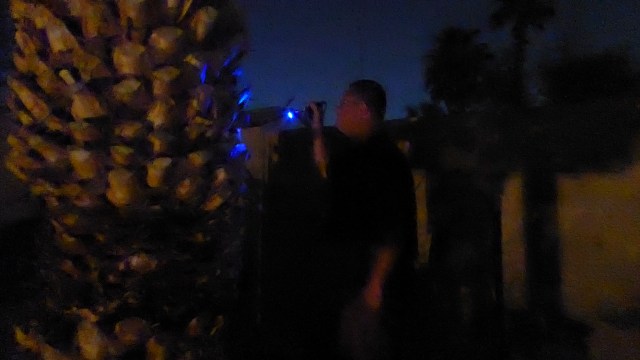
Randy and Tim had their scorpion lights (black light type) which really make the scorpions glow so they are very easy to see.

P1030650
The scorpions were on the walls, on the ground and in the palm trees. They found 32 in about an hour! It was surprising that there were so many scorpions out so early, but there has been record heat in Arizona the last two weeks so perhaps that is why. Tim and Yvette have noticed a lot of scorpions in their yard (they live in a subdivision) the last few years. They aren’t sure whether there really are more, or maybe the scorpions were there all along and they just weren’t aware until Tim was stung a few years ago.

It was a very pleasant visit – scorpions and all!

After we told the scorpion story to some new friends here in the Tucson RV park, they too wanted to go on a scorpion hunt. After about 30 minutes of searching the outside wall and nearby ground,  we found only one scorpion. Tucson is generally 5-10 degrees cooler than Phoenix so maybe the scorpions won’t be here until next month when we are gone.  What a shame…

Posted in Uncategorized | Leave a comment

Tucson: A New Routine

During our month in Yuma, we settled into a nice comfortable routine. Leaving there February 1st  we moved to Tucson, a city we are familiar with, but to an RV park we hadn’t yet seen. Rincon Country West is a mega, 55+ park, with 1100 lots and lots of activities and entertainment. Most people here come from cold northern states and return seasonally year after year.

P1030456

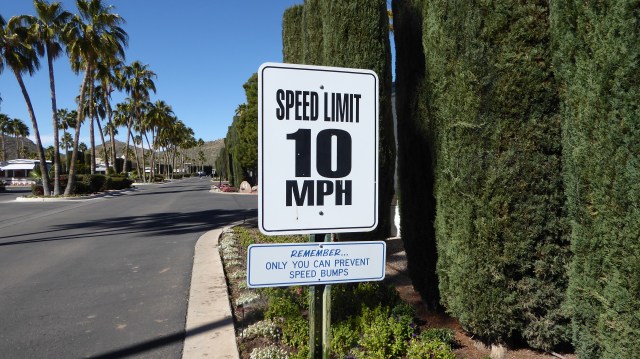
We love this sign posted around our new park – Only You Can Prevent Speed Bumps!

We have spent the last ten days trying out and settling on what park activities are going to be part of our new routines. Mine will include aerobics, line dancing and the Apple/Mac class.  Randy’s routine will include biking, pickle ball and golf. Elko has his same routine of eating, sleeping and walking no matter where we are – some places just have more interesting places to walk.

IMG_1294

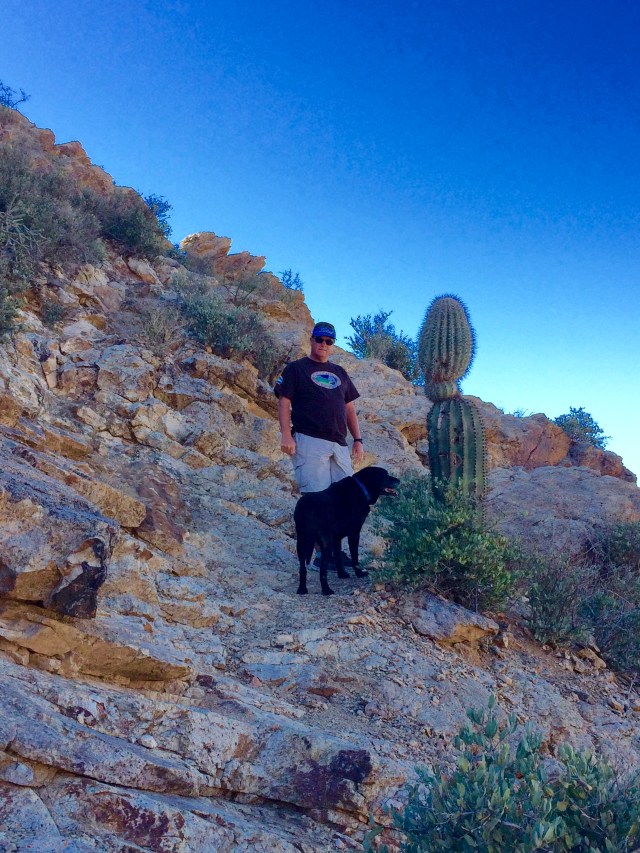
One day we went for a walk in a desert mountain park . Elko likes those days best!


We will certainly continue our routine of exploring.  There is so much to do in the Tucson area that we will not get it all in – even in a month. So, here is a sampling of what we’ve done so far:

P1030213

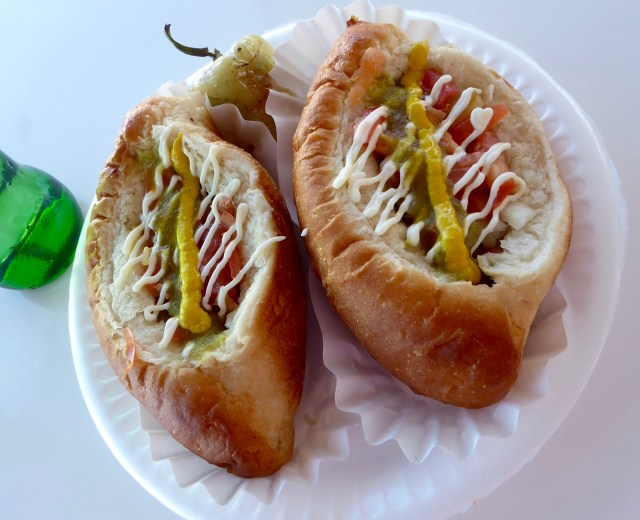
Randy ate Sonoran Hotdogs, a regional culinary wonder. Think hot dog wrapped in bacon with beans and jalapeño sauce…It didn’t sound good to me so I had tacos.

P1030215

We went to the Arizona Historical Society Museum which highlighted the three cultures that combined to make Tucson unique. These include the original peoples, the Tohono O’ogham,  formerly called the Papago.   The Mexicans/Spaniards came to the area in the 1700’s. Finally, Europeans/Anglos began arriving in 1854 when the lands that eventually became Arizona and New Mexico joined the United States by means of the Gadsden Purchase.

A few displays at the museum really caught our attention.

P1030232

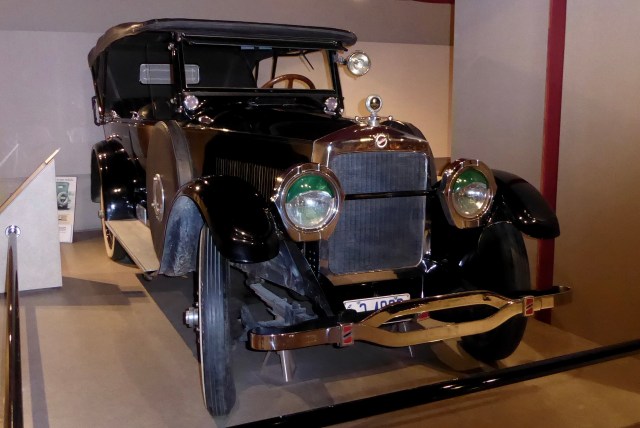
First was a 1923 Studebaker “Big Six” Touring Car.  Costing $1575, this model car was used by sheriffs in 12 of 14 Arizona counties.   When Studebaker became aware of their cars’  law enforcement use on Arizona’s rough roads, the company used that information in their advertising.   In 1925 they introduced a six cylinder vehicle with a lighter chassis  – the “Sheriff’s Special.”

P1030244

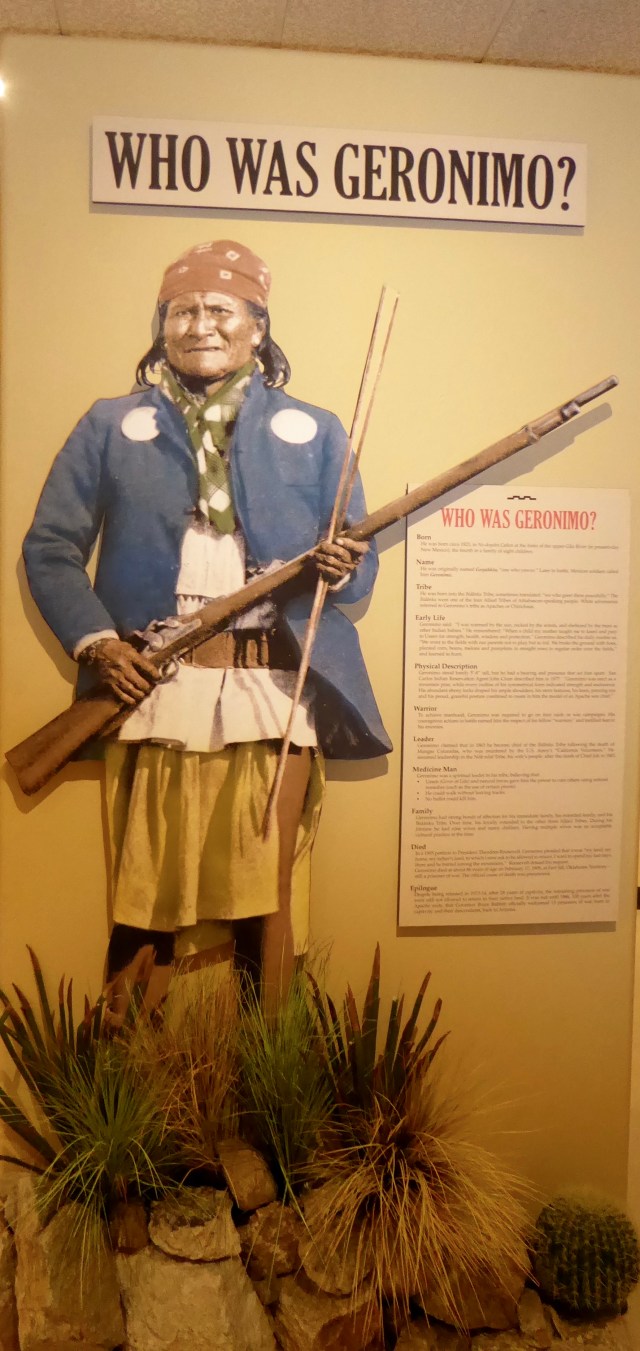
Another exhibit highlighted Geronimo, an Apache who wreaked havoc in the southwest. His people were the last American Indians to live as a free people. Geronimo surrendered for the final time in 1886.  In 1905, at Theodore Roosevelt’s invitation, Geronimo marched at the front of Roosevelt’s Inaugural parade. Roosevelt said Geronimo was the “greatest, single-handed murderer in American History and I want to give the people a good show.” Yet, when Geronimo pleaded to be allowed to return to native lands to die, Roosevelt denied the request.

A third exhibit of interest focused on Congressional Medals of Honor,  how they are awarded and Arizonans who have earned them.   Although I forgot to document who was awarded the older medal, the second Congressional Medal of Honor shown was awarded to Marine Corps Major Jay R. Vargas for heroism and sacrifice in Vietnam.

P1030405

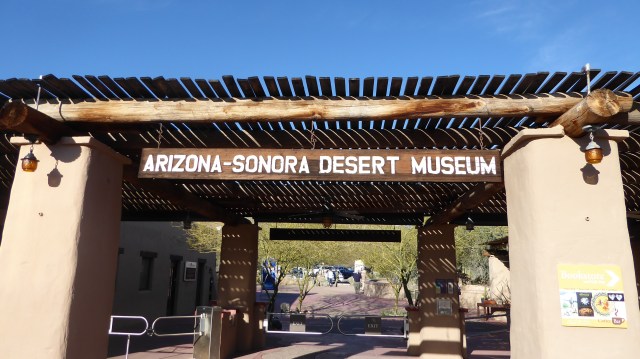
We also went to a completely different type of museum, The Arizona Sonora Desert Museum – which is really more of a desert zoo.

We saw snakes and tarantulas.

A coyote and sleeping javalinas.

We saw toads and so many desert animals – all the while hearing the unique “song” of the cactus wren.  It was once described to us as the cranking sound an old engine made   – you know it when you hear it!

One of our favorite exhibits was an aviary for hummingbirds.


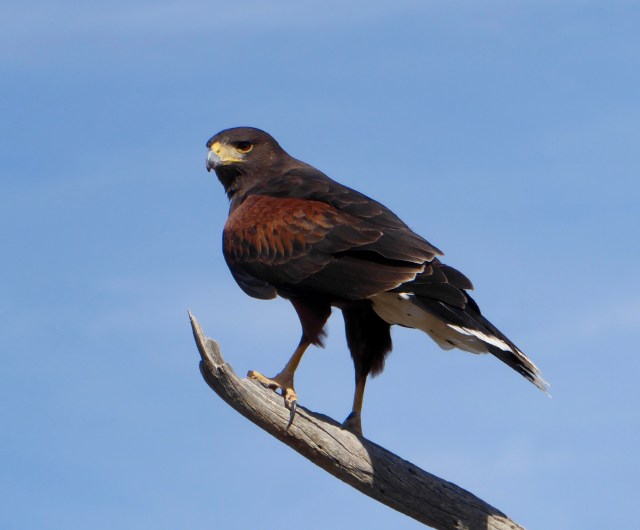
We also saw a museum program on raptors. It highlighted falcons, owls and Harris Hawks, the latter being the only bird of prey that hunts communally.

P1030308

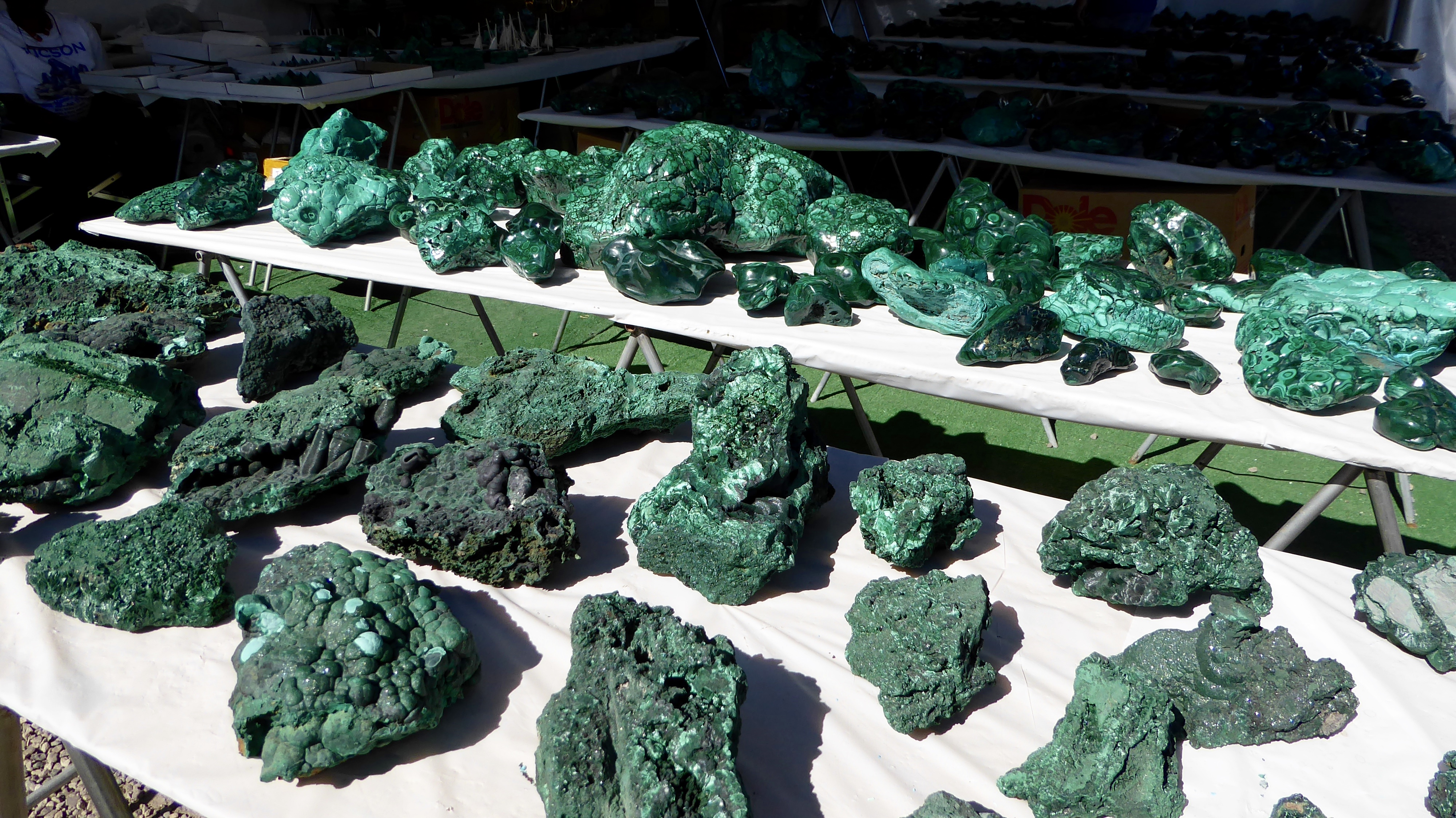
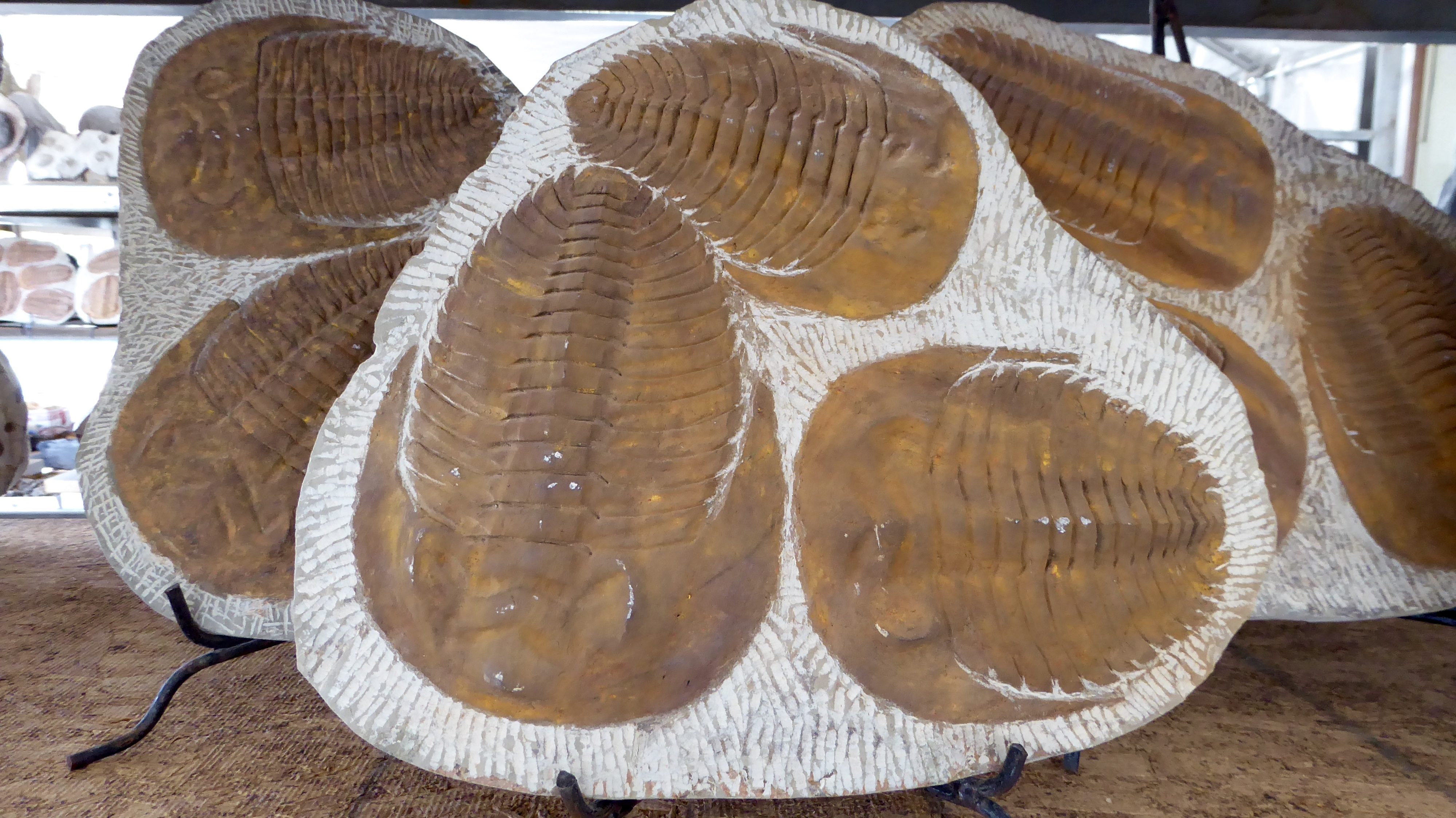
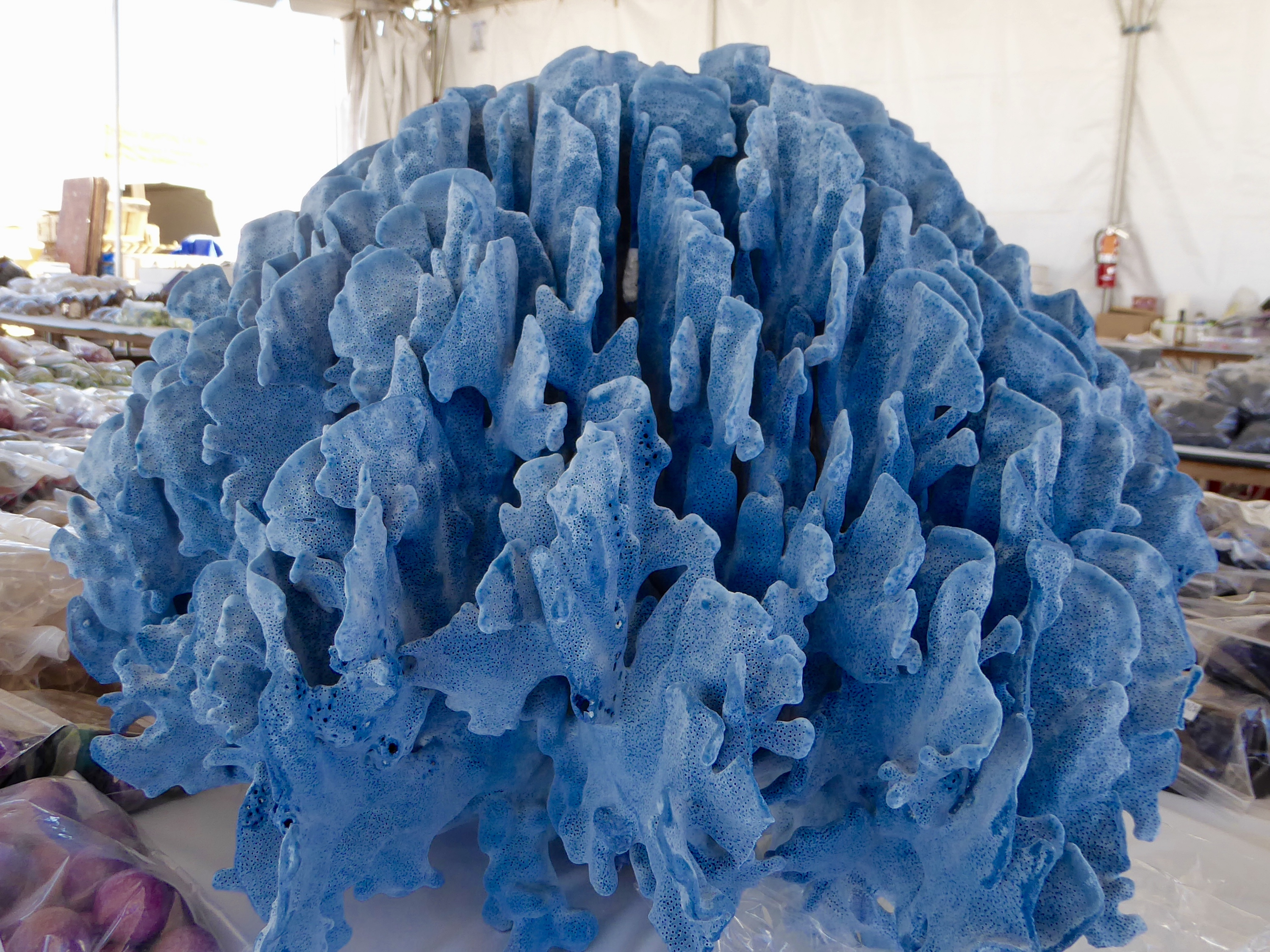
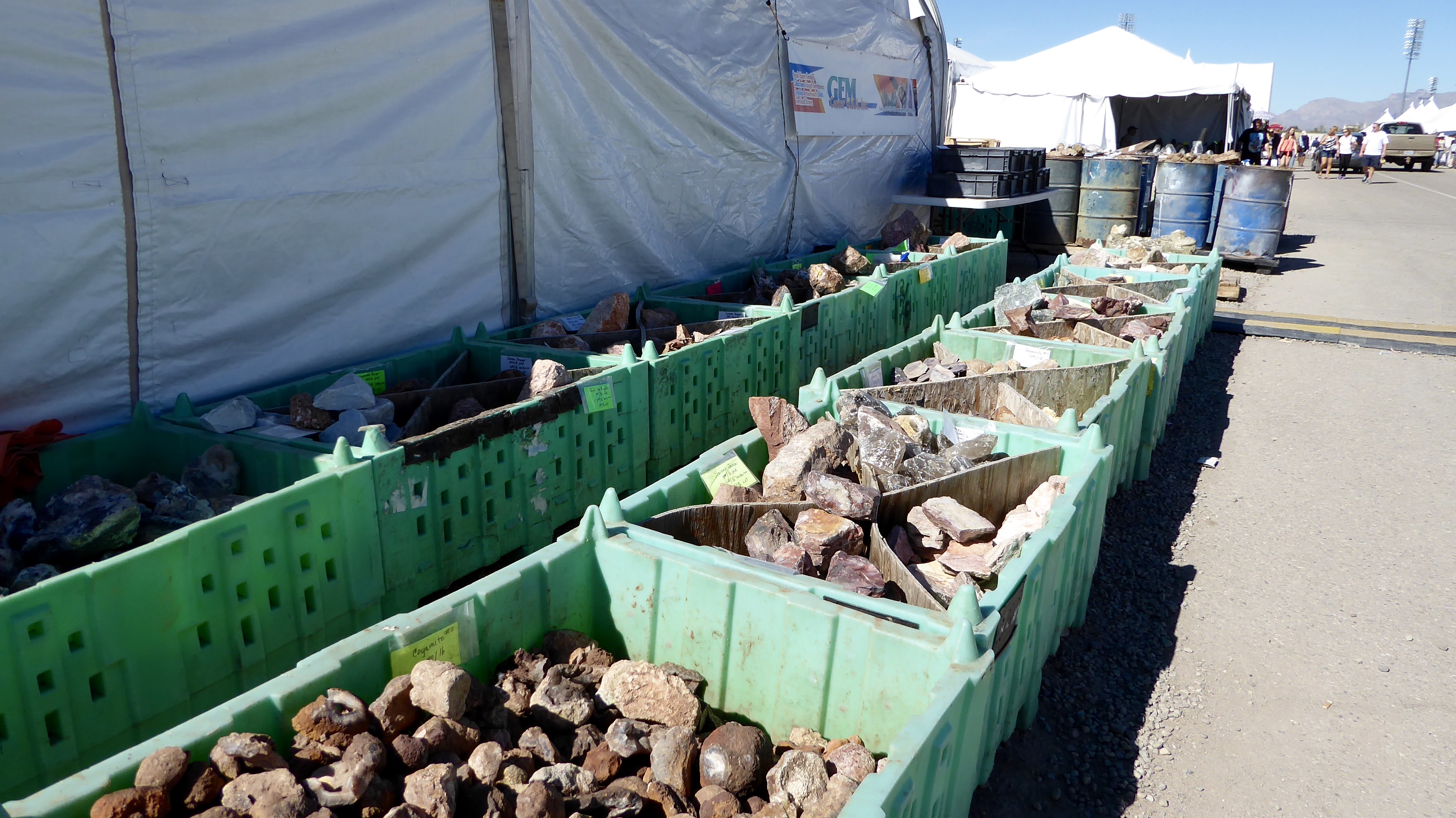
The Arizona Sonora Desert Museum is a “must do”  when visiting Tucson.  Another “must do,”if you are here at the right time, is the Rock and Mineral show. There are currently dozens of venues around the city.  We chose a venue that was close by which was a combination of wholesale and retail sellers and a bead and jewelry market.  It was an interesting afternoon but we live on wheels so we don’t need rocks to carry around!

P1030459 P1030468 P1030469 P1030470

We will continue to explore around Tucson – exploring will always be part of our routine!


Posted in Uncategorized | 4 Comments