We go to a lot of museums. Nearly every town has one or two or three. I love them but sometimes Randy takes a break and stays home. He did that in Bozeman – but not due to museum fatigue.
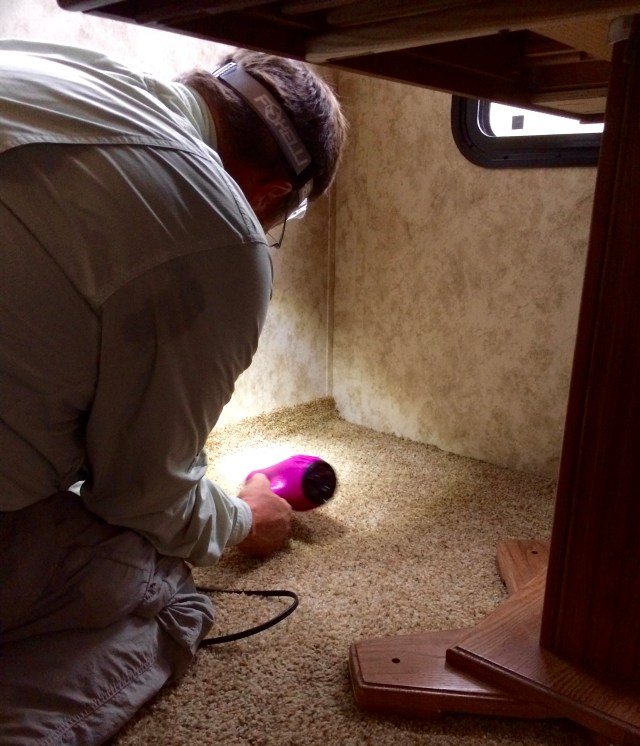 It rained a lot during our three days in Bozeman and we ended up with leaks in the same two spots he had fixed before. Handy Randy was very unhappy to spend parts of two days drying the carpet and subfloor again. It was too cold outside to reseal anything so he dried it out, taped it up, and will have to wait for warmer weather to tackle it again.
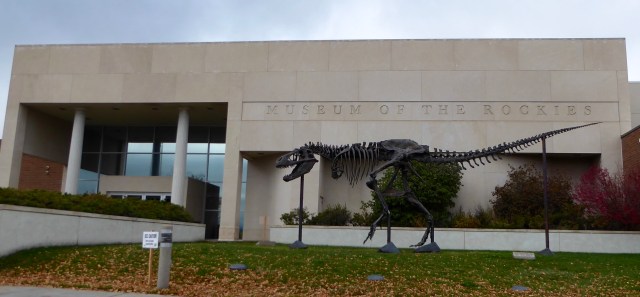
I escaped to the Museum of the Rockies on the Montana State University campus. The big deal at this museum is the impressive dinosaur collection.
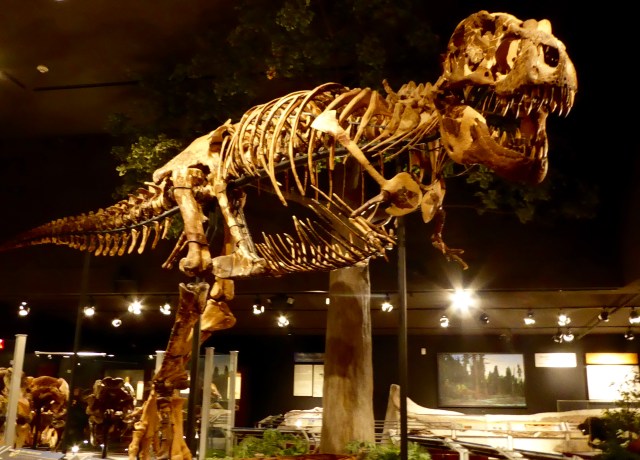
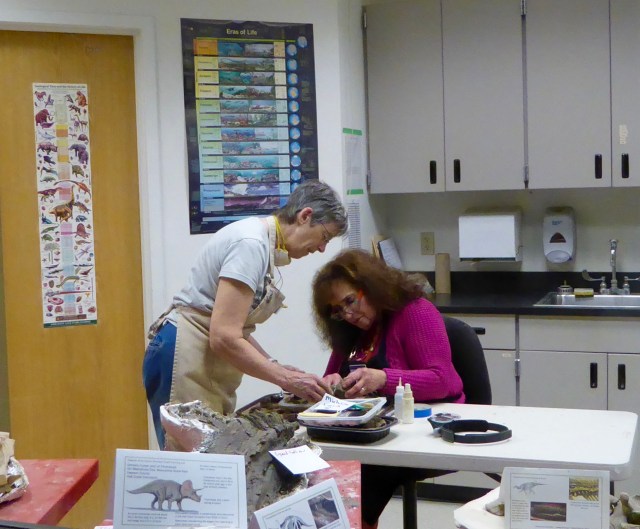
Digs and research are on-going.


The Bozeman museum boasts the largest collection of triceratops specimens in the world. Triceratops is the most common dinosaur found in the Hell Creek Formation which encompasses parts of Montana, Wyoming, North Dakota and South Dakota.
For many years, I learned enough about dinosaurs to stay ahead of my kindergartners. I find them interesting but was more interested in the museum’s visiting exhibit on The Oplontis Project.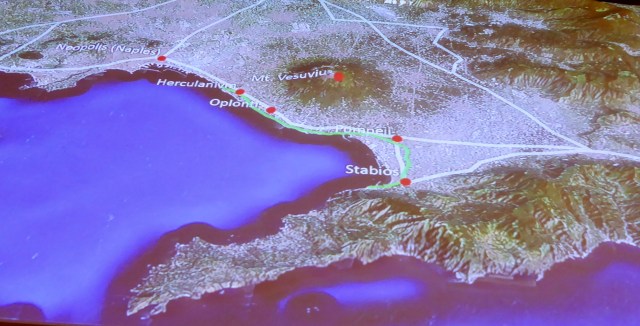
Oplontis , along with Pompeii, was destroyed by the Mount Vesuvius eruption in AD 79.
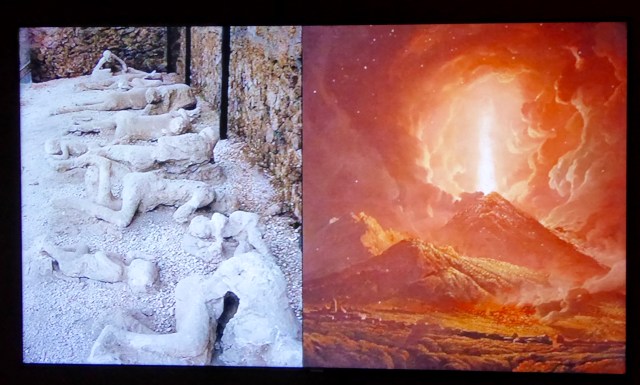
Although Oplontis has been known for many years, the University of Texas began the first ever comprehensive assessment and examination in 2006. They are focusing on two adjacent villas. A Montana State University art history professor works with the project examining remnants of frescos that adorned villa walls.


The surviving artifacts are fascinating.


In Room 10 of Villa B, excavations found 54 skeletons of men, women and children. Skeleton 27 had a purse and box containing a large amount of jewelry and coins – perhaps the villa proprietress.


It is amazing the things you find in a Montana Museum! The same can be said of Wyoming Museums!
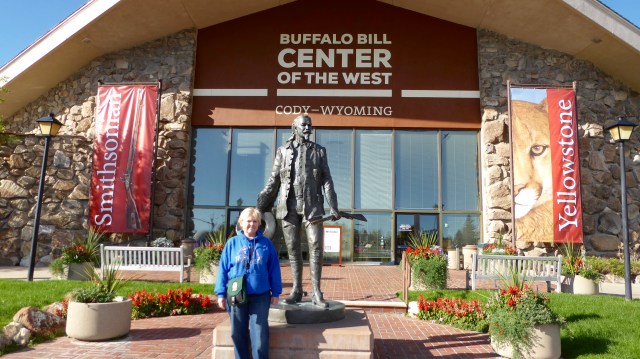
In Cody, we spent most of a day at the Smithsonian affiliated Buffalo Bill Center of the West. There are five museums in the complex and we enjoyed wandering through and examining exhibits in the Natural History Museum and the Plains Indian Museum.
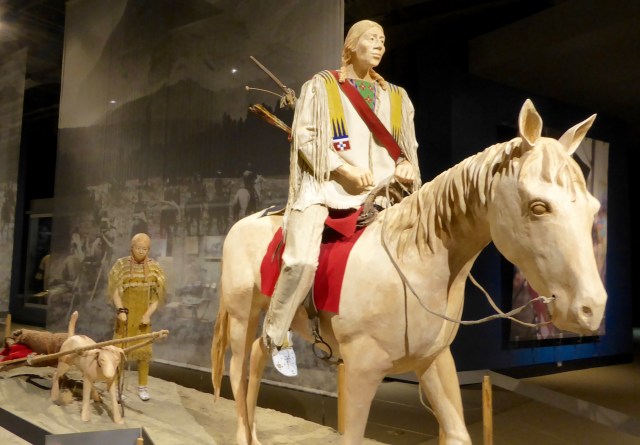
We walked through the Western Art Museum but we are “art impaired” and the audio tour wasn’t working well enough to help us out. We were in and out fairly quickly.
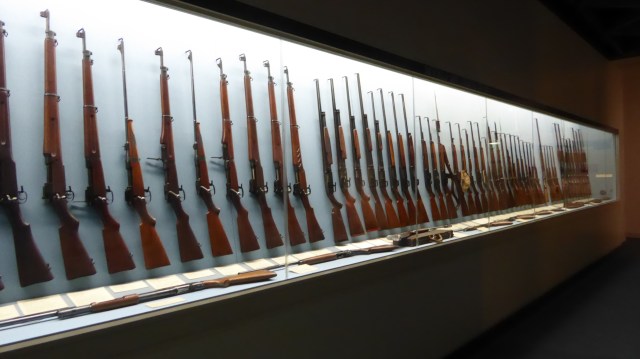
We are also “gun impaired” or at least mostly “gun uninterested.” Even so, the sheer quantity of guns was impressive. I was told there are 3500 guns on display with another 2500 in reserve. An expansion of the facility is in the works. Handguns, rifles and various other firearms are displayed both by year and by manufacturer. If you are into guns – the Cody Firearms Museum should be on your bucket list.
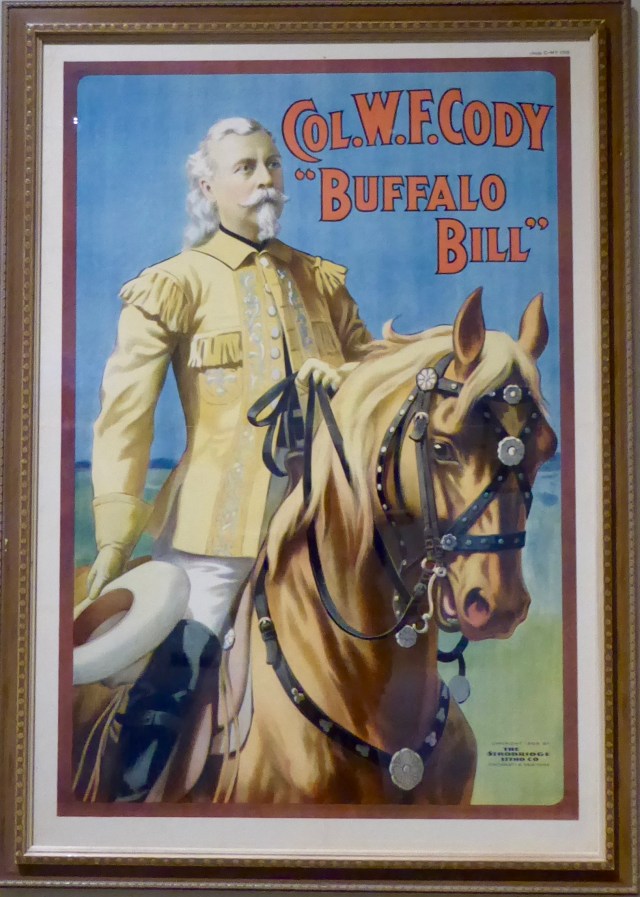
We were primarily interested in Buffalo Bill Cody, namesake for the museum and town. He began his work life at age eleven following his father’s death. He worked for a transport company and perhaps for the pony express. Cody received the Medal of Honor in 1872 after serving in the Union Army and was a scout for the US Army during the Indian Wars.
He earned the Buffalo Bill moniker as a supplier of buffalo meat for Kansas Pacific Railroad workers. Reportedly he killed more than 4000 buffalo in 1867 and 1868, but supposedly never killed for sport.
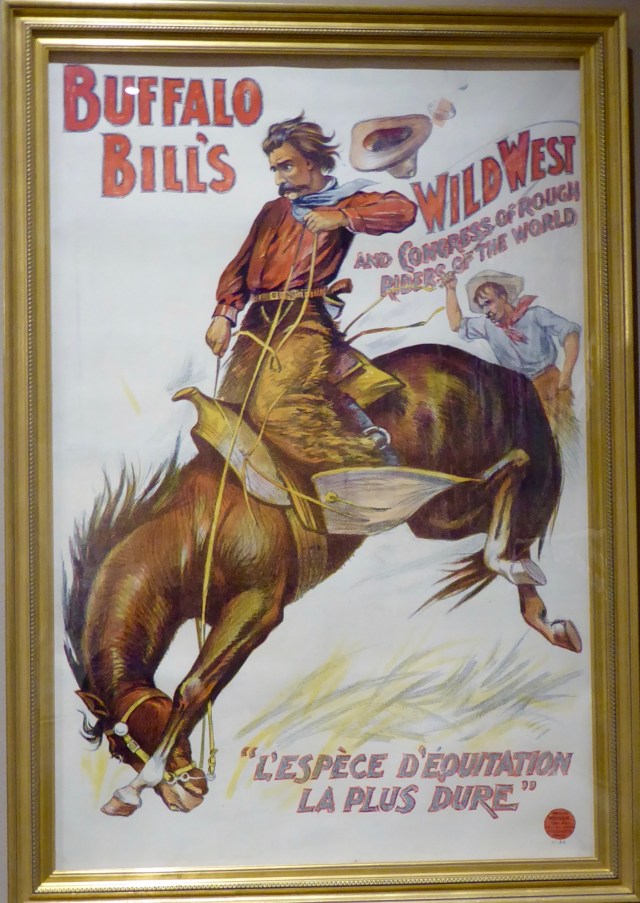
He founded Buffalo Bill’s Wild West in 1883 and took the very large company on tours throughout the United States and Europe.
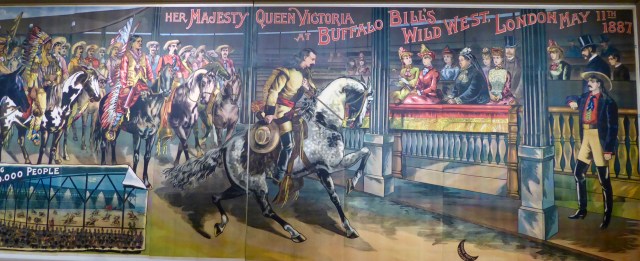
In 1887 his company performed for Queen Victoria on the occasion of her 50th Jubilee. He became an international star.
Bill Cody married Louisa Frederici as a young man and they had four children together. Two died very young and a third died as a young adult. The marriage was rocky during their 51 years together. Bill was rarely home given his military career and his refusal to take Louisa along when traveling with his western shows. At one point they divorced in scandle but eventually reunited.
Buffalo Bill Cody did not handle money well and died a poor man. He left his western show legacy and the namesake town of Cody. In 1901, on Cody’s main street, he built a saloon and hotel and named it for his surviving daughter, Irma.
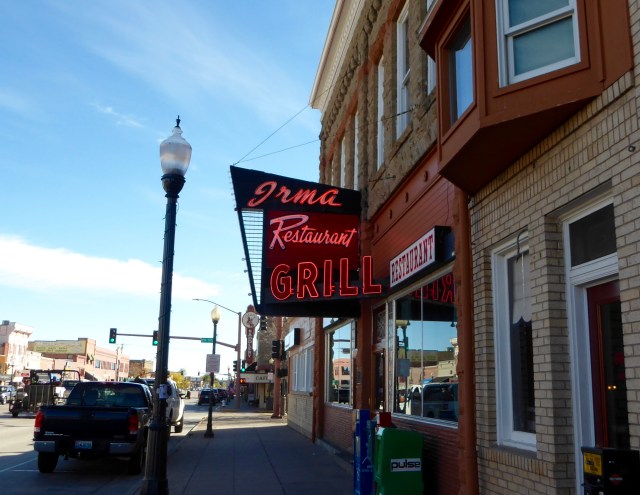
We ate breakfast at the Irma, now on the National Register of Historic Places.
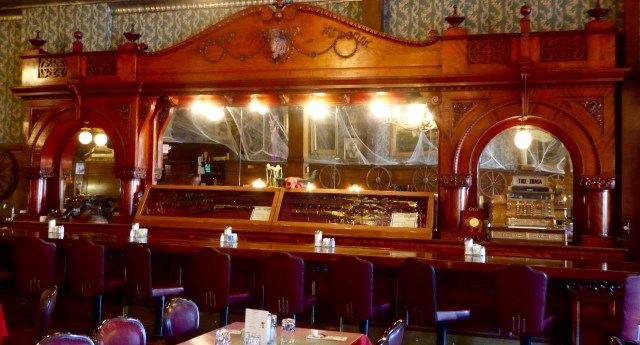
We saw the bar that Queen Victoria sent him in thanks for his Wild West Show’s visit to London. The cherry wood bar cost $100,000 in 1900. It was made in France, shipped to New York, railed to Montana and brought to Cody by wagon.
We are finding interesting things out here in museums and old hotels!
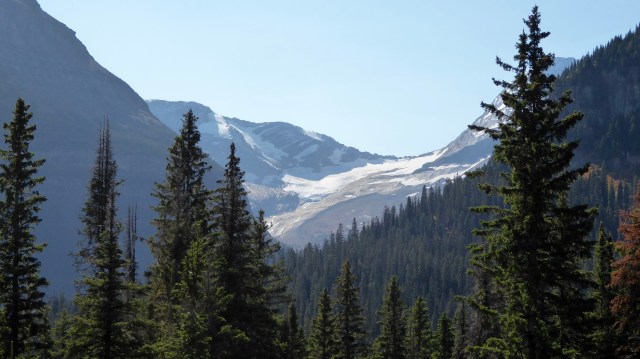
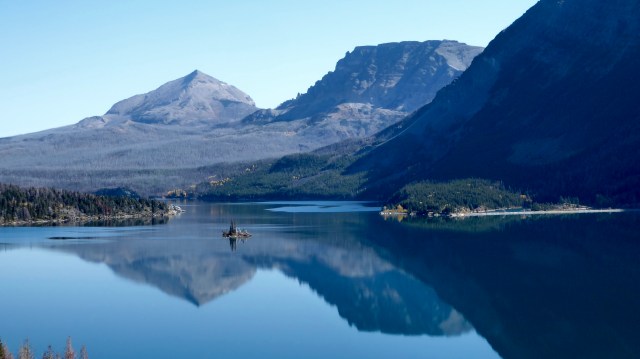
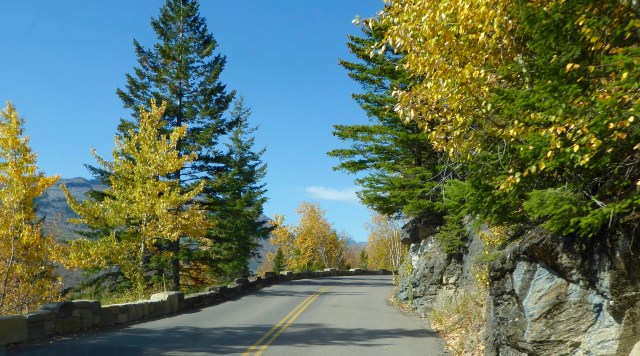 We drove east across the park on the Going to the Sun road.
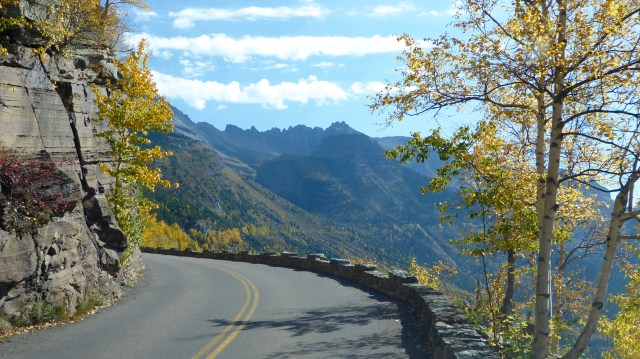 Construction of the Going to the Sun road began in 1921 and was completed in 1932 . The road is a National Historic Place, a National Historic Landmark and Historic Civil Engineering Landmark. The narrow two lane road hugs the mountainside and crosses the continental divide at Logan Pass. It is just short of 50 miles long.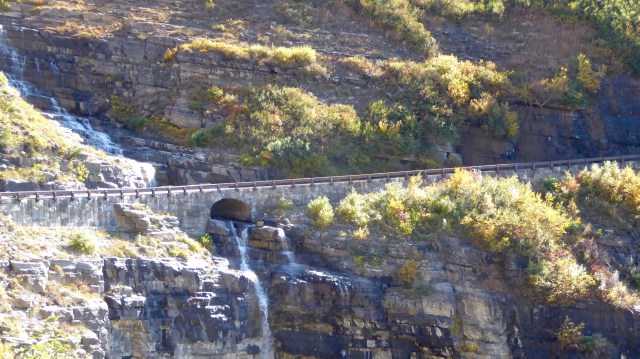
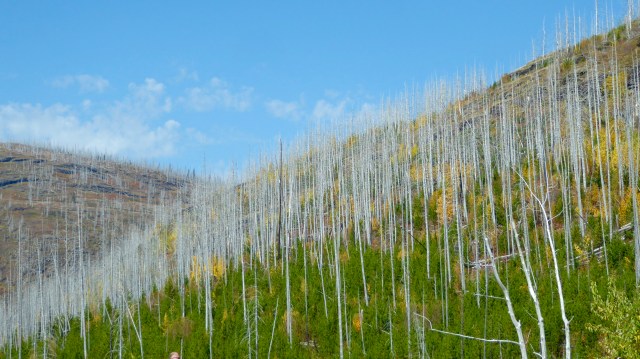
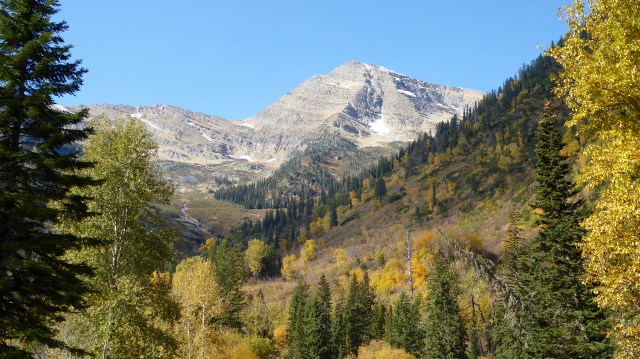
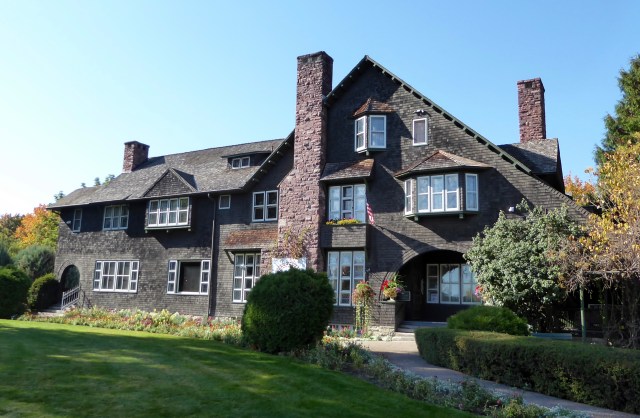
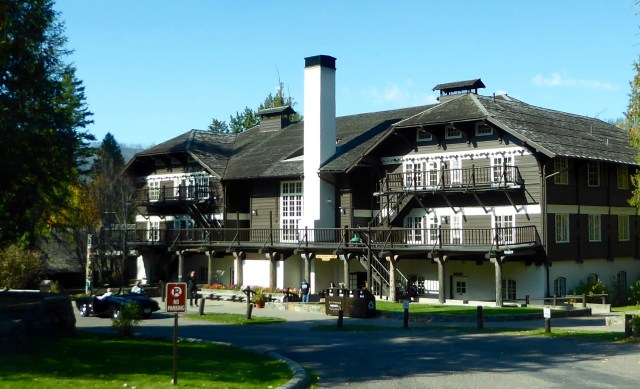 We did drive by Lake McDonald Lodge – It looks the same, just a grayer shade of brown.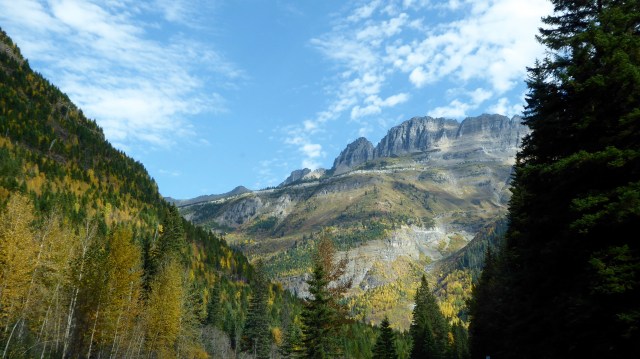



 St. Michaels church was built in 1863 and moved to museum in 1981.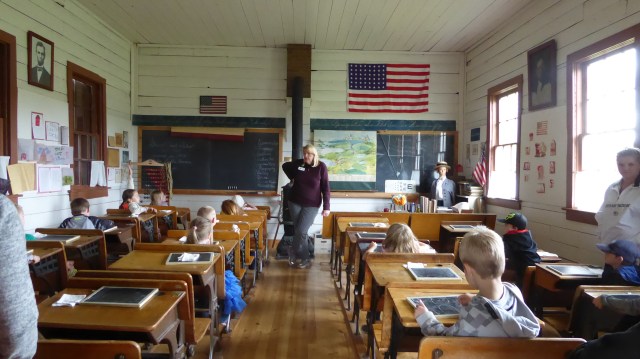
 Our second outing, #23 on Trip Advisor, was to the Ninemile Remount Depot.
 The remount station buildings were built in 1934 and 1935 by the CCC (more on them later). When the bell rang, it was time for dinner or there was a fire.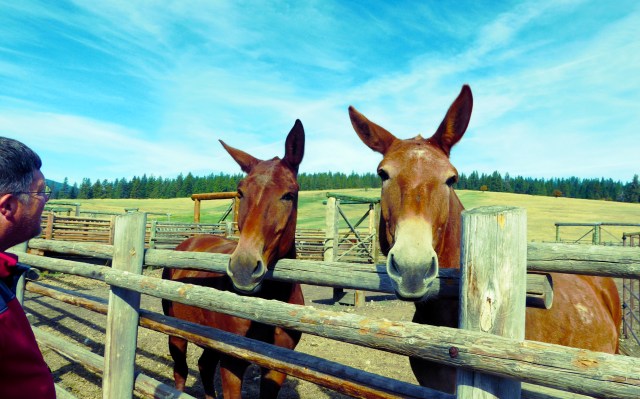


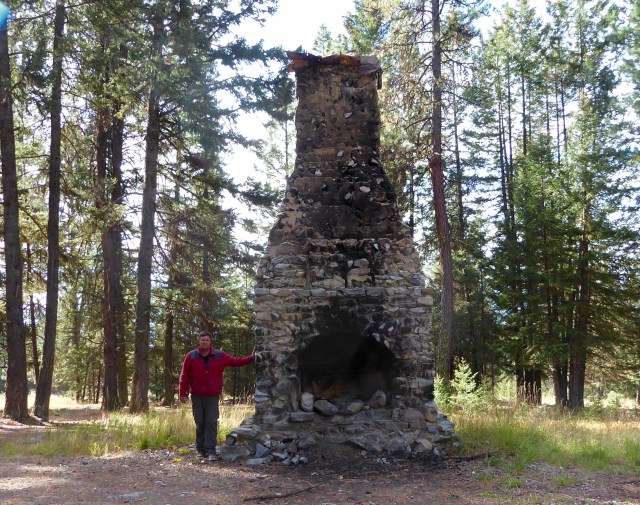


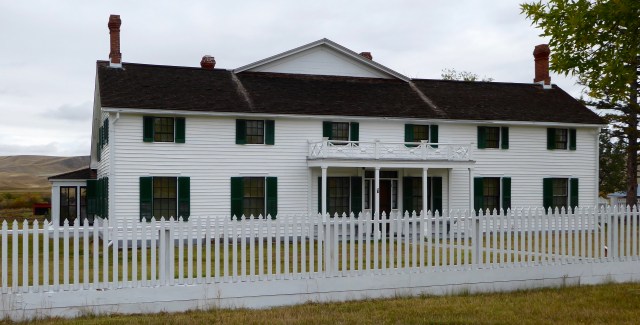
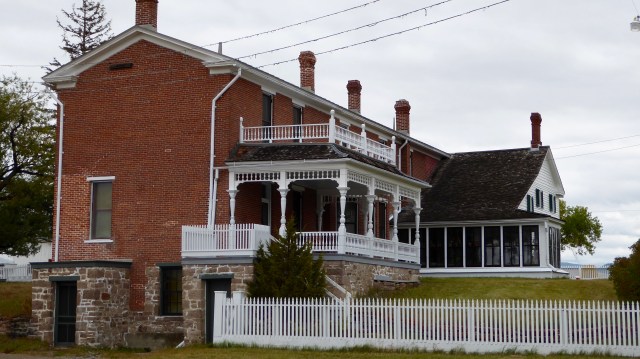
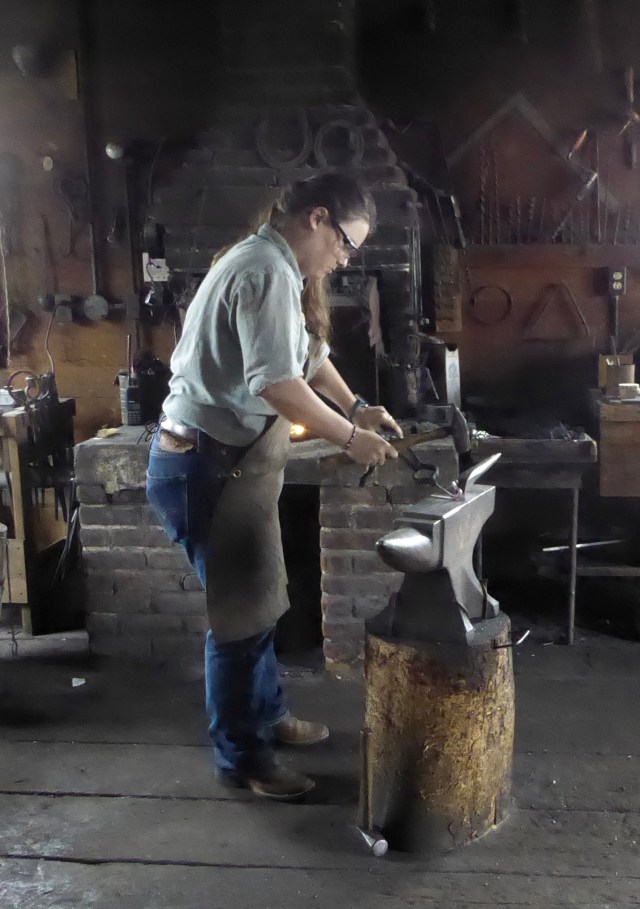


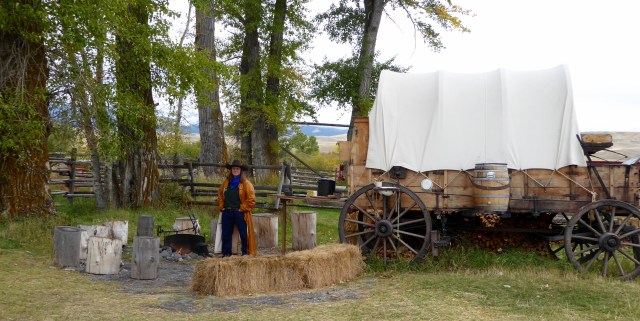
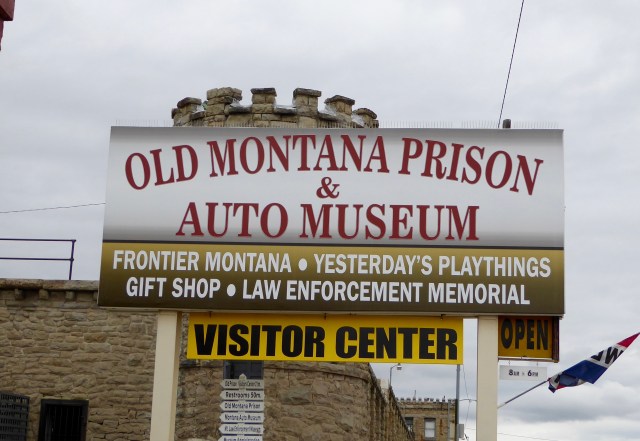
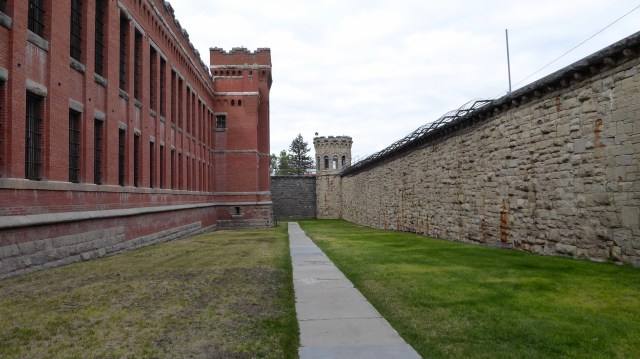
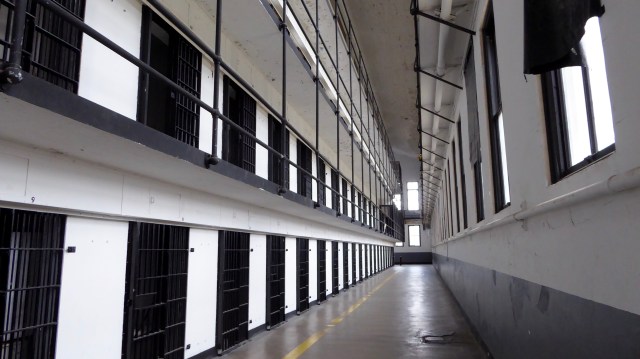

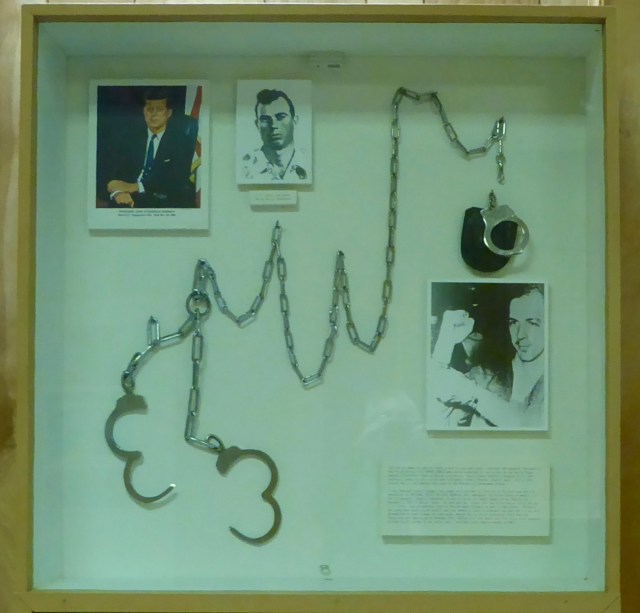
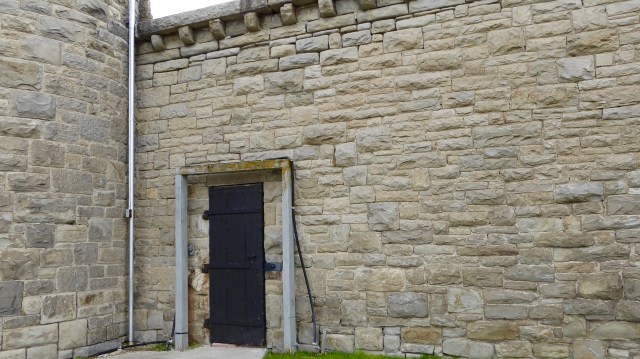
 There are five museums in the prison museum complex. We only had time to take a quick look at one more, The Car Museum. There are 160 nice cars here! Sixty percent are owned and on loan by the proprietor of the local saw mill.
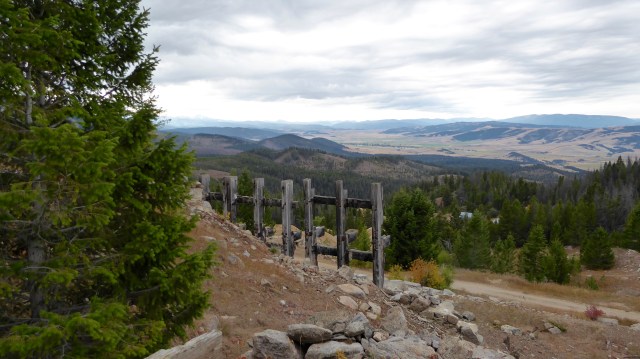 We traveled up a steep and winding mountain road to Granite Ghost Town State Park. We didn’t need 4-wheel drive, but our truck’s high clearance was a good thing. Four miles up we found the remnants of a 1890s silver mine and boomtown.


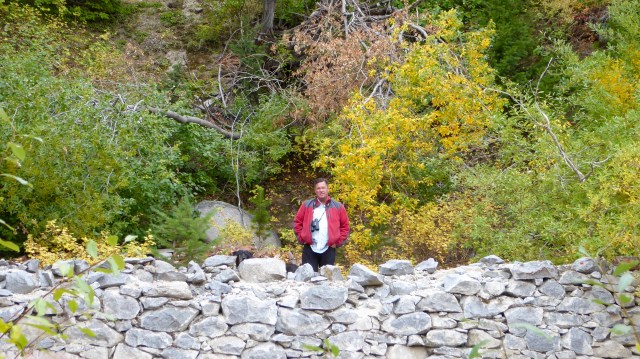

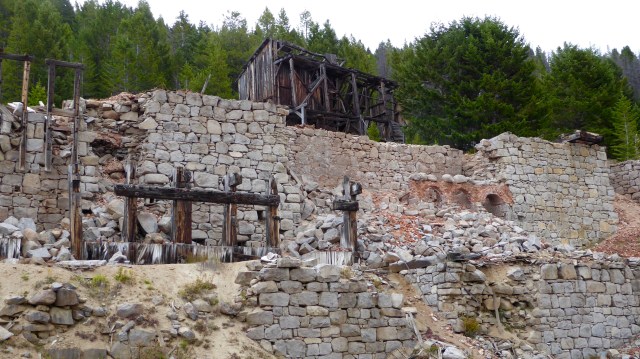 Of course, Granite was here because of the nearby silver mine. Interesting tidbit, the mine backers gave up on the venture and sent a message to end operations. The message was delayed and what should have been the last shift found the silver that was eventually worth $40,000,000.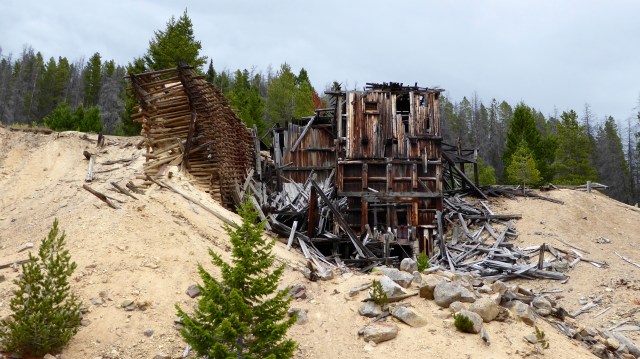

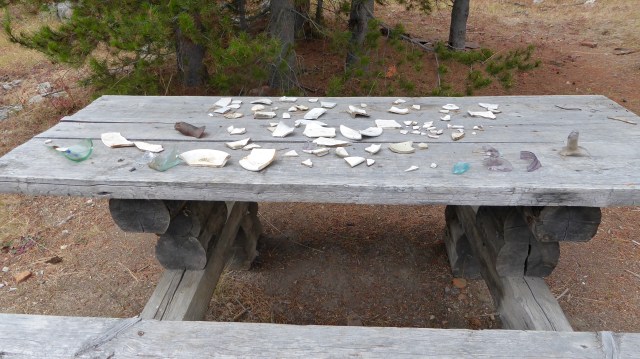


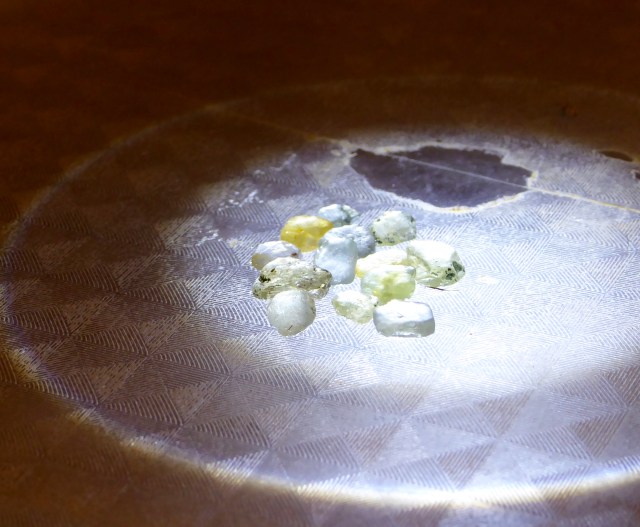
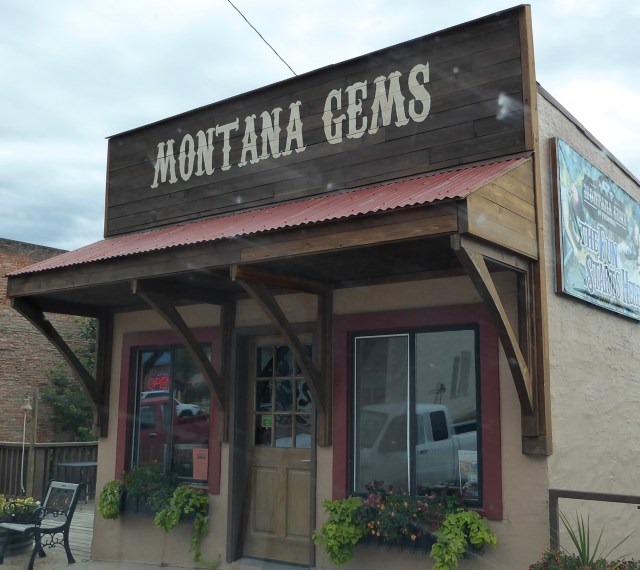 Our fun continued at Montana Gems. We bought a 35 pound sack of gravel and sifted and washed through it looking for sapphires.




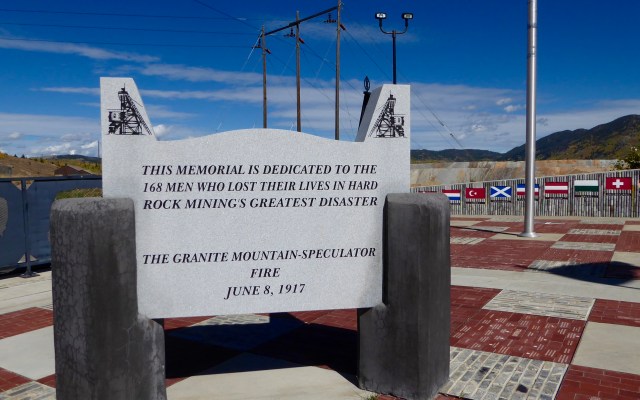
 Also commemorated are the 2500 Butte miners who died from mining related causes between 1870 and 1983. That’s a lot of men.

 This plant has cleaned the water enough to be used in other mining operations, slightly delaying the rise, but not enough to be released.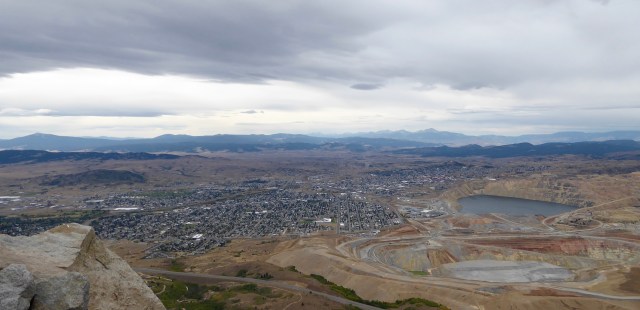

 A few miles down the highway we viewed Beaverhead Rock. This formation, resembling a beaver’s head while swimming, was the landmark Sacagawea recognized when traveling with the Corps of Discovery. Seeing it, she knew they were close to the Shoshone lands that had been her childhood home.
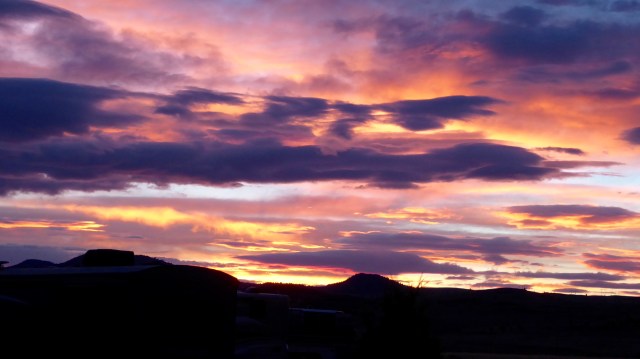 Yesterday’s sunrise was so beautiful that Elko and I sat outside curled up in a blanket with the remains of a Starbucks Mocha. Since he didn’t want the blanket, and didn’t have the mocha, Elko wasn’t too impressed and went back inside. I thought it was lovely. Cold, but lovely.






 We also saw them on irrigation apparatus. There must be a lot of mice in those fields….












 Serene Wandering