 Gravel parking lot campgrounds are not our usual preference but this campground in Farmington had purpose. It had full hook-ups (water-sewer-electric) so we could wash clothes – something we can’t do with water and electric only sites found at most state parks. It also had 50 amp electric so we could run both air conditioners when it was hot. Then we had all the RV issues for Handy Randy to deal with and the very nice owners allowed us to receive repair part shipments in their office. Some will and some won’t.
When we started on this trip we had a water crisis, incompatibility with our new house satellite receiver with the older satellite dish in the trailer, and torn vinyl from a rock lodged under our kitchen slide. Randy was pretty frustrated that so many things happened all at once and wasn’t sure trailer life was for him anymore!
 The torn vinyl required only glue and Randy fixed that right away. It isn’t perfect but you wouldn’t see it if you didn’t know it was there. It is the second time this has happened over the years. New flooring may be in our future but we will have to decide if we want to replace the carpet too.
While still in Flagstaff, Randy found the water part he needed on Amazon and ordered it sent on to Farmington. In the meantime, he finally heard back from an RV Repair store locally and was able to get the part there too. The water flowed well again and we had a spare valve coming for the inevitable next time.
The most problematic issue were the needed satellite parts. It was fortunate that the satellite was the least important as far as being a real problem. The background is that we upgraded our DISH receiver when we moved into the house with the assumption that we would move the receiver and one wireless Joey into the trailer when we traveled. People do it all the time. But it didn’t work. Randy spent time researching himself and conferred with DISH technical support. What he learned was that our trailer satellite had an old LNB system and needed an upgrade to work with the new receiver.
There isn’t a DISH dealer anywhere in Flagstaff, Winslow or Holbrook but there is a small “mom and pop” outlet in Heber, Arizona. The “mom” understood the problem and what we needed. She didn’t know if they had the parts on the truck or if she’d have to order them in the next day. That seemed to go well! Randy was willing to drive the three hour round trip to get the parts and be done with fixing things! She didn’t call so we called her. She said they weren’t on the truck but should be delivered the next day, she’d call when they were in. She didn’t call so we called her. She said she had called too late and it now wouldn’t be delivered until Friday. We were headed to New Mexico on Friday so we were done with the Heber solution.

There was no place to purchase the needed electronics in Farmington but Randy was able to order them out of Detroit and have them shipped second day air. We received them perfectly.

Randy spent some time rewiring things and finding the satellites.

We have satellite TV through the wireless Joey in the bedroom!

We were watching our DISH TV for the first time on this trip, feet up, with celebratory wine coolers!
That really should be the end of this post, but there’s more. There’s always more for Handy Randy!
Days ago our toilet seal stopped holding water in the bowl. That happens and sometimes it needs a coating of petroleum jelly and sometimes the seal needs replacing. The jelly didn’t work so Randy had a three pack of new toilet seals sent to the campground in Farmington. Thank you Amazon Prime!
 He was working on the toilet when I laid down and took a nap. I woke up to this! The toilet was gone!

I found Handy Randy outside working on the toilet and he declared it broken.
We didn’t have time for Amazon to send us a new one before we were moving on so our choices were to find one in Farmington or reroute our trip through Albuquerque.
Fortunately we were able to locate a porcelain toilet, close to what we had before, near Farmington. We bought it the next morning.

Have new gloves and new toilet…Go!!!

It took Handy Randy about 10 minutes to install our new toilet. We don’t even care that it is white instead of bone.
 We moved today and got settled in our new place near Santa Fe. We could not even begin to do this trailer life stuff without Handy Randy being so capable. We’d be in the shop all the time, or would have given up long ago. He is blessedly gifted as a handy guy. Hopefully we can enjoy the rest of this trip with everything staying fixed!
 Oh, did I say everything’s fixed…there is one more thing….A minor crack appeared in the desk top a couple of years ago. It has split and come together repeatedly as we have moved within different humidity levels. It has been a cosmetic problem bothering only me. Since we now live in the hot dry desert, the minor crack is now a cavern on the surface of the desk. It’s a very good thing that Sun City Grand has a woodworking shop and that Handy Randy has interest in playing there this winter.
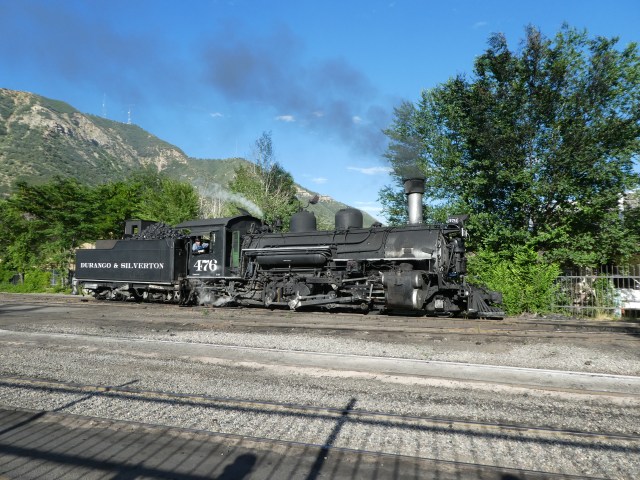 Our destination was the Durango & Silverton Narrow Guage Railroad, D&SNG, built 1881-82 to transport supplies north and mining ore south between Durango and Silverton.
 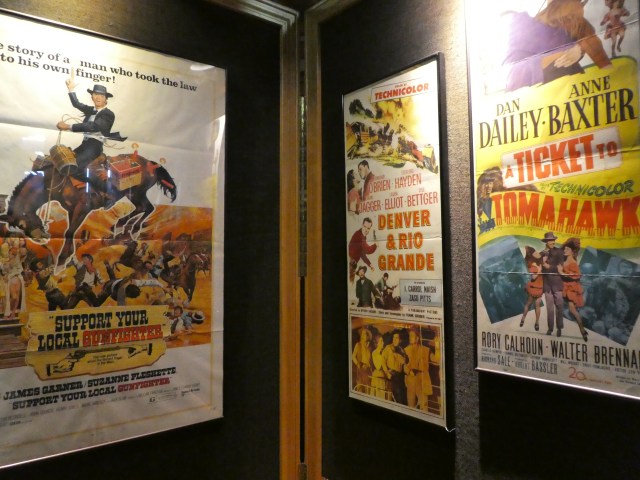 When mining became less profitable after World War II the train’s future was at risk.
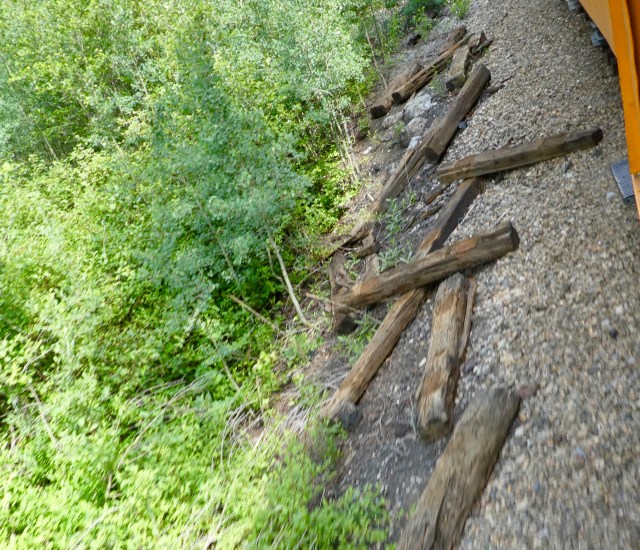 Over time, disrepair and neglect threatened the rail line again.
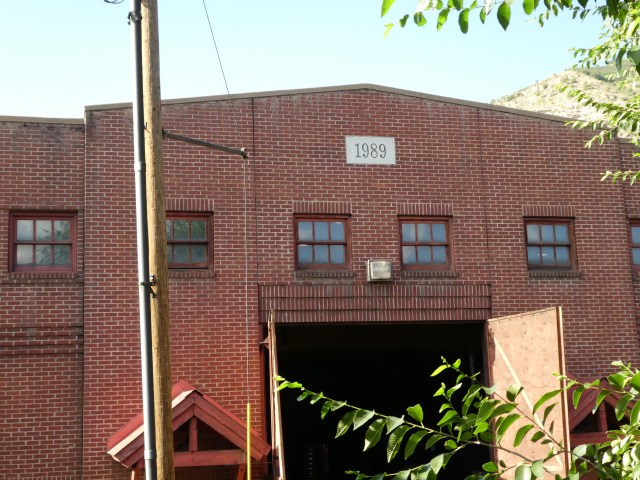 In 1989 a fire swept through the round house destroying infrastructure and damaging locomotives and cars.
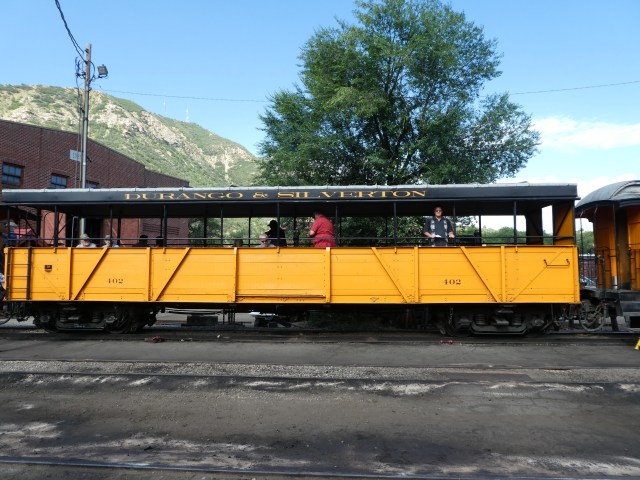 There are several options to ride, all with assigned seating.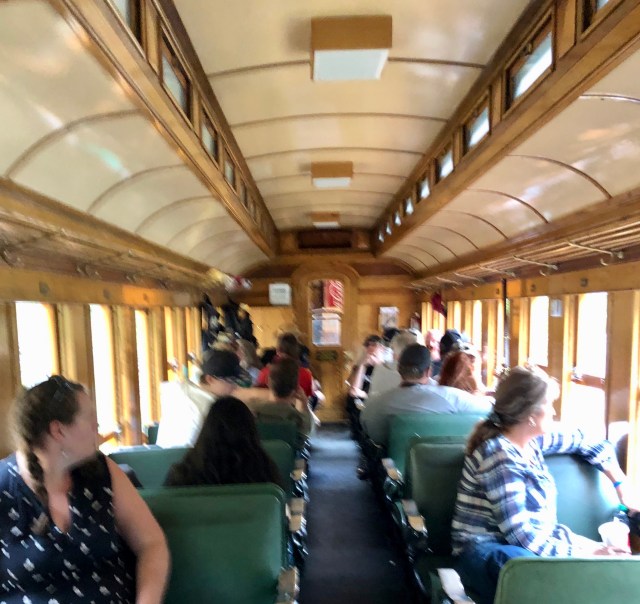
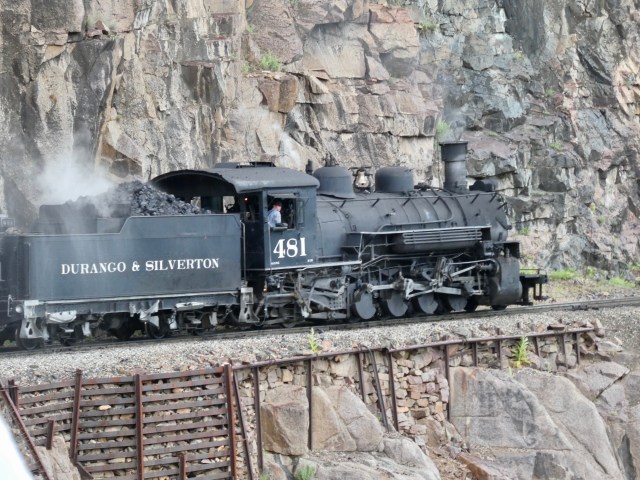 Our locomotive was #481, a Baldwin-K36 class, one of ten built in 1925 and numbered in series from 480-489. Nine of the ten are still out there.
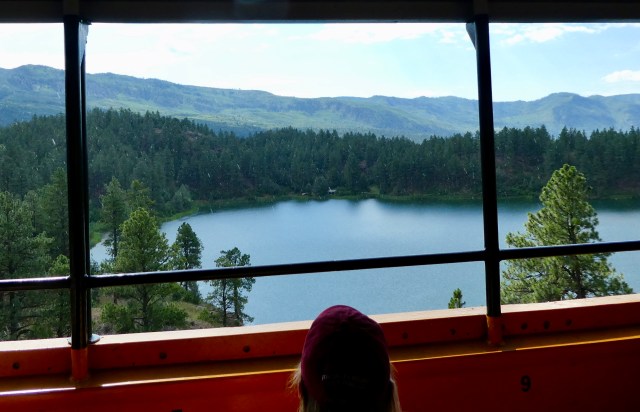 Passengers on the other side of the car were pleased with their view as we began.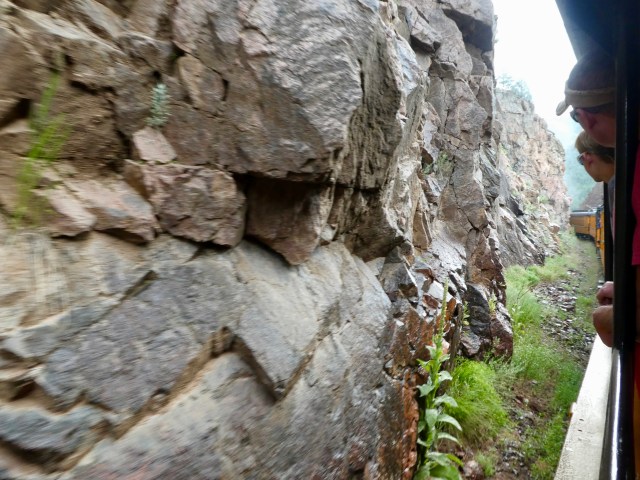
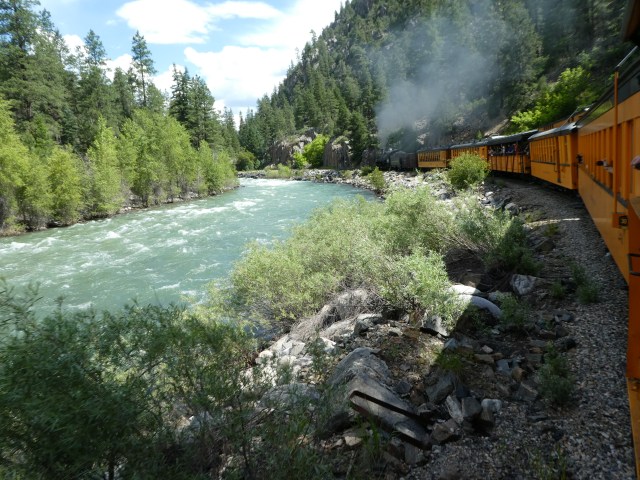
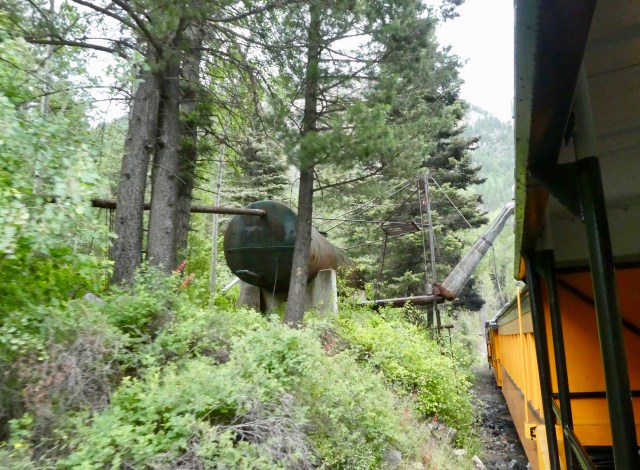
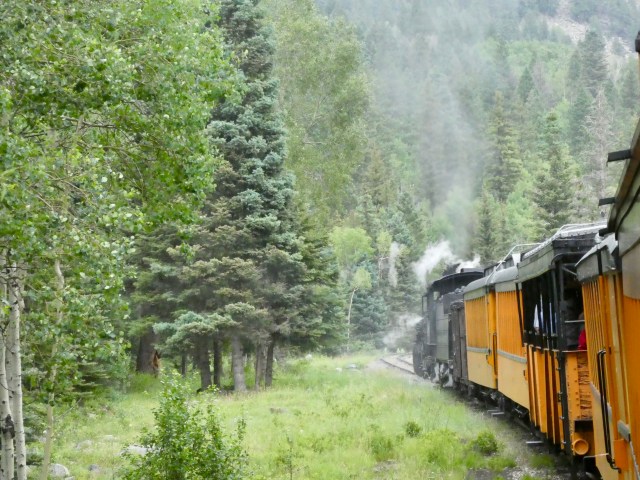
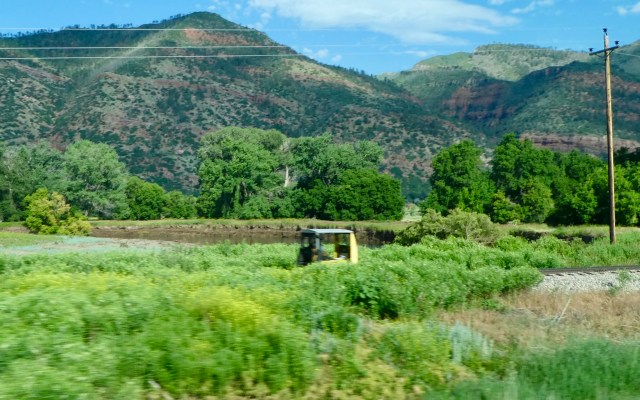 Coal locomotives have risk of escaping cinders.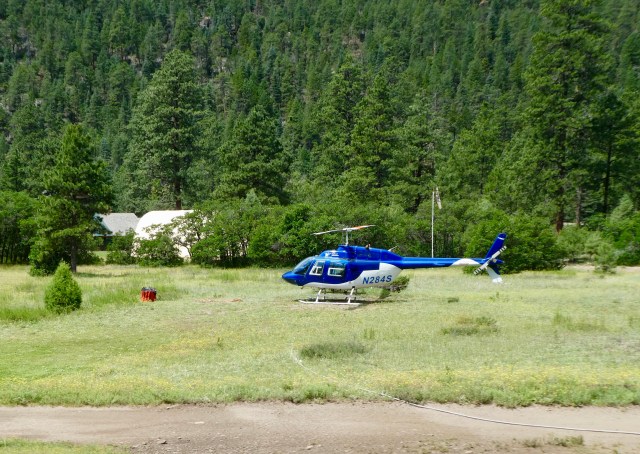
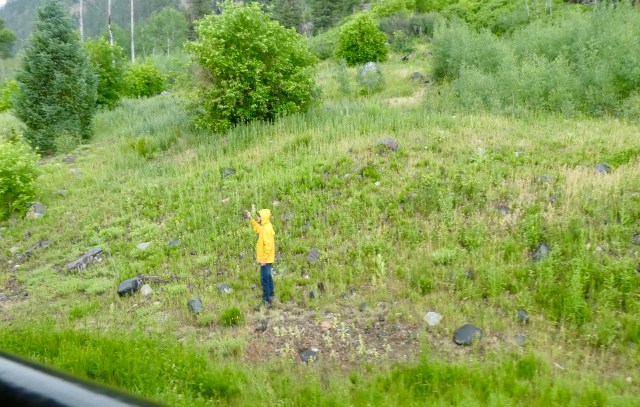
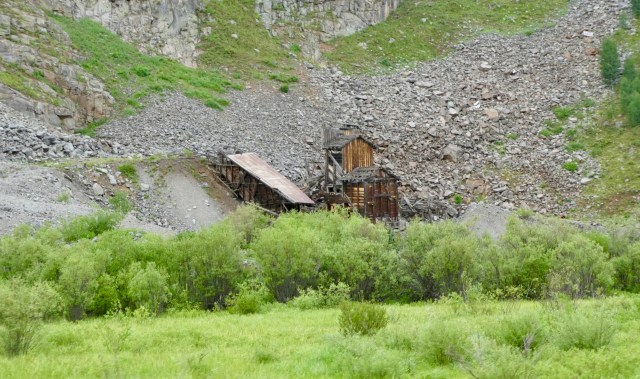
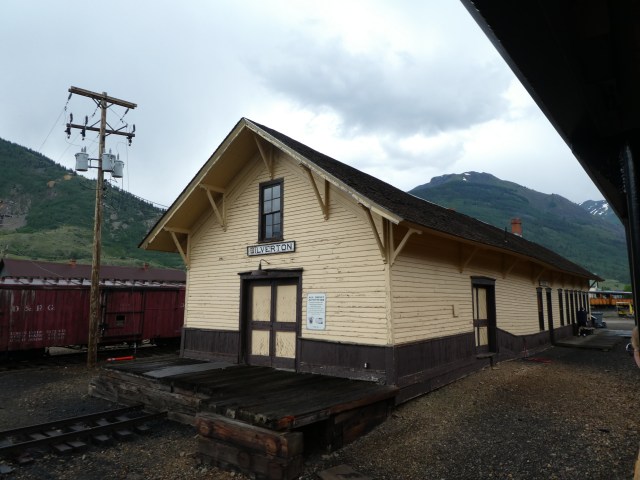 After arrival, train guests are guaranteed 90 minutes before return departure.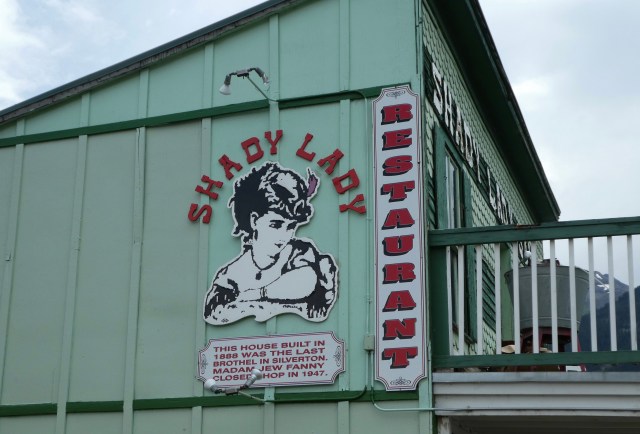
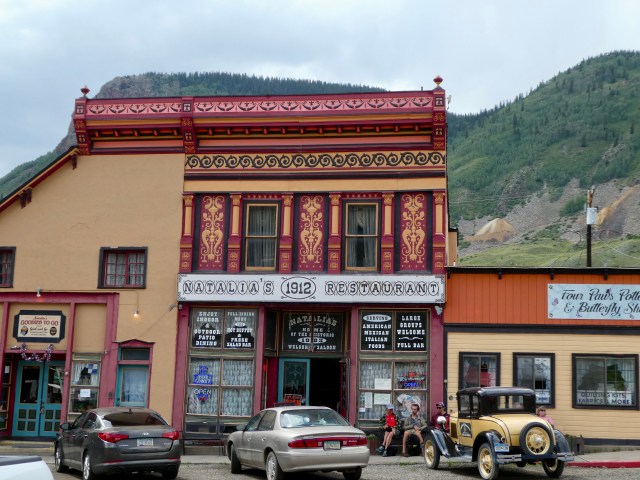
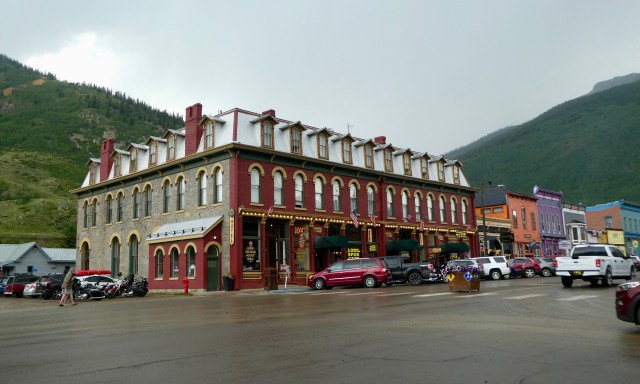 Hunger quenched we set about exploring.
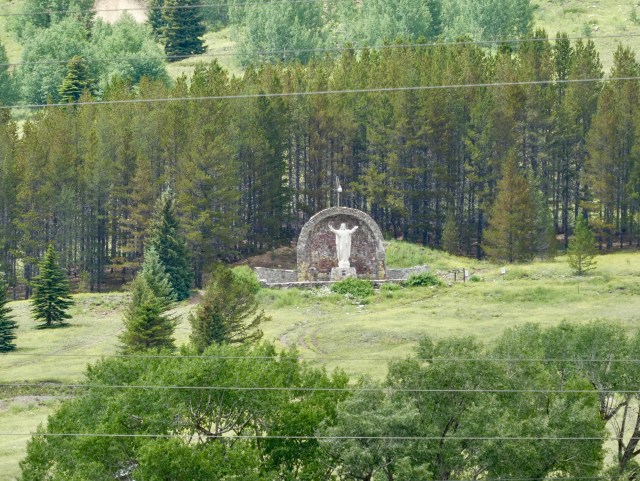 We saw a shrine on the hill and went part way up.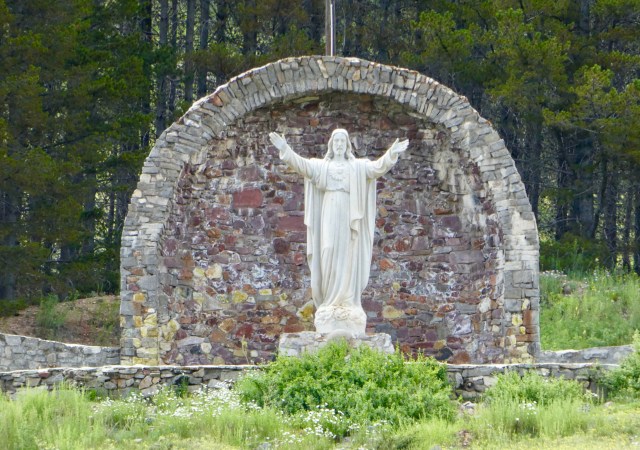
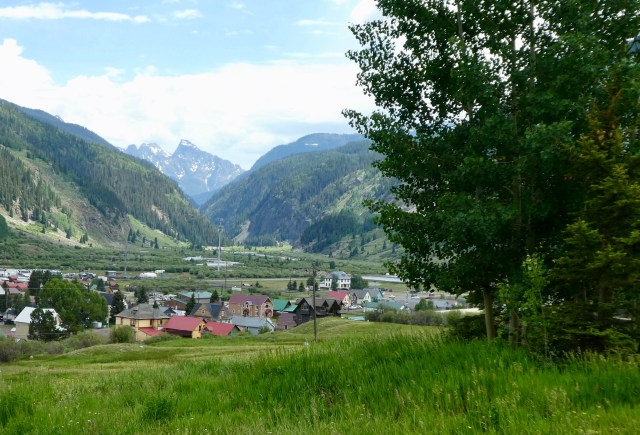
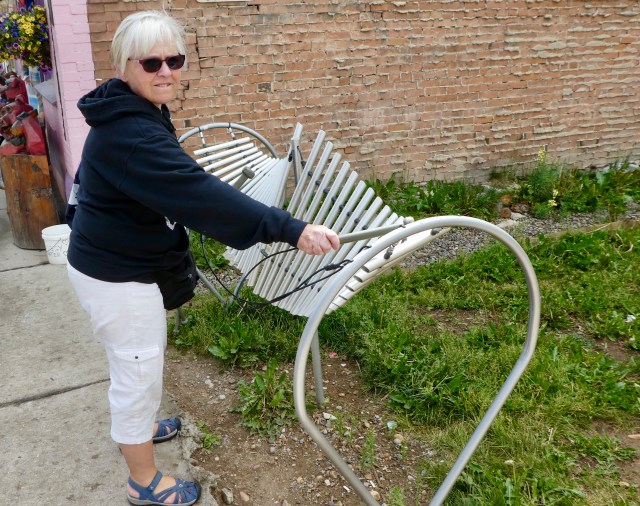 In town we found Freenote Harmony Park.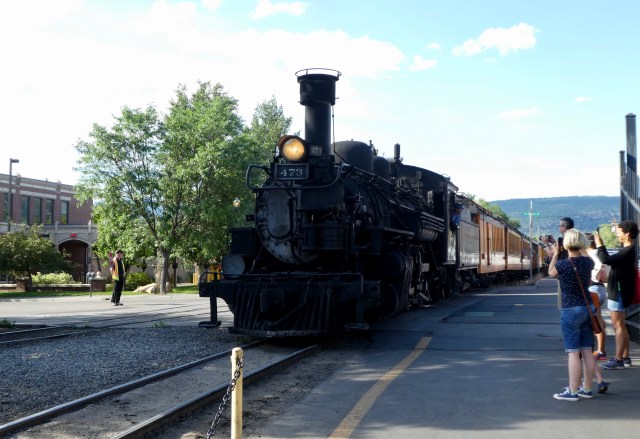
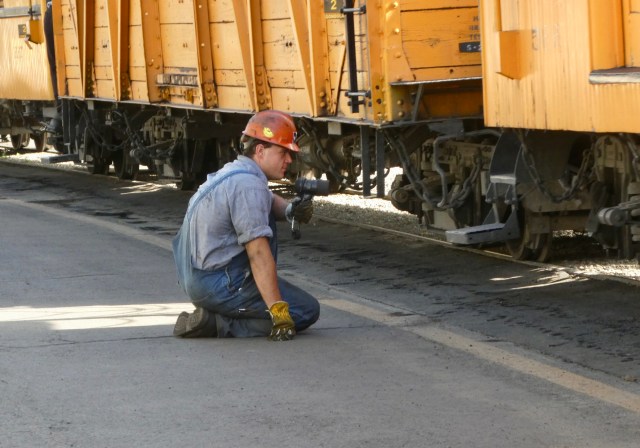 We watched as workers knelt on either side and peered under the train as it went by.
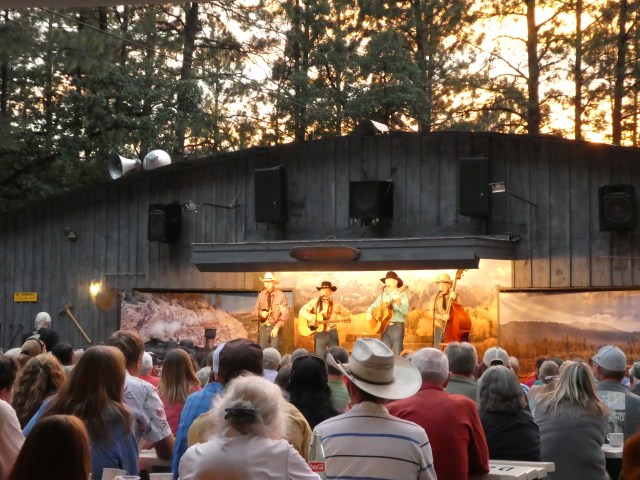 Next up was the BarD Old West Music Show and Chuckwagon Supper.
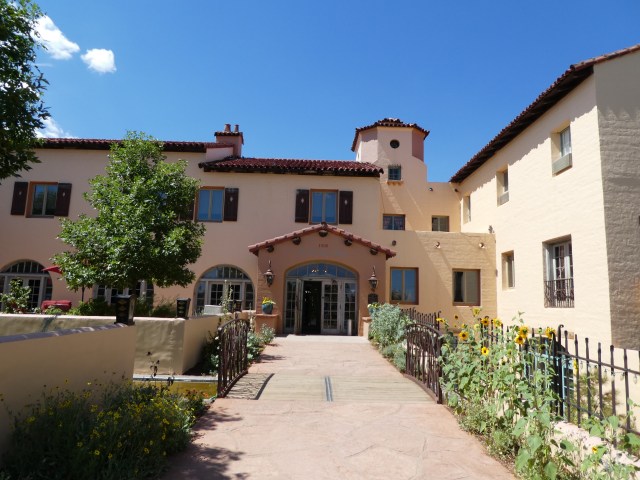
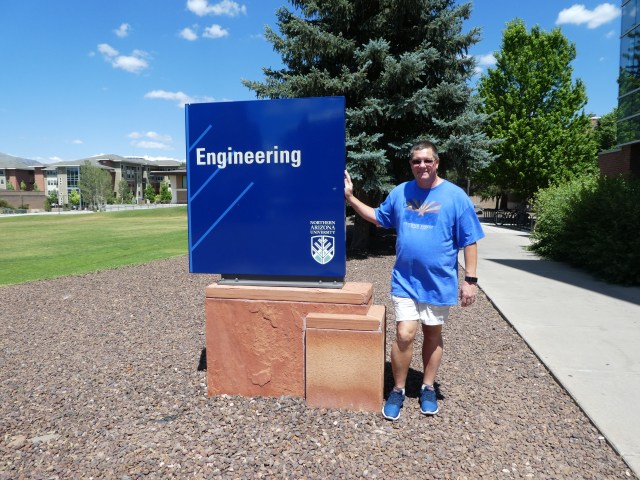
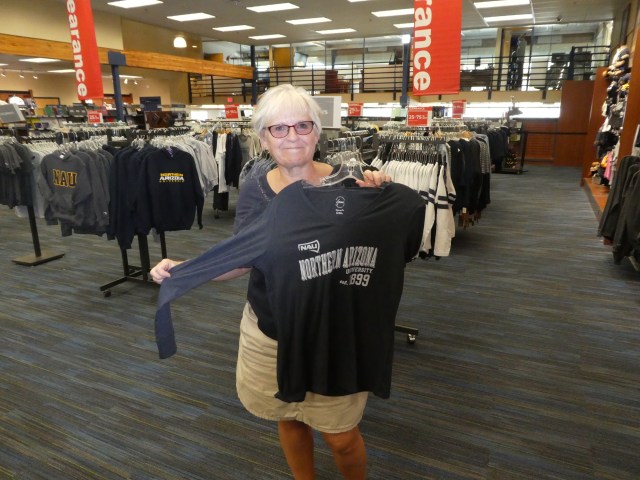
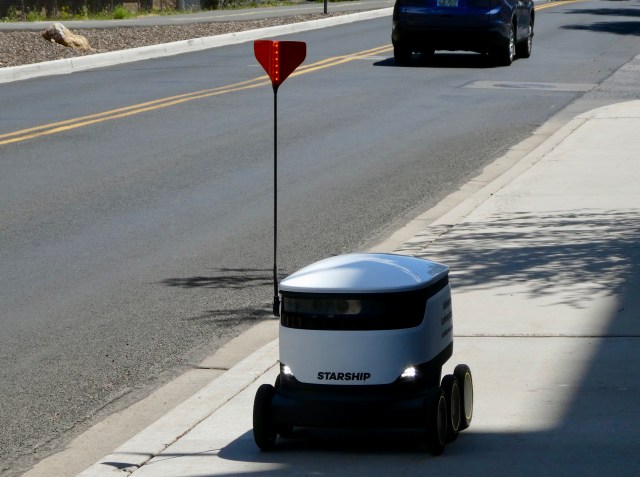

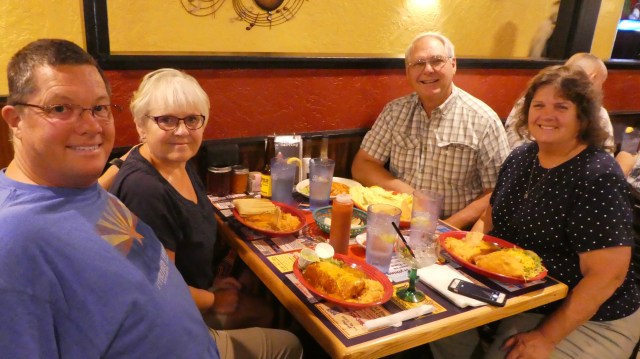
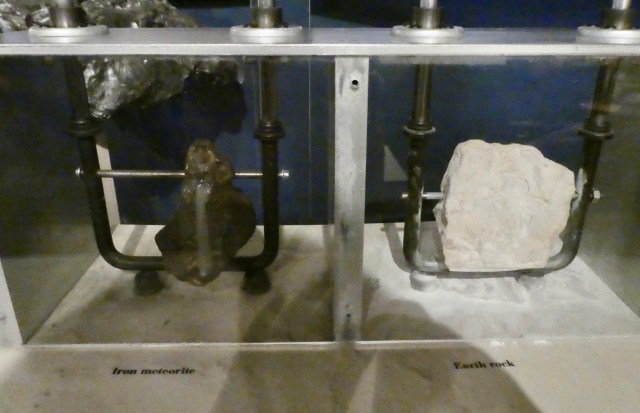
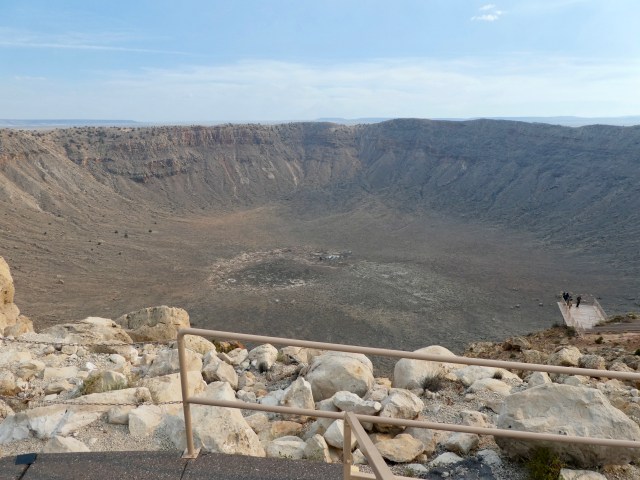
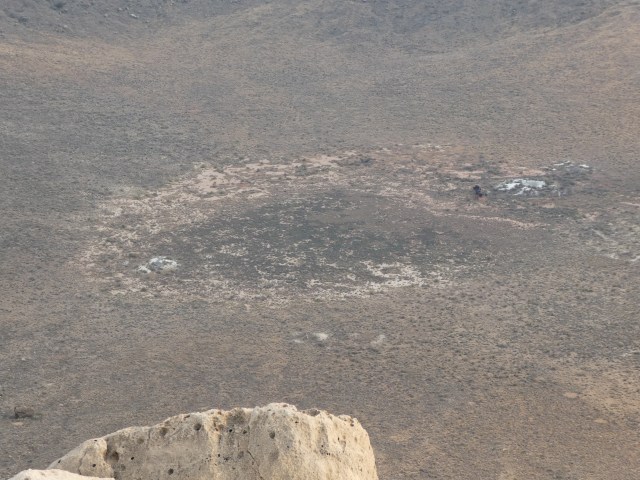
 Driving to northern Arizona was fine but while setting up I noticed that a rock lodged under our kitchen slide tore the vinyl flooring.
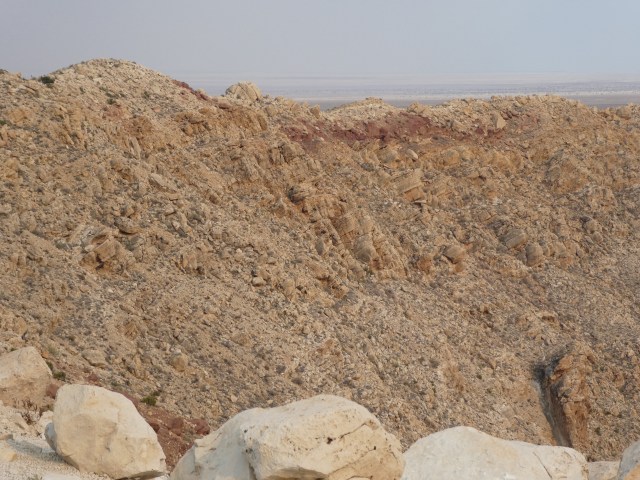
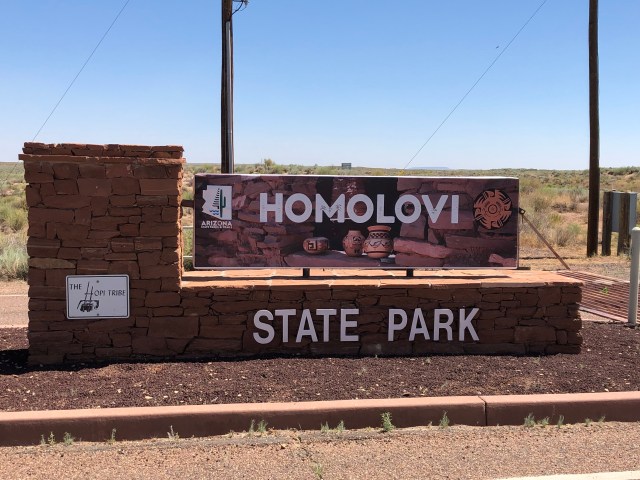
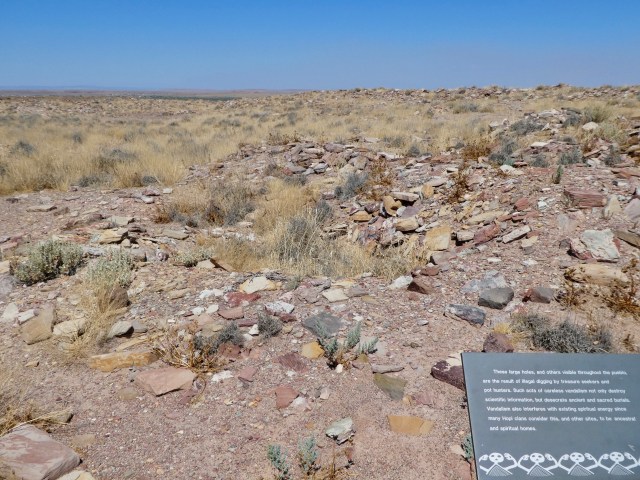
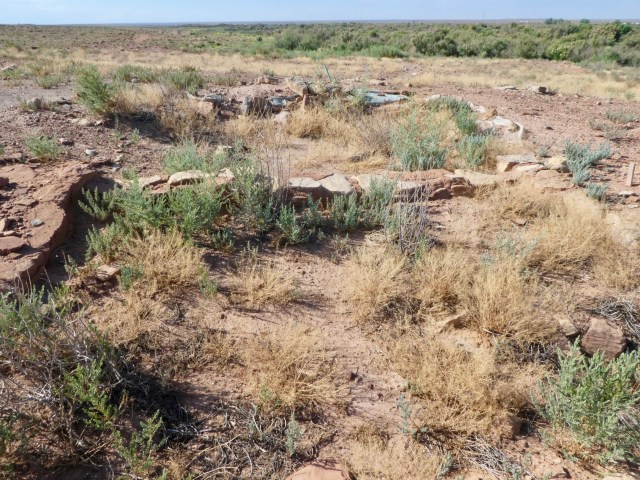
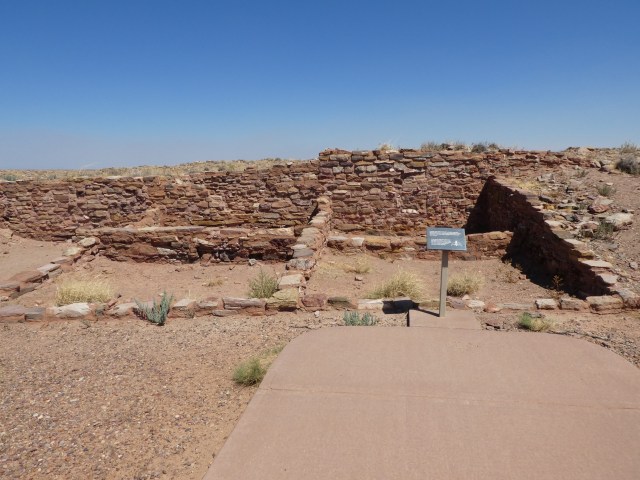
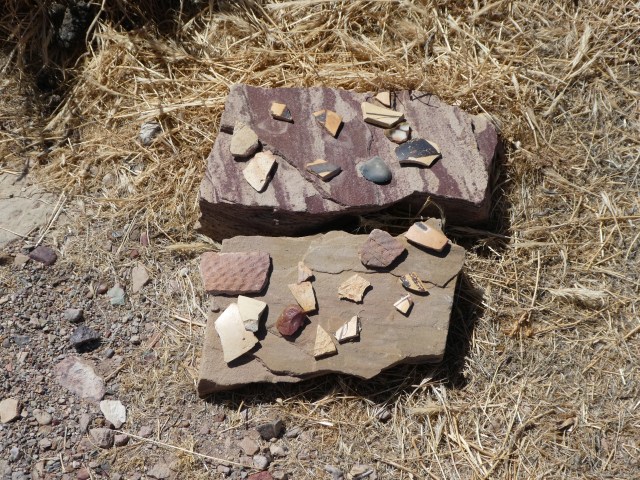
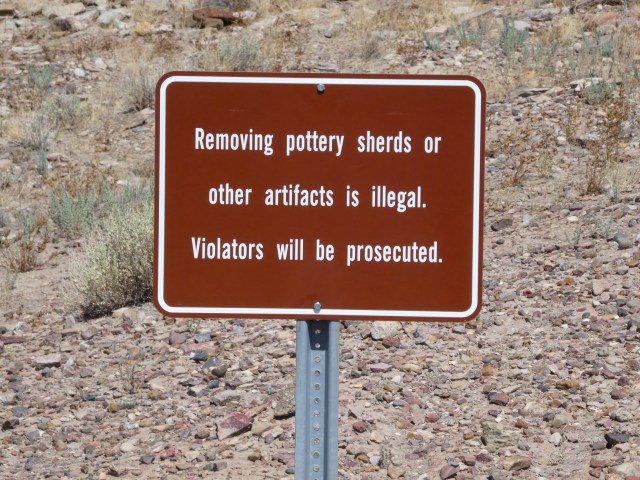
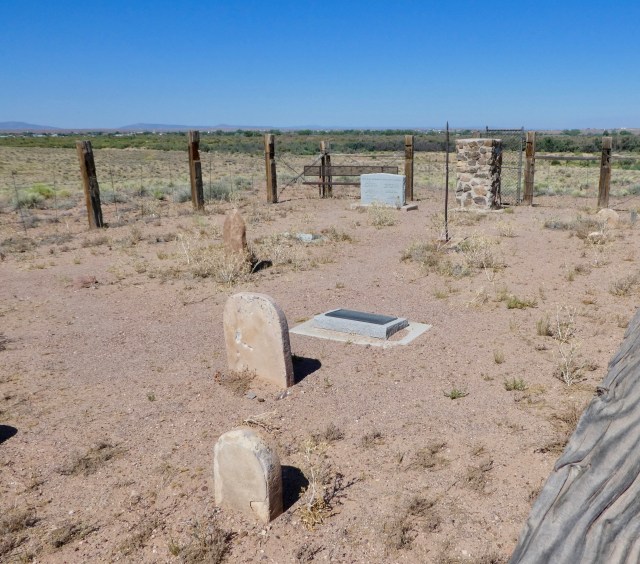
  We visited Petrified Forest National Park and found way more than we expected!
  The museum showed us how this currently barren landscape looked during the Triassic Period, with forests, plants, fish, dinosaurs and reptiles.
 Plant and animal life were fossilized through continental drift and climate change.


 Travelers could spend the night or have refreshment at the Painted Desert Inn.

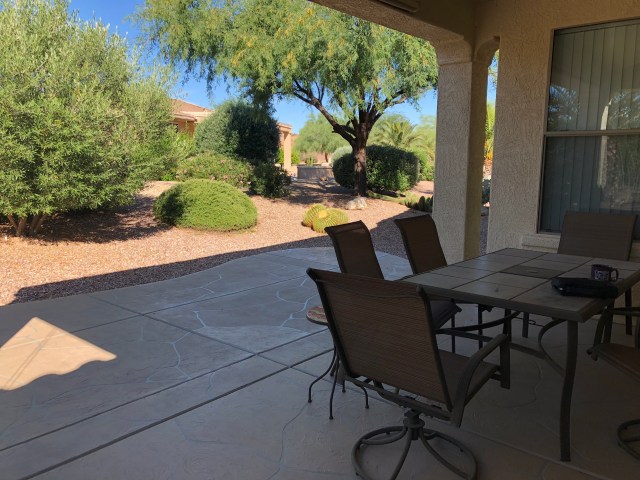
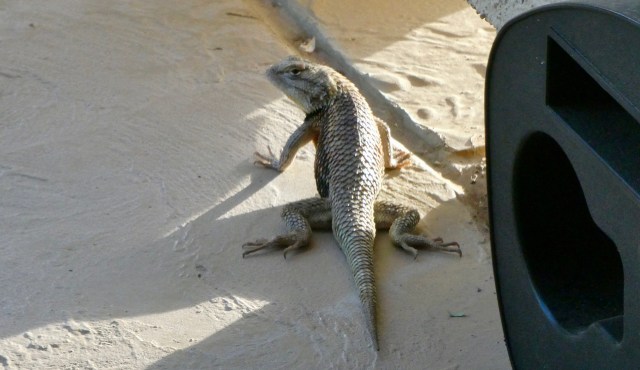
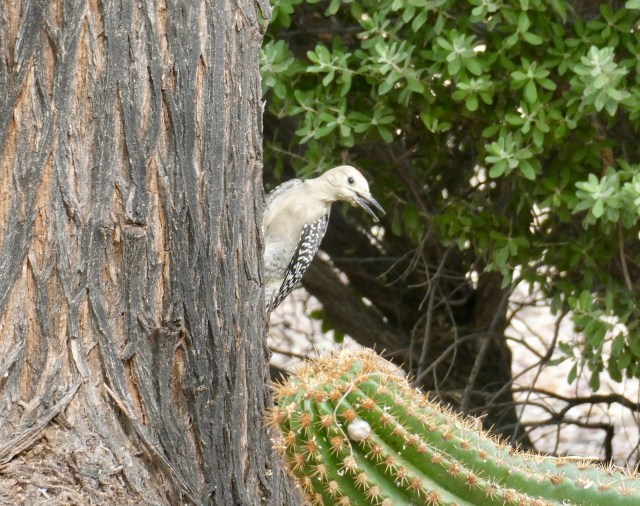

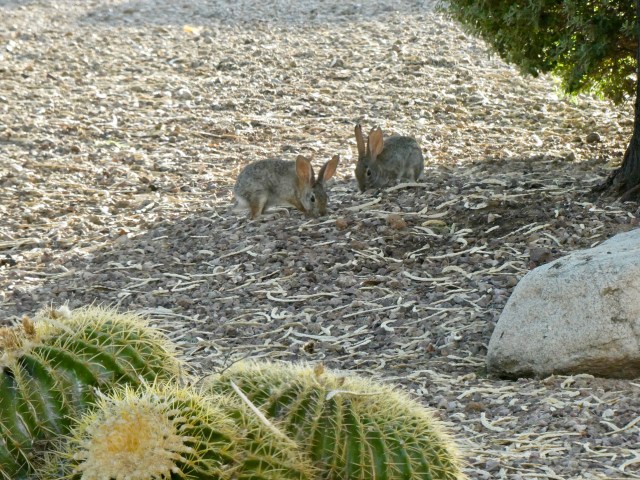
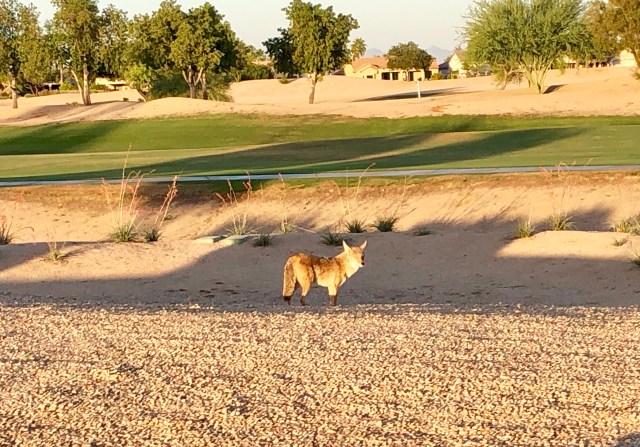
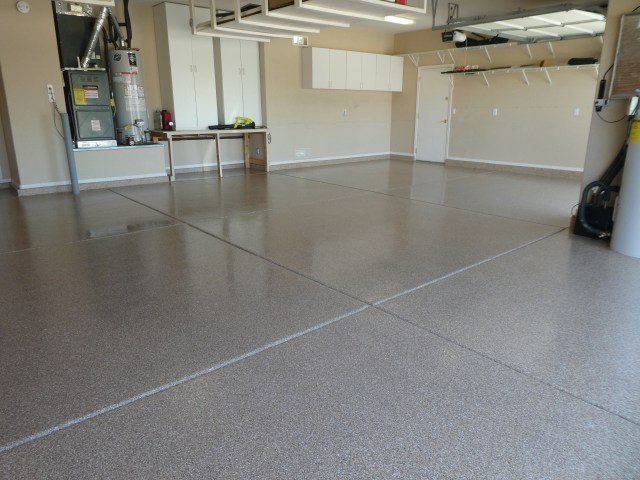
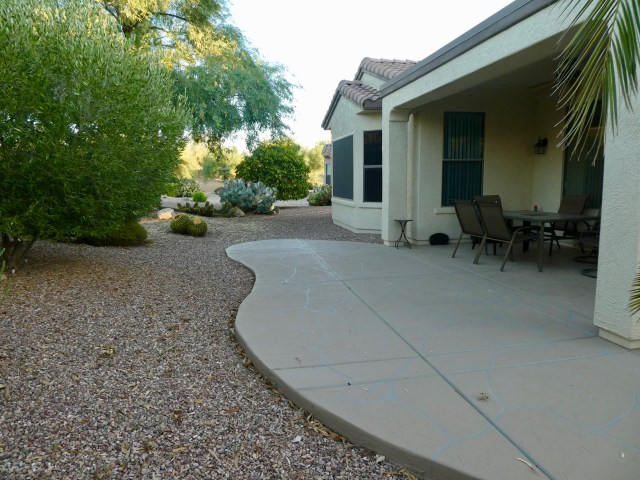
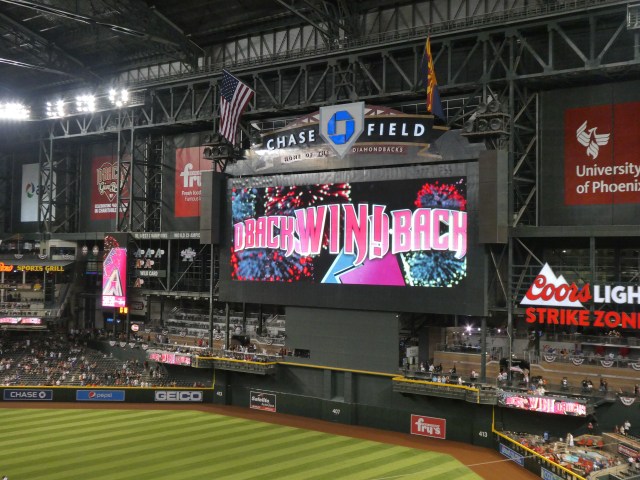 Randy has golfed and I have been line dancing, playing the ukulele and joined a new book club.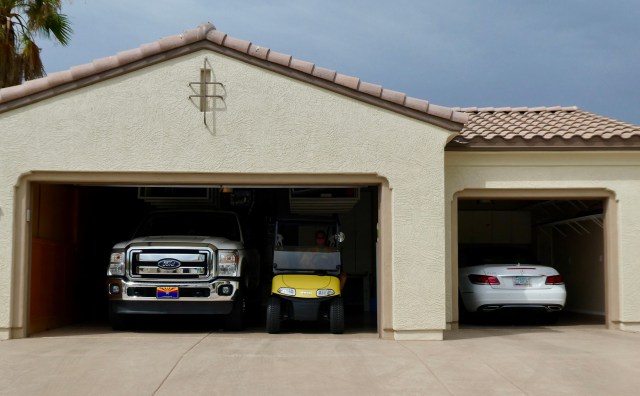


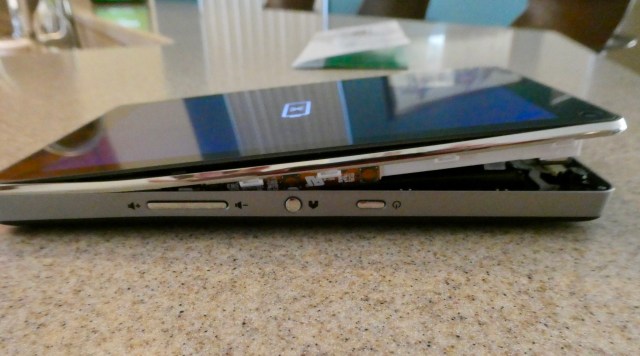


 We flew Air Tahiti Nui from Los Angeles to Papeete with free luggage, two meals, entertainment, blanket, pillow and supply bag for our eight hour flight.
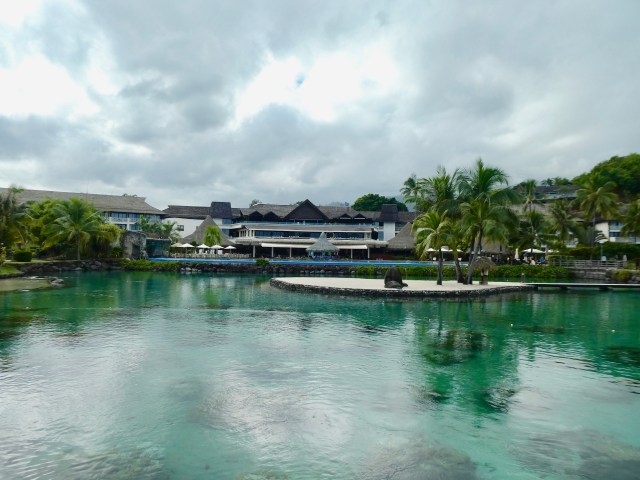 We landed in Papeete, Tahiti at midnight and went straight to the hotel and bed.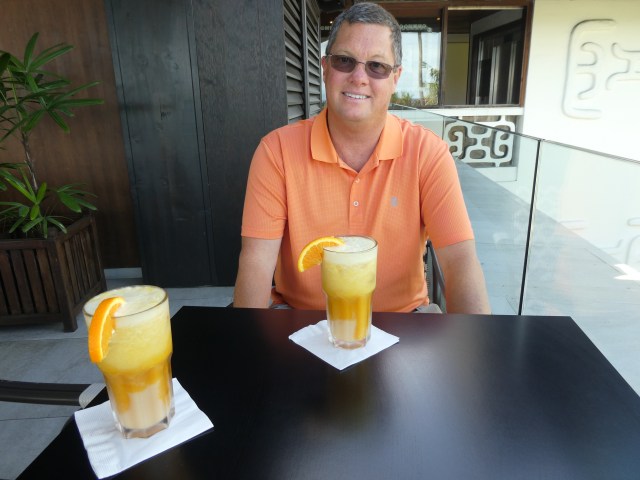
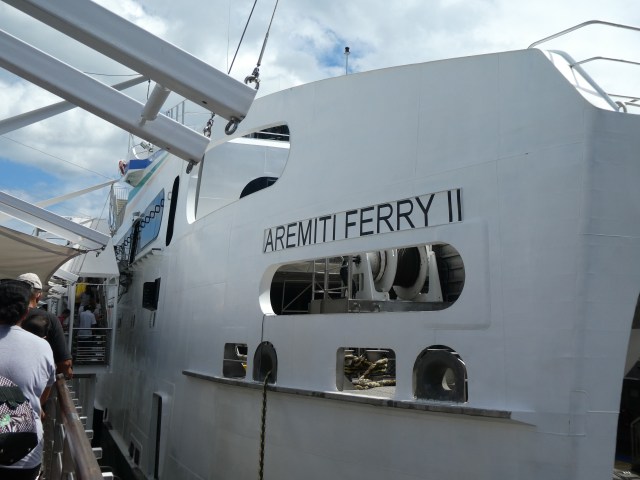

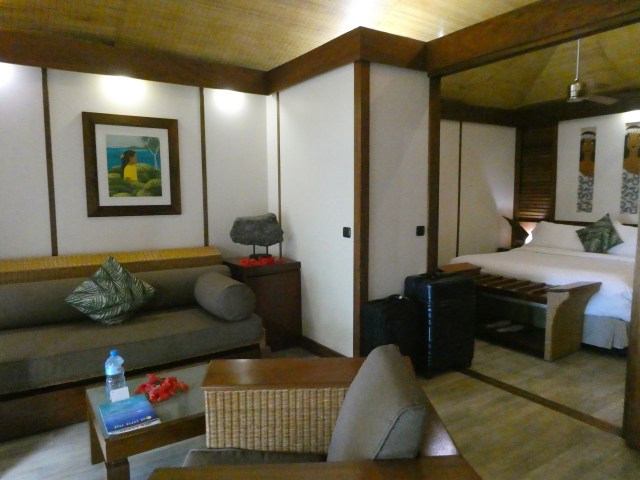
 Because of renovation work being done far away from our bungalow, we received complimentary dinners in addition to the breakfast buffets.
 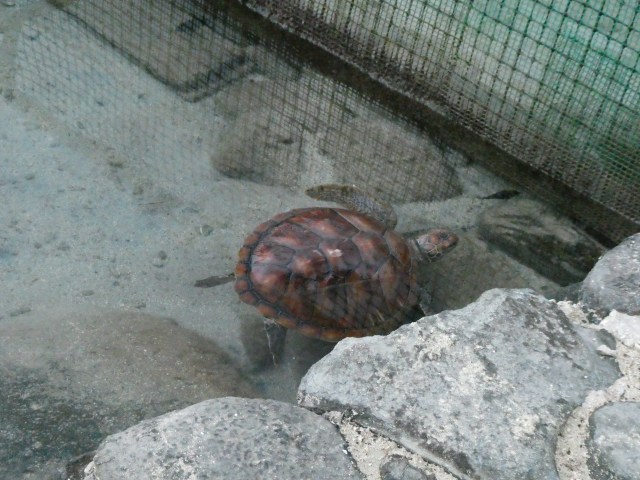 The resort has a Turtle Hospital and Sanctuary.
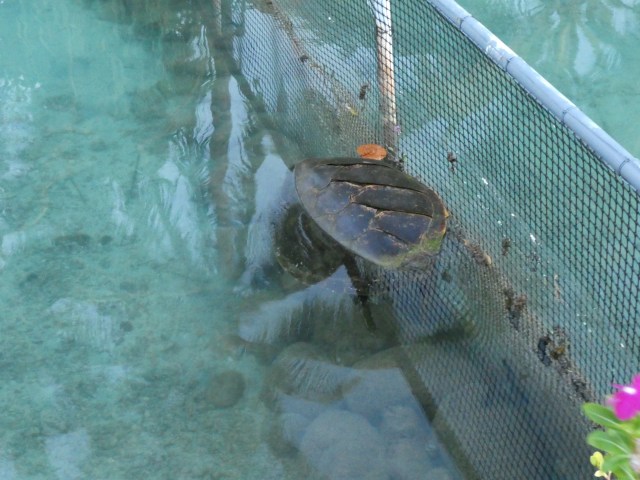 There were 12 turtles in residence including the mascot Tortilla.
 There was also a Dolphin Experience on site with three resident dolphins. We enjoyed watching others but didn’t feel compelled to partake ourselves.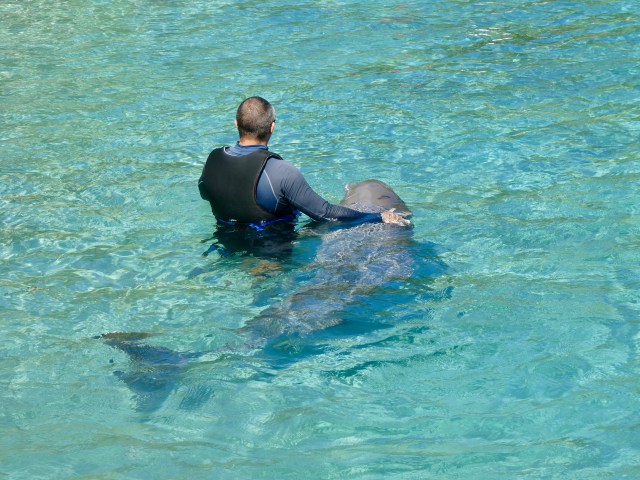
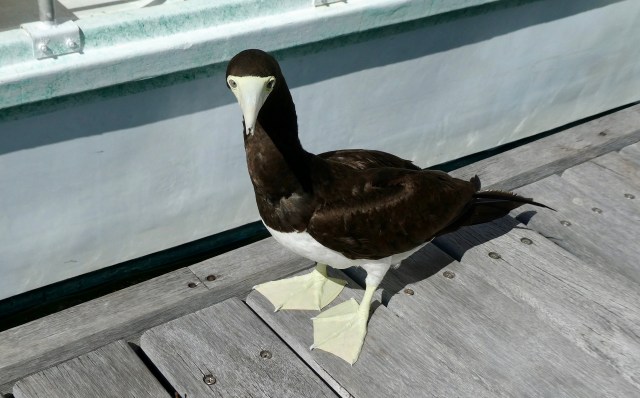 While we (and 30 of our closest French speaking friends) were waiting to leave, this Brown Booby showed us that he was not intimidated sharing HIS dock with humans!
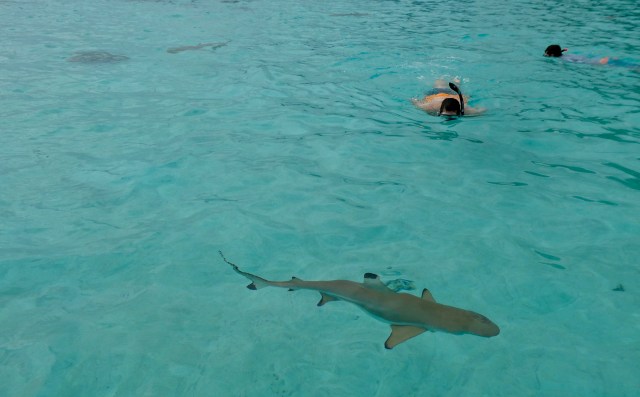
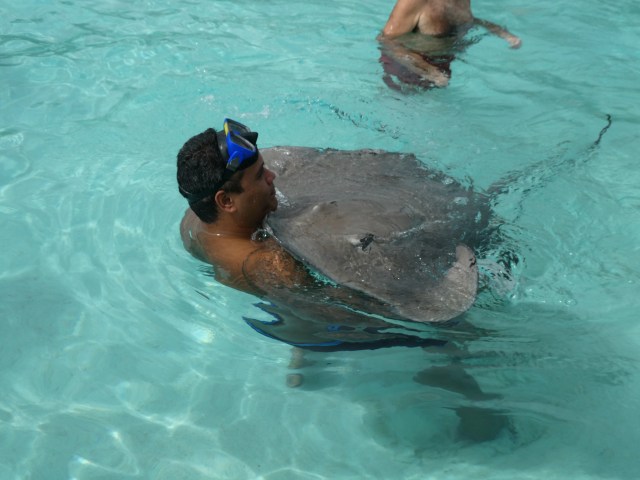
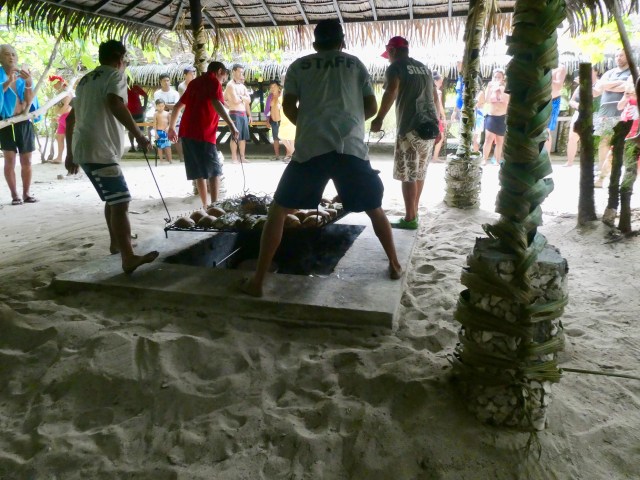
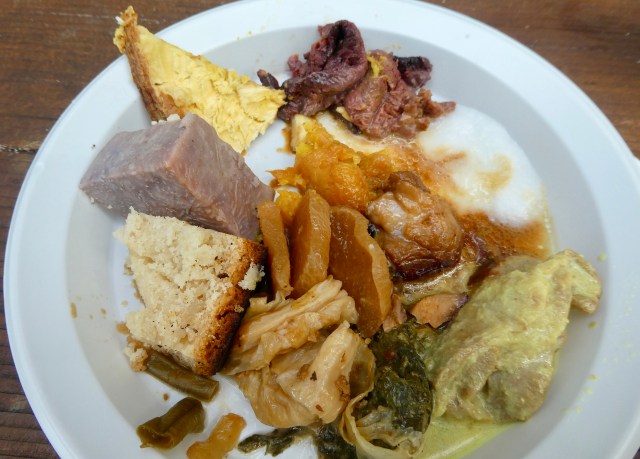

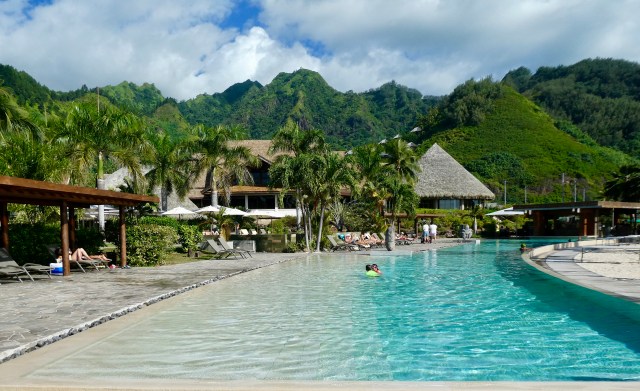
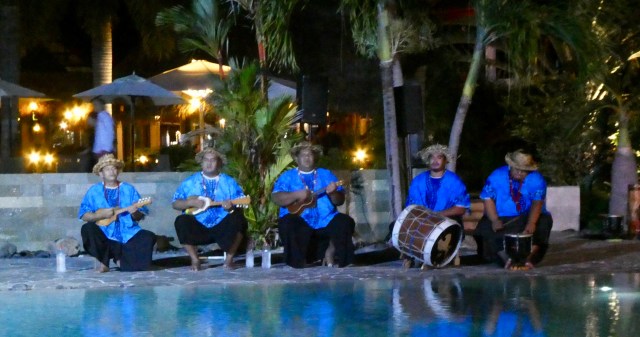
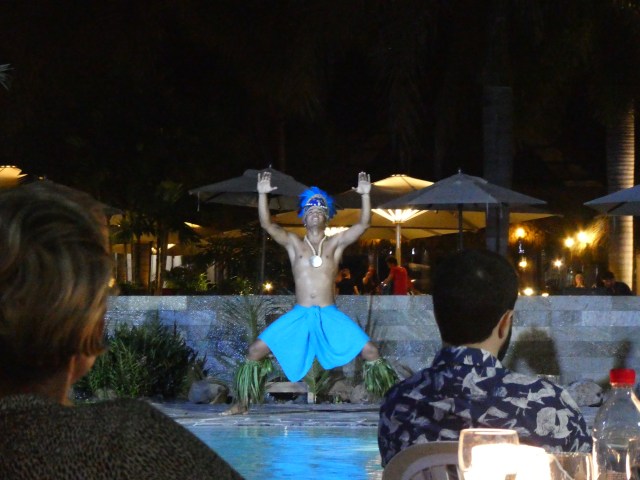
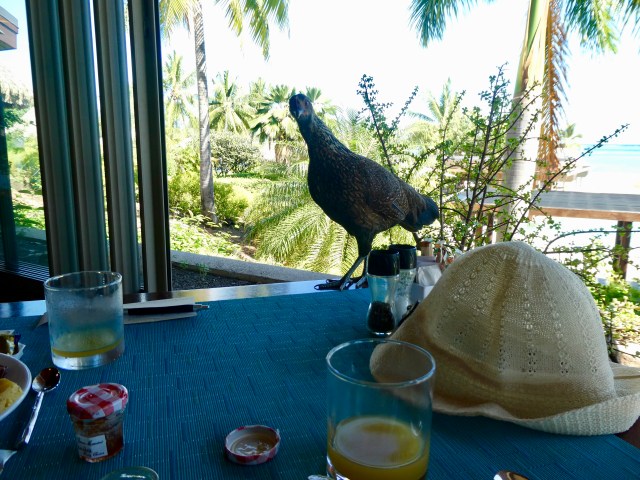 Chicken varieties are everywhere and help clean restaurant floors immediately.
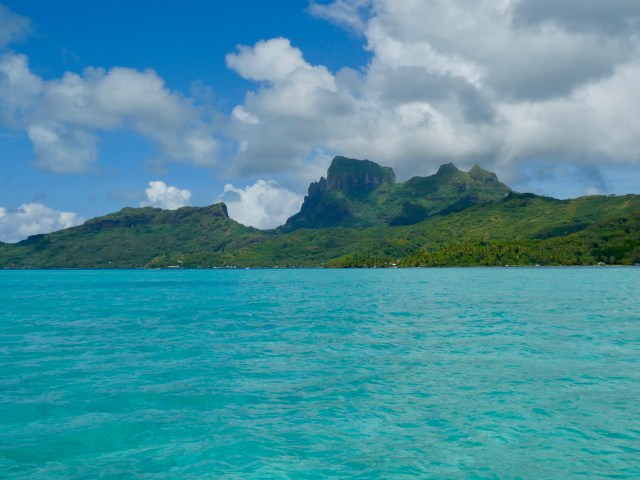
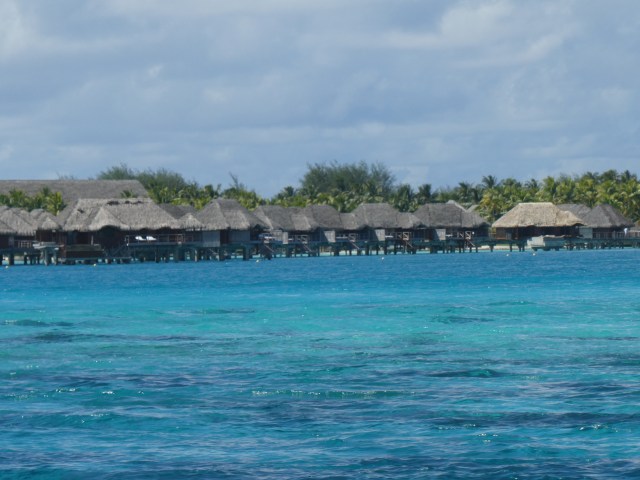 This is another iconic image!
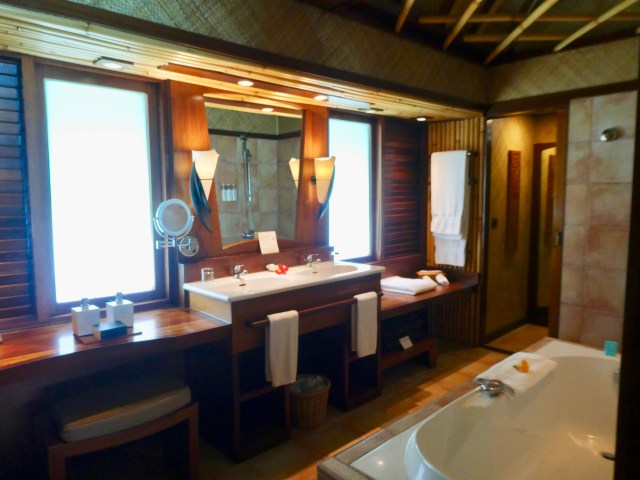
 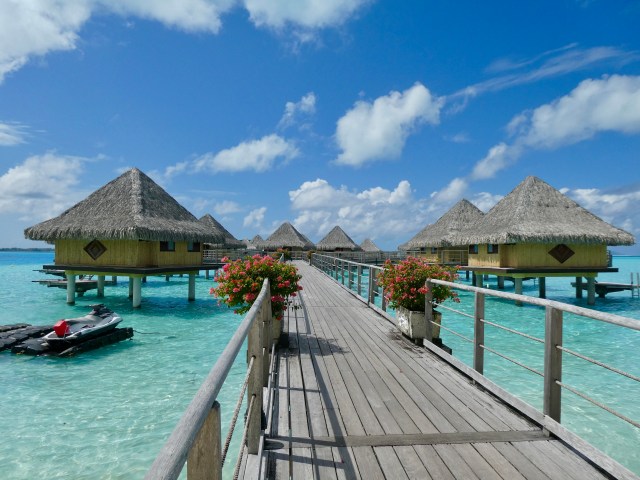 We finally arrived and it was so exciting to go out on the docks and see our bungalow!
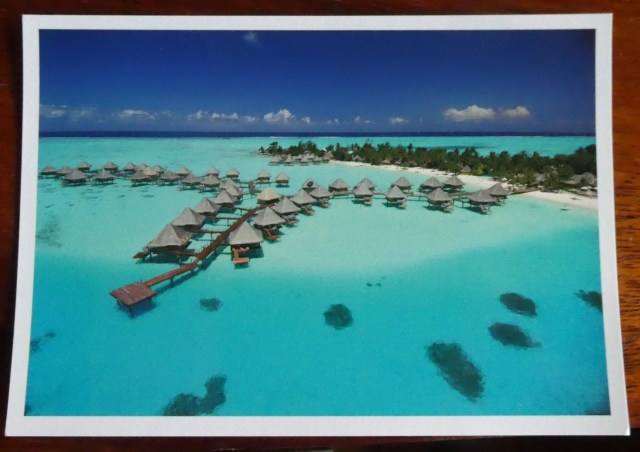
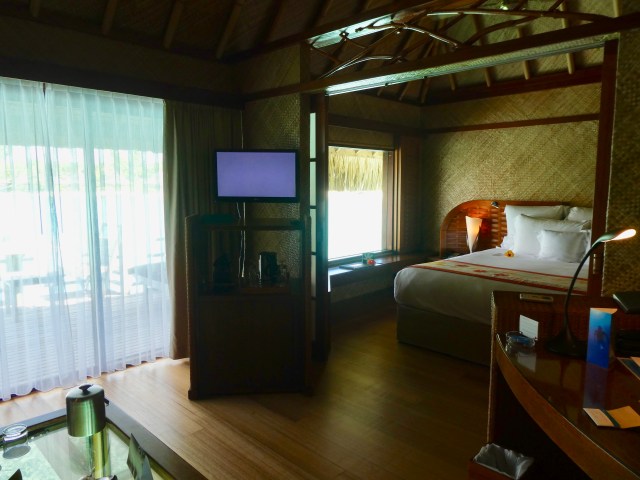
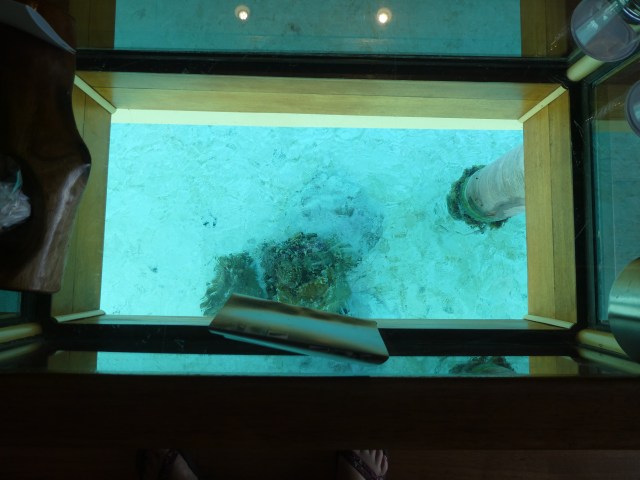 This is looking down into the water from directly above the glass topped coffee table.
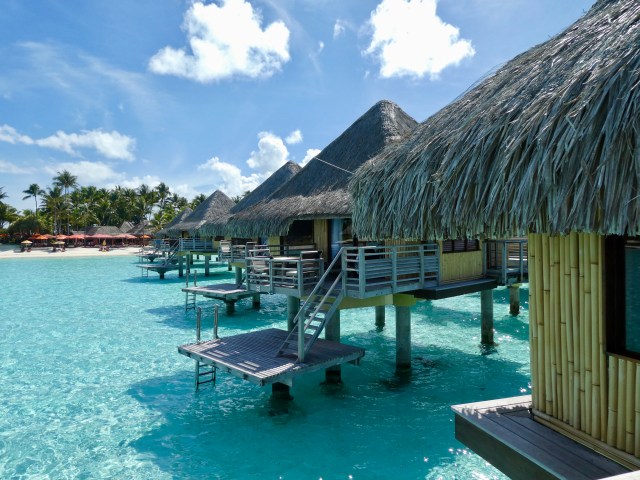 This is the neighborhood view from the upper back deck.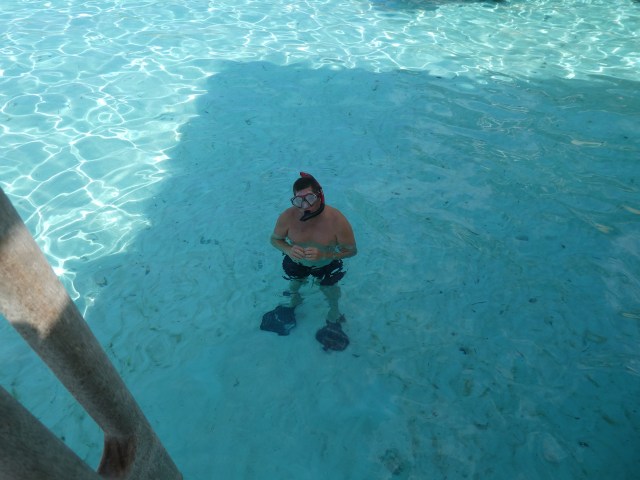
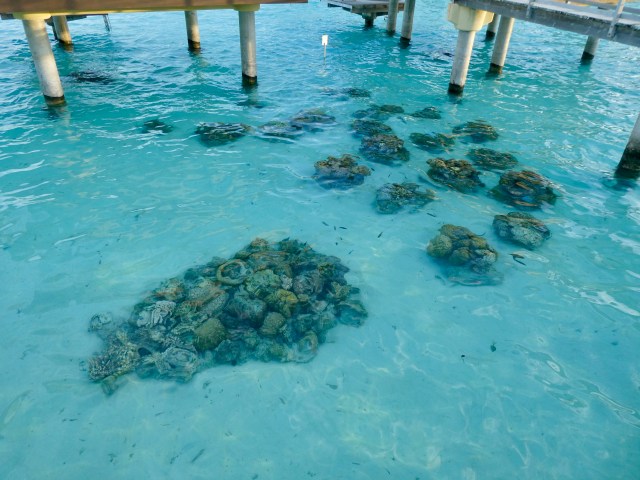
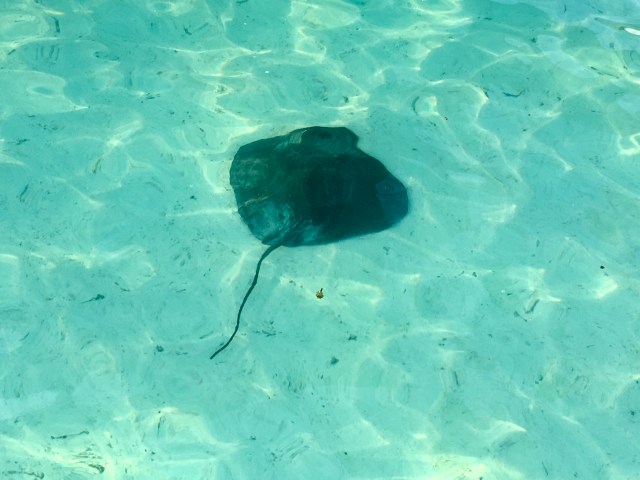
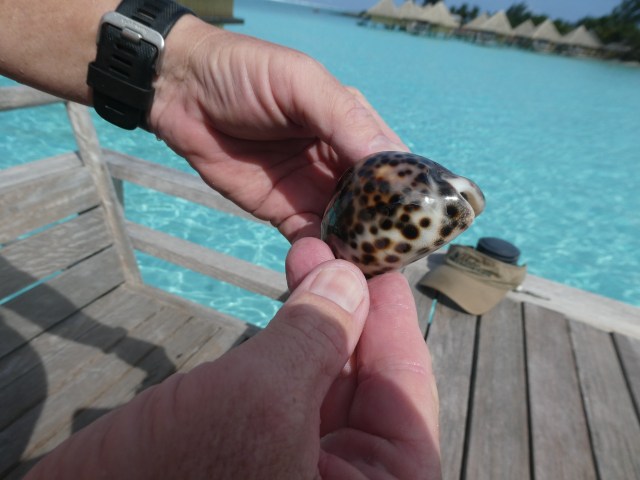 Randy found this nice shell while snorkeling and then noticed it was still occupied.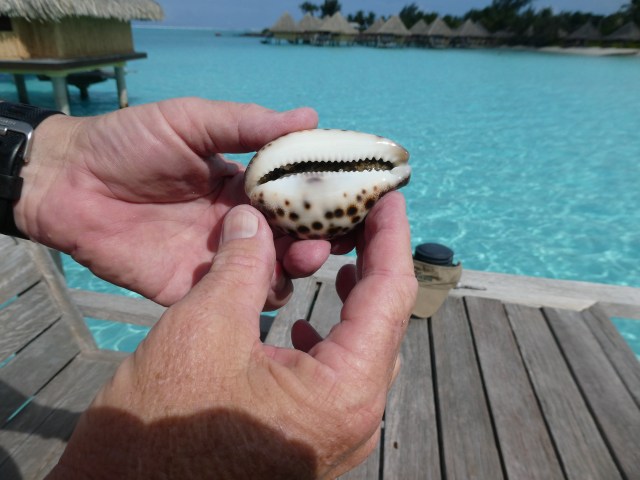

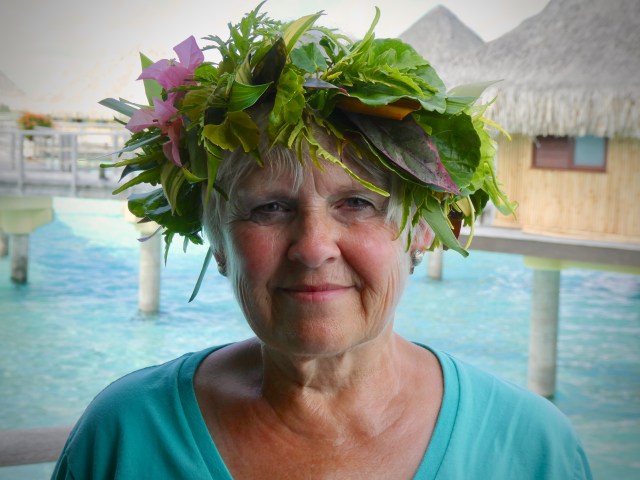


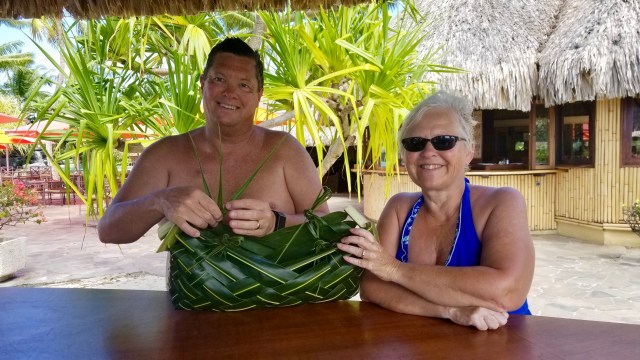
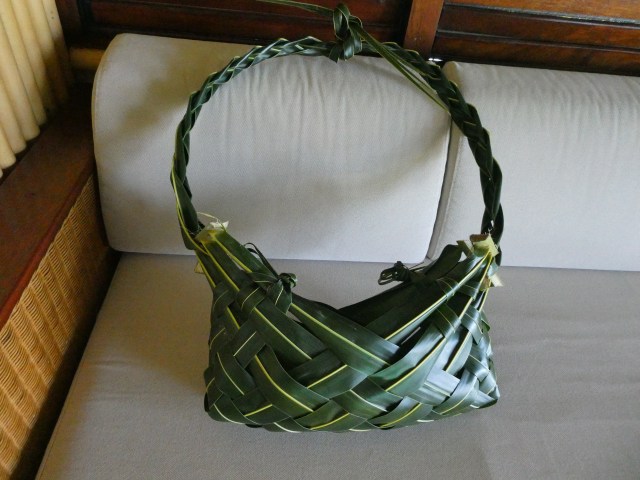
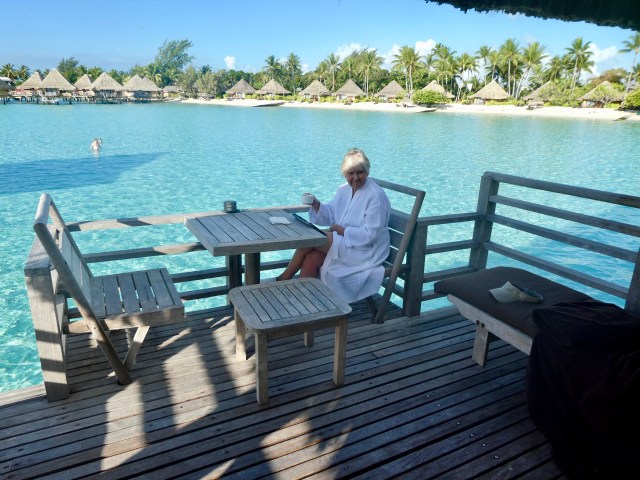
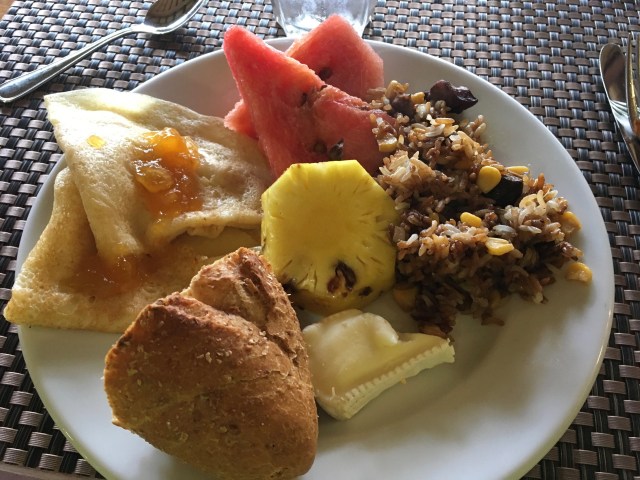
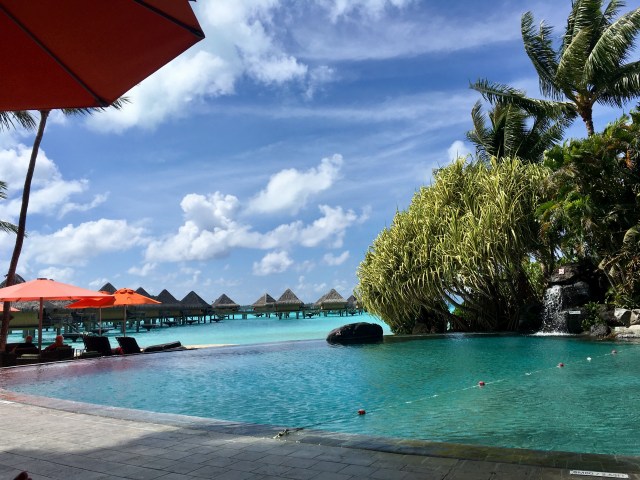

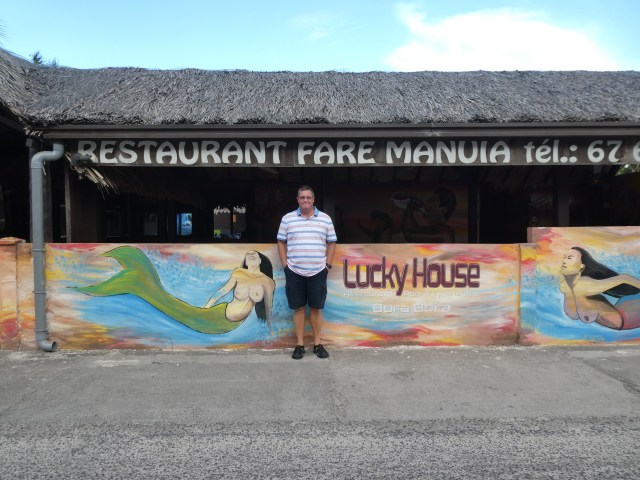
 Another night we went to the famous Bloody Mary’s.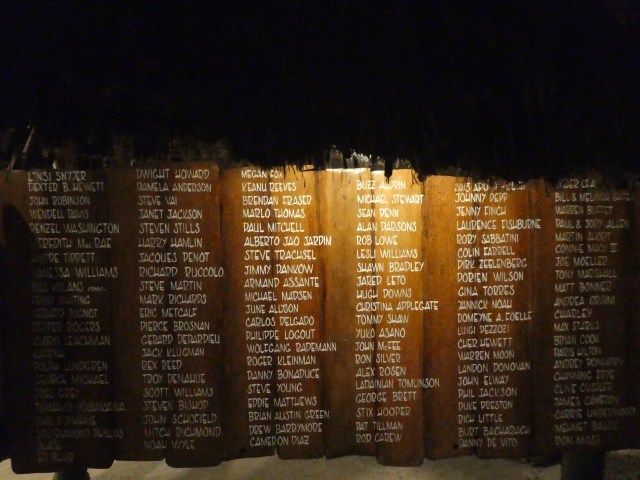





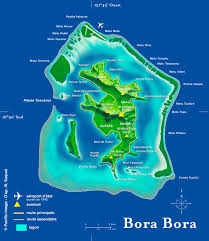
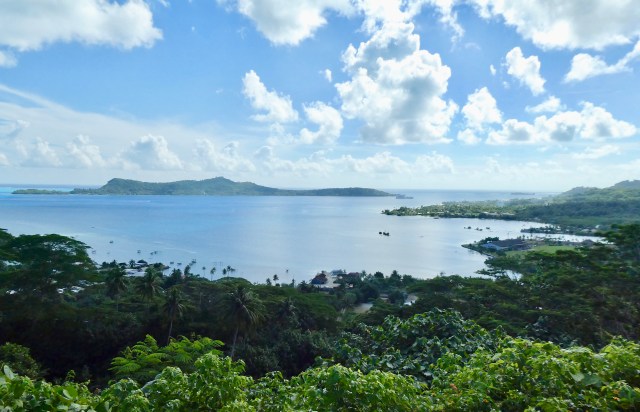 Remember the map with the island, reef, and motu?
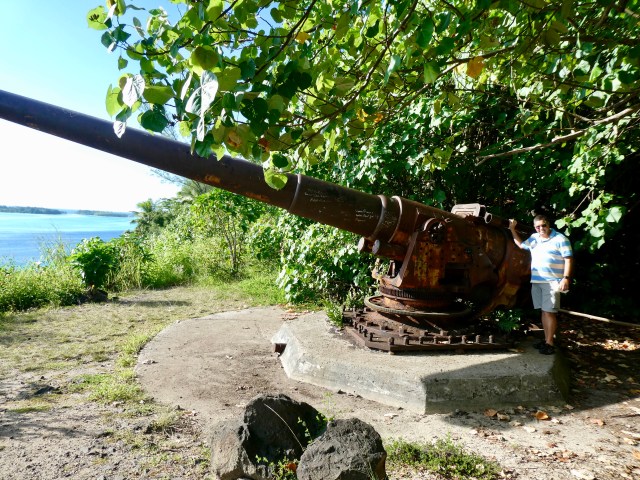 They brought and installed eight cannons around the island but they were never fired.
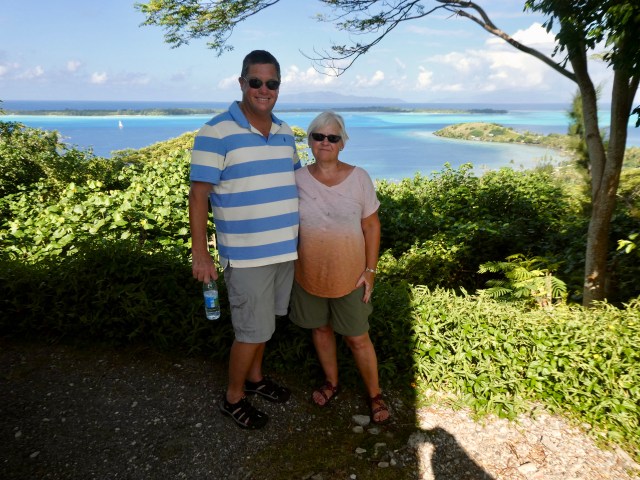 We left our overwater bungalow in Bora Bora at 10:30 am on Saturday and arrived in Surprise, Arizona at 6:00 pm on Sunday. That included some waiting around the pool time and waiting at the airport time but it was still a long trip. But it was still awesome!! It was well worth the distance, expense and difficulties.
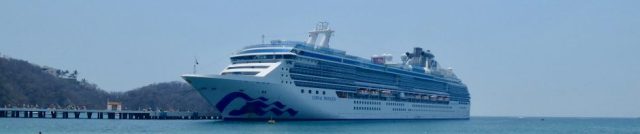 On our 15 day Panama Canal Cruise,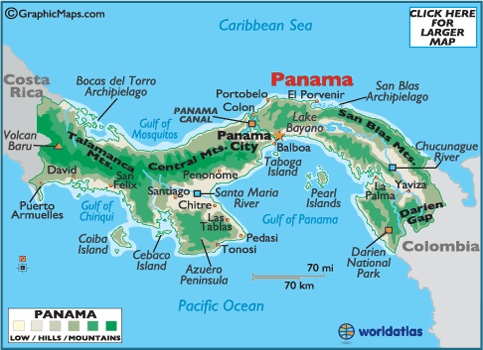
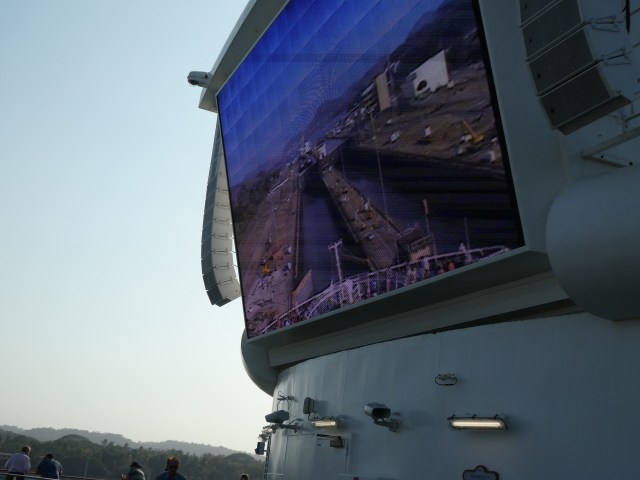
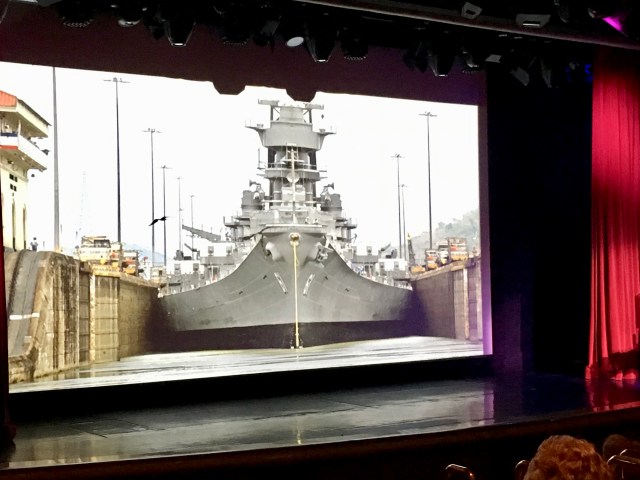 This lecture picture is of an Iowa class American battleship, clearing the canal by a comfortable 11 inches! The Coral Princess wouldn’t be quite that tight but was built slightly narrower than most cruise ships to be able to traverse the canal. We noticed the difference right away in hallway width in the cabin areas.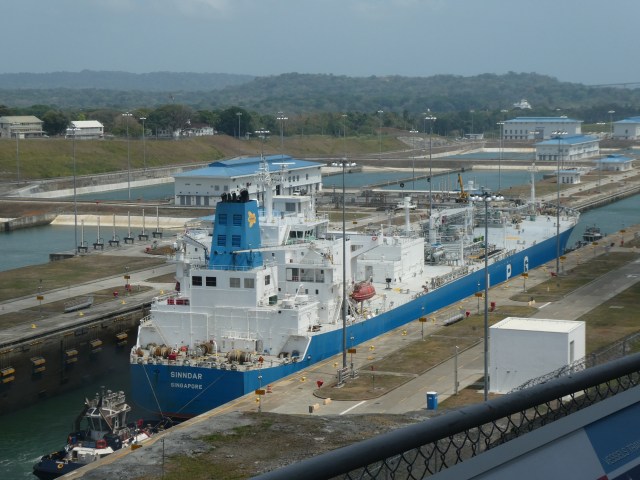
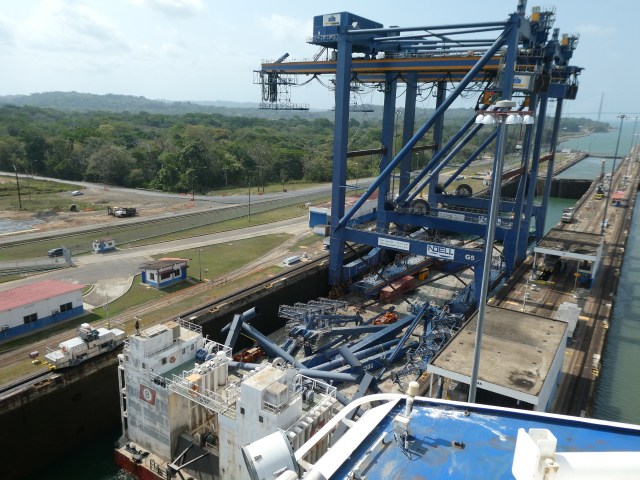
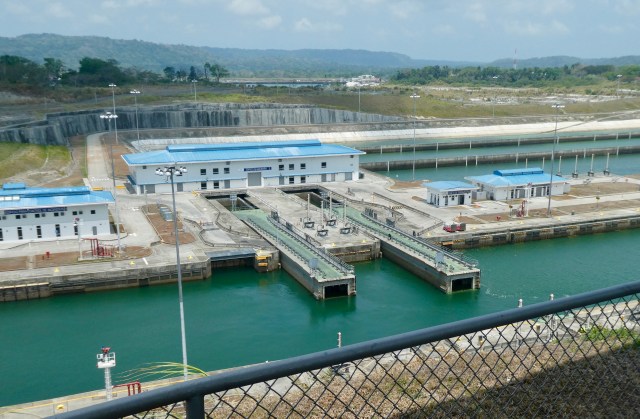 The new locks use a sliding gate mechanism and also gather 60 percent of the fresh water for reuse as the locks raise and lower ships.
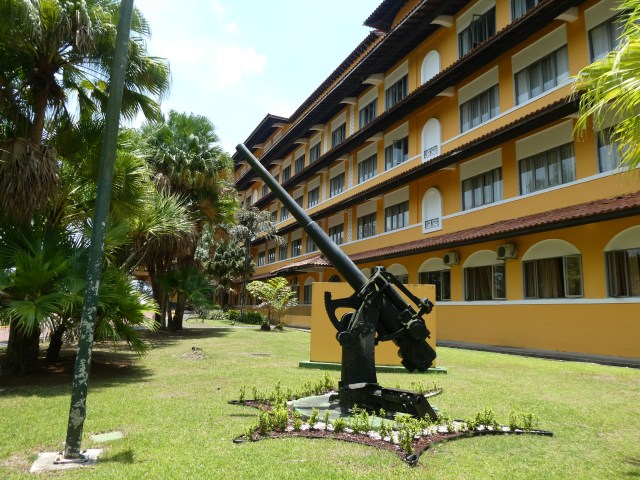 Our tour also gave us an opportunity to see some of the former canal zone facilities on the Atlantic side.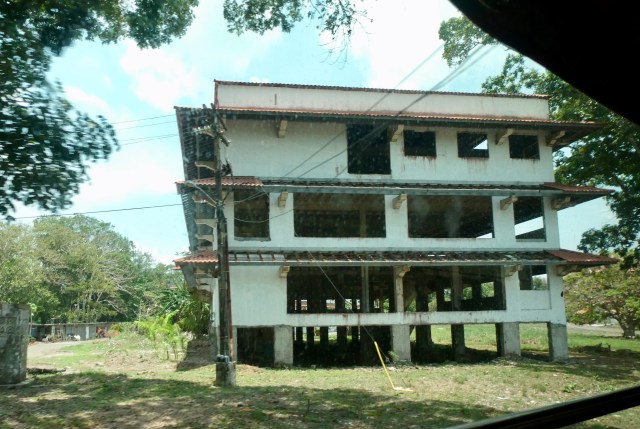
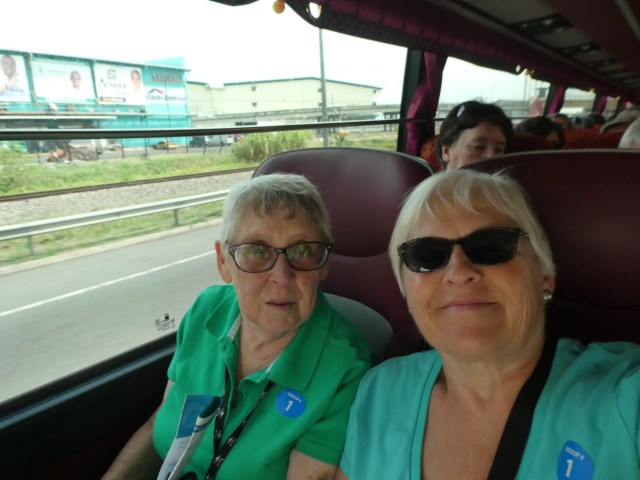
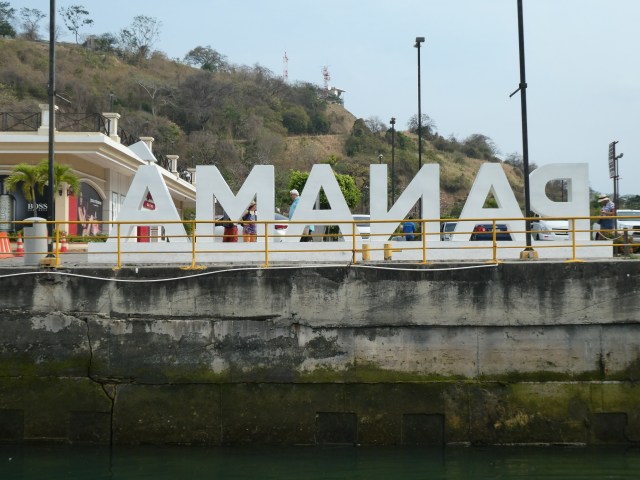
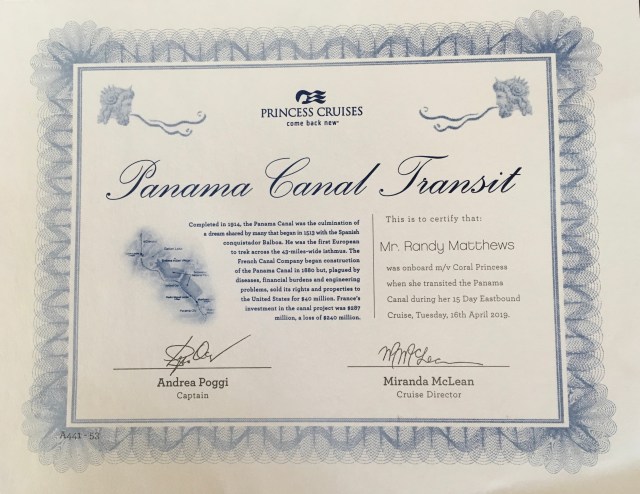
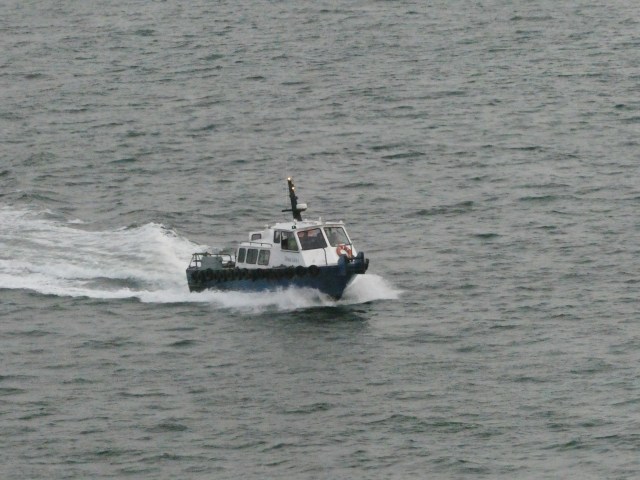 Our transit day began with a 27 member pilot team coming on board to drive the Coral Princess through the Panama Canal.
 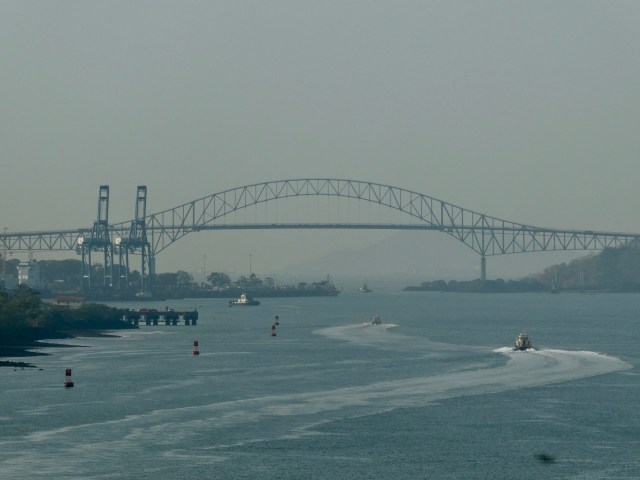 Our first event was to travel under the Bridge of the Americas.
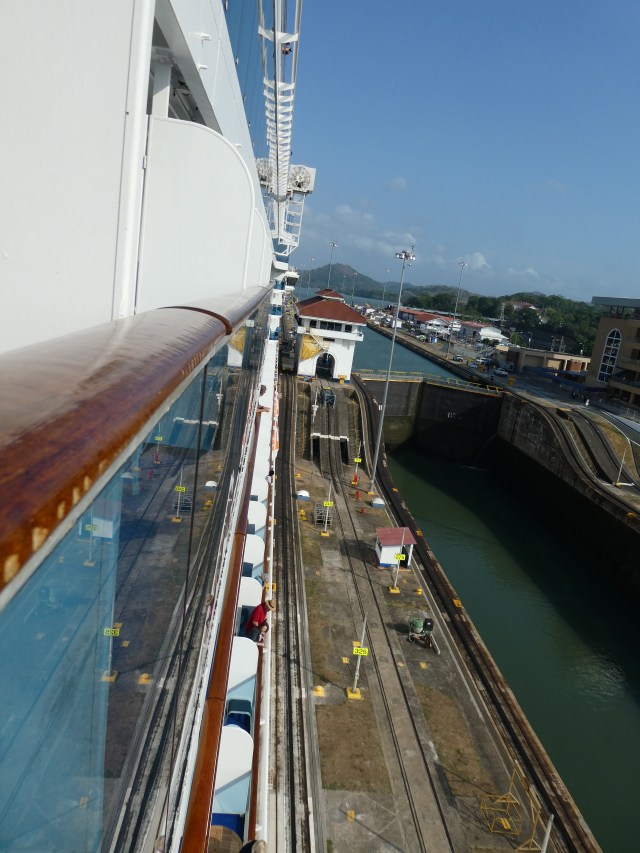
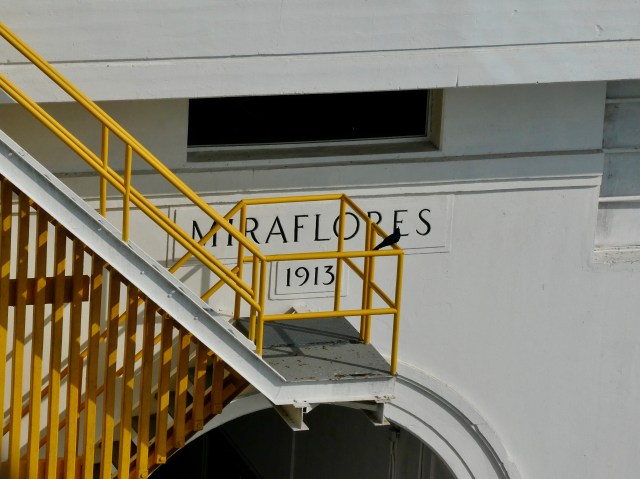
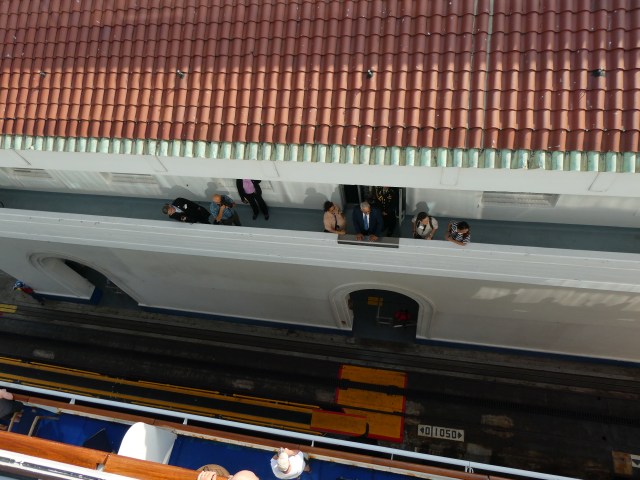
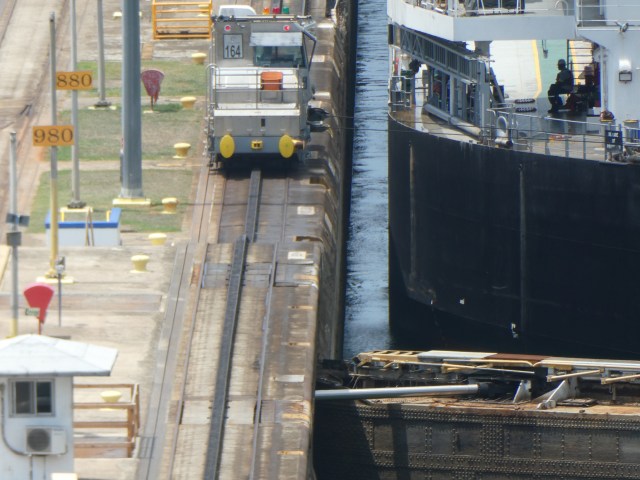
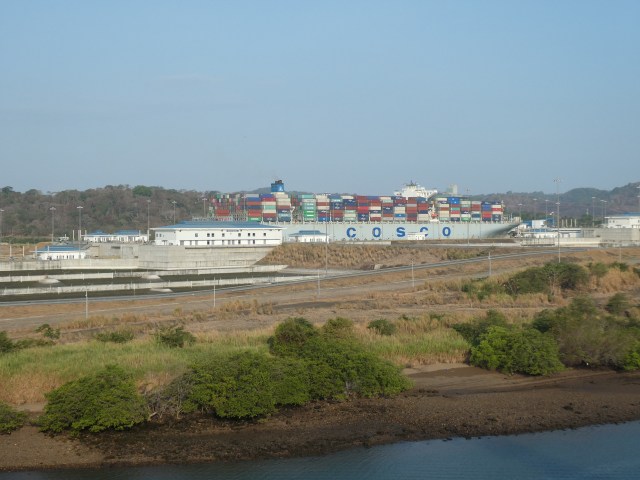 As we approached the Mira Flores Locks we saw this COSCO container ship beginning its transit in the new locks.
 The old locks are two lane, sometimes both ships are going the same direction and sometimes they are going opposite.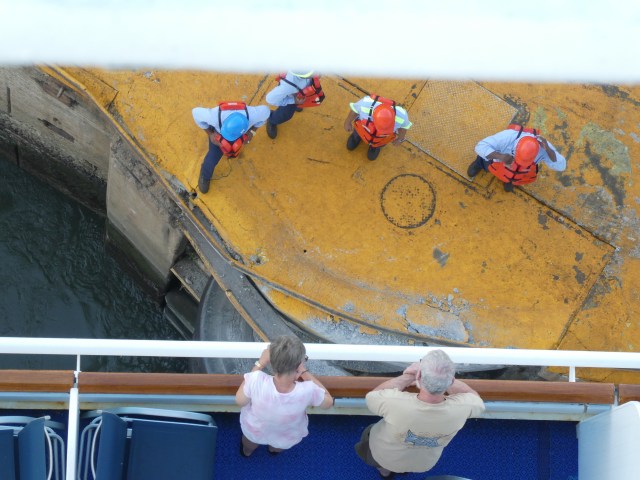
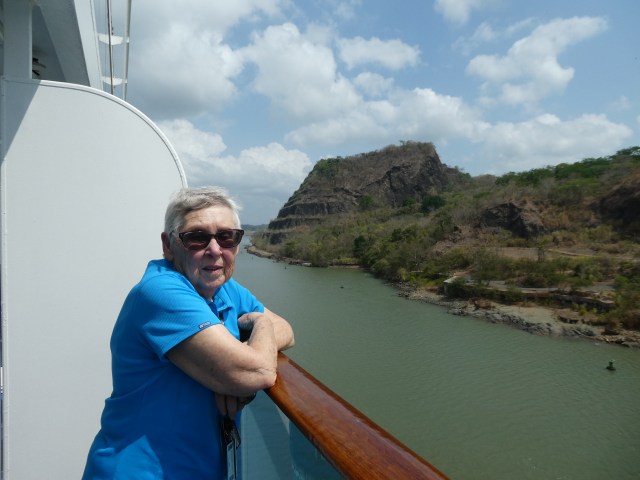
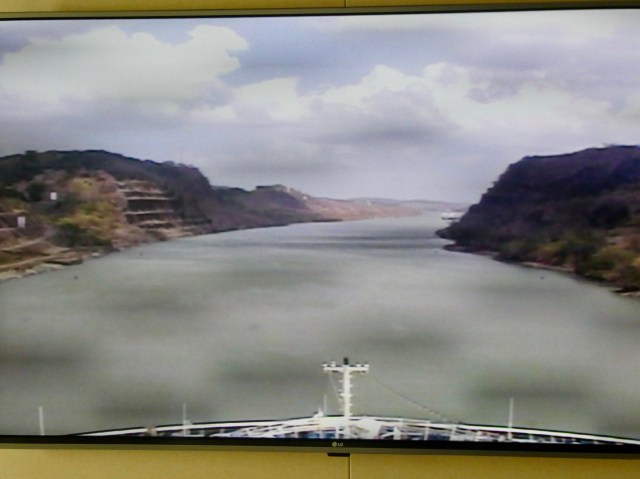
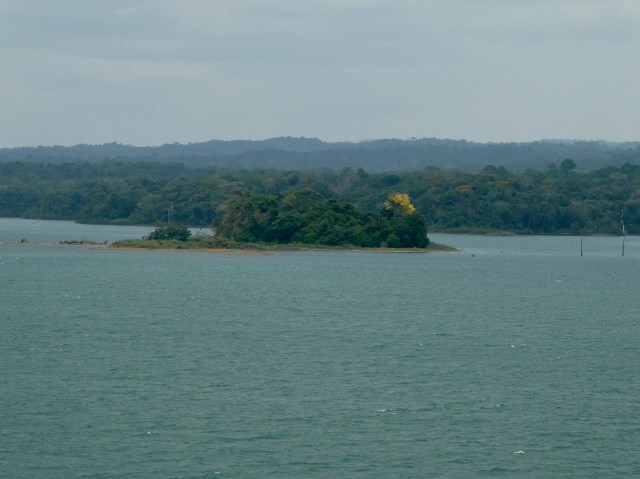

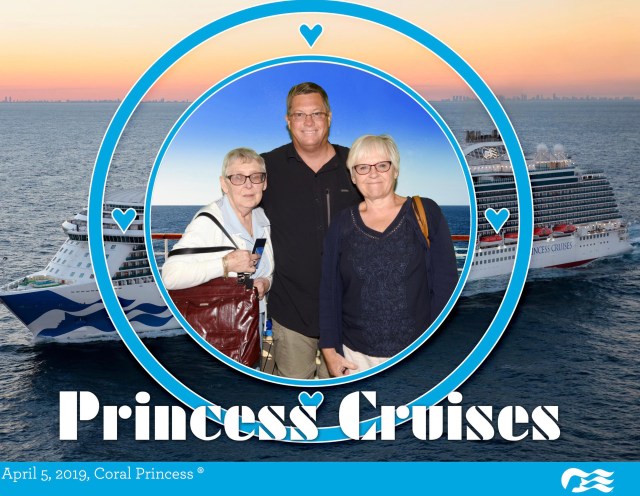
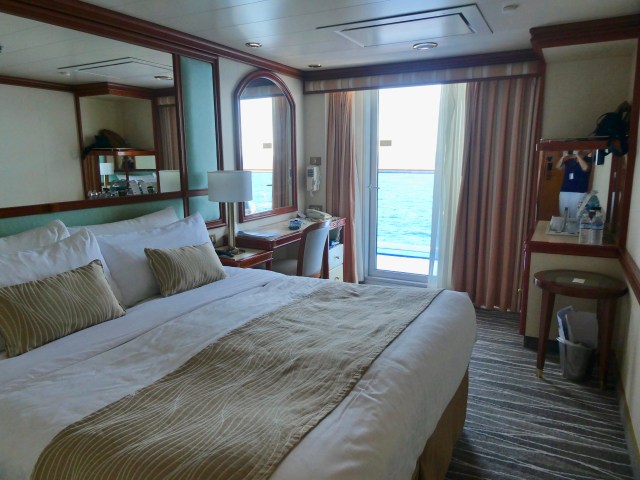 Randy and I once got a complimentary upgrade to a balcony cabin,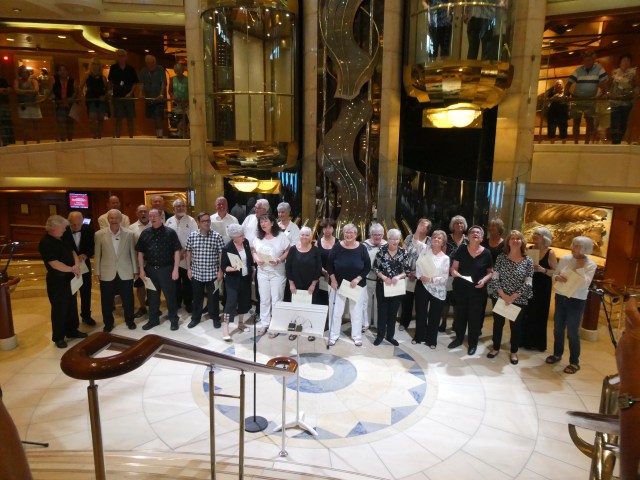
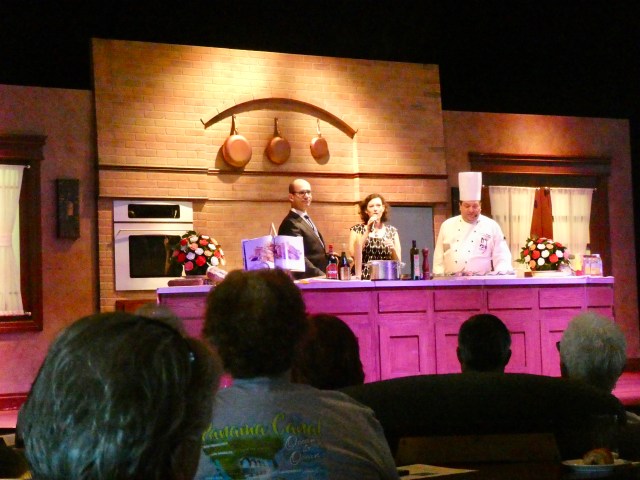 Another sea day gave us the cruise director, executive chef, and head maitre’d

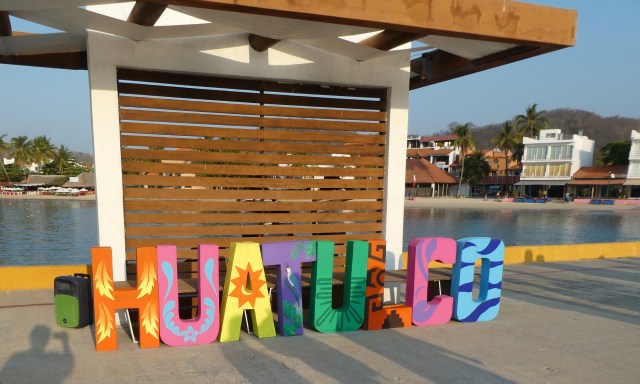 The next port, also in Mexico, was Huatulco where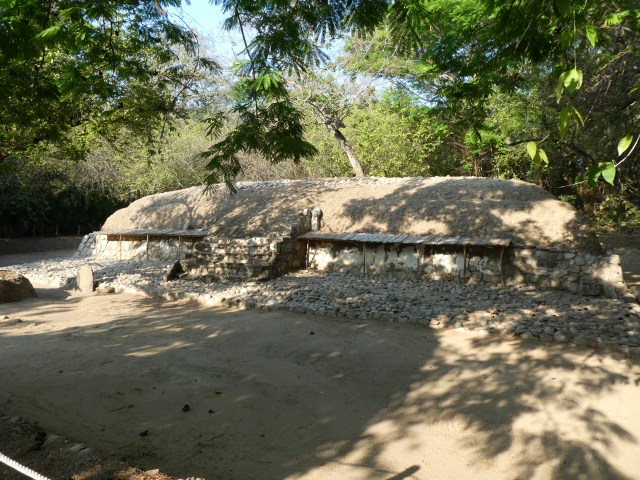
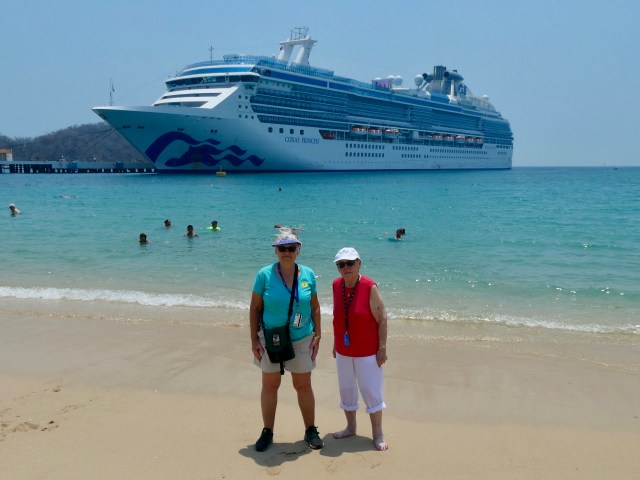 Afterwards, we had some beach time and lunch.
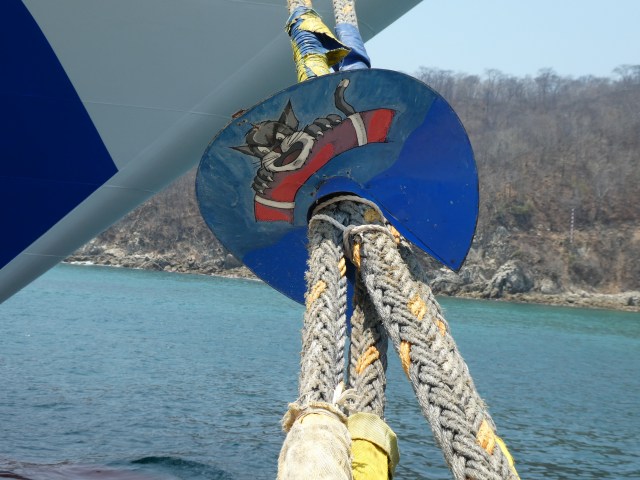
 Our next port was San Juan del Sur, Nicaragua.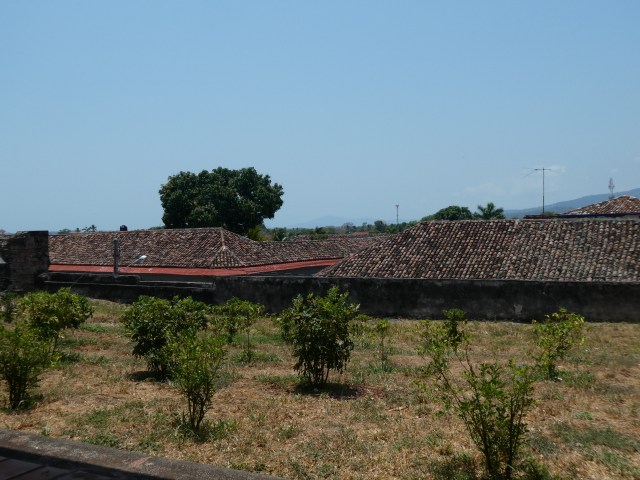

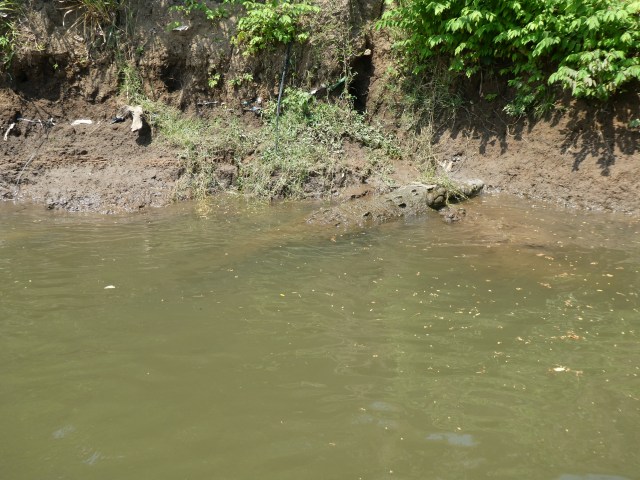
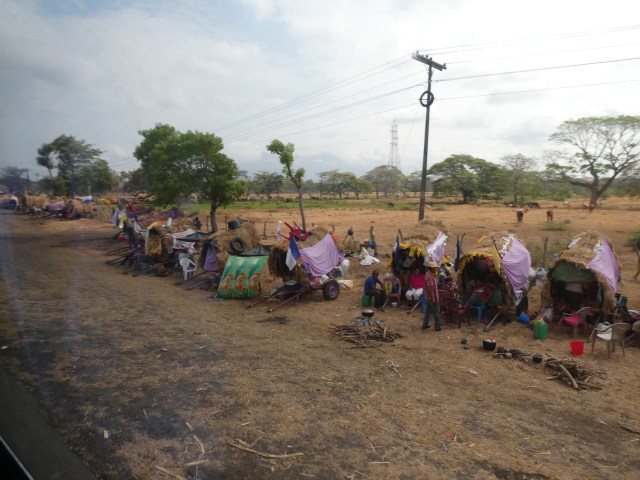
 Our tour involved a river cruise and a rainforest tram – with opportunity for wildlife viewing.
  We saw this termite nest and that was about it.
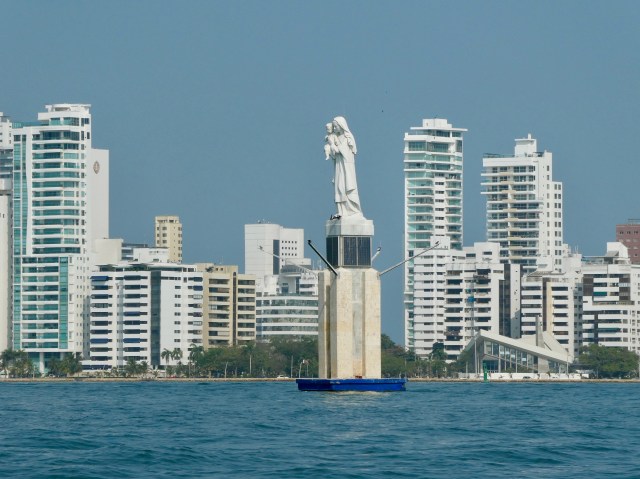 Our tour took us out in the harbor for views of the modern city and the Virgin Mary statue that was destroyed by a lighting bolt in 2015.
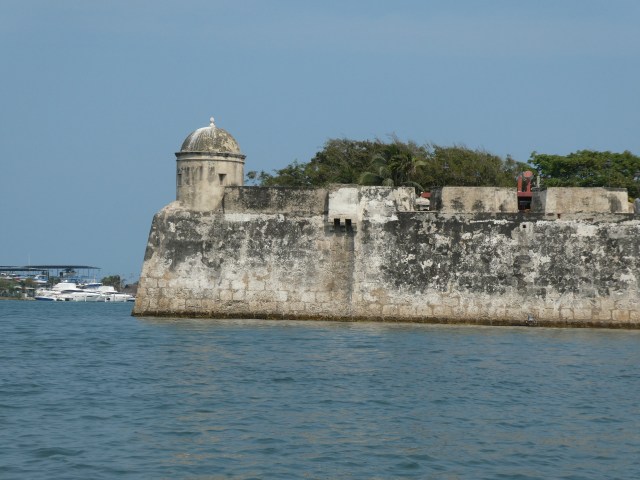 We also motored by the Old Walled City, a UNESCO Heritage Site and Cartagena’s big attraction. Then we got to go inside!
 The port of Cartagena was active in the slave trade, with persons being bought and sold on this wall just inside the city gates.
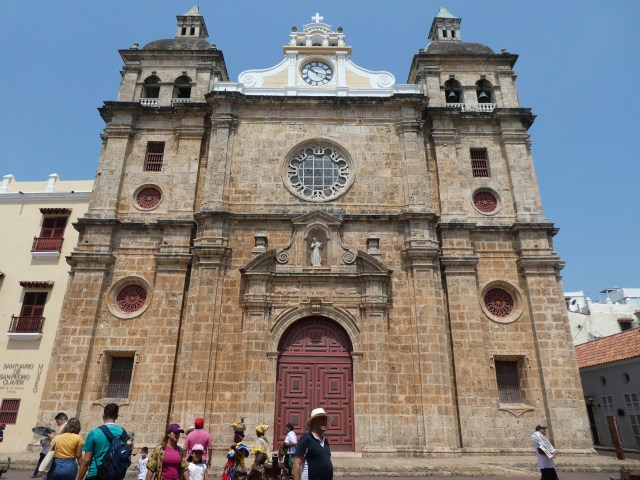 There were several old cathedrals inside the walled city. I’d love to come back and explore the old city further someday!
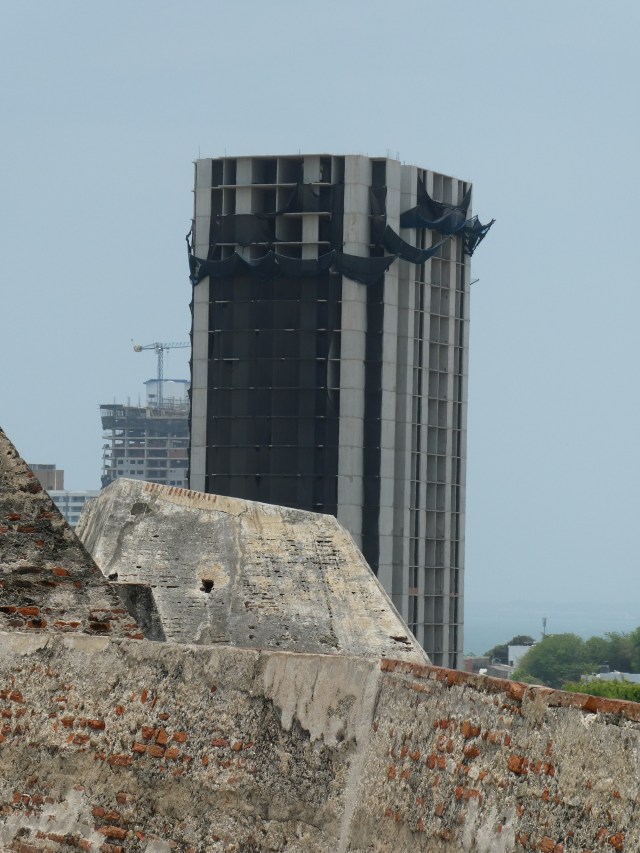 This building was started too close to the walled city threatening its UNESCO World Heritage Site status.

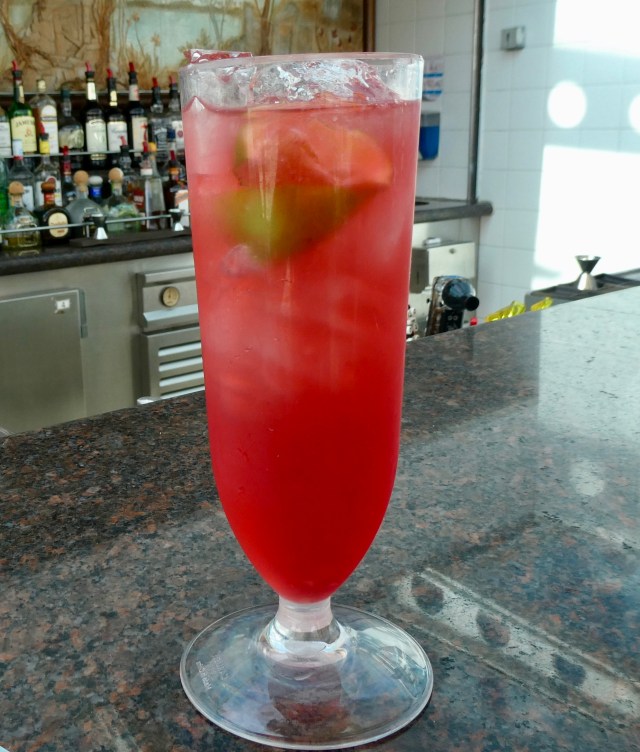
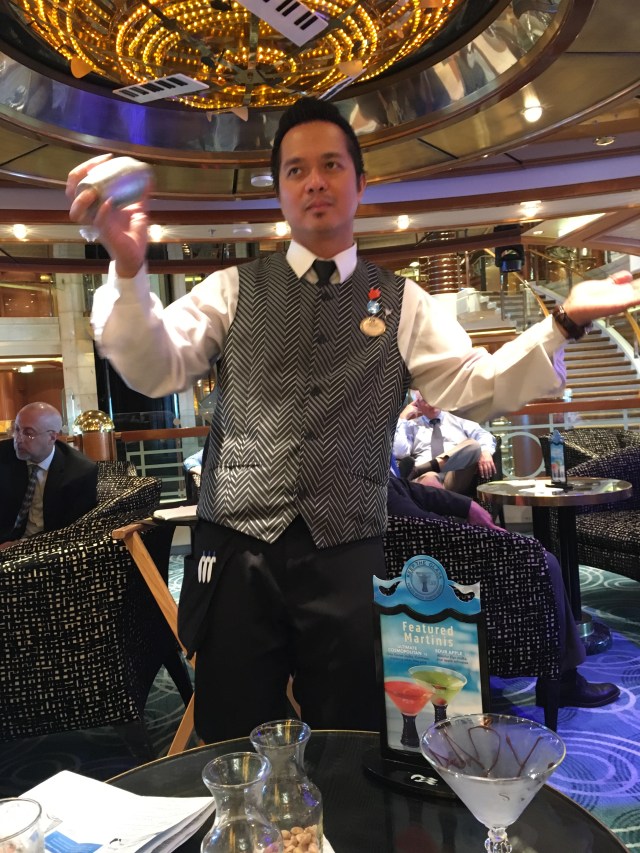 One of our favorite activities throughout the cruise was a late afternoon drink in the Crooner’s Piano Bar, specializing in martinis with personalized shaking service. The pianist assisted with dancing/shaking music.

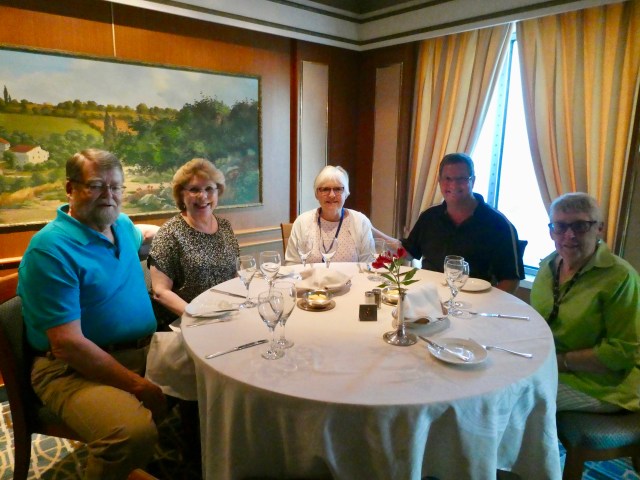 During our bus transfer from the airport to the port, mom sat right behind friends Larry and Patti. Larry worked with my dad years ago. We all marveled at the unexpected meet-up and spent pleasant time together throughout the cruise.
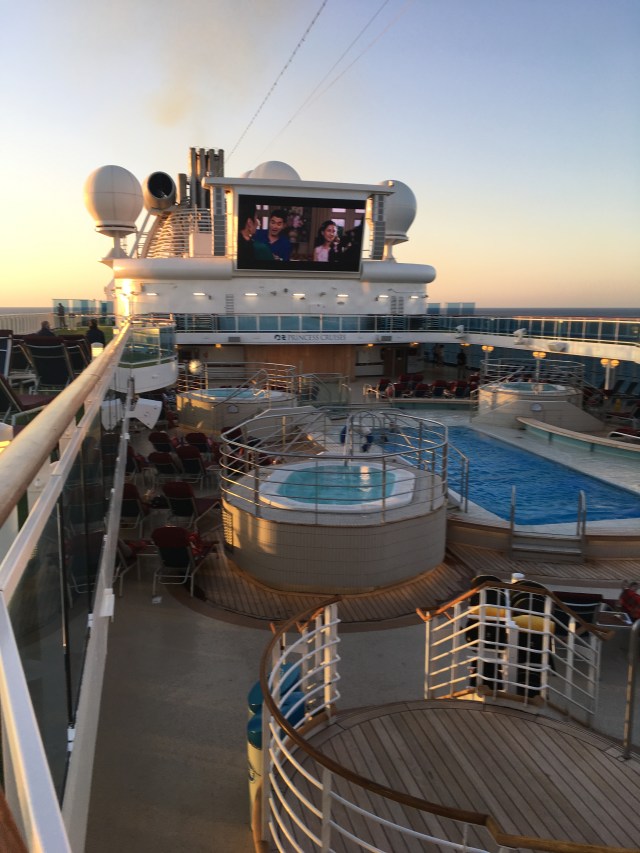 We watched a few movies on the Movies Under the Stars screen. The technology is amazing because the screen is bright and sharp day or night. During the day they show Discovery channel video (no sound) and in the evening there are movies with blankets and popcorn!
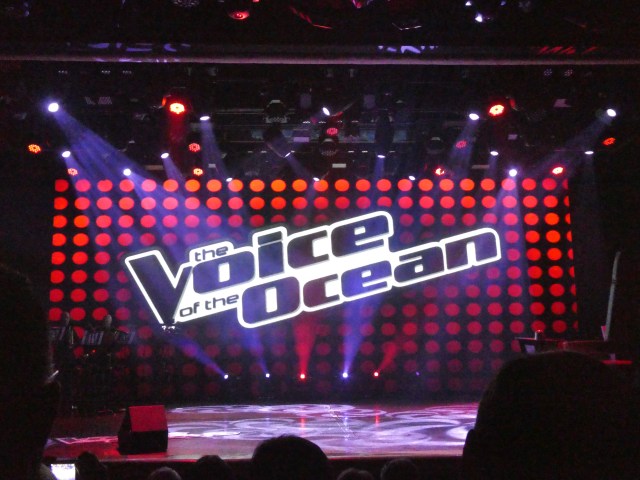 Of course there was lots of entertainment on board including the Voice of the Ocean competition.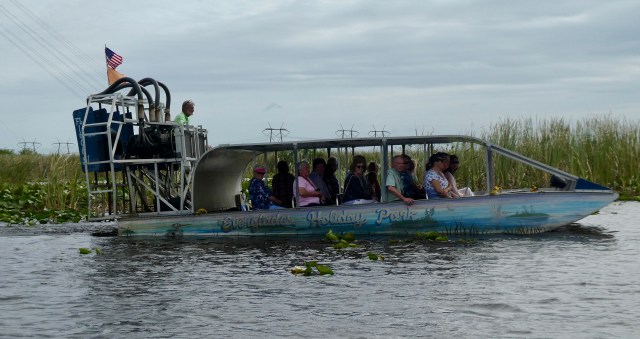
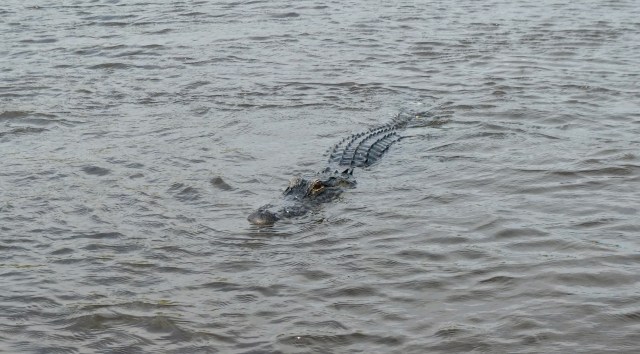 We enjoyed the ride through the swamps and mangroves and seeing a few gators but most interesting was when our guide told us about being a member of the Python Apes.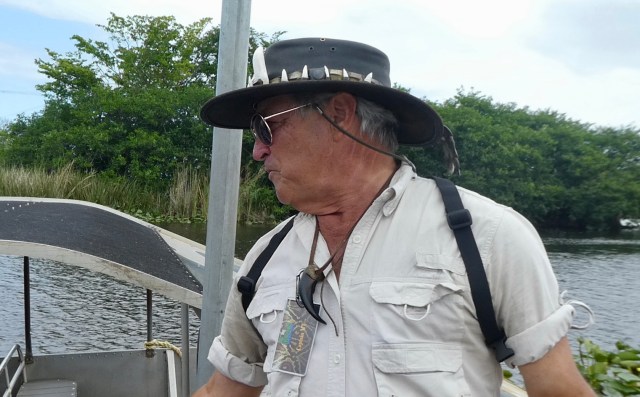
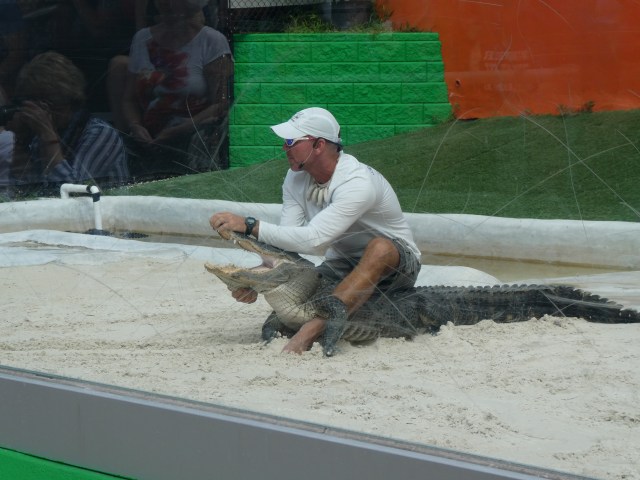 Of course there was an alligator show – educational not confrontational.
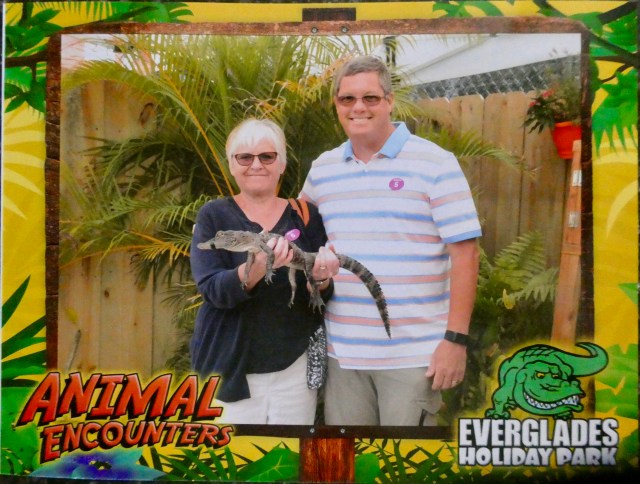 Randy though I should hold the baby so our grandson could have a picture of his “Beema” holding the alligator.
 Our friends Warren and Connie showed us around their Sun City community north of Tucson along with several others.
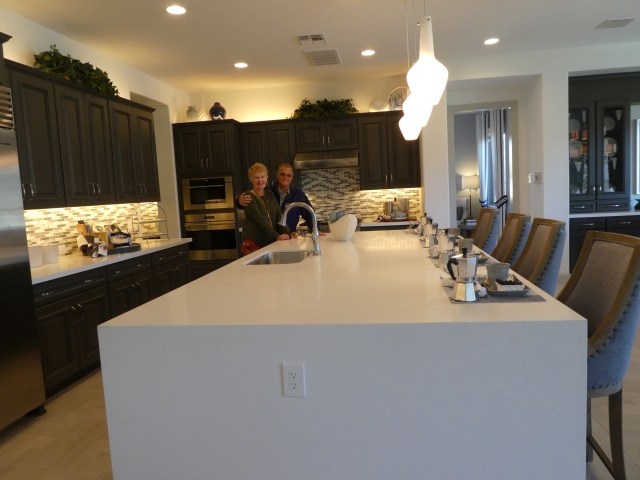 Our friend Beth went with us to explore another community north of Tucson.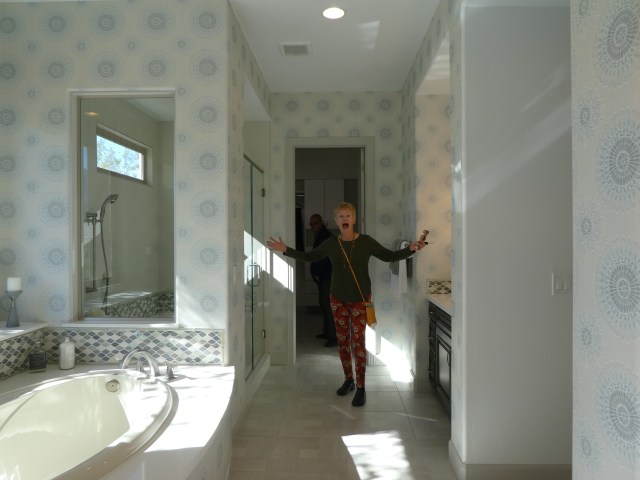
 In the Phoenix area, we liked Surprise and the community of Sun City Grand.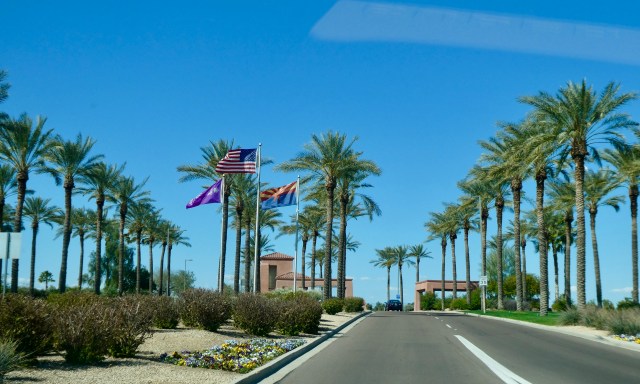


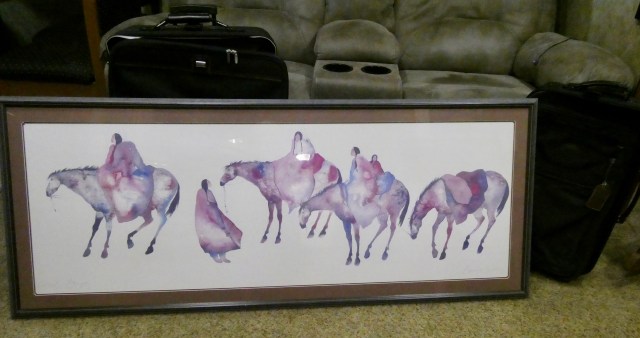 When we met our friends Kent and Pam in Las Vegas a few weeks ago they brought us a painting and two suitcases they have stored for us.
 Darrell and Cindy brought our possessions that had been stored at our daughter’s house when they came down last week.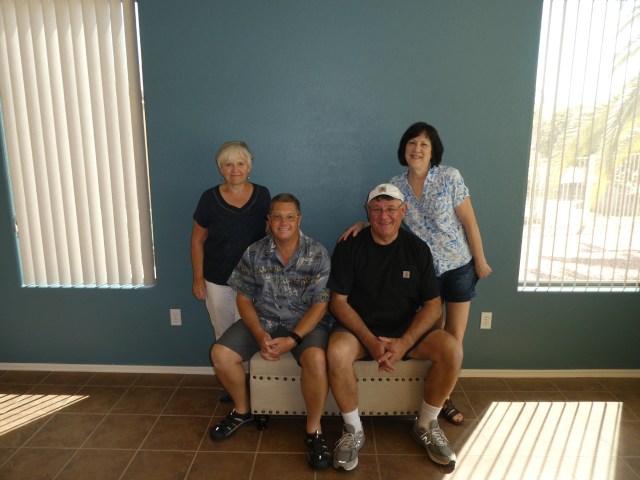
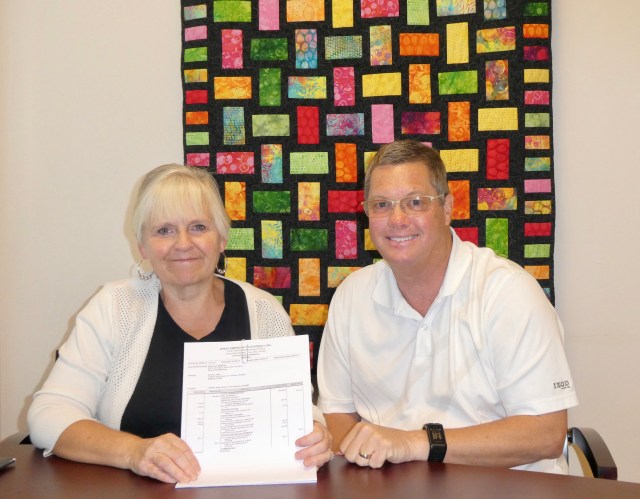

 We have owned our new house for three days now.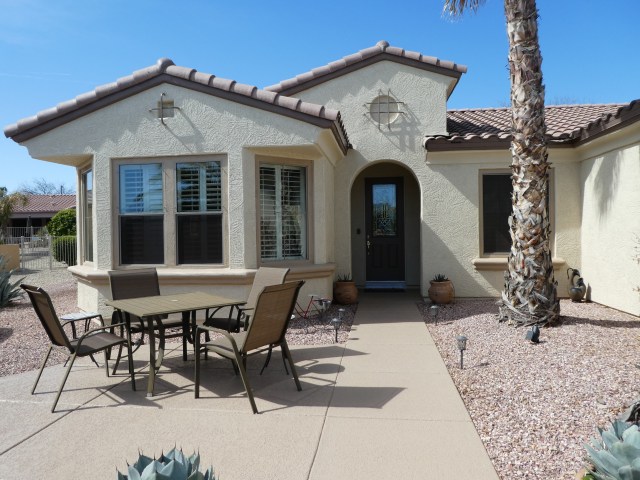



 We went with RV Resort friends, Bruce and Janice, to the Arizona Renaissance Festival.