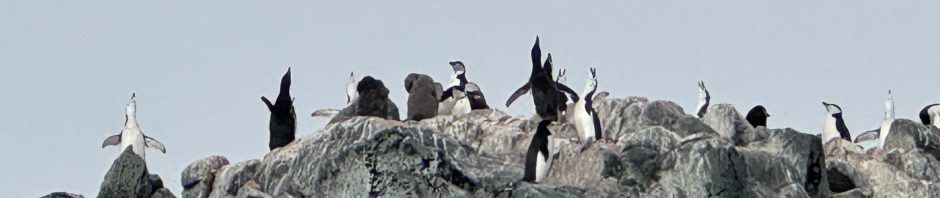
With Randy growing up in Tucson, and with all the traipsing around we’ve done, there was still a part of Arizona we had neglected. We finally went to the place that is “so God awful far away from everything.” You’ll hear more about the woman who spoke those words later in the blog. For now, know that we traveled to the southeast corner of Arizona, close to the borders with Mexico and New Mexico.
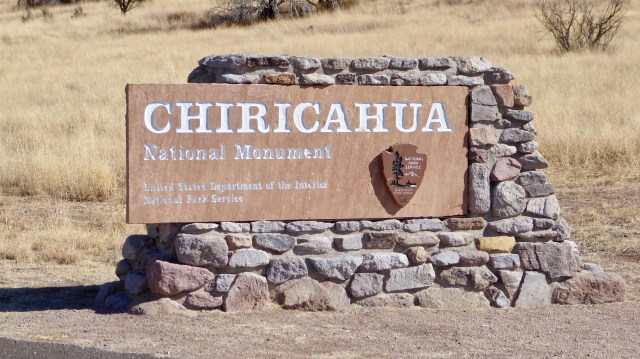
We visited the Chiricahua National Monument, established in 1924.
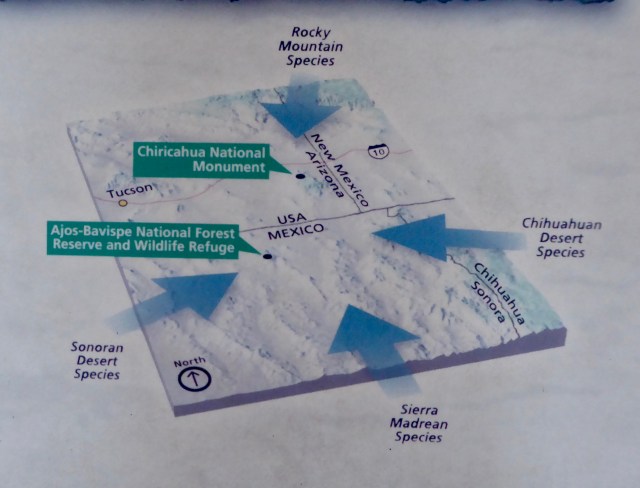 The area is a geologic four corners. Four ecosystems meet in the Chiricahua Mountains including the Chihuahuan Desert, The Sonoran Desert, The Rocky Mountains and the Sierra Madre Mountains.
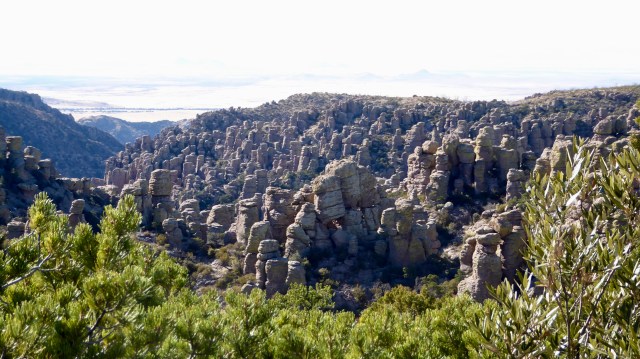 Geologists call the area a sky island because it is an isolated mountain range surrounded by a grassland sea. Created by volcanic ash, continental lift, water, ice and erosion, the pinnacles are beautiful! The Chiricahua Apache called the mountain pinnacles “standing up rocks.”
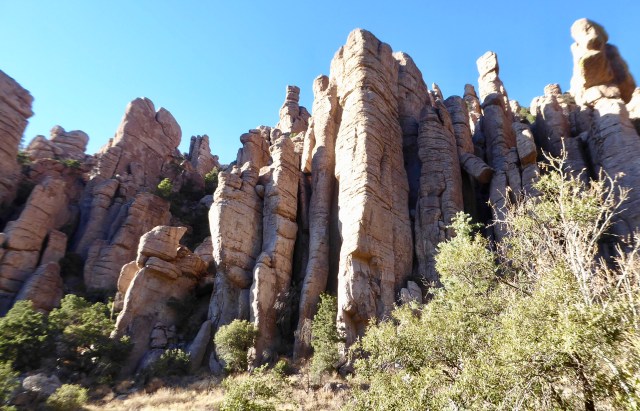 The Chiricahua Apache lived in the area for hundreds of years. They mostly avoided the Spaniards but bitter warfare erupted with the Mexicans when they owned Apache native lands.
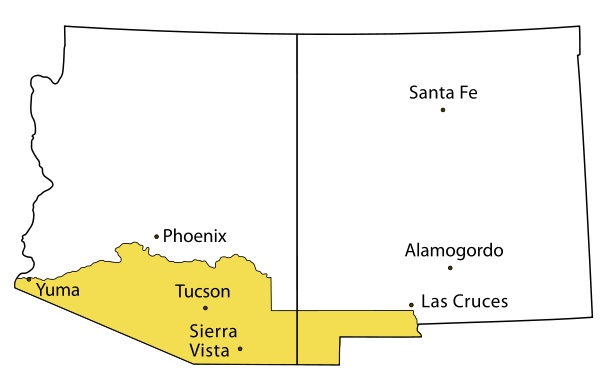
The United States acquired the land by means of the 1854 Gadsden Purchase with intent to facilitate shipping by constructing a deep southern transcontinental railroad route. The purchase also reconciled border issues with Mexico.
The Apache were a roaming people. The Chiricahua band, led by Cochise, lived peaceably with their white neighbors. 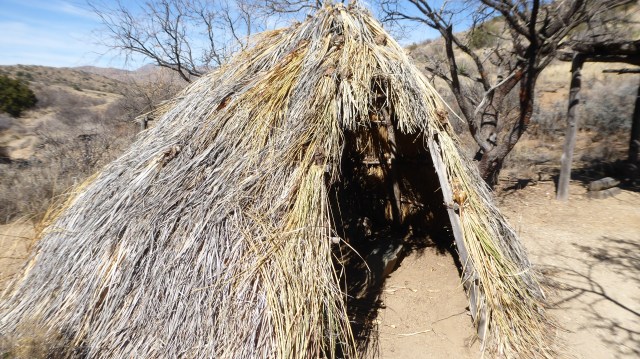
These Apache homes were easy to recreate when it was time to move on.
John Butterfield established an Overland Mail Route that went through Apache Pass. It operated for three years, ending as the Civil War began.
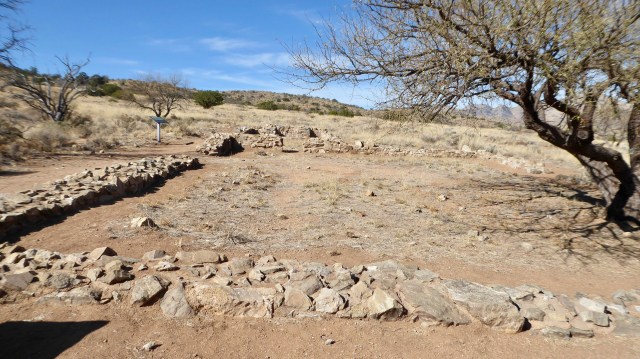
These are the remains of the Butterfield Stage Stop at Apache Pass.
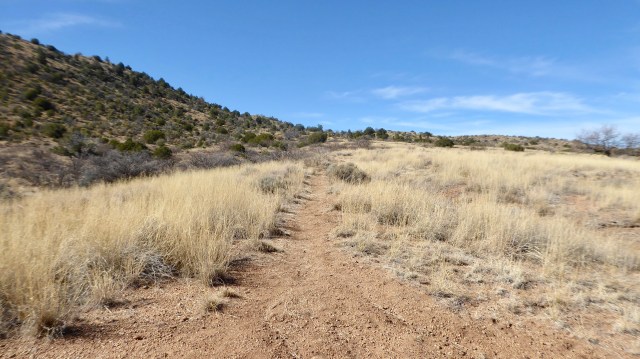
A portion of the 2800 mile Butterfield route remains. In three years the Overland Mail group was attacked by Apache only once and the mail was late only three times.
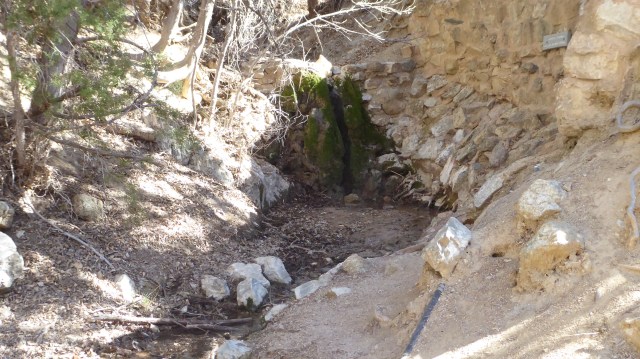
The Apache and stage station operators shared the only consistent fresh water spring in the area.
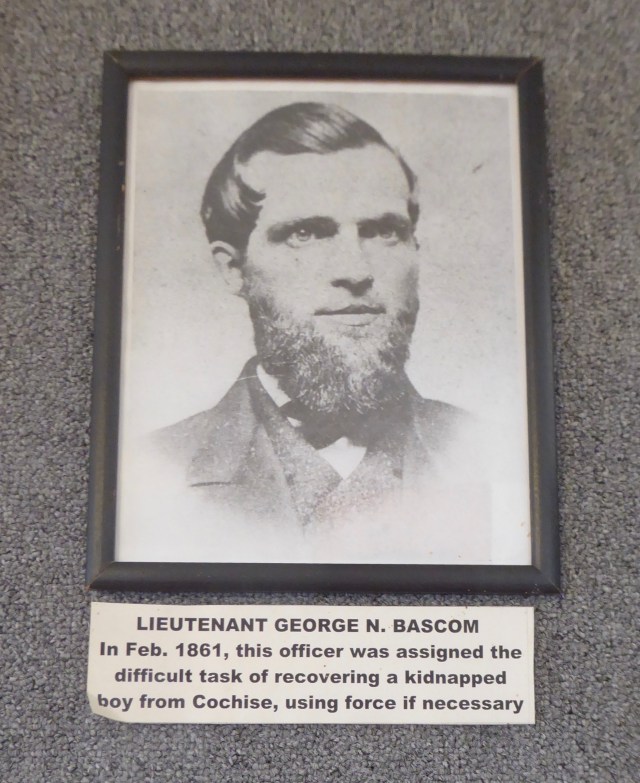 In an 1861 incident known as The Bascom Affair, brash young Lt. Bascom was sent to the Apache Pass area to rescue a Mexican boy and return some stolen cattle. He mistakenly believed Cochise responsible and held him and his party hostage until the boy and cattle were to be returned. Cochise escaped but others in his party were subsequently killed. The incident sparked open warfare for eleven years.
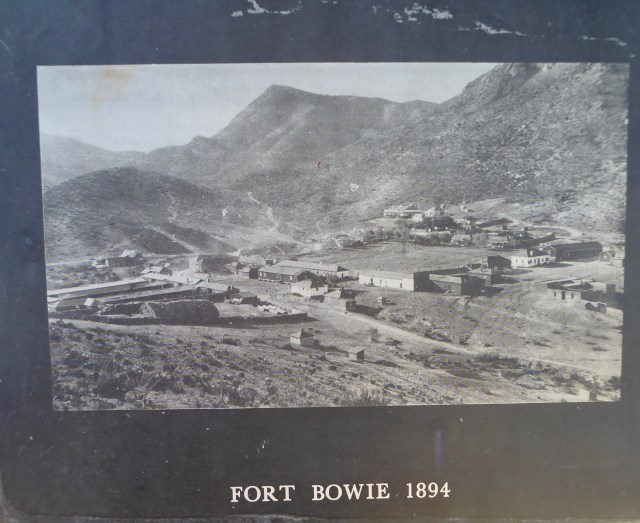
In 1862, the Apache ambushed troops which led to the establishment of Ft. Bowie. It served as a hub for military campaigns between 1862 and 1886.
Cochise made peace with the white men in 1872 and negotiated a reservation that included Chiricahua Apache traditional homelands.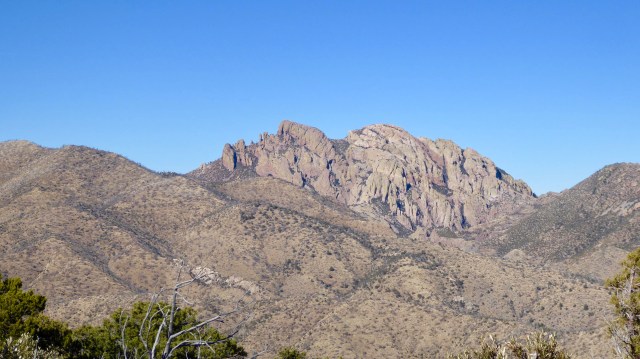
No photographs of Cochise exists, but this formation is thought to be Cochise at rest in his native land.
After Cochise’ death, young Apache men grew discontent on the reservation which lead to the rise of Geronimo. Geronimo and his followers finally surrendered in 1886, and were held at Ft. Bowie before being taken into exile in Florida. Ft. Bowie was decommissioned in 1894.
We walked into what remains at Ft. Bowie after meeting a ranger for a 1.5 mile hike and tour through Apache Pass.
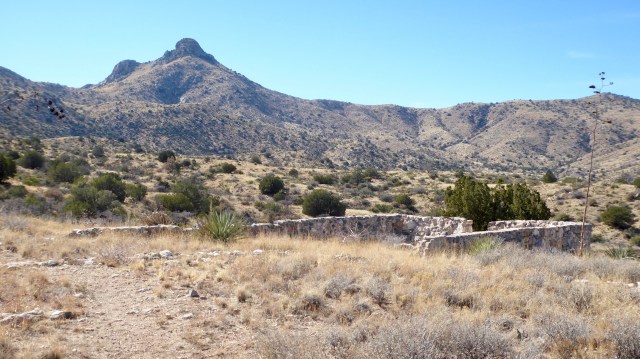
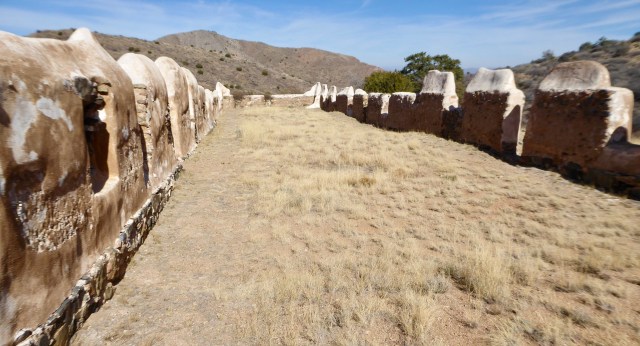
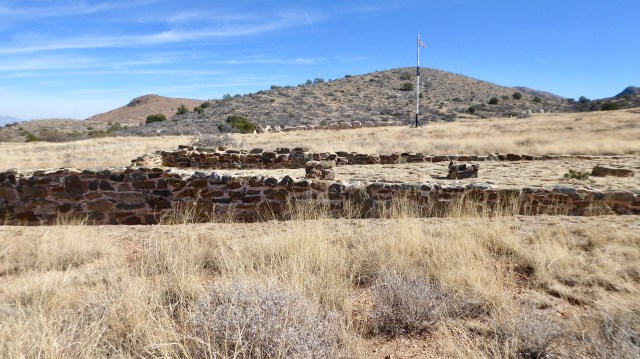 There are remains of many of the buildings, some with a limestone covering to prevent further deterioration.
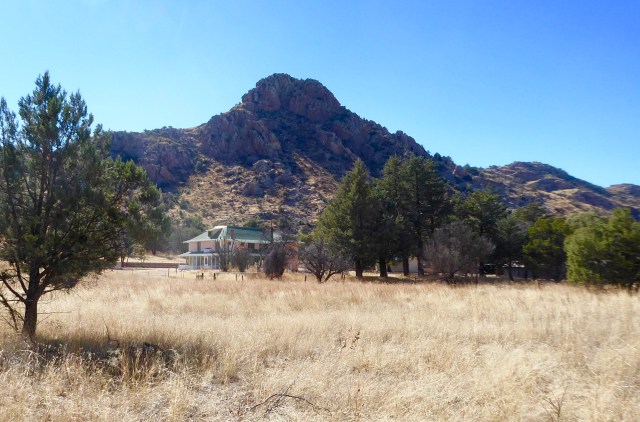 Better preserved is the former home of a young Swedish American soldier from Ft. Bowie, Neil Ericcson and his wife Emma. After his service, Neil and his wife moved the short distance into the mountains. They raised three daughters on their land eventually starting a guest house so people could enjoy the “Wonderland of Rocks.”
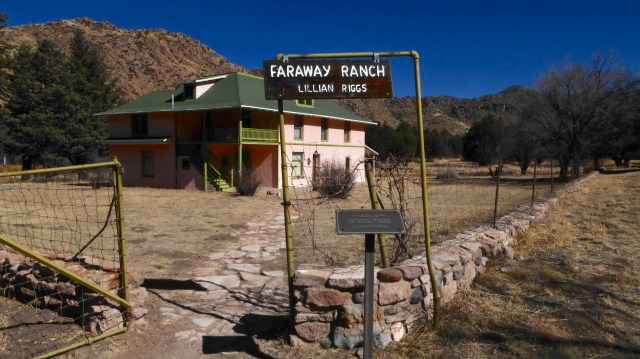 Their eldest daughter Lillian and her husband Ed Riggs eventually became the guest keepers. Lillian named it FarAway Ranch because it was ‘so God awful far away from everywhere.’
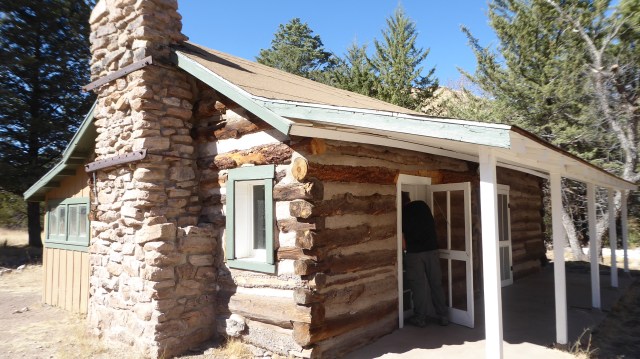
The nearby Stafford Cabin, built in 1880, was purchased and renovated for additional guest quarters.
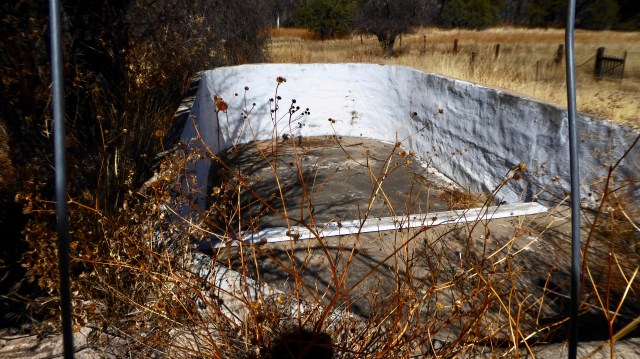
It was “God awful far away”, but there was still a swimming pool!
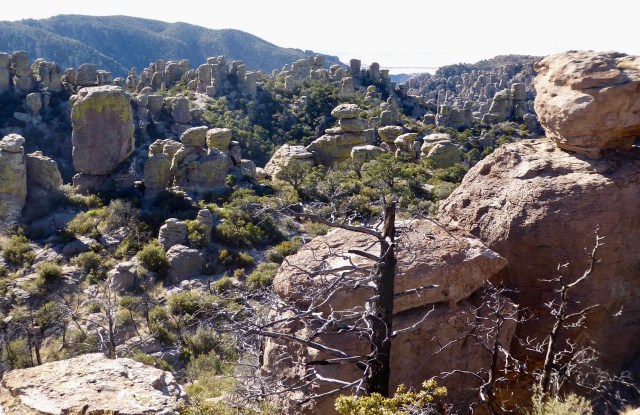
Ed Riggs was instrumental in the area becoming a national monument in 1924.
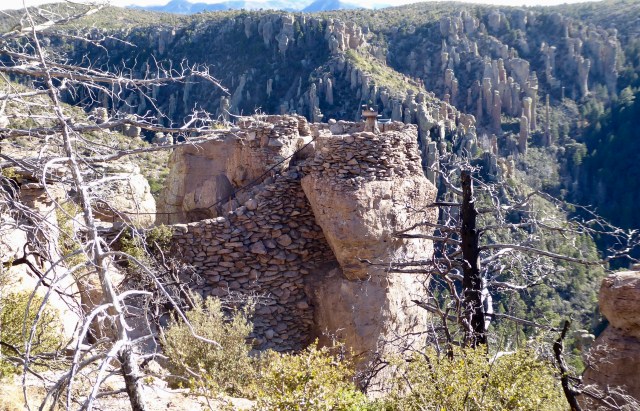
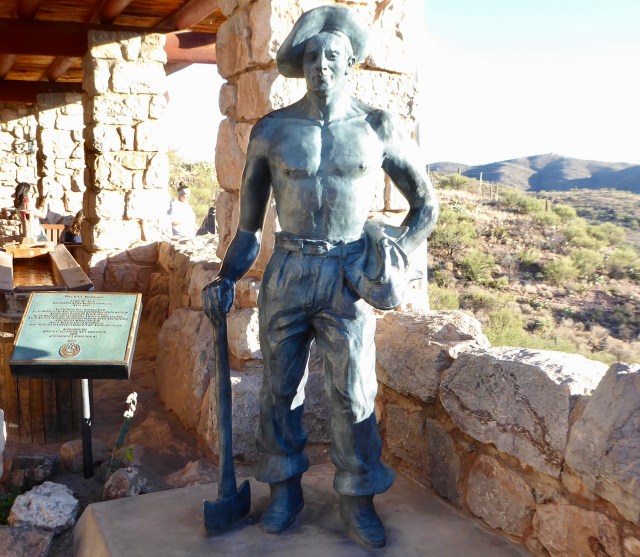
The CCC were here during the 1930’s and built roads and trails.
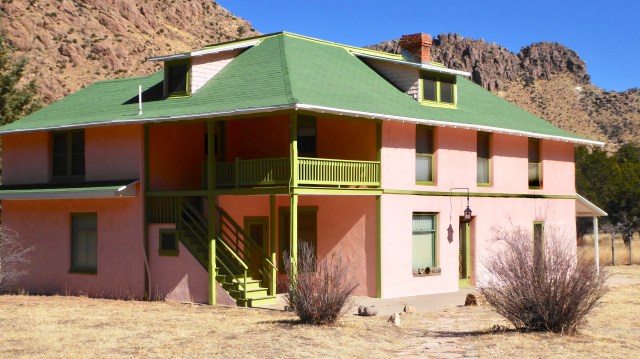 We weren’t able to go inside the guest house as tours are available only on weekends but that is just incentive to go back someday! There is a trail called Echo Pass we plan to explore (Elko wasn’t allowed) so we’ll do that too. Having waited so long to visit the Land of Standing Rocks the first time, we aren’t likely to wait so long again.
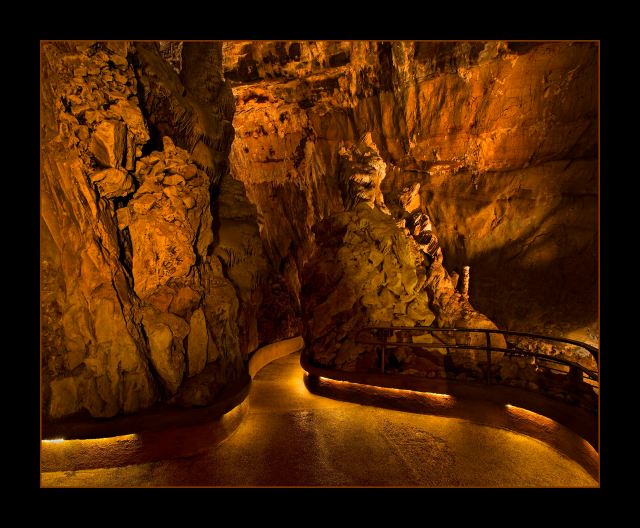
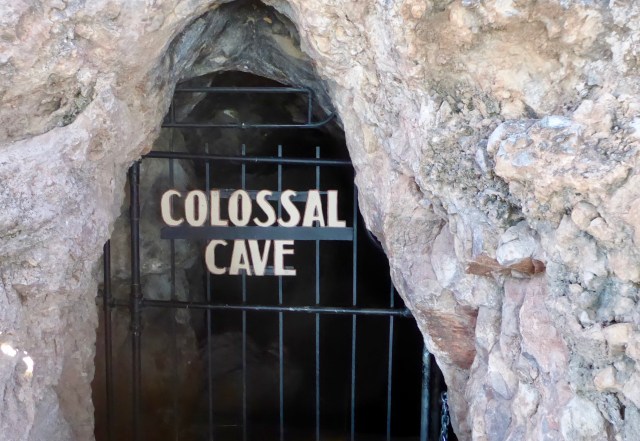 There are two show caves in southern Arizona with very different stories. Colossal cave is large with thirty nine miles of natural tunnels. It took two years to map the two miles of complex passages that are fully explored.
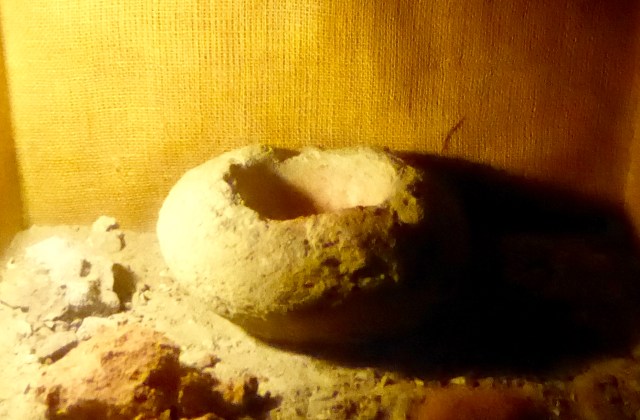 The cave was “discovered” in 1879, but artifacts indicate that it was long ago used by prehistoric peoples. The cave’s colorful history began in 1887 when it was a hideout for bank robbers and then bandits in the 1920s.
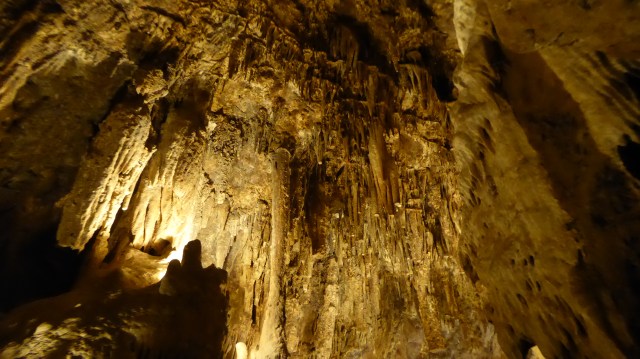 We were sad to see the damage done to Colossal Cave. Nearly every stalactite was broken off. The cave has been dry for many years so there is no new growth.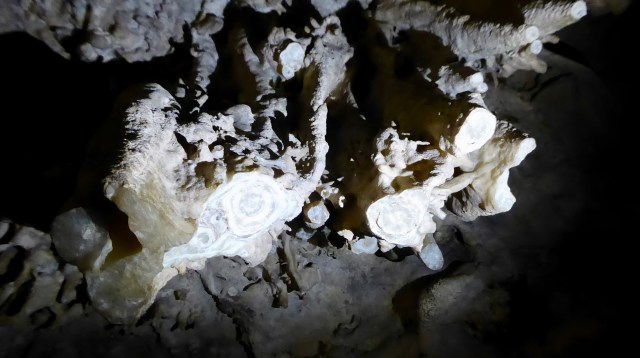
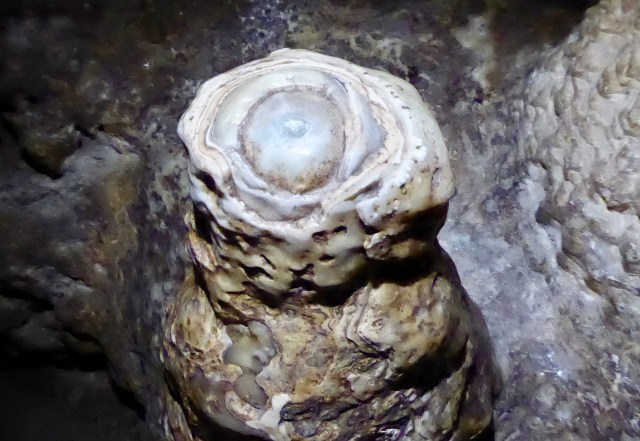
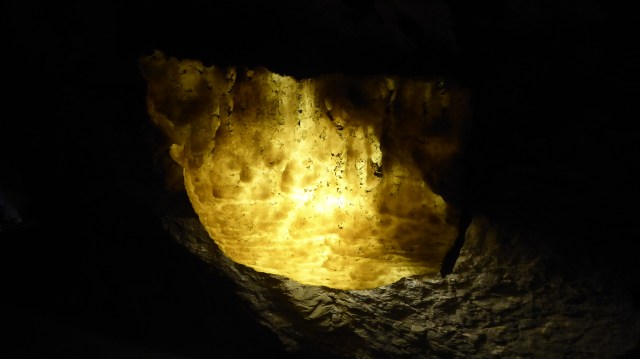 Our tour guide said the CCC also installed new cave formations “stalag-lights” to enhance a visitor’s trip through the cave.
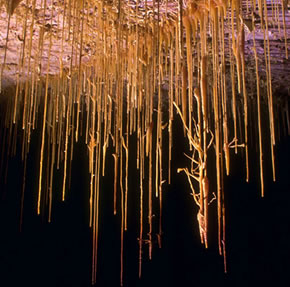
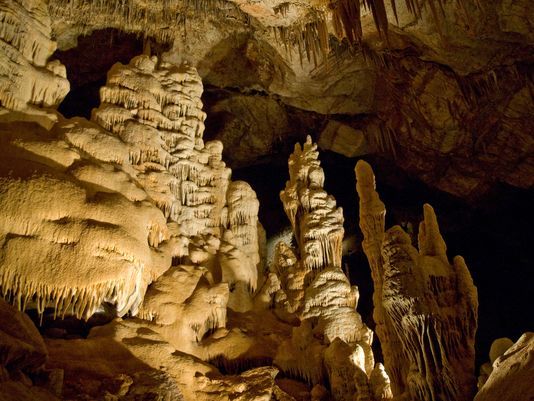

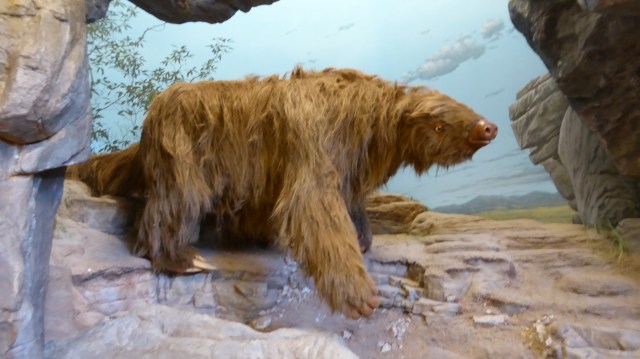 There was no evidence of human visitation and very little evidence of animal trespass. Eighty thousand year old bones from a single Shasta ground sloth were found and identified. A full adult coyote skeleton from more recent times was also found.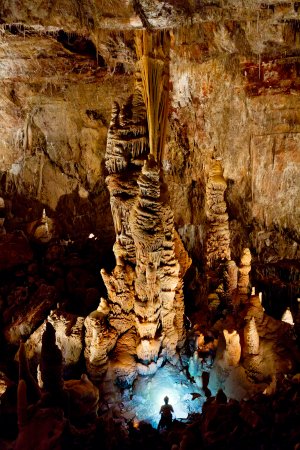
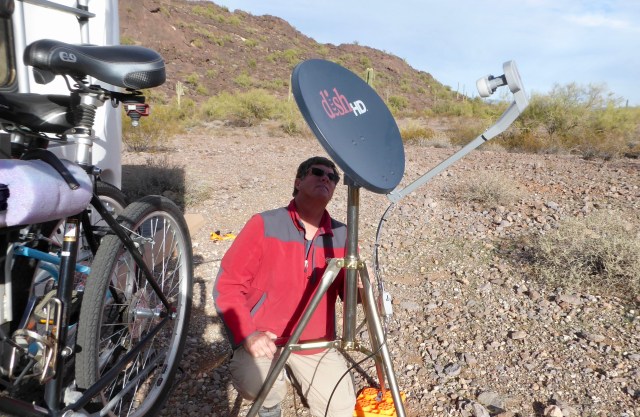 We spent about three hours trying to get our new system up and working. The manual doesn’t match the current receiver interface and our “lesson” with the installer went awry when he couldn’t get the joey to work. Many thanks to our friend Dave in Yuma who answered lots of phone calls when our installer Charlie wouldn’t. We would intermittently get TV but the satellites wouldn’t lock in. It was a good thing Randy had sold our portable satellite at the park in Yuma or we might have gone back to it!
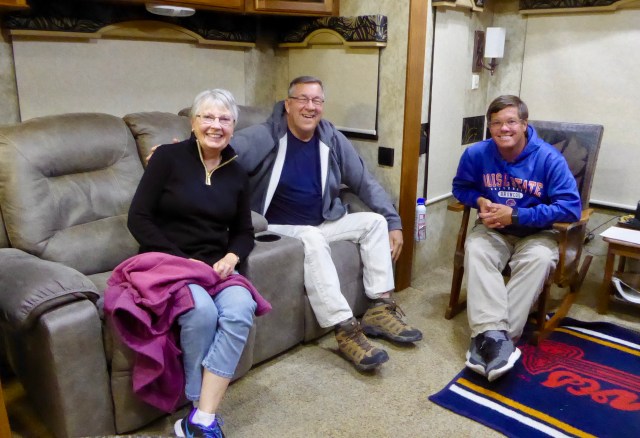 It was good to be done with the satellite system because we had socializing to do! We met Jean and Jess while volunteering at Umpqua Lighthouse State Park in May and this was the second time we’ve seen them since.
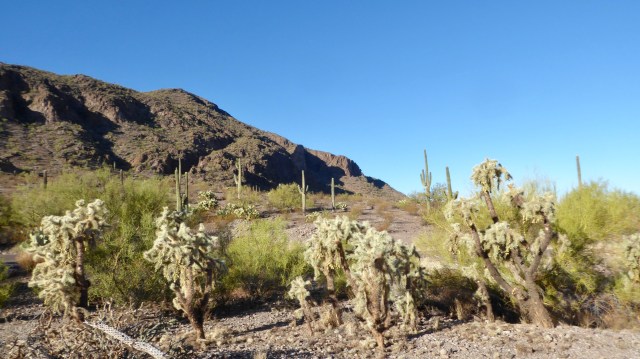 It was nice to be in the Arizona desert again and I hiked around a bit at ground level.
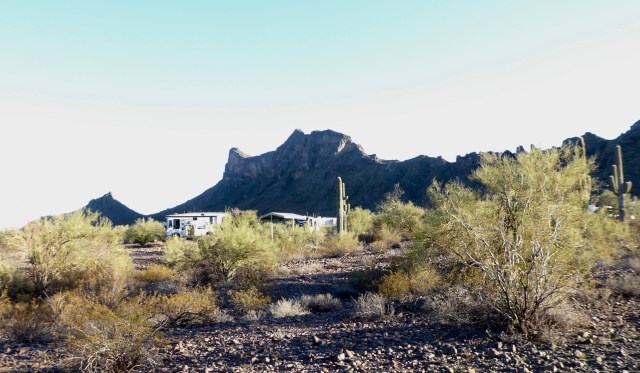 Randy hiked to the top of Picacho Peak – of course he did!
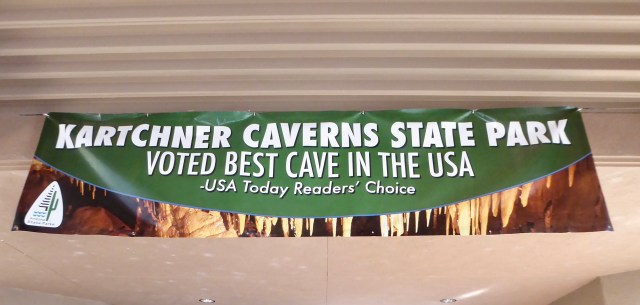
 And then we had another visitor! Boise friend Mike, now from Bullhead City, met us at Picacho Peak on his way to Tucson to pick up his new motorhome! The next day we were to meet him again at Kartchner Caverns State Park near Benson.
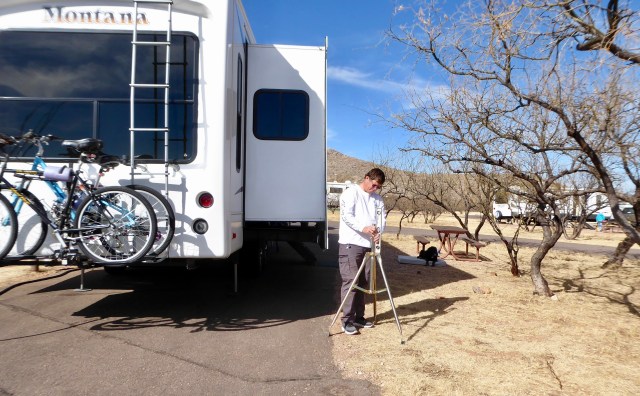 But first we had to set the satellite back up again. Because we were now willing to have the system work without our full understanding, it only took 30 minutes. That’s better!

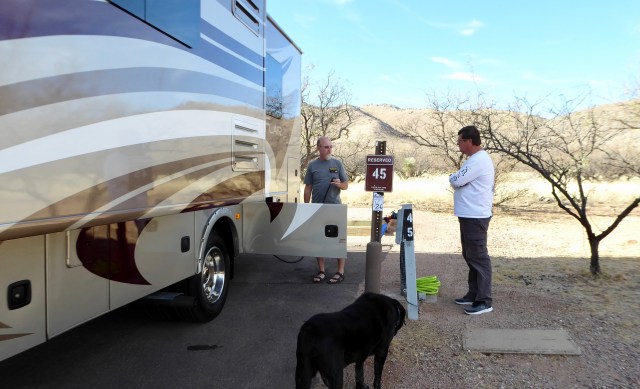 The next morning Mike headed home and we started exploring.
 We went to Gammon’s Gulch, a movie set near Benson. The builder and owner, Jay, has quite a history in the film industry. He acted as an extra at age five and grew up in the industry because of his father’s work. Now 70+, he has a 10 acre set that he mostly built himself.


 This chandelier was from the 1995 Sharon Stone movie (whom he likes very much) “The Quick and the Dead.”
 The saloon, one of the few buildings Jay didn’t build, was created and left by a movie crew . It is movable. We enjoyed our Gammon’s Gulch visit a lot.
 We spent 10 days at one of our favorite RV Parks, Fortuna de Oro, in Yuma, Arizona. Most people wouldn’t consider it a garden spot for travel but Yuma is exceptionally popular this year because of hurricane damage in Texas and Florida. To give Yuma its due, it is a garden spot for lettuce. Nearly all lettuce eaten in the U.S. November -through March comes from Yuma.

 We also see Wisconsin friends, Myron and Peggy, each time we come. It was at their home in Wisconsin that we survived the storm of our lifetime (hopefully). That blog is here:
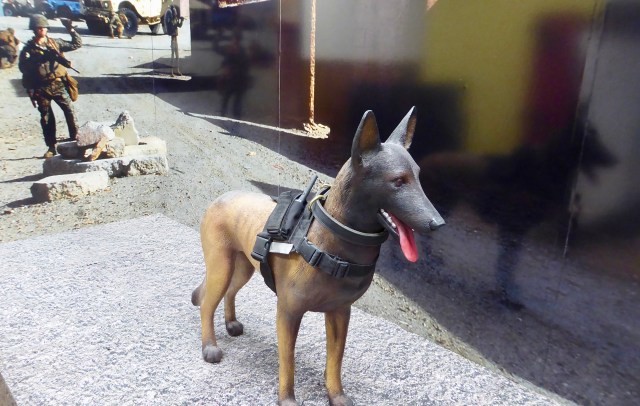
 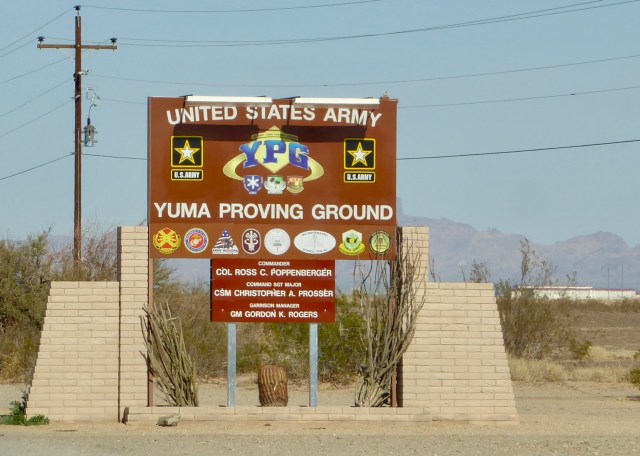 Randy and I went back to the the old stomping grounds, Yuma Proving Ground, to look around and go to the Heritage Center Museum.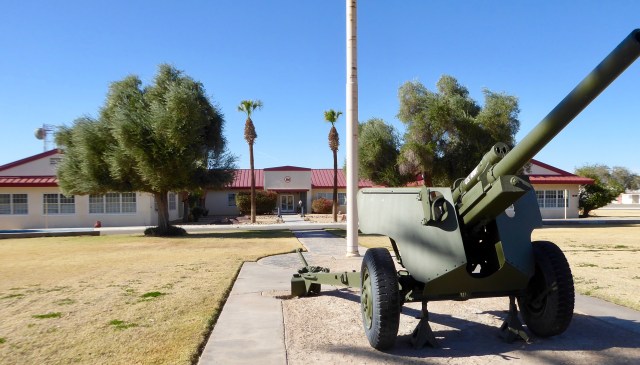

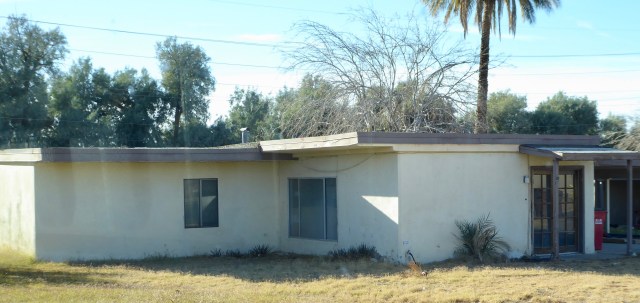
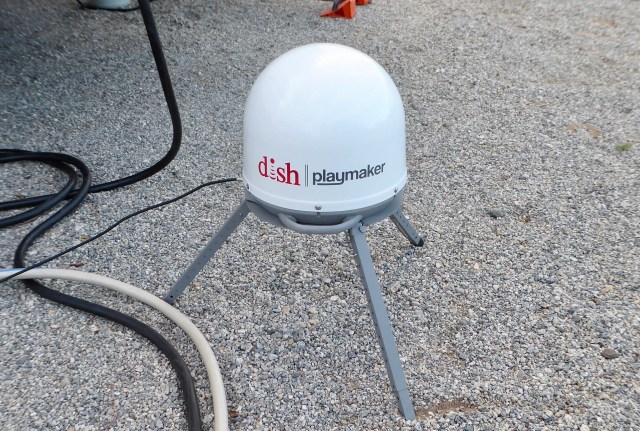
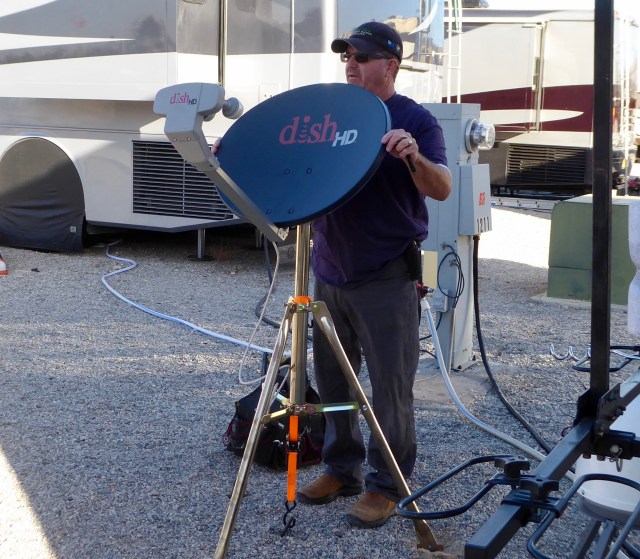 We made the most unlikely decision to go to a larger, heavier, 3-LMB tripod model – enticed by a more stable signal (my priority) and more simultaneous viewing and recording options (Randy’s priority). Purposely choosing larger and heavier is most unlikely while living in an RV!
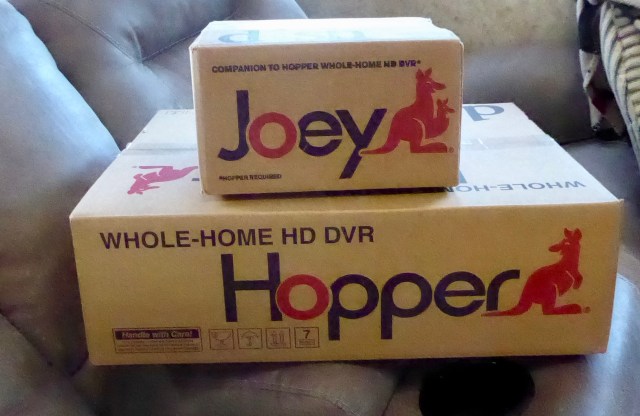 Our installer, Charlie, had the new satellite dish up and the Hopper working in the living room very quickly. Progress came to a halt when the wireless Joey in the bedroom failed to sync up. Charlie spent the whole day troubleshooting unsuccessfully. He talked to five or six DISH support people and left very frustrated.
 We enjoyed brunch with David and Cheryl, authors of Landmark Adventures at landmarkadventures.net. Socializing with other blogging RVers isn’t at all unlikely, and it sure is fun!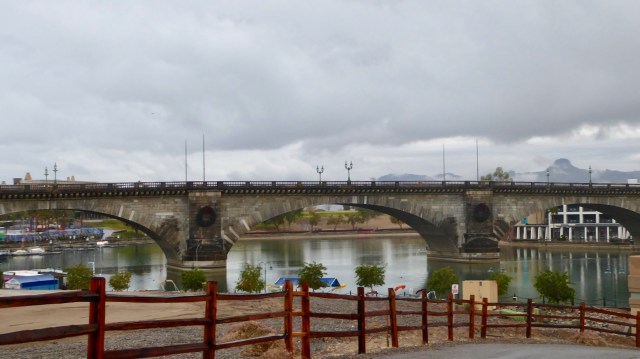
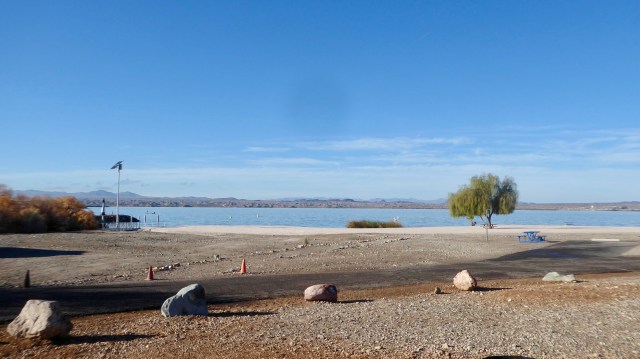
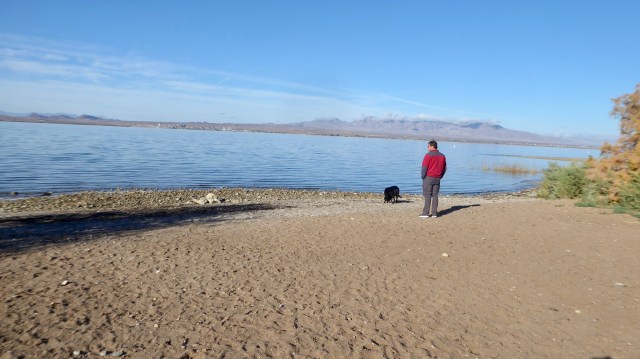
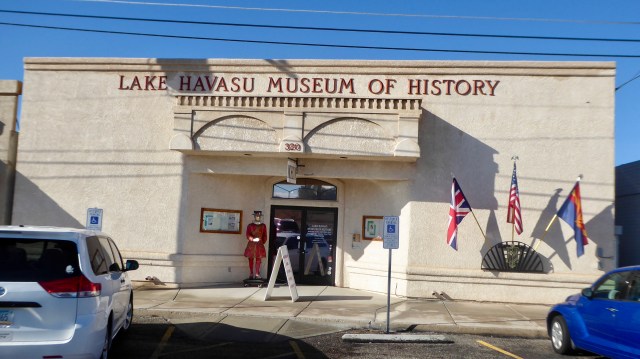

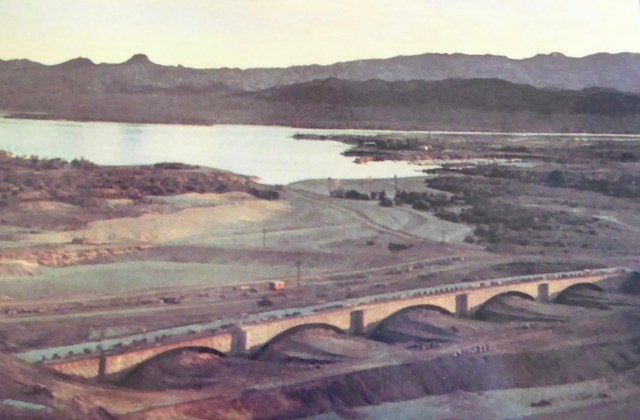
 When dredging under and around the bridge was complete, the peninsula was an island utilizing the London Bridge for access.
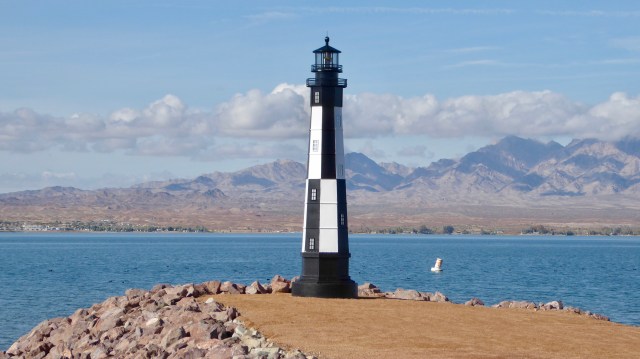 To improve safety on the lake, and to create additional buzz, the Lake Havasu Lighthouse Club installed and maintains 26 lighthouses in the vicinity. Lake Havasu has more lighthouses than any other city in the country. Lighthouses on the west side of the lake are replicas of famous west coast lighthouses and those on the east side are east coast replicas. Lighthouses on the island are replicas from those on the great lakes.


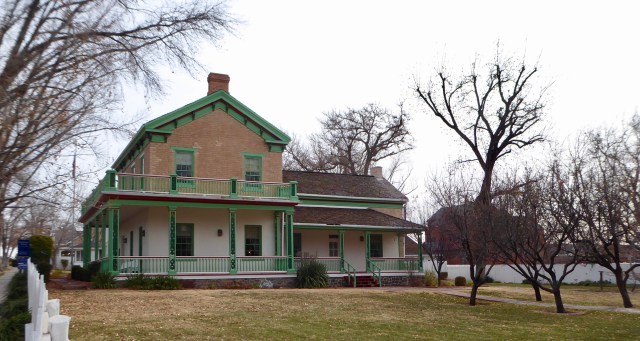 I traveled back in time and back to St. George to visit Brigham Young’s Winter Home. Brigham Young was born in Vermont, raised in New York, and eventually traveled with his followers to the area now known as Salt Lake. He not only lived all over the map but expanded the map when he coordinated the establishment of more than 400 communities. One of those communities was St. George where he was one of the first “snowbirds” spending winters in this home-office from 1873 until his death in 1877.

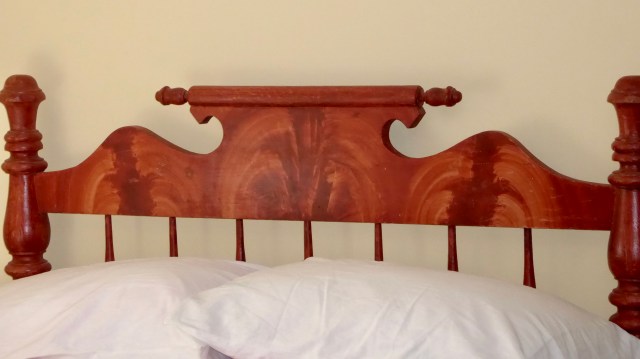 All of the available wood for construction and furniture making was pine. Craftsmen painted pine to resemble other woods such as oak, maple, mahogany and walnut. There were many examples of this in finish work and furnishings throughout the house.
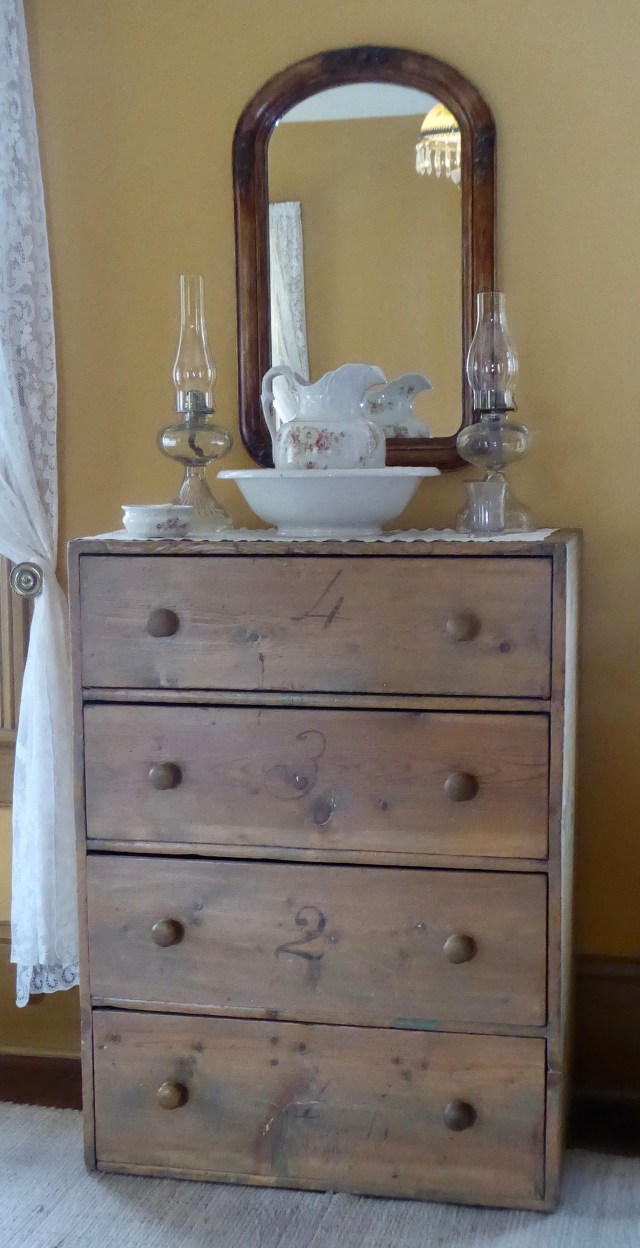 This was Brigham Young’s chest of drawers. He traveled frequently because of church and territory responsibilities and this chest went with him. The drawers were removed for loading and travel and put back into place on arrival. No need for a trunk!
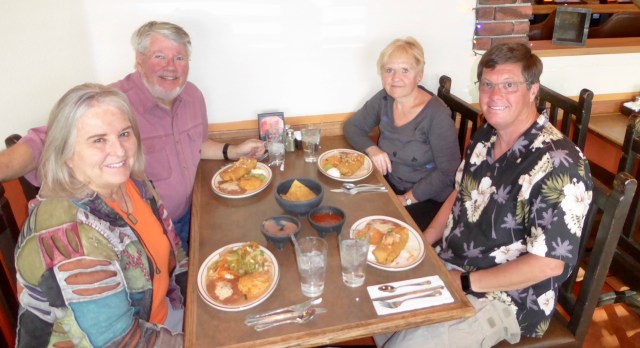 We went the other direction (again) to Las Vegas and had lunch with the RV Navigators, Ken and Martha. We have listened to their very popular RV Navigator podcast (10,000 downloads monthly) for many years and have always enjoyed their banter. They travel extensively all over the map by RV, cruise ship and other modes and share their experiences with listeners. We hit it off splendidly and hope to join them on an adventure someday – maybe the Galapagos Islands in 2019.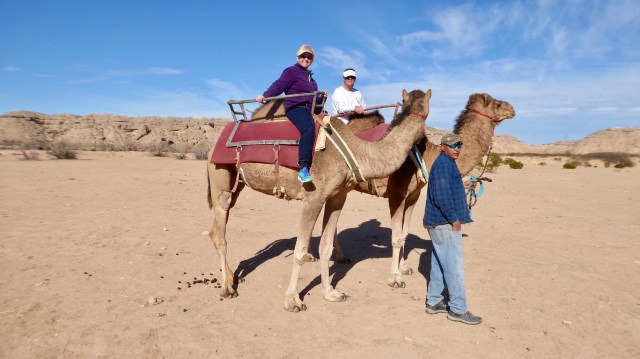
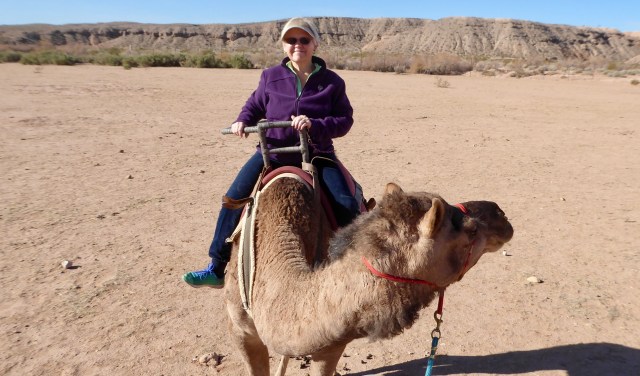
 The Camel Safari farm encompasses 176 acres and has 31 camels of two types. Dromedary camels, from Africa and Arabia, have one hump. The endangered Bactrian camel, from central Asia, has two. Contrary to popular opinion, humps do not hold water. Humps store fat which can be converted to nutrition in times when food and water is scarce. It is also wrong to assume camels like to spit. They regurgitate their food as a defense mechanism. Get out of my face or ugly stuff is coming your way!
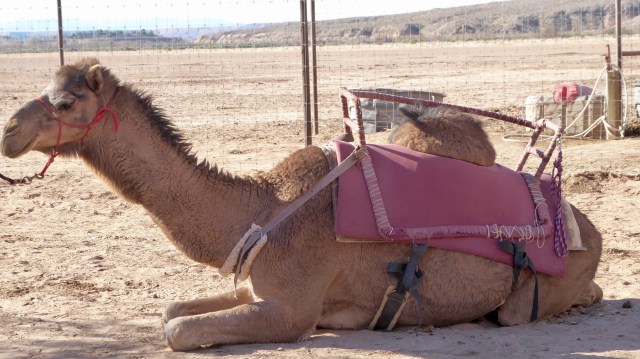 This is Barton, the camel Randy rode. He was very vocal and Randy imagined him complaining about having to carry a load today.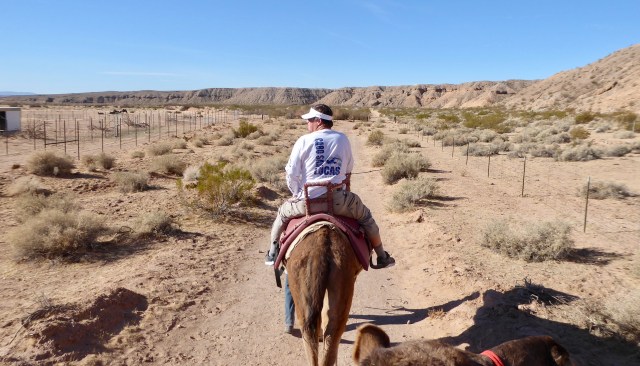
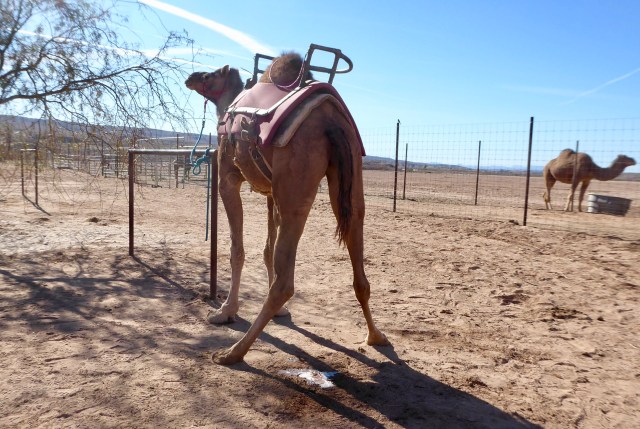 After our ride, the camels started peeing, and peeing… Although we were only in the peeing vicinity for about 5 minutes, we were told they can maintain the flow for 15 minutes. And when one starts, the next one starts and so on.
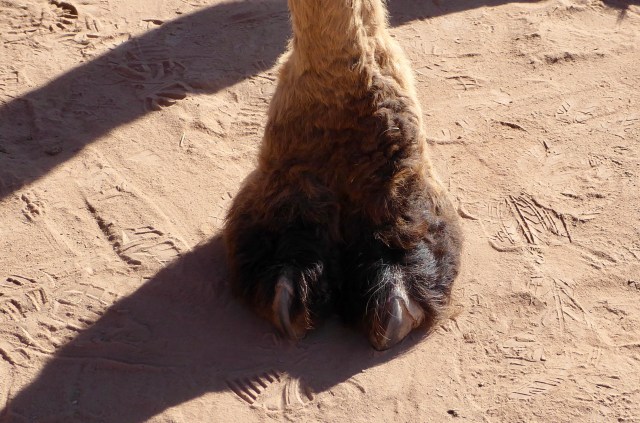 Camel feet have two toes with nails, but do not have hooves. The foot is divided into halves, covered by a thick protective sole and joined by webbing. The foot spreads and flattens to avoid sinking in soft sand.
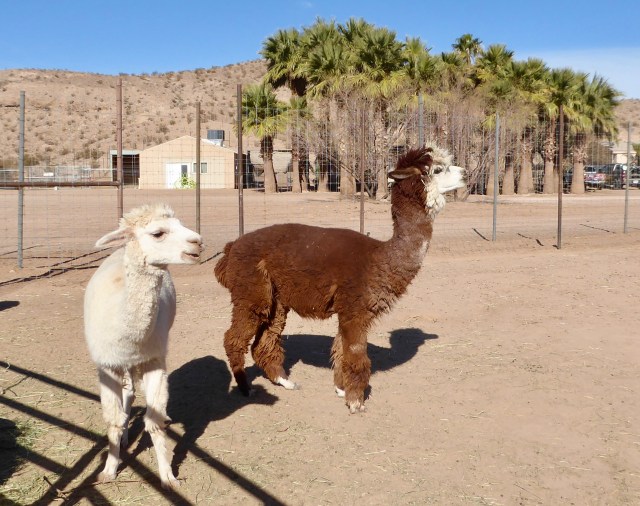 Llamas and alpacas also have two toes and are in the camel family. These alpacas also live on the farm with a variety of other interesting residents.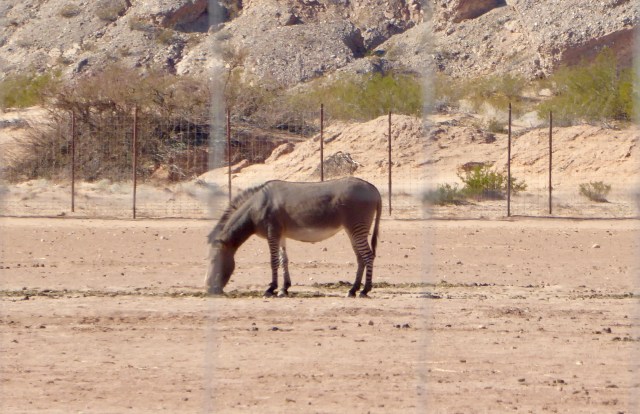
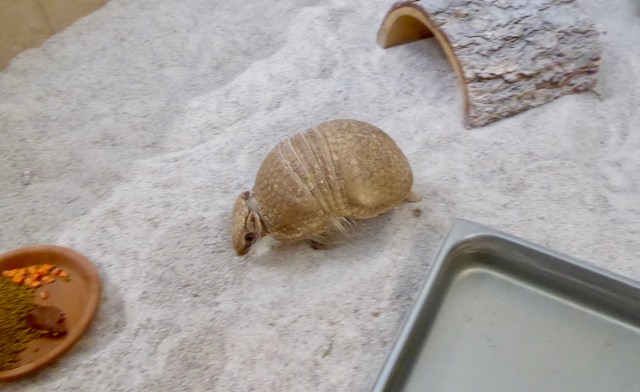 There were a number of armadillos we could meet and touch. This small four band armadillo can virtually roll up in a ball for sleep or defense. The armadillo boys and girls are housed separately as they multiply prolifically and the farm doesn’t want to be responsible for armadillos taking up residency in southern Nevada.
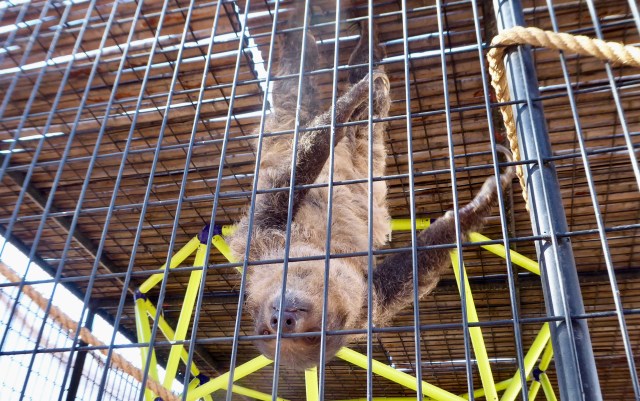 This is Ambien, a two toed sloth who was very active during our visit. Ambien does everything upside down except urinate. She lived in a small pen in her previous home but can now be inside or outside depending on the weather and her whim.
 Mesquite is a popular retirement town and there is a Del Webb community, Sun City Mesquite, nearby. We spent an enjoyable afternoon touring the grounds, recreation center and model homes. We aren’t ready to “hang up the keys” anytime soon but do see the appeal of living in a community like this one. For us that means a nice little house, near a major airport, that is easy to leave for weeks or months at a time.
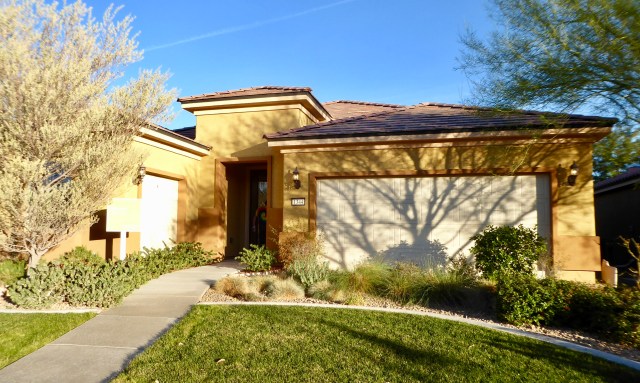 We viewed nine model homes and very quickly decided on a couple that would fit our needs – a two bedroom, two bath home with a den (or third bedroom), light interior, a large patio and a big bathtub. One of the few things we miss about our house in Boise is our big bathtub!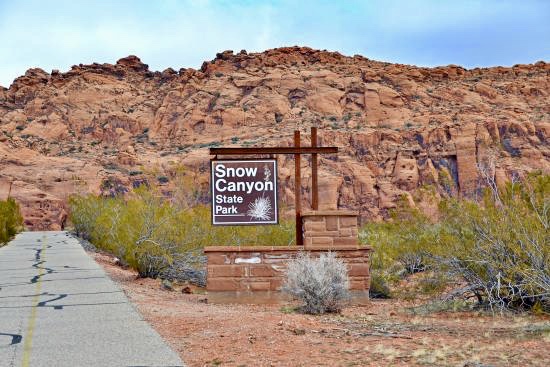


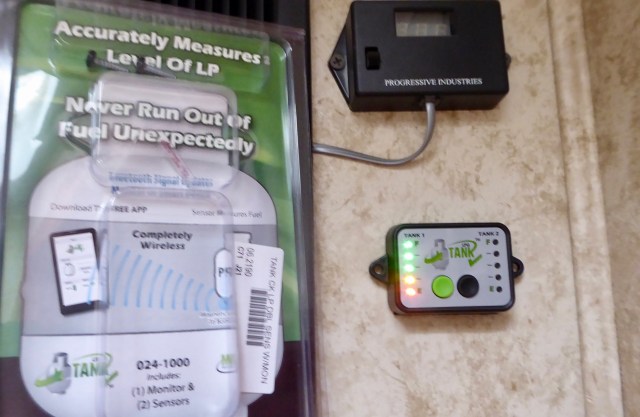 Randy is a retired engineer but hasn’t lost his love for tech gadgets. This gizmo tracks the propane levels in our two tanks. We only open one tank at a time and when it goes empty we find out when the propane stove turns off while making dinner or when we wake up very cold because the furnace has gone out. One of us has to go outside and move the lever to switch tanks.
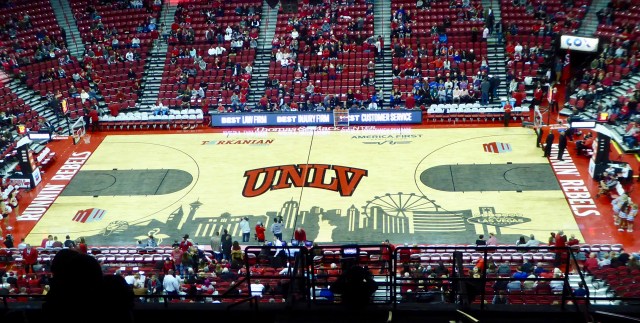 They had season tickets for Boise State Basketball for many years, as we did, and the Broncos were playing UNLV in Las Vegas so we took that 90 minute road trip together. It was a great time to catch up and enjoy a Bronco win! They’ll be here a few more days so we’ll see what more fun we can cook up!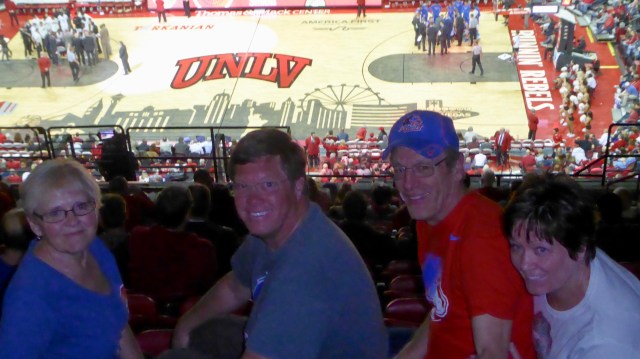
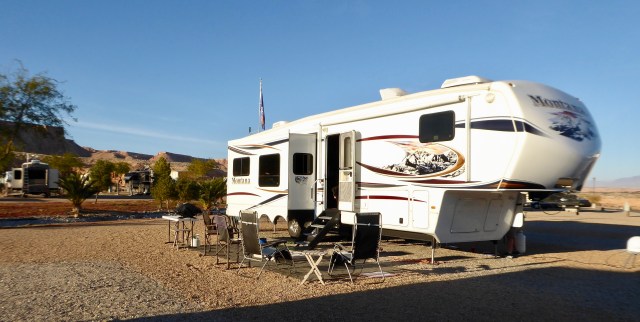 We made it as far south as Mesquite, Nevada and will be here a month. The RV park has gone through several owners (and at least two bankruptcies) so it is far from finished. In the meantime they are using every other space so the sites are huge. It is actually quite nice and very quiet.
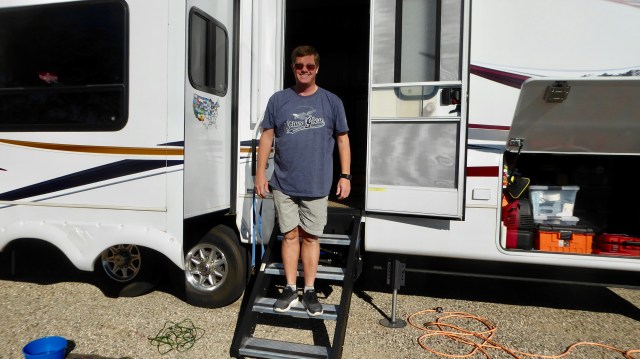
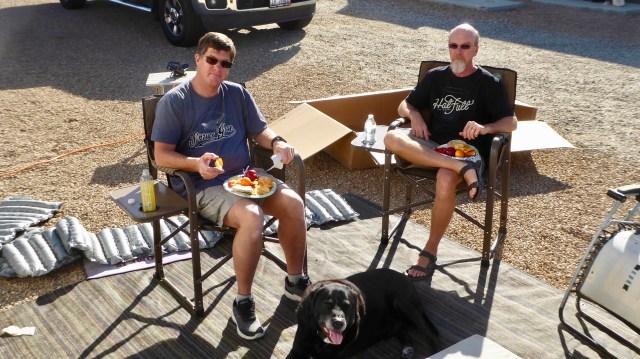 Our friend Mike drove up from Bullhead City, Arizona to spend a couple of days hanging out. Mike and Randy played golf at Coyote Springs, one of the many courses in the area. They also worked on installing Randy’s new steps.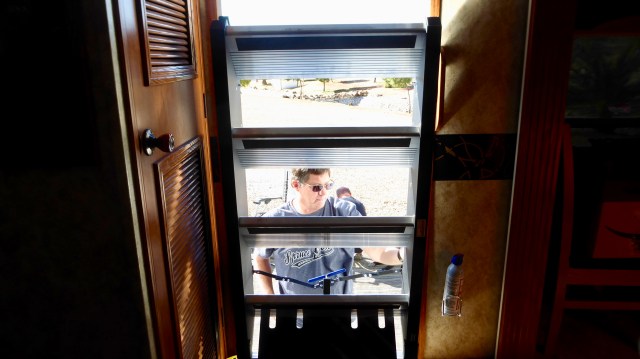
 One evening Randy and I drove to the Tuacahn Center for the Arts, near St. George. We saw the best show called Fairy Tale Christmas! All the fairy tale villains, like Cinderella’s evil step-mother, band together to take down Santa. Of course, they fail and all live happily ever after but the show was very, very well done! Bravo!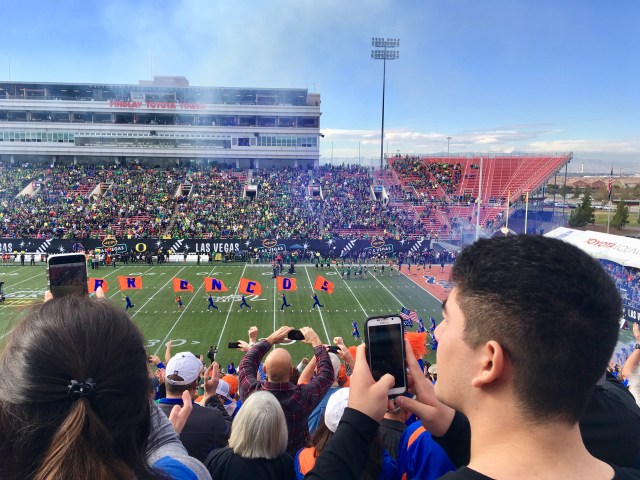
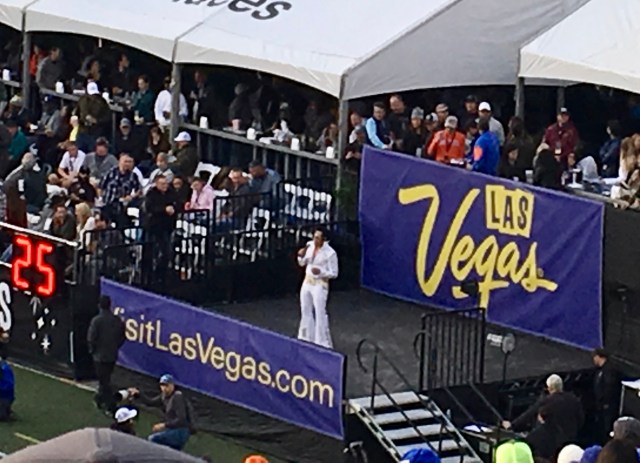 Because it is Vegas, there was Vegas entertainment during timeouts. We were fortunate to be near the stage!
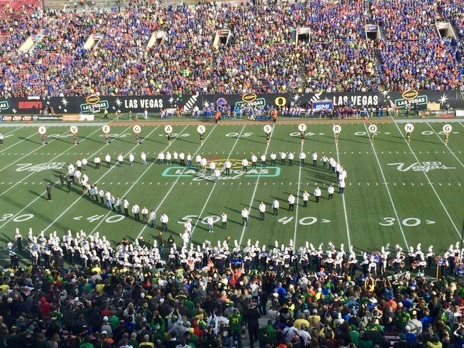 There was a very moving tribute at half time to the victims and first responders of the Las Vegas shooting. #Vegas Strong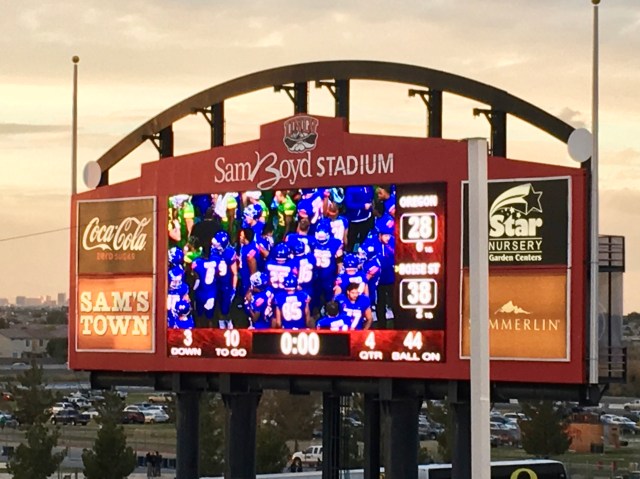
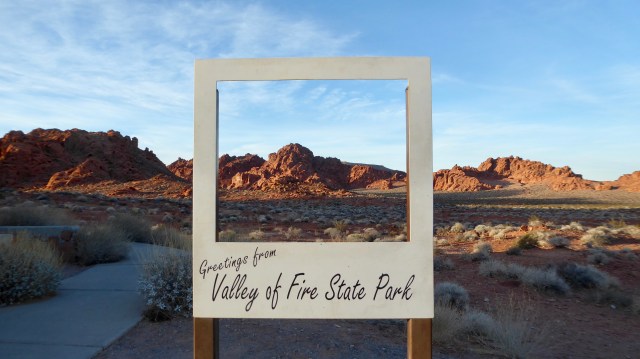
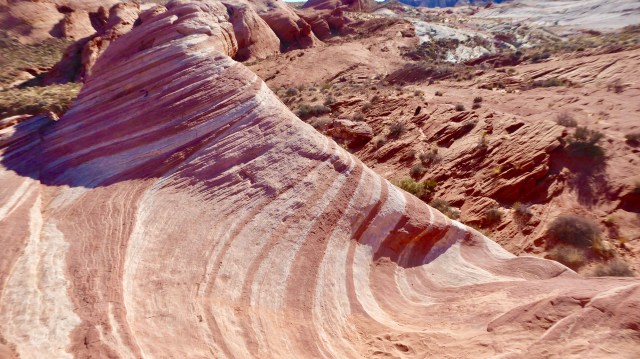
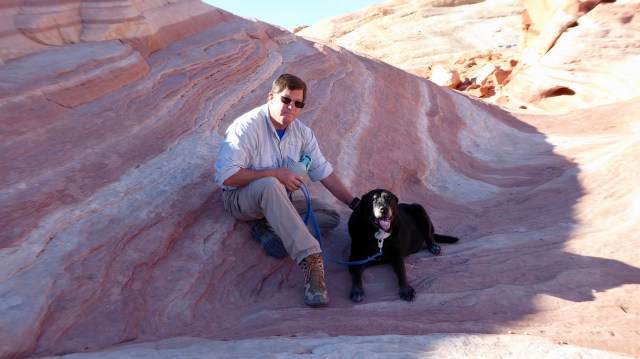
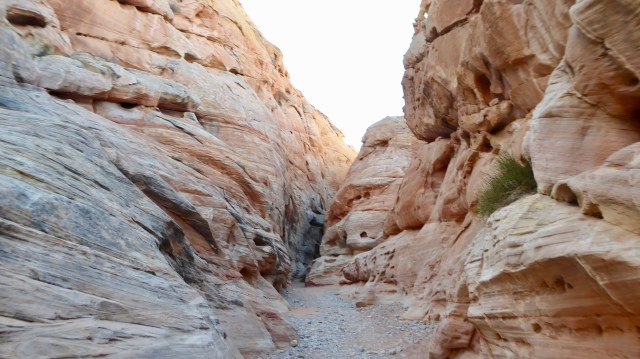
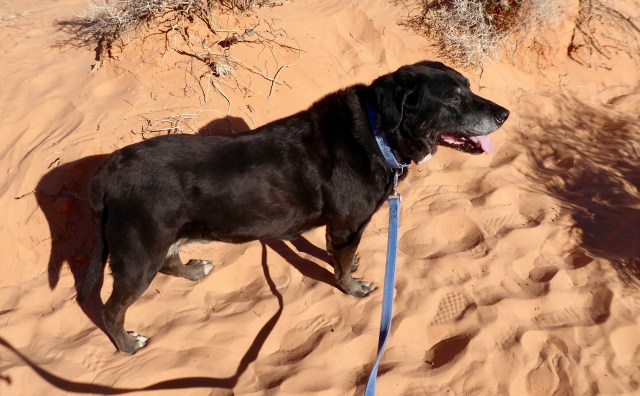 Our first hike was Fire Wave. After the rocks in our campground, Elko was loving the soft sand!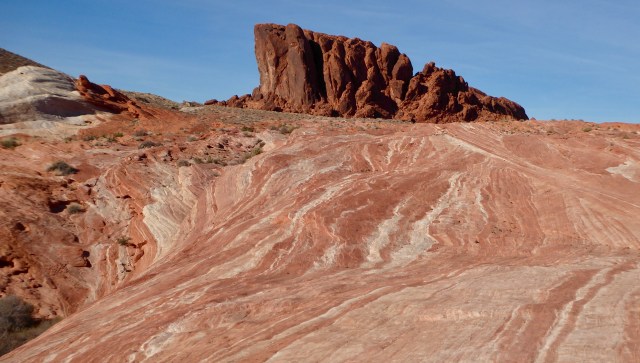
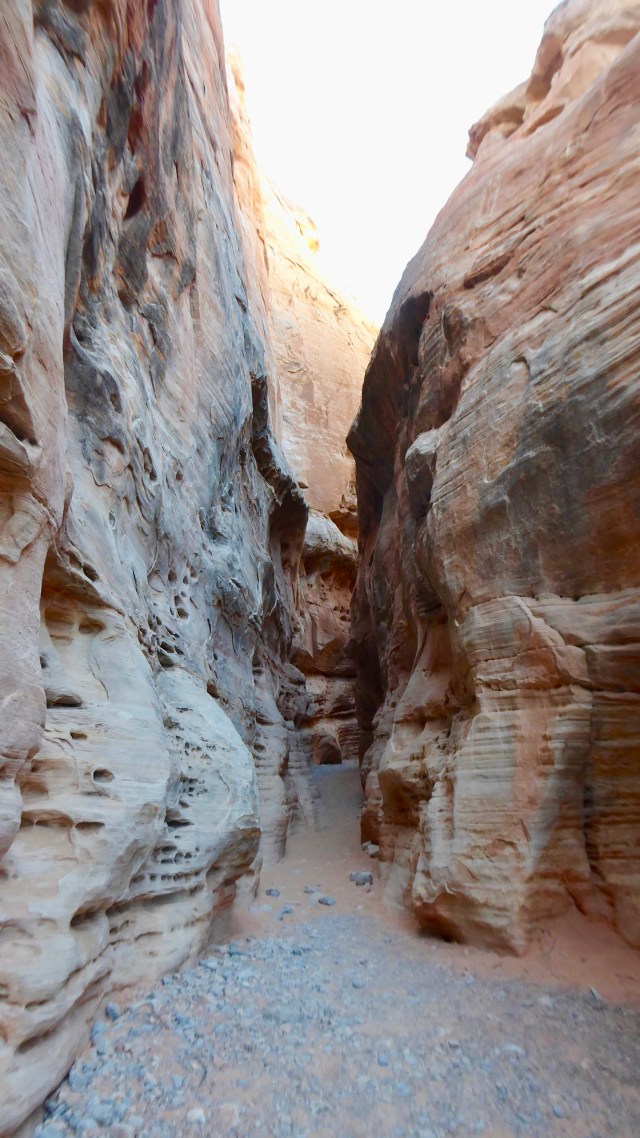
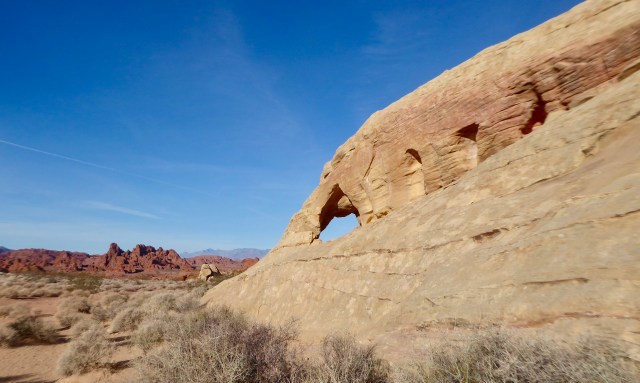
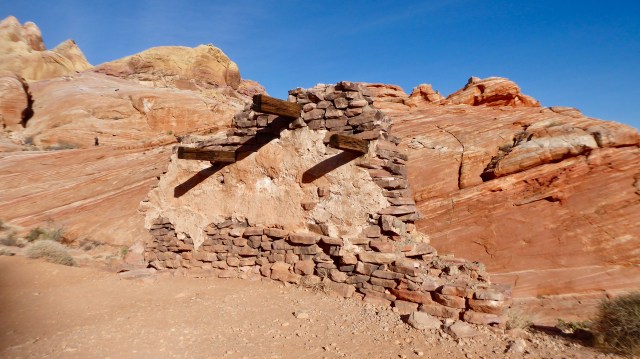 There were remains from the hacienda for the set for the 1965 movie “The Professionals.”
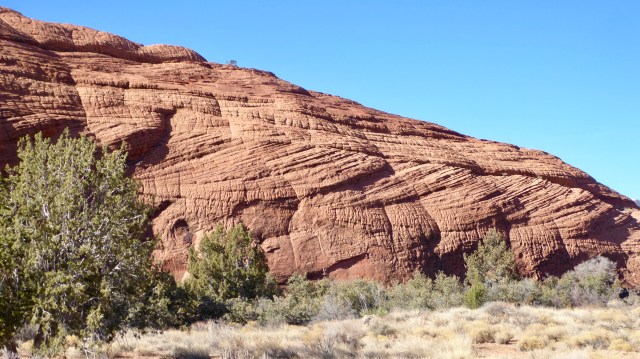
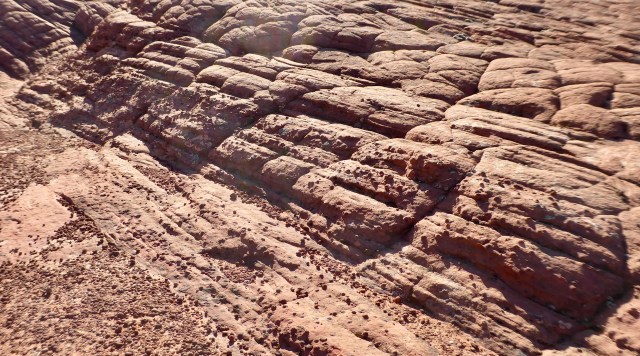
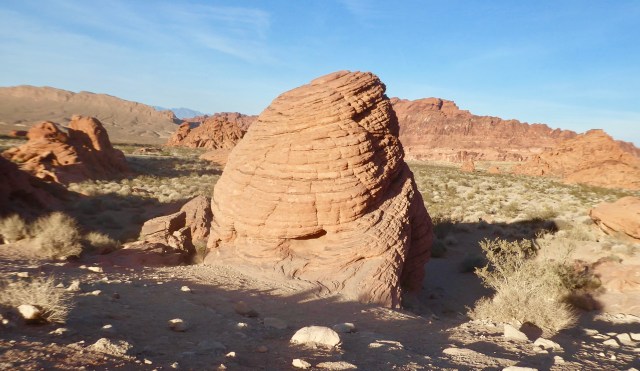 In other areas of the park we found other interesting sites including a beehive formation.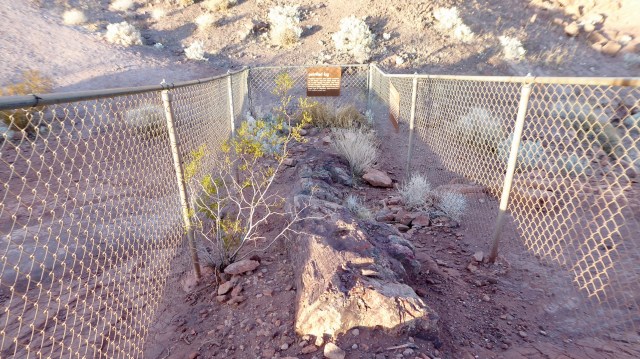
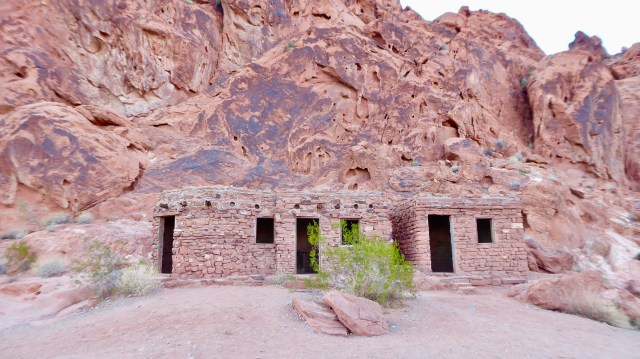 Three cabins built by the CCC in the 1930s and rented by park visitors for many years.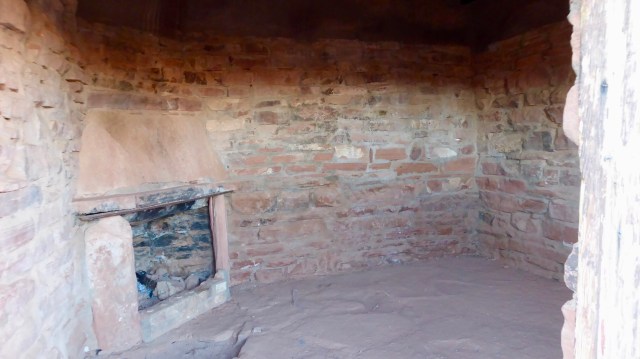
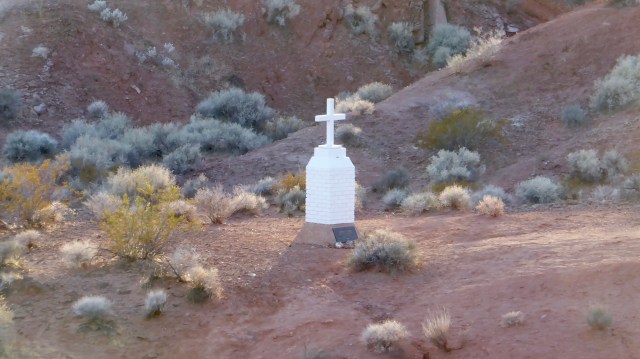 We saw a lone gravesite for Civil War Veteran Sgt. John J. Clark who died of thirst in 1915.
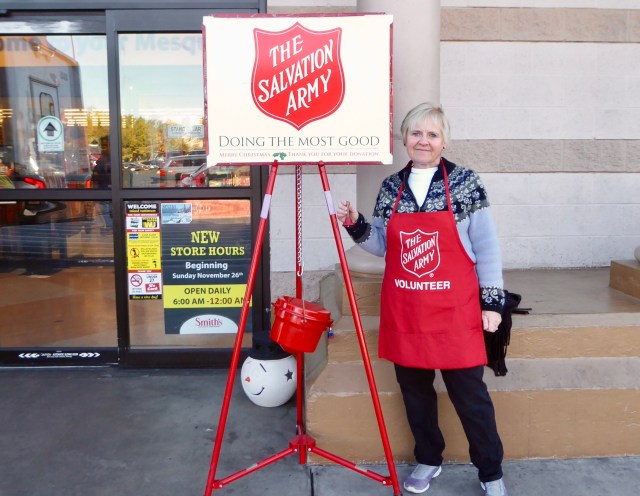 Back in Mesquite, I noticed an article in the local paper saying the Salvation Army was short on bell-ringers. I rang the bell for a couple of hours one afternoon will do so again on Saturday.

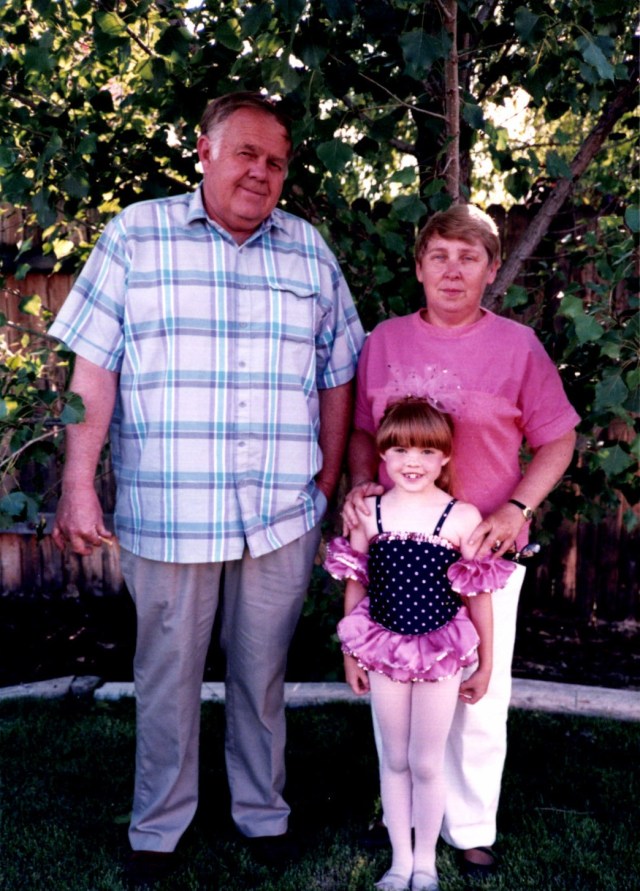
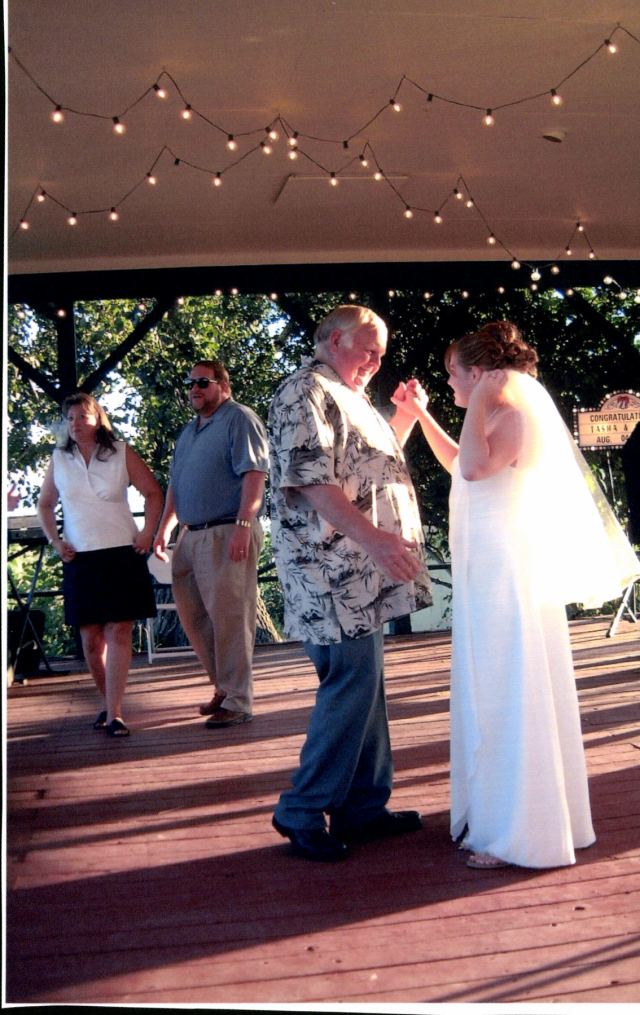


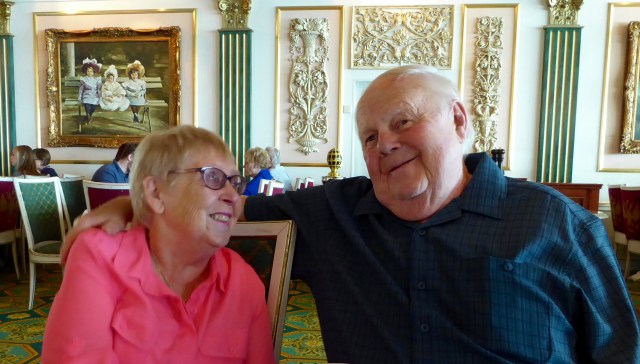
 The number one tourist destination in this region of New Mexico is Ruidoso Downs. Racing occurs throughout the summer season. On Labor Day the winner of the All American Futurity receives the largest purse in quarter-horse racing, $3 million. In contrast, the Kentucky Derby winner gets a mere $2 million!
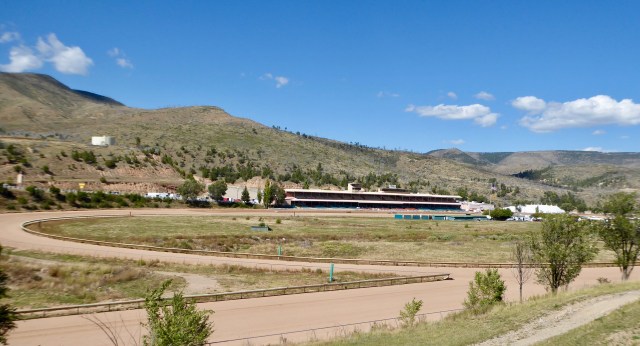 More than 25,000 folks descend on this unassuming racetrack in the town of Ruidoso Downs. All was quiet during our visit as racing was done for the season.
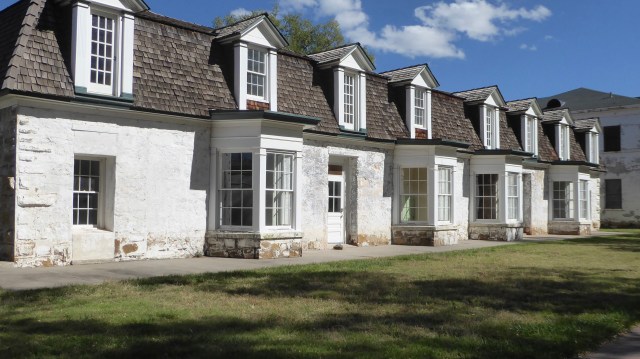 We traveled further afield and found Fort Stanton, established in 1855. Like many forts in the west, it began as an outpost to protect settlers from Indians, in this case, the Mescalero Apache.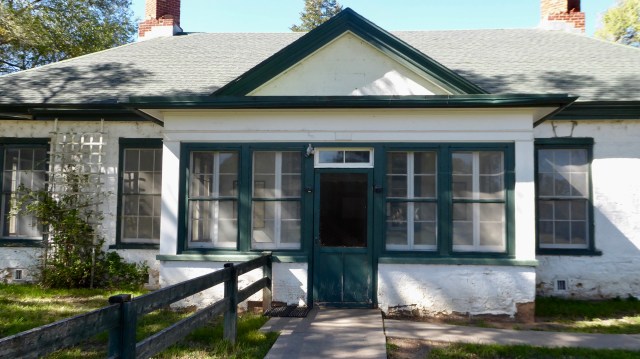
 In keeping with medical treatment protocols at the time, patients lived in open air tents and had a strict protocol of nutrition and rest.
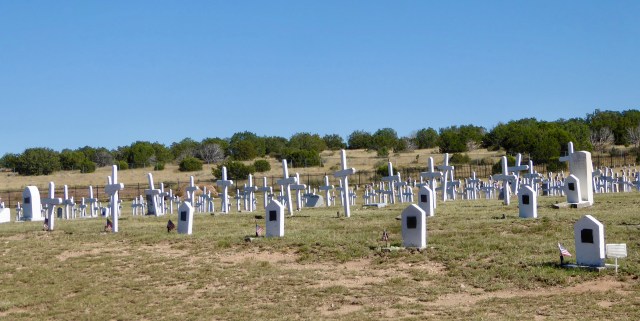 Although many patients recovered, a nearby cemetery holds those who didn’t. The hospital was the primary occupant of the Fort Stanton facility from 1896 to 1953.
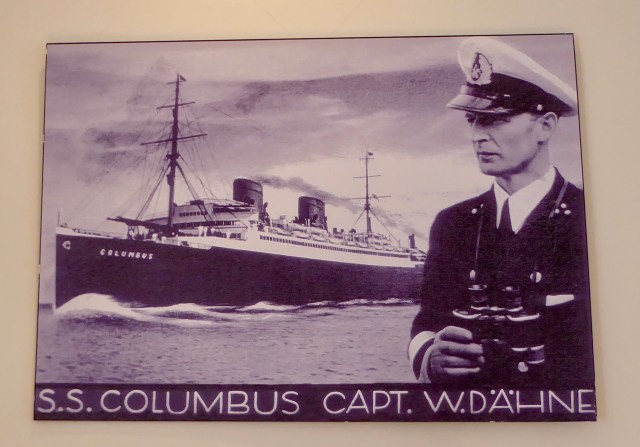 One of the most interesting chapters in Fort Stanton’s history was when the crew of the SS Columbus, a German Luxury Liner, were housed there from 1939-1945.
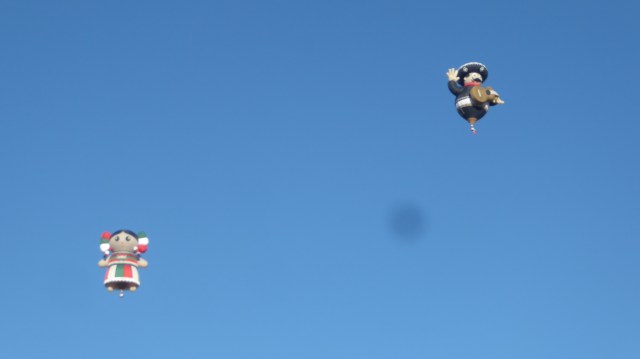 For awhile I have grumbled about a shade spot on my photographs. I called about having the camera cleaned but the estimate was $175 just to get started. Usually the spot was buried in photographic content and was just a nuisance but at the balloon fiesta it was really a problem.
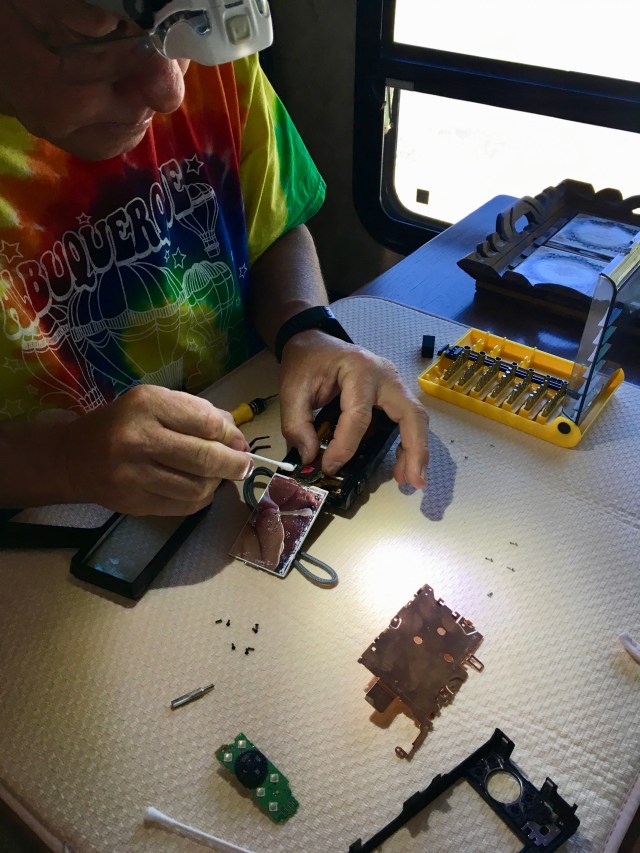 When he got it, he set to work.
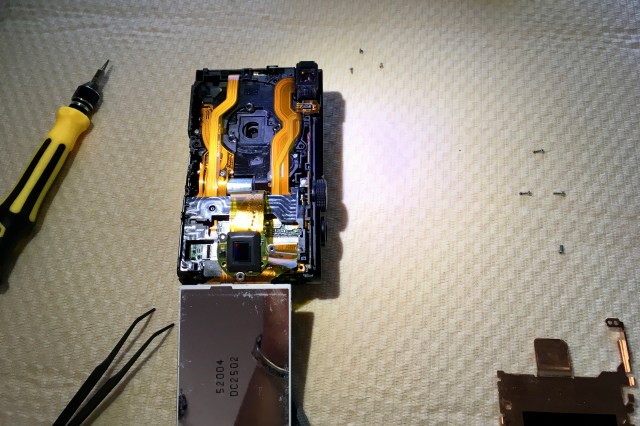 And to the surprise of no one, he took the camera apart, cleaned some dust off the CCD, (the electronics part that captures the light for the image) and no more shade spot!
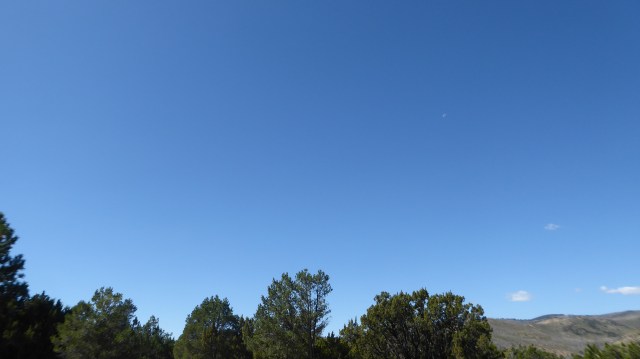 Whoohoo! He saved us about $400 for a new camera and me from having to learn new technology! Like I said, Handy Randy can fix all things!!
 Serene Wandering