Meandering through Minnesota

In our dash across country, we have four stops in Minnesota.  Two stays in, we’re having a great time visiting and exploring.
P1050730

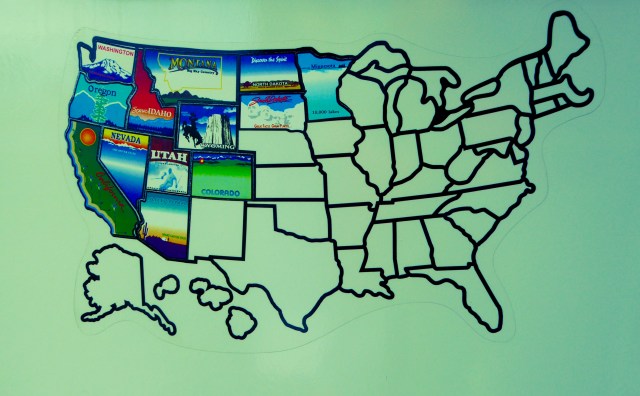
Adding another state along the way – Minnesota!

Our first stop was in Detroit Lakes with intent to spend a day with my dad’s cousin Eenie and her husband Dale.   They live in Park Rapids.

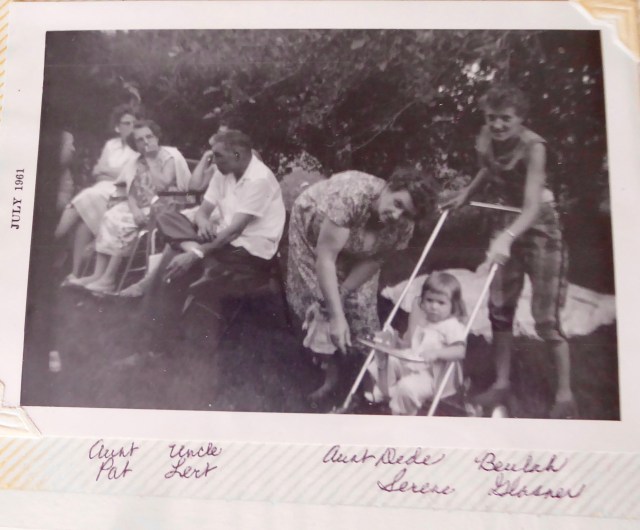
Eenie’s recollection of me goes way back to 1961 when my grandparents took me along on a family vacation in North Dakota.
P1050727

Like my grandmother was, Eenie is a keeper of family lore. We enjoyed hearing her stories.
P1050684

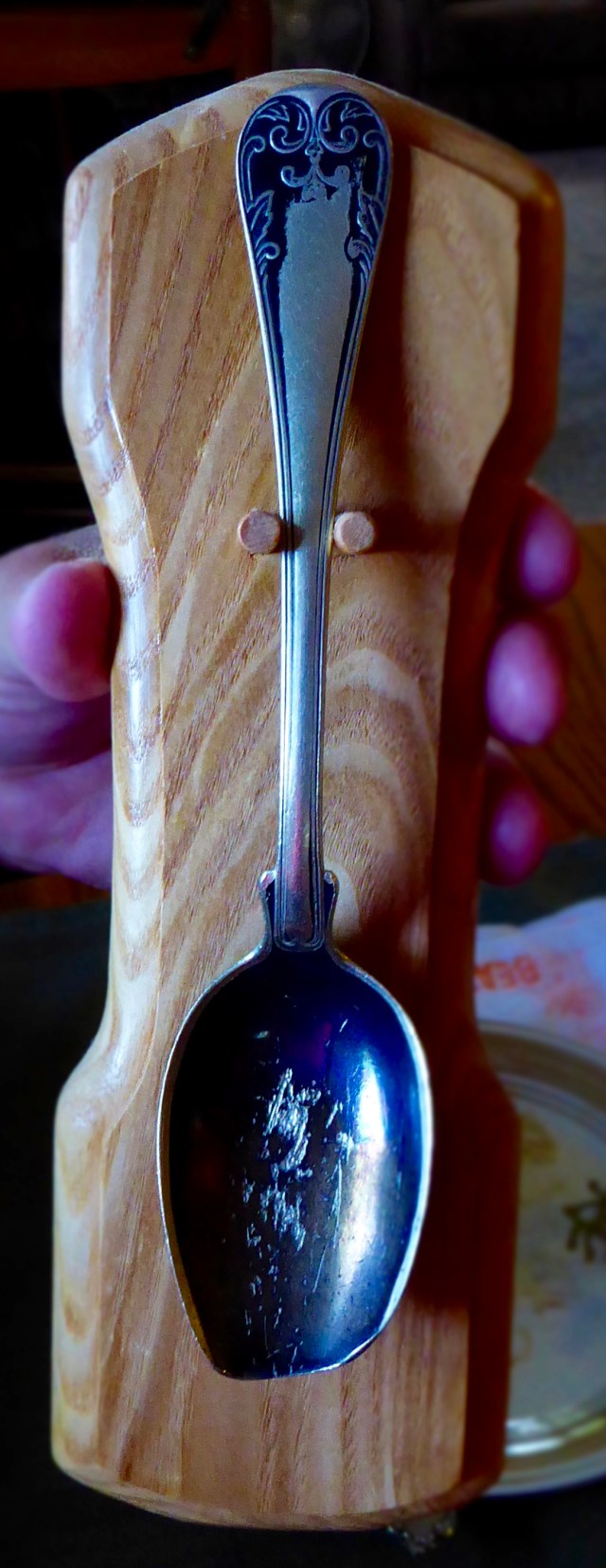
Eenie showed us an engraved spoon believed to have been an engagement gift for my paternal great-grandparents, John and Brita Olson. They married in Sweden in 1899 and brought their family to the United States several years later. Eenie confirmed a story I’d heard over the years that one of their children, an infant boy, died aboard ship but was kept with them to bury in North Dakota. My grandfather and Eenie’s mother were two of several more children born to them in the United States.
P1050719

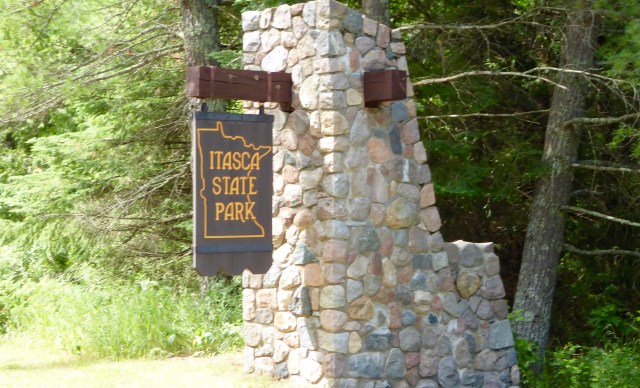
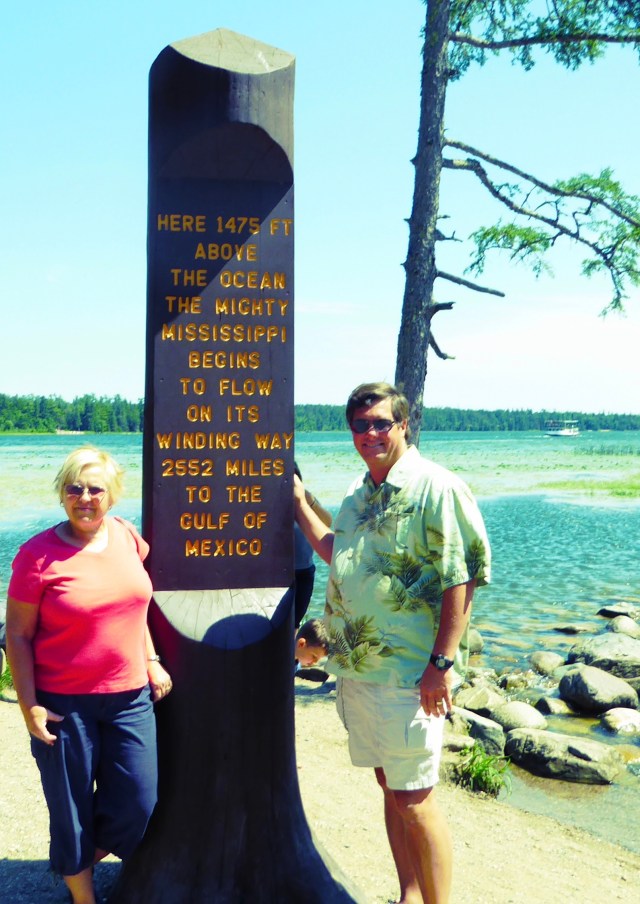
Eenie and Dale took us to Itasca State Park where the mighty Mississippi River has its headwaters. The Mississippi is the fourth longest river in the world at 2318 miles. It also ranks fourth in the world in watershed area which includes 31 states and 2 Canadian Provinces.
P1050703

Historically, the Mississippi was measured at 2552 miles, now believed to be 2318.

While on an expedition to sign treaties in 1832, Henry Schoolcroft sought the source of the Mississippi River. The Ojibwa showed him a lake which Schoolcroft renamed Itasca, from the Latin veritas caput, which he believed meant “true head.”
P1050706

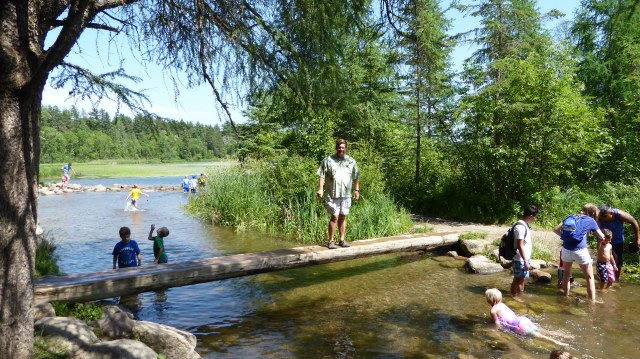
Randy walking across the headwaters of the Mississippi River.
P1050695

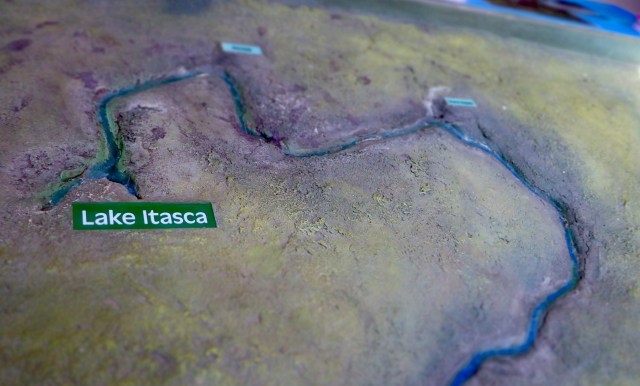
Like us, the Mississippi River meanders through Minnesota.

Although the Mississippi river flows south, it begins by flowing 63 miles north and then meandering through Minnesota.  In fact, 30 percent of the river’s total length is in Minnesota.
P1050705

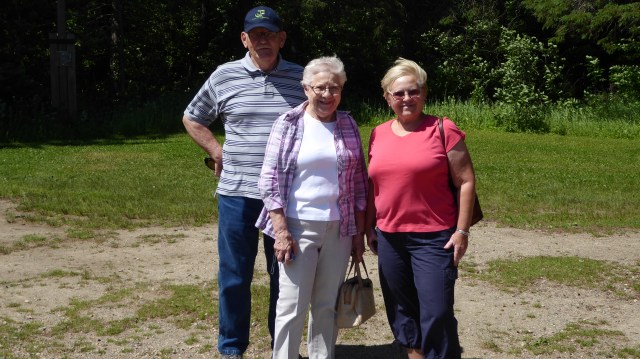
Thank you Eenie and Dale for a truly terrific day!!!
 

P1050756

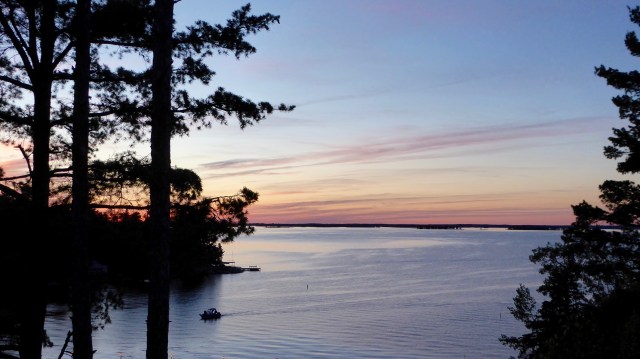
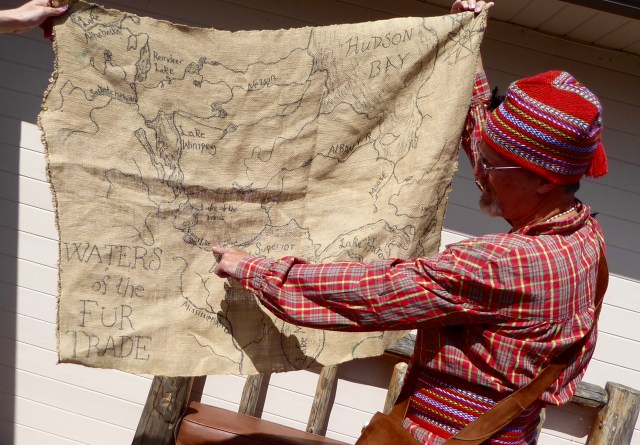
We moved to a campground on Lake Kabetogama, adjacent to Voyageur National Park. This park commemorates several generations of voyageurs, who were critical links in one of North America’s biggest industries, the fur trade. When the industry moved inland in the 1700s the Ojibwa supplied furs from vast areas north and west of the Great Lakes.

Voyageurs, many who had intermarried with the Ojibwa, traded goods for furs. They rowed and portaged through 3000 miles of lakes, rapids and crossings to get to a rendezvous point near the area that is now Voyageur State Park.
P1050765

P1050766

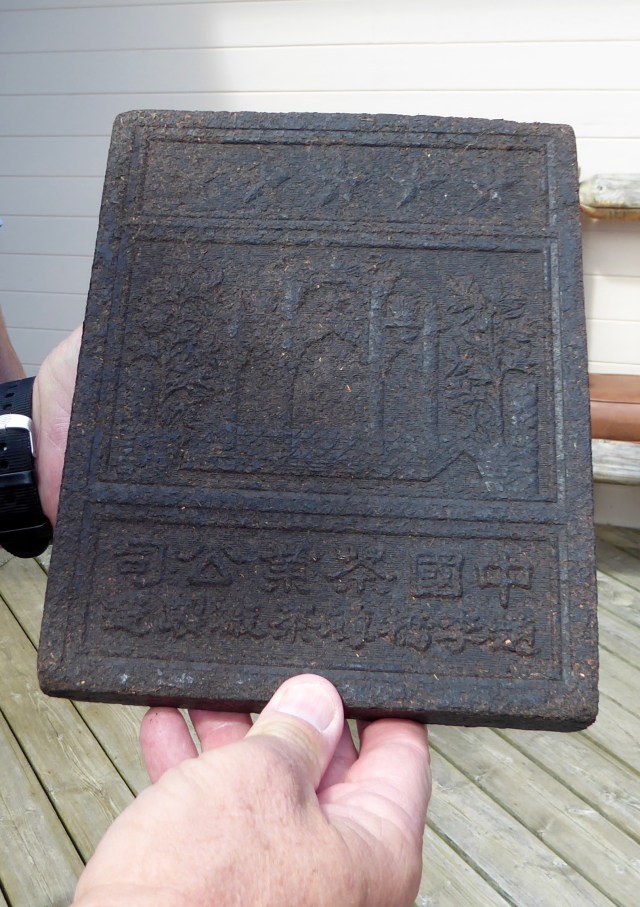
Compressed tea from China was one of the goods traded to the Ojibwa.

Other voyageurs from Montreal rowed through the Great Lakes to the rendezvous site with goods to trade.  They then returned to Montreal with the furs. This cycle continued until fashions changed in Europe and beaver hats gave way to silk.

We enjoyed a guided canoe ride and learned more about the life of voyageurs.
P1050770

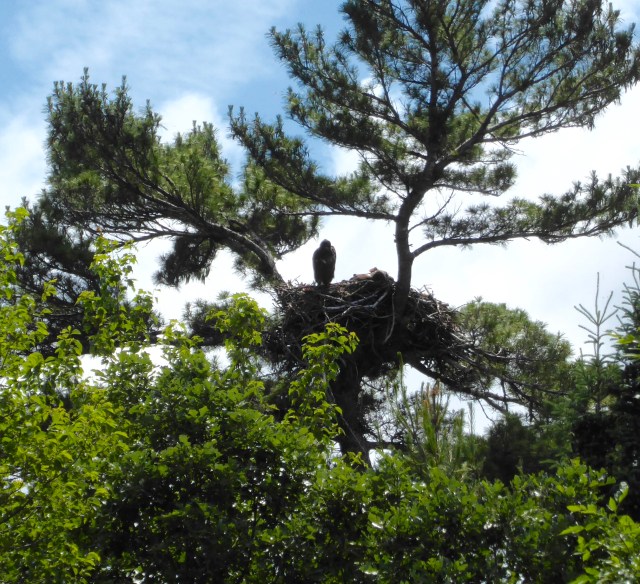
We saw two eagles during our canoe trip on Lake Kabetogama. Throughout the United States, only Alaska has more eagles than Minnesota. We were surprised to learn that Florida was third.
P1050731

America’s Ice Box! If you live here – embrace it!

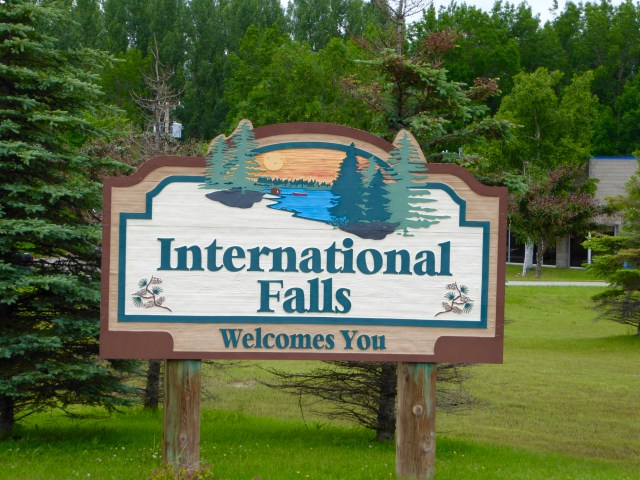
We took a day trip to International Falls, Minnesota, often the coldest place in the US.
P1050752

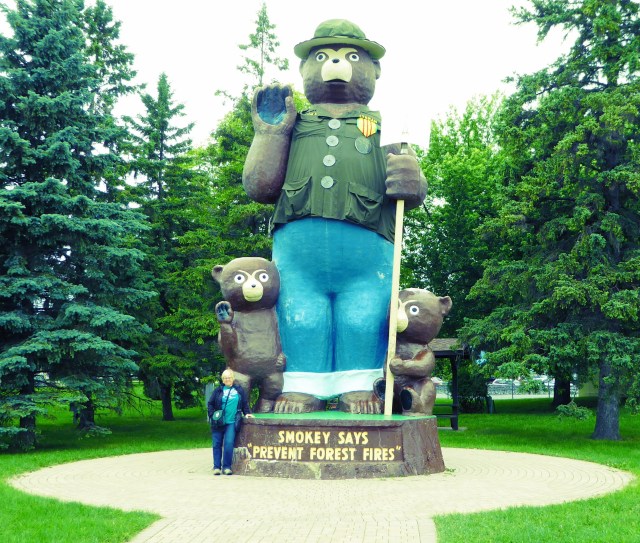
We went to Smokey Bear Park which has the country’s largest Smokey at 26 feet.
P1050754

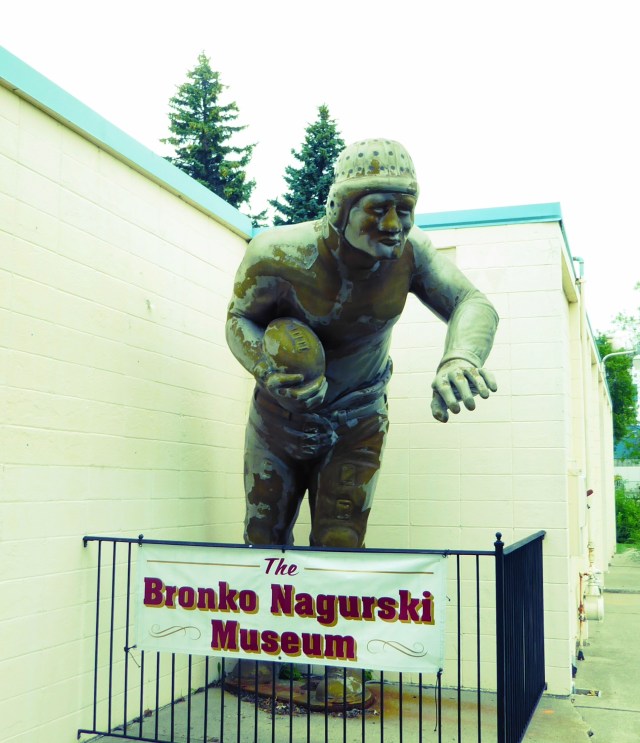
We also went to a museum celebrating native son, Bronco Nagurski, touted as one of the best football players of all time. Nagurski played both offense and defense on teams in high school, the University of Minnesota and the Chicago Bears. He was one of the highest paid players in the NFL in 1930, making $5000 for the season. He is in the Minnesota and NFL Halls of Fame. He had a second career as a professional wrestler but always returned to International Falls, his family and his farm. Even though neither of us knew about Bronco Nagurski going in, the local boy made good angle was still heartwarming.

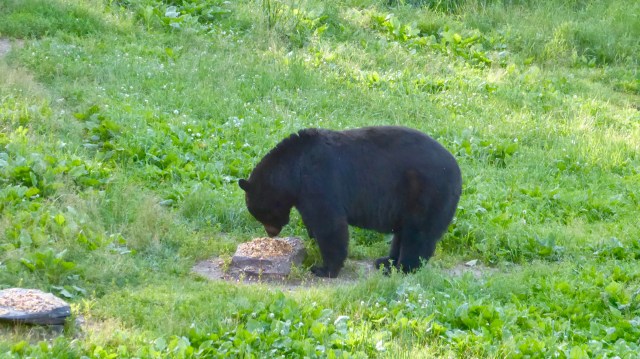
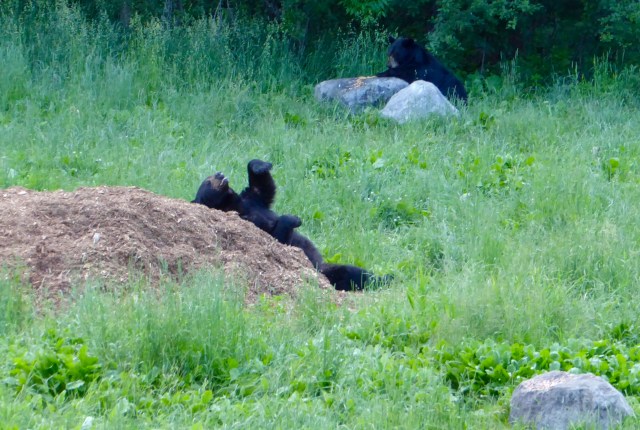
Heading south from our campground we went to the Vince Shute Wildlife Sanctuary and saw more than a dozen American Black Bears. Vince Shute began feeding the bears many decades ago as a “compromise” to keep them from breaking into his cabin to eat. Generations of bears were fed and habituated to people. With Shute’s death, and his concern about what would happen to the bears, a wildlife sanctuary was established to manage this situation. Acknowledging that the feeding should never have begun, the wildlife sanctuary continues it for now to avoid larger problems. It isn’t clear what the end game will be but currently there are educational opportunities and pleasure in viewing the bears from a secure, elevated walkway.
P1050807

P1050802

Although only two in this shot, we could sometimes get three or four bears in a single picture.
P1050808

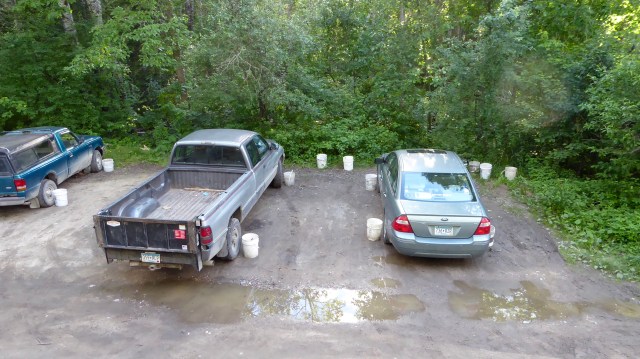
Buckets of bear scat, collected daily, serve as a repellant to keep the bears away from the tires they desire.
P1050778

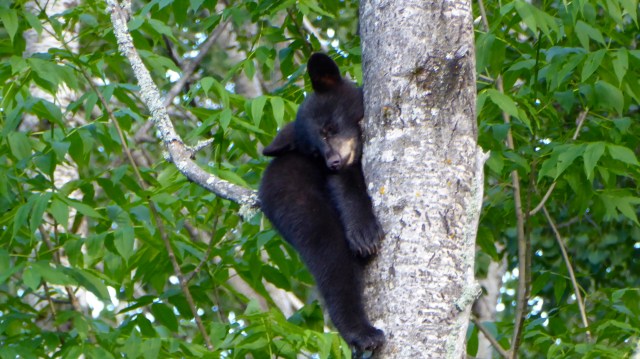
We’ll end with this bear cub who was WAY up the tree napping while mama was eating.

Posted in Uncategorized | 6 Comments

North Dakota – Who Knew?

Over the years we have noticed that when an RVer’s state map is almost full, North Dakota is likely among the missing. Is it a hard state to get to? Or is it a hard state to get motivated to get to?  North Dakota is between Washington and Vermont so we were committed!

P1050599

After we spent out first night in Medora, we added North Dakota to our map, the first state we’ve added in nearly a year. We decided to add South Dakota as well since we spent a wonderful 2006 week in the Black Hills in our old trailer  – one of our best vacations ever. When we discussed whether we would start our map again if we got a new RV and decided we would not, it made sense to us to include that past trailer trip.

Medora is North Dakota’s tourist capital and rightly so! It was delightful for a variety of reasons.

P1050428

Sunday morning we went to a Gospel Brunch!

P1050452

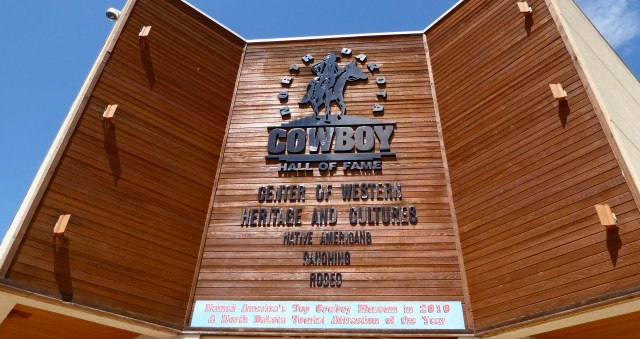
We went to the North Dakota Cowboy Hall of Fame.

P1050368

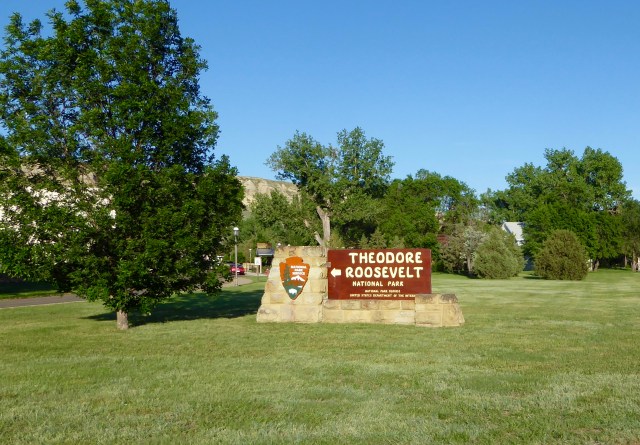
Theodore Roosevelt National Park is accessed in Medora.


P1050404

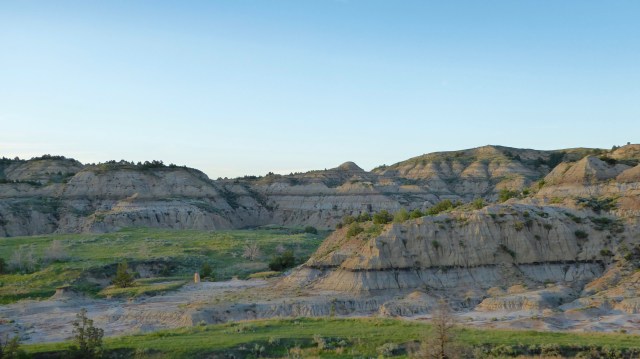
We enjoyed a scenic drive in the park’s southern unit and saw the Badlands and expected critters.

P1050374

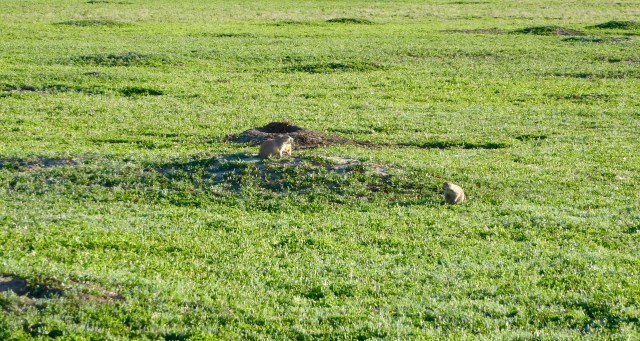
We saw a coyote looking for dinner in prairie dog town.

P1050419

We saw a few bison near the road and two small herds from a distance.

We saw wild horses several times. They are decedents of Indian ponies and escaped ranch stock and roam freely in the park.

Theodore Roosevelt came to North Dakota to shoot bison in 1883, loved the Badlands, and bought into the Maltese Cross cattle ranch. He lived in this cabin which has since been relocated to the visitor center grounds.

Back in New York, Roosevelt was devastated by the death of his wife and mother in the same house, on the same day (February 14, 1884), from childbirth and typhoid respectively. Leaving his infant daughter, he returned to North Dakota to grieve and find peace.
Roosevelt said he would have never been president had he not spent time in North Dakota. His energy, passion and lessons learned in North Dakota made him “The Conservation President.” Theodore Roosevelt set aside more lands as national forests, parks, monuments and wildlife refuges than any other president in US history.

P1050575

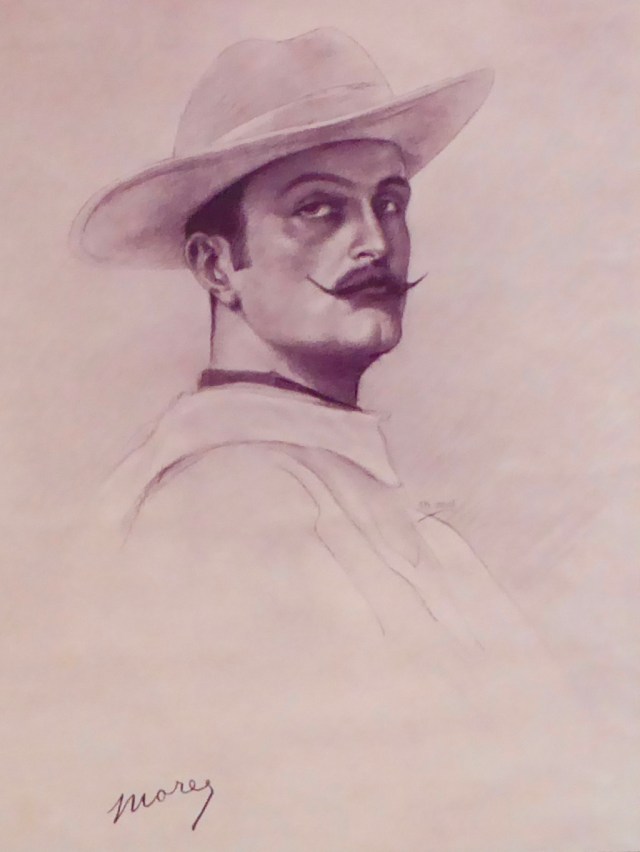
A Medora contemporary of Theodore Roosevelt was Frenchmen Marquis de Mores. He and his wife Medora (for whom the town was named) loved hunting and built a 25 room “hunting cabin.” Dignitaries from the east and around the world came to visit and hunt.

P1050592


P1050590

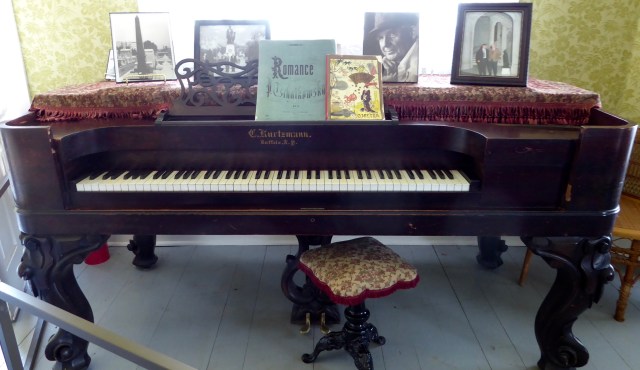
A piano such as this was transported to Minnesota for the winters and back to North Dakota for the summers.

P1050584

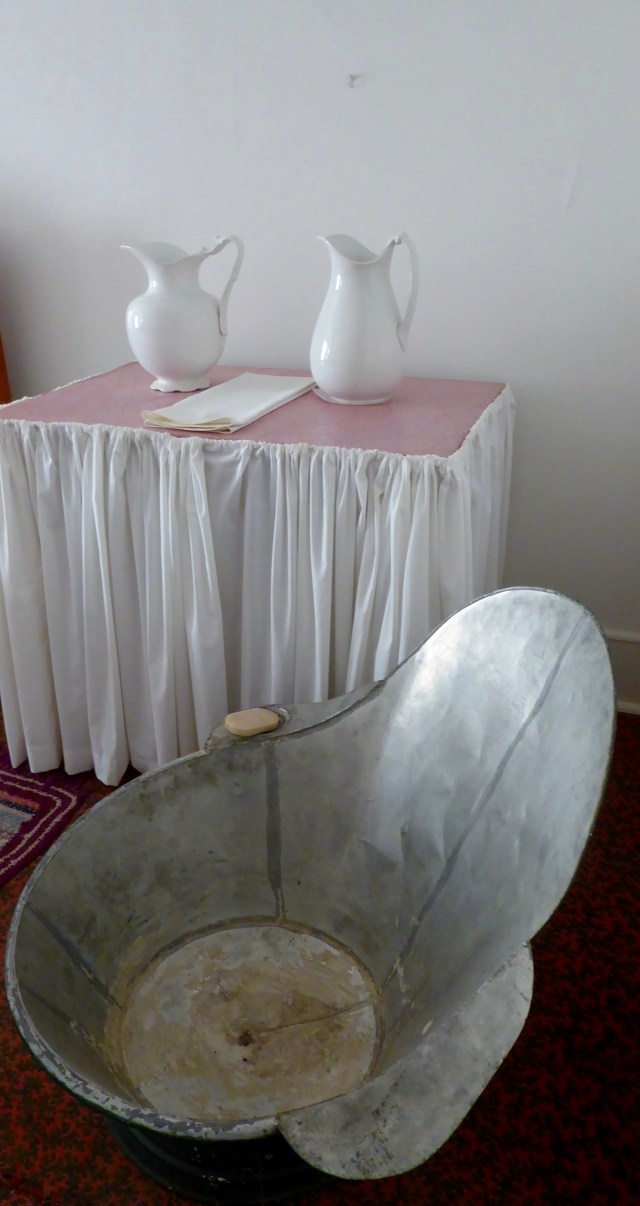
Somedays I miss having a bathtub – maybe one of these could work!

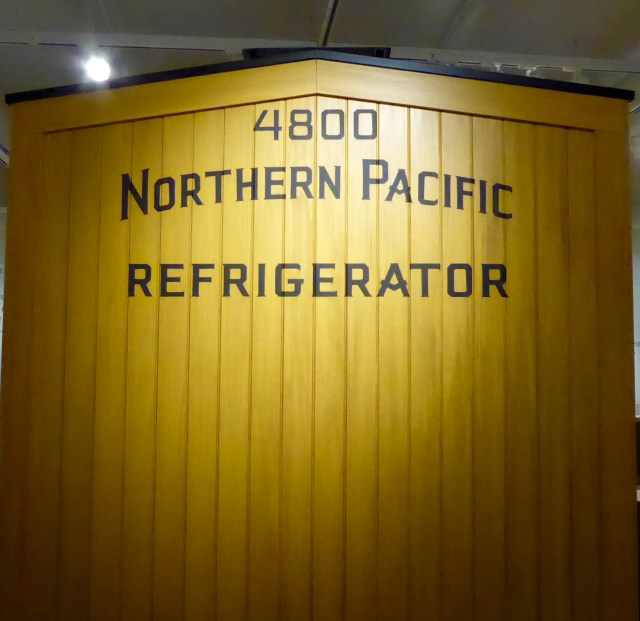
Marquis de Mores was determined to expand his wealth by changing the way beef was supplied to eastern cities. The norm was to ship cows live and suffer loss of profit due to weight loss and injury. He built a slaughterhouse in Medora and shipped the meat by refrigerator car.

P1050577

The business model was valid but overgrazing and the winter of 1886 – 1887 drastically reduced the number of available cattle. The venture failed.  The de Mores family returned to New York but retained ownership of the cabin, called the chateau by townspeople. Their son deeded the chateau to the state historical society in 1936.

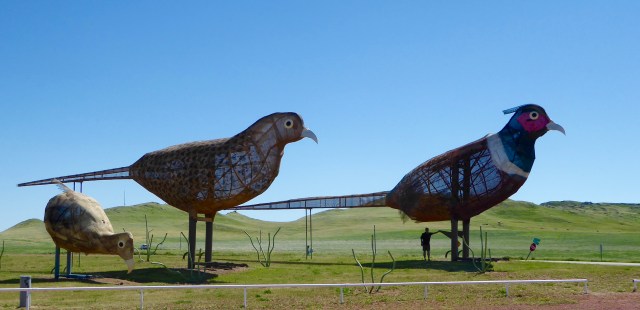
East of Medora, we traveled the 30 mile Enchanted Highway where the largest metal sculptures in the world are spaced along the route.  Here are a few of them.


P1050483

See Randy in this picture for scale.


P1050487

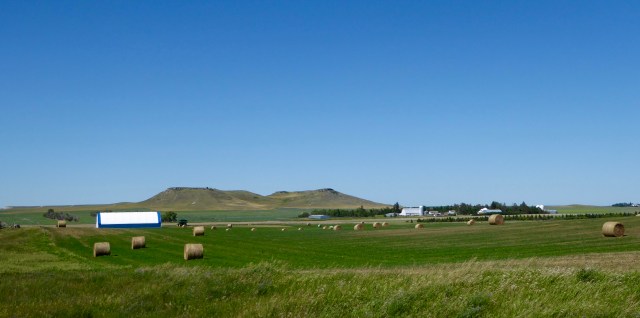
We enjoyed the beautiful and tidy North Dakota farms along the Enchanted Highway.

As much as we enjoyed seeing all these places, we were just as pleased and surprised to be able to see Boise friends, Dennis and Jan. Facebook showed us they were in North Dakota and we were able to work out an impromptu visit!

P1050519

We had a planned visit with Boise friends, Darrell and Cindy, who were in North Dakota visiting family. We enjoyed two of Medora’s premiere events with them.

P1050525

We went to the Pitchfork Fondue Dinner where steaks are skewered onto pitchforks and cooked in hot oil.  Dinner was delicious.

Then we went to the Medora Musical which has run continuously during the summer months for 51 years. It was delightful!

P1050553

The featured entertainer was America’s Got Talent contender Todd Oliver and Irving.

If we come to Medora again, we’d do both the dinner and musical again.

P1050595

The next day we traveled to Abraham Lincoln State Park near Bismarck.

We found a beautiful park with the most convoluted power and water hookups we’ve ever seen, obviously not designed by anyone who uses them!

P1050600

Bad weather in North and South Dakota!

We also had the most severe thunderstorm we’ve ever experienced while in an RV. The ranger came by to make sure we were aware of the Severe Thunderstorm Warning and invited us to take refuge in the restrooms if we felt the need. We stayed in the trailer but had thunder that shook the trailer, lighting that lit up the sky and rain that cleaned this part of North Dakota!

Fort Abraham Lincoln was the home of the Seventh Calvary and General Custer before the Battle of Little Bighorn. The fort began as Fort McKeen in 1872, expanded and renamed Fort Abraham Lincoln the following year, and was abandoned in 1891. Locals dismantled and utilized fort property for their own purposes. The land was given to the state of North Dakota during Theodore Roosevelt’s tenure.

P1050610

In the 1930s the Civilian Conservation Corps built the visitor center museum,  marked fort foundations and built other structures. The young men of the CCC earned one dollar per day and kept $5 per month. Twenty five dollars per month were sent home to families.


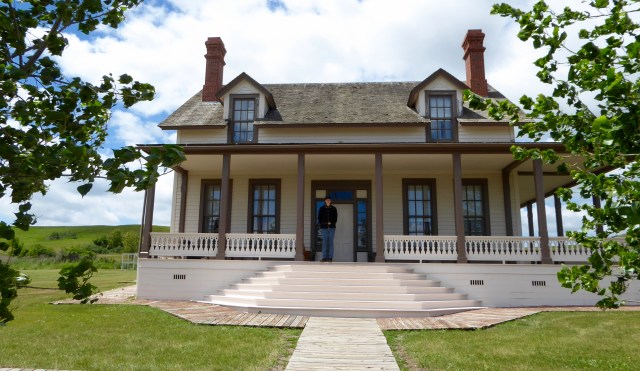
In the 1980s the state of North Dakota built replicas of the local Mandan village and fort facilities. These include the commissary, stables, barracks and George Custer’s house.  Rangers lead tours in the Mandan lodge and Custer’s home.  Others are self guided.

P1050654

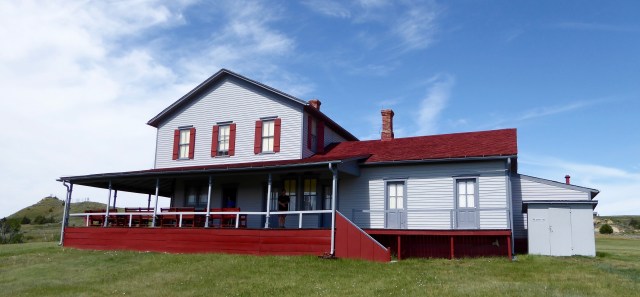
Custer’s previous Commander’s house burned down. He added his own funds to the Army’s $3000 replacement allotment to make his new home more pleasing.  The wrap around porch was one of the upgrades he funded.

We had such a good time in North Dakota!  When I told Darrell, a North Dakota native, that we might have to consider ourselves Dakotans after loving time spent in both states, he suggested we come back in January before we decide.

Today?  Onward to Minnesota!

Posted in Uncategorized | Leave a comment

Headed East through Montana

On the road again! We had a 6 hour drive, longer than we usually go in one day, from Tri-Cities, Washington to Missoula, Montana. There were things to do in Missoula on our “to do document” but it rained a lot and we didn’t do any exploring. Costco and Albertson’s were all we saw of Missoula – except for the campground.
P1050330

Jim and Mary’s RV Park was very nice with generous grassy sites and LOTS of flowers.  Elaborate and simple flower beds were maintained throughout the park. There were three green houses and hundreds of flower pots and baskets.  Jim and Mary have a passion for flowers!

P1050329

We were surprised to find Boise local channels in Missoula on Dish! Interesting spot-beam since Spokane is so much closer. We lost Boise locals 200 miles further east.

After two nights in Missoula, we traveled to Conestoga Campground in White Sulphur Springs, Montana – another nice “mom and pop” campground. It doesn’t have as many flowers but does have dozens of western scene silhouettes. The owner enjoys making them during the cold winter months when temperatures get to 30 below zero.

He also shows his sense of humor with signs around the campground!


P1050334

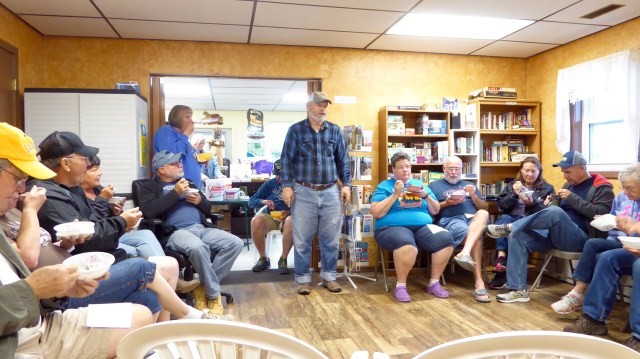
At the campground sponsored Ice Cream Social we learned about White Sulphur Springs and the area. The actual springs are part of a local hotel but remain open to the public. The town of White Sulphur Springs has a mining and stock history.  We went to see its landmark site,  The Castle Museum.

P1050344

The Castle was built in 1892 by B. R. Sherman at a cost of $35,000 – roughly  $1,000,000 today. Byron Sherman’s extended family included Roger Sherman, signer of the Declaration of Independence, and General William Tecumseh Sherman, Union Army General.

The Castle was built with Sherman’s proceeds from supplying area miners.   (An earlier  direct mining investment had failed.)    The stone was quarried from nearby Castle Mountain and the interior wood was imported from the east. Some rooms had very large windows which allowed for great views of the vast landscape.   The glass was imported from the east without a single pane being damaged.

Sherman and his family lived in the Castle for about a decade.  He thought the quality of coal in Montana was poor so he heated his home with coal shipped from Pennsylvania.

A second family, the Donahoes, purchased the Castle as their “city home”  but spent most of the time at their ranch.  Eventually, they turned the Castle into a boarding house and  dormitory for children who came into town for the school year.  Then, abandoned for decades, the Castle was given to the county for a museum by Donohoe heirs.

Obtained in 1959, the county has restored much of the Castle but only a few original fixtures remain.  Families from around the county donated many, many antiques which fill rooms to brimming.  Unfortunately, no pictures were allowed.

We also learned about the Ringling family’s involvement with the area. John Ringling was the front man for the Ringling Brother’s Circus, became very involved with railroads, and acquired a lot of land in this area. He built a railroad spur between White Sulphur Springs and a town 20 miles south that was renamed Ringling.

John’s nephew, Richard Ringling, lived in White Sulphur Springs and owned the largest dairy barn west of the Mississippi River. The butter made at the dairy became a staple in railroad dining cars and all along the railroad route in the western United States.

P1050341

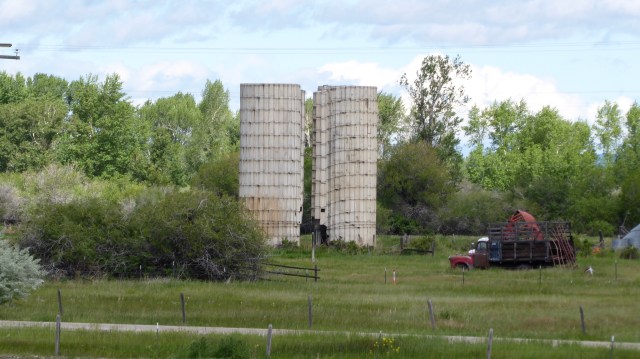
These silos remain from the Ringling Dairy.

We had another long travel day from White Sulphur Springs to Miles City,  driving mostly on Highway 12.  It was a beautiful journey through Big Sky country.

P1050359

Once in Miles City, we were so glad to see our friend Casey!  We worked with Casey at Chief Plenty Coups State Historical Park last September and appreciate that she drove two hours to see us!  Distances are vast in Montana!

We still have 90 miles of Montana to see before getting to North Dakota later today.

Posted in Uncategorized | 6 Comments

Anniversary Cruise

P1050214

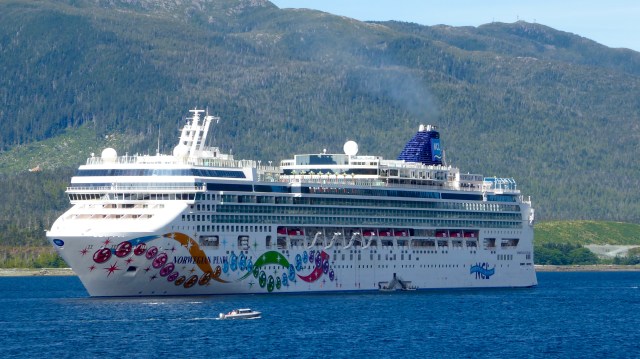
The captain of the Norwegian Pearl said we had the best weather of the season for our 7 day cruise to Alaska. The weather, the scenery and the company were all wonderful!

P1050193

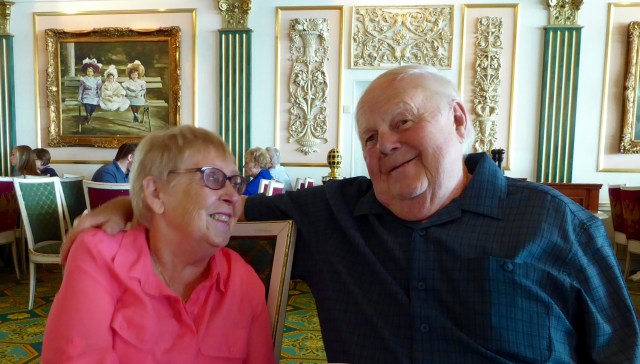
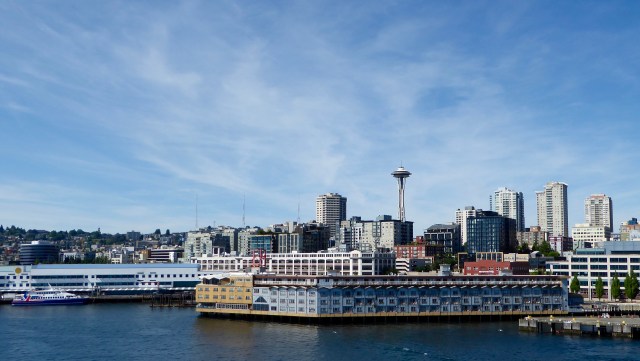
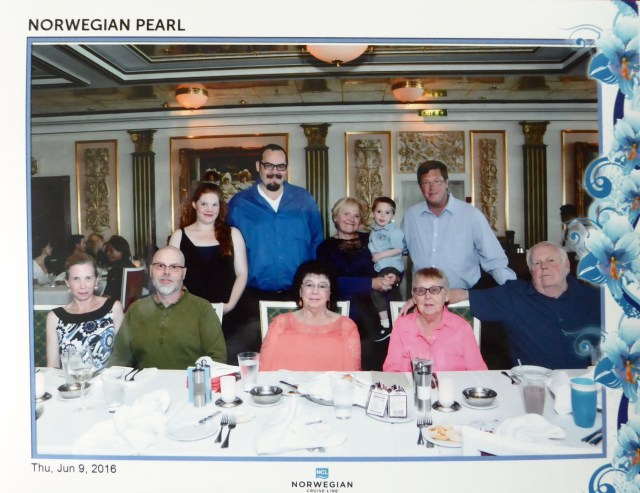
Family members gathered for my parents’ 60th Wedding Anniversary cruise! Seattle looked lovely as we sailed away.

P1040938

Our first “sea day” was cold and blustery but we had a ship to explore and visiting to do. Fortunately, that was the only bad weather we had the entire week.


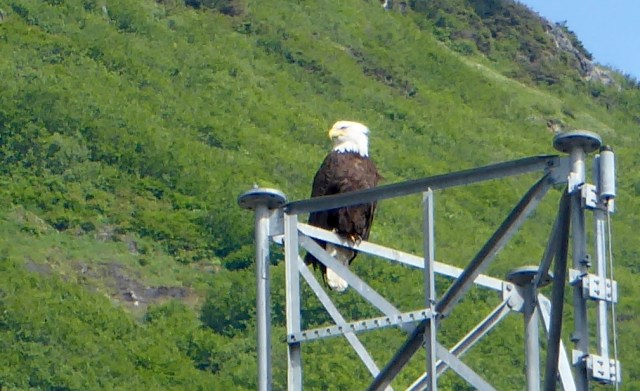
Our first stop was Juneau. We took the McRoberts Tram up the hill and enjoyed a short hike and the view.   We saw this Eagle on a tower – one of many we saw in Alaska!

P1040990

P1050022

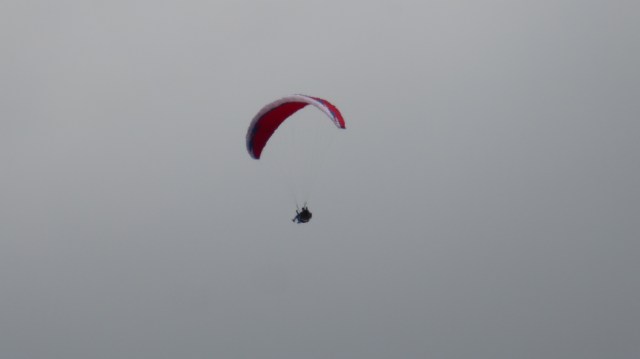
We rode up in the tram with this paraglider. After hiking up even further, he gets about one hour of flight time.

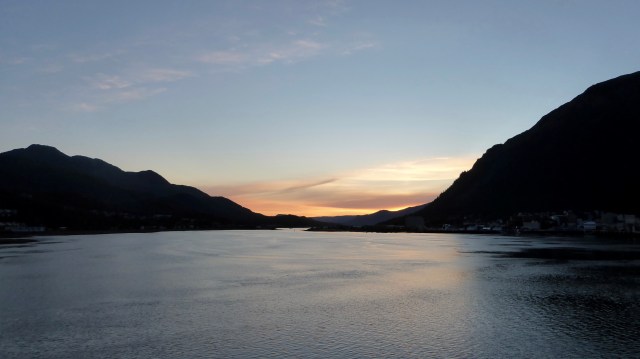
We also enjoyed a Salmon Bake excursion in Juneau as well as a nice sunset as we departed.

P1050055

P1050056

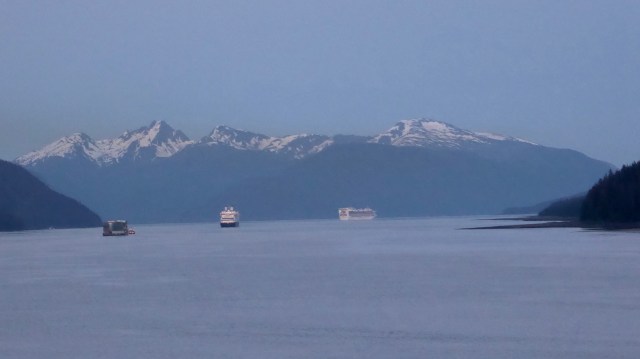
The Ruby Princess and Amsterdam sailed with us all week!


P1050082
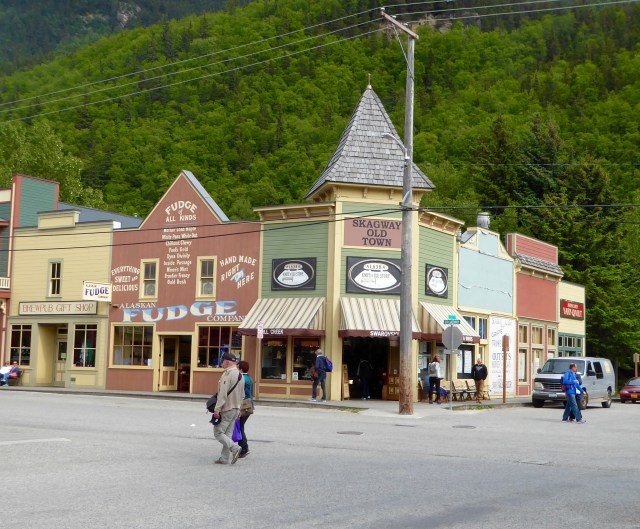
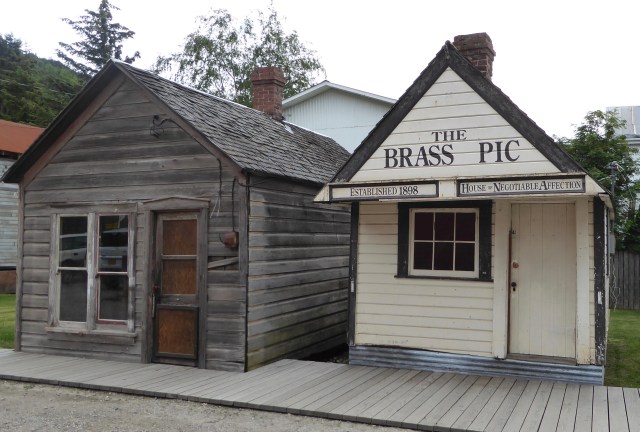
The next port was historical Skagway.   These small “cribs” remain from Skagway’s colorful history.  The one on the right advertises as a House of Negotiable Affection.   P1050086


P1050090
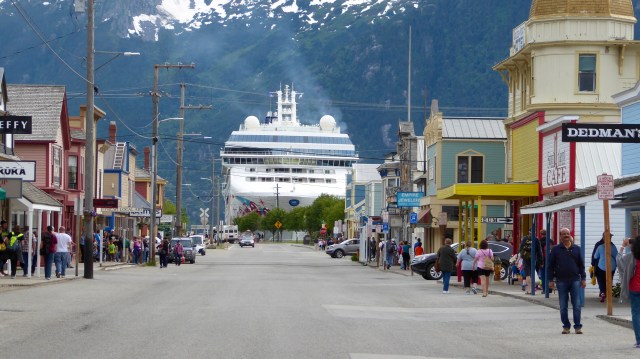
We’ve been to Skagway before and are always amused by the sight of our ship docked at the end of the street!


P1050162

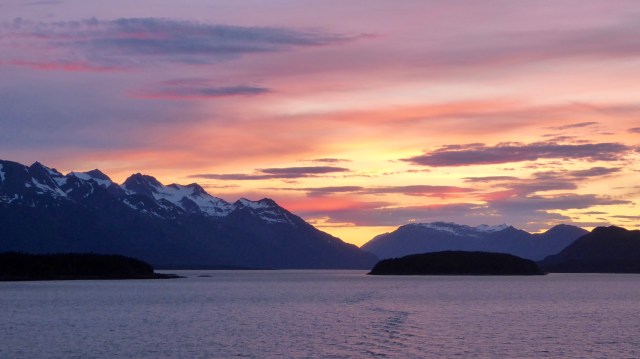
Leaving Skagway, we enjoyed the best sunset of the cruise. The entertainment on the ship was quite good, but that night Randy and I opted for natural entertainment – a sensational sunset viewed from our balcony!

P1050173

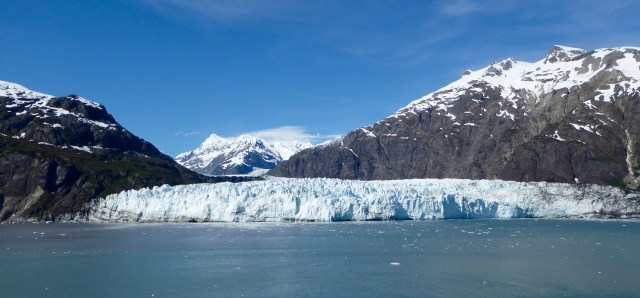
That was followed by another day at sea and a cruise through Glacier Bay. We saw several glaciers and a few whales. Good times!

P1050280

That evening we all celebrated my parents’ 60th Wedding Anniversary!

P1050209

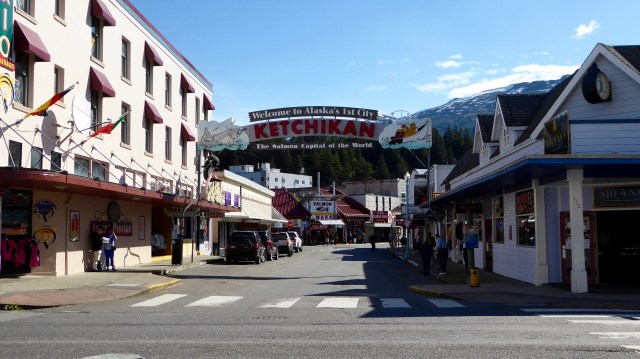
Arriving in Ketchikan, we left the ship bright and early  because our ship was only able to be at the pier until 8:45 a.m. when it had to leave because another ship was scheduled to  dock. Last week the cruise ship, Celebrity Infinity, accidentally took out one of Ketchikan’s four piers  (video here).  That pier won’t be fixed until the conclusion of the summer season. Thus, one ship each day has to stay offshore and “tender” passengers back and forth. Our ship was able to drop off those that went ashore early, but those who left the ship later, and everyone returning, had to tender back.

The tenders were the ship’s lifeboats.


In between getting off our ship and getting back on we went on a Duck Boat Tour of Ketchikan, seeing sites by land and sea.

P1050246

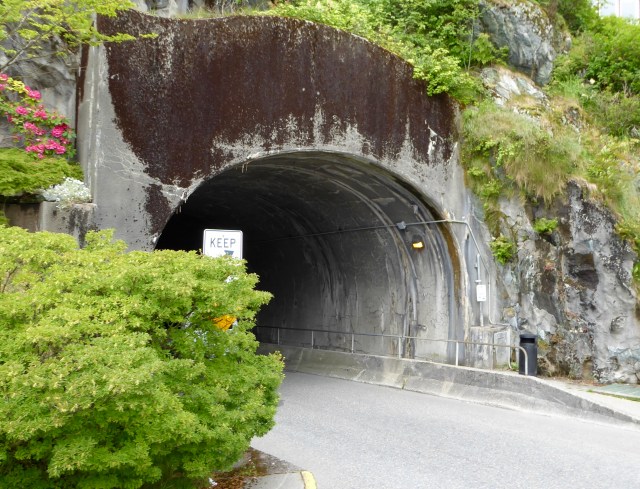
We went through this tunnel which is included in the Guinness Book of World Records. It is the only tunnel in the world where you can go through it, over it, around it and, if the tide is right, under it!


Ketchikan is surrounded by sea and the largest national forest in the United States, the Tongass National Forest totaling 17 million acres. We were told the Tongass National Forest Visitor Center cost more than all of Alaska – more than Seward’s $7.2 million purchase.

P1050221

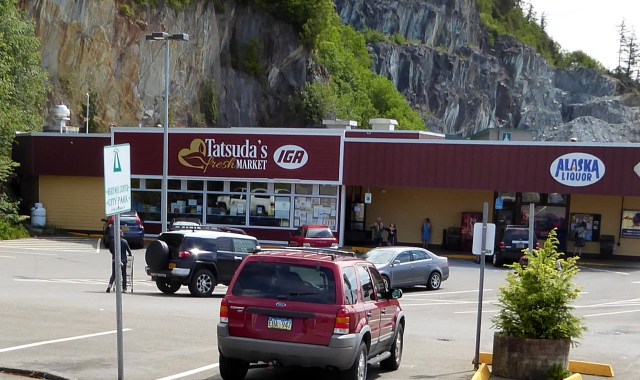
She also told us about the Tatsuda family who operated this grocery store before World War II. Being of Japanese decent, they were forced to relocate to an internment camp during the war. When the Tatsuda’s returned to Ketchikan, they found that the townspeople had continued to operate the store in their absence and presented them a check for their proceeds. Nice!

We enjoyed another sailing evening and day as we continued to head south. We were able to play several installments of the family rummy game and Randy and I were able to take our grandson to the “Guppies” play room for his activities.

P1040984

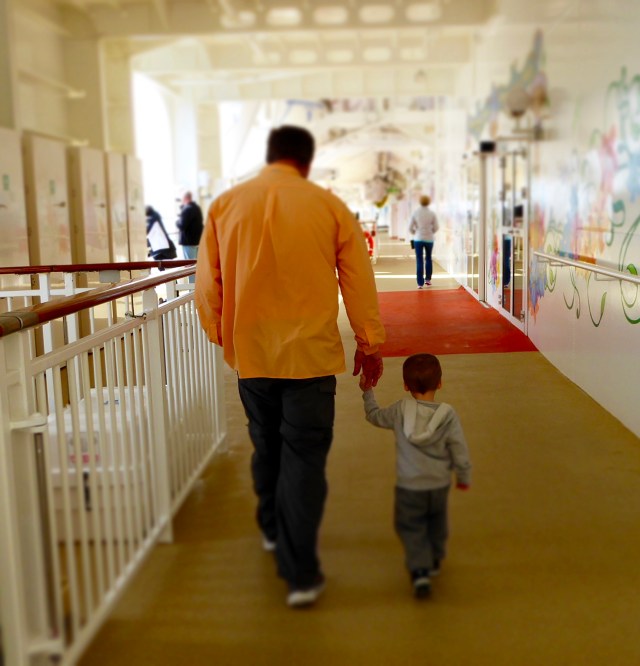
Beema-man loves hanging out with his little guy!

Our last evening of the cruise was in Victoria, British Columbia. If a cruise ship sails in international waters, it is required to make an international stop. Victoria,  Canada is the international stop between Alaska and Seattle.

P1050290

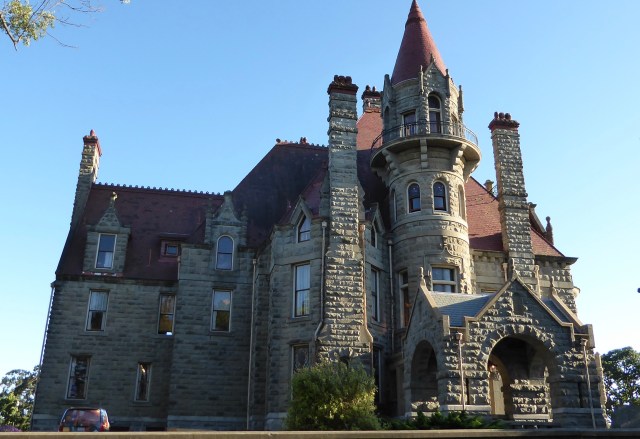
We took an excursion to Craigdarroch Castle,  completed in 1890.  Craigdarroch means “rocky oak place” in Gaelic.  The castle measures over 25,000 square feet with 17 fireplaces.   Craigdarroch had electric lighting a year before New York City.  It also has an interesting history.

Craigdarroch was built for the Dunsmuir family but unfortunately, Mr. Dunsmuir didn’t live to see its completion.    Mrs Dunsmuir, with three of the daughters and two grandchildren, were the only family members to live there. After 18 years as a family residence, Mrs. Dunsmuir passed away and none of the eight children  wanted this beautiful house.

All of the furnishings and sections of the property were sold. A lottery was held to see which of the new section owners would also receive the house. The winner chose not to live there and mortgaged the house which he eventually lost.

Craigdarroch was a Military Hospital during World War I and then Victoria College. It held offices for the Victoria School Board and then the Victoria Conservatory of Music. It has been a Historical House Museum since 1969.

Following another overnight aboard ship we arrived back in Seattle with the feelings of a great time well spent.   Thanks for the cruise mom and dad!!!!    We had a family breakfast and started going our separate ways.

P1050268

The “washy-washy” group sang and danced as they kept our hands sanitized and everyone healthy!

IMG_1678My parents, aunt, and we went to a Mariner’s Game. Unfortunately, the Mariner’s lost…

P1050312

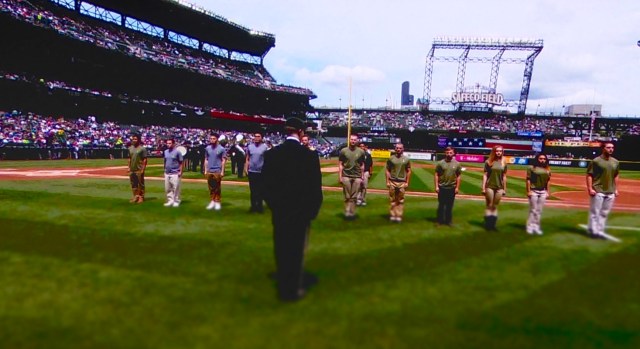
These Army recruits did their swearing in as part of the opening ceremonies.

P1050316

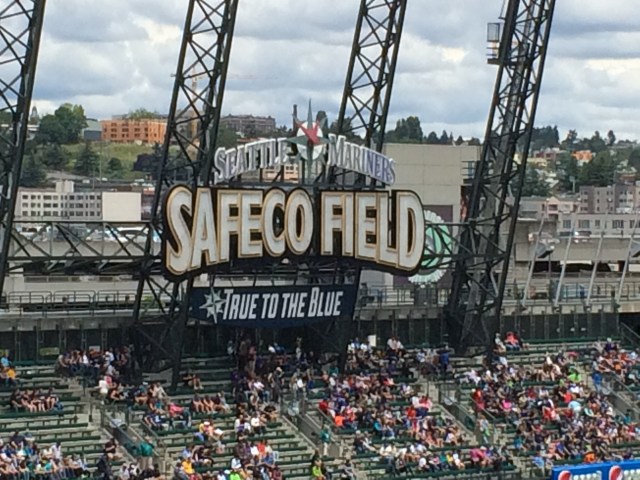
Fortunately, the nearest garlic fries were a row down and several seats away. In the past we actually changed seats  because of the very pungent garlic fries at Safeco Field!

After the game, my parents headed home to Vancouver and we headed to eastern Washington to take my aunt home, and reunite with our boy Elko, and the trailer.  (Thanks Lisa, Chris and Kylee for keeping our boy!)

This morning Randy is having two new tires put on the trailer (again) and the axles aligned (again) before we take off.  Today’s destination is Missoula, Montana as we begin a northern tier itinerary across the US.  We are scheduled to be in Vermont in about six weeks.  We are glad to have you along on our journey.

Posted in Uncategorized | 7 Comments

Familiar and Family Ground

P1040747

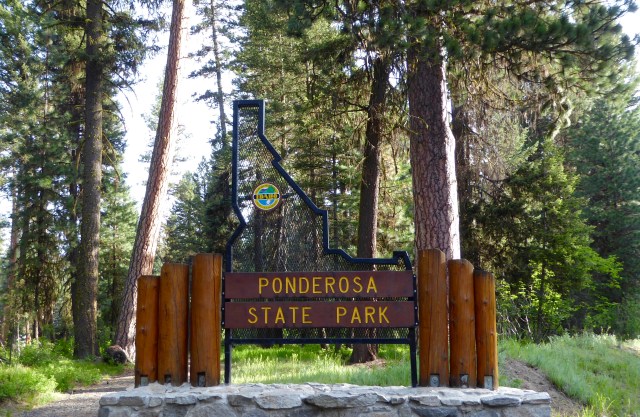
A very familiar place in McCall, Idaho.

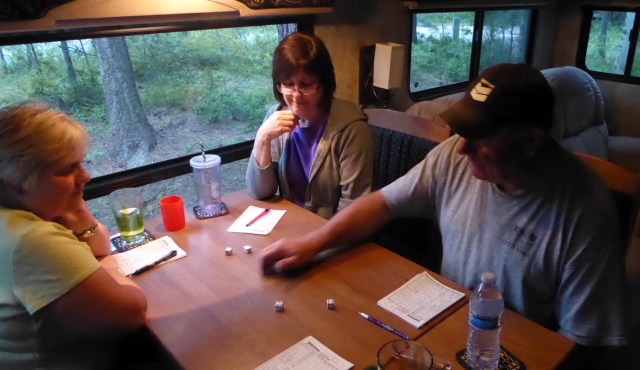
We spent most of a week at Ponderosa State Park in McCall Idaho with friends Darrell and Cindy.  In addition to hanging out and disc golf, we had some rockin’ Racko and Yahtzee games!

P1040755

Darrell scored a 10 on his 2s and Randy got a 6 on Four of a Kind. They had a rough go of it!

McCall is a destination with great summer and winter activities. I love that these chairs that show just that!

P1040750

P1040751

Nestled in the trees is nice – but no satellite for a week!

We moved to my cousins’ yard in West Richland, part of the Tri-Cities area in south eastern Washington, a place my extended family has lived for many years. As I grew up I knew that both sets of grandparents moved to eastern Washington so my grandfathers could work at Hanford. They lived in company housing in Richland and my parents met as kids in the neighborhood.

Fast forward decades and we’ve all learned more about Hanford. Unfortunately there is a long history as a Superfund Clean-Up site and most believe, a legacy of cancer victims, including my grandfathers, uncle and cousin.  But it is also a success story of great magnitude.

P1040809

We were able to learn some Hanford’s history yesterday when we went on a tour. In 2008, Hanford was designated a Historic National Landmark – on par with the Alamo and USS Arizona. Last year, Hanford, in combination with sites in Los Alamos, New Mexico and Oak Ridge, Tennessee became national park #490, The Manhattan Project National Park.

Tours of the site, and an openness about the work done at Hanford, would be unbelievable to those that planned and worked at Hanford in the 1940s, 50s and 60s.

P1040854

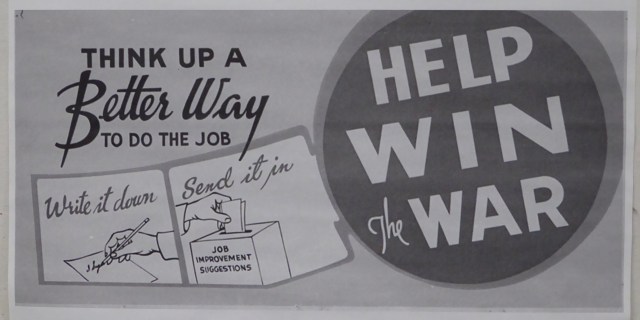
Think back to when Germany was dominating Europe and Pearl Harbor had been attacked by the Japanese and the US was drawn in to WWII. Scientists who left Europe were aware that Germany was trying to create an atomic bomb and were encouraging the US government to do so as well. When Albert Einstein added his name to their effort things got rolling.

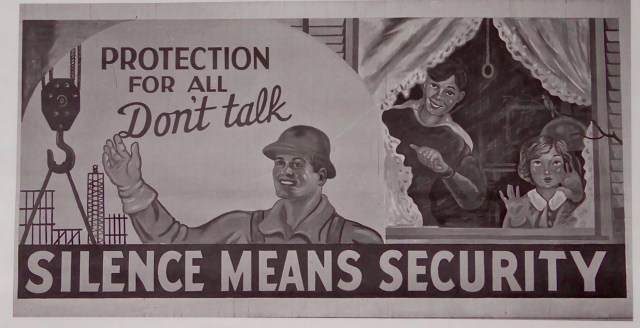
The Manhattan Project, named because the man in charge, General Leslie Groves, had an office in Manhattan, was urgent and top-secret. General Groves could co-opt anything he needed from any other agency in the war effort.

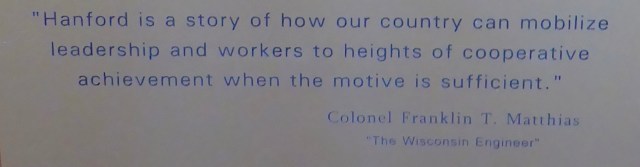
General Groves had identified Los Alamos as a test site and Oak Ridge as a site for uranium processing but needed a site to make plutonium. In December 1942, Colonel Franklin Matthias, began looking for a place that was remote, had a supply of fresh water, had low population for safety and security reasons and had raw materials for making concrete. Six hundred and seventy square miles of southeastern Washington was selected.

P1040921

The people currently living in the area, Indians and those in and around the small towns of Hanford and White Bluffs, were bought out and told to leave, one of the first times on record “eminent domain” was used. By report, the payout amount was generous enough but those effected had difficulty finding other lands that had irrigation water available.

DuPont Corporation was Grove’s choice to construct and run the site. Heavily involved with munitions during World War I, and having a reputation as a “corporation of death,” DuPont originally declined. However, General Groves was convinced they were the right company because of their high quality reputation and DuPont started construction in 1944.

P1040759

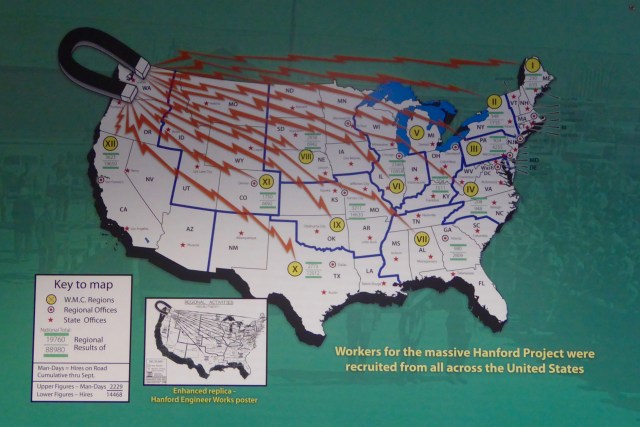
One hundred thousand workers, including my grandfathers, came from all over the country to work at the Hanford site. Half of them left because of the desolation and harsh climate. Strong winds were called “Termination Winds” because so many people lined up to quit after big dust storms.

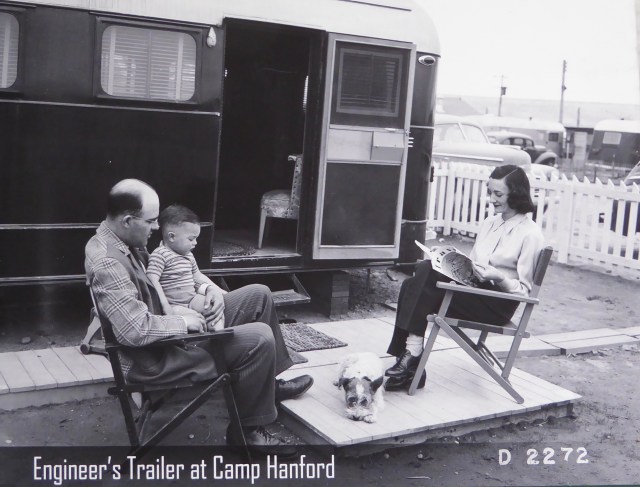
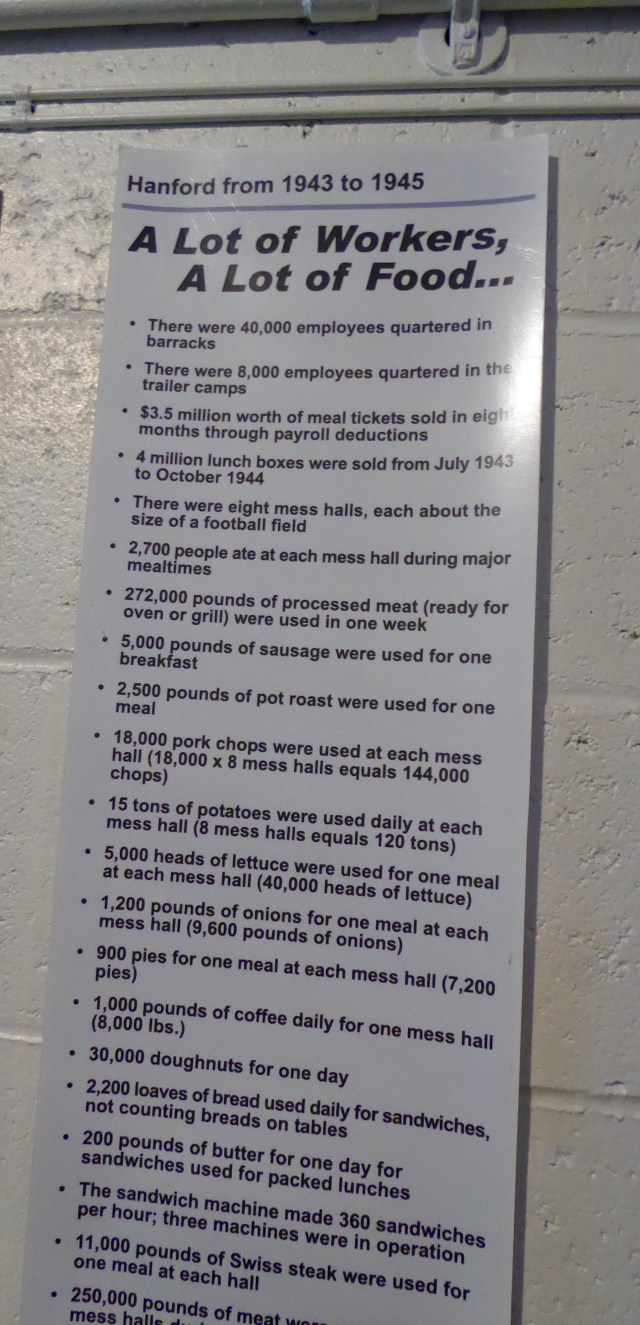
The population settled in at about 45,000 workers making Hanford the 4th largest city in Washington and the largest voting precinct. It had the largest “general delivery” post office in the world. Forty thousand workers were housed in barracks while others lived in trailer parks on site. Administrators lived in the government village of Richland.

P1040884

My father’s  and my aunt’s families both lived in trailers on site, two of 10,000.

P1040901

This partial list of food needed in area mess-halls is interesting.

P1040823

Construction of Reactor B, the world’s first nuclear reactor, took 11 months and was operational in a total of 13 months. Theory to execution took less than two years.

P1040917

Hanford received heavily guarded shipments of uranium and produced very small amounts of plutonium. A ton of uranium yielded 1/2 pound of plutonium. Initial levels were 230 grams per day. The amount of plutonium needed for the first nuclear bomb test, completed in Los Alamos, was hand carried in a briefcase by train.

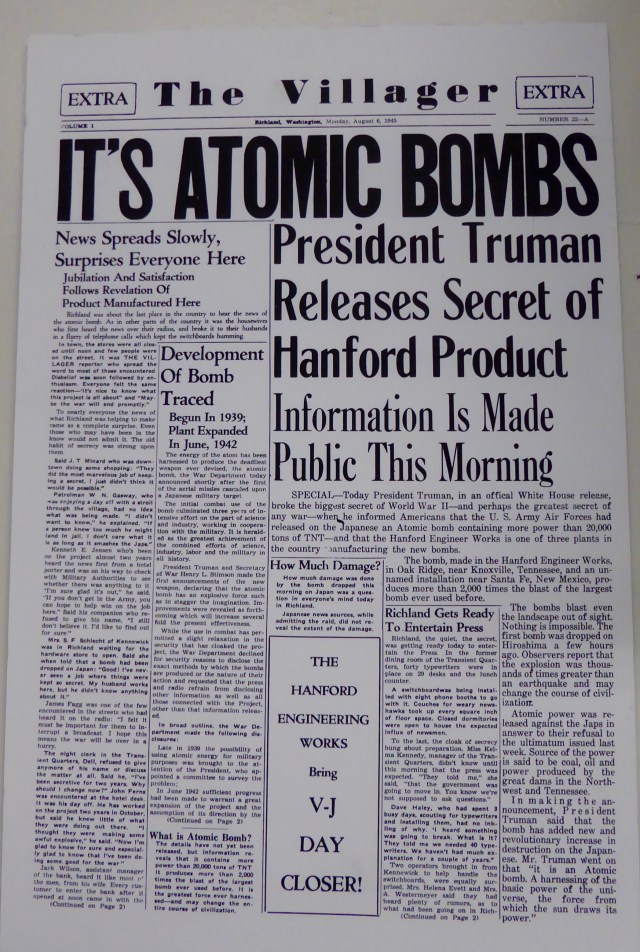
Many workers and area residents didn’t know exactly what was going on at Hanford until President Truman made it public in August, 1945.
P1040837

The second atomic bomb, developed to use uranium at Oak Ridge, Tennessee was dropped on Hiroshima.  The third bomb, built in Los Alamos, using plutonium from Hanford, was dropped on Nagasaki. Japan surrendered 6 days later.

After Russia detonated their own atomic bomb in 1949, Hanford continued to develop plutonium for cold war weapons for decades. Eventually there were nine reactors at Hanford. Modifications to the equipment and processes eventually yielded 1800 grams of plutonium per day.

The site was decommissioned as part of a arms reduction treaty in 1987. Russian inspectors come to this site each year to inspect, as ours do with their sites.

P1040911

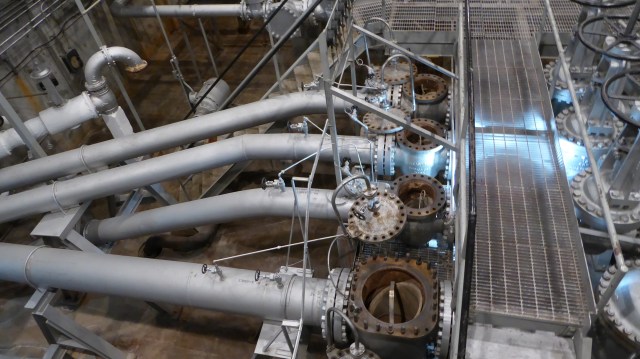
These water cooling tubes better look the same as they did the last time the Russians came to check.

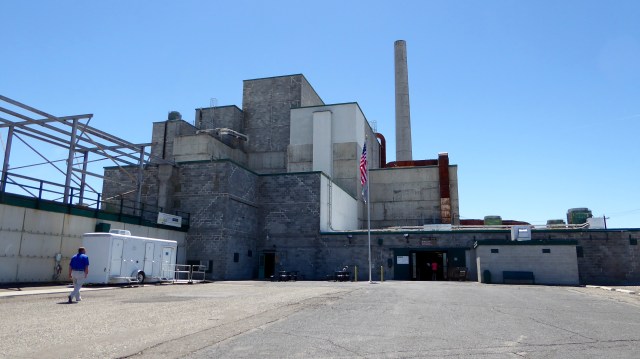
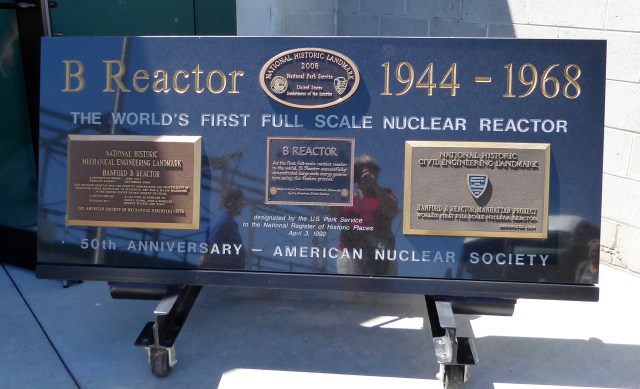
So, many years later, we can see the the “areas” and go into the B Reactor, the worlds first nuclear reactor. B Reactor was shut down in 1968.P1040807

P1040815

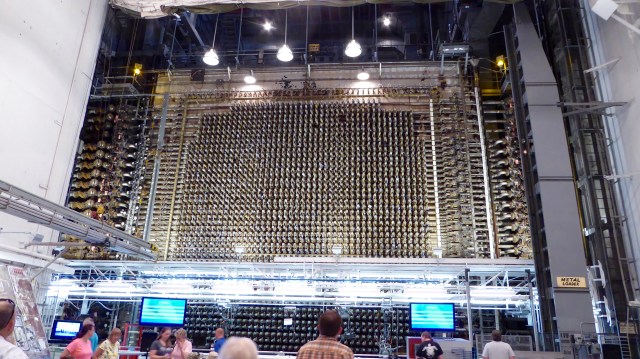
The front face of the B Reactor

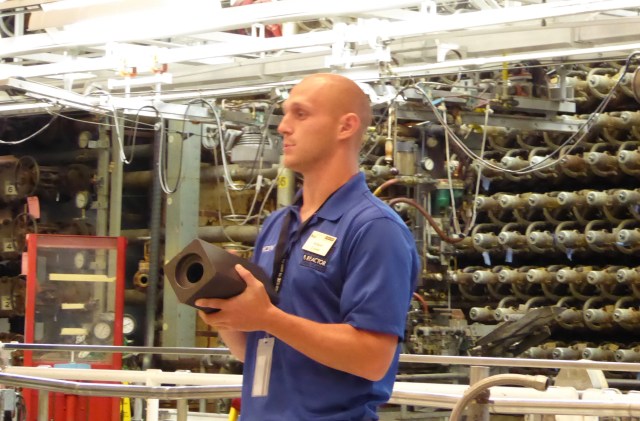
During the tour, the process of irradiating the uranium and eventually getting small amounts of plutonium is explained in mostly understandable ways. What I really understood is that this was an impressive feat, made even more so because the engineers back then didn’t have computers to do all these calculations and designs.


The construction workers, plant operators and support workers believed in what they were doing and did it well. One process they developed took 55 degree water from the Columbia River and purified it through settling ponds and filters. When the water went through the reactor as a cooling agent it went from 60 to 190 degrees in one second.  The still pure water was cooled again and put back into the river. The basics of this process are still used today in water treatment plants around the world.

P1040821

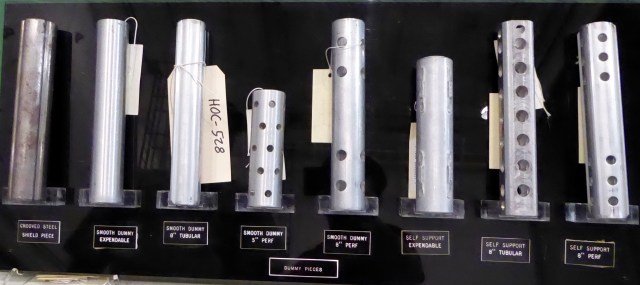
75,000 of these graphite modulators were laid and were only off center by only 1/4 inch.

P1040870

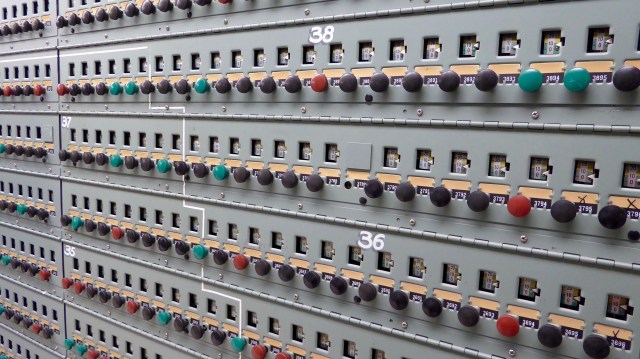
Individual monitors for 2004 separate tubes loaded with fuel slugs.


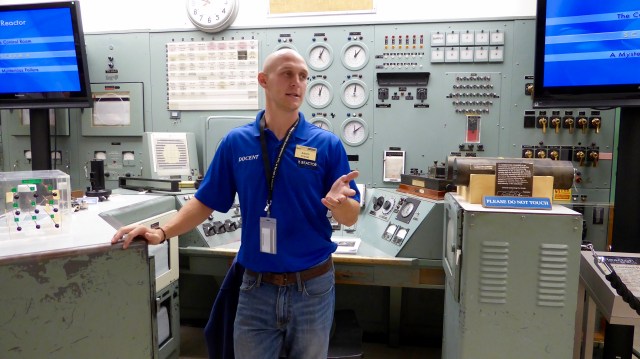
P1040878

The Control Room

P1040856

Initially, those who worked here believed they were helping  end the war a day earlier for every day they worked. Later, they believed they were keeping our country safe. I am proud that these people included my grandfathers and uncle all of whom worked  at the B Reactor.

P1040912

My uncle changed the cylinder slugs on the front face of the B Reactor during his work at Hanford.

My grandmother taught in a Hanford camp school and my father and aunt attended elementary school on site. Both of my grandmothers and my mother worked clerical jobs at Hanford. My cousin worked maintenance as a pipe fitter on another of the reactors.  Currently, another cousin, Chris, works as a driver in the Super Fund clean-up operation.

My family’s history with Hanford is extensive and we were glad to be able to visit the site and take the B Reactor tour. The National Park offers two other tours, one about the history of the two small towns and people who were displaced, and the other about the clean-up still in progress. We plan to go on those tours on another trip to this familiar and family ground.

Posted in Uncategorized | 4 Comments

Walkin’ to Idaho

We spent a cool, soggy weekend near Sumpter, Oregon with Natasha, Seth and Archer, my parents, and my aunt and cousins. Fortunately my dad brought firewood!

P1040653

P1040658

During rainy times, we played cards in the “garage” of my cousins’ toy hauler trailer. With two trailers, fires and some breaks in the rain – we made out okay. But, we are planning our gathering for June next year!

By Sunday night, only we and my parents remained. They took us to dinner in Baker for our 36th anniversary and then headed back to Vancouver the next day.

P1040660

Monday morning the sun was shining so we decided to stay another day. We’re retired – we can do that!

P1040662

Union Campground, between Baker and Sumpter, is one of our favorite spots, so it was an easy decision to stay and enjoy the quiet and trails.

While we wandered around the park we saw this tree top nest and sitting osprey (?).

P1040703

A day late, we made our way to Copperfield Park in Oxbow, Oregon. This park is one of a series of campgrounds along the Snake River developed by Idaho Power. Every third vehicle in Oxbow is a white Idaho Power truck!  We also saw a deer wandering down the street.


When we arrived and did our regular set up, the bed frame in our bedroom slide settled askew. We have had trouble before but this was by far the most dramatic event. Handy Randy had to resurrect his engineering skills and took a full two hours to diagnose the problem and figure a solution.

P1040684

The original design had the bed frame attached to a wall with eight screws. Given the movement of the slide, those screws tore away from the wall with time and use. The fact that we have a heavier memory foam mattress, instead of the cheap RV mattress that came with the trailer, was surely a factor. However, the slide itself pivots up and down  about 4 inches as it makes its way in and out every time we move. Randy was very disappointed by this design because it was “guaranteed to self destruct and rip away from the wall.” It was no surprise that it eventually did just that.

Handy Randy eventually figured a solution that stabilized the frame and allowed for the needed slide movement without actually attaching the bed frame to the wall. He had to go 17 miles to the nearest hardware store in Halfway, Oregon, spend $27 and get 16 pounds of wood and screws (weight matters in a trailer).  Once again, Randy fixed the problem himself. If we had taken the trailer in for repair, they would have undoubtably just replaced the screws and we’d have had the same thing happen again down the road.

While he was spending all day on his project, I spent several hours repairing a quilt that my grandmother made for us as a wedding gift 36 years ago. My stitching is an insult to this beautiful quilt, but at least the loose pieces are secure.

It took all day but finally our separate bed projects were completed! Then it was time to enjoy the park and the area.

P1040693

Copperfield Park is meticulously maintained and has lots of green grass – something we thoroughly enjoy these days.

We had hummingbird visitors including  this beautiful orange guy!  Our birder friend, Mark, says an iridescent neck indicates a bird is a male – typical in the bird world!

P1040696

We were very close to the Snake River.  In fact, we walked to Idaho (across the bridge) a couple times each day!

IMG_1628

A view of Copperfield Park from the Idaho side.

P1040701

From the Idaho side we could see the Oxbow power plant, part of the Oxbow Dam complex.  It is interesting that this close to a power plant, we still only had 30 amp power.  Of course, this park was developed before there were so many “big rigs” wanting 50 amps.

Oxbow and Copperfield Park are just south of Hells Canyon Recreation Area.  We have been to the recreation area numerous times (not to say we’ve seen it all) so we decided to drive  along the Snake River and explore the other Idaho Power parks.

P1040714

P1040710

Elko got tired of the scenery and took a nap.

P1040717

Randy and Elko waiting while I took a picture or two or three.

This morning Elko’s stroll was walkin’ to Idaho again.  He alerted me to a deer but then lost interest.  The deer was way more interested in the big, black dog than me.


As I write, we are driving in Idaho.  We are on our way to familiar territory, Ponderosa State Park in McCall, Idaho. We are excited to spend most of a week camping with our friends, Darrell and Cindy. If any more of our Idaho friends happen to be in McCall – please let us know. We’d love to get together before we head to New England in mid-June.

Posted in Uncategorized | 6 Comments

Our Second Anniversary!

May 19th, 2016 marks our second anniversary of moving out of the house, into the trailer and becoming full time RVers.  (Click the following link to read the blog post from that first week  – We made it! We are full time RVers! )  It was a hectic beginning to make the move while I was finishing my last few weeks of teaching kindergarten but we survived it. We left Boise in June, were gone for most of the summer, and then came back to Boise for six weeks for me to actually retire. We took off for real on October 1, 2014.

A lot has happened in the last two years and we feel like we have settled into a nice routine. It hasn’t been totally painless, like the time we had mice – Of Mice and Man but overall we love the lifestyle and plan to keep on going indefinitely.

I asked each of my guys (Randy and Elko) what two things stand out for them as highlights of the last two years.

P1020393

Elko said the best part for him was having his people with him almost all the time. He really likes family togetherness and wants both of us to go on many walks with him each day. He loves his routine of getting up with mom and then going back to bed with dad until it is time to get up for real.

P1020338

Morning sunrise at Chief Plenty Coups State Park

His other highlight was writing his first blog post about life at Chief Plenty Coups State Park in Montana. That link is here: Guest blogger: Elko  He got good feedback and is beginning to think about writing another.

Randy’s first highlight was going to the Tucson Escapade in February 2015. We went to RV Boot Camp and learned so much, even though we had been RVing for years. Following that, we were able to spend a week with other people who are passionate about this lifestyle while attending seminars and enjoying fellowship. That is where we met Beth with whom we’ve been traveling the last two weeks. In mid-July we’ll be at the 2016 Escapade in Vermont.

Randy also mentioned our volunteer experiences. We had always enjoyed speaking with camp-hosts wherever we saw them and were glad to join their ranks. We remember each of our experiences fondly and were glad we had a chance to give back in that way. During 2015, we spent May at Cove Palisades State Park near Redmond, Oregon, July and August at Farragut State Park near Coeur d’Alene, Idaho and September at Chief Plenty Coups State Park near Billings, Montana. We value the friendships we made at each of those parks and look forward to volunteering again in 2017.

One of the things I have always enjoyed was planning travel and I’ve done a ton of that over the last two years.   Am I living my dream or what?  Of course, some people live this way without planning but I enjoy the time I spend studying maps and routes and doing research on campgrounds.  It is a puzzle to figure how to get time with family, meet up with friends and see lots of very cool places!

Goblin Valley was a very cool place! Our blog post from there was: Unique Landscapes

We have a 140 page “to do” document. It is too big to be called a list! I am constantly taking notes about places I read about or hear about or copy from other blogs.  140 pages – I’m not kidding!  We’ve got years ahead of us…

I enjoy the opportunity to learn new things every day and that is such a highlight for me. Almost every small town has a museum to explore. I’ve learned way more about planes and cars than I ever thought I’d want to know! I’ve learned about all kinds of mining, Titan missiles, Indian war bullets and the Crow. I’ve learned about the Women Air Force Service Pilots,  respirators, the Hearst castle and elephant seals. And on and on!

The single most impactful place for me was the Manzanar Japanese Internment Camp near Lone Pine, California.   It was sad and embarrassing and horrible, and yet, the Japanese internees tried to make a life for themselves behind barbed wire.

Being able to visit these places and then share them through the blog helps me explore and learn with a keener eye. Thank you for reading.


Posted in Uncategorized | 7 Comments

Destination: Dinner!

We have traveled the west far and wide over these last (almost) two years and have chosen destinations for reasons of scenic beauty, available activities, visiting friends or family, weather management, or just stops along the way. This stay in La Pine, Oregon is a first. We routed here for one reason – dinner.

IMG_1589

Randy and I first heard of Cowboy Dinner Tree from other campers while in Bend a couple of years ago. The restaurant’s days and hours are limited, their location is remote and you must have reservations so they know how much food to cook.

Many thanks to our friend Beth for playing along (and driving) because, even here in LaPine, we are still 50 miles from the restaurant. It is truly out in the middle of nowhere under a large tree that use to be a “shade and dinner” stop halfway along the cattle drive trail. The small town of Silver Lake is 4 miles away – not close enough for electricity – so all cooking is done over wood or with propane.

IMG_1585

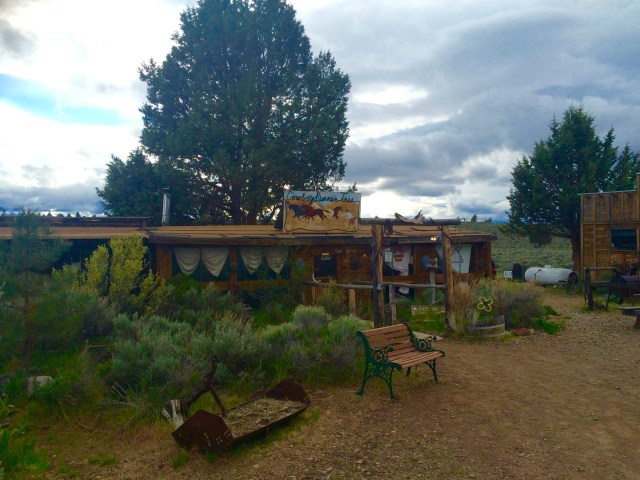
The namesake tree is in back. Don’t let appearances fool you – this place has good eats!


IMG_1590

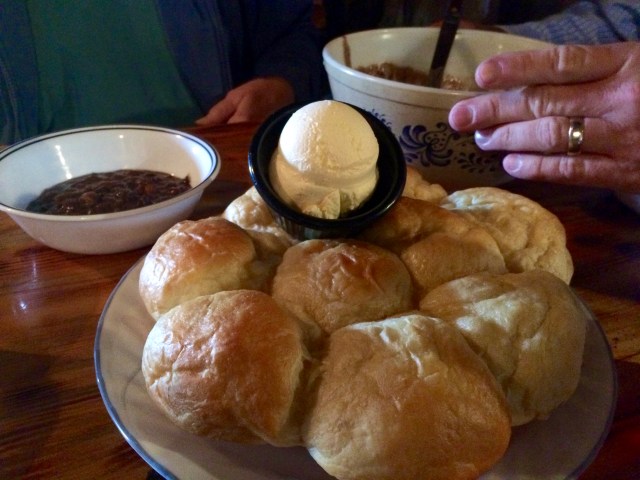
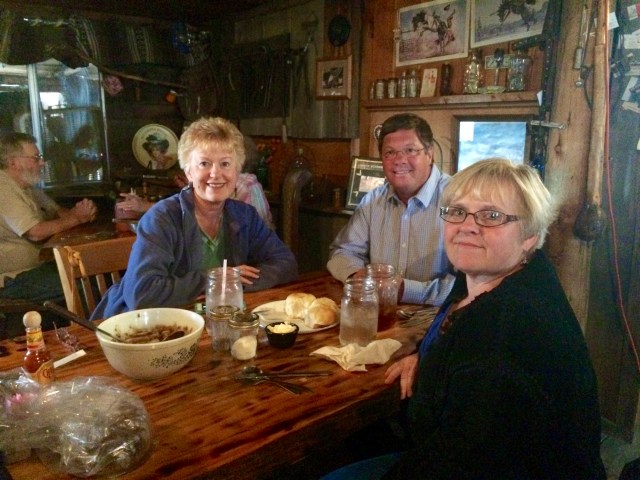
Dinner begins with a salad course followed by cowboy beans and the best rolls in the world.

IMG_1594

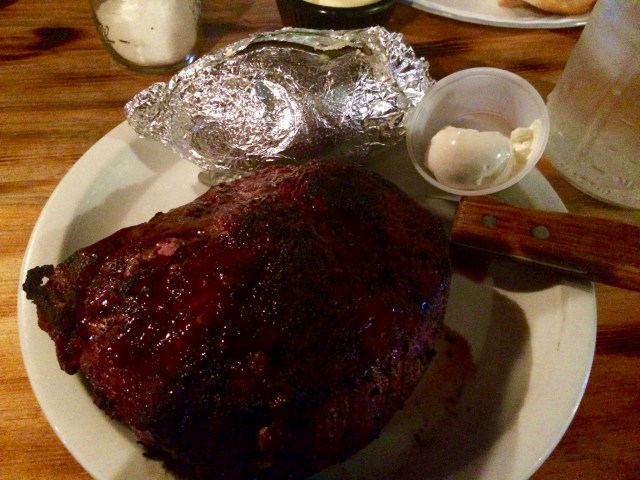
The main entree is a 26 – 30 oz .steak, or whole chicken, served with a baked potato.  You must choose your entree when you make reservations. A small dessert follows the main course.

The atmosphere is old time cowboy and drinks are served in large mason jars. It was totally a delightful experience – one we would all repeat. We could tell who the experienced diners were because they brought tupperware along to collect their leftovers from every serving. We have enough steak left over for at least two meals!
IMG_1598

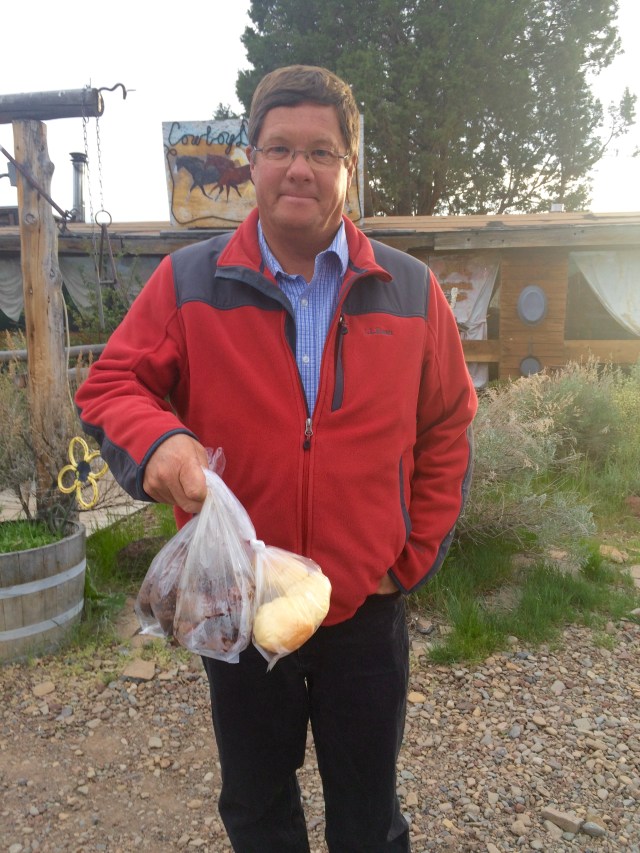
The restaurant provide plastic bags for those of us new to the experience.

The cost you ask? $30 per meal – “no credit cards, no debit cards, no kidding” – and worth every penny and mile to get there. Their advertising is all word of mouth (I’m doing my part) and business is brisk.

IMG_1593

Today we move 30 miles to Tumalo State Park west of Bend. That will be our last of four stops with fellow full-timer Beth and it has been a blast to travel together. In addition to this memorable dinner and seeing sites in Reno, Carson City, Virginia City and Lava Beds National Monument, we have enjoyed hanging out, watching some very old James Bond movies and playing card games. Getting together again somewhere along the way will definitely be on our radar.

After Tumalo, Beth is headed toward her volunteer lighthouse gig on the Oregon coast and we are staying in Oregon to have a family get together in Sumpter.  Life on the road is a joy and we are blessed.

Posted in Uncategorized | 4 Comments

“Peaceably if you possibly can, forcibly if you must.”

“Peaceably if you possibly can, forcibly if you must.” Those were the words spoken by an Indian agent tasking the US Army with gathering sixty Modoc warriors and their families and taking them back to their assigned reservation.

P1040627

Captain Jack

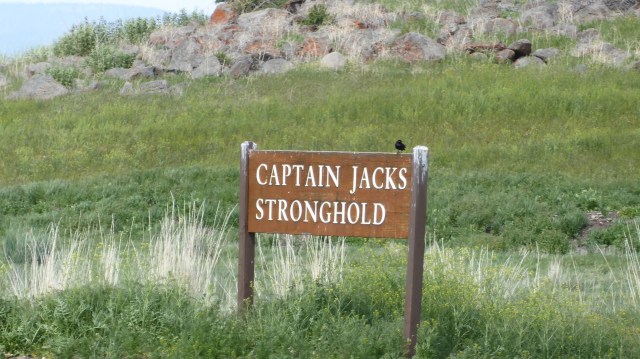
The Modoc leader, Captain Jack, refused to go and the Modoc Indian War began in the fall of 1872.  He, his warriors, and their families retreated into jagged, defensible volcanic formations.   They used caves for homes and built rock walls to further defend the stronghold.


The Army’s contingent was 1000 troops strong yet the warriors withstood their minor and major assaults for six months, until April 1873.  The Modocs only surrendered when their water source to Tule Lake was severed. This area has since been called Captain Jack’s Stronghold.

P1040650

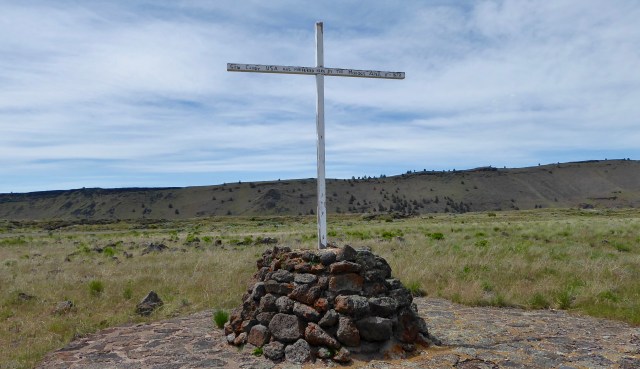
General E.R.S. Canby was killed in battle with the Modocs, the only general ever killed in an Indian War. This cross, accusing the Modocs of murder,  is a replica of one erected in the years after his death.   The adjoining placard talks about the differing perspectives on the Canby’s death: the perceived murder vs. the attempt to stay and live in one’s home.

P1040613

“GEN CANBY WAS MURDERED HERE BY THE MODOCS  APRIL  11, 1873”

Today, Captain Jack’s Stronghold is part of the Lava Beds National Monument in northeastern California.

P1040557

The area is vast and over 800 lava tube caves have been found within the 46,000 acre park. Two dozen caves are open for public exploration.   Beth, Randy and I decided to see a few for ourselves.


Our first stop was at the visitor center for information and a permit. The ranger quizzed us on previous cave experiences and determined she should clean our cameras and Beth’s and Randy’s boots – mine were new since our last cave exploration.   Beth and Randy had to walk around in stocking feet for a little while.

The rangers are hoping to avoid visitors contaminating the local bats with White-Nose Syndrome.  This disease has been killing bats in eastern caves at an alarming rate since 2006. Only within the last month was the first case of White Nose Syndrome confirmed west of the rockies.  A bat was found with the disease near North Bend, Washington, many miles from the last most western case in Nebraska.

P1040564

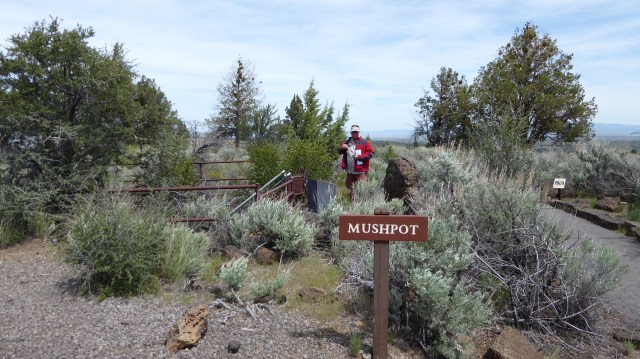
Once cleared, we explored several caves. The Mushpot cave near the visitor center had a ladder entrance and then a nice easy trail with lighting available.

P1040567

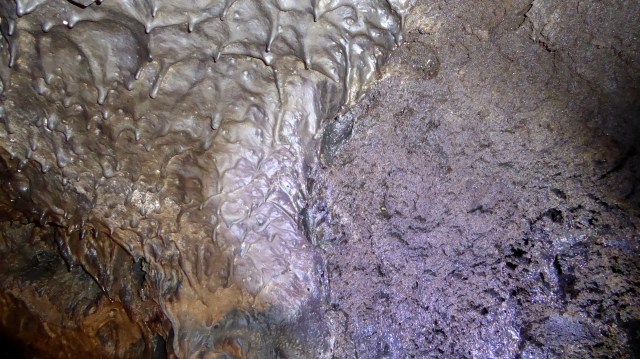
There were a variety of textures visible on the cave walls.

Some caves required climbing down into them and walking on uneven surfaces. Some had different offshoots to explore – or not.

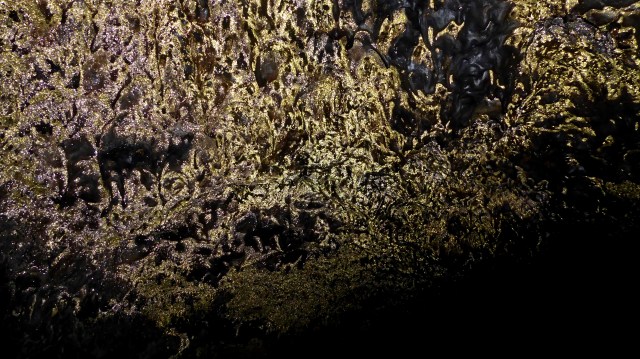
The Golden Dome Cave has a type of bacteria that appears to glitter like gold when exposed to light.

P1040581

The caves are rated as easy, moderate and difficult due to the terrain, the elevation change and the height of the tube as you pass through the cave.

P1040585

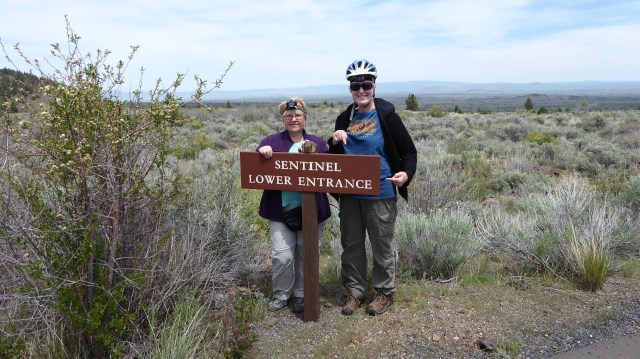
Beth and Serene in headlamps and helmet ready to explore the Sentinel Cave.

We explored two easy and three moderate  caves. We declined the chance to crawl around and squeeze through low openings! Maybe another day….not!

P1040590

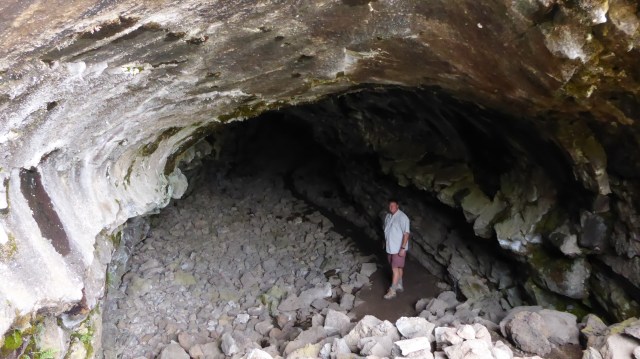
It looked like one of the easy caves to begin with – a nice path and an open entrance.  Soon we were going down, down, down a series of steps to an ice cave.   And then up, up, up on the way back out.    The change in temperatures from the outside to the inside was always stark and refreshing.

P1040593

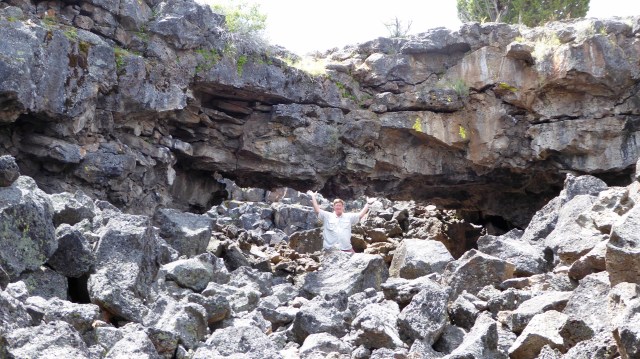
Randy holding up a land bridge as we exit one of the caves!

Posted in Uncategorized | Leave a comment

Can’t Pass the Teacher Exam

We recently drove to Virginia City and spent some time exploring the old boom town. Virginia City was “the richest place on earth” for 20 years after the country’s largest silver deposit was discovered in the Comstock Lode in 1859.  Virginia City’s population reached 25,000 residents and had a variety of saloons, restaurants and even an opera house hosting all the great performers of the day.

P1040505

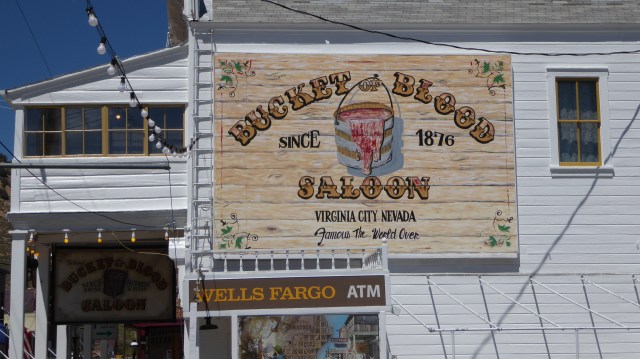
The Bucket of Blood Saloon was so named because there were so many fights that the mop bucket was always red after clean-up the next morning.


P1040502

Even “Mark Twain”  worked on the local paper in Virginia City.

Virginia City had shops, hotels, churches and schools.


P1040513

The Fourth Ward School was named because it was built in the fourth voting precinct.

We toured the Fourth Ward School during our visit.  Built for 1000 students in 1876, the school eventually had a student body of 150 in its last class of 1936 – mirroring the decline of the once booming town. (Current year round population of Virginia City is about 1000 people.) The school sat empty for 50 years until restoration efforts began in 1986.

We enjoyed touring the old school and trying, and failing, to pass the teacher’s exam from 1877!

P1040544

With many college degrees between us, and successful business and teaching backgrounds, Beth, Randy and I could not pass the teacher’s exam – even collectively!

P1040506

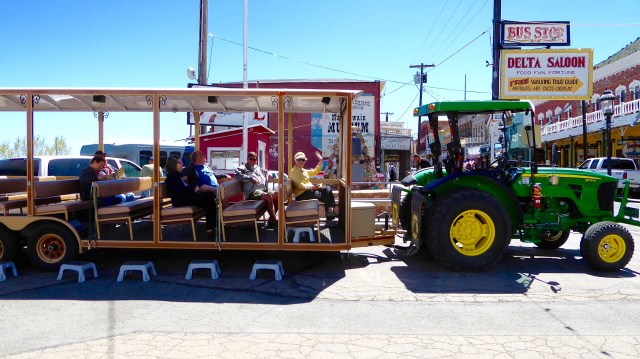
Beth in the front seat, Randy in the second – Both trying to sit in the sun!

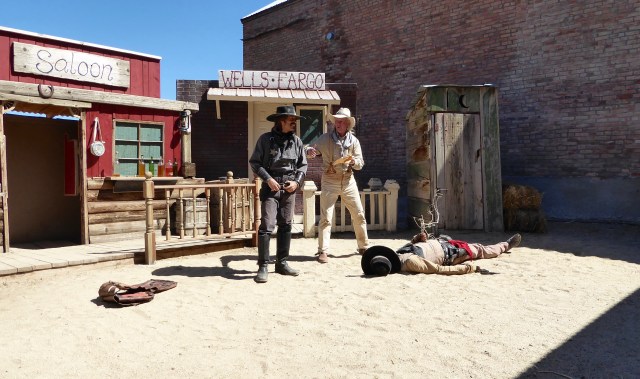
We took a trolley tour around the city, ate lunch in an old saloon and watched a gunfight re-enactment.

P1040532


P1040514
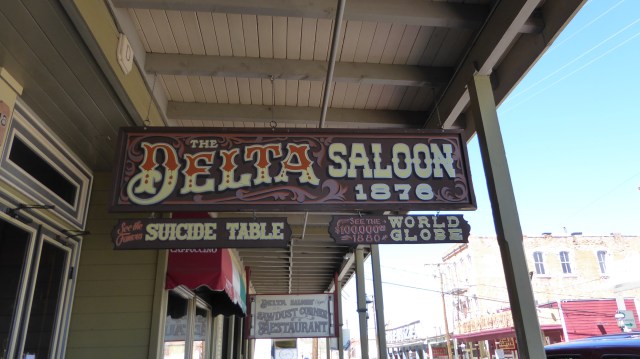
We visited the Delta Saloon and saw the Suicide Table – so named because several men chose to end their lives because of great financial loss at this Faro Table. Ripley’s Believe it Or Not once did a feature on the Suicide Table.


We also saw the Old Globe, commissioned by one of the town’s richest founders, James Fair at a price of $450 in 1880. It is now valued at more than $100,000. One of the interesting notes about this globe is that it shows a completed Atlantic Cable, financed by one of Fair’s  mining partners, James Mackay – only the cable wasn’t completed until 1886. He must have had confidence in his partner – and why not? They were some of the richest men anywhere after their mining pursuits.

We visited Virginia City in early May and some of the venues had not opened for the season but we still had more options than we had time for.  Another visit is likely in our future.

P1040553

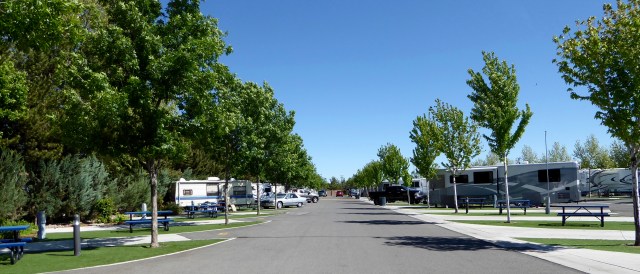
Street view of Sparks Marina RV Park. There is a small lake nearby where we all enjoyed morning walks.

Our home for the week was the Sparks Marina RV Park.  Good Sam RV Club rates RV parks across the country and this resort has a 10/10/10 rating – the highest possible. The resort has nice amenities and is kept spotless. There is astroturf for grass around the park so it stays green despite the harsh seasons.

P1040547

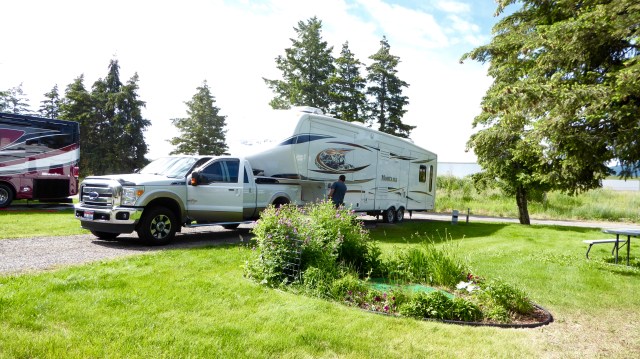
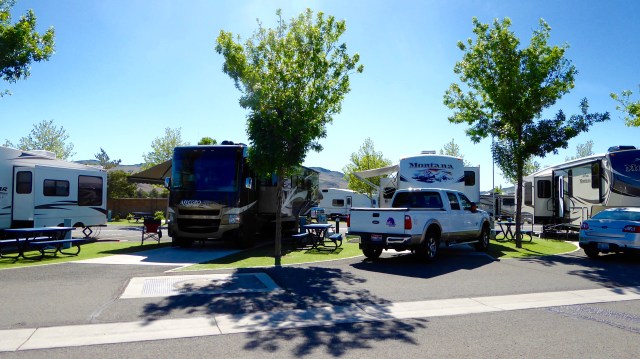
Beth’s motorhome is to the left of our fifth wheel.

The only downsides we experienced was that the sites are quite close together and they are quite restrictive on where dogs can do their business.

P1040550

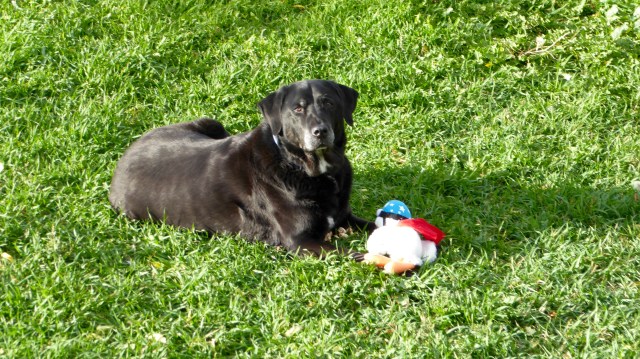
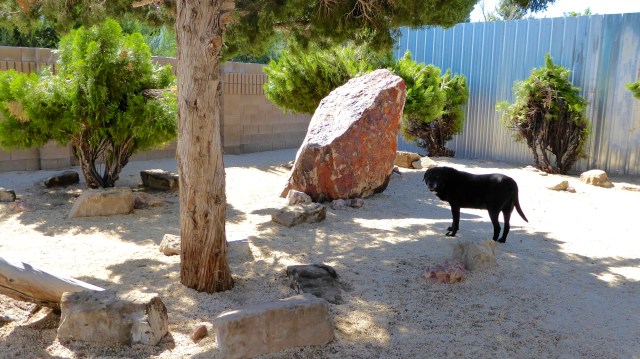
Elko loved the dog parks!

However, they absolutely win the prize for the best dog parks ever! They are visually appealing, even to the people who come hang out with the dogs, and Elko loved going to all three of the parks. The smells were a smorgasbord for a black boy with big nose!

Posted in Uncategorized | 2 Comments