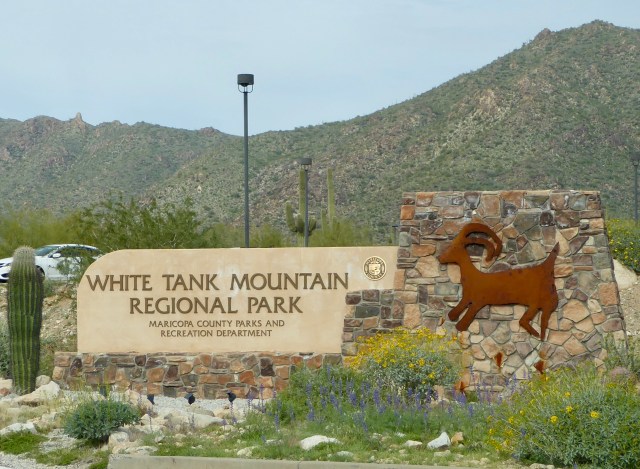
After a month in an RV Resort, we’ve spent the last few days back in the desert at White Tank Mountain Regional Park. Randy has told me several times a day that he really likes this park! This is our third stay at a Maricopa Country Regional Park and they have each been very nice. We have three more to explore in coming years.
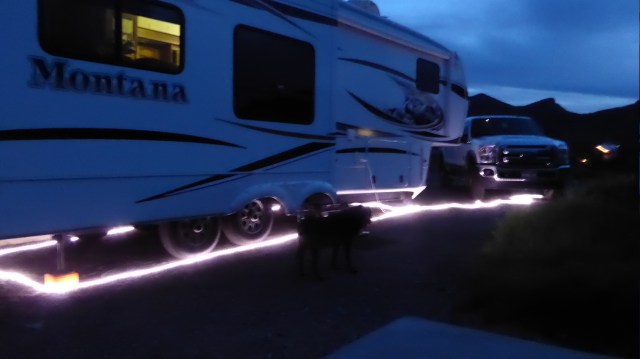
Back in the desert means pulling out the rope lights to discourage the pack-rats!
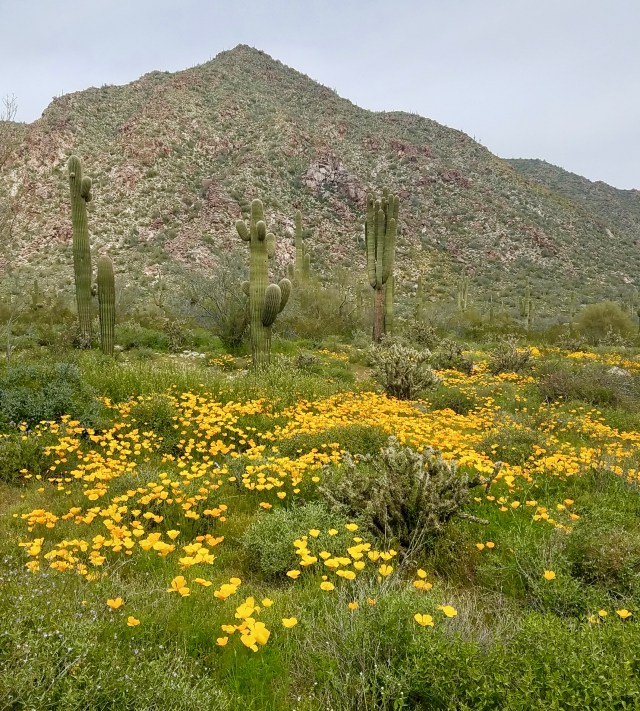
Love the Mexican Poppies!
We have been fortunate to be here at just the right time to enjoy the desert wildflowers. They are everywhere!


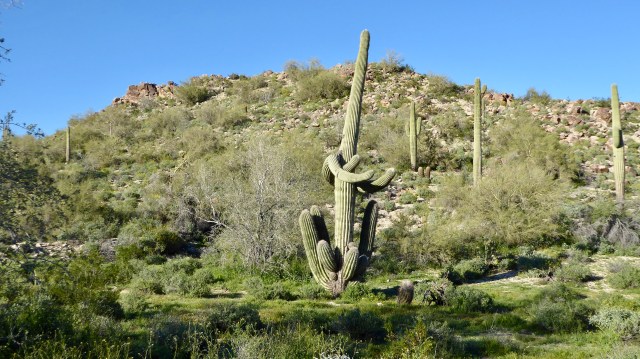 As always, we enjoy the saguaro and the many shapes they exhibit!


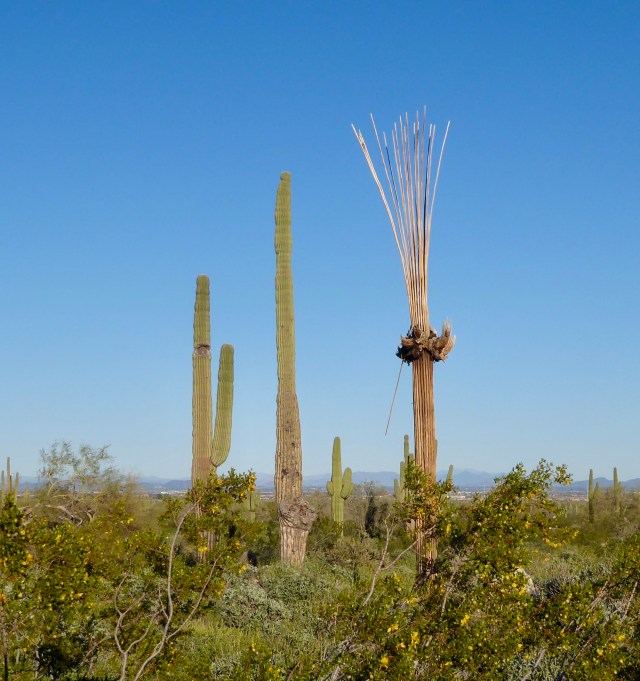
Even this saguaro skeleton has a great shape!
I learned from an Arizona Highways article this week that plural cactus can be called cacti or cactuses. Webster’s and Oxford dictionaries list both forms but show cactuses as preferred. Although I’m not sure I can change my ways after years and years of referring to more than one cactus as cacti, I am glad to have learned this.
We also learned the White Tank Mountains were named for depressions scoured into the white granite from water runoff after torrential rains. There hasn’t been any rain during the past week, so we were surprised to see water on the Waterfall Trail. There was even a small stream of water in the waterfall.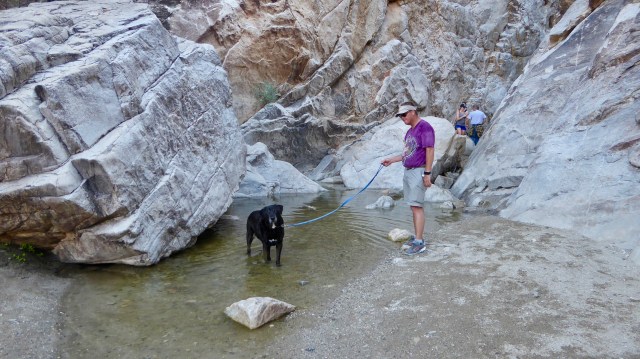 The walk was long and hot for our boy Elko so at least he was rewarded with a stroll in the white tank!
 On the way to the waterfall we passed through the “Petroglyph Plaza.” These are the most petroglyphs in one place that we have ever seen – and we didn’t even wander off trail. The Hohokam lived here from 500 AD to 1100 AD and, in addition to extensive petroglyphs, there are seven village archeological sites.


Nowadays the park is “home” to extensive trails for hiking and mountain-biking. Randy has done both and enjoyed it thoroughly. His hikes have ranged from 8-13 miles in length. Mine were much more modest!
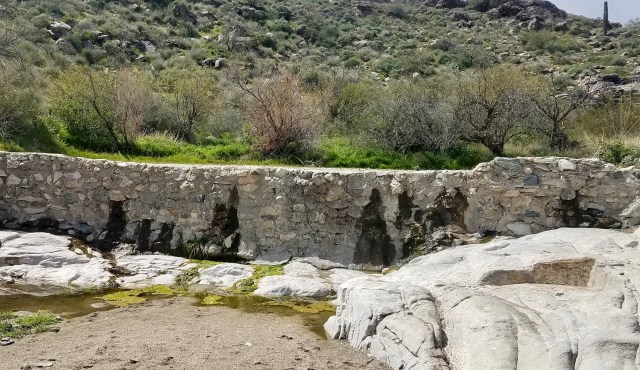
Randy saw an old abandoned dam on one of his hikes.
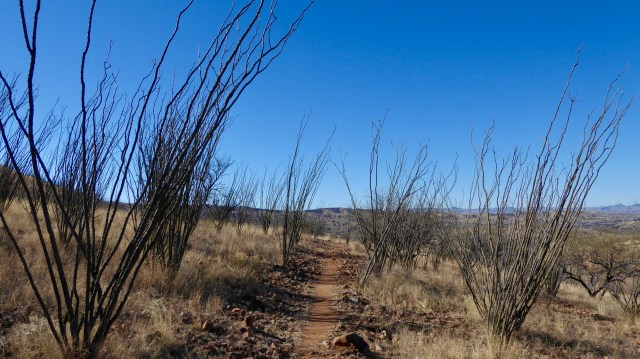
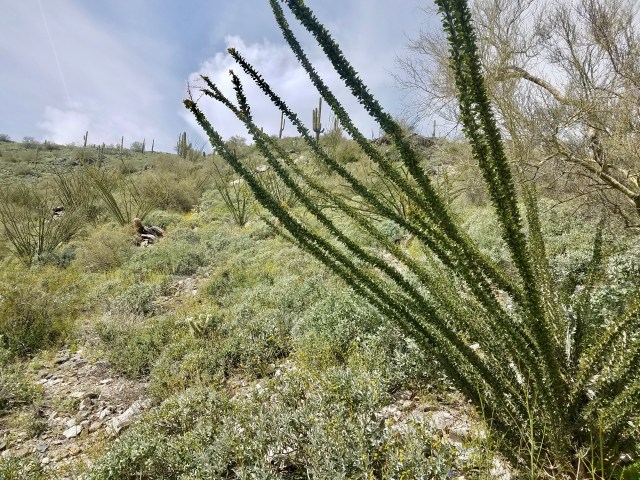 My favorite cactus – that isn’t really a cactus- is ocotillo. Ocotillo are only in the White Tank Mountain area at the highest elevations. Randy saw some on one of his hikes – almost ready to bloom – so he emailed me a picture. If they were blooming, I might have had to go see!
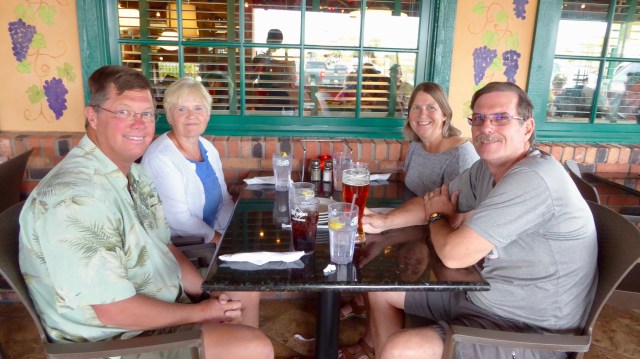 We did venture out of the park one day to meet our friends, Gerry and Kathy, for a Mariners game and dinner. We met them in Tucson last year and met up in Phoenix this year – the way of RVers!
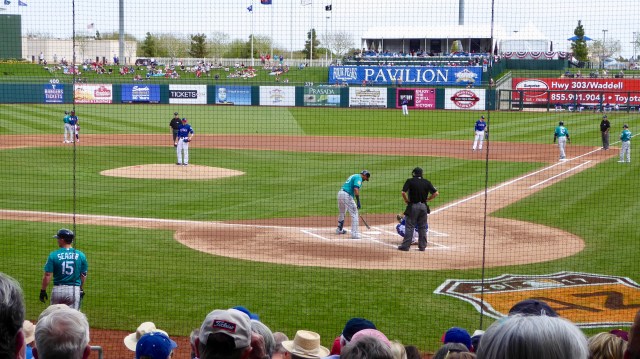 Segura on second, Cano on first, Cruz in the batter’s box, and Seager on deck. We got the big boys for our spring training game!
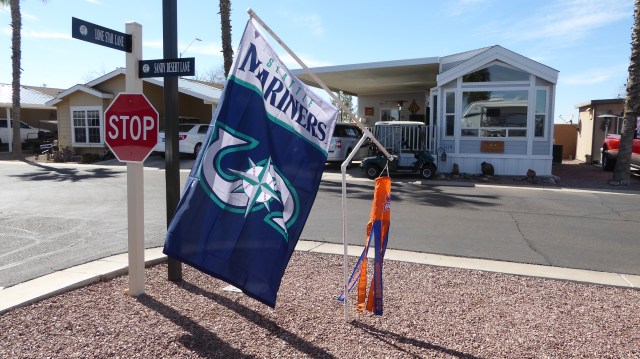
We’ll see the Mariners again next week when we move 11 miles east to Sunflower RV Resort. It is probably our shortest move ever – and shorter than Randy’s hike today!
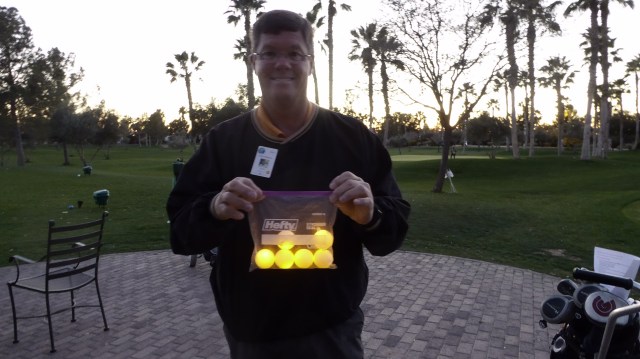
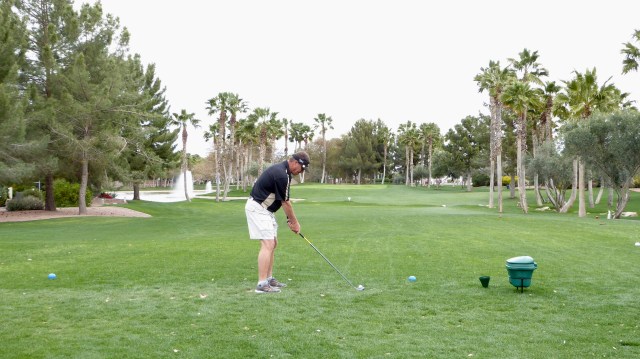 So, even though it was overcast and windy, he played again yesterday.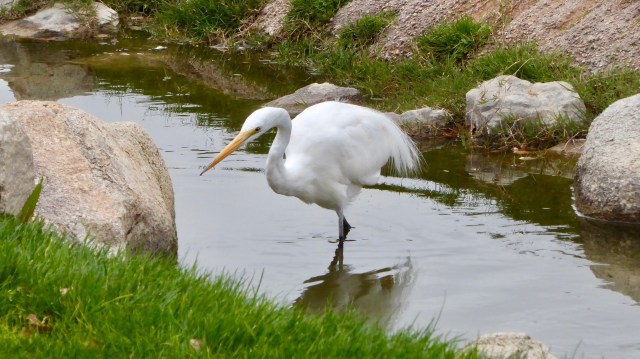
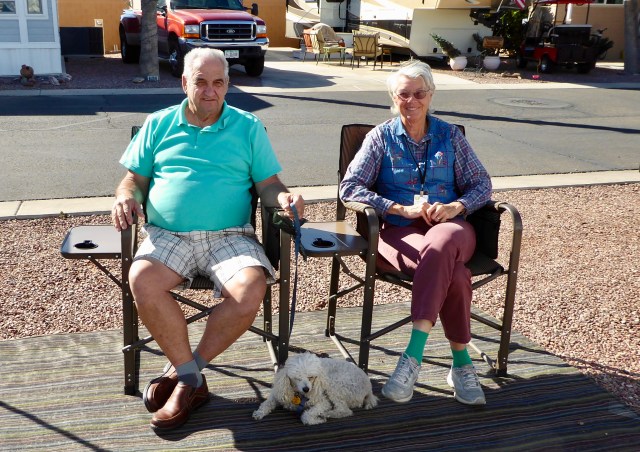 Rick and Diana (and Buddy) are from Iowa and were gracious “across the street” neighbors. We enjoyed afternoon chats and dinner out with them. The Iowa sticker is missing on our map so, hopefully, we’ll see them again too!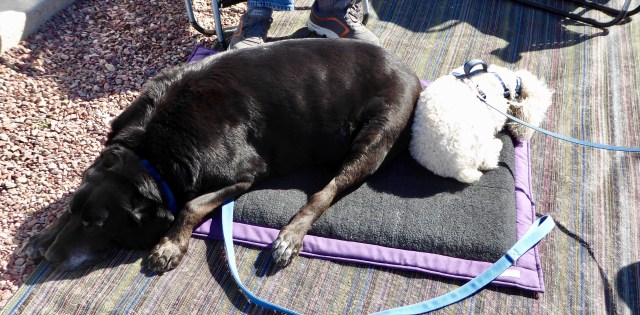


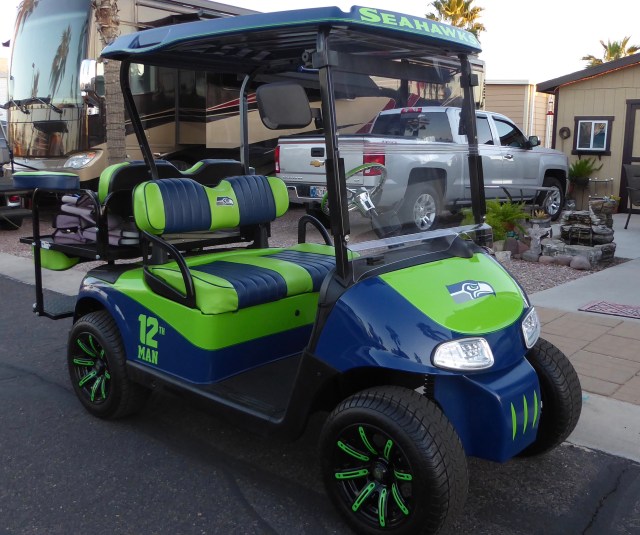 Most permanent and seasonal people have golf carts and some are decorated in fun ways.


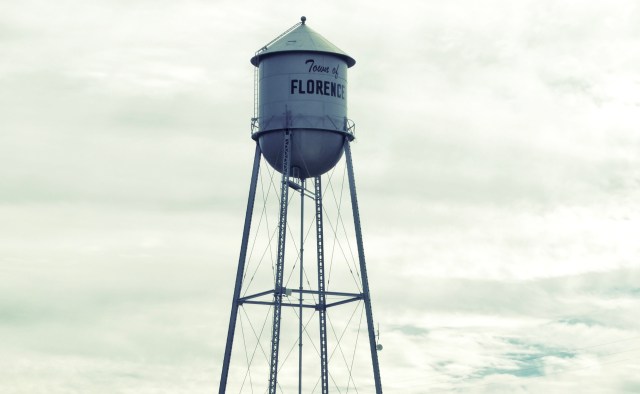
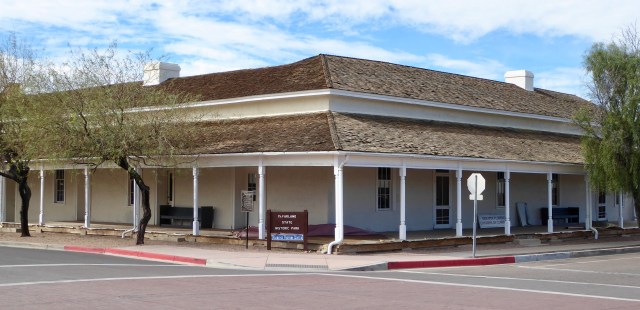
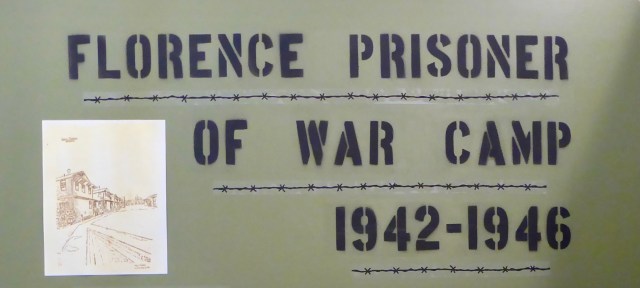
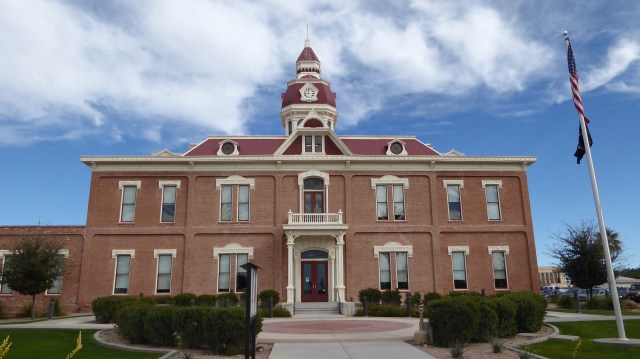
 The main route between Phoenix and Tucson is 115 miles of busy Interstate 10. A few dozen miles east of I-10 is the alternative – the slower, two lane, scenic Highway 79. The historic town of Florence we visited last week is along Highway 79.

 Mix crashed and died here after traveling too fast and missing a detour. He survived the initial accident but was killed when his large baggage trunk toppled over on top of him, breaking his neck.
 I wore the required long skirt, shoes and stockings, and long sleeved blouse but my blouse was apparently not modest enough as I was given another to wear over it along with a head scarf.








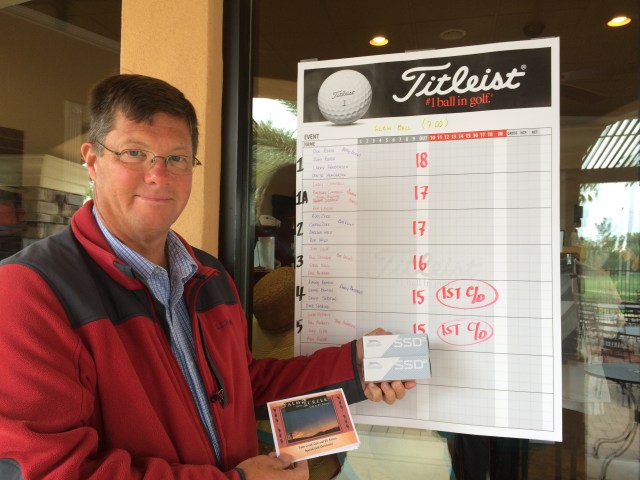
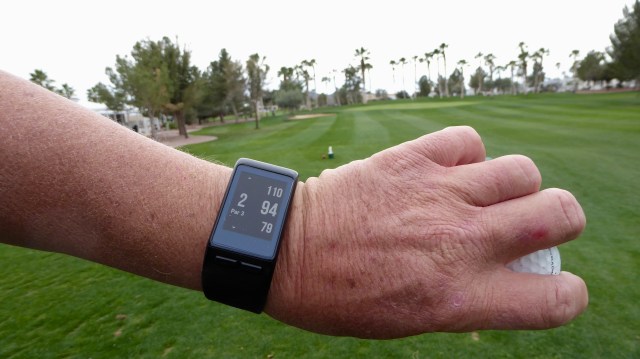
 There is a lovely 18 hole golf course that Randy hasn’t even played yet! He plans to and is signed up for a Glow Ball Night Tournament later in the month.


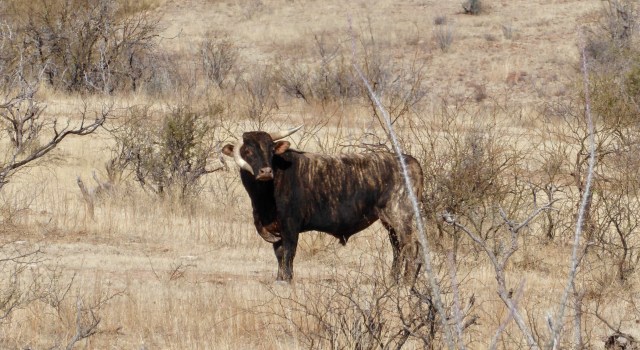 So back to our question, since these cows are here illegally, would it be a illegal to steal one? Most don’t have ear tags and some don’t have brands. Anyone need a cow?
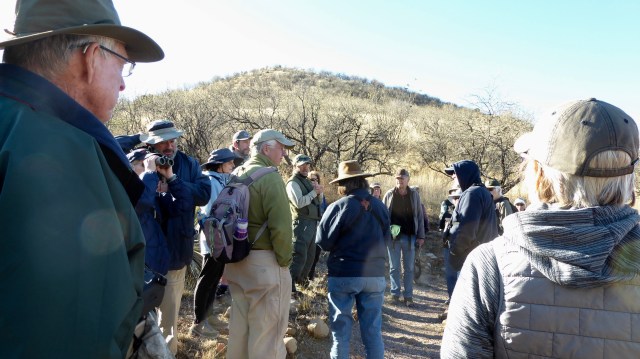 There were so many people for the bird walk, they divided us into three groups. Our leader, on the left in the picture, did a great job of pointing out birds, and what features we beginners should look for. Here are a couple of the pretty birds we saw.


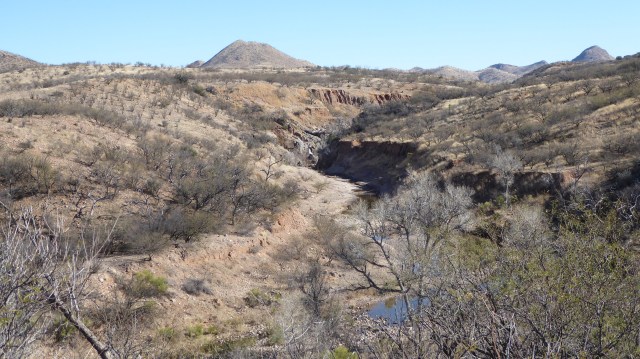
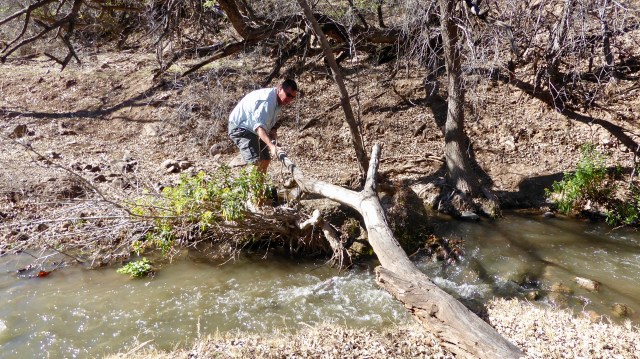 Randy figured out how we could cross the creek and we spent the next hour climbing through rocks and brush following a game trail in hopes of seeing them again. We got close enough once that Randy could smell them but we never did see them. It was exciting! More exciting than the birds or the cows, at least for me!

 We enjoyed a cruise on Patagonia Lake. We learned the lake was man made (by damming Sonoita Creek) in the 1960s by developers who were trying to sell lake front properties.
 This high bridge is for sailboats coming in and out of the still functioning marina.
 It has been nice to have this respite in nature for the last few days. Tomorrow we move back to a snowbird park, this time in Casa Grande. I am not expecting to see cows or javelinas there! Hopefully no snakes either!
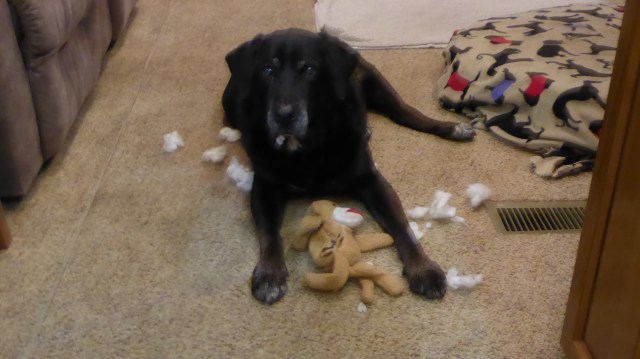 Let me get my gripe out of the way first. My mom took me to Pet Smart for a Paw-dicure. Embarrassing! They clipped my nails and cleaned my ears and my mom tried to make me feel better with a new toy. I waited two days to play with my new monkey. I may be more cooperative with my dad next time.



 We don’t need to drive places to see hummingbirds. We have a feeder and they are always zipping around when my dad and I sit outside.
 My dad and I sit outside a lot. I know how to get him to, even when it is cold.
 We do boy things. Mom said the pantry drawer didn’t work right and that was a two hour project. Dad found a pepper mill we had lost (and replaced) a year ago.


 One day they went to a presentation by the US border patrol. They learned the border patrol’s responsibility is the big backyard between entry points. They try to stop the illegal entry of people and drugs.
 In 2008, the border patrol got lots of new technologies. They have drones, mobile ground radar, night vision and infrared from the US Armed Forces and tunnel technology from the Israeli government.


 Randy and I went to Mi Nidito – one of Tucson’s iconic Mexican restaurants. Opened in 1952, the entrance highlights photographs of celebrities who have visited the restaurant.

 They seem most partial to Bill Clinton who visited in 1999.


 We journeyed an hour south to Tubac to the Santa Cruz Spice Shop where they produce and sell a huge variety of spices.


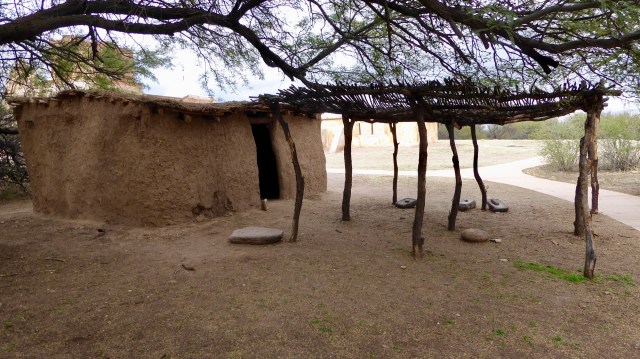
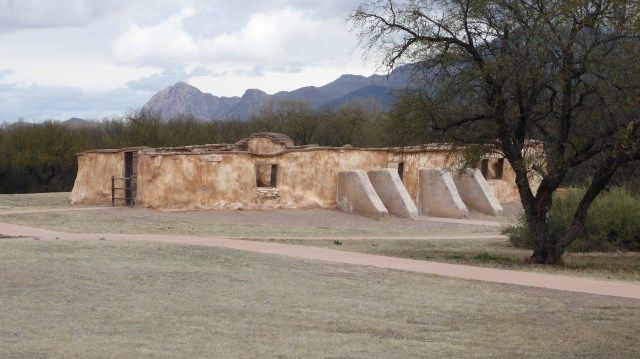
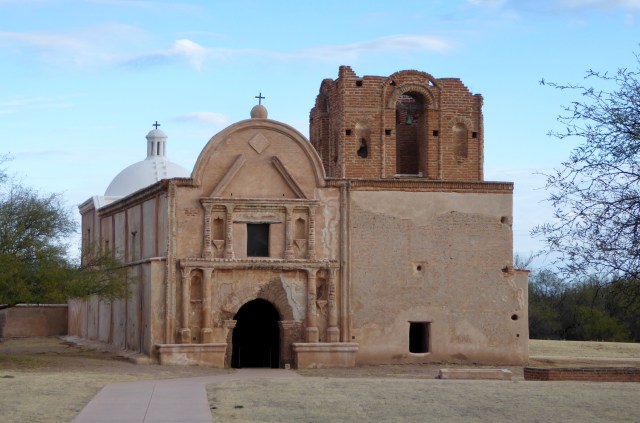


 We traveled by van to the remains of Los Santos Angeles de Guevavi, also begun by Father Kino in 1691. He encountered the natives, celebrated mass, left gifts of livestock and winter wheat seed and promised a permanent missionary. The first resident missionary helped build a small church that was completed in 1701. It was a difficult locale so Jesuit missionaries came and went.
 To preserve what remains of the mission site, the park service limits access and covers the remaining adobe walls with mud.
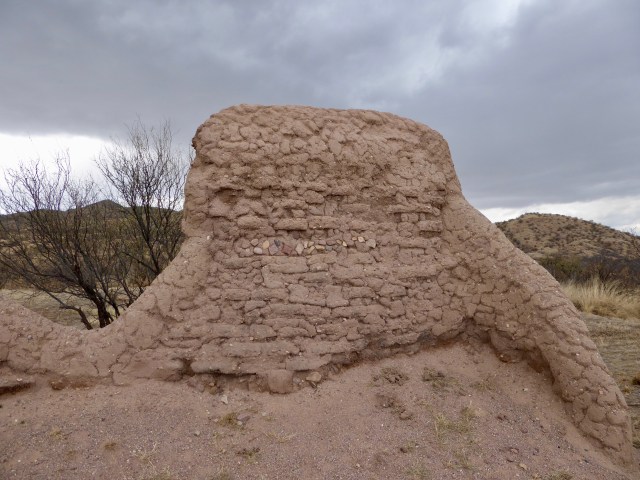 An archeology study was done a few years ago and an extensive record was found.
 The remains of a building were found in this area with lower walls still intact under the sediment.
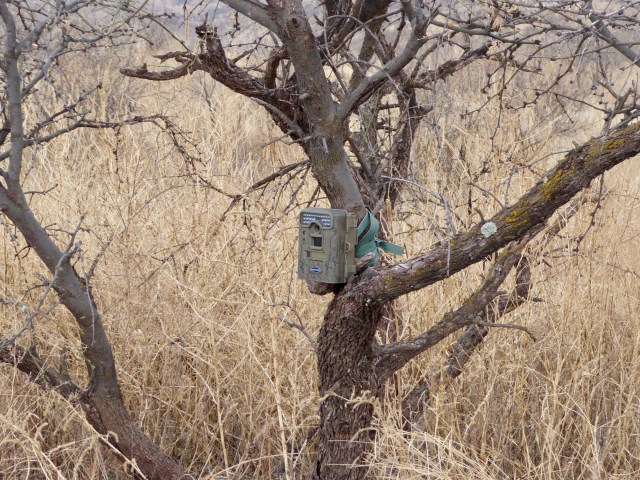 Only wild game are allowed in the Guevavi unit without escort. We didn’t see any, but we saw the camera that sees them!
 The side doorways were a later modification.
 This indenture near the floor would have been at or above eye level during the mission church’s active years. A statue of a saint would have been displayed there. Several feet of sediment now cover the floor.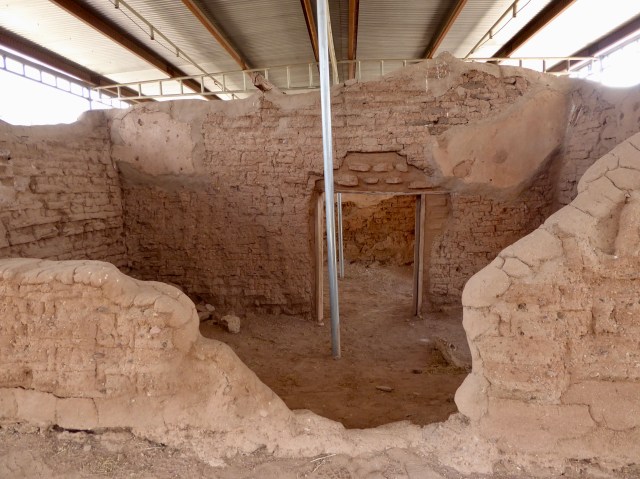
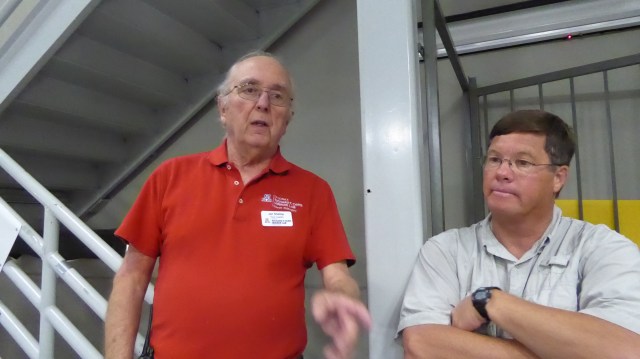 “An Angel Worked in a Synagogue to Help the Vatican” was the quip provided by our tour guide Jon at the University of Arizona Mirror Lab.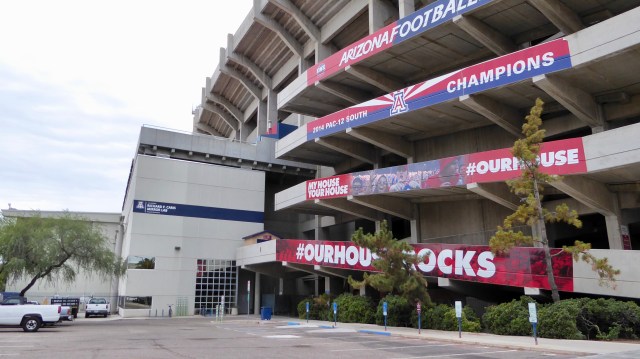
 The large triangle “floats” so that mirror calibration and measuring can go on, even when the stands are rocking.
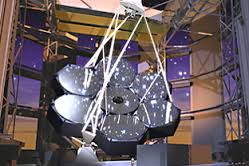
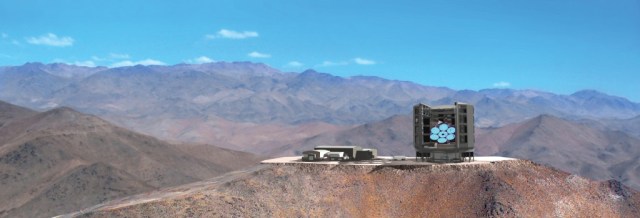 The GMT will be placed in the Andes Mountains in Chile and will be the largest telescope in the world. It’s resolution will be 10 times greater than the Hubble Telescope, even though it is land based.

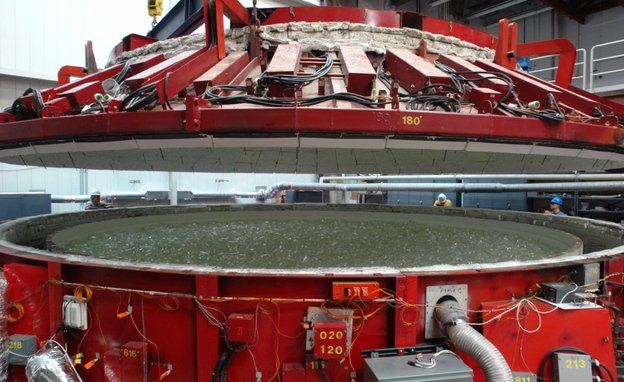
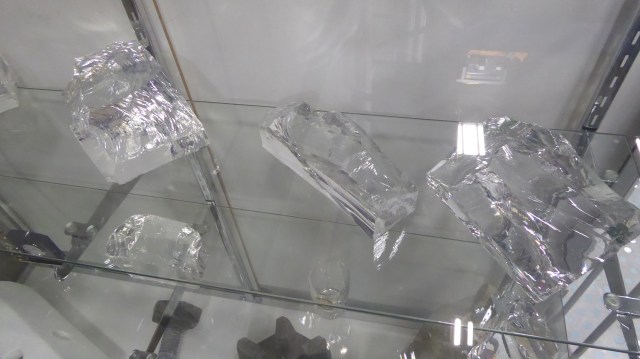 The mirrors begin as optical glass, processed in Japan by the Ohara corporation. They use a special sand found in Japan and a few other places around the world. It takes 20-26 tons of glass for each main mirror.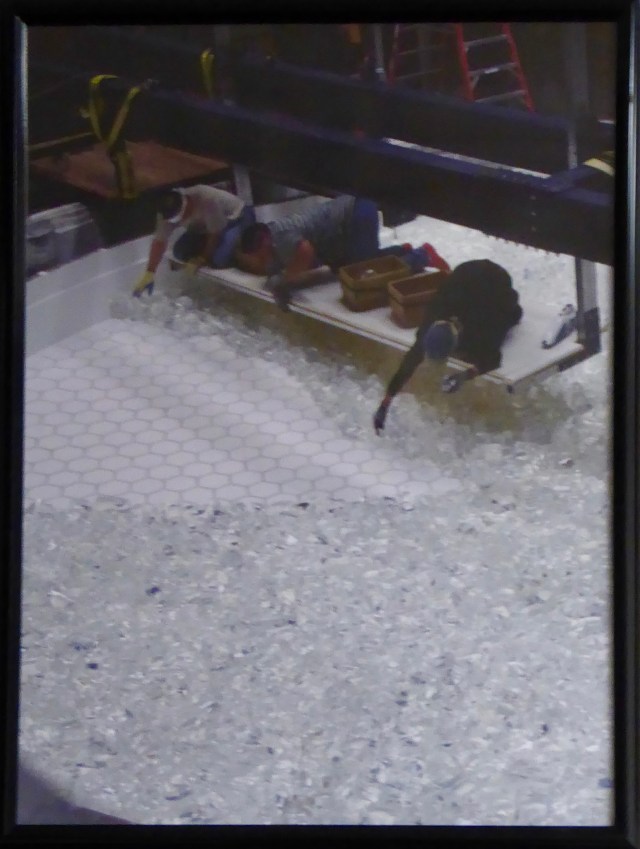



 Serene Wandering