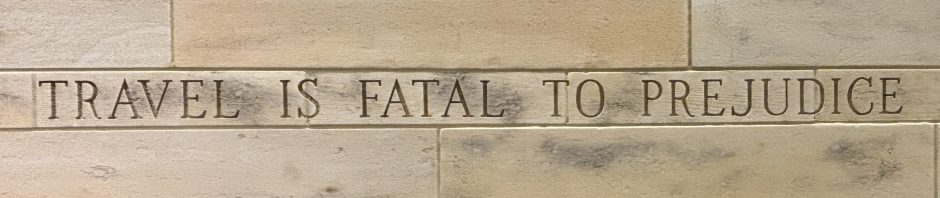
Redding, Set, Go!

When I wrote Slowing Down in Rapid City, I didn’t expect that the blog would slow to nothing for five weeks. We were anticipating fun times heading to Laramie, Wyoming to meet Kent and Pam for the Boise State football game.

fullsizeoutput_3760It was kind of fun, but three years in a row our road trip game with Kent and Pam has been a BSU loss… with huge bowl game implications. I couldn’t get too interested in writing about that.
We went home to Boise and spent a nice week with family and friends. We saw our grandson dressed as an adorable fisherman on Halloween.

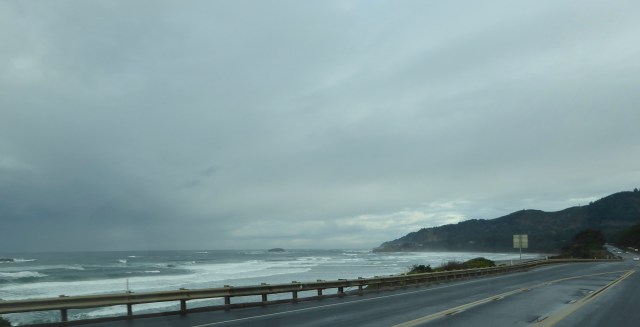
fullsizeoutput_3791Then we spent a cold, wet and dark week on the coast near Newport, Oregon.
fullsizeoutput_3769

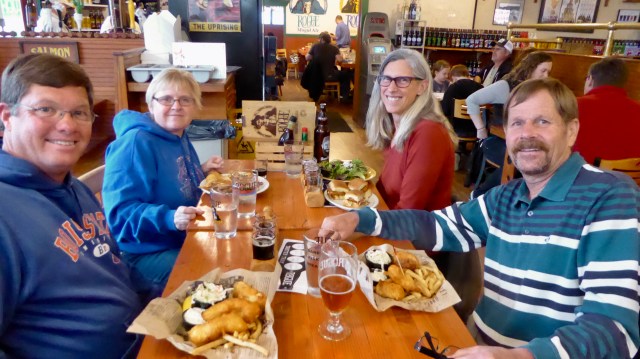
Randy’s beard is gone….whoohoo!  

Facebook facilitated a pleasant, unexpected lunch with friends Jack and Marilyn who were also in Newport.

We spent a week with my parents in Vancouver and a long Thanksgiving weekend with family in eastern Washington. Good times were spent both places including Seahawk fests, Russian Rummy card games and a movie in the local theater.

fullsizerender

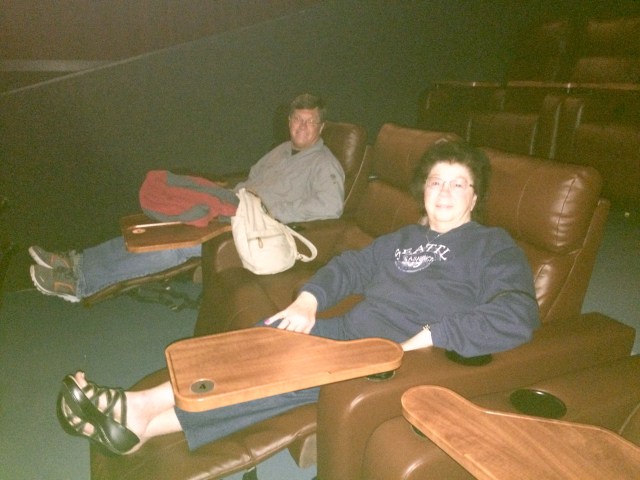
We saw the movie Allied with Aunt Bonnie!  Each seat is a power recliner with unlimited positioning, drink holders and food trays……nice!


p1080257We also enjoyed eating the results of competition chili tweaking –  one pot of green and two reds.  Cousin Kylee’s red was hot but mellowed nicely with sour cream!
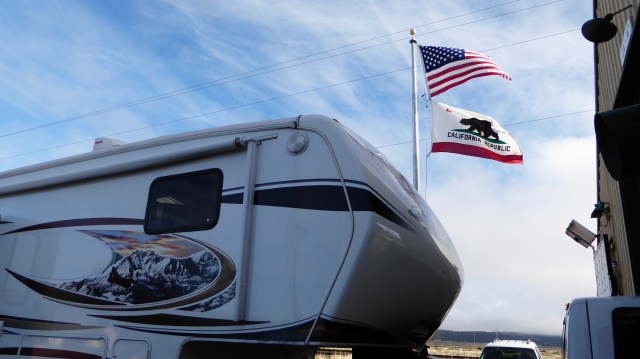
After Thanksgiving we began our trek south for winter.  We spent a very cold, snowy night in Bend, Oregon and then crossed into California.

fullsizeoutput_3789

We always forget about the inspection stations going into California but are rarely questioned and have never before had anything confiscated.  This time we had to give up mangos purchased at Costco – I bought more mangos at a California Costco a few days later.

So, what finally got me motivated to write again?   Redding, California.   Redding was sunny and warm…..okay, mostly sunny and it was warmer than we’d been in a month….and there were things to see and do.    Redding, Set, Go!

fullsizeoutput_3792

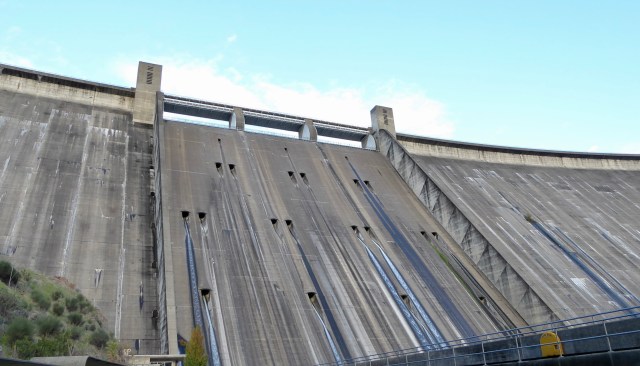
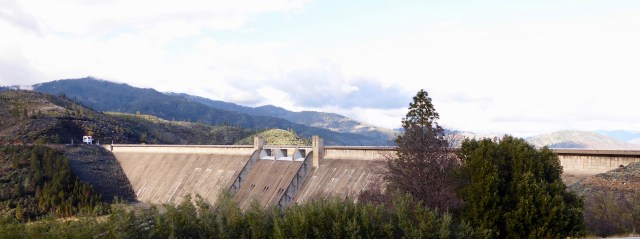
We had an interesting tour of the Lake Shasta Dam -it was even free.  When measured by concrete mass,  this is the second largest dam in the United States – second to Grand Coulee Dam in Washington State.  Enough concrete was used in the Shasta dam’s construction to make a sidewalk, three feet wide and four inches thick, all around the earth at the equator.

The dam was built between 1937 and 1944 and the concrete won’t be fully cured until 2045.  There are 5.3 miles of tunnels within the dam for inspection and seepage (they don’t call it leaking).

fullsizeoutput_3793

The water flows are seepage.

fullsizeoutput_378f.jpegThis tunnel was tiled for tourists and had a unique echo quality. Clap here and you can hear it come back at the speed of sound.
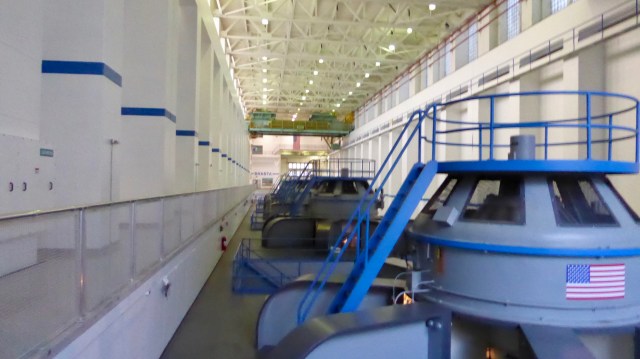
The primary purposes for building the Lake Shasta Dam were flood control and irrigation. Power generation is a byproduct in times of peak need.  It is sold regionally and all the way to west Texas and North Dakota.

fullsizeoutput_3790

fullsizeoutput_378e

A view from atop Lake Shasta Dam

fullsizeoutput_378d
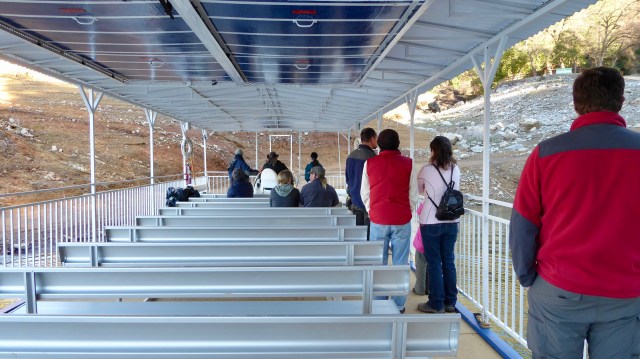
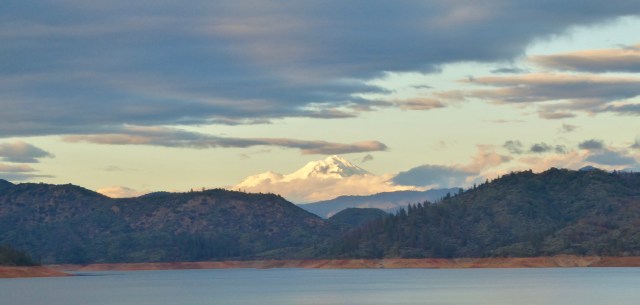
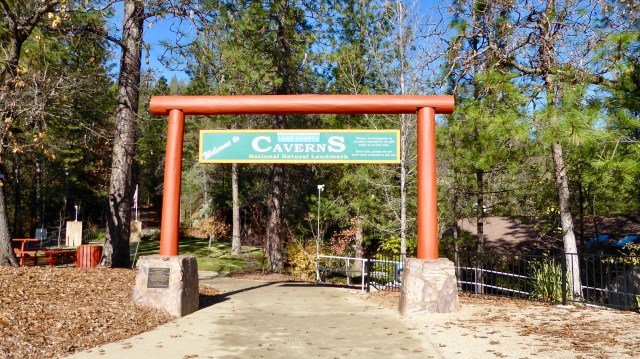
The next day we went to the Lake Shasta Caverns.  First we had a nice boat ride across the lake to a remote peninsula accessed only by water.

fullsizeoutput_379f

fullsizeoutput_378b.jpeg

Sometimes it is nice to go off season!

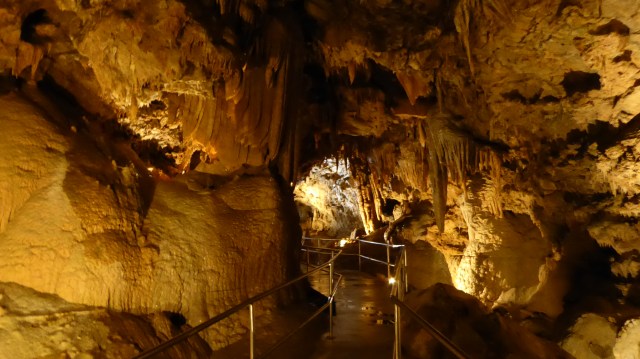
p1080315We walked a great set of caverns with lots of the interesting formations.

p1080327

The caverns were discovered in 1878.

fullsizeoutput_3799

We are heading south and looking for things to see and do.  Thanks Redding!
Redding, Set, Go!

Posted in Uncategorized | 8 Comments

Slowing Down in Rapid City

For the last six weeks, we have rushed through Montana, Wyoming and South Dakota because we were closing down campgrounds as the winter season approaches. We had to move on because there wasn’t any reason, or place, to stay.

p1080207

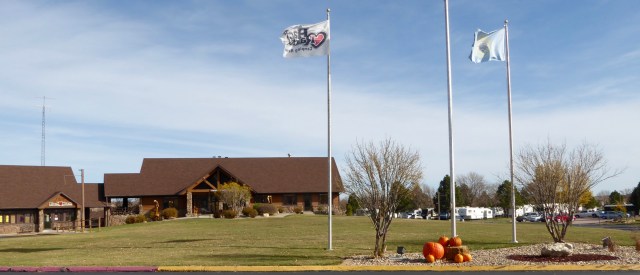
With the Boise State – Wyoming football game on Saturday as the book end for this journey, we found ourselves spending nine nights at Hart Ranch outside of Rapid City. This campground stays open year round and there are a surprising number of rigs (60) getting prepped to hunker down for winter.

The resort is huge and it takes me an hour to walk the perimeter each morning.  A few times I have been fortunate enough to see this big horned owl.

We also slowed down our excursion activity because we were here in 2006 and visited the famous attractions then. We saw Crazy Horse, Wind Cave, Jewel Cave and Mount Rushmore on that trip. This time we were content to see Mount Rushmore from the highway turnout.

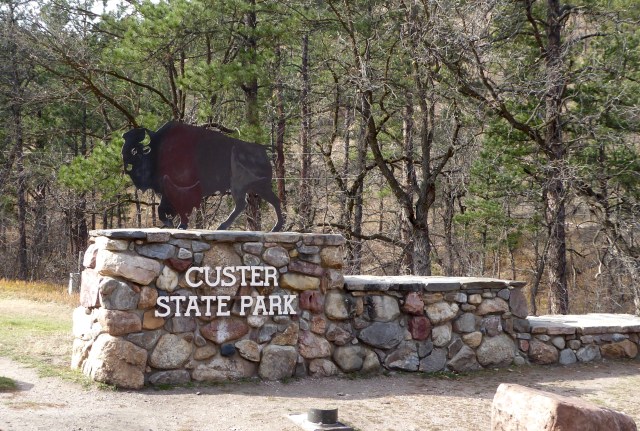
p1080027The only place we visited in 2006 and again on this trip was Custer State Park.
p1080074

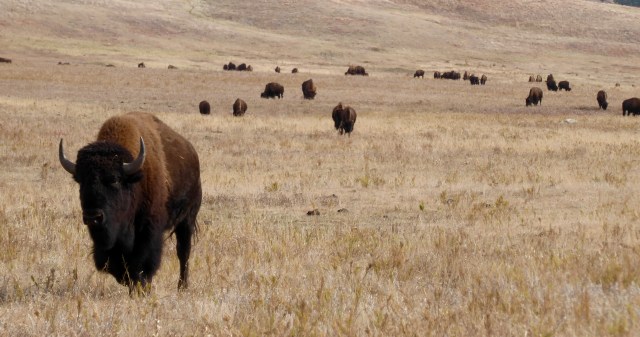
We have fond memories of driving the wildlife loop and seeing the bison roaming and the burros coming right up to the truck looking for food or attention.


These are our burro pictures from 2006.  We didn’t see them at all this time.

p1080096

We did see the bison this time!  Most were near the corrals as they were rounded up in late September. The young calves are branded and about a third of the herd are sold. The bison feed on park grasslands so the herd must be maintained at a level that can be naturally supported.

We saw pronghorn and wild turkeys!

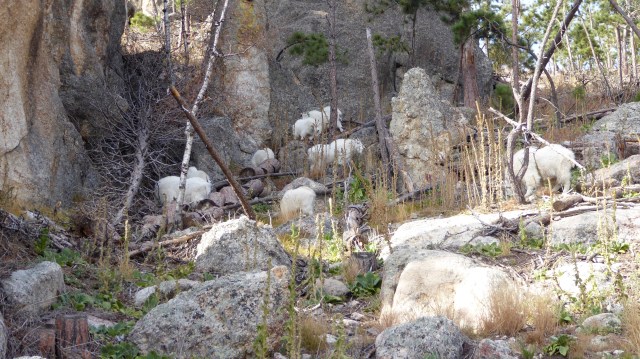
Driving the Needles Highway, also inside Custer State Park, we were thrilled to watch these mountain goats!

p1080141

There were a dozen mountain goats approximately 20 yards off the road.

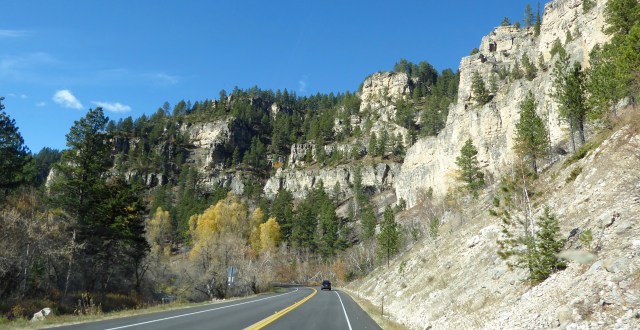
We saw some great scenery along the Needles Highway and went through some tunnels that were a tight squeeze for our big truck!

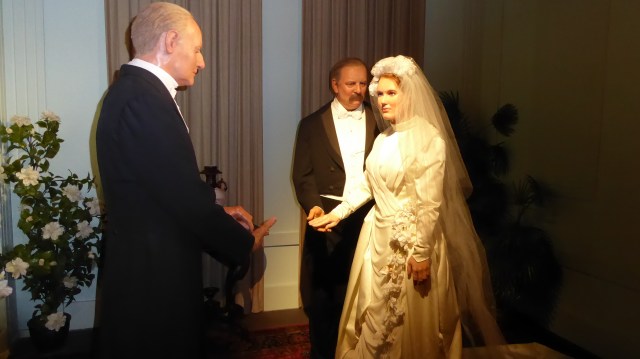
In nearby Keystone, we went to the National Presidential Wax Museum.

All 44 presidents, and some other historic notables, are represented in wax, some in bust displays and some in scenes.

An audio tour provides information about each president. For example, Franklin Delano Roosevelt was related to eleven past presidents!

p1080019

Grover Cleveland was the only president married while in office. He was 49, and his wife was 22. They had five children together, the last being Ruth. Baby Ruth candy bar was named for Cleveland’s last child.

Continuing with the president theme, Rapid City is the City of Presidents. The downtown district has presidential statues on each street corner.

p1080195

When we went to lunch at Que Pasa?, we found Herbert Hoover. (Que Pasa? also had a terrific pumpkin spiced margarita, but I digress…)

On the other corners of the intersection, we found Franklin Delano Roosevelt, Calvin Coolidge and Chester Arthur.

p1080034

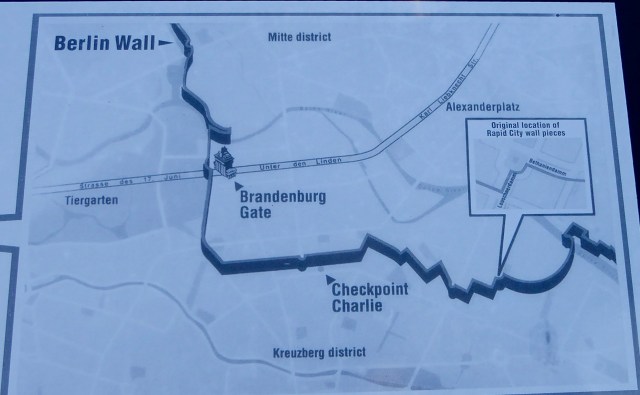
Still in Rapid City, we found something totally unexpected – The Berlin Wall, or rather two sections of it.

p1080035

Tank traps sit aside two sections of the Berlin wall.

p1080038

This map shows where the Rapid City sections of the Berlin wall were located.

p1080160

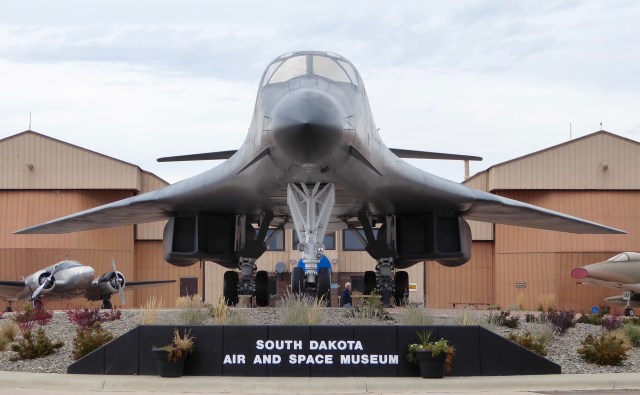
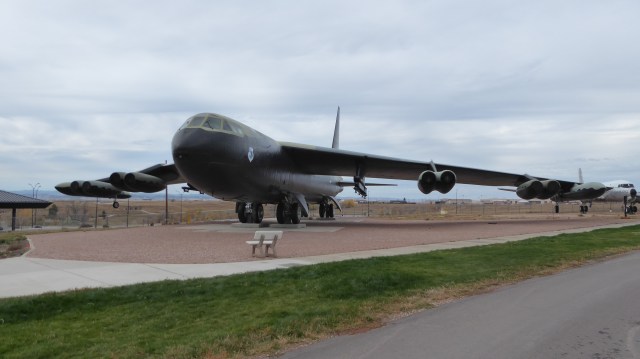
We traveled to nearby Ellsworth Air Force Base to visit the South Dakota Air and Space Museum. Behind the sign is a B1-B Lancer.

p1080167

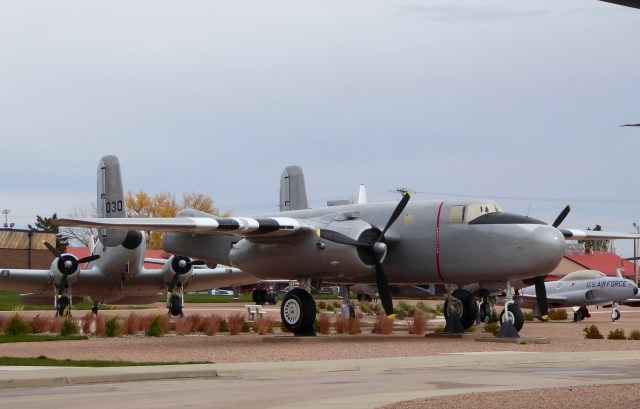
We were adjacent to the runway and watched several B1s doing “touch and go”s while we looked at aircraft on the museum grounds.

p1080185

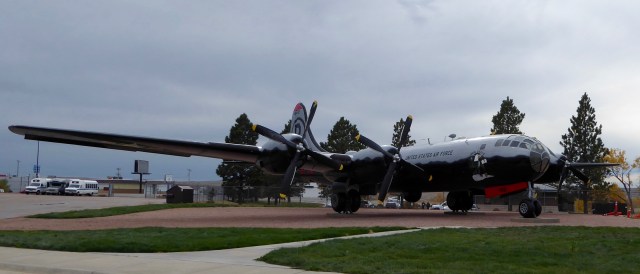
This was General Eisenhower’s command plane.

Berlin was divided into four quadrants after WWII and in June, 1948 Stalin made a play to control the entire city, blockading roads, railroads and canals. Food, clothing, and electricity were cut off to the free quadrants in Berlin.

p1080183

A massive humanitarian effort to feed 2.5 million people was undertaken by the allies, flying a sky bridge 24 hours a day. For 15 months massive transport planes brought food and supplies along a narrow 20 mile corridor.


This effort included the Berlin Candy Bomber, Lt. Gail Halvorsen, who began dropping candy by small parachute. The candy bombing was taken up by other airlift pilots as well, and the allies eventually dropped 15 tons of candy to Berlin children.

p1080172

Protecting the humanitarian efforts were sixty B-29s that were rumored to be nuclear armed. Half of those were from the 28th Bombardment Group from Rapid City, South Dakota. Stalin discontinued the blockade in 1949 and an uneasy peace was maintained.

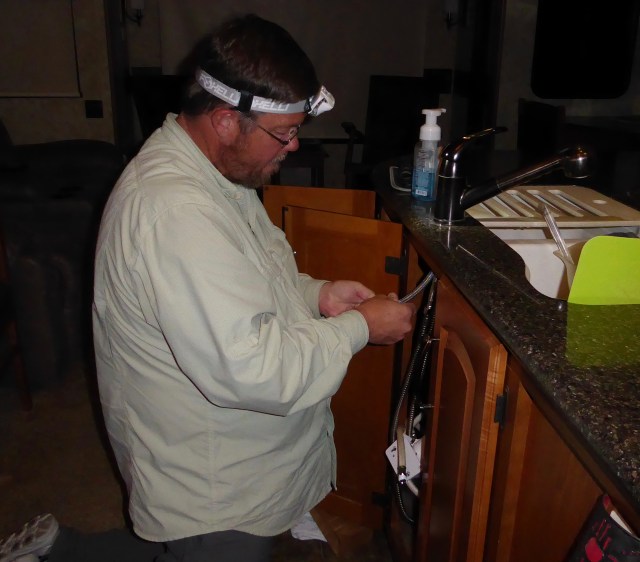
We have enjoyed our slow stay at Hart Ranch. Handy Randy even got a little work in, adding a water filtering system.

p1080154

Tomorrow we are on the move again to meet our friends Kent and Pam in Laramie for the previously mentioned Boise State – Wyoming football game. The winner will be in first place of the mountain division of the Mountain West conference.  Go Broncos!

Posted in Uncategorized | 2 Comments

“Bury Me Beside Wild Bill”

440px-wild_bill_hickok_sepia
Wild Bill Hickok lived a life of adventure after serving in the Union Army. He was a gun-slinger, hunter,  scout, and  marshall.  He womanized and eventually married.

p1070951

Wild Bill Hickok’s first love was gambling and his life ended at the gaming table.  He was shot from behind at Saloon #10 in Deadwood, Dakota Territory and was buried in the local cemetery.

800px-calamity_jane

Calamity Jane led a hard life as a scout, frontierswoman, performer in wild west shows and prostitute.   Although she had been intrigued with him, Wild Bill wasn’t interested in her.

Spurned by him in life,  Calamity Jane got the best of Wild Bill Hickok in the end.  When she died, Calamity Jane’s dying wish was to be buried next to him.   We saw their graves, side by side, at the Mt. Moriah Cemetery in Deadwood, South Dakota.

Deadwood was a rough place in 1876. It was an illegal mining town on land that had been reserved for the Lakota Sioux in the 1868 Treaty of Fort Laramie. The discovery of gold brought miners and a level of lawlessness that was legendary.

Gambling continued in Deadwood until 1947 even though state law banned it in 1889. (Deadwood gambling was legalized again in 1989 to support preservation efforts.)  Moonshine producers ignored prohibition in the 1920s and brothels continued to operate in Deadwood until 1980.

p1070899

Deadwood seems safe enough now – even Starbucks is here!  Because it is October, there were many tourist activities that were closed for the season. We were able to go to the Adams Museum, the Franklin Hotel and the Mount Moriah Cemetery. We might come back again someday to see more, partially because we stayed at the very best RV park we’ve ever been to.

p1070995

The Elkhorn Ridge RV Park, between Spearfish and Deadwood, is nearly perfect for a private park.  Some resort amenities like the pool and disc golf were seasonally closed but the quiet and wide open spaces of the off season were nice in exchange.

p1070897

We haven’t had many nice weather days lately.  On our only warm and sunny day we went for the scenery and drove the Spearfish Scenic By-way.   We had a brief stop at Bridal Veil Falls.

p1070895

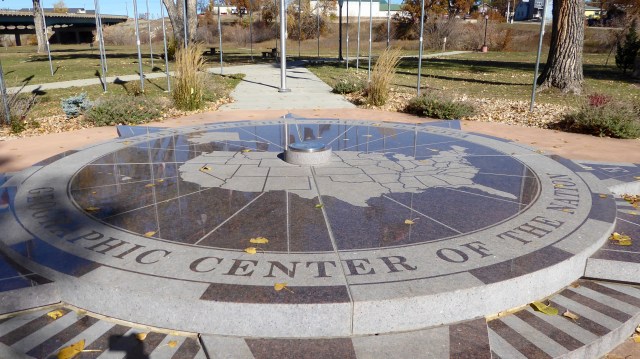
Another day we went to Belle Fourche and learned that it is pronounced Belle Foosh.  We went there to see the Center of the Nation Monument.   Since we’ve been to the Center of the Universe (Wallace, Idaho) and the Center of the World (Felicity, California), we figured we should also go to the Center of the Nation.   At least this claim has some measurement behind it!p1070963

p1070970

With the admission of Alaska and Hawaii to our country in 1959,  the geographic center of the nation moved from Lebanon, Kansas to a point near Belle Fourche, South Dakota.

p1070973

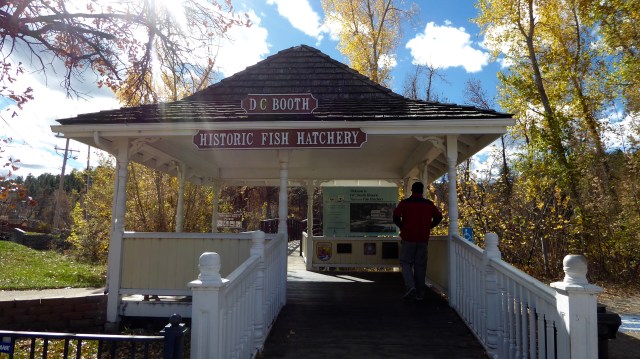
We also went to the DC Booth Historic Fish Hatchery in Spearfish, but were only able to walk the grounds.   Off season again, don’t you know!

p1070990

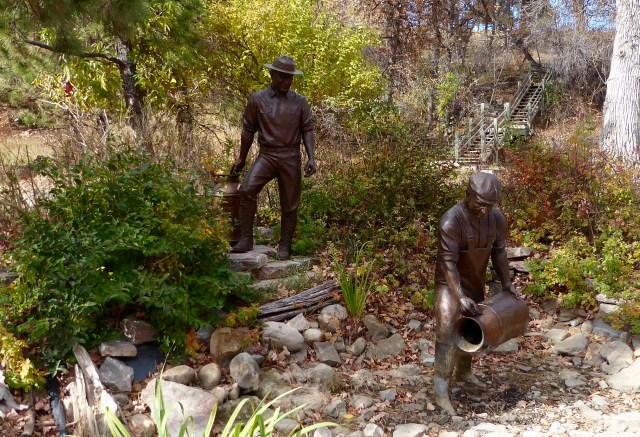
They raise five species of trout at DC Booth.

Opening in 1896, DC Booth was one of the first fish hatcheries in the west.   Millions of trout were raised for release each year. Now they raise a “token” 50,000 fish per year as the hatchery has transitioned to a historic site with a museum,  Booth House and archives.

p1070985Earlier this year, we applied to volunteer at the DC Booth Historic Fish Hatchery for the summer 2017 season.   It looks interesting, and maybe we will revisit the idea again some day but the volunteer coordinator at DC Booth has not yet begun scheduling for 2017 and Oregon State Parks’ rangers have.

We are headed back to Oregon to volunteer in 2017!   We have the following volunteer assignments on the Oregon coast next summer:

May 2017 – Umpqua Lighthouse State Park – near Reedsport
July 2017 – William Tubman State Park – near Reedsport
August 2017 – Jesse Honeyman State Park – near Florence

If you are headed to the coast next summer, we’d love to see you!

Posted in Uncategorized | 2 Comments

Thermopolis and the Badlands


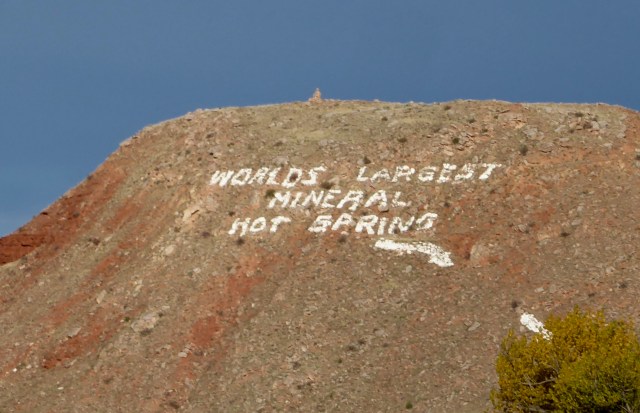
p1070748 The name Thermopolis just sounds like there should be hot springs in the area and there are.  The world’s largest mineral hot springs are located in Thermopolis, Wyoming.

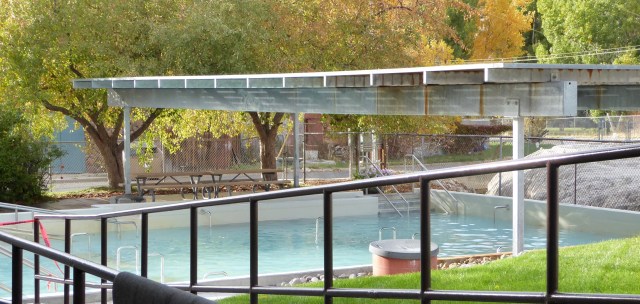
There are two commercial pools with all the perks, including slides.  There is also a less elaborate state park option. p1070740

We went to the state park pool for a free 20 minute soak. The water was very warm, smelled of sulphur and twenty minutes was just about right.

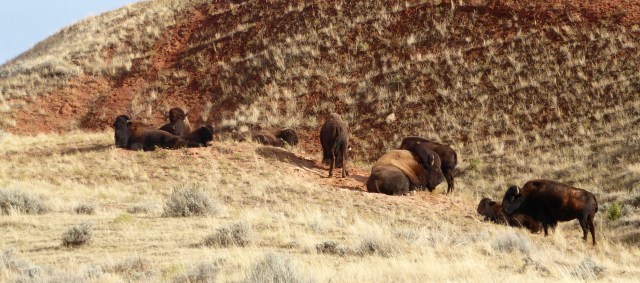
p1070744Still within the state park, we drove to the bison pasture and saw a small herd.

p1070756

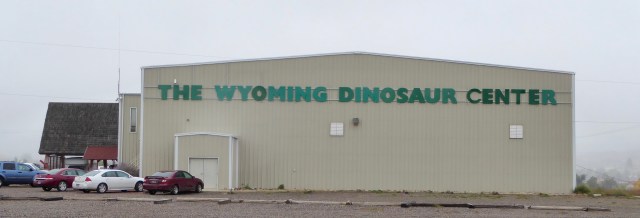
Thermopolis was on our route because of the Wyoming Dinosaur Center, recommended by Boise friends Bryan and Debbie. This unassuming place has quite an impressive collection of fossils from around the world.

p1070793

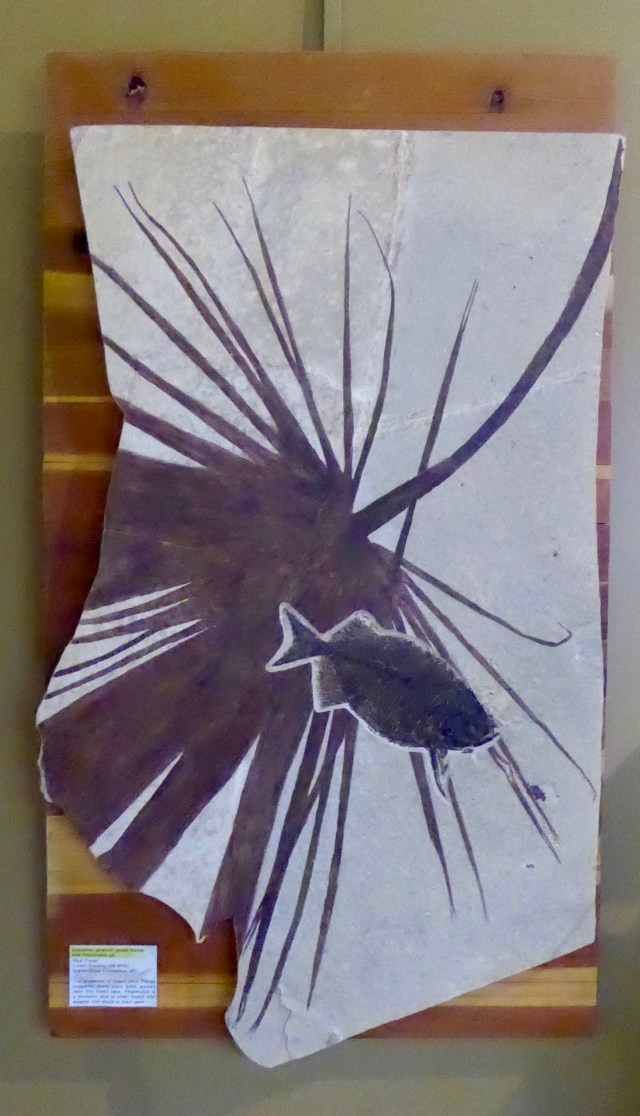
This fossil of a palm frond and phareodus looks more like a piece of art!

They also have active “digs” in the area and visitors can pay to spend time out at a site and participate.   It was windy and cold the day we were there and we didn’t even ask about going out but we could see workers cleaning and brushing specimens in the center’s lab.

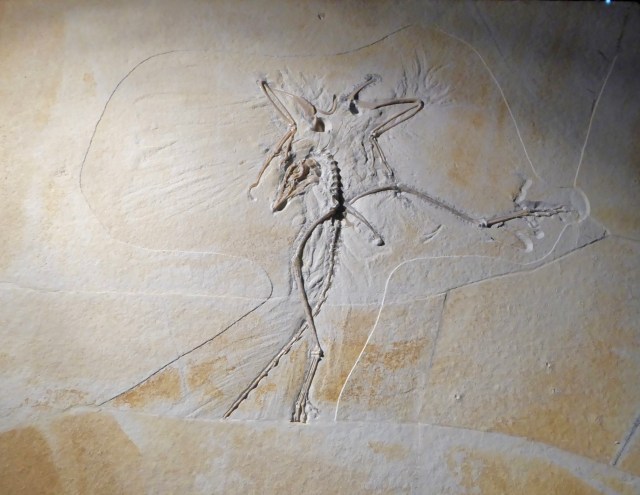
The Wyoming Dinosaur Center’s claim to fame is its Archaeopteryx fossil. Archaeopteryx is thought to be a transitional species between dinosaurs and birds.

p1070767

The Thermopolis archaeopteryx, found in present day Germany, is the most complete specimen in the world and the only one on display in the United States. It died on its stomach in a “road kill” position, giving scientists a different view than the typical “died on its side” version.


A 3D projection system shows the archaeopteryx fossil rising from the slab, first in skeletal form and then as it might have looked with feathers.

There are many dinosaurs, whole and partial throughout the center. Some are real and some are cast and some are a combination of both.

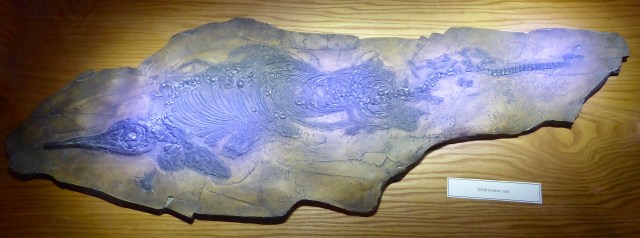
This cast caught my attention!

p1070772

Ichthyosaur cast.

Ichthyosaur was a marine reptile but not a fish, lizard or dinosaur.  It was interesting to me because a British woman found the first ichthyosaur fossil.   In the early 1800s, Mary Anning, paleontologist and fossil dealer, found a variety of marine fossils and was quite well known. The nursery rhyme “She sells seashells by the sea shore” was inspired by her work.

p1070797
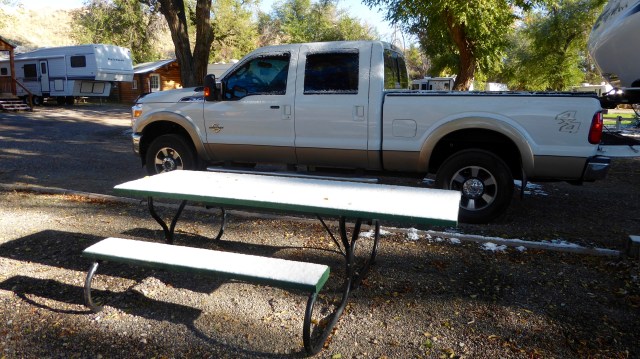
Even though Thermopolis sounds warm, and the waters certainly are, we ended up in a cold front with snow. Most melted off quickly but we still had a little left the next morning.

p1070800

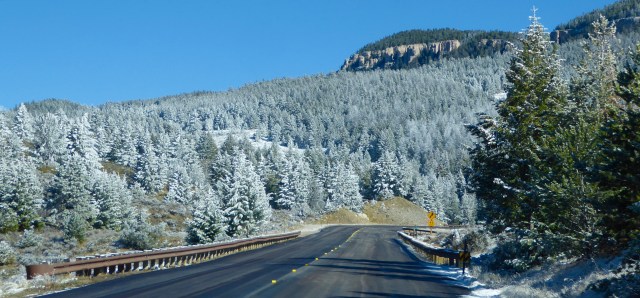
And the first part of our drive leaving Thermopolis was quite lovely.

p1070873

Badlands National Park was on our loose itinerary but we learned all of the campgrounds nearby were closed or closing so our window of opportunity was go now or skip it. We adjusted, spent a long seven hour day in the truck,  and headed to the last campground standing.   That seems to be a theme lately!

p1070809

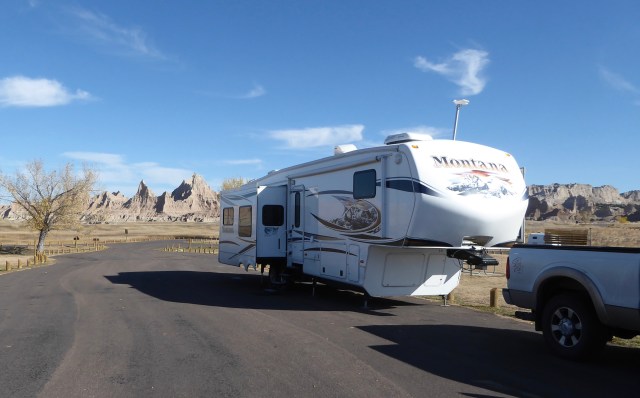
The Cedar Pass campground was adequate but obviously not designed by anyone who had an RV.   Trailer and motorhome doors opened onto the street, not onto the grass.  They got it right on the new loop, but it was already closed for winter.

p1070891
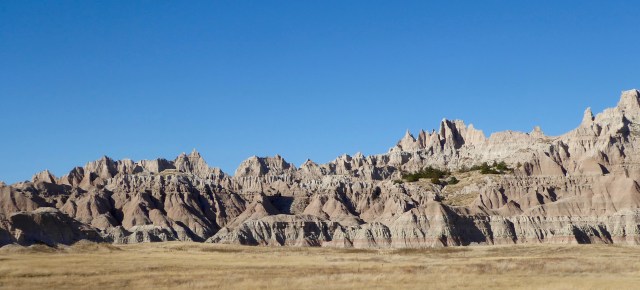
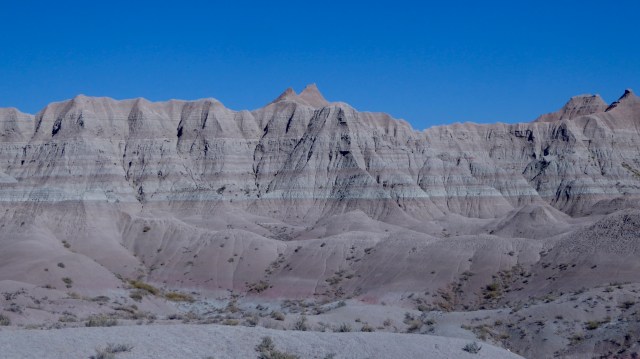
We did have lovely views of the Badlands peaks.

p1070824

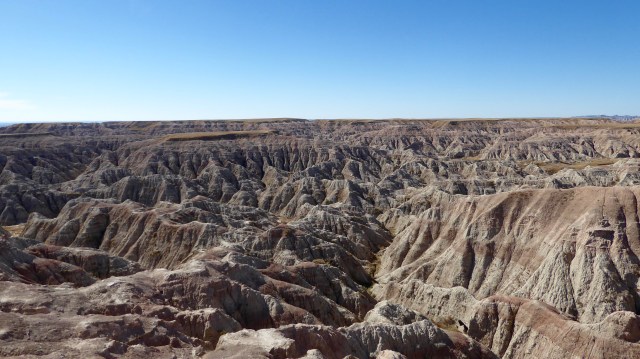
We drove the Scenic Loop and stopped at a few viewpoints. We had Elko with us so were not able to go on any of the trails. National parks don’t like dogs – even in the off season.

p1070840

p1070819

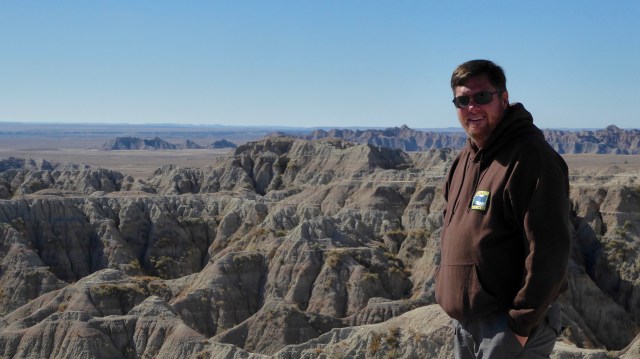
Yes, that is a beard on Randy’s face.


p1070812

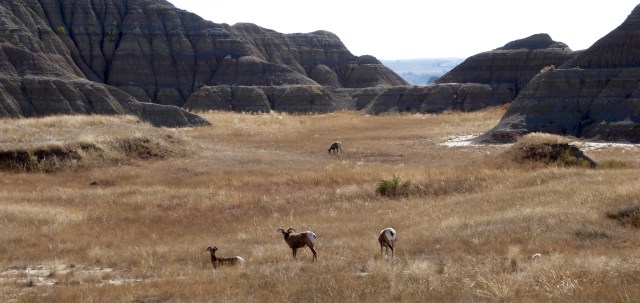
We saw some big horn sheep!

p1070830

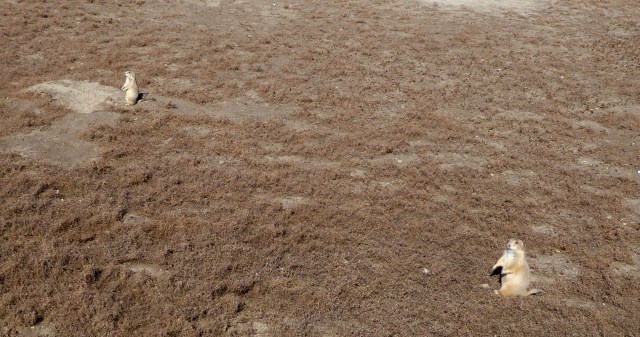
And lots of prairie dogs, in several prairie dog towns!

p1070851

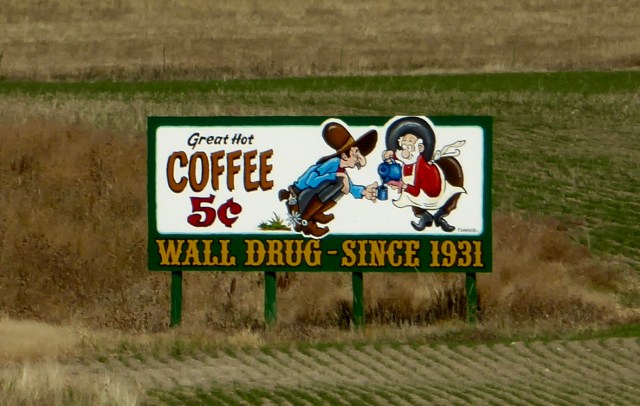
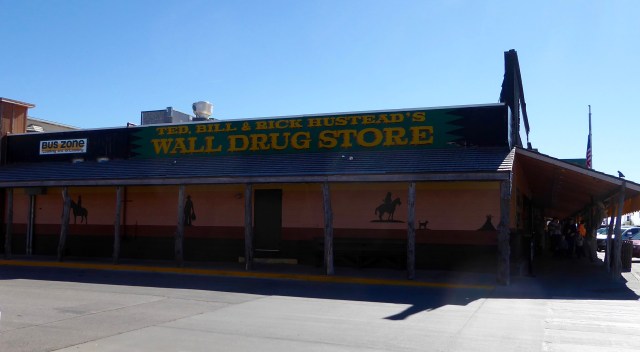
If you have traveled in this area you know there are signs for Wall Drug visible for hundreds of miles across the region. The only other time we traveled in this area, it was evening and Wall Drug was closed. So this time we made a point of stopping and had lunch.

p1070852

Wall Drug opened in 1931 and was barely profitable during its early years. The business thrived once they started offering free ice water to hot and weary travelers in 1935.

p1070854

p1070871

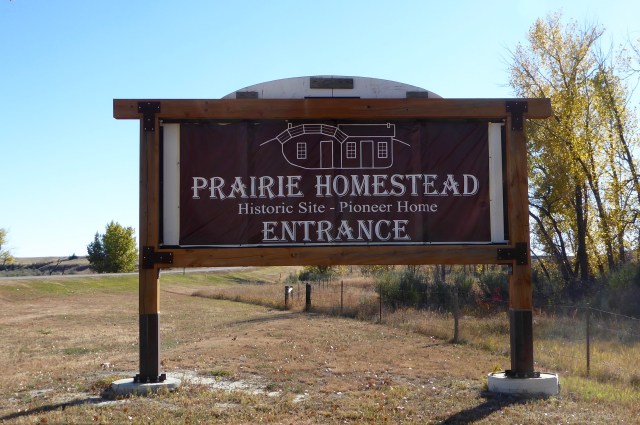
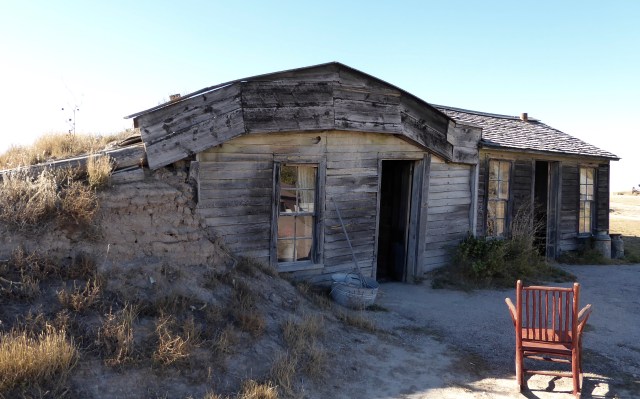
On our way back to the campground we stopped at the Prairie Homestead Historic Site.

p1070868

The wooden portion on the right was a later addition.

This sod house was built in 1909 after Mr. and Mrs. Ed Brown obtained the surrounding 160 acres under the Homestead Act. Their obligation was to build a house, plow some acreage and live here for five years.

Because of the harshness of the land, less than twenty percent of homesteaders in this area were able to make a living and actually receive their land “patent.” Beating the odds, the Brown family lived here until 1936 and a renter worked the land and lived in the house until 1949.

Those who came west on the Oregon trail, or lived in mining towns, or lived in sod houses seem far heartier than we are these days!  But of course, I’m just speaking for Elko, Randy and me!

Posted in Uncategorized | Leave a comment

Way Above Average!

We go to a lot of museums. Nearly every town has one or two or three. I love them but sometimes Randy takes a break and stays home. He did that in Bozeman – but not due to museum fatigue.

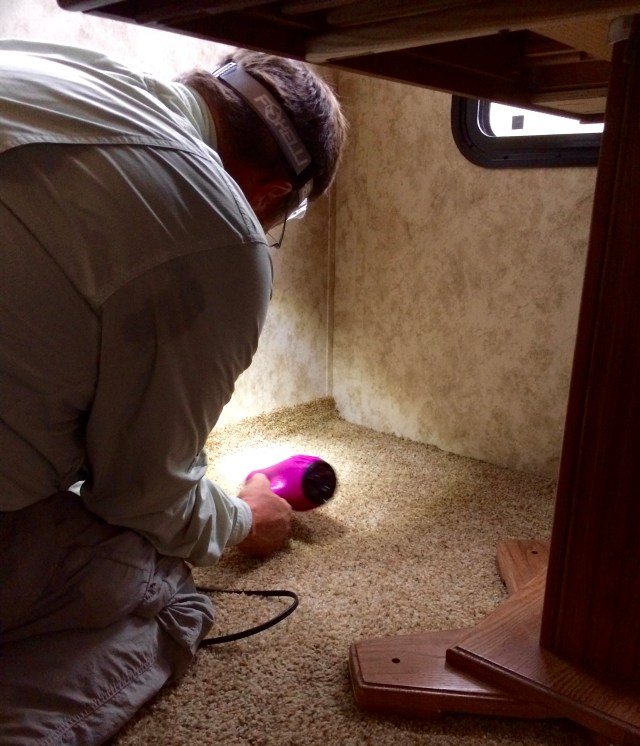
img_1936It rained a lot during our three days in Bozeman and we ended up with leaks in the same two spots he had fixed before. Handy Randy was very unhappy to spend parts of two days drying the carpet and subfloor again. It was too cold outside to reseal anything so he dried it out, taped it up, and will have to wait for warmer weather to tackle it again.

p1070635

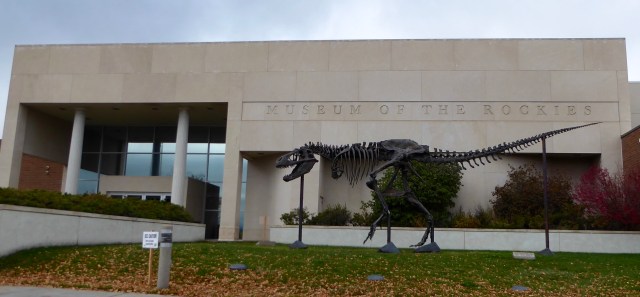
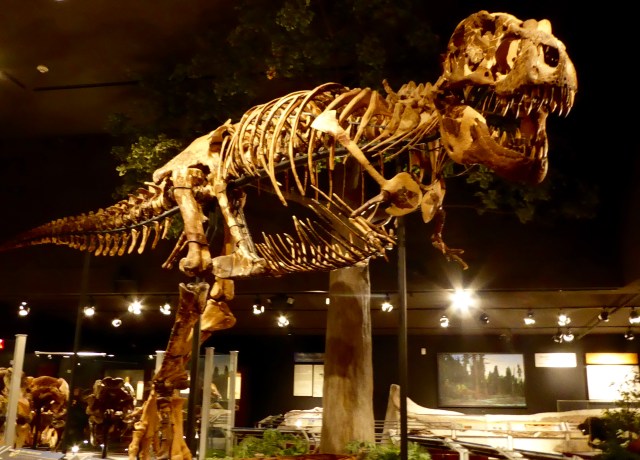
I escaped to the Museum of the Rockies on the Montana State University campus. The big deal at this museum is the impressive dinosaur collection.

p1070646

p1070636

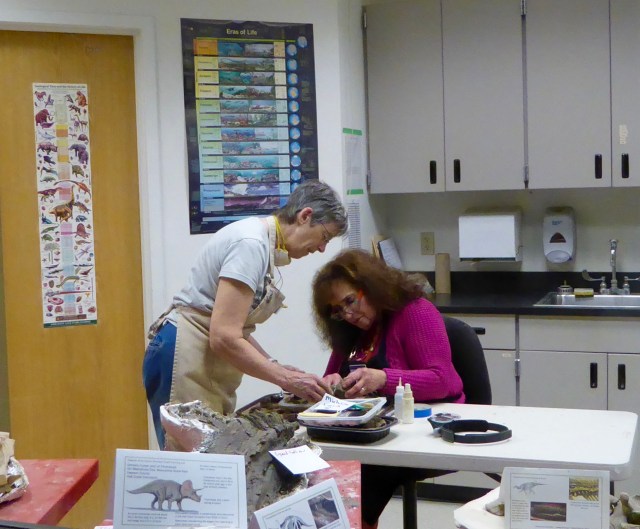
Digs and research are on-going.

The Bozeman museum boasts the largest collection of triceratops specimens in the world. Triceratops is the most common dinosaur found in the Hell Creek Formation which encompasses parts of Montana, Wyoming, North Dakota and South Dakota.

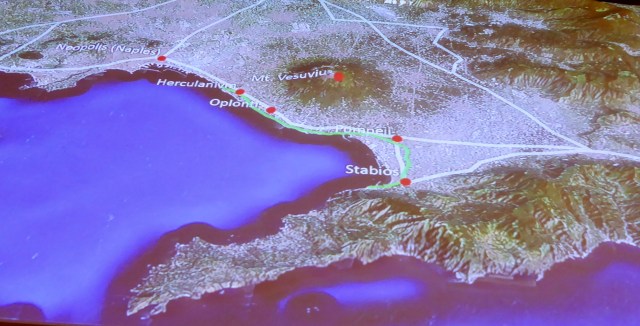
For many years, I learned enough about dinosaurs to stay ahead of my kindergartners. I find them interesting but was more interested in the museum’s visiting exhibit on The Oplontis Project.p1070665

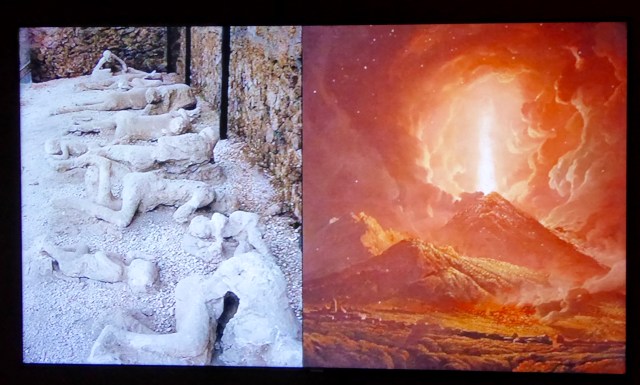
Oplontis , along with Pompeii, was destroyed by the Mount Vesuvius eruption in AD 79.

p1070664

Although Oplontis has been known for many years, the University of Texas began the first ever comprehensive assessment and examination in 2006.   They are focusing on two adjacent villas. A Montana State University art history professor works with the project examining remnants of frescos that adorned villa walls.

The surviving artifacts are fascinating.


In Room 10 of Villa B, excavations found 54 skeletons of men, women and children. Skeleton 27 had a purse and box containing a large amount of jewelry and coins – perhaps the villa proprietress.


It is amazing the things you find in a Montana Museum! The same can be said of Wyoming Museums!

p1070684

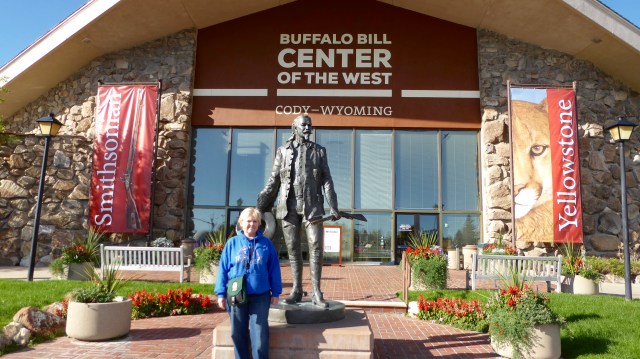
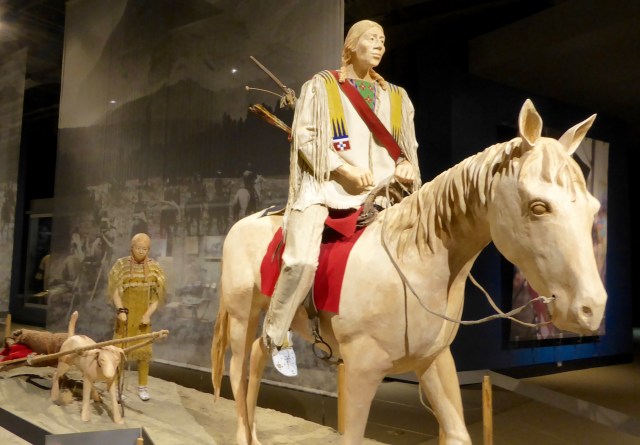
In Cody, we spent most of a day at the Smithsonian affiliated Buffalo Bill Center of the West. There are five museums in the complex and we enjoyed wandering through and examining exhibits in the Natural History Museum and the Plains Indian Museum.

p1070728

We walked through the Western Art Museum but we are “art impaired” and the audio tour wasn’t working well enough to help us out.  We were in and out fairly quickly.

p1070715

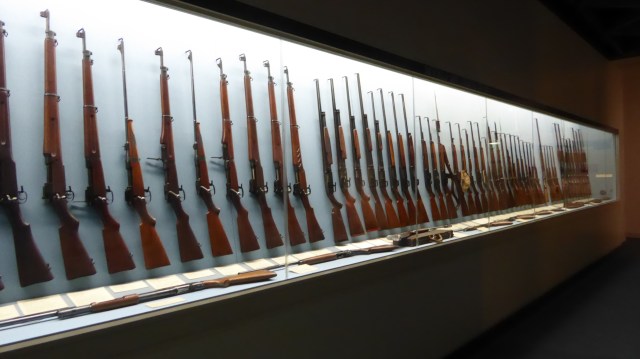
We are also “gun impaired” or at least mostly “gun uninterested.” Even so, the sheer quantity of guns was impressive. I was told there are 3500 guns on display with another 2500 in reserve. An expansion of the facility is in the works. Handguns, rifles and various other firearms are displayed both by year and by manufacturer. If you are into guns – the Cody Firearms Museum should be on your bucket list.

p1070730

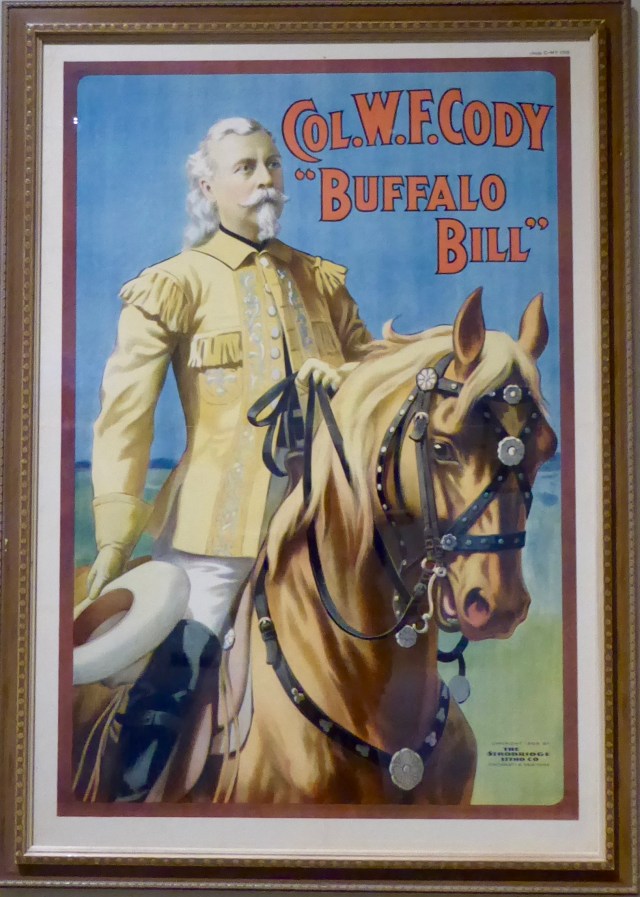
We were primarily interested in Buffalo Bill Cody, namesake for the museum and town. He began his work life at age eleven following his father’s death. He worked for a transport company and perhaps for the pony express. Cody received the Medal of Honor in 1872 after serving in the Union Army and was a scout for the US Army during the Indian Wars.

He earned the Buffalo Bill moniker as a supplier of buffalo meat for Kansas Pacific Railroad workers. Reportedly he killed more than 4000 buffalo in 1867 and 1868, but supposedly never killed for sport.

p1070694

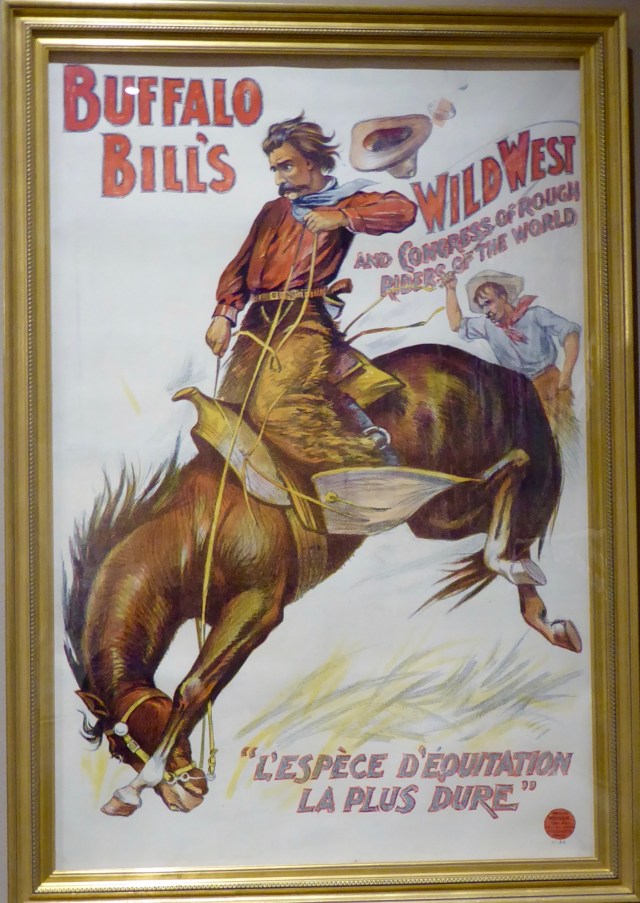
He founded Buffalo Bill’s Wild West in 1883 and took the very large company on tours throughout the United States and Europe.

p1070691

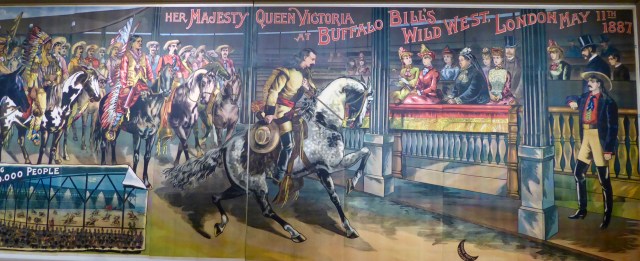
In 1887 his company performed for Queen Victoria on the occasion of her 50th Jubilee. He became an international star.

Bill Cody married Louisa Frederici as a young man and they had four children together. Two died very young and a third died as a young adult. The marriage was rocky during their 51 years together.   Bill was rarely home given his military career and his refusal to take Louisa along when traveling with his western shows. At one point they divorced in scandle but eventually reunited.

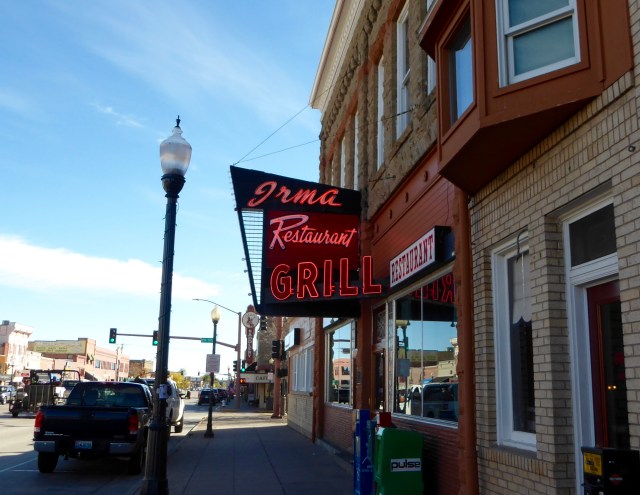
Buffalo Bill Cody did not handle money well and died a poor man. He left his western show legacy and the namesake town of Cody. In 1901, on Cody’s main street, he built a saloon and hotel and named it for his surviving daughter, Irma.

p1070733

We ate breakfast at the Irma, now on the National Register of Historic Places.

p1070738

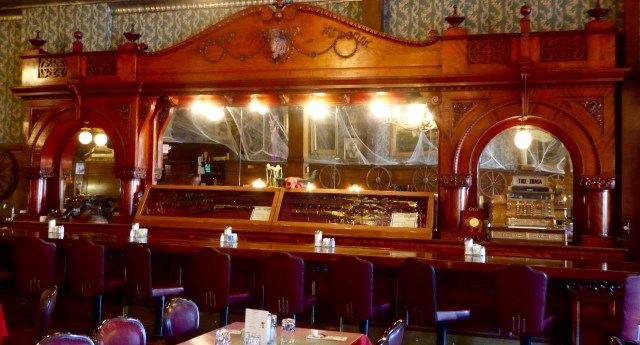
We saw the bar that Queen Victoria sent him in thanks for his Wild West Show’s visit to London.  The cherry wood bar cost $100,000 in 1900. It was made in France, shipped to New York, railed to Montana and brought to Cody by wagon.

We are finding interesting things out here in museums and old hotels!

Posted in Uncategorized | 1 Comment

Gifts of the Lifestyle near Kalispell

Traveling full time is a lifestyle with wonderful gifts. Of course, there are people and things we miss from our old life, but we have experiences on the road we just wouldn’t have staying in Boise.  Being near Kalispell has highlighted that once again.

One of the best gifts of the lifestyle is seeing friends and family that we wouldn’t see otherwise. We’ve also been able to connect again with people we’ve met while traveling. We always have such a good time!

p1070618

This week we were able to see former Boise friends, Lori, Mindy and Travis who moved to Kalispell about fifteen years ago. We enjoyed dinner, conversation and the opportunity to meet Mindy’s family.  We missed Mark, their husband and father, who passed away during the intervening years.

p1070615

We had a wonderful time catching up with their lives and seeing Lori’s lovely Montana cabin. They welcomed us so graciously, thank you!

Another gift of the road is to see and explore some really beautiful places – places like Glacier National Park!

p1070587

Twenty five glaciers remain at Glacier National Park.  In 1850 there were 150 and the projection is that all will be gone by 2030.

p1070508We drove east across the park on the Going to the Sun road.

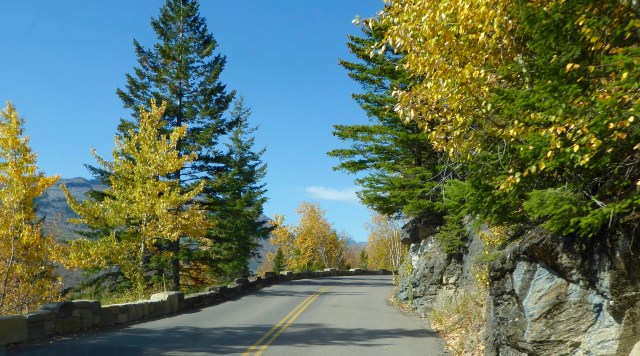
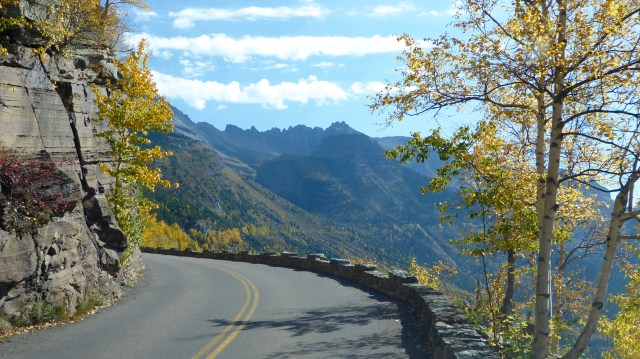
p1070523Construction of the Going to the Sun road began in 1921 and was completed in 1932 . The road is a National Historic Place, a National Historic Landmark and Historic Civil Engineering Landmark. The narrow two lane road hugs the mountainside and crosses the continental divide at Logan Pass. It is just short of 50 miles long.

The road is only open for a few months each summer due to snow levels that can measure 80 feet deep at Logan Pass. It usually takes about 10 weeks to open the road in the spring and early summer, at a plow rate of 500 feet per day.

p1070545

Wooden guardrails are removed each fall and replaced each summer so they are not destroyed by avalanches.

p1070513

Re-growth after the 2003 Loop Fire.

p1070499

We went to Glacier National Park years ago when our family was on a quest to stay in all the Great Lodges of the West. There are four lodges in Glacier-Waterton National Park and we stayed a couple nights in each of them.  As a result, we didn’t feel compelled to see everything we could see this time, we just enjoyed the road and the scenery.

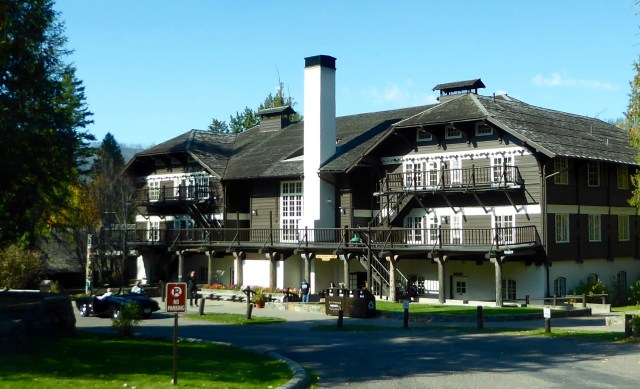
p1070480We did drive by Lake McDonald Lodge – It looks the same, just a grayer shade of brown.

p1070507

A lovely fall day at Glacier!

What a gift to travel the Going to the Sun road on a beautiful day in late September!  The road could be closed in just a few short weeks.

p1070597

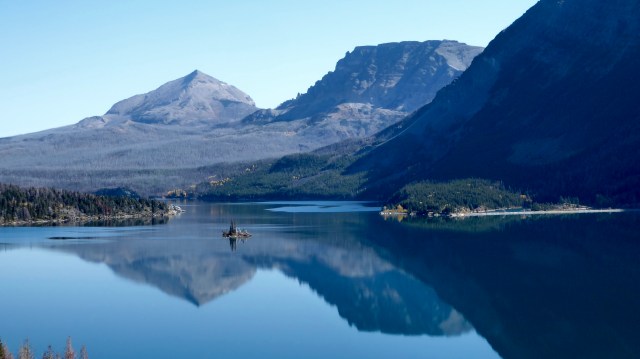
Reflections on Saint Mary Lake.

When we exited the park on the east side, we looked for a place to have lunch but found that almost everything was closed for the season. The place we did find was closing two days later so our choices were limited – but we managed.

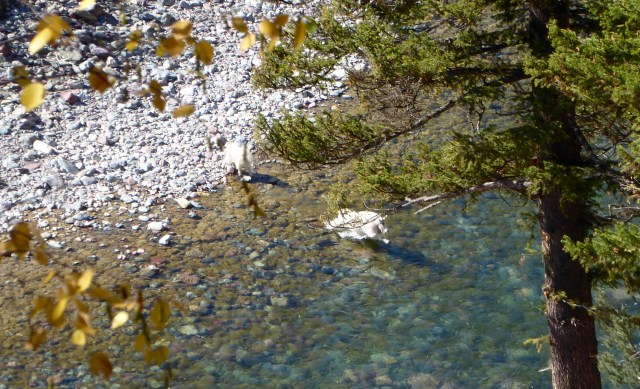
We drove back towards Kalispell along the southern border of the park and went to an observation deck above a natural goat lick. We even saw goats! The people there before us said there were two adults and three kids. I’m not sure we saw them all, or at least not very well, but I did get a picture of two of them preparing to swim back across the river.

p1070611

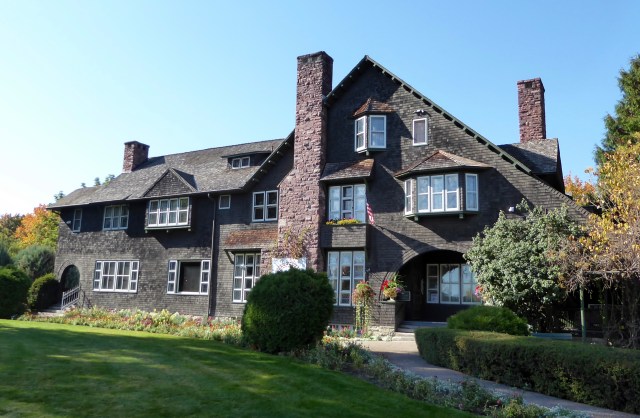
One of my favorite gifts of the road is learning about new places and people and hearing the stories.  I went on a tour of the Conrad Mansion Museum in Kalispell.

p1070625

Conrad Mansion – Built in 1895

The Conrads were the first family of Kalispell and this home is unique in that their youngest daughter lived on the mansion grounds until it was donated to the city as a museum. Ninety percent of the furnishings belonged to the family, something different than most historic homes we’ve seen.

Back at the trailer, Randy participated in another of the “gifts of the road” – non stop maintenance on our rolling home.

p1070626

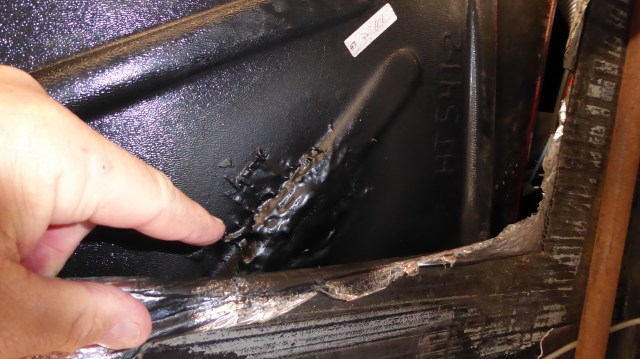
He found that one of our gray water tanks, the one associated with the kitchen sink, has a crack in the bottom. He has tried a few “solutions” but it is still a work in progress. I’m confident he will get it fixed.

We have been staying at a campground in a small town south of Kalispell called Lakeside. It too is closing for the season after tonight and we will be heading south to Bozeman to the one and only campground that is still open there.

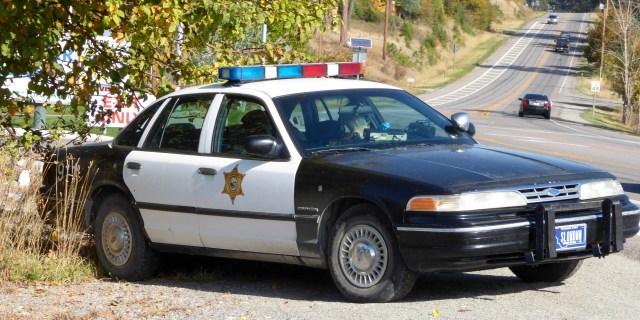
We’ve enjoyed some small town quaintness while we’ve been here. This police car is moved to a new location each day but the police mannequins never get a day off!

p1070621

We have also been fortunate to get the local paper as a benefit of our campground stay. Much of the information didn’t mean anything to us but we did find the people-bear interaction stories interesting.  We also enjoyed the police blotter reports.  Here is a sample!

8:31 a.m. A bear destroyed a chicken coop on Kuzmin Lane in Coram. Now seven of the original 11 chickens have gone missing.

10:34 a.m. A Kalispell woman reported that the neighborhood woman has the wrong idea about her.

Until we meet again from Bozeman….


Posted in Uncategorized | 6 Comments

Missing the Missoula Must-Dos

When we arrive in a town I typically look at Trip Advisor to find the “must dos”  in the area. For Missoula, must dos 1-5 are:  A Carousel for Missoula, Garnet Ghost Town, Rocky Mountain Elk Foundation, Aerial Fire Depot- Smokejumper Center and the University of Montana.

We have no excuses for missing the Carousel or the University of Montana – we just weren’t persuaded. We had just been to two Montana ghost towns and Garnet is way up a dirt road and we just didn’t go. We’ve seen lots of dead animals so no thanks to the Elk Foundation. We toured the  Smoke Jumper Unit in Winthrop, Washington a couple years ago and assumed Missoula’s would be similar. I don’t mean to disparage any of these places because they all get terrific reviews and are surely worthy of a visitor’s time.

Instead, we went all the way down the Trip Advisor list to #8 Fort Missoula Museum and #23 The Historic Ninemile Remount Depot.

p1070357

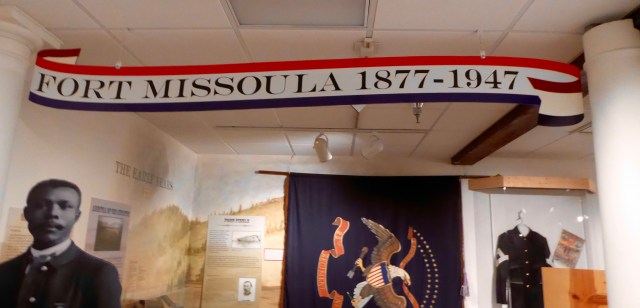
Fort Missoula has an interesting, and varied history.   It was established as a permanent military post in 1877 at the request of locals who feared Indian conflict, even though nothing problematic had ever occurred here.

p1070379

The non commissioned officers quarters, built in 1878, is the oldest building remaining from Fort Missoula.

Almost immediately, the presiding captain received orders to meet and turn back the Nez Perce Indians, led by Chief Joseph. The Nez Perce simply went around the soldiers’ barricade in Lolo Canyon and the site was subsequently called “Fort Fizzle.”   (The Nez Perce were en-route to ask for support from the Crow but were denied by Chief Plenty Coups. We learned about Plenty Coups, and his pledge not to fight the white man,  when we volunteered at the Montana historical park maintaining his homesite.)

p1070362

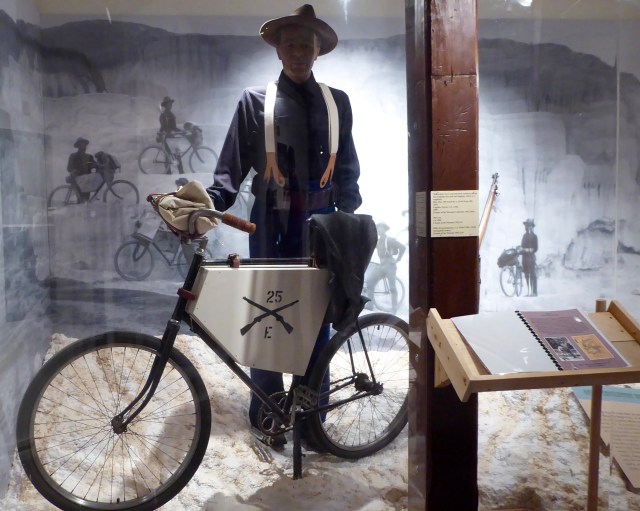
The 25th Infantry Regiment arrived at Fort Missoula in May 1888. It was one of the segregated units of the Army known as Buffalo Soldiers. The 25th were part of an experiment  equipping regiments with bicycles to determine their viability for military use in different terrains.

p1070367

Training trips included excursions to Lake McDonald in what is now Glacier National Park, Yellowstone National Park and St. Louis, Missouri. Although the trips were successful, the overall decision was to discontinue bicycle equipped regiments.

Fort Missoula was used for training through World War I, abandoned for a time, and then used as a Civilian Conservation Corps camp in the 1930s.

p1070368

When World War II began, one thousand Italian men caught in limbo were brought to Fort Missoula to wait out the war. Sixty eight had been workers at the World’s Fair. They were treated well and called Fort Missoula “Bella Vista.”

Over 1000 Japanese Americans were also interred at Fort Missoula. It cost 49 cents per day to hold Italian and Japanese “guests” which included 40 cents for food, five cents for clothing and two cents each for laundry and medical care. (We have visited several internment camps but had never before read that Canada also interred their Japanese citizens, this done at US request.)

Fort Missoula closed down in 1947, eventually becoming the Fort Missoula Museum. Over time other buildings were moved onto the site.

p1070383St. Michaels church was built in 1863 and moved to museum in 1981.

p1070381
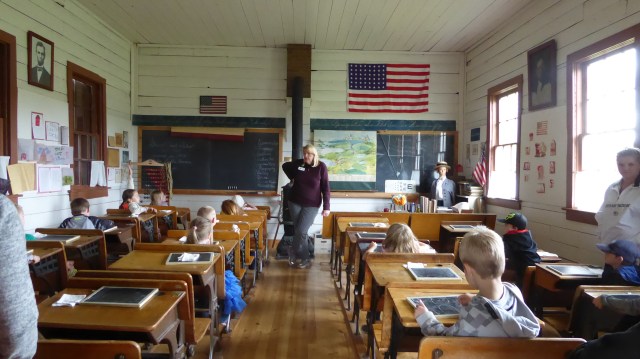
A Missoula school group was enjoying a field trip to the museum’s one room school house.

p1070425Our second outing, #23 on Trip Advisor, was to the Ninemile Remount Depot.

A brief history:  The Forest Service was created in 1905. Three million acres of Idaho and Montana burned and 82 lives were lost in 1910.  Between 1910 and 1929 Rangers throughout the northern Rockies used horses and mules to develop trails, fire look-outs and fight fires.  In 1930 the Ninemile Remount Depot was established to provide a centralized location to develop stock for the Forest Service.

p1070402The remount station buildings were built in 1934 and 1935 by the CCC (more on them later). When the bell rang, it was time for dinner or there was a fire.

p1070409

When there was a fire, a truck with nine mules, a horse, and supplies for 25 men were moving within 15 minutes.  The truck stopped briefly at the scales to ensure bridges along the way could handle the load.

p1070423

The scale determines the bridges can handle Randy.

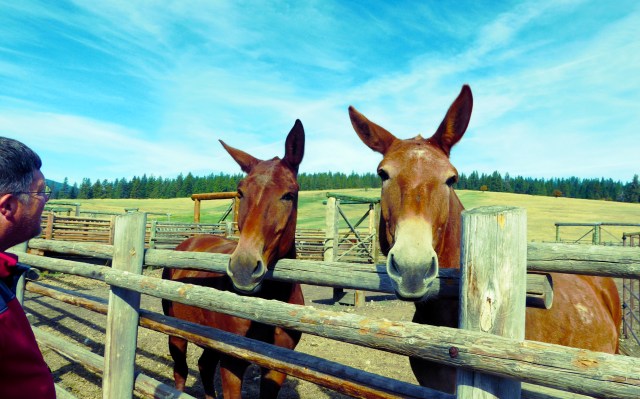
Today, the remount depot is a historical site but also a working ranch. There are fewer mules and horses and the work is typically trail maintenance instead of fire suppression.

p1070403


p1070419

Fires suppression equipment has advanced over time.

p1070429

More than 200 Forest Service mules and horses winter at Ninemile each year.

When leaving the Remount Depot, we saw a sign for the Ninemile CCC Camp. Trip advisor didn’t even list that!

p1070457

We went up the bumpy road a few miles and saw the remains of the nation’s largest Civilian Conservation Corps camp. Over 500 young men worked from this location.

p1070441

CCC workers built campgrounds, buildings, bridges, irrigation systems and much more all over our country during the Great Depression. They made $25 per month, $20 of which was sent home to families.

p1070444

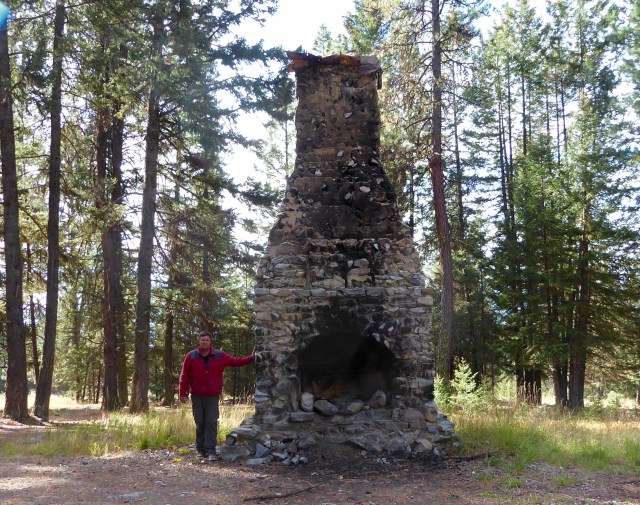
Today, all that remains is a partial foundation for one barracks and the chimney from the officers’ quarters.

p1070455

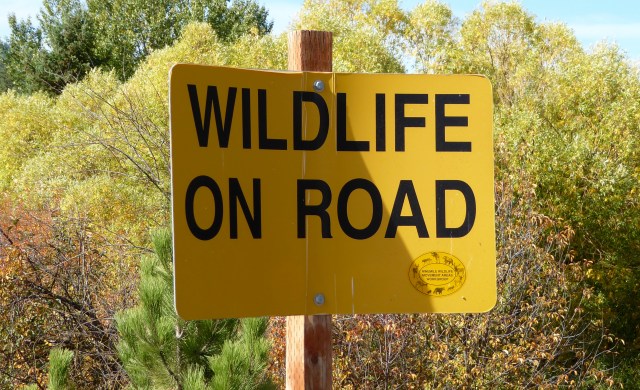
Of course, the results of CCC work remain all across our country. We see them all the time in our “wild life on (the) road.”

p1070460

Randy added this bit of humor. He even had to backtrack so I could get the picture.

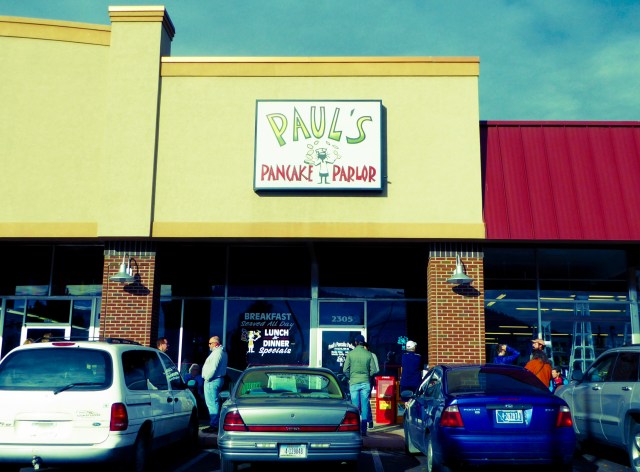
After ignoring it previously, we did follow Trip Advisor’s recommendation for a restaurant for my birthday breakfast.

p1070394

We went to Paul’s Pancake Parlor, a popular place.

p1070397

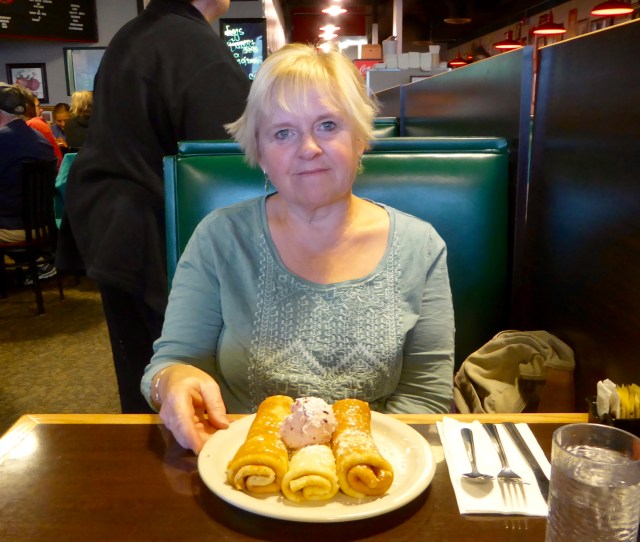
Randy had his usual chicken fried steak and eggs but I followed the pancake theme, ordering them Swedish style.  I learned to eat rolled pancakes from my Swedish grandfather but hadn’t eaten them that way in many years. Remembering you Grandpa Edd!

p1070396

Posted in Uncategorized | 3 Comments

Deer Lodge Duo

The campground we stayed in near Butte was one of my favorite campgrounds anywhere. The sites were spacious, the scenery was beautiful, and Elko and I enjoyed the cows.

p1070080

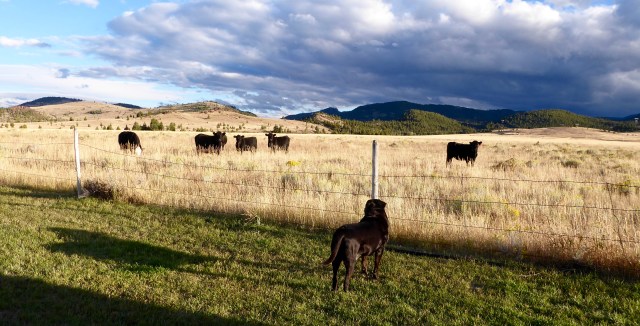
Sometimes the cows seemed concerned about Elko and as though they were trying to determine how one of the calves got out. Other times Elko would decide they were too close to our trailer and move them off. He showed us years ago that he could herd cows, a skill he learned in his life before us.

p1070073

The other reason this campground was ideal was for its location.  We saw so much during our week in the area that I’ve already written two blogposts about places we visited, and now I write a third. This time our trip went north to Deer Lodge to visit the Grant-Kohrs Ranch and the Old Prison Museum Complex.

p1070321

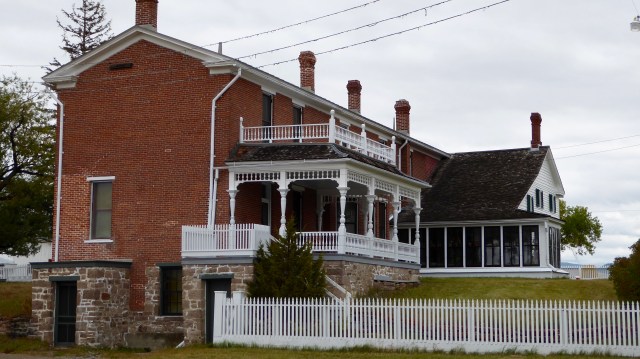
Grant-Kohrs is a national historic site and a working ranch. It was deeded to the National Park Service by Kohrs family decedents as a way to preserve history and the ranch.  It opened to the public in 1977.

p1070278

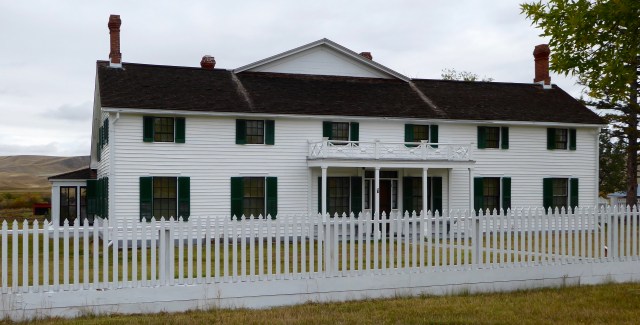
When built, Jimmy Grant’s house was the nicest of its kind in Montana.

The first owner, Jimmy Grant, became one of the original Montana cattle barons. After the Civil War, cattle were scarce in the east and the western cattle industry filled the need. Cattle barons developed herds, mostly grazing on open range, and drove them to towns where trains moved the cattle east for slaughter.

Conrad Kohrs started his business by buying cows from Jimmy Grant, butchering them  locally and selling the meat to miners in the area. Conrad Kohrs eventually bought the ranch and herds from Jimmy Grant, who returned to his native Canada.

p1070290

We were able to tour the house with a ranger, but they did not allow pictures inside.

The original ranch house was expanded after Conrad Kohrs married Augusta.  They, along with Conrad’s brother, ran the ranch and other business interests for many years.  Grandson Conrad Warren began managing the ranch in 1932.   His wife, Nell, was responsible for recognizing the historic value of the ranch and was instrumental in saving the documents and items which reveal so much today.

p1070289

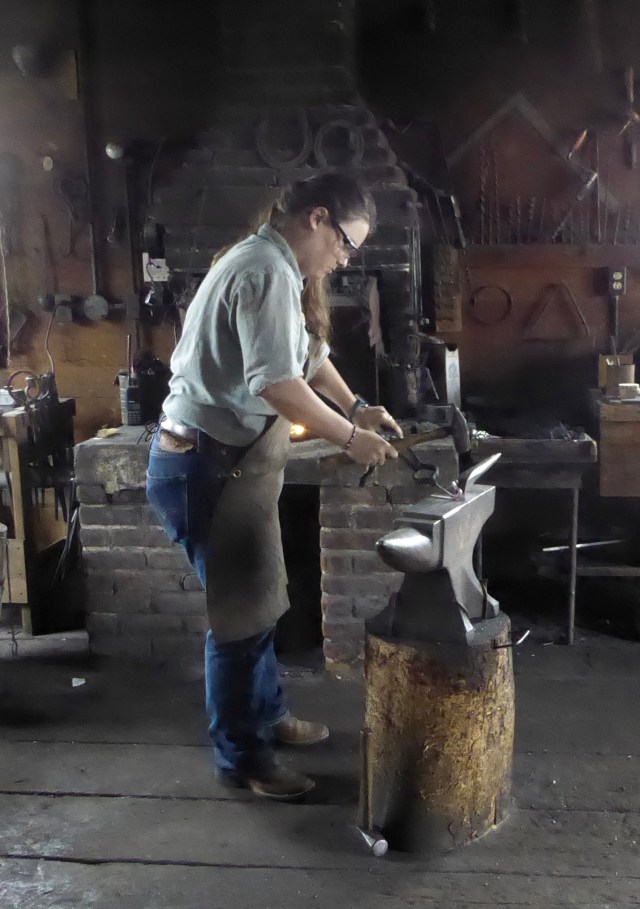
As a historic ranch, period methods are still used, including blacksmithing needed repairs.

They also grow hay for the cattle herd which is maintained at about 100 head.    Near fields use horses and plows while outer fields use modern techniques.   The Beaverslide method of stacking hay began in southwestern Montana and makes “bread loaf” hay stacks.  Hay is pulled off one end of the loaf when needed.

Resident cattle and horses are joined by national forest service horses during the winter months.  A reduced crew cares for the ranch and all animals.

p1070299

The fence behind the deer is a jack fence.

The very stable fence uses lodgepole pine and does not require sinking posts into the rocky ground. It takes eight conservation youth working hard all summer to replace one mile of jack fence.

There are many exhibits around the ranch, some to see and some to experience!

p1070291

At least he tried!

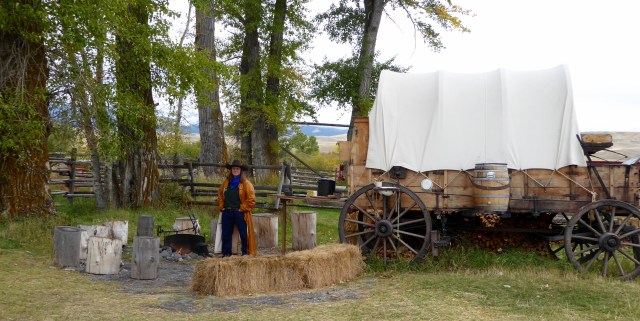
Charles Goodnight is credited with creating the first chuckwagon while preparing for a cattle drive. He, like other cooks,  was the most important person on the cattle drive and made $40 per month.

p1070284

We enjoyed a chat and a warm cup of coffee with this chuckwagon cook.  She is a seasonal ranger from Los Angeles and, hopefully, makes more than $40 per month.

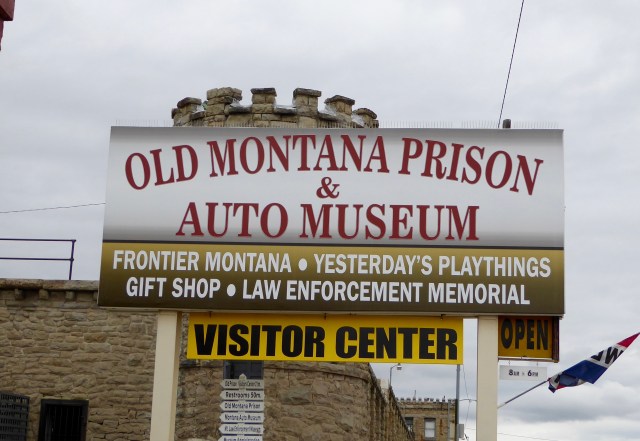
We enjoyed our visit to the the Grant-Kohrs Ranch and then we moved down the road a few miles to the Old Montana Prison and Auto Museum.

p1070324

The Old Montana Prison opened in 1871. Plagued with inadequate funding, first from the territory and then the state, the warden received approval to use convict labor to build additional cell buildings and walls.

p1070335

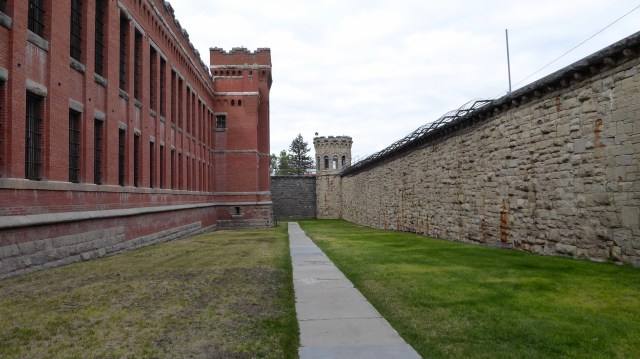
The prison walls are 24 feet high and buried four feet deep to prevent escape by tunneling.


p1070337

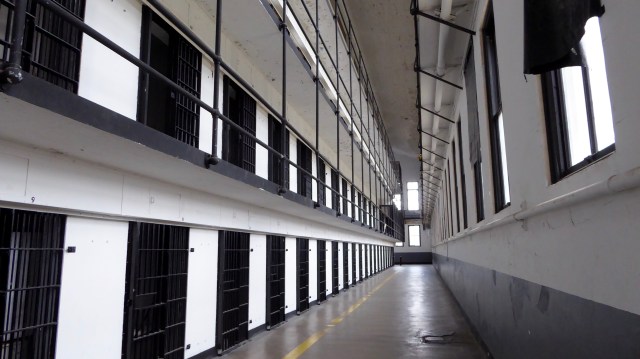
Cells were designed for one, but almost always held two prisoners.

Overcrowding was a constant problem throughout the use of the prison.   Frank Conley  became warden in 1890 and worked for 30 years to provide jobs and opportunities within the prison to rehabilitate prisoners and keep them productive.    Other wardens took a different approach but still had to deal with underfunding and overcrowding.

Both factors contributed to a riot in 1959 that made the national news.  Ringleader Jerry Myles and two accomplices seized rifles in both cell houses. They held 26 prison employees and other inmates hostage for 36 hours.  Deputy Warden Ted Rothe was killed.

p1070342

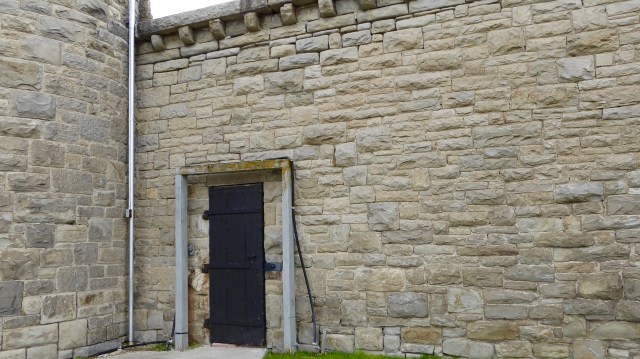
The Montana National Guard ended the riot with tear gas and an anti-tank bazooka. The damage from the bazooka is visible on tower five where the ringleaders were holed up. Montana National Guardsman stormed the prison and regained control.

p1070339

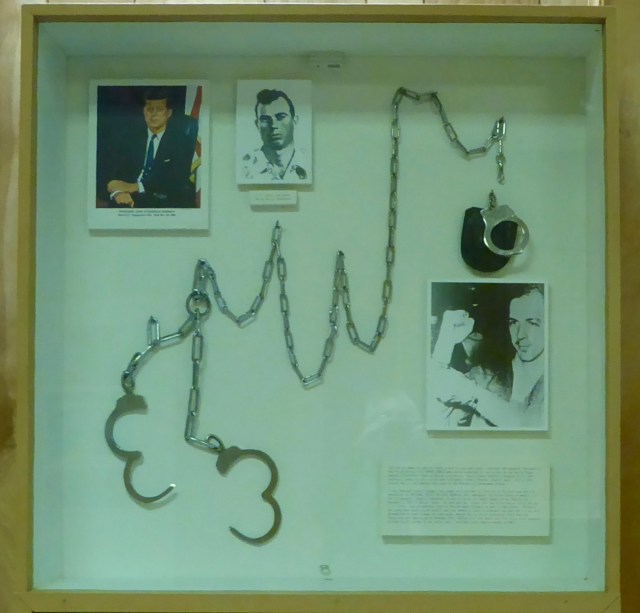
These handcuffs held Lee Harvey Oswald after he was arrested for killing President Kennedy. They are on display at the prison.

p1070327

The last prisoners were moved to an updated facility in 1979.

p1070351There are five museums in the prison museum complex. We only had time to take a quick look at one more, The Car Museum. There are 160 nice cars here!   Sixty percent are owned and on loan by the proprietor of the local saw mill.

We spent a week near Butte, and didn’t see it all.    There is always so much to do and see and write about!

Posted in Uncategorized | 2 Comments

A Fun Day in Montana!

p1070203We traveled up a steep and winding mountain road to Granite Ghost Town State Park. We didn’t need 4-wheel drive, but our truck’s high clearance was a good thing. Four miles up we found the remnants of a 1890s silver mine and boomtown.

p1070170

Interesting visitor center for this Montana State Park!

p1070189

This was Main Street.

Three thousand people once lived in Granite which had a library,  hospital,  school,  newspaper, saloons and churches.  Chinatown and a red light district were nearby.

The largest building in town was the miners’ Union Hall. It was a three story building with union offices, a recreation hall and an event center with a special “spring floor” for dancing.

p1070182

Randy and Elko climbed up behind the Union Hall’s back wall.

P1070169.jpg

There was one bank and it was stout as it is the most complete building remaining.

p1070226Of course, Granite was here because of the nearby silver mine.   Interesting tidbit, the mine backers gave up on the venture and sent a message to end operations. The message was delayed and what should have been the last shift found the silver that was eventually worth $40,000,000.

p1070222

p1070196

This was once the mining office.

The 1893 silver crisis closed the mine and, like many other mining boomtowns, Granite faded away.

p1070191

Visitors seem to be collecting old glass and pottery shards.


Randy shows off a 100+ year old square nail and a cable with 32 strands.  The cable was used to trolley the ore to another plant 8,750 feet down the mountain side.  That is a long cable, since it had to run back up the hill too.  That is at least 17,500 feet of cable, or about 3.3 miles worth.

p1070232

Back down the mountain in Phillipsburg, we had lunch and then went to the highly recommended Sweet Palace. What a candy store!

p1070231

That’s Randy in the back left – filling his bags!

Randy loves salt water taffy and they had so many flavors made on the premises.  I asked him to get me a few pieces of licorice taffy but he didn’t want to contaminate his bag.   So I got my own and gathered a few other flavors he wouldn’t like.   Meanwhile Randy filled a second bag! I got a few dark chocolate covered pretzels and a few hard candies and pretty soon we had $29 worth of candy. Crazy for people who don’t eat much candy!

p1070268

Serene’s are on the left, Randy’s are on the right.  He says all of his are calorie free. It will, or should, take us a long time to eat all this taffy – hopefully it will stay soft.

p1070233Our fun continued at Montana Gems. We bought a 35 pound sack of gravel and sifted and washed through it looking for sapphires.

After we found ten sapphires, employee Doug went through our tailings and found three we had missed.

p1070251

p1070241

And then Doug loved on Elko because, well, why wouldn’t you?

p1070253

The fun final results were 13 sapphires found, 7 of which are worth cutting, totaling 9.3 carats. (The six smaller sapphires were 3.75 carats combined.)   We could have had them cut for $20 each but since I don’t know what I would do with them, we just took them home. Something to think on….


Posted in Uncategorized | Leave a comment

Mining in Butte: The Good, the Bad and the Super Toxic

When we set off on this journey two and a half years ago, we didn’t realized it would be a lesson in mining. We have seen gold, silver, copper and iron mines across the west and in Minnesota. We have been underground numerous times and have looked out at open pit mines with sadness. I can even write a coherent paragraph about mining with very little fact checking. Immersing ourselves in mining wasn’t the goal but here we are in Butte, at the foot of the Richest Hill in the World.

p1070047

We toured the Copper King Mansion, home of William Andrews Clark. A former school teacher, Clark avoided being drafted into the Civil War and traveled west to pursue mining. He made a little money mining in Colorado and Bannack, Montana but made much more by establishing a trade route to Salt Lake City and overcharging other miners for needed supplies.

p1070066
Clark purchased six area mines and became one of three copper kings in Montana.

Clark’s business interests were varied and he was once the second richest man in America. His railroad interests intersected in an area that became Las Vegas, Nevada.  The encompassing Clark County was named for him, as was Clarkdale, Arizona.

The Clark family gave philanthropically to causes around the country including museums, a library, a memorial home, an orphanage, a camp, and an art collection.

Less admirably,  Clark bribed Montana legislators to send him to the US Senate reportedly saying “I never bought a man who wasn’t for sale.” The US Senate refused to seat him because of the scandal but one term later Clark won election and served as the US Senator from Montana.

Construction began on the Butte mansion in 1884 and was completed 4 years later at a cost of a half million dollars – a half day’s wage for Clark. It was one of seven mansions the family owned, six in the US and one in Paris. After family members living in the home died, it and interior items were sold. The mansion served a variety of purposes until it was purchased by the Cote family 40 years ago.

p1070060

The Cote family spent much time and money restoring the mansion and furnishing it with period pieces. A few Clark family items were purchased or donated back. Today it is a reasonably priced bed and breakfast with rooms that must be vacated for tours between 10:00 am and 4:00 pm.

p1070122

We also visited the World Museum of Mining. It has acres of exhibits and a recreated mining town. They offer an underground tour but we chose to pass this time.

p1070104

There is a large exhibit of the many rocks and minerals found in the Butte area.

p1070095

Randy’s Ben and Jerry’s T-shirt glowed like the minerals under the ultraviolet light!

p1070097

Labor Unions once flourished in Butte and the city was called the Gibraltar of Labor. When the mines were sold to corporate America, the labor situation worsened and became dangerous. During World War I the emphasis was “just get the ore out” and the labor situation deteriorated even more. There was a period of union suppression until the New Deal allowed for unions once more.

p1070142

The Granite Mountain Memorial provides the opportunity to remember 168 miners who died in the Speculator Mine from an accidental fire and the subsequent smoke and poisoned air. The memorial site has audio readings of letters the trapped miners wrote to loved ones during the day or two before they died. The accident on June 8, 1917 remains the world’s largest hard rock mining disaster.

p1070146Also commemorated are the 2500 Butte miners who died from mining related causes between 1870 and 1983.  That’s a lot of men.

p1070156

Mining in Butte has the good (wealth and employment), the bad ( accidents, illness, death and labor unrest) and the super toxic.  See the Berkley Pit….

p1070129

Once underground mining strategies became less profitable, the Berkley Pit was dug to continue mining copper and molybdenum, a steel hardener. Operations began in 1955 and were shut down in  1982.   The pumps keeping ground water out of the pit and out of the underground shafts were then turned off. The water level in the pit rose and was found to be toxic with high levels of minerals, sulphuric acid and arsenic.  The pH levels measure 2.5 instead of the normal 7.

The Berkley Pit has been a Superfund Site since the 1980s with efforts focused on cleaning the water before it reaches critical levels and backfills into the Clark Fork River, projected to happen in 2023.

p1070131This plant has cleaned the water enough to be used in other mining operations,  slightly delaying the rise,  but not enough to be released.

p1070030

The ramifications of failing seem disastrous for Butte and the environments downstream.   Residents seem to have confidence in the scientists working on the problem.  Let’s hope they are right!

Posted in Uncategorized | 4 Comments